


1623 Results
Form:
books
books

Title:
Cyberfeminism index
Cyberfeminism index
Actions:
Price:
$62.00
(available to order)
Summary:
When learning about internet history, we are taught to focus on engineering, the military-industrial complex and the grandfathers who created the architecture and protocol, but the internet is not only a network of cables, servers and computers. It is an environment that shapes and is shaped by its inhabitants and their use.The creation and use of this Index is a social(...)
$62.00
(available to order)
Summary:
When learning about internet history, we are taught to focus on engineering, the military-industrial complex and the grandfathers who created the architecture and protocol, but the internet is not only a network of cables, servers and computers. It is an environment that shapes and is shaped by its inhabitants and their use.The creation and use of this Index is a social(...)
Title:
Cyberfeminism index
Actions:
Price:
$62.00
(available to order)
Summary:
When learning about internet history, we are taught to focus on engineering, the military-industrial complex and the grandfathers who created the architecture and protocol, but the internet is not only a network of cables, servers and computers. It is an environment that shapes and is shaped by its inhabitants and their use.The creation and use of this Index is a social and political act. It takes the name cyberfeminism as an umbrella, complicates it and pushes it into plain sight. Edited by designer, professor and researcher Mindy Seu (who began the project during a fellowship at the Harvard Law School’s Berkman Klein Center for the Internet & Society, later presenting it at the New Museum), it includes more than 1,000 short entries of radical techno-critical activism in a variety of media, including excerpts from academic articles and scholarly texts; descriptions of hackerspaces, digital rights activist groups, bio-hacktivism; and depictions of feminist net art and new media art.
Cyberfeminism index
Actions:
Price:
$62.00
(available to order)
Summary:
When learning about internet history, we are taught to focus on engineering, the military-industrial complex and the grandfathers who created the architecture and protocol, but the internet is not only a network of cables, servers and computers. It is an environment that shapes and is shaped by its inhabitants and their use.The creation and use of this Index is a social and political act. It takes the name cyberfeminism as an umbrella, complicates it and pushes it into plain sight. Edited by designer, professor and researcher Mindy Seu (who began the project during a fellowship at the Harvard Law School’s Berkman Klein Center for the Internet & Society, later presenting it at the New Museum), it includes more than 1,000 short entries of radical techno-critical activism in a variety of media, including excerpts from academic articles and scholarly texts; descriptions of hackerspaces, digital rights activist groups, bio-hacktivism; and depictions of feminist net art and new media art.
Form:
books
books
Publication:
October 2022
October 2022
Subject:
Gender Theory in Architecture
Gender Theory in Architecture
Form:
books
books
Actions:
Price:
$63.00
(available to order)
Summary:
Despite its importance to place-making, urban planning, and the environment, landscape design has often played an inferior role to architecture. Typically, as little as three percent of a project's construction budget is allocated to the space that surrounds a building, but that is changing. A greater desire to blend buildings into their contexts, ecological(...)
$63.00
(available to order)
Summary:
Despite its importance to place-making, urban planning, and the environment, landscape design has often played an inferior role to architecture. Typically, as little as three percent of a project's construction budget is allocated to the space that surrounds a building, but that is changing. A greater desire to blend buildings into their contexts, ecological(...)
Title:
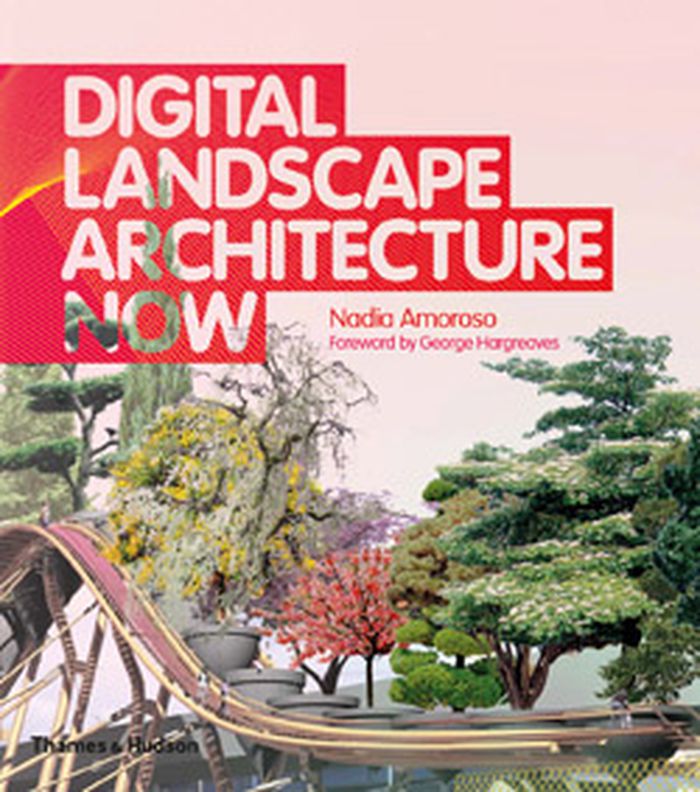
Digital landscape architecture now
Actions:
Price:
$63.00
(available to order)
Summary:
Despite its importance to place-making, urban planning, and the environment, landscape design has often played an inferior role to architecture. Typically, as little as three percent of a project's construction budget is allocated to the space that surrounds a building, but that is changing. A greater desire to blend buildings into their contexts, ecological considerations, legislation, and new definitions of "scaping" have opened up exciting possibilities. Coinciding with heightened social sensitivities, advances in material application, data-driven mapping techniques, and digital technologies and construction methods, landscape designers are producing a new wave of work around the world, reshaping gardens, public squares, leisure areas, and industrial parks. Among the practices included in this survey are designers who have bridged modernism with newer forms (Emergent, West 8); architects whose work fuses with the earth's contours (Zaha Hadid, MVRDV); and a generation of designers only just emerging from universities. Nadia Amoroso is Professor of Landscape Architecture at the University of Toronto and has lectured at Harvard and Cornell universities.
Digital landscape architecture now
Actions:
Price:
$63.00
(available to order)
Summary:
Despite its importance to place-making, urban planning, and the environment, landscape design has often played an inferior role to architecture. Typically, as little as three percent of a project's construction budget is allocated to the space that surrounds a building, but that is changing. A greater desire to blend buildings into their contexts, ecological considerations, legislation, and new definitions of "scaping" have opened up exciting possibilities. Coinciding with heightened social sensitivities, advances in material application, data-driven mapping techniques, and digital technologies and construction methods, landscape designers are producing a new wave of work around the world, reshaping gardens, public squares, leisure areas, and industrial parks. Among the practices included in this survey are designers who have bridged modernism with newer forms (Emergent, West 8); architects whose work fuses with the earth's contours (Zaha Hadid, MVRDV); and a generation of designers only just emerging from universities. Nadia Amoroso is Professor of Landscape Architecture at the University of Toronto and has lectured at Harvard and Cornell universities.
Form:
books
books
Publication:
October 2012
October 2012
Form:
books
books
Actions:
Price:
$60.00
(available to order)
Summary:
The creative imagination is not solely based on the intuitive capacities of individuals. One of the tasks of design education is to help provide the tools, techniques, and methods that enhance constructed imagination. At the same time, the modes and practices of design need to confront the challenges of our contemporary societies. The commitment to societal engagement(...)
$60.00
(available to order)
Summary:
The creative imagination is not solely based on the intuitive capacities of individuals. One of the tasks of design education is to help provide the tools, techniques, and methods that enhance constructed imagination. At the same time, the modes and practices of design need to confront the challenges of our contemporary societies. The commitment to societal engagement(...)
Subject:
Contemporary Architecture
Contemporary Architecture
Publication:
November 2012
November 2012
Title:
Instigations: engaging architecture, landscape and the city
Actions:
Price:
$60.00
(available to order)
Summary:
The creative imagination is not solely based on the intuitive capacities of individuals. One of the tasks of design education is to help provide the tools, techniques, and methods that enhance constructed imagination. At the same time, the modes and practices of design need to confront the challenges of our contemporary societies. The commitment to societal engagement through design excellence is at the core of the pedagogy at the Harvard Graduate School of Design. This volume celebrating the first seventy-five years of the GSD presents episodes in a rich history along with selected looks at current and future lines of teaching and research; these views reveal the constant oscillation between the pragmatic realities and the imagined yet never realized ideal that lies at the heart of design. The aspirations of the famous architecture school are demonstrated through a series of ideas, projects, practices–INSTIGATIONS–that reflect the mission for the GSD to reimagine and construct better futures.
Instigations: engaging architecture, landscape and the city
Actions:
Price:
$60.00
(available to order)
Summary:
The creative imagination is not solely based on the intuitive capacities of individuals. One of the tasks of design education is to help provide the tools, techniques, and methods that enhance constructed imagination. At the same time, the modes and practices of design need to confront the challenges of our contemporary societies. The commitment to societal engagement through design excellence is at the core of the pedagogy at the Harvard Graduate School of Design. This volume celebrating the first seventy-five years of the GSD presents episodes in a rich history along with selected looks at current and future lines of teaching and research; these views reveal the constant oscillation between the pragmatic realities and the imagined yet never realized ideal that lies at the heart of design. The aspirations of the famous architecture school are demonstrated through a series of ideas, projects, practices–INSTIGATIONS–that reflect the mission for the GSD to reimagine and construct better futures.
Form:
books
books
Publication:
November 2012
November 2012
Subject:
Contemporary Architecture
Contemporary Architecture
Form:
books
books
Actions:
Price:
$27.95
(available to order)
Summary:
Rien ne prédisposait Varian Fry à l’héroïsme. Fils de bonne famille, éduqué à Harvard et envoyé en reportage à Berlin en 1935, le journaliste découvre le nazisme et les persécutions contre les juifs. Son destin est scellé. En 1940, avec le soutien de la Présidente Eleanor Roosevelt et le Musée d’art moderne de New York, il forme le Centre américain de secours, dont le but(...)
$27.95
(available to order)
Summary:
Rien ne prédisposait Varian Fry à l’héroïsme. Fils de bonne famille, éduqué à Harvard et envoyé en reportage à Berlin en 1935, le journaliste découvre le nazisme et les persécutions contre les juifs. Son destin est scellé. En 1940, avec le soutien de la Présidente Eleanor Roosevelt et le Musée d’art moderne de New York, il forme le Centre américain de secours, dont le but(...)
Subject:
Architecture since 1900, Europe
Architecture since 1900, Europe
Publication:
November 2013
November 2013
Title:
Villa Air-Bel, 1940-1942 : un phalanstère d'artistes
Actions:
Price:
$27.95
(available to order)
Summary:
Rien ne prédisposait Varian Fry à l’héroïsme. Fils de bonne famille, éduqué à Harvard et envoyé en reportage à Berlin en 1935, le journaliste découvre le nazisme et les persécutions contre les juifs. Son destin est scellé. En 1940, avec le soutien de la Présidente Eleanor Roosevelt et le Musée d’art moderne de New York, il forme le Centre américain de secours, dont le but est de sauver deux cents artistes et intellectuels piégés dans la zone libre. Envoyé à Marseille en août 1940 mais expulsé en septembre 1941, il aura sauvé près de deux mille personnes. Pour héberger et occuper tout ce monde, en marge de la ville, Varian Fry loue une vieille bastide – la Villa Air-Bel – et c’est toute la brève aventure que relate cet ouvrage à deux voix. Hélas détruite en 1982, les auteurs s’emploient tant par le récit que par le dessin à une restitution y compris en nous en livrant les coulisses de cette recherche menée avec des étudiants en architecture.
Villa Air-Bel, 1940-1942 : un phalanstère d'artistes
Actions:
Price:
$27.95
(available to order)
Summary:
Rien ne prédisposait Varian Fry à l’héroïsme. Fils de bonne famille, éduqué à Harvard et envoyé en reportage à Berlin en 1935, le journaliste découvre le nazisme et les persécutions contre les juifs. Son destin est scellé. En 1940, avec le soutien de la Présidente Eleanor Roosevelt et le Musée d’art moderne de New York, il forme le Centre américain de secours, dont le but est de sauver deux cents artistes et intellectuels piégés dans la zone libre. Envoyé à Marseille en août 1940 mais expulsé en septembre 1941, il aura sauvé près de deux mille personnes. Pour héberger et occuper tout ce monde, en marge de la ville, Varian Fry loue une vieille bastide – la Villa Air-Bel – et c’est toute la brève aventure que relate cet ouvrage à deux voix. Hélas détruite en 1982, les auteurs s’emploient tant par le récit que par le dessin à une restitution y compris en nous en livrant les coulisses de cette recherche menée avec des étudiants en architecture.
Form:
books
books
Publication:
November 2013
November 2013
Subject:
Architecture since 1900, Europe
Architecture since 1900, Europe
Form:
books
books
Actions:
Price:
$32.95
(available to order)
Summary:
Ce quatrième titre de la collection « :T » est un témoignage de l’expérience de Bruno Munari en tant que professeur. Le designer italien, célèbre pour ses œuvres inventives et libres, ses ouvrages pour adultes et enfants, et sa défense d’une création épurée et en mouvement, a en effet donné en 1967 un cours de communication visuelle à Harvard. La première partie de ce(...)
$32.95
(available to order)
Summary:
Ce quatrième titre de la collection « :T » est un témoignage de l’expérience de Bruno Munari en tant que professeur. Le designer italien, célèbre pour ses œuvres inventives et libres, ses ouvrages pour adultes et enfants, et sa défense d’une création épurée et en mouvement, a en effet donné en 1967 un cours de communication visuelle à Harvard. La première partie de ce(...)
Title:
Design et communication visuelle
Actions:
Price:
$32.95
(available to order)
Summary:
Ce quatrième titre de la collection « :T » est un témoignage de l’expérience de Bruno Munari en tant que professeur. Le designer italien, célèbre pour ses œuvres inventives et libres, ses ouvrages pour adultes et enfants, et sa défense d’une création épurée et en mouvement, a en effet donné en 1967 un cours de communication visuelle à Harvard. La première partie de ce livre reproduit les lettres qu’il écrivait durant cette période à un quotidien milanais, y racontant avec humour son expérience d’« expatrié » et avec pédagogie son quotidien de professeur. La seconde partie reproduit ce qui servit de base au cours dispensé par Munari : des notes, des exemples, des schémas, etc. L’œuvre professorale de Munari mérite d’être découverte pour sa simplicité, sa plume alerte et les points de vue qu’elle défend. L’auteur y prône une vision pragmatique de l’enseignement, qui refuse toute prétention ou conceptualisation vaniteuse pour se tourner vers des réflexions sensées et utiles à la pratique future des designers et créateurs graphiques.
Design et communication visuelle
Actions:
Price:
$32.95
(available to order)
Summary:
Ce quatrième titre de la collection « :T » est un témoignage de l’expérience de Bruno Munari en tant que professeur. Le designer italien, célèbre pour ses œuvres inventives et libres, ses ouvrages pour adultes et enfants, et sa défense d’une création épurée et en mouvement, a en effet donné en 1967 un cours de communication visuelle à Harvard. La première partie de ce livre reproduit les lettres qu’il écrivait durant cette période à un quotidien milanais, y racontant avec humour son expérience d’« expatrié » et avec pédagogie son quotidien de professeur. La seconde partie reproduit ce qui servit de base au cours dispensé par Munari : des notes, des exemples, des schémas, etc. L’œuvre professorale de Munari mérite d’être découverte pour sa simplicité, sa plume alerte et les points de vue qu’elle défend. L’auteur y prône une vision pragmatique de l’enseignement, qui refuse toute prétention ou conceptualisation vaniteuse pour se tourner vers des réflexions sensées et utiles à la pratique future des designers et créateurs graphiques.
Form:
books
books
Publication:
August 2014
August 2014
Subject:
Design Theory
Design Theory
Form:
books
books
Price:
$99.95
(available to order)
Summary:
This monograph is the first to document all of the built work by Morphosis, a Los Angeles-based practice headed by Thom Mayne and one of the most influential architecture firms of the past twenty years. Morphosis's unconventional geometries, sculptural models and complex, computer-generated drawings helped to usher in a new era of architectural experimentation in the(...)
$99.95
(available to order)
Summary:
This monograph is the first to document all of the built work by Morphosis, a Los Angeles-based practice headed by Thom Mayne and one of the most influential architecture firms of the past twenty years. Morphosis's unconventional geometries, sculptural models and complex, computer-generated drawings helped to usher in a new era of architectural experimentation in the(...)
Title:
Morphosis
Actions:
Price:
$99.95
(available to order)
Summary:
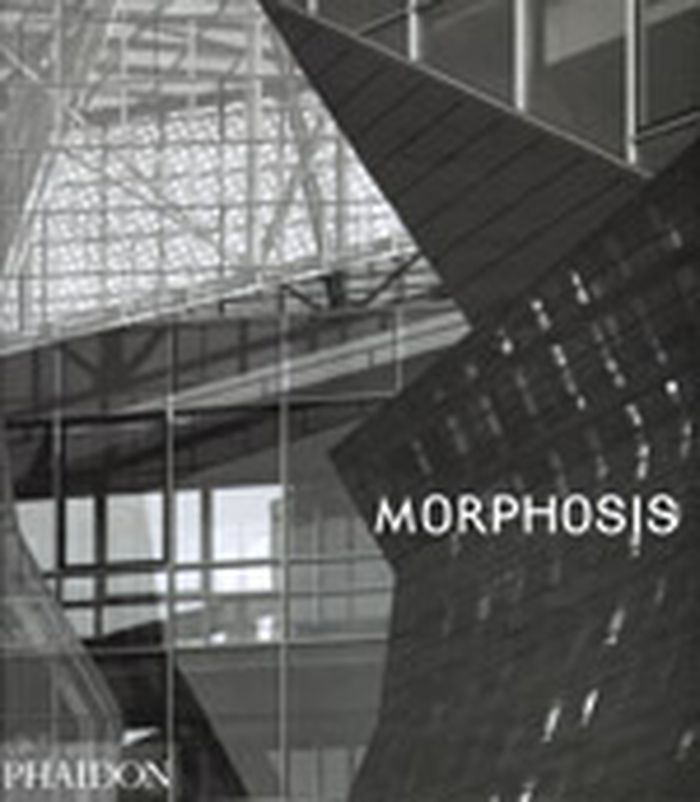
This monograph is the first to document all of the built work by Morphosis, a Los Angeles-based practice headed by Thom Mayne and one of the most influential architecture firms of the past twenty years. Morphosis's unconventional geometries, sculptural models and complex, computer-generated drawings helped to usher in a new era of architectural experimentation in the early 1980's. This book is comprised of bold, documentary-style colour photographs of thirty-five completed buildings presented in an almost cinematic layout, and publishes for the first time together all of Morphosis's completed work, from the early residential and restaurant projects in Los Angeles to the most recent large-scale work beyond California and the United States in Canada, Taiwan, Korea, Japan and Austria. Thom Mayne founded Morphosis in 1972 in partnership with Michael Rotondi, who now has his own firm. Over the past twenty years, Mayne's academic posts have included teaching positions at Columbia University, Harvard University, Yale University, the Berlage Institute in the Netherlands and the Bartlett School of Architecture in London.
Morphosis
Actions:
Price:
$99.95
(available to order)
Summary:
This monograph is the first to document all of the built work by Morphosis, a Los Angeles-based practice headed by Thom Mayne and one of the most influential architecture firms of the past twenty years. Morphosis's unconventional geometries, sculptural models and complex, computer-generated drawings helped to usher in a new era of architectural experimentation in the early 1980's. This book is comprised of bold, documentary-style colour photographs of thirty-five completed buildings presented in an almost cinematic layout, and publishes for the first time together all of Morphosis's completed work, from the early residential and restaurant projects in Los Angeles to the most recent large-scale work beyond California and the United States in Canada, Taiwan, Korea, Japan and Austria. Thom Mayne founded Morphosis in 1972 in partnership with Michael Rotondi, who now has his own firm. Over the past twenty years, Mayne's academic posts have included teaching positions at Columbia University, Harvard University, Yale University, the Berlage Institute in the Netherlands and the Bartlett School of Architecture in London.
Form:
books
books
Publication:
April 2003, London
April 2003, London
Subject:
Architecture Monographs
Architecture Monographs
Form:
books
books
Actions:
Price:
$200.00
(available in store)
Summary:
"Elements of Architecture" focuses on the fragments of the rich and complex architectural collage. Window, façade, balcony, corridor, fireplace, stair, escalator, elevator: the book seeks to excavate the micro-narratives of building detail.The result is no single history, but rather the web of origins, contaminations, similarities, and differences in architectural(...)
$200.00
(available in store)
Summary:
"Elements of Architecture" focuses on the fragments of the rich and complex architectural collage. Window, façade, balcony, corridor, fireplace, stair, escalator, elevator: the book seeks to excavate the micro-narratives of building detail.The result is no single history, but rather the web of origins, contaminations, similarities, and differences in architectural(...)
Title:
Rem Koolhaas: elements of architecture
Actions:
Price:
$200.00
(available in store)
Summary:
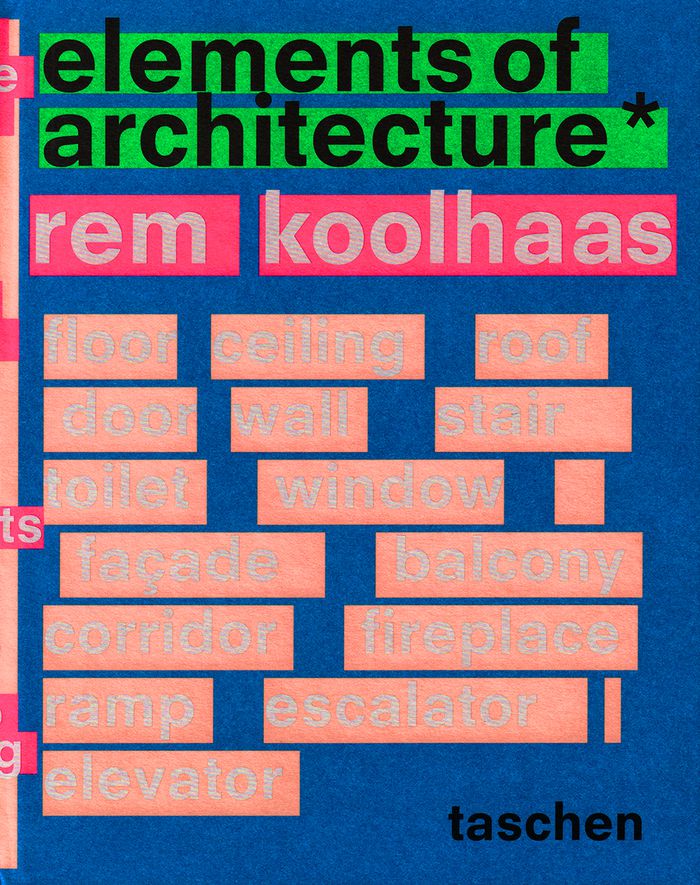
"Elements of Architecture" focuses on the fragments of the rich and complex architectural collage. Window, façade, balcony, corridor, fireplace, stair, escalator, elevator: the book seeks to excavate the micro-narratives of building detail.The result is no single history, but rather the web of origins, contaminations, similarities, and differences in architectural evolution, including the influence of technological advances, climatic adaptation, political calculation, economic contexts, regulatory requirements, and new digital opportunities. It’s a guide that is long overdue—in Koolhaas’s own words, “Never was a book more relevant—at a moment where architecture as we know it is changing beyond recognition.” Derived, updated, and expanded from Koolhaas's exhaustive and much-lauded exhibition at the 2014 Venice Architecture Biennale, this is an essential toolkit to understanding the fundamentals that comprise structure around the globe. Designed by Irma Boom and based on research from the Harvard Graduate School of Design, the 2,600-page monograph contains essays from Rem Koolhaas, Stephan Trueby, Manfredo di Robilant, and Jeffrey Inaba; interviews with Werner Sobek and Tony Fadell (of Nest); and an exclusive photo essay by Wolfgang Tillmans.
Rem Koolhaas: elements of architecture
Actions:
Price:
$200.00
(available in store)
Summary:
"Elements of Architecture" focuses on the fragments of the rich and complex architectural collage. Window, façade, balcony, corridor, fireplace, stair, escalator, elevator: the book seeks to excavate the micro-narratives of building detail.The result is no single history, but rather the web of origins, contaminations, similarities, and differences in architectural evolution, including the influence of technological advances, climatic adaptation, political calculation, economic contexts, regulatory requirements, and new digital opportunities. It’s a guide that is long overdue—in Koolhaas’s own words, “Never was a book more relevant—at a moment where architecture as we know it is changing beyond recognition.” Derived, updated, and expanded from Koolhaas's exhaustive and much-lauded exhibition at the 2014 Venice Architecture Biennale, this is an essential toolkit to understanding the fundamentals that comprise structure around the globe. Designed by Irma Boom and based on research from the Harvard Graduate School of Design, the 2,600-page monograph contains essays from Rem Koolhaas, Stephan Trueby, Manfredo di Robilant, and Jeffrey Inaba; interviews with Werner Sobek and Tony Fadell (of Nest); and an exclusive photo essay by Wolfgang Tillmans.
Form:
books
books
Publication:
October 2018
October 2018
Subject:
Biennial
Biennial
Form:
books
books
Actions:
Price:
$29.95
(available to order)
Summary:
What is the role of art in modern society? Is it made to entertain us, to teach us? Both? And what of philosophy? What relevance does it have to how we think and live? In Opening Gambits , cultural critic and philosopher Mark Kingwell puts forth an argument for the similarity between art and philosophy as forms of play, working at the margins of meaning and sense.(...)
$29.95
(available to order)
Summary:
What is the role of art in modern society? Is it made to entertain us, to teach us? Both? And what of philosophy? What relevance does it have to how we think and live? In Opening Gambits , cultural critic and philosopher Mark Kingwell puts forth an argument for the similarity between art and philosophy as forms of play, working at the margins of meaning and sense.(...)
Title:
Opening gambits: essays on art and philosophy
Actions:
Price:
$29.95
(available to order)
Summary:
What is the role of art in modern society? Is it made to entertain us, to teach us? Both? And what of philosophy? What relevance does it have to how we think and live? In Opening Gambits , cultural critic and philosopher Mark Kingwell puts forth an argument for the similarity between art and philosophy as forms of play, working at the margins of meaning and sense. Featuring essays previously published in Queen’s Quarterly, Descant, Harvard Design Magazine, Canadian Art , and Harper’s, the book begins with general assessments of the art world and the relationship between art and architecture. Including lively critical engagements with artists such as Edward Burtynsky, David Bierk, James Lahey, and Blue Republic, these pieces draw out the philosophical issues embedded in the aesthetic experience of art. In the second half of the collection, Kingwell reverses the polarity, investigating philosophy as a kind of art form that is constantly questioning its own possibility. The two parts of the book are simultaneously separated and joined by a collection of images that feature the works discussed in Part One.
Opening gambits: essays on art and philosophy
Actions:
Price:
$29.95
(available to order)
Summary:
What is the role of art in modern society? Is it made to entertain us, to teach us? Both? And what of philosophy? What relevance does it have to how we think and live? In Opening Gambits , cultural critic and philosopher Mark Kingwell puts forth an argument for the similarity between art and philosophy as forms of play, working at the margins of meaning and sense. Featuring essays previously published in Queen’s Quarterly, Descant, Harvard Design Magazine, Canadian Art , and Harper’s, the book begins with general assessments of the art world and the relationship between art and architecture. Including lively critical engagements with artists such as Edward Burtynsky, David Bierk, James Lahey, and Blue Republic, these pieces draw out the philosophical issues embedded in the aesthetic experience of art. In the second half of the collection, Kingwell reverses the polarity, investigating philosophy as a kind of art form that is constantly questioning its own possibility. The two parts of the book are simultaneously separated and joined by a collection of images that feature the works discussed in Part One.
Form:
books
books
Publication:
October 2008, Toronto
October 2008, Toronto
Subject:
Art Theory
Art Theory
Form:
books
books
Actions:
Price:
$24.00
(available to order)
Summary:
Artist and writer Jenny Odell hadn’t originally planned to deliver the Harvard University Graduate School of Design’s 2020 Class Day Address from her living room. But on May 25, 2020, there was Jenny, framed by a rose garden in her Zoom background, speaking to an audience she could not see about the role of design in a suspended moment marked by uncertainty in a global(...)
$24.00
(available to order)
Summary:
Artist and writer Jenny Odell hadn’t originally planned to deliver the Harvard University Graduate School of Design’s 2020 Class Day Address from her living room. But on May 25, 2020, there was Jenny, framed by a rose garden in her Zoom background, speaking to an audience she could not see about the role of design in a suspended moment marked by uncertainty in a global(...)
Title:
Inhabiting the negative space
Actions:
Price:
$24.00
(available to order)
Summary:
Artist and writer Jenny Odell hadn’t originally planned to deliver the Harvard University Graduate School of Design’s 2020 Class Day Address from her living room. But on May 25, 2020, there was Jenny, framed by a rose garden in her Zoom background, speaking to an audience she could not see about the role of design in a suspended moment marked by uncertainty in a global pandemic. Odell’s message, itself a timely reflection on observation, embraces the standstill and its potential to deepen and expand our individual and collective attention and sensitivity to time, place, and presence–in turn, perhaps, enabling us all, amid our "new" virtual contexts, to better connect with our natural and cultural environments. Odell unspools this hopeful meditation in "Inhabiting the Negative Space," where periods of inactivity become reimagined not as wasted time but fertile spaces for a kind of design predicated less on relentless production and more on permitting a deeper, more careful look at what exactly is demanding or tapping our time and attention, and how we might use this strange moment in history to respond.
Inhabiting the negative space
Actions:
Price:
$24.00
(available to order)
Summary:
Artist and writer Jenny Odell hadn’t originally planned to deliver the Harvard University Graduate School of Design’s 2020 Class Day Address from her living room. But on May 25, 2020, there was Jenny, framed by a rose garden in her Zoom background, speaking to an audience she could not see about the role of design in a suspended moment marked by uncertainty in a global pandemic. Odell’s message, itself a timely reflection on observation, embraces the standstill and its potential to deepen and expand our individual and collective attention and sensitivity to time, place, and presence–in turn, perhaps, enabling us all, amid our "new" virtual contexts, to better connect with our natural and cultural environments. Odell unspools this hopeful meditation in "Inhabiting the Negative Space," where periods of inactivity become reimagined not as wasted time but fertile spaces for a kind of design predicated less on relentless production and more on permitting a deeper, more careful look at what exactly is demanding or tapping our time and attention, and how we might use this strange moment in history to respond.
Form:
books
books
Publication:
August 2021
August 2021
Subject:
Social
Social
Form:
books
books
Actions:
Price:
$38.00
(available to order)
Summary:
Garden design in the twentieth century ranges from Victorian-era examples to the age of Land Art. This span results in an extraordinarily varied survey - from Europe to South America, from Japan to the United States - including work by garden and landscape designers whose names are familiar to both lovers and scholars of the modern garden: Robinson, Jekyll, Jensen,(...)
$38.00
(available to order)
Summary:
Garden design in the twentieth century ranges from Victorian-era examples to the age of Land Art. This span results in an extraordinarily varied survey - from Europe to South America, from Japan to the United States - including work by garden and landscape designers whose names are familiar to both lovers and scholars of the modern garden: Robinson, Jekyll, Jensen,(...)
Title:
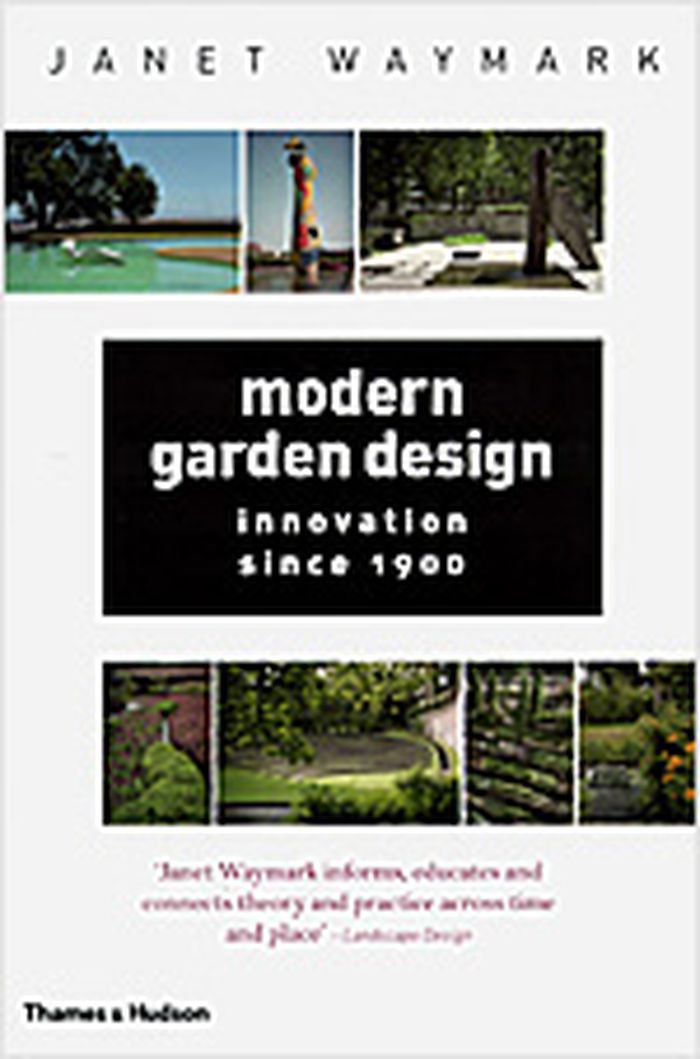
Modern garden design : innovation since 1900
Actions:
Price:
$38.00
(available to order)
Summary:
Garden design in the twentieth century ranges from Victorian-era examples to the age of Land Art. This span results in an extraordinarily varied survey - from Europe to South America, from Japan to the United States - including work by garden and landscape designers whose names are familiar to both lovers and scholars of the modern garden: Robinson, Jekyll, Jensen, Farrand, Sessions, Mawson, Church, Sørensen, and Jellicoe. Janet Waymark traces the revolutionary changes brought about in the postwar period by the Harvard Rebels - Eckbo, Rose, and Kiley - and examines the impact of Noguchi, Burle Marx, Barragán, and others, as well as the powerful international influence of Scandinavian landscape architects and designers. The garden city is also given close attention, from its beginnings in late Victorian Britain, through the Greenbelt Towns in the American Midwest, to the latest regeneration of urban centres worldwide. A long line of artists and architects of international renown have earned a place in the history of the modern garden: Monet, Le Corbusier, Mondrian, Wright, Mies van der Rohe, and Gaudí, among others. Land artists, such as Michael Heizer, Robert Smithson, Patricia Johanson, and Kathryn Gustafson in America and Richard Long, Andy Goldsworthy, and Ian Hamilton Finlay in the UK, have brought new ways of thinking about landscape and the garden into the twenty-first century.
Modern garden design : innovation since 1900
Actions:
Price:
$38.00
(available to order)
Summary:
Garden design in the twentieth century ranges from Victorian-era examples to the age of Land Art. This span results in an extraordinarily varied survey - from Europe to South America, from Japan to the United States - including work by garden and landscape designers whose names are familiar to both lovers and scholars of the modern garden: Robinson, Jekyll, Jensen, Farrand, Sessions, Mawson, Church, Sørensen, and Jellicoe. Janet Waymark traces the revolutionary changes brought about in the postwar period by the Harvard Rebels - Eckbo, Rose, and Kiley - and examines the impact of Noguchi, Burle Marx, Barragán, and others, as well as the powerful international influence of Scandinavian landscape architects and designers. The garden city is also given close attention, from its beginnings in late Victorian Britain, through the Greenbelt Towns in the American Midwest, to the latest regeneration of urban centres worldwide. A long line of artists and architects of international renown have earned a place in the history of the modern garden: Monet, Le Corbusier, Mondrian, Wright, Mies van der Rohe, and Gaudí, among others. Land artists, such as Michael Heizer, Robert Smithson, Patricia Johanson, and Kathryn Gustafson in America and Richard Long, Andy Goldsworthy, and Ian Hamilton Finlay in the UK, have brought new ways of thinking about landscape and the garden into the twenty-first century.
Form:
books
books
Publication:
January 1900, New York
January 1900, New York
Subject:
Gardens
Gardens


