


1734 Results
Form:
books
books
Actions:
Price:
$62.95
(available to order)
Summary:
Tour à tour objet de rêverie poétique et de spéculation philosophique, symbole de grandeur politique, incarnation de l’universalité du savoir et de la fragilité de son support après la destruction par le feu, la bibliothèque d’Alexandrie fascine. En 1988, l’UNESCO lance un concours international d’architecture pour la construction d’une nouvelle bibliothèque. Inaugurée(...)
$62.95
(available to order)
Summary:
Tour à tour objet de rêverie poétique et de spéculation philosophique, symbole de grandeur politique, incarnation de l’universalité du savoir et de la fragilité de son support après la destruction par le feu, la bibliothèque d’Alexandrie fascine. En 1988, l’UNESCO lance un concours international d’architecture pour la construction d’une nouvelle bibliothèque. Inaugurée(...)
Title:
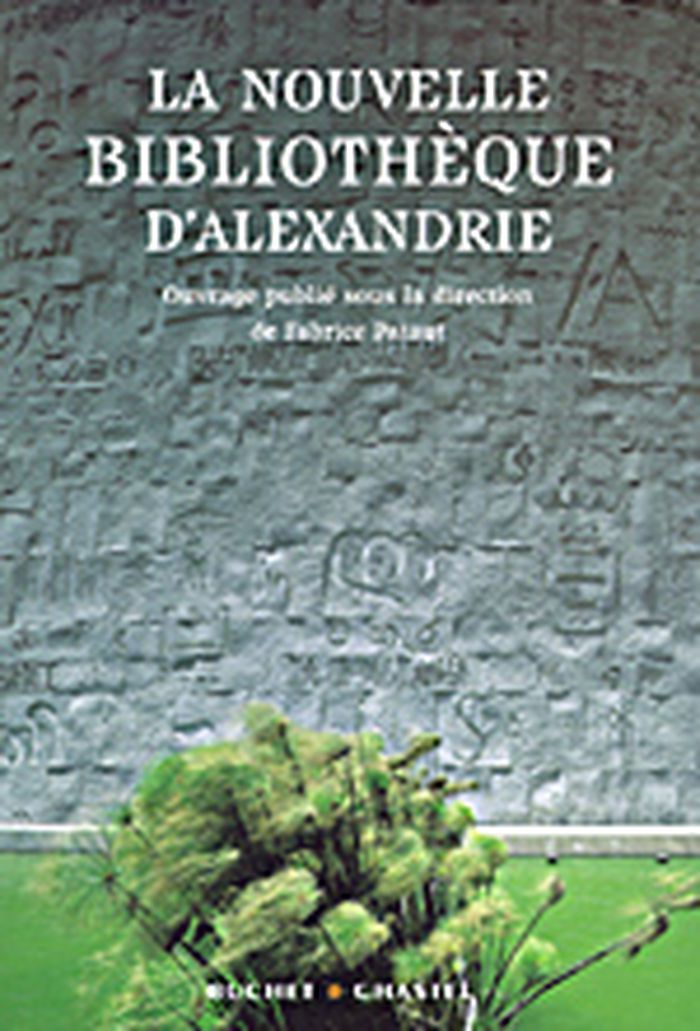
La nouvelle Bibliothèque d'Alexandrie
Actions:
Price:
$62.95
(available to order)
Summary:
Tour à tour objet de rêverie poétique et de spéculation philosophique, symbole de grandeur politique, incarnation de l’universalité du savoir et de la fragilité de son support après la destruction par le feu, la bibliothèque d’Alexandrie fascine. En 1988, l’UNESCO lance un concours international d’architecture pour la construction d’une nouvelle bibliothèque. Inaugurée en octobre 2001, le bâtiment cumule les fonctions de bibliothèque publique, de centre d’archives, de musée et de centre de formation des bibliothécaires. Le propos du volume est de réunir les acteurs du projet et des contributeurs choisis pour leur approche à la fois érudite et sensible des différents aspects qui concernent la réalité, l’image, le symbole et l’avenir de la bibliothèque. Sont rassemblées les contributions de Christoph Kapeller, l’un des architectes lauréats, de Gerald Grunberg, directeur de la BPI de Beaubourg, conseiller technique auprès du directeur de projet de la bibliothèque, et d’Ismail Serageldin, le directeur de la nouvelle bibliothèque.
La nouvelle Bibliothèque d'Alexandrie
Actions:
Price:
$62.95
(available to order)
Summary:
Tour à tour objet de rêverie poétique et de spéculation philosophique, symbole de grandeur politique, incarnation de l’universalité du savoir et de la fragilité de son support après la destruction par le feu, la bibliothèque d’Alexandrie fascine. En 1988, l’UNESCO lance un concours international d’architecture pour la construction d’une nouvelle bibliothèque. Inaugurée en octobre 2001, le bâtiment cumule les fonctions de bibliothèque publique, de centre d’archives, de musée et de centre de formation des bibliothécaires. Le propos du volume est de réunir les acteurs du projet et des contributeurs choisis pour leur approche à la fois érudite et sensible des différents aspects qui concernent la réalité, l’image, le symbole et l’avenir de la bibliothèque. Sont rassemblées les contributions de Christoph Kapeller, l’un des architectes lauréats, de Gerald Grunberg, directeur de la BPI de Beaubourg, conseiller technique auprès du directeur de projet de la bibliothèque, et d’Ismail Serageldin, le directeur de la nouvelle bibliothèque.
Form:
books
books
Publication:
May 2003, Paris
May 2003, Paris
Subject:
Commercial interiors, Building types
Commercial interiors, Building types
Form:
books
books
Title:
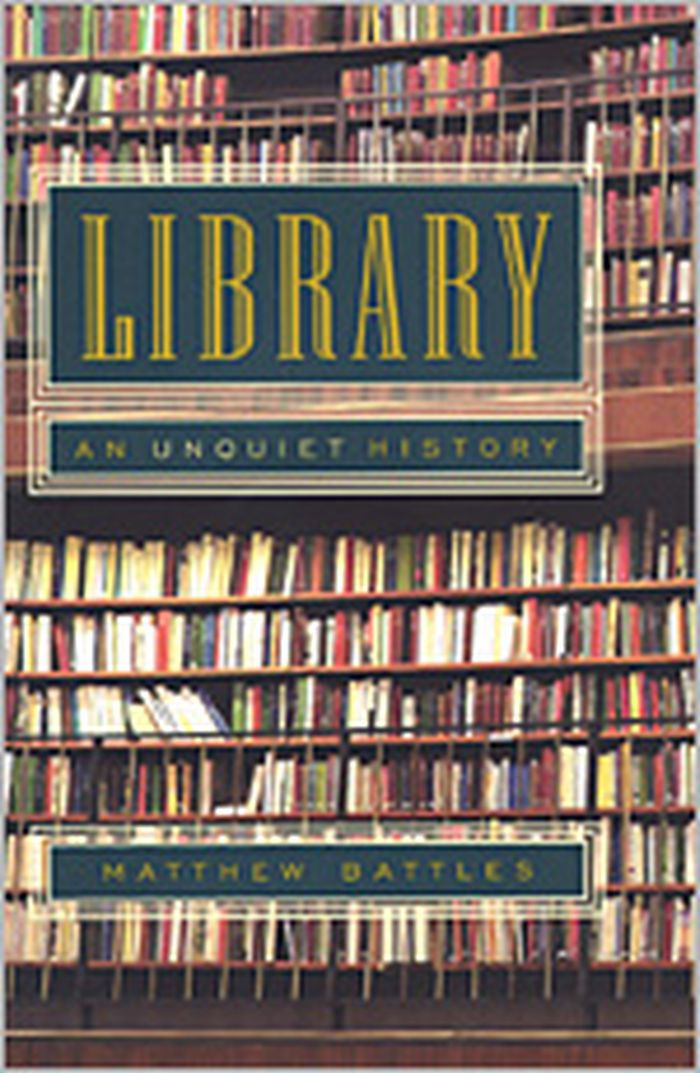
Library : an unquiet history
Library : an unquiet history
Actions:
Price:
$37.50
(available to order)
Summary:
Through the ages, libraries have not only accumulated and preserved but also shaped, inspired, and obliterated knowledge. Matthew Battles, a rare books librarian and a gifted narrator, takes us on a spirited foray from Boston to Baghdad, from classical scriptoria to medieval monasteries, from the Vatican to the British Library, from socialist reading rooms and rural home(...)
$37.50
(available to order)
Summary:
Through the ages, libraries have not only accumulated and preserved but also shaped, inspired, and obliterated knowledge. Matthew Battles, a rare books librarian and a gifted narrator, takes us on a spirited foray from Boston to Baghdad, from classical scriptoria to medieval monasteries, from the Vatican to the British Library, from socialist reading rooms and rural home(...)
Subject:
Commercial interiors, Building types
Commercial interiors, Building types
Publication:
June 2003, New York
June 2003, New York
Title:
Library : an unquiet history
Actions:
Price:
$37.50
(available to order)
Summary:
Through the ages, libraries have not only accumulated and preserved but also shaped, inspired, and obliterated knowledge. Matthew Battles, a rare books librarian and a gifted narrator, takes us on a spirited foray from Boston to Baghdad, from classical scriptoria to medieval monasteries, from the Vatican to the British Library, from socialist reading rooms and rural home libraries to the Information Age. He explores how libraries are built and how they are destroyed, from the decay of the great Alexandrian library to scroll burnings in ancient China to the destruction of Aztec books by the Spanish—and in our own time, the burning of libraries in Europe and Bosnia.
Library : an unquiet history
Actions:
Price:
$37.50
(available to order)
Summary:
Through the ages, libraries have not only accumulated and preserved but also shaped, inspired, and obliterated knowledge. Matthew Battles, a rare books librarian and a gifted narrator, takes us on a spirited foray from Boston to Baghdad, from classical scriptoria to medieval monasteries, from the Vatican to the British Library, from socialist reading rooms and rural home libraries to the Information Age. He explores how libraries are built and how they are destroyed, from the decay of the great Alexandrian library to scroll burnings in ancient China to the destruction of Aztec books by the Spanish—and in our own time, the burning of libraries in Europe and Bosnia.
Form:
books
books
Publication:
June 2003, New York
June 2003, New York
Subject:
Commercial interiors, Building types
Commercial interiors, Building types
Form:
books
books
Price:
$27.95
(available to order)
Summary:
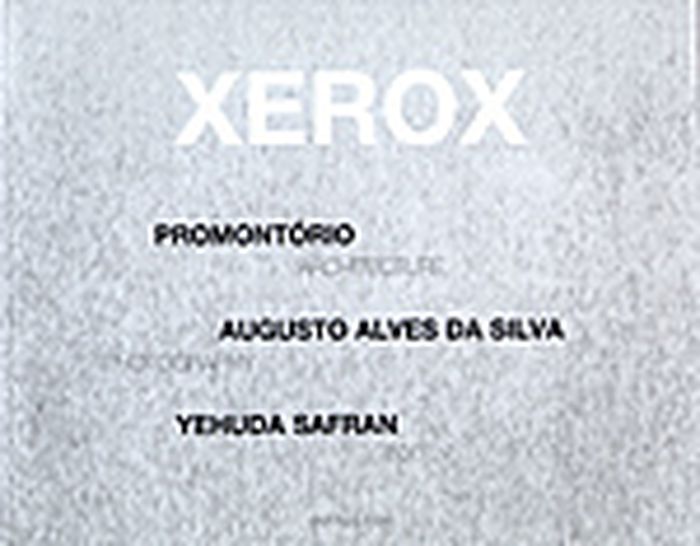
The Xerox building in Lisbon, designed by Promontorio arquitectos is documetned in this volume. Photographs are by Augusto Alves da Silva.
$27.95
(available to order)
Summary:
The Xerox building in Lisbon, designed by Promontorio arquitectos is documetned in this volume. Photographs are by Augusto Alves da Silva.
Subject:
Commercial interiors, Building types
Commercial interiors, Building types
Publication:
January 1900, Lisbon
January 1900, Lisbon
Form:
books
books

Title:
Food + architecture
Food + architecture
Actions:
Price:
$54.99
(available to order)
Summary:
Food is in architecture. We buy, cook and consume it in many different public places designed to accommodate, even enhance, these activities of daily life. Much of the urban streetscape is composed of just such places: the market, the grocery, the pub, the café and the restaurant, as well as the supermarket, fast-food outlet or takeaway. Likewise, architecture is in(...)
$54.99
(available to order)
Summary:
Food is in architecture. We buy, cook and consume it in many different public places designed to accommodate, even enhance, these activities of daily life. Much of the urban streetscape is composed of just such places: the market, the grocery, the pub, the café and the restaurant, as well as the supermarket, fast-food outlet or takeaway. Likewise, architecture is in(...)
Subject:
Commercial interiors, Building types
Commercial interiors, Building types
Publication:
January 2003, London
January 2003, London
Title:
Food + architecture
Actions:
Price:
$54.99
(available to order)
Summary:
Food is in architecture. We buy, cook and consume it in many different public places designed to accommodate, even enhance, these activities of daily life. Much of the urban streetscape is composed of just such places: the market, the grocery, the pub, the café and the restaurant, as well as the supermarket, fast-food outlet or takeaway. Likewise, architecture is in food. Chefs design dishes that resemble works of art but which must also stand up and be eaten. And architecture is like food. Each is fashioned from raw materials into a cultural product. We depend on both to meet ordinary needs and to celebrate special events. Architect and cook alike manipulate colour, texture and shape to tantalise our senses. Despite a burgeoning interest in many fields within the topic of food, "Food and architecture" explores the relationship between food and architecture. Featuring new restaurants in Tokyo, Sydney, London, and New York, it showcases the architectural pleasures of dining out, while interviews with restaurateur Alan Yau and designer James Soane reveal the creative thinking that makes a restaurant a theatrical experience.
Food + architecture
Actions:
Price:
$54.99
(available to order)
Summary:
Food is in architecture. We buy, cook and consume it in many different public places designed to accommodate, even enhance, these activities of daily life. Much of the urban streetscape is composed of just such places: the market, the grocery, the pub, the café and the restaurant, as well as the supermarket, fast-food outlet or takeaway. Likewise, architecture is in food. Chefs design dishes that resemble works of art but which must also stand up and be eaten. And architecture is like food. Each is fashioned from raw materials into a cultural product. We depend on both to meet ordinary needs and to celebrate special events. Architect and cook alike manipulate colour, texture and shape to tantalise our senses. Despite a burgeoning interest in many fields within the topic of food, "Food and architecture" explores the relationship between food and architecture. Featuring new restaurants in Tokyo, Sydney, London, and New York, it showcases the architectural pleasures of dining out, while interviews with restaurateur Alan Yau and designer James Soane reveal the creative thinking that makes a restaurant a theatrical experience.
Form:
books
books
Publication:
January 2003, London
January 2003, London
Subject:
Commercial interiors, Building types
Commercial interiors, Building types
Form:
books
books
Actions:
Price:
$37.95
(available to order)
Summary:
"Summerfolk" explores the ways in which Russia’s turbulent past has shaped the function of the dacha and attitudes toward it. The book also demonstrates the crucial role that the dacha has played in the development of Russia’s two most important cities, Moscow and St. Petersburg, by providing residents with a refuge from the squalid and crowded metropolis. Like the(...)
$37.95
(available to order)
Summary:
"Summerfolk" explores the ways in which Russia’s turbulent past has shaped the function of the dacha and attitudes toward it. The book also demonstrates the crucial role that the dacha has played in the development of Russia’s two most important cities, Moscow and St. Petersburg, by providing residents with a refuge from the squalid and crowded metropolis. Like the(...)
Subject:
Commercial interiors, Building types
Commercial interiors, Building types
Publication:
March 2003, Ithaca, London
March 2003, Ithaca, London
Title:
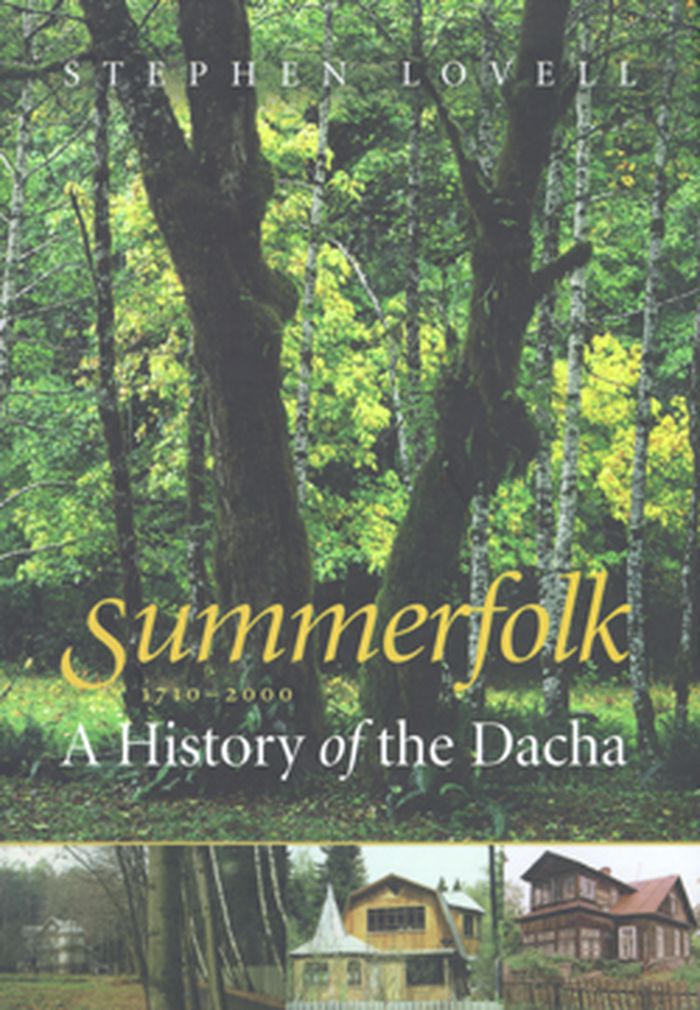
Summerfolk : a history of the Dacha, 1710-2000
Actions:
Price:
$37.95
(available to order)
Summary:
"Summerfolk" explores the ways in which Russia’s turbulent past has shaped the function of the dacha and attitudes toward it. The book also demonstrates the crucial role that the dacha has played in the development of Russia’s two most important cities, Moscow and St. Petersburg, by providing residents with a refuge from the squalid and crowded metropolis. Like the suburbs in other nations, the dacha form of settlement served to alleviate social anxieties about urban growth.
Summerfolk : a history of the Dacha, 1710-2000
Actions:
Price:
$37.95
(available to order)
Summary:
"Summerfolk" explores the ways in which Russia’s turbulent past has shaped the function of the dacha and attitudes toward it. The book also demonstrates the crucial role that the dacha has played in the development of Russia’s two most important cities, Moscow and St. Petersburg, by providing residents with a refuge from the squalid and crowded metropolis. Like the suburbs in other nations, the dacha form of settlement served to alleviate social anxieties about urban growth.
Form:
books
books
Publication:
March 2003, Ithaca, London
March 2003, Ithaca, London
Subject:
Commercial interiors, Building types
Commercial interiors, Building types
Form:
books
books

Actions:
Price:
$63.95
(available to order)
Summary:
"Retail desire" is a detailed look at what goes in to making the retail environment from space planning and interior design, right through to visual merchandising. Along the way it looks at everything from materials and lighting to retail brand stratification on the high street, via myriad international case studies.
$63.95
(available to order)
Summary:
"Retail desire" is a detailed look at what goes in to making the retail environment from space planning and interior design, right through to visual merchandising. Along the way it looks at everything from materials and lighting to retail brand stratification on the high street, via myriad international case studies.
Subject:
Commercial interiors, Building types
Commercial interiors, Building types
Publication:
June 2003, Mies/Hove
June 2003, Mies/Hove
Title:
Retail desire : design, display and visual merchandising
Actions:
Price:
$63.95
(available to order)
Summary:
"Retail desire" is a detailed look at what goes in to making the retail environment from space planning and interior design, right through to visual merchandising. Along the way it looks at everything from materials and lighting to retail brand stratification on the high street, via myriad international case studies.
Retail desire : design, display and visual merchandising
Actions:
Price:
$63.95
(available to order)
Summary:
"Retail desire" is a detailed look at what goes in to making the retail environment from space planning and interior design, right through to visual merchandising. Along the way it looks at everything from materials and lighting to retail brand stratification on the high street, via myriad international case studies.
Form:
books
books
Publication:
June 2003, Mies/Hove
June 2003, Mies/Hove
Subject:
Commercial interiors, Building types
Commercial interiors, Building types
Form:
books
books
Actions:
Price:
$47.95
(available to order)
Summary:
This book showcases the best in today's office space design. Projects are presented with text detailing each unique design plan and how it was executed while embracing the company's corporate mission statement. Detailed drawings and plans are featured alongside hundreds of full-colour images.
$47.95
(available to order)
Summary:
This book showcases the best in today's office space design. Projects are presented with text detailing each unique design plan and how it was executed while embracing the company's corporate mission statement. Detailed drawings and plans are featured alongside hundreds of full-colour images.
Subject:
Commercial interiors, Building types
Commercial interiors, Building types
Publication:
March 2003, Gloucester, Massachusetts
March 2003, Gloucester, Massachusetts
Title:
Office design sourcebook : solutions for dynamic workspaces
Actions:
Price:
$47.95
(available to order)
Summary:
This book showcases the best in today's office space design. Projects are presented with text detailing each unique design plan and how it was executed while embracing the company's corporate mission statement. Detailed drawings and plans are featured alongside hundreds of full-colour images.
Office design sourcebook : solutions for dynamic workspaces
Actions:
Price:
$47.95
(available to order)
Summary:
This book showcases the best in today's office space design. Projects are presented with text detailing each unique design plan and how it was executed while embracing the company's corporate mission statement. Detailed drawings and plans are featured alongside hundreds of full-colour images.
Form:
books
books
Publication:
March 2003, Gloucester, Massachusetts
March 2003, Gloucester, Massachusetts
Subject:
Commercial interiors, Building types
Commercial interiors, Building types
Form:
books
books
Title:
Classic cafes
Classic cafes
Actions:
Price:
$44.95
(available to order)
Summary:
Often dismissed as "greasy spoons", classic cafes are actually little gems of British vernacular high street commercial design. Here the last remaining enclaves – originally vilified in the 1950's for their embodiment “of corrupt brightness, of improper appeals and moral evasions . . . a sort of spiritual dry rot amid the odour of boiled milk” – are extensively reviewed,(...)
$44.95
(available to order)
Summary:
Often dismissed as "greasy spoons", classic cafes are actually little gems of British vernacular high street commercial design. Here the last remaining enclaves – originally vilified in the 1950's for their embodiment “of corrupt brightness, of improper appeals and moral evasions . . . a sort of spiritual dry rot amid the odour of boiled milk” – are extensively reviewed,(...)
Subject:
Commercial interiors, Building types
Commercial interiors, Building types
Publication:
April 2003, London / New York
April 2003, London / New York
Title:
Classic cafes
Actions:
Price:
$44.95
(available to order)
Summary:
Often dismissed as "greasy spoons", classic cafes are actually little gems of British vernacular high street commercial design. Here the last remaining enclaves – originally vilified in the 1950's for their embodiment “of corrupt brightness, of improper appeals and moral evasions . . . a sort of spiritual dry rot amid the odour of boiled milk” – are extensively reviewed, revealed and reappraised. For 50's Britain, cafes once represented a European dynamism that added much needed colour to Britain’s post-war social, artistic and commercial scene. However, by the late 1970's their original spirit had been extinguished and throughout the 80's and 90's they fell into disuse – despised and forgotten. Today these classic cafes retain a quintessential, poignant quality of lost English drabness and a "contemporary" utilitarian minimalist aesthetic that marks them out as icons of design.
Classic cafes
Actions:
Price:
$44.95
(available to order)
Summary:
Often dismissed as "greasy spoons", classic cafes are actually little gems of British vernacular high street commercial design. Here the last remaining enclaves – originally vilified in the 1950's for their embodiment “of corrupt brightness, of improper appeals and moral evasions . . . a sort of spiritual dry rot amid the odour of boiled milk” – are extensively reviewed, revealed and reappraised. For 50's Britain, cafes once represented a European dynamism that added much needed colour to Britain’s post-war social, artistic and commercial scene. However, by the late 1970's their original spirit had been extinguished and throughout the 80's and 90's they fell into disuse – despised and forgotten. Today these classic cafes retain a quintessential, poignant quality of lost English drabness and a "contemporary" utilitarian minimalist aesthetic that marks them out as icons of design.
Form:
books
books
Publication:
April 2003, London / New York
April 2003, London / New York
Subject:
Commercial interiors, Building types
Commercial interiors, Building types
Form:
books
books
Price:
$95.50
(available to order)
Summary:
This illustrated guide to 100 of the world's most important concert halls and opera houses examines their architecture and engineering and discusses their acoustical quality as judged by conductors and music critics. The descriptions and photographs will serve as a valuable guide for today's peripatetic performers and music lovers. With technical discussions relegated to(...)
$95.50
(available to order)
Summary:
This illustrated guide to 100 of the world's most important concert halls and opera houses examines their architecture and engineering and discusses their acoustical quality as judged by conductors and music critics. The descriptions and photographs will serve as a valuable guide for today's peripatetic performers and music lovers. With technical discussions relegated to(...)
Subject:
Commercial interiors, Building types
Commercial interiors, Building types
Publication:
November 2003, New York
November 2003, New York
Title:
Concert halls and opera houses: music, acoustics, and architecture
Actions:
Price:
$95.50
(available to order)
Summary:
This illustrated guide to 100 of the world's most important concert halls and opera houses examines their architecture and engineering and discusses their acoustical quality as judged by conductors and music critics. The descriptions and photographs will serve as a valuable guide for today's peripatetic performers and music lovers. With technical discussions relegated to appendices, the book can be read with pleasure by anyone interested in musical performance. The photographs (specially commissioned for this book) and architectural drawings (all to the same scale) together with modern acoustical data on each of the halls provide a rich and unmatched resource on the design of halls for presenting musical performances. Together with the technical appendices, the data and drawings will serve as an invaluable reference for architects and engineers involved in the design of spaces for the performance of music. Leo Beranek is an internationally recognized authority in acoustics who has consulted on the design of dozens of important auditoriums around the World. He has received the highest honors of the Acoustical Society of America and of the Audio Engineering Society and has just been awarded the US National Medal of Science at the White House.
Concert halls and opera houses: music, acoustics, and architecture
Actions:
Price:
$95.50
(available to order)
Summary:
This illustrated guide to 100 of the world's most important concert halls and opera houses examines their architecture and engineering and discusses their acoustical quality as judged by conductors and music critics. The descriptions and photographs will serve as a valuable guide for today's peripatetic performers and music lovers. With technical discussions relegated to appendices, the book can be read with pleasure by anyone interested in musical performance. The photographs (specially commissioned for this book) and architectural drawings (all to the same scale) together with modern acoustical data on each of the halls provide a rich and unmatched resource on the design of halls for presenting musical performances. Together with the technical appendices, the data and drawings will serve as an invaluable reference for architects and engineers involved in the design of spaces for the performance of music. Leo Beranek is an internationally recognized authority in acoustics who has consulted on the design of dozens of important auditoriums around the World. He has received the highest honors of the Acoustical Society of America and of the Audio Engineering Society and has just been awarded the US National Medal of Science at the White House.
Form:
books
books
Publication:
November 2003, New York
November 2003, New York
Subject:
Commercial interiors, Building types
Commercial interiors, Building types
Form:
books
books

Price:
$59.50
(available to order)
Summary:
Descriptions of the Finnish sauna, the Japanese furo and the North American Indian inipi transport the reader into three bathing cultures which, despite their differences, display surprising similarities. The purpose of the bath extends from simple washing into a spiritual experience: the bather is cleansed internally, restored to health to begin a new life.
$59.50
(available to order)
Summary:
Descriptions of the Finnish sauna, the Japanese furo and the North American Indian inipi transport the reader into three bathing cultures which, despite their differences, display surprising similarities. The purpose of the bath extends from simple washing into a spiritual experience: the bather is cleansed internally, restored to health to begin a new life.
Subject:
Commercial interiors, Building types
Commercial interiors, Building types
Publication:
January 2001, Helsinki
January 2001, Helsinki
Title:
Finnish sauna, Japanese furo, Indian inipi : bathing on three continents
Actions:
Price:
$59.50
(available to order)
Summary:
Descriptions of the Finnish sauna, the Japanese furo and the North American Indian inipi transport the reader into three bathing cultures which, despite their differences, display surprising similarities. The purpose of the bath extends from simple washing into a spiritual experience: the bather is cleansed internally, restored to health to begin a new life.
Finnish sauna, Japanese furo, Indian inipi : bathing on three continents
Actions:
Price:
$59.50
(available to order)
Summary:
Descriptions of the Finnish sauna, the Japanese furo and the North American Indian inipi transport the reader into three bathing cultures which, despite their differences, display surprising similarities. The purpose of the bath extends from simple washing into a spiritual experience: the bather is cleansed internally, restored to health to begin a new life.
Form:
books
books
Publication:
January 2001, Helsinki
January 2001, Helsinki
Subject:
Commercial interiors, Building types
Commercial interiors, Building types


