


2052 Results
Form:
books
books
Title:
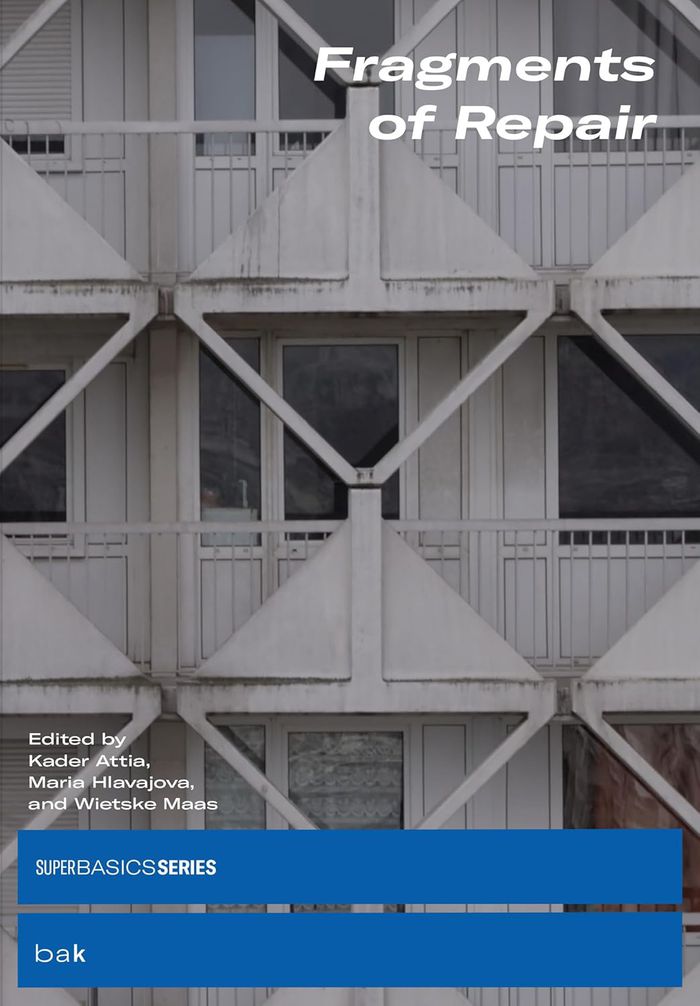
Fragments of repair
Fragments of repair
Actions:
Price:
$44.00
(available in store)
Summary:
'Fragments of Repair' is the fourth publication in BAK’s publishing series BASICS which revisits fundamental questions and urgencies of our time—the “basics”—and seeks to develop afresh the building blocks of lexicons, tactics, scenarios, and relations that enable action in contemporary conditions. Today’s entwined crises reveal deep-seated wounds that issue from(...)
$44.00
(available in store)
Summary:
'Fragments of Repair' is the fourth publication in BAK’s publishing series BASICS which revisits fundamental questions and urgencies of our time—the “basics”—and seeks to develop afresh the building blocks of lexicons, tactics, scenarios, and relations that enable action in contemporary conditions. Today’s entwined crises reveal deep-seated wounds that issue from(...)
Subject:
Architecture ecologies
Architecture ecologies
Publication:
May 2025
May 2025
Title:
Fragments of repair
Actions:
Price:
$44.00
(available in store)
Summary:
'Fragments of Repair' is the fourth publication in BAK’s publishing series BASICS which revisits fundamental questions and urgencies of our time—the “basics”—and seeks to develop afresh the building blocks of lexicons, tactics, scenarios, and relations that enable action in contemporary conditions. Today’s entwined crises reveal deep-seated wounds that issue from historical colonialisms and present-day authoritarianisms, economic disparity and growing racial violence, and the abuses inflicted on vulnerable populations and the planet. To address this disquieting chaos, this book, co-conceptualized by artist Kader Attia with curators Maria Hlavajova and Wietske Maas, offers a collection of long- and short-form essays, visual essays, and conversations on decolonial repair as both a tool and a tactic of engagement with the current state of the world.
Fragments of repair
Actions:
Price:
$44.00
(available in store)
Summary:
'Fragments of Repair' is the fourth publication in BAK’s publishing series BASICS which revisits fundamental questions and urgencies of our time—the “basics”—and seeks to develop afresh the building blocks of lexicons, tactics, scenarios, and relations that enable action in contemporary conditions. Today’s entwined crises reveal deep-seated wounds that issue from historical colonialisms and present-day authoritarianisms, economic disparity and growing racial violence, and the abuses inflicted on vulnerable populations and the planet. To address this disquieting chaos, this book, co-conceptualized by artist Kader Attia with curators Maria Hlavajova and Wietske Maas, offers a collection of long- and short-form essays, visual essays, and conversations on decolonial repair as both a tool and a tactic of engagement with the current state of the world.
Form:
books
books
Publication:
May 2025
May 2025
Subject:
Architecture ecologies
Architecture ecologies
Form:
books
books
Price:
$54.00
(available in store)
Summary:
To think through soil is to engage with some of the most critical issues of our time. In addition to its agricultural role in feeding eight billion people, soil has become the primary agent of carbon storage in global climate models, and it is crucial for biodiversity, flood control, and freshwater resources. Perhaps no other material is asked to do so much for the human(...)
$54.00
(available in store)
Summary:
To think through soil is to engage with some of the most critical issues of our time. In addition to its agricultural role in feeding eight billion people, soil has become the primary agent of carbon storage in global climate models, and it is crucial for biodiversity, flood control, and freshwater resources. Perhaps no other material is asked to do so much for the human(...)
Subject:
Architecture ecologies
Architecture ecologies
Publication:
June 2025
June 2025
Title:
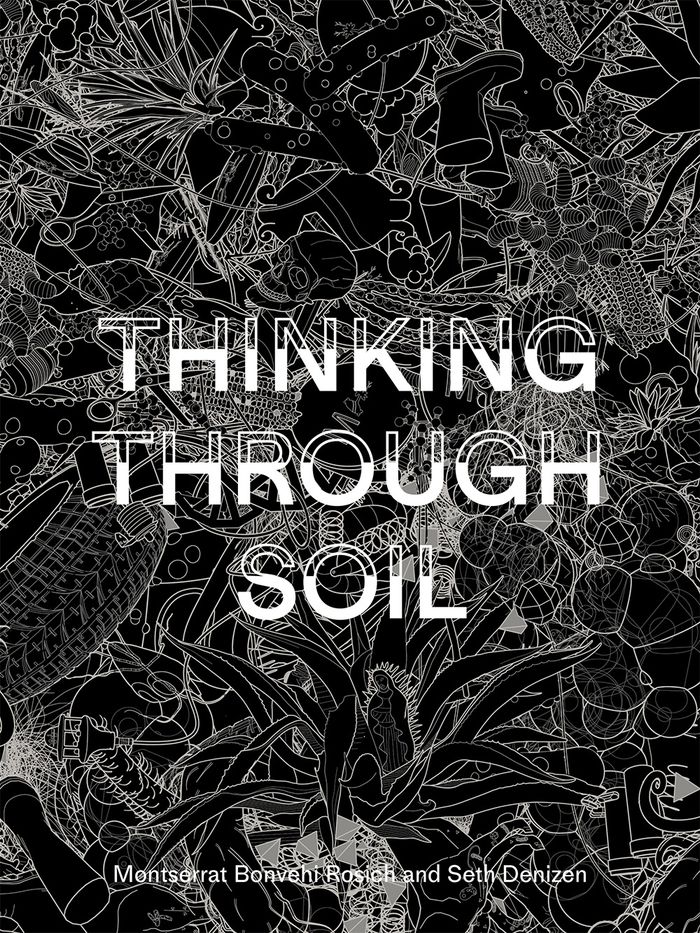
Thinking through soil: Wastewater agriculture in the Mezquital Valley
Actions:
Price:
$54.00
(available in store)
Summary:
To think through soil is to engage with some of the most critical issues of our time. In addition to its agricultural role in feeding eight billion people, soil has become the primary agent of carbon storage in global climate models, and it is crucial for biodiversity, flood control, and freshwater resources. Perhaps no other material is asked to do so much for the human environment, and yet our basic conceptual model of what soil is and how it works remains surprisingly vague. In cities, soil occupies a blurry category whose boundaries are both empirically uncertain and politically contested. Soil functions as a nexus for environmental processes through which the planet’s most fundamental material transformations occur, but conjuring what it actually is serves as a useful exercise in reframing environmental thought, design thinking, and city and regional planning toward a healthier, more ethical, and more sustainable future. Through a sustained analysis of the world’s largest wastewater agricultural system, located in the Mexico City–Mezquital hydrological region, ''Thinking Through Soil'' imagines what a better environmental future might look like in central Mexico. More broadly, this case study offers a new image of soil that captures its shifting identity, explains its profound importance to rural and urban life, and argues for its capacity to save our planet.
Thinking through soil: Wastewater agriculture in the Mezquital Valley
Actions:
Price:
$54.00
(available in store)
Summary:
To think through soil is to engage with some of the most critical issues of our time. In addition to its agricultural role in feeding eight billion people, soil has become the primary agent of carbon storage in global climate models, and it is crucial for biodiversity, flood control, and freshwater resources. Perhaps no other material is asked to do so much for the human environment, and yet our basic conceptual model of what soil is and how it works remains surprisingly vague. In cities, soil occupies a blurry category whose boundaries are both empirically uncertain and politically contested. Soil functions as a nexus for environmental processes through which the planet’s most fundamental material transformations occur, but conjuring what it actually is serves as a useful exercise in reframing environmental thought, design thinking, and city and regional planning toward a healthier, more ethical, and more sustainable future. Through a sustained analysis of the world’s largest wastewater agricultural system, located in the Mexico City–Mezquital hydrological region, ''Thinking Through Soil'' imagines what a better environmental future might look like in central Mexico. More broadly, this case study offers a new image of soil that captures its shifting identity, explains its profound importance to rural and urban life, and argues for its capacity to save our planet.
Form:
books
books
Publication:
June 2025
June 2025
Subject:
Architecture ecologies
Architecture ecologies
Form:
books
books
Actions:
Price:
$69.95
(available in store)
Summary:
How can we design the architecture of metabolism? How can architecture redefine resources, produce nutrients and contribute to regenerate land and protect communities at risk? "Building Metabolism" aims to reveal how architecture constructs, distributes, and leverages power via material recycling, interspecies alliances, biopolitics and excremental processes. This book,(...)
$69.95
(available in store)
Summary:
How can we design the architecture of metabolism? How can architecture redefine resources, produce nutrients and contribute to regenerate land and protect communities at risk? "Building Metabolism" aims to reveal how architecture constructs, distributes, and leverages power via material recycling, interspecies alliances, biopolitics and excremental processes. This book,(...)
Title:
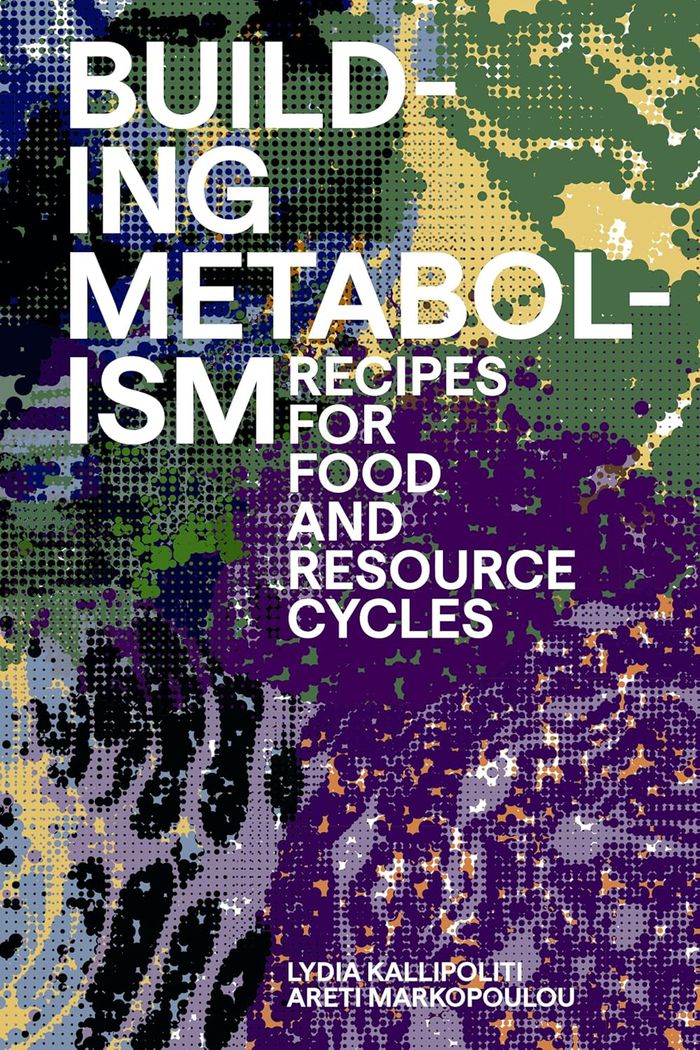
Building metabolism: Recipes for food and resource cycles
Actions:
Price:
$69.95
(available in store)
Summary:
How can we design the architecture of metabolism? How can architecture redefine resources, produce nutrients and contribute to regenerate land and protect communities at risk? "Building Metabolism" aims to reveal how architecture constructs, distributes, and leverages power via material recycling, interspecies alliances, biopolitics and excremental processes. This book, stemming from the expanded work produced for the 2022 Tallinn Architecture Biennale—themed EDIBLE and curated by the authors—reimagines the "home" on both domestic and planetary scales as a digestive system, processing human output in its various forms and converting it into actionable resources. This portrayal of the "home" urges readers to look at resources in a visceral way; via the raw ecologies of our bodies and the understanding that the social problems related to climate justice are not simply statistical, abstract, and disembodied. Instead, they are intertwined with our own production and living processes, and they are landed on bodies: on the food we eat, the water we drink, and the air we breathe.
Building metabolism: Recipes for food and resource cycles
Actions:
Price:
$69.95
(available in store)
Summary:
How can we design the architecture of metabolism? How can architecture redefine resources, produce nutrients and contribute to regenerate land and protect communities at risk? "Building Metabolism" aims to reveal how architecture constructs, distributes, and leverages power via material recycling, interspecies alliances, biopolitics and excremental processes. This book, stemming from the expanded work produced for the 2022 Tallinn Architecture Biennale—themed EDIBLE and curated by the authors—reimagines the "home" on both domestic and planetary scales as a digestive system, processing human output in its various forms and converting it into actionable resources. This portrayal of the "home" urges readers to look at resources in a visceral way; via the raw ecologies of our bodies and the understanding that the social problems related to climate justice are not simply statistical, abstract, and disembodied. Instead, they are intertwined with our own production and living processes, and they are landed on bodies: on the food we eat, the water we drink, and the air we breathe.
Form:
books
books
Publication:
January 2026
January 2026
Subject:
Green Architecture
Green Architecture
Form:
books
books
Actions:
Price:
$41.99
(available in store)
Summary:
In "Plant life", Rosetta S. Elkin explores the procedures of afforestation, the large-scale planting of trees in otherwise treeless environments, including grasslands, prairies, and drylands. Elkin reveals that planting a tree can either be one of the ultimate offerings to thriving on this planet, or one of the most extreme perversions of human agency over it. Using(...)
$41.99
(available in store)
Summary:
In "Plant life", Rosetta S. Elkin explores the procedures of afforestation, the large-scale planting of trees in otherwise treeless environments, including grasslands, prairies, and drylands. Elkin reveals that planting a tree can either be one of the ultimate offerings to thriving on this planet, or one of the most extreme perversions of human agency over it. Using(...)
Title:
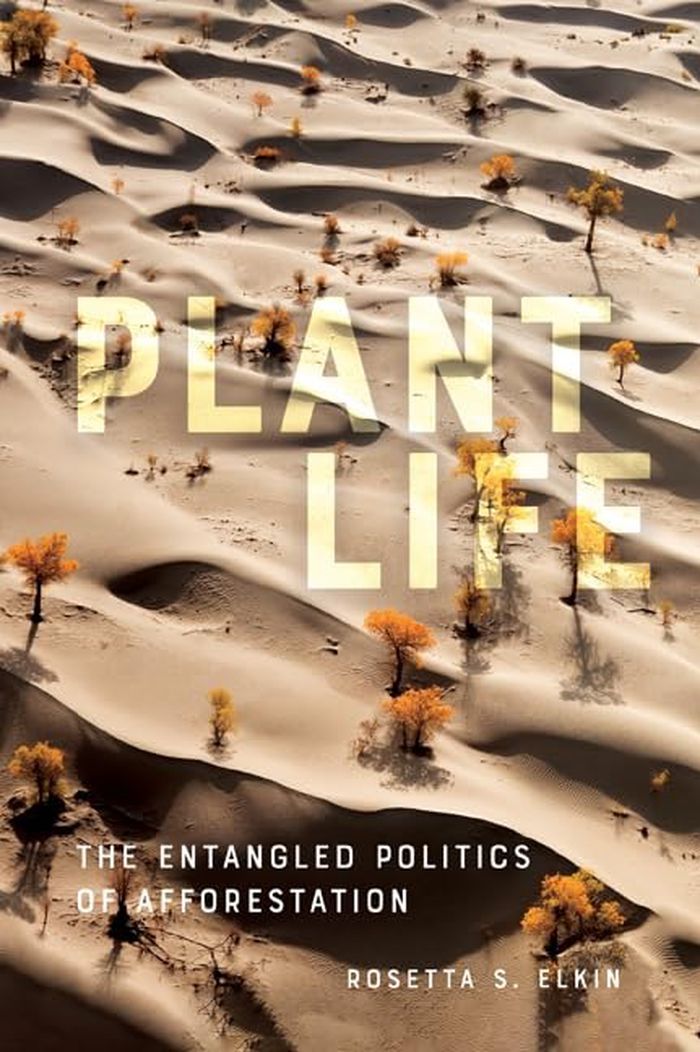
Plant life: the entangled politics of afforestation
Actions:
Price:
$41.99
(available in store)
Summary:
In "Plant life", Rosetta S. Elkin explores the procedures of afforestation, the large-scale planting of trees in otherwise treeless environments, including grasslands, prairies, and drylands. Elkin reveals that planting a tree can either be one of the ultimate offerings to thriving on this planet, or one of the most extreme perversions of human agency over it. Using three supracontinental case studies-scientific forestry in the American prairies, colonial control in Africa's Sahelian grasslands, and Chinese efforts to control and administer territory-Elkin explores the political implications of plant life as a tool of environmentalism. By exposing the human tendency to fix or solve environmental matters by exploiting other organisms, this work exposes the relationship between human and plant life, revealing that afforestation is not an ecological act: rather, it is deliberately political and distressingly social.
Plant life: the entangled politics of afforestation
Actions:
Price:
$41.99
(available in store)
Summary:
In "Plant life", Rosetta S. Elkin explores the procedures of afforestation, the large-scale planting of trees in otherwise treeless environments, including grasslands, prairies, and drylands. Elkin reveals that planting a tree can either be one of the ultimate offerings to thriving on this planet, or one of the most extreme perversions of human agency over it. Using three supracontinental case studies-scientific forestry in the American prairies, colonial control in Africa's Sahelian grasslands, and Chinese efforts to control and administer territory-Elkin explores the political implications of plant life as a tool of environmentalism. By exposing the human tendency to fix or solve environmental matters by exploiting other organisms, this work exposes the relationship between human and plant life, revealing that afforestation is not an ecological act: rather, it is deliberately political and distressingly social.
Form:
books
books
Publication:
May 2022
May 2022
Subject:
Architecture ecologies
Architecture ecologies
Form:
books
books

Price:
$42.00
(available to order)
Summary:
This first volume in a series examining intersections between architectural theory and practice addresses environmental crisis and spatial justice through four essays. Marc Angélil and Cary Siress trace the evolution from Technocene, Thermocene, Plantationocene, to Entropocene, Capitalocene, and Urbicene. Elke Krasny reflects on scales of care within social justice and(...)
$42.00
(available to order)
Summary:
This first volume in a series examining intersections between architectural theory and practice addresses environmental crisis and spatial justice through four essays. Marc Angélil and Cary Siress trace the evolution from Technocene, Thermocene, Plantationocene, to Entropocene, Capitalocene, and Urbicene. Elke Krasny reflects on scales of care within social justice and(...)
Subject:
Architecture ecologies
Architecture ecologies
Publication:
June 2025
June 2025
Title:
New tools, Vol. 1: Architectural discourses on the Anthropocene
Actions:
Price:
$42.00
(available to order)
Summary:
This first volume in a series examining intersections between architectural theory and practice addresses environmental crisis and spatial justice through four essays. Marc Angélil and Cary Siress trace the evolution from Technocene, Thermocene, Plantationocene, to Entropocene, Capitalocene, and Urbicene. Elke Krasny reflects on scales of care within social justice and decolonization. Contributors explore the "Curated Diner" as a planning intervention. Finally, Space Caviar advocates for a non-extractive approach to architecture as part of a broader economic transformation. These interdisciplinary contributions aim to reshape the discourse and discuss equitable, inclusive, and intergenerational practices.
New tools, Vol. 1: Architectural discourses on the Anthropocene
Actions:
Price:
$42.00
(available to order)
Summary:
This first volume in a series examining intersections between architectural theory and practice addresses environmental crisis and spatial justice through four essays. Marc Angélil and Cary Siress trace the evolution from Technocene, Thermocene, Plantationocene, to Entropocene, Capitalocene, and Urbicene. Elke Krasny reflects on scales of care within social justice and decolonization. Contributors explore the "Curated Diner" as a planning intervention. Finally, Space Caviar advocates for a non-extractive approach to architecture as part of a broader economic transformation. These interdisciplinary contributions aim to reshape the discourse and discuss equitable, inclusive, and intergenerational practices.
Form:
books
books
Publication:
June 2025
June 2025
Subject:
Architecture ecologies
Architecture ecologies
Form:
books
books
Actions:
Price:
$36.00
(available in store)
Summary:
The sequel to the authors’ “Are We Human?”, this provocative book is an urgent manifesto for an alternative architectural philosophy. It treats bacteria as the real architects, construction workers, maintenance crews and inhabitants of buildings. Colomina and Wigley draw on the latest research into microbes to rethink the past and possible futures of the built(...)
$36.00
(available in store)
Summary:
The sequel to the authors’ “Are We Human?”, this provocative book is an urgent manifesto for an alternative architectural philosophy. It treats bacteria as the real architects, construction workers, maintenance crews and inhabitants of buildings. Colomina and Wigley draw on the latest research into microbes to rethink the past and possible futures of the built(...)
Title:
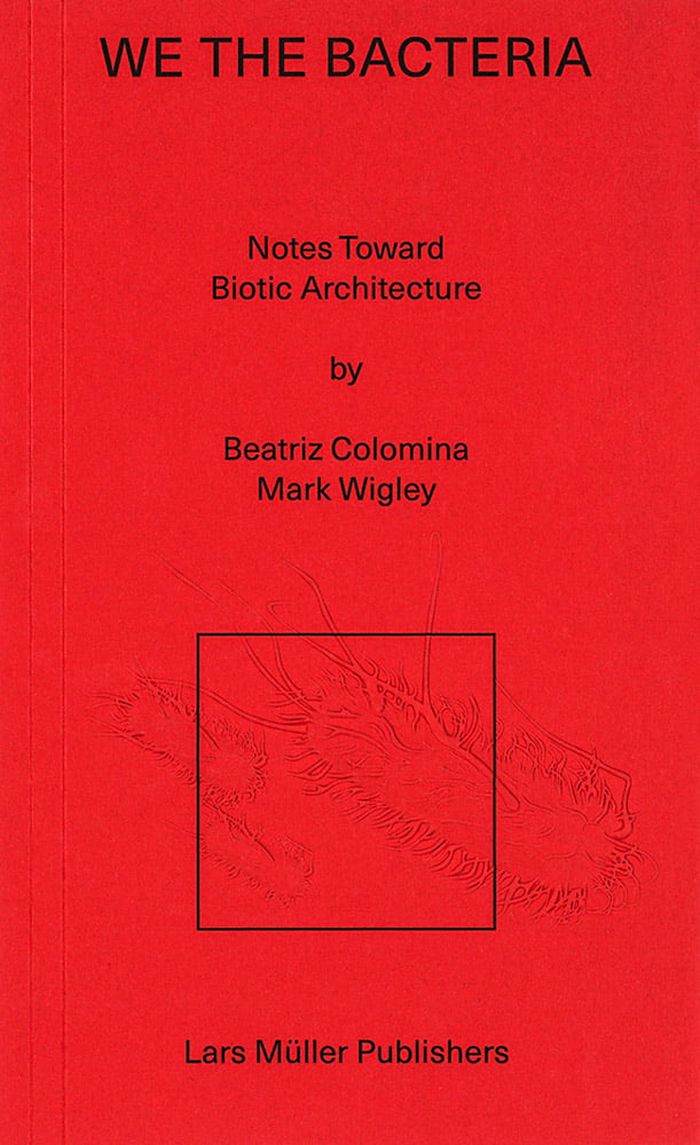
We the bacteria: Notes towards biotic architecture
Actions:
Price:
$36.00
(available in store)
Summary:
The sequel to the authors’ “Are We Human?”, this provocative book is an urgent manifesto for an alternative architectural philosophy. It treats bacteria as the real architects, construction workers, maintenance crews and inhabitants of buildings. Colomina and Wigley draw on the latest research into microbes to rethink the past and possible futures of the built environment. The book explores the intimate entanglements of the microbes within bodies and buildings over the last 10,000 years, culminating in the antibiotic philosophy of contemporary architecture. The diseases of our time are diseases of the built environment. The deadly combination of rapidly declining microbial diversity and rising antibiotic-resistant bacteria is as great a threat as climate change. Hostility to bacteria has to give way to new forms of hospitality from a more symbiotic architecture that learns from bacteria, embracing them and reconnecting with soil, plants and other species. Buildings based on fear of bacteria, which is to say fear of life itself, must give way to buildings learning from models of coexistence based on bacteria themselves. The main goal of the book is to rethink the very idea of shelter in terms of forms of inclusion rather than prophylactic forms of exclusion.
We the bacteria: Notes towards biotic architecture
Actions:
Price:
$36.00
(available in store)
Summary:
The sequel to the authors’ “Are We Human?”, this provocative book is an urgent manifesto for an alternative architectural philosophy. It treats bacteria as the real architects, construction workers, maintenance crews and inhabitants of buildings. Colomina and Wigley draw on the latest research into microbes to rethink the past and possible futures of the built environment. The book explores the intimate entanglements of the microbes within bodies and buildings over the last 10,000 years, culminating in the antibiotic philosophy of contemporary architecture. The diseases of our time are diseases of the built environment. The deadly combination of rapidly declining microbial diversity and rising antibiotic-resistant bacteria is as great a threat as climate change. Hostility to bacteria has to give way to new forms of hospitality from a more symbiotic architecture that learns from bacteria, embracing them and reconnecting with soil, plants and other species. Buildings based on fear of bacteria, which is to say fear of life itself, must give way to buildings learning from models of coexistence based on bacteria themselves. The main goal of the book is to rethink the very idea of shelter in terms of forms of inclusion rather than prophylactic forms of exclusion.
Form:
books
books
Publication:
October 2025
October 2025
Subject:
Architecture ecologies
Architecture ecologies
Form:
books
books
Actions:
Price:
$59.50
(available in store)
Summary:
"Trees, Time, Architecture!" marks an evolutionary step from shaping objects towards designing processes. The volume brings together a variety of views on the relationship between trees and architecture, urban spaces, modernism, politics, feminism, and cultural values. This collage of historical, research-based and discourse-related perspectives looks at how trees can be(...)
$59.50
(available in store)
Summary:
"Trees, Time, Architecture!" marks an evolutionary step from shaping objects towards designing processes. The volume brings together a variety of views on the relationship between trees and architecture, urban spaces, modernism, politics, feminism, and cultural values. This collage of historical, research-based and discourse-related perspectives looks at how trees can be(...)
Subject:
Green Architecture
Green Architecture
Publication:
August 2025
August 2025
Title:
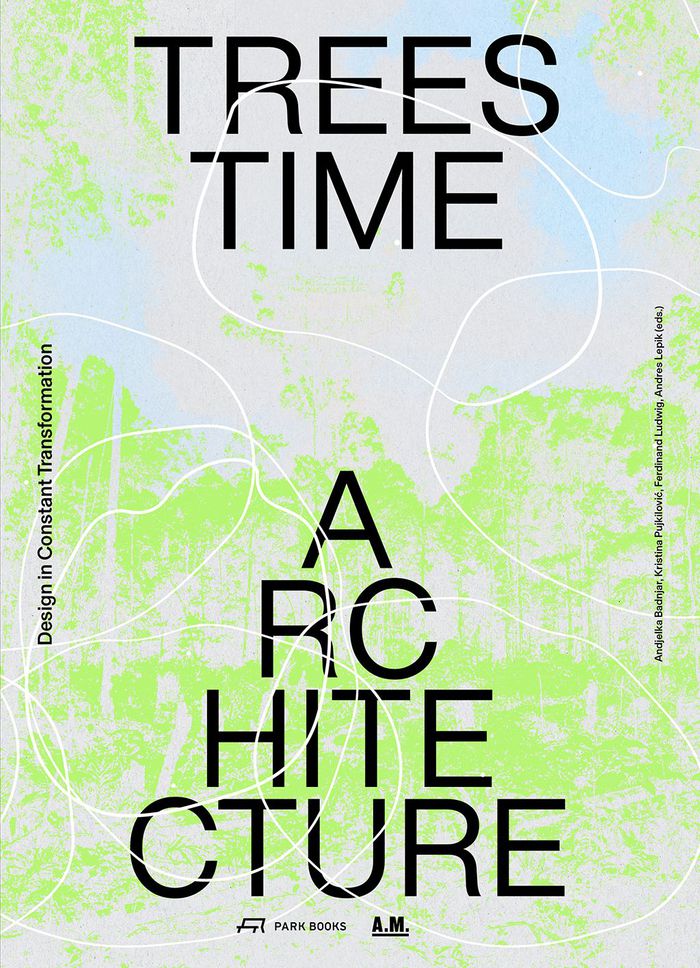
Trees, time, architecture! Design in constant transformation
Actions:
Price:
$59.50
(available in store)
Summary:
"Trees, Time, Architecture!" marks an evolutionary step from shaping objects towards designing processes. The volume brings together a variety of views on the relationship between trees and architecture, urban spaces, modernism, politics, feminism, and cultural values. This collage of historical, research-based and discourse-related perspectives looks at how trees can be preserved, used, and appreciated in the Anthropocene. It highlights historic examples of growing architecture, such as the living root bridges of the Khasi people in India, the accommodation of trees in urban housing and public spaces, novel approaches to design and construction with living trees, as well as trees as a resource for building material.
Trees, time, architecture! Design in constant transformation
Actions:
Price:
$59.50
(available in store)
Summary:
"Trees, Time, Architecture!" marks an evolutionary step from shaping objects towards designing processes. The volume brings together a variety of views on the relationship between trees and architecture, urban spaces, modernism, politics, feminism, and cultural values. This collage of historical, research-based and discourse-related perspectives looks at how trees can be preserved, used, and appreciated in the Anthropocene. It highlights historic examples of growing architecture, such as the living root bridges of the Khasi people in India, the accommodation of trees in urban housing and public spaces, novel approaches to design and construction with living trees, as well as trees as a resource for building material.
Form:
books
books
Publication:
August 2025
August 2025
Subject:
Green Architecture
Green Architecture
Form:
books
books
Price:
$66.95
(available in store)
Summary:
Bringing together real-world examples, "Architecture and energy" offers starting points for how to approach construction today and into the future. The energy requirements of buildings are enormous, resulting in a significant proportion of global carbon dioxide emissions, both in the construction phase and during the building’s use and eventual demolition. In an era of(...)
$66.95
(available in store)
Summary:
Bringing together real-world examples, "Architecture and energy" offers starting points for how to approach construction today and into the future. The energy requirements of buildings are enormous, resulting in a significant proportion of global carbon dioxide emissions, both in the construction phase and during the building’s use and eventual demolition. In an era of(...)
Title:
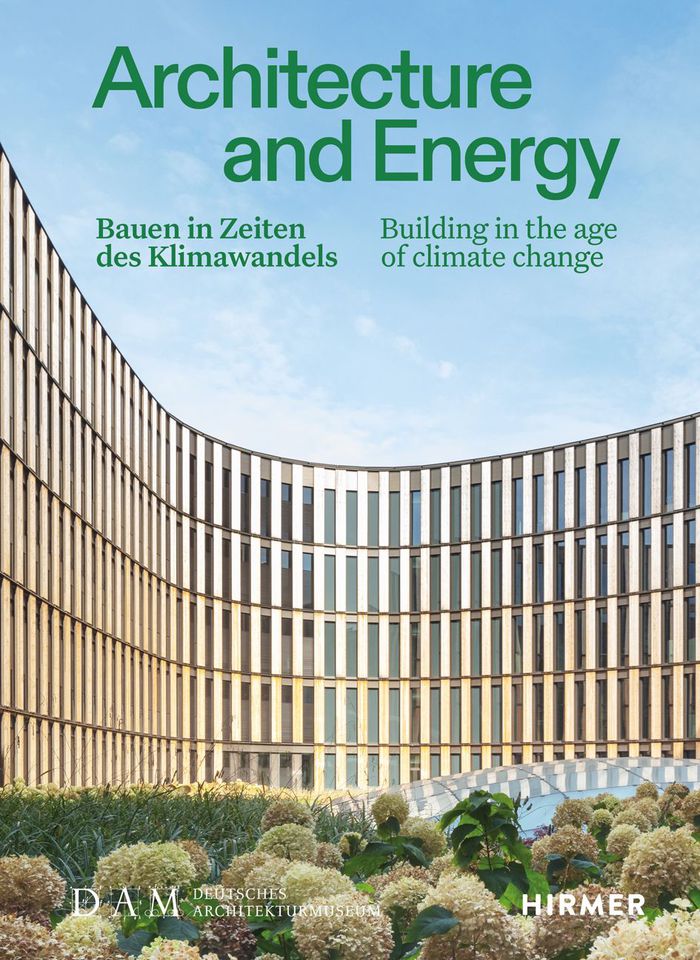
Architecture and energy: Building in the age of climate change
Actions:
Price:
$66.95
(available in store)
Summary:
Bringing together real-world examples, "Architecture and energy" offers starting points for how to approach construction today and into the future. The energy requirements of buildings are enormous, resulting in a significant proportion of global carbon dioxide emissions, both in the construction phase and during the building’s use and eventual demolition. In an era of energy transition and extreme weather phenomena, the question of how we build in a time of climate change becomes all the more urgent. A sustainably-built wood and concrete supermarket that includes a roof farm, a kindergarten constructed from locally sourced recycled materials, renovating an office building so that it can remove its air conditioning and ventilation systems: in addition to the choice of materials and innovative operating concepts, the possibilities for reducing emissions and energy requirements lie above all in thinking about the entire life cycle of a building, including refurbishing rather than new construction when possible. This volume presents international best-practice projects characterized by sustainable design and provides forward-looking answers.
Architecture and energy: Building in the age of climate change
Actions:
Price:
$66.95
(available in store)
Summary:
Bringing together real-world examples, "Architecture and energy" offers starting points for how to approach construction today and into the future. The energy requirements of buildings are enormous, resulting in a significant proportion of global carbon dioxide emissions, both in the construction phase and during the building’s use and eventual demolition. In an era of energy transition and extreme weather phenomena, the question of how we build in a time of climate change becomes all the more urgent. A sustainably-built wood and concrete supermarket that includes a roof farm, a kindergarten constructed from locally sourced recycled materials, renovating an office building so that it can remove its air conditioning and ventilation systems: in addition to the choice of materials and innovative operating concepts, the possibilities for reducing emissions and energy requirements lie above all in thinking about the entire life cycle of a building, including refurbishing rather than new construction when possible. This volume presents international best-practice projects characterized by sustainable design and provides forward-looking answers.
Form:
books
books
Publication:
July 2025
July 2025
Subject:
Green Architecture
Green Architecture
Form:
books
books

Title:
Architecture and the right to heal: Resettler nationalism in the aftermath of conflict and disaster
Architecture and the right to heal: Resettler nationalism in the aftermath of conflict and disaster
Actions:
Price:
$52.95
(available in store)
Summary:
In "Architecture and the right to heal," Esra Akcan calls for architecture to take an active role in healing communities affected by socioeconomic, political, and environmental disasters. Akcan frames these processes by discussing buildings and spaces in relation to climate change mitigation and transitional justice. Focusing on lands held by the former Ottoman Empire,(...)
$52.95
(available in store)
Summary:
In "Architecture and the right to heal," Esra Akcan calls for architecture to take an active role in healing communities affected by socioeconomic, political, and environmental disasters. Akcan frames these processes by discussing buildings and spaces in relation to climate change mitigation and transitional justice. Focusing on lands held by the former Ottoman Empire,(...)
Title:
Architecture and the right to heal: Resettler nationalism in the aftermath of conflict and disaster
Actions:
Price:
$52.95
(available in store)
Summary:
In "Architecture and the right to heal," Esra Akcan calls for architecture to take an active role in healing communities affected by socioeconomic, political, and environmental disasters. Akcan frames these processes by discussing buildings and spaces in relation to climate change mitigation and transitional justice. Focusing on lands held by the former Ottoman Empire, Akcan highlights the ongoing struggle to heal after internal social, state, and business-led violence ranging from forced disappearance to mass extinction. Putting forth the concept of resettler nationalism as a source of displacement and partition, she argues that while architecture and urban planning have been weaponized to segregate and subjugate minorities throughout history, they could instead confront systemic violence and make accountability and reparations possible. For Akcan, healing constitutes a matter of rights as well as a holistic notion of justice that addresses the intersections of social, global, and environmental issues and one can be achieved through architecture. By locating spaces of political and ecological harm, Akcan advocates for healing on individual, communal, and planetary levels.
Architecture and the right to heal: Resettler nationalism in the aftermath of conflict and disaster
Actions:
Price:
$52.95
(available in store)
Summary:
In "Architecture and the right to heal," Esra Akcan calls for architecture to take an active role in healing communities affected by socioeconomic, political, and environmental disasters. Akcan frames these processes by discussing buildings and spaces in relation to climate change mitigation and transitional justice. Focusing on lands held by the former Ottoman Empire, Akcan highlights the ongoing struggle to heal after internal social, state, and business-led violence ranging from forced disappearance to mass extinction. Putting forth the concept of resettler nationalism as a source of displacement and partition, she argues that while architecture and urban planning have been weaponized to segregate and subjugate minorities throughout history, they could instead confront systemic violence and make accountability and reparations possible. For Akcan, healing constitutes a matter of rights as well as a holistic notion of justice that addresses the intersections of social, global, and environmental issues and one can be achieved through architecture. By locating spaces of political and ecological harm, Akcan advocates for healing on individual, communal, and planetary levels.
Form:
books
books
Publication:
November 2025
November 2025
Subject:
Architecture ecologies
Architecture ecologies
Form:
books
books
Actions:
Price:
$49.95
(available to order)
Summary:
What does it mean to examine post-communist politics through the prism of the material and semiotic transformations and modifications of surfaces? A rethinking of surfaces as dynamic and complex sites opens a path for a detailed study of their crucial role in the governing of post-communist urban space—but also of the forms of subversion that can be discerned through(...)
$49.95
(available to order)
Summary:
What does it mean to examine post-communist politics through the prism of the material and semiotic transformations and modifications of surfaces? A rethinking of surfaces as dynamic and complex sites opens a path for a detailed study of their crucial role in the governing of post-communist urban space—but also of the forms of subversion that can be discerned through(...)
Title:
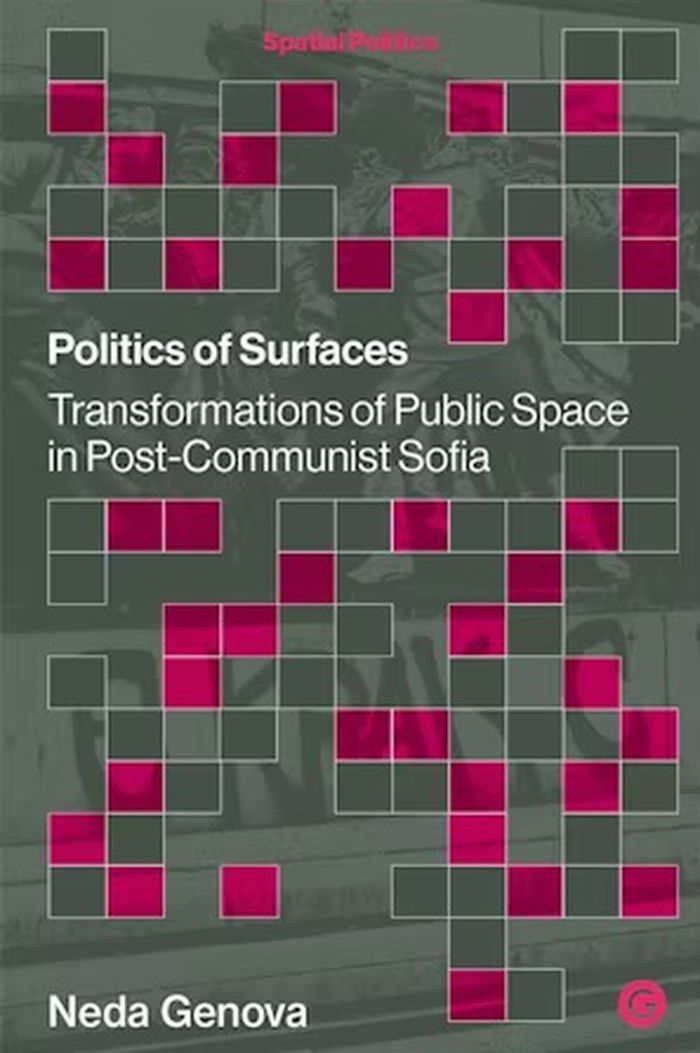
Politics of surfaces: Transformations of public space in Post-Communist Sofia
Actions:
Price:
$49.95
(available to order)
Summary:
What does it mean to examine post-communist politics through the prism of the material and semiotic transformations and modifications of surfaces? A rethinking of surfaces as dynamic and complex sites opens a path for a detailed study of their crucial role in the governing of post-communist urban space—but also of the forms of subversion that can be discerned through interventions on and with surfaces. The book explores a set of surfaces—Wall, Monument, Electricity Boxes, Memes, and Paving Brick—to investigate the kind of political engagement they enable and foreclose in post-communist Sofia, Bulgaria. The examination of each of these sites draws on an array of interconnected theoretical propositions, pertaining to surfaces’ conceptualization as temporal, fictitious and relational objects engaged in the production of political meaning.
Politics of surfaces: Transformations of public space in Post-Communist Sofia
Actions:
Price:
$49.95
(available to order)
Summary:
What does it mean to examine post-communist politics through the prism of the material and semiotic transformations and modifications of surfaces? A rethinking of surfaces as dynamic and complex sites opens a path for a detailed study of their crucial role in the governing of post-communist urban space—but also of the forms of subversion that can be discerned through interventions on and with surfaces. The book explores a set of surfaces—Wall, Monument, Electricity Boxes, Memes, and Paving Brick—to investigate the kind of political engagement they enable and foreclose in post-communist Sofia, Bulgaria. The examination of each of these sites draws on an array of interconnected theoretical propositions, pertaining to surfaces’ conceptualization as temporal, fictitious and relational objects engaged in the production of political meaning.
Form:
books
books
Publication:
February 2026
February 2026
Subject:
Architecture ecologies
Architecture ecologies


