


1759 Results
Form:
books
books
Actions:
Price:
$109.00
(available to order)
Summary:
Gardens have always been places of leisure, pleasure and production; they reflect identities, dreams and visions. Deeply rooted in their culture, gardens have immense symbolic potential. The recent revival of horticulture has focused less on the garden as a romantic refuge than as a place where we might imagine the future and develop solutions. Urban farms, vertical(...)
$109.00
(available to order)
Summary:
Gardens have always been places of leisure, pleasure and production; they reflect identities, dreams and visions. Deeply rooted in their culture, gardens have immense symbolic potential. The recent revival of horticulture has focused less on the garden as a romantic refuge than as a place where we might imagine the future and develop solutions. Urban farms, vertical(...)
Title:
Garden futures: designing with nature
Actions:
Price:
$109.00
(available to order)
Summary:
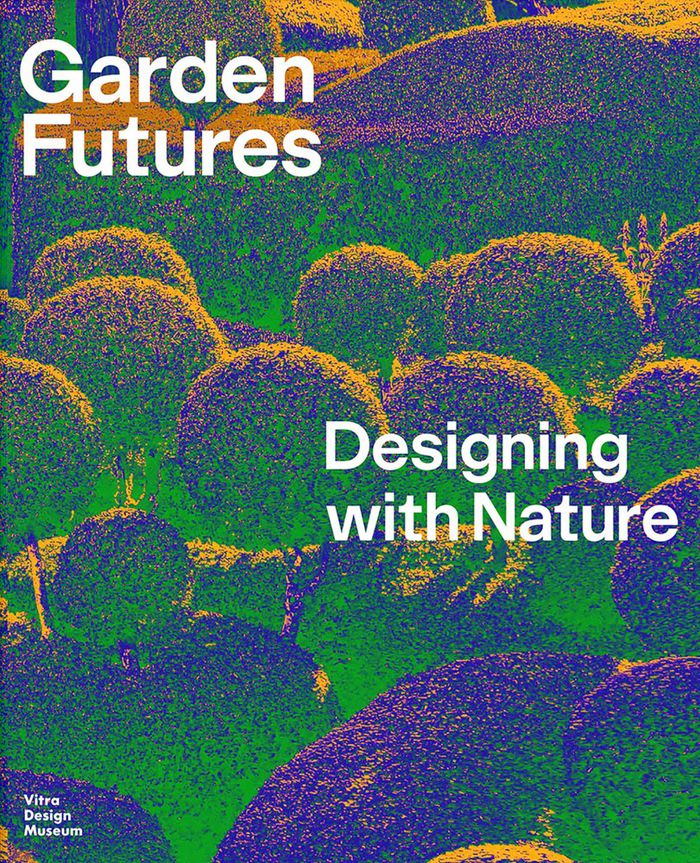
Gardens have always been places of leisure, pleasure and production; they reflect identities, dreams and visions. Deeply rooted in their culture, gardens have immense symbolic potential. The recent revival of horticulture has focused less on the garden as a romantic refuge than as a place where we might imagine the future and develop solutions. Urban farms, vertical gardens and other innovative projects in art, architecture and urban planning demonstrate that the present return to the garden is no timid retreat, but a pioneering quest for a world in which social and ecological justice count for something. ''Garden Futures'' examines what gardens and their design reveal about our relationship to nature. In exploring the history of ideas behind the genesis of the modern garden, the book takes a close look at the present, goes in search of origins in the past and builds bridges into the future.
Garden futures: designing with nature
Actions:
Price:
$109.00
(available to order)
Summary:
Gardens have always been places of leisure, pleasure and production; they reflect identities, dreams and visions. Deeply rooted in their culture, gardens have immense symbolic potential. The recent revival of horticulture has focused less on the garden as a romantic refuge than as a place where we might imagine the future and develop solutions. Urban farms, vertical gardens and other innovative projects in art, architecture and urban planning demonstrate that the present return to the garden is no timid retreat, but a pioneering quest for a world in which social and ecological justice count for something. ''Garden Futures'' examines what gardens and their design reveal about our relationship to nature. In exploring the history of ideas behind the genesis of the modern garden, the book takes a close look at the present, goes in search of origins in the past and builds bridges into the future.
Form:
books
books
Publication:
June 2023
June 2023
Subject:
Gardens
Gardens
Form:
books
books
Actions:
Price:
$23.95
(available to order)
Summary:
In the first half of the 20th century, when architecture and literature dreamed of transparency, glass was the material these dreams were made of. However, the historiography of both fields usually focuses on a few canonical works by male authors to tell the story of this shared fascination. Departing from this imbalance, this essay takes the opportunity to explore the(...)
$23.95
(available to order)
Summary:
In the first half of the 20th century, when architecture and literature dreamed of transparency, glass was the material these dreams were made of. However, the historiography of both fields usually focuses on a few canonical works by male authors to tell the story of this shared fascination. Departing from this imbalance, this essay takes the opportunity to explore the(...)
Subject:
Architectural Theory
Architectural Theory
Publication:
December 2023
December 2023
Title:
Glass scenographies. Notes on spaces of one’s own
Actions:
Price:
$23.95
(available to order)
Summary:
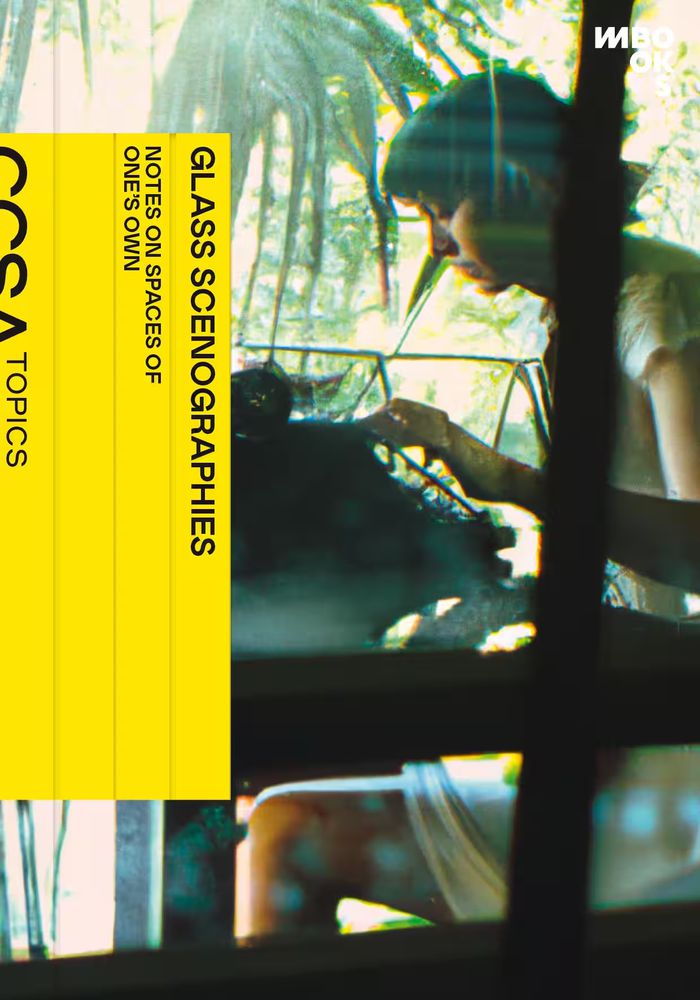
In the first half of the 20th century, when architecture and literature dreamed of transparency, glass was the material these dreams were made of. However, the historiography of both fields usually focuses on a few canonical works by male authors to tell the story of this shared fascination. Departing from this imbalance, this essay takes the opportunity to explore the glass culture of modernity through the lens of female projects whose stories often take place simultaneously on different continents. While the former silent film actress Evelyn Word Leigh builds a glass house for herself in Nyack, New York, artists and writers based in Europe – like Claude Cahun, Anaïs Nin, and Hilda ‘H.D.’ Doolittle – flesh out imaginary glass domes as construction sites of artistic subjectivities. Whether homes or domes, these creative women used glass environments to question and renegotiate their assigned places in Western societies, challenging the boundaries of female agency.
Glass scenographies. Notes on spaces of one’s own
Actions:
Price:
$23.95
(available to order)
Summary:
In the first half of the 20th century, when architecture and literature dreamed of transparency, glass was the material these dreams were made of. However, the historiography of both fields usually focuses on a few canonical works by male authors to tell the story of this shared fascination. Departing from this imbalance, this essay takes the opportunity to explore the glass culture of modernity through the lens of female projects whose stories often take place simultaneously on different continents. While the former silent film actress Evelyn Word Leigh builds a glass house for herself in Nyack, New York, artists and writers based in Europe – like Claude Cahun, Anaïs Nin, and Hilda ‘H.D.’ Doolittle – flesh out imaginary glass domes as construction sites of artistic subjectivities. Whether homes or domes, these creative women used glass environments to question and renegotiate their assigned places in Western societies, challenging the boundaries of female agency.
Form:
books
books
Publication:
December 2023
December 2023
Subject:
Architectural Theory
Architectural Theory
Form:
books
books
Title:
Asleep in the afternoon
Asleep in the afternoon
Actions:
Price:
$48.95
(available in store)
Summary:
First published by Jonathan Cape, London, in 1938. Reprinted in 2008 by Hyphen Press, layout by Stuart Bailey. ASLEEP IN THE AFTERNOON tells about a shy and retiring physicist whose custom it is to sleep four or five hours every day. It is a strange practice, and appears to be due to the fact that he is deaf and unhappy about this defect. But presently it transpires that(...)
$48.95
(available in store)
Summary:
First published by Jonathan Cape, London, in 1938. Reprinted in 2008 by Hyphen Press, layout by Stuart Bailey. ASLEEP IN THE AFTERNOON tells about a shy and retiring physicist whose custom it is to sleep four or five hours every day. It is a strange practice, and appears to be due to the fact that he is deaf and unhappy about this defect. But presently it transpires that(...)
Title:
Asleep in the afternoon
Actions:
Price:
$48.95
(available in store)
Summary:
First published by Jonathan Cape, London, in 1938. Reprinted in 2008 by Hyphen Press, layout by Stuart Bailey. ASLEEP IN THE AFTERNOON tells about a shy and retiring physicist whose custom it is to sleep four or five hours every day. It is a strange practice, and appears to be due to the fact that he is deaf and unhappy about this defect. But presently it transpires that his deafness is only pretended; the real reason is that he has an active and aggressive wife from whom he seeks refuge. He wears a little hearing apparatus in his ear, even when he is sleeping in the afternoon; it turns out that it is not a hearing apparatus at all, but a device with which he is conducting experiments. It produces a kind of ray which effects the brain and causes sleep accompanied by delightful dreams.
Asleep in the afternoon
Actions:
Price:
$48.95
(available in store)
Summary:
First published by Jonathan Cape, London, in 1938. Reprinted in 2008 by Hyphen Press, layout by Stuart Bailey. ASLEEP IN THE AFTERNOON tells about a shy and retiring physicist whose custom it is to sleep four or five hours every day. It is a strange practice, and appears to be due to the fact that he is deaf and unhappy about this defect. But presently it transpires that his deafness is only pretended; the real reason is that he has an active and aggressive wife from whom he seeks refuge. He wears a little hearing apparatus in his ear, even when he is sleeping in the afternoon; it turns out that it is not a hearing apparatus at all, but a device with which he is conducting experiments. It produces a kind of ray which effects the brain and causes sleep accompanied by delightful dreams.
Form:
books
books
Publication:
November 2008, New York
November 2008, New York
Subject:
Architectural Theory
Architectural Theory
Form:
books
books
Title:
Henri's walk to Paris
Henri's walk to Paris
Actions:
Price:
$19.95
(available to order)
Summary:
In graphic designer Basss sole picture book, first published in 1962, his stylized collage prints pair with Kleins understated text to tell the story of a boy who dreams about traveling from his small town of Reboul to visit Paris. In Reboul, Henri lives in a little white house made up of two angular geometrical shapes, surrounded by a lush tapestry-like forest, and has(...)
$19.95
(available to order)
Summary:
In graphic designer Basss sole picture book, first published in 1962, his stylized collage prints pair with Kleins understated text to tell the story of a boy who dreams about traveling from his small town of Reboul to visit Paris. In Reboul, Henri lives in a little white house made up of two angular geometrical shapes, surrounded by a lush tapestry-like forest, and has(...)
Title:
Henri's walk to Paris
Actions:
Price:
$19.95
(available to order)
Summary:
In graphic designer Basss sole picture book, first published in 1962, his stylized collage prints pair with Kleins understated text to tell the story of a boy who dreams about traveling from his small town of Reboul to visit Paris. In Reboul, Henri lives in a little white house made up of two angular geometrical shapes, surrounded by a lush tapestry-like forest, and has three friends, Andre, Jacques, and Michel (they appear as three pairs of legs, fitted with pink pants, decoratively pattered socks, and green boots). Finally, Henri sets out walking to Paris, but when a bird interferes with his sense of direction, he gets turned around, discovering that Paris is an awful lot like Reboul. Bass plays with repetition (theres a strong symmetry to Henris journey), text, and strong blocks of color, while using negative and positive space to toy with perception.
Henri's walk to Paris
Actions:
Price:
$19.95
(available to order)
Summary:
In graphic designer Basss sole picture book, first published in 1962, his stylized collage prints pair with Kleins understated text to tell the story of a boy who dreams about traveling from his small town of Reboul to visit Paris. In Reboul, Henri lives in a little white house made up of two angular geometrical shapes, surrounded by a lush tapestry-like forest, and has three friends, Andre, Jacques, and Michel (they appear as three pairs of legs, fitted with pink pants, decoratively pattered socks, and green boots). Finally, Henri sets out walking to Paris, but when a bird interferes with his sense of direction, he gets turned around, discovering that Paris is an awful lot like Reboul. Bass plays with repetition (theres a strong symmetry to Henris journey), text, and strong blocks of color, while using negative and positive space to toy with perception.
Form:
books
books
Publication:
February 2012
February 2012
Subject:
Children's Books
Children's Books
Form:
books
books
Actions:
Holdings:
Description:
x, 293 pages : illustrations ; 21 cm
Description:
x, 293 pages : illustrations ; 21 cm
Author:
Subject:
Publication:
New York : Picador, 2019., ©2018
New York : Picador, 2019., ©2018
Title:
Darwin comes to town : how the urban jungle drives evolution / Menno Schilthuizen.
Actions:
Holdings:
Description:
x, 293 pages : illustrations ; 21 cm
Darwin comes to town : how the urban jungle drives evolution / Menno Schilthuizen.
Actions:
Holdings:
Description:
x, 293 pages : illustrations ; 21 cm
Form:
books
books
Publication:
New York : Picador, 2019., ©2018
New York : Picador, 2019., ©2018
Author:
Subject:
Form:
books
books
Price:
$58.95
(available to order)
Summary:
The Pan Am Building and the reaction to it signalled the end of an era. Begun when the modernist aesthetic and the architectural star system ruled architectural theory and practice, the completed building became a symbol of modernism's fall from grace. In “The Pan Am Building and the Shattering of the Modernist Dream”, Meredith Clausen tells the story as both history and(...)
$58.95
(available to order)
Summary:
The Pan Am Building and the reaction to it signalled the end of an era. Begun when the modernist aesthetic and the architectural star system ruled architectural theory and practice, the completed building became a symbol of modernism's fall from grace. In “The Pan Am Building and the Shattering of the Modernist Dream”, Meredith Clausen tells the story as both history and(...)
Subject:
Architecture since 1900, Europe
Architecture since 1900, Europe
Publication:
December 2004, Cambridge, Mass.
December 2004, Cambridge, Mass.
Title:
The Pan Am building and the shattering of the modernist dream
Actions:
Price:
$58.95
(available to order)
Summary:
The Pan Am Building and the reaction to it signalled the end of an era. Begun when the modernist aesthetic and the architectural star system ruled architectural theory and practice, the completed building became a symbol of modernism's fall from grace. In “The Pan Am Building and the Shattering of the Modernist Dream”, Meredith Clausen tells the story as both history and cautionary tale -- a case study of how not to plan and execute a large-scale urban project that seems especially relevant in light of the World Trade Center and the ongoing discussions over what should be built in its place. The Pan Am Building was despised by many as soon as the plans were announced in 1958. The star power of the celebrity architects -- those deans of modernism, Walter Gropius and Pietro Belluschi -- overrode critics' objections. When construction was completed in 1963, it became more than an architectural question; this "mute, massive, over-scaled octagonal slab," as Clausen describes it, built over Grand Central Terminal, blocked the view down Park Avenue, created deep shadows where there had been sunlight, and poured 25,000 office workers on the sidewalks each morning and evening. As Clausen tells it, the story of the building -- which was undistinguished architecturally but important because of its location and its moment in history -- encompasses the end of modernism's social idealism, the decline of Gropius's and Belluschi's reputations, the victory of private interests over public good, the revival of architectural criticism in the press (both Ada Louise Huxtable and Jane Jacobs emerged as prominent and influential critics), the birth of the historic preservation movement, and the changing culture and politics of New York City.
The Pan Am building and the shattering of the modernist dream
Actions:
Price:
$58.95
(available to order)
Summary:
The Pan Am Building and the reaction to it signalled the end of an era. Begun when the modernist aesthetic and the architectural star system ruled architectural theory and practice, the completed building became a symbol of modernism's fall from grace. In “The Pan Am Building and the Shattering of the Modernist Dream”, Meredith Clausen tells the story as both history and cautionary tale -- a case study of how not to plan and execute a large-scale urban project that seems especially relevant in light of the World Trade Center and the ongoing discussions over what should be built in its place. The Pan Am Building was despised by many as soon as the plans were announced in 1958. The star power of the celebrity architects -- those deans of modernism, Walter Gropius and Pietro Belluschi -- overrode critics' objections. When construction was completed in 1963, it became more than an architectural question; this "mute, massive, over-scaled octagonal slab," as Clausen describes it, built over Grand Central Terminal, blocked the view down Park Avenue, created deep shadows where there had been sunlight, and poured 25,000 office workers on the sidewalks each morning and evening. As Clausen tells it, the story of the building -- which was undistinguished architecturally but important because of its location and its moment in history -- encompasses the end of modernism's social idealism, the decline of Gropius's and Belluschi's reputations, the victory of private interests over public good, the revival of architectural criticism in the press (both Ada Louise Huxtable and Jane Jacobs emerged as prominent and influential critics), the birth of the historic preservation movement, and the changing culture and politics of New York City.
Form:
books
books
Publication:
December 2004, Cambridge, Mass.
December 2004, Cambridge, Mass.
Subject:
Architecture since 1900, Europe
Architecture since 1900, Europe
Form:
books
books

Actions:
Price:
$101.50
(available to order)
Summary:
This book documents the life and work of Lewis Larsson and his fellow colleagues of the American Colony Photographers group who together formed part of a Swedish nonconformist religious sect that emigrated to Jerusalem at the end of the 19th century. Together they created over a period of 50 years one of the world's finest collections of photographs from Palestine and the(...)
$101.50
(available to order)
Summary:
This book documents the life and work of Lewis Larsson and his fellow colleagues of the American Colony Photographers group who together formed part of a Swedish nonconformist religious sect that emigrated to Jerusalem at the end of the 19th century. Together they created over a period of 50 years one of the world's finest collections of photographs from Palestine and the(...)
Title:
The dream of Jerusalem : Lewis Larsson and the American colony photographers
Actions:
Price:
$101.50
(available to order)
Summary:
This book documents the life and work of Lewis Larsson and his fellow colleagues of the American Colony Photographers group who together formed part of a Swedish nonconformist religious sect that emigrated to Jerusalem at the end of the 19th century. Together they created over a period of 50 years one of the world's finest collections of photographs from Palestine and the Middle-East from that period.
The dream of Jerusalem : Lewis Larsson and the American colony photographers
Actions:
Price:
$101.50
(available to order)
Summary:
This book documents the life and work of Lewis Larsson and his fellow colleagues of the American Colony Photographers group who together formed part of a Swedish nonconformist religious sect that emigrated to Jerusalem at the end of the 19th century. Together they created over a period of 50 years one of the world's finest collections of photographs from Palestine and the Middle-East from that period.
Form:
books
books
Publication:
January 1900, Stockholm
January 1900, Stockholm
Subject:
Photography monographs
Photography monographs
Form:
books
books

Actions:
Price:
$9.00
(available in store)
Summary:
James Baldwin was one of America’s most powerful analysts of the psychology of white supremacy. In this speech he offers a devastating, but also strikingly empathetic, account of the role played by racism in American society.
$9.00
(available in store)
Summary:
James Baldwin was one of America’s most powerful analysts of the psychology of white supremacy. In this speech he offers a devastating, but also strikingly empathetic, account of the role played by racism in American society.
Title:
The American Dream is at the expense of the American negro
Actions:
Price:
$9.00
(available in store)
Summary:
James Baldwin was one of America’s most powerful analysts of the psychology of white supremacy. In this speech he offers a devastating, but also strikingly empathetic, account of the role played by racism in American society.
The American Dream is at the expense of the American negro
Actions:
Price:
$9.00
(available in store)
Summary:
James Baldwin was one of America’s most powerful analysts of the psychology of white supremacy. In this speech he offers a devastating, but also strikingly empathetic, account of the role played by racism in American society.
Form:
books
books
Publication:
May 2024
May 2024
Subject:
Literature and poetry
Literature and poetry
Form:
books
books
Price:
$64.00
(available to order)
Summary:
Famous for its transparency, the Philip Johnson Glass House--the icon of modernism that Vincent Scully called "the most conceptually important house of the century"--has nonetheless proven vexingly opaque to interpretation. Its architect, Philip Cortelyou Johnson, has been equally elusive, a polarizing and influential cultural figure on whom no psychological character(...)
$64.00
(available to order)
Summary:
Famous for its transparency, the Philip Johnson Glass House--the icon of modernism that Vincent Scully called "the most conceptually important house of the century"--has nonetheless proven vexingly opaque to interpretation. Its architect, Philip Cortelyou Johnson, has been equally elusive, a polarizing and influential cultural figure on whom no psychological character(...)
Title:
Dream house: an intimate portrait of the Phillip Johnson Glass House
Actions:
Price:
$64.00
(available to order)
Summary:
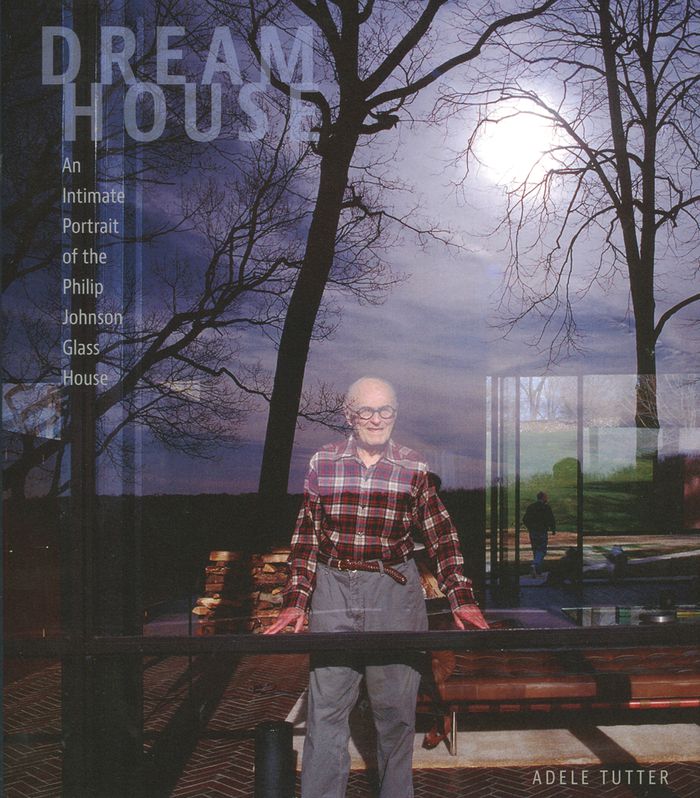
Famous for its transparency, the Philip Johnson Glass House--the icon of modernism that Vincent Scully called "the most conceptually important house of the century"--has nonetheless proven vexingly opaque to interpretation. Its architect, Philip Cortelyou Johnson, has been equally elusive, a polarizing and influential cultural figure on whom no psychological character study yet exists. In her new book, Adele Tutter addresses both enigmas. ''Dream House: An Intimate Portrait of the Philip Johnson Glass House'' reveals how this superficially nonrepresentational physical structure encodes aspects of its architect’s aspirations, motivations, and conflicts--how it acts as a veritable self-portrait of his inner world.
Dream house: an intimate portrait of the Phillip Johnson Glass House
Actions:
Price:
$64.00
(available to order)
Summary:
Famous for its transparency, the Philip Johnson Glass House--the icon of modernism that Vincent Scully called "the most conceptually important house of the century"--has nonetheless proven vexingly opaque to interpretation. Its architect, Philip Cortelyou Johnson, has been equally elusive, a polarizing and influential cultural figure on whom no psychological character study yet exists. In her new book, Adele Tutter addresses both enigmas. ''Dream House: An Intimate Portrait of the Philip Johnson Glass House'' reveals how this superficially nonrepresentational physical structure encodes aspects of its architect’s aspirations, motivations, and conflicts--how it acts as a veritable self-portrait of his inner world.
Form:
books
books
Publication:
May 2016
May 2016
Subject:
Architecture Monographs
Architecture Monographs
Form:
books
books
Actions:
Holdings:
Description:
xiii, 459 pages : illustrations (some color), maps (some color) ; 29 cm
Description:
xiii, 459 pages : illustrations (some color), maps (some color) ; 29 cm
Author:
Subject:
Publication:
Boston : Pearson, ©2012.
Boston : Pearson, ©2012.
Title:
Urbanization : an introduction to urban geography / Paul L. Knox, Linda McCarthy.
Actions:
Holdings:
Description:
xiii, 459 pages : illustrations (some color), maps (some color) ; 29 cm
Urbanization : an introduction to urban geography / Paul L. Knox, Linda McCarthy.
Actions:
Holdings:
Description:
xiii, 459 pages : illustrations (some color), maps (some color) ; 29 cm
Form:
books
books
Publication:
Boston : Pearson, ©2012.
Boston : Pearson, ©2012.
Author:
Subject:


