


1914 Results
Form:
books
books
Actions:
Price:
$20.95
(available to order)
Summary:
In 1950, only 30 percent of the world's population lived in cities. By 2007, the planet's population has doubled, and today, as many people live in cities as populated the entire planet in 1950. Eighty percent of the planet's greenhouse gases are created by these energy-intensive urban centers. Thus, the key to creating climate change solutions resides with cities.(...)
$20.95
(available to order)
Summary:
In 1950, only 30 percent of the world's population lived in cities. By 2007, the planet's population has doubled, and today, as many people live in cities as populated the entire planet in 1950. Eighty percent of the planet's greenhouse gases are created by these energy-intensive urban centers. Thus, the key to creating climate change solutions resides with cities.(...)
Title:
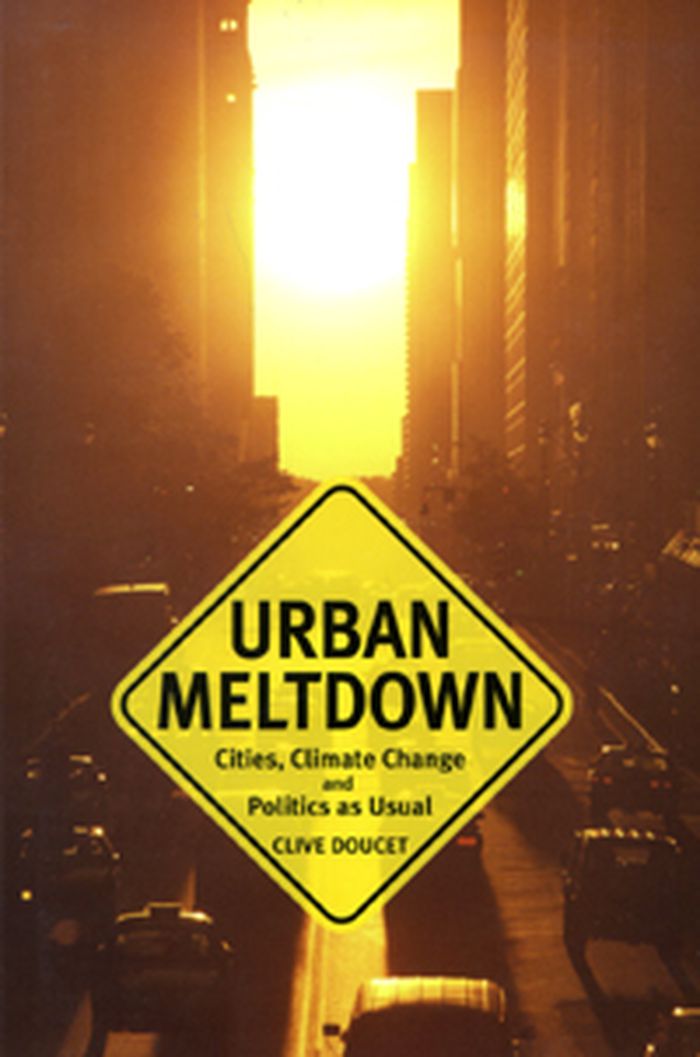
Urban meltdown: cities, climate change and politics as usual
Actions:
Price:
$20.95
(available to order)
Summary:
In 1950, only 30 percent of the world's population lived in cities. By 2007, the planet's population has doubled, and today, as many people live in cities as populated the entire planet in 1950. Eighty percent of the planet's greenhouse gases are created by these energy-intensive urban centers. Thus, the key to creating climate change solutions resides with cities. Author and Ottawa city councilor Clive Doucet provides a razor-sharp insider's perspective, stating his central theme: "It's not about planning. It's about politics." Climate change is proceeding so quickly not for lack of knowledge, but because politicians who deviate from the car-based sprawl model cannot get elected. Urban Meltdown describes how we got here, why we got here, and what can be done about it, as evidenced by the author's observations that: Economic growth has no built-in environmental accountability. Until the political thinking about growth and the progress model itself is changed, our environmental concerns will never be properly addressed. We need a new governance paradigm at all three levels. The cautionary tale of how the 1960s tried to take us down a different route failed, not for lack of leadership but because the system didn't permit it. Urban Meltdown reveals, castigates, and inspires. This is an important book for anyone who cares about thinking differently, acting differently, and making a difference. Clive Doucet is an urban activist, well-known journalist, best-selling author, and the first poet ever elected to Ottawa City Council.
Urban meltdown: cities, climate change and politics as usual
Actions:
Price:
$20.95
(available to order)
Summary:
In 1950, only 30 percent of the world's population lived in cities. By 2007, the planet's population has doubled, and today, as many people live in cities as populated the entire planet in 1950. Eighty percent of the planet's greenhouse gases are created by these energy-intensive urban centers. Thus, the key to creating climate change solutions resides with cities. Author and Ottawa city councilor Clive Doucet provides a razor-sharp insider's perspective, stating his central theme: "It's not about planning. It's about politics." Climate change is proceeding so quickly not for lack of knowledge, but because politicians who deviate from the car-based sprawl model cannot get elected. Urban Meltdown describes how we got here, why we got here, and what can be done about it, as evidenced by the author's observations that: Economic growth has no built-in environmental accountability. Until the political thinking about growth and the progress model itself is changed, our environmental concerns will never be properly addressed. We need a new governance paradigm at all three levels. The cautionary tale of how the 1960s tried to take us down a different route failed, not for lack of leadership but because the system didn't permit it. Urban Meltdown reveals, castigates, and inspires. This is an important book for anyone who cares about thinking differently, acting differently, and making a difference. Clive Doucet is an urban activist, well-known journalist, best-selling author, and the first poet ever elected to Ottawa City Council.
Form:
books
books
Publication:
October 2007, Gabriola Island
October 2007, Gabriola Island
Subject:
Green Architecture
Green Architecture
Form:
books
books
Actions:
Holdings:
Description:
2 volumes (224, 176 pages) : color illustrations, color plans ; 27 cm
Description:
2 volumes (224, 176 pages) : color illustrations, color plans ; 27 cm
Author:
Subject:
Publication:
London : Thames & Hudson Ltd. ; New York, New York : Thames & Hudson Inc., 2022., ©2022
London : Thames & Hudson Ltd. ; New York, New York : Thames & Hudson Inc., 2022., ©2022
Title:
Building nature / Vo Trong Nghia ; with an introduction by Philip Jodidio.
Actions:
Holdings:
Description:
2 volumes (224, 176 pages) : color illustrations, color plans ; 27 cm
Building nature / Vo Trong Nghia ; with an introduction by Philip Jodidio.
Actions:
Holdings:
Description:
2 volumes (224, 176 pages) : color illustrations, color plans ; 27 cm
Form:
books
books
Publication:
London : Thames & Hudson Ltd. ; New York, New York : Thames & Hudson Inc., 2022., ©2022
London : Thames & Hudson Ltd. ; New York, New York : Thames & Hudson Inc., 2022., ©2022
Author:
Subject:
Form:
books
books
Title:
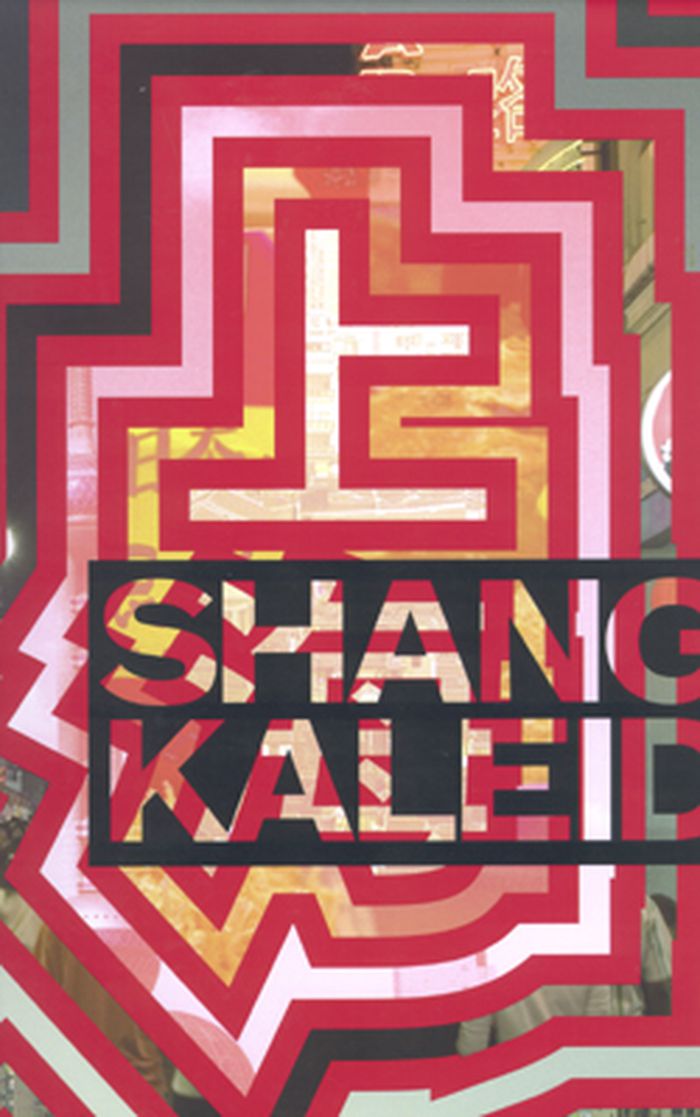
Shanghai kaleidoscope
Shanghai kaleidoscope
Actions:
Price:
$68.00
(available to order)
Summary:
This oversize study of Shanghai's creative culture presents an adventurous mix of architectural models, digital simulations, designer fashion apparel, drawings, runway videos, paintings, photo-works and video installations by the city's leading contemporary artists. Christopher Phillips, curator at the International Center of Photography in New York and editor of this(...)
$68.00
(available to order)
Summary:
This oversize study of Shanghai's creative culture presents an adventurous mix of architectural models, digital simulations, designer fashion apparel, drawings, runway videos, paintings, photo-works and video installations by the city's leading contemporary artists. Christopher Phillips, curator at the International Center of Photography in New York and editor of this(...)
Publication:
February 2009, Toronto
February 2009, Toronto
Title:
Shanghai kaleidoscope
Actions:
Price:
$68.00
(available to order)
Summary:
This oversize study of Shanghai's creative culture presents an adventurous mix of architectural models, digital simulations, designer fashion apparel, drawings, runway videos, paintings, photo-works and video installations by the city's leading contemporary artists. Christopher Phillips, curator at the International Center of Photography in New York and editor of this volume, writes in his introduction, Since the early 1990s, Shanghai has been at the forefront of China's historic national resurgence. During that time, it has become one of the world's most frenetic and fascinating cities. With a population now approaching 20 million, it is an urban colossus--China's largest and most densely populated city.
Shanghai kaleidoscope
Actions:
Price:
$68.00
(available to order)
Summary:
This oversize study of Shanghai's creative culture presents an adventurous mix of architectural models, digital simulations, designer fashion apparel, drawings, runway videos, paintings, photo-works and video installations by the city's leading contemporary artists. Christopher Phillips, curator at the International Center of Photography in New York and editor of this volume, writes in his introduction, Since the early 1990s, Shanghai has been at the forefront of China's historic national resurgence. During that time, it has become one of the world's most frenetic and fascinating cities. With a population now approaching 20 million, it is an urban colossus--China's largest and most densely populated city.
Form:
books
books
Publication:
February 2009, Toronto
February 2009, Toronto
Form:
books
books
Actions:
Price:
$32.95
(available to order)
Summary:
This publication is a book of stories, depictions of vanished ways of life told from the point of view of a contemporary observer. The stories tell how people lived in Japan some two hundred years ago, during the late Edo Period, when traditional technology and culture were at the peak of development and realization, just before the country opened itself to the West and(...)
$32.95
(available to order)
Summary:
This publication is a book of stories, depictions of vanished ways of life told from the point of view of a contemporary observer. The stories tell how people lived in Japan some two hundred years ago, during the late Edo Period, when traditional technology and culture were at the peak of development and realization, just before the country opened itself to the West and(...)
Title:
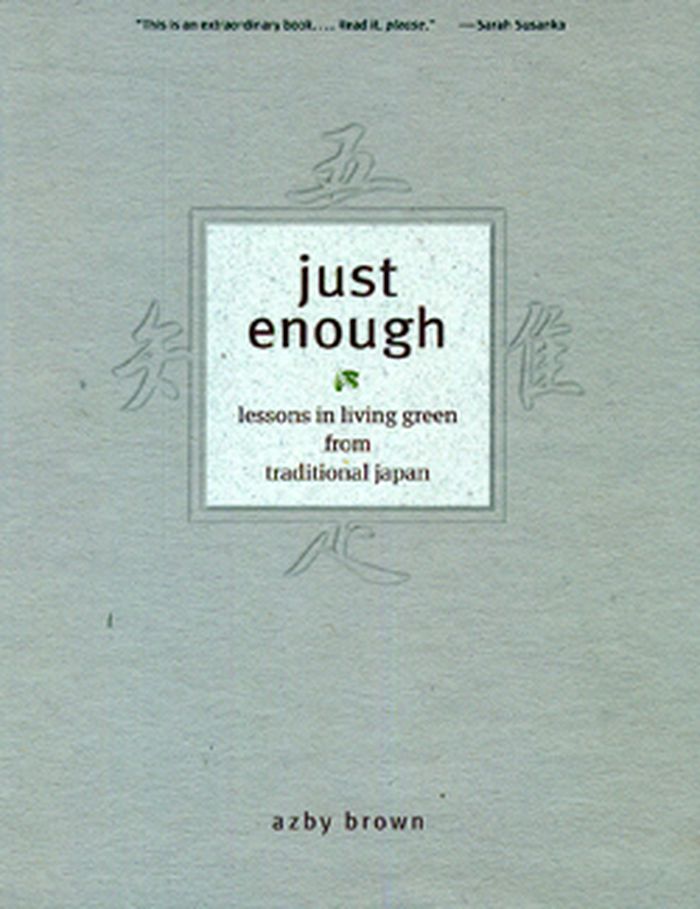
Just enough: lessons in living green from traditional Japan
Actions:
Price:
$32.95
(available to order)
Summary:
This publication is a book of stories, depictions of vanished ways of life told from the point of view of a contemporary observer. The stories tell how people lived in Japan some two hundred years ago, during the late Edo Period, when traditional technology and culture were at the peak of development and realization, just before the country opened itself to the West and joined the ranks of the industrialized nations. They tell of people overcoming many of the identical problems that confront us today--issues of energy, water, materials, food and population--and forging a society that was conservation-minded, waste-free, well-housed, well-fed and economically robust.
Just enough: lessons in living green from traditional Japan
Actions:
Price:
$32.95
(available to order)
Summary:
This publication is a book of stories, depictions of vanished ways of life told from the point of view of a contemporary observer. The stories tell how people lived in Japan some two hundred years ago, during the late Edo Period, when traditional technology and culture were at the peak of development and realization, just before the country opened itself to the West and joined the ranks of the industrialized nations. They tell of people overcoming many of the identical problems that confront us today--issues of energy, water, materials, food and population--and forging a society that was conservation-minded, waste-free, well-housed, well-fed and economically robust.
Form:
books
books
Publication:
February 2010
February 2010
Subject:
History until 1900, Asia
History until 1900, Asia
Form:
books
books
Title:
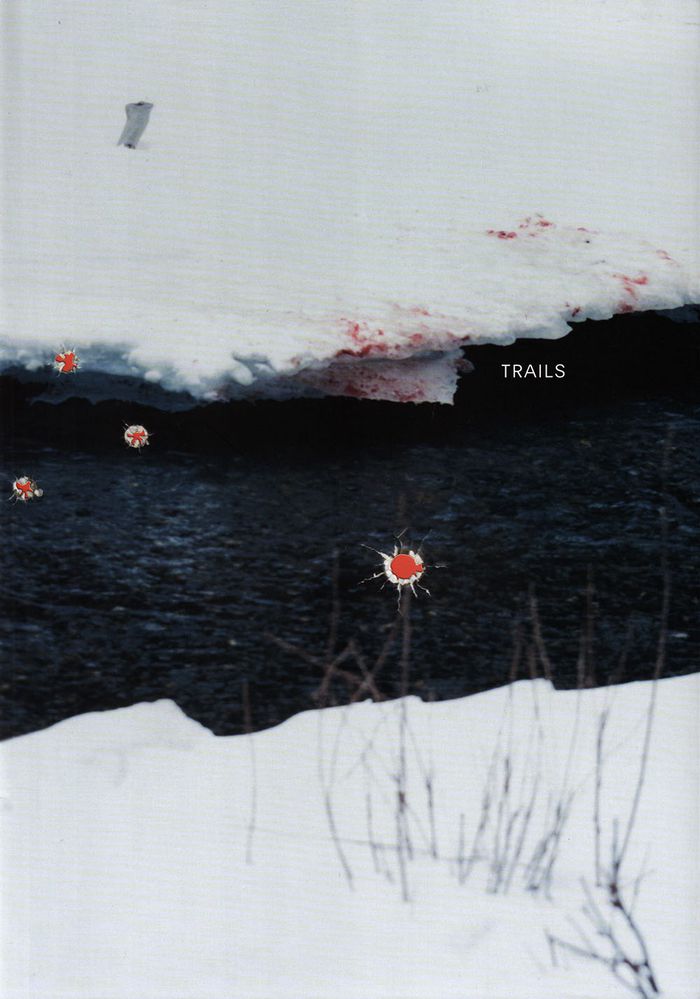
Takashi Homma: Trails
Takashi Homma: Trails
Actions:
Price:
$55.00
(available to order)
Summary:
In this book, Takashi Homma traces the blood trails of deer killed in Shiretoko National Park on the Japanese island of Hokkaido. Like ritualistic stains or calligraphic compositions, the photographs, which Homma made in the winters of 2009 to 2018, are at once abstract and symbolic. Considered by some to be sacred, deer in Japan have controversially faced culls due to(...)
$55.00
(available to order)
Summary:
In this book, Takashi Homma traces the blood trails of deer killed in Shiretoko National Park on the Japanese island of Hokkaido. Like ritualistic stains or calligraphic compositions, the photographs, which Homma made in the winters of 2009 to 2018, are at once abstract and symbolic. Considered by some to be sacred, deer in Japan have controversially faced culls due to(...)
Title:
Takashi Homma: Trails
Actions:
Price:
$55.00
(available to order)
Summary:
In this book, Takashi Homma traces the blood trails of deer killed in Shiretoko National Park on the Japanese island of Hokkaido. Like ritualistic stains or calligraphic compositions, the photographs, which Homma made in the winters of 2009 to 2018, are at once abstract and symbolic. Considered by some to be sacred, deer in Japan have controversially faced culls due to their growing population, which upset agricultural communities struggling to protect their crops. To aid their mission in reducing numbers, the government encourages local hunters to take matters into their own hands. Homma photographs the effects – the red vestiges of wild life in the snow.
Takashi Homma: Trails
Actions:
Price:
$55.00
(available to order)
Summary:
In this book, Takashi Homma traces the blood trails of deer killed in Shiretoko National Park on the Japanese island of Hokkaido. Like ritualistic stains or calligraphic compositions, the photographs, which Homma made in the winters of 2009 to 2018, are at once abstract and symbolic. Considered by some to be sacred, deer in Japan have controversially faced culls due to their growing population, which upset agricultural communities struggling to protect their crops. To aid their mission in reducing numbers, the government encourages local hunters to take matters into their own hands. Homma photographs the effects – the red vestiges of wild life in the snow.
Form:
books
books
Publication:
April 2019
April 2019
Subject:
Photography monographs
Photography monographs
Form:
books
books
Title:
Québec d'hier à aujourd'hui
Québec d'hier à aujourd'hui
Actions:
Price:
$29.95
(available to order)
Summary:
Comment la ville de Québec a-t-elle évolué au fil des ans? Le photographe Patrice Laroche et le journaliste Jean-Simon Gagné, collègues au Soleil, ont choisi une soixantaine de photos anciennes du Vieux-Québec et de la Haute-Ville pour voir à quoi ressemblent aujourd'hui ces coins de la ville. Le changement est tantôt radical, tantôt surprenant, parfois la ville est à(...)
$29.95
(available to order)
Summary:
Comment la ville de Québec a-t-elle évolué au fil des ans? Le photographe Patrice Laroche et le journaliste Jean-Simon Gagné, collègues au Soleil, ont choisi une soixantaine de photos anciennes du Vieux-Québec et de la Haute-Ville pour voir à quoi ressemblent aujourd'hui ces coins de la ville. Le changement est tantôt radical, tantôt surprenant, parfois la ville est à(...)
Title:
Québec d'hier à aujourd'hui
Actions:
Price:
$29.95
(available to order)
Summary:
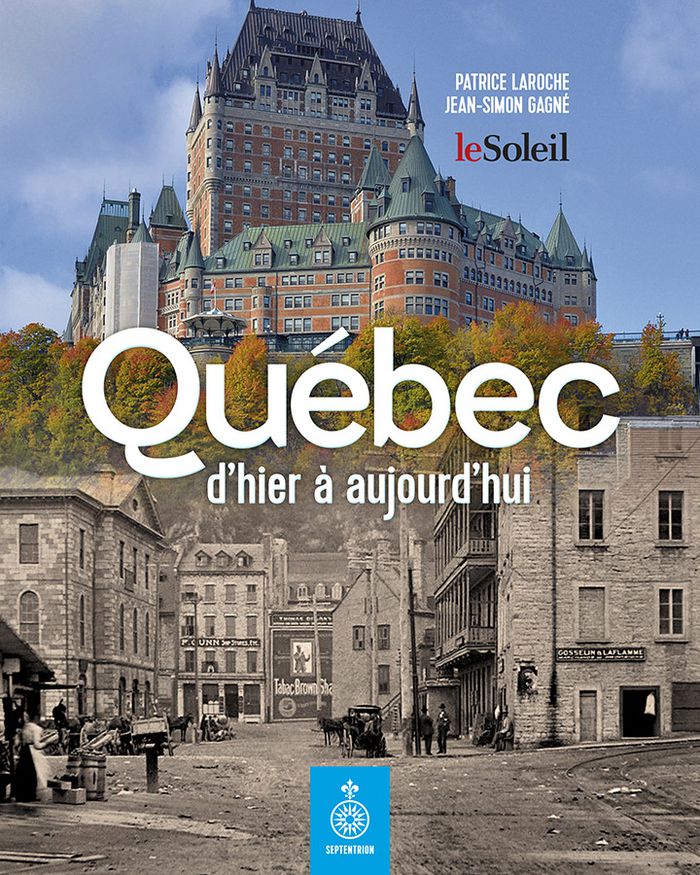
Comment la ville de Québec a-t-elle évolué au fil des ans? Le photographe Patrice Laroche et le journaliste Jean-Simon Gagné, collègues au Soleil, ont choisi une soixantaine de photos anciennes du Vieux-Québec et de la Haute-Ville pour voir à quoi ressemblent aujourd'hui ces coins de la ville. Le changement est tantôt radical, tantôt surprenant, parfois la ville est à l'image de ce qu'elle était. Au-delà du paysage, c'est aussi la population, les magasins et les entreprises qui passent sous l'analyse des deux compères. Un beau livre qui donne à réfléchir et qui invite à se promener dans Québec pour revisiter la ville d'autrefois.
Québec d'hier à aujourd'hui
Actions:
Price:
$29.95
(available to order)
Summary:
Comment la ville de Québec a-t-elle évolué au fil des ans? Le photographe Patrice Laroche et le journaliste Jean-Simon Gagné, collègues au Soleil, ont choisi une soixantaine de photos anciennes du Vieux-Québec et de la Haute-Ville pour voir à quoi ressemblent aujourd'hui ces coins de la ville. Le changement est tantôt radical, tantôt surprenant, parfois la ville est à l'image de ce qu'elle était. Au-delà du paysage, c'est aussi la population, les magasins et les entreprises qui passent sous l'analyse des deux compères. Un beau livre qui donne à réfléchir et qui invite à se promener dans Québec pour revisiter la ville d'autrefois.
Form:
books
books
Publication:
December 2022
December 2022
Subject:
Architecture du Québec
Architecture du Québec
Form:
books
books
Title:
Learning from Hangzhou
Learning from Hangzhou
Actions:
Price:
$54.00
(available to order)
Summary:
Over the last ten years, the ancient city of Hangzhou, China, has tripled in size and added over a million people to its population. Learning from Hangzhou is an extended photoessay that situates Hangzhou within the physically and culturally transformative pressures of China's unbridled economic expansion. Between 2003 and 2008, more than 3,000 images of Hangzhou were(...)
$54.00
(available to order)
Summary:
Over the last ten years, the ancient city of Hangzhou, China, has tripled in size and added over a million people to its population. Learning from Hangzhou is an extended photoessay that situates Hangzhou within the physically and culturally transformative pressures of China's unbridled economic expansion. Between 2003 and 2008, more than 3,000 images of Hangzhou were(...)
Title:
Learning from Hangzhou
Actions:
Price:
$54.00
(available to order)
Summary:
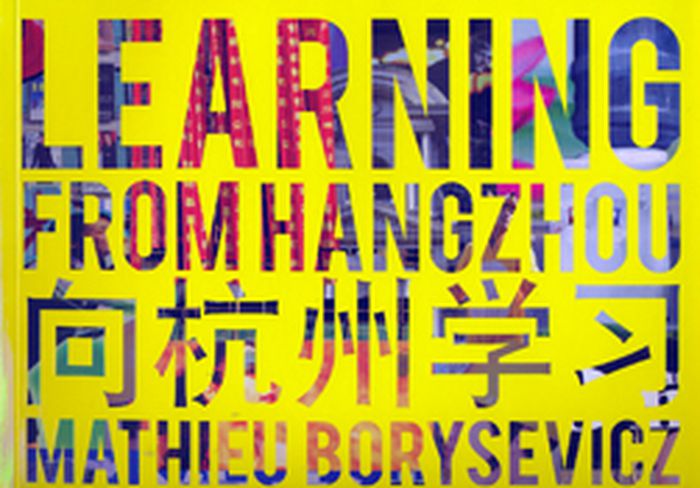
Over the last ten years, the ancient city of Hangzhou, China, has tripled in size and added over a million people to its population. Learning from Hangzhou is an extended photoessay that situates Hangzhou within the physically and culturally transformative pressures of China's unbridled economic expansion. Between 2003 and 2008, more than 3,000 images of Hangzhou were taken, and then sorted for recurrent subject matter. This resulting condensed portrait catalogues such themes as the ubiquity of demolition and construction in Hangzhou, its architectural eclecticism, graffiti, advertising and the tenuous relationship between architecture and signage. This photo essay is accompanied by texts that explicate Hangzhou's emblematic role in China's larger transformations.
Learning from Hangzhou
Actions:
Price:
$54.00
(available to order)
Summary:
Over the last ten years, the ancient city of Hangzhou, China, has tripled in size and added over a million people to its population. Learning from Hangzhou is an extended photoessay that situates Hangzhou within the physically and culturally transformative pressures of China's unbridled economic expansion. Between 2003 and 2008, more than 3,000 images of Hangzhou were taken, and then sorted for recurrent subject matter. This resulting condensed portrait catalogues such themes as the ubiquity of demolition and construction in Hangzhou, its architectural eclecticism, graffiti, advertising and the tenuous relationship between architecture and signage. This photo essay is accompanied by texts that explicate Hangzhou's emblematic role in China's larger transformations.
Form:
books
books
Publication:
August 2009
August 2009
Subject:
Contemporary Asian Architecture
Contemporary Asian Architecture
Form:
books
books
Title:
Inventing future cities
Inventing future cities
Actions:
Price:
$39.95
(available to order)
Summary:
In ''Inventing Future Cities'', Michael Batty explores what we need to understand about cities in order to invent their future. Batty outlines certain themes- principles- that apply to all cities. He investigates not the invention of artifacts but inventive processes. Today form is becoming ever more divorced from function; information networks now shape the traditional(...)
$39.95
(available to order)
Summary:
In ''Inventing Future Cities'', Michael Batty explores what we need to understand about cities in order to invent their future. Batty outlines certain themes- principles- that apply to all cities. He investigates not the invention of artifacts but inventive processes. Today form is becoming ever more divorced from function; information networks now shape the traditional(...)
Title:
Inventing future cities
Actions:
Price:
$39.95
(available to order)
Summary:
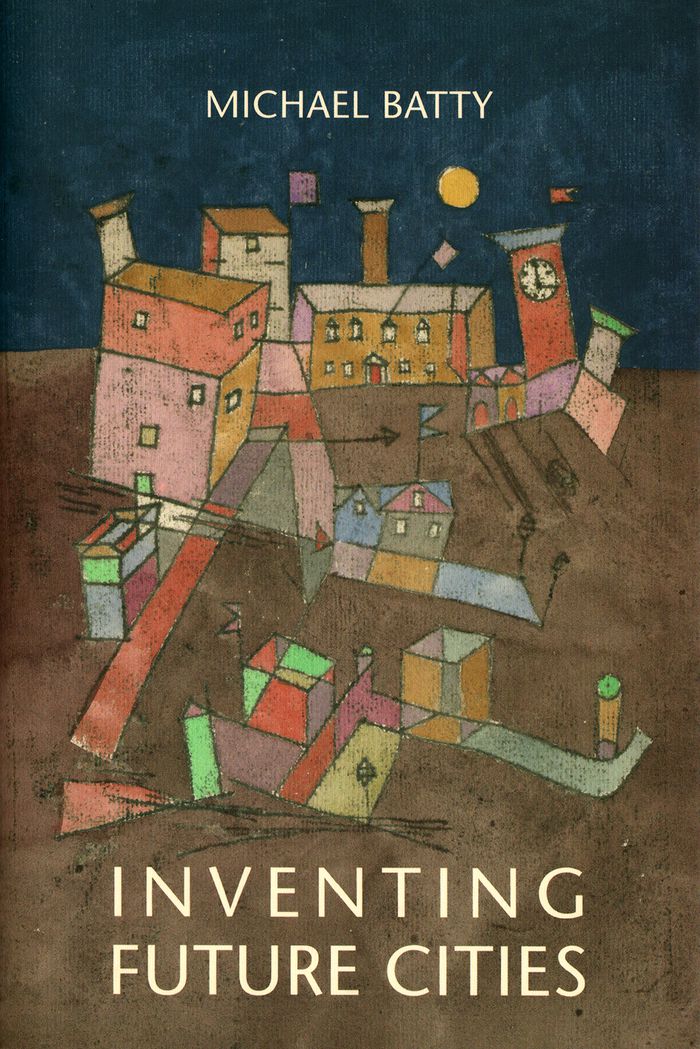
In ''Inventing Future Cities'', Michael Batty explores what we need to understand about cities in order to invent their future. Batty outlines certain themes- principles- that apply to all cities. He investigates not the invention of artifacts but inventive processes. Today form is becoming ever more divorced from function; information networks now shape the traditional functions of cities as places of exchange and innovation. By the end of this century, most of the world's population will live in cities, large or small, sometimes contiguous, and always connected; in an urbanized world, it will be increasingly difficult to define a city by its physical boundaries.
Inventing future cities
Actions:
Price:
$39.95
(available to order)
Summary:
In ''Inventing Future Cities'', Michael Batty explores what we need to understand about cities in order to invent their future. Batty outlines certain themes- principles- that apply to all cities. He investigates not the invention of artifacts but inventive processes. Today form is becoming ever more divorced from function; information networks now shape the traditional functions of cities as places of exchange and innovation. By the end of this century, most of the world's population will live in cities, large or small, sometimes contiguous, and always connected; in an urbanized world, it will be increasingly difficult to define a city by its physical boundaries.
Form:
books
books
Publication:
December 2018
December 2018
Subject:
Urban Theory
Urban Theory
Form:
books
books
Title:
Monu 11: clean urbanism
Monu 11: clean urbanism
Actions:
Price:
$25.00
(available to order)
Summary:
Clean urbanism is a broad term that covers a range of ideas, yet clearly involves a minimalisation of such inputs as energy, water and food and equally of waste outputs found in heat, CO2 and water pollution. MONU presents a collection of essays and research based around this subject that features pieces from 18 authors. Highlights include: Randall Teal on the issue on(...)
$25.00
(available to order)
Summary:
Clean urbanism is a broad term that covers a range of ideas, yet clearly involves a minimalisation of such inputs as energy, water and food and equally of waste outputs found in heat, CO2 and water pollution. MONU presents a collection of essays and research based around this subject that features pieces from 18 authors. Highlights include: Randall Teal on the issue on(...)
Title:
Monu 11: clean urbanism
Actions:
Price:
$25.00
(available to order)
Summary:
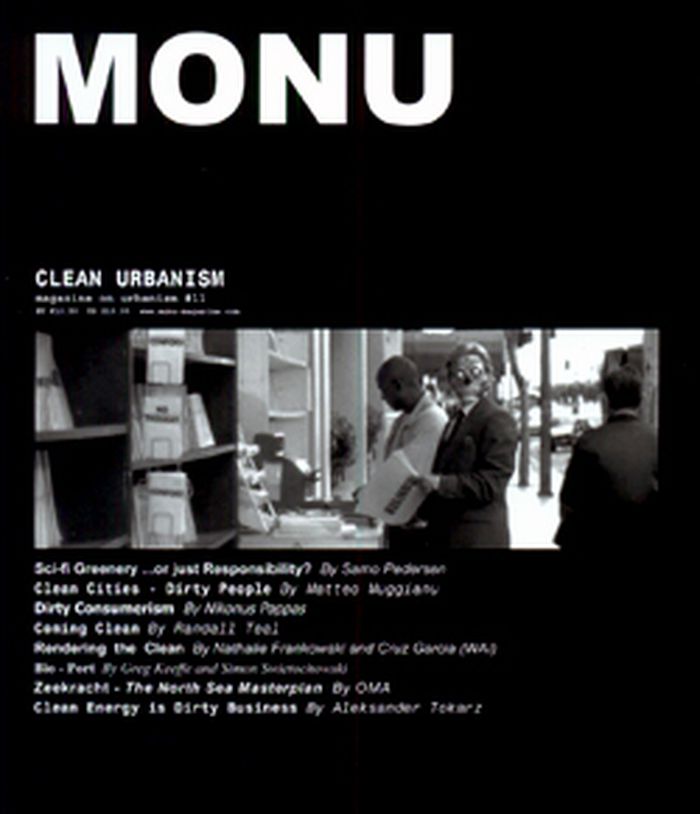
Clean urbanism is a broad term that covers a range of ideas, yet clearly involves a minimalisation of such inputs as energy, water and food and equally of waste outputs found in heat, CO2 and water pollution. MONU presents a collection of essays and research based around this subject that features pieces from 18 authors. Highlights include: Randall Teal on the issue on the sustainability of a growing world population, Gerd Hauser on the implementation of the EU Directive on Energy Performance Buildings, Nathalie Frankowski and Cruz Garcia (WAI) on the technical possibility of energy self-sufficient cities and Rogier van de Berg on triggering initiative and cooperation between city dwellers.
Monu 11: clean urbanism
Actions:
Price:
$25.00
(available to order)
Summary:
Clean urbanism is a broad term that covers a range of ideas, yet clearly involves a minimalisation of such inputs as energy, water and food and equally of waste outputs found in heat, CO2 and water pollution. MONU presents a collection of essays and research based around this subject that features pieces from 18 authors. Highlights include: Randall Teal on the issue on the sustainability of a growing world population, Gerd Hauser on the implementation of the EU Directive on Energy Performance Buildings, Nathalie Frankowski and Cruz Garcia (WAI) on the technical possibility of energy self-sufficient cities and Rogier van de Berg on triggering initiative and cooperation between city dwellers.
Form:
books
books
Publication:
January 2010
January 2010
Subject:
Magazines
Magazines
Form:
books
books
Actions:
Price:
$59.95
(available in store)
Summary:
Seeds is about Darwin’s natural selection and how it has been overtaken by high-tech plant breeding which in essence accelerates evolution. The book focuses on new food crops that are resistant to pests and diseases, and are bred to contribute significantly to our future food supply. This evokes quintessential questions. Who is actually in charge on this planet? Nature?(...)
$59.95
(available in store)
Summary:
Seeds is about Darwin’s natural selection and how it has been overtaken by high-tech plant breeding which in essence accelerates evolution. The book focuses on new food crops that are resistant to pests and diseases, and are bred to contribute significantly to our future food supply. This evokes quintessential questions. Who is actually in charge on this planet? Nature?(...)
Title:
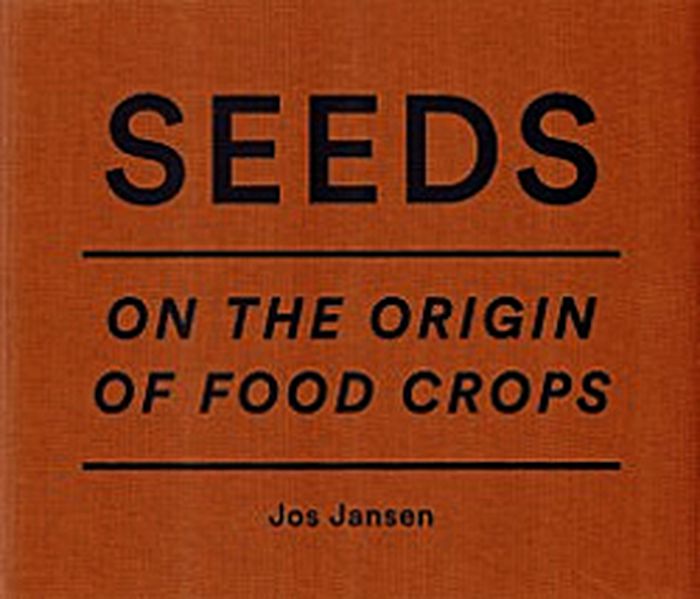
Seeds : on the origin of food crops
Actions:
Price:
$59.95
(available in store)
Summary:
Seeds is about Darwin’s natural selection and how it has been overtaken by high-tech plant breeding which in essence accelerates evolution. The book focuses on new food crops that are resistant to pests and diseases, and are bred to contribute significantly to our future food supply. This evokes quintessential questions. Who is actually in charge on this planet? Nature? Human beings? A god? Should humans stop interfering with evolution and go back to the authenticity of small-scale farms and city farming? Or rather, is it humanity’s duty to steer evolution so that we can create enough food to feed the booming world population?
Seeds : on the origin of food crops
Actions:
Price:
$59.95
(available in store)
Summary:
Seeds is about Darwin’s natural selection and how it has been overtaken by high-tech plant breeding which in essence accelerates evolution. The book focuses on new food crops that are resistant to pests and diseases, and are bred to contribute significantly to our future food supply. This evokes quintessential questions. Who is actually in charge on this planet? Nature? Human beings? A god? Should humans stop interfering with evolution and go back to the authenticity of small-scale farms and city farming? Or rather, is it humanity’s duty to steer evolution so that we can create enough food to feed the booming world population?
Form:
books
books
Publication:
December 2014
December 2014
Subject:
Photography monographs
Photography monographs


