


5349 Results
Form:
exhibitions
exhibitions
Description:
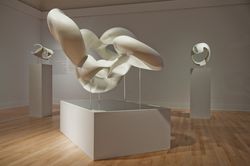
Other Space Odysseys presents three approaches to the idea of an adventurous journey that started forty years ago after the 1969 moon landing. Featuring the work of architects Greg Lynn, Michael Maltzan, and Alessandro Poli, Other Space Odysseys comes at a time when space exploration is the subject of renewed enthusiasm, but also of debate which questions its(...)
Other Space Odysseys presents three approaches to the idea of an adventurous journey that started forty years ago after the 1969 moon landing. Featuring the work of architects Greg Lynn, Michael Maltzan, and Alessandro Poli, Other Space Odysseys comes at a time when space exploration is the subject of renewed enthusiasm, but also of debate which questions its(...)
Location:
Main galleries
Main galleries
Date:
8 April 2010 to 19 September 2010
8 April 2010 to 19 September 2010
Title:
Other Space Odysseys: Greg Lynn, Michael Maltzan, Alessandro Poli
Actions:
Description:
Other Space Odysseys presents three approaches to the idea of an adventurous journey that started forty years ago after the 1969 moon landing. Featuring the work of architects Greg Lynn, Michael Maltzan, and Alessandro Poli, Other Space Odysseys comes at a time when space exploration is the subject of renewed enthusiasm, but also of debate which questions its(...)
Other Space Odysseys: Greg Lynn, Michael Maltzan, Alessandro Poli
Actions:
Description:
Other Space Odysseys presents three approaches to the idea of an adventurous journey that started forty years ago after the 1969 moon landing. Featuring the work of architects Greg Lynn, Michael Maltzan, and Alessandro Poli, Other Space Odysseys comes at a time when space exploration is the subject of renewed enthusiasm, but also of debate which questions its(...)
Form:
exhibitions
exhibitions
Date:
8 April 2010 to
19 September 2010
8 April 2010 to
19 September 2010
Location:
Main galleries
Main galleries
Level of archival description:
Project
Project
Title:
Inter-Action Centre
Inter-Action Centre
Reference number:
AP144.S2.D82
Description:
File documents Inter-Action Centre, a completed project for a community centre commissioned by Ed Berman and the Inter-Action Trust, for a disused site at Talacre Public Open Space in Kentish Town, Camden, London. The construction was divided into two phases. Foundations, steel frame and trusses were constructed first and could be used for open-air community events while funds were being raised for the second phase. Phase II included cladding, fittings, finishes, services prefabricated units, and log cabins. The building was intended as a flexible short life-span building in which the interior spaces would be independent of the roof and exterior walls. Functional areas suggested by Cedric Price include: assembly halls, classrooms, rehearsal rooms, studios, areas for performance, media resources, lounging and dining, and a gym and a nursery. Cedric Price had been engaged by the concepts of flexible architecture, indeterminacy, impermanence, and the fusion of information technology, entertainment, and educational activities in earlier unrealized projects such as Fun Palace (AP144.S2.D46) and Oxford Corner House (AP144.S2.D59). Existing conditions drawings include photographs of the site; reprographic copies of electrical and drainage systems; ordinance surveys of Kentish Town; and landscape and playground layout. Conceptual drawings include sketches of overall massing; diagrammatic plans; drawings and diagrams of site conditions; notes for the structural framework; rendered interior elevations; plans showing impact of site context on building design; diagrammatic sketches of relationship between functional requirements and structural form. Schematic drawings include diagrammatic plans; sections of structural system and exterior wall; cladding details; and axonometric views of supports. Design development drawings and working drawings include plans, elevations, sections, details and axonometric views. Presentation drawings include watercolours and other renderings; reprographic copies, possibly for publication; and perspectives drawings. Some material from this file was published in "Inter-action Centre." 'RIBA Journal'. (November 1977), 458-465; "Intervista A Cedric Price: London Interaction Centre." 'Domus'. (April 1978), 17-21; "Kentish Town West Amalgam, London." 'Architectural Record'. (January 1973), 19; Lyall, Sutherland. 'The State of British Architecture'. (London: Architectural Press, 1980), 107-109; 130 and 'Cedric Price-Works II' (London: Architectural Press, 1984), 54, 62-63. Material in this file was produced between 1964 and 1992, but predominantly between 1970 and 1981. File contains technical drawings that are attributed to the following consultants, contractors, and manufacturers: Coseley Buildings Ltd; H.G. Deacon Ltd; Kayanson Engineers; H.J. Knights & Co. Ltd; Woodcemair; Metal Sections Ltd; Spaceway; Gascoigne, Gush & Dent (Engineering Ltd); UBM Engineering; J. Murphy & Sons Ltd; Maurice Pickering Associates, Architects & Landscape Consultants; David Lee Architect & Landscape Architect; J. Starkie Gardner Ltd; Dibben Structural Engineers; Zisman, Bowyer & Partners; Felix J. Samuely and Partners; Ruberoid Contracts Ltd; Whitbread London Limited; and Portakabin. Paul Hyett and Will Alsop were Cedric Price's main assistants for this project. 'Inter-Action Trust Limited', 'Inter-Action Centre', and 'Talacre Centre Limited' appear as the client(s) at various stages of this project. File contains cartographic materials, conceptual drawings, consultant drawings, design development drawings, models, panels, photographic materials, presentation drawings, an illustration, textual records, and working drawings.
AP144.S2.D82
Description:
File documents Inter-Action Centre, a completed project for a community centre commissioned by Ed Berman and the Inter-Action Trust, for a disused site at Talacre Public Open Space in Kentish Town, Camden, London. The construction was divided into two phases. Foundations, steel frame and trusses were constructed first and could be used for open-air community events while funds were being raised for the second phase. Phase II included cladding, fittings, finishes, services prefabricated units, and log cabins. The building was intended as a flexible short life-span building in which the interior spaces would be independent of the roof and exterior walls. Functional areas suggested by Cedric Price include: assembly halls, classrooms, rehearsal rooms, studios, areas for performance, media resources, lounging and dining, and a gym and a nursery. Cedric Price had been engaged by the concepts of flexible architecture, indeterminacy, impermanence, and the fusion of information technology, entertainment, and educational activities in earlier unrealized projects such as Fun Palace (AP144.S2.D46) and Oxford Corner House (AP144.S2.D59). Existing conditions drawings include photographs of the site; reprographic copies of electrical and drainage systems; ordinance surveys of Kentish Town; and landscape and playground layout. Conceptual drawings include sketches of overall massing; diagrammatic plans; drawings and diagrams of site conditions; notes for the structural framework; rendered interior elevations; plans showing impact of site context on building design; diagrammatic sketches of relationship between functional requirements and structural form. Schematic drawings include diagrammatic plans; sections of structural system and exterior wall; cladding details; and axonometric views of supports. Design development drawings and working drawings include plans, elevations, sections, details and axonometric views. Presentation drawings include watercolours and other renderings; reprographic copies, possibly for publication; and perspectives drawings. Some material from this file was published in "Inter-action Centre." 'RIBA Journal'. (November 1977), 458-465; "Intervista A Cedric Price: London Interaction Centre." 'Domus'. (April 1978), 17-21; "Kentish Town West Amalgam, London." 'Architectural Record'. (January 1973), 19; Lyall, Sutherland. 'The State of British Architecture'. (London: Architectural Press, 1980), 107-109; 130 and 'Cedric Price-Works II' (London: Architectural Press, 1984), 54, 62-63. Material in this file was produced between 1964 and 1992, but predominantly between 1970 and 1981. File contains technical drawings that are attributed to the following consultants, contractors, and manufacturers: Coseley Buildings Ltd; H.G. Deacon Ltd; Kayanson Engineers; H.J. Knights & Co. Ltd; Woodcemair; Metal Sections Ltd; Spaceway; Gascoigne, Gush & Dent (Engineering Ltd); UBM Engineering; J. Murphy & Sons Ltd; Maurice Pickering Associates, Architects & Landscape Consultants; David Lee Architect & Landscape Architect; J. Starkie Gardner Ltd; Dibben Structural Engineers; Zisman, Bowyer & Partners; Felix J. Samuely and Partners; Ruberoid Contracts Ltd; Whitbread London Limited; and Portakabin. Paul Hyett and Will Alsop were Cedric Price's main assistants for this project. 'Inter-Action Trust Limited', 'Inter-Action Centre', and 'Talacre Centre Limited' appear as the client(s) at various stages of this project. File contains cartographic materials, conceptual drawings, consultant drawings, design development drawings, models, panels, photographic materials, presentation drawings, an illustration, textual records, and working drawings.
People:
Date:
1964-1992, predominant 1970-1981
1964-1992, predominant 1970-1981
Title:
Inter-Action Centre
Actions:
AP144.S2.D82
Description:
File documents Inter-Action Centre, a completed project for a community centre commissioned by Ed Berman and the Inter-Action Trust, for a disused site at Talacre Public Open Space in Kentish Town, Camden, London. The construction was divided into two phases. Foundations, steel frame and trusses were constructed first and could be used for open-air community events while funds were being raised for the second phase. Phase II included cladding, fittings, finishes, services prefabricated units, and log cabins. The building was intended as a flexible short life-span building in which the interior spaces would be independent of the roof and exterior walls. Functional areas suggested by Cedric Price include: assembly halls, classrooms, rehearsal rooms, studios, areas for performance, media resources, lounging and dining, and a gym and a nursery. Cedric Price had been engaged by the concepts of flexible architecture, indeterminacy, impermanence, and the fusion of information technology, entertainment, and educational activities in earlier unrealized projects such as Fun Palace (AP144.S2.D46) and Oxford Corner House (AP144.S2.D59). Existing conditions drawings include photographs of the site; reprographic copies of electrical and drainage systems; ordinance surveys of Kentish Town; and landscape and playground layout. Conceptual drawings include sketches of overall massing; diagrammatic plans; drawings and diagrams of site conditions; notes for the structural framework; rendered interior elevations; plans showing impact of site context on building design; diagrammatic sketches of relationship between functional requirements and structural form. Schematic drawings include diagrammatic plans; sections of structural system and exterior wall; cladding details; and axonometric views of supports. Design development drawings and working drawings include plans, elevations, sections, details and axonometric views. Presentation drawings include watercolours and other renderings; reprographic copies, possibly for publication; and perspectives drawings. Some material from this file was published in "Inter-action Centre." 'RIBA Journal'. (November 1977), 458-465; "Intervista A Cedric Price: London Interaction Centre." 'Domus'. (April 1978), 17-21; "Kentish Town West Amalgam, London." 'Architectural Record'. (January 1973), 19; Lyall, Sutherland. 'The State of British Architecture'. (London: Architectural Press, 1980), 107-109; 130 and 'Cedric Price-Works II' (London: Architectural Press, 1984), 54, 62-63. Material in this file was produced between 1964 and 1992, but predominantly between 1970 and 1981. File contains technical drawings that are attributed to the following consultants, contractors, and manufacturers: Coseley Buildings Ltd; H.G. Deacon Ltd; Kayanson Engineers; H.J. Knights & Co. Ltd; Woodcemair; Metal Sections Ltd; Spaceway; Gascoigne, Gush & Dent (Engineering Ltd); UBM Engineering; J. Murphy & Sons Ltd; Maurice Pickering Associates, Architects & Landscape Consultants; David Lee Architect & Landscape Architect; J. Starkie Gardner Ltd; Dibben Structural Engineers; Zisman, Bowyer & Partners; Felix J. Samuely and Partners; Ruberoid Contracts Ltd; Whitbread London Limited; and Portakabin. Paul Hyett and Will Alsop were Cedric Price's main assistants for this project. 'Inter-Action Trust Limited', 'Inter-Action Centre', and 'Talacre Centre Limited' appear as the client(s) at various stages of this project. File contains cartographic materials, conceptual drawings, consultant drawings, design development drawings, models, panels, photographic materials, presentation drawings, an illustration, textual records, and working drawings.
Inter-Action Centre
Actions:
AP144.S2.D82
Description:
File documents Inter-Action Centre, a completed project for a community centre commissioned by Ed Berman and the Inter-Action Trust, for a disused site at Talacre Public Open Space in Kentish Town, Camden, London. The construction was divided into two phases. Foundations, steel frame and trusses were constructed first and could be used for open-air community events while funds were being raised for the second phase. Phase II included cladding, fittings, finishes, services prefabricated units, and log cabins. The building was intended as a flexible short life-span building in which the interior spaces would be independent of the roof and exterior walls. Functional areas suggested by Cedric Price include: assembly halls, classrooms, rehearsal rooms, studios, areas for performance, media resources, lounging and dining, and a gym and a nursery. Cedric Price had been engaged by the concepts of flexible architecture, indeterminacy, impermanence, and the fusion of information technology, entertainment, and educational activities in earlier unrealized projects such as Fun Palace (AP144.S2.D46) and Oxford Corner House (AP144.S2.D59). Existing conditions drawings include photographs of the site; reprographic copies of electrical and drainage systems; ordinance surveys of Kentish Town; and landscape and playground layout. Conceptual drawings include sketches of overall massing; diagrammatic plans; drawings and diagrams of site conditions; notes for the structural framework; rendered interior elevations; plans showing impact of site context on building design; diagrammatic sketches of relationship between functional requirements and structural form. Schematic drawings include diagrammatic plans; sections of structural system and exterior wall; cladding details; and axonometric views of supports. Design development drawings and working drawings include plans, elevations, sections, details and axonometric views. Presentation drawings include watercolours and other renderings; reprographic copies, possibly for publication; and perspectives drawings. Some material from this file was published in "Inter-action Centre." 'RIBA Journal'. (November 1977), 458-465; "Intervista A Cedric Price: London Interaction Centre." 'Domus'. (April 1978), 17-21; "Kentish Town West Amalgam, London." 'Architectural Record'. (January 1973), 19; Lyall, Sutherland. 'The State of British Architecture'. (London: Architectural Press, 1980), 107-109; 130 and 'Cedric Price-Works II' (London: Architectural Press, 1984), 54, 62-63. Material in this file was produced between 1964 and 1992, but predominantly between 1970 and 1981. File contains technical drawings that are attributed to the following consultants, contractors, and manufacturers: Coseley Buildings Ltd; H.G. Deacon Ltd; Kayanson Engineers; H.J. Knights & Co. Ltd; Woodcemair; Metal Sections Ltd; Spaceway; Gascoigne, Gush & Dent (Engineering Ltd); UBM Engineering; J. Murphy & Sons Ltd; Maurice Pickering Associates, Architects & Landscape Consultants; David Lee Architect & Landscape Architect; J. Starkie Gardner Ltd; Dibben Structural Engineers; Zisman, Bowyer & Partners; Felix J. Samuely and Partners; Ruberoid Contracts Ltd; Whitbread London Limited; and Portakabin. Paul Hyett and Will Alsop were Cedric Price's main assistants for this project. 'Inter-Action Trust Limited', 'Inter-Action Centre', and 'Talacre Centre Limited' appear as the client(s) at various stages of this project. File contains cartographic materials, conceptual drawings, consultant drawings, design development drawings, models, panels, photographic materials, presentation drawings, an illustration, textual records, and working drawings.
Level of archival description:
File 82
File 82
Date:
1964-1992, predominant 1970-1981
1964-1992, predominant 1970-1981
People:
Form:
research
research
Title:
Visiting Scholars 2001–2002
Visiting Scholars 2001–2002
Actions:
Description:
Theme: The Phenomenon of Paradigm Shifts in Architecture since Antiquity: Brigitte Desrochers, National Gallery of Canada, Ottawa, Canada Topic: Au-delà du style. Naissance du classicisme structurel dans les ruines de Pompei Joseph Disponzio, Graduate School of Design, Harvard University, Cambridge, United States Topic: Jean-Marie Morel and the Invention of Landscape(...)
Theme: The Phenomenon of Paradigm Shifts in Architecture since Antiquity: Brigitte Desrochers, National Gallery of Canada, Ottawa, Canada Topic: Au-delà du style. Naissance du classicisme structurel dans les ruines de Pompei Joseph Disponzio, Graduate School of Design, Harvard University, Cambridge, United States Topic: Jean-Marie Morel and the Invention of Landscape(...)
Date:
September 2001 to August 2002
September 2001 to August 2002
Title:
Visiting Scholars 2001–2002
Actions:
Description:
Theme: The Phenomenon of Paradigm Shifts in Architecture since Antiquity: Brigitte Desrochers, National Gallery of Canada, Ottawa, Canada Topic: Au-delà du style. Naissance du classicisme structurel dans les ruines de Pompei Joseph Disponzio, Graduate School of Design, Harvard University, Cambridge, United States Topic: Jean-Marie Morel and the Invention of Landscape(...)
Visiting Scholars 2001–2002
Actions:
Description:
Theme: The Phenomenon of Paradigm Shifts in Architecture since Antiquity: Brigitte Desrochers, National Gallery of Canada, Ottawa, Canada Topic: Au-delà du style. Naissance du classicisme structurel dans les ruines de Pompei Joseph Disponzio, Graduate School of Design, Harvard University, Cambridge, United States Topic: Jean-Marie Morel and the Invention of Landscape(...)
Form:
research
research
Date:
September 2001 to
August 2002
September 2001 to
August 2002
Form:
exhibitions
exhibitions
Actions:
Description:
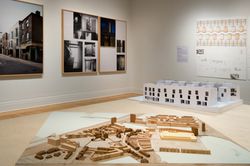
As part of the CCA’s ongoing exploration of key issues in contemporary architecture with a specific focus on urban, social, and environmental concerns, Some Ideas on Living in London and Tokyo by Stephen Taylor and Ryue Nishizawa features recent architectural projects that propose new solutions to the challenges of building homes in dense urban environments. London and(...)
As part of the CCA’s ongoing exploration of key issues in contemporary architecture with a specific focus on urban, social, and environmental concerns, Some Ideas on Living in London and Tokyo by Stephen Taylor and Ryue Nishizawa features recent architectural projects that propose new solutions to the challenges of building homes in dense urban environments. London and(...)
Location:
Main galleries
Main galleries
Date:
14 May 2008 to 26 October 2008
14 May 2008 to 26 October 2008
Title:
Some Ideas on Living in London and Tokyo by Stephen Taylor and Ryue Nishizawa
Actions:
Description:
As part of the CCA’s ongoing exploration of key issues in contemporary architecture with a specific focus on urban, social, and environmental concerns, Some Ideas on Living in London and Tokyo by Stephen Taylor and Ryue Nishizawa features recent architectural projects that propose new solutions to the challenges of building homes in dense urban environments. London and(...)
Some Ideas on Living in London and Tokyo by Stephen Taylor and Ryue Nishizawa
Actions:
Description:
As part of the CCA’s ongoing exploration of key issues in contemporary architecture with a specific focus on urban, social, and environmental concerns, Some Ideas on Living in London and Tokyo by Stephen Taylor and Ryue Nishizawa features recent architectural projects that propose new solutions to the challenges of building homes in dense urban environments. London and(...)
Form:
exhibitions
exhibitions
Date:
14 May 2008 to
26 October 2008
14 May 2008 to
26 October 2008
Location:
Main galleries
Main galleries
Form:
archives
Level of archival description:
Fonds
archives
Level of archival description:
Fonds
Title:
Bernard Tschumi fonds
Bernard Tschumi fonds
Actions:
Reference number:
AP214
Synopsis:
The Bernard Tschumi fonds, dating from approximately 1965-2015, documents the professional activities of Bernard Tschumi including Tschumi’s career in academia and his professional practice as an architect through approximately 75 projects dating from the late 1980s to 2012.
AP214
Synopsis:
The Bernard Tschumi fonds, dating from approximately 1965-2015, documents the professional activities of Bernard Tschumi including Tschumi’s career in academia and his professional practice as an architect through approximately 75 projects dating from the late 1980s to 2012.
People:
Date:
circa 1964-2015
circa 1964-2015
Title:
Bernard Tschumi fonds
Actions:
AP214
Synopsis:
The Bernard Tschumi fonds, dating from approximately 1965-2015, documents the professional activities of Bernard Tschumi including Tschumi’s career in academia and his professional practice as an architect through approximately 75 projects dating from the late 1980s to 2012.
Bernard Tschumi fonds
Actions:
AP214
Synopsis:
The Bernard Tschumi fonds, dating from approximately 1965-2015, documents the professional activities of Bernard Tschumi including Tschumi’s career in academia and his professional practice as an architect through approximately 75 projects dating from the late 1980s to 2012.
Form:
archives
Level of archival description:
Fonds
archives
Level of archival description:
Fonds
Date:
circa 1964-2015
circa 1964-2015
People:
Form:
exhibitions
exhibitions
Title:
1973: Sorry, Out of Gas
1973: Sorry, Out of Gas
Actions:
Description:
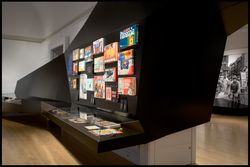
1973: Sorry, Out of Gas captures the architectural innovation spurred by the 1973 oil crisis, when the value of oil increased exponentially and triggered economic, political, and social upheaval across the world. Featuring over 350 objects including architectural drawings, photographs, books and pamphlets, archival television footage, and historical artefacts, it maps the(...)
1973: Sorry, Out of Gas captures the architectural innovation spurred by the 1973 oil crisis, when the value of oil increased exponentially and triggered economic, political, and social upheaval across the world. Featuring over 350 objects including architectural drawings, photographs, books and pamphlets, archival television footage, and historical artefacts, it maps the(...)
Date:
7 November 2007 to 20 April 2008
7 November 2007 to 20 April 2008
Title:
1973: Sorry, Out of Gas
Actions:
Description:
1973: Sorry, Out of Gas captures the architectural innovation spurred by the 1973 oil crisis, when the value of oil increased exponentially and triggered economic, political, and social upheaval across the world. Featuring over 350 objects including architectural drawings, photographs, books and pamphlets, archival television footage, and historical artefacts, it maps the(...)
1973: Sorry, Out of Gas
Actions:
Description:
1973: Sorry, Out of Gas captures the architectural innovation spurred by the 1973 oil crisis, when the value of oil increased exponentially and triggered economic, political, and social upheaval across the world. Featuring over 350 objects including architectural drawings, photographs, books and pamphlets, archival television footage, and historical artefacts, it maps the(...)
Form:
exhibitions
exhibitions
Date:
7 November 2007 to
20 April 2008
7 November 2007 to
20 April 2008
Form:
exhibitions
exhibitions
Actions:
Description:
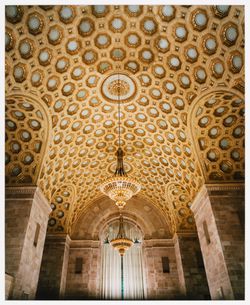
Money Matters: A Critical Look at Bank Architecture surveys the history and cultural significance of bank architecture, focusing on bank architecture as a building typology rather than in the context of a single architect or architectural firm. Challenging the standard notion that bank buildings are repetitive, dull and conservative, the exhibition reveals banks as(...)
Money Matters: A Critical Look at Bank Architecture surveys the history and cultural significance of bank architecture, focusing on bank architecture as a building typology rather than in the context of a single architect or architectural firm. Challenging the standard notion that bank buildings are repetitive, dull and conservative, the exhibition reveals banks as(...)
Location:
Main galleries
Main galleries
Date:
14 November 1990 to 24 February 1991
14 November 1990 to 24 February 1991
Title:
Money Matters: A Critical Look at Bank Architecture
Actions:
Description:
Money Matters: A Critical Look at Bank Architecture surveys the history and cultural significance of bank architecture, focusing on bank architecture as a building typology rather than in the context of a single architect or architectural firm. Challenging the standard notion that bank buildings are repetitive, dull and conservative, the exhibition reveals banks as(...)
Money Matters: A Critical Look at Bank Architecture
Actions:
Description:
Money Matters: A Critical Look at Bank Architecture surveys the history and cultural significance of bank architecture, focusing on bank architecture as a building typology rather than in the context of a single architect or architectural firm. Challenging the standard notion that bank buildings are repetitive, dull and conservative, the exhibition reveals banks as(...)
Form:
exhibitions
exhibitions
Date:
14 November 1990 to
24 February 1991
14 November 1990 to
24 February 1991
Location:
Main galleries
Main galleries
Form:
textual records
textual records
Actions:
Reference number:
AP140.S1.SS1.D6.P6.1
Description:
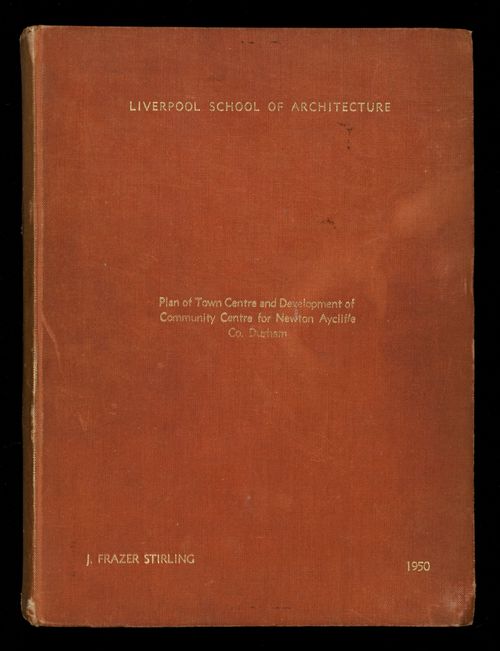
bound 88 page thesis includes historical, sociological and physical contexts, the programme for each project, "Town Centre Lay-out" and "Development of the Community Centre", a description and explanation of the design, a bibliography, and a list of buildings visited; content includes typescripts, mounted photographs of presentation drawings and models, reworked reprographic copies of maps, schematic master plans, preliminary schemes, samples for interior colour schemes, photographs of no longer extant models and of presentation drawings for the "Town Centre Lay-out" scheme, loose material consists of an original and a photocopy of half of page 71, and mounted photographs of a preliminary model for the Community Centre and of an unidentified building with its ground floor structure exposed
AP140.S1.SS1.D6.P6.1
Description:
bound 88 page thesis includes historical, sociological and physical contexts, the programme for each project, "Town Centre Lay-out" and "Development of the Community Centre", a description and explanation of the design, a bibliography, and a list of buildings visited; content includes typescripts, mounted photographs of presentation drawings and models, reworked reprographic copies of maps, schematic master plans, preliminary schemes, samples for interior colour schemes, photographs of no longer extant models and of presentation drawings for the "Town Centre Lay-out" scheme, loose material consists of an original and a photocopy of half of page 71, and mounted photographs of a preliminary model for the Community Centre and of an unidentified building with its ground floor structure exposed
People:
Date:
1949-1950
1949-1950
Title:
"Plan of Town Centre and Development of Community Centre for Newton Aycliffe, Co. Durham" (thesis, Liverpool School of Architecture)
Actions:
AP140.S1.SS1.D6.P6.1
Description:
bound 88 page thesis includes historical, sociological and physical contexts, the programme for each project, "Town Centre Lay-out" and "Development of the Community Centre", a description and explanation of the design, a bibliography, and a list of buildings visited; content includes typescripts, mounted photographs of presentation drawings and models, reworked reprographic copies of maps, schematic master plans, preliminary schemes, samples for interior colour schemes, photographs of no longer extant models and of presentation drawings for the "Town Centre Lay-out" scheme, loose material consists of an original and a photocopy of half of page 71, and mounted photographs of a preliminary model for the Community Centre and of an unidentified building with its ground floor structure exposed
"Plan of Town Centre and Development of Community Centre for Newton Aycliffe, Co. Durham" (thesis, Liverpool School of Architecture)
Actions:
AP140.S1.SS1.D6.P6.1
Description:
bound 88 page thesis includes historical, sociological and physical contexts, the programme for each project, "Town Centre Lay-out" and "Development of the Community Centre", a description and explanation of the design, a bibliography, and a list of buildings visited; content includes typescripts, mounted photographs of presentation drawings and models, reworked reprographic copies of maps, schematic master plans, preliminary schemes, samples for interior colour schemes, photographs of no longer extant models and of presentation drawings for the "Town Centre Lay-out" scheme, loose material consists of an original and a photocopy of half of page 71, and mounted photographs of a preliminary model for the Community Centre and of an unidentified building with its ground floor structure exposed
Form:
textual records
textual records
Date:
1949-1950
1949-1950
People:
Form:
exhibitions
exhibitions
Actions:
Description:
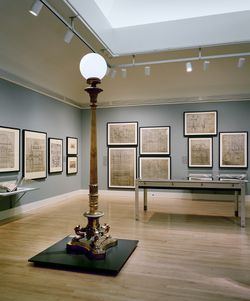
This exhibition looks at the transformation of Montréal from a nineteenth century merchant city to the metropolis of Canada. It examines the elements that made Montréal a political, social, and economic centre and explores the unique character of its architecture. The exhibition brings together some 350 objects, including drawings from the CCA collection by Montréal(...)
This exhibition looks at the transformation of Montréal from a nineteenth century merchant city to the metropolis of Canada. It examines the elements that made Montréal a political, social, and economic centre and explores the unique character of its architecture. The exhibition brings together some 350 objects, including drawings from the CCA collection by Montréal(...)
Location:
Main galleries
Main galleries
Date:
18 March 1998 to 24 May 1998
18 March 1998 to 24 May 1998
Title:
Montréal Métropole, 1880–1930
Actions:
Description:
This exhibition looks at the transformation of Montréal from a nineteenth century merchant city to the metropolis of Canada. It examines the elements that made Montréal a political, social, and economic centre and explores the unique character of its architecture. The exhibition brings together some 350 objects, including drawings from the CCA collection by Montréal(...)
Montréal Métropole, 1880–1930
Actions:
Description:
This exhibition looks at the transformation of Montréal from a nineteenth century merchant city to the metropolis of Canada. It examines the elements that made Montréal a political, social, and economic centre and explores the unique character of its architecture. The exhibition brings together some 350 objects, including drawings from the CCA collection by Montréal(...)
Form:
exhibitions
exhibitions
Date:
18 March 1998 to
24 May 1998
18 March 1998 to
24 May 1998
Location:
Main galleries
Main galleries
Form:
exhibitions
exhibitions
Actions:
Description:
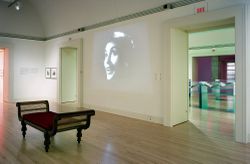
Traces of India depicts the social, political, and anthropological role of images, showing how they laid the historical foundations—real and imagined—on which an ordered empire may have been constructed, rather than an assemblage of colonial trading relationships. Organized around six themes, the exhibition explores some of the greatest architectural sites of the Indian(...)
Traces of India depicts the social, political, and anthropological role of images, showing how they laid the historical foundations—real and imagined—on which an ordered empire may have been constructed, rather than an assemblage of colonial trading relationships. Organized around six themes, the exhibition explores some of the greatest architectural sites of the Indian(...)
Location:
Main galleries
Main galleries
Date:
15 May 2003 to 14 September 2003
15 May 2003 to 14 September 2003
Title:
Traces of India: Photography, Architecture, and the Politics of Representation
Actions:
Description:
Traces of India depicts the social, political, and anthropological role of images, showing how they laid the historical foundations—real and imagined—on which an ordered empire may have been constructed, rather than an assemblage of colonial trading relationships. Organized around six themes, the exhibition explores some of the greatest architectural sites of the Indian(...)
Traces of India: Photography, Architecture, and the Politics of Representation
Actions:
Description:
Traces of India depicts the social, political, and anthropological role of images, showing how they laid the historical foundations—real and imagined—on which an ordered empire may have been constructed, rather than an assemblage of colonial trading relationships. Organized around six themes, the exhibition explores some of the greatest architectural sites of the Indian(...)
Form:
exhibitions
exhibitions
Date:
15 May 2003 to
14 September 2003
15 May 2003 to
14 September 2003
Location:
Main galleries
Main galleries


