


44145 Results
Level of archival description:
Project
Project
Reference number:
AP018.S1.1969.PR01
Description:
This project series documents the expansion of the Art Gallery of Ontario (AGO) in Toronto from 1969-1974. The office identified the project as number 69006. This project consisted of the vast expansion of the AGO that began in 1969, which largely came about due to a multi-million dollar donation from English sculpture Henry Moore. Most prominent in this project was the design and construction of the Henry Moore Sculpture Centre, a new gallery to house the extensive artworks of Henry Moore in the AGO’s collection. This included $15 million’s worth of art that Moore donated at the start of the project. The project was made up of two phases. The first included construction of the Henry Moore Sculpture Centre, the Sam and Ayala Zacks Wing, a link to the pre-existing Grange mansion, and updates to the art gallery’s finishes. The second phase proposed additional updates to existing finishes. By the end of this project, the architects had also added a public lounge, dining room and cafeteria, a members’ lounge, lecture areas (including the Henry Moore Lecture Hall), classrooms, and spaces for the gallery’s special services. The work was further divided into 4 physical areas of the art gallery (A, B, C and D) and the drawings for this project reflect this division. Before this work had been completed, a “Stage II” to the expansion had already been approved by the owners (Stage II is also included in this fonds, see AP018.S1.1972.PR08). In the documentation, this project was originally called the Henry Moore Sculpture Centre, Art Gallery of Ontario, Expansion Phases 1 and 2. However, as multiple stages to the expansion developed later on, this project eventually became known as the Stage I Expansion. While the project contract was originally given to John B. Parkin Associates, John C. Parkin continued the project under his new firm, Parkin Architects Planners, after parting ways with partner John B. Parkin in 1971. The project is recorded through drawings, textual records, and mounted photographs dating from 1968-1986. There are numerous original drawings showing the design development of the new galleries. Two presentation boards show photographs of the project model. The textual records consist of correspondence with contractors and clients, inspection and other site reports, specifications, contract data, consultancy records, schedules, change orders, financial documentation, conference reports, area calculations, research materials, detail planning records, and project notebooks. Box AP018.S1.1969.PR01.007 contains an index to the textual records, which was created by the office. This project series also contains one box of textual documentation that spans across multiple project series related to the AGO expansion within this fonds (see AP018.S1.1969.PR01.044). This includes press releases, newspaper articles, project proposals and studies, correspondence with Henry Moore, meeting minutes and reports.
AP018.S1.1969.PR01
Description:
This project series documents the expansion of the Art Gallery of Ontario (AGO) in Toronto from 1969-1974. The office identified the project as number 69006. This project consisted of the vast expansion of the AGO that began in 1969, which largely came about due to a multi-million dollar donation from English sculpture Henry Moore. Most prominent in this project was the design and construction of the Henry Moore Sculpture Centre, a new gallery to house the extensive artworks of Henry Moore in the AGO’s collection. This included $15 million’s worth of art that Moore donated at the start of the project. The project was made up of two phases. The first included construction of the Henry Moore Sculpture Centre, the Sam and Ayala Zacks Wing, a link to the pre-existing Grange mansion, and updates to the art gallery’s finishes. The second phase proposed additional updates to existing finishes. By the end of this project, the architects had also added a public lounge, dining room and cafeteria, a members’ lounge, lecture areas (including the Henry Moore Lecture Hall), classrooms, and spaces for the gallery’s special services. The work was further divided into 4 physical areas of the art gallery (A, B, C and D) and the drawings for this project reflect this division. Before this work had been completed, a “Stage II” to the expansion had already been approved by the owners (Stage II is also included in this fonds, see AP018.S1.1972.PR08). In the documentation, this project was originally called the Henry Moore Sculpture Centre, Art Gallery of Ontario, Expansion Phases 1 and 2. However, as multiple stages to the expansion developed later on, this project eventually became known as the Stage I Expansion. While the project contract was originally given to John B. Parkin Associates, John C. Parkin continued the project under his new firm, Parkin Architects Planners, after parting ways with partner John B. Parkin in 1971. The project is recorded through drawings, textual records, and mounted photographs dating from 1968-1986. There are numerous original drawings showing the design development of the new galleries. Two presentation boards show photographs of the project model. The textual records consist of correspondence with contractors and clients, inspection and other site reports, specifications, contract data, consultancy records, schedules, change orders, financial documentation, conference reports, area calculations, research materials, detail planning records, and project notebooks. Box AP018.S1.1969.PR01.007 contains an index to the textual records, which was created by the office. This project series also contains one box of textual documentation that spans across multiple project series related to the AGO expansion within this fonds (see AP018.S1.1969.PR01.044). This includes press releases, newspaper articles, project proposals and studies, correspondence with Henry Moore, meeting minutes and reports.
People:
Date:
1968-1986
1968-1986
Title:
Henry Moore Sculpture Centre, Art Gallery of Ontario, Stage I Expansion, Toronto (1969-1974)
Actions:
AP018.S1.1969.PR01
Description:
This project series documents the expansion of the Art Gallery of Ontario (AGO) in Toronto from 1969-1974. The office identified the project as number 69006. This project consisted of the vast expansion of the AGO that began in 1969, which largely came about due to a multi-million dollar donation from English sculpture Henry Moore. Most prominent in this project was the design and construction of the Henry Moore Sculpture Centre, a new gallery to house the extensive artworks of Henry Moore in the AGO’s collection. This included $15 million’s worth of art that Moore donated at the start of the project. The project was made up of two phases. The first included construction of the Henry Moore Sculpture Centre, the Sam and Ayala Zacks Wing, a link to the pre-existing Grange mansion, and updates to the art gallery’s finishes. The second phase proposed additional updates to existing finishes. By the end of this project, the architects had also added a public lounge, dining room and cafeteria, a members’ lounge, lecture areas (including the Henry Moore Lecture Hall), classrooms, and spaces for the gallery’s special services. The work was further divided into 4 physical areas of the art gallery (A, B, C and D) and the drawings for this project reflect this division. Before this work had been completed, a “Stage II” to the expansion had already been approved by the owners (Stage II is also included in this fonds, see AP018.S1.1972.PR08). In the documentation, this project was originally called the Henry Moore Sculpture Centre, Art Gallery of Ontario, Expansion Phases 1 and 2. However, as multiple stages to the expansion developed later on, this project eventually became known as the Stage I Expansion. While the project contract was originally given to John B. Parkin Associates, John C. Parkin continued the project under his new firm, Parkin Architects Planners, after parting ways with partner John B. Parkin in 1971. The project is recorded through drawings, textual records, and mounted photographs dating from 1968-1986. There are numerous original drawings showing the design development of the new galleries. Two presentation boards show photographs of the project model. The textual records consist of correspondence with contractors and clients, inspection and other site reports, specifications, contract data, consultancy records, schedules, change orders, financial documentation, conference reports, area calculations, research materials, detail planning records, and project notebooks. Box AP018.S1.1969.PR01.007 contains an index to the textual records, which was created by the office. This project series also contains one box of textual documentation that spans across multiple project series related to the AGO expansion within this fonds (see AP018.S1.1969.PR01.044). This includes press releases, newspaper articles, project proposals and studies, correspondence with Henry Moore, meeting minutes and reports.
Henry Moore Sculpture Centre, Art Gallery of Ontario, Stage I Expansion, Toronto (1969-1974)
Actions:
AP018.S1.1969.PR01
Description:
This project series documents the expansion of the Art Gallery of Ontario (AGO) in Toronto from 1969-1974. The office identified the project as number 69006. This project consisted of the vast expansion of the AGO that began in 1969, which largely came about due to a multi-million dollar donation from English sculpture Henry Moore. Most prominent in this project was the design and construction of the Henry Moore Sculpture Centre, a new gallery to house the extensive artworks of Henry Moore in the AGO’s collection. This included $15 million’s worth of art that Moore donated at the start of the project. The project was made up of two phases. The first included construction of the Henry Moore Sculpture Centre, the Sam and Ayala Zacks Wing, a link to the pre-existing Grange mansion, and updates to the art gallery’s finishes. The second phase proposed additional updates to existing finishes. By the end of this project, the architects had also added a public lounge, dining room and cafeteria, a members’ lounge, lecture areas (including the Henry Moore Lecture Hall), classrooms, and spaces for the gallery’s special services. The work was further divided into 4 physical areas of the art gallery (A, B, C and D) and the drawings for this project reflect this division. Before this work had been completed, a “Stage II” to the expansion had already been approved by the owners (Stage II is also included in this fonds, see AP018.S1.1972.PR08). In the documentation, this project was originally called the Henry Moore Sculpture Centre, Art Gallery of Ontario, Expansion Phases 1 and 2. However, as multiple stages to the expansion developed later on, this project eventually became known as the Stage I Expansion. While the project contract was originally given to John B. Parkin Associates, John C. Parkin continued the project under his new firm, Parkin Architects Planners, after parting ways with partner John B. Parkin in 1971. The project is recorded through drawings, textual records, and mounted photographs dating from 1968-1986. There are numerous original drawings showing the design development of the new galleries. Two presentation boards show photographs of the project model. The textual records consist of correspondence with contractors and clients, inspection and other site reports, specifications, contract data, consultancy records, schedules, change orders, financial documentation, conference reports, area calculations, research materials, detail planning records, and project notebooks. Box AP018.S1.1969.PR01.007 contains an index to the textual records, which was created by the office. This project series also contains one box of textual documentation that spans across multiple project series related to the AGO expansion within this fonds (see AP018.S1.1969.PR01.044). This includes press releases, newspaper articles, project proposals and studies, correspondence with Henry Moore, meeting minutes and reports.
Level of archival description:
Project
Project
Date:
1968-1986
1968-1986
People:
Level of archival description:
Project
Project
Title:
Study of human settlements
Study of human settlements
Reference number:
AP149.S1.1986.PR01
Description:
This project series documents Minimum Cost Housing Group's human settlement study in developping countries, mainly in India and in China, in the 1970s and 1980s. The project led to three publications series "How the Other Half Builds" (Volume 1: Space (1984), Volume 2: Plots (1986) and Volume 3: The Self-Selection Process (1990)). A series of audio-visual training packages entitled "Human Settlements Training Packages" was also produced in relation with this study. They produced a total of six series comprised of slides and audio cassettes that provide new ideas for planning low-income housing and low-cost technologies. The production of these training packages is based on years of field work in China and in India, and research in collobaration with the Vastu-Shilpa Foundation in Ahmedabad, India. The material in this project series was produced between 1985 and 1993. The files contain a large collection of slides of the training packages, guides for the slide show presentations, and various textual records related to the production of the training packages. The project series also comprises correspondence with the Vastu-Shilpa Foundation and sketchbooks with study drawings of housing mainly in India, possibly by Vikram Bhatt. The file also includes textual records related to the production of the publications series "How the Other Half Builds", as well as proofs for the publications and the final version of the books.
AP149.S1.1986.PR01
Description:
This project series documents Minimum Cost Housing Group's human settlement study in developping countries, mainly in India and in China, in the 1970s and 1980s. The project led to three publications series "How the Other Half Builds" (Volume 1: Space (1984), Volume 2: Plots (1986) and Volume 3: The Self-Selection Process (1990)). A series of audio-visual training packages entitled "Human Settlements Training Packages" was also produced in relation with this study. They produced a total of six series comprised of slides and audio cassettes that provide new ideas for planning low-income housing and low-cost technologies. The production of these training packages is based on years of field work in China and in India, and research in collobaration with the Vastu-Shilpa Foundation in Ahmedabad, India. The material in this project series was produced between 1985 and 1993. The files contain a large collection of slides of the training packages, guides for the slide show presentations, and various textual records related to the production of the training packages. The project series also comprises correspondence with the Vastu-Shilpa Foundation and sketchbooks with study drawings of housing mainly in India, possibly by Vikram Bhatt. The file also includes textual records related to the production of the publications series "How the Other Half Builds", as well as proofs for the publications and the final version of the books.
People:
Date:
1985-1993
1985-1993
Title:
Study of human settlements
Actions:
AP149.S1.1986.PR01
Description:
This project series documents Minimum Cost Housing Group's human settlement study in developping countries, mainly in India and in China, in the 1970s and 1980s. The project led to three publications series "How the Other Half Builds" (Volume 1: Space (1984), Volume 2: Plots (1986) and Volume 3: The Self-Selection Process (1990)). A series of audio-visual training packages entitled "Human Settlements Training Packages" was also produced in relation with this study. They produced a total of six series comprised of slides and audio cassettes that provide new ideas for planning low-income housing and low-cost technologies. The production of these training packages is based on years of field work in China and in India, and research in collobaration with the Vastu-Shilpa Foundation in Ahmedabad, India. The material in this project series was produced between 1985 and 1993. The files contain a large collection of slides of the training packages, guides for the slide show presentations, and various textual records related to the production of the training packages. The project series also comprises correspondence with the Vastu-Shilpa Foundation and sketchbooks with study drawings of housing mainly in India, possibly by Vikram Bhatt. The file also includes textual records related to the production of the publications series "How the Other Half Builds", as well as proofs for the publications and the final version of the books.
Study of human settlements
Actions:
AP149.S1.1986.PR01
Description:
This project series documents Minimum Cost Housing Group's human settlement study in developping countries, mainly in India and in China, in the 1970s and 1980s. The project led to three publications series "How the Other Half Builds" (Volume 1: Space (1984), Volume 2: Plots (1986) and Volume 3: The Self-Selection Process (1990)). A series of audio-visual training packages entitled "Human Settlements Training Packages" was also produced in relation with this study. They produced a total of six series comprised of slides and audio cassettes that provide new ideas for planning low-income housing and low-cost technologies. The production of these training packages is based on years of field work in China and in India, and research in collobaration with the Vastu-Shilpa Foundation in Ahmedabad, India. The material in this project series was produced between 1985 and 1993. The files contain a large collection of slides of the training packages, guides for the slide show presentations, and various textual records related to the production of the training packages. The project series also comprises correspondence with the Vastu-Shilpa Foundation and sketchbooks with study drawings of housing mainly in India, possibly by Vikram Bhatt. The file also includes textual records related to the production of the publications series "How the Other Half Builds", as well as proofs for the publications and the final version of the books.
Level of archival description:
Project
Project
Date:
1985-1993
1985-1993
People:
Form:
events
events
Actions:
Description:
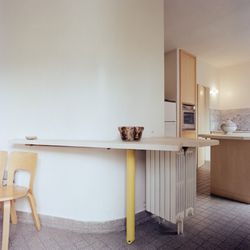
Join architect Umberto Riva for tea and conversation about his work and the exhibition Rooms You May Have Missed: Bijoy Jain, Umberto Riva.
Join architect Umberto Riva for tea and conversation about his work and the exhibition Rooms You May Have Missed: Bijoy Jain, Umberto Riva.
Date:
5 November 2014 , 5:30pm
5 November 2014 , 5:30pm
Title:
Rooms in Milan: a discussion with Umberto Riva
Actions:
Description:
Join architect Umberto Riva for tea and conversation about his work and the exhibition Rooms You May Have Missed: Bijoy Jain, Umberto Riva.
Rooms in Milan: a discussion with Umberto Riva
Actions:
Description:
Join architect Umberto Riva for tea and conversation about his work and the exhibition Rooms You May Have Missed: Bijoy Jain, Umberto Riva.
Form:
events
events
Date:
5 November 2014
5:30pm
5 November 2014
5:30pm
Level of archival description:
Project
Project
Actions:
Reference number:
AP164.S1.1989.D6
Description:
This project series documents a project for the Asociación Cultural Hispano-Norteamericana (Achna) to improve the entrance(s) and the access(es) to the exterior and the pergola. The project site was on San Bernado Street, in Madrid, Spain. The firm identified this project as number 61. Abalos & Herreros worked with the following collaborators: Catalina Avendaño, Javier Herreros, María Lamas, Florentino Moretón and Juan José Nuñez. Documenting this project are conceptual and design development drawings, and a project description.
AP164.S1.1989.D6
Description:
This project series documents a project for the Asociación Cultural Hispano-Norteamericana (Achna) to improve the entrance(s) and the access(es) to the exterior and the pergola. The project site was on San Bernado Street, in Madrid, Spain. The firm identified this project as number 61. Abalos & Herreros worked with the following collaborators: Catalina Avendaño, Javier Herreros, María Lamas, Florentino Moretón and Juan José Nuñez. Documenting this project are conceptual and design development drawings, and a project description.
People:
Date:
1985-1989
1985-1989
Title:
Achna, cierre y pérgolas de acceso, Madrid, Spain (1989)
Actions:
AP164.S1.1989.D6
Description:
This project series documents a project for the Asociación Cultural Hispano-Norteamericana (Achna) to improve the entrance(s) and the access(es) to the exterior and the pergola. The project site was on San Bernado Street, in Madrid, Spain. The firm identified this project as number 61. Abalos & Herreros worked with the following collaborators: Catalina Avendaño, Javier Herreros, María Lamas, Florentino Moretón and Juan José Nuñez. Documenting this project are conceptual and design development drawings, and a project description.
Achna, cierre y pérgolas de acceso, Madrid, Spain (1989)
Actions:
AP164.S1.1989.D6
Description:
This project series documents a project for the Asociación Cultural Hispano-Norteamericana (Achna) to improve the entrance(s) and the access(es) to the exterior and the pergola. The project site was on San Bernado Street, in Madrid, Spain. The firm identified this project as number 61. Abalos & Herreros worked with the following collaborators: Catalina Avendaño, Javier Herreros, María Lamas, Florentino Moretón and Juan José Nuñez. Documenting this project are conceptual and design development drawings, and a project description.
Level of archival description:
Project
Project
Date:
1985-1989
1985-1989
People:
Level of archival description:
Project
Project
Actions:
Reference number:
AP164.S1.1993.D4
Description:
The project series documents the competition entry for a company bid to develope the infrastructure and the channelling of the Guadalhorce River, Málaga, from the local government of Andalusia, Spain. The firm identified this project as number 82. Abalos & Herreros worked with Ángel Borrego, Javier Fresneda, Rafael Hernández, Javier Herreros and the technical services of Agróman. Documenting this project are conceptual and design development drawings, graphic, cartographic and reference materials, clippings, notes, dummies, project descriptions and specifications.
AP164.S1.1993.D4
Description:
The project series documents the competition entry for a company bid to develope the infrastructure and the channelling of the Guadalhorce River, Málaga, from the local government of Andalusia, Spain. The firm identified this project as number 82. Abalos & Herreros worked with Ángel Borrego, Javier Fresneda, Rafael Hernández, Javier Herreros and the technical services of Agróman. Documenting this project are conceptual and design development drawings, graphic, cartographic and reference materials, clippings, notes, dummies, project descriptions and specifications.
People:
Date:
1993
1993
Title:
Encauzamiento del río Guadalhorce, Málaga, Spain (1993)
Actions:
AP164.S1.1993.D4
Description:
The project series documents the competition entry for a company bid to develope the infrastructure and the channelling of the Guadalhorce River, Málaga, from the local government of Andalusia, Spain. The firm identified this project as number 82. Abalos & Herreros worked with Ángel Borrego, Javier Fresneda, Rafael Hernández, Javier Herreros and the technical services of Agróman. Documenting this project are conceptual and design development drawings, graphic, cartographic and reference materials, clippings, notes, dummies, project descriptions and specifications.
Encauzamiento del río Guadalhorce, Málaga, Spain (1993)
Actions:
AP164.S1.1993.D4
Description:
The project series documents the competition entry for a company bid to develope the infrastructure and the channelling of the Guadalhorce River, Málaga, from the local government of Andalusia, Spain. The firm identified this project as number 82. Abalos & Herreros worked with Ángel Borrego, Javier Fresneda, Rafael Hernández, Javier Herreros and the technical services of Agróman. Documenting this project are conceptual and design development drawings, graphic, cartographic and reference materials, clippings, notes, dummies, project descriptions and specifications.
Level of archival description:
Project
Project
Date:
1993
1993
People:
Level of archival description:
Project
Project
Actions:
Reference number:
AP164.S1.2002.D6
Description:
The project series documents the remodeling of La Paloma recycling plant for urban waste in Madrid, Spain. The firm identified this project as number 150. Abalos & Herreros worked either with or for Fomento de construcciones y contratas, S.A., FIRSA, Inversiones Riojaras S.A. and Consercie de Aguas y Residuos de La Rioja. Documenting the projects are presentation and design development drawings, photographic and reference materials, project descriptions, correspondence, and presentation documents.
AP164.S1.2002.D6
Description:
The project series documents the remodeling of La Paloma recycling plant for urban waste in Madrid, Spain. The firm identified this project as number 150. Abalos & Herreros worked either with or for Fomento de construcciones y contratas, S.A., FIRSA, Inversiones Riojaras S.A. and Consercie de Aguas y Residuos de La Rioja. Documenting the projects are presentation and design development drawings, photographic and reference materials, project descriptions, correspondence, and presentation documents.
People:
Date:
2001-2002
2001-2002
Title:
Recualificación de la planta de compostaje La Paloma, Valdemingómez, Madrid, Spain (2002)
Actions:
AP164.S1.2002.D6
Description:
The project series documents the remodeling of La Paloma recycling plant for urban waste in Madrid, Spain. The firm identified this project as number 150. Abalos & Herreros worked either with or for Fomento de construcciones y contratas, S.A., FIRSA, Inversiones Riojaras S.A. and Consercie de Aguas y Residuos de La Rioja. Documenting the projects are presentation and design development drawings, photographic and reference materials, project descriptions, correspondence, and presentation documents.
Recualificación de la planta de compostaje La Paloma, Valdemingómez, Madrid, Spain (2002)
Actions:
AP164.S1.2002.D6
Description:
The project series documents the remodeling of La Paloma recycling plant for urban waste in Madrid, Spain. The firm identified this project as number 150. Abalos & Herreros worked either with or for Fomento de construcciones y contratas, S.A., FIRSA, Inversiones Riojaras S.A. and Consercie de Aguas y Residuos de La Rioja. Documenting the projects are presentation and design development drawings, photographic and reference materials, project descriptions, correspondence, and presentation documents.
Level of archival description:
Project
Project
Date:
2001-2002
2001-2002
People:
Level of archival description:
Project
Project
Reference number:
AP180.S1.1991.PR02
Description:
This project series documents Umberto Riva's design for the Casa Miggiano, a built three-storey private residence in a new residential development of Otranto, Italy. Riva worked on this project from 1990-1996. The project is recorded through studies and early sketches for exterior elevations and floor plans. It also contans design development drawings, including interior elevations, sections, floor plans, details of furnishings, and perspective drawings showing the exterior of the residence.
AP180.S1.1991.PR02
Description:
This project series documents Umberto Riva's design for the Casa Miggiano, a built three-storey private residence in a new residential development of Otranto, Italy. Riva worked on this project from 1990-1996. The project is recorded through studies and early sketches for exterior elevations and floor plans. It also contans design development drawings, including interior elevations, sections, floor plans, details of furnishings, and perspective drawings showing the exterior of the residence.
People:
Date:
1991-1992
1991-1992
Title:
Casa Miggiano [Miggiano house], Otranto, Italy (1991)
Actions:
AP180.S1.1991.PR02
Description:
This project series documents Umberto Riva's design for the Casa Miggiano, a built three-storey private residence in a new residential development of Otranto, Italy. Riva worked on this project from 1990-1996. The project is recorded through studies and early sketches for exterior elevations and floor plans. It also contans design development drawings, including interior elevations, sections, floor plans, details of furnishings, and perspective drawings showing the exterior of the residence.
Casa Miggiano [Miggiano house], Otranto, Italy (1991)
Actions:
AP180.S1.1991.PR02
Description:
This project series documents Umberto Riva's design for the Casa Miggiano, a built three-storey private residence in a new residential development of Otranto, Italy. Riva worked on this project from 1990-1996. The project is recorded through studies and early sketches for exterior elevations and floor plans. It also contans design development drawings, including interior elevations, sections, floor plans, details of furnishings, and perspective drawings showing the exterior of the residence.
Level of archival description:
Project
Project
Date:
1991-1992
1991-1992
People:
Level of archival description:
Project
Project
Actions:
Reference number:
AP180.S1.1992.PR01
Description:
This project series documents the redesign for the entrance area and galleries of the contemporary art gallery Galleria AAM Architettura Arte Moderna in Milan, Italy. This project was realized. Riva worked on this project from 1992-1993. The project series contains studies and design development drawings, including sketches, furnishings details, and elevations. Documents received with the accession of the fond also identified this project as Galleria negozio Moschini, which is the name of the gallery's founder, Francesco Moschini.
AP180.S1.1992.PR01
Description:
This project series documents the redesign for the entrance area and galleries of the contemporary art gallery Galleria AAM Architettura Arte Moderna in Milan, Italy. This project was realized. Riva worked on this project from 1992-1993. The project series contains studies and design development drawings, including sketches, furnishings details, and elevations. Documents received with the accession of the fond also identified this project as Galleria negozio Moschini, which is the name of the gallery's founder, Francesco Moschini.
People:
Date:
1992
1992
Title:
Galleria AAM Architettura Arte Moderna [Gallery AAM Architettura Arte Moderna], Milan, Italy (1992-1993)
Actions:
AP180.S1.1992.PR01
Description:
This project series documents the redesign for the entrance area and galleries of the contemporary art gallery Galleria AAM Architettura Arte Moderna in Milan, Italy. This project was realized. Riva worked on this project from 1992-1993. The project series contains studies and design development drawings, including sketches, furnishings details, and elevations. Documents received with the accession of the fond also identified this project as Galleria negozio Moschini, which is the name of the gallery's founder, Francesco Moschini.
Galleria AAM Architettura Arte Moderna [Gallery AAM Architettura Arte Moderna], Milan, Italy (1992-1993)
Actions:
AP180.S1.1992.PR01
Description:
This project series documents the redesign for the entrance area and galleries of the contemporary art gallery Galleria AAM Architettura Arte Moderna in Milan, Italy. This project was realized. Riva worked on this project from 1992-1993. The project series contains studies and design development drawings, including sketches, furnishings details, and elevations. Documents received with the accession of the fond also identified this project as Galleria negozio Moschini, which is the name of the gallery's founder, Francesco Moschini.
Level of archival description:
Project
Project
Date:
1992
1992
People:
Level of archival description:
Project
Project
Actions:
Reference number:
AP180.S1.2005.PR02
Description:
This project series documents Umberto Riva's design for Chiesa di S. Corbiniano in Rome, Italy. Riva worked on this project from 2005-2011. The project consisted of a group of ecclesiastical buildings, including a church. The project series contains design development drawings, including elevations, sections, and floor plans, as well as presentation drawings, such as site plans, elevations, floor plans, and sections. It also includes leaflets from suppliers of bells and clocks.
AP180.S1.2005.PR02
Description:
This project series documents Umberto Riva's design for Chiesa di S. Corbiniano in Rome, Italy. Riva worked on this project from 2005-2011. The project consisted of a group of ecclesiastical buildings, including a church. The project series contains design development drawings, including elevations, sections, and floor plans, as well as presentation drawings, such as site plans, elevations, floor plans, and sections. It also includes leaflets from suppliers of bells and clocks.
People:
Date:
2005
2005
Title:
Chiesa di S. Corbiniano [Church of St. Corbiniano], Rome, Italy (2005 and 2011)
Actions:
AP180.S1.2005.PR02
Description:
This project series documents Umberto Riva's design for Chiesa di S. Corbiniano in Rome, Italy. Riva worked on this project from 2005-2011. The project consisted of a group of ecclesiastical buildings, including a church. The project series contains design development drawings, including elevations, sections, and floor plans, as well as presentation drawings, such as site plans, elevations, floor plans, and sections. It also includes leaflets from suppliers of bells and clocks.
Chiesa di S. Corbiniano [Church of St. Corbiniano], Rome, Italy (2005 and 2011)
Actions:
AP180.S1.2005.PR02
Description:
This project series documents Umberto Riva's design for Chiesa di S. Corbiniano in Rome, Italy. Riva worked on this project from 2005-2011. The project consisted of a group of ecclesiastical buildings, including a church. The project series contains design development drawings, including elevations, sections, and floor plans, as well as presentation drawings, such as site plans, elevations, floor plans, and sections. It also includes leaflets from suppliers of bells and clocks.
Level of archival description:
Project
Project
Date:
2005
2005
People:
Form:
photographs
photographs
Actions:
Reference number:
PH2018:0005:008
Description:
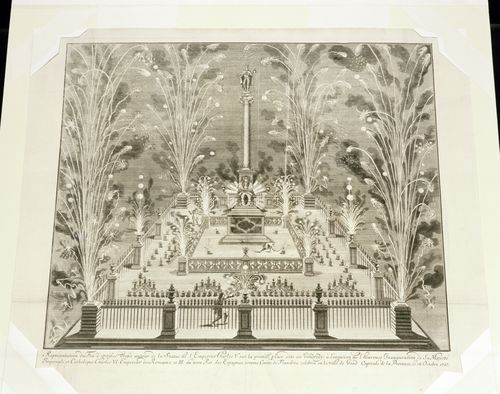
Photograph by Stefano Graziani of the following work: Unknown artist, Belgium, A Firework Display in the Place, "dite au Vendredi" on October 19th Century, printing between 1717 and 1719, etching 53.5 x 61.1 cm, DR1982:0240, Canadian Centre for Architecture, Montréal Questioning Pictures is a 36 photograph project commissioned by Fondazione Prada, Milan. Artist Stefano Graziani investigates archival and conservation systems in a number of museums. Through photographing museum objects, Graziani, focusing on the relationship between photographs, the museum objects and the power structures at play within institutions. The museums include the Canadian Centre for Architecture (CCA) in Montréal, Canada; Sir John Soane’s Museum in London, UK; the Kunstmuseum Basel, Switzerland; Museum Insel Hombroich in Neuss, Germany; the Museo di Castelvecchio in Verona, Italy; and the Plaster Cast Gallery at Museo Canova in Possagno, Italy.
PH2018:0005:008
Description:
Photograph by Stefano Graziani of the following work: Unknown artist, Belgium, A Firework Display in the Place, "dite au Vendredi" on October 19th Century, printing between 1717 and 1719, etching 53.5 x 61.1 cm, DR1982:0240, Canadian Centre for Architecture, Montréal Questioning Pictures is a 36 photograph project commissioned by Fondazione Prada, Milan. Artist Stefano Graziani investigates archival and conservation systems in a number of museums. Through photographing museum objects, Graziani, focusing on the relationship between photographs, the museum objects and the power structures at play within institutions. The museums include the Canadian Centre for Architecture (CCA) in Montréal, Canada; Sir John Soane’s Museum in London, UK; the Kunstmuseum Basel, Switzerland; Museum Insel Hombroich in Neuss, Germany; the Museo di Castelvecchio in Verona, Italy; and the Plaster Cast Gallery at Museo Canova in Possagno, Italy.
People:
Date:
2017
2017
Title:
Questioning Pictures: Photograph of etching of A Firework Display in the Place, "dite au Vendredi", unknown Begium artist, 1717-1719
Actions:
PH2018:0005:008
Description:
Photograph by Stefano Graziani of the following work: Unknown artist, Belgium, A Firework Display in the Place, "dite au Vendredi" on October 19th Century, printing between 1717 and 1719, etching 53.5 x 61.1 cm, DR1982:0240, Canadian Centre for Architecture, Montréal Questioning Pictures is a 36 photograph project commissioned by Fondazione Prada, Milan. Artist Stefano Graziani investigates archival and conservation systems in a number of museums. Through photographing museum objects, Graziani, focusing on the relationship between photographs, the museum objects and the power structures at play within institutions. The museums include the Canadian Centre for Architecture (CCA) in Montréal, Canada; Sir John Soane’s Museum in London, UK; the Kunstmuseum Basel, Switzerland; Museum Insel Hombroich in Neuss, Germany; the Museo di Castelvecchio in Verona, Italy; and the Plaster Cast Gallery at Museo Canova in Possagno, Italy.
Questioning Pictures: Photograph of etching of A Firework Display in the Place, "dite au Vendredi", unknown Begium artist, 1717-1719
Actions:
PH2018:0005:008
Description:
Photograph by Stefano Graziani of the following work: Unknown artist, Belgium, A Firework Display in the Place, "dite au Vendredi" on October 19th Century, printing between 1717 and 1719, etching 53.5 x 61.1 cm, DR1982:0240, Canadian Centre for Architecture, Montréal Questioning Pictures is a 36 photograph project commissioned by Fondazione Prada, Milan. Artist Stefano Graziani investigates archival and conservation systems in a number of museums. Through photographing museum objects, Graziani, focusing on the relationship between photographs, the museum objects and the power structures at play within institutions. The museums include the Canadian Centre for Architecture (CCA) in Montréal, Canada; Sir John Soane’s Museum in London, UK; the Kunstmuseum Basel, Switzerland; Museum Insel Hombroich in Neuss, Germany; the Museo di Castelvecchio in Verona, Italy; and the Plaster Cast Gallery at Museo Canova in Possagno, Italy.
Form:
photographs
photographs
Date:
2017
2017
People:


