


44145 Results
Level of archival description:
Project
Project
Reference number:
AP180.S1.1971.PR01
Description:
This project series documents the Case Di Palma in Stintino, Italy. Included in the series are drawings for two built projects for the Di Palma Family. The first one, in 1958, for a vacation house, was a collaboration between Riva and Freddy Drugman. The second project was for three summer houses separeted by courtyards, which Riva worked on in 1971-1972. The project series contains design development drawings, including a site plan, sections, furnishing details, floor plans, and interior and exterior elevations.
AP180.S1.1971.PR01
Description:
This project series documents the Case Di Palma in Stintino, Italy. Included in the series are drawings for two built projects for the Di Palma Family. The first one, in 1958, for a vacation house, was a collaboration between Riva and Freddy Drugman. The second project was for three summer houses separeted by courtyards, which Riva worked on in 1971-1972. The project series contains design development drawings, including a site plan, sections, furnishing details, floor plans, and interior and exterior elevations.
People:
Date:
1961-1972
1961-1972
Title:
Case Di Palma [Di Palma houses], Stintino, Italy (1971)
Actions:
AP180.S1.1971.PR01
Description:
This project series documents the Case Di Palma in Stintino, Italy. Included in the series are drawings for two built projects for the Di Palma Family. The first one, in 1958, for a vacation house, was a collaboration between Riva and Freddy Drugman. The second project was for three summer houses separeted by courtyards, which Riva worked on in 1971-1972. The project series contains design development drawings, including a site plan, sections, furnishing details, floor plans, and interior and exterior elevations.
Case Di Palma [Di Palma houses], Stintino, Italy (1971)
Actions:
AP180.S1.1971.PR01
Description:
This project series documents the Case Di Palma in Stintino, Italy. Included in the series are drawings for two built projects for the Di Palma Family. The first one, in 1958, for a vacation house, was a collaboration between Riva and Freddy Drugman. The second project was for three summer houses separeted by courtyards, which Riva worked on in 1971-1972. The project series contains design development drawings, including a site plan, sections, furnishing details, floor plans, and interior and exterior elevations.
Level of archival description:
Project
Project
Date:
1961-1972
1961-1972
People:
Level of archival description:
Project
Project
Actions:
Reference number:
AP075.S1.1979.PR03
Description:
Project series documents Cornelia Hahn Oberlander's project for the Laxton Building, a ten-story office tower on on West Pender Street in Vancouver, British Columbia. The building was designed by architect Arthur Erickson. Oberlander worked on this project between 1979 and 1980. The building It contains eleven reprographic copies of working drawings. The landscaping and the building itself will later be restored in 2006-2007 after being saved from demolition in the early 2000s. The building will than be known as the Evergreen Building.
AP075.S1.1979.PR03
Description:
Project series documents Cornelia Hahn Oberlander's project for the Laxton Building, a ten-story office tower on on West Pender Street in Vancouver, British Columbia. The building was designed by architect Arthur Erickson. Oberlander worked on this project between 1979 and 1980. The building It contains eleven reprographic copies of working drawings. The landscaping and the building itself will later be restored in 2006-2007 after being saved from demolition in the early 2000s. The building will than be known as the Evergreen Building.
People:
Date:
1979
1979
Title:
Laxton Building, Vancouver, British Columbia (1979-1980)
Actions:
AP075.S1.1979.PR03
Description:
Project series documents Cornelia Hahn Oberlander's project for the Laxton Building, a ten-story office tower on on West Pender Street in Vancouver, British Columbia. The building was designed by architect Arthur Erickson. Oberlander worked on this project between 1979 and 1980. The building It contains eleven reprographic copies of working drawings. The landscaping and the building itself will later be restored in 2006-2007 after being saved from demolition in the early 2000s. The building will than be known as the Evergreen Building.
Laxton Building, Vancouver, British Columbia (1979-1980)
Actions:
AP075.S1.1979.PR03
Description:
Project series documents Cornelia Hahn Oberlander's project for the Laxton Building, a ten-story office tower on on West Pender Street in Vancouver, British Columbia. The building was designed by architect Arthur Erickson. Oberlander worked on this project between 1979 and 1980. The building It contains eleven reprographic copies of working drawings. The landscaping and the building itself will later be restored in 2006-2007 after being saved from demolition in the early 2000s. The building will than be known as the Evergreen Building.
Level of archival description:
Project
Project
Date:
1979
1979
People:
Form:
events
events
Title:
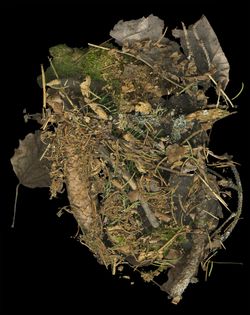
The Dark Edge of a Clear-cut
The Dark Edge of a Clear-cut
Actions:
Description:
In a conversation moderated by Louise Désy, CCA Curator, Photographs, Lorraine Gilbert presents her work: The documentation of landscapes I have lived and worked in has resulted in a body of work that questions our place within nature and within our built environments. The seemingly objective nature of the way I have pictured these natural and urban spaces, has given way(...)
In a conversation moderated by Louise Désy, CCA Curator, Photographs, Lorraine Gilbert presents her work: The documentation of landscapes I have lived and worked in has resulted in a body of work that questions our place within nature and within our built environments. The seemingly objective nature of the way I have pictured these natural and urban spaces, has given way(...)
Location:
Main galleries Keyword(s):
The Dark Edge of a Clear-cut, Canada, It's all happening so fast, conversation
Main galleries Keyword(s):
The Dark Edge of a Clear-cut, Canada, It's all happening so fast, conversation
Date:
4 February 2017, 3pm
4 February 2017, 3pm
Title:
The Dark Edge of a Clear-cut
Actions:
Description:
In a conversation moderated by Louise Désy, CCA Curator, Photographs, Lorraine Gilbert presents her work: The documentation of landscapes I have lived and worked in has resulted in a body of work that questions our place within nature and within our built environments. The seemingly objective nature of the way I have pictured these natural and urban spaces, has given way(...)
The Dark Edge of a Clear-cut
Actions:
Description:
In a conversation moderated by Louise Désy, CCA Curator, Photographs, Lorraine Gilbert presents her work: The documentation of landscapes I have lived and worked in has resulted in a body of work that questions our place within nature and within our built environments. The seemingly objective nature of the way I have pictured these natural and urban spaces, has given way(...)
Form:
events
events
Date:
4 February 2017
3pm
4 February 2017
3pm
Location:
Main galleries Keyword(s):
The Dark Edge of a Clear-cut, Canada, It's all happening so fast, conversation
Main galleries Keyword(s):
The Dark Edge of a Clear-cut, Canada, It's all happening so fast, conversation
Form:
archives
Level of archival description:
Fonds
archives
Level of archival description:
Fonds
Reference number:
AP177
Synopsis:
The RUR Architecture Kansai-kan of the National Diet Library project records, circa 1996, document the New York based firm’s competition entry for the Kansai Science City branch of Japan’s National Diet Library. Records show integration of landscape in the building’s design, exploration of the relationship between structure and surface, and a multimedia approach to building design. Records include 169 digital files, mostly CAD models and images; 42 drawings and printed renderings; and 5 models and casts.
AP177
Synopsis:
The RUR Architecture Kansai-kan of the National Diet Library project records, circa 1996, document the New York based firm’s competition entry for the Kansai Science City branch of Japan’s National Diet Library. Records show integration of landscape in the building’s design, exploration of the relationship between structure and surface, and a multimedia approach to building design. Records include 169 digital files, mostly CAD models and images; 42 drawings and printed renderings; and 5 models and casts.
People:
Date:
1996-2015
1996-2015
Title:
RUR Architecture Kansai-kan of the National Diet Library project records
Actions:
AP177
Synopsis:
The RUR Architecture Kansai-kan of the National Diet Library project records, circa 1996, document the New York based firm’s competition entry for the Kansai Science City branch of Japan’s National Diet Library. Records show integration of landscape in the building’s design, exploration of the relationship between structure and surface, and a multimedia approach to building design. Records include 169 digital files, mostly CAD models and images; 42 drawings and printed renderings; and 5 models and casts.
RUR Architecture Kansai-kan of the National Diet Library project records
Actions:
AP177
Synopsis:
The RUR Architecture Kansai-kan of the National Diet Library project records, circa 1996, document the New York based firm’s competition entry for the Kansai Science City branch of Japan’s National Diet Library. Records show integration of landscape in the building’s design, exploration of the relationship between structure and surface, and a multimedia approach to building design. Records include 169 digital files, mostly CAD models and images; 42 drawings and printed renderings; and 5 models and casts.
Form:
archives
Level of archival description:
Fonds
archives
Level of archival description:
Fonds
Date:
1996-2015
1996-2015
People:
Form:
photographs
photographs
Actions:
Reference number:
PH2018:0005:011
Description:
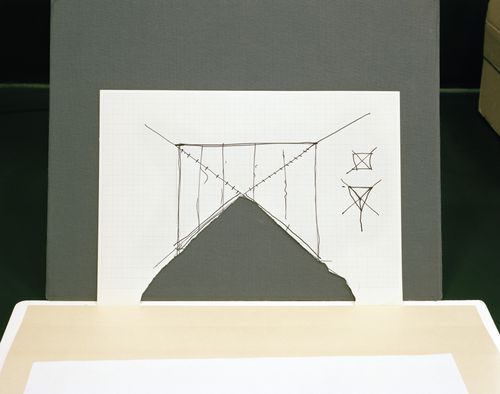
Photograph by Stefano Graziani of the following work: Gordon Matta-Clark, drawing n.6 from seven proposals for Documenta, 1977, 21.0 x 30.2cm, PHCON2002:0016:046:006, Gordon Matta-Clark Collection, Canadian Centre for Architecture, Gift of Estate of Gordon Matta-Clark, © Estate of Gordon Matta-Clark Questioning Pictures is a 36 photograph project commissioned by Fondazione Prada, Milan. Artist Stefano Graziani investigates archival and conservation systems in a number of museums. Through photographing museum objects, Graziani, focusing on the relationship between photographs, the museum objects and the power structures at play within institutions. The museums include the Canadian Centre for Architecture (CCA) in Montréal, Canada; Sir John Soane’s Museum in London, UK; the Kunstmuseum Basel, Switzerland; Museum Insel Hombroich in Neuss, Germany; the Museo di Castelvecchio in Verona, Italy; and the Plaster Cast Gallery at Museo Canova in Possagno, Italy.
PH2018:0005:011
Description:
Photograph by Stefano Graziani of the following work: Gordon Matta-Clark, drawing n.6 from seven proposals for Documenta, 1977, 21.0 x 30.2cm, PHCON2002:0016:046:006, Gordon Matta-Clark Collection, Canadian Centre for Architecture, Gift of Estate of Gordon Matta-Clark, © Estate of Gordon Matta-Clark Questioning Pictures is a 36 photograph project commissioned by Fondazione Prada, Milan. Artist Stefano Graziani investigates archival and conservation systems in a number of museums. Through photographing museum objects, Graziani, focusing on the relationship between photographs, the museum objects and the power structures at play within institutions. The museums include the Canadian Centre for Architecture (CCA) in Montréal, Canada; Sir John Soane’s Museum in London, UK; the Kunstmuseum Basel, Switzerland; Museum Insel Hombroich in Neuss, Germany; the Museo di Castelvecchio in Verona, Italy; and the Plaster Cast Gallery at Museo Canova in Possagno, Italy.
People:
Date:
2017
2017
Title:
Questioning Pictures: Photograph of drawing no.6 from seven proposals for Documenta by Gordon Matta-Clark, 1977
Actions:
PH2018:0005:011
Description:
Photograph by Stefano Graziani of the following work: Gordon Matta-Clark, drawing n.6 from seven proposals for Documenta, 1977, 21.0 x 30.2cm, PHCON2002:0016:046:006, Gordon Matta-Clark Collection, Canadian Centre for Architecture, Gift of Estate of Gordon Matta-Clark, © Estate of Gordon Matta-Clark Questioning Pictures is a 36 photograph project commissioned by Fondazione Prada, Milan. Artist Stefano Graziani investigates archival and conservation systems in a number of museums. Through photographing museum objects, Graziani, focusing on the relationship between photographs, the museum objects and the power structures at play within institutions. The museums include the Canadian Centre for Architecture (CCA) in Montréal, Canada; Sir John Soane’s Museum in London, UK; the Kunstmuseum Basel, Switzerland; Museum Insel Hombroich in Neuss, Germany; the Museo di Castelvecchio in Verona, Italy; and the Plaster Cast Gallery at Museo Canova in Possagno, Italy.
Questioning Pictures: Photograph of drawing no.6 from seven proposals for Documenta by Gordon Matta-Clark, 1977
Actions:
PH2018:0005:011
Description:
Photograph by Stefano Graziani of the following work: Gordon Matta-Clark, drawing n.6 from seven proposals for Documenta, 1977, 21.0 x 30.2cm, PHCON2002:0016:046:006, Gordon Matta-Clark Collection, Canadian Centre for Architecture, Gift of Estate of Gordon Matta-Clark, © Estate of Gordon Matta-Clark Questioning Pictures is a 36 photograph project commissioned by Fondazione Prada, Milan. Artist Stefano Graziani investigates archival and conservation systems in a number of museums. Through photographing museum objects, Graziani, focusing on the relationship between photographs, the museum objects and the power structures at play within institutions. The museums include the Canadian Centre for Architecture (CCA) in Montréal, Canada; Sir John Soane’s Museum in London, UK; the Kunstmuseum Basel, Switzerland; Museum Insel Hombroich in Neuss, Germany; the Museo di Castelvecchio in Verona, Italy; and the Plaster Cast Gallery at Museo Canova in Possagno, Italy.
Form:
photographs
photographs
Date:
2017
2017
People:
Form:
photographs
photographs

Actions:
Reference number:
PH2018:0005:012
Description:
Photograph by Stefano Graziani of the following work: James Stirling, Michael Wilford and Associates, study model for the east elevation, Clore Gallery, London, 1978-1986, 12.0 x 30.3 x 8.2 cm, AP140.S2.SS1.D60.SD1.P127, James Stirling / Michael Wilford Fonds, Canadian Centre for Architecture, Montréal Questioning Pictures is a 36 photograph project commissioned by Fondazione Prada, Milan. Artist Stefano Graziani investigates archival and conservation systems in a number of museums. Through photographing museum objects, Graziani, focusing on the relationship between photographs, the museum objects and the power structures at play within institutions. The museums include the Canadian Centre for Architecture (CCA) in Montréal, Canada; Sir John Soane’s Museum in London, UK; the Kunstmuseum Basel, Switzerland; Museum Insel Hombroich in Neuss, Germany; the Museo di Castelvecchio in Verona, Italy; and the Plaster Cast Gallery at Museo Canova in Possagno, Italy.
PH2018:0005:012
Description:
Photograph by Stefano Graziani of the following work: James Stirling, Michael Wilford and Associates, study model for the east elevation, Clore Gallery, London, 1978-1986, 12.0 x 30.3 x 8.2 cm, AP140.S2.SS1.D60.SD1.P127, James Stirling / Michael Wilford Fonds, Canadian Centre for Architecture, Montréal Questioning Pictures is a 36 photograph project commissioned by Fondazione Prada, Milan. Artist Stefano Graziani investigates archival and conservation systems in a number of museums. Through photographing museum objects, Graziani, focusing on the relationship between photographs, the museum objects and the power structures at play within institutions. The museums include the Canadian Centre for Architecture (CCA) in Montréal, Canada; Sir John Soane’s Museum in London, UK; the Kunstmuseum Basel, Switzerland; Museum Insel Hombroich in Neuss, Germany; the Museo di Castelvecchio in Verona, Italy; and the Plaster Cast Gallery at Museo Canova in Possagno, Italy.
People:
Date:
2017
2017
Title:
Questioning Pictures: Photograph of study model for the east elevation by James Stirling, Michael Wilford and Associates, 1978-1986
Actions:
PH2018:0005:012
Description:
Photograph by Stefano Graziani of the following work: James Stirling, Michael Wilford and Associates, study model for the east elevation, Clore Gallery, London, 1978-1986, 12.0 x 30.3 x 8.2 cm, AP140.S2.SS1.D60.SD1.P127, James Stirling / Michael Wilford Fonds, Canadian Centre for Architecture, Montréal Questioning Pictures is a 36 photograph project commissioned by Fondazione Prada, Milan. Artist Stefano Graziani investigates archival and conservation systems in a number of museums. Through photographing museum objects, Graziani, focusing on the relationship between photographs, the museum objects and the power structures at play within institutions. The museums include the Canadian Centre for Architecture (CCA) in Montréal, Canada; Sir John Soane’s Museum in London, UK; the Kunstmuseum Basel, Switzerland; Museum Insel Hombroich in Neuss, Germany; the Museo di Castelvecchio in Verona, Italy; and the Plaster Cast Gallery at Museo Canova in Possagno, Italy.
Questioning Pictures: Photograph of study model for the east elevation by James Stirling, Michael Wilford and Associates, 1978-1986
Actions:
PH2018:0005:012
Description:
Photograph by Stefano Graziani of the following work: James Stirling, Michael Wilford and Associates, study model for the east elevation, Clore Gallery, London, 1978-1986, 12.0 x 30.3 x 8.2 cm, AP140.S2.SS1.D60.SD1.P127, James Stirling / Michael Wilford Fonds, Canadian Centre for Architecture, Montréal Questioning Pictures is a 36 photograph project commissioned by Fondazione Prada, Milan. Artist Stefano Graziani investigates archival and conservation systems in a number of museums. Through photographing museum objects, Graziani, focusing on the relationship between photographs, the museum objects and the power structures at play within institutions. The museums include the Canadian Centre for Architecture (CCA) in Montréal, Canada; Sir John Soane’s Museum in London, UK; the Kunstmuseum Basel, Switzerland; Museum Insel Hombroich in Neuss, Germany; the Museo di Castelvecchio in Verona, Italy; and the Plaster Cast Gallery at Museo Canova in Possagno, Italy.
Form:
photographs
photographs
Date:
2017
2017
People:
Level of archival description:
Project
Project
Reference number:
AP178.S1.1988.PR07
Description:
This project series documents the Reconstrução do Chiado in Lisbon, Portugal. The office's archives identified this project as 58/80. The office assigned the dates 1988-1998 for this project. Chiado is a historic district in the center of Lisbon, Portugal, and a linchpin between the Baixa Pombalina and the Bairro Alto Hill. After a devastating earthquake in 1755, the city was rebuilt and reorganized by military architects and engineers. The Pombaline style, specific to Lisbon, includes pre-fabricated anti-seismic structure and sober style. On August 25, 1988, a fire started in one of the oldest department stores of Lisbon, the Grandella building, damaging partially or totally seventeen buildings, between the Rua Do Carmo, Rua Nova do Almada and Rua Garret. Álvaro Siza was selected by the mayor of Lisbon, Nuno Krus Abecasis, to reorganize and rebuild the district. After public consultations, it was decided to maintain the historic image of the Chiado by restoring the façades and ornamentations. Adjustments by Siza include introducing residential and cultural functions to the district, with the exception of the Grandes Armazéns building and the Grandella building, which had their own program. As Siza said himself: "It’s not about drawing a new section of the city, but rather just introducing corrections and adjustments, reinforce the whole city." Siza started to work on the layout plan in January 1989 and presented it to the municipal authorities of Lisbon in April 1990. The reconstruction of the Chiado had several goals, but there were two general concepts behind his plan. The aesthetic aspect of the program included restorations of buildings to reinstitute the historical spirit of the district. The spatial reorganization, in a really Siza way, focused on finding architectural solutions that would bring more functionality to the city. The idea was to think of the reconstruction in relation with the urban revitalization of the Baixa Pombalina and to maintain as much as possible the patrimonial value of the district. Siza's intentions were to stimulate the commercial and residential functions of the district, which was on the decline over the last years prior to the fire. Some of the measures taken were: improving the traffic fluidity; creating parking spaces for the future residents and shopkeepers, improving the access to stores and others facilities, creating a staired passageway between Rua do Crucifixo and Rua Nova do Almada, and a pedestrian passageway between the rear of those buildings giving onto Rua Garret and Rua Do Carmo. They also studied the integration of a subway station to the district. Municipal authorities decided to rebuild or restore the original facades, reorganize the interior and improve the safety of the buildings. The biggest challenge was to convert the Grandes Armazéns do Chiado into a hotel and rebuild the Grandella with its original 20th century façade, while rethinking the interior division(s?) in order to add different functions to the building, including offices and leisure and cultural facilities. The reconstruction plan was divided into six distinct blocks: Bloco A, Bloco B, Bloco C, Bloco D, Bloco E, and Bloco F. Each Block includes several buildings and each was individually numbered. The first three blocks (A, B, C) were the most damaged, and required massive work, stonework, technical and mechanical work, replacing doors and windows, as well as repainting, repaving, and restoring decorative elements. Reconstruction for Blocks D, E, and F, which are less documented in the fonds, focused on making changes that complemented the neighboring building. Siza also worked specifically on the Edifício Castro e Melo, Câmara Chaves, Edifício Leonel, Edifício Grandella, and Recuperaçäo do Edifício dos Grandes Armazéns. The rest of the buildings were restored by other architects and firms. "Chiado" is often referring to two different things: the districts between the Baixa Pombalina and the Bairro Alto Hill, as well as a building, also known as the Hotel do Chiado. To avoid confusion, in this finding aid the term "Chiado" is always referring to the district, and the Chiado building will be referred to as the Grandes Armazéns do Chiado building. To fully understand the nature of the project, it is important to comprehend the reconstruction of the Chiado as a whole project, rather than as individual components. Siza himself saw the Chiado as one big building. Bloco A (plots 7,8,9,10,11 and 20) Bloco B (plots 12, 13, 14/15 and 16) Bloco C (plots 2, 3 and 6) Bloco D (plots 4 and 5) Bloco E (plots 1,17,18 and 19) This project series includes eleven subseries : Subseries 1) AP178.S1.1988.PR07.SS1 Master plans and exterior spaces, Reconstruction of Chiado, 2) AP178.S1.1988.PR07.SS2 Bloco A, 3) AP178.S1.1988.PR07.SS3 Edificio Camara Chaves building, 4) AP178.S1.1988.PR07.SS4 Edifício Castro e Melo, 5) AP178.S1.1988.PR07.SS5 Bloco B, 6) AP178.S1.1988.PR07.SS6– Bloco, B Chiado, Edifício Leonel, Lisboa, Portugal (1988-1998), 7) AP178.S1.1988.PR07.SS7 Bloco C, 8) AP178.S1.1988.PR07.SS8 - Bloco C, Chiado, Recuperaçäo do Edifício Grandella, 9) AP178.S1.1988.PR07.SS9 - Bloco C, Chiado, Recuperaçäo do Edifício dos Grandes Armazéns, 10) AP178.S1.1988.PR07.SS10 Ligacao Pedonal do Patio B, 11) AP178.S1.1988.PR07.SS11 Chiado, Estação de Metropolitano Baixa Chiado. It is important to note that the project AP178.S1.1994.PR08 Renovação do Elevador de Santa Justa, Chiado, 1994 is also related to the Reconstruction of the Chiado. All documentation for this project series, including the project subseries, has been kept together to maintain the office's arrangement.
AP178.S1.1988.PR07
Description:
This project series documents the Reconstrução do Chiado in Lisbon, Portugal. The office's archives identified this project as 58/80. The office assigned the dates 1988-1998 for this project. Chiado is a historic district in the center of Lisbon, Portugal, and a linchpin between the Baixa Pombalina and the Bairro Alto Hill. After a devastating earthquake in 1755, the city was rebuilt and reorganized by military architects and engineers. The Pombaline style, specific to Lisbon, includes pre-fabricated anti-seismic structure and sober style. On August 25, 1988, a fire started in one of the oldest department stores of Lisbon, the Grandella building, damaging partially or totally seventeen buildings, between the Rua Do Carmo, Rua Nova do Almada and Rua Garret. Álvaro Siza was selected by the mayor of Lisbon, Nuno Krus Abecasis, to reorganize and rebuild the district. After public consultations, it was decided to maintain the historic image of the Chiado by restoring the façades and ornamentations. Adjustments by Siza include introducing residential and cultural functions to the district, with the exception of the Grandes Armazéns building and the Grandella building, which had their own program. As Siza said himself: "It’s not about drawing a new section of the city, but rather just introducing corrections and adjustments, reinforce the whole city." Siza started to work on the layout plan in January 1989 and presented it to the municipal authorities of Lisbon in April 1990. The reconstruction of the Chiado had several goals, but there were two general concepts behind his plan. The aesthetic aspect of the program included restorations of buildings to reinstitute the historical spirit of the district. The spatial reorganization, in a really Siza way, focused on finding architectural solutions that would bring more functionality to the city. The idea was to think of the reconstruction in relation with the urban revitalization of the Baixa Pombalina and to maintain as much as possible the patrimonial value of the district. Siza's intentions were to stimulate the commercial and residential functions of the district, which was on the decline over the last years prior to the fire. Some of the measures taken were: improving the traffic fluidity; creating parking spaces for the future residents and shopkeepers, improving the access to stores and others facilities, creating a staired passageway between Rua do Crucifixo and Rua Nova do Almada, and a pedestrian passageway between the rear of those buildings giving onto Rua Garret and Rua Do Carmo. They also studied the integration of a subway station to the district. Municipal authorities decided to rebuild or restore the original facades, reorganize the interior and improve the safety of the buildings. The biggest challenge was to convert the Grandes Armazéns do Chiado into a hotel and rebuild the Grandella with its original 20th century façade, while rethinking the interior division(s?) in order to add different functions to the building, including offices and leisure and cultural facilities. The reconstruction plan was divided into six distinct blocks: Bloco A, Bloco B, Bloco C, Bloco D, Bloco E, and Bloco F. Each Block includes several buildings and each was individually numbered. The first three blocks (A, B, C) were the most damaged, and required massive work, stonework, technical and mechanical work, replacing doors and windows, as well as repainting, repaving, and restoring decorative elements. Reconstruction for Blocks D, E, and F, which are less documented in the fonds, focused on making changes that complemented the neighboring building. Siza also worked specifically on the Edifício Castro e Melo, Câmara Chaves, Edifício Leonel, Edifício Grandella, and Recuperaçäo do Edifício dos Grandes Armazéns. The rest of the buildings were restored by other architects and firms. "Chiado" is often referring to two different things: the districts between the Baixa Pombalina and the Bairro Alto Hill, as well as a building, also known as the Hotel do Chiado. To avoid confusion, in this finding aid the term "Chiado" is always referring to the district, and the Chiado building will be referred to as the Grandes Armazéns do Chiado building. To fully understand the nature of the project, it is important to comprehend the reconstruction of the Chiado as a whole project, rather than as individual components. Siza himself saw the Chiado as one big building. Bloco A (plots 7,8,9,10,11 and 20) Bloco B (plots 12, 13, 14/15 and 16) Bloco C (plots 2, 3 and 6) Bloco D (plots 4 and 5) Bloco E (plots 1,17,18 and 19) This project series includes eleven subseries : Subseries 1) AP178.S1.1988.PR07.SS1 Master plans and exterior spaces, Reconstruction of Chiado, 2) AP178.S1.1988.PR07.SS2 Bloco A, 3) AP178.S1.1988.PR07.SS3 Edificio Camara Chaves building, 4) AP178.S1.1988.PR07.SS4 Edifício Castro e Melo, 5) AP178.S1.1988.PR07.SS5 Bloco B, 6) AP178.S1.1988.PR07.SS6– Bloco, B Chiado, Edifício Leonel, Lisboa, Portugal (1988-1998), 7) AP178.S1.1988.PR07.SS7 Bloco C, 8) AP178.S1.1988.PR07.SS8 - Bloco C, Chiado, Recuperaçäo do Edifício Grandella, 9) AP178.S1.1988.PR07.SS9 - Bloco C, Chiado, Recuperaçäo do Edifício dos Grandes Armazéns, 10) AP178.S1.1988.PR07.SS10 Ligacao Pedonal do Patio B, 11) AP178.S1.1988.PR07.SS11 Chiado, Estação de Metropolitano Baixa Chiado. It is important to note that the project AP178.S1.1994.PR08 Renovação do Elevador de Santa Justa, Chiado, 1994 is also related to the Reconstruction of the Chiado. All documentation for this project series, including the project subseries, has been kept together to maintain the office's arrangement.
People:
Date:
1942-2012
1942-2012
Title:
Reconstrução do Chiado [Reconstruction of the Chiado area], Lisbon, Portugal (1988-1998)
Actions:
AP178.S1.1988.PR07
Description:
This project series documents the Reconstrução do Chiado in Lisbon, Portugal. The office's archives identified this project as 58/80. The office assigned the dates 1988-1998 for this project. Chiado is a historic district in the center of Lisbon, Portugal, and a linchpin between the Baixa Pombalina and the Bairro Alto Hill. After a devastating earthquake in 1755, the city was rebuilt and reorganized by military architects and engineers. The Pombaline style, specific to Lisbon, includes pre-fabricated anti-seismic structure and sober style. On August 25, 1988, a fire started in one of the oldest department stores of Lisbon, the Grandella building, damaging partially or totally seventeen buildings, between the Rua Do Carmo, Rua Nova do Almada and Rua Garret. Álvaro Siza was selected by the mayor of Lisbon, Nuno Krus Abecasis, to reorganize and rebuild the district. After public consultations, it was decided to maintain the historic image of the Chiado by restoring the façades and ornamentations. Adjustments by Siza include introducing residential and cultural functions to the district, with the exception of the Grandes Armazéns building and the Grandella building, which had their own program. As Siza said himself: "It’s not about drawing a new section of the city, but rather just introducing corrections and adjustments, reinforce the whole city." Siza started to work on the layout plan in January 1989 and presented it to the municipal authorities of Lisbon in April 1990. The reconstruction of the Chiado had several goals, but there were two general concepts behind his plan. The aesthetic aspect of the program included restorations of buildings to reinstitute the historical spirit of the district. The spatial reorganization, in a really Siza way, focused on finding architectural solutions that would bring more functionality to the city. The idea was to think of the reconstruction in relation with the urban revitalization of the Baixa Pombalina and to maintain as much as possible the patrimonial value of the district. Siza's intentions were to stimulate the commercial and residential functions of the district, which was on the decline over the last years prior to the fire. Some of the measures taken were: improving the traffic fluidity; creating parking spaces for the future residents and shopkeepers, improving the access to stores and others facilities, creating a staired passageway between Rua do Crucifixo and Rua Nova do Almada, and a pedestrian passageway between the rear of those buildings giving onto Rua Garret and Rua Do Carmo. They also studied the integration of a subway station to the district. Municipal authorities decided to rebuild or restore the original facades, reorganize the interior and improve the safety of the buildings. The biggest challenge was to convert the Grandes Armazéns do Chiado into a hotel and rebuild the Grandella with its original 20th century façade, while rethinking the interior division(s?) in order to add different functions to the building, including offices and leisure and cultural facilities. The reconstruction plan was divided into six distinct blocks: Bloco A, Bloco B, Bloco C, Bloco D, Bloco E, and Bloco F. Each Block includes several buildings and each was individually numbered. The first three blocks (A, B, C) were the most damaged, and required massive work, stonework, technical and mechanical work, replacing doors and windows, as well as repainting, repaving, and restoring decorative elements. Reconstruction for Blocks D, E, and F, which are less documented in the fonds, focused on making changes that complemented the neighboring building. Siza also worked specifically on the Edifício Castro e Melo, Câmara Chaves, Edifício Leonel, Edifício Grandella, and Recuperaçäo do Edifício dos Grandes Armazéns. The rest of the buildings were restored by other architects and firms. "Chiado" is often referring to two different things: the districts between the Baixa Pombalina and the Bairro Alto Hill, as well as a building, also known as the Hotel do Chiado. To avoid confusion, in this finding aid the term "Chiado" is always referring to the district, and the Chiado building will be referred to as the Grandes Armazéns do Chiado building. To fully understand the nature of the project, it is important to comprehend the reconstruction of the Chiado as a whole project, rather than as individual components. Siza himself saw the Chiado as one big building. Bloco A (plots 7,8,9,10,11 and 20) Bloco B (plots 12, 13, 14/15 and 16) Bloco C (plots 2, 3 and 6) Bloco D (plots 4 and 5) Bloco E (plots 1,17,18 and 19) This project series includes eleven subseries : Subseries 1) AP178.S1.1988.PR07.SS1 Master plans and exterior spaces, Reconstruction of Chiado, 2) AP178.S1.1988.PR07.SS2 Bloco A, 3) AP178.S1.1988.PR07.SS3 Edificio Camara Chaves building, 4) AP178.S1.1988.PR07.SS4 Edifício Castro e Melo, 5) AP178.S1.1988.PR07.SS5 Bloco B, 6) AP178.S1.1988.PR07.SS6– Bloco, B Chiado, Edifício Leonel, Lisboa, Portugal (1988-1998), 7) AP178.S1.1988.PR07.SS7 Bloco C, 8) AP178.S1.1988.PR07.SS8 - Bloco C, Chiado, Recuperaçäo do Edifício Grandella, 9) AP178.S1.1988.PR07.SS9 - Bloco C, Chiado, Recuperaçäo do Edifício dos Grandes Armazéns, 10) AP178.S1.1988.PR07.SS10 Ligacao Pedonal do Patio B, 11) AP178.S1.1988.PR07.SS11 Chiado, Estação de Metropolitano Baixa Chiado. It is important to note that the project AP178.S1.1994.PR08 Renovação do Elevador de Santa Justa, Chiado, 1994 is also related to the Reconstruction of the Chiado. All documentation for this project series, including the project subseries, has been kept together to maintain the office's arrangement.
Reconstrução do Chiado [Reconstruction of the Chiado area], Lisbon, Portugal (1988-1998)
Actions:
AP178.S1.1988.PR07
Description:
This project series documents the Reconstrução do Chiado in Lisbon, Portugal. The office's archives identified this project as 58/80. The office assigned the dates 1988-1998 for this project. Chiado is a historic district in the center of Lisbon, Portugal, and a linchpin between the Baixa Pombalina and the Bairro Alto Hill. After a devastating earthquake in 1755, the city was rebuilt and reorganized by military architects and engineers. The Pombaline style, specific to Lisbon, includes pre-fabricated anti-seismic structure and sober style. On August 25, 1988, a fire started in one of the oldest department stores of Lisbon, the Grandella building, damaging partially or totally seventeen buildings, between the Rua Do Carmo, Rua Nova do Almada and Rua Garret. Álvaro Siza was selected by the mayor of Lisbon, Nuno Krus Abecasis, to reorganize and rebuild the district. After public consultations, it was decided to maintain the historic image of the Chiado by restoring the façades and ornamentations. Adjustments by Siza include introducing residential and cultural functions to the district, with the exception of the Grandes Armazéns building and the Grandella building, which had their own program. As Siza said himself: "It’s not about drawing a new section of the city, but rather just introducing corrections and adjustments, reinforce the whole city." Siza started to work on the layout plan in January 1989 and presented it to the municipal authorities of Lisbon in April 1990. The reconstruction of the Chiado had several goals, but there were two general concepts behind his plan. The aesthetic aspect of the program included restorations of buildings to reinstitute the historical spirit of the district. The spatial reorganization, in a really Siza way, focused on finding architectural solutions that would bring more functionality to the city. The idea was to think of the reconstruction in relation with the urban revitalization of the Baixa Pombalina and to maintain as much as possible the patrimonial value of the district. Siza's intentions were to stimulate the commercial and residential functions of the district, which was on the decline over the last years prior to the fire. Some of the measures taken were: improving the traffic fluidity; creating parking spaces for the future residents and shopkeepers, improving the access to stores and others facilities, creating a staired passageway between Rua do Crucifixo and Rua Nova do Almada, and a pedestrian passageway between the rear of those buildings giving onto Rua Garret and Rua Do Carmo. They also studied the integration of a subway station to the district. Municipal authorities decided to rebuild or restore the original facades, reorganize the interior and improve the safety of the buildings. The biggest challenge was to convert the Grandes Armazéns do Chiado into a hotel and rebuild the Grandella with its original 20th century façade, while rethinking the interior division(s?) in order to add different functions to the building, including offices and leisure and cultural facilities. The reconstruction plan was divided into six distinct blocks: Bloco A, Bloco B, Bloco C, Bloco D, Bloco E, and Bloco F. Each Block includes several buildings and each was individually numbered. The first three blocks (A, B, C) were the most damaged, and required massive work, stonework, technical and mechanical work, replacing doors and windows, as well as repainting, repaving, and restoring decorative elements. Reconstruction for Blocks D, E, and F, which are less documented in the fonds, focused on making changes that complemented the neighboring building. Siza also worked specifically on the Edifício Castro e Melo, Câmara Chaves, Edifício Leonel, Edifício Grandella, and Recuperaçäo do Edifício dos Grandes Armazéns. The rest of the buildings were restored by other architects and firms. "Chiado" is often referring to two different things: the districts between the Baixa Pombalina and the Bairro Alto Hill, as well as a building, also known as the Hotel do Chiado. To avoid confusion, in this finding aid the term "Chiado" is always referring to the district, and the Chiado building will be referred to as the Grandes Armazéns do Chiado building. To fully understand the nature of the project, it is important to comprehend the reconstruction of the Chiado as a whole project, rather than as individual components. Siza himself saw the Chiado as one big building. Bloco A (plots 7,8,9,10,11 and 20) Bloco B (plots 12, 13, 14/15 and 16) Bloco C (plots 2, 3 and 6) Bloco D (plots 4 and 5) Bloco E (plots 1,17,18 and 19) This project series includes eleven subseries : Subseries 1) AP178.S1.1988.PR07.SS1 Master plans and exterior spaces, Reconstruction of Chiado, 2) AP178.S1.1988.PR07.SS2 Bloco A, 3) AP178.S1.1988.PR07.SS3 Edificio Camara Chaves building, 4) AP178.S1.1988.PR07.SS4 Edifício Castro e Melo, 5) AP178.S1.1988.PR07.SS5 Bloco B, 6) AP178.S1.1988.PR07.SS6– Bloco, B Chiado, Edifício Leonel, Lisboa, Portugal (1988-1998), 7) AP178.S1.1988.PR07.SS7 Bloco C, 8) AP178.S1.1988.PR07.SS8 - Bloco C, Chiado, Recuperaçäo do Edifício Grandella, 9) AP178.S1.1988.PR07.SS9 - Bloco C, Chiado, Recuperaçäo do Edifício dos Grandes Armazéns, 10) AP178.S1.1988.PR07.SS10 Ligacao Pedonal do Patio B, 11) AP178.S1.1988.PR07.SS11 Chiado, Estação de Metropolitano Baixa Chiado. It is important to note that the project AP178.S1.1994.PR08 Renovação do Elevador de Santa Justa, Chiado, 1994 is also related to the Reconstruction of the Chiado. All documentation for this project series, including the project subseries, has been kept together to maintain the office's arrangement.
Level of archival description:
Project
Project
Date:
1942-2012
1942-2012
People:
Reference number:
PHCON2002:0016:005
Description:
Binder consists of published documentation on the work of Gordon Matta-Clark from the period from 1971 to 1977. It includes exhibition catalogues, reviews of exhibitions, and published interviews; these include documentation on Alternatives to the Washington Square Art Fair (1973) ; Anarchitecture (1973-1974); A W-Hole House (1973); Bingo (1974); City Slivers (1976); Conical Intersect (1975); Contrabienal (1971); Day's End (1975); Fresh Air Cart (1972); Jacks (1971); Jacob's Ladder (1977); Meander (1976); Office Baroque (1977); Open House (1972); Underground Paris (1977); Subway Graffiti (1973); Splitting (1974); Tree Dance (1971); and Walls Paper (1972). Photographs, both personal and those created for publicity, are contained in the binder, as well as correspondence and an example of a Certificate of Authenticity created to give to purchasers of his works. Also included are a series of different resumes written by Matta-Clark along with a more extensive posthumous curriculum vitae and a list of the books in his library. Binder contains photographs, slides and textual records.
PHCON2002:0016:005
Description:
Binder consists of published documentation on the work of Gordon Matta-Clark from the period from 1971 to 1977. It includes exhibition catalogues, reviews of exhibitions, and published interviews; these include documentation on Alternatives to the Washington Square Art Fair (1973) ; Anarchitecture (1973-1974); A W-Hole House (1973); Bingo (1974); City Slivers (1976); Conical Intersect (1975); Contrabienal (1971); Day's End (1975); Fresh Air Cart (1972); Jacks (1971); Jacob's Ladder (1977); Meander (1976); Office Baroque (1977); Open House (1972); Underground Paris (1977); Subway Graffiti (1973); Splitting (1974); Tree Dance (1971); and Walls Paper (1972). Photographs, both personal and those created for publicity, are contained in the binder, as well as correspondence and an example of a Certificate of Authenticity created to give to purchasers of his works. Also included are a series of different resumes written by Matta-Clark along with a more extensive posthumous curriculum vitae and a list of the books in his library. Binder contains photographs, slides and textual records.
People:
Date:
1971-1977
1971-1977
Title:
Reviews, Announcements, Catalogues & Photos 1970-77
Actions:
PHCON2002:0016:005
Description:
Binder consists of published documentation on the work of Gordon Matta-Clark from the period from 1971 to 1977. It includes exhibition catalogues, reviews of exhibitions, and published interviews; these include documentation on Alternatives to the Washington Square Art Fair (1973) ; Anarchitecture (1973-1974); A W-Hole House (1973); Bingo (1974); City Slivers (1976); Conical Intersect (1975); Contrabienal (1971); Day's End (1975); Fresh Air Cart (1972); Jacks (1971); Jacob's Ladder (1977); Meander (1976); Office Baroque (1977); Open House (1972); Underground Paris (1977); Subway Graffiti (1973); Splitting (1974); Tree Dance (1971); and Walls Paper (1972). Photographs, both personal and those created for publicity, are contained in the binder, as well as correspondence and an example of a Certificate of Authenticity created to give to purchasers of his works. Also included are a series of different resumes written by Matta-Clark along with a more extensive posthumous curriculum vitae and a list of the books in his library. Binder contains photographs, slides and textual records.
Reviews, Announcements, Catalogues & Photos 1970-77
Actions:
PHCON2002:0016:005
Description:
Binder consists of published documentation on the work of Gordon Matta-Clark from the period from 1971 to 1977. It includes exhibition catalogues, reviews of exhibitions, and published interviews; these include documentation on Alternatives to the Washington Square Art Fair (1973) ; Anarchitecture (1973-1974); A W-Hole House (1973); Bingo (1974); City Slivers (1976); Conical Intersect (1975); Contrabienal (1971); Day's End (1975); Fresh Air Cart (1972); Jacks (1971); Jacob's Ladder (1977); Meander (1976); Office Baroque (1977); Open House (1972); Underground Paris (1977); Subway Graffiti (1973); Splitting (1974); Tree Dance (1971); and Walls Paper (1972). Photographs, both personal and those created for publicity, are contained in the binder, as well as correspondence and an example of a Certificate of Authenticity created to give to purchasers of his works. Also included are a series of different resumes written by Matta-Clark along with a more extensive posthumous curriculum vitae and a list of the books in his library. Binder contains photographs, slides and textual records.
Date:
1971-1977
1971-1977
People:
Form:
archives
Level of archival description:
Fonds
archives
Level of archival description:
Fonds
Reference number:
AP119
Synopsis:
The Peter Yeadon Prix de Rome project records consist of twenty ink jet printouts of computer-generated images, four sketchbooks, as well as project documentation of Yeadon's Prix de Rome project. All of the drawings were made in Rome between 1999 and 2000.
AP119
Synopsis:
The Peter Yeadon Prix de Rome project records consist of twenty ink jet printouts of computer-generated images, four sketchbooks, as well as project documentation of Yeadon's Prix de Rome project. All of the drawings were made in Rome between 1999 and 2000.
People:
Date:
1998-2002
1998-2002
Title:
Peter Yeadon Prix de Rome project records
Actions:
AP119
Synopsis:
The Peter Yeadon Prix de Rome project records consist of twenty ink jet printouts of computer-generated images, four sketchbooks, as well as project documentation of Yeadon's Prix de Rome project. All of the drawings were made in Rome between 1999 and 2000.
Peter Yeadon Prix de Rome project records
Actions:
AP119
Synopsis:
The Peter Yeadon Prix de Rome project records consist of twenty ink jet printouts of computer-generated images, four sketchbooks, as well as project documentation of Yeadon's Prix de Rome project. All of the drawings were made in Rome between 1999 and 2000.
Form:
archives
Level of archival description:
Fonds
archives
Level of archival description:
Fonds
Date:
1998-2002
1998-2002
People:
Form:
photographs
Quantity:
73 photograph(s)
photographs
Quantity:
73 photograph(s)
Actions:
Reference number:
PH1989:0012:001-073
Description:
- This group of photographs shows 38 views of buildings, 31 photographs of drawings and two photographs of models for buildings in the Soviet Union by Konstantin Melnikov, Ivan Leonidov, the Vesnin family and 25 other architects (PH1989:0012:001-073). Also included are a booklet for an exhibition of works by Melnikov (PH1989:0012:024) and a photograph of an exhibition poster for the 1925 Paris Exhibition of the Decorative Arts (PH1989:0012:023). The buildings represented include government buildings, clubs, residential buildings, and various other types of buildings including an exhibition pavilion, a bus garage, mechanized canteens, a school, and a stadium. There are also photographs of three drawings related to town planning. Four of the government buildings by Leonidov are documented by photographs of competition drawings. - The work of Konstantin Melnikov is represented by seven projects which were all constructed. Photographs of three clubs in Moscow include three photographs and one photograph of a drawing for the Rusakov Club, two photographs of the Burevestnik Factory Club, and a photograph of the Kauchuk Club (club for rubber industry workers). There are eight photographs of the Melnikov residence in Moscow, two of which show the house under construction. Documents related to exhibitions include three photographs, two photographs of drawings and a photograph of a poster for the Soviet Pavilion at the 1925 Paris Exhibition of the Decorative Arts, and a booklet for Melnikov's 1965 exhibition of architectural works, drawings and paintings in Moscow. There are two photographs of the Bakhmet'evski Bus Garage in Moscow. - The work of Ivan Leonidov is represented by one project for stairs for a government building (executed) and photographs of drawings for four architectural competitions for government buildings (all unexecuted), and one unexecuted project for housing. Documents for the five projects for government buildings include four photographs of the stairs to the Ordzhonikidze Sanatorium for the People's Commissariat for Heavy Industry (Narkomtyazhprom) in Kislovodsk; three photographs of drawings for a government office building competition in Alma-Ata; three photographs of drawings for the Film Studio competition (Moscow); three photographs of drawings for the Tsentrosoyuz (Centrosoiuz) Building competition (Moscow); and a photograph of a drawing for the Narkomtiazhprom Building (Building of Heavy Industry) competition (Moscow). There is also a photograph of a drawing for Kliuchiki Housing in Nizhnii Tagil (unexecuted). - The work of Aleksandr, Viktor, and Leonid Vesnin is represented by three unexecuted projects for government buildings in Moscow and one project for a club in Moscow (executed). Documents for the three projects for government buildings in Moscow include: three photographs of drawings for the Central Telegraph Office; a photograph of a drawing for the Palace of Labor; and a photograph of a drawing for the Leningrad Pravda Building. There are five photographs of the ZIL Palace of Culture (club for the Likhachev Automobile Plant workers) in Moscow. - The work of the 25 other architects includes government buildings, clubs, residential buildings, mechanized canteens, an experimental design for a school, a stadium, and photographs of drawings for town planning. Documents for the two government buildings (executed) include: five photographs of the Department of Industry and Planning (Gosprom) buildings in Kharkov, Soviet Union (now Ukraine), and a photograph of a drawing for the First Building of Lensovet (Leningrad Union) in Leningrad (now Saint Petersburg). The two clubs in Moscow are documented by one photograph of the Kozhevnikov (Tanner's) Union Club (unexecuted) and one of the Zuev Club (executed). The two residential buildings are documented by one photograph of the Narkomfin (People's Commissariat for Finance) Apartment Building in Moscow (executed) and one photograph of a drawing for the Airman's Planit (unexecuted). Documents for various other projects include: five photographs of drawings for three mechanized canteens in Leningrad (now Saint Petersburg), including the Vasileostrovskaya Mechanized canteen, Vyborgskaya Mechanized Canteen, and Volodarskaya Mechanized Canteen (all executed); three photographs of drawings for an experimental design for a single-storey school (unexecuted); one photograph of a Dinamo Stadium [?] in Moscow; two photographs of models, one for an "architecton" (Moscow) and one for a housing project with integral collective services in Moscow (both unexecuted). There are also two photographs of site plans for industrial housing and related services for the coal mining town of Bogoslovsk (executed ?) and one for the same subject in Mashinostroiteli [?] (executed ?).
PH1989:0012:001-073
Description:
- This group of photographs shows 38 views of buildings, 31 photographs of drawings and two photographs of models for buildings in the Soviet Union by Konstantin Melnikov, Ivan Leonidov, the Vesnin family and 25 other architects (PH1989:0012:001-073). Also included are a booklet for an exhibition of works by Melnikov (PH1989:0012:024) and a photograph of an exhibition poster for the 1925 Paris Exhibition of the Decorative Arts (PH1989:0012:023). The buildings represented include government buildings, clubs, residential buildings, and various other types of buildings including an exhibition pavilion, a bus garage, mechanized canteens, a school, and a stadium. There are also photographs of three drawings related to town planning. Four of the government buildings by Leonidov are documented by photographs of competition drawings. - The work of Konstantin Melnikov is represented by seven projects which were all constructed. Photographs of three clubs in Moscow include three photographs and one photograph of a drawing for the Rusakov Club, two photographs of the Burevestnik Factory Club, and a photograph of the Kauchuk Club (club for rubber industry workers). There are eight photographs of the Melnikov residence in Moscow, two of which show the house under construction. Documents related to exhibitions include three photographs, two photographs of drawings and a photograph of a poster for the Soviet Pavilion at the 1925 Paris Exhibition of the Decorative Arts, and a booklet for Melnikov's 1965 exhibition of architectural works, drawings and paintings in Moscow. There are two photographs of the Bakhmet'evski Bus Garage in Moscow. - The work of Ivan Leonidov is represented by one project for stairs for a government building (executed) and photographs of drawings for four architectural competitions for government buildings (all unexecuted), and one unexecuted project for housing. Documents for the five projects for government buildings include four photographs of the stairs to the Ordzhonikidze Sanatorium for the People's Commissariat for Heavy Industry (Narkomtyazhprom) in Kislovodsk; three photographs of drawings for a government office building competition in Alma-Ata; three photographs of drawings for the Film Studio competition (Moscow); three photographs of drawings for the Tsentrosoyuz (Centrosoiuz) Building competition (Moscow); and a photograph of a drawing for the Narkomtiazhprom Building (Building of Heavy Industry) competition (Moscow). There is also a photograph of a drawing for Kliuchiki Housing in Nizhnii Tagil (unexecuted). - The work of Aleksandr, Viktor, and Leonid Vesnin is represented by three unexecuted projects for government buildings in Moscow and one project for a club in Moscow (executed). Documents for the three projects for government buildings in Moscow include: three photographs of drawings for the Central Telegraph Office; a photograph of a drawing for the Palace of Labor; and a photograph of a drawing for the Leningrad Pravda Building. There are five photographs of the ZIL Palace of Culture (club for the Likhachev Automobile Plant workers) in Moscow. - The work of the 25 other architects includes government buildings, clubs, residential buildings, mechanized canteens, an experimental design for a school, a stadium, and photographs of drawings for town planning. Documents for the two government buildings (executed) include: five photographs of the Department of Industry and Planning (Gosprom) buildings in Kharkov, Soviet Union (now Ukraine), and a photograph of a drawing for the First Building of Lensovet (Leningrad Union) in Leningrad (now Saint Petersburg). The two clubs in Moscow are documented by one photograph of the Kozhevnikov (Tanner's) Union Club (unexecuted) and one of the Zuev Club (executed). The two residential buildings are documented by one photograph of the Narkomfin (People's Commissariat for Finance) Apartment Building in Moscow (executed) and one photograph of a drawing for the Airman's Planit (unexecuted). Documents for various other projects include: five photographs of drawings for three mechanized canteens in Leningrad (now Saint Petersburg), including the Vasileostrovskaya Mechanized canteen, Vyborgskaya Mechanized Canteen, and Volodarskaya Mechanized Canteen (all executed); three photographs of drawings for an experimental design for a single-storey school (unexecuted); one photograph of a Dinamo Stadium [?] in Moscow; two photographs of models, one for an "architecton" (Moscow) and one for a housing project with integral collective services in Moscow (both unexecuted). There are also two photographs of site plans for industrial housing and related services for the coal mining town of Bogoslovsk (executed ?) and one for the same subject in Mashinostroiteli [?] (executed ?).
People:
Subject:
architecture, portrait
architecture, portrait
Date:
1920-1965 or later
1920-1965 or later
Title:
Photographs of drawings, models and buildings designed by Melnikov, Leonidov, the Vesnin family and other architects, Paris, France and the Soviet Union (now in Kazakhstan, Russia, and Ukraine)
Actions:
PH1989:0012:001-073
Description:
- This group of photographs shows 38 views of buildings, 31 photographs of drawings and two photographs of models for buildings in the Soviet Union by Konstantin Melnikov, Ivan Leonidov, the Vesnin family and 25 other architects (PH1989:0012:001-073). Also included are a booklet for an exhibition of works by Melnikov (PH1989:0012:024) and a photograph of an exhibition poster for the 1925 Paris Exhibition of the Decorative Arts (PH1989:0012:023). The buildings represented include government buildings, clubs, residential buildings, and various other types of buildings including an exhibition pavilion, a bus garage, mechanized canteens, a school, and a stadium. There are also photographs of three drawings related to town planning. Four of the government buildings by Leonidov are documented by photographs of competition drawings. - The work of Konstantin Melnikov is represented by seven projects which were all constructed. Photographs of three clubs in Moscow include three photographs and one photograph of a drawing for the Rusakov Club, two photographs of the Burevestnik Factory Club, and a photograph of the Kauchuk Club (club for rubber industry workers). There are eight photographs of the Melnikov residence in Moscow, two of which show the house under construction. Documents related to exhibitions include three photographs, two photographs of drawings and a photograph of a poster for the Soviet Pavilion at the 1925 Paris Exhibition of the Decorative Arts, and a booklet for Melnikov's 1965 exhibition of architectural works, drawings and paintings in Moscow. There are two photographs of the Bakhmet'evski Bus Garage in Moscow. - The work of Ivan Leonidov is represented by one project for stairs for a government building (executed) and photographs of drawings for four architectural competitions for government buildings (all unexecuted), and one unexecuted project for housing. Documents for the five projects for government buildings include four photographs of the stairs to the Ordzhonikidze Sanatorium for the People's Commissariat for Heavy Industry (Narkomtyazhprom) in Kislovodsk; three photographs of drawings for a government office building competition in Alma-Ata; three photographs of drawings for the Film Studio competition (Moscow); three photographs of drawings for the Tsentrosoyuz (Centrosoiuz) Building competition (Moscow); and a photograph of a drawing for the Narkomtiazhprom Building (Building of Heavy Industry) competition (Moscow). There is also a photograph of a drawing for Kliuchiki Housing in Nizhnii Tagil (unexecuted). - The work of Aleksandr, Viktor, and Leonid Vesnin is represented by three unexecuted projects for government buildings in Moscow and one project for a club in Moscow (executed). Documents for the three projects for government buildings in Moscow include: three photographs of drawings for the Central Telegraph Office; a photograph of a drawing for the Palace of Labor; and a photograph of a drawing for the Leningrad Pravda Building. There are five photographs of the ZIL Palace of Culture (club for the Likhachev Automobile Plant workers) in Moscow. - The work of the 25 other architects includes government buildings, clubs, residential buildings, mechanized canteens, an experimental design for a school, a stadium, and photographs of drawings for town planning. Documents for the two government buildings (executed) include: five photographs of the Department of Industry and Planning (Gosprom) buildings in Kharkov, Soviet Union (now Ukraine), and a photograph of a drawing for the First Building of Lensovet (Leningrad Union) in Leningrad (now Saint Petersburg). The two clubs in Moscow are documented by one photograph of the Kozhevnikov (Tanner's) Union Club (unexecuted) and one of the Zuev Club (executed). The two residential buildings are documented by one photograph of the Narkomfin (People's Commissariat for Finance) Apartment Building in Moscow (executed) and one photograph of a drawing for the Airman's Planit (unexecuted). Documents for various other projects include: five photographs of drawings for three mechanized canteens in Leningrad (now Saint Petersburg), including the Vasileostrovskaya Mechanized canteen, Vyborgskaya Mechanized Canteen, and Volodarskaya Mechanized Canteen (all executed); three photographs of drawings for an experimental design for a single-storey school (unexecuted); one photograph of a Dinamo Stadium [?] in Moscow; two photographs of models, one for an "architecton" (Moscow) and one for a housing project with integral collective services in Moscow (both unexecuted). There are also two photographs of site plans for industrial housing and related services for the coal mining town of Bogoslovsk (executed ?) and one for the same subject in Mashinostroiteli [?] (executed ?).
Photographs of drawings, models and buildings designed by Melnikov, Leonidov, the Vesnin family and other architects, Paris, France and the Soviet Union (now in Kazakhstan, Russia, and Ukraine)
Actions:
PH1989:0012:001-073
Description:
- This group of photographs shows 38 views of buildings, 31 photographs of drawings and two photographs of models for buildings in the Soviet Union by Konstantin Melnikov, Ivan Leonidov, the Vesnin family and 25 other architects (PH1989:0012:001-073). Also included are a booklet for an exhibition of works by Melnikov (PH1989:0012:024) and a photograph of an exhibition poster for the 1925 Paris Exhibition of the Decorative Arts (PH1989:0012:023). The buildings represented include government buildings, clubs, residential buildings, and various other types of buildings including an exhibition pavilion, a bus garage, mechanized canteens, a school, and a stadium. There are also photographs of three drawings related to town planning. Four of the government buildings by Leonidov are documented by photographs of competition drawings. - The work of Konstantin Melnikov is represented by seven projects which were all constructed. Photographs of three clubs in Moscow include three photographs and one photograph of a drawing for the Rusakov Club, two photographs of the Burevestnik Factory Club, and a photograph of the Kauchuk Club (club for rubber industry workers). There are eight photographs of the Melnikov residence in Moscow, two of which show the house under construction. Documents related to exhibitions include three photographs, two photographs of drawings and a photograph of a poster for the Soviet Pavilion at the 1925 Paris Exhibition of the Decorative Arts, and a booklet for Melnikov's 1965 exhibition of architectural works, drawings and paintings in Moscow. There are two photographs of the Bakhmet'evski Bus Garage in Moscow. - The work of Ivan Leonidov is represented by one project for stairs for a government building (executed) and photographs of drawings for four architectural competitions for government buildings (all unexecuted), and one unexecuted project for housing. Documents for the five projects for government buildings include four photographs of the stairs to the Ordzhonikidze Sanatorium for the People's Commissariat for Heavy Industry (Narkomtyazhprom) in Kislovodsk; three photographs of drawings for a government office building competition in Alma-Ata; three photographs of drawings for the Film Studio competition (Moscow); three photographs of drawings for the Tsentrosoyuz (Centrosoiuz) Building competition (Moscow); and a photograph of a drawing for the Narkomtiazhprom Building (Building of Heavy Industry) competition (Moscow). There is also a photograph of a drawing for Kliuchiki Housing in Nizhnii Tagil (unexecuted). - The work of Aleksandr, Viktor, and Leonid Vesnin is represented by three unexecuted projects for government buildings in Moscow and one project for a club in Moscow (executed). Documents for the three projects for government buildings in Moscow include: three photographs of drawings for the Central Telegraph Office; a photograph of a drawing for the Palace of Labor; and a photograph of a drawing for the Leningrad Pravda Building. There are five photographs of the ZIL Palace of Culture (club for the Likhachev Automobile Plant workers) in Moscow. - The work of the 25 other architects includes government buildings, clubs, residential buildings, mechanized canteens, an experimental design for a school, a stadium, and photographs of drawings for town planning. Documents for the two government buildings (executed) include: five photographs of the Department of Industry and Planning (Gosprom) buildings in Kharkov, Soviet Union (now Ukraine), and a photograph of a drawing for the First Building of Lensovet (Leningrad Union) in Leningrad (now Saint Petersburg). The two clubs in Moscow are documented by one photograph of the Kozhevnikov (Tanner's) Union Club (unexecuted) and one of the Zuev Club (executed). The two residential buildings are documented by one photograph of the Narkomfin (People's Commissariat for Finance) Apartment Building in Moscow (executed) and one photograph of a drawing for the Airman's Planit (unexecuted). Documents for various other projects include: five photographs of drawings for three mechanized canteens in Leningrad (now Saint Petersburg), including the Vasileostrovskaya Mechanized canteen, Vyborgskaya Mechanized Canteen, and Volodarskaya Mechanized Canteen (all executed); three photographs of drawings for an experimental design for a single-storey school (unexecuted); one photograph of a Dinamo Stadium [?] in Moscow; two photographs of models, one for an "architecton" (Moscow) and one for a housing project with integral collective services in Moscow (both unexecuted). There are also two photographs of site plans for industrial housing and related services for the coal mining town of Bogoslovsk (executed ?) and one for the same subject in Mashinostroiteli [?] (executed ?).
Form:
photographs
Quantity:
73 photograph(s)
photographs
Quantity:
73 photograph(s)
Date:
1920-1965 or later
1920-1965 or later
People:
Subject:
architecture, portrait
architecture, portrait


