


44145 Results
Level of archival description:
Series
Series
Reference number:
AP168.S1
Description:
The Project records from Neil Denari series, 1994 – 2004, consists of records produced by Denari for his show “Interrupted Projections” at Gallery MA in Tokyo, Japan. It documents the development and final design for the principal architectural installation built on the third level of the gallery, as well as related materials displayed on the gallery’s fourth floor. The series also contains photographic and video documentation of the exhibit, the show catalogue, and promotional materials. The series includes 4003 digital files (1 GB), 53 slides, 21 transparencies, seven drawings and/or reprographic copies, two VHS video cassettes, one exhibition catalogue, and a small amount of promotional material comprising one large and two small posters, one postcard, and one t-shirt. The majority of records date from 1994-1996. Denari used a combination of physical drawings and digital modelling to draft the design for Interrupted Projections. The series contains one ink drawing and one transfer print with plans and sections of the third floor gallery space, two reprographic copies of drawings with elevations and plans of existing conditions of the third and fourth floors at Gallery MA, and three graphite hand drawings of the installation. Digital files in the series include two original Softimage databases containing full and partial 3D models of the installation, as well as one forward-migrated database containing models compiled from the two original databases. The original models were created in Softimage ’95 on Windows NT and will not open in contemporary versions of Autodesk Softimage. The forward-migrated model database was created by members of Autodesk’s Montreal office for the Archaeology of the Digital exhibition Complexity and Convention and will open in Softimage 2014. Each Softimage model database is made up of several directories that contain information necessary to render all models and their animation into a “scene” (such as textures, lighting, camera movements, etc.). When the Interrupted Projections models were migrated, the information from all directories in both original databases was compiled into the Scenes directory of a single database. These updated scene files (SCN) contain all the elements needed to render the models without the need for additional directories. Each scene file has a corresponding scene TOC file (scene table of content), which can be used to further modify the information in the scene. Scene files in the migrated database contain full and partial models for Interrupted Projections, including one animated scene that follows a camera path through the interior and exterior of the final model. These files document the various stages of design work for the project, as well as Denari’s use of animation features in Softimage to visualize and study the spatial character of his drawings. Project collaborator Duks Koschitz created additional animations of the model that were edited and shown on the fourth floor of the exhibition. A compilation of his work is included on a VHS tape in the archive. The video, which spans one minute 16 seconds, contains four animations that move around the 3D gallery space. Koschitz attempted to reflect the concerns of the project in the movements of the camera, focusing on details such as the fictional company logos or curvatures in the surface of the model. The majority of photographic materials in the series are digital renderings of the model, comprising 38 slides, 14 diapositives, and seven digital images. Photographic materials also include images of the completed show, including seven diapositives that document the built work from various views on the third floor of Gallery MA, as well as the exhibition of materials on the fourth floor. A small number of slides document the exhibit open to the public, and include images of visitors interacting with the Sony Navicam. Most of the diapositive photographs and a small number of slides were taken by Fujitsuka Mitsumasa, a photographer of architecture based in Tokyo. A second VHS tape in the archive provides in-depth documentation of the Interrupted Projections exhibition, containing 45 minutes of raw video footage that explores Gallery MA and surrounding areas of Tokyo. The Interrupted Projections book contains in print the text and images from the installation and website. It was written by Denari and designed by Michiharu Shimoda, a graphic designer and underground trip-hop artist who was also responsible for the design of the fictional logos used in the exhibit. The book acts as an extension of the content of the show, as well as exhibition catalogue, and covers Denari’s other projects represented in the show. The series also contains a small amount of promotional media for Interrupted Projections, including one large and two small posters, a postcard, and a t-shirt.
AP168.S1
Description:
The Project records from Neil Denari series, 1994 – 2004, consists of records produced by Denari for his show “Interrupted Projections” at Gallery MA in Tokyo, Japan. It documents the development and final design for the principal architectural installation built on the third level of the gallery, as well as related materials displayed on the gallery’s fourth floor. The series also contains photographic and video documentation of the exhibit, the show catalogue, and promotional materials. The series includes 4003 digital files (1 GB), 53 slides, 21 transparencies, seven drawings and/or reprographic copies, two VHS video cassettes, one exhibition catalogue, and a small amount of promotional material comprising one large and two small posters, one postcard, and one t-shirt. The majority of records date from 1994-1996. Denari used a combination of physical drawings and digital modelling to draft the design for Interrupted Projections. The series contains one ink drawing and one transfer print with plans and sections of the third floor gallery space, two reprographic copies of drawings with elevations and plans of existing conditions of the third and fourth floors at Gallery MA, and three graphite hand drawings of the installation. Digital files in the series include two original Softimage databases containing full and partial 3D models of the installation, as well as one forward-migrated database containing models compiled from the two original databases. The original models were created in Softimage ’95 on Windows NT and will not open in contemporary versions of Autodesk Softimage. The forward-migrated model database was created by members of Autodesk’s Montreal office for the Archaeology of the Digital exhibition Complexity and Convention and will open in Softimage 2014. Each Softimage model database is made up of several directories that contain information necessary to render all models and their animation into a “scene” (such as textures, lighting, camera movements, etc.). When the Interrupted Projections models were migrated, the information from all directories in both original databases was compiled into the Scenes directory of a single database. These updated scene files (SCN) contain all the elements needed to render the models without the need for additional directories. Each scene file has a corresponding scene TOC file (scene table of content), which can be used to further modify the information in the scene. Scene files in the migrated database contain full and partial models for Interrupted Projections, including one animated scene that follows a camera path through the interior and exterior of the final model. These files document the various stages of design work for the project, as well as Denari’s use of animation features in Softimage to visualize and study the spatial character of his drawings. Project collaborator Duks Koschitz created additional animations of the model that were edited and shown on the fourth floor of the exhibition. A compilation of his work is included on a VHS tape in the archive. The video, which spans one minute 16 seconds, contains four animations that move around the 3D gallery space. Koschitz attempted to reflect the concerns of the project in the movements of the camera, focusing on details such as the fictional company logos or curvatures in the surface of the model. The majority of photographic materials in the series are digital renderings of the model, comprising 38 slides, 14 diapositives, and seven digital images. Photographic materials also include images of the completed show, including seven diapositives that document the built work from various views on the third floor of Gallery MA, as well as the exhibition of materials on the fourth floor. A small number of slides document the exhibit open to the public, and include images of visitors interacting with the Sony Navicam. Most of the diapositive photographs and a small number of slides were taken by Fujitsuka Mitsumasa, a photographer of architecture based in Tokyo. A second VHS tape in the archive provides in-depth documentation of the Interrupted Projections exhibition, containing 45 minutes of raw video footage that explores Gallery MA and surrounding areas of Tokyo. The Interrupted Projections book contains in print the text and images from the installation and website. It was written by Denari and designed by Michiharu Shimoda, a graphic designer and underground trip-hop artist who was also responsible for the design of the fictional logos used in the exhibit. The book acts as an extension of the content of the show, as well as exhibition catalogue, and covers Denari’s other projects represented in the show. The series also contains a small amount of promotional media for Interrupted Projections, including one large and two small posters, a postcard, and a t-shirt.
People:
Date:
1994 - 2004
1994 - 2004
Title:
Project records from Neil Denari
Actions:
AP168.S1
Description:
The Project records from Neil Denari series, 1994 – 2004, consists of records produced by Denari for his show “Interrupted Projections” at Gallery MA in Tokyo, Japan. It documents the development and final design for the principal architectural installation built on the third level of the gallery, as well as related materials displayed on the gallery’s fourth floor. The series also contains photographic and video documentation of the exhibit, the show catalogue, and promotional materials. The series includes 4003 digital files (1 GB), 53 slides, 21 transparencies, seven drawings and/or reprographic copies, two VHS video cassettes, one exhibition catalogue, and a small amount of promotional material comprising one large and two small posters, one postcard, and one t-shirt. The majority of records date from 1994-1996. Denari used a combination of physical drawings and digital modelling to draft the design for Interrupted Projections. The series contains one ink drawing and one transfer print with plans and sections of the third floor gallery space, two reprographic copies of drawings with elevations and plans of existing conditions of the third and fourth floors at Gallery MA, and three graphite hand drawings of the installation. Digital files in the series include two original Softimage databases containing full and partial 3D models of the installation, as well as one forward-migrated database containing models compiled from the two original databases. The original models were created in Softimage ’95 on Windows NT and will not open in contemporary versions of Autodesk Softimage. The forward-migrated model database was created by members of Autodesk’s Montreal office for the Archaeology of the Digital exhibition Complexity and Convention and will open in Softimage 2014. Each Softimage model database is made up of several directories that contain information necessary to render all models and their animation into a “scene” (such as textures, lighting, camera movements, etc.). When the Interrupted Projections models were migrated, the information from all directories in both original databases was compiled into the Scenes directory of a single database. These updated scene files (SCN) contain all the elements needed to render the models without the need for additional directories. Each scene file has a corresponding scene TOC file (scene table of content), which can be used to further modify the information in the scene. Scene files in the migrated database contain full and partial models for Interrupted Projections, including one animated scene that follows a camera path through the interior and exterior of the final model. These files document the various stages of design work for the project, as well as Denari’s use of animation features in Softimage to visualize and study the spatial character of his drawings. Project collaborator Duks Koschitz created additional animations of the model that were edited and shown on the fourth floor of the exhibition. A compilation of his work is included on a VHS tape in the archive. The video, which spans one minute 16 seconds, contains four animations that move around the 3D gallery space. Koschitz attempted to reflect the concerns of the project in the movements of the camera, focusing on details such as the fictional company logos or curvatures in the surface of the model. The majority of photographic materials in the series are digital renderings of the model, comprising 38 slides, 14 diapositives, and seven digital images. Photographic materials also include images of the completed show, including seven diapositives that document the built work from various views on the third floor of Gallery MA, as well as the exhibition of materials on the fourth floor. A small number of slides document the exhibit open to the public, and include images of visitors interacting with the Sony Navicam. Most of the diapositive photographs and a small number of slides were taken by Fujitsuka Mitsumasa, a photographer of architecture based in Tokyo. A second VHS tape in the archive provides in-depth documentation of the Interrupted Projections exhibition, containing 45 minutes of raw video footage that explores Gallery MA and surrounding areas of Tokyo. The Interrupted Projections book contains in print the text and images from the installation and website. It was written by Denari and designed by Michiharu Shimoda, a graphic designer and underground trip-hop artist who was also responsible for the design of the fictional logos used in the exhibit. The book acts as an extension of the content of the show, as well as exhibition catalogue, and covers Denari’s other projects represented in the show. The series also contains a small amount of promotional media for Interrupted Projections, including one large and two small posters, a postcard, and a t-shirt.
Project records from Neil Denari
Actions:
AP168.S1
Description:
The Project records from Neil Denari series, 1994 – 2004, consists of records produced by Denari for his show “Interrupted Projections” at Gallery MA in Tokyo, Japan. It documents the development and final design for the principal architectural installation built on the third level of the gallery, as well as related materials displayed on the gallery’s fourth floor. The series also contains photographic and video documentation of the exhibit, the show catalogue, and promotional materials. The series includes 4003 digital files (1 GB), 53 slides, 21 transparencies, seven drawings and/or reprographic copies, two VHS video cassettes, one exhibition catalogue, and a small amount of promotional material comprising one large and two small posters, one postcard, and one t-shirt. The majority of records date from 1994-1996. Denari used a combination of physical drawings and digital modelling to draft the design for Interrupted Projections. The series contains one ink drawing and one transfer print with plans and sections of the third floor gallery space, two reprographic copies of drawings with elevations and plans of existing conditions of the third and fourth floors at Gallery MA, and three graphite hand drawings of the installation. Digital files in the series include two original Softimage databases containing full and partial 3D models of the installation, as well as one forward-migrated database containing models compiled from the two original databases. The original models were created in Softimage ’95 on Windows NT and will not open in contemporary versions of Autodesk Softimage. The forward-migrated model database was created by members of Autodesk’s Montreal office for the Archaeology of the Digital exhibition Complexity and Convention and will open in Softimage 2014. Each Softimage model database is made up of several directories that contain information necessary to render all models and their animation into a “scene” (such as textures, lighting, camera movements, etc.). When the Interrupted Projections models were migrated, the information from all directories in both original databases was compiled into the Scenes directory of a single database. These updated scene files (SCN) contain all the elements needed to render the models without the need for additional directories. Each scene file has a corresponding scene TOC file (scene table of content), which can be used to further modify the information in the scene. Scene files in the migrated database contain full and partial models for Interrupted Projections, including one animated scene that follows a camera path through the interior and exterior of the final model. These files document the various stages of design work for the project, as well as Denari’s use of animation features in Softimage to visualize and study the spatial character of his drawings. Project collaborator Duks Koschitz created additional animations of the model that were edited and shown on the fourth floor of the exhibition. A compilation of his work is included on a VHS tape in the archive. The video, which spans one minute 16 seconds, contains four animations that move around the 3D gallery space. Koschitz attempted to reflect the concerns of the project in the movements of the camera, focusing on details such as the fictional company logos or curvatures in the surface of the model. The majority of photographic materials in the series are digital renderings of the model, comprising 38 slides, 14 diapositives, and seven digital images. Photographic materials also include images of the completed show, including seven diapositives that document the built work from various views on the third floor of Gallery MA, as well as the exhibition of materials on the fourth floor. A small number of slides document the exhibit open to the public, and include images of visitors interacting with the Sony Navicam. Most of the diapositive photographs and a small number of slides were taken by Fujitsuka Mitsumasa, a photographer of architecture based in Tokyo. A second VHS tape in the archive provides in-depth documentation of the Interrupted Projections exhibition, containing 45 minutes of raw video footage that explores Gallery MA and surrounding areas of Tokyo. The Interrupted Projections book contains in print the text and images from the installation and website. It was written by Denari and designed by Michiharu Shimoda, a graphic designer and underground trip-hop artist who was also responsible for the design of the fictional logos used in the exhibit. The book acts as an extension of the content of the show, as well as exhibition catalogue, and covers Denari’s other projects represented in the show. The series also contains a small amount of promotional media for Interrupted Projections, including one large and two small posters, a postcard, and a t-shirt.
Level of archival description:
Series
Series
Date:
1994 - 2004
1994 - 2004
People:
Level of archival description:
Project
Project
Actions:
Reference number:
AP018.S1.1976.PR19
Description:
This project series documents the design and construction of an office building and planning for additional projects in North York, Ontario from 1976-1983. The office identified the project number as 7626. The project consisted of a ten storey office building located at 1500 Don Mills Road with approximately 250,000 square feet of space. Owned and commissioned by Marathon Realty, the majority of the building's space was designed for rental. The ground floor of the building was to host retail spaces and a connection to local transit. The project was divided into two phases. Phase I was the construction of this office building and Phase II was the construction of an additional office building and a parking structure on the same property. Under this project number, only Phase I was realized, with the additional buildings receiving their own project numbers from the office later on. The project is recorded through drawings, construction progress photographs, textual records and a mounted work of art dating from 1974-1983. The textual records include correspondence, site reports, tests and inspections, meeting minutes and reports, specifications, tenders documents, detail planning records, change orders, supplementary instructions and financial records. Also included is an article written by John C. Parkin for Canadian Architect on the development of the property, which previously hosted his own offices until their demolition before the start of this project (see box AP018.S1.1976.PR19.025). Box AP018.S1.1976.PR19.025 contains an index to the textual records, which was created by the office.
AP018.S1.1976.PR19
Description:
This project series documents the design and construction of an office building and planning for additional projects in North York, Ontario from 1976-1983. The office identified the project number as 7626. The project consisted of a ten storey office building located at 1500 Don Mills Road with approximately 250,000 square feet of space. Owned and commissioned by Marathon Realty, the majority of the building's space was designed for rental. The ground floor of the building was to host retail spaces and a connection to local transit. The project was divided into two phases. Phase I was the construction of this office building and Phase II was the construction of an additional office building and a parking structure on the same property. Under this project number, only Phase I was realized, with the additional buildings receiving their own project numbers from the office later on. The project is recorded through drawings, construction progress photographs, textual records and a mounted work of art dating from 1974-1983. The textual records include correspondence, site reports, tests and inspections, meeting minutes and reports, specifications, tenders documents, detail planning records, change orders, supplementary instructions and financial records. Also included is an article written by John C. Parkin for Canadian Architect on the development of the property, which previously hosted his own offices until their demolition before the start of this project (see box AP018.S1.1976.PR19.025). Box AP018.S1.1976.PR19.025 contains an index to the textual records, which was created by the office.
People:
Date:
1974-1983
1974-1983
Title:
Office Building, 1500 Don Mills Road, North York, Ontario (1976)
Actions:
AP018.S1.1976.PR19
Description:
This project series documents the design and construction of an office building and planning for additional projects in North York, Ontario from 1976-1983. The office identified the project number as 7626. The project consisted of a ten storey office building located at 1500 Don Mills Road with approximately 250,000 square feet of space. Owned and commissioned by Marathon Realty, the majority of the building's space was designed for rental. The ground floor of the building was to host retail spaces and a connection to local transit. The project was divided into two phases. Phase I was the construction of this office building and Phase II was the construction of an additional office building and a parking structure on the same property. Under this project number, only Phase I was realized, with the additional buildings receiving their own project numbers from the office later on. The project is recorded through drawings, construction progress photographs, textual records and a mounted work of art dating from 1974-1983. The textual records include correspondence, site reports, tests and inspections, meeting minutes and reports, specifications, tenders documents, detail planning records, change orders, supplementary instructions and financial records. Also included is an article written by John C. Parkin for Canadian Architect on the development of the property, which previously hosted his own offices until their demolition before the start of this project (see box AP018.S1.1976.PR19.025). Box AP018.S1.1976.PR19.025 contains an index to the textual records, which was created by the office.
Office Building, 1500 Don Mills Road, North York, Ontario (1976)
Actions:
AP018.S1.1976.PR19
Description:
This project series documents the design and construction of an office building and planning for additional projects in North York, Ontario from 1976-1983. The office identified the project number as 7626. The project consisted of a ten storey office building located at 1500 Don Mills Road with approximately 250,000 square feet of space. Owned and commissioned by Marathon Realty, the majority of the building's space was designed for rental. The ground floor of the building was to host retail spaces and a connection to local transit. The project was divided into two phases. Phase I was the construction of this office building and Phase II was the construction of an additional office building and a parking structure on the same property. Under this project number, only Phase I was realized, with the additional buildings receiving their own project numbers from the office later on. The project is recorded through drawings, construction progress photographs, textual records and a mounted work of art dating from 1974-1983. The textual records include correspondence, site reports, tests and inspections, meeting minutes and reports, specifications, tenders documents, detail planning records, change orders, supplementary instructions and financial records. Also included is an article written by John C. Parkin for Canadian Architect on the development of the property, which previously hosted his own offices until their demolition before the start of this project (see box AP018.S1.1976.PR19.025). Box AP018.S1.1976.PR19.025 contains an index to the textual records, which was created by the office.
Level of archival description:
Project
Project
Date:
1974-1983
1974-1983
People:
Form:
archives
Level of archival description:
Fonds
archives
Level of archival description:
Fonds
Reference number:
AP103
Synopsis:
The IFCCA Prize Competition for the Design of Cities fonds primarily documents the activities involved in the organization and realization of the Prize Competition, as well as the most active years of the IFCCA. The fonds is made up of primarily of textual documents dating from 1992 to 2001. The Prize Competition challenged architects from around the world to rethink and redesign a site on the western edge of Manhattan, New York City, New York. Five finalists were chosen by a jury of well known figures in the architecture field, and given four months to complete their proposals. Peter Eisenman, Peter Eisenman Architects, New York City, was declared the winner on 28 June 1999. Two exhibitions of the work of the finalists, in New York City (1999, with an accompanying colloquium) and at the CCA in Montreal (2000-2001) followed the Prize Competition.
AP103
Synopsis:
The IFCCA Prize Competition for the Design of Cities fonds primarily documents the activities involved in the organization and realization of the Prize Competition, as well as the most active years of the IFCCA. The fonds is made up of primarily of textual documents dating from 1992 to 2001. The Prize Competition challenged architects from around the world to rethink and redesign a site on the western edge of Manhattan, New York City, New York. Five finalists were chosen by a jury of well known figures in the architecture field, and given four months to complete their proposals. Peter Eisenman, Peter Eisenman Architects, New York City, was declared the winner on 28 June 1999. Two exhibitions of the work of the finalists, in New York City (1999, with an accompanying colloquium) and at the CCA in Montreal (2000-2001) followed the Prize Competition.
People:
Date:
1992-2001, predominant 1996-2001
1992-2001, predominant 1996-2001
Title:
IFCCA Prize Competition for the Design of Cities fonds
Actions:
AP103
Synopsis:
The IFCCA Prize Competition for the Design of Cities fonds primarily documents the activities involved in the organization and realization of the Prize Competition, as well as the most active years of the IFCCA. The fonds is made up of primarily of textual documents dating from 1992 to 2001. The Prize Competition challenged architects from around the world to rethink and redesign a site on the western edge of Manhattan, New York City, New York. Five finalists were chosen by a jury of well known figures in the architecture field, and given four months to complete their proposals. Peter Eisenman, Peter Eisenman Architects, New York City, was declared the winner on 28 June 1999. Two exhibitions of the work of the finalists, in New York City (1999, with an accompanying colloquium) and at the CCA in Montreal (2000-2001) followed the Prize Competition.
IFCCA Prize Competition for the Design of Cities fonds
Actions:
AP103
Synopsis:
The IFCCA Prize Competition for the Design of Cities fonds primarily documents the activities involved in the organization and realization of the Prize Competition, as well as the most active years of the IFCCA. The fonds is made up of primarily of textual documents dating from 1992 to 2001. The Prize Competition challenged architects from around the world to rethink and redesign a site on the western edge of Manhattan, New York City, New York. Five finalists were chosen by a jury of well known figures in the architecture field, and given four months to complete their proposals. Peter Eisenman, Peter Eisenman Architects, New York City, was declared the winner on 28 June 1999. Two exhibitions of the work of the finalists, in New York City (1999, with an accompanying colloquium) and at the CCA in Montreal (2000-2001) followed the Prize Competition.
Form:
archives
Level of archival description:
Fonds
archives
Level of archival description:
Fonds
Date:
1992-2001, predominant 1996-2001
1992-2001, predominant 1996-2001
People:
Form:
webpages
webpages
Title:
Find and Tell Elsewhere
Find and Tell Elsewhere
Actions:
Summary:
Find and Tell Elsewhere is a CCA initiative that uses a post-custodial approach to make visible and available for research previously-inaccessible architectural archives and to support local historians and researchers in sharing their work globally.
Title:
Find and Tell Elsewhere
Actions:
Summary:
Find and Tell Elsewhere
Actions:
Summary:
Find and Tell Elsewhere is a CCA initiative that uses a post-custodial approach to make visible and available for research previously-inaccessible architectural archives and to support local historians and researchers in sharing their work globally.
Form:
webpages
webpages
Form:
exhibitions
exhibitions
Actions:
Description:
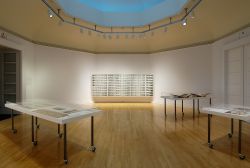
German artist Dieter Appelt presents a major work commissioned by the CCA and inspired by the late nineteenth-century Forth Rail Bridge near Edinburgh, Scotland. Dieter Appelt: Forth Bridge — Cinema. Metric Space is the second of four exhibitions in the Tangent series, which brings contemporary artists into dialogue with the CCA Collection and results in newly(...)
German artist Dieter Appelt presents a major work commissioned by the CCA and inspired by the late nineteenth-century Forth Rail Bridge near Edinburgh, Scotland. Dieter Appelt: Forth Bridge — Cinema. Metric Space is the second of four exhibitions in the Tangent series, which brings contemporary artists into dialogue with the CCA Collection and results in newly(...)
Location:
Octagonal gallery
Octagonal gallery
Date:
9 March 2005 to 22 May 2005
9 March 2005 to 22 May 2005
Title:
Dieter Appelt: Forth Bridge - Cinema. Metric Space
Actions:
Description:
German artist Dieter Appelt presents a major work commissioned by the CCA and inspired by the late nineteenth-century Forth Rail Bridge near Edinburgh, Scotland. Dieter Appelt: Forth Bridge — Cinema. Metric Space is the second of four exhibitions in the Tangent series, which brings contemporary artists into dialogue with the CCA Collection and results in newly(...)
Dieter Appelt: Forth Bridge - Cinema. Metric Space
Actions:
Description:
German artist Dieter Appelt presents a major work commissioned by the CCA and inspired by the late nineteenth-century Forth Rail Bridge near Edinburgh, Scotland. Dieter Appelt: Forth Bridge — Cinema. Metric Space is the second of four exhibitions in the Tangent series, which brings contemporary artists into dialogue with the CCA Collection and results in newly(...)
Form:
exhibitions
exhibitions
Date:
9 March 2005 to
22 May 2005
9 March 2005 to
22 May 2005
Location:
Octagonal gallery
Octagonal gallery
Level of archival description:
Project
Project
Actions:
Reference number:
AP075.S1.2000.PR09
Description:
Project series documents Cornelia Hahn Oberlander's proposal for the landscape projet for the Portside expansion of the Vancouver Convention Centre. Oberlander worked in this project in 2005 with architectural firm Downs, Archambault & Partners Architects and Musson Cattel Mackey Partnership. The team had previously worked together on another project of expansion and redesign of the portiside in the mid-1980s for Canada Place. Like for the previous project, Oberlander's concept design was intended as a way of creating a link between the sea and the city and ease public access to the portside. Oberlander design raised precast planters with a selection of plants and trees adapted to the Burrad Inlet for the promenade. She was also in charge of the landscape design for the terraced roofscape above the new lobby of the Convention Centre, and the planters lining the pedestrian connection to the waterfront walkway. The project series contains design development drawings, including landscape plans, and details for planters, reference drawings of the existing landscape, and working drawings, including landscape plans, irrigation plans, and planting plans. The project is also documented through correspondence, including correspondence with architects, clients, consultants and contractors, Oberlander's concept notes, proposal for the landscape concept, documents related to the plant selection, financial documents, press clippings on the project, and photographs of the planting.
AP075.S1.2000.PR09
Description:
Project series documents Cornelia Hahn Oberlander's proposal for the landscape projet for the Portside expansion of the Vancouver Convention Centre. Oberlander worked in this project in 2005 with architectural firm Downs, Archambault & Partners Architects and Musson Cattel Mackey Partnership. The team had previously worked together on another project of expansion and redesign of the portiside in the mid-1980s for Canada Place. Like for the previous project, Oberlander's concept design was intended as a way of creating a link between the sea and the city and ease public access to the portside. Oberlander design raised precast planters with a selection of plants and trees adapted to the Burrad Inlet for the promenade. She was also in charge of the landscape design for the terraced roofscape above the new lobby of the Convention Centre, and the planters lining the pedestrian connection to the waterfront walkway. The project series contains design development drawings, including landscape plans, and details for planters, reference drawings of the existing landscape, and working drawings, including landscape plans, irrigation plans, and planting plans. The project is also documented through correspondence, including correspondence with architects, clients, consultants and contractors, Oberlander's concept notes, proposal for the landscape concept, documents related to the plant selection, financial documents, press clippings on the project, and photographs of the planting.
People:
Date:
1999-2005
1999-2005
Title:
Vancouver Convention Centre, Portside expansion, British Columbia (2005)
Actions:
AP075.S1.2000.PR09
Description:
Project series documents Cornelia Hahn Oberlander's proposal for the landscape projet for the Portside expansion of the Vancouver Convention Centre. Oberlander worked in this project in 2005 with architectural firm Downs, Archambault & Partners Architects and Musson Cattel Mackey Partnership. The team had previously worked together on another project of expansion and redesign of the portiside in the mid-1980s for Canada Place. Like for the previous project, Oberlander's concept design was intended as a way of creating a link between the sea and the city and ease public access to the portside. Oberlander design raised precast planters with a selection of plants and trees adapted to the Burrad Inlet for the promenade. She was also in charge of the landscape design for the terraced roofscape above the new lobby of the Convention Centre, and the planters lining the pedestrian connection to the waterfront walkway. The project series contains design development drawings, including landscape plans, and details for planters, reference drawings of the existing landscape, and working drawings, including landscape plans, irrigation plans, and planting plans. The project is also documented through correspondence, including correspondence with architects, clients, consultants and contractors, Oberlander's concept notes, proposal for the landscape concept, documents related to the plant selection, financial documents, press clippings on the project, and photographs of the planting.
Vancouver Convention Centre, Portside expansion, British Columbia (2005)
Actions:
AP075.S1.2000.PR09
Description:
Project series documents Cornelia Hahn Oberlander's proposal for the landscape projet for the Portside expansion of the Vancouver Convention Centre. Oberlander worked in this project in 2005 with architectural firm Downs, Archambault & Partners Architects and Musson Cattel Mackey Partnership. The team had previously worked together on another project of expansion and redesign of the portiside in the mid-1980s for Canada Place. Like for the previous project, Oberlander's concept design was intended as a way of creating a link between the sea and the city and ease public access to the portside. Oberlander design raised precast planters with a selection of plants and trees adapted to the Burrad Inlet for the promenade. She was also in charge of the landscape design for the terraced roofscape above the new lobby of the Convention Centre, and the planters lining the pedestrian connection to the waterfront walkway. The project series contains design development drawings, including landscape plans, and details for planters, reference drawings of the existing landscape, and working drawings, including landscape plans, irrigation plans, and planting plans. The project is also documented through correspondence, including correspondence with architects, clients, consultants and contractors, Oberlander's concept notes, proposal for the landscape concept, documents related to the plant selection, financial documents, press clippings on the project, and photographs of the planting.
Level of archival description:
Project
Project
Date:
1999-2005
1999-2005
People:
Level of archival description:
Project
Project
Actions:
Reference number:
AP075.S1.2000.PR03
Description:
Project series documents Cornelia Hahn Oberlander's landscape project for a therapeutic roof garden for the Vancouver General Hospital, Burns and Plastics Unit, in Vancouver. Oberlander worked on this project from 2000 to 2002. The project consisted in a participatory design of a concrete roof terrace with the use of aluminium planters and trellises fabricated by the German firm Benz & Fischer. Oberlander worked with students of the University of British Columbia who made the design studies and documented the site features, including sun and shadow patterns, noises and wind direction. Shelagh Smith, a horticultural therapist, organized the participatory design process with patients, staff, visitors and volunteers from the hospital. Oberlander developed a planting plan with low maintenant plants, plants with different flowering periods to provide interest througout the seasons, and vines and clematis for the trellis to provide shade for the users of the terrace. The project series contains eight design development drawings, including two landscape drawings and planting plans. The project is also documented through concept notes by Oberlander, correspondence, including correspondence with client, contractors, consultants and suppliers, documents related to the plants selection, specifications, research material, press clipping on the project, and photographs of the completed roof terrace.
AP075.S1.2000.PR03
Description:
Project series documents Cornelia Hahn Oberlander's landscape project for a therapeutic roof garden for the Vancouver General Hospital, Burns and Plastics Unit, in Vancouver. Oberlander worked on this project from 2000 to 2002. The project consisted in a participatory design of a concrete roof terrace with the use of aluminium planters and trellises fabricated by the German firm Benz & Fischer. Oberlander worked with students of the University of British Columbia who made the design studies and documented the site features, including sun and shadow patterns, noises and wind direction. Shelagh Smith, a horticultural therapist, organized the participatory design process with patients, staff, visitors and volunteers from the hospital. Oberlander developed a planting plan with low maintenant plants, plants with different flowering periods to provide interest througout the seasons, and vines and clematis for the trellis to provide shade for the users of the terrace. The project series contains eight design development drawings, including two landscape drawings and planting plans. The project is also documented through concept notes by Oberlander, correspondence, including correspondence with client, contractors, consultants and suppliers, documents related to the plants selection, specifications, research material, press clipping on the project, and photographs of the completed roof terrace.
People:
Date:
2000-2007
2000-2007
Title:
Vancouver General Hospital, Burns and Plastics Unit Therapeutic Roof Garden, Vancouver, British Columbia (2000)
Actions:
AP075.S1.2000.PR03
Description:
Project series documents Cornelia Hahn Oberlander's landscape project for a therapeutic roof garden for the Vancouver General Hospital, Burns and Plastics Unit, in Vancouver. Oberlander worked on this project from 2000 to 2002. The project consisted in a participatory design of a concrete roof terrace with the use of aluminium planters and trellises fabricated by the German firm Benz & Fischer. Oberlander worked with students of the University of British Columbia who made the design studies and documented the site features, including sun and shadow patterns, noises and wind direction. Shelagh Smith, a horticultural therapist, organized the participatory design process with patients, staff, visitors and volunteers from the hospital. Oberlander developed a planting plan with low maintenant plants, plants with different flowering periods to provide interest througout the seasons, and vines and clematis for the trellis to provide shade for the users of the terrace. The project series contains eight design development drawings, including two landscape drawings and planting plans. The project is also documented through concept notes by Oberlander, correspondence, including correspondence with client, contractors, consultants and suppliers, documents related to the plants selection, specifications, research material, press clipping on the project, and photographs of the completed roof terrace.
Vancouver General Hospital, Burns and Plastics Unit Therapeutic Roof Garden, Vancouver, British Columbia (2000)
Actions:
AP075.S1.2000.PR03
Description:
Project series documents Cornelia Hahn Oberlander's landscape project for a therapeutic roof garden for the Vancouver General Hospital, Burns and Plastics Unit, in Vancouver. Oberlander worked on this project from 2000 to 2002. The project consisted in a participatory design of a concrete roof terrace with the use of aluminium planters and trellises fabricated by the German firm Benz & Fischer. Oberlander worked with students of the University of British Columbia who made the design studies and documented the site features, including sun and shadow patterns, noises and wind direction. Shelagh Smith, a horticultural therapist, organized the participatory design process with patients, staff, visitors and volunteers from the hospital. Oberlander developed a planting plan with low maintenant plants, plants with different flowering periods to provide interest througout the seasons, and vines and clematis for the trellis to provide shade for the users of the terrace. The project series contains eight design development drawings, including two landscape drawings and planting plans. The project is also documented through concept notes by Oberlander, correspondence, including correspondence with client, contractors, consultants and suppliers, documents related to the plants selection, specifications, research material, press clipping on the project, and photographs of the completed roof terrace.
Level of archival description:
Project
Project
Date:
2000-2007
2000-2007
People:
Form:
exhibitions
exhibitions

Actions:
Date:
13 November 2021 to 1 May 2022
13 November 2021 to 1 May 2022
Form:
exhibitions
exhibitions
Date:
13 November 2021 to
1 May 2022
13 November 2021 to
1 May 2022
Level of archival description:
Project
Project
Actions:
Reference number:
AP164.S1.1993.D9
Description:
The project series documents a residential project with 24 units and garages located in Colonia Saconia, a neighbourhood located in northwest Madrid, Spain. Originally, the project site was on Isla de Pascua street and was moved to San Restituto street. The project was later built, however the construction was not overseen by Abalos & Herreros. The firm identified this project as number 87. The firm worked with Filippi Costo and Rafael Hernandez for Inversiones Sena, S.A. Documenting the project are design development and working drawings, project description, correspondence, notes, reference and photographic materials.
AP164.S1.1993.D9
Description:
The project series documents a residential project with 24 units and garages located in Colonia Saconia, a neighbourhood located in northwest Madrid, Spain. Originally, the project site was on Isla de Pascua street and was moved to San Restituto street. The project was later built, however the construction was not overseen by Abalos & Herreros. The firm identified this project as number 87. The firm worked with Filippi Costo and Rafael Hernandez for Inversiones Sena, S.A. Documenting the project are design development and working drawings, project description, correspondence, notes, reference and photographic materials.
People:
Date:
1984-1994
1984-1994
Title:
Saconia, Madrid, Spain (1993)
Actions:
AP164.S1.1993.D9
Description:
The project series documents a residential project with 24 units and garages located in Colonia Saconia, a neighbourhood located in northwest Madrid, Spain. Originally, the project site was on Isla de Pascua street and was moved to San Restituto street. The project was later built, however the construction was not overseen by Abalos & Herreros. The firm identified this project as number 87. The firm worked with Filippi Costo and Rafael Hernandez for Inversiones Sena, S.A. Documenting the project are design development and working drawings, project description, correspondence, notes, reference and photographic materials.
Saconia, Madrid, Spain (1993)
Actions:
AP164.S1.1993.D9
Description:
The project series documents a residential project with 24 units and garages located in Colonia Saconia, a neighbourhood located in northwest Madrid, Spain. Originally, the project site was on Isla de Pascua street and was moved to San Restituto street. The project was later built, however the construction was not overseen by Abalos & Herreros. The firm identified this project as number 87. The firm worked with Filippi Costo and Rafael Hernandez for Inversiones Sena, S.A. Documenting the project are design development and working drawings, project description, correspondence, notes, reference and photographic materials.
Level of archival description:
Project
Project
Date:
1984-1994
1984-1994
People:
Level of archival description:
Project
Project
Actions:
Reference number:
AP164.S1.2003.D13
Description:
The project series documents the design of a Molecular Sciences Complex (laboratories) adjoining a botanical garden for the University of Puerto Rico, in San Juan, Puerto Rico. The commissioned project was approved, but was eventually stopped. Abalos & Herreros worked with Renata Sentkiewicz, Hillier Group, Greenman-Pederson, Inc., BR+A and EBP Design Group. The firm identified this project as number 176. Documenting the project are conceptual, design development and presentation drawings, reference, graphic and digital materials, correspondence, notes, minutes, budgets, resumes, trade catalogues, proposals, agreements and reports.
AP164.S1.2003.D13
Description:
The project series documents the design of a Molecular Sciences Complex (laboratories) adjoining a botanical garden for the University of Puerto Rico, in San Juan, Puerto Rico. The commissioned project was approved, but was eventually stopped. Abalos & Herreros worked with Renata Sentkiewicz, Hillier Group, Greenman-Pederson, Inc., BR+A and EBP Design Group. The firm identified this project as number 176. Documenting the project are conceptual, design development and presentation drawings, reference, graphic and digital materials, correspondence, notes, minutes, budgets, resumes, trade catalogues, proposals, agreements and reports.
People:
Date:
2002-2006
2002-2006
Title:
Laboratorios de ciencias moleculares para la Universidad de Puerto Rico, San Juan, Puerto Rico (2003)
Actions:
AP164.S1.2003.D13
Description:
The project series documents the design of a Molecular Sciences Complex (laboratories) adjoining a botanical garden for the University of Puerto Rico, in San Juan, Puerto Rico. The commissioned project was approved, but was eventually stopped. Abalos & Herreros worked with Renata Sentkiewicz, Hillier Group, Greenman-Pederson, Inc., BR+A and EBP Design Group. The firm identified this project as number 176. Documenting the project are conceptual, design development and presentation drawings, reference, graphic and digital materials, correspondence, notes, minutes, budgets, resumes, trade catalogues, proposals, agreements and reports.
Laboratorios de ciencias moleculares para la Universidad de Puerto Rico, San Juan, Puerto Rico (2003)
Actions:
AP164.S1.2003.D13
Description:
The project series documents the design of a Molecular Sciences Complex (laboratories) adjoining a botanical garden for the University of Puerto Rico, in San Juan, Puerto Rico. The commissioned project was approved, but was eventually stopped. Abalos & Herreros worked with Renata Sentkiewicz, Hillier Group, Greenman-Pederson, Inc., BR+A and EBP Design Group. The firm identified this project as number 176. Documenting the project are conceptual, design development and presentation drawings, reference, graphic and digital materials, correspondence, notes, minutes, budgets, resumes, trade catalogues, proposals, agreements and reports.
Level of archival description:
Project
Project
Date:
2002-2006
2002-2006
People:


