


33582 Results
Form:
photographs
photographs
Actions:
Reference number:
ARCH274358
Description:
Documentation and research relating to various projects, proposals and studies by Erickson/Massey Architects, includes: Stadhuis City Hall, Artaban, Banff School of Fine Arts, B.C. Research Council, Beaulieu Estates, Vancouver Botanical Gardens (proposal), British Virgin Islands (survey maps), Computime Canada Computer Centre, Dilworth, False Creek Development, F.P.19 Hostel, Federated Investments building, Goda, Alta Lake, Harbour Park, Nanaimo Marathon, Massey College, Mendel Gallery, Mitchell House, Osaka Competition presentation, Playhouse Theatre Co. (proposal), Russell and Dumoulin interiors, Sengara Residence, Simon Fraser University (men's residences, water tower section and construction plans), Simons, Skrog building, Standard Oil station airport, Staples House, traffic study, U.P.I. Hotel, Woodcraft Estates.
ARCH274358
Description:
Documentation and research relating to various projects, proposals and studies by Erickson/Massey Architects, includes: Stadhuis City Hall, Artaban, Banff School of Fine Arts, B.C. Research Council, Beaulieu Estates, Vancouver Botanical Gardens (proposal), British Virgin Islands (survey maps), Computime Canada Computer Centre, Dilworth, False Creek Development, F.P.19 Hostel, Federated Investments building, Goda, Alta Lake, Harbour Park, Nanaimo Marathon, Massey College, Mendel Gallery, Mitchell House, Osaka Competition presentation, Playhouse Theatre Co. (proposal), Russell and Dumoulin interiors, Sengara Residence, Simon Fraser University (men's residences, water tower section and construction plans), Simons, Skrog building, Standard Oil station airport, Staples House, traffic study, U.P.I. Hotel, Woodcraft Estates.
People:
Date:
1967-1971
1967-1971
Title:
Documentation and research relating to various projects, proposals and studies by Erickson/Massey Architects
Actions:
ARCH274358
Description:
Documentation and research relating to various projects, proposals and studies by Erickson/Massey Architects, includes: Stadhuis City Hall, Artaban, Banff School of Fine Arts, B.C. Research Council, Beaulieu Estates, Vancouver Botanical Gardens (proposal), British Virgin Islands (survey maps), Computime Canada Computer Centre, Dilworth, False Creek Development, F.P.19 Hostel, Federated Investments building, Goda, Alta Lake, Harbour Park, Nanaimo Marathon, Massey College, Mendel Gallery, Mitchell House, Osaka Competition presentation, Playhouse Theatre Co. (proposal), Russell and Dumoulin interiors, Sengara Residence, Simon Fraser University (men's residences, water tower section and construction plans), Simons, Skrog building, Standard Oil station airport, Staples House, traffic study, U.P.I. Hotel, Woodcraft Estates.
Documentation and research relating to various projects, proposals and studies by Erickson/Massey Architects
Actions:
ARCH274358
Description:
Documentation and research relating to various projects, proposals and studies by Erickson/Massey Architects, includes: Stadhuis City Hall, Artaban, Banff School of Fine Arts, B.C. Research Council, Beaulieu Estates, Vancouver Botanical Gardens (proposal), British Virgin Islands (survey maps), Computime Canada Computer Centre, Dilworth, False Creek Development, F.P.19 Hostel, Federated Investments building, Goda, Alta Lake, Harbour Park, Nanaimo Marathon, Massey College, Mendel Gallery, Mitchell House, Osaka Competition presentation, Playhouse Theatre Co. (proposal), Russell and Dumoulin interiors, Sengara Residence, Simon Fraser University (men's residences, water tower section and construction plans), Simons, Skrog building, Standard Oil station airport, Staples House, traffic study, U.P.I. Hotel, Woodcraft Estates.
Form:
photographs
photographs
Date:
1967-1971
1967-1971
People:
Form:
textual records
textual records
Reference number:
ARCH255577
Description:
20 publications including: Tall building structure: a world view / Council on Tall Buildings and Urban Habitat; Bauwelt 6 Aug. 1962 Hugo Weber: Mies van der Rohe; L'architettura July-Aug. 1955 annotated in graphite "M.G. Thesis"; Bauen & Wohnen July 1972; Arts & Architecture Nov. 1956; Western Architect & Engineer Feb. 1961; Architectural Forum Feb. 1959, June 1959, April 1961 and May 1962; Polytechnisch Tydschrift 12 Sept. 1957; Architectural Review Oct. 1977; Architectural Record Oct. 1960; Document Architettura v.1 no.14; Casabella Jan-Feb 1988; Columus Indiana: central area plan; Elkhart Indiana: Comprehensive plan for parks, recreation and open land; Elkhat Indiana: central area plan; Mauna City: a city within a city
ARCH255577
Description:
20 publications including: Tall building structure: a world view / Council on Tall Buildings and Urban Habitat; Bauwelt 6 Aug. 1962 Hugo Weber: Mies van der Rohe; L'architettura July-Aug. 1955 annotated in graphite "M.G. Thesis"; Bauen & Wohnen July 1972; Arts & Architecture Nov. 1956; Western Architect & Engineer Feb. 1961; Architectural Forum Feb. 1959, June 1959, April 1961 and May 1962; Polytechnisch Tydschrift 12 Sept. 1957; Architectural Review Oct. 1977; Architectural Record Oct. 1960; Document Architettura v.1 no.14; Casabella Jan-Feb 1988; Columus Indiana: central area plan; Elkhart Indiana: Comprehensive plan for parks, recreation and open land; Elkhat Indiana: central area plan; Mauna City: a city within a city
People:
Date:
1951-1966
1951-1966
Title:
Misc. publications and magazines of architecture
Actions:
ARCH255577
Description:
20 publications including: Tall building structure: a world view / Council on Tall Buildings and Urban Habitat; Bauwelt 6 Aug. 1962 Hugo Weber: Mies van der Rohe; L'architettura July-Aug. 1955 annotated in graphite "M.G. Thesis"; Bauen & Wohnen July 1972; Arts & Architecture Nov. 1956; Western Architect & Engineer Feb. 1961; Architectural Forum Feb. 1959, June 1959, April 1961 and May 1962; Polytechnisch Tydschrift 12 Sept. 1957; Architectural Review Oct. 1977; Architectural Record Oct. 1960; Document Architettura v.1 no.14; Casabella Jan-Feb 1988; Columus Indiana: central area plan; Elkhart Indiana: Comprehensive plan for parks, recreation and open land; Elkhat Indiana: central area plan; Mauna City: a city within a city
Misc. publications and magazines of architecture
Actions:
ARCH255577
Description:
20 publications including: Tall building structure: a world view / Council on Tall Buildings and Urban Habitat; Bauwelt 6 Aug. 1962 Hugo Weber: Mies van der Rohe; L'architettura July-Aug. 1955 annotated in graphite "M.G. Thesis"; Bauen & Wohnen July 1972; Arts & Architecture Nov. 1956; Western Architect & Engineer Feb. 1961; Architectural Forum Feb. 1959, June 1959, April 1961 and May 1962; Polytechnisch Tydschrift 12 Sept. 1957; Architectural Review Oct. 1977; Architectural Record Oct. 1960; Document Architettura v.1 no.14; Casabella Jan-Feb 1988; Columus Indiana: central area plan; Elkhart Indiana: Comprehensive plan for parks, recreation and open land; Elkhat Indiana: central area plan; Mauna City: a city within a city
Form:
textual records
textual records
Date:
1951-1966
1951-1966
People:
Form:
textual records
Quantity:
16 textual record(s)
textual records
Quantity:
16 textual record(s)
Reference number:
ARCH267532
Description:
Photocopies of various personal documents, including an identity card issued to Pierre Jeanneret (1963), numerous pages from the architects' Swiss and French passports (1937-1963), a certificate of employment issued by the "Ministère de l'Armement" (1940), movement cards ("carte de circulation") and authorisations to carry weapons issued to Pierre Jeanneret during World War II by the "Bureau Militaire de Circulation" and the "Forces Françaises de l'Intérieur" (1939-1945), and a movement card issued to André Masson by the "Détachement Armée des Alpes (1945). Also contains a copy of the agenda for CIAM2, the second International Congress of Modern Architecture ("Congrès International d'Architecture Moderne"), which reveals Pierre Jeanneret's participation in the Congress.
ARCH267532
Description:
Photocopies of various personal documents, including an identity card issued to Pierre Jeanneret (1963), numerous pages from the architects' Swiss and French passports (1937-1963), a certificate of employment issued by the "Ministère de l'Armement" (1940), movement cards ("carte de circulation") and authorisations to carry weapons issued to Pierre Jeanneret during World War II by the "Bureau Militaire de Circulation" and the "Forces Françaises de l'Intérieur" (1939-1945), and a movement card issued to André Masson by the "Détachement Armée des Alpes (1945). Also contains a copy of the agenda for CIAM2, the second International Congress of Modern Architecture ("Congrès International d'Architecture Moderne"), which reveals Pierre Jeanneret's participation in the Congress.
People:
Title:
Photocopies of various personal documents
Actions:
ARCH267532
Description:
Photocopies of various personal documents, including an identity card issued to Pierre Jeanneret (1963), numerous pages from the architects' Swiss and French passports (1937-1963), a certificate of employment issued by the "Ministère de l'Armement" (1940), movement cards ("carte de circulation") and authorisations to carry weapons issued to Pierre Jeanneret during World War II by the "Bureau Militaire de Circulation" and the "Forces Françaises de l'Intérieur" (1939-1945), and a movement card issued to André Masson by the "Détachement Armée des Alpes (1945). Also contains a copy of the agenda for CIAM2, the second International Congress of Modern Architecture ("Congrès International d'Architecture Moderne"), which reveals Pierre Jeanneret's participation in the Congress.
Photocopies of various personal documents
Actions:
ARCH267532
Description:
Photocopies of various personal documents, including an identity card issued to Pierre Jeanneret (1963), numerous pages from the architects' Swiss and French passports (1937-1963), a certificate of employment issued by the "Ministère de l'Armement" (1940), movement cards ("carte de circulation") and authorisations to carry weapons issued to Pierre Jeanneret during World War II by the "Bureau Militaire de Circulation" and the "Forces Françaises de l'Intérieur" (1939-1945), and a movement card issued to André Masson by the "Détachement Armée des Alpes (1945). Also contains a copy of the agenda for CIAM2, the second International Congress of Modern Architecture ("Congrès International d'Architecture Moderne"), which reveals Pierre Jeanneret's participation in the Congress.
Form:
textual records
Quantity:
16 textual record(s)
textual records
Quantity:
16 textual record(s)
People:
Form:
textual records
textual records
Reference number:
AP197.S1.SS9.003
Description:
The box is comprised of notes, articles, interviews, lectures, and keynote speeches by Kenneth Frampton. The materials are organized alphabetically by either title or the architect's last name, from FO-MO. Subjects and architects explored in these texts include: Norman Foster; interviews with Kenneth Frampton; Tony Fretton; Hiromi Fujii; Naum Gabo; Luca Gazzaniga; genesis of the Philharmonie; German aesthetic philosophy; German enlightenment; global architecture; Michael Graves; Eileen Gray; Dan Hanganu; John Hejduk; Herman Hertzberger; Anthony Hill; Stephen Holl; Hans Hollein; IBA housing in Berlin; invention of liberty; India; Arata Isozaki; Japanese architecture; Michel Kagan; Louis Kahn; Kritisher regionalism; Panos Koulermos; Le Corbusier; Adolf Loos; Anthony Lumsden; John McAslan; Richard Meier; and modernism.
AP197.S1.SS9.003
Description:
The box is comprised of notes, articles, interviews, lectures, and keynote speeches by Kenneth Frampton. The materials are organized alphabetically by either title or the architect's last name, from FO-MO. Subjects and architects explored in these texts include: Norman Foster; interviews with Kenneth Frampton; Tony Fretton; Hiromi Fujii; Naum Gabo; Luca Gazzaniga; genesis of the Philharmonie; German aesthetic philosophy; German enlightenment; global architecture; Michael Graves; Eileen Gray; Dan Hanganu; John Hejduk; Herman Hertzberger; Anthony Hill; Stephen Holl; Hans Hollein; IBA housing in Berlin; invention of liberty; India; Arata Isozaki; Japanese architecture; Michel Kagan; Louis Kahn; Kritisher regionalism; Panos Koulermos; Le Corbusier; Adolf Loos; Anthony Lumsden; John McAslan; Richard Meier; and modernism.
People:
Date:
circa 1965-2015
circa 1965-2015
Title:
Kenneth Frampton texts, articles and notes FO-MO
Actions:
AP197.S1.SS9.003
Description:
The box is comprised of notes, articles, interviews, lectures, and keynote speeches by Kenneth Frampton. The materials are organized alphabetically by either title or the architect's last name, from FO-MO. Subjects and architects explored in these texts include: Norman Foster; interviews with Kenneth Frampton; Tony Fretton; Hiromi Fujii; Naum Gabo; Luca Gazzaniga; genesis of the Philharmonie; German aesthetic philosophy; German enlightenment; global architecture; Michael Graves; Eileen Gray; Dan Hanganu; John Hejduk; Herman Hertzberger; Anthony Hill; Stephen Holl; Hans Hollein; IBA housing in Berlin; invention of liberty; India; Arata Isozaki; Japanese architecture; Michel Kagan; Louis Kahn; Kritisher regionalism; Panos Koulermos; Le Corbusier; Adolf Loos; Anthony Lumsden; John McAslan; Richard Meier; and modernism.
Kenneth Frampton texts, articles and notes FO-MO
Actions:
AP197.S1.SS9.003
Description:
The box is comprised of notes, articles, interviews, lectures, and keynote speeches by Kenneth Frampton. The materials are organized alphabetically by either title or the architect's last name, from FO-MO. Subjects and architects explored in these texts include: Norman Foster; interviews with Kenneth Frampton; Tony Fretton; Hiromi Fujii; Naum Gabo; Luca Gazzaniga; genesis of the Philharmonie; German aesthetic philosophy; German enlightenment; global architecture; Michael Graves; Eileen Gray; Dan Hanganu; John Hejduk; Herman Hertzberger; Anthony Hill; Stephen Holl; Hans Hollein; IBA housing in Berlin; invention of liberty; India; Arata Isozaki; Japanese architecture; Michel Kagan; Louis Kahn; Kritisher regionalism; Panos Koulermos; Le Corbusier; Adolf Loos; Anthony Lumsden; John McAslan; Richard Meier; and modernism.
Form:
textual records
textual records
Date:
circa 1965-2015
circa 1965-2015
People:
Form:
textual records
textual records
Actions:
Reference number:
AP197.S1.SS9.015
Description:
The box contains drafts, final copies, correspondence and notes for various articles, book projects, interviews, keynote addresses, and lectures by Kenneth Frampton. The materials are organized in alphabetical order, from I-K. The largest portion of this box consists of: drafts and transcripts of interviews with Kenneth Frampton; drafts, articles, correspondence and research materials for an unpublished book project on Japanese Building Practices/Japanese Contemporary Architecture; correspondence and drafts for the Jerusalem Seminar in Architecture; and correspondence and notes for a Panos Koulermos book project. Other subjects and architects explored in these texts include Arata Isozaki, Kritsin Jaramund, Michael Kagan, Louis Kahn, Rem Koolhaas, Kengo Kuma, and Kisho Kurakawa.
AP197.S1.SS9.015
Description:
The box contains drafts, final copies, correspondence and notes for various articles, book projects, interviews, keynote addresses, and lectures by Kenneth Frampton. The materials are organized in alphabetical order, from I-K. The largest portion of this box consists of: drafts and transcripts of interviews with Kenneth Frampton; drafts, articles, correspondence and research materials for an unpublished book project on Japanese Building Practices/Japanese Contemporary Architecture; correspondence and drafts for the Jerusalem Seminar in Architecture; and correspondence and notes for a Panos Koulermos book project. Other subjects and architects explored in these texts include Arata Isozaki, Kritsin Jaramund, Michael Kagan, Louis Kahn, Rem Koolhaas, Kengo Kuma, and Kisho Kurakawa.
People:
Date:
1985-2016
1985-2016
Title:
Kenneth Frampton writings (I-K)
Actions:
AP197.S1.SS9.015
Description:
The box contains drafts, final copies, correspondence and notes for various articles, book projects, interviews, keynote addresses, and lectures by Kenneth Frampton. The materials are organized in alphabetical order, from I-K. The largest portion of this box consists of: drafts and transcripts of interviews with Kenneth Frampton; drafts, articles, correspondence and research materials for an unpublished book project on Japanese Building Practices/Japanese Contemporary Architecture; correspondence and drafts for the Jerusalem Seminar in Architecture; and correspondence and notes for a Panos Koulermos book project. Other subjects and architects explored in these texts include Arata Isozaki, Kritsin Jaramund, Michael Kagan, Louis Kahn, Rem Koolhaas, Kengo Kuma, and Kisho Kurakawa.
Kenneth Frampton writings (I-K)
Actions:
AP197.S1.SS9.015
Description:
The box contains drafts, final copies, correspondence and notes for various articles, book projects, interviews, keynote addresses, and lectures by Kenneth Frampton. The materials are organized in alphabetical order, from I-K. The largest portion of this box consists of: drafts and transcripts of interviews with Kenneth Frampton; drafts, articles, correspondence and research materials for an unpublished book project on Japanese Building Practices/Japanese Contemporary Architecture; correspondence and drafts for the Jerusalem Seminar in Architecture; and correspondence and notes for a Panos Koulermos book project. Other subjects and architects explored in these texts include Arata Isozaki, Kritsin Jaramund, Michael Kagan, Louis Kahn, Rem Koolhaas, Kengo Kuma, and Kisho Kurakawa.
Form:
textual records
textual records
Date:
1985-2016
1985-2016
People:
Form:
textual records
textual records
Actions:
Reference number:
AP197.S3.012
Description:
The box is comprised of correspondence for the years 2015-2016. The box documents Frampton’s career as Ware professor at the Graduate School of Architecture, Planning and Preservation, Columbia University and his related professional activities. Correspondence in this box includes: offers of teaching positions; requests to write articles, reviews, books and recommendation letters; invitations to teach, present, or attend at lectures/symposiums/conferences; and requests to serve on juries. Correspondence relates to the following writings and lectures Frampton participated in: an essay for a monograph on O'Donnell + Tuomey, architects; a Nils Erik Wickberg lecture in Helinski; the Wood at Work conference; a review of George Baird's book; and Modern Architecture: a Critical History.
AP197.S3.012
Description:
The box is comprised of correspondence for the years 2015-2016. The box documents Frampton’s career as Ware professor at the Graduate School of Architecture, Planning and Preservation, Columbia University and his related professional activities. Correspondence in this box includes: offers of teaching positions; requests to write articles, reviews, books and recommendation letters; invitations to teach, present, or attend at lectures/symposiums/conferences; and requests to serve on juries. Correspondence relates to the following writings and lectures Frampton participated in: an essay for a monograph on O'Donnell + Tuomey, architects; a Nils Erik Wickberg lecture in Helinski; the Wood at Work conference; a review of George Baird's book; and Modern Architecture: a Critical History.
People:
Date:
2015-2016
2015-2016
Title:
Personal and professional correspondence from 2015-2016
Actions:
AP197.S3.012
Description:
The box is comprised of correspondence for the years 2015-2016. The box documents Frampton’s career as Ware professor at the Graduate School of Architecture, Planning and Preservation, Columbia University and his related professional activities. Correspondence in this box includes: offers of teaching positions; requests to write articles, reviews, books and recommendation letters; invitations to teach, present, or attend at lectures/symposiums/conferences; and requests to serve on juries. Correspondence relates to the following writings and lectures Frampton participated in: an essay for a monograph on O'Donnell + Tuomey, architects; a Nils Erik Wickberg lecture in Helinski; the Wood at Work conference; a review of George Baird's book; and Modern Architecture: a Critical History.
Personal and professional correspondence from 2015-2016
Actions:
AP197.S3.012
Description:
The box is comprised of correspondence for the years 2015-2016. The box documents Frampton’s career as Ware professor at the Graduate School of Architecture, Planning and Preservation, Columbia University and his related professional activities. Correspondence in this box includes: offers of teaching positions; requests to write articles, reviews, books and recommendation letters; invitations to teach, present, or attend at lectures/symposiums/conferences; and requests to serve on juries. Correspondence relates to the following writings and lectures Frampton participated in: an essay for a monograph on O'Donnell + Tuomey, architects; a Nils Erik Wickberg lecture in Helinski; the Wood at Work conference; a review of George Baird's book; and Modern Architecture: a Critical History.
Form:
textual records
textual records
Date:
2015-2016
2015-2016
People:
Actions:
Reference number:
PH1990:0324.01-.05
Description:
- This set is comprised of 5 portfolios, each containing 31 photographs, except for volume 1, which contains 30 photographs, and volume 5, which contains 33 photographs. The portfolios consist of boxes made from brown cloth-covered boards with brown leather-covered spines. There are gold gilt inscriptions, the including volume numbers, on the spines of each portfolio. The interiors of the boxes are lined with grey paper. The photographs are mounted in mats made of white paper and cardboard. Most of the photographs have graphite inscriptions on the verso listing the name of the residence shown and sometimes the name of the architect or interior designer.
PH1990:0324.01-.05
Description:
- This set is comprised of 5 portfolios, each containing 31 photographs, except for volume 1, which contains 30 photographs, and volume 5, which contains 33 photographs. The portfolios consist of boxes made from brown cloth-covered boards with brown leather-covered spines. There are gold gilt inscriptions, the including volume numbers, on the spines of each portfolio. The interiors of the boxes are lined with grey paper. The photographs are mounted in mats made of white paper and cardboard. Most of the photographs have graphite inscriptions on the verso listing the name of the residence shown and sometimes the name of the architect or interior designer.
People:
Subject:
architecture, interior design
architecture, interior design
Date:
between ca. 1867 and 1890
between ca. 1867 and 1890
Title:
Set of 5 portfolios, containing 155 photographs of residential architecture, by Bedford Lemere & Co., England, United Kingdom
Actions:
PH1990:0324.01-.05
Description:
- This set is comprised of 5 portfolios, each containing 31 photographs, except for volume 1, which contains 30 photographs, and volume 5, which contains 33 photographs. The portfolios consist of boxes made from brown cloth-covered boards with brown leather-covered spines. There are gold gilt inscriptions, the including volume numbers, on the spines of each portfolio. The interiors of the boxes are lined with grey paper. The photographs are mounted in mats made of white paper and cardboard. Most of the photographs have graphite inscriptions on the verso listing the name of the residence shown and sometimes the name of the architect or interior designer.
Set of 5 portfolios, containing 155 photographs of residential architecture, by Bedford Lemere & Co., England, United Kingdom
Actions:
PH1990:0324.01-.05
Description:
- This set is comprised of 5 portfolios, each containing 31 photographs, except for volume 1, which contains 30 photographs, and volume 5, which contains 33 photographs. The portfolios consist of boxes made from brown cloth-covered boards with brown leather-covered spines. There are gold gilt inscriptions, the including volume numbers, on the spines of each portfolio. The interiors of the boxes are lined with grey paper. The photographs are mounted in mats made of white paper and cardboard. Most of the photographs have graphite inscriptions on the verso listing the name of the residence shown and sometimes the name of the architect or interior designer.
Date:
between ca. 1867 and 1890
between ca. 1867 and 1890
People:
Subject:
architecture, interior design
architecture, interior design
Form:
events
events
Actions:
Description:
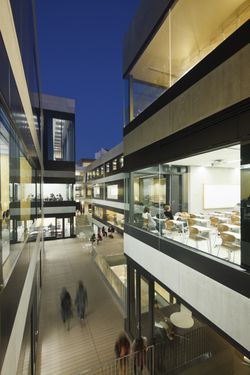
In this talk, titled Design the place for people to meet, Manabu Chiba will explain his approach to design with an emphasis on realizing architecture as a facilitator for new place-to-place, person-to-person and people-to-place interactions. His work attempts to reveal the context of a site and create formal simplicity, in order to nurture relationships among(...)
In this talk, titled Design the place for people to meet, Manabu Chiba will explain his approach to design with an emphasis on realizing architecture as a facilitator for new place-to-place, person-to-person and people-to-place interactions. His work attempts to reveal the context of a site and create formal simplicity, in order to nurture relationships among(...)
Date:
11 February 2016
11 February 2016
Title:
Manabu Chiba wants to speak with you
Actions:
Description:
In this talk, titled Design the place for people to meet, Manabu Chiba will explain his approach to design with an emphasis on realizing architecture as a facilitator for new place-to-place, person-to-person and people-to-place interactions. His work attempts to reveal the context of a site and create formal simplicity, in order to nurture relationships among(...)
Manabu Chiba wants to speak with you
Actions:
Description:
In this talk, titled Design the place for people to meet, Manabu Chiba will explain his approach to design with an emphasis on realizing architecture as a facilitator for new place-to-place, person-to-person and people-to-place interactions. His work attempts to reveal the context of a site and create formal simplicity, in order to nurture relationships among(...)
Form:
events
events
Date:
11 February 2016
11 February 2016
Form:
events
events
Actions:
Description:
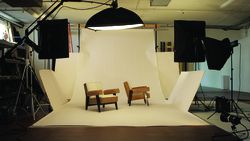
American artist Amie Siegel’s moving image work Provenance (2013) follows the global trade of furniture from Chandigarh in reverse: from the homes of collectors in Europe and North America to sale at auction, restoration, through overseas transport and finally back to India. Originally designed by Le Corbusier and Pierre Jeanneret, the Chandigarh furniture now sells(...)
American artist Amie Siegel’s moving image work Provenance (2013) follows the global trade of furniture from Chandigarh in reverse: from the homes of collectors in Europe and North America to sale at auction, restoration, through overseas transport and finally back to India. Originally designed by Le Corbusier and Pierre Jeanneret, the Chandigarh furniture now sells(...)
Date:
24 April 2014 , 6pm
24 April 2014 , 6pm
Title:
Artist’s Talk: Amie Siegel, Provenance
Actions:
Description:
American artist Amie Siegel’s moving image work Provenance (2013) follows the global trade of furniture from Chandigarh in reverse: from the homes of collectors in Europe and North America to sale at auction, restoration, through overseas transport and finally back to India. Originally designed by Le Corbusier and Pierre Jeanneret, the Chandigarh furniture now sells(...)
Artist’s Talk: Amie Siegel, Provenance
Actions:
Description:
American artist Amie Siegel’s moving image work Provenance (2013) follows the global trade of furniture from Chandigarh in reverse: from the homes of collectors in Europe and North America to sale at auction, restoration, through overseas transport and finally back to India. Originally designed by Le Corbusier and Pierre Jeanneret, the Chandigarh furniture now sells(...)
Form:
events
events
Date:
24 April 2014
6pm
24 April 2014
6pm
Level of archival description:
Project
Project
Actions:
Reference number:
CI005.S1.1925.PR1
Description:
The Rotterdam building inspectorate, Bouwpolite & Woningdienst, rejected the original plans for the design of the Café de Unie by a private developer, and instead commissioned Oud, as municipal architect, to design the building on Calandplein. This design marked a departure for Oud from public and private buildings to the design of a commercial building. Oud's design incorporated advertisement from its conception as he designed a facade of boards, cement, and glass with an illuminated sign – this was in keeping with the contemporary aesthetic of De Stijl, which explored creative uses of advertisement. Oud designed the signs to be turned inward, to draw attention away from the surrounding buildings, and incorporated bright colours (Taverne et al. 2001, 342). Project series includes drawings of plans as well as photographs of exterior views and of the principal facade of the Café de Unie.
CI005.S1.1925.PR1
Description:
The Rotterdam building inspectorate, Bouwpolite & Woningdienst, rejected the original plans for the design of the Café de Unie by a private developer, and instead commissioned Oud, as municipal architect, to design the building on Calandplein. This design marked a departure for Oud from public and private buildings to the design of a commercial building. Oud's design incorporated advertisement from its conception as he designed a facade of boards, cement, and glass with an illuminated sign – this was in keeping with the contemporary aesthetic of De Stijl, which explored creative uses of advertisement. Oud designed the signs to be turned inward, to draw attention away from the surrounding buildings, and incorporated bright colours (Taverne et al. 2001, 342). Project series includes drawings of plans as well as photographs of exterior views and of the principal facade of the Café de Unie.
People:
Date:
1925
1925
Title:
Café de Unie, Rotterdam, Netherlands (1925)
Actions:
CI005.S1.1925.PR1
Description:
The Rotterdam building inspectorate, Bouwpolite & Woningdienst, rejected the original plans for the design of the Café de Unie by a private developer, and instead commissioned Oud, as municipal architect, to design the building on Calandplein. This design marked a departure for Oud from public and private buildings to the design of a commercial building. Oud's design incorporated advertisement from its conception as he designed a facade of boards, cement, and glass with an illuminated sign – this was in keeping with the contemporary aesthetic of De Stijl, which explored creative uses of advertisement. Oud designed the signs to be turned inward, to draw attention away from the surrounding buildings, and incorporated bright colours (Taverne et al. 2001, 342). Project series includes drawings of plans as well as photographs of exterior views and of the principal facade of the Café de Unie.
Café de Unie, Rotterdam, Netherlands (1925)
Actions:
CI005.S1.1925.PR1
Description:
The Rotterdam building inspectorate, Bouwpolite & Woningdienst, rejected the original plans for the design of the Café de Unie by a private developer, and instead commissioned Oud, as municipal architect, to design the building on Calandplein. This design marked a departure for Oud from public and private buildings to the design of a commercial building. Oud's design incorporated advertisement from its conception as he designed a facade of boards, cement, and glass with an illuminated sign – this was in keeping with the contemporary aesthetic of De Stijl, which explored creative uses of advertisement. Oud designed the signs to be turned inward, to draw attention away from the surrounding buildings, and incorporated bright colours (Taverne et al. 2001, 342). Project series includes drawings of plans as well as photographs of exterior views and of the principal facade of the Café de Unie.
Level of archival description:
project
project
Date:
1925
1925
People:


