


351 Results
Form:
books
books
Title:
Quantum listening
Quantum listening
Actions:
Price:
$15.95
(available to order)
Summary:
What is the difference between hearing and listening? Does sound have consciousness? Can you imagine listening beyond the edge of your own imagination? In response to the anti-war movements of the 1960s, pioneering musician and composer Pauline Oliveros began to expand the way she made music, experimenting with meditation, movement and activism in her compositions.(...)
$15.95
(available to order)
Summary:
What is the difference between hearing and listening? Does sound have consciousness? Can you imagine listening beyond the edge of your own imagination? In response to the anti-war movements of the 1960s, pioneering musician and composer Pauline Oliveros began to expand the way she made music, experimenting with meditation, movement and activism in her compositions.(...)
Title:
Quantum listening
Actions:
Price:
$15.95
(available to order)
Summary:
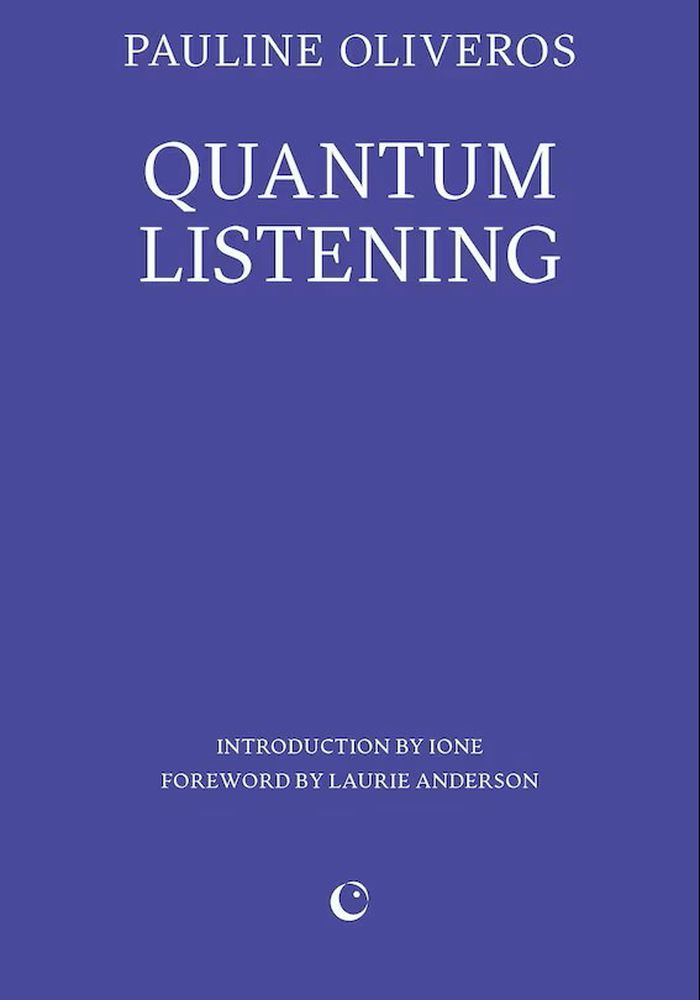
What is the difference between hearing and listening? Does sound have consciousness? Can you imagine listening beyond the edge of your own imagination? In response to the anti-war movements of the 1960s, pioneering musician and composer Pauline Oliveros began to expand the way she made music, experimenting with meditation, movement and activism in her compositions. Fascinated by the role that sound and consciousness play in our daily lives, Oliveros developed a series of Sonic Meditations that would eventually lead to the creation of Deep Listening – a practice for healing open to all, rooted in her musicianship. Quantum Listening is a manifesto for listening as activism. Oliveros’ futuristic vision, blending technology and spirituality, shows how Deep Listening is the foundation for a radically transformed social matrix: one in which compassion and peace form the basis for our actions in the world.
Quantum listening
Actions:
Price:
$15.95
(available to order)
Summary:
What is the difference between hearing and listening? Does sound have consciousness? Can you imagine listening beyond the edge of your own imagination? In response to the anti-war movements of the 1960s, pioneering musician and composer Pauline Oliveros began to expand the way she made music, experimenting with meditation, movement and activism in her compositions. Fascinated by the role that sound and consciousness play in our daily lives, Oliveros developed a series of Sonic Meditations that would eventually lead to the creation of Deep Listening – a practice for healing open to all, rooted in her musicianship. Quantum Listening is a manifesto for listening as activism. Oliveros’ futuristic vision, blending technology and spirituality, shows how Deep Listening is the foundation for a radically transformed social matrix: one in which compassion and peace form the basis for our actions in the world.
Form:
books
books
Publication:
July 2024
July 2024
Subject:
Acoustics
Acoustics
Form:
books
books
Actions:
Price:
$42.00
(available to order)
Summary:
In our image-saturated contemporary society, sight often eclipses other senses that are vital to understanding the unseen dynamics of our sensory relationship with environments. As a counter-project to the hegemony of images, the act of listening opens up new possibilities for exploring both built and natural environments and moving our attention to granting a voice to(...)
$42.00
(available to order)
Summary:
In our image-saturated contemporary society, sight often eclipses other senses that are vital to understanding the unseen dynamics of our sensory relationship with environments. As a counter-project to the hegemony of images, the act of listening opens up new possibilities for exploring both built and natural environments and moving our attention to granting a voice to(...)
Title:
Ecotones: investigating sounds and territories
Actions:
Price:
$42.00
(available to order)
Summary:
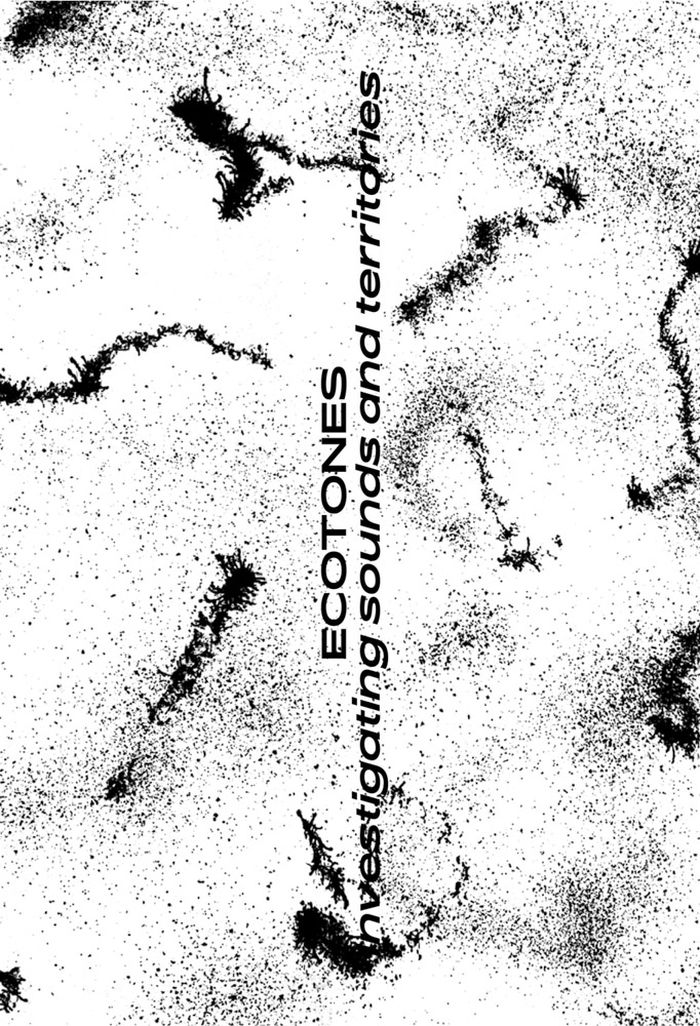
In our image-saturated contemporary society, sight often eclipses other senses that are vital to understanding the unseen dynamics of our sensory relationship with environments. As a counter-project to the hegemony of images, the act of listening opens up new possibilities for exploring both built and natural environments and moving our attention to granting a voice to more-than-human agencies. "Ecotones" showcases investigations on the relevance of sound in territorial studies. It is developed as a curated collection of texts from various disciplines and practitioners exploring spaces, territories, and ecologies through sonic endeavors. With a variety of formats, from essays and fiction pieces to situated case studies, Ecotones narrates sound as a medium, the act of listening as a political tool, and sonic experiments.
Ecotones: investigating sounds and territories
Actions:
Price:
$42.00
(available to order)
Summary:
In our image-saturated contemporary society, sight often eclipses other senses that are vital to understanding the unseen dynamics of our sensory relationship with environments. As a counter-project to the hegemony of images, the act of listening opens up new possibilities for exploring both built and natural environments and moving our attention to granting a voice to more-than-human agencies. "Ecotones" showcases investigations on the relevance of sound in territorial studies. It is developed as a curated collection of texts from various disciplines and practitioners exploring spaces, territories, and ecologies through sonic endeavors. With a variety of formats, from essays and fiction pieces to situated case studies, Ecotones narrates sound as a medium, the act of listening as a political tool, and sonic experiments.
Form:
books
books
Publication:
October 2025
October 2025
Subject:
Acoustics
Acoustics
Form:
books
books
Actions:
Price:
$15.00
(available in store)
Summary:
''The political voice'’ is the subject of the second volume of ''Sonic Urbanism'' publications. This volume explores the political voice as a particular sonic phenomenon, asking how and where it is possible to have a '‘voice'’ in urban politics, the relationship between material and metaphorical readings of political speech, and how voices can be amplified or silenced in(...)
$15.00
(available in store)
Summary:
''The political voice'’ is the subject of the second volume of ''Sonic Urbanism'' publications. This volume explores the political voice as a particular sonic phenomenon, asking how and where it is possible to have a '‘voice'’ in urban politics, the relationship between material and metaphorical readings of political speech, and how voices can be amplified or silenced in(...)
Title:
Sonic urbanism: The political voice
Actions:
Price:
$15.00
(available in store)
Summary:
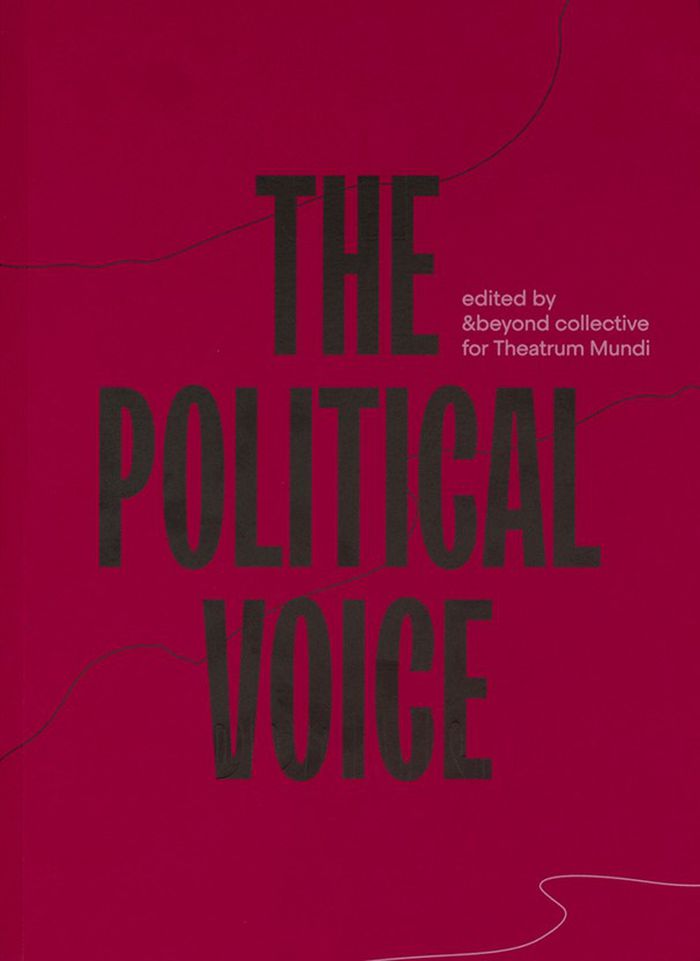
''The political voice'’ is the subject of the second volume of ''Sonic Urbanism'' publications. This volume explores the political voice as a particular sonic phenomenon, asking how and where it is possible to have a '‘voice'’ in urban politics, the relationship between material and metaphorical readings of political speech, and how voices can be amplified or silenced in cities. Responses explored vocal contestations and noisy citizenship, technologies that transmit or transform voices, and the ways that sound art and experimental music stage collective voicings.
Sonic urbanism: The political voice
Actions:
Price:
$15.00
(available in store)
Summary:
''The political voice'’ is the subject of the second volume of ''Sonic Urbanism'' publications. This volume explores the political voice as a particular sonic phenomenon, asking how and where it is possible to have a '‘voice'’ in urban politics, the relationship between material and metaphorical readings of political speech, and how voices can be amplified or silenced in cities. Responses explored vocal contestations and noisy citizenship, technologies that transmit or transform voices, and the ways that sound art and experimental music stage collective voicings.
Form:
books
books
Publication:
August 2020
August 2020
Subject:
Acoustics
Acoustics
Form:
books
books
Actions:
Price:
$17.00
(available in store)
Summary:
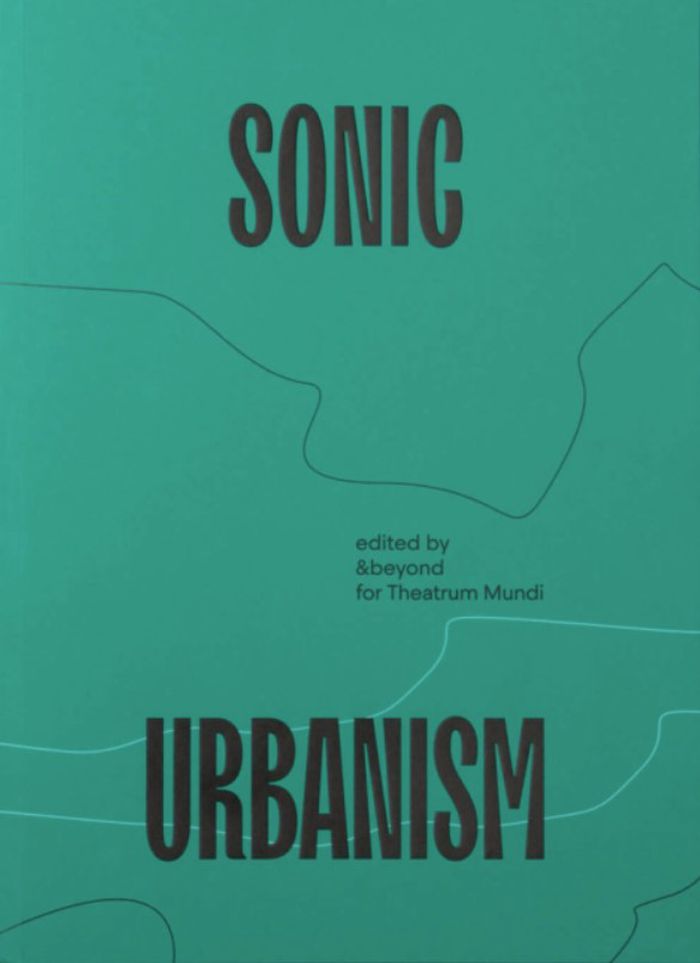
Following their first colloquium, ‘'Crafting a Sonic Urbanism'’, which took place at the MSH Paris Nord in September 2018, Theatrum Mundi presents a publication on ''Sonic Urbanism''. It invites participants to share essays on sonic communities, urban composition, acoustic architectures, phonographic methods, and public performance projects.
$17.00
(available in store)
Summary:
Following their first colloquium, ‘'Crafting a Sonic Urbanism'’, which took place at the MSH Paris Nord in September 2018, Theatrum Mundi presents a publication on ''Sonic Urbanism''. It invites participants to share essays on sonic communities, urban composition, acoustic architectures, phonographic methods, and public performance projects.
Title:
Sonic urbanism: Resonances in a new field
Actions:
Price:
$17.00
(available in store)
Summary:
Following their first colloquium, ‘'Crafting a Sonic Urbanism'’, which took place at the MSH Paris Nord in September 2018, Theatrum Mundi presents a publication on ''Sonic Urbanism''. It invites participants to share essays on sonic communities, urban composition, acoustic architectures, phonographic methods, and public performance projects.
Sonic urbanism: Resonances in a new field
Actions:
Price:
$17.00
(available in store)
Summary:
Following their first colloquium, ‘'Crafting a Sonic Urbanism'’, which took place at the MSH Paris Nord in September 2018, Theatrum Mundi presents a publication on ''Sonic Urbanism''. It invites participants to share essays on sonic communities, urban composition, acoustic architectures, phonographic methods, and public performance projects.
Form:
books
books
Publication:
December 2025
December 2025
Subject:
Acoustics
Acoustics
Form:
books
books
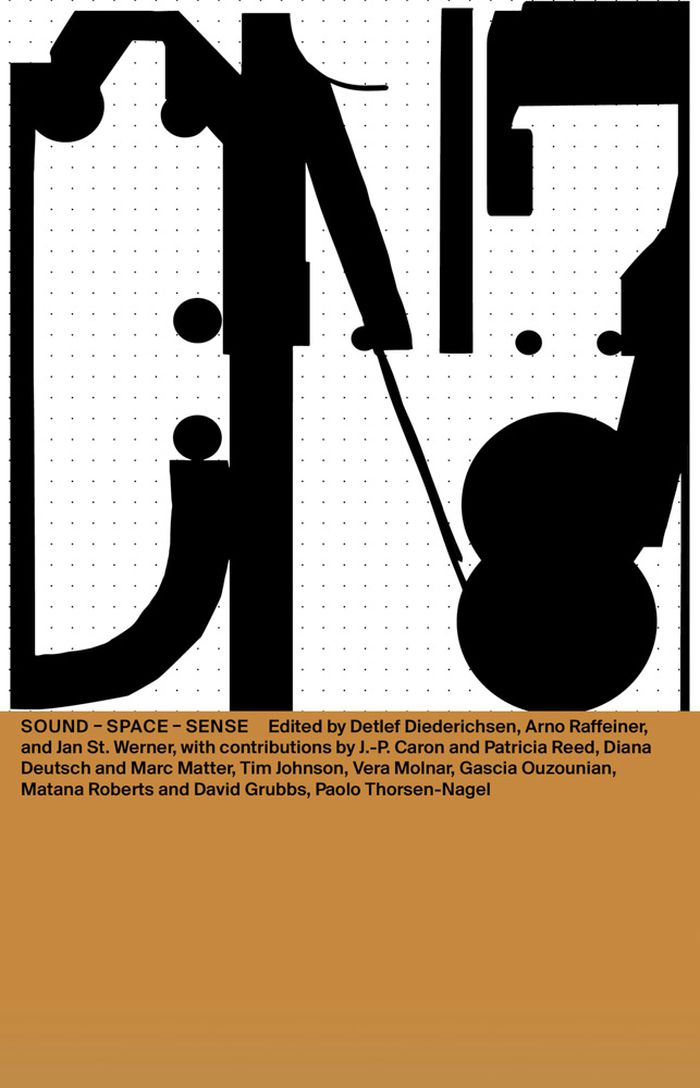
Title:
DNA #21: Sound Space Sense
DNA #21: Sound Space Sense
Actions:
Price:
$21.50
(available to order)
Summary:
Audio perception is a highly individual phenomenon and there is still much uncertainty about the physics, biology and unconscious processes that contribute to auditory experiences. This book applies artistic research methods to this field, exploring the intersections between mental space, social practice and interactions with sound.
$21.50
(available to order)
Summary:
Audio perception is a highly individual phenomenon and there is still much uncertainty about the physics, biology and unconscious processes that contribute to auditory experiences. This book applies artistic research methods to this field, exploring the intersections between mental space, social practice and interactions with sound.
Title:
DNA #21: Sound Space Sense
Actions:
Price:
$21.50
(available to order)
Summary:
Audio perception is a highly individual phenomenon and there is still much uncertainty about the physics, biology and unconscious processes that contribute to auditory experiences. This book applies artistic research methods to this field, exploring the intersections between mental space, social practice and interactions with sound.
DNA #21: Sound Space Sense
Actions:
Price:
$21.50
(available to order)
Summary:
Audio perception is a highly individual phenomenon and there is still much uncertainty about the physics, biology and unconscious processes that contribute to auditory experiences. This book applies artistic research methods to this field, exploring the intersections between mental space, social practice and interactions with sound.
Form:
books
books
Publication:
July 2024
July 2024
Subject:
Acoustics
Acoustics
Form:
books
books
Actions:
Price:
$24.95
(available to order)
Summary:
In this book, David Brown locates jazz music within the broad aesthetic, political, and theoretical upheavals of our time, asserting that modern architecture and urbanism in particular can be strongly influenced and defined by the ways that improvisation is facilitated in jazz. Improvised music consists of diverse properties that fail to register in the(...)
$24.95
(available to order)
Summary:
In this book, David Brown locates jazz music within the broad aesthetic, political, and theoretical upheavals of our time, asserting that modern architecture and urbanism in particular can be strongly influenced and defined by the ways that improvisation is facilitated in jazz. Improvised music consists of diverse properties that fail to register in the(...)
Title:
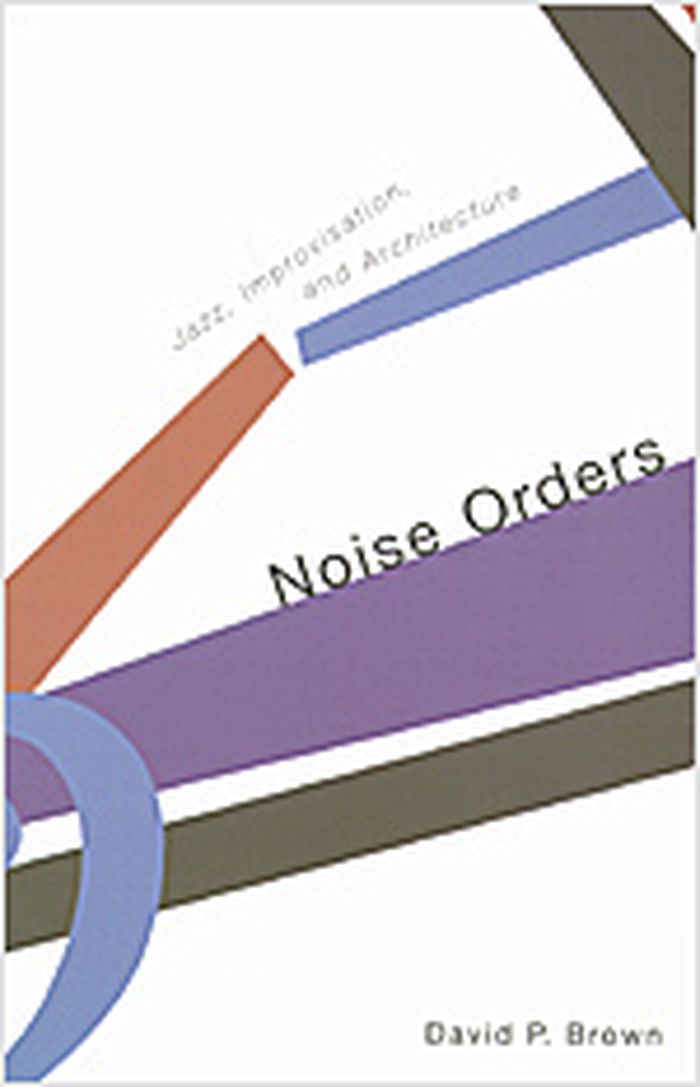
Noise orders : jazz, improvisation, and architecture
Actions:
Price:
$24.95
(available to order)
Summary:
In this book, David Brown locates jazz music within the broad aesthetic, political, and theoretical upheavals of our time, asserting that modern architecture and urbanism in particular can be strongly influenced and defined by the ways that improvisation is facilitated in jazz. Improvised music consists of diverse properties that fail to register in the object-oriented understanding of composition. As a result, it is often dismissed as noise — an interfering signal. However, Brown asserts, such interference can bear meaning and stimulate change. "Noise orders" identifies how architecture can respond to the inclusive dynamics of extemporaneous movements, variable conceptions of composition, multiple durations, and wide manipulation of resources found in jazz to enable outcomes that far exceed a design’s seeming potential. By exploring overlapping moments between modernism and the cultural dimensions of jazz, "Noise orders" suggests that the discipline of improvisation continues to open and redefine architectural theory and practice, creating a world where designers contribute to emerging environments rather than make predetermined ones. Comparing modern and avant-garde artists and architects with individuals and groups in jazz—including Piet Mondrian and boogie-woogie, John Cage and Rahsaan Roland Kirk, Le Corbusier and Louis Armstrong, and Ludwig Mies van der Rohe and the Association for the Advancement of Creative Musicians (AACM)—Brown examines how jazz can offer alternative design ideas and directions, be incorporated in contemporary architectural practices, and provide insight on how to develop dynamic metropolitan environments. Interdisciplinary in its approace, "Noise orders" argues for a deeper understanding of the infinite potential inherent in both music and architecture.
Noise orders : jazz, improvisation, and architecture
Actions:
Price:
$24.95
(available to order)
Summary:
In this book, David Brown locates jazz music within the broad aesthetic, political, and theoretical upheavals of our time, asserting that modern architecture and urbanism in particular can be strongly influenced and defined by the ways that improvisation is facilitated in jazz. Improvised music consists of diverse properties that fail to register in the object-oriented understanding of composition. As a result, it is often dismissed as noise — an interfering signal. However, Brown asserts, such interference can bear meaning and stimulate change. "Noise orders" identifies how architecture can respond to the inclusive dynamics of extemporaneous movements, variable conceptions of composition, multiple durations, and wide manipulation of resources found in jazz to enable outcomes that far exceed a design’s seeming potential. By exploring overlapping moments between modernism and the cultural dimensions of jazz, "Noise orders" suggests that the discipline of improvisation continues to open and redefine architectural theory and practice, creating a world where designers contribute to emerging environments rather than make predetermined ones. Comparing modern and avant-garde artists and architects with individuals and groups in jazz—including Piet Mondrian and boogie-woogie, John Cage and Rahsaan Roland Kirk, Le Corbusier and Louis Armstrong, and Ludwig Mies van der Rohe and the Association for the Advancement of Creative Musicians (AACM)—Brown examines how jazz can offer alternative design ideas and directions, be incorporated in contemporary architectural practices, and provide insight on how to develop dynamic metropolitan environments. Interdisciplinary in its approace, "Noise orders" argues for a deeper understanding of the infinite potential inherent in both music and architecture.
Form:
books
books
Publication:
February 2006, Minneapolis, London
February 2006, Minneapolis, London
Subject:
Acoustics
Acoustics
Form:
books
books
Actions:
Price:
$53.95
(available in store)
Summary:
How do we build or make a voice together? Can we imagine the voices we make in the form of a skin, a multi-sensory interface that behaves both as a boundary and as a point of connection? What does such a voice capacitate in times of crises and uncertainties? In ''Building a Voice: Sound, Surface, Skin'', Zeynep Bulut explores these questions. She examines the(...)
$53.95
(available in store)
Summary:
How do we build or make a voice together? Can we imagine the voices we make in the form of a skin, a multi-sensory interface that behaves both as a boundary and as a point of connection? What does such a voice capacitate in times of crises and uncertainties? In ''Building a Voice: Sound, Surface, Skin'', Zeynep Bulut explores these questions. She examines the(...)
Title:
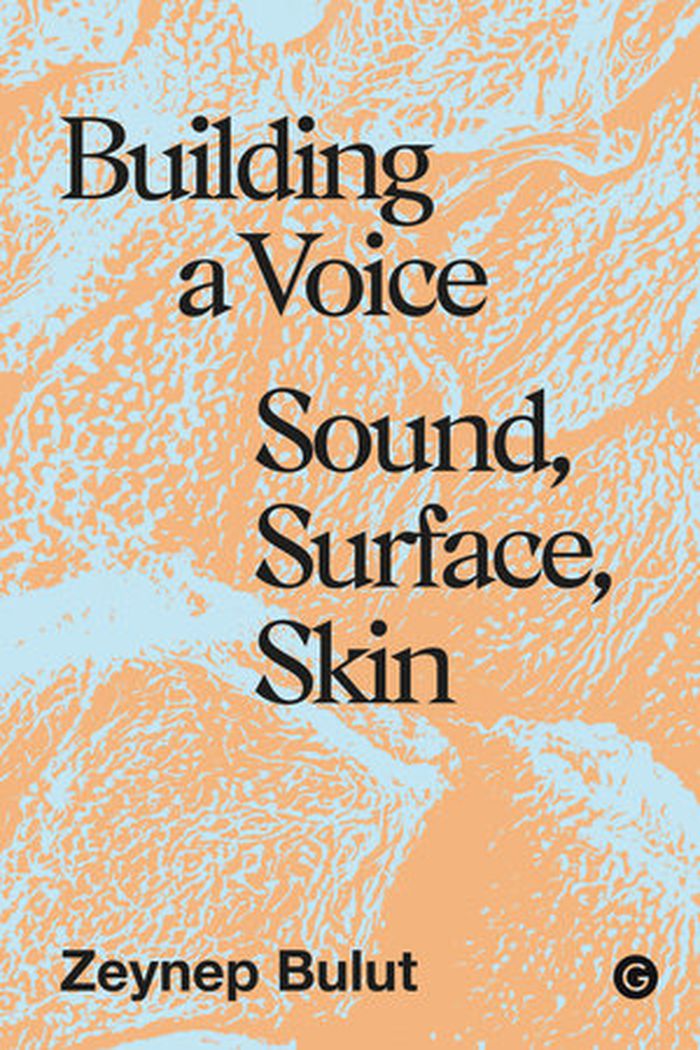
Building a voice: Sound, surface, skin
Actions:
Price:
$53.95
(available in store)
Summary:
How do we build or make a voice together? Can we imagine the voices we make in the form of a skin, a multi-sensory interface that behaves both as a boundary and as a point of connection? What does such a voice capacitate in times of crises and uncertainties? In ''Building a Voice: Sound, Surface, Skin'', Zeynep Bulut explores these questions. She examines the multi-sensory and collective forms of voice making in experimental music, sound and media art in conversation with the use of voice in creative interventions for environmental crisis, experiences of voice hearing, and digital technologies of artificial and tactile speech.
Building a voice: Sound, surface, skin
Actions:
Price:
$53.95
(available in store)
Summary:
How do we build or make a voice together? Can we imagine the voices we make in the form of a skin, a multi-sensory interface that behaves both as a boundary and as a point of connection? What does such a voice capacitate in times of crises and uncertainties? In ''Building a Voice: Sound, Surface, Skin'', Zeynep Bulut explores these questions. She examines the multi-sensory and collective forms of voice making in experimental music, sound and media art in conversation with the use of voice in creative interventions for environmental crisis, experiences of voice hearing, and digital technologies of artificial and tactile speech.
Form:
books
books
Publication:
March 2025
March 2025
Subject:
Acoustics
Acoustics
Form:
books
books

Actions:
Price:
$48.00
(available to order)
Summary:
Comprehensive and illuminating, ''Orpheus in the Underworld'' centers on Adorno’s concrete and immediate engagement with musical compositions and their interpretation in the concert hall and elsewhere. Here, Adorno registers his initial encounters with the compositions of the Second Viennese School, when he had yet to integrate them into a broad aesthetics of music.(...)
$48.00
(available to order)
Summary:
Comprehensive and illuminating, ''Orpheus in the Underworld'' centers on Adorno’s concrete and immediate engagement with musical compositions and their interpretation in the concert hall and elsewhere. Here, Adorno registers his initial encounters with the compositions of the Second Viennese School, when he had yet to integrate them into a broad aesthetics of music.(...)
Title:
Orpheus in the underworld: essays on music
Actions:
Price:
$48.00
(available to order)
Summary:
Comprehensive and illuminating, ''Orpheus in the Underworld'' centers on Adorno’s concrete and immediate engagement with musical compositions and their interpretation in the concert hall and elsewhere. Here, Adorno registers his initial encounters with the compositions of the Second Viennese School, when he had yet to integrate them into a broad aesthetics of music. Complementarily essays on Bela Bartók, Jean Sibelius, and Kurt Weill afford insight into his understanding of composers who did not fit neatly into the dialectical schema propounded in the Philosophy of New Music. Additionally, essays on recording and broadcasting show Adorno engaging with these media in a spirit that is no less productive than polemical and focused as sharply on their potentialities as on their shortcomings.
Orpheus in the underworld: essays on music
Actions:
Price:
$48.00
(available to order)
Summary:
Comprehensive and illuminating, ''Orpheus in the Underworld'' centers on Adorno’s concrete and immediate engagement with musical compositions and their interpretation in the concert hall and elsewhere. Here, Adorno registers his initial encounters with the compositions of the Second Viennese School, when he had yet to integrate them into a broad aesthetics of music. Complementarily essays on Bela Bartók, Jean Sibelius, and Kurt Weill afford insight into his understanding of composers who did not fit neatly into the dialectical schema propounded in the Philosophy of New Music. Additionally, essays on recording and broadcasting show Adorno engaging with these media in a spirit that is no less productive than polemical and focused as sharply on their potentialities as on their shortcomings.
Form:
books
books
Publication:
June 2024
June 2024
Subject:
Acoustics
Acoustics
Form:
books
books

Title:
Donner lieu au son
Donner lieu au son
Actions:
Price:
$49.95
(available to order)
Summary:
Résonner, réverbérer, paysager, cartographier, retentir : une réflexion philosophique sur le lieu du son, de l'esthétique musicale à l'habitat sonore, au croisement des études du son, de la musique et de la technique, et de la phénoménologie. Que signifie le fait que le son ait (un) lieu, à l'ère du son enregistré et donc délocalisé ? En cinq parties, l'ouvrage se propose(...)
$49.95
(available to order)
Summary:
Résonner, réverbérer, paysager, cartographier, retentir : une réflexion philosophique sur le lieu du son, de l'esthétique musicale à l'habitat sonore, au croisement des études du son, de la musique et de la technique, et de la phénoménologie. Que signifie le fait que le son ait (un) lieu, à l'ère du son enregistré et donc délocalisé ? En cinq parties, l'ouvrage se propose(...)
Title:
Donner lieu au son
Actions:
Price:
$49.95
(available to order)
Summary:
Résonner, réverbérer, paysager, cartographier, retentir : une réflexion philosophique sur le lieu du son, de l'esthétique musicale à l'habitat sonore, au croisement des études du son, de la musique et de la technique, et de la phénoménologie. Que signifie le fait que le son ait (un) lieu, à l'ère du son enregistré et donc délocalisé ? En cinq parties, l'ouvrage se propose de questionner le lieu du son (qui est aussi, mais pas seulement, celui de la musique), en se donnant pour point de départ l'émergence, au cours du XIXe siècle, des techniques de son enregistrement. Il faut mobiliser la physique (résonner), l'acoustique architecturale (réverbérer), l'écologie sonore (paysager) et le soundmapping (cartographier), mais aussi, in fine, la phénoménologie (retentir), pour savoir si le son a vraiment lieu, si son retentissement n'est pas bien plutôt l'éclatement de toute assignation possible à un lieu.
Donner lieu au son
Actions:
Price:
$49.95
(available to order)
Summary:
Résonner, réverbérer, paysager, cartographier, retentir : une réflexion philosophique sur le lieu du son, de l'esthétique musicale à l'habitat sonore, au croisement des études du son, de la musique et de la technique, et de la phénoménologie. Que signifie le fait que le son ait (un) lieu, à l'ère du son enregistré et donc délocalisé ? En cinq parties, l'ouvrage se propose de questionner le lieu du son (qui est aussi, mais pas seulement, celui de la musique), en se donnant pour point de départ l'émergence, au cours du XIXe siècle, des techniques de son enregistrement. Il faut mobiliser la physique (résonner), l'acoustique architecturale (réverbérer), l'écologie sonore (paysager) et le soundmapping (cartographier), mais aussi, in fine, la phénoménologie (retentir), pour savoir si le son a vraiment lieu, si son retentissement n'est pas bien plutôt l'éclatement de toute assignation possible à un lieu.
Form:
books
books
Publication:
October 2024
October 2024
Subject:
Acoustics
Acoustics
Form:
books
books
Actions:
Price:
$42.00
(available to order)
Summary:
This book highlights sound's invisible, disruptive, and affective qualities and asks whether the unseen nature of sound can support a political transformation. In ''Sonic agency'', Brandon LaBelle sets out to engage contemporary social and political crises by way of sonic thought and imagination. He divides sound's functions into four figures of resistance -- the(...)
$42.00
(available to order)
Summary:
This book highlights sound's invisible, disruptive, and affective qualities and asks whether the unseen nature of sound can support a political transformation. In ''Sonic agency'', Brandon LaBelle sets out to engage contemporary social and political crises by way of sonic thought and imagination. He divides sound's functions into four figures of resistance -- the(...)
Title:
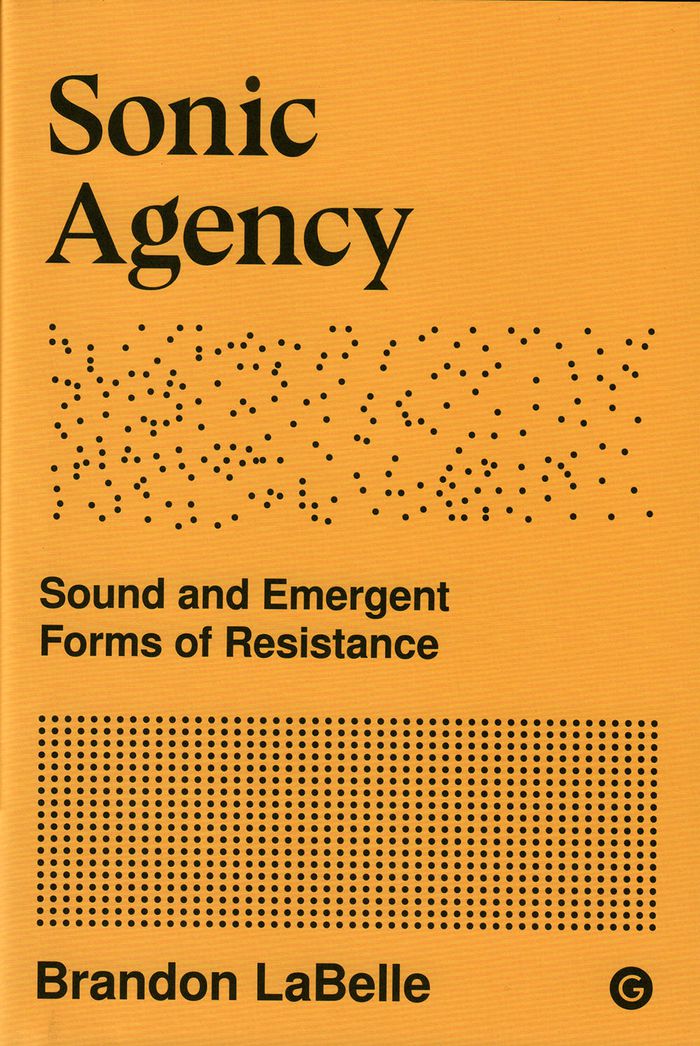
Sonic agency: sound and emergent forms of resistance
Actions:
Price:
$42.00
(available to order)
Summary:
This book highlights sound's invisible, disruptive, and affective qualities and asks whether the unseen nature of sound can support a political transformation. In ''Sonic agency'', Brandon LaBelle sets out to engage contemporary social and political crises by way of sonic thought and imagination. He divides sound's functions into four figures of resistance -- the invisible, the overheard, the itinerant, and the weak -- and argues for their role in creating alternative "unlikely publics" in which to foster mutuality and dissent. He considers issues of disappearance and hidden culture, nonviolence and noise, creole poetics, and networked life, aiming to unsettle traditional notions of the "space of appearance" as the condition for political action and survival.
Sonic agency: sound and emergent forms of resistance
Actions:
Price:
$42.00
(available to order)
Summary:
This book highlights sound's invisible, disruptive, and affective qualities and asks whether the unseen nature of sound can support a political transformation. In ''Sonic agency'', Brandon LaBelle sets out to engage contemporary social and political crises by way of sonic thought and imagination. He divides sound's functions into four figures of resistance -- the invisible, the overheard, the itinerant, and the weak -- and argues for their role in creating alternative "unlikely publics" in which to foster mutuality and dissent. He considers issues of disappearance and hidden culture, nonviolence and noise, creole poetics, and networked life, aiming to unsettle traditional notions of the "space of appearance" as the condition for political action and survival.
Form:
books
books
Publication:
February 2018
February 2018
Subject:
Acoustics
Acoustics


