


1914 Results
Form:
books
books
Actions:
Price:
$51.50
(available to order)
Summary:
Si les Gaulois et leurs prédécesseurs avaient établi des axes de communication à travers l'Europe, les Romains furent célèbres pour l'implantation systématique de réseaux routiers dont héritera le Moyen Age. Une route s'avère souvent un monument important aux yeux de la population, plus que les temples ou les théâtres. Elles traversent des territoires, sont utilisées pour(...)
$51.50
(available to order)
Summary:
Si les Gaulois et leurs prédécesseurs avaient établi des axes de communication à travers l'Europe, les Romains furent célèbres pour l'implantation systématique de réseaux routiers dont héritera le Moyen Age. Une route s'avère souvent un monument important aux yeux de la population, plus que les temples ou les théâtres. Elles traversent des territoires, sont utilisées pour(...)
Title:
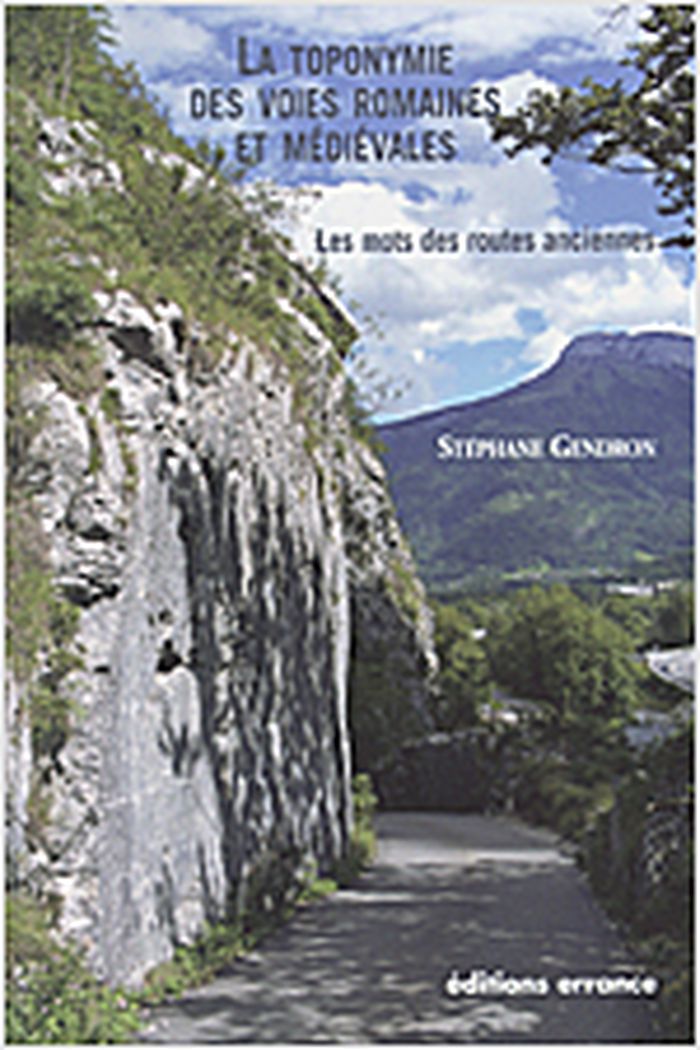
La toponymie des voies romaines et médiévales : les mots des routes anciennes
Actions:
Price:
$51.50
(available to order)
Summary:
Si les Gaulois et leurs prédécesseurs avaient établi des axes de communication à travers l'Europe, les Romains furent célèbres pour l'implantation systématique de réseaux routiers dont héritera le Moyen Age. Une route s'avère souvent un monument important aux yeux de la population, plus que les temples ou les théâtres. Elles traversent des territoires, sont utilisées pour la vie de tous les jours, comme elles marquent le paysage. Des constructions humaines, ce sont elles qui ont laissé le plus de mots dans la mémoire du sol et dans le souvenir des hommes. Des milliers de noms dans les campagnes se rattachent aux voies, aux auberges, aux ponts, aux gués. Suivre une voie ancienne ne correspond pas seulement à faire des kilomètres ; c'est aussi une remontée dans le temps. Les noms de lieux appartiennent à l'histoire et nous guident dans différents paysages, de l'époque gauloise à la fin du Moyen Age.
La toponymie des voies romaines et médiévales : les mots des routes anciennes
Actions:
Price:
$51.50
(available to order)
Summary:
Si les Gaulois et leurs prédécesseurs avaient établi des axes de communication à travers l'Europe, les Romains furent célèbres pour l'implantation systématique de réseaux routiers dont héritera le Moyen Age. Une route s'avère souvent un monument important aux yeux de la population, plus que les temples ou les théâtres. Elles traversent des territoires, sont utilisées pour la vie de tous les jours, comme elles marquent le paysage. Des constructions humaines, ce sont elles qui ont laissé le plus de mots dans la mémoire du sol et dans le souvenir des hommes. Des milliers de noms dans les campagnes se rattachent aux voies, aux auberges, aux ponts, aux gués. Suivre une voie ancienne ne correspond pas seulement à faire des kilomètres ; c'est aussi une remontée dans le temps. Les noms de lieux appartiennent à l'histoire et nous guident dans différents paysages, de l'époque gauloise à la fin du Moyen Age.
Form:
books
books
Publication:
May 2006, Paris
May 2006, Paris
Subject:
History until 1900, Italy
History until 1900, Italy
Form:
books
books
Actions:
Price:
$24.95
(available in store)
Summary:
Alors que le monde entre dans une polycrise sans précédent, l'urgence climatique doit être abordée de front. 11 brefs essais pour la justice climatique démontre que la crise du climat est celle de l'immigration, du capitalisme sauvage, des génocides. La révolution sera intersectionnelle ou ne sera pas. Des forêts sacrées aux ruelles de Montréal, en passant par(...)
$24.95
(available in store)
Summary:
Alors que le monde entre dans une polycrise sans précédent, l'urgence climatique doit être abordée de front. 11 brefs essais pour la justice climatique démontre que la crise du climat est celle de l'immigration, du capitalisme sauvage, des génocides. La révolution sera intersectionnelle ou ne sera pas. Des forêts sacrées aux ruelles de Montréal, en passant par(...)
Subject:
Environment and environmental theory
Environment and environmental theory
Publication:
June 2024
June 2024
Title:
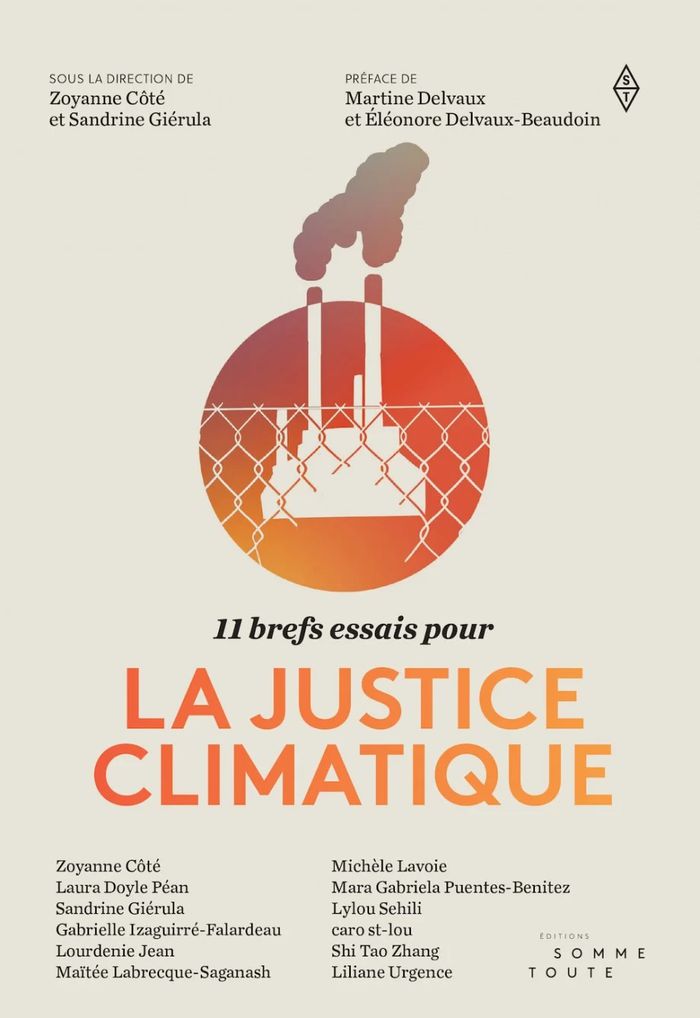
11 brefs essais pour la justice climatique
Actions:
Price:
$24.95
(available in store)
Summary:
Alors que le monde entre dans une polycrise sans précédent, l'urgence climatique doit être abordée de front. 11 brefs essais pour la justice climatique démontre que la crise du climat est celle de l'immigration, du capitalisme sauvage, des génocides. La révolution sera intersectionnelle ou ne sera pas. Des forêts sacrées aux ruelles de Montréal, en passant par l'Abitibi-Témiscamingue et par tous les champs de boue et de sable empoisonnés du pays, des voix s'élèvent et des mains se nouent. Les savoirs de différents groupes sont mis en communs, un réseau se tisse pour permettre à l'idée d'un nouveau monde de naître. Les auteurices de ce collectif se retrouvent pour parler de justice, pour haranguer la population, pour l'inviter, ardemment, à les rejoindre. Fortes d'amour et de révolte, les activistes qui signent ce livre refusent d'abandonner le monde aux mains de ceux qui le détruisent.
11 brefs essais pour la justice climatique
Actions:
Price:
$24.95
(available in store)
Summary:
Alors que le monde entre dans une polycrise sans précédent, l'urgence climatique doit être abordée de front. 11 brefs essais pour la justice climatique démontre que la crise du climat est celle de l'immigration, du capitalisme sauvage, des génocides. La révolution sera intersectionnelle ou ne sera pas. Des forêts sacrées aux ruelles de Montréal, en passant par l'Abitibi-Témiscamingue et par tous les champs de boue et de sable empoisonnés du pays, des voix s'élèvent et des mains se nouent. Les savoirs de différents groupes sont mis en communs, un réseau se tisse pour permettre à l'idée d'un nouveau monde de naître. Les auteurices de ce collectif se retrouvent pour parler de justice, pour haranguer la population, pour l'inviter, ardemment, à les rejoindre. Fortes d'amour et de révolte, les activistes qui signent ce livre refusent d'abandonner le monde aux mains de ceux qui le détruisent.
Form:
books
books
Publication:
June 2024
June 2024
Subject:
Environment and environmental theory
Environment and environmental theory
Form:
books
books
Title:
Manuel de l'antitourisme
Manuel de l'antitourisme
Actions:
Price:
$15.00
(available in store)
Summary:
Le tourisme est la première industrie mondiale, même s’il est pratiqué par seulement 3,5 % de la population…Un luxe réservé aux occidentaux qui, depuis l’avènement des congés payés, ont intégré « un devoir d’ailleurs et de loisirs ». Mais qui n’a pas senti ce malaise, dans une boutique de souvenirs ou sur une plage des Caraïbes couvertes de baigneurs blancs ? Qui n’a(...)
$15.00
(available in store)
Summary:
Le tourisme est la première industrie mondiale, même s’il est pratiqué par seulement 3,5 % de la population…Un luxe réservé aux occidentaux qui, depuis l’avènement des congés payés, ont intégré « un devoir d’ailleurs et de loisirs ». Mais qui n’a pas senti ce malaise, dans une boutique de souvenirs ou sur une plage des Caraïbes couvertes de baigneurs blancs ? Qui n’a(...)
Title:
Manuel de l'antitourisme
Actions:
Price:
$15.00
(available in store)
Summary:
Le tourisme est la première industrie mondiale, même s’il est pratiqué par seulement 3,5 % de la population…Un luxe réservé aux occidentaux qui, depuis l’avènement des congés payés, ont intégré « un devoir d’ailleurs et de loisirs ». Mais qui n’a pas senti ce malaise, dans une boutique de souvenirs ou sur une plage des Caraïbes couvertes de baigneurs blancs ? Qui n’a jamais ramené de vacances le sentiment de l’absurde ? Aujourd’hui, même les mieux intentionnés des voyageurs contribuent malgré eux à la mondophagie touristique. Et rien ne semble pouvoir arrêter cette conquête démesurée des quatre coins du monde : ni la pollution qu’elle impose, ni la disparition des spécificités culturelles qu’elle vient niveler et encore moins la conscience de l’Autre qu’elle réduit à une relation marchande. Pouvons-nous nous évader du tourisme ? Rodolphe Christin nous invite à retrouver l’essence du voyage : préférer le chemin à la destination, et « disparaître » plutôt qu’apparaître partout.
Manuel de l'antitourisme
Actions:
Price:
$15.00
(available in store)
Summary:
Le tourisme est la première industrie mondiale, même s’il est pratiqué par seulement 3,5 % de la population…Un luxe réservé aux occidentaux qui, depuis l’avènement des congés payés, ont intégré « un devoir d’ailleurs et de loisirs ». Mais qui n’a pas senti ce malaise, dans une boutique de souvenirs ou sur une plage des Caraïbes couvertes de baigneurs blancs ? Qui n’a jamais ramené de vacances le sentiment de l’absurde ? Aujourd’hui, même les mieux intentionnés des voyageurs contribuent malgré eux à la mondophagie touristique. Et rien ne semble pouvoir arrêter cette conquête démesurée des quatre coins du monde : ni la pollution qu’elle impose, ni la disparition des spécificités culturelles qu’elle vient niveler et encore moins la conscience de l’Autre qu’elle réduit à une relation marchande. Pouvons-nous nous évader du tourisme ? Rodolphe Christin nous invite à retrouver l’essence du voyage : préférer le chemin à la destination, et « disparaître » plutôt qu’apparaître partout.
Form:
books
books
Publication:
August 2017
August 2017
Subject:
Journeys
Journeys
Form:
books
books
Title:
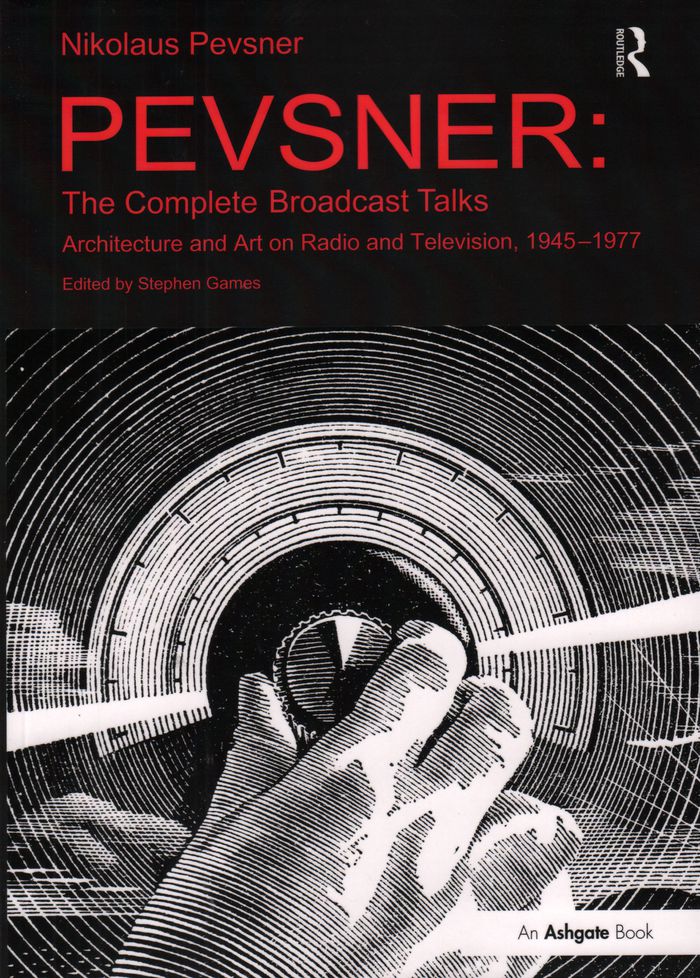
Pevsner: The complete broadcast talks: architecture and art on radio and television, 1945-1977
Pevsner: The complete broadcast talks: architecture and art on radio and television, 1945-1977
Actions:
Price:
$76.90
(available to order)
Summary:
This book brings together the surviving texts of the 113 talks on art and architecture that we know of, given by the art historian Sir Nikolaus Pevsner on radio and television between 1945--1977. It includes the seven texts of the 1955 Reith Lectures in their original broadcast form, as well as lectures that Pevsner gave in German (for the BBC in London and RIAS in(...)
$76.90
(available to order)
Summary:
This book brings together the surviving texts of the 113 talks on art and architecture that we know of, given by the art historian Sir Nikolaus Pevsner on radio and television between 1945--1977. It includes the seven texts of the 1955 Reith Lectures in their original broadcast form, as well as lectures that Pevsner gave in German (for the BBC in London and RIAS in(...)
Title:
Pevsner: The complete broadcast talks: architecture and art on radio and television, 1945-1977
Actions:
Price:
$76.90
(available to order)
Summary:
This book brings together the surviving texts of the 113 talks on art and architecture that we know of, given by the art historian Sir Nikolaus Pevsner on radio and television between 1945--1977. It includes the seven texts of the 1955 Reith Lectures in their original broadcast form, as well as lectures that Pevsner gave in German (for the BBC in London and RIAS in Berlin) and on the radio in New Zealand. These talks are important as an example of the attempt by the BBC in particular to provide intellectual programming for the mass population. The talks are important for what they reveal about changing tastes in the treatment of the arts as a broadcast topic, as well as offering a case study of the development of one particular historian's approach to a subject that was gaining ground in universities as a direct result of his popularisation of it.
Pevsner: The complete broadcast talks: architecture and art on radio and television, 1945-1977
Actions:
Price:
$76.90
(available to order)
Summary:
This book brings together the surviving texts of the 113 talks on art and architecture that we know of, given by the art historian Sir Nikolaus Pevsner on radio and television between 1945--1977. It includes the seven texts of the 1955 Reith Lectures in their original broadcast form, as well as lectures that Pevsner gave in German (for the BBC in London and RIAS in Berlin) and on the radio in New Zealand. These talks are important as an example of the attempt by the BBC in particular to provide intellectual programming for the mass population. The talks are important for what they reveal about changing tastes in the treatment of the arts as a broadcast topic, as well as offering a case study of the development of one particular historian's approach to a subject that was gaining ground in universities as a direct result of his popularisation of it.
Form:
books
books
Publication:
September 2016
September 2016
Subject:
Epistemology
Epistemology
Form:
books
books
Actions:
Price:
$79.00
(available in store)
Summary:
What began as an academic initiative to improve the quality of life of the poor strata of the population has now become a professional “do tank” offering services that cover the entire spectrum of urban development. The celebrated Chilean architect, winner of the 2016 Pritzker Prize and Director of the 2016 Venice Architecture Biennale, Alejandro Aravena (born 1967)(...)
$79.00
(available in store)
Summary:
What began as an academic initiative to improve the quality of life of the poor strata of the population has now become a professional “do tank” offering services that cover the entire spectrum of urban development. The celebrated Chilean architect, winner of the 2016 Pritzker Prize and Director of the 2016 Venice Architecture Biennale, Alejandro Aravena (born 1967)(...)
Title:
Alejandro Aravena. Elemental: incremental housing and participatory design manual
Actions:
Price:
$79.00
(available in store)
Summary:
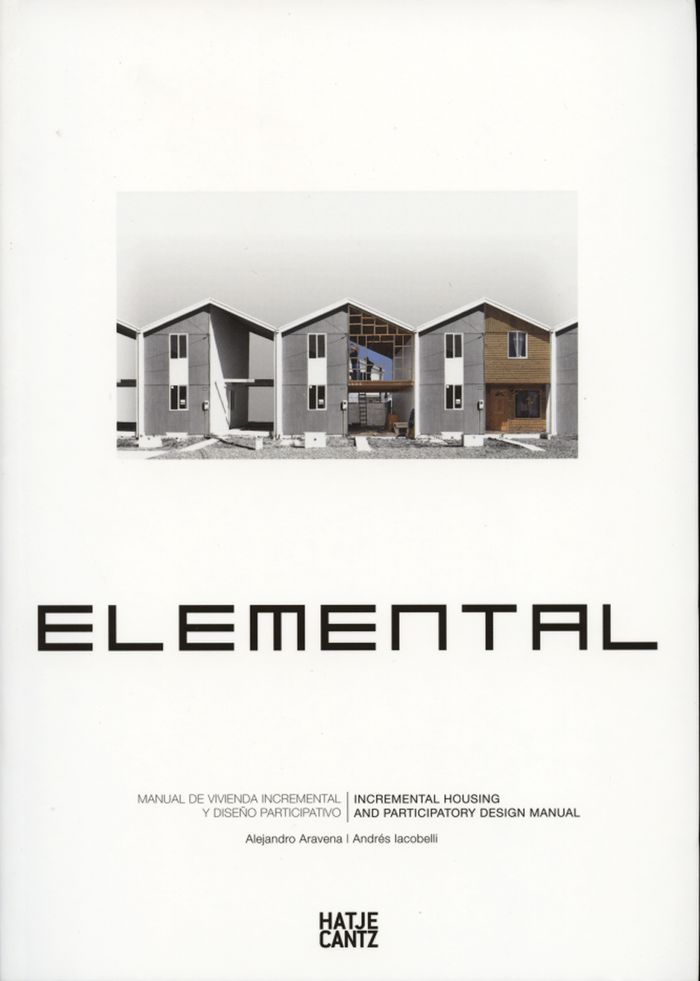
What began as an academic initiative to improve the quality of life of the poor strata of the population has now become a professional “do tank” offering services that cover the entire spectrum of urban development. The celebrated Chilean architect, winner of the 2016 Pritzker Prize and Director of the 2016 Venice Architecture Biennale, Alejandro Aravena (born 1967) founded Elemental in 2001 in his hometown with the goal of alleviating social deprivation directly instead of hoping for a balance of income relations. Besides building public facilities and public housing, Elemental also develops new approaches for the reorganization of resources and the potential of cities by means of projects devoted to infrastructure and transportation. This volume, first published in 2013 and now back in print, documents the social activity and history of the international architectural team and sheds light on its financing strategies, for example through participatory building.
Alejandro Aravena. Elemental: incremental housing and participatory design manual
Actions:
Price:
$79.00
(available in store)
Summary:
What began as an academic initiative to improve the quality of life of the poor strata of the population has now become a professional “do tank” offering services that cover the entire spectrum of urban development. The celebrated Chilean architect, winner of the 2016 Pritzker Prize and Director of the 2016 Venice Architecture Biennale, Alejandro Aravena (born 1967) founded Elemental in 2001 in his hometown with the goal of alleviating social deprivation directly instead of hoping for a balance of income relations. Besides building public facilities and public housing, Elemental also develops new approaches for the reorganization of resources and the potential of cities by means of projects devoted to infrastructure and transportation. This volume, first published in 2013 and now back in print, documents the social activity and history of the international architectural team and sheds light on its financing strategies, for example through participatory building.
Form:
books
books
Publication:
June 2016
June 2016
Subject:
Architecture Monographs
Architecture Monographs
Form:
books
books
Actions:
Price:
$73.50
(available in store)
Summary:
On February 29, 1960, a catastrophic earthquake devastated the Moroccan coastal city of Agadir, erasing it almost entirely and killing a third of its population. The world was shocked, and very quickly large amounts of international aid arrived. Following an emotional speech by King Mohammed V, the reconstruction of Agadir also turned into an undertaking of national and(...)
$73.50
(available in store)
Summary:
On February 29, 1960, a catastrophic earthquake devastated the Moroccan coastal city of Agadir, erasing it almost entirely and killing a third of its population. The world was shocked, and very quickly large amounts of international aid arrived. Following an emotional speech by King Mohammed V, the reconstruction of Agadir also turned into an undertaking of national and(...)
Subject:
Architecture since 1900, Africa
Architecture since 1900, Africa
Publication:
October 2022
October 2022
Title:
Agadir: Building the modern Afropolis
Actions:
Price:
$73.50
(available in store)
Summary:
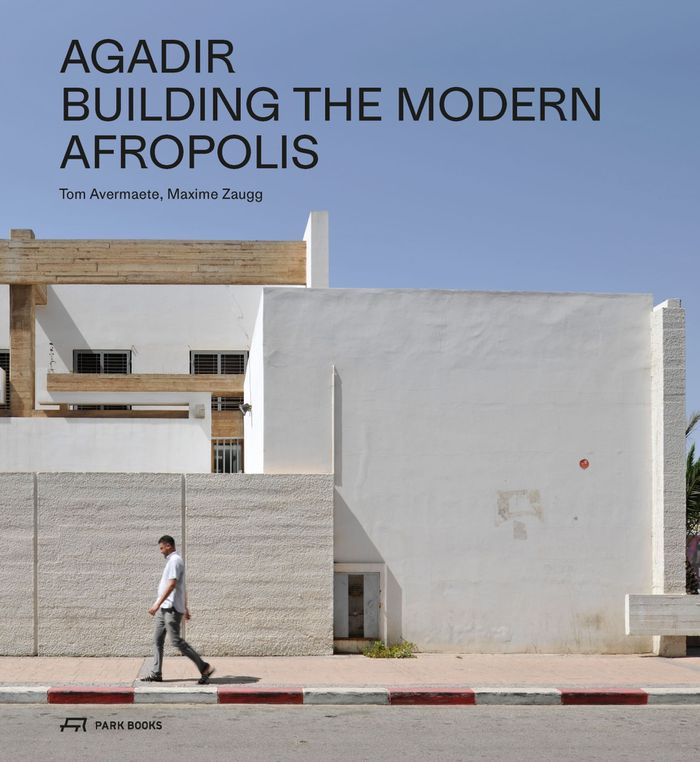
On February 29, 1960, a catastrophic earthquake devastated the Moroccan coastal city of Agadir, erasing it almost entirely and killing a third of its population. The world was shocked, and very quickly large amounts of international aid arrived. Following an emotional speech by King Mohammed V, the reconstruction of Agadir also turned into an undertaking of national and international solidarity. A new and unprecedented process of urban construction was developed that allowed many architects—national and international—to simultaneously design the new city. The result of this joint effort was astounding. In a very short time, the new Agadir rose from the ashes. The best Moroccan and international architects experimented with novel housing typologies, which mediated between ultramodern and vernacular ways of dwelling, complemented by innovative public structures, such as schools, dispensaries, and cinemas. All of these combined into an original urban reality: a modern Afropolis.
Agadir: Building the modern Afropolis
Actions:
Price:
$73.50
(available in store)
Summary:
On February 29, 1960, a catastrophic earthquake devastated the Moroccan coastal city of Agadir, erasing it almost entirely and killing a third of its population. The world was shocked, and very quickly large amounts of international aid arrived. Following an emotional speech by King Mohammed V, the reconstruction of Agadir also turned into an undertaking of national and international solidarity. A new and unprecedented process of urban construction was developed that allowed many architects—national and international—to simultaneously design the new city. The result of this joint effort was astounding. In a very short time, the new Agadir rose from the ashes. The best Moroccan and international architects experimented with novel housing typologies, which mediated between ultramodern and vernacular ways of dwelling, complemented by innovative public structures, such as schools, dispensaries, and cinemas. All of these combined into an original urban reality: a modern Afropolis.
Form:
books
books
Publication:
October 2022
October 2022
Subject:
Architecture since 1900, Africa
Architecture since 1900, Africa
Form:
books
books
Actions:
Price:
$42.00
(available to order)
Summary:
For the first time in the history of our planet, more than half the population-3.3 billion people-is now living in cities. City is the ultimate guidebook to our urban centers-the signature unit of human civilization. With erudite prose and carefully chosen illustrations, this work of metatourism explores what cities are and how they work. It covers history, customs and(...)
$42.00
(available to order)
Summary:
For the first time in the history of our planet, more than half the population-3.3 billion people-is now living in cities. City is the ultimate guidebook to our urban centers-the signature unit of human civilization. With erudite prose and carefully chosen illustrations, this work of metatourism explores what cities are and how they work. It covers history, customs and(...)
Title:
City : a guidebook for the urban age
Actions:
Price:
$42.00
(available to order)
Summary:
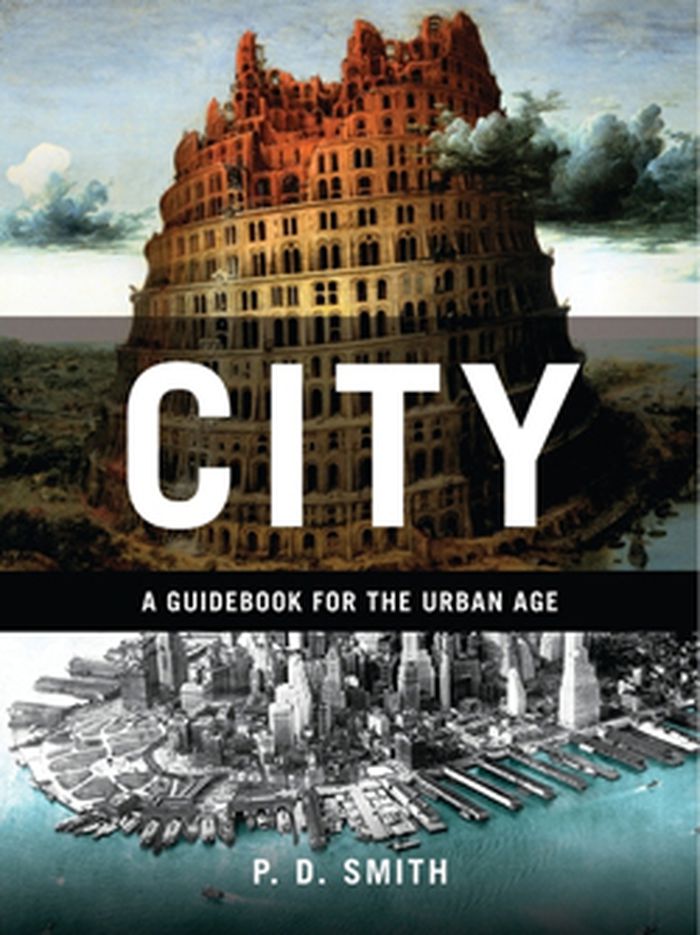
For the first time in the history of our planet, more than half the population-3.3 billion people-is now living in cities. City is the ultimate guidebook to our urban centers-the signature unit of human civilization. With erudite prose and carefully chosen illustrations, this work of metatourism explores what cities are and how they work. It covers history, customs and language, districts, transport, money, work, shops and markets, and tourist sites, creating a detailed portrait of the city through history and into the future. The urban explorer will revel in essays on downtowns, suburbs, shantytowns and favelas, graffiti, skylines, crime, the theater, street food, sport, eco-cities, and sacred sites, as well as mini essays on the Tower of Babel, flash mobs, ghettos, skateboarding, and SimCity, among many others. Drawing on a vast range of examples from across the world and throughout history, City is extensively illustrated with full-color photographs, maps, and other images.
City : a guidebook for the urban age
Actions:
Price:
$42.00
(available to order)
Summary:
For the first time in the history of our planet, more than half the population-3.3 billion people-is now living in cities. City is the ultimate guidebook to our urban centers-the signature unit of human civilization. With erudite prose and carefully chosen illustrations, this work of metatourism explores what cities are and how they work. It covers history, customs and language, districts, transport, money, work, shops and markets, and tourist sites, creating a detailed portrait of the city through history and into the future. The urban explorer will revel in essays on downtowns, suburbs, shantytowns and favelas, graffiti, skylines, crime, the theater, street food, sport, eco-cities, and sacred sites, as well as mini essays on the Tower of Babel, flash mobs, ghettos, skateboarding, and SimCity, among many others. Drawing on a vast range of examples from across the world and throughout history, City is extensively illustrated with full-color photographs, maps, and other images.
Form:
books
books
Publication:
November 2011
November 2011
Subject:
Urban Theory
Urban Theory
Form:
books
books
Actions:
Price:
$34.95
(available to order)
Summary:
Nestled between Santa Monica and Marina del Rey, Venice is a Los Angeles community filled with apparent contradictions. There, people of various races and classes live side by side, a population of astounding diversity bound together by geographic proximity. From street to street, and from block to block, million dollar homes stand near housing projects and homeless(...)
$34.95
(available to order)
Summary:
Nestled between Santa Monica and Marina del Rey, Venice is a Los Angeles community filled with apparent contradictions. There, people of various races and classes live side by side, a population of astounding diversity bound together by geographic proximity. From street to street, and from block to block, million dollar homes stand near housing projects and homeless(...)
Title:
Venice: a contested bohemia in Los Angeles
Actions:
Price:
$34.95
(available to order)
Summary:
Nestled between Santa Monica and Marina del Rey, Venice is a Los Angeles community filled with apparent contradictions. There, people of various races and classes live side by side, a population of astounding diversity bound together by geographic proximity. From street to street, and from block to block, million dollar homes stand near housing projects and homeless encampments; and upscale boutiques are just a short walk from the (in)famous Venice Beach where artists and carnival performers practice their crafts opposite cafes and ragtag tourist shops. In Venice: A Contested Bohemia in Los Angeles Andrew Deener invites the reader on an ethnographic tour of this legendary California beach community and the people who live there. In writing this book, the ethnographer became an insider; Deener lived as a resident of Venice for close to six years. Here, he brings a scholarly eye to bear on the effects of gentrification, homelessness, segregation, and immigration on this community.
Venice: a contested bohemia in Los Angeles
Actions:
Price:
$34.95
(available to order)
Summary:
Nestled between Santa Monica and Marina del Rey, Venice is a Los Angeles community filled with apparent contradictions. There, people of various races and classes live side by side, a population of astounding diversity bound together by geographic proximity. From street to street, and from block to block, million dollar homes stand near housing projects and homeless encampments; and upscale boutiques are just a short walk from the (in)famous Venice Beach where artists and carnival performers practice their crafts opposite cafes and ragtag tourist shops. In Venice: A Contested Bohemia in Los Angeles Andrew Deener invites the reader on an ethnographic tour of this legendary California beach community and the people who live there. In writing this book, the ethnographer became an insider; Deener lived as a resident of Venice for close to six years. Here, he brings a scholarly eye to bear on the effects of gentrification, homelessness, segregation, and immigration on this community.
Form:
books
books
Publication:
July 2012
July 2012
Subject:
Urban Theory
Urban Theory
Form:
books
books
Price:
$35.95
(available to order)
Summary:
In Emerald Cities, Joan Fitzgerald shows how in the absence of a comprehensive national policy, cities like Chicago, New York, Portland, San Francisco, and Seattle have taken the lead in addressing the interrelated environmental problems of global warming, pollution, energy dependence, and social justice. Cities are major sources of pollution but because of their(...)
$35.95
(available to order)
Summary:
In Emerald Cities, Joan Fitzgerald shows how in the absence of a comprehensive national policy, cities like Chicago, New York, Portland, San Francisco, and Seattle have taken the lead in addressing the interrelated environmental problems of global warming, pollution, energy dependence, and social justice. Cities are major sources of pollution but because of their(...)
Title:
Emerald cities: urban sustainability and economic development
Actions:
Price:
$35.95
(available to order)
Summary:
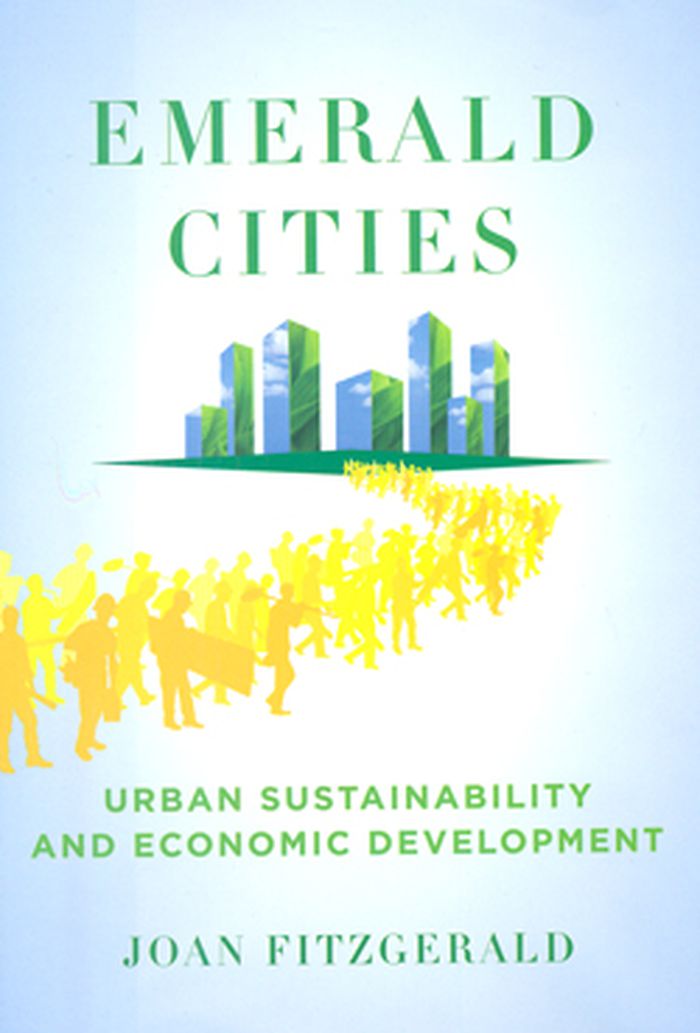
In Emerald Cities, Joan Fitzgerald shows how in the absence of a comprehensive national policy, cities like Chicago, New York, Portland, San Francisco, and Seattle have taken the lead in addressing the interrelated environmental problems of global warming, pollution, energy dependence, and social justice. Cities are major sources of pollution but because of their population density, reliance on public transportation, and other factors, Fitzgerald argues that they are uniquely suited to promote and benefit from green economic development. For cities facing worsening budget constraints, investing in high-paying green jobs in renewable energy technology, construction, manufacturing, recycling, and other fields will solve two problems at once, sparking economic growth while at the same time dramatically improving quality of life. Fitzgerald shows which strategies will be most effective according to each city's size, economic history, geography, and other unique circumstances. But cities cannot act alone, and Fitzgerald analyzes the role of state and national government policy in helping cities create the next wave of clean technology growth.
Emerald cities: urban sustainability and economic development
Actions:
Price:
$35.95
(available to order)
Summary:
In Emerald Cities, Joan Fitzgerald shows how in the absence of a comprehensive national policy, cities like Chicago, New York, Portland, San Francisco, and Seattle have taken the lead in addressing the interrelated environmental problems of global warming, pollution, energy dependence, and social justice. Cities are major sources of pollution but because of their population density, reliance on public transportation, and other factors, Fitzgerald argues that they are uniquely suited to promote and benefit from green economic development. For cities facing worsening budget constraints, investing in high-paying green jobs in renewable energy technology, construction, manufacturing, recycling, and other fields will solve two problems at once, sparking economic growth while at the same time dramatically improving quality of life. Fitzgerald shows which strategies will be most effective according to each city's size, economic history, geography, and other unique circumstances. But cities cannot act alone, and Fitzgerald analyzes the role of state and national government policy in helping cities create the next wave of clean technology growth.
Form:
books
books
Publication:
December 2009
December 2009
Subject:
Green Architecture
Green Architecture
Form:
books
books
Actions:
Price:
$68.00
(available to order)
Summary:
Ces dernières décennies ont été marquées par de profondes évolutions dans les modes de vie et l'organisation spatiale de la population qui appellent à des innovations en termes de production du logement et de l'environnement construit (coopératives, projet urbain, participation) et dans l'élaboration des formes urbaines (créations architecturales, mixité des fonctions,(...)
$68.00
(available to order)
Summary:
Ces dernières décennies ont été marquées par de profondes évolutions dans les modes de vie et l'organisation spatiale de la population qui appellent à des innovations en termes de production du logement et de l'environnement construit (coopératives, projet urbain, participation) et dans l'élaboration des formes urbaines (créations architecturales, mixité des fonctions,(...)
Subject:
Collective Housing
Collective Housing
Publication:
December 2009
December 2009
Title:
Habitat en devenir : enjeux territoriaux, plitiques et sociaux du logement en Suisse
Actions:
Price:
$68.00
(available to order)
Summary:
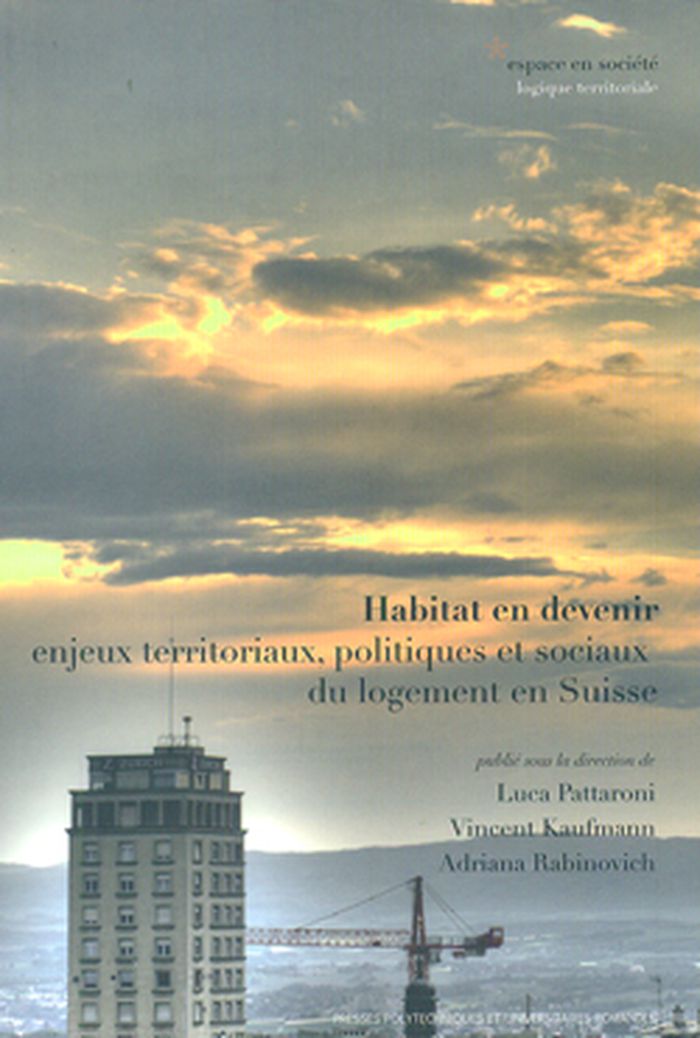
Ces dernières décennies ont été marquées par de profondes évolutions dans les modes de vie et l'organisation spatiale de la population qui appellent à des innovations en termes de production du logement et de l'environnement construit (coopératives, projet urbain, participation) et dans l'élaboration des formes urbaines (créations architecturales, mixité des fonctions, réinvention des espaces publics). Pour saisir les défis de ces mutations, cet ouvrage collectif propose un panorama complet des enjeux actuels de l'habitat en Suisse. En croisant le regard de diverses disciplines (sociologie, sciences politiques, géographie, architecture, urbanisme), il met à jour les mécanismes qui lient les transformations de la société, la production et l'organisation des lieux où l'on vit. L'ouvrage offre en particulier une description de ces enjeux en termes de mobilité, de "vivre ensemble", ainsi que les réponses architecturales et institutionnelles qui y font écho. Il pose enfin un ensemble de questions plus générales sur le devenir des politiques territoriales et sociales.
Habitat en devenir : enjeux territoriaux, plitiques et sociaux du logement en Suisse
Actions:
Price:
$68.00
(available to order)
Summary:
Ces dernières décennies ont été marquées par de profondes évolutions dans les modes de vie et l'organisation spatiale de la population qui appellent à des innovations en termes de production du logement et de l'environnement construit (coopératives, projet urbain, participation) et dans l'élaboration des formes urbaines (créations architecturales, mixité des fonctions, réinvention des espaces publics). Pour saisir les défis de ces mutations, cet ouvrage collectif propose un panorama complet des enjeux actuels de l'habitat en Suisse. En croisant le regard de diverses disciplines (sociologie, sciences politiques, géographie, architecture, urbanisme), il met à jour les mécanismes qui lient les transformations de la société, la production et l'organisation des lieux où l'on vit. L'ouvrage offre en particulier une description de ces enjeux en termes de mobilité, de "vivre ensemble", ainsi que les réponses architecturales et institutionnelles qui y font écho. Il pose enfin un ensemble de questions plus générales sur le devenir des politiques territoriales et sociales.
Form:
books
books
Publication:
December 2009
December 2009
Subject:
Collective Housing
Collective Housing


