


1914 Results
Form:
books
books
Actions:
Price:
$55.00
(available to order)
Summary:
A massive reduction in population and collosal overhaul of economic structure have presented enormous challenges for the people of east Germany over the past 20 years. As part of the International Building Exhibition Urban Redevelopment 2010, 19 towns and cities in the federal state of Saxony-Anhalt have implemented a series of innovative projects and formulated proposals(...)
$55.00
(available to order)
Summary:
A massive reduction in population and collosal overhaul of economic structure have presented enormous challenges for the people of east Germany over the past 20 years. As part of the International Building Exhibition Urban Redevelopment 2010, 19 towns and cities in the federal state of Saxony-Anhalt have implemented a series of innovative projects and formulated proposals(...)
Title:
Less is future: International Building Exhibition Urban Redevelopment Saxony-Anhalt 2010
Actions:
Price:
$55.00
(available to order)
Summary:
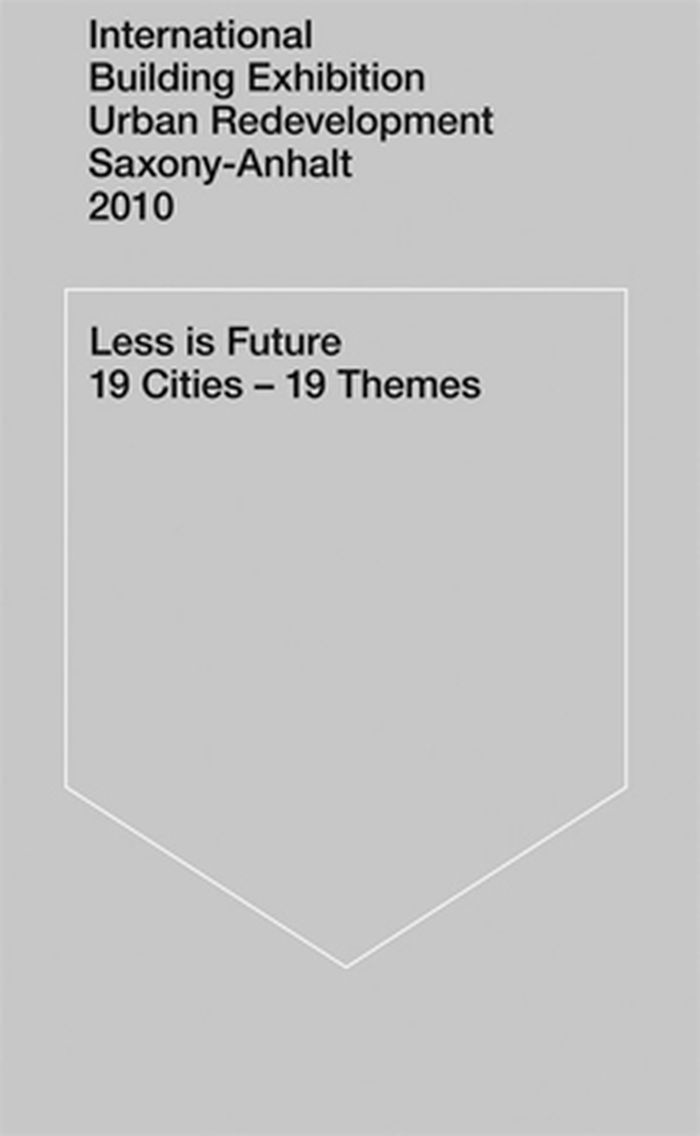
A massive reduction in population and collosal overhaul of economic structure have presented enormous challenges for the people of east Germany over the past 20 years. As part of the International Building Exhibition Urban Redevelopment 2010, 19 towns and cities in the federal state of Saxony-Anhalt have implemented a series of innovative projects and formulated proposals as to how the ever-shrinking towns and cities of east Germany could be redesigned to accommodate their present status. This book provides a general view of the methods, methodology and results of this investigation. A historical review of the urban developments of the last two decades show the causes of urban reduction and the IBA's earliest solutions, and three scenarios on the themes of town, landscape and climate outline questions and possible developments for Saxony-Anhalt up to the year 2050. With the IBA, Saxony-Anhalt has also instigated a laboratory for the city of tomorrow, to sustain this project well into the future.
Less is future: International Building Exhibition Urban Redevelopment Saxony-Anhalt 2010
Actions:
Price:
$55.00
(available to order)
Summary:
A massive reduction in population and collosal overhaul of economic structure have presented enormous challenges for the people of east Germany over the past 20 years. As part of the International Building Exhibition Urban Redevelopment 2010, 19 towns and cities in the federal state of Saxony-Anhalt have implemented a series of innovative projects and formulated proposals as to how the ever-shrinking towns and cities of east Germany could be redesigned to accommodate their present status. This book provides a general view of the methods, methodology and results of this investigation. A historical review of the urban developments of the last two decades show the causes of urban reduction and the IBA's earliest solutions, and three scenarios on the themes of town, landscape and climate outline questions and possible developments for Saxony-Anhalt up to the year 2050. With the IBA, Saxony-Anhalt has also instigated a laboratory for the city of tomorrow, to sustain this project well into the future.
Form:
books
books
Publication:
November 2010
November 2010
Subject:
Urban Theory
Urban Theory
Form:
books
books
Actions:
Price:
$27.95
(available to order)
Summary:
Et si l'avenir de Paris était sa banlieue ? En dix ans, une vision nouvelle de la région parisienne s'est discrètement imposée. Le modèle hiérarchique d'une Île–de-France centrée sur Paris intra muros, administrée par l’État et gouvernant la France a cédé la place à une métropole auto-organisée, dans laquelle ont émergé de fortes polarités économiques et culturelles et(...)
$27.95
(available to order)
Summary:
Et si l'avenir de Paris était sa banlieue ? En dix ans, une vision nouvelle de la région parisienne s'est discrètement imposée. Le modèle hiérarchique d'une Île–de-France centrée sur Paris intra muros, administrée par l’État et gouvernant la France a cédé la place à une métropole auto-organisée, dans laquelle ont émergé de fortes polarités économiques et culturelles et(...)
Title:
Grand Paris: L'émergence d'une métropole
Actions:
Price:
$27.95
(available to order)
Summary:
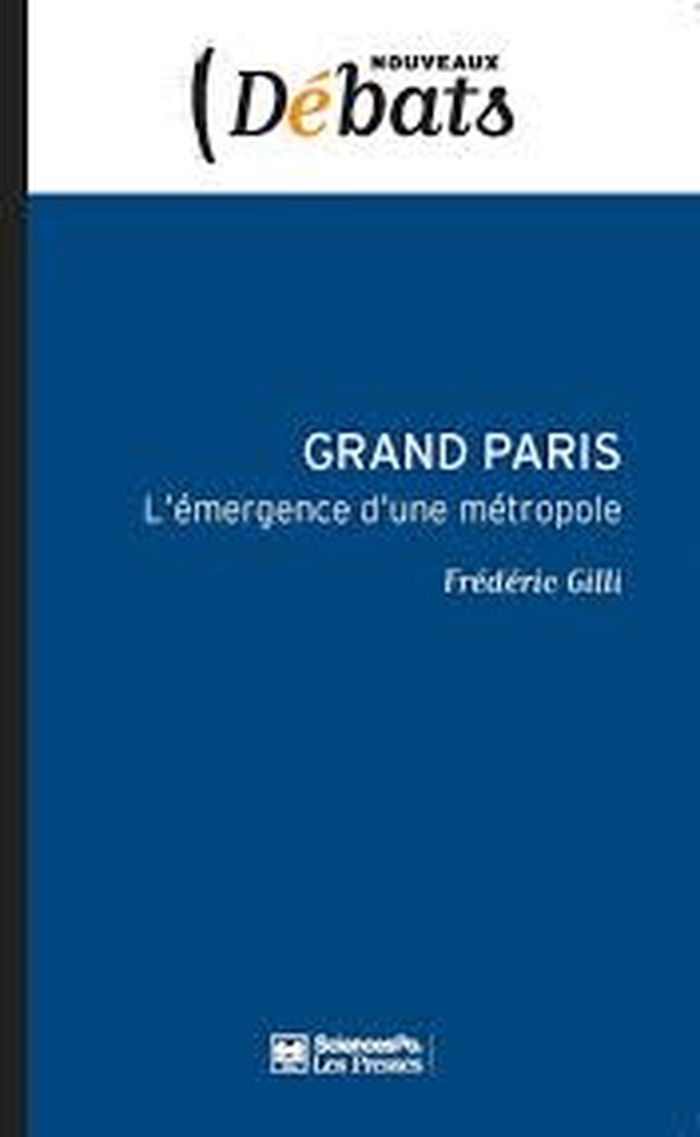
Et si l'avenir de Paris était sa banlieue ? En dix ans, une vision nouvelle de la région parisienne s'est discrètement imposée. Le modèle hiérarchique d'une Île–de-France centrée sur Paris intra muros, administrée par l’État et gouvernant la France a cédé la place à une métropole auto-organisée, dans laquelle ont émergé de fortes polarités économiques et culturelles et se sont créés des réseaux multilatéraux à l’échelle européenne et mondiale. Ni Paris, ni l’État n’ont disparu, mais la banlieue s’affirme, les PME franciliennes s’émancipent, la jeunesse et la diversité de la population s’imposent. Transport, logement, inégalités, beaucoup reste à faire, mais la métropole du Grand Paris, créée en décembre 2013, esquisse un mode de gouvernance plus efficace et plus juste, avec pour enjeu qu’il soit pleinement démocratique. Une lecture indispensable pour comprendre cette mutation, pour appréhender les prochaines échéances franciliennes et pour apprécier la façon dont la France est entrée dans le XXIe siècle.
Grand Paris: L'émergence d'une métropole
Actions:
Price:
$27.95
(available to order)
Summary:
Et si l'avenir de Paris était sa banlieue ? En dix ans, une vision nouvelle de la région parisienne s'est discrètement imposée. Le modèle hiérarchique d'une Île–de-France centrée sur Paris intra muros, administrée par l’État et gouvernant la France a cédé la place à une métropole auto-organisée, dans laquelle ont émergé de fortes polarités économiques et culturelles et se sont créés des réseaux multilatéraux à l’échelle européenne et mondiale. Ni Paris, ni l’État n’ont disparu, mais la banlieue s’affirme, les PME franciliennes s’émancipent, la jeunesse et la diversité de la population s’imposent. Transport, logement, inégalités, beaucoup reste à faire, mais la métropole du Grand Paris, créée en décembre 2013, esquisse un mode de gouvernance plus efficace et plus juste, avec pour enjeu qu’il soit pleinement démocratique. Une lecture indispensable pour comprendre cette mutation, pour appréhender les prochaines échéances franciliennes et pour apprécier la façon dont la France est entrée dans le XXIe siècle.
Form:
books
books
Publication:
March 2014
March 2014
Subject:
History until 1900, France
History until 1900, France
Form:
books
books

Actions:
Price:
$56.00
(available to order)
Summary:
The French rust belt, the area that runs from Firminy through Saint-Etienne all the way to Lyon, was regarded for a long time as a thriving region. The industrial revolution in France began in the valleys between the Loire and Rhône rivers. This led to a process of exploitation and deformation of the landscape, signs of which are still visible today. For more than forty(...)
$56.00
(available to order)
Summary:
The French rust belt, the area that runs from Firminy through Saint-Etienne all the way to Lyon, was regarded for a long time as a thriving region. The industrial revolution in France began in the valleys between the Loire and Rhône rivers. This led to a process of exploitation and deformation of the landscape, signs of which are still visible today. For more than forty(...)
Subject:
Photography monographs
Photography monographs
Publication:
April 2024
April 2024
Title:
Nicolas Giraud & Bertrand Stofleth: The Valley, an archaeology in photographs
Actions:
Price:
$56.00
(available to order)
Summary:
The French rust belt, the area that runs from Firminy through Saint-Etienne all the way to Lyon, was regarded for a long time as a thriving region. The industrial revolution in France began in the valleys between the Loire and Rhône rivers. This led to a process of exploitation and deformation of the landscape, signs of which are still visible today. For more than forty years, the region, like other former industrial sites, has suffered from unemployment and a population exodus. Looking at the long-term photographic study by Nicolas Giraud and Bertrand Stofleth, it is evident that this is now the reality wherever neoliberalism has cut its swathe through industrial communities. Once industry has retreated, the landscapes that are left behind all look fairly similar. In visual terms, there is no great difference between Saint-Etienne and Suhl in Thuringia, for example. In ''La Vallée'', Giraud and Stofleth’s photographs enter into a dialogue with texts by authors from a variety of disciplines.
Nicolas Giraud & Bertrand Stofleth: The Valley, an archaeology in photographs
Actions:
Price:
$56.00
(available to order)
Summary:
The French rust belt, the area that runs from Firminy through Saint-Etienne all the way to Lyon, was regarded for a long time as a thriving region. The industrial revolution in France began in the valleys between the Loire and Rhône rivers. This led to a process of exploitation and deformation of the landscape, signs of which are still visible today. For more than forty years, the region, like other former industrial sites, has suffered from unemployment and a population exodus. Looking at the long-term photographic study by Nicolas Giraud and Bertrand Stofleth, it is evident that this is now the reality wherever neoliberalism has cut its swathe through industrial communities. Once industry has retreated, the landscapes that are left behind all look fairly similar. In visual terms, there is no great difference between Saint-Etienne and Suhl in Thuringia, for example. In ''La Vallée'', Giraud and Stofleth’s photographs enter into a dialogue with texts by authors from a variety of disciplines.
Form:
books
books
Publication:
April 2024
April 2024
Subject:
Photography monographs
Photography monographs
Form:
books
books

Actions:
Price:
$35.95
(available in store)
Summary:
Climate change is already influencing how and where people live. In ''North'', Jesse M. Keenan argues that America is entering a new era marked by shifts in population that will transform everything from the physical landscape of cities to electoral politics. First, Keenan examines how human mobility is shaped by the environment and the economy. Next, he provides a(...)
$35.95
(available in store)
Summary:
Climate change is already influencing how and where people live. In ''North'', Jesse M. Keenan argues that America is entering a new era marked by shifts in population that will transform everything from the physical landscape of cities to electoral politics. First, Keenan examines how human mobility is shaped by the environment and the economy. Next, he provides a(...)
Title:
North: The future of post-climat America
Actions:
Price:
$35.95
(available in store)
Summary:
Climate change is already influencing how and where people live. In ''North'', Jesse M. Keenan argues that America is entering a new era marked by shifts in population that will transform everything from the physical landscape of cities to electoral politics. First, Keenan examines how human mobility is shaped by the environment and the economy. Next, he provides a conceptual and empirical overview of adaptation science, with a focus on how people, governments, and markets are preparing for and responding to climate impacts. He documents how physical impacts in the built environment, escalating costs, and public sector inertia are converging to drive people out of high-risk areas, while, at the same time, certain other areas are attracting people who seek a more sustainable way of life. ''North'' is not just a collection of scientific observations and projections about the peril of those left behind. It is also a projection of optimism about America's capacity for decarbonization, environmental stewardship, and economic mobility for those on the move.
North: The future of post-climat America
Actions:
Price:
$35.95
(available in store)
Summary:
Climate change is already influencing how and where people live. In ''North'', Jesse M. Keenan argues that America is entering a new era marked by shifts in population that will transform everything from the physical landscape of cities to electoral politics. First, Keenan examines how human mobility is shaped by the environment and the economy. Next, he provides a conceptual and empirical overview of adaptation science, with a focus on how people, governments, and markets are preparing for and responding to climate impacts. He documents how physical impacts in the built environment, escalating costs, and public sector inertia are converging to drive people out of high-risk areas, while, at the same time, certain other areas are attracting people who seek a more sustainable way of life. ''North'' is not just a collection of scientific observations and projections about the peril of those left behind. It is also a projection of optimism about America's capacity for decarbonization, environmental stewardship, and economic mobility for those on the move.
Form:
books
books
Publication:
December 2025
December 2025
Subject:
Architecture since 1900, Americas
Architecture since 1900, Americas
Form:
books
books

Title:
Matières spectrales
Matières spectrales
Actions:
Price:
$45.95
(available to order)
Summary:
Dans ce livre unique et fascinant, Avery F. Gordon examine l’expérience sociologique de la « hantise » en s’appuyant sur des références aussi bien littéraires que politiques. La hantise désigne un système qui altère l’expérience d’un vécu linéaire et déforme la façon dont nous séquençons habituellement le passé, le présent et le futur. En prenant pour terrain les romans(...)
$45.95
(available to order)
Summary:
Dans ce livre unique et fascinant, Avery F. Gordon examine l’expérience sociologique de la « hantise » en s’appuyant sur des références aussi bien littéraires que politiques. La hantise désigne un système qui altère l’expérience d’un vécu linéaire et déforme la façon dont nous séquençons habituellement le passé, le présent et le futur. En prenant pour terrain les romans(...)
Title:
Matières spectrales
Actions:
Price:
$45.95
(available to order)
Summary:
Dans ce livre unique et fascinant, Avery F. Gordon examine l’expérience sociologique de la « hantise » en s’appuyant sur des références aussi bien littéraires que politiques. La hantise désigne un système qui altère l’expérience d’un vécu linéaire et déforme la façon dont nous séquençons habituellement le passé, le présent et le futur. En prenant pour terrain les romans de Toni Morrison ou Luisa Valenzuela et en les confrontant à des sources plus traditionnelles de la sociologie (articles de presse, comptes rendus judiciaires, rapports d’enquêtes), ''Matières spectrales'' démontre que les structures sociales héritées du passé influencent plus la vie présente que ne le présument la plupart des chercheur·ses en sciences humaines. Afin de montrer comment les fantômes hantent le présent, l’autrice passe au crible une partie de l’histoire de la psychanalyse, avant d’examiner des épisodes de l’histoire tels que l’esclavage aux États-Unis ou les disparitions massives pendant la dictature militaire en Argentine, où des lois interdisaient à la population de parler des disparu·es.
Matières spectrales
Actions:
Price:
$45.95
(available to order)
Summary:
Dans ce livre unique et fascinant, Avery F. Gordon examine l’expérience sociologique de la « hantise » en s’appuyant sur des références aussi bien littéraires que politiques. La hantise désigne un système qui altère l’expérience d’un vécu linéaire et déforme la façon dont nous séquençons habituellement le passé, le présent et le futur. En prenant pour terrain les romans de Toni Morrison ou Luisa Valenzuela et en les confrontant à des sources plus traditionnelles de la sociologie (articles de presse, comptes rendus judiciaires, rapports d’enquêtes), ''Matières spectrales'' démontre que les structures sociales héritées du passé influencent plus la vie présente que ne le présument la plupart des chercheur·ses en sciences humaines. Afin de montrer comment les fantômes hantent le présent, l’autrice passe au crible une partie de l’histoire de la psychanalyse, avant d’examiner des épisodes de l’histoire tels que l’esclavage aux États-Unis ou les disparitions massives pendant la dictature militaire en Argentine, où des lois interdisaient à la population de parler des disparu·es.
Form:
books
books
Publication:
October 2024
October 2024
Subject:
Social
Social
Form:
books
books
Actions:
Price:
$102.00
(available to order)
Summary:
Cet ouvrage offre, pour la première fois, une étude des verrières franciliennes des XIXe et XXe siècles, tant religieuses que civiles. Embrassant toute la petite couronne parisienne, il met en lumière le rôle déterminant de l'Ile-de-France en matière de technique du vitrail : en 1830, d'une part, les manufactures de Sèvres et de Choisy-le-Roi travaillent à la redécouverte(...)
$102.00
(available to order)
Summary:
Cet ouvrage offre, pour la première fois, une étude des verrières franciliennes des XIXe et XXe siècles, tant religieuses que civiles. Embrassant toute la petite couronne parisienne, il met en lumière le rôle déterminant de l'Ile-de-France en matière de technique du vitrail : en 1830, d'une part, les manufactures de Sèvres et de Choisy-le-Roi travaillent à la redécouverte(...)
Publication:
October 2003, Paris
October 2003, Paris
Title:
Un patrimoine de lumière 1830-2000
Actions:
Price:
$102.00
(available to order)
Summary:
Cet ouvrage offre, pour la première fois, une étude des verrières franciliennes des XIXe et XXe siècles, tant religieuses que civiles. Embrassant toute la petite couronne parisienne, il met en lumière le rôle déterminant de l'Ile-de-France en matière de technique du vitrail : en 1830, d'une part, les manufactures de Sèvres et de Choisy-le-Roi travaillent à la redécouverte d'un art négligé depuis deux siècles ; en 1889, d'autre part, sont fabriqués à Clichy. pour la première fois en France les verres " américains ". Simultanément, l'expansion urbaine et l'évangélisation de la population mettent en place un important marché, à la clientèle privée et publique. Les champs analysés - iconographiques, techniques et stylistiques - s'appuient sur un corpus, en majeure partie inédit, de plus de 3 000 verrières, qui permet non seulement de découvrir l'un des domaines majeurs de l'apparat religieux, mais aussi de renouveler certaines idées sur la vie des ateliers des maîtres verriers, enfin, de révéler les lignes de force d'une identité régionale.
Un patrimoine de lumière 1830-2000
Actions:
Price:
$102.00
(available to order)
Summary:
Cet ouvrage offre, pour la première fois, une étude des verrières franciliennes des XIXe et XXe siècles, tant religieuses que civiles. Embrassant toute la petite couronne parisienne, il met en lumière le rôle déterminant de l'Ile-de-France en matière de technique du vitrail : en 1830, d'une part, les manufactures de Sèvres et de Choisy-le-Roi travaillent à la redécouverte d'un art négligé depuis deux siècles ; en 1889, d'autre part, sont fabriqués à Clichy. pour la première fois en France les verres " américains ". Simultanément, l'expansion urbaine et l'évangélisation de la population mettent en place un important marché, à la clientèle privée et publique. Les champs analysés - iconographiques, techniques et stylistiques - s'appuient sur un corpus, en majeure partie inédit, de plus de 3 000 verrières, qui permet non seulement de découvrir l'un des domaines majeurs de l'apparat religieux, mais aussi de renouveler certaines idées sur la vie des ateliers des maîtres verriers, enfin, de révéler les lignes de force d'une identité régionale.
Form:
books
books
Publication:
October 2003, Paris
October 2003, Paris
Form:
books
books
Title:
City : urbanism and its end
City : urbanism and its end
Actions:
Price:
$44.95
(available to order)
Summary:
A new understanding of the modern city, its challenges, and why old ideas about urban renewal won’t work. "City : urbanism and its end" begins with a richly textured portrait of New Haven in the early twentieth century, a period of centralized manufacturing, civic vitality, and mixed-use neighborhoods. As social and economic conditions changed, the city confronted its(...)
$44.95
(available to order)
Summary:
A new understanding of the modern city, its challenges, and why old ideas about urban renewal won’t work. "City : urbanism and its end" begins with a richly textured portrait of New Haven in the early twentieth century, a period of centralized manufacturing, civic vitality, and mixed-use neighborhoods. As social and economic conditions changed, the city confronted its(...)
Title:
City : urbanism and its end
Actions:
Price:
$44.95
(available to order)
Summary:
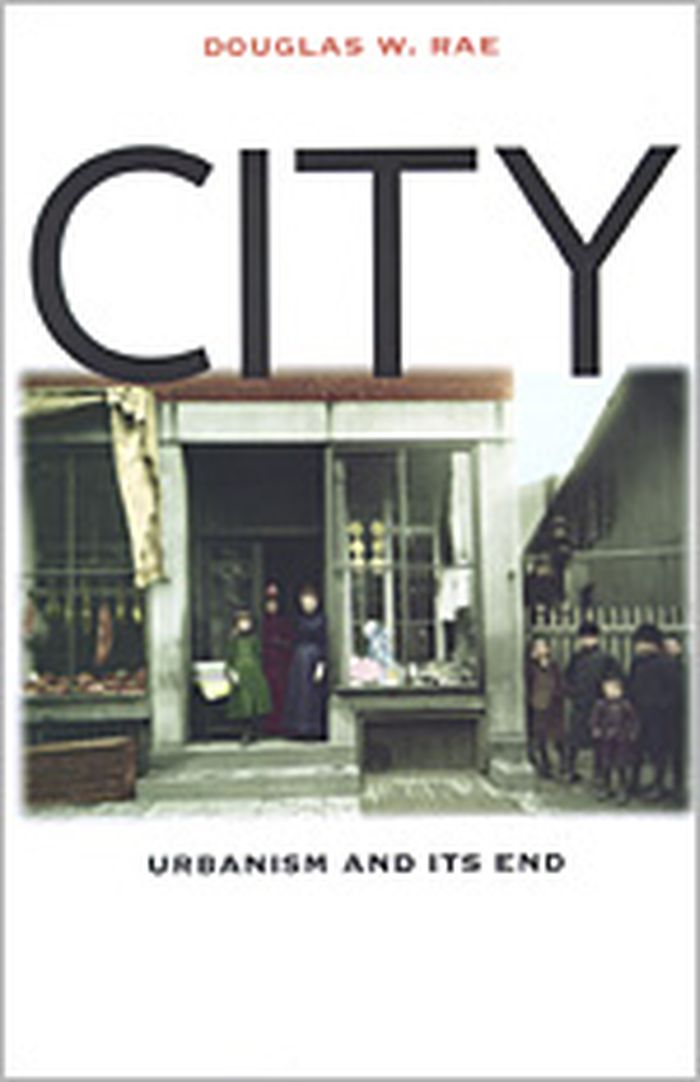
A new understanding of the modern city, its challenges, and why old ideas about urban renewal won’t work. "City : urbanism and its end" begins with a richly textured portrait of New Haven in the early twentieth century, a period of centralized manufacturing, civic vitality, and mixed-use neighborhoods. As social and economic conditions changed, the city confronted its end of urbanism first during the Depression, and then very aggressively during the mayoral reign of Richard C. Lee (1954–70), when New Haven led the nation in urban renewal spending. But government spending has repeatedly failed to restore urban vitality. Rae argues that strategies for the urban future should focus on nurturing the unplanned civic engagements that make mixed-use city life so appealing and so civilized. Cities need not reach their old peaks of population, or look like thriving suburbs, to be once again splendid places for human beings to live and work.
City : urbanism and its end
Actions:
Price:
$44.95
(available to order)
Summary:
A new understanding of the modern city, its challenges, and why old ideas about urban renewal won’t work. "City : urbanism and its end" begins with a richly textured portrait of New Haven in the early twentieth century, a period of centralized manufacturing, civic vitality, and mixed-use neighborhoods. As social and economic conditions changed, the city confronted its end of urbanism first during the Depression, and then very aggressively during the mayoral reign of Richard C. Lee (1954–70), when New Haven led the nation in urban renewal spending. But government spending has repeatedly failed to restore urban vitality. Rae argues that strategies for the urban future should focus on nurturing the unplanned civic engagements that make mixed-use city life so appealing and so civilized. Cities need not reach their old peaks of population, or look like thriving suburbs, to be once again splendid places for human beings to live and work.
Form:
books
books
Publication:
October 2003, New Haven
October 2003, New Haven
Subject:
Urban Theory
Urban Theory
Form:
books
books
Actions:
Price:
$37.95
(available to order)
Summary:
Loin d'être une simple évaluation des effets sociaux de l'aménagement, la réception sociale de l'urbanisme ne peut être intelligible qu'inscrite dans les rapports entre les conditions de production de l'espace et sa recomposition sociale. L'appropriation de l'espace par les individus révèle en dernière instance le processus de recomposition sociale spécifique et(...)
$37.95
(available to order)
Summary:
Loin d'être une simple évaluation des effets sociaux de l'aménagement, la réception sociale de l'urbanisme ne peut être intelligible qu'inscrite dans les rapports entre les conditions de production de l'espace et sa recomposition sociale. L'appropriation de l'espace par les individus révèle en dernière instance le processus de recomposition sociale spécifique et(...)
Title:
La réception sociale de l'urbanisme
Actions:
Price:
$37.95
(available to order)
Summary:
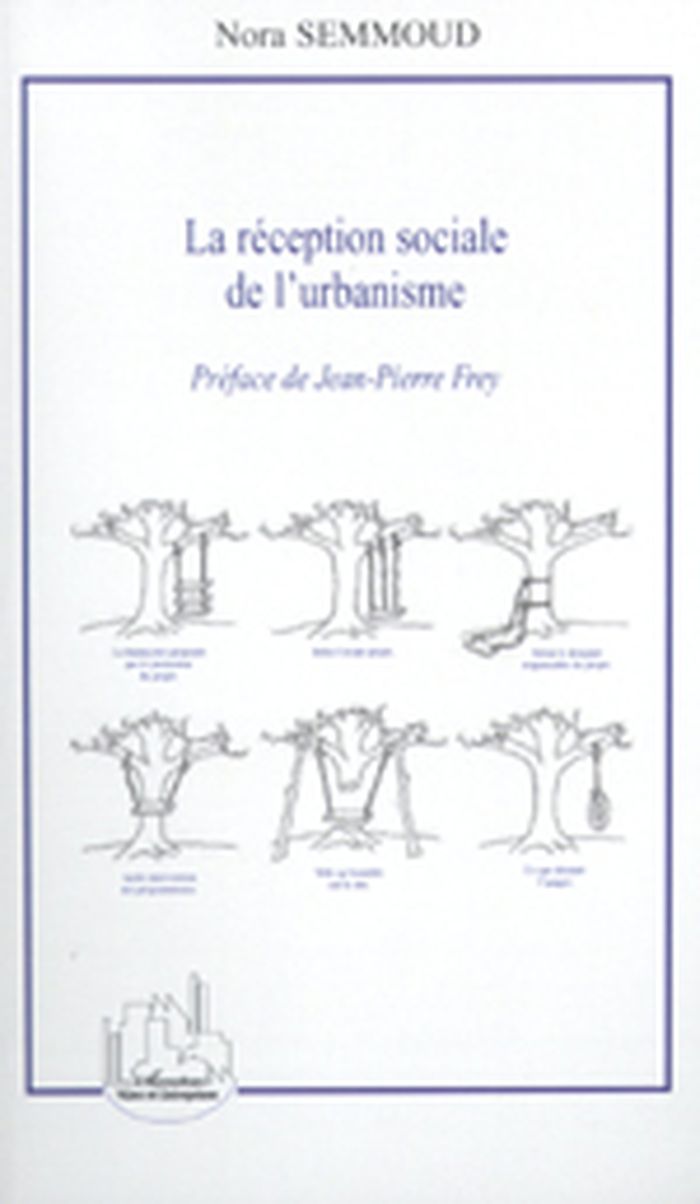
Loin d'être une simple évaluation des effets sociaux de l'aménagement, la réception sociale de l'urbanisme ne peut être intelligible qu'inscrite dans les rapports entre les conditions de production de l'espace et sa recomposition sociale. L'appropriation de l'espace par les individus révèle en dernière instance le processus de recomposition sociale spécifique et subséquent à une opération d'aménagement. Au contact de la nouvelle organisation urbaine, les individus transforment leur façon de se comporter dans l'espace urbain, en même temps qu'ils font évoluer les représentations et les valeurs accrochées aux lieux. Se superpose ainsi à l'espace conçu un système complexe d'usages et de significations qui résulte des opérations de rectification, d'ajustement et de réinterprétation des dispositions spatiales par la population. Ainsi, mieux cerner la demande sociale en matière d'urbanisme suppose un renversement de perspective ; un changement de posture de la part des professionnels de l'urbanisme et de leurs mandants qui permettrait de percevoir les effets proprement sociaux de l'instrumentalisation de l'espace.
La réception sociale de l'urbanisme
Actions:
Price:
$37.95
(available to order)
Summary:
Loin d'être une simple évaluation des effets sociaux de l'aménagement, la réception sociale de l'urbanisme ne peut être intelligible qu'inscrite dans les rapports entre les conditions de production de l'espace et sa recomposition sociale. L'appropriation de l'espace par les individus révèle en dernière instance le processus de recomposition sociale spécifique et subséquent à une opération d'aménagement. Au contact de la nouvelle organisation urbaine, les individus transforment leur façon de se comporter dans l'espace urbain, en même temps qu'ils font évoluer les représentations et les valeurs accrochées aux lieux. Se superpose ainsi à l'espace conçu un système complexe d'usages et de significations qui résulte des opérations de rectification, d'ajustement et de réinterprétation des dispositions spatiales par la population. Ainsi, mieux cerner la demande sociale en matière d'urbanisme suppose un renversement de perspective ; un changement de posture de la part des professionnels de l'urbanisme et de leurs mandants qui permettrait de percevoir les effets proprement sociaux de l'instrumentalisation de l'espace.
Form:
books
books
Publication:
January 2008, Paris
January 2008, Paris
Subject:
Urban Theory
Urban Theory
Form:
books
books
Price:
$32.50
(available to order)
Summary:
Between 1969 and 1974, Lucy Lippard curated four exhibitions of contemporary art, which have become renowned as her “numbers shows.” Each took the population of the city in which it was shown as its title: 557,087 in Seattle, 955,000 in Vancouver, 2,972,453 in Buenos Aires and c. 7,500, which opened in Valencia, California, before touring the U.S. and then traveling to(...)
$32.50
(available to order)
Summary:
Between 1969 and 1974, Lucy Lippard curated four exhibitions of contemporary art, which have become renowned as her “numbers shows.” Each took the population of the city in which it was shown as its title: 557,087 in Seattle, 955,000 in Vancouver, 2,972,453 in Buenos Aires and c. 7,500, which opened in Valencia, California, before touring the U.S. and then traveling to(...)
Title:
From conceptualism to feminism: Lucy Lippard’s numbers shows,1969-74
Actions:
Price:
$32.50
(available to order)
Summary:
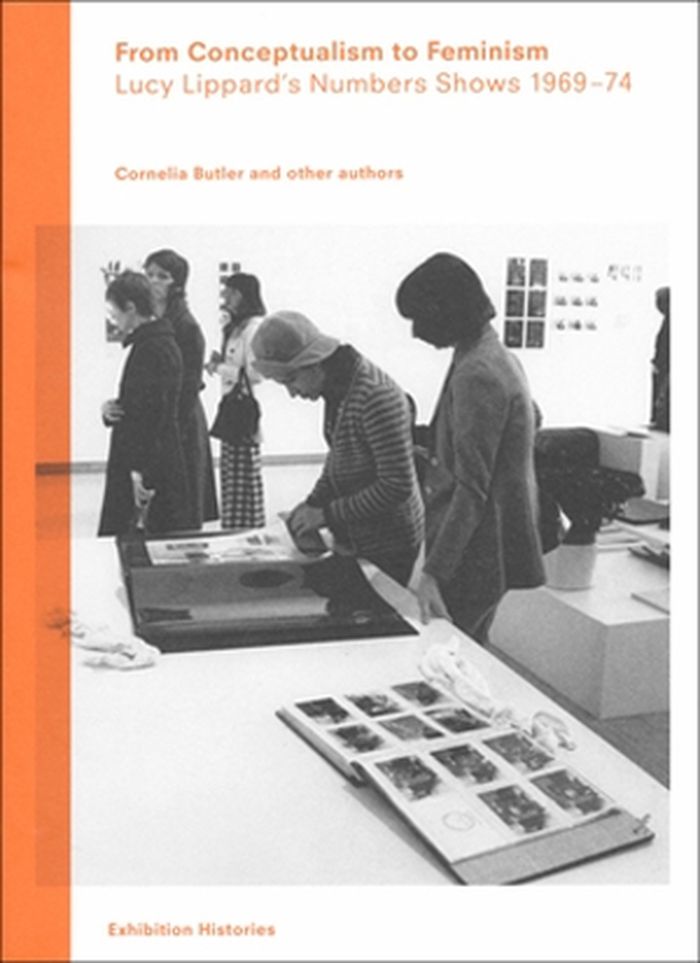
Between 1969 and 1974, Lucy Lippard curated four exhibitions of contemporary art, which have become renowned as her “numbers shows.” Each took the population of the city in which it was shown as its title: 557,087 in Seattle, 955,000 in Vancouver, 2,972,453 in Buenos Aires and c. 7,500, which opened in Valencia, California, before touring the U.S. and then traveling to London. From Conceptualism to Feminism follows Lippard’s curatorial trajectory, analyzing her transition from a writer about art to a maker of exhibitions, and tracing her growing political engagement and involvement with feminism. Extensive photographic material is complemented by a major new essay by Cornelia Butler and interviews with Lucy Lippard, Seth Siegelaub and with artists in c. 7,500. The volume also includes an analysis of artists’ initiatives in Argentina, which give a context for Lippard’s emerging political consciousness. From Conceptualism to Feminism is the third publication in Afterall’s Exhibition Histories series, which investigates exhibitions that have shaped the way contemporary art is experienced, made and discussed.
From conceptualism to feminism: Lucy Lippard’s numbers shows,1969-74
Actions:
Price:
$32.50
(available to order)
Summary:
Between 1969 and 1974, Lucy Lippard curated four exhibitions of contemporary art, which have become renowned as her “numbers shows.” Each took the population of the city in which it was shown as its title: 557,087 in Seattle, 955,000 in Vancouver, 2,972,453 in Buenos Aires and c. 7,500, which opened in Valencia, California, before touring the U.S. and then traveling to London. From Conceptualism to Feminism follows Lippard’s curatorial trajectory, analyzing her transition from a writer about art to a maker of exhibitions, and tracing her growing political engagement and involvement with feminism. Extensive photographic material is complemented by a major new essay by Cornelia Butler and interviews with Lucy Lippard, Seth Siegelaub and with artists in c. 7,500. The volume also includes an analysis of artists’ initiatives in Argentina, which give a context for Lippard’s emerging political consciousness. From Conceptualism to Feminism is the third publication in Afterall’s Exhibition Histories series, which investigates exhibitions that have shaped the way contemporary art is experienced, made and discussed.
Form:
books
books
Publication:
August 2012
August 2012
Subject:
Museology
Museology
Form:
books
books
Actions:
Price:
$62.90
(available to order)
Summary:
This book provides an up-to-date introduction to the important and growing field of urban anthropology. This is an increasingly critical area of study, as more than half of the world's population now lives in cities and anthropological research is increasingly done in an urban context. Exploring contemporary anthropological approaches to the urban, the authors(...)
$62.90
(available to order)
Summary:
This book provides an up-to-date introduction to the important and growing field of urban anthropology. This is an increasingly critical area of study, as more than half of the world's population now lives in cities and anthropological research is increasingly done in an urban context. Exploring contemporary anthropological approaches to the urban, the authors(...)
Title:
Introducing urban anthropology
Actions:
Price:
$62.90
(available to order)
Summary:
This book provides an up-to-date introduction to the important and growing field of urban anthropology. This is an increasingly critical area of study, as more than half of the world's population now lives in cities and anthropological research is increasingly done in an urban context. Exploring contemporary anthropological approaches to the urban, the authors consider: How can we define urban anthropology? What are the main themes of twenty-first century urban anthropological research? What are the possible future directions in the field? The chapters cover topics such as urban mobilities, place-making and public space, production and consumption, politics and governance. These are illustrated by lively case studies drawn from a diverse range of urban settings in the global North and South. Accessible yet theoretically incisive, Introducing Urban Anthropology will be a valuable resource for anthropology students as well as of interest to those working in urban studies and related disciplines such as sociology and geography.
Introducing urban anthropology
Actions:
Price:
$62.90
(available to order)
Summary:
This book provides an up-to-date introduction to the important and growing field of urban anthropology. This is an increasingly critical area of study, as more than half of the world's population now lives in cities and anthropological research is increasingly done in an urban context. Exploring contemporary anthropological approaches to the urban, the authors consider: How can we define urban anthropology? What are the main themes of twenty-first century urban anthropological research? What are the possible future directions in the field? The chapters cover topics such as urban mobilities, place-making and public space, production and consumption, politics and governance. These are illustrated by lively case studies drawn from a diverse range of urban settings in the global North and South. Accessible yet theoretically incisive, Introducing Urban Anthropology will be a valuable resource for anthropology students as well as of interest to those working in urban studies and related disciplines such as sociology and geography.
Form:
books
books
Publication:
January 2016
January 2016
Subject:
Architectural Theory
Architectural Theory


