


7241 Results
Form:
photographs
photographs
Actions:
Reference number:
ARCH275184
Description:
5 documentation binders filed under "Education" containing presentation photographs, slides and negatives for: Simon Fraser University, theatre, married students' residence, womens' residence, classroom block; University of British Columbia, faculty club addition and alterations; Champlain Heights Elementary School; Technical University, Saudi Arabia; Textile School, North Carolina State University; Biological Sciences Unit 2, University of California; Clinical Sciences Building, University of California; Washington State University, Downtown Campus. Also includes digital prints, some project information sheets, copies of plans, printed material and newspaper clippings related to the projects.
ARCH275184
Description:
5 documentation binders filed under "Education" containing presentation photographs, slides and negatives for: Simon Fraser University, theatre, married students' residence, womens' residence, classroom block; University of British Columbia, faculty club addition and alterations; Champlain Heights Elementary School; Technical University, Saudi Arabia; Textile School, North Carolina State University; Biological Sciences Unit 2, University of California; Clinical Sciences Building, University of California; Washington State University, Downtown Campus. Also includes digital prints, some project information sheets, copies of plans, printed material and newspaper clippings related to the projects.
People:
Date:
1 October 1990
1 October 1990
Title:
Presentation slides, project information sheets, plans and paper clippings for various education buildings projects
Actions:
ARCH275184
Description:
5 documentation binders filed under "Education" containing presentation photographs, slides and negatives for: Simon Fraser University, theatre, married students' residence, womens' residence, classroom block; University of British Columbia, faculty club addition and alterations; Champlain Heights Elementary School; Technical University, Saudi Arabia; Textile School, North Carolina State University; Biological Sciences Unit 2, University of California; Clinical Sciences Building, University of California; Washington State University, Downtown Campus. Also includes digital prints, some project information sheets, copies of plans, printed material and newspaper clippings related to the projects.
Presentation slides, project information sheets, plans and paper clippings for various education buildings projects
Actions:
ARCH275184
Description:
5 documentation binders filed under "Education" containing presentation photographs, slides and negatives for: Simon Fraser University, theatre, married students' residence, womens' residence, classroom block; University of British Columbia, faculty club addition and alterations; Champlain Heights Elementary School; Technical University, Saudi Arabia; Textile School, North Carolina State University; Biological Sciences Unit 2, University of California; Clinical Sciences Building, University of California; Washington State University, Downtown Campus. Also includes digital prints, some project information sheets, copies of plans, printed material and newspaper clippings related to the projects.
Form:
photographs
photographs
Date:
1 October 1990
1 October 1990
People:
Level of archival description:
Project
Project
Title:
São Victor, Porto
São Victor, Porto
Actions:
Reference number:
CD034.S1.1974.PR04
Description:
This project series contains reproductions of photographs, drawings and panels displayed in the exhibit to document the São Victor neighbourhood, in Porto, Portugal. The exhibit text explained that: ... the group of 12 houses built for the São Victor neighbourhood was one of SAAL's most important operations, despite the fact that only a small part of the project was carried out. Maintaining the urban fabric of the 'ilhas' (islands) and their internal community ties, the São Victor design combined the responsiveness inherent in the participatory nature of the project with architectural and technical precision. An important case study, it led Álvaro Siza Vieira, the project architect, being invited to design projects in Berlin and The Hague in the following decade. In many aspects, São Victor represents an ethically and politically-minded architectural practice, with a stress on understanding the link between being responsive to the voice of the people and the permanence of architectural design. (The SAAL Process, Housing in Portugal 1974–76) Álvaro Siza worked for SAAL/North with Adalberto Dias, Domingos Tavares, Eduardo Souto de Moura, Francisco Guedes, Graça Nieto, Manuel Borges, Manuela Sambade, Paula Cabral and the residents' association S. Victor, that was founded on April 14th, 1975. The first phase of the project included 32 dwellings and the second, 20 dwellings. The operation began in November 1974, with a construction date in October 1975. This project series contains reproductions of design development drawings, exhibition panels and photographs. The original material was produced around 1974-1975 and were reproduced in 2015 for the exhibit.
CD034.S1.1974.PR04
Description:
This project series contains reproductions of photographs, drawings and panels displayed in the exhibit to document the São Victor neighbourhood, in Porto, Portugal. The exhibit text explained that: ... the group of 12 houses built for the São Victor neighbourhood was one of SAAL's most important operations, despite the fact that only a small part of the project was carried out. Maintaining the urban fabric of the 'ilhas' (islands) and their internal community ties, the São Victor design combined the responsiveness inherent in the participatory nature of the project with architectural and technical precision. An important case study, it led Álvaro Siza Vieira, the project architect, being invited to design projects in Berlin and The Hague in the following decade. In many aspects, São Victor represents an ethically and politically-minded architectural practice, with a stress on understanding the link between being responsive to the voice of the people and the permanence of architectural design. (The SAAL Process, Housing in Portugal 1974–76) Álvaro Siza worked for SAAL/North with Adalberto Dias, Domingos Tavares, Eduardo Souto de Moura, Francisco Guedes, Graça Nieto, Manuel Borges, Manuela Sambade, Paula Cabral and the residents' association S. Victor, that was founded on April 14th, 1975. The first phase of the project included 32 dwellings and the second, 20 dwellings. The operation began in November 1974, with a construction date in October 1975. This project series contains reproductions of design development drawings, exhibition panels and photographs. The original material was produced around 1974-1975 and were reproduced in 2015 for the exhibit.
People:
Date:
circa 1974-1975
circa 1974-1975
Title:
São Victor, Porto
Actions:
CD034.S1.1974.PR04
Description:
This project series contains reproductions of photographs, drawings and panels displayed in the exhibit to document the São Victor neighbourhood, in Porto, Portugal. The exhibit text explained that: ... the group of 12 houses built for the São Victor neighbourhood was one of SAAL's most important operations, despite the fact that only a small part of the project was carried out. Maintaining the urban fabric of the 'ilhas' (islands) and their internal community ties, the São Victor design combined the responsiveness inherent in the participatory nature of the project with architectural and technical precision. An important case study, it led Álvaro Siza Vieira, the project architect, being invited to design projects in Berlin and The Hague in the following decade. In many aspects, São Victor represents an ethically and politically-minded architectural practice, with a stress on understanding the link between being responsive to the voice of the people and the permanence of architectural design. (The SAAL Process, Housing in Portugal 1974–76) Álvaro Siza worked for SAAL/North with Adalberto Dias, Domingos Tavares, Eduardo Souto de Moura, Francisco Guedes, Graça Nieto, Manuel Borges, Manuela Sambade, Paula Cabral and the residents' association S. Victor, that was founded on April 14th, 1975. The first phase of the project included 32 dwellings and the second, 20 dwellings. The operation began in November 1974, with a construction date in October 1975. This project series contains reproductions of design development drawings, exhibition panels and photographs. The original material was produced around 1974-1975 and were reproduced in 2015 for the exhibit.
São Victor, Porto
Actions:
CD034.S1.1974.PR04
Description:
This project series contains reproductions of photographs, drawings and panels displayed in the exhibit to document the São Victor neighbourhood, in Porto, Portugal. The exhibit text explained that: ... the group of 12 houses built for the São Victor neighbourhood was one of SAAL's most important operations, despite the fact that only a small part of the project was carried out. Maintaining the urban fabric of the 'ilhas' (islands) and their internal community ties, the São Victor design combined the responsiveness inherent in the participatory nature of the project with architectural and technical precision. An important case study, it led Álvaro Siza Vieira, the project architect, being invited to design projects in Berlin and The Hague in the following decade. In many aspects, São Victor represents an ethically and politically-minded architectural practice, with a stress on understanding the link between being responsive to the voice of the people and the permanence of architectural design. (The SAAL Process, Housing in Portugal 1974–76) Álvaro Siza worked for SAAL/North with Adalberto Dias, Domingos Tavares, Eduardo Souto de Moura, Francisco Guedes, Graça Nieto, Manuel Borges, Manuela Sambade, Paula Cabral and the residents' association S. Victor, that was founded on April 14th, 1975. The first phase of the project included 32 dwellings and the second, 20 dwellings. The operation began in November 1974, with a construction date in October 1975. This project series contains reproductions of design development drawings, exhibition panels and photographs. The original material was produced around 1974-1975 and were reproduced in 2015 for the exhibit.
Level of archival description:
Project
Project
Date:
circa 1974-1975
circa 1974-1975
People:
Level of archival description:
Project
Project
Actions:
Reference number:
AP018.S1.1973.PR02
Description:
This project series documents the design and construction of the residence of A.W. Billes and his family at 30 High Point Road in North York, Toronto from 1973-1975. The office identified the project number as 7302. This project consisted of a ten bedroom home for Toronto businessman Alfred W. Billes, who was part of the Canadian Tire founding family and part owner at this time. The extravagant home included tennis courts, a pool, an indoor atrium with gardens, staff quarters, a library, and a piano room, among others. Built in the Bridle Path neighbourhood, the home was designed in the modernist style with two terraced balconies facing the street. Following the completion of the project, A.W. Billes sued the firm of Parkin Partnership Architects Planners over dissatisfaction with the construction, a case that was appealed all the way to the Supreme Court. Parkin lost the case in 1984 and had to pay A.W. Billes approximately $125,000. The project is recorded through drawings, photographs, slides, a project painting, and textual records dating from 1973-1984. The drawings are a mix of original sketches and construction drawings. The photographs and slides show the completed project. The textual records include construction documentation, design notes, interoffice memos, correspondence, meeting and site reports, extensive lawsuit documentation, contract data, a project manual for the homeowners and consultancy records. Some of the drawings and textual records are labelled Part 7', but it is unclear from the documentation what this refers to. There are a large number of construction drawings, some sketches, and detail drawings arranged within the textual materials.
AP018.S1.1973.PR02
Description:
This project series documents the design and construction of the residence of A.W. Billes and his family at 30 High Point Road in North York, Toronto from 1973-1975. The office identified the project number as 7302. This project consisted of a ten bedroom home for Toronto businessman Alfred W. Billes, who was part of the Canadian Tire founding family and part owner at this time. The extravagant home included tennis courts, a pool, an indoor atrium with gardens, staff quarters, a library, and a piano room, among others. Built in the Bridle Path neighbourhood, the home was designed in the modernist style with two terraced balconies facing the street. Following the completion of the project, A.W. Billes sued the firm of Parkin Partnership Architects Planners over dissatisfaction with the construction, a case that was appealed all the way to the Supreme Court. Parkin lost the case in 1984 and had to pay A.W. Billes approximately $125,000. The project is recorded through drawings, photographs, slides, a project painting, and textual records dating from 1973-1984. The drawings are a mix of original sketches and construction drawings. The photographs and slides show the completed project. The textual records include construction documentation, design notes, interoffice memos, correspondence, meeting and site reports, extensive lawsuit documentation, contract data, a project manual for the homeowners and consultancy records. Some of the drawings and textual records are labelled Part 7', but it is unclear from the documentation what this refers to. There are a large number of construction drawings, some sketches, and detail drawings arranged within the textual materials.
People:
Date:
1973-1984
1973-1984
Title:
Residence of Mr. & Mrs. A.W. Billes, Toronto (1973-1975)
Actions:
AP018.S1.1973.PR02
Description:
This project series documents the design and construction of the residence of A.W. Billes and his family at 30 High Point Road in North York, Toronto from 1973-1975. The office identified the project number as 7302. This project consisted of a ten bedroom home for Toronto businessman Alfred W. Billes, who was part of the Canadian Tire founding family and part owner at this time. The extravagant home included tennis courts, a pool, an indoor atrium with gardens, staff quarters, a library, and a piano room, among others. Built in the Bridle Path neighbourhood, the home was designed in the modernist style with two terraced balconies facing the street. Following the completion of the project, A.W. Billes sued the firm of Parkin Partnership Architects Planners over dissatisfaction with the construction, a case that was appealed all the way to the Supreme Court. Parkin lost the case in 1984 and had to pay A.W. Billes approximately $125,000. The project is recorded through drawings, photographs, slides, a project painting, and textual records dating from 1973-1984. The drawings are a mix of original sketches and construction drawings. The photographs and slides show the completed project. The textual records include construction documentation, design notes, interoffice memos, correspondence, meeting and site reports, extensive lawsuit documentation, contract data, a project manual for the homeowners and consultancy records. Some of the drawings and textual records are labelled Part 7', but it is unclear from the documentation what this refers to. There are a large number of construction drawings, some sketches, and detail drawings arranged within the textual materials.
Residence of Mr. & Mrs. A.W. Billes, Toronto (1973-1975)
Actions:
AP018.S1.1973.PR02
Description:
This project series documents the design and construction of the residence of A.W. Billes and his family at 30 High Point Road in North York, Toronto from 1973-1975. The office identified the project number as 7302. This project consisted of a ten bedroom home for Toronto businessman Alfred W. Billes, who was part of the Canadian Tire founding family and part owner at this time. The extravagant home included tennis courts, a pool, an indoor atrium with gardens, staff quarters, a library, and a piano room, among others. Built in the Bridle Path neighbourhood, the home was designed in the modernist style with two terraced balconies facing the street. Following the completion of the project, A.W. Billes sued the firm of Parkin Partnership Architects Planners over dissatisfaction with the construction, a case that was appealed all the way to the Supreme Court. Parkin lost the case in 1984 and had to pay A.W. Billes approximately $125,000. The project is recorded through drawings, photographs, slides, a project painting, and textual records dating from 1973-1984. The drawings are a mix of original sketches and construction drawings. The photographs and slides show the completed project. The textual records include construction documentation, design notes, interoffice memos, correspondence, meeting and site reports, extensive lawsuit documentation, contract data, a project manual for the homeowners and consultancy records. Some of the drawings and textual records are labelled Part 7', but it is unclear from the documentation what this refers to. There are a large number of construction drawings, some sketches, and detail drawings arranged within the textual materials.
Level of archival description:
Project
Project
Date:
1973-1984
1973-1984
People:
Form:
archives
Level of archival description:
Fonds
archives
Level of archival description:
Fonds
Title:
Richard Henriquez fonds
Richard Henriquez fonds
Actions:
Reference number:
AP059
Synopsis:
The Richard Henriquez fonds, 1962-2002, documents the professional career of architect and urban designer Richard G. Henriquez. More specifically, the fonds documents Henriquez’s architectural training at the University of Manitoba, his early career as an architect in Jamaica, and his career as a principal at the architectural firm Henriquez Partners Architects. The fonds contains approximately 8935 drawings (including reprographic copies), 106 panels, 100 photographs, 31 l.m textual records, 5 offset printing plates and 1 model.
AP059
Synopsis:
The Richard Henriquez fonds, 1962-2002, documents the professional career of architect and urban designer Richard G. Henriquez. More specifically, the fonds documents Henriquez’s architectural training at the University of Manitoba, his early career as an architect in Jamaica, and his career as a principal at the architectural firm Henriquez Partners Architects. The fonds contains approximately 8935 drawings (including reprographic copies), 106 panels, 100 photographs, 31 l.m textual records, 5 offset printing plates and 1 model.
People:
Date:
1962-2002
1962-2002
Title:
Richard Henriquez fonds
Actions:
AP059
Synopsis:
The Richard Henriquez fonds, 1962-2002, documents the professional career of architect and urban designer Richard G. Henriquez. More specifically, the fonds documents Henriquez’s architectural training at the University of Manitoba, his early career as an architect in Jamaica, and his career as a principal at the architectural firm Henriquez Partners Architects. The fonds contains approximately 8935 drawings (including reprographic copies), 106 panels, 100 photographs, 31 l.m textual records, 5 offset printing plates and 1 model.
Richard Henriquez fonds
Actions:
AP059
Synopsis:
The Richard Henriquez fonds, 1962-2002, documents the professional career of architect and urban designer Richard G. Henriquez. More specifically, the fonds documents Henriquez’s architectural training at the University of Manitoba, his early career as an architect in Jamaica, and his career as a principal at the architectural firm Henriquez Partners Architects. The fonds contains approximately 8935 drawings (including reprographic copies), 106 panels, 100 photographs, 31 l.m textual records, 5 offset printing plates and 1 model.
Form:
archives
Level of archival description:
Fonds
archives
Level of archival description:
Fonds
Date:
1962-2002
1962-2002
People:
Form:
textual records
textual records
Title:
Permanent files
Permanent files
Actions:
Reference number:
ARCH260012
Description:
Bound proposals labelled ''Permanent Files'': Consortium for Toronto 2, Imperial Oil Don Mills, Western Oceanographic Institute, BC Centre issues review, MacMillan Bloedel interiors and building, South Surrey Town Centre, Vancouver Urban Renewal study, village Lake Louise, False Creek, Blocks 51-61-71, Block 80 report, Burrard Inlet study, BC Medical Centre, City Square traffic study, Bus parcel express, Canadian Pacific Hotel, East End Lake, Government of Canada, Simon Fraser University, Museum of North West Coast Indian Art Centennial, SFU student family housing, Vancouver Complex.
ARCH260012
Description:
Bound proposals labelled ''Permanent Files'': Consortium for Toronto 2, Imperial Oil Don Mills, Western Oceanographic Institute, BC Centre issues review, MacMillan Bloedel interiors and building, South Surrey Town Centre, Vancouver Urban Renewal study, village Lake Louise, False Creek, Blocks 51-61-71, Block 80 report, Burrard Inlet study, BC Medical Centre, City Square traffic study, Bus parcel express, Canadian Pacific Hotel, East End Lake, Government of Canada, Simon Fraser University, Museum of North West Coast Indian Art Centennial, SFU student family housing, Vancouver Complex.
People:
Date:
1970-1973
1970-1973
Title:
Permanent files
Actions:
ARCH260012
Description:
Bound proposals labelled ''Permanent Files'': Consortium for Toronto 2, Imperial Oil Don Mills, Western Oceanographic Institute, BC Centre issues review, MacMillan Bloedel interiors and building, South Surrey Town Centre, Vancouver Urban Renewal study, village Lake Louise, False Creek, Blocks 51-61-71, Block 80 report, Burrard Inlet study, BC Medical Centre, City Square traffic study, Bus parcel express, Canadian Pacific Hotel, East End Lake, Government of Canada, Simon Fraser University, Museum of North West Coast Indian Art Centennial, SFU student family housing, Vancouver Complex.
Permanent files
Actions:
ARCH260012
Description:
Bound proposals labelled ''Permanent Files'': Consortium for Toronto 2, Imperial Oil Don Mills, Western Oceanographic Institute, BC Centre issues review, MacMillan Bloedel interiors and building, South Surrey Town Centre, Vancouver Urban Renewal study, village Lake Louise, False Creek, Blocks 51-61-71, Block 80 report, Burrard Inlet study, BC Medical Centre, City Square traffic study, Bus parcel express, Canadian Pacific Hotel, East End Lake, Government of Canada, Simon Fraser University, Museum of North West Coast Indian Art Centennial, SFU student family housing, Vancouver Complex.
Form:
textual records
textual records
Date:
1970-1973
1970-1973
People:
Form:
textual records
textual records
Title:
Awards and certificates to Cornelia Hahn Oberlander from architecture and landscape associations
Awards and certificates to Cornelia Hahn Oberlander from architecture and landscape associations
Actions:
Reference number:
AP075.S3.SS3.013
Description:
Contains: . Merit in design award from the Canadian Society of Lanscape Architects (CSLA) for the North Shore Neighbourhood House Playground in 1969 . Honour award and Merit award from the Canadian Society of Lanscape Architects (CSLA) for the Canthedral Place in 1992 . Certificat of life membership to the British Columbia Society of Lanscape Architects in 2001 . Lifetime Achivement Award from the Canadian Society of Lanscape Architects (CSLA) in 2006 . Honor Award from the New York Chapter of the American Society of Lanscape Architects (ASLA) for the New York Time Building Lobby Garden in New York in 2010
AP075.S3.SS3.013
Description:
Contains: . Merit in design award from the Canadian Society of Lanscape Architects (CSLA) for the North Shore Neighbourhood House Playground in 1969 . Honour award and Merit award from the Canadian Society of Lanscape Architects (CSLA) for the Canthedral Place in 1992 . Certificat of life membership to the British Columbia Society of Lanscape Architects in 2001 . Lifetime Achivement Award from the Canadian Society of Lanscape Architects (CSLA) in 2006 . Honor Award from the New York Chapter of the American Society of Lanscape Architects (ASLA) for the New York Time Building Lobby Garden in New York in 2010
People:
Date:
1969-2010
1969-2010
Title:
Awards and certificates to Cornelia Hahn Oberlander from architecture and landscape associations
Actions:
AP075.S3.SS3.013
Description:
Contains: . Merit in design award from the Canadian Society of Lanscape Architects (CSLA) for the North Shore Neighbourhood House Playground in 1969 . Honour award and Merit award from the Canadian Society of Lanscape Architects (CSLA) for the Canthedral Place in 1992 . Certificat of life membership to the British Columbia Society of Lanscape Architects in 2001 . Lifetime Achivement Award from the Canadian Society of Lanscape Architects (CSLA) in 2006 . Honor Award from the New York Chapter of the American Society of Lanscape Architects (ASLA) for the New York Time Building Lobby Garden in New York in 2010
Awards and certificates to Cornelia Hahn Oberlander from architecture and landscape associations
Actions:
AP075.S3.SS3.013
Description:
Contains: . Merit in design award from the Canadian Society of Lanscape Architects (CSLA) for the North Shore Neighbourhood House Playground in 1969 . Honour award and Merit award from the Canadian Society of Lanscape Architects (CSLA) for the Canthedral Place in 1992 . Certificat of life membership to the British Columbia Society of Lanscape Architects in 2001 . Lifetime Achivement Award from the Canadian Society of Lanscape Architects (CSLA) in 2006 . Honor Award from the New York Chapter of the American Society of Lanscape Architects (ASLA) for the New York Time Building Lobby Garden in New York in 2010
Form:
textual records
textual records
Date:
1969-2010
1969-2010
People:
Form:
archives
Level of archival description:
Fonds
archives
Level of archival description:
Fonds
Title:
Peter Eisenman fonds
Peter Eisenman fonds
Reference number:
AP143
Synopsis:
The Peter Eisenman fonds documents Eisenman's professional activities as an architect, teacher, and author from the 1950s to 2008. More than 200 projects are represented through conceptual and design development drawings, models, photographs, textual records, and computer-aided drawings. Also well represented in the fonds are materials related to Eisenman's exhibitions, publications, and writings.
AP143
Synopsis:
The Peter Eisenman fonds documents Eisenman's professional activities as an architect, teacher, and author from the 1950s to 2008. More than 200 projects are represented through conceptual and design development drawings, models, photographs, textual records, and computer-aided drawings. Also well represented in the fonds are materials related to Eisenman's exhibitions, publications, and writings.
People:
Date:
1925-2008, predominant 1951-2008
1925-2008, predominant 1951-2008
Title:
Peter Eisenman fonds
Actions:
AP143
Synopsis:
The Peter Eisenman fonds documents Eisenman's professional activities as an architect, teacher, and author from the 1950s to 2008. More than 200 projects are represented through conceptual and design development drawings, models, photographs, textual records, and computer-aided drawings. Also well represented in the fonds are materials related to Eisenman's exhibitions, publications, and writings.
Peter Eisenman fonds
Actions:
AP143
Synopsis:
The Peter Eisenman fonds documents Eisenman's professional activities as an architect, teacher, and author from the 1950s to 2008. More than 200 projects are represented through conceptual and design development drawings, models, photographs, textual records, and computer-aided drawings. Also well represented in the fonds are materials related to Eisenman's exhibitions, publications, and writings.
Form:
archives
Level of archival description:
Fonds
archives
Level of archival description:
Fonds
Date:
1925-2008, predominant 1951-2008
1925-2008, predominant 1951-2008
People:
Form:
events
events
Actions:
Description:
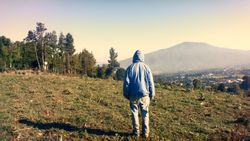
Documents of Displacement proposes to explore the notion of displacement and its diverse meanings and effects in photographic and video works of artists through the subjects documented or through their methodologies and processes. The artists invited for this series all live in North America, but develop work from a sense of displacement, whether by their cultural or(...)
Documents of Displacement proposes to explore the notion of displacement and its diverse meanings and effects in photographic and video works of artists through the subjects documented or through their methodologies and processes. The artists invited for this series all live in North America, but develop work from a sense of displacement, whether by their cultural or(...)
Location:
Paul Desmarais Theatre Keyword(s):
Victor Arroyo, Documents of Displacement, Hester Keijser, photography, Cherán, P’urhépecha
Paul Desmarais Theatre Keyword(s):
Victor Arroyo, Documents of Displacement, Hester Keijser, photography, Cherán, P’urhépecha
Date:
7 December 2023, 6:30pm
7 December 2023, 6:30pm
Title:
Documents of Displacement III
Actions:
Description:
Documents of Displacement proposes to explore the notion of displacement and its diverse meanings and effects in photographic and video works of artists through the subjects documented or through their methodologies and processes. The artists invited for this series all live in North America, but develop work from a sense of displacement, whether by their cultural or(...)
Documents of Displacement III
Actions:
Description:
Documents of Displacement proposes to explore the notion of displacement and its diverse meanings and effects in photographic and video works of artists through the subjects documented or through their methodologies and processes. The artists invited for this series all live in North America, but develop work from a sense of displacement, whether by their cultural or(...)
Form:
events
events
Date:
7 December 2023
6:30pm
7 December 2023
6:30pm
Location:
Paul Desmarais Theatre Keyword(s):
Victor Arroyo, Documents of Displacement, Hester Keijser, photography, Cherán, P’urhépecha
Paul Desmarais Theatre Keyword(s):
Victor Arroyo, Documents of Displacement, Hester Keijser, photography, Cherán, P’urhépecha
Form:
photographs
photographs
Reference number:
ARCH275250
Description:
Labeled, "Promotion Project Slides M-Z." Includes photographic materials for: Madinah Residential Complex and Shopping Mall, Mangaf Beach, Metrorail Stations, Los Angeles, Marriot Hotel Warner Center, New Westminster Quay, Red Deer Arts Centre, Prince Sulaiman Courts, Pudget Sound Residence, Roy Thompson Hall, Saskatoon City Hospital, Sawaber Housing Development, Shanghai Culture and Arts Centre, Shannon Mews,Tanjung Batu Coastal Reserve, Teck Mining Group offices, 1301 West Georgia, Vancouver, 1300 West Pender, Vancouver, Tuntex Brisbane, Ulukelang, Malaysia, Water Garden Condominiums, North York, Village Lake Louise, Watiah Housing, Kuwait City, Yorkdale Subway Station and West Seattle freeway study.
ARCH275250
Description:
Labeled, "Promotion Project Slides M-Z." Includes photographic materials for: Madinah Residential Complex and Shopping Mall, Mangaf Beach, Metrorail Stations, Los Angeles, Marriot Hotel Warner Center, New Westminster Quay, Red Deer Arts Centre, Prince Sulaiman Courts, Pudget Sound Residence, Roy Thompson Hall, Saskatoon City Hospital, Sawaber Housing Development, Shanghai Culture and Arts Centre, Shannon Mews,Tanjung Batu Coastal Reserve, Teck Mining Group offices, 1301 West Georgia, Vancouver, 1300 West Pender, Vancouver, Tuntex Brisbane, Ulukelang, Malaysia, Water Garden Condominiums, North York, Village Lake Louise, Watiah Housing, Kuwait City, Yorkdale Subway Station and West Seattle freeway study.
People:
Date:
ca. 1977-1989
ca. 1977-1989
Title:
Photographic documentation for various projects
Actions:
ARCH275250
Description:
Labeled, "Promotion Project Slides M-Z." Includes photographic materials for: Madinah Residential Complex and Shopping Mall, Mangaf Beach, Metrorail Stations, Los Angeles, Marriot Hotel Warner Center, New Westminster Quay, Red Deer Arts Centre, Prince Sulaiman Courts, Pudget Sound Residence, Roy Thompson Hall, Saskatoon City Hospital, Sawaber Housing Development, Shanghai Culture and Arts Centre, Shannon Mews,Tanjung Batu Coastal Reserve, Teck Mining Group offices, 1301 West Georgia, Vancouver, 1300 West Pender, Vancouver, Tuntex Brisbane, Ulukelang, Malaysia, Water Garden Condominiums, North York, Village Lake Louise, Watiah Housing, Kuwait City, Yorkdale Subway Station and West Seattle freeway study.
Photographic documentation for various projects
Actions:
ARCH275250
Description:
Labeled, "Promotion Project Slides M-Z." Includes photographic materials for: Madinah Residential Complex and Shopping Mall, Mangaf Beach, Metrorail Stations, Los Angeles, Marriot Hotel Warner Center, New Westminster Quay, Red Deer Arts Centre, Prince Sulaiman Courts, Pudget Sound Residence, Roy Thompson Hall, Saskatoon City Hospital, Sawaber Housing Development, Shanghai Culture and Arts Centre, Shannon Mews,Tanjung Batu Coastal Reserve, Teck Mining Group offices, 1301 West Georgia, Vancouver, 1300 West Pender, Vancouver, Tuntex Brisbane, Ulukelang, Malaysia, Water Garden Condominiums, North York, Village Lake Louise, Watiah Housing, Kuwait City, Yorkdale Subway Station and West Seattle freeway study.
Form:
photographs
photographs
Date:
ca. 1977-1989
ca. 1977-1989
People:
Level of archival description:
Project
Project
Title:
Cottage High Legh
Cottage High Legh
Reference number:
AP144.S2.D29
Description:
File documents an executed project for a gamekeeper's cottage next to a pheasantry in High Legh, Cheshire, England, to replace an existing dilapidated lodge. An early alternative proposal shows a scheme for renovating the existing building. Inexpensive materials and simple construction methods were specified in order to cut costs; local builders could be engaged to construct the cottage ('Architectural Design', January 1971, p. 35). Price also designed an addition for Cottage, High Legh (1977) which was not constructed (AP144.S2.D104). Preliminary plans and sketches include details for windows, a custom built-in cabinet, wall sections, and perspectives. Design development drawings include developed details including ones for a custom-designed fireplace, site axonometric, axonometric of cottage exterior, interior perspective of dining room, and exterior perspective showing front entrance. Working drawings are almost complete, and include survey notes and drawings of the existing lodge; site and floor plans, sections, and elevations; details for a fireplace, cloakroom and metalwork; a schedule for windows, doors, and the interior finishes; an axonometric for the roof; and a landscaping plan. The project was published in "Cedric Price Supplement No. 2", 'Architectural Design', vol. 41, (January 1971), 35, and in Price, Cedric. 'Cedric Price-Works II' (London: Architectural Press, 1984), 36, 51, 113. Material in this file was produced between 1961 - 1983, and predominantly between 1961 - 1965. File contains, design development drawings, working drawings, photographic material, and textual records.
AP144.S2.D29
Description:
File documents an executed project for a gamekeeper's cottage next to a pheasantry in High Legh, Cheshire, England, to replace an existing dilapidated lodge. An early alternative proposal shows a scheme for renovating the existing building. Inexpensive materials and simple construction methods were specified in order to cut costs; local builders could be engaged to construct the cottage ('Architectural Design', January 1971, p. 35). Price also designed an addition for Cottage, High Legh (1977) which was not constructed (AP144.S2.D104). Preliminary plans and sketches include details for windows, a custom built-in cabinet, wall sections, and perspectives. Design development drawings include developed details including ones for a custom-designed fireplace, site axonometric, axonometric of cottage exterior, interior perspective of dining room, and exterior perspective showing front entrance. Working drawings are almost complete, and include survey notes and drawings of the existing lodge; site and floor plans, sections, and elevations; details for a fireplace, cloakroom and metalwork; a schedule for windows, doors, and the interior finishes; an axonometric for the roof; and a landscaping plan. The project was published in "Cedric Price Supplement No. 2", 'Architectural Design', vol. 41, (January 1971), 35, and in Price, Cedric. 'Cedric Price-Works II' (London: Architectural Press, 1984), 36, 51, 113. Material in this file was produced between 1961 - 1983, and predominantly between 1961 - 1965. File contains, design development drawings, working drawings, photographic material, and textual records.
People:
Date:
1961-1983, predominant 1961-1965
1961-1983, predominant 1961-1965
Title:
Cottage High Legh
Actions:
AP144.S2.D29
Description:
File documents an executed project for a gamekeeper's cottage next to a pheasantry in High Legh, Cheshire, England, to replace an existing dilapidated lodge. An early alternative proposal shows a scheme for renovating the existing building. Inexpensive materials and simple construction methods were specified in order to cut costs; local builders could be engaged to construct the cottage ('Architectural Design', January 1971, p. 35). Price also designed an addition for Cottage, High Legh (1977) which was not constructed (AP144.S2.D104). Preliminary plans and sketches include details for windows, a custom built-in cabinet, wall sections, and perspectives. Design development drawings include developed details including ones for a custom-designed fireplace, site axonometric, axonometric of cottage exterior, interior perspective of dining room, and exterior perspective showing front entrance. Working drawings are almost complete, and include survey notes and drawings of the existing lodge; site and floor plans, sections, and elevations; details for a fireplace, cloakroom and metalwork; a schedule for windows, doors, and the interior finishes; an axonometric for the roof; and a landscaping plan. The project was published in "Cedric Price Supplement No. 2", 'Architectural Design', vol. 41, (January 1971), 35, and in Price, Cedric. 'Cedric Price-Works II' (London: Architectural Press, 1984), 36, 51, 113. Material in this file was produced between 1961 - 1983, and predominantly between 1961 - 1965. File contains, design development drawings, working drawings, photographic material, and textual records.
Cottage High Legh
Actions:
AP144.S2.D29
Description:
File documents an executed project for a gamekeeper's cottage next to a pheasantry in High Legh, Cheshire, England, to replace an existing dilapidated lodge. An early alternative proposal shows a scheme for renovating the existing building. Inexpensive materials and simple construction methods were specified in order to cut costs; local builders could be engaged to construct the cottage ('Architectural Design', January 1971, p. 35). Price also designed an addition for Cottage, High Legh (1977) which was not constructed (AP144.S2.D104). Preliminary plans and sketches include details for windows, a custom built-in cabinet, wall sections, and perspectives. Design development drawings include developed details including ones for a custom-designed fireplace, site axonometric, axonometric of cottage exterior, interior perspective of dining room, and exterior perspective showing front entrance. Working drawings are almost complete, and include survey notes and drawings of the existing lodge; site and floor plans, sections, and elevations; details for a fireplace, cloakroom and metalwork; a schedule for windows, doors, and the interior finishes; an axonometric for the roof; and a landscaping plan. The project was published in "Cedric Price Supplement No. 2", 'Architectural Design', vol. 41, (January 1971), 35, and in Price, Cedric. 'Cedric Price-Works II' (London: Architectural Press, 1984), 36, 51, 113. Material in this file was produced between 1961 - 1983, and predominantly between 1961 - 1965. File contains, design development drawings, working drawings, photographic material, and textual records.
Level of archival description:
File 29
File 29
Date:
1961-1983, predominant 1961-1965
1961-1983, predominant 1961-1965
People:


