


1914 Results
Form:
books
books
Title:
Drivers of change
Drivers of change
Actions:
Price:
$80.00
(available to order)
Summary:
Conceived and designed by the Foresight, innovation and incubation team at Arup, the influential consulting firm that advises on all aspects of the built environment, this card set features seven topics that have been chosen as headings for further discussion: energy, waste, climate change, water, demographics, urbanization and poverty. The 189 cards are divided into five(...)
$80.00
(available to order)
Summary:
Conceived and designed by the Foresight, innovation and incubation team at Arup, the influential consulting firm that advises on all aspects of the built environment, this card set features seven topics that have been chosen as headings for further discussion: energy, waste, climate change, water, demographics, urbanization and poverty. The 189 cards are divided into five(...)
Title:
Drivers of change
Actions:
Price:
$80.00
(available to order)
Summary:
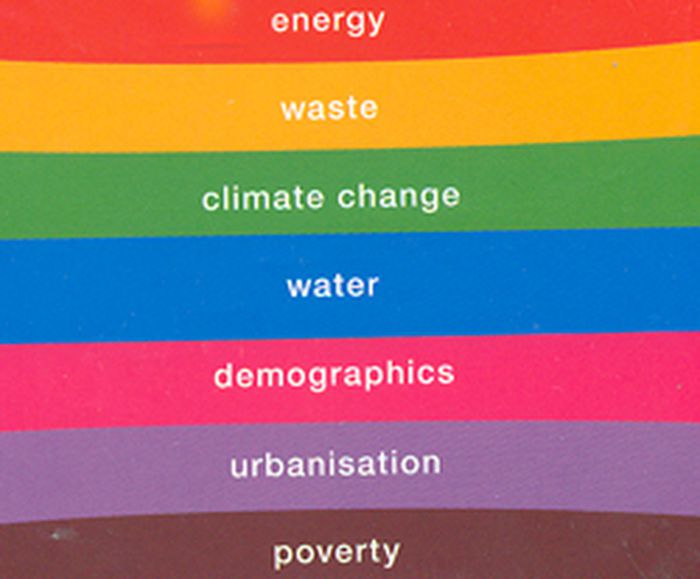
Conceived and designed by the Foresight, innovation and incubation team at Arup, the influential consulting firm that advises on all aspects of the built environment, this card set features seven topics that have been chosen as headings for further discussion: energy, waste, climate change, water, demographics, urbanization and poverty. The 189 cards are divided into five domains known as the steep framework: societal, technological, economic, environmental, and political. Each card represents a single driver of change-for instance urban migration, ageing population, austerity-along with a challenging and thought-provoking question. The flip side of the card provides pertinent data to expand on the question, as well as maps, graphs, and other illustrations. An accompanying booklet offers tips on how to use these cards independently or in a group setting. Whether brainstorming for new ideas or facilitating a discussion, these graphically sophisticated cards are an excellent resource for anyone interested in the future of technology, design and sustainability or indeed the way we might live in the years to come.
Drivers of change
Actions:
Price:
$80.00
(available to order)
Summary:
Conceived and designed by the Foresight, innovation and incubation team at Arup, the influential consulting firm that advises on all aspects of the built environment, this card set features seven topics that have been chosen as headings for further discussion: energy, waste, climate change, water, demographics, urbanization and poverty. The 189 cards are divided into five domains known as the steep framework: societal, technological, economic, environmental, and political. Each card represents a single driver of change-for instance urban migration, ageing population, austerity-along with a challenging and thought-provoking question. The flip side of the card provides pertinent data to expand on the question, as well as maps, graphs, and other illustrations. An accompanying booklet offers tips on how to use these cards independently or in a group setting. Whether brainstorming for new ideas or facilitating a discussion, these graphically sophisticated cards are an excellent resource for anyone interested in the future of technology, design and sustainability or indeed the way we might live in the years to come.
Form:
books
books
Publication:
July 2009
July 2009
Subject:
Green Architecture
Green Architecture
Form:
books
books
Title:
Cities of change Addis Ababa: transformation strategies for urban territories in the 21st century
Cities of change Addis Ababa: transformation strategies for urban territories in the 21st century
Actions:
Price:
$63.95
(available to order)
Summary:
Economic strengthening and the developments associated with it, such as population growth, rural flight, and the explosive growth of cities, pose enormous challenges for city planners in urban centers throughout the world. But clumsy "test-tube" urban plans like those developed for China in part by German planners have shown that different standards and rules apply in the(...)
$63.95
(available to order)
Summary:
Economic strengthening and the developments associated with it, such as population growth, rural flight, and the explosive growth of cities, pose enormous challenges for city planners in urban centers throughout the world. But clumsy "test-tube" urban plans like those developed for China in part by German planners have shown that different standards and rules apply in the(...)
Publication:
December 2009
December 2009
Title:
Cities of change Addis Ababa: transformation strategies for urban territories in the 21st century
Actions:
Price:
$63.95
(available to order)
Summary:
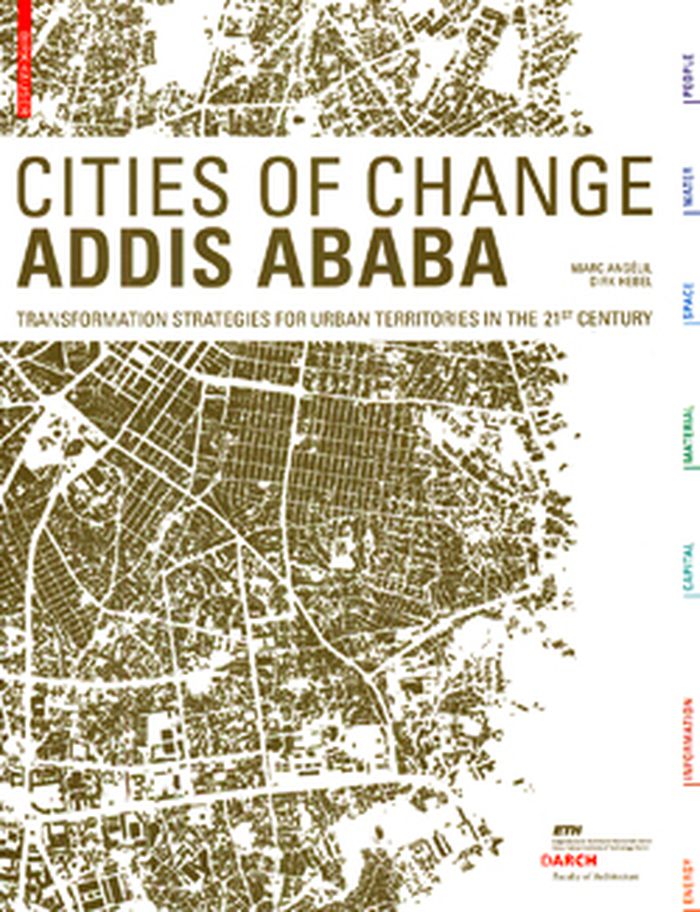
Economic strengthening and the developments associated with it, such as population growth, rural flight, and the explosive growth of cities, pose enormous challenges for city planners in urban centers throughout the world. But clumsy "test-tube" urban plans like those developed for China in part by German planners have shown that different standards and rules apply in the non-European world than in Europe s organically developed urban structures. This manual analyzes contemporary urban phenomena in economic growth regions using the Ethiopian capital city of Addis Abeba as an example, and presents a catalogue of sustainable strategies for city planning practice in the Second and Third Worlds. In the process, it provides planners with generally applicable methods and tools that are usable at the design stage and equip them to develop and deploy dynamic planning and project management processes. To this end, it illuminates such topical subjects as the changing agrarian and industrial landscape, the activation of urban wastelands, and the increasing density of urban hubs. In addition, it uses real projects as examples to highlight avenues for practical implementation.
Cities of change Addis Ababa: transformation strategies for urban territories in the 21st century
Actions:
Price:
$63.95
(available to order)
Summary:
Economic strengthening and the developments associated with it, such as population growth, rural flight, and the explosive growth of cities, pose enormous challenges for city planners in urban centers throughout the world. But clumsy "test-tube" urban plans like those developed for China in part by German planners have shown that different standards and rules apply in the non-European world than in Europe s organically developed urban structures. This manual analyzes contemporary urban phenomena in economic growth regions using the Ethiopian capital city of Addis Abeba as an example, and presents a catalogue of sustainable strategies for city planning practice in the Second and Third Worlds. In the process, it provides planners with generally applicable methods and tools that are usable at the design stage and equip them to develop and deploy dynamic planning and project management processes. To this end, it illuminates such topical subjects as the changing agrarian and industrial landscape, the activation of urban wastelands, and the increasing density of urban hubs. In addition, it uses real projects as examples to highlight avenues for practical implementation.
Form:
books
books
Publication:
December 2009
December 2009
Form:
books
books
Actions:
Price:
$54.95
(available to order)
Summary:
What form of housing will emerge in Dubai, where the majority of the population are non-citizens and average length of stay three days? How will depopulating cities reclaim vacant space, reorganize infrastructure and redefine their economic identity? What type of architecture results from the prevalence of airborne contaminants? What kind of urbanism does Google Earth(...)
$54.95
(available to order)
Summary:
What form of housing will emerge in Dubai, where the majority of the population are non-citizens and average length of stay three days? How will depopulating cities reclaim vacant space, reorganize infrastructure and redefine their economic identity? What type of architecture results from the prevalence of airborne contaminants? What kind of urbanism does Google Earth(...)
Title:
Distributed urbanism : cities after Google Earth
Actions:
Price:
$54.95
(available to order)
Summary:
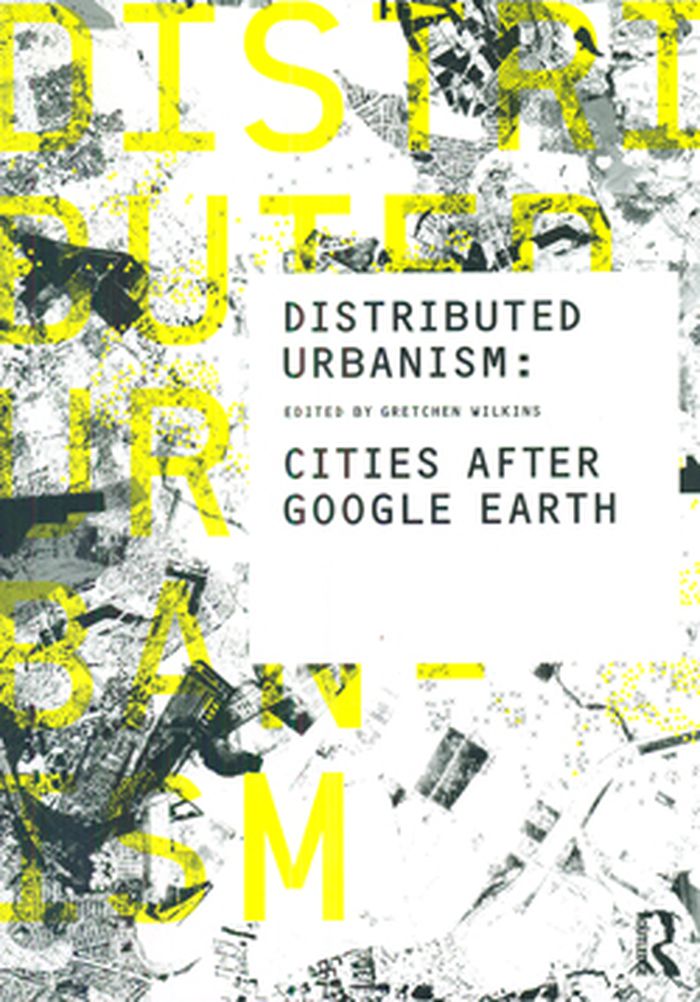
What form of housing will emerge in Dubai, where the majority of the population are non-citizens and average length of stay three days? How will depopulating cities reclaim vacant space, reorganize infrastructure and redefine their economic identity? What type of architecture results from the prevalence of airborne contaminants? What kind of urbanism does Google Earth produce? Exploring the increasingly decentralized systems through which cities are organized and produced, this publication highlights the architectural practices that are emerging in response. Unlike early models of urbanism, in which centralized models of production, communication and governance were sited within a central business district, contemporary urbanism is shaped by remote, distributed mechanisms such as information technologies, (i.e. SatNav, Google Earth, E-trade, Photosynth or RSS web feeds) cooperative economic models and environmental networks, many of which are physically remote from the cities they shape. Consisting of a collection of case studies on global cities including Rotterdam, Tokyo, Barcelona, Detroit, Hong Kong, Dubai, Beijing and Mumbai, the authors draw on these cities in relation to current events, urban schemes and demographic data.
Distributed urbanism : cities after Google Earth
Actions:
Price:
$54.95
(available to order)
Summary:
What form of housing will emerge in Dubai, where the majority of the population are non-citizens and average length of stay three days? How will depopulating cities reclaim vacant space, reorganize infrastructure and redefine their economic identity? What type of architecture results from the prevalence of airborne contaminants? What kind of urbanism does Google Earth produce? Exploring the increasingly decentralized systems through which cities are organized and produced, this publication highlights the architectural practices that are emerging in response. Unlike early models of urbanism, in which centralized models of production, communication and governance were sited within a central business district, contemporary urbanism is shaped by remote, distributed mechanisms such as information technologies, (i.e. SatNav, Google Earth, E-trade, Photosynth or RSS web feeds) cooperative economic models and environmental networks, many of which are physically remote from the cities they shape. Consisting of a collection of case studies on global cities including Rotterdam, Tokyo, Barcelona, Detroit, Hong Kong, Dubai, Beijing and Mumbai, the authors draw on these cities in relation to current events, urban schemes and demographic data.
Form:
books
books
Publication:
July 2010
July 2010
Subject:
Urban Theory
Urban Theory
Form:
books
books

Actions:
Price:
$25.95
(available to order)
Summary:
Larry Bennett calls contemporary Chicago the third city to distinguish it from its two predecessors: the first city, a sprawling industrial center whose historical arc ran from the Civil War to the Great Depression; and the second city, the Rustbelt exemplar of the period from around 1950 to 1990. The third city features a dramatically revitalized urban core, a shifting(...)
$25.95
(available to order)
Summary:
Larry Bennett calls contemporary Chicago the third city to distinguish it from its two predecessors: the first city, a sprawling industrial center whose historical arc ran from the Civil War to the Great Depression; and the second city, the Rustbelt exemplar of the period from around 1950 to 1990. The third city features a dramatically revitalized urban core, a shifting(...)
Title:
The third city: Chicago and American urbanism
Actions:
Price:
$25.95
(available to order)
Summary:
Larry Bennett calls contemporary Chicago the third city to distinguish it from its two predecessors: the first city, a sprawling industrial center whose historical arc ran from the Civil War to the Great Depression; and the second city, the Rustbelt exemplar of the period from around 1950 to 1990. The third city features a dramatically revitalized urban core, a shifting population mix that includes new immigrant streams, and a growing number of middle-class professionals working in new economy sectors. It is also a city utterly transformed by the top-to-bottom reconstruction of public housing developments and the ambitious provision of public works like Millennium Park. It is, according to Bennett, a work in progress spearheaded by Richard M. Daley, a self-consciously innovative mayor whose strategy of neighborhood revitalization and urban renewal is a prototype of city governance for the twenty-first century. The Third City ultimately contends that to understand Chicago under Daley’s charge is to understand what metropolitan life across North America may well look like in the coming decades.
The third city: Chicago and American urbanism
Actions:
Price:
$25.95
(available to order)
Summary:
Larry Bennett calls contemporary Chicago the third city to distinguish it from its two predecessors: the first city, a sprawling industrial center whose historical arc ran from the Civil War to the Great Depression; and the second city, the Rustbelt exemplar of the period from around 1950 to 1990. The third city features a dramatically revitalized urban core, a shifting population mix that includes new immigrant streams, and a growing number of middle-class professionals working in new economy sectors. It is also a city utterly transformed by the top-to-bottom reconstruction of public housing developments and the ambitious provision of public works like Millennium Park. It is, according to Bennett, a work in progress spearheaded by Richard M. Daley, a self-consciously innovative mayor whose strategy of neighborhood revitalization and urban renewal is a prototype of city governance for the twenty-first century. The Third City ultimately contends that to understand Chicago under Daley’s charge is to understand what metropolitan life across North America may well look like in the coming decades.
Form:
books
books
Publication:
September 2010
September 2010
Subject:
History since 1900, Reference Books
History since 1900, Reference Books
Form:
books
books
Actions:
Price:
$7.99
(available to order)
Summary:
Los Angeles is a breeding ground for adventurous experimental architects and a magnet for their high-profile clients. "L.A. 2000+" assembles the best work completed in the city since 2000, offering a snapshot of the region and its architecture at the dawn of the twenty-first century. From the widely celebrated Walt Disney Concert Hall in downtown Los Angeles by architect(...)
$7.99
(available to order)
Summary:
Los Angeles is a breeding ground for adventurous experimental architects and a magnet for their high-profile clients. "L.A. 2000+" assembles the best work completed in the city since 2000, offering a snapshot of the region and its architecture at the dawn of the twenty-first century. From the widely celebrated Walt Disney Concert Hall in downtown Los Angeles by architect(...)
Publication:
May 2006, New York
May 2006, New York
Title:
LA 2000 + : new architecture in Los Angeles
Actions:
Price:
$7.99
(available to order)
Summary:
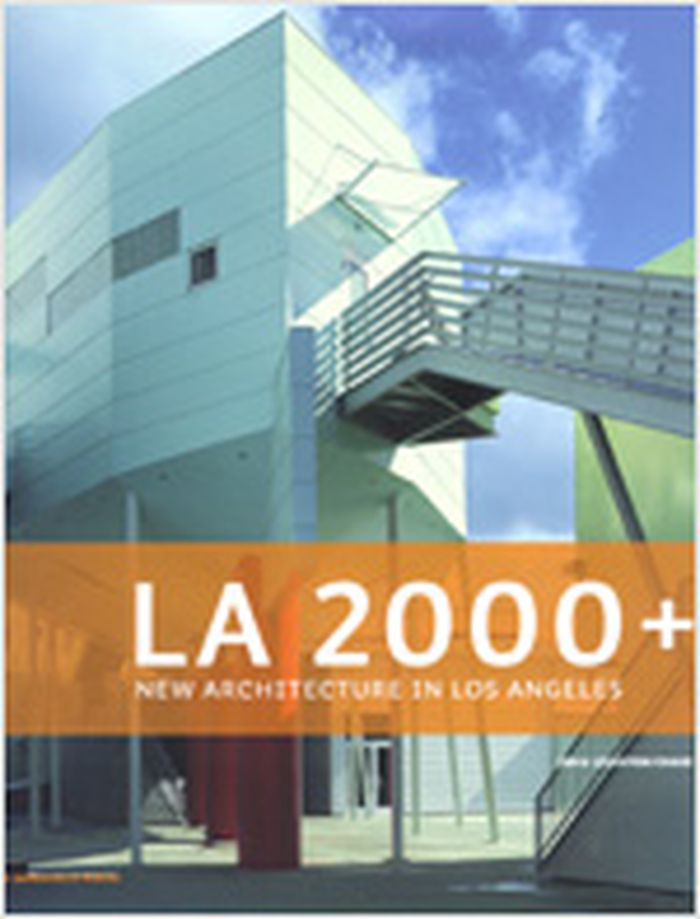
Los Angeles is a breeding ground for adventurous experimental architects and a magnet for their high-profile clients. "L.A. 2000+" assembles the best work completed in the city since 2000, offering a snapshot of the region and its architecture at the dawn of the twenty-first century. From the widely celebrated Walt Disney Concert Hall in downtown Los Angeles by architect Frank Gehry to lesser known but equally arresting works such as Studio Pali Fekete Architectsí, Somis Hay Barn in Ventura County and Godfredsen-Sigalís Hustler Casino in Gardena, the picture that emerges is sometimes startling and unexpected but always impressive. This volume collects thirty original new buildings, designed by both as yet unheralded talents such as null.lab and predock_frane and internationally renowned architects such as Gehry, Thom Mayne of Morphosis, and Eric Owen Moss. The introductory essay by urban designer John Leighton Chase puts these works in historical and architectural context, offering a unique perspective on the opportunities and difficulties inherent in building in a region known not only for its explosive population growth but also for the artistry of its inhabitants.
LA 2000 + : new architecture in Los Angeles
Actions:
Price:
$7.99
(available to order)
Summary:
Los Angeles is a breeding ground for adventurous experimental architects and a magnet for their high-profile clients. "L.A. 2000+" assembles the best work completed in the city since 2000, offering a snapshot of the region and its architecture at the dawn of the twenty-first century. From the widely celebrated Walt Disney Concert Hall in downtown Los Angeles by architect Frank Gehry to lesser known but equally arresting works such as Studio Pali Fekete Architectsí, Somis Hay Barn in Ventura County and Godfredsen-Sigalís Hustler Casino in Gardena, the picture that emerges is sometimes startling and unexpected but always impressive. This volume collects thirty original new buildings, designed by both as yet unheralded talents such as null.lab and predock_frane and internationally renowned architects such as Gehry, Thom Mayne of Morphosis, and Eric Owen Moss. The introductory essay by urban designer John Leighton Chase puts these works in historical and architectural context, offering a unique perspective on the opportunities and difficulties inherent in building in a region known not only for its explosive population growth but also for the artistry of its inhabitants.
Form:
books
books
Publication:
May 2006, New York
May 2006, New York
Form:
books
books

Actions:
Price:
$37.95
(available in store)
Summary:
Au détour d’un projet de reportage devenu un projet de livre, la journaliste Eugénie Emond assiste pendant un an aux rencontres Zoom hebdomadaires d’un groupe d’aînées qui souhaite mettre sur pied une forme d’habitation collective qui leur permettrait de vivre leur vieillesse dans des conditions qui leur conviennent. Mené par la colorée Suzanne, le collectif Coasis vit(...)
$37.95
(available in store)
Summary:
Au détour d’un projet de reportage devenu un projet de livre, la journaliste Eugénie Emond assiste pendant un an aux rencontres Zoom hebdomadaires d’un groupe d’aînées qui souhaite mettre sur pied une forme d’habitation collective qui leur permettrait de vivre leur vieillesse dans des conditions qui leur conviennent. Mené par la colorée Suzanne, le collectif Coasis vit(...)
Title:
À la recherche d'une maison en fleur
Actions:
Price:
$37.95
(available in store)
Summary:
Au détour d’un projet de reportage devenu un projet de livre, la journaliste Eugénie Emond assiste pendant un an aux rencontres Zoom hebdomadaires d’un groupe d’aînées qui souhaite mettre sur pied une forme d’habitation collective qui leur permettrait de vivre leur vieillesse dans des conditions qui leur conviennent. Mené par la colorée Suzanne, le collectif Coasis vit des espoirs et des déceptions sous l’œil observateur de l’autrice qui se demande si leur rêve est possible et s’il peut bien exister une telle chose que des conditions idéales en matière d’habitation.? ? À notre époque où la question du logement est liée à l’enjeu de la précarité et où le vieillissement de la population semble nous prendre de court même s’il avait été annoncé depuis des décennies, cette bande dessinée documentaire illustrée par Camille Loquet présente un regard tendre et parfois dubitatif sur une galerie de personnages. D’une réflexion sur les alternatives dans le domaine du logement, ce documentaire est aussi devenu un regarde unique sur les aspirations d’une génération qui veut garder ses rêves en vie et en santé.
À la recherche d'une maison en fleur
Actions:
Price:
$37.95
(available in store)
Summary:
Au détour d’un projet de reportage devenu un projet de livre, la journaliste Eugénie Emond assiste pendant un an aux rencontres Zoom hebdomadaires d’un groupe d’aînées qui souhaite mettre sur pied une forme d’habitation collective qui leur permettrait de vivre leur vieillesse dans des conditions qui leur conviennent. Mené par la colorée Suzanne, le collectif Coasis vit des espoirs et des déceptions sous l’œil observateur de l’autrice qui se demande si leur rêve est possible et s’il peut bien exister une telle chose que des conditions idéales en matière d’habitation.? ? À notre époque où la question du logement est liée à l’enjeu de la précarité et où le vieillissement de la population semble nous prendre de court même s’il avait été annoncé depuis des décennies, cette bande dessinée documentaire illustrée par Camille Loquet présente un regard tendre et parfois dubitatif sur une galerie de personnages. D’une réflexion sur les alternatives dans le domaine du logement, ce documentaire est aussi devenu un regarde unique sur les aspirations d’une génération qui veut garder ses rêves en vie et en santé.
Form:
books
books
Publication:
May 2026
May 2026
Subject:
Collective Housing
Collective Housing
Form:
books
books

Actions:
Price:
$27.95
(available to order)
Summary:
When World War II came along, the American military found itself in need of a prefabricated, lightweight shelter that could be easily shipped and quickly assembled. The quonset hut, that sliced tube of corrugated metal, was the answer. Over a hundred thousand were produced as part of the war effort. In its aftermath, even more were built and existing huts were adapted to(...)
$27.95
(available to order)
Summary:
When World War II came along, the American military found itself in need of a prefabricated, lightweight shelter that could be easily shipped and quickly assembled. The quonset hut, that sliced tube of corrugated metal, was the answer. Over a hundred thousand were produced as part of the war effort. In its aftermath, even more were built and existing huts were adapted to(...)
Title:
Quonset hut : metal living for a modern age
Actions:
Price:
$27.95
(available to order)
Summary:
When World War II came along, the American military found itself in need of a prefabricated, lightweight shelter that could be easily shipped and quickly assembled. The quonset hut, that sliced tube of corrugated metal, was the answer. Over a hundred thousand were produced as part of the war effort. In its aftermath, even more were built and existing huts were adapted to house the postwar population boom. Of course, it couldn't last: the American desire for permanence meant decay and neglect for many of these rough-and-ready shelters and quickie warehouses. But in the midst of its almost tragic tale of extinction, the quonset hut has emerged as an unexpected icon of Americana and an oasis of architectural imagination. Travel the back roads of America and you will find the quonset's distinctive shape enclosing everything from houses of worship to houses of pancakes. "Quonset Hut" tells the story of this unique architectural phenomena, from its birth during WWII as a mass-production shelter to its new status as an icon of American pragmatism, ingenuity, perseverance, and individuality.
Quonset hut : metal living for a modern age
Actions:
Price:
$27.95
(available to order)
Summary:
When World War II came along, the American military found itself in need of a prefabricated, lightweight shelter that could be easily shipped and quickly assembled. The quonset hut, that sliced tube of corrugated metal, was the answer. Over a hundred thousand were produced as part of the war effort. In its aftermath, even more were built and existing huts were adapted to house the postwar population boom. Of course, it couldn't last: the American desire for permanence meant decay and neglect for many of these rough-and-ready shelters and quickie warehouses. But in the midst of its almost tragic tale of extinction, the quonset hut has emerged as an unexpected icon of Americana and an oasis of architectural imagination. Travel the back roads of America and you will find the quonset's distinctive shape enclosing everything from houses of worship to houses of pancakes. "Quonset Hut" tells the story of this unique architectural phenomena, from its birth during WWII as a mass-production shelter to its new status as an icon of American pragmatism, ingenuity, perseverance, and individuality.
Form:
books
books
Publication:
August 2005, New York
August 2005, New York
Subject:
sale books
sale books
Form:
books
books
Title:
Inventing future cities
Inventing future cities
Actions:
Price:
$35.95
(available to order)
Summary:
We cannot predict future cities, but we can invent them. Cities are largely unpredictable because they are complex systems that are more like organisms than machines. Neither the laws of economics nor the laws of mechanics apply; cities are the product of countless individual and collective decisions that do not conform to any grand plan. They are the product of our(...)
$35.95
(available to order)
Summary:
We cannot predict future cities, but we can invent them. Cities are largely unpredictable because they are complex systems that are more like organisms than machines. Neither the laws of economics nor the laws of mechanics apply; cities are the product of countless individual and collective decisions that do not conform to any grand plan. They are the product of our(...)
Title:
Inventing future cities
Actions:
Price:
$35.95
(available to order)
Summary:
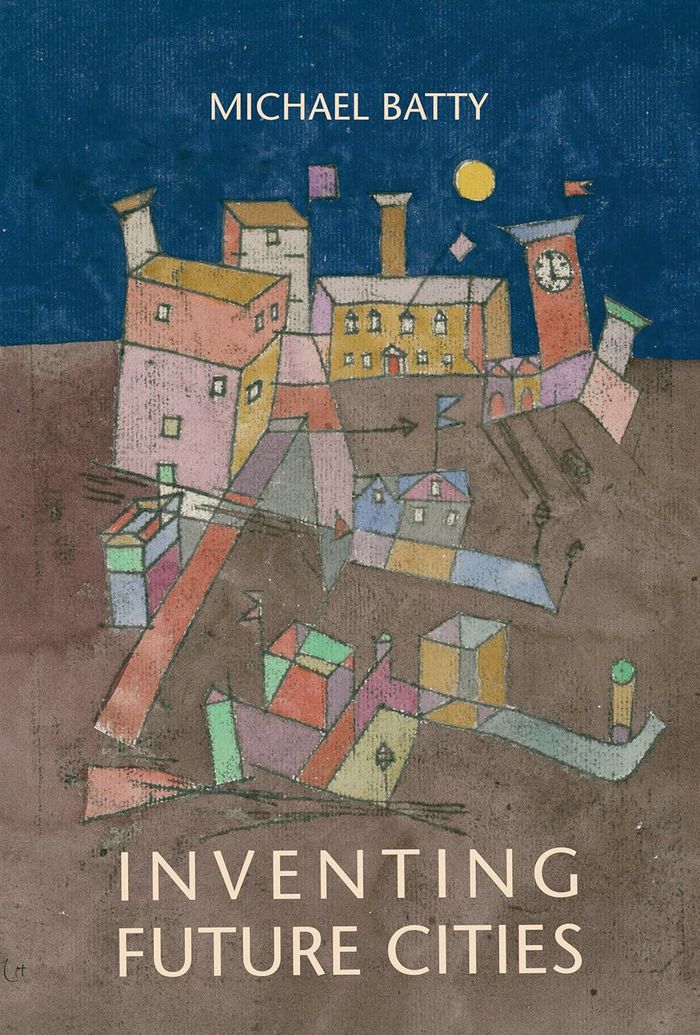
We cannot predict future cities, but we can invent them. Cities are largely unpredictable because they are complex systems that are more like organisms than machines. Neither the laws of economics nor the laws of mechanics apply; cities are the product of countless individual and collective decisions that do not conform to any grand plan. They are the product of our inventions; they evolve. In Inventing Future Cities, Michael Batty explores what we need to understand about cities in order to invent their future. Batty outlines certain themes—principles—that apply to all cities. He investigates not the invention of artifacts but inventive processes. Today form is becoming ever more divorced from function; information networks now shape the traditional functions of cities as places of exchange and innovation. By the end of this century, most of the world's population will live in cities, large or small, sometimes contiguous, and always connected; in an urbanized world, it will be increasingly difficult to define a city by its physical boundaries.
Inventing future cities
Actions:
Price:
$35.95
(available to order)
Summary:
We cannot predict future cities, but we can invent them. Cities are largely unpredictable because they are complex systems that are more like organisms than machines. Neither the laws of economics nor the laws of mechanics apply; cities are the product of countless individual and collective decisions that do not conform to any grand plan. They are the product of our inventions; they evolve. In Inventing Future Cities, Michael Batty explores what we need to understand about cities in order to invent their future. Batty outlines certain themes—principles—that apply to all cities. He investigates not the invention of artifacts but inventive processes. Today form is becoming ever more divorced from function; information networks now shape the traditional functions of cities as places of exchange and innovation. By the end of this century, most of the world's population will live in cities, large or small, sometimes contiguous, and always connected; in an urbanized world, it will be increasingly difficult to define a city by its physical boundaries.
Form:
books
books
Publication:
June 2024
June 2024
Subject:
Urban Theory
Urban Theory
Form:
books
books
Actions:
Price:
$56.95
(available in store)
Summary:
The book collects five vacation homes in Sweden designed by Stockholm-based architect Mikael Bergquist. Realized over more than two decades, they are all located in the Swedish countryside and rooted in the Nordic tradition of timber construction and the simplicity and economy of Sweden’s historic farm buildings. Bergquist’s great care for detail and choice of materials(...)
$56.95
(available in store)
Summary:
The book collects five vacation homes in Sweden designed by Stockholm-based architect Mikael Bergquist. Realized over more than two decades, they are all located in the Swedish countryside and rooted in the Nordic tradition of timber construction and the simplicity and economy of Sweden’s historic farm buildings. Bergquist’s great care for detail and choice of materials(...)
Title:
Center and periphery: Five houses by Mikael Bergquist
Actions:
Price:
$56.95
(available in store)
Summary:
The book collects five vacation homes in Sweden designed by Stockholm-based architect Mikael Bergquist. Realized over more than two decades, they are all located in the Swedish countryside and rooted in the Nordic tradition of timber construction and the simplicity and economy of Sweden’s historic farm buildings. Bergquist’s great care for detail and choice of materials characterize these houses. They are united also by a close relationship to the surrounding nature, the experience of which is enhanced by the concepts of movement and the placement of passages between the outside and inside. The houses are documented with photographs as well as with plans and sections. In his supplementary essay, Bergquist writes about the special position of working as an architect on the periphery of Europe. He draws a picture of Swedish architecture that is marked by what he calls "fruitful misunderstandings" of current movements, and in which poverty of the rural population has been a major factor in the evolution of the design and construction of dwellings.
Center and periphery: Five houses by Mikael Bergquist
Actions:
Price:
$56.95
(available in store)
Summary:
The book collects five vacation homes in Sweden designed by Stockholm-based architect Mikael Bergquist. Realized over more than two decades, they are all located in the Swedish countryside and rooted in the Nordic tradition of timber construction and the simplicity and economy of Sweden’s historic farm buildings. Bergquist’s great care for detail and choice of materials characterize these houses. They are united also by a close relationship to the surrounding nature, the experience of which is enhanced by the concepts of movement and the placement of passages between the outside and inside. The houses are documented with photographs as well as with plans and sections. In his supplementary essay, Bergquist writes about the special position of working as an architect on the periphery of Europe. He draws a picture of Swedish architecture that is marked by what he calls "fruitful misunderstandings" of current movements, and in which poverty of the rural population has been a major factor in the evolution of the design and construction of dwellings.
Form:
books
books
Publication:
May 2025
May 2025
Subject:
Architecture Monographs
Architecture Monographs
Form:
journals and magazines
journals and magazines
Title:
Oase 63 : countryside
Oase 63 : countryside
Actions:
Price:
$39.95
(available in store)
Summary:
The development of the countryside has generally been conceived of from an urban perspective: the country as producer of food for the urban population, as development area, or as recreational area. Even the development and protection of nature in the countryside are undertaken in service of city dwellers, so that they can experience scenic beauty as a compensation for the(...)
$39.95
(available in store)
Summary:
The development of the countryside has generally been conceived of from an urban perspective: the country as producer of food for the urban population, as development area, or as recreational area. Even the development and protection of nature in the countryside are undertaken in service of city dwellers, so that they can experience scenic beauty as a compensation for the(...)
Subject:
Magazines
Magazines
Publication:
December 2003, Rotterdam
December 2003, Rotterdam
Title:
Oase 63 : countryside
Actions:
Price:
$39.95
(available in store)
Summary:
The development of the countryside has generally been conceived of from an urban perspective: the country as producer of food for the urban population, as development area, or as recreational area. Even the development and protection of nature in the countryside are undertaken in service of city dwellers, so that they can experience scenic beauty as a compensation for the pernicious urban life. Oase #63 questions existing approaches which view the countryside as the empty or "negative" part of the contemporary urban condition, and consequently reduce the countryside to what remains after the positive urban shape has been thought or carved out. Here the perspective is reversed: neither the city nor urbanization but rather the countryside and the agrarian industry constitute the starting point of this study. Thus "Oase #63" asks: Is it be possible to consider an alternative future for the countryside based on its intrinsic qualities? To what degree is the countryside capable of absorbing contemporary practices and processes? Does the countryside count at all as a bearer of political economy?
Oase 63 : countryside
Actions:
Price:
$39.95
(available in store)
Summary:
The development of the countryside has generally been conceived of from an urban perspective: the country as producer of food for the urban population, as development area, or as recreational area. Even the development and protection of nature in the countryside are undertaken in service of city dwellers, so that they can experience scenic beauty as a compensation for the pernicious urban life. Oase #63 questions existing approaches which view the countryside as the empty or "negative" part of the contemporary urban condition, and consequently reduce the countryside to what remains after the positive urban shape has been thought or carved out. Here the perspective is reversed: neither the city nor urbanization but rather the countryside and the agrarian industry constitute the starting point of this study. Thus "Oase #63" asks: Is it be possible to consider an alternative future for the countryside based on its intrinsic qualities? To what degree is the countryside capable of absorbing contemporary practices and processes? Does the countryside count at all as a bearer of political economy?
Form:
journals and magazines
journals and magazines
Publication:
December 2003, Rotterdam
December 2003, Rotterdam
Subject:
Magazines
Magazines


