


1914 Results
Form:
books
books
Price:
$85.00
(available to order)
Summary:
The city in the twenty-first century faces major challenges, including social and economic stratification, wasteful consumption of resources, transportation congestion, and environmental degradation. More than half of the world’s population lives in cities and major metropolitan areas, and in the next two decades the number of city dwellers is estimated to reach five(...)
$85.00
(available to order)
Summary:
The city in the twenty-first century faces major challenges, including social and economic stratification, wasteful consumption of resources, transportation congestion, and environmental degradation. More than half of the world’s population lives in cities and major metropolitan areas, and in the next two decades the number of city dwellers is estimated to reach five(...)
Title:
Sustainable urbanism and beyond: rethinking cities for the future
Actions:
Price:
$85.00
(available to order)
Summary:
The city in the twenty-first century faces major challenges, including social and economic stratification, wasteful consumption of resources, transportation congestion, and environmental degradation. More than half of the world’s population lives in cities and major metropolitan areas, and in the next two decades the number of city dwellers is estimated to reach five billion. This puts enormous pressures on transportation systems, housing stock, and infrastructure such as energy, waste, and water, which directly influences the emissions of greenhouse gases. As the long emergency awaits us, urgent questions remain: How will our cities survive? How can we combat and reconcile urban growth with sustainable use of resources for future generations to thrive? Where and how urbanism comes into the picture and what “sustainable” urban forms can do in light of these events are some of the issues Sustainable Urbanism and Beyond explores. With more than sixty essays, including contributions by Andrés Duany, Saskia Sassen, Peter Newman, Douglas Farr, Henry Cisneros, Peter Hall, Sharon Zukin, Peter Eisenman, and others, this book is a unique perspective on architecture, urban planning, environmental and urban design, exploring ways for raising quality of life and the standard of living in a new modern era by creating better and more viable places to live.
Sustainable urbanism and beyond: rethinking cities for the future
Actions:
Price:
$85.00
(available to order)
Summary:
The city in the twenty-first century faces major challenges, including social and economic stratification, wasteful consumption of resources, transportation congestion, and environmental degradation. More than half of the world’s population lives in cities and major metropolitan areas, and in the next two decades the number of city dwellers is estimated to reach five billion. This puts enormous pressures on transportation systems, housing stock, and infrastructure such as energy, waste, and water, which directly influences the emissions of greenhouse gases. As the long emergency awaits us, urgent questions remain: How will our cities survive? How can we combat and reconcile urban growth with sustainable use of resources for future generations to thrive? Where and how urbanism comes into the picture and what “sustainable” urban forms can do in light of these events are some of the issues Sustainable Urbanism and Beyond explores. With more than sixty essays, including contributions by Andrés Duany, Saskia Sassen, Peter Newman, Douglas Farr, Henry Cisneros, Peter Hall, Sharon Zukin, Peter Eisenman, and others, this book is a unique perspective on architecture, urban planning, environmental and urban design, exploring ways for raising quality of life and the standard of living in a new modern era by creating better and more viable places to live.
Form:
books
books
Publication:
April 2012
April 2012
Subject:
Urban Theory
Urban Theory
Form:
books
books
Title:
Traité sur la ville
Traité sur la ville
Actions:
Price:
$83.95
(available to order)
Summary:
Force est de constater que la ville, en tant que cadre physique et forme sociale particulière, s'est imposée un peu partout dans le monde : plus de 3 milliards d'individus résident à l'heure actuelle dans une ville, soit plus de 50 % de la population mondiale. Dès lors, le monde urbain généralisé se trouve au coeur de nombreux débats et controverses : fragmentation(...)
$83.95
(available to order)
Summary:
Force est de constater que la ville, en tant que cadre physique et forme sociale particulière, s'est imposée un peu partout dans le monde : plus de 3 milliards d'individus résident à l'heure actuelle dans une ville, soit plus de 50 % de la population mondiale. Dès lors, le monde urbain généralisé se trouve au coeur de nombreux débats et controverses : fragmentation(...)
Title:
Traité sur la ville
Actions:
Price:
$83.95
(available to order)
Summary:
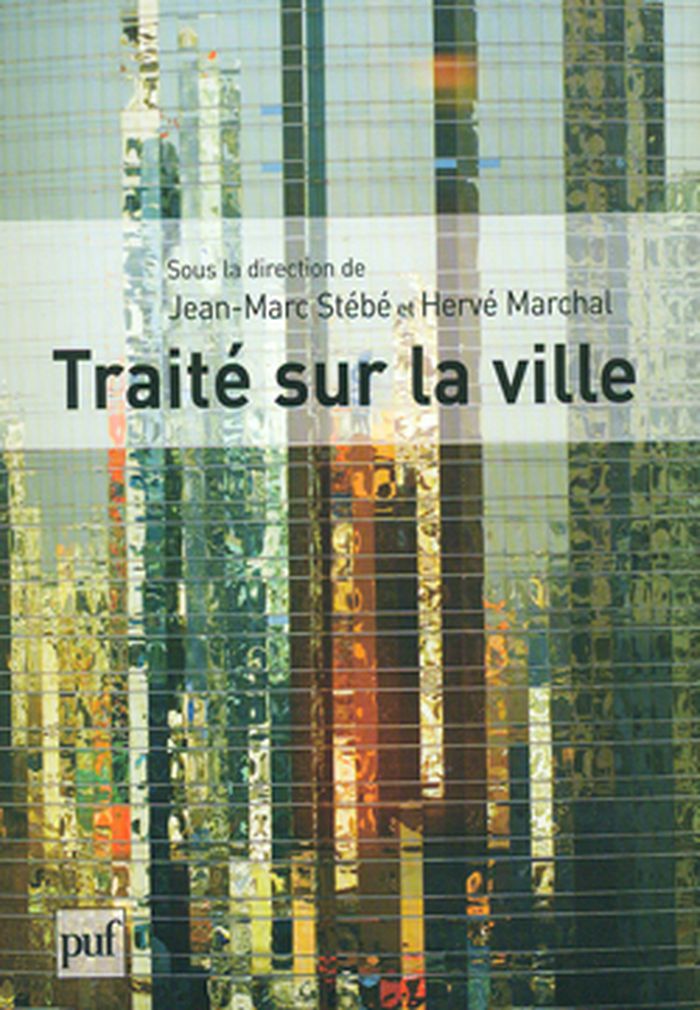
Force est de constater que la ville, en tant que cadre physique et forme sociale particulière, s'est imposée un peu partout dans le monde : plus de 3 milliards d'individus résident à l'heure actuelle dans une ville, soit plus de 50 % de la population mondiale. Dès lors, le monde urbain généralisé se trouve au coeur de nombreux débats et controverses : fragmentation sociale et territoriale, gouvernance des ensembles urbains, intégration des diverses populations, construction des identités personnelles et collectives, aménagement d'une ville durable... Tous ces points sont d'autant plus cruciaux à analyser qu'ils dépassent le cadre spécifique de la ville : au moment où notre planète bascule dans l'urbain, il est devenu urgent de s'interroger sur les conséquences de cette nouvelle condition humaine, qui peut à bien des égards être comparée à une condition urbaine. L'esprit de ce traité réside dans la précision avec laquelle chaque auteur présente une dimension incontournable de l'objet " ville ", les problématiques relevant de disciplines aussi variées que la géographie, la philosophie, l'architecture, l'urbanisme, l'aménagement, l'histoire, les sciences politiques, la sociologie ou la psychosociologie. Pour la première fois, un même ouvrage englobe de façon synthétique toutes ces approches pour comprendre la ville dans son épaisseur historique, matérielle, culturelle, sociale, politique et économique.
Traité sur la ville
Actions:
Price:
$83.95
(available to order)
Summary:
Force est de constater que la ville, en tant que cadre physique et forme sociale particulière, s'est imposée un peu partout dans le monde : plus de 3 milliards d'individus résident à l'heure actuelle dans une ville, soit plus de 50 % de la population mondiale. Dès lors, le monde urbain généralisé se trouve au coeur de nombreux débats et controverses : fragmentation sociale et territoriale, gouvernance des ensembles urbains, intégration des diverses populations, construction des identités personnelles et collectives, aménagement d'une ville durable... Tous ces points sont d'autant plus cruciaux à analyser qu'ils dépassent le cadre spécifique de la ville : au moment où notre planète bascule dans l'urbain, il est devenu urgent de s'interroger sur les conséquences de cette nouvelle condition humaine, qui peut à bien des égards être comparée à une condition urbaine. L'esprit de ce traité réside dans la précision avec laquelle chaque auteur présente une dimension incontournable de l'objet " ville ", les problématiques relevant de disciplines aussi variées que la géographie, la philosophie, l'architecture, l'urbanisme, l'aménagement, l'histoire, les sciences politiques, la sociologie ou la psychosociologie. Pour la première fois, un même ouvrage englobe de façon synthétique toutes ces approches pour comprendre la ville dans son épaisseur historique, matérielle, culturelle, sociale, politique et économique.
Form:
books
books
Publication:
September 2009
September 2009
Subject:
Urban Theory
Urban Theory
Form:
books
books
Price:
$29.95
(available to order)
Summary:
Lorsque le 4 août 1914, la Grande-Bretagne déclare la guerre à l'Allemagne, le Canada se trouve également de facto en état de guerre. Contrairement au reste de l'Europe, l'Empire britannique ne peut compter sur une mobilisation générale lui permettant d'engager au front une armée nombreuse, et s'en remet au volontariat, d'abord en Grande-Bretagne, puis rapidement dans ses(...)
$29.95
(available to order)
Summary:
Lorsque le 4 août 1914, la Grande-Bretagne déclare la guerre à l'Allemagne, le Canada se trouve également de facto en état de guerre. Contrairement au reste de l'Europe, l'Empire britannique ne peut compter sur une mobilisation générale lui permettant d'engager au front une armée nombreuse, et s'en remet au volontariat, d'abord en Grande-Bretagne, puis rapidement dans ses(...)
Subject:
Social Studies (Québec)
Social Studies (Québec)
Publication:
March 2015
March 2015
Title:
Le Québec dans la grande guerre : engagements, refus, héritages
Actions:
Price:
$29.95
(available to order)
Summary:
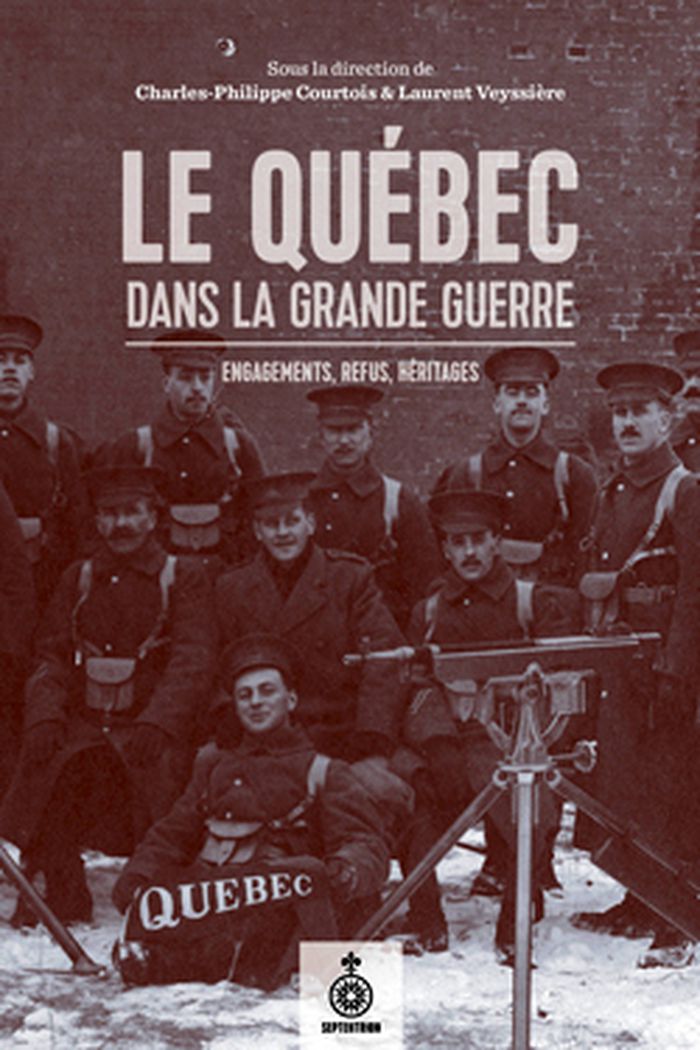
Lorsque le 4 août 1914, la Grande-Bretagne déclare la guerre à l'Allemagne, le Canada se trouve également de facto en état de guerre. Contrairement au reste de l'Europe, l'Empire britannique ne peut compter sur une mobilisation générale lui permettant d'engager au front une armée nombreuse, et s'en remet au volontariat, d'abord en Grande-Bretagne, puis rapidement dans ses dominions. Le 20 octobre, un regroupement d'hommes politiques, de religieux et d'hommes d'affaires canadiens français obtient du gouvernement la création d'un bataillon canadien français. Dès 1916, le recrutement volontaire s'essouffle alors que les pertes au front exigent des enrôlements toujours plus importants. En août 1917, une loi sur le service militaire obligatoire est adoptée, avivant un peu plus les tensions entre les différentes communautés dans le pays. Sous la forte influence d'un pacifisme chrétien, l'élite canadienne française affirme son opposition à la conscription, rapidement rejointe par l'ensemble de la population. Des manifestations à Montréal puis à Québec dégénèrent et vont marquer durablement la mémoire québécoise en éclipsant l'engagement des Canadiens Français. Les conséquences de la Grande Guerre sur la société québécoise sont profondes et durables. Pacifisme et indépendantisme sont deux héritages qui alimentent un antimilitarisme associé historiquement au fait britannique depuis la Conquête.
Le Québec dans la grande guerre : engagements, refus, héritages
Actions:
Price:
$29.95
(available to order)
Summary:
Lorsque le 4 août 1914, la Grande-Bretagne déclare la guerre à l'Allemagne, le Canada se trouve également de facto en état de guerre. Contrairement au reste de l'Europe, l'Empire britannique ne peut compter sur une mobilisation générale lui permettant d'engager au front une armée nombreuse, et s'en remet au volontariat, d'abord en Grande-Bretagne, puis rapidement dans ses dominions. Le 20 octobre, un regroupement d'hommes politiques, de religieux et d'hommes d'affaires canadiens français obtient du gouvernement la création d'un bataillon canadien français. Dès 1916, le recrutement volontaire s'essouffle alors que les pertes au front exigent des enrôlements toujours plus importants. En août 1917, une loi sur le service militaire obligatoire est adoptée, avivant un peu plus les tensions entre les différentes communautés dans le pays. Sous la forte influence d'un pacifisme chrétien, l'élite canadienne française affirme son opposition à la conscription, rapidement rejointe par l'ensemble de la population. Des manifestations à Montréal puis à Québec dégénèrent et vont marquer durablement la mémoire québécoise en éclipsant l'engagement des Canadiens Français. Les conséquences de la Grande Guerre sur la société québécoise sont profondes et durables. Pacifisme et indépendantisme sont deux héritages qui alimentent un antimilitarisme associé historiquement au fait britannique depuis la Conquête.
Form:
books
books
Publication:
March 2015
March 2015
Subject:
Social Studies (Québec)
Social Studies (Québec)
Form:
books
books
Actions:
Price:
$45.00
(available to order)
Summary:
In the dazzling global metropolis of Shanghai, what has it meant to call this city home? In this account—part microhistory, part memoir—Jie Li salvages intimate recollections by successive generations of inhabitants of two vibrant, culturally mixed Shanghai alleyways from the Republican, Maoist, and post-Mao eras. Exploring three dimensions of private life—territories,(...)
$45.00
(available to order)
Summary:
In the dazzling global metropolis of Shanghai, what has it meant to call this city home? In this account—part microhistory, part memoir—Jie Li salvages intimate recollections by successive generations of inhabitants of two vibrant, culturally mixed Shanghai alleyways from the Republican, Maoist, and post-Mao eras. Exploring three dimensions of private life—territories,(...)
Title:
Shanghai homes: palimpsests of private life
Actions:
Price:
$45.00
(available to order)
Summary:
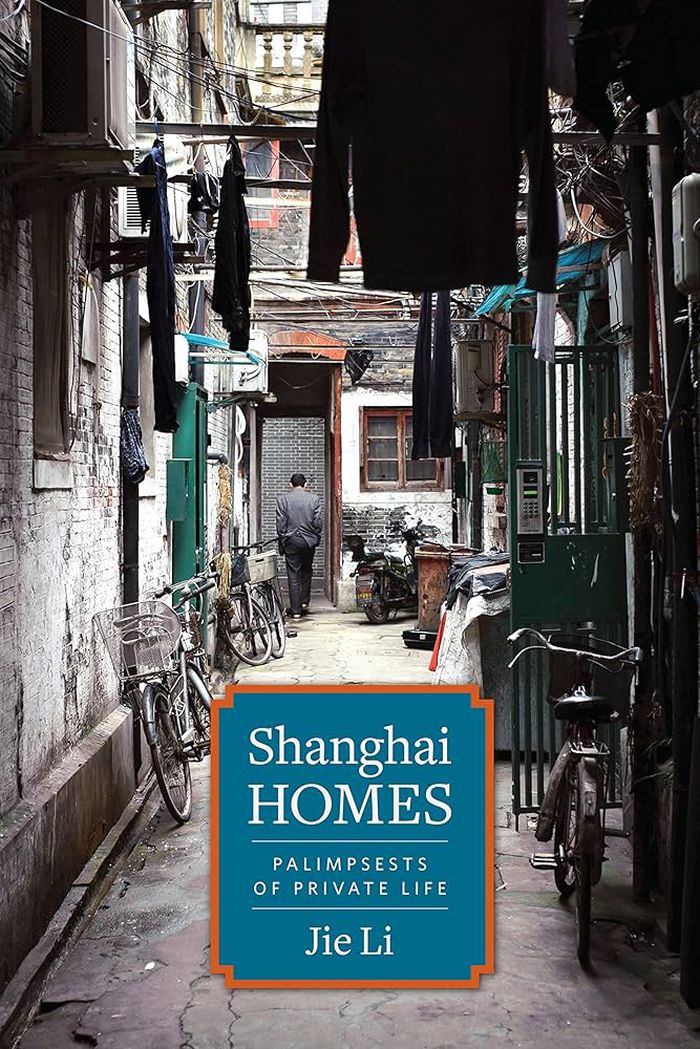
In the dazzling global metropolis of Shanghai, what has it meant to call this city home? In this account—part microhistory, part memoir—Jie Li salvages intimate recollections by successive generations of inhabitants of two vibrant, culturally mixed Shanghai alleyways from the Republican, Maoist, and post-Mao eras. Exploring three dimensions of private life—territories, artifacts, and gossip—Li re-creates the sounds, smells, look, and feel of home over a tumultuous century. First built by British and Japanese companies in 1915 and 1927, the two homes at the center of this narrative were located in an industrial part of the former "International Settlement." Before their recent demolition, they were nestled in Shanghai's labyrinthine alleyways, which housed more than half of the city's population from the Sino-Japanese War to the Cultural Revolution. Through interviews with her own family members as well as their neighbors, classmates, and co-workers, Li weaves a complex social tapestry reflecting the lived experiences of ordinary people struggling to absorb and adapt to major historical change. These voices include workers, intellectuals, Communists, Nationalists, foreigners, compradors, wives, concubines, and children who all fought for a foothold and haven in this city, witnessing spectacles so full of farce and pathos they could only be whispered as secret histories.
Shanghai homes: palimpsests of private life
Actions:
Price:
$45.00
(available to order)
Summary:
In the dazzling global metropolis of Shanghai, what has it meant to call this city home? In this account—part microhistory, part memoir—Jie Li salvages intimate recollections by successive generations of inhabitants of two vibrant, culturally mixed Shanghai alleyways from the Republican, Maoist, and post-Mao eras. Exploring three dimensions of private life—territories, artifacts, and gossip—Li re-creates the sounds, smells, look, and feel of home over a tumultuous century. First built by British and Japanese companies in 1915 and 1927, the two homes at the center of this narrative were located in an industrial part of the former "International Settlement." Before their recent demolition, they were nestled in Shanghai's labyrinthine alleyways, which housed more than half of the city's population from the Sino-Japanese War to the Cultural Revolution. Through interviews with her own family members as well as their neighbors, classmates, and co-workers, Li weaves a complex social tapestry reflecting the lived experiences of ordinary people struggling to absorb and adapt to major historical change. These voices include workers, intellectuals, Communists, Nationalists, foreigners, compradors, wives, concubines, and children who all fought for a foothold and haven in this city, witnessing spectacles so full of farce and pathos they could only be whispered as secret histories.
Form:
books
books
Publication:
April 2015
April 2015
Subject:
Contemporary Asian Architecture
Contemporary Asian Architecture
Form:
books
books
Title:
All citizens
All citizens
Actions:
Price:
$25.00
(available to order)
Summary:
In 2006, two artists fled the high cost of living in Vancouver and moved to a place where they knew absolutely nobody, Bruno, Saskatchewan, population 500. They set up a storefront building in which they housed their own unique brand of café / art shop / community centre / music venue called All Citizens from 2007-2011. McCarroll kept a blog called Going Rural of her(...)
$25.00
(available to order)
Summary:
In 2006, two artists fled the high cost of living in Vancouver and moved to a place where they knew absolutely nobody, Bruno, Saskatchewan, population 500. They set up a storefront building in which they housed their own unique brand of café / art shop / community centre / music venue called All Citizens from 2007-2011. McCarroll kept a blog called Going Rural of her(...)
Title:
All citizens
Actions:
Price:
$25.00
(available to order)
Summary:
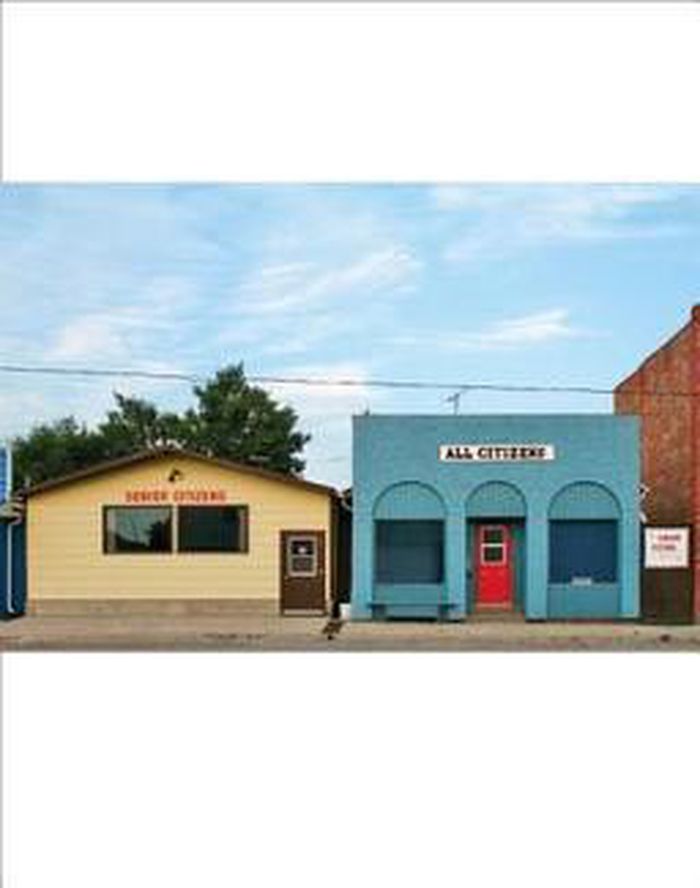
In 2006, two artists fled the high cost of living in Vancouver and moved to a place where they knew absolutely nobody, Bruno, Saskatchewan, population 500. They set up a storefront building in which they housed their own unique brand of café / art shop / community centre / music venue called All Citizens from 2007-2011. McCarroll kept a blog called Going Rural of her travels and experiences moving and setting up shop. This blog (text and photographs) forms a significant chapter of the All Citizens art book and serves as an introduction to Saara Liinamaa’s essay on rural interventions. The documentation (in text, interviews, and photographs) of the artistic practice of three local senior women formed McCarroll’s MFA thesis project in the Documentary Media Program at Ryerson and constitutes another significant chapter. Cartoonist David Collier visits one of these women in Bruno and provides a comic essay in his own style. Also contributing is artist Jason McLean. But the heart of the All Citizens project was the store itself, a meeting place, shop, cultural centre, music venue and all things in between. It was the ultimate culmination of a DIY aesthetic forged onto a rural landscape. Includes Bonus CD: Daniel, Fred, and Julie: Live at All Citizens.
All citizens
Actions:
Price:
$25.00
(available to order)
Summary:
In 2006, two artists fled the high cost of living in Vancouver and moved to a place where they knew absolutely nobody, Bruno, Saskatchewan, population 500. They set up a storefront building in which they housed their own unique brand of café / art shop / community centre / music venue called All Citizens from 2007-2011. McCarroll kept a blog called Going Rural of her travels and experiences moving and setting up shop. This blog (text and photographs) forms a significant chapter of the All Citizens art book and serves as an introduction to Saara Liinamaa’s essay on rural interventions. The documentation (in text, interviews, and photographs) of the artistic practice of three local senior women formed McCarroll’s MFA thesis project in the Documentary Media Program at Ryerson and constitutes another significant chapter. Cartoonist David Collier visits one of these women in Bruno and provides a comic essay in his own style. Also contributing is artist Jason McLean. But the heart of the All Citizens project was the store itself, a meeting place, shop, cultural centre, music venue and all things in between. It was the ultimate culmination of a DIY aesthetic forged onto a rural landscape. Includes Bonus CD: Daniel, Fred, and Julie: Live at All Citizens.
Form:
books
books
Publication:
November 2012
November 2012
Subject:
Canadian art
Canadian art
Form:
books
books
Price:
$28.95
(available to order)
Summary:
Most of the world's population now lives in cities. So if we are to address the problems of environmental deterioration and peak oil adequately, the city has to be a major focus of attention. EcoCities is about re-building cities and towns based on ecological principles for the long term sustainability, cultural vitality and health of the Earth's biosphere. Unique in(...)
$28.95
(available to order)
Summary:
Most of the world's population now lives in cities. So if we are to address the problems of environmental deterioration and peak oil adequately, the city has to be a major focus of attention. EcoCities is about re-building cities and towns based on ecological principles for the long term sustainability, cultural vitality and health of the Earth's biosphere. Unique in(...)
Title:
Ecocities
Actions:
Price:
$28.95
(available to order)
Summary:
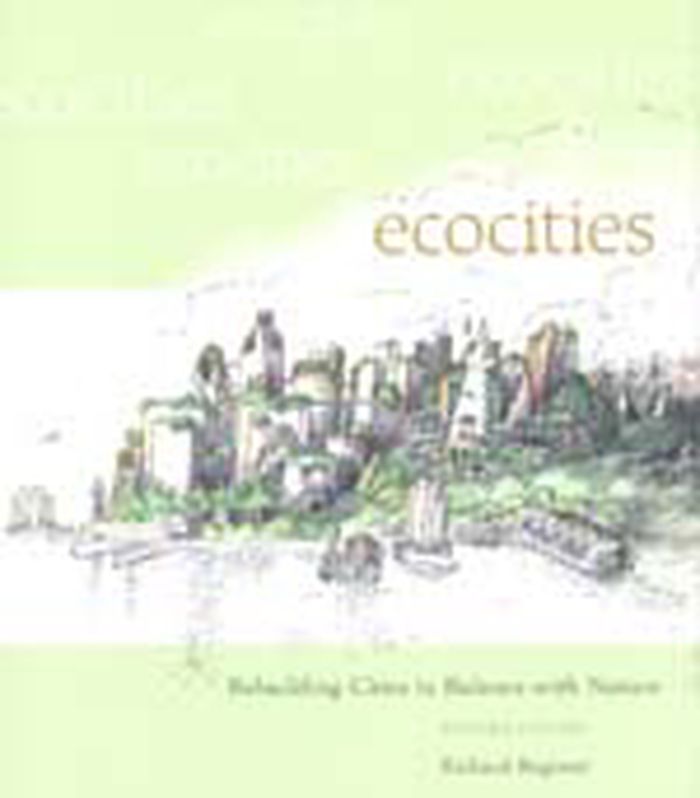
Most of the world's population now lives in cities. So if we are to address the problems of environmental deterioration and peak oil adequately, the city has to be a major focus of attention. EcoCities is about re-building cities and towns based on ecological principles for the long term sustainability, cultural vitality and health of the Earth's biosphere. Unique in the literature is the book's insight that the form of the city really matters - and that it is within our ability to change it, and crucial that we do. Further, that the ecocity within its bioregion is comprehensible and do-able, and can produce a healthy and potentially happy future. EcoCities describes the place of the city in evolution, nature and history. It pays special attention to the key question of accessibility and transportation, and outlines design principles for the ecocity. The reader is encouraged to plunge in to its economics and politics: the kinds of businesses, planning and leadership required. The book then outlines the tools by which a gradual transition to the ecocity could be accomplished. Throughout, this new edition is generously illustrated with the author's own inspired visions of what such rebuilt cities might actually look like.
Ecocities
Actions:
Price:
$28.95
(available to order)
Summary:
Most of the world's population now lives in cities. So if we are to address the problems of environmental deterioration and peak oil adequately, the city has to be a major focus of attention. EcoCities is about re-building cities and towns based on ecological principles for the long term sustainability, cultural vitality and health of the Earth's biosphere. Unique in the literature is the book's insight that the form of the city really matters - and that it is within our ability to change it, and crucial that we do. Further, that the ecocity within its bioregion is comprehensible and do-able, and can produce a healthy and potentially happy future. EcoCities describes the place of the city in evolution, nature and history. It pays special attention to the key question of accessibility and transportation, and outlines design principles for the ecocity. The reader is encouraged to plunge in to its economics and politics: the kinds of businesses, planning and leadership required. The book then outlines the tools by which a gradual transition to the ecocity could be accomplished. Throughout, this new edition is generously illustrated with the author's own inspired visions of what such rebuilt cities might actually look like.
Form:
books
books
Publication:
April 2006, Gabriola Island
April 2006, Gabriola Island
Subject:
Green Architecture
Green Architecture
Form:
books
books
Actions:
Price:
$32.00
(available to order)
Summary:
Nearly one in six Americans lives in "Megalopolis," an area of the northeastern United States along the I-95 corridor that includes the cities of Washington, Baltimore, Philadelphia, New York, and Boston. Liquid City is the first book to examine the major changes that have taken place in this "Main Street of the Nation" over the last half century. In 1957, geographer(...)
$32.00
(available to order)
Summary:
Nearly one in six Americans lives in "Megalopolis," an area of the northeastern United States along the I-95 corridor that includes the cities of Washington, Baltimore, Philadelphia, New York, and Boston. Liquid City is the first book to examine the major changes that have taken place in this "Main Street of the Nation" over the last half century. In 1957, geographer(...)
Title:
Liquid city : Megalopolos and the contemporary northeast
Actions:
Price:
$32.00
(available to order)
Summary:
Nearly one in six Americans lives in "Megalopolis," an area of the northeastern United States along the I-95 corridor that includes the cities of Washington, Baltimore, Philadelphia, New York, and Boston. Liquid City is the first book to examine the major changes that have taken place in this "Main Street of the Nation" over the last half century. In 1957, geographer Jean Gottman used the term "Megalopolis" to denote the Boston-to-Washington corridor. His seminal book, Megalopolis: The Urbanized Northeastern Seaboard of the United States, described the social, economic, and demographic characteristics of one of the largest city regions in the world. John Rennie Short juxtaposes Gottman's work with his own examination, providing a comprehensive assessment of the region's evolution. Particularly important is Short's use of the 2000 census data and his discussion of Megalopolis as a source of identity for the area's forty-nine million inhabitants. This clear and accessible book focuses on five main aspects of change in the region: population redistribution from cities to suburbs; economic restructuring as exemplified by the suburbanization of employment; the role of immigration; patterns of racial/ethnic segregation; and the processes of globalization that have made Megalopolis one of the world's most influential economies.
Liquid city : Megalopolos and the contemporary northeast
Actions:
Price:
$32.00
(available to order)
Summary:
Nearly one in six Americans lives in "Megalopolis," an area of the northeastern United States along the I-95 corridor that includes the cities of Washington, Baltimore, Philadelphia, New York, and Boston. Liquid City is the first book to examine the major changes that have taken place in this "Main Street of the Nation" over the last half century. In 1957, geographer Jean Gottman used the term "Megalopolis" to denote the Boston-to-Washington corridor. His seminal book, Megalopolis: The Urbanized Northeastern Seaboard of the United States, described the social, economic, and demographic characteristics of one of the largest city regions in the world. John Rennie Short juxtaposes Gottman's work with his own examination, providing a comprehensive assessment of the region's evolution. Particularly important is Short's use of the 2000 census data and his discussion of Megalopolis as a source of identity for the area's forty-nine million inhabitants. This clear and accessible book focuses on five main aspects of change in the region: population redistribution from cities to suburbs; economic restructuring as exemplified by the suburbanization of employment; the role of immigration; patterns of racial/ethnic segregation; and the processes of globalization that have made Megalopolis one of the world's most influential economies.
Form:
books
books
Publication:
July 2007, Washington
July 2007, Washington
Subject:
Urban Theory
Urban Theory
Form:
books
books
Title:
Montréal ambiances
Montréal ambiances
Actions:
Price:
$49.95
(available to order)
Summary:
Montréal est aimée passionnément par des millions de personnes. Elle a sa beauté particulière qui la distingue des autres grandes villes du monde. Elle n’a jamais cessé de se transformer et de s’embellir au fil des ans. Dans cet ouvrage, Georges-Hébert Germain brosse un portrait saisissant de cette fascinante métropole. À l’aide de sa plume précise et colorée, il exprime(...)
$49.95
(available to order)
Summary:
Montréal est aimée passionnément par des millions de personnes. Elle a sa beauté particulière qui la distingue des autres grandes villes du monde. Elle n’a jamais cessé de se transformer et de s’embellir au fil des ans. Dans cet ouvrage, Georges-Hébert Germain brosse un portrait saisissant de cette fascinante métropole. À l’aide de sa plume précise et colorée, il exprime(...)
Subject:
Architecture de Montréal
Architecture de Montréal
Publication:
September 2006, Québec
September 2006, Québec
Title:
Montréal ambiances
Actions:
Price:
$49.95
(available to order)
Summary:
Montréal est aimée passionnément par des millions de personnes. Elle a sa beauté particulière qui la distingue des autres grandes villes du monde. Elle n’a jamais cessé de se transformer et de s’embellir au fil des ans. Dans cet ouvrage, Georges-Hébert Germain brosse un portrait saisissant de cette fascinante métropole. À l’aide de sa plume précise et colorée, il exprime avec un remarquable pouvoir évocateur le charme et la séduction de Montréal. Les photos de Linda Turgeon et les légendes de Rose Élise Cialdella présentent les multiples facettes de cette grande cité. Son histoire, son architecture, sa vie culturelle et sa dimension humaine y sont illustrées. Venez goûter les ambiances toutes particulières qui imprègnent cette ville. Vous serez captivés par la richesse visuelle disséminée un peu partout à Montréal. Vous sentirez presque les parfums qui flottent sur les parcs et croirez entendre la rumeur de cette métropole grouillante d’une population cosmopolite. Principale ville de l’Amérique française, Montréal présente un visage culturel et historique façonné par les tourments et les fantasmes d’un peuple assiégé mais revendicateur. Cet ouvrage rappelle que Montréal est un écrin où se retrouvent des joyaux et des trésors méconnus parfois de ses propres habitants. Découvrez-les ici et laissez-vous enjôler par cette ville amoureusement étendue sur son île.
Montréal ambiances
Actions:
Price:
$49.95
(available to order)
Summary:
Montréal est aimée passionnément par des millions de personnes. Elle a sa beauté particulière qui la distingue des autres grandes villes du monde. Elle n’a jamais cessé de se transformer et de s’embellir au fil des ans. Dans cet ouvrage, Georges-Hébert Germain brosse un portrait saisissant de cette fascinante métropole. À l’aide de sa plume précise et colorée, il exprime avec un remarquable pouvoir évocateur le charme et la séduction de Montréal. Les photos de Linda Turgeon et les légendes de Rose Élise Cialdella présentent les multiples facettes de cette grande cité. Son histoire, son architecture, sa vie culturelle et sa dimension humaine y sont illustrées. Venez goûter les ambiances toutes particulières qui imprègnent cette ville. Vous serez captivés par la richesse visuelle disséminée un peu partout à Montréal. Vous sentirez presque les parfums qui flottent sur les parcs et croirez entendre la rumeur de cette métropole grouillante d’une population cosmopolite. Principale ville de l’Amérique française, Montréal présente un visage culturel et historique façonné par les tourments et les fantasmes d’un peuple assiégé mais revendicateur. Cet ouvrage rappelle que Montréal est un écrin où se retrouvent des joyaux et des trésors méconnus parfois de ses propres habitants. Découvrez-les ici et laissez-vous enjôler par cette ville amoureusement étendue sur son île.
Form:
books
books
Publication:
September 2006, Québec
September 2006, Québec
Subject:
Architecture de Montréal
Architecture de Montréal
Form:
books
books
Title:
Montreal moods
Montreal moods
Actions:
Price:
$49.95
(available to order)
Summary:
Millions of people love Montreal with a passion. It has a beauty of its own that sets it apart from the other great cities of the world. Over the years, Montreal has never ceased to change or grow in beauty. In this volume, Georges-Hébert Germain paints an arresting portrait of this fascinating metropolis. In this precise, colourful writing style, he describes, with(...)
$49.95
(available to order)
Summary:
Millions of people love Montreal with a passion. It has a beauty of its own that sets it apart from the other great cities of the world. Over the years, Montreal has never ceased to change or grow in beauty. In this volume, Georges-Hébert Germain paints an arresting portrait of this fascinating metropolis. In this precise, colourful writing style, he describes, with(...)
Subject:
Architecture de Montréal
Architecture de Montréal
Publication:
September 2006, Québec
September 2006, Québec
Title:
Montreal moods
Actions:
Price:
$49.95
(available to order)
Summary:
Millions of people love Montreal with a passion. It has a beauty of its own that sets it apart from the other great cities of the world. Over the years, Montreal has never ceased to change or grow in beauty. In this volume, Georges-Hébert Germain paints an arresting portrait of this fascinating metropolis. In this precise, colourful writing style, he describes, with remarkable evocatory power, the charm and seductiveness of Montreal. Linda Turgeon's photographs and Rose Élise Cialdella's captions portray the multiple facets-history, architecture, cultural life and human dimension-of this great city. Experience the special moods that permeate it. You will be captivated by the visual treasure trove scattered throughout Montreal. You will almost smell the scents wafting through the city's parks. You will imagine you can hear the hubbub of this teeming metropolis and its cosmopolitan population. The cultural and historical face of Montréal, the principal city of French America, has been shaped by the torment and fantasies of a people besieged but outspoken in their demands. This volume is a reminder that Montreal is a setting for gems occasionaly unbeknownst to even its own inhabitants. Discover them here and let yourself be bewitched by this city lovingly stretched out on its island.
Montreal moods
Actions:
Price:
$49.95
(available to order)
Summary:
Millions of people love Montreal with a passion. It has a beauty of its own that sets it apart from the other great cities of the world. Over the years, Montreal has never ceased to change or grow in beauty. In this volume, Georges-Hébert Germain paints an arresting portrait of this fascinating metropolis. In this precise, colourful writing style, he describes, with remarkable evocatory power, the charm and seductiveness of Montreal. Linda Turgeon's photographs and Rose Élise Cialdella's captions portray the multiple facets-history, architecture, cultural life and human dimension-of this great city. Experience the special moods that permeate it. You will be captivated by the visual treasure trove scattered throughout Montreal. You will almost smell the scents wafting through the city's parks. You will imagine you can hear the hubbub of this teeming metropolis and its cosmopolitan population. The cultural and historical face of Montréal, the principal city of French America, has been shaped by the torment and fantasies of a people besieged but outspoken in their demands. This volume is a reminder that Montreal is a setting for gems occasionaly unbeknownst to even its own inhabitants. Discover them here and let yourself be bewitched by this city lovingly stretched out on its island.
Form:
books
books
Publication:
September 2006, Québec
September 2006, Québec
Subject:
Architecture de Montréal
Architecture de Montréal
Form:
books
books

Price:
$25.00
(available to order)
Summary:
Ants are legion: at present there are 11,006 species of ant known; they live everywhere in the world except the polar icecaps; and the combined weight of the ant population has been estimated to make up half the mass of all insects alive today. When we encounter them outdoors, ants fascinate us; discovered in our kitchen cupboards, they elicit horror and disgust.(...)
$25.00
(available to order)
Summary:
Ants are legion: at present there are 11,006 species of ant known; they live everywhere in the world except the polar icecaps; and the combined weight of the ant population has been estimated to make up half the mass of all insects alive today. When we encounter them outdoors, ants fascinate us; discovered in our kitchen cupboards, they elicit horror and disgust.(...)
Title:
Ant
Actions:
Price:
$25.00
(available to order)
Summary:
Ants are legion: at present there are 11,006 species of ant known; they live everywhere in the world except the polar icecaps; and the combined weight of the ant population has been estimated to make up half the mass of all insects alive today. When we encounter them outdoors, ants fascinate us; discovered in our kitchen cupboards, they elicit horror and disgust. Charlotte Sleigh’s 'Ant' elucidates the cultural reasons behind our varied reactions to these extraordinary insects, and considers the variety of responses that humans have expressed at different times and in different places to their intricate, miniature societies. Ants have figured as fantasy miniature armies, as models of good behaviour, as infiltrating communists and as creatures on the borderline between the realms of the organic and the machine: in 1977 British Telecom hired ant experts to help solve problems with their massive information network. This is the first book to examine ants in these and many other such guises, and in so doing opens up broader issues about the history of science and humans’ relations with the natural world. It will be of interest to anyone who likes natural history or cultural studies, or who has ever rushed out and bought a can of Raid™.
Ant
Actions:
Price:
$25.00
(available to order)
Summary:
Ants are legion: at present there are 11,006 species of ant known; they live everywhere in the world except the polar icecaps; and the combined weight of the ant population has been estimated to make up half the mass of all insects alive today. When we encounter them outdoors, ants fascinate us; discovered in our kitchen cupboards, they elicit horror and disgust. Charlotte Sleigh’s 'Ant' elucidates the cultural reasons behind our varied reactions to these extraordinary insects, and considers the variety of responses that humans have expressed at different times and in different places to their intricate, miniature societies. Ants have figured as fantasy miniature armies, as models of good behaviour, as infiltrating communists and as creatures on the borderline between the realms of the organic and the machine: in 1977 British Telecom hired ant experts to help solve problems with their massive information network. This is the first book to examine ants in these and many other such guises, and in so doing opens up broader issues about the history of science and humans’ relations with the natural world. It will be of interest to anyone who likes natural history or cultural studies, or who has ever rushed out and bought a can of Raid™.
Form:
books
books
Publication:
January 1900, London
January 1900, London
Subject:
Fauna and flora
Fauna and flora


