


1902 Results
Form:
books
books
Actions:
Price:
$26.00
(available to order)
Summary:
L’observation des territoires urbains contemporains fait apparaître un paradoxe singulier. Si les politiques publiques s’efforcent de freiner la consommation de sol et les pressions sur le paysage par la promotion de stratégies pour juguler l’étalement urbain, un stock considérable de terrains situés au coeur des villes et des agglomérations n’en demeure pas moins à(...)
$26.00
(available to order)
Summary:
L’observation des territoires urbains contemporains fait apparaître un paradoxe singulier. Si les politiques publiques s’efforcent de freiner la consommation de sol et les pressions sur le paysage par la promotion de stratégies pour juguler l’étalement urbain, un stock considérable de terrains situés au coeur des villes et des agglomérations n’en demeure pas moins à(...)
Title:
Des friches urbaines aux quartiers durables
Actions:
Price:
$26.00
(available to order)
Summary:
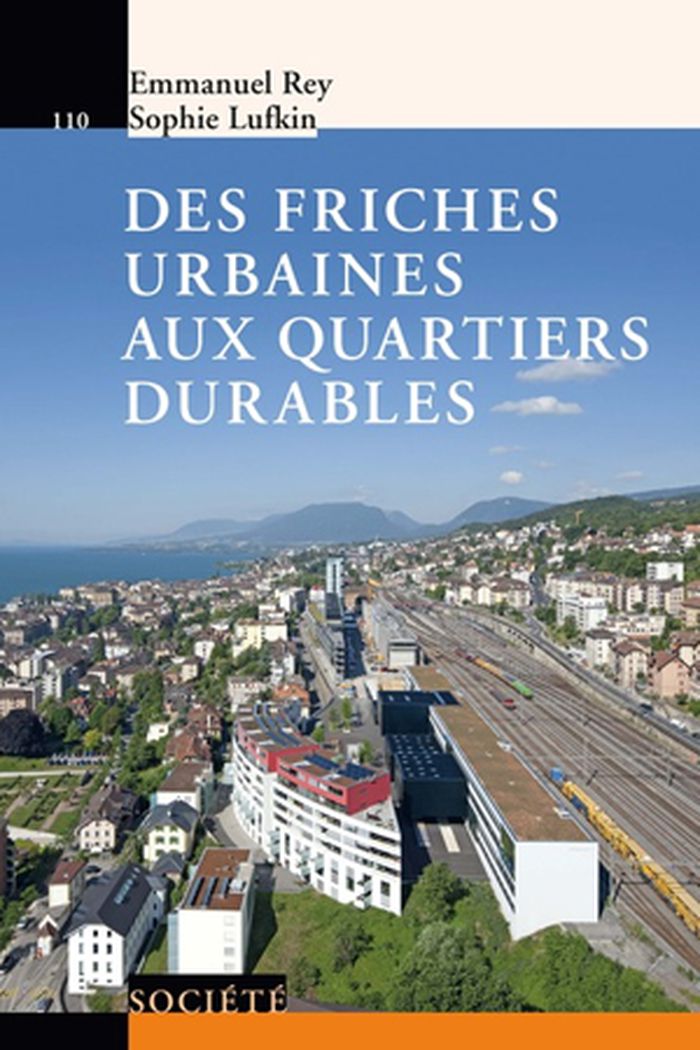
L’observation des territoires urbains contemporains fait apparaître un paradoxe singulier. Si les politiques publiques s’efforcent de freiner la consommation de sol et les pressions sur le paysage par la promotion de stratégies pour juguler l’étalement urbain, un stock considérable de terrains situés au coeur des villes et des agglomérations n’en demeure pas moins à l’abandon. Ces friches urbaines, qui abritaient autrefois des activités industrielles, ferroviaires, militaires ou infrastructurelles, offrent pourtant de précieuses réserves de terrains constructibles. Selon certaines estimations récentes, une surface équivalant au double de la superficie d'une ville comme Genève sommeille actuellement au coeur des territoires urbains en Suisse. Plusieurs exemples de projets de reconversion ont mis en évidence la pertinence des démarches visant à régénérer les friches urbaines en quartiers animés, attractifs pour l’habitat et propices au déploiement d’activités économiques, sociales et culturelles. Cet ouvrage dresse un état des lieux précis de la situation. A l’aide de multiples exemples , il se focalise sur les stratégies de régénération des friches urbaines dans une perspective de développement territorial durable. Il fournit enfin une panoplie de propositions concrètes, visant à transférer les enseignements tirés d'expériences pionnières en matière d’intégration de la durabilité vers les pratiques courantes de la planification urbaine.
Des friches urbaines aux quartiers durables
Actions:
Price:
$26.00
(available to order)
Summary:
L’observation des territoires urbains contemporains fait apparaître un paradoxe singulier. Si les politiques publiques s’efforcent de freiner la consommation de sol et les pressions sur le paysage par la promotion de stratégies pour juguler l’étalement urbain, un stock considérable de terrains situés au coeur des villes et des agglomérations n’en demeure pas moins à l’abandon. Ces friches urbaines, qui abritaient autrefois des activités industrielles, ferroviaires, militaires ou infrastructurelles, offrent pourtant de précieuses réserves de terrains constructibles. Selon certaines estimations récentes, une surface équivalant au double de la superficie d'une ville comme Genève sommeille actuellement au coeur des territoires urbains en Suisse. Plusieurs exemples de projets de reconversion ont mis en évidence la pertinence des démarches visant à régénérer les friches urbaines en quartiers animés, attractifs pour l’habitat et propices au déploiement d’activités économiques, sociales et culturelles. Cet ouvrage dresse un état des lieux précis de la situation. A l’aide de multiples exemples , il se focalise sur les stratégies de régénération des friches urbaines dans une perspective de développement territorial durable. Il fournit enfin une panoplie de propositions concrètes, visant à transférer les enseignements tirés d'expériences pionnières en matière d’intégration de la durabilité vers les pratiques courantes de la planification urbaine.
Form:
books
books
Publication:
May 2016
May 2016
Subject:
Urban Landscapes
Urban Landscapes
Form:
journals and magazines
journals and magazines
Actions:
Price:
$32.95
(available in store)
Summary:
ome places or epochs are identified with certain colours: Siena for example, which lent its name to yellowish-brown pig-ments, or the Habsburg era with its Imperial yellow. Tel Aviv, has its White City – a UNESCO World Heritage site designed by Jewish architects who studied at the Bauhaus. White is the colour identified with the Modern Movement, of course, but the(...)
$32.95
(available in store)
Summary:
ome places or epochs are identified with certain colours: Siena for example, which lent its name to yellowish-brown pig-ments, or the Habsburg era with its Imperial yellow. Tel Aviv, has its White City – a UNESCO World Heritage site designed by Jewish architects who studied at the Bauhaus. White is the colour identified with the Modern Movement, of course, but the(...)
Title:
Detail 12 2016 : colour materials finishes
Actions:
Price:
$32.95
(available in store)
Summary:
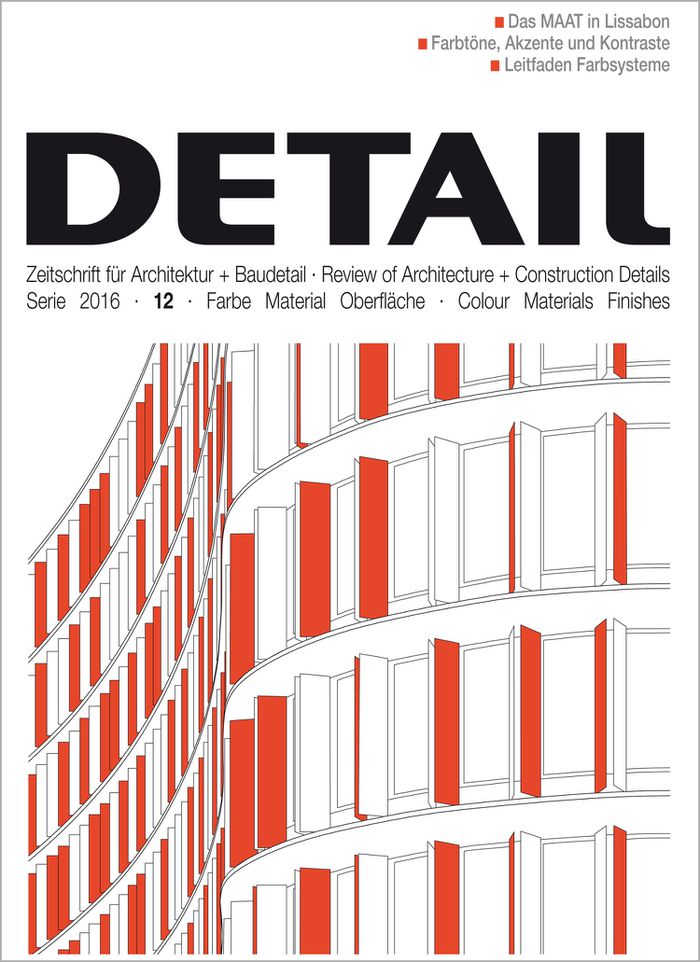
ome places or epochs are identified with certain colours: Siena for example, which lent its name to yellowish-brown pig-ments, or the Habsburg era with its Imperial yellow. Tel Aviv, has its White City – a UNESCO World Heritage site designed by Jewish architects who studied at the Bauhaus. White is the colour identified with the Modern Movement, of course, but the coloured interiors of the masters’ houses in Dessau by Walter Gropius show that not everything was reduced to that hue. There are probably just as many colour theories as there are colour tones; but the streets in our towns and cities are rarely characterized by a consistent colour scheme. In this respect, the materials and their surface finishes play a dominant role. In our December issue, we present various architectural concepts that focus on the effects of colour. For example, the Sparren-burg Visitors’ Centre in Bielefeld with its tamped concrete facades enters into a dialogue with the historical surroundings, while the polychrome glazing of Sauerbruch Hutton’s office building in London forms a deliberate counterpoint to the urban environment. As one can see, architecture has to come to terms with colour. There is no such thing as neutrality.
Detail 12 2016 : colour materials finishes
Actions:
Price:
$32.95
(available in store)
Summary:
ome places or epochs are identified with certain colours: Siena for example, which lent its name to yellowish-brown pig-ments, or the Habsburg era with its Imperial yellow. Tel Aviv, has its White City – a UNESCO World Heritage site designed by Jewish architects who studied at the Bauhaus. White is the colour identified with the Modern Movement, of course, but the coloured interiors of the masters’ houses in Dessau by Walter Gropius show that not everything was reduced to that hue. There are probably just as many colour theories as there are colour tones; but the streets in our towns and cities are rarely characterized by a consistent colour scheme. In this respect, the materials and their surface finishes play a dominant role. In our December issue, we present various architectural concepts that focus on the effects of colour. For example, the Sparren-burg Visitors’ Centre in Bielefeld with its tamped concrete facades enters into a dialogue with the historical surroundings, while the polychrome glazing of Sauerbruch Hutton’s office building in London forms a deliberate counterpoint to the urban environment. As one can see, architecture has to come to terms with colour. There is no such thing as neutrality.
Form:
journals and magazines
journals and magazines
Publication:
December 2016
December 2016
Subject:
Magazines
Magazines
Form:
books
books
Actions:
Price:
$19.95
(available to order)
Summary:
Japan today protects one-seventh of its land surface in parks, which are visited by well over a billion people each year. Parkscapes analyzes the origins, development, and distinctive features of these public spaces. Green zones were created by the government beginning in the late nineteenth century for state purposes but eventually evolved into sites of negotiation(...)
$19.95
(available to order)
Summary:
Japan today protects one-seventh of its land surface in parks, which are visited by well over a billion people each year. Parkscapes analyzes the origins, development, and distinctive features of these public spaces. Green zones were created by the government beginning in the late nineteenth century for state purposes but eventually evolved into sites of negotiation(...)
Title:
Parkscapes: green spaces in modern Japan
Actions:
Price:
$19.95
(available to order)
Summary:
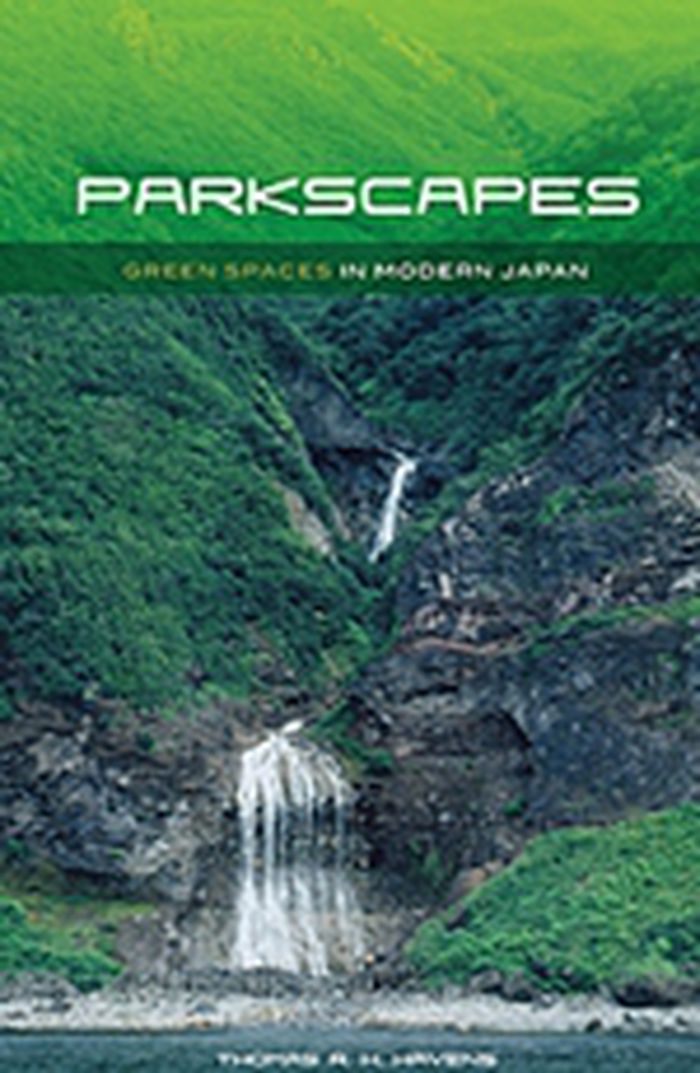
Japan today protects one-seventh of its land surface in parks, which are visited by well over a billion people each year. Parkscapes analyzes the origins, development, and distinctive features of these public spaces. Green zones were created by the government beginning in the late nineteenth century for state purposes but eventually evolved into sites of negotiation between bureaucrats and ordinary citizens who use them for demonstrations, riots, and shelters, as well as recreation. Thomas Havens shows how revolutionary officials in the 1870s seized private properties and converted them into public parks for educating and managing citizens in the new emperor-sanctioned state. Rebuilding Tokyo and Yokohama after the earthquake and fires of 1923 spurred the spread of urban parklands both in the capital and other cities. According to Havens, the growth of suburbs, the national mobilization of World War II, and the post-1945 American occupation helped speed the creation of more urban parks, setting the stage for vast increases in public green spaces during Japan’s golden age of affluence from the 1960s through the 1980s. Since the 1990s the Japanese public has embraced a heightened ecological consciousness and become deeply involved in the design and management of both city and natural parks—realms once monopolized by government bureaucrats.
Parkscapes: green spaces in modern Japan
Actions:
Price:
$19.95
(available to order)
Summary:
Japan today protects one-seventh of its land surface in parks, which are visited by well over a billion people each year. Parkscapes analyzes the origins, development, and distinctive features of these public spaces. Green zones were created by the government beginning in the late nineteenth century for state purposes but eventually evolved into sites of negotiation between bureaucrats and ordinary citizens who use them for demonstrations, riots, and shelters, as well as recreation. Thomas Havens shows how revolutionary officials in the 1870s seized private properties and converted them into public parks for educating and managing citizens in the new emperor-sanctioned state. Rebuilding Tokyo and Yokohama after the earthquake and fires of 1923 spurred the spread of urban parklands both in the capital and other cities. According to Havens, the growth of suburbs, the national mobilization of World War II, and the post-1945 American occupation helped speed the creation of more urban parks, setting the stage for vast increases in public green spaces during Japan’s golden age of affluence from the 1960s through the 1980s. Since the 1990s the Japanese public has embraced a heightened ecological consciousness and become deeply involved in the design and management of both city and natural parks—realms once monopolized by government bureaucrats.
Form:
books
books
Publication:
April 2011
April 2011
Subject:
Landscape Theory
Landscape Theory
Form:
books
books
Title:
Terre rare
Terre rare
Actions:
Price:
$54.95
(available in store)
Summary:
Dans un ciel étoilé, une sphère éclatante traverse la nuit, attirant le regard de façon hypnotique. Alternant plans rapprochés et visions plus larges, le dessin de Clément Vuillier joue avec des contrastes extrêmes et des transformations graphiques pour suivre le voyage de cet objet mystérieux à travers le cosmos. La sphère s'approche enfin d'un astre rocailleux, sorte de(...)
$54.95
(available in store)
Summary:
Dans un ciel étoilé, une sphère éclatante traverse la nuit, attirant le regard de façon hypnotique. Alternant plans rapprochés et visions plus larges, le dessin de Clément Vuillier joue avec des contrastes extrêmes et des transformations graphiques pour suivre le voyage de cet objet mystérieux à travers le cosmos. La sphère s'approche enfin d'un astre rocailleux, sorte de(...)
Title:
Terre rare
Actions:
Price:
$54.95
(available in store)
Summary:
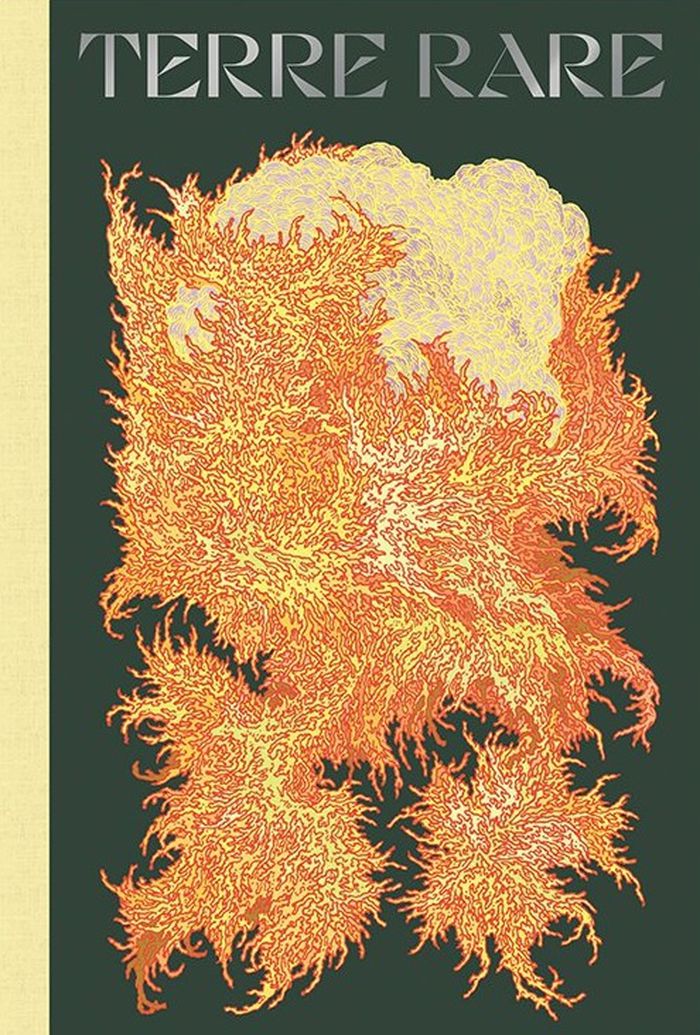
Dans un ciel étoilé, une sphère éclatante traverse la nuit, attirant le regard de façon hypnotique. Alternant plans rapprochés et visions plus larges, le dessin de Clément Vuillier joue avec des contrastes extrêmes et des transformations graphiques pour suivre le voyage de cet objet mystérieux à travers le cosmos. La sphère s'approche enfin d'un astre rocailleux, sorte de lune grise et morte en apparence. Pourtant, sous la surface de ce désert minéral, palpitent des pierres précieuses et colorées. Lorsqu'elle a fait le tour de cette lune aux trésors enfouis, la sphère s'arrête, s'ouvre, et déverse une multitude d'autres sphères, versions miniatures d'elle-même qui, au contact de la roche, explosent, laminant le sol, faisant jaillir des volcans de roches, jusqu'à la grande explosion finale, ne laissant derrière elles que des blocs éclatés dérivant en apesanteur. L'astre rocheux n'est plus, ses trésors enfouis non plus et, traversant cet amas de roches brisées, la sphère reprend son chemin vers le coeur mis à nu de l'astéroïde. Elle s'ouvre, s'en empare, avant de reprendre sa course céleste, ne laissant derrière être que des poussières flottant au milieu du vide, comme les ruines d'un monde détruit pour assouvir les besoins d'une civilisation dont nous ne saurons rien.
Terre rare
Actions:
Price:
$54.95
(available in store)
Summary:
Dans un ciel étoilé, une sphère éclatante traverse la nuit, attirant le regard de façon hypnotique. Alternant plans rapprochés et visions plus larges, le dessin de Clément Vuillier joue avec des contrastes extrêmes et des transformations graphiques pour suivre le voyage de cet objet mystérieux à travers le cosmos. La sphère s'approche enfin d'un astre rocailleux, sorte de lune grise et morte en apparence. Pourtant, sous la surface de ce désert minéral, palpitent des pierres précieuses et colorées. Lorsqu'elle a fait le tour de cette lune aux trésors enfouis, la sphère s'arrête, s'ouvre, et déverse une multitude d'autres sphères, versions miniatures d'elle-même qui, au contact de la roche, explosent, laminant le sol, faisant jaillir des volcans de roches, jusqu'à la grande explosion finale, ne laissant derrière elles que des blocs éclatés dérivant en apesanteur. L'astre rocheux n'est plus, ses trésors enfouis non plus et, traversant cet amas de roches brisées, la sphère reprend son chemin vers le coeur mis à nu de l'astéroïde. Elle s'ouvre, s'en empare, avant de reprendre sa course céleste, ne laissant derrière être que des poussières flottant au milieu du vide, comme les ruines d'un monde détruit pour assouvir les besoins d'une civilisation dont nous ne saurons rien.
Form:
books
books
Publication:
October 2022
October 2022
Subject:
Illustration
Illustration
Form:
books
books
Title:
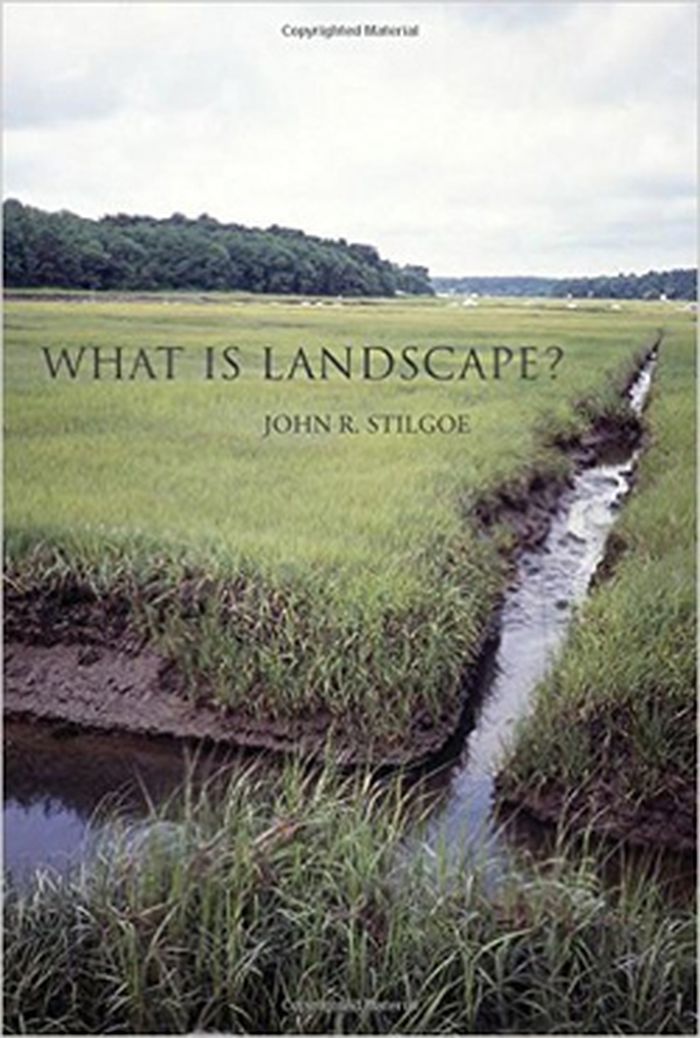
What is landscape?
What is landscape?
Actions:
Price:
$29.50
(available to order)
Summary:
Landscape, John Stilgoe tells us, is a noun. From the old Frisian language (once spoken in coastal parts of the Netherlands and Germany), it meant shoveled land: landschop. Sixteenth-century Englishmen misheard or mispronounced this as landskep, which became landskip, then landscape, designating the surface of the earth shaped for human habitation. In What Is Landscape?(...)
$29.50
(available to order)
Summary:
Landscape, John Stilgoe tells us, is a noun. From the old Frisian language (once spoken in coastal parts of the Netherlands and Germany), it meant shoveled land: landschop. Sixteenth-century Englishmen misheard or mispronounced this as landskep, which became landskip, then landscape, designating the surface of the earth shaped for human habitation. In What Is Landscape?(...)
Title:
What is landscape?
Actions:
Price:
$29.50
(available to order)
Summary:
Landscape, John Stilgoe tells us, is a noun. From the old Frisian language (once spoken in coastal parts of the Netherlands and Germany), it meant shoveled land: landschop. Sixteenth-century Englishmen misheard or mispronounced this as landskep, which became landskip, then landscape, designating the surface of the earth shaped for human habitation. In What Is Landscape? Stilgoe maps the discovery of landscape by putting words to things, zeroing in on landscape’s essence but also leading sideways expeditions through such sources as children’s picture books, folklore, deeds, antique terminology, out-of-print dictionaries, and conversations with locals. (“What is that?” “Well, it’s not really a slough, not really, it’s a bayou . . .”) He offers a written narrative lexicon of landscape as word, concept, and path to discoveries. What Is Landscape? is an invitation to walk, to notice, to ask: to see a sandcastle with a pinwheel at the beach and think of Dutch windmills—icons of triumph, markers of territory won from the sea; to walk in the woods and be amused by the Elizabethans’ misuse of the Latin silvaticus (people of the woods) to coin the word savages; to see in a suburban front lawn a representation of the meadow of a medieval freehold.
What is landscape?
Actions:
Price:
$29.50
(available to order)
Summary:
Landscape, John Stilgoe tells us, is a noun. From the old Frisian language (once spoken in coastal parts of the Netherlands and Germany), it meant shoveled land: landschop. Sixteenth-century Englishmen misheard or mispronounced this as landskep, which became landskip, then landscape, designating the surface of the earth shaped for human habitation. In What Is Landscape? Stilgoe maps the discovery of landscape by putting words to things, zeroing in on landscape’s essence but also leading sideways expeditions through such sources as children’s picture books, folklore, deeds, antique terminology, out-of-print dictionaries, and conversations with locals. (“What is that?” “Well, it’s not really a slough, not really, it’s a bayou . . .”) He offers a written narrative lexicon of landscape as word, concept, and path to discoveries. What Is Landscape? is an invitation to walk, to notice, to ask: to see a sandcastle with a pinwheel at the beach and think of Dutch windmills—icons of triumph, markers of territory won from the sea; to walk in the woods and be amused by the Elizabethans’ misuse of the Latin silvaticus (people of the woods) to coin the word savages; to see in a suburban front lawn a representation of the meadow of a medieval freehold.
Form:
books
books
Publication:
August 2015
August 2015
Subject:
Landscape Theory
Landscape Theory
Form:
books
books
Actions:
Price:
$35.00
(available in store)
Summary:
The rural, remote, and wild territories we call "countryside", or the 98% of the earth's surface not occupied by cities, make up the front line where today's most powerful forces-climate and ecological devastation, migration, tech, demographic lurches-are playing out. Increasingly under a 'Cartesian' regime-gridded, mechanized, and optimized for maximal production-these(...)
$35.00
(available in store)
Summary:
The rural, remote, and wild territories we call "countryside", or the 98% of the earth's surface not occupied by cities, make up the front line where today's most powerful forces-climate and ecological devastation, migration, tech, demographic lurches-are playing out. Increasingly under a 'Cartesian' regime-gridded, mechanized, and optimized for maximal production-these(...)
Title:
Koolhaas. Countryside, A Report (US edition)
Actions:
Price:
$35.00
(available in store)
Summary:
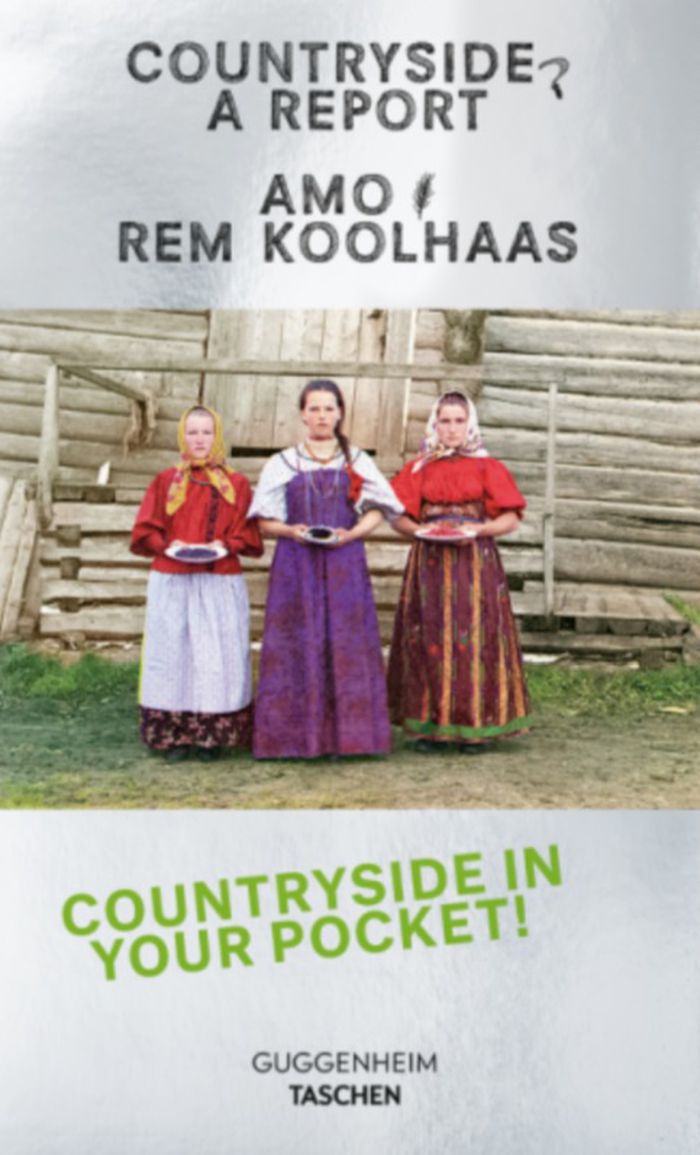
The rural, remote, and wild territories we call "countryside", or the 98% of the earth's surface not occupied by cities, make up the front line where today's most powerful forces-climate and ecological devastation, migration, tech, demographic lurches-are playing out. Increasingly under a 'Cartesian' regime-gridded, mechanized, and optimized for maximal production-these sites are changing beyond recognition. In his latest publication, Rem Koolhaas explores the rapid and often hidden transformations underway across the Earth's vast non-urban areas. This book gathers travelogue essays exploring territories marked by global forces and experimentation at the edge of our consciousness: a test site near Fukushima, where the robots that will maintain Japan's infrastructure and agriculture are tested; a greenhouse city in the Netherlands that may be the origin for the cosmology of today's countryside; the rapidly thawing permafrost of Central Siberia, a region wrestling with the possibility of relocation; refugees populating dying villages in the German countryside and intersecting with climate change activists; habituated mountain gorillas confronting humans on 'their' territory in Uganda; the American Midwest, where industrial-scale farming operations are coming to grips with regenerative agriculture; and Chinese villages transformed into all-in-one factory, e-commerce stores, and fulfillment centers.
Koolhaas. Countryside, A Report (US edition)
Actions:
Price:
$35.00
(available in store)
Summary:
The rural, remote, and wild territories we call "countryside", or the 98% of the earth's surface not occupied by cities, make up the front line where today's most powerful forces-climate and ecological devastation, migration, tech, demographic lurches-are playing out. Increasingly under a 'Cartesian' regime-gridded, mechanized, and optimized for maximal production-these sites are changing beyond recognition. In his latest publication, Rem Koolhaas explores the rapid and often hidden transformations underway across the Earth's vast non-urban areas. This book gathers travelogue essays exploring territories marked by global forces and experimentation at the edge of our consciousness: a test site near Fukushima, where the robots that will maintain Japan's infrastructure and agriculture are tested; a greenhouse city in the Netherlands that may be the origin for the cosmology of today's countryside; the rapidly thawing permafrost of Central Siberia, a region wrestling with the possibility of relocation; refugees populating dying villages in the German countryside and intersecting with climate change activists; habituated mountain gorillas confronting humans on 'their' territory in Uganda; the American Midwest, where industrial-scale farming operations are coming to grips with regenerative agriculture; and Chinese villages transformed into all-in-one factory, e-commerce stores, and fulfillment centers.
Form:
books
books
Publication:
April 2020
April 2020
Subject:
Architecture Monographs
Architecture Monographs
Form:
books
books
Actions:
Price:
$44.00
(available to order)
Summary:
Cities are becoming increasingly fragmented materially, socially, and spatially. From broken toilets and everyday things, to art and forms of writing, fragments are signatures of urban worlds and provocations for change. In "Fragments of the city," Colin McFarlane examines such fragments, what they are and how they come to matter in the experience, politics, and(...)
$44.00
(available to order)
Summary:
Cities are becoming increasingly fragmented materially, socially, and spatially. From broken toilets and everyday things, to art and forms of writing, fragments are signatures of urban worlds and provocations for change. In "Fragments of the city," Colin McFarlane examines such fragments, what they are and how they come to matter in the experience, politics, and(...)
Title:
Fragments of the city: making and remaking urban worlds
Actions:
Price:
$44.00
(available to order)
Summary:
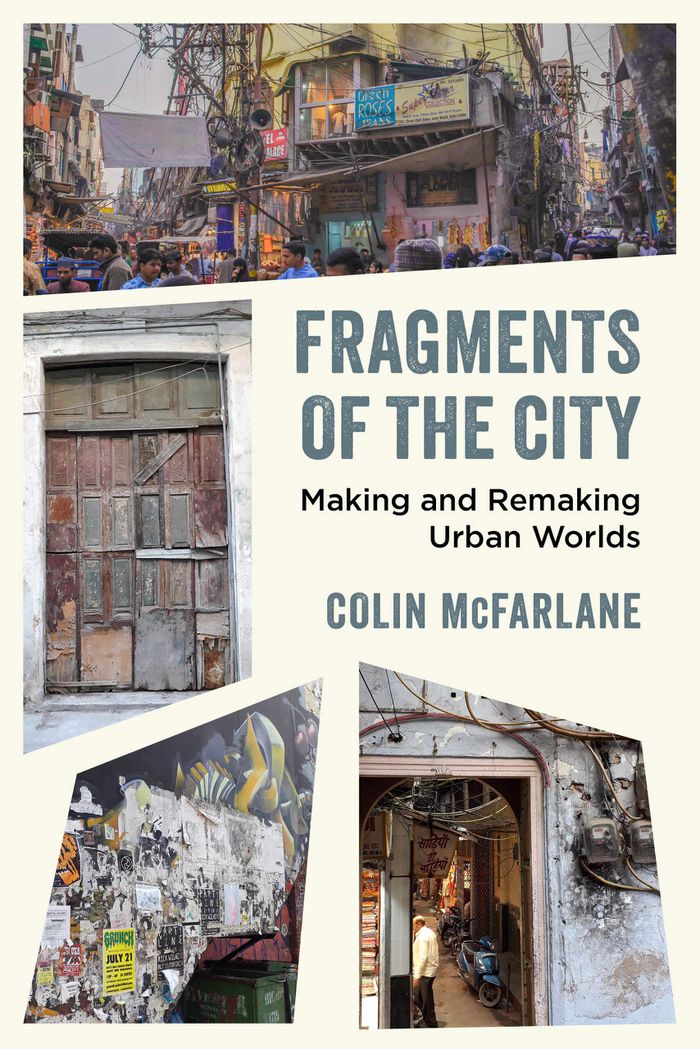
Cities are becoming increasingly fragmented materially, socially, and spatially. From broken toilets and everyday things, to art and forms of writing, fragments are signatures of urban worlds and provocations for change. In "Fragments of the city," Colin McFarlane examines such fragments, what they are and how they come to matter in the experience, politics, and expression of cities. How does the city appear when we look at it through its fragments? For those living on the economic margins, the city is often experienced as a set of fragments. Much of what low-income residents deal with on a daily basis is fragments of stuff, made and remade with and through urban density, social infrastructure, and political practice. In this book, McFarlane explores infrastructure in Mumbai, Kampala, and Cape Town; artistic montages in Los Angeles and Dakar; refugee struggles in Berlin; and the repurposing of fragments in Hong Kong and New York. Fragments surface as material things, as forms of knowledge, as writing strategies. They are used in efforts to politicize the city and in urban writing to capture life and change in the world's major cities. "Fragments of the city" surveys the role of fragments in how urban worlds are understood, revealed, written, and changed.
Fragments of the city: making and remaking urban worlds
Actions:
Price:
$44.00
(available to order)
Summary:
Cities are becoming increasingly fragmented materially, socially, and spatially. From broken toilets and everyday things, to art and forms of writing, fragments are signatures of urban worlds and provocations for change. In "Fragments of the city," Colin McFarlane examines such fragments, what they are and how they come to matter in the experience, politics, and expression of cities. How does the city appear when we look at it through its fragments? For those living on the economic margins, the city is often experienced as a set of fragments. Much of what low-income residents deal with on a daily basis is fragments of stuff, made and remade with and through urban density, social infrastructure, and political practice. In this book, McFarlane explores infrastructure in Mumbai, Kampala, and Cape Town; artistic montages in Los Angeles and Dakar; refugee struggles in Berlin; and the repurposing of fragments in Hong Kong and New York. Fragments surface as material things, as forms of knowledge, as writing strategies. They are used in efforts to politicize the city and in urban writing to capture life and change in the world's major cities. "Fragments of the city" surveys the role of fragments in how urban worlds are understood, revealed, written, and changed.
Form:
books
books
Publication:
October 2021
October 2021
Subject:
Urban Theory
Urban Theory
Form:
books
books
Actions:
Price:
$63.00
(available to order)
Summary:
Emmet Gowin has been taking aerial photographs of the landscape in the United States, Mexico, Czechoslovakia, Asia, and the Middle East for over twenty years. In his most compelling photographs, one witnesses how man’s footprint has visually scarred and continually altered the earth’s surface. This book, published in conjunction with the first major touring exhibition of(...)
$63.00
(available to order)
Summary:
Emmet Gowin has been taking aerial photographs of the landscape in the United States, Mexico, Czechoslovakia, Asia, and the Middle East for over twenty years. In his most compelling photographs, one witnesses how man’s footprint has visually scarred and continually altered the earth’s surface. This book, published in conjunction with the first major touring exhibition of(...)
Title:
Emmet Gowin : changing the earth - aerial photographs
Actions:
Price:
$63.00
(available to order)
Summary:
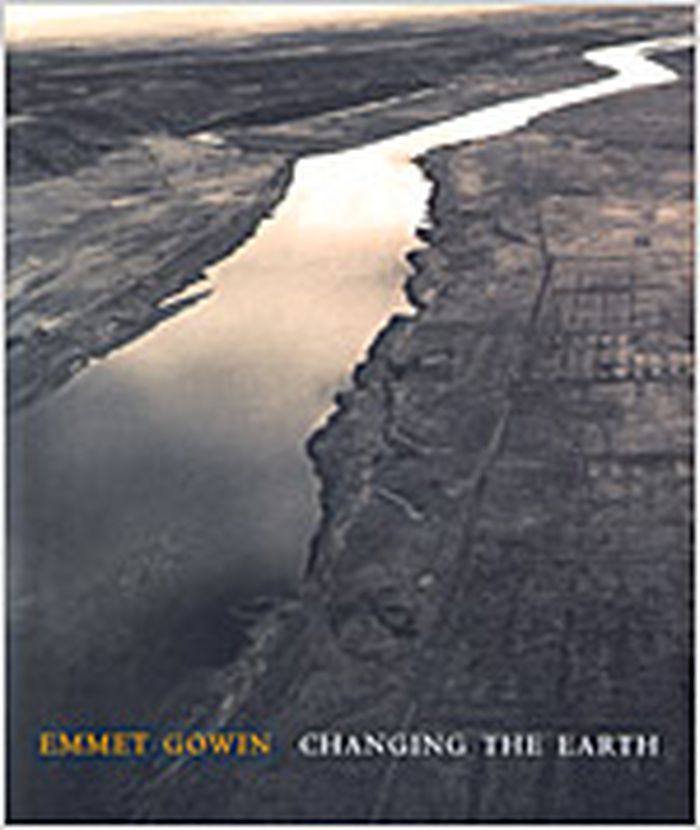
Emmet Gowin has been taking aerial photographs of the landscape in the United States, Mexico, Czechoslovakia, Asia, and the Middle East for over twenty years. In his most compelling photographs, one witnesses how man’s footprint has visually scarred and continually altered the earth’s surface. This book, published in conjunction with the first major touring exhibition of Gowin’s photographs in over ten years, focuses on images created after 1986. That was the year Gowin began to extend his aerial photography explorations in America by recording images of military test sites, missile silos, ammunition storage and disposal facilities, coal mining, pivot irrigation, offroad motor traffic, and more. The book also surveys his more recent works, which focus on other regions of the world, including the battlefields of Kuwait, new golf courses in Japan, and the chemo-petrol industries of the Czech Republic. Gowin’s richly toned black-and-white images have been characterized as "immorally gorgeous," since at a distance even his most disturbing images can appear to be beautiful. In this volume, Jock Reynolds provides an overview of Gowin’s aerial photography and places it in the context of his earlier work and that of such photographers as Carleton Watkins, Alfred Stieglitz, Ansel Adams, and Frederick Sommer. Philip Brookman illuminates Gowin’s recent work in the Czech Republic, while Terry Tempest Williams discusses Gowin’s images from the American West, especially his Nevada Test Site series.
Emmet Gowin : changing the earth - aerial photographs
Actions:
Price:
$63.00
(available to order)
Summary:
Emmet Gowin has been taking aerial photographs of the landscape in the United States, Mexico, Czechoslovakia, Asia, and the Middle East for over twenty years. In his most compelling photographs, one witnesses how man’s footprint has visually scarred and continually altered the earth’s surface. This book, published in conjunction with the first major touring exhibition of Gowin’s photographs in over ten years, focuses on images created after 1986. That was the year Gowin began to extend his aerial photography explorations in America by recording images of military test sites, missile silos, ammunition storage and disposal facilities, coal mining, pivot irrigation, offroad motor traffic, and more. The book also surveys his more recent works, which focus on other regions of the world, including the battlefields of Kuwait, new golf courses in Japan, and the chemo-petrol industries of the Czech Republic. Gowin’s richly toned black-and-white images have been characterized as "immorally gorgeous," since at a distance even his most disturbing images can appear to be beautiful. In this volume, Jock Reynolds provides an overview of Gowin’s aerial photography and places it in the context of his earlier work and that of such photographers as Carleton Watkins, Alfred Stieglitz, Ansel Adams, and Frederick Sommer. Philip Brookman illuminates Gowin’s recent work in the Czech Republic, while Terry Tempest Williams discusses Gowin’s images from the American West, especially his Nevada Test Site series.
Form:
books
books
Publication:
May 2002, New Haven / London
May 2002, New Haven / London
Subject:
Photography monographs
Photography monographs
Form:
books
books
Title:
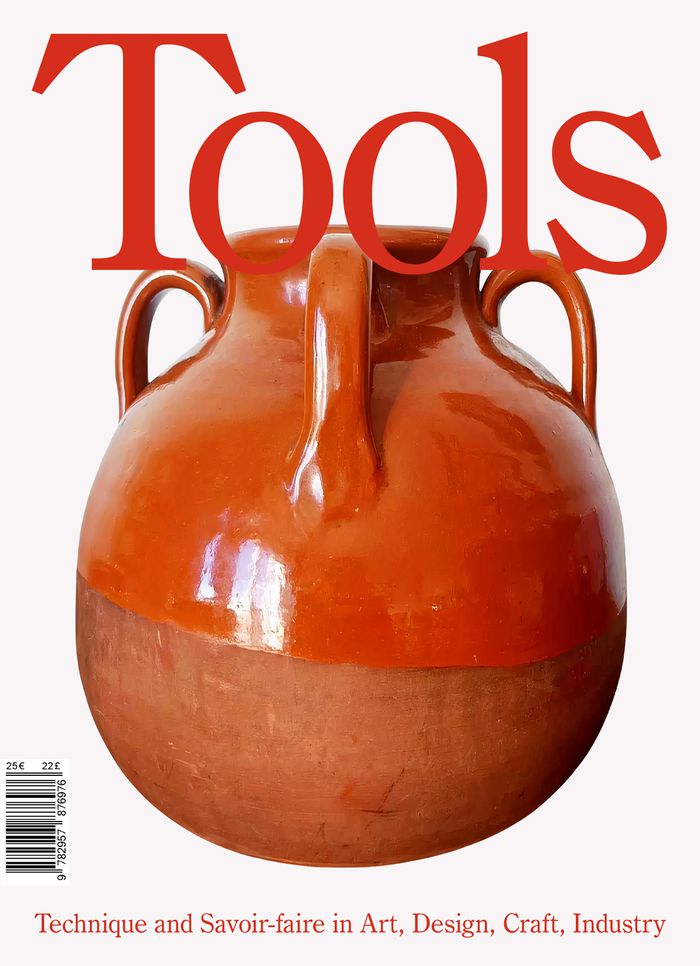
Tools n° 05 : To Spin
Tools n° 05 : To Spin
Actions:
Price:
$49.95
(available in store)
Summary:
Le cinquième numéro de la revue annuelle qui s'attache à valoriser les savoir-faire et la technique dans le design, l'artisanat ou l'industrie, se penche sur le geste de tourner. Le monde tourne, et avec lui, tout ce qui est à sa surface : vous, moi, les arbres, la mer, les montagnes. On a beau se bercer de l'illusion que tout est immobile, la réalité, c'est qu'on est(...)
$49.95
(available in store)
Summary:
Le cinquième numéro de la revue annuelle qui s'attache à valoriser les savoir-faire et la technique dans le design, l'artisanat ou l'industrie, se penche sur le geste de tourner. Le monde tourne, et avec lui, tout ce qui est à sa surface : vous, moi, les arbres, la mer, les montagnes. On a beau se bercer de l'illusion que tout est immobile, la réalité, c'est qu'on est(...)
Title:
Tools n° 05 : To Spin
Actions:
Price:
$49.95
(available in store)
Summary:
Le cinquième numéro de la revue annuelle qui s'attache à valoriser les savoir-faire et la technique dans le design, l'artisanat ou l'industrie, se penche sur le geste de tourner. Le monde tourne, et avec lui, tout ce qui est à sa surface : vous, moi, les arbres, la mer, les montagnes. On a beau se bercer de l'illusion que tout est immobile, la réalité, c'est qu'on est perpétuellement en mouvement. La planète fait des tours sur elle-même, elle tourne autour du soleil, et nous, là, au moment où je vous parle, on est en quelque sorte le produit de cette rotation : c'est grâce au cycle des jours, des saisons et des années que notre planète offre les conditions favorables à la vie. / The fifth issue of the annual magazine that promotes know-how and technique in design, craft or industry looks at the act of spinning. The world is spinning, and so is everything on it: you and me, the trees, the oceans, and the mountains. We may have deluded ourselves into thinking everything is stationary, but the reality is that we're perpetually in motion. The planet is spinning around its axis and orbiting around the sun, and in a way, at this very moment, we are all products of rotation: life on Earth is only possible because of the cycles of days, seasons, and years.
Tools n° 05 : To Spin
Actions:
Price:
$49.95
(available in store)
Summary:
Le cinquième numéro de la revue annuelle qui s'attache à valoriser les savoir-faire et la technique dans le design, l'artisanat ou l'industrie, se penche sur le geste de tourner. Le monde tourne, et avec lui, tout ce qui est à sa surface : vous, moi, les arbres, la mer, les montagnes. On a beau se bercer de l'illusion que tout est immobile, la réalité, c'est qu'on est perpétuellement en mouvement. La planète fait des tours sur elle-même, elle tourne autour du soleil, et nous, là, au moment où je vous parle, on est en quelque sorte le produit de cette rotation : c'est grâce au cycle des jours, des saisons et des années que notre planète offre les conditions favorables à la vie. / The fifth issue of the annual magazine that promotes know-how and technique in design, craft or industry looks at the act of spinning. The world is spinning, and so is everything on it: you and me, the trees, the oceans, and the mountains. We may have deluded ourselves into thinking everything is stationary, but the reality is that we're perpetually in motion. The planet is spinning around its axis and orbiting around the sun, and in a way, at this very moment, we are all products of rotation: life on Earth is only possible because of the cycles of days, seasons, and years.
Form:
books
books
Publication:
February 2025
February 2025
Subject:
Magazines
Magazines
Form:
books
books
Price:
$44.95
(available to order)
Summary:
This publication is an exhibition catalog produced by the Herbert F. Johnson Museum of Art at Cornell University for a show featuring forty-nine "dot-paintings" produced by Aboriginal artists from the settlement of Panpunya. Dot-painting has become an art instantly associated with Aboriginal Australia. In the more than thirty-five years since the advent of this movement,(...)
$44.95
(available to order)
Summary:
This publication is an exhibition catalog produced by the Herbert F. Johnson Museum of Art at Cornell University for a show featuring forty-nine "dot-paintings" produced by Aboriginal artists from the settlement of Panpunya. Dot-painting has become an art instantly associated with Aboriginal Australia. In the more than thirty-five years since the advent of this movement,(...)
Subject:
Art Periods and Styles
Art Periods and Styles
Publication:
February 2009, Ithaca
February 2009, Ithaca
Title:
Icons of the desert : early aboriginal paintings from Papunya
Actions:
Price:
$44.95
(available to order)
Summary:
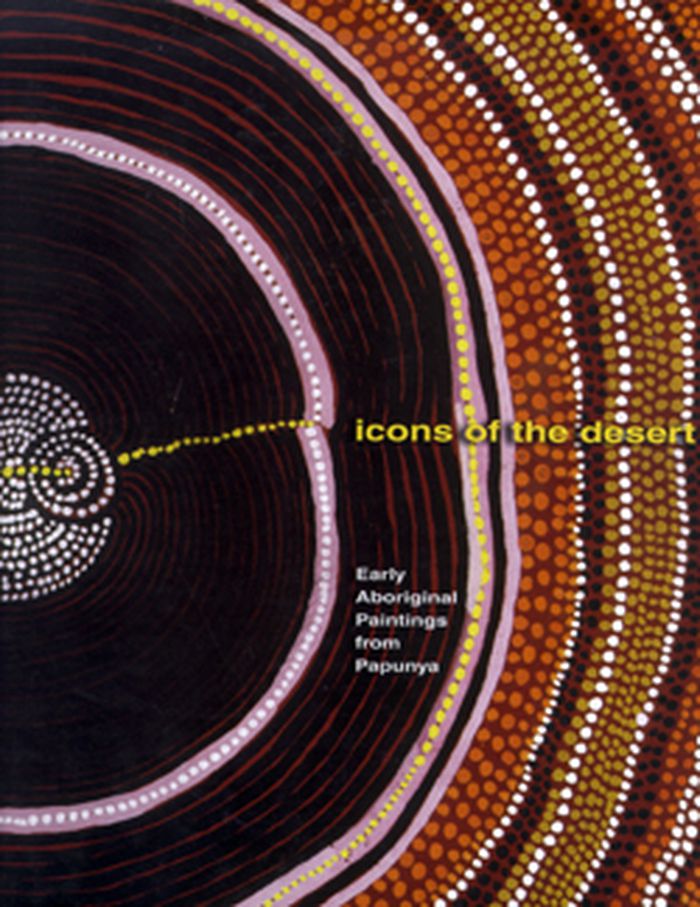
This publication is an exhibition catalog produced by the Herbert F. Johnson Museum of Art at Cornell University for a show featuring forty-nine "dot-paintings" produced by Aboriginal artists from the settlement of Panpunya. Dot-painting has become an art instantly associated with Aboriginal Australia. In the more than thirty-five years since the advent of this movement, Papunya works have been widely exhibited and acquired by private collectors and museums in Australia, and increasingly abroad. This is the first book to focus on the founding expressions of Papunya art. It examines their origins in the paintings produced in Papunya in the Western Desert during the years 1971 to 1973, after the Sydney schoolteacher Geoffrey Bardon provided Aboriginal men with art materials and encouraged them to paint on Masonite, against the wishes of Australian government officials. These paintings claim a unique status. Only around six hundred were made. They are also the first painted works to transfer the designs of desert ceremonial imagery to a permanent surface. The book is illustrated with full-color plates of the forty-nine exhibited works by such great artists as Clifford Possum Tjapaltjarri, Johnny Warangkula Tjupurrula, and Tim Leura Tjapaltjarri. In addition, it features numerous color figures of comparative works and documentary photographs of the original artists at work, some never before published, and a chronological catalog documenting the works’ history and iconography.
Icons of the desert : early aboriginal paintings from Papunya
Actions:
Price:
$44.95
(available to order)
Summary:
This publication is an exhibition catalog produced by the Herbert F. Johnson Museum of Art at Cornell University for a show featuring forty-nine "dot-paintings" produced by Aboriginal artists from the settlement of Panpunya. Dot-painting has become an art instantly associated with Aboriginal Australia. In the more than thirty-five years since the advent of this movement, Papunya works have been widely exhibited and acquired by private collectors and museums in Australia, and increasingly abroad. This is the first book to focus on the founding expressions of Papunya art. It examines their origins in the paintings produced in Papunya in the Western Desert during the years 1971 to 1973, after the Sydney schoolteacher Geoffrey Bardon provided Aboriginal men with art materials and encouraged them to paint on Masonite, against the wishes of Australian government officials. These paintings claim a unique status. Only around six hundred were made. They are also the first painted works to transfer the designs of desert ceremonial imagery to a permanent surface. The book is illustrated with full-color plates of the forty-nine exhibited works by such great artists as Clifford Possum Tjapaltjarri, Johnny Warangkula Tjupurrula, and Tim Leura Tjapaltjarri. In addition, it features numerous color figures of comparative works and documentary photographs of the original artists at work, some never before published, and a chronological catalog documenting the works’ history and iconography.
Form:
books
books
Publication:
February 2009, Ithaca
February 2009, Ithaca
Subject:
Art Periods and Styles
Art Periods and Styles


