


2036 Results
Form:
books
books
Title:
William Morris
William Morris
Actions:
Price:
$99.00
(available to order)
Summary:
William Morris’s interests were wide-ranging: he was a poet, writer, political and social activist, conservationist, and businessman, as well as a brilliant and original designer and manufacturer. This book explores the balance between Morris’s various spheres of activity, places his art in the context of its time, and examines his ongoing and far-reaching(...)
$99.00
(available to order)
Summary:
William Morris’s interests were wide-ranging: he was a poet, writer, political and social activist, conservationist, and businessman, as well as a brilliant and original designer and manufacturer. This book explores the balance between Morris’s various spheres of activity, places his art in the context of its time, and examines his ongoing and far-reaching(...)
Title:
William Morris
Actions:
Price:
$99.00
(available to order)
Summary:
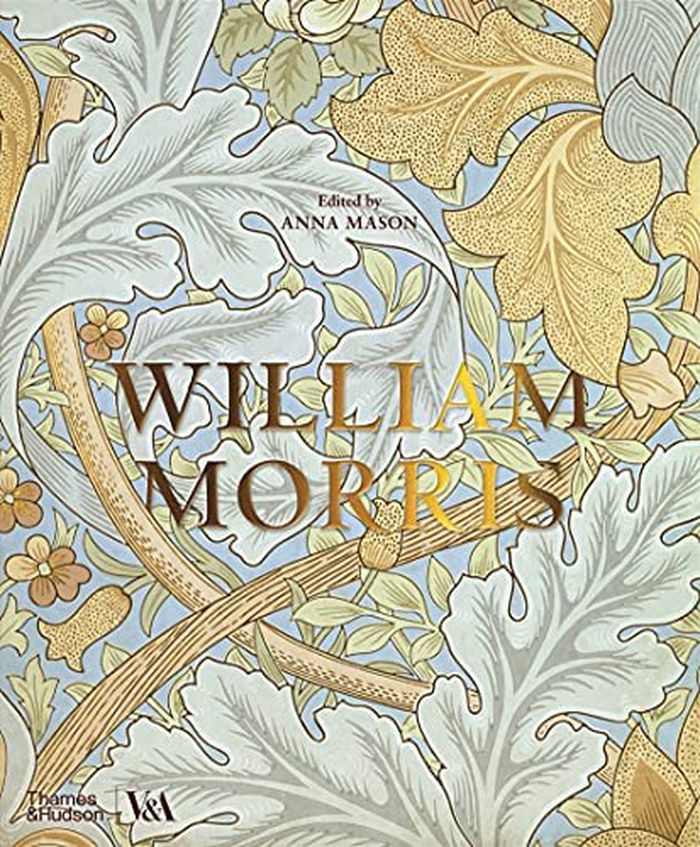
William Morris’s interests were wide-ranging: he was a poet, writer, political and social activist, conservationist, and businessman, as well as a brilliant and original designer and manufacturer. This book explores the balance between Morris’s various spheres of activity, places his art in the context of its time, and examines his ongoing and far-reaching legacy. Published to mark the 125th anniversary of Morris’s death, this book includes contributions from a wide range of Morris experts, with chapters on painting, church decoration and stained glass, interior decoration, furniture, tiles and tableware, wallpaper, textiles, calligraphy, and publishing. Additional materials include a contextualized chronology of Morris’s life and a list of public collections around the world where examples of Morris’s work may be seen today. This study is a wide- ranging, fully illustrated exploration of a great thinker and artist, and essential reading for anyone interested in the history of design.
William Morris
Actions:
Price:
$99.00
(available to order)
Summary:
William Morris’s interests were wide-ranging: he was a poet, writer, political and social activist, conservationist, and businessman, as well as a brilliant and original designer and manufacturer. This book explores the balance between Morris’s various spheres of activity, places his art in the context of its time, and examines his ongoing and far-reaching legacy. Published to mark the 125th anniversary of Morris’s death, this book includes contributions from a wide range of Morris experts, with chapters on painting, church decoration and stained glass, interior decoration, furniture, tiles and tableware, wallpaper, textiles, calligraphy, and publishing. Additional materials include a contextualized chronology of Morris’s life and a list of public collections around the world where examples of Morris’s work may be seen today. This study is a wide- ranging, fully illustrated exploration of a great thinker and artist, and essential reading for anyone interested in the history of design.
Form:
books
books
Publication:
November 2021
November 2021
Subject:
Ornementation
Ornementation
Form:
books
books
Price:
$72.00
(available to order)
Summary:
Architect and artist Marshall Brown is making space for the future by remixing the legacy of modern architecture in this exploration of his visionary urban ideas, brought to life through extraordinary collages, drawings, models, and photographs. Groundbreaking architect Marshall Brown presents a vision of the future through cross-disciplinary explorations that(...)
$72.00
(available to order)
Summary:
Architect and artist Marshall Brown is making space for the future by remixing the legacy of modern architecture in this exploration of his visionary urban ideas, brought to life through extraordinary collages, drawings, models, and photographs. Groundbreaking architect Marshall Brown presents a vision of the future through cross-disciplinary explorations that(...)
Title:
Recurrent visions: The architecture of Marshall Brown projects
Actions:
Price:
$72.00
(available to order)
Summary:
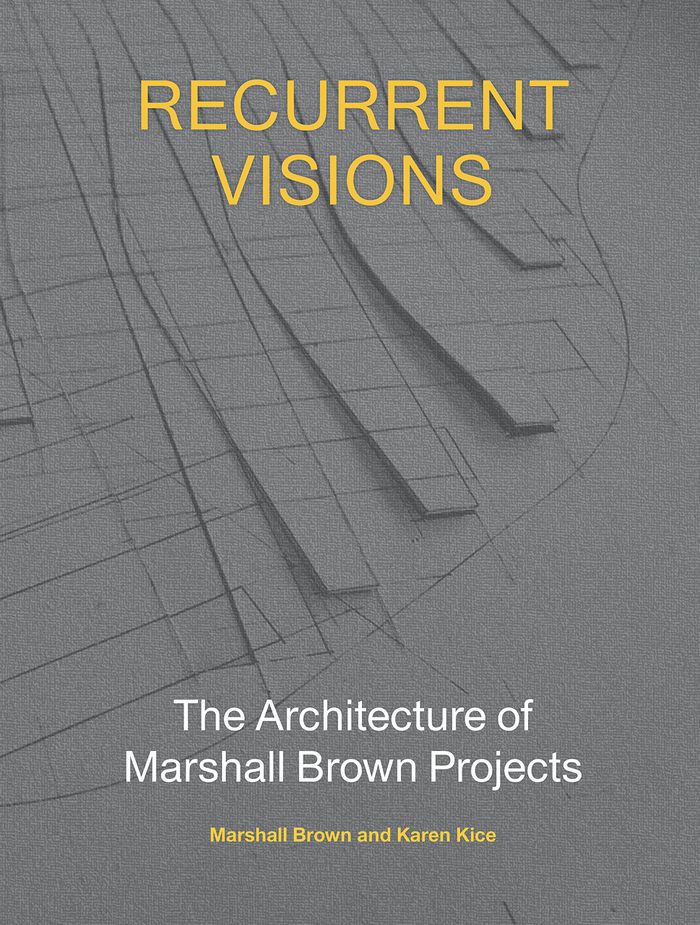
Architect and artist Marshall Brown is making space for the future by remixing the legacy of modern architecture in this exploration of his visionary urban ideas, brought to life through extraordinary collages, drawings, models, and photographs. Groundbreaking architect Marshall Brown presents a vision of the future through cross-disciplinary explorations that leverage the possibilities of scale, media, and time in this survey of three unique projects. With an introduction by curator Karen Kice, discover Brown's work through a deep dive into his seminal projects for New York, Chicago, and Detroit. ''Recurrent visions'' journeys into the cities, places, and spaces of the future crafted by the hands of today, with contributions from today's leading architectural thinkers, Monica Ponce de Leon, Joseph Becker, Allison Glenn, and Adrienne Brown, featuring three projects: UNITY Plan for the MTA Vanderbilt Rail Yards, Brooklyn; Dequindre Civic Academy, Detroit; Smooth Growth Urbanism, Chicago.
Recurrent visions: The architecture of Marshall Brown projects
Actions:
Price:
$72.00
(available to order)
Summary:
Architect and artist Marshall Brown is making space for the future by remixing the legacy of modern architecture in this exploration of his visionary urban ideas, brought to life through extraordinary collages, drawings, models, and photographs. Groundbreaking architect Marshall Brown presents a vision of the future through cross-disciplinary explorations that leverage the possibilities of scale, media, and time in this survey of three unique projects. With an introduction by curator Karen Kice, discover Brown's work through a deep dive into his seminal projects for New York, Chicago, and Detroit. ''Recurrent visions'' journeys into the cities, places, and spaces of the future crafted by the hands of today, with contributions from today's leading architectural thinkers, Monica Ponce de Leon, Joseph Becker, Allison Glenn, and Adrienne Brown, featuring three projects: UNITY Plan for the MTA Vanderbilt Rail Yards, Brooklyn; Dequindre Civic Academy, Detroit; Smooth Growth Urbanism, Chicago.
Form:
books
books
Publication:
June 2022
June 2022
Subject:
Architecture Monographs
Architecture Monographs
Form:
books
books

Actions:
Price:
$53.95
(available to order)
Summary:
This is the first major publication on the remarkable life and career of Boris Iofan (1891–1976), state architect to Joseph Stalin. Iofan's story is an insight into the troubled relationship of all successful architects with power. A gifted designer and a committed Communist, Iofan became the Soviet Union's most celebrated architect after Alexei Rykov, Lenin's successor,(...)
$53.95
(available to order)
Summary:
This is the first major publication on the remarkable life and career of Boris Iofan (1891–1976), state architect to Joseph Stalin. Iofan's story is an insight into the troubled relationship of all successful architects with power. A gifted designer and a committed Communist, Iofan became the Soviet Union's most celebrated architect after Alexei Rykov, Lenin's successor,(...)
Title:
Stalin's architect: power and survival in Moscow
Actions:
Price:
$53.95
(available to order)
Summary:
This is the first major publication on the remarkable life and career of Boris Iofan (1891–1976), state architect to Joseph Stalin. Iofan's story is an insight into the troubled relationship of all successful architects with power. A gifted designer and a committed Communist, Iofan became the Soviet Union's most celebrated architect after Alexei Rykov, Lenin's successor, persuaded him to return to Moscow from Rome with his aristocratic wife, Olga Sasso-Ruffo. Iofan was at the heart of political life in the Soviet Union and his work is key to understanding its official culture. This book is an exploration of architecture as an instrument of statecraft. It is an insight into the key moments of 20th-century politics and culture from a unique perspective, and the personal story of a remarkable individual who witnessed many of the most dramatic turning points of modern history.
Stalin's architect: power and survival in Moscow
Actions:
Price:
$53.95
(available to order)
Summary:
This is the first major publication on the remarkable life and career of Boris Iofan (1891–1976), state architect to Joseph Stalin. Iofan's story is an insight into the troubled relationship of all successful architects with power. A gifted designer and a committed Communist, Iofan became the Soviet Union's most celebrated architect after Alexei Rykov, Lenin's successor, persuaded him to return to Moscow from Rome with his aristocratic wife, Olga Sasso-Ruffo. Iofan was at the heart of political life in the Soviet Union and his work is key to understanding its official culture. This book is an exploration of architecture as an instrument of statecraft. It is an insight into the key moments of 20th-century politics and culture from a unique perspective, and the personal story of a remarkable individual who witnessed many of the most dramatic turning points of modern history.
Form:
books
books
Publication:
May 2022
May 2022
Subject:
Architectural Theory
Architectural Theory
Form:
books
books
Actions:
Subject:
Publication:
Elisava Barcelona School of Design and Engineering 2023
Elisava Barcelona School of Design and Engineering 2023
Form:
books
books
Publication:
Elisava Barcelona School of Design and Engineering 2023
Elisava Barcelona School of Design and Engineering 2023
Subject:
Form:
books
books
Actions:
Holdings:
Description:
391 pages : illustrations (some color) ; 26 cm
Description:
391 pages : illustrations (some color) ; 26 cm
Author:
Subject:
Publication:
Québec (Québec) : Septentrion, [2022]
Québec (Québec) : Septentrion, [2022]
Title:
Le Grand Théâtre de Québec : l'histoire vivante d'une scène d'exception / sous la direction de Louis Jolicœur et André Morency.
Actions:
Holdings:
Description:
391 pages : illustrations (some color) ; 26 cm
Le Grand Théâtre de Québec : l'histoire vivante d'une scène d'exception / sous la direction de Louis Jolicœur et André Morency.
Actions:
Holdings:
Description:
391 pages : illustrations (some color) ; 26 cm
Form:
books
books
Publication:
Québec (Québec) : Septentrion, [2022]
Québec (Québec) : Septentrion, [2022]
Author:
Subject:
Form:
books
books
Title:
British mosques
British mosques
Actions:
Price:
$45.00
(available in store)
Summary:
This book, a collaboration between the Victoria and Albert Museum and the University of Westminster, captures the British mosque at a pivotal moment in its history. There are 1,800 mosques in the UK today – mostly converted from terraced houses, libraries, cinemas and supermarkets. Now, these improvised spaces are beginning to disappear, as Muslim communities replace them(...)
$45.00
(available in store)
Summary:
This book, a collaboration between the Victoria and Albert Museum and the University of Westminster, captures the British mosque at a pivotal moment in its history. There are 1,800 mosques in the UK today – mostly converted from terraced houses, libraries, cinemas and supermarkets. Now, these improvised spaces are beginning to disappear, as Muslim communities replace them(...)
Subject:
Commercial interiors, Building types
Commercial interiors, Building types
Publication:
May 2021
May 2021
Title:
British mosques
Actions:
Price:
$45.00
(available in store)
Summary:
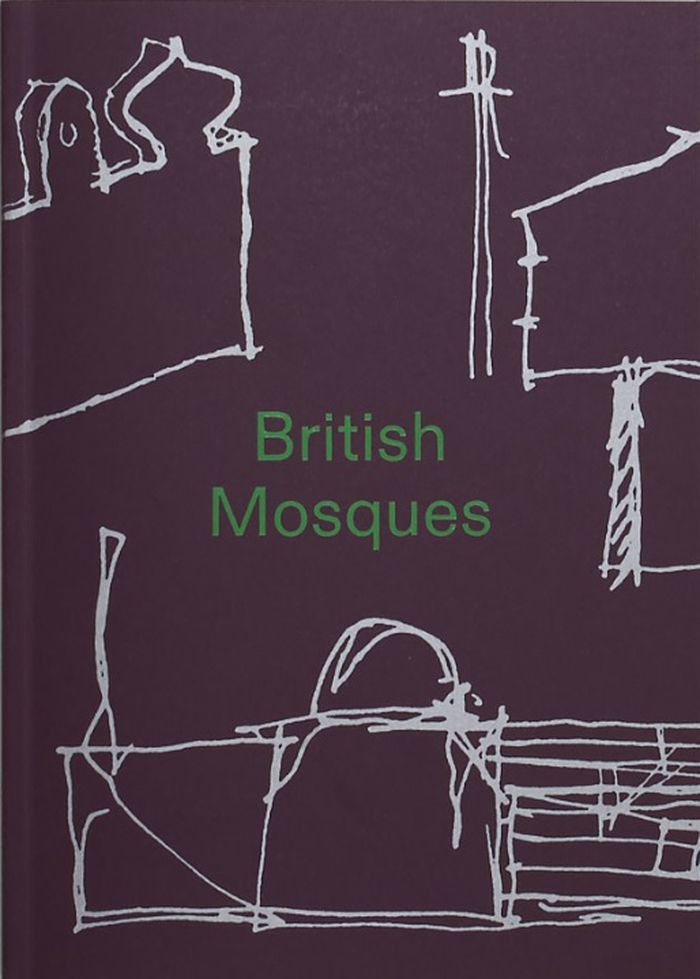
This book, a collaboration between the Victoria and Albert Museum and the University of Westminster, captures the British mosque at a pivotal moment in its history. There are 1,800 mosques in the UK today – mostly converted from terraced houses, libraries, cinemas and supermarkets. Now, these improvised spaces are beginning to disappear, as Muslim communities replace them with purpose-built structures. This timely exploration of the British mosque reveals how ad-hoc adaptations have evolved into a uniquely British-Islamic architecture, tracing its development through waves of twentieth-century migration, and further back to the Orientalist visions of Victorian collectors. Born out of two projects at the Venice Architecture Biennale and the V, ''British mosques'' brings together perspectives from curators, architects and artists. Using approaches ranging from archival study to site-specific installations and 3D scanning, together they tell the story of a hybrid architecture that has quietly found its place in Britain’s urban landscape.
British mosques
Actions:
Price:
$45.00
(available in store)
Summary:
This book, a collaboration between the Victoria and Albert Museum and the University of Westminster, captures the British mosque at a pivotal moment in its history. There are 1,800 mosques in the UK today – mostly converted from terraced houses, libraries, cinemas and supermarkets. Now, these improvised spaces are beginning to disappear, as Muslim communities replace them with purpose-built structures. This timely exploration of the British mosque reveals how ad-hoc adaptations have evolved into a uniquely British-Islamic architecture, tracing its development through waves of twentieth-century migration, and further back to the Orientalist visions of Victorian collectors. Born out of two projects at the Venice Architecture Biennale and the V, ''British mosques'' brings together perspectives from curators, architects and artists. Using approaches ranging from archival study to site-specific installations and 3D scanning, together they tell the story of a hybrid architecture that has quietly found its place in Britain’s urban landscape.
Form:
books
books
Publication:
May 2021
May 2021
Subject:
Commercial interiors, Building types
Commercial interiors, Building types
Form:
books
books
Actions:
Price:
$46.00
(available to order)
Summary:
In this book Michael Fried considers the work of four contemporary artists--video artist and photographer Anri Sala, sculptor Charles Ray, painter Joseph Marioni, and video artist and intervener in movies Douglas Gordon. He shows how their respective projects are best understood as engaging in a variety of ways with some of the core themes and issues associated with high(...)
$46.00
(available to order)
Summary:
In this book Michael Fried considers the work of four contemporary artists--video artist and photographer Anri Sala, sculptor Charles Ray, painter Joseph Marioni, and video artist and intervener in movies Douglas Gordon. He shows how their respective projects are best understood as engaging in a variety of ways with some of the core themes and issues associated with high(...)
Title:
Four honest outlaws: Sala, Ray, Marioni, Gordon
Actions:
Price:
$46.00
(available to order)
Summary:
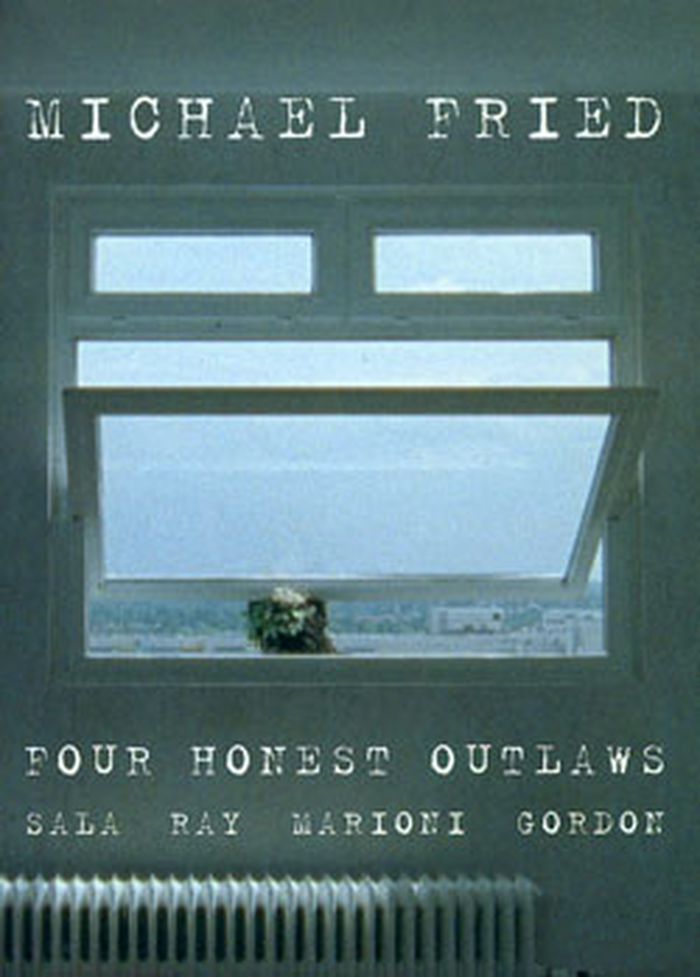
In this book Michael Fried considers the work of four contemporary artists--video artist and photographer Anri Sala, sculptor Charles Ray, painter Joseph Marioni, and video artist and intervener in movies Douglas Gordon. He shows how their respective projects are best understood as engaging in a variety of ways with some of the core themes and issues associated with high modernism, and indeed with its prehistory in French painting and art criticism from Diderot on. 'Four Honest Outlaws' thus continues the author's exploration of the critical and philosophical territory opened up by his earlier book, 'Why Photography Matters as Art as Never Before.' It presents a vision of the most important contemporary art as not only not repudiating modernism in the name of postmodernism in any of the latter's many forms and manifestations, but also actually as committed to dialectically renewing certain crucial qualities and values that modernism and premodernism brought to the fore, above all those of presentness and anti-theatricality.
Four honest outlaws: Sala, Ray, Marioni, Gordon
Actions:
Price:
$46.00
(available to order)
Summary:
In this book Michael Fried considers the work of four contemporary artists--video artist and photographer Anri Sala, sculptor Charles Ray, painter Joseph Marioni, and video artist and intervener in movies Douglas Gordon. He shows how their respective projects are best understood as engaging in a variety of ways with some of the core themes and issues associated with high modernism, and indeed with its prehistory in French painting and art criticism from Diderot on. 'Four Honest Outlaws' thus continues the author's exploration of the critical and philosophical territory opened up by his earlier book, 'Why Photography Matters as Art as Never Before.' It presents a vision of the most important contemporary art as not only not repudiating modernism in the name of postmodernism in any of the latter's many forms and manifestations, but also actually as committed to dialectically renewing certain crucial qualities and values that modernism and premodernism brought to the fore, above all those of presentness and anti-theatricality.
Form:
books
books
Publication:
April 2011
April 2011
Subject:
Art Theory
Art Theory
Form:
books
books
Actions:
Price:
$49.95
(available to order)
Summary:
In World’s Fair Gardens, Cathy Jean Maloney offers an exploration of the gardens and grounds of America’s nineteenth- and early-twentieth-century world’s fairs. Maloney describes the landscapes of nine of America’s great fairs from the 1876 Centennial Exhibition in Philadelphia to the 1940 World’s Fair of Tomorrow in New York, many of whose legacies are still evident. (...)
$49.95
(available to order)
Summary:
In World’s Fair Gardens, Cathy Jean Maloney offers an exploration of the gardens and grounds of America’s nineteenth- and early-twentieth-century world’s fairs. Maloney describes the landscapes of nine of America’s great fairs from the 1876 Centennial Exhibition in Philadelphia to the 1940 World’s Fair of Tomorrow in New York, many of whose legacies are still evident. (...)
Title:
World's Fair gardens: shaping American landscapes
Actions:
Price:
$49.95
(available to order)
Summary:
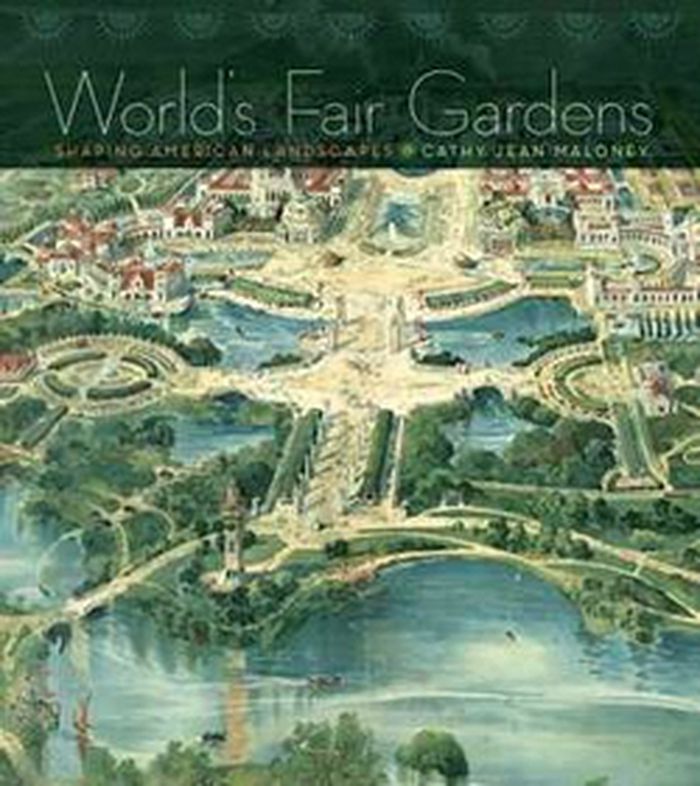
In World’s Fair Gardens, Cathy Jean Maloney offers an exploration of the gardens and grounds of America’s nineteenth- and early-twentieth-century world’s fairs. Maloney describes the landscapes of nine of America’s great fairs from the 1876 Centennial Exhibition in Philadelphia to the 1940 World’s Fair of Tomorrow in New York, many of whose legacies are still evident. The fairs also created an arena for intense competition among nations. Foreign plant introductions included English rhododendrons in Philadelphia, Mexican cacti in New Orleans, and Japanese gardens at nearly all the fairs, a feat considering the formidable challenge of shipping live plants great distances in those times. Maloney also explores innovations from the "glazeless putty system" greenhouse in 1884 and cold storage systems in 1904 to modernistic glass fences in 1940. Complete with more than 50 color and 70 black-and-white illustrations, World’s Fair Gardens will appeal to historians, gardeners, urban planners, landscape architects, public park advocates, preservationists, and anyone interested in the history of these global festivals.
World's Fair gardens: shaping American landscapes
Actions:
Price:
$49.95
(available to order)
Summary:
In World’s Fair Gardens, Cathy Jean Maloney offers an exploration of the gardens and grounds of America’s nineteenth- and early-twentieth-century world’s fairs. Maloney describes the landscapes of nine of America’s great fairs from the 1876 Centennial Exhibition in Philadelphia to the 1940 World’s Fair of Tomorrow in New York, many of whose legacies are still evident. The fairs also created an arena for intense competition among nations. Foreign plant introductions included English rhododendrons in Philadelphia, Mexican cacti in New Orleans, and Japanese gardens at nearly all the fairs, a feat considering the formidable challenge of shipping live plants great distances in those times. Maloney also explores innovations from the "glazeless putty system" greenhouse in 1884 and cold storage systems in 1904 to modernistic glass fences in 1940. Complete with more than 50 color and 70 black-and-white illustrations, World’s Fair Gardens will appeal to historians, gardeners, urban planners, landscape architects, public park advocates, preservationists, and anyone interested in the history of these global festivals.
Form:
books
books
Publication:
October 2012
October 2012
Subject:
Gardens
Gardens
Form:
journals and magazines
journals and magazines
Actions:
Price:
$47.95
(available in store)
Summary:
The rural is not what it used to be. No longer simply a site for agricultural production for the city, the relationship between the rural and urban has become much more complex. Established categories such as rural /urban and village/city no longer hold true. Rural and urban conditions have become increasingly blurred, so how can we identify and distinguish their specific(...)
$47.95
(available in store)
Summary:
The rural is not what it used to be. No longer simply a site for agricultural production for the city, the relationship between the rural and urban has become much more complex. Established categories such as rural /urban and village/city no longer hold true. Rural and urban conditions have become increasingly blurred, so how can we identify and distinguish their specific(...)
Title:
AD 86:4 Designing the rural: a global countryside in Flux
Actions:
Price:
$47.95
(available in store)
Summary:
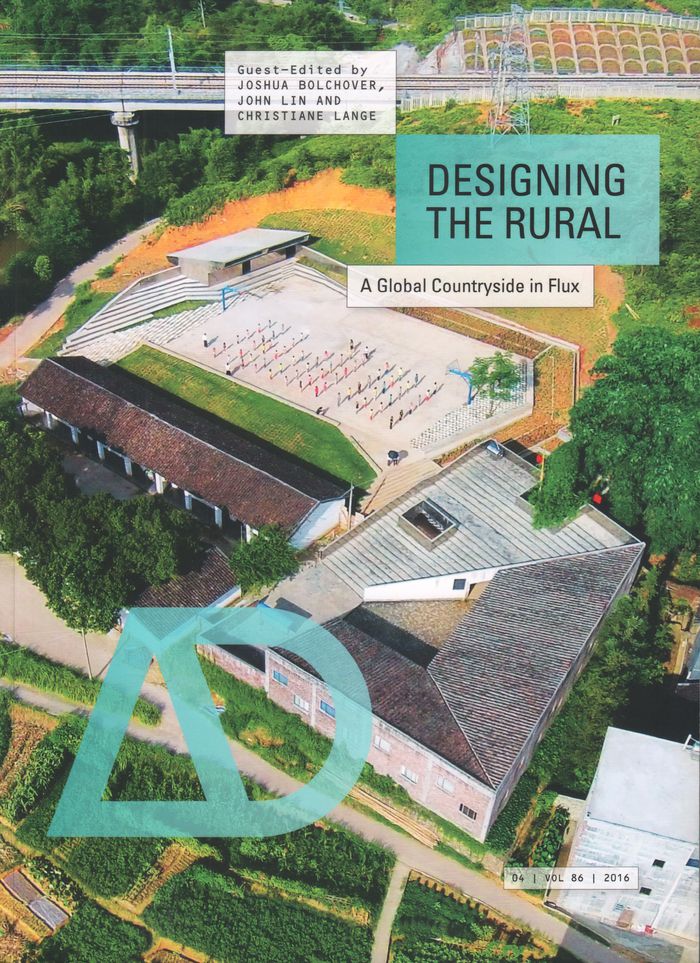
The rural is not what it used to be. No longer simply a site for agricultural production for the city, the relationship between the rural and urban has become much more complex. Established categories such as rural /urban and village/city no longer hold true. Rural and urban conditions have become increasingly blurred, so how can we identify and distinguish their specific characteristics? Where is the rural, and what role does it play in an urbanised world? In developing countries the countryside is a volatile and contradictory landscape: legally designated rural areas look like dense slums; factories intersect fields and farmers no longer farm. In contrast, in developed regions, the rural has become a highly controlled landscape of production and consumption: industrialised agriculture coexists with leisure landscapes for tourism, retirement and recreation. This issue of AD investigates how architects and researchers are critically engaging with the rural as an experimental field of exploration.
AD 86:4 Designing the rural: a global countryside in Flux
Actions:
Price:
$47.95
(available in store)
Summary:
The rural is not what it used to be. No longer simply a site for agricultural production for the city, the relationship between the rural and urban has become much more complex. Established categories such as rural /urban and village/city no longer hold true. Rural and urban conditions have become increasingly blurred, so how can we identify and distinguish their specific characteristics? Where is the rural, and what role does it play in an urbanised world? In developing countries the countryside is a volatile and contradictory landscape: legally designated rural areas look like dense slums; factories intersect fields and farmers no longer farm. In contrast, in developed regions, the rural has become a highly controlled landscape of production and consumption: industrialised agriculture coexists with leisure landscapes for tourism, retirement and recreation. This issue of AD investigates how architects and researchers are critically engaging with the rural as an experimental field of exploration.
Form:
journals and magazines
journals and magazines
Publication:
August 2016
August 2016
Subject:
Magazines
Magazines
Form:
books
books
Actions:
Price:
$45.00
(available to order)
Summary:
The ten essays in ''After the Wagnerian Bouillabaisse'' offer original critical discussions of some of the major European artists and movements in the twentieth century, beginning with important reassessments of Italian Futurism and the unique and disruptively consequential compounding of words and images in Dada and Surrealism. Welchman writes with verve and insight(...)
$45.00
(available to order)
Summary:
The ten essays in ''After the Wagnerian Bouillabaisse'' offer original critical discussions of some of the major European artists and movements in the twentieth century, beginning with important reassessments of Italian Futurism and the unique and disruptively consequential compounding of words and images in Dada and Surrealism. Welchman writes with verve and insight(...)
Title:
After the Wagnerian Bouillabaisse, Volume 2: essays on european avant-garde art XX-XXI
Actions:
Price:
$45.00
(available to order)
Summary:
The ten essays in ''After the Wagnerian Bouillabaisse'' offer original critical discussions of some of the major European artists and movements in the twentieth century, beginning with important reassessments of Italian Futurism and the unique and disruptively consequential compounding of words and images in Dada and Surrealism. Welchman writes with verve and insight about the production, and circumvention, of affect in the work of Henri Matisse and Fernand Léger; the delirious splits and metaphorical ricochets fired up by Salvador Dalí; and the social and philosophical ideas mobilized by René Magritte. The second half of the volume examines mid- and later-twentieth century artists, offering a revisionist assessment of Hans Hartung; a new analysis of major themes and issues in the work of Antoni Tàpies; a meditation on ''whiteness'' in the practice and thinking of Günter Brus; and an exploration of exchanges between the US and the UK about sculpture between 1945 and the 1970s.
After the Wagnerian Bouillabaisse, Volume 2: essays on european avant-garde art XX-XXI
Actions:
Price:
$45.00
(available to order)
Summary:
The ten essays in ''After the Wagnerian Bouillabaisse'' offer original critical discussions of some of the major European artists and movements in the twentieth century, beginning with important reassessments of Italian Futurism and the unique and disruptively consequential compounding of words and images in Dada and Surrealism. Welchman writes with verve and insight about the production, and circumvention, of affect in the work of Henri Matisse and Fernand Léger; the delirious splits and metaphorical ricochets fired up by Salvador Dalí; and the social and philosophical ideas mobilized by René Magritte. The second half of the volume examines mid- and later-twentieth century artists, offering a revisionist assessment of Hans Hartung; a new analysis of major themes and issues in the work of Antoni Tàpies; a meditation on ''whiteness'' in the practice and thinking of Günter Brus; and an exploration of exchanges between the US and the UK about sculpture between 1945 and the 1970s.
Form:
books
books
Publication:
June 2019
June 2019
Subject:
Art Theory
Art Theory


