


4161 Results
Form:
journals and magazines
journals and magazines

Actions:
Price:
$22.00
(available to order)
Summary:
Edited by Will Holder, the constellation of material in this issue collectively philosophises on topics that deal with difference and the transformative processes between things. It essentially puts forth the notion of the intellectual as a transitional identity. Contributions from various contemporary, historical, and even ancient authors and sources include George(...)
$22.00
(available to order)
Summary:
Edited by Will Holder, the constellation of material in this issue collectively philosophises on topics that deal with difference and the transformative processes between things. It essentially puts forth the notion of the intellectual as a transitional identity. Contributions from various contemporary, historical, and even ancient authors and sources include George(...)
Title:
F.R.DAVID, Autumn 2020 : correctional facility
Actions:
Price:
$22.00
(available to order)
Summary:
Edited by Will Holder, the constellation of material in this issue collectively philosophises on topics that deal with difference and the transformative processes between things. It essentially puts forth the notion of the intellectual as a transitional identity. Contributions from various contemporary, historical, and even ancient authors and sources include George Orwell, Simone Weil, Apuleius, Ian Hamilton Finlay, Alan Stanbridge, John Cage, Bernadette Mayer, Anne Carson, Barbara Guest, Jenn Ashworth, Lewis Hyde, and many others. The volume begins with an introduction by Charles Bernstein and concludes with an afterword by Robert Duncan.
F.R.DAVID, Autumn 2020 : correctional facility
Actions:
Price:
$22.00
(available to order)
Summary:
Edited by Will Holder, the constellation of material in this issue collectively philosophises on topics that deal with difference and the transformative processes between things. It essentially puts forth the notion of the intellectual as a transitional identity. Contributions from various contemporary, historical, and even ancient authors and sources include George Orwell, Simone Weil, Apuleius, Ian Hamilton Finlay, Alan Stanbridge, John Cage, Bernadette Mayer, Anne Carson, Barbara Guest, Jenn Ashworth, Lewis Hyde, and many others. The volume begins with an introduction by Charles Bernstein and concludes with an afterword by Robert Duncan.
Form:
journals and magazines
journals and magazines
Publication:
October 2020
October 2020
Subject:
Magazines
Magazines
Form:
journals and magazines
journals and magazines
Actions:
Price:
$54.95
(available to order)
Summary:
This special issue on architect and urban designer Arata Isozaki has four unique features that are usually absent in conventional overviews of his work. Firstly, only projects by Isozaki from the 1970s are included; secondly, it features working drawings rather than design drawings; thirdly, just four works were selected for inclusion; and finally, particular emphasis was(...)
$54.95
(available to order)
Summary:
This special issue on architect and urban designer Arata Isozaki has four unique features that are usually absent in conventional overviews of his work. Firstly, only projects by Isozaki from the 1970s are included; secondly, it features working drawings rather than design drawings; thirdly, just four works were selected for inclusion; and finally, particular emphasis was(...)
Title:
A+U 599 : Arata Isozaki in the 1970s
Actions:
Price:
$54.95
(available to order)
Summary:
This special issue on architect and urban designer Arata Isozaki has four unique features that are usually absent in conventional overviews of his work. Firstly, only projects by Isozaki from the 1970s are included; secondly, it features working drawings rather than design drawings; thirdly, just four works were selected for inclusion; and finally, particular emphasis was made in the interview with the architect to elicit his own remarks on topics pertaining to the 1970s, theory and practice, and what was experimental about specific buildings. The chosen works are the Oita Medical Hall Extension, Kitakyushu Central Library, West Japan General Exhibition Centre, and Kaijima House.
A+U 599 : Arata Isozaki in the 1970s
Actions:
Price:
$54.95
(available to order)
Summary:
This special issue on architect and urban designer Arata Isozaki has four unique features that are usually absent in conventional overviews of his work. Firstly, only projects by Isozaki from the 1970s are included; secondly, it features working drawings rather than design drawings; thirdly, just four works were selected for inclusion; and finally, particular emphasis was made in the interview with the architect to elicit his own remarks on topics pertaining to the 1970s, theory and practice, and what was experimental about specific buildings. The chosen works are the Oita Medical Hall Extension, Kitakyushu Central Library, West Japan General Exhibition Centre, and Kaijima House.
Form:
journals and magazines
journals and magazines
Publication:
August 2020
August 2020
Subject:
Magazines
Magazines
Form:
journals and magazines
journals and magazines
Actions:
Price:
$56.95
(available in store)
Summary:
A special profile of two projects by Dublin-based Grafton Architects is foremost in this instalment, with a detailed look at the Toulouse School of Economics and the Town House at Kingston University, London. Ana Souto surveys new educational complexes, presenting works by Vo Trong Nghia Architects, Barclay & Crousse Architecture, and more. Recently completed art spaces(...)
$56.95
(available in store)
Summary:
A special profile of two projects by Dublin-based Grafton Architects is foremost in this instalment, with a detailed look at the Toulouse School of Economics and the Town House at Kingston University, London. Ana Souto surveys new educational complexes, presenting works by Vo Trong Nghia Architects, Barclay & Crousse Architecture, and more. Recently completed art spaces(...)
Title:
C3 407: Grafton Architecs, Learning Encounter Complexes, Transformative Art Spaces
Actions:
Price:
$56.95
(available in store)
Summary:
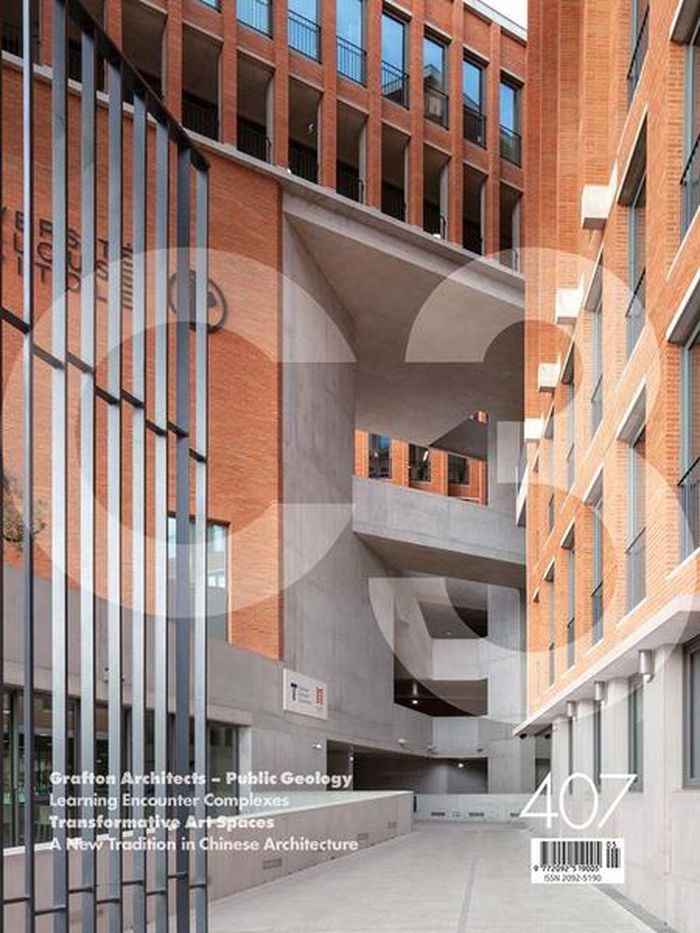
A special profile of two projects by Dublin-based Grafton Architects is foremost in this instalment, with a detailed look at the Toulouse School of Economics and the Town House at Kingston University, London. Ana Souto surveys new educational complexes, presenting works by Vo Trong Nghia Architects, Barclay & Crousse Architecture, and more. Recently completed art spaces are also featured, such as the Polygon Gallery in Vancouver by Patkau Architects and BIG’s first project in Norway, The Twist. Also in this issue, projects that mark a new tradition in Chinese architecture: Changjiang Art Museum, Xie Zilong Photography Museum, Aranya Art Centre, and more.
C3 407: Grafton Architecs, Learning Encounter Complexes, Transformative Art Spaces
Actions:
Price:
$56.95
(available in store)
Summary:
A special profile of two projects by Dublin-based Grafton Architects is foremost in this instalment, with a detailed look at the Toulouse School of Economics and the Town House at Kingston University, London. Ana Souto surveys new educational complexes, presenting works by Vo Trong Nghia Architects, Barclay & Crousse Architecture, and more. Recently completed art spaces are also featured, such as the Polygon Gallery in Vancouver by Patkau Architects and BIG’s first project in Norway, The Twist. Also in this issue, projects that mark a new tradition in Chinese architecture: Changjiang Art Museum, Xie Zilong Photography Museum, Aranya Art Centre, and more.
Form:
journals and magazines
journals and magazines
Publication:
January 2020
January 2020
Subject:
Magazines
Magazines
Form:
journals and magazines
journals and magazines
Actions:
Price:
$56.95
(available in store)
Summary:
In this issue, sociologist Richard Ingersoll defends density in times of social distancing from an architectural standpoint. Featured projects include an S-shaped residential building in Milan, loft apartments on a quay in Rotterdam, new homes at a former brewery site in Brooklyn, and more. A second feature on recent kindergarten design that expresses both flexibility and(...)
$56.95
(available in store)
Summary:
In this issue, sociologist Richard Ingersoll defends density in times of social distancing from an architectural standpoint. Featured projects include an S-shaped residential building in Milan, loft apartments on a quay in Rotterdam, new homes at a former brewery site in Brooklyn, and more. A second feature on recent kindergarten design that expresses both flexibility and(...)
Title:
C3 408: Defending Density In The Year Of Social Distancing
Actions:
Price:
$56.95
(available in store)
Summary:
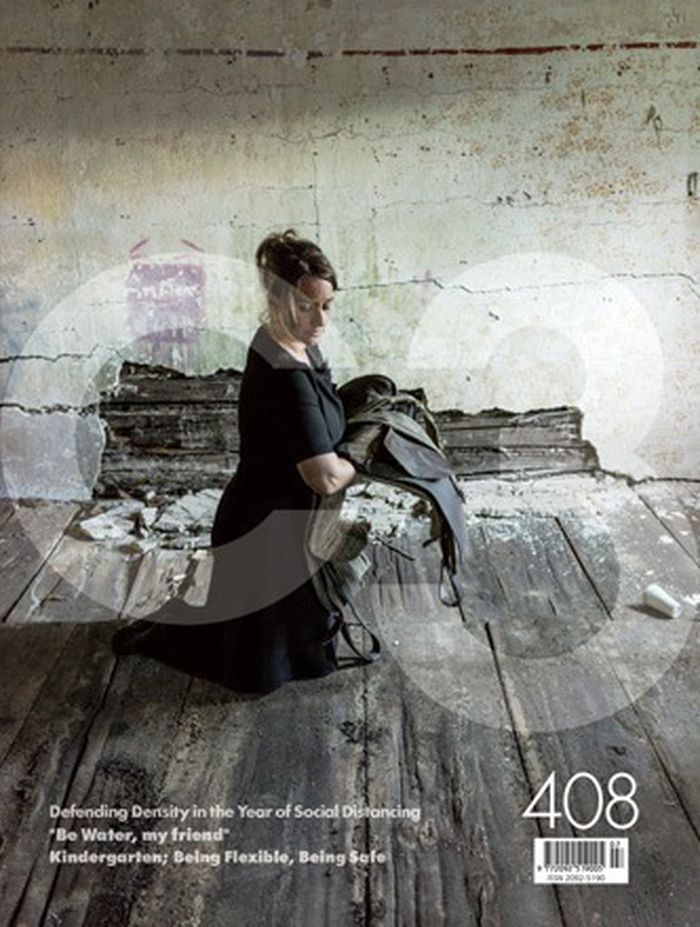
In this issue, sociologist Richard Ingersoll defends density in times of social distancing from an architectural standpoint. Featured projects include an S-shaped residential building in Milan, loft apartments on a quay in Rotterdam, new homes at a former brewery site in Brooklyn, and more. A second feature on recent kindergarten design that expresses both flexibility and safety presents work by Tezuka Architects, sam Architecture with Querkraft, MUMA, and others. Also, water’s comforting qualities are central in projects such as Borden Natural Swimming Pool by gh3* architecture, Water Park Aqualagon by Ferrier Marchetti Studio, and Termalija Family Wellness by ENOTA.
C3 408: Defending Density In The Year Of Social Distancing
Actions:
Price:
$56.95
(available in store)
Summary:
In this issue, sociologist Richard Ingersoll defends density in times of social distancing from an architectural standpoint. Featured projects include an S-shaped residential building in Milan, loft apartments on a quay in Rotterdam, new homes at a former brewery site in Brooklyn, and more. A second feature on recent kindergarten design that expresses both flexibility and safety presents work by Tezuka Architects, sam Architecture with Querkraft, MUMA, and others. Also, water’s comforting qualities are central in projects such as Borden Natural Swimming Pool by gh3* architecture, Water Park Aqualagon by Ferrier Marchetti Studio, and Termalija Family Wellness by ENOTA.
Form:
journals and magazines
journals and magazines
Publication:
October 2020
October 2020
Subject:
Magazines
Magazines
Form:
journals and magazines
journals and magazines
Actions:
Price:
$56.95
(available in store)
Summary:
Businesses are increasingly using the power of architecture as a tool to express their corporate brand and impress customers. This issue features four new buildings that epitomise this idea of architecture showcasing: The Macallan Distillery and Visitor Experience by Rogers Stirk Harbour + Partners, BIG’s Audemars Piguet Museum, Grupo Arca Showroom by Esrawe Studio, and(...)
$56.95
(available in store)
Summary:
Businesses are increasingly using the power of architecture as a tool to express their corporate brand and impress customers. This issue features four new buildings that epitomise this idea of architecture showcasing: The Macallan Distillery and Visitor Experience by Rogers Stirk Harbour + Partners, BIG’s Audemars Piguet Museum, Grupo Arca Showroom by Esrawe Studio, and(...)
Title:
C3 409: Showcasing Architecture - Water And Parks For People - Living Along The Terrain
Actions:
Price:
$56.95
(available in store)
Summary:
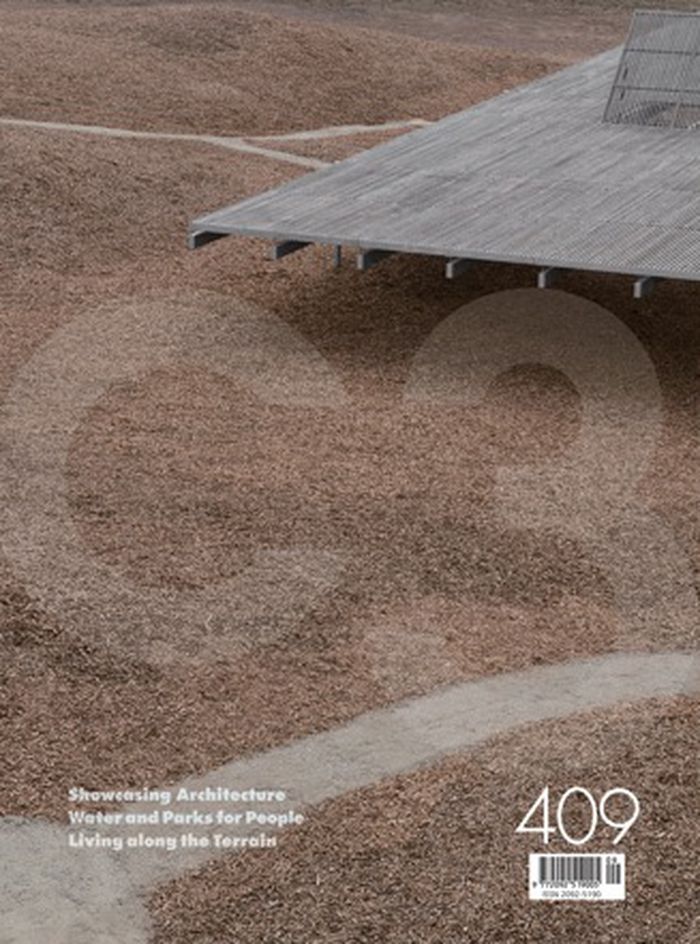
Businesses are increasingly using the power of architecture as a tool to express their corporate brand and impress customers. This issue features four new buildings that epitomise this idea of architecture showcasing: The Macallan Distillery and Visitor Experience by Rogers Stirk Harbour + Partners, BIG’s Audemars Piguet Museum, Grupo Arca Showroom by Esrawe Studio, and Khmaladze Architect’s Meama Coffee Production Plant and Café. Also in this issue, three new waterfront eco-park projects in Moscow, New York, and Denmark, each with a distinct approach, plus a selection of rural houses by DECA Architecture, Ryue Nishizawa, Sean Godsell, and Stera Architectures.
C3 409: Showcasing Architecture - Water And Parks For People - Living Along The Terrain
Actions:
Price:
$56.95
(available in store)
Summary:
Businesses are increasingly using the power of architecture as a tool to express their corporate brand and impress customers. This issue features four new buildings that epitomise this idea of architecture showcasing: The Macallan Distillery and Visitor Experience by Rogers Stirk Harbour + Partners, BIG’s Audemars Piguet Museum, Grupo Arca Showroom by Esrawe Studio, and Khmaladze Architect’s Meama Coffee Production Plant and Café. Also in this issue, three new waterfront eco-park projects in Moscow, New York, and Denmark, each with a distinct approach, plus a selection of rural houses by DECA Architecture, Ryue Nishizawa, Sean Godsell, and Stera Architectures.
Form:
journals and magazines
journals and magazines
Publication:
December 2020
December 2020
Subject:
Magazines
Magazines
Form:
journals and magazines
journals and magazines
Title:
A.MAG 20: Tony Fretton
A.MAG 20: Tony Fretton
Actions:
Price:
$78.95
(available in store)
Summary:
Tony Fretton Architects covers different dimensions and typologies, from government buildings and public offices, to multipurpose cultural spaces and collective or private housing. The architecture is characterised by its high quality and sensory experience, not only in the daily use of spaces but also from a social perspective and urban scale. Powerfully direct, Tony(...)
$78.95
(available in store)
Summary:
Tony Fretton Architects covers different dimensions and typologies, from government buildings and public offices, to multipurpose cultural spaces and collective or private housing. The architecture is characterised by its high quality and sensory experience, not only in the daily use of spaces but also from a social perspective and urban scale. Powerfully direct, Tony(...)
Title:
A.MAG 20: Tony Fretton
Actions:
Price:
$78.95
(available in store)
Summary:
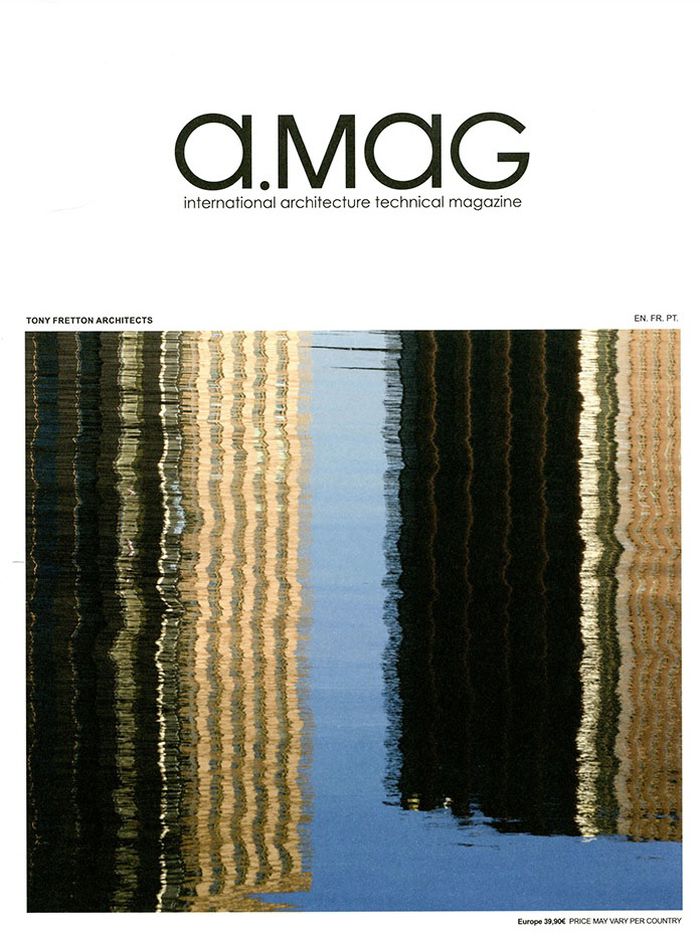
Tony Fretton Architects covers different dimensions and typologies, from government buildings and public offices, to multipurpose cultural spaces and collective or private housing. The architecture is characterised by its high quality and sensory experience, not only in the daily use of spaces but also from a social perspective and urban scale. Powerfully direct, Tony Fretton’s work is elaborated from refreshingly uncomplicated architectural strategies. Featured here are twelve examples of his work, including Kapoor House in Chelsea, the new British Embassy in Warsaw, Prinsendam and Houthaven residential blocks in Amsterdam, Dunant Gardens in Ghent, and more.
A.MAG 20: Tony Fretton
Actions:
Price:
$78.95
(available in store)
Summary:
Tony Fretton Architects covers different dimensions and typologies, from government buildings and public offices, to multipurpose cultural spaces and collective or private housing. The architecture is characterised by its high quality and sensory experience, not only in the daily use of spaces but also from a social perspective and urban scale. Powerfully direct, Tony Fretton’s work is elaborated from refreshingly uncomplicated architectural strategies. Featured here are twelve examples of his work, including Kapoor House in Chelsea, the new British Embassy in Warsaw, Prinsendam and Houthaven residential blocks in Amsterdam, Dunant Gardens in Ghent, and more.
Form:
journals and magazines
journals and magazines
Publication:
January 2020
January 2020
Subject:
Magazines
Magazines
Form:
journals and magazines
journals and magazines
Title:
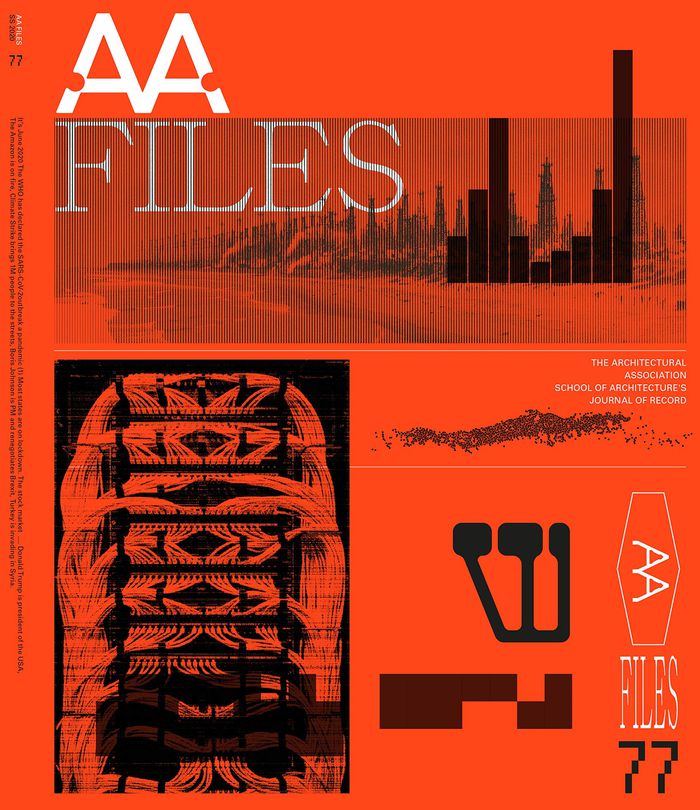
AA Files 77
AA Files 77
Actions:
Price:
$26.95
(available to order)
Summary:
The latest issue is now available at the bookstore!
$26.95
(available to order)
Summary:
The latest issue is now available at the bookstore!
Title:
AA Files 77
Actions:
Price:
$26.95
(available to order)
Summary:
The latest issue is now available at the bookstore!
AA Files 77
Actions:
Price:
$26.95
(available to order)
Summary:
The latest issue is now available at the bookstore!
Form:
journals and magazines
journals and magazines
Publication:
December 2020
December 2020
Subject:
Magazines
Magazines
Form:
journals and magazines
journals and magazines

Price:
$28.95
(available to order)
Summary:
GEO- Earth- is a word that simultaneously signifies something vast and elemental. It refers to both the planet on which we live and the soil that sustains us. GEO is the physical and representational bedrock of landscape architecture- the foundation of many disciplines from which we draw our knowledge. Geography, Geology, and Geometry, in particular, are fundamental to(...)
$28.95
(available to order)
Summary:
GEO- Earth- is a word that simultaneously signifies something vast and elemental. It refers to both the planet on which we live and the soil that sustains us. GEO is the physical and representational bedrock of landscape architecture- the foundation of many disciplines from which we draw our knowledge. Geography, Geology, and Geometry, in particular, are fundamental to(...)
Title:
LA+ GEO
Actions:
Price:
$28.95
(available to order)
Summary:
GEO- Earth- is a word that simultaneously signifies something vast and elemental. It refers to both the planet on which we live and the soil that sustains us. GEO is the physical and representational bedrock of landscape architecture- the foundation of many disciplines from which we draw our knowledge. Geography, Geology, and Geometry, in particular, are fundamental to our discipline’s intellectual core. And now, we seem ever more entangled in GEO as some scholars across the sciences and humanities argue that humans should be recognized as agents of change at geologic time scales.
LA+ GEO
Actions:
Price:
$28.95
(available to order)
Summary:
GEO- Earth- is a word that simultaneously signifies something vast and elemental. It refers to both the planet on which we live and the soil that sustains us. GEO is the physical and representational bedrock of landscape architecture- the foundation of many disciplines from which we draw our knowledge. Geography, Geology, and Geometry, in particular, are fundamental to our discipline’s intellectual core. And now, we seem ever more entangled in GEO as some scholars across the sciences and humanities argue that humans should be recognized as agents of change at geologic time scales.
Form:
journals and magazines
journals and magazines
Publication:
January 2021
January 2021
Subject:
Magazines
Magazines
Form:
journals and magazines
journals and magazines
Actions:
Price:
$19.95
(available in store)
Summary:
The latest issue is now available at the bookstore.
$19.95
(available in store)
Summary:
The latest issue is now available at the bookstore.
Title:
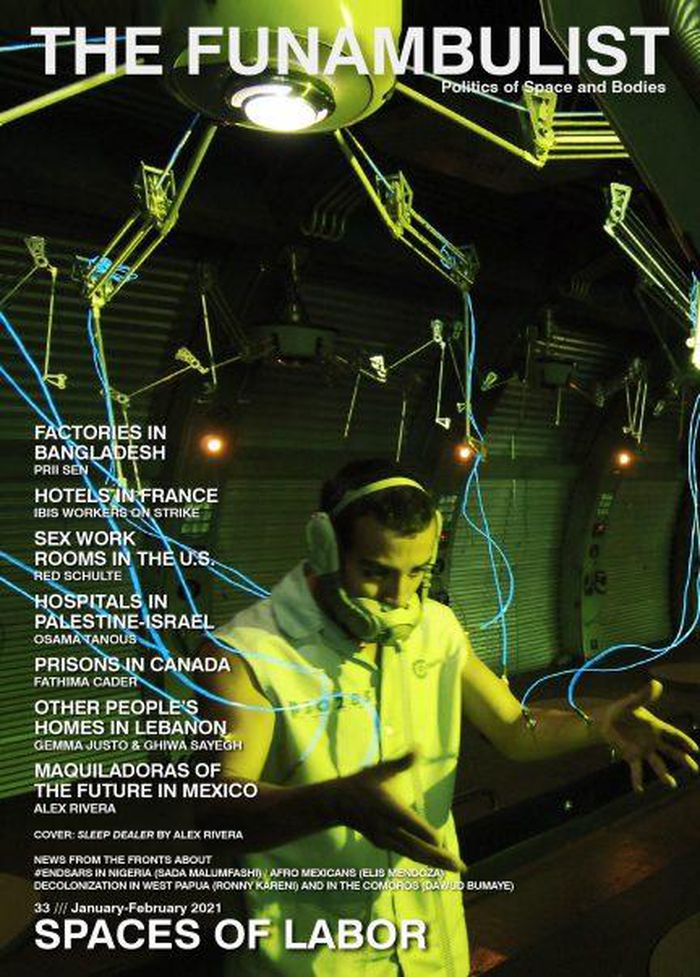
The Funambulist 33 : January/February 2021, spaces of labor
Actions:
Price:
$19.95
(available in store)
Summary:
The latest issue is now available at the bookstore.
The Funambulist 33 : January/February 2021, spaces of labor
Actions:
Price:
$19.95
(available in store)
Summary:
The latest issue is now available at the bookstore.
Form:
journals and magazines
journals and magazines
Publication:
January 2021
January 2021
Subject:
Magazines
Magazines
Form:
journals and magazines
journals and magazines
Actions:
Price:
$65.95
(available to order)
Summary:
''Superposition'' is a periodical, investigating the human side of architecture. Based in Europe and founded in 2020 by a group of architects and artists – Leo Bettini Oberkalmsteiner, Tibor Bielicky, Max Creasy, Ellena Ehrl and Dominic Kim – ''Superposition'' is a polyvalent concept. 'Super' connotes the extraordinary in a positive sense. 'Position' refers equally to a(...)
$65.95
(available to order)
Summary:
''Superposition'' is a periodical, investigating the human side of architecture. Based in Europe and founded in 2020 by a group of architects and artists – Leo Bettini Oberkalmsteiner, Tibor Bielicky, Max Creasy, Ellena Ehrl and Dominic Kim – ''Superposition'' is a polyvalent concept. 'Super' connotes the extraordinary in a positive sense. 'Position' refers equally to a(...)
Title:
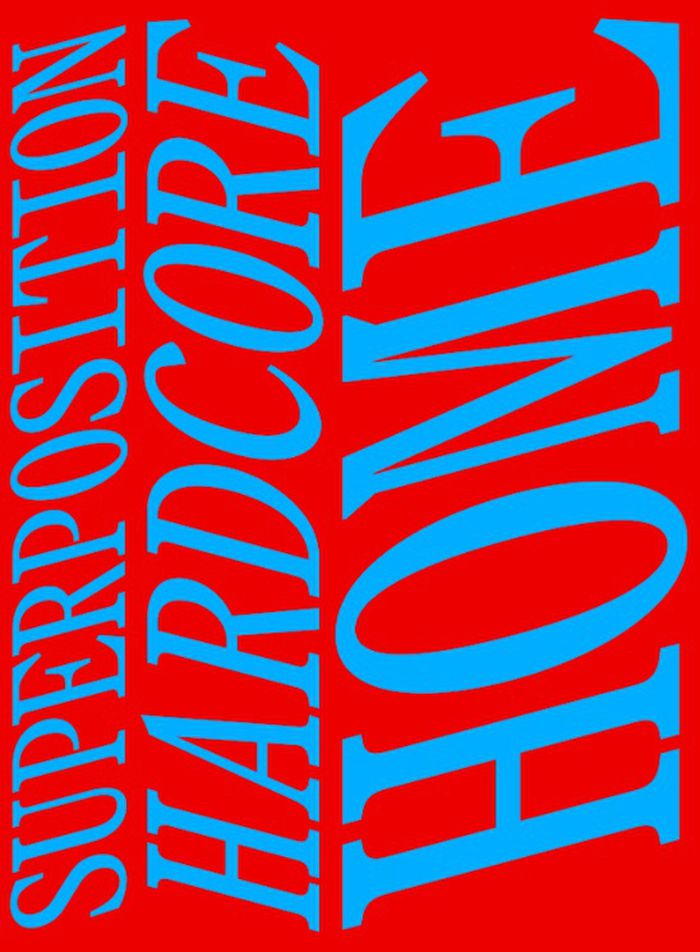
Journal Superposition, issue 1 : hardcore home
Actions:
Price:
$65.95
(available to order)
Summary:
''Superposition'' is a periodical, investigating the human side of architecture. Based in Europe and founded in 2020 by a group of architects and artists – Leo Bettini Oberkalmsteiner, Tibor Bielicky, Max Creasy, Ellena Ehrl and Dominic Kim – ''Superposition'' is a polyvalent concept. 'Super' connotes the extraordinary in a positive sense. 'Position' refers equally to a spatial, a temporal and an intellectual emplacement. We believe in multilogue, in the concept of the 'Weltbürger' and in the act of building bridges, intending to create a vibrant movement of friction. We are motivated by a will to collaborate and by the desire to share observations and impressions.
Journal Superposition, issue 1 : hardcore home
Actions:
Price:
$65.95
(available to order)
Summary:
''Superposition'' is a periodical, investigating the human side of architecture. Based in Europe and founded in 2020 by a group of architects and artists – Leo Bettini Oberkalmsteiner, Tibor Bielicky, Max Creasy, Ellena Ehrl and Dominic Kim – ''Superposition'' is a polyvalent concept. 'Super' connotes the extraordinary in a positive sense. 'Position' refers equally to a spatial, a temporal and an intellectual emplacement. We believe in multilogue, in the concept of the 'Weltbürger' and in the act of building bridges, intending to create a vibrant movement of friction. We are motivated by a will to collaborate and by the desire to share observations and impressions.
Form:
journals and magazines
journals and magazines
Publication:
January 2021
January 2021
Subject:
Magazines
Magazines


