


2092 Results
Form:
books
books
Actions:
Price:
$132.95
(available to order)
Summary:
Thirty years after the fall of the Berlin Wall, we live in a time of globalization and free trade. Nevertheless, seventy new border walls have been built in this period—put together, they would cover the total circumference of the Earth. While governments offer manifold justifications for building these separation barriers, they invariably attract the attention of(...)
$132.95
(available to order)
Summary:
Thirty years after the fall of the Berlin Wall, we live in a time of globalization and free trade. Nevertheless, seventy new border walls have been built in this period—put together, they would cover the total circumference of the Earth. While governments offer manifold justifications for building these separation barriers, they invariably attract the attention of(...)
Title:
Border wall aesthetics: artworks in border spaces
Actions:
Price:
$132.95
(available to order)
Summary:
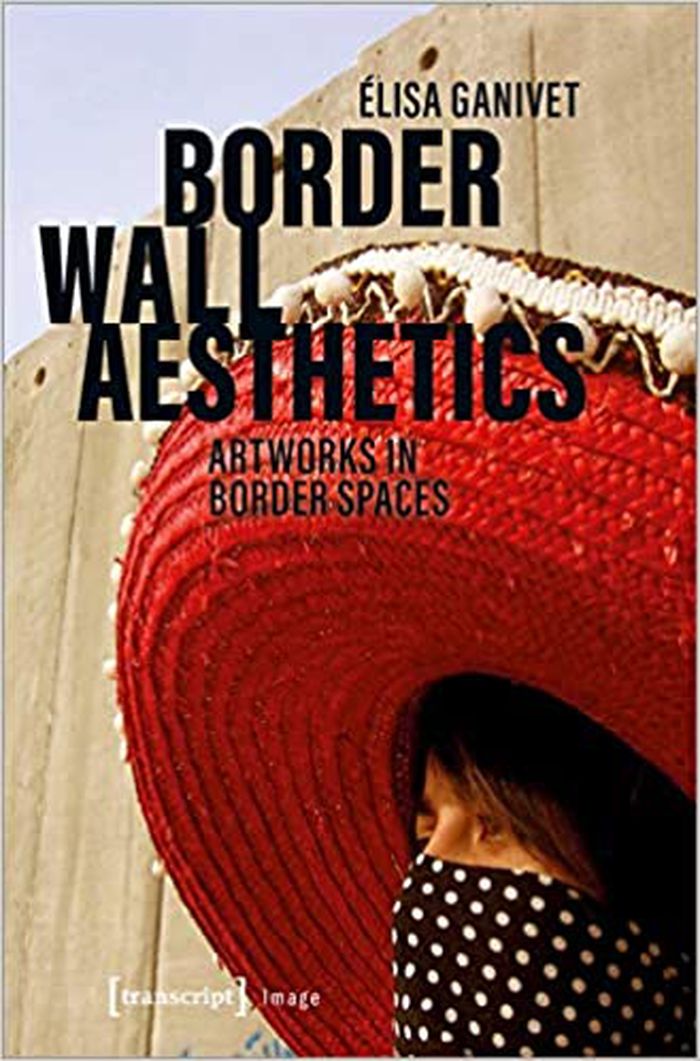
Thirty years after the fall of the Berlin Wall, we live in a time of globalization and free trade. Nevertheless, seventy new border walls have been built in this period—put together, they would cover the total circumference of the Earth. While governments offer manifold justifications for building these separation barriers, they invariably attract the attention of artists. Is it merely the lure of transgression, however, that attracts them—or is there a deeper significance in the artistic encounter with border walls? And which artistic strategies do these artists employ to approach them? In order to address these questions, Elisa Ganivet revisits the history of border wall aesthetics and compares more recent border-related works by 100 artists, including Joseph Beuys (Berlin), Banksy (Israel-Palestine), and Frida Kahlo (Mexico-US). Through art and thus beyond art, we understand the flaws and shortcomings of supposedly well-oiled systems.
Border wall aesthetics: artworks in border spaces
Actions:
Price:
$132.95
(available to order)
Summary:
Thirty years after the fall of the Berlin Wall, we live in a time of globalization and free trade. Nevertheless, seventy new border walls have been built in this period—put together, they would cover the total circumference of the Earth. While governments offer manifold justifications for building these separation barriers, they invariably attract the attention of artists. Is it merely the lure of transgression, however, that attracts them—or is there a deeper significance in the artistic encounter with border walls? And which artistic strategies do these artists employ to approach them? In order to address these questions, Elisa Ganivet revisits the history of border wall aesthetics and compares more recent border-related works by 100 artists, including Joseph Beuys (Berlin), Banksy (Israel-Palestine), and Frida Kahlo (Mexico-US). Through art and thus beyond art, we understand the flaws and shortcomings of supposedly well-oiled systems.
Form:
books
books
Publication:
April 2020
April 2020
Subject:
Art Theory
Art Theory
Form:
books
books

Actions:
Price:
$24.95
(available to order)
Summary:
Blending pop culture iconography with the existential threat of technological creations turning on their creators, "Emotional robots" is a compulsively readable graphic novella set in an all-too presciently depicted world in which advanced robots successfully compete with humans—in sports, music, and art—in pursuit of emotional intelligence. Displaced by the robots'(...)
$24.95
(available to order)
Summary:
Blending pop culture iconography with the existential threat of technological creations turning on their creators, "Emotional robots" is a compulsively readable graphic novella set in an all-too presciently depicted world in which advanced robots successfully compete with humans—in sports, music, and art—in pursuit of emotional intelligence. Displaced by the robots'(...)
Title:
Emotional robots: a question of existence
Actions:
Price:
$24.95
(available to order)
Summary:
Blending pop culture iconography with the existential threat of technological creations turning on their creators, "Emotional robots" is a compulsively readable graphic novella set in an all-too presciently depicted world in which advanced robots successfully compete with humans—in sports, music, and art—in pursuit of emotional intelligence. Displaced by the robots' technological triumph, humans abandon Earth in search of a new planet to call home. But what happens to the robots when newer, faster, smarter, better robots replace them? What happens when civil unrest grows between robot generations? An astute take on the human condition and the illusory promises of technology, "Emotional robots" is captivating fable for the modern age. With keen wit and dark humor, it artfully tackles universal themes urgently relevant to our time, asking readers the question faced by each new generation of humans (and robots): Is history condemned to repeat itself?
Emotional robots: a question of existence
Actions:
Price:
$24.95
(available to order)
Summary:
Blending pop culture iconography with the existential threat of technological creations turning on their creators, "Emotional robots" is a compulsively readable graphic novella set in an all-too presciently depicted world in which advanced robots successfully compete with humans—in sports, music, and art—in pursuit of emotional intelligence. Displaced by the robots' technological triumph, humans abandon Earth in search of a new planet to call home. But what happens to the robots when newer, faster, smarter, better robots replace them? What happens when civil unrest grows between robot generations? An astute take on the human condition and the illusory promises of technology, "Emotional robots" is captivating fable for the modern age. With keen wit and dark humor, it artfully tackles universal themes urgently relevant to our time, asking readers the question faced by each new generation of humans (and robots): Is history condemned to repeat itself?
Form:
books
books
Publication:
May 2021
May 2021
Subject:
Illustration
Illustration
Form:
books
books
Actions:
Price:
$38.00
(available to order)
Summary:
The world today faces overwhelming ecological and social problems and the concern for material existence on earth is more pressing than ever. This book spells out various roles that visual artists and designers play facing these issues. Collective action is necessary and inevitable. This approach often changes the artist’s identity and working habits: from individuality(...)
$38.00
(available to order)
Summary:
The world today faces overwhelming ecological and social problems and the concern for material existence on earth is more pressing than ever. This book spells out various roles that visual artists and designers play facing these issues. Collective action is necessary and inevitable. This approach often changes the artist’s identity and working habits: from individuality(...)
Title:
Making matters: A vocabulary for collective arts
Actions:
Price:
$38.00
(available to order)
Summary:
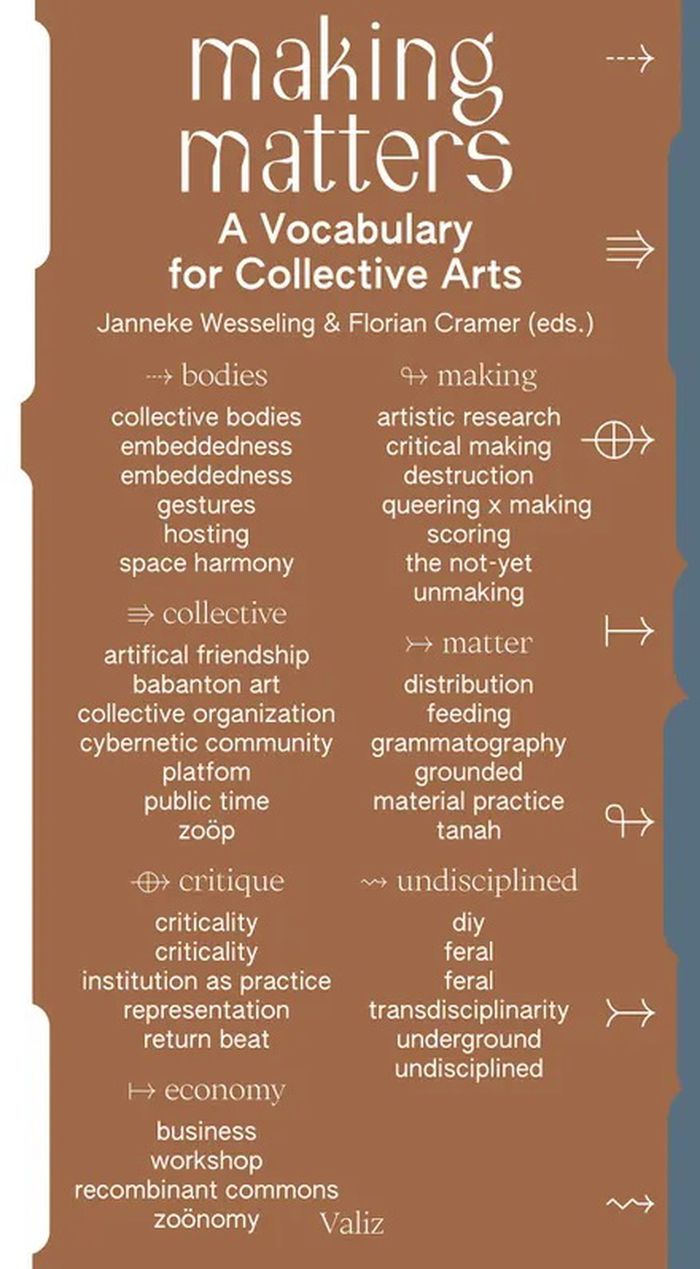
The world today faces overwhelming ecological and social problems and the concern for material existence on earth is more pressing than ever. This book spells out various roles that visual artists and designers play facing these issues. Collective action is necessary and inevitable. This approach often changes the artist’s identity and working habits: from individuality and autonomy to collectivity and collaboration, both locally and globally. These developments have given rise to new kinds of collective art and design practices: artists work together with non-artists, make products for their local environment and take on multiple identities, such as researcher, community activist, computer hacker or business consultant. This volume looks at art practices across all continents that do not conform to a Western concept of art nor to traditional distinctions between art, design, research and activism—where the boundaries between art, design, research and activism become blurred or are dissolved.
Making matters: A vocabulary for collective arts
Actions:
Price:
$38.00
(available to order)
Summary:
The world today faces overwhelming ecological and social problems and the concern for material existence on earth is more pressing than ever. This book spells out various roles that visual artists and designers play facing these issues. Collective action is necessary and inevitable. This approach often changes the artist’s identity and working habits: from individuality and autonomy to collectivity and collaboration, both locally and globally. These developments have given rise to new kinds of collective art and design practices: artists work together with non-artists, make products for their local environment and take on multiple identities, such as researcher, community activist, computer hacker or business consultant. This volume looks at art practices across all continents that do not conform to a Western concept of art nor to traditional distinctions between art, design, research and activism—where the boundaries between art, design, research and activism become blurred or are dissolved.
Form:
books
books
Publication:
September 2022
September 2022
Subject:
Art Theory
Art Theory
Form:
books
books
Actions:
Price:
$35.95
(available to order)
Summary:
In this book, Nicholas P. Money tells the utterly fascinating story of mushrooms and the ways we have interacted with these fungi throughout history. Whether they have populated the landscapes of fairytales, lent splendid umami to our dishes, or steered us into deep hallucinations, mushrooms have affected humanity from the earliest beginnings of our species. As Money(...)
$35.95
(available to order)
Summary:
In this book, Nicholas P. Money tells the utterly fascinating story of mushrooms and the ways we have interacted with these fungi throughout history. Whether they have populated the landscapes of fairytales, lent splendid umami to our dishes, or steered us into deep hallucinations, mushrooms have affected humanity from the earliest beginnings of our species. As Money(...)
Title:
Mushrooms: a natural and cultural history
Actions:
Price:
$35.95
(available to order)
Summary:
In this book, Nicholas P. Money tells the utterly fascinating story of mushrooms and the ways we have interacted with these fungi throughout history. Whether they have populated the landscapes of fairytales, lent splendid umami to our dishes, or steered us into deep hallucinations, mushrooms have affected humanity from the earliest beginnings of our species. As Money explains, mushrooms are not self-contained organisms like animals and plants. Rather, they are the fruiting bodies of large—sometimes extremely large—colonies of mycelial threads that spread underground and permeate rotting vegetation. Because these colonies decompose organic matter, they are of extraordinary ecological value and have a huge effect on the health of the environment. This book takes us on a tour of the cultural and scientific importance of mushrooms, from the enchanted forests of folklore to the role of these fungi in sustaining life on earth.
Mushrooms: a natural and cultural history
Actions:
Price:
$35.95
(available to order)
Summary:
In this book, Nicholas P. Money tells the utterly fascinating story of mushrooms and the ways we have interacted with these fungi throughout history. Whether they have populated the landscapes of fairytales, lent splendid umami to our dishes, or steered us into deep hallucinations, mushrooms have affected humanity from the earliest beginnings of our species. As Money explains, mushrooms are not self-contained organisms like animals and plants. Rather, they are the fruiting bodies of large—sometimes extremely large—colonies of mycelial threads that spread underground and permeate rotting vegetation. Because these colonies decompose organic matter, they are of extraordinary ecological value and have a huge effect on the health of the environment. This book takes us on a tour of the cultural and scientific importance of mushrooms, from the enchanted forests of folklore to the role of these fungi in sustaining life on earth.
Form:
books
books
Publication:
October 2022
October 2022
Subject:
Food
Food
Form:
books
books

Actions:
Price:
$84.00
(available to order)
Summary:
This groundbreaking project summarizes how contemporary Indigenous photographers have taken over the conversation about how their cultures and lives are depicted through their dynamic embrace of three interwoven themes: Survivance, Nation and Indigenous Visuality. These photographers enact a key shift away from privileging settler-colonialism, foregrounding instead an(...)
$84.00
(available to order)
Summary:
This groundbreaking project summarizes how contemporary Indigenous photographers have taken over the conversation about how their cultures and lives are depicted through their dynamic embrace of three interwoven themes: Survivance, Nation and Indigenous Visuality. These photographers enact a key shift away from privileging settler-colonialism, foregrounding instead an(...)
Title:
Speaking with light: contemporary indigenous photography
Actions:
Price:
$84.00
(available to order)
Summary:
This groundbreaking project summarizes how contemporary Indigenous photographers have taken over the conversation about how their cultures and lives are depicted through their dynamic embrace of three interwoven themes: Survivance, Nation and Indigenous Visuality. These photographers enact a key shift away from privileging settler-colonialism, foregrounding instead an Indigenous sense of community and visuality. ''Speaking with Light'' reveals and examines these Indigenous artists’ explorations of themes such as identity, the contribution of customary practice to contemporary life, belonging and the assistance that Indigenous worldviews can provide to building healthier relationships with each other and the earth. The book comprises four sections bridged by transitions and ending with a globalization of the discussion. Texts by key Indigenous scholars are followed by a series of plates illustrating many of the exhibition works. ''Speaking with Light'' is a summary statement about the preoccupations and dynamism of Indigenous photography today.
Speaking with light: contemporary indigenous photography
Actions:
Price:
$84.00
(available to order)
Summary:
This groundbreaking project summarizes how contemporary Indigenous photographers have taken over the conversation about how their cultures and lives are depicted through their dynamic embrace of three interwoven themes: Survivance, Nation and Indigenous Visuality. These photographers enact a key shift away from privileging settler-colonialism, foregrounding instead an Indigenous sense of community and visuality. ''Speaking with Light'' reveals and examines these Indigenous artists’ explorations of themes such as identity, the contribution of customary practice to contemporary life, belonging and the assistance that Indigenous worldviews can provide to building healthier relationships with each other and the earth. The book comprises four sections bridged by transitions and ending with a globalization of the discussion. Texts by key Indigenous scholars are followed by a series of plates illustrating many of the exhibition works. ''Speaking with Light'' is a summary statement about the preoccupations and dynamism of Indigenous photography today.
Form:
books
books
Publication:
November 2023
November 2023
Subject:
Photography Collections
Photography Collections
Form:
books
books
Title:
Space is the place
Space is the place
Actions:
Price:
$28.00
(available to order)
Summary:
This catalogue for the traveling exhibition Space Is the Place (whose title refers to a movie about the super-experimental and influential jazz musician, Sun Ra) takes an inspired look at the theme of space exploration. Encompassing the concept of infinite potential, as well as historical outer-space successes and failures, it features installations, paintings, works on(...)
$28.00
(available to order)
Summary:
This catalogue for the traveling exhibition Space Is the Place (whose title refers to a movie about the super-experimental and influential jazz musician, Sun Ra) takes an inspired look at the theme of space exploration. Encompassing the concept of infinite potential, as well as historical outer-space successes and failures, it features installations, paintings, works on(...)
Publication:
November 2007
November 2007
Title:
Space is the place
Actions:
Price:
$28.00
(available to order)
Summary:
This catalogue for the traveling exhibition Space Is the Place (whose title refers to a movie about the super-experimental and influential jazz musician, Sun Ra) takes an inspired look at the theme of space exploration. Encompassing the concept of infinite potential, as well as historical outer-space successes and failures, it features installations, paintings, works on paper, and sound and video works made during the past 15 years by Laurie Anderson, Nina Katchadourian, Oleg Kulik, Julian LaVerdiere, Aleksandra Mir and Damian Ortega, among others, and investigates global attitudes from the time the Soviets launched Sputnik nearly 50 years ago to the era of the explosion of the Columbia space shuttle in 2003. While the featured artworks are united by the theme of outer space, the open-ended parameters of the subject also invite consideration of the technological, environmental and sociopolitical forces affecting life on earth today.
Space is the place
Actions:
Price:
$28.00
(available to order)
Summary:
This catalogue for the traveling exhibition Space Is the Place (whose title refers to a movie about the super-experimental and influential jazz musician, Sun Ra) takes an inspired look at the theme of space exploration. Encompassing the concept of infinite potential, as well as historical outer-space successes and failures, it features installations, paintings, works on paper, and sound and video works made during the past 15 years by Laurie Anderson, Nina Katchadourian, Oleg Kulik, Julian LaVerdiere, Aleksandra Mir and Damian Ortega, among others, and investigates global attitudes from the time the Soviets launched Sputnik nearly 50 years ago to the era of the explosion of the Columbia space shuttle in 2003. While the featured artworks are united by the theme of outer space, the open-ended parameters of the subject also invite consideration of the technological, environmental and sociopolitical forces affecting life on earth today.
Form:
books
books
Publication:
November 2007
November 2007
Form:
books
books

Actions:
Price:
$65.00
(available in store)
Summary:
For Climate's Sake! sets itself the goal of conveying the knowledge revealed by current climate research in a manner that is both concise and appealing. It differs from other books on climate change principally in the way it is conceived as a visual reader that diliberately uses the effectiveness and power of the image to present the theme in a graphic way. Extensive(...)
$65.00
(available in store)
Summary:
For Climate's Sake! sets itself the goal of conveying the knowledge revealed by current climate research in a manner that is both concise and appealing. It differs from other books on climate change principally in the way it is conceived as a visual reader that diliberately uses the effectiveness and power of the image to present the theme in a graphic way. Extensive(...)
Subject:
Green Architecture
Green Architecture
Publication:
April 2011
April 2011
Title:
For climate's sake! A visual reader of climate change
Actions:
Price:
$65.00
(available in store)
Summary:
For Climate's Sake! sets itself the goal of conveying the knowledge revealed by current climate research in a manner that is both concise and appealing. It differs from other books on climate change principally in the way it is conceived as a visual reader that diliberately uses the effectiveness and power of the image to present the theme in a graphic way. Extensive series of images with large photographs and informative diagrams accompany well-researched essays on and around the themes of climate history, research and policy and thus offer an in-depth examination. The book provides insights into the history of the earth's climate and reveals the factors that are responsible for climate change. It poses questions and provides answers: why is the earth becoming warmer? What are the consequences we must reckon with? What can we do against this? Who determines the future?
For climate's sake! A visual reader of climate change
Actions:
Price:
$65.00
(available in store)
Summary:
For Climate's Sake! sets itself the goal of conveying the knowledge revealed by current climate research in a manner that is both concise and appealing. It differs from other books on climate change principally in the way it is conceived as a visual reader that diliberately uses the effectiveness and power of the image to present the theme in a graphic way. Extensive series of images with large photographs and informative diagrams accompany well-researched essays on and around the themes of climate history, research and policy and thus offer an in-depth examination. The book provides insights into the history of the earth's climate and reveals the factors that are responsible for climate change. It poses questions and provides answers: why is the earth becoming warmer? What are the consequences we must reckon with? What can we do against this? Who determines the future?
Form:
books
books
Publication:
April 2011
April 2011
Subject:
Green Architecture
Green Architecture
Form:
books
books
Actions:
Price:
$128.95
(available to order)
Summary:
If participation has been an ideal in politics since ancient democracy, in art it became central only with the avant-gardes emerging from WWI and the Russian Revolution. Politics and aesthetics are still catching up with each other. In the 21st Century, since the revolutionary unrest of the 1960s, participation in art and architecture has lost its utopian glow and become(...)
$128.95
(available to order)
Summary:
If participation has been an ideal in politics since ancient democracy, in art it became central only with the avant-gardes emerging from WWI and the Russian Revolution. Politics and aesthetics are still catching up with each other. In the 21st Century, since the revolutionary unrest of the 1960s, participation in art and architecture has lost its utopian glow and become(...)
Title:
Participation in art and architecture: spaces of interaction and occupation
Actions:
Price:
$128.95
(available to order)
Summary:
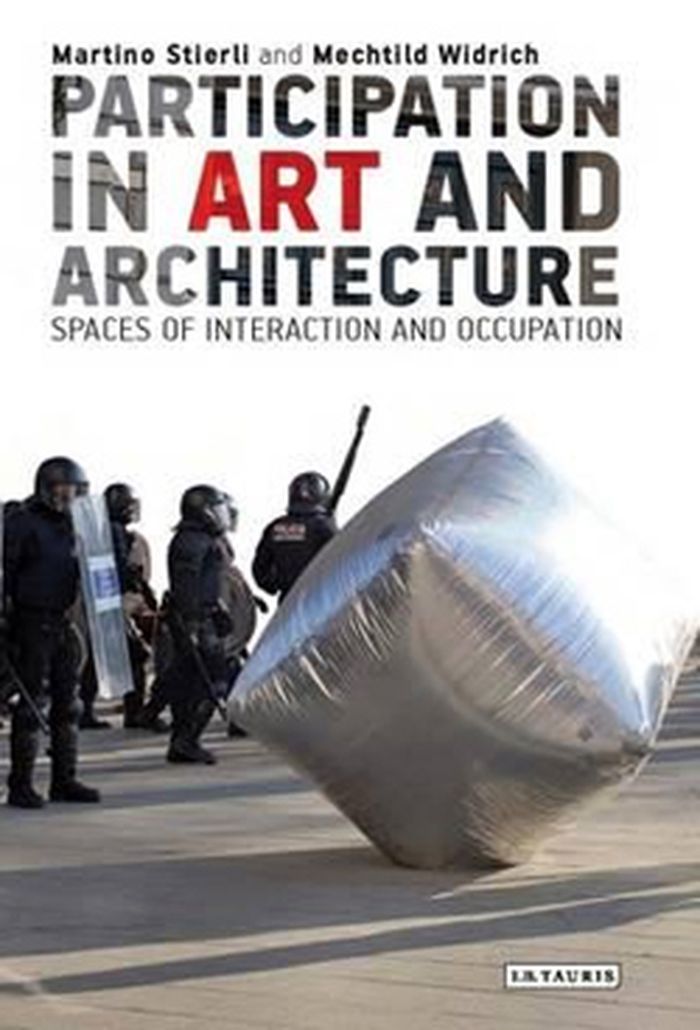
If participation has been an ideal in politics since ancient democracy, in art it became central only with the avant-gardes emerging from WWI and the Russian Revolution. Politics and aesthetics are still catching up with each other. In the 21st Century, since the revolutionary unrest of the 1960s, participation in art and architecture has lost its utopian glow and become the focus of a fierce debate: does ‘participatory’ art and architecture shape social reality, or is it shaped by it?Contemporary critics see in participation only technocratic control, while others embrace it as a viable politics in an era of global capitalism. This volume breaks the impasse by looking at how participants themselves exert power, rather than being victimized or liberated from it. From artists hijacking Google Earth to protesters setting up a museum of the revolution in Cairo, art, architecture, and daily life are explored in their participatory dimension.
Participation in art and architecture: spaces of interaction and occupation
Actions:
Price:
$128.95
(available to order)
Summary:
If participation has been an ideal in politics since ancient democracy, in art it became central only with the avant-gardes emerging from WWI and the Russian Revolution. Politics and aesthetics are still catching up with each other. In the 21st Century, since the revolutionary unrest of the 1960s, participation in art and architecture has lost its utopian glow and become the focus of a fierce debate: does ‘participatory’ art and architecture shape social reality, or is it shaped by it?Contemporary critics see in participation only technocratic control, while others embrace it as a viable politics in an era of global capitalism. This volume breaks the impasse by looking at how participants themselves exert power, rather than being victimized or liberated from it. From artists hijacking Google Earth to protesters setting up a museum of the revolution in Cairo, art, architecture, and daily life are explored in their participatory dimension.
Form:
books
books
Publication:
October 2015
October 2015
Subject:
Architectural Theory
Architectural Theory
Form:
books
books
Actions:
Holdings:
Description:
367 pages, 17 unnumbered pages : illustrations (some color), maps (some color), plans (some color), portraits (some color) ; 21 cm.
Description:
367 pages, 17 unnumbered pages : illustrations (some color), maps (some color), plans (some color), portraits (some color) ; 21 cm.
Author:
- Samia Henni -- Desert Futures Collective -- Menna Agha -- Danika Cooper -- Ariella Aïsha Azoulay -- Paulo Tavares -- XqSu -- Dalal Musaed Alsayer -- Alla Vronskaya -- Timothy Hyde --,
- Henni, Samia, 1980-,
- Abu Al-Maati, Saphiya,,
- Agha, Menna,,
- Saeed, Asaiel Al,,
- AlYaqoub, Aseel,,
- Hussein, Yousef Awaad,,
- Azoulay, Ariella,,
- Cooper, Danika,,
- Guabli, Brahim El,,
- Hyde, Timothy,,
- Jarvis, Jill, 1979-,
- Kona, Bongani,,
- Alsayer, Dalal Musaed,,
- Robles, Francisco E.,,
- Tavares, Paulo (Architect),,
- Vronskaya, Alla,,
- XqSu,,
- Coombs, Laura,,
- Observatoire des armements,
(See more)
Subject:
- Deserts Political aspects 21st century.,
- Deserts Economic aspects 21st century.,
- Desert ecology Political aspects 21st century.,
- Arid regions Political aspects 21st century.,
- Architecture Arid regions.,
- Arid regions Government policy 21st century.,
- Desert gardening Social aspects 21st century.,
- Land use, Rural Political aspects 21st century.,
- Desertification Economic aspects 21st century.,
- Deserts in art.,
- Deserts in literature.,
- Decolonization Developing countries.,
- Deserts Political aspects.,
- Arid regions Political aspects.,
- Imperialism and architecture.,
- Architecture and society.,
- Arid regions Government policy.,
- Land use, Rural Political aspects.,
- Decolonization in literature.,
- Decolonization in art.,
- History.,
- Attitude change.,
- Exploitation.,
- Contempt (Attitude),
- Decolonization.,
- Déserts Aspect politique.,
- Régions arides Aspect politique.,
- Architecture Régions arides.,
- Impérialisme et architecture.,
- Architecture et société.,
- Régions arides Politique gouvernementale.,
- Utilisation agricole du sol Aspect politique.,
- Déserts dans l'art.,
- Déserts dans la littérature.,
- Décolonisation dans la littérature.,
- Décolonisation dans l'art.,
- Histoire.,
- Changement d'attitude.,
- Exploitation (Morale),
- Mépris.,
- Décolonisation.,
- Déserts Aspect politique 21e siècle.,
- Déserts Aspect économique 21e siècle.,
- Écologie des déserts Aspect politique 21e siècle.,
- Régions arides Aspect politique 21e siècle.,
- Régions arides Politique gouvernementale 21e siècle.,
- Jardinage en région désertique Aspect social 21e siècle.,
- Utilisation agricole du sol Aspect politique 21e siècle.,
- Désertification Aspect économique 21e siècle.,
- history (discipline),
- ARCHITECTURE / Criticism.,
- ARCHITECTURE / History / Contemporary (1945-),
- POLITICAL SCIENCE / Colonialism & Post-Colonialism.,
- POLITICAL SCIENCE / Geopolitics.,
- SOCIAL SCIENCE / Activism & Social Justice.,
- Deserts,
- Arid regions
(See more)
Publication:
New York, NY : Columbia Books on Architecture and the City, an imprint of the Graduate School of Architecture, Planning, and Preservation, Columbia University, [2022], ©2022
New York, NY : Columbia Books on Architecture and the City, an imprint of the Graduate School of Architecture, Planning, and Preservation, Columbia University, [2022], ©2022
Title:
Deserts are not empty / editor, Samia Henni ; contributors, Saphiya Abu Al-Maati, Menna Agha, Asaiel Al Saeed, Aseel AlYaqoub, Yousef Awaad Hussein, Ariella Aïsha Azoulay, Danika Cooper, Brahim El Guabli, Timothy Hyde, Jill Jarvis, Bongani Kona, Dalal Musaed Alsayer, Observatoire des armements, Francisco E. Robles, Paulo Tavares, Alla Vronskaya, and XqSu.
Actions:
Holdings:
Description:
367 pages, 17 unnumbered pages : illustrations (some color), maps (some color), plans (some color), portraits (some color) ; 21 cm.
Deserts are not empty / editor, Samia Henni ; contributors, Saphiya Abu Al-Maati, Menna Agha, Asaiel Al Saeed, Aseel AlYaqoub, Yousef Awaad Hussein, Ariella Aïsha Azoulay, Danika Cooper, Brahim El Guabli, Timothy Hyde, Jill Jarvis, Bongani Kona, Dalal Musaed Alsayer, Observatoire des armements, Francisco E. Robles, Paulo Tavares, Alla Vronskaya, and XqSu.
Actions:
Holdings:
Description:
367 pages, 17 unnumbered pages : illustrations (some color), maps (some color), plans (some color), portraits (some color) ; 21 cm.
Form:
books
books
Publication:
New York, NY : Columbia Books on Architecture and the City, an imprint of the Graduate School of Architecture, Planning, and Preservation, Columbia University, [2022], ©2022
New York, NY : Columbia Books on Architecture and the City, an imprint of the Graduate School of Architecture, Planning, and Preservation, Columbia University, [2022], ©2022
Author:
- Samia Henni -- Desert Futures Collective -- Menna Agha -- Danika Cooper -- Ariella Aïsha Azoulay -- Paulo Tavares -- XqSu -- Dalal Musaed Alsayer -- Alla Vronskaya -- Timothy Hyde --,
- Henni, Samia, 1980-,
- Abu Al-Maati, Saphiya,,
- Agha, Menna,,
- Saeed, Asaiel Al,,
- AlYaqoub, Aseel,,
- Hussein, Yousef Awaad,,
- Azoulay, Ariella,,
- Cooper, Danika,,
- Guabli, Brahim El,,
- Hyde, Timothy,,
- Jarvis, Jill, 1979-,
- Kona, Bongani,,
- Alsayer, Dalal Musaed,,
- Robles, Francisco E.,,
- Tavares, Paulo (Architect),,
- Vronskaya, Alla,,
- XqSu,,
- Coombs, Laura,,
- Observatoire des armements,
(See more)
Subject:
- Deserts Political aspects 21st century.,
- Deserts Economic aspects 21st century.,
- Desert ecology Political aspects 21st century.,
- Arid regions Political aspects 21st century.,
- Architecture Arid regions.,
- Arid regions Government policy 21st century.,
- Desert gardening Social aspects 21st century.,
- Land use, Rural Political aspects 21st century.,
- Desertification Economic aspects 21st century.,
- Deserts in art.,
- Deserts in literature.,
- Decolonization Developing countries.,
- Deserts Political aspects.,
- Arid regions Political aspects.,
- Imperialism and architecture.,
- Architecture and society.,
- Arid regions Government policy.,
- Land use, Rural Political aspects.,
- Decolonization in literature.,
- Decolonization in art.,
- History.,
- Attitude change.,
- Exploitation.,
- Contempt (Attitude),
- Decolonization.,
- Déserts Aspect politique.,
- Régions arides Aspect politique.,
- Architecture Régions arides.,
- Impérialisme et architecture.,
- Architecture et société.,
- Régions arides Politique gouvernementale.,
- Utilisation agricole du sol Aspect politique.,
- Déserts dans l'art.,
- Déserts dans la littérature.,
- Décolonisation dans la littérature.,
- Décolonisation dans l'art.,
- Histoire.,
- Changement d'attitude.,
- Exploitation (Morale),
- Mépris.,
- Décolonisation.,
- Déserts Aspect politique 21e siècle.,
- Déserts Aspect économique 21e siècle.,
- Écologie des déserts Aspect politique 21e siècle.,
- Régions arides Aspect politique 21e siècle.,
- Régions arides Politique gouvernementale 21e siècle.,
- Jardinage en région désertique Aspect social 21e siècle.,
- Utilisation agricole du sol Aspect politique 21e siècle.,
- Désertification Aspect économique 21e siècle.,
- history (discipline),
- ARCHITECTURE / Criticism.,
- ARCHITECTURE / History / Contemporary (1945-),
- POLITICAL SCIENCE / Colonialism & Post-Colonialism.,
- POLITICAL SCIENCE / Geopolitics.,
- SOCIAL SCIENCE / Activism & Social Justice.,
- Deserts,
- Arid regions
(See more)
Form:
books
books
Price:
$75.00
(available to order)
Summary:
In 2008, Swiss architects Herzog & de Meuron and Chinese artist Ai Weiwei joined forces to design the celebrated Beijing National Stadium for the Olympic Games. In 2012, the team came together again for the Serpentine Gallery’s acclaimed annual commission, as part of the London 2012 Festival, the culmination of the Cultural Olympiad. Their pavilion takes visitors beneath(...)
$75.00
(available to order)
Summary:
In 2008, Swiss architects Herzog & de Meuron and Chinese artist Ai Weiwei joined forces to design the celebrated Beijing National Stadium for the Olympic Games. In 2012, the team came together again for the Serpentine Gallery’s acclaimed annual commission, as part of the London 2012 Festival, the culmination of the Cultural Olympiad. Their pavilion takes visitors beneath(...)
Title:
Herzog & de Meuron + Ai Weiwei : Serpentine Gallery Pavilion 2012
Actions:
Price:
$75.00
(available to order)
Summary:
In 2008, Swiss architects Herzog & de Meuron and Chinese artist Ai Weiwei joined forces to design the celebrated Beijing National Stadium for the Olympic Games. In 2012, the team came together again for the Serpentine Gallery’s acclaimed annual commission, as part of the London 2012 Festival, the culmination of the Cultural Olympiad. Their pavilion takes visitors beneath the Serpentine’s lawn to explore the hidden history of its previous pavilions. Supporting the structure from below, eleven columns symbolize past pavilions, and a twelfth represents the current one. The pavilion’s interior is clad in cork, to evoke the excavated earth, and is built as a network of pathways and trenches. Herzog & de Meuron and Weiwei’s archaeological approach creates a space that invites visitors to look beneath the surface of the park as well as back in time to the inspiration of earlier structures. Foreword and interview by Julia Peyton-Jones, Hans Ulrich Obrist
Herzog & de Meuron + Ai Weiwei : Serpentine Gallery Pavilion 2012
Actions:
Price:
$75.00
(available to order)
Summary:
In 2008, Swiss architects Herzog & de Meuron and Chinese artist Ai Weiwei joined forces to design the celebrated Beijing National Stadium for the Olympic Games. In 2012, the team came together again for the Serpentine Gallery’s acclaimed annual commission, as part of the London 2012 Festival, the culmination of the Cultural Olympiad. Their pavilion takes visitors beneath the Serpentine’s lawn to explore the hidden history of its previous pavilions. Supporting the structure from below, eleven columns symbolize past pavilions, and a twelfth represents the current one. The pavilion’s interior is clad in cork, to evoke the excavated earth, and is built as a network of pathways and trenches. Herzog & de Meuron and Weiwei’s archaeological approach creates a space that invites visitors to look beneath the surface of the park as well as back in time to the inspiration of earlier structures. Foreword and interview by Julia Peyton-Jones, Hans Ulrich Obrist
Form:
books
books
Publication:
October 2012
October 2012
Subject:
Architecture Monographs
Architecture Monographs


