


33566 Results
Level of archival description:
Series
Series
Title:
Academic work and interviews
Academic work and interviews
Reference number:
AP207.S4
Description:
The series documents Pettena’s academic work and his activities as an architecture critic from the 1970s to the mid 2010s. It documents Pettena’s teaching, including his work as professor of History of Contemporary Architecture at the University of Florence from 1973 to 2008, but also as professor of Design at California State University. It also includes materials related to lectures and conferences he gave either on his work or on subjects he studied, including lectures for the Domus Academy in 1993. The series also documents interviews he gave during his career to promote his projects, his exhibitions or publications, as well as for publications and exhibitions on him and his work. The series contains administrative material related to Pettena’s work as a professor, chiefly at the University of Florence, such as correspondence and course syllabi. The series also includes Pettena’s teaching material, such as notes and reference material, and photocopies of reading assignments for courses. This series also contains a large collection of reference slides, predominantly on contemporary architecture and design and on architects, such as Ettore Sottsass Sr. and Jr., Hans Hollein, Alessandro Mendini, Carlo Scarpa, Oscar Niemeyer, Buckminster Fuller, and Studio Alchimia, as well as on contemporary artistic movements. Also included is student work, such as student theses from University of Florence and one thesis from a student at the California State University. The series also contains materials related to Pettena’s lectures, including correspondence, presentation texts, and promotional material for lectures, seminars and courses. Finally, the series includes material from Pettena’s interviews, such as interview transcripts, copies of published interviews, and audio and video recordings of interviews.
AP207.S4
Description:
The series documents Pettena’s academic work and his activities as an architecture critic from the 1970s to the mid 2010s. It documents Pettena’s teaching, including his work as professor of History of Contemporary Architecture at the University of Florence from 1973 to 2008, but also as professor of Design at California State University. It also includes materials related to lectures and conferences he gave either on his work or on subjects he studied, including lectures for the Domus Academy in 1993. The series also documents interviews he gave during his career to promote his projects, his exhibitions or publications, as well as for publications and exhibitions on him and his work. The series contains administrative material related to Pettena’s work as a professor, chiefly at the University of Florence, such as correspondence and course syllabi. The series also includes Pettena’s teaching material, such as notes and reference material, and photocopies of reading assignments for courses. This series also contains a large collection of reference slides, predominantly on contemporary architecture and design and on architects, such as Ettore Sottsass Sr. and Jr., Hans Hollein, Alessandro Mendini, Carlo Scarpa, Oscar Niemeyer, Buckminster Fuller, and Studio Alchimia, as well as on contemporary artistic movements. Also included is student work, such as student theses from University of Florence and one thesis from a student at the California State University. The series also contains materials related to Pettena’s lectures, including correspondence, presentation texts, and promotional material for lectures, seminars and courses. Finally, the series includes material from Pettena’s interviews, such as interview transcripts, copies of published interviews, and audio and video recordings of interviews.
People:
Date:
circa 1970-2015
circa 1970-2015
Title:
Academic work and interviews
Actions:
AP207.S4
Description:
The series documents Pettena’s academic work and his activities as an architecture critic from the 1970s to the mid 2010s. It documents Pettena’s teaching, including his work as professor of History of Contemporary Architecture at the University of Florence from 1973 to 2008, but also as professor of Design at California State University. It also includes materials related to lectures and conferences he gave either on his work or on subjects he studied, including lectures for the Domus Academy in 1993. The series also documents interviews he gave during his career to promote his projects, his exhibitions or publications, as well as for publications and exhibitions on him and his work. The series contains administrative material related to Pettena’s work as a professor, chiefly at the University of Florence, such as correspondence and course syllabi. The series also includes Pettena’s teaching material, such as notes and reference material, and photocopies of reading assignments for courses. This series also contains a large collection of reference slides, predominantly on contemporary architecture and design and on architects, such as Ettore Sottsass Sr. and Jr., Hans Hollein, Alessandro Mendini, Carlo Scarpa, Oscar Niemeyer, Buckminster Fuller, and Studio Alchimia, as well as on contemporary artistic movements. Also included is student work, such as student theses from University of Florence and one thesis from a student at the California State University. The series also contains materials related to Pettena’s lectures, including correspondence, presentation texts, and promotional material for lectures, seminars and courses. Finally, the series includes material from Pettena’s interviews, such as interview transcripts, copies of published interviews, and audio and video recordings of interviews.
Academic work and interviews
Actions:
AP207.S4
Description:
The series documents Pettena’s academic work and his activities as an architecture critic from the 1970s to the mid 2010s. It documents Pettena’s teaching, including his work as professor of History of Contemporary Architecture at the University of Florence from 1973 to 2008, but also as professor of Design at California State University. It also includes materials related to lectures and conferences he gave either on his work or on subjects he studied, including lectures for the Domus Academy in 1993. The series also documents interviews he gave during his career to promote his projects, his exhibitions or publications, as well as for publications and exhibitions on him and his work. The series contains administrative material related to Pettena’s work as a professor, chiefly at the University of Florence, such as correspondence and course syllabi. The series also includes Pettena’s teaching material, such as notes and reference material, and photocopies of reading assignments for courses. This series also contains a large collection of reference slides, predominantly on contemporary architecture and design and on architects, such as Ettore Sottsass Sr. and Jr., Hans Hollein, Alessandro Mendini, Carlo Scarpa, Oscar Niemeyer, Buckminster Fuller, and Studio Alchimia, as well as on contemporary artistic movements. Also included is student work, such as student theses from University of Florence and one thesis from a student at the California State University. The series also contains materials related to Pettena’s lectures, including correspondence, presentation texts, and promotional material for lectures, seminars and courses. Finally, the series includes material from Pettena’s interviews, such as interview transcripts, copies of published interviews, and audio and video recordings of interviews.
Level of archival description:
Series
Series
Date:
circa 1970-2015
circa 1970-2015
People:
Level of archival description:
Project
Project
Reference number:
AP018.S1.1960.PR02
Description:
This project series documents the Imperial Oil Ontario region office in North York, Ontario from 1960-1962. The office identified the project number as 6049. This project consisted of a three-storey, 110,000 square foot building located at the corner of Don Mills Road and Eglington Avenue. The front entrance was accessed from a circular driveway off Wynford Drive, with parking lots on either side that held 330 vehicles. The basement level had storage rooms, machine and boiler rooms, a telephone switch gear room and shipping areas. The first floor included food service areas, offices, locker rooms, and a doctor's office complete with x-ray rooms, treatment areas and a quiet room for female employees, among others. The second floor contained administrative areas for accounting, data control and banking, while the third floor contained more offices. The building's frame consisted of a rectangular steel skeleton faced with concrete panels. The ground level was recessed 20 feet to allow for sidewalks around the building. Concrete columns at this level supported the upper two storeys. The landscaped surroundings include long, fountain-spotted reflecting pools. This project won the silver Massey Medal for Architecture in 1964, as well as an honourable distinction at the International Exhibition of Architects VIII Biennial of São Paula in 1965. The project is recorded through drawings, textual records and a photograph dating from 1961-1970. The drawings are mostly reprographic copies that include plans, sections, elevations, details, schedules and electrical, mechanical and structural drawings. The textual records consist of specifications originally arranged with the drawings. The photograph shows the finished buillding.
AP018.S1.1960.PR02
Description:
This project series documents the Imperial Oil Ontario region office in North York, Ontario from 1960-1962. The office identified the project number as 6049. This project consisted of a three-storey, 110,000 square foot building located at the corner of Don Mills Road and Eglington Avenue. The front entrance was accessed from a circular driveway off Wynford Drive, with parking lots on either side that held 330 vehicles. The basement level had storage rooms, machine and boiler rooms, a telephone switch gear room and shipping areas. The first floor included food service areas, offices, locker rooms, and a doctor's office complete with x-ray rooms, treatment areas and a quiet room for female employees, among others. The second floor contained administrative areas for accounting, data control and banking, while the third floor contained more offices. The building's frame consisted of a rectangular steel skeleton faced with concrete panels. The ground level was recessed 20 feet to allow for sidewalks around the building. Concrete columns at this level supported the upper two storeys. The landscaped surroundings include long, fountain-spotted reflecting pools. This project won the silver Massey Medal for Architecture in 1964, as well as an honourable distinction at the International Exhibition of Architects VIII Biennial of São Paula in 1965. The project is recorded through drawings, textual records and a photograph dating from 1961-1970. The drawings are mostly reprographic copies that include plans, sections, elevations, details, schedules and electrical, mechanical and structural drawings. The textual records consist of specifications originally arranged with the drawings. The photograph shows the finished buillding.
People:
Date:
1961 - 1970
1961 - 1970
Title:
Imperial Oil Limited, Ontario Region Office Building, North York (1960-1962)
Actions:
AP018.S1.1960.PR02
Description:
This project series documents the Imperial Oil Ontario region office in North York, Ontario from 1960-1962. The office identified the project number as 6049. This project consisted of a three-storey, 110,000 square foot building located at the corner of Don Mills Road and Eglington Avenue. The front entrance was accessed from a circular driveway off Wynford Drive, with parking lots on either side that held 330 vehicles. The basement level had storage rooms, machine and boiler rooms, a telephone switch gear room and shipping areas. The first floor included food service areas, offices, locker rooms, and a doctor's office complete with x-ray rooms, treatment areas and a quiet room for female employees, among others. The second floor contained administrative areas for accounting, data control and banking, while the third floor contained more offices. The building's frame consisted of a rectangular steel skeleton faced with concrete panels. The ground level was recessed 20 feet to allow for sidewalks around the building. Concrete columns at this level supported the upper two storeys. The landscaped surroundings include long, fountain-spotted reflecting pools. This project won the silver Massey Medal for Architecture in 1964, as well as an honourable distinction at the International Exhibition of Architects VIII Biennial of São Paula in 1965. The project is recorded through drawings, textual records and a photograph dating from 1961-1970. The drawings are mostly reprographic copies that include plans, sections, elevations, details, schedules and electrical, mechanical and structural drawings. The textual records consist of specifications originally arranged with the drawings. The photograph shows the finished buillding.
Imperial Oil Limited, Ontario Region Office Building, North York (1960-1962)
Actions:
AP018.S1.1960.PR02
Description:
This project series documents the Imperial Oil Ontario region office in North York, Ontario from 1960-1962. The office identified the project number as 6049. This project consisted of a three-storey, 110,000 square foot building located at the corner of Don Mills Road and Eglington Avenue. The front entrance was accessed from a circular driveway off Wynford Drive, with parking lots on either side that held 330 vehicles. The basement level had storage rooms, machine and boiler rooms, a telephone switch gear room and shipping areas. The first floor included food service areas, offices, locker rooms, and a doctor's office complete with x-ray rooms, treatment areas and a quiet room for female employees, among others. The second floor contained administrative areas for accounting, data control and banking, while the third floor contained more offices. The building's frame consisted of a rectangular steel skeleton faced with concrete panels. The ground level was recessed 20 feet to allow for sidewalks around the building. Concrete columns at this level supported the upper two storeys. The landscaped surroundings include long, fountain-spotted reflecting pools. This project won the silver Massey Medal for Architecture in 1964, as well as an honourable distinction at the International Exhibition of Architects VIII Biennial of São Paula in 1965. The project is recorded through drawings, textual records and a photograph dating from 1961-1970. The drawings are mostly reprographic copies that include plans, sections, elevations, details, schedules and electrical, mechanical and structural drawings. The textual records consist of specifications originally arranged with the drawings. The photograph shows the finished buillding.
Level of archival description:
Project
Project
Date:
1961 - 1970
1961 - 1970
People:
Level of archival description:
Project
Project
Actions:
Reference number:
AP018.S1.1973.PR02
Description:
This project series documents the design and construction of the residence of A.W. Billes and his family at 30 High Point Road in North York, Toronto from 1973-1975. The office identified the project number as 7302. This project consisted of a ten bedroom home for Toronto businessman Alfred W. Billes, who was part of the Canadian Tire founding family and part owner at this time. The extravagant home included tennis courts, a pool, an indoor atrium with gardens, staff quarters, a library, and a piano room, among others. Built in the Bridle Path neighbourhood, the home was designed in the modernist style with two terraced balconies facing the street. Following the completion of the project, A.W. Billes sued the firm of Parkin Partnership Architects Planners over dissatisfaction with the construction, a case that was appealed all the way to the Supreme Court. Parkin lost the case in 1984 and had to pay A.W. Billes approximately $125,000. The project is recorded through drawings, photographs, slides, a project painting, and textual records dating from 1973-1984. The drawings are a mix of original sketches and construction drawings. The photographs and slides show the completed project. The textual records include construction documentation, design notes, interoffice memos, correspondence, meeting and site reports, extensive lawsuit documentation, contract data, a project manual for the homeowners and consultancy records. Some of the drawings and textual records are labelled Part 7', but it is unclear from the documentation what this refers to. There are a large number of construction drawings, some sketches, and detail drawings arranged within the textual materials.
AP018.S1.1973.PR02
Description:
This project series documents the design and construction of the residence of A.W. Billes and his family at 30 High Point Road in North York, Toronto from 1973-1975. The office identified the project number as 7302. This project consisted of a ten bedroom home for Toronto businessman Alfred W. Billes, who was part of the Canadian Tire founding family and part owner at this time. The extravagant home included tennis courts, a pool, an indoor atrium with gardens, staff quarters, a library, and a piano room, among others. Built in the Bridle Path neighbourhood, the home was designed in the modernist style with two terraced balconies facing the street. Following the completion of the project, A.W. Billes sued the firm of Parkin Partnership Architects Planners over dissatisfaction with the construction, a case that was appealed all the way to the Supreme Court. Parkin lost the case in 1984 and had to pay A.W. Billes approximately $125,000. The project is recorded through drawings, photographs, slides, a project painting, and textual records dating from 1973-1984. The drawings are a mix of original sketches and construction drawings. The photographs and slides show the completed project. The textual records include construction documentation, design notes, interoffice memos, correspondence, meeting and site reports, extensive lawsuit documentation, contract data, a project manual for the homeowners and consultancy records. Some of the drawings and textual records are labelled Part 7', but it is unclear from the documentation what this refers to. There are a large number of construction drawings, some sketches, and detail drawings arranged within the textual materials.
People:
Date:
1973-1984
1973-1984
Title:
Residence of Mr. & Mrs. A.W. Billes, Toronto (1973-1975)
Actions:
AP018.S1.1973.PR02
Description:
This project series documents the design and construction of the residence of A.W. Billes and his family at 30 High Point Road in North York, Toronto from 1973-1975. The office identified the project number as 7302. This project consisted of a ten bedroom home for Toronto businessman Alfred W. Billes, who was part of the Canadian Tire founding family and part owner at this time. The extravagant home included tennis courts, a pool, an indoor atrium with gardens, staff quarters, a library, and a piano room, among others. Built in the Bridle Path neighbourhood, the home was designed in the modernist style with two terraced balconies facing the street. Following the completion of the project, A.W. Billes sued the firm of Parkin Partnership Architects Planners over dissatisfaction with the construction, a case that was appealed all the way to the Supreme Court. Parkin lost the case in 1984 and had to pay A.W. Billes approximately $125,000. The project is recorded through drawings, photographs, slides, a project painting, and textual records dating from 1973-1984. The drawings are a mix of original sketches and construction drawings. The photographs and slides show the completed project. The textual records include construction documentation, design notes, interoffice memos, correspondence, meeting and site reports, extensive lawsuit documentation, contract data, a project manual for the homeowners and consultancy records. Some of the drawings and textual records are labelled Part 7', but it is unclear from the documentation what this refers to. There are a large number of construction drawings, some sketches, and detail drawings arranged within the textual materials.
Residence of Mr. & Mrs. A.W. Billes, Toronto (1973-1975)
Actions:
AP018.S1.1973.PR02
Description:
This project series documents the design and construction of the residence of A.W. Billes and his family at 30 High Point Road in North York, Toronto from 1973-1975. The office identified the project number as 7302. This project consisted of a ten bedroom home for Toronto businessman Alfred W. Billes, who was part of the Canadian Tire founding family and part owner at this time. The extravagant home included tennis courts, a pool, an indoor atrium with gardens, staff quarters, a library, and a piano room, among others. Built in the Bridle Path neighbourhood, the home was designed in the modernist style with two terraced balconies facing the street. Following the completion of the project, A.W. Billes sued the firm of Parkin Partnership Architects Planners over dissatisfaction with the construction, a case that was appealed all the way to the Supreme Court. Parkin lost the case in 1984 and had to pay A.W. Billes approximately $125,000. The project is recorded through drawings, photographs, slides, a project painting, and textual records dating from 1973-1984. The drawings are a mix of original sketches and construction drawings. The photographs and slides show the completed project. The textual records include construction documentation, design notes, interoffice memos, correspondence, meeting and site reports, extensive lawsuit documentation, contract data, a project manual for the homeowners and consultancy records. Some of the drawings and textual records are labelled Part 7', but it is unclear from the documentation what this refers to. There are a large number of construction drawings, some sketches, and detail drawings arranged within the textual materials.
Level of archival description:
Project
Project
Date:
1973-1984
1973-1984
People:
Level of archival description:
Project
Project
Actions:
Reference number:
AP018.S1.1974.PR02
Description:
This project series documents the design and construction of the University of Ottawa Health Sciences Building in Ottawa, Ontario from 1974-1984. The office identified the project number as 7402. The Ottawa Heath Sciences Complex, a vast hospital network encompassing institutions across the city, hired Parkin Architects Planners in 1971 to design and construct University of Ottawa buildings within the network. These campus buildings were located in the Alta Vista neighbourhood and referred to as the Health Sciences Centre. This project consists of one building in that complex, the Health Sciences Building. The distinction between these names should be noted when viewing the materials. The Health Sciences Building was built as a teaching hospital and the main hub of clinical learning at the University of Ottawa’s School of Medicine. The building was conceived as a response to a lack of research spaces in Ottawa hospitals at that time. The building was proposed to be 230,000 net assigned square feet, with 75,000 net assigned square feet designated as research space. The project is recorded through textual records, construction photographs, drawings and artwork dating from 1971-1984. The textual records show correspondence with the clients, consultants and contractors, construction change orders and instructions, site and construction reports, meeting minutes, specifications, financial records, detail and product research and planning, and schedules. There are also a large number of detail drawings disbursed throughout the textual records. Box AP018.S1.1974.PR02.001 contains an index to the textual records, which was created by the office.
AP018.S1.1974.PR02
Description:
This project series documents the design and construction of the University of Ottawa Health Sciences Building in Ottawa, Ontario from 1974-1984. The office identified the project number as 7402. The Ottawa Heath Sciences Complex, a vast hospital network encompassing institutions across the city, hired Parkin Architects Planners in 1971 to design and construct University of Ottawa buildings within the network. These campus buildings were located in the Alta Vista neighbourhood and referred to as the Health Sciences Centre. This project consists of one building in that complex, the Health Sciences Building. The distinction between these names should be noted when viewing the materials. The Health Sciences Building was built as a teaching hospital and the main hub of clinical learning at the University of Ottawa’s School of Medicine. The building was conceived as a response to a lack of research spaces in Ottawa hospitals at that time. The building was proposed to be 230,000 net assigned square feet, with 75,000 net assigned square feet designated as research space. The project is recorded through textual records, construction photographs, drawings and artwork dating from 1971-1984. The textual records show correspondence with the clients, consultants and contractors, construction change orders and instructions, site and construction reports, meeting minutes, specifications, financial records, detail and product research and planning, and schedules. There are also a large number of detail drawings disbursed throughout the textual records. Box AP018.S1.1974.PR02.001 contains an index to the textual records, which was created by the office.
People:
Date:
1971-1984
1971-1984
Title:
University of Ottawa Health Sciences Building, Ottawa, Ontario (1974-1984)
Actions:
AP018.S1.1974.PR02
Description:
This project series documents the design and construction of the University of Ottawa Health Sciences Building in Ottawa, Ontario from 1974-1984. The office identified the project number as 7402. The Ottawa Heath Sciences Complex, a vast hospital network encompassing institutions across the city, hired Parkin Architects Planners in 1971 to design and construct University of Ottawa buildings within the network. These campus buildings were located in the Alta Vista neighbourhood and referred to as the Health Sciences Centre. This project consists of one building in that complex, the Health Sciences Building. The distinction between these names should be noted when viewing the materials. The Health Sciences Building was built as a teaching hospital and the main hub of clinical learning at the University of Ottawa’s School of Medicine. The building was conceived as a response to a lack of research spaces in Ottawa hospitals at that time. The building was proposed to be 230,000 net assigned square feet, with 75,000 net assigned square feet designated as research space. The project is recorded through textual records, construction photographs, drawings and artwork dating from 1971-1984. The textual records show correspondence with the clients, consultants and contractors, construction change orders and instructions, site and construction reports, meeting minutes, specifications, financial records, detail and product research and planning, and schedules. There are also a large number of detail drawings disbursed throughout the textual records. Box AP018.S1.1974.PR02.001 contains an index to the textual records, which was created by the office.
University of Ottawa Health Sciences Building, Ottawa, Ontario (1974-1984)
Actions:
AP018.S1.1974.PR02
Description:
This project series documents the design and construction of the University of Ottawa Health Sciences Building in Ottawa, Ontario from 1974-1984. The office identified the project number as 7402. The Ottawa Heath Sciences Complex, a vast hospital network encompassing institutions across the city, hired Parkin Architects Planners in 1971 to design and construct University of Ottawa buildings within the network. These campus buildings were located in the Alta Vista neighbourhood and referred to as the Health Sciences Centre. This project consists of one building in that complex, the Health Sciences Building. The distinction between these names should be noted when viewing the materials. The Health Sciences Building was built as a teaching hospital and the main hub of clinical learning at the University of Ottawa’s School of Medicine. The building was conceived as a response to a lack of research spaces in Ottawa hospitals at that time. The building was proposed to be 230,000 net assigned square feet, with 75,000 net assigned square feet designated as research space. The project is recorded through textual records, construction photographs, drawings and artwork dating from 1971-1984. The textual records show correspondence with the clients, consultants and contractors, construction change orders and instructions, site and construction reports, meeting minutes, specifications, financial records, detail and product research and planning, and schedules. There are also a large number of detail drawings disbursed throughout the textual records. Box AP018.S1.1974.PR02.001 contains an index to the textual records, which was created by the office.
Level of archival description:
Project
Project
Date:
1971-1984
1971-1984
People:
Level of archival description:
Series
Series
Title:
George Rohault de Fleury
George Rohault de Fleury
Reference number:
CI001.S3
Description:
The CCA's Rohault de Fleury collection includes two of Georges' historical and archeological studies of medieval Italian architecture: 'Les Monuments de Pise au Moyen', 1866 (DR1974:028:001:066) and 'La Toscane au Moyen Age Lettres sur L' Architecture Civile et Militaire en 1400' 2 vols.,1874 (DR1974:0002:039 and DR1974:0002:040). 'Monuments de Pise au Moyen Age' is an atlas consisting solely of 66 prints of Pisan architecture, sculpture, and painting. The section on architecture is the largest, and is divided into three sections for the Lombard, Roman, and Gothic periods. The accompanying text, and an identical atlas of prints, is located in the CCA library. 'La Toscane au Moyen Age Lettres...' is a history of Tuscan civil and military architecture to 1400. The text is in the form of a fictitious correspondence between Raimond du Temple, a famous architect of the Louvre under Charles V, and his son Charles who is traveling through Tuscany. The text is accompanied by photomechanical illustrations, mostly sketches of scenes from bas-reliefs and manuscripts, and a few of built structures. The CCA library has two sets of a related publication entitled 'La Toscane au Moyen Age architecture civile et militaire' 2 vols. These earlier and larger publications are probably the source for some of the text and plates of 'La Toscane au Moyen Age Lettres...'. The introductory remarks, to 'La Toscane au Moyen Age Lettres..' and to the text (CCA library) of the 'Monuments de Pise au Moyen Age' are particularly informative as they provide an insight into Georges Rohault de Fleury's interpretation of historical periods of artistic renewal, decline, and decadence, and their didactic relationship to contemporary architectural and religious concerns.
CI001.S3
Description:
The CCA's Rohault de Fleury collection includes two of Georges' historical and archeological studies of medieval Italian architecture: 'Les Monuments de Pise au Moyen', 1866 (DR1974:028:001:066) and 'La Toscane au Moyen Age Lettres sur L' Architecture Civile et Militaire en 1400' 2 vols.,1874 (DR1974:0002:039 and DR1974:0002:040). 'Monuments de Pise au Moyen Age' is an atlas consisting solely of 66 prints of Pisan architecture, sculpture, and painting. The section on architecture is the largest, and is divided into three sections for the Lombard, Roman, and Gothic periods. The accompanying text, and an identical atlas of prints, is located in the CCA library. 'La Toscane au Moyen Age Lettres...' is a history of Tuscan civil and military architecture to 1400. The text is in the form of a fictitious correspondence between Raimond du Temple, a famous architect of the Louvre under Charles V, and his son Charles who is traveling through Tuscany. The text is accompanied by photomechanical illustrations, mostly sketches of scenes from bas-reliefs and manuscripts, and a few of built structures. The CCA library has two sets of a related publication entitled 'La Toscane au Moyen Age architecture civile et militaire' 2 vols. These earlier and larger publications are probably the source for some of the text and plates of 'La Toscane au Moyen Age Lettres...'. The introductory remarks, to 'La Toscane au Moyen Age Lettres..' and to the text (CCA library) of the 'Monuments de Pise au Moyen Age' are particularly informative as they provide an insight into Georges Rohault de Fleury's interpretation of historical periods of artistic renewal, decline, and decadence, and their didactic relationship to contemporary architectural and religious concerns.
People:
Date:
1866, 1874
1866, 1874
Title:
George Rohault de Fleury
CI001.S3
Description:
The CCA's Rohault de Fleury collection includes two of Georges' historical and archeological studies of medieval Italian architecture: 'Les Monuments de Pise au Moyen', 1866 (DR1974:028:001:066) and 'La Toscane au Moyen Age Lettres sur L' Architecture Civile et Militaire en 1400' 2 vols.,1874 (DR1974:0002:039 and DR1974:0002:040). 'Monuments de Pise au Moyen Age' is an atlas consisting solely of 66 prints of Pisan architecture, sculpture, and painting. The section on architecture is the largest, and is divided into three sections for the Lombard, Roman, and Gothic periods. The accompanying text, and an identical atlas of prints, is located in the CCA library. 'La Toscane au Moyen Age Lettres...' is a history of Tuscan civil and military architecture to 1400. The text is in the form of a fictitious correspondence between Raimond du Temple, a famous architect of the Louvre under Charles V, and his son Charles who is traveling through Tuscany. The text is accompanied by photomechanical illustrations, mostly sketches of scenes from bas-reliefs and manuscripts, and a few of built structures. The CCA library has two sets of a related publication entitled 'La Toscane au Moyen Age architecture civile et militaire' 2 vols. These earlier and larger publications are probably the source for some of the text and plates of 'La Toscane au Moyen Age Lettres...'. The introductory remarks, to 'La Toscane au Moyen Age Lettres..' and to the text (CCA library) of the 'Monuments de Pise au Moyen Age' are particularly informative as they provide an insight into Georges Rohault de Fleury's interpretation of historical periods of artistic renewal, decline, and decadence, and their didactic relationship to contemporary architectural and religious concerns.
George Rohault de Fleury
CI001.S3
Description:
The CCA's Rohault de Fleury collection includes two of Georges' historical and archeological studies of medieval Italian architecture: 'Les Monuments de Pise au Moyen', 1866 (DR1974:028:001:066) and 'La Toscane au Moyen Age Lettres sur L' Architecture Civile et Militaire en 1400' 2 vols.,1874 (DR1974:0002:039 and DR1974:0002:040). 'Monuments de Pise au Moyen Age' is an atlas consisting solely of 66 prints of Pisan architecture, sculpture, and painting. The section on architecture is the largest, and is divided into three sections for the Lombard, Roman, and Gothic periods. The accompanying text, and an identical atlas of prints, is located in the CCA library. 'La Toscane au Moyen Age Lettres...' is a history of Tuscan civil and military architecture to 1400. The text is in the form of a fictitious correspondence between Raimond du Temple, a famous architect of the Louvre under Charles V, and his son Charles who is traveling through Tuscany. The text is accompanied by photomechanical illustrations, mostly sketches of scenes from bas-reliefs and manuscripts, and a few of built structures. The CCA library has two sets of a related publication entitled 'La Toscane au Moyen Age architecture civile et militaire' 2 vols. These earlier and larger publications are probably the source for some of the text and plates of 'La Toscane au Moyen Age Lettres...'. The introductory remarks, to 'La Toscane au Moyen Age Lettres..' and to the text (CCA library) of the 'Monuments de Pise au Moyen Age' are particularly informative as they provide an insight into Georges Rohault de Fleury's interpretation of historical periods of artistic renewal, decline, and decadence, and their didactic relationship to contemporary architectural and religious concerns.
Level of archival description:
Series 3
Series 3
Date:
1866, 1874
1866, 1874
People:
Level of archival description:
Sub-series
Sub-series
Reference number:
AP075.S3.SS1
Description:
This sub-series documents Cornelia Hahn Oberlander's involvement in professionnal associations or other professionnal engagements related to architecture, urban planning, environment or art and design from the early 1950s to the end of the 2010s. It related to Oberlander's membership to associations and committees, like the National Capital Commission or the Smith College Botanic Garden Committee. It also comprises Oberlander involvement in various jury selections, including for design competitions, such as the Nathan Phillips Square Revitalization design competition in the mid-2000s. Sub-series also documents Oberlander attendance to conferences or seminars, such as landscape architects associations or conferences on sustainable development. The sub-series also contains records of conferences and talks Oberlander gave, either about her projects, on landscape architecture, on play and play environments, or on sustainable architecture. It also includes Oberlander's research and writings for her own publications or articles she wrote. The sub-series contains documents related to associations and committees, such as correspondence, Oberlander's notes and minutes of meetings. It contains documents related to her for jury selection work, such as invitation to participate to a jury selection, correspondence, and documents related to the selection process. The sub-series also comprises Oberlander's documents from her attendance to conferences and seminars, such as correspondence, event planning, travel organization, and conferences proceedings. Documents related to talks and conferences given by Oberlander comprises research material, Oberlander's notes, draft and final versions of texts, and a few photographs or sound and video recording of the events. Finally, the sub-series contains Oberlander's writtings, such as her research, draft versions of her writings and correspondence.
AP075.S3.SS1
Description:
This sub-series documents Cornelia Hahn Oberlander's involvement in professionnal associations or other professionnal engagements related to architecture, urban planning, environment or art and design from the early 1950s to the end of the 2010s. It related to Oberlander's membership to associations and committees, like the National Capital Commission or the Smith College Botanic Garden Committee. It also comprises Oberlander involvement in various jury selections, including for design competitions, such as the Nathan Phillips Square Revitalization design competition in the mid-2000s. Sub-series also documents Oberlander attendance to conferences or seminars, such as landscape architects associations or conferences on sustainable development. The sub-series also contains records of conferences and talks Oberlander gave, either about her projects, on landscape architecture, on play and play environments, or on sustainable architecture. It also includes Oberlander's research and writings for her own publications or articles she wrote. The sub-series contains documents related to associations and committees, such as correspondence, Oberlander's notes and minutes of meetings. It contains documents related to her for jury selection work, such as invitation to participate to a jury selection, correspondence, and documents related to the selection process. The sub-series also comprises Oberlander's documents from her attendance to conferences and seminars, such as correspondence, event planning, travel organization, and conferences proceedings. Documents related to talks and conferences given by Oberlander comprises research material, Oberlander's notes, draft and final versions of texts, and a few photographs or sound and video recording of the events. Finally, the sub-series contains Oberlander's writtings, such as her research, draft versions of her writings and correspondence.
People:
Date:
1949-2019
1949-2019
Title:
Professional associations and engagements
Actions:
AP075.S3.SS1
Description:
This sub-series documents Cornelia Hahn Oberlander's involvement in professionnal associations or other professionnal engagements related to architecture, urban planning, environment or art and design from the early 1950s to the end of the 2010s. It related to Oberlander's membership to associations and committees, like the National Capital Commission or the Smith College Botanic Garden Committee. It also comprises Oberlander involvement in various jury selections, including for design competitions, such as the Nathan Phillips Square Revitalization design competition in the mid-2000s. Sub-series also documents Oberlander attendance to conferences or seminars, such as landscape architects associations or conferences on sustainable development. The sub-series also contains records of conferences and talks Oberlander gave, either about her projects, on landscape architecture, on play and play environments, or on sustainable architecture. It also includes Oberlander's research and writings for her own publications or articles she wrote. The sub-series contains documents related to associations and committees, such as correspondence, Oberlander's notes and minutes of meetings. It contains documents related to her for jury selection work, such as invitation to participate to a jury selection, correspondence, and documents related to the selection process. The sub-series also comprises Oberlander's documents from her attendance to conferences and seminars, such as correspondence, event planning, travel organization, and conferences proceedings. Documents related to talks and conferences given by Oberlander comprises research material, Oberlander's notes, draft and final versions of texts, and a few photographs or sound and video recording of the events. Finally, the sub-series contains Oberlander's writtings, such as her research, draft versions of her writings and correspondence.
Professional associations and engagements
Actions:
AP075.S3.SS1
Description:
This sub-series documents Cornelia Hahn Oberlander's involvement in professionnal associations or other professionnal engagements related to architecture, urban planning, environment or art and design from the early 1950s to the end of the 2010s. It related to Oberlander's membership to associations and committees, like the National Capital Commission or the Smith College Botanic Garden Committee. It also comprises Oberlander involvement in various jury selections, including for design competitions, such as the Nathan Phillips Square Revitalization design competition in the mid-2000s. Sub-series also documents Oberlander attendance to conferences or seminars, such as landscape architects associations or conferences on sustainable development. The sub-series also contains records of conferences and talks Oberlander gave, either about her projects, on landscape architecture, on play and play environments, or on sustainable architecture. It also includes Oberlander's research and writings for her own publications or articles she wrote. The sub-series contains documents related to associations and committees, such as correspondence, Oberlander's notes and minutes of meetings. It contains documents related to her for jury selection work, such as invitation to participate to a jury selection, correspondence, and documents related to the selection process. The sub-series also comprises Oberlander's documents from her attendance to conferences and seminars, such as correspondence, event planning, travel organization, and conferences proceedings. Documents related to talks and conferences given by Oberlander comprises research material, Oberlander's notes, draft and final versions of texts, and a few photographs or sound and video recording of the events. Finally, the sub-series contains Oberlander's writtings, such as her research, draft versions of her writings and correspondence.
Level of archival description:
Sub-series
Sub-series
Date:
1949-2019
1949-2019
People:
Level of archival description:
Sub-series
Sub-series
Reference number:
CI001.S1.D3
Description:
The urban and public architecture of Hubert Rohault de Fleury is insightful concerning both the stylistic directions of utilitarian architecture in France and the structure and role of the government architectural services (1) in the Empire and the Restoration. The drawings in the CCA collection depict built and unbuilt projects undertaken in the context of Hubert's positions in the government architectural services as well as private commissions. Hubert's principal official positions related to three branches of the French government: the Préfecture de la police, the Conseil général des hospices and the Conseil des Bâtiments Civils, a "division" of the Ministère de l'interieur. Hubert's work for the Préfecture de la police (which was also responsible for the gendarmerie and the sapeurs-pompiers barracks) is represented in the CCA collection by projects for four gendarmerie barracks (1821-1830) and alterations to the Préfecture de la Police (1833 ?) and nearby prison in Paris (1819)(DR1974:0002:016:001-070 / DR1974:0002:011:001-089 and DR1974:0002: 015:001-070). The drawings in these albums emphasize the planning (or re-arrangement) of the interior spaces. The album for the Préfecture de la police also includes record drawings for prisons in England and France as background material for Hubert's work and/or related to reports for the Conseil des Bâtiments Civils, which had an active role in the design of prisons throughout France during the early years of the nineteenth century (2). Although the CCA collection has no drawings directly related to Hubert's position as the architecte des hospices (3), drawings and prints are included for his earlier ideal hospitals (ca. 1810) (DR1974:0002:008:001-077). These projects continue the late 17th and 18th century tradition of monumental geometrically laid-out ideal hospitals. This album also contains prints and drawings of medical buildings by other architects (probably reference material), and drawings of Hubert's unexecuted proposal for the re-development of the École de médecine (Paris) and the surrounding buildings and urban spaces. Hubert was the architecte de l'École de medicine (4); a position that probably related to his work for the Ministère d'Interieur, which would have been responsible for this building. In general, Hubert's role and responsibilities within the Ministère de l'interieur and the associated Conseil de Bâtiment Civils (especially prior to his appointment to the position of inspecteur gènèral in 1830) are the least clear of his government positions. In addition to the École de medicine album, two other albums contain projects relating to the Ministère de l'Interieur: two proposals for Place Louis XV commissioned by the Ministre de l'interieur, Duc Decazes in 1821 (DR1974:0002:037:001-031), and drawings for the conversion or renovation of several Parisian hôtel particuliers (probably between 1810 and ca. 1820) including those used by the Ministère de l'interieur, Ministère de la Guerre and the Ministère des affaires étrangères (DR1974:0002;011:001-089). On other government commission of significance is represented in the CCA collection. In 1819, Hubert Rohault de Fleury in collaboration with Etienne Hyppolite Godde was commissioned to direct the restoration of the Thermes de Julien located under the Hôtel de Cluny. The CCA collection includes several letters and drawings, and a report related to this commission (DR1974:0002 :037:001-031). Hubert's private urban projects, mostly commissioned by private entrepreneurs or societies, were concerned with the expansion of the infrastructure of Paris and the surrounding communities as well as, to some extent, larger issues of urban development. One album contains projects dating from between 1819 and 1836 related horses - an essential part of 19th century urban life (5): a stud-farm (Haras de Madrid, Bois de Boulogne), an auction house and an infirmary (Clos St. Charles, Clos d'équarrissage, fôret de Bondy) and three slaughterhouses (Plaine de Grenelle, an unnamed project and La Villete (6))(DR1974:0002:014:001-104). These album also includes developmental studies for a new quartier of Paris - Nouveau Quartier Poissonière (the site of today's 10e arrondissement). A second album (ca. 1825) includes designs for a "maison de blanchisseur", an "entrepot de vins" with adjacent "guingette" and designs for structures at Parc de Clichy - a reservoir, a washhouse and a manège (DR1974:0002:009:001-079) (7). The drawings in these albums are particularly informative regarding the materials, structures and mechanical systems utilized. As with most of his government commissions, for these buildings, Hubert adopted a sparse architectural syntax of pared-down classical motifs and regimented plans grounded in the ideas of Durand and commonly used in utilitarian buildings during the 19th century. (1) These are discussed in some detail in Chapter 2 of David Van Zanten, 'Building Paris' (Cambridge: Cambridge University Press, 1994). (2) Van Zanten, 'Building Paris', 51-52. (3) The Cabinet des Estampes at the Musée Carnavalet in Paris has drawings related to Hubert's work for the Conseil général des hospices. (4) Evidence of this position is based on inscriptions on drawings in album, DR1974:0002:008:001-77. (5) Bergdoll, 4. (6) The La Villete slaughterhouse was designed by Charles Rohault de Fleury. (7) The source(s) of these commissions is unknown.
CI001.S1.D3
Description:
The urban and public architecture of Hubert Rohault de Fleury is insightful concerning both the stylistic directions of utilitarian architecture in France and the structure and role of the government architectural services (1) in the Empire and the Restoration. The drawings in the CCA collection depict built and unbuilt projects undertaken in the context of Hubert's positions in the government architectural services as well as private commissions. Hubert's principal official positions related to three branches of the French government: the Préfecture de la police, the Conseil général des hospices and the Conseil des Bâtiments Civils, a "division" of the Ministère de l'interieur. Hubert's work for the Préfecture de la police (which was also responsible for the gendarmerie and the sapeurs-pompiers barracks) is represented in the CCA collection by projects for four gendarmerie barracks (1821-1830) and alterations to the Préfecture de la Police (1833 ?) and nearby prison in Paris (1819)(DR1974:0002:016:001-070 / DR1974:0002:011:001-089 and DR1974:0002: 015:001-070). The drawings in these albums emphasize the planning (or re-arrangement) of the interior spaces. The album for the Préfecture de la police also includes record drawings for prisons in England and France as background material for Hubert's work and/or related to reports for the Conseil des Bâtiments Civils, which had an active role in the design of prisons throughout France during the early years of the nineteenth century (2). Although the CCA collection has no drawings directly related to Hubert's position as the architecte des hospices (3), drawings and prints are included for his earlier ideal hospitals (ca. 1810) (DR1974:0002:008:001-077). These projects continue the late 17th and 18th century tradition of monumental geometrically laid-out ideal hospitals. This album also contains prints and drawings of medical buildings by other architects (probably reference material), and drawings of Hubert's unexecuted proposal for the re-development of the École de médecine (Paris) and the surrounding buildings and urban spaces. Hubert was the architecte de l'École de medicine (4); a position that probably related to his work for the Ministère d'Interieur, which would have been responsible for this building. In general, Hubert's role and responsibilities within the Ministère de l'interieur and the associated Conseil de Bâtiment Civils (especially prior to his appointment to the position of inspecteur gènèral in 1830) are the least clear of his government positions. In addition to the École de medicine album, two other albums contain projects relating to the Ministère de l'Interieur: two proposals for Place Louis XV commissioned by the Ministre de l'interieur, Duc Decazes in 1821 (DR1974:0002:037:001-031), and drawings for the conversion or renovation of several Parisian hôtel particuliers (probably between 1810 and ca. 1820) including those used by the Ministère de l'interieur, Ministère de la Guerre and the Ministère des affaires étrangères (DR1974:0002;011:001-089). On other government commission of significance is represented in the CCA collection. In 1819, Hubert Rohault de Fleury in collaboration with Etienne Hyppolite Godde was commissioned to direct the restoration of the Thermes de Julien located under the Hôtel de Cluny. The CCA collection includes several letters and drawings, and a report related to this commission (DR1974:0002 :037:001-031). Hubert's private urban projects, mostly commissioned by private entrepreneurs or societies, were concerned with the expansion of the infrastructure of Paris and the surrounding communities as well as, to some extent, larger issues of urban development. One album contains projects dating from between 1819 and 1836 related horses - an essential part of 19th century urban life (5): a stud-farm (Haras de Madrid, Bois de Boulogne), an auction house and an infirmary (Clos St. Charles, Clos d'équarrissage, fôret de Bondy) and three slaughterhouses (Plaine de Grenelle, an unnamed project and La Villete (6))(DR1974:0002:014:001-104). These album also includes developmental studies for a new quartier of Paris - Nouveau Quartier Poissonière (the site of today's 10e arrondissement). A second album (ca. 1825) includes designs for a "maison de blanchisseur", an "entrepot de vins" with adjacent "guingette" and designs for structures at Parc de Clichy - a reservoir, a washhouse and a manège (DR1974:0002:009:001-079) (7). The drawings in these albums are particularly informative regarding the materials, structures and mechanical systems utilized. As with most of his government commissions, for these buildings, Hubert adopted a sparse architectural syntax of pared-down classical motifs and regimented plans grounded in the ideas of Durand and commonly used in utilitarian buildings during the 19th century. (1) These are discussed in some detail in Chapter 2 of David Van Zanten, 'Building Paris' (Cambridge: Cambridge University Press, 1994). (2) Van Zanten, 'Building Paris', 51-52. (3) The Cabinet des Estampes at the Musée Carnavalet in Paris has drawings related to Hubert's work for the Conseil général des hospices. (4) Evidence of this position is based on inscriptions on drawings in album, DR1974:0002:008:001-77. (5) Bergdoll, 4. (6) The La Villete slaughterhouse was designed by Charles Rohault de Fleury. (7) The source(s) of these commissions is unknown.
People:
Date:
1754-1875
1754-1875
Title:
Public and Urban architecture
CI001.S1.D3
Description:
The urban and public architecture of Hubert Rohault de Fleury is insightful concerning both the stylistic directions of utilitarian architecture in France and the structure and role of the government architectural services (1) in the Empire and the Restoration. The drawings in the CCA collection depict built and unbuilt projects undertaken in the context of Hubert's positions in the government architectural services as well as private commissions. Hubert's principal official positions related to three branches of the French government: the Préfecture de la police, the Conseil général des hospices and the Conseil des Bâtiments Civils, a "division" of the Ministère de l'interieur. Hubert's work for the Préfecture de la police (which was also responsible for the gendarmerie and the sapeurs-pompiers barracks) is represented in the CCA collection by projects for four gendarmerie barracks (1821-1830) and alterations to the Préfecture de la Police (1833 ?) and nearby prison in Paris (1819)(DR1974:0002:016:001-070 / DR1974:0002:011:001-089 and DR1974:0002: 015:001-070). The drawings in these albums emphasize the planning (or re-arrangement) of the interior spaces. The album for the Préfecture de la police also includes record drawings for prisons in England and France as background material for Hubert's work and/or related to reports for the Conseil des Bâtiments Civils, which had an active role in the design of prisons throughout France during the early years of the nineteenth century (2). Although the CCA collection has no drawings directly related to Hubert's position as the architecte des hospices (3), drawings and prints are included for his earlier ideal hospitals (ca. 1810) (DR1974:0002:008:001-077). These projects continue the late 17th and 18th century tradition of monumental geometrically laid-out ideal hospitals. This album also contains prints and drawings of medical buildings by other architects (probably reference material), and drawings of Hubert's unexecuted proposal for the re-development of the École de médecine (Paris) and the surrounding buildings and urban spaces. Hubert was the architecte de l'École de medicine (4); a position that probably related to his work for the Ministère d'Interieur, which would have been responsible for this building. In general, Hubert's role and responsibilities within the Ministère de l'interieur and the associated Conseil de Bâtiment Civils (especially prior to his appointment to the position of inspecteur gènèral in 1830) are the least clear of his government positions. In addition to the École de medicine album, two other albums contain projects relating to the Ministère de l'Interieur: two proposals for Place Louis XV commissioned by the Ministre de l'interieur, Duc Decazes in 1821 (DR1974:0002:037:001-031), and drawings for the conversion or renovation of several Parisian hôtel particuliers (probably between 1810 and ca. 1820) including those used by the Ministère de l'interieur, Ministère de la Guerre and the Ministère des affaires étrangères (DR1974:0002;011:001-089). On other government commission of significance is represented in the CCA collection. In 1819, Hubert Rohault de Fleury in collaboration with Etienne Hyppolite Godde was commissioned to direct the restoration of the Thermes de Julien located under the Hôtel de Cluny. The CCA collection includes several letters and drawings, and a report related to this commission (DR1974:0002 :037:001-031). Hubert's private urban projects, mostly commissioned by private entrepreneurs or societies, were concerned with the expansion of the infrastructure of Paris and the surrounding communities as well as, to some extent, larger issues of urban development. One album contains projects dating from between 1819 and 1836 related horses - an essential part of 19th century urban life (5): a stud-farm (Haras de Madrid, Bois de Boulogne), an auction house and an infirmary (Clos St. Charles, Clos d'équarrissage, fôret de Bondy) and three slaughterhouses (Plaine de Grenelle, an unnamed project and La Villete (6))(DR1974:0002:014:001-104). These album also includes developmental studies for a new quartier of Paris - Nouveau Quartier Poissonière (the site of today's 10e arrondissement). A second album (ca. 1825) includes designs for a "maison de blanchisseur", an "entrepot de vins" with adjacent "guingette" and designs for structures at Parc de Clichy - a reservoir, a washhouse and a manège (DR1974:0002:009:001-079) (7). The drawings in these albums are particularly informative regarding the materials, structures and mechanical systems utilized. As with most of his government commissions, for these buildings, Hubert adopted a sparse architectural syntax of pared-down classical motifs and regimented plans grounded in the ideas of Durand and commonly used in utilitarian buildings during the 19th century. (1) These are discussed in some detail in Chapter 2 of David Van Zanten, 'Building Paris' (Cambridge: Cambridge University Press, 1994). (2) Van Zanten, 'Building Paris', 51-52. (3) The Cabinet des Estampes at the Musée Carnavalet in Paris has drawings related to Hubert's work for the Conseil général des hospices. (4) Evidence of this position is based on inscriptions on drawings in album, DR1974:0002:008:001-77. (5) Bergdoll, 4. (6) The La Villete slaughterhouse was designed by Charles Rohault de Fleury. (7) The source(s) of these commissions is unknown.
Public and Urban architecture
CI001.S1.D3
Description:
The urban and public architecture of Hubert Rohault de Fleury is insightful concerning both the stylistic directions of utilitarian architecture in France and the structure and role of the government architectural services (1) in the Empire and the Restoration. The drawings in the CCA collection depict built and unbuilt projects undertaken in the context of Hubert's positions in the government architectural services as well as private commissions. Hubert's principal official positions related to three branches of the French government: the Préfecture de la police, the Conseil général des hospices and the Conseil des Bâtiments Civils, a "division" of the Ministère de l'interieur. Hubert's work for the Préfecture de la police (which was also responsible for the gendarmerie and the sapeurs-pompiers barracks) is represented in the CCA collection by projects for four gendarmerie barracks (1821-1830) and alterations to the Préfecture de la Police (1833 ?) and nearby prison in Paris (1819)(DR1974:0002:016:001-070 / DR1974:0002:011:001-089 and DR1974:0002: 015:001-070). The drawings in these albums emphasize the planning (or re-arrangement) of the interior spaces. The album for the Préfecture de la police also includes record drawings for prisons in England and France as background material for Hubert's work and/or related to reports for the Conseil des Bâtiments Civils, which had an active role in the design of prisons throughout France during the early years of the nineteenth century (2). Although the CCA collection has no drawings directly related to Hubert's position as the architecte des hospices (3), drawings and prints are included for his earlier ideal hospitals (ca. 1810) (DR1974:0002:008:001-077). These projects continue the late 17th and 18th century tradition of monumental geometrically laid-out ideal hospitals. This album also contains prints and drawings of medical buildings by other architects (probably reference material), and drawings of Hubert's unexecuted proposal for the re-development of the École de médecine (Paris) and the surrounding buildings and urban spaces. Hubert was the architecte de l'École de medicine (4); a position that probably related to his work for the Ministère d'Interieur, which would have been responsible for this building. In general, Hubert's role and responsibilities within the Ministère de l'interieur and the associated Conseil de Bâtiment Civils (especially prior to his appointment to the position of inspecteur gènèral in 1830) are the least clear of his government positions. In addition to the École de medicine album, two other albums contain projects relating to the Ministère de l'Interieur: two proposals for Place Louis XV commissioned by the Ministre de l'interieur, Duc Decazes in 1821 (DR1974:0002:037:001-031), and drawings for the conversion or renovation of several Parisian hôtel particuliers (probably between 1810 and ca. 1820) including those used by the Ministère de l'interieur, Ministère de la Guerre and the Ministère des affaires étrangères (DR1974:0002;011:001-089). On other government commission of significance is represented in the CCA collection. In 1819, Hubert Rohault de Fleury in collaboration with Etienne Hyppolite Godde was commissioned to direct the restoration of the Thermes de Julien located under the Hôtel de Cluny. The CCA collection includes several letters and drawings, and a report related to this commission (DR1974:0002 :037:001-031). Hubert's private urban projects, mostly commissioned by private entrepreneurs or societies, were concerned with the expansion of the infrastructure of Paris and the surrounding communities as well as, to some extent, larger issues of urban development. One album contains projects dating from between 1819 and 1836 related horses - an essential part of 19th century urban life (5): a stud-farm (Haras de Madrid, Bois de Boulogne), an auction house and an infirmary (Clos St. Charles, Clos d'équarrissage, fôret de Bondy) and three slaughterhouses (Plaine de Grenelle, an unnamed project and La Villete (6))(DR1974:0002:014:001-104). These album also includes developmental studies for a new quartier of Paris - Nouveau Quartier Poissonière (the site of today's 10e arrondissement). A second album (ca. 1825) includes designs for a "maison de blanchisseur", an "entrepot de vins" with adjacent "guingette" and designs for structures at Parc de Clichy - a reservoir, a washhouse and a manège (DR1974:0002:009:001-079) (7). The drawings in these albums are particularly informative regarding the materials, structures and mechanical systems utilized. As with most of his government commissions, for these buildings, Hubert adopted a sparse architectural syntax of pared-down classical motifs and regimented plans grounded in the ideas of Durand and commonly used in utilitarian buildings during the 19th century. (1) These are discussed in some detail in Chapter 2 of David Van Zanten, 'Building Paris' (Cambridge: Cambridge University Press, 1994). (2) Van Zanten, 'Building Paris', 51-52. (3) The Cabinet des Estampes at the Musée Carnavalet in Paris has drawings related to Hubert's work for the Conseil général des hospices. (4) Evidence of this position is based on inscriptions on drawings in album, DR1974:0002:008:001-77. (5) Bergdoll, 4. (6) The La Villete slaughterhouse was designed by Charles Rohault de Fleury. (7) The source(s) of these commissions is unknown.
Level of archival description:
File 3
File 3
Date:
1754-1875
1754-1875
People:
Form:
archives
Level of archival description:
Fonds
archives
Level of archival description:
Fonds
Title:
Brian Boigon fonds
Brian Boigon fonds
Reference number:
AP188
Synopsis:
The Brian Boigon fonds, 1981–2015, documents various creative and professional projects by artist and data-architect, Brian Boigon. The majority of the fonds documents the multidisciplinary symposium series Culture Lab. Material in the fonds also documents Boigon’s research into cartoon movement in cyberspace in the form of both the Cartoon Regulators and Spillville. The fonds also contains records pertaining to Boigon’s web design company, Roller Coaster Studios. The records in the fonds largely consist of research and planning material, photographs and AV recordings documenting the projects, and sketches by Boigon and others.
AP188
Synopsis:
The Brian Boigon fonds, 1981–2015, documents various creative and professional projects by artist and data-architect, Brian Boigon. The majority of the fonds documents the multidisciplinary symposium series Culture Lab. Material in the fonds also documents Boigon’s research into cartoon movement in cyberspace in the form of both the Cartoon Regulators and Spillville. The fonds also contains records pertaining to Boigon’s web design company, Roller Coaster Studios. The records in the fonds largely consist of research and planning material, photographs and AV recordings documenting the projects, and sketches by Boigon and others.
People:
Date:
1981 - 2015
1981 - 2015
Title:
Brian Boigon fonds
Actions:
AP188
Synopsis:
The Brian Boigon fonds, 1981–2015, documents various creative and professional projects by artist and data-architect, Brian Boigon. The majority of the fonds documents the multidisciplinary symposium series Culture Lab. Material in the fonds also documents Boigon’s research into cartoon movement in cyberspace in the form of both the Cartoon Regulators and Spillville. The fonds also contains records pertaining to Boigon’s web design company, Roller Coaster Studios. The records in the fonds largely consist of research and planning material, photographs and AV recordings documenting the projects, and sketches by Boigon and others.
Brian Boigon fonds
Actions:
AP188
Synopsis:
The Brian Boigon fonds, 1981–2015, documents various creative and professional projects by artist and data-architect, Brian Boigon. The majority of the fonds documents the multidisciplinary symposium series Culture Lab. Material in the fonds also documents Boigon’s research into cartoon movement in cyberspace in the form of both the Cartoon Regulators and Spillville. The fonds also contains records pertaining to Boigon’s web design company, Roller Coaster Studios. The records in the fonds largely consist of research and planning material, photographs and AV recordings documenting the projects, and sketches by Boigon and others.
Form:
archives
Level of archival description:
Fonds
archives
Level of archival description:
Fonds
Date:
1981 - 2015
1981 - 2015
People:
Form:
events
events
Title:
Learning from... Mexico City
Learning from... Mexico City
Actions:
Description:
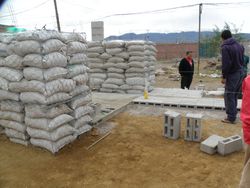
Arturo Ortiz Struck describes the boundaries of formal and legal building in the context of Mexico:“In order to build a critical view of the production of space and architecture in this environment, we should start from two fundamental premises. The first considers that spaces reflect who we are, and they express our cultural ways and how we unfold in everyday life. The(...)
Arturo Ortiz Struck describes the boundaries of formal and legal building in the context of Mexico:“In order to build a critical view of the production of space and architecture in this environment, we should start from two fundamental premises. The first considers that spaces reflect who we are, and they express our cultural ways and how we unfold in everyday life. The(...)
Location:
Paul-Desmarais Theatre
Paul-Desmarais Theatre
Date:
10 May 2012 , 7pm
10 May 2012 , 7pm
Title:
Learning from... Mexico City
Actions:
Description:
Arturo Ortiz Struck describes the boundaries of formal and legal building in the context of Mexico:“In order to build a critical view of the production of space and architecture in this environment, we should start from two fundamental premises. The first considers that spaces reflect who we are, and they express our cultural ways and how we unfold in everyday life. The(...)
Learning from... Mexico City
Actions:
Description:
Arturo Ortiz Struck describes the boundaries of formal and legal building in the context of Mexico:“In order to build a critical view of the production of space and architecture in this environment, we should start from two fundamental premises. The first considers that spaces reflect who we are, and they express our cultural ways and how we unfold in everyday life. The(...)
Form:
events
events
Date:
10 May 2012
7pm
10 May 2012
7pm
Location:
Paul-Desmarais Theatre
Paul-Desmarais Theatre
Level of archival description:
Project
Project
Title:
Two Tree Island
Two Tree Island
Reference number:
AP144.S2.D84
Description:
File documents an unexecuted project for Two Tree Island, the last uninhabited island in the Thames Estuary, in Essex, England. Cedric Price collaborated with Yorke Rosenberg Mardall Architects (YMR) on the project for client David Keddie, to develop a 178-hectare site on the island which encompassed both existing and reclaimed land, some of which was reserved under a trust for nature conservation. Early proposals showed residential areas, commercial, as well as, industrial zones, and facilities for recreation and leisure activities, including a marina. The final design proposed a much smaller residential area and harbour and included larger conservation and marshland areas in response to local concerns. The project was rejected and a portion of Two Tree Island was leased to the Nature Conservancy (NERC). An Appeal and Public Enquiry lodged by the client was subsequently indefinitely postponed. The architects produced several versions of a consultant's report, created a 'logbook' for the project, and published a brochure and promotional material for a public meeting. Existing conditions and reference material in the file includes maps of the area showing locations for a photo survey; Port of Authority of London plans showing water depths at various locations; a drawing of Marine Island, Essex; and a collage of photos of the area mounted on a board. Sketches by Cedric Price show development plans for the island and explore alternate "open" and "closed" configurations for the basin. Sketch sections show established maximum flood heights on the proposed schemes (see sketches in Works II, p. 86). A series of schematic drawings by YMR develop preliminary schemes exploring alternate layouts in relation to the primary basin configuration. A perspective drawing shows a view of the site from the main road to the island. Design development drawings include both original drawings and reprographic copies and include bird's-eye view perspective sketches; diagrams showing "domestic development" and projected "typical patterning"; and diagrammatic plans/charts showing existing and reclaimed areas, compatibility of activities, and degrees of accessibility (see typical diagram in Works II, p. 87). Other design development drawings include standard plans, sections and elevations, as well as site plans, land-use plans for the marina, plans showing alternate layouts for the marina dock, plans showing Thames tidal defences, site sections, and breakwater profiles. Working drawings for the marina by consulting engineers Sir Frederick Snow and Partners include survey plans, detailed sections illustrating the reinforcement and stabilization of the marine bed, and task sequencing diagrams and charts. Publication and presentation material includes photographs of rendered perspectives, over 18 watercolour renderings of Two Tree Island by Cedric Price, and a mock-up for a 13-page brochure or report summarizing the project. Many drawings are also included in the textual records, which also include Cedric Price's diary on the project. Some material in this file was published in 'Cedric Price-Works II' (London: Architectural Press, 1984), 72, 86-87. Material in this file was produced between 1963 and 1989, but predominantly between 1971 and 1974. Cedric Price's office lists the following firms as the main consultants for this project: Felix J. Samuely & Partners and Sir Frederick Snow & Partners, Consulting Engineers; Baker Wilkins & Smith, Quantity Surveyors; Prof. Peter Cowan, Director, Joint Unit for Planning Research; Prof. Peter Willmott, Director Institute of Community Studies; Prof. G. P. Wibberley, Professor of Countryside Planning, University of London; M. A. B. Boddington, Rural Planning Services. One drawing in DR1995:0255:011-021 is attributed to Costain Civil Engineering Ltd. File contains cartographic materials, conceptual drawings, design development drawings, presentation drawings, consultant drawings, model, and textual records.
AP144.S2.D84
Description:
File documents an unexecuted project for Two Tree Island, the last uninhabited island in the Thames Estuary, in Essex, England. Cedric Price collaborated with Yorke Rosenberg Mardall Architects (YMR) on the project for client David Keddie, to develop a 178-hectare site on the island which encompassed both existing and reclaimed land, some of which was reserved under a trust for nature conservation. Early proposals showed residential areas, commercial, as well as, industrial zones, and facilities for recreation and leisure activities, including a marina. The final design proposed a much smaller residential area and harbour and included larger conservation and marshland areas in response to local concerns. The project was rejected and a portion of Two Tree Island was leased to the Nature Conservancy (NERC). An Appeal and Public Enquiry lodged by the client was subsequently indefinitely postponed. The architects produced several versions of a consultant's report, created a 'logbook' for the project, and published a brochure and promotional material for a public meeting. Existing conditions and reference material in the file includes maps of the area showing locations for a photo survey; Port of Authority of London plans showing water depths at various locations; a drawing of Marine Island, Essex; and a collage of photos of the area mounted on a board. Sketches by Cedric Price show development plans for the island and explore alternate "open" and "closed" configurations for the basin. Sketch sections show established maximum flood heights on the proposed schemes (see sketches in Works II, p. 86). A series of schematic drawings by YMR develop preliminary schemes exploring alternate layouts in relation to the primary basin configuration. A perspective drawing shows a view of the site from the main road to the island. Design development drawings include both original drawings and reprographic copies and include bird's-eye view perspective sketches; diagrams showing "domestic development" and projected "typical patterning"; and diagrammatic plans/charts showing existing and reclaimed areas, compatibility of activities, and degrees of accessibility (see typical diagram in Works II, p. 87). Other design development drawings include standard plans, sections and elevations, as well as site plans, land-use plans for the marina, plans showing alternate layouts for the marina dock, plans showing Thames tidal defences, site sections, and breakwater profiles. Working drawings for the marina by consulting engineers Sir Frederick Snow and Partners include survey plans, detailed sections illustrating the reinforcement and stabilization of the marine bed, and task sequencing diagrams and charts. Publication and presentation material includes photographs of rendered perspectives, over 18 watercolour renderings of Two Tree Island by Cedric Price, and a mock-up for a 13-page brochure or report summarizing the project. Many drawings are also included in the textual records, which also include Cedric Price's diary on the project. Some material in this file was published in 'Cedric Price-Works II' (London: Architectural Press, 1984), 72, 86-87. Material in this file was produced between 1963 and 1989, but predominantly between 1971 and 1974. Cedric Price's office lists the following firms as the main consultants for this project: Felix J. Samuely & Partners and Sir Frederick Snow & Partners, Consulting Engineers; Baker Wilkins & Smith, Quantity Surveyors; Prof. Peter Cowan, Director, Joint Unit for Planning Research; Prof. Peter Willmott, Director Institute of Community Studies; Prof. G. P. Wibberley, Professor of Countryside Planning, University of London; M. A. B. Boddington, Rural Planning Services. One drawing in DR1995:0255:011-021 is attributed to Costain Civil Engineering Ltd. File contains cartographic materials, conceptual drawings, design development drawings, presentation drawings, consultant drawings, model, and textual records.
People:
Date:
1963-1989, predominant 1971-1974
1963-1989, predominant 1971-1974
Title:
Two Tree Island
Actions:
AP144.S2.D84
Description:
File documents an unexecuted project for Two Tree Island, the last uninhabited island in the Thames Estuary, in Essex, England. Cedric Price collaborated with Yorke Rosenberg Mardall Architects (YMR) on the project for client David Keddie, to develop a 178-hectare site on the island which encompassed both existing and reclaimed land, some of which was reserved under a trust for nature conservation. Early proposals showed residential areas, commercial, as well as, industrial zones, and facilities for recreation and leisure activities, including a marina. The final design proposed a much smaller residential area and harbour and included larger conservation and marshland areas in response to local concerns. The project was rejected and a portion of Two Tree Island was leased to the Nature Conservancy (NERC). An Appeal and Public Enquiry lodged by the client was subsequently indefinitely postponed. The architects produced several versions of a consultant's report, created a 'logbook' for the project, and published a brochure and promotional material for a public meeting. Existing conditions and reference material in the file includes maps of the area showing locations for a photo survey; Port of Authority of London plans showing water depths at various locations; a drawing of Marine Island, Essex; and a collage of photos of the area mounted on a board. Sketches by Cedric Price show development plans for the island and explore alternate "open" and "closed" configurations for the basin. Sketch sections show established maximum flood heights on the proposed schemes (see sketches in Works II, p. 86). A series of schematic drawings by YMR develop preliminary schemes exploring alternate layouts in relation to the primary basin configuration. A perspective drawing shows a view of the site from the main road to the island. Design development drawings include both original drawings and reprographic copies and include bird's-eye view perspective sketches; diagrams showing "domestic development" and projected "typical patterning"; and diagrammatic plans/charts showing existing and reclaimed areas, compatibility of activities, and degrees of accessibility (see typical diagram in Works II, p. 87). Other design development drawings include standard plans, sections and elevations, as well as site plans, land-use plans for the marina, plans showing alternate layouts for the marina dock, plans showing Thames tidal defences, site sections, and breakwater profiles. Working drawings for the marina by consulting engineers Sir Frederick Snow and Partners include survey plans, detailed sections illustrating the reinforcement and stabilization of the marine bed, and task sequencing diagrams and charts. Publication and presentation material includes photographs of rendered perspectives, over 18 watercolour renderings of Two Tree Island by Cedric Price, and a mock-up for a 13-page brochure or report summarizing the project. Many drawings are also included in the textual records, which also include Cedric Price's diary on the project. Some material in this file was published in 'Cedric Price-Works II' (London: Architectural Press, 1984), 72, 86-87. Material in this file was produced between 1963 and 1989, but predominantly between 1971 and 1974. Cedric Price's office lists the following firms as the main consultants for this project: Felix J. Samuely & Partners and Sir Frederick Snow & Partners, Consulting Engineers; Baker Wilkins & Smith, Quantity Surveyors; Prof. Peter Cowan, Director, Joint Unit for Planning Research; Prof. Peter Willmott, Director Institute of Community Studies; Prof. G. P. Wibberley, Professor of Countryside Planning, University of London; M. A. B. Boddington, Rural Planning Services. One drawing in DR1995:0255:011-021 is attributed to Costain Civil Engineering Ltd. File contains cartographic materials, conceptual drawings, design development drawings, presentation drawings, consultant drawings, model, and textual records.
Two Tree Island
Actions:
AP144.S2.D84
Description:
File documents an unexecuted project for Two Tree Island, the last uninhabited island in the Thames Estuary, in Essex, England. Cedric Price collaborated with Yorke Rosenberg Mardall Architects (YMR) on the project for client David Keddie, to develop a 178-hectare site on the island which encompassed both existing and reclaimed land, some of which was reserved under a trust for nature conservation. Early proposals showed residential areas, commercial, as well as, industrial zones, and facilities for recreation and leisure activities, including a marina. The final design proposed a much smaller residential area and harbour and included larger conservation and marshland areas in response to local concerns. The project was rejected and a portion of Two Tree Island was leased to the Nature Conservancy (NERC). An Appeal and Public Enquiry lodged by the client was subsequently indefinitely postponed. The architects produced several versions of a consultant's report, created a 'logbook' for the project, and published a brochure and promotional material for a public meeting. Existing conditions and reference material in the file includes maps of the area showing locations for a photo survey; Port of Authority of London plans showing water depths at various locations; a drawing of Marine Island, Essex; and a collage of photos of the area mounted on a board. Sketches by Cedric Price show development plans for the island and explore alternate "open" and "closed" configurations for the basin. Sketch sections show established maximum flood heights on the proposed schemes (see sketches in Works II, p. 86). A series of schematic drawings by YMR develop preliminary schemes exploring alternate layouts in relation to the primary basin configuration. A perspective drawing shows a view of the site from the main road to the island. Design development drawings include both original drawings and reprographic copies and include bird's-eye view perspective sketches; diagrams showing "domestic development" and projected "typical patterning"; and diagrammatic plans/charts showing existing and reclaimed areas, compatibility of activities, and degrees of accessibility (see typical diagram in Works II, p. 87). Other design development drawings include standard plans, sections and elevations, as well as site plans, land-use plans for the marina, plans showing alternate layouts for the marina dock, plans showing Thames tidal defences, site sections, and breakwater profiles. Working drawings for the marina by consulting engineers Sir Frederick Snow and Partners include survey plans, detailed sections illustrating the reinforcement and stabilization of the marine bed, and task sequencing diagrams and charts. Publication and presentation material includes photographs of rendered perspectives, over 18 watercolour renderings of Two Tree Island by Cedric Price, and a mock-up for a 13-page brochure or report summarizing the project. Many drawings are also included in the textual records, which also include Cedric Price's diary on the project. Some material in this file was published in 'Cedric Price-Works II' (London: Architectural Press, 1984), 72, 86-87. Material in this file was produced between 1963 and 1989, but predominantly between 1971 and 1974. Cedric Price's office lists the following firms as the main consultants for this project: Felix J. Samuely & Partners and Sir Frederick Snow & Partners, Consulting Engineers; Baker Wilkins & Smith, Quantity Surveyors; Prof. Peter Cowan, Director, Joint Unit for Planning Research; Prof. Peter Willmott, Director Institute of Community Studies; Prof. G. P. Wibberley, Professor of Countryside Planning, University of London; M. A. B. Boddington, Rural Planning Services. One drawing in DR1995:0255:011-021 is attributed to Costain Civil Engineering Ltd. File contains cartographic materials, conceptual drawings, design development drawings, presentation drawings, consultant drawings, model, and textual records.
Level of archival description:
File 84
File 84
Date:
1963-1989, predominant 1971-1974
1963-1989, predominant 1971-1974
People:


