


2036 Results
Form:
books
books
Actions:
Price:
$27.50
(available to order)
Summary:
Los Angeles's history is a story of conflicting visions. Most historians, journalists, and filmmakers have focused on L.A. as a bastion of corporate greed, business boosterism, political corruption, cheap labor, exploited immigrants, and unregulated sprawl. "The next Los Angeles" tells a different story: that of the reformers and radicals who have struggled for(...)
$27.50
(available to order)
Summary:
Los Angeles's history is a story of conflicting visions. Most historians, journalists, and filmmakers have focused on L.A. as a bastion of corporate greed, business boosterism, political corruption, cheap labor, exploited immigrants, and unregulated sprawl. "The next Los Angeles" tells a different story: that of the reformers and radicals who have struggled for(...)
Subject:
Urban Theory
Urban Theory
Publication:
August 2006, Berkeley, Los Angeles, London
August 2006, Berkeley, Los Angeles, London
Title:
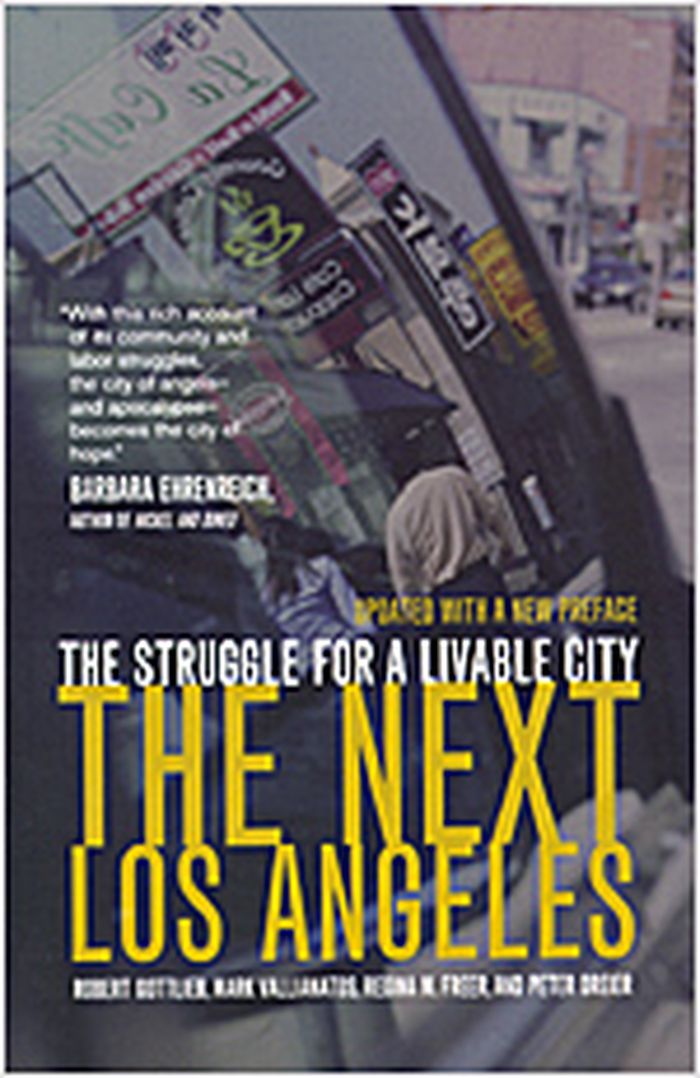
The next Los Angeles : the struggle for a livable city, updated with a new preface
Actions:
Price:
$27.50
(available to order)
Summary:
Los Angeles's history is a story of conflicting visions. Most historians, journalists, and filmmakers have focused on L.A. as a bastion of corporate greed, business boosterism, political corruption, cheap labor, exploited immigrants, and unregulated sprawl. "The next Los Angeles" tells a different story: that of the reformers and radicals who have struggled for alternative visions of social and economic justice. The authors chronicle efforts of progressive social movements that worked throughout the twentieth century to create a more livable, just, and democratic Los Angeles. These movements-what the authors call Progressive L.A.-have produced a new kind of labor movement, community-oriented environmentalism, and multi-ethnic coalition politics. This book shows how reformers have fought to transform a city characterized by huge economic disparities, concrete-encased rivers, and an endless landscape of subdivisions, freeways, and malls into a progressive model for regions around the country. "The next Los Angeles" includes a decade-by-decade historical snapshot of the city's progressive social movements and an in-depth exploration of key trends that are remaking L.A. at the beginning of the twenty-first century. It examines L.A.'s changing political landscape, including grassroots initiatives to construct a new agenda for social transformation.
The next Los Angeles : the struggle for a livable city, updated with a new preface
Actions:
Price:
$27.50
(available to order)
Summary:
Los Angeles's history is a story of conflicting visions. Most historians, journalists, and filmmakers have focused on L.A. as a bastion of corporate greed, business boosterism, political corruption, cheap labor, exploited immigrants, and unregulated sprawl. "The next Los Angeles" tells a different story: that of the reformers and radicals who have struggled for alternative visions of social and economic justice. The authors chronicle efforts of progressive social movements that worked throughout the twentieth century to create a more livable, just, and democratic Los Angeles. These movements-what the authors call Progressive L.A.-have produced a new kind of labor movement, community-oriented environmentalism, and multi-ethnic coalition politics. This book shows how reformers have fought to transform a city characterized by huge economic disparities, concrete-encased rivers, and an endless landscape of subdivisions, freeways, and malls into a progressive model for regions around the country. "The next Los Angeles" includes a decade-by-decade historical snapshot of the city's progressive social movements and an in-depth exploration of key trends that are remaking L.A. at the beginning of the twenty-first century. It examines L.A.'s changing political landscape, including grassroots initiatives to construct a new agenda for social transformation.
Form:
books
books
Publication:
August 2006, Berkeley, Los Angeles, London
August 2006, Berkeley, Los Angeles, London
Subject:
Urban Theory
Urban Theory
Form:
books
books
Actions:
Price:
$120.00
(available to order)
Summary:
From 1845 to 1862, the Boston partnership of Albert Sands Southworth and Josiah Johnson Hawes maintained the most celebrated photography studio in the United States. Taking as their subjects both the greatest personalities of the day and the natural spectacles of the American landscape, such as Niagara Falls, Southworth & Hawes elevated the new medium of daguerreotype(...)
$120.00
(available to order)
Summary:
From 1845 to 1862, the Boston partnership of Albert Sands Southworth and Josiah Johnson Hawes maintained the most celebrated photography studio in the United States. Taking as their subjects both the greatest personalities of the day and the natural spectacles of the American landscape, such as Niagara Falls, Southworth & Hawes elevated the new medium of daguerreotype(...)
Subject:
Photography monographs
Photography monographs
Publication:
January 1900, Göttingen
January 1900, Göttingen
Title:
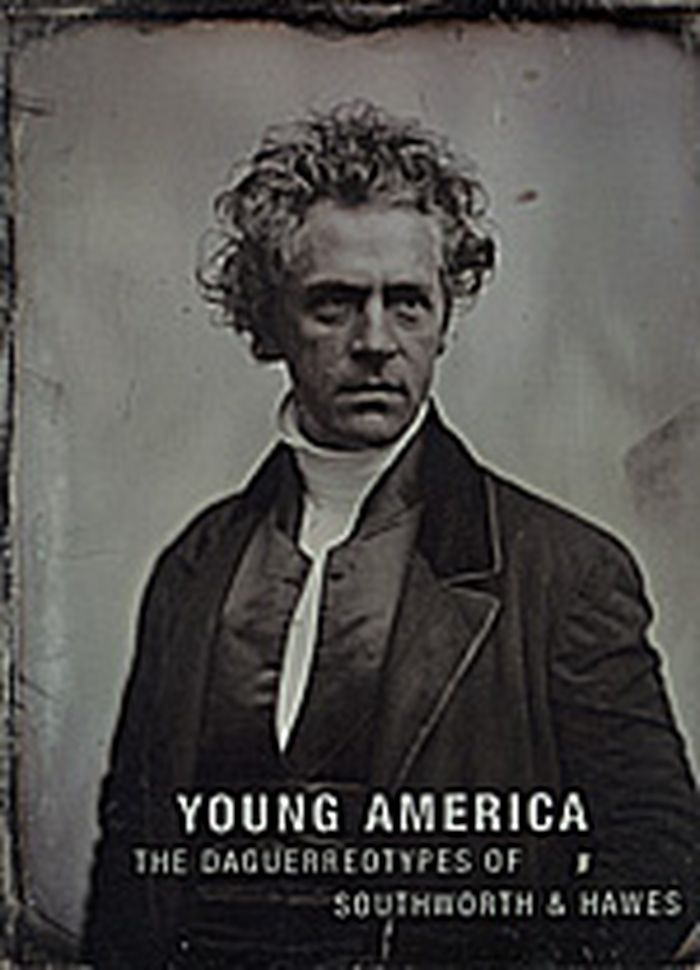
Young America : the daguerrotypes of Southworth & Hawes
Actions:
Price:
$120.00
(available to order)
Summary:
From 1845 to 1862, the Boston partnership of Albert Sands Southworth and Josiah Johnson Hawes maintained the most celebrated photography studio in the United States. Taking as their subjects both the greatest personalities of the day and the natural spectacles of the American landscape, such as Niagara Falls, Southworth & Hawes elevated the new medium of daguerreotype photography to the level of art. Transcending the mere recording of factual detail, their daguerreotypes reflect a quintessentially American aesthetic and embody an emerging national culture and spirit. "Young America" features full-scale color reproductions of all plates in the exhibition as well as 2,000 additional black-and-white illustrations. It includes a critical analysis of the historical and cultural importance of the work of Southworth & Hawes, with original texts by Brian Wallis, ICP Director of Exhibitions and Chief Curator, and Grant Romer, Director of the Advanced Program in Photography Conservation at George Eastman House, among other scholars. Appendices include a chronology, an annotated bibliography, an exploration of the daguerreotype process, brief biographies of the sitters, and a Southworth & Hawes family genealogy, making the catalogue an invaluable resource for researchers as well as general readers. The book includes an annotated bibliography, exhibition checklist and chronology.
Young America : the daguerrotypes of Southworth & Hawes
Actions:
Price:
$120.00
(available to order)
Summary:
From 1845 to 1862, the Boston partnership of Albert Sands Southworth and Josiah Johnson Hawes maintained the most celebrated photography studio in the United States. Taking as their subjects both the greatest personalities of the day and the natural spectacles of the American landscape, such as Niagara Falls, Southworth & Hawes elevated the new medium of daguerreotype photography to the level of art. Transcending the mere recording of factual detail, their daguerreotypes reflect a quintessentially American aesthetic and embody an emerging national culture and spirit. "Young America" features full-scale color reproductions of all plates in the exhibition as well as 2,000 additional black-and-white illustrations. It includes a critical analysis of the historical and cultural importance of the work of Southworth & Hawes, with original texts by Brian Wallis, ICP Director of Exhibitions and Chief Curator, and Grant Romer, Director of the Advanced Program in Photography Conservation at George Eastman House, among other scholars. Appendices include a chronology, an annotated bibliography, an exploration of the daguerreotype process, brief biographies of the sitters, and a Southworth & Hawes family genealogy, making the catalogue an invaluable resource for researchers as well as general readers. The book includes an annotated bibliography, exhibition checklist and chronology.
Form:
books
books
Publication:
January 1900, Göttingen
January 1900, Göttingen
Subject:
Photography monographs
Photography monographs
Form:
video
video
Actions:
Price:
$18.95
(available to order)
Summary:
Available in dvd format only.2003, USA, 116 minutes. "My architect" is a tale of love and art, betrayal and forgiveness - in which the illegitimate son of a legendary artist undertakes a five-year, worldwide exploration to understand his long-dead father. Louis I. Kahn, who died in 1974, is considered by many architectural historians to have been the most important(...)
$18.95
(available to order)
Summary:
Available in dvd format only.2003, USA, 116 minutes. "My architect" is a tale of love and art, betrayal and forgiveness - in which the illegitimate son of a legendary artist undertakes a five-year, worldwide exploration to understand his long-dead father. Louis I. Kahn, who died in 1974, is considered by many architectural historians to have been the most important(...)
Title:
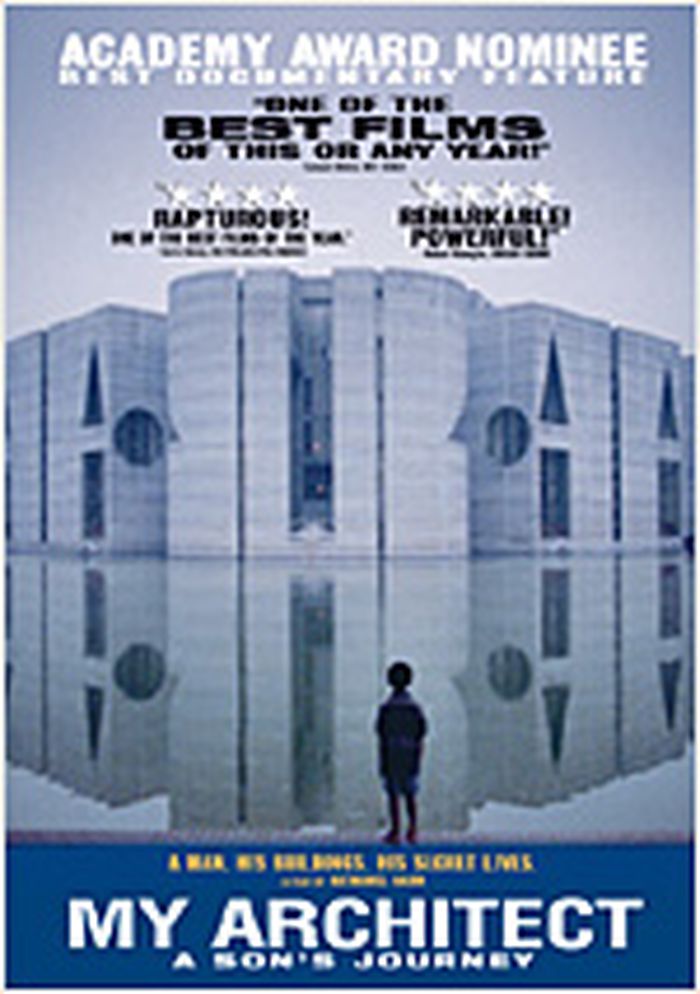
My architect : a son's journey
Actions:
Price:
$18.95
(available to order)
Summary:
Available in dvd format only.2003, USA, 116 minutes. "My architect" is a tale of love and art, betrayal and forgiveness - in which the illegitimate son of a legendary artist undertakes a five-year, worldwide exploration to understand his long-dead father. Louis I. Kahn, who died in 1974, is considered by many architectural historians to have been the most important architect of the second half of the twentieth century. A Jewish immigrant who overcame poverty and the effects of a devastating childhood accident, Kahn created a handful of intensely powerful and spiritual buildings - geometric compositions of brick, concrete and light - which, in the words of one critic, 'change your life.' While Kahn's artistic legacy was an uncompromising search for truth and clarity, his personal life was filled with secrets and chaos: He died, bankrupt and unidentified, in the men's room in Penn Station, New York, leaving behind three families - one with his wife of many years and two with women with whom he'd had long-term affairs. In My Architect, the child of one of these extra-marital relationships, Kahn's only son Nathaniel, sets out on an epic journey to reconcile the life and work of this mysterious, contradictory man.
My architect : a son's journey
Actions:
Price:
$18.95
(available to order)
Summary:
Available in dvd format only.2003, USA, 116 minutes. "My architect" is a tale of love and art, betrayal and forgiveness - in which the illegitimate son of a legendary artist undertakes a five-year, worldwide exploration to understand his long-dead father. Louis I. Kahn, who died in 1974, is considered by many architectural historians to have been the most important architect of the second half of the twentieth century. A Jewish immigrant who overcame poverty and the effects of a devastating childhood accident, Kahn created a handful of intensely powerful and spiritual buildings - geometric compositions of brick, concrete and light - which, in the words of one critic, 'change your life.' While Kahn's artistic legacy was an uncompromising search for truth and clarity, his personal life was filled with secrets and chaos: He died, bankrupt and unidentified, in the men's room in Penn Station, New York, leaving behind three families - one with his wife of many years and two with women with whom he'd had long-term affairs. In My Architect, the child of one of these extra-marital relationships, Kahn's only son Nathaniel, sets out on an epic journey to reconcile the life and work of this mysterious, contradictory man.
Form:
video
video
Publication:
January 1900
January 1900
Subject:
DVDs
DVDs
Form:
books
books
Actions:
Price:
$76.95
(available to order)
Summary:
This book relates circular economy principles to housing design and construction and highlights how those principles can result in both monetary savings, positive environmental impact, and socio-ecological change. Chapters focus on three key circular economy principles and apply them to architectural construction and design, namely rethinking of the end-of-use phase of a(...)
$76.95
(available to order)
Summary:
This book relates circular economy principles to housing design and construction and highlights how those principles can result in both monetary savings, positive environmental impact, and socio-ecological change. Chapters focus on three key circular economy principles and apply them to architectural construction and design, namely rethinking of the end-of-use phase of a(...)
Title:
Sustainable housing in a circular economy
Actions:
Price:
$76.95
(available to order)
Summary:
This book relates circular economy principles to housing design and construction and highlights how those principles can result in both monetary savings, positive environmental impact, and socio-ecological change. Chapters focus on three key circular economy principles and apply them to architectural construction and design, namely rethinking of the end-of-use phase of a building and the potential of design-for-disassembly; the role of digitization and data standardization in fostering evidence-based circular economy design decision-making; and presenting space as a resource to conserve, via exploration of the sharing economy and flexibility principles. Beyond waste management and material cycles, this book provides a holistic understanding of the opportunities across the building life cycle that can allow for sustainable and affordable circular housing. With case studies from 13 different countries, including but not limited to the Hammarby Sjöstad district in Sweden, the Circle House in Denmark, Benny Farm in Canada, VMD Prefabricated House in Mexico, and the Deep Performance Dwelling in China, authors pair theoretical frameworks with real-world examples. This will be a useful resource for upper-level students and academics of architecture, construction, and planning, especially those studying and researching housing design, building technology, green project management, and environmental design.
Sustainable housing in a circular economy
Actions:
Price:
$76.95
(available to order)
Summary:
This book relates circular economy principles to housing design and construction and highlights how those principles can result in both monetary savings, positive environmental impact, and socio-ecological change. Chapters focus on three key circular economy principles and apply them to architectural construction and design, namely rethinking of the end-of-use phase of a building and the potential of design-for-disassembly; the role of digitization and data standardization in fostering evidence-based circular economy design decision-making; and presenting space as a resource to conserve, via exploration of the sharing economy and flexibility principles. Beyond waste management and material cycles, this book provides a holistic understanding of the opportunities across the building life cycle that can allow for sustainable and affordable circular housing. With case studies from 13 different countries, including but not limited to the Hammarby Sjöstad district in Sweden, the Circle House in Denmark, Benny Farm in Canada, VMD Prefabricated House in Mexico, and the Deep Performance Dwelling in China, authors pair theoretical frameworks with real-world examples. This will be a useful resource for upper-level students and academics of architecture, construction, and planning, especially those studying and researching housing design, building technology, green project management, and environmental design.
Form:
books
books
Publication:
April 2024
April 2024
Subject:
Humans and cities
Humans and cities
Form:
books
books
Actions:
Price:
$46.95
(available in store)
Summary:
''History of light'' delves into the fascinating life of František Drtikol (1883–1961), an important figure in early-twentieth-century photography who is all but forgotten in contemporary times. A dandy from a small mining town, a world-famous photographer whose business went bankrupt, a master of the nude who never had much luck with women, a mystic and a Buddhist who(...)
$46.95
(available in store)
Summary:
''History of light'' delves into the fascinating life of František Drtikol (1883–1961), an important figure in early-twentieth-century photography who is all but forgotten in contemporary times. A dandy from a small mining town, a world-famous photographer whose business went bankrupt, a master of the nude who never had much luck with women, a mystic and a Buddhist who(...)
Title:
History of light: František Drtikol
Actions:
Price:
$46.95
(available in store)
Summary:
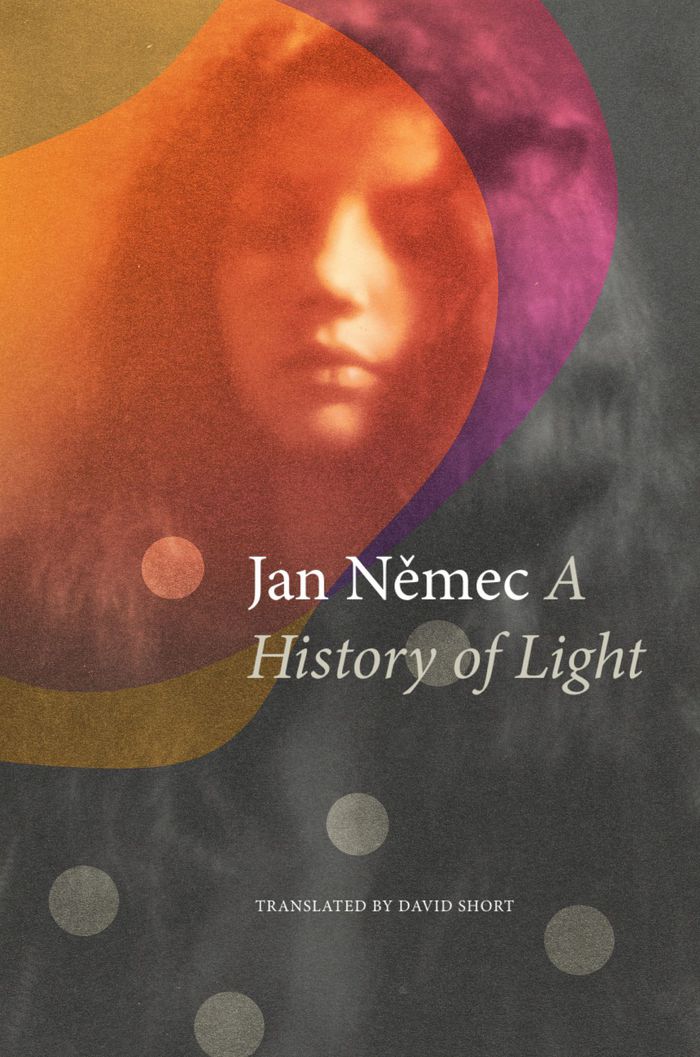
''History of light'' delves into the fascinating life of František Drtikol (1883–1961), an important figure in early-twentieth-century photography who is all but forgotten in contemporary times. A dandy from a small mining town, a world-famous photographer whose business went bankrupt, a master of the nude who never had much luck with women, a mystic and a Buddhist who believed in communism—a man whose numerous contradictions were evident externally and synthesized internally. A unique blend of fiction and biography, this novel vividly portrays Drtikol’s life, tracing the diverse stages of his career and offering detailed, almost encyclopedic insights into the times and places pivotal to his journey. Acclaimed Czech author Jan Nemec narrates the story in the uncommon second-person singular, speaking directly to his subject. Fresco-like, this novel is an artistic and spiritual Bildungsroman that covers over half a century, bringing to life the silver mines of Príbram, Jugendstil Munich, and the Bohemianism of the First Czechoslovak Republic. Drtikol’s role as a photographer is set against the turbulent history of Central Europe through the two World Wars, and the events of those five decades form a riveting backdrop for an exploration of the artist’s work.
History of light: František Drtikol
Actions:
Price:
$46.95
(available in store)
Summary:
''History of light'' delves into the fascinating life of František Drtikol (1883–1961), an important figure in early-twentieth-century photography who is all but forgotten in contemporary times. A dandy from a small mining town, a world-famous photographer whose business went bankrupt, a master of the nude who never had much luck with women, a mystic and a Buddhist who believed in communism—a man whose numerous contradictions were evident externally and synthesized internally. A unique blend of fiction and biography, this novel vividly portrays Drtikol’s life, tracing the diverse stages of his career and offering detailed, almost encyclopedic insights into the times and places pivotal to his journey. Acclaimed Czech author Jan Nemec narrates the story in the uncommon second-person singular, speaking directly to his subject. Fresco-like, this novel is an artistic and spiritual Bildungsroman that covers over half a century, bringing to life the silver mines of Príbram, Jugendstil Munich, and the Bohemianism of the First Czechoslovak Republic. Drtikol’s role as a photographer is set against the turbulent history of Central Europe through the two World Wars, and the events of those five decades form a riveting backdrop for an exploration of the artist’s work.
Form:
books
books
Publication:
July 2025
July 2025
Subject:
Theory of Photography
Theory of Photography
Form:
books
books

Actions:
Price:
$62.00
(available to order)
Summary:
LaToya Ruby Frazier’s award-winning first book, "The notion of family", offers an incisive exploration of the legacy of racism and economic decline in America’s small towns, as embodied by her hometown of Braddock, Pennsylvania. The work also considers the impact of that decline on the community and on her family, creating a statement both personal and truly political—an(...)
$62.00
(available to order)
Summary:
LaToya Ruby Frazier’s award-winning first book, "The notion of family", offers an incisive exploration of the legacy of racism and economic decline in America’s small towns, as embodied by her hometown of Braddock, Pennsylvania. The work also considers the impact of that decline on the community and on her family, creating a statement both personal and truly political—an(...)
Subject:
Photography monographs
Photography monographs
Publication:
October 2016
October 2016
Title:
LaToya Ruby Frazier: The notion of family
Actions:
Price:
$62.00
(available to order)
Summary:
LaToya Ruby Frazier’s award-winning first book, "The notion of family", offers an incisive exploration of the legacy of racism and economic decline in America’s small towns, as embodied by her hometown of Braddock, Pennsylvania. The work also considers the impact of that decline on the community and on her family, creating a statement both personal and truly political—an intervention in the histories and narratives of the region. Frazier has compellingly set her story of three generations—her Grandma Ruby, her mother, and herself—against larger questions of civic belonging and responsibility. The work documents her own struggles and interactions with family and the expectations of community, and includes the documentation of the demise of Braddock’s only hospital, reinforcing the idea that the history of a place is frequently written on the body as well as the landscape. With The Notion of Family, Frazier knowingly acknowledges and expands upon the traditions of classic black-and-white documentary photography, enlisting the participation of her family, and her mother in particular. In the creation of these collaborative works, Frazier reinforces the idea of art and image-making as a transformative act, a means of resetting traditional power dynamics and narratives—both those of her family and of the community at large.
LaToya Ruby Frazier: The notion of family
Actions:
Price:
$62.00
(available to order)
Summary:
LaToya Ruby Frazier’s award-winning first book, "The notion of family", offers an incisive exploration of the legacy of racism and economic decline in America’s small towns, as embodied by her hometown of Braddock, Pennsylvania. The work also considers the impact of that decline on the community and on her family, creating a statement both personal and truly political—an intervention in the histories and narratives of the region. Frazier has compellingly set her story of three generations—her Grandma Ruby, her mother, and herself—against larger questions of civic belonging and responsibility. The work documents her own struggles and interactions with family and the expectations of community, and includes the documentation of the demise of Braddock’s only hospital, reinforcing the idea that the history of a place is frequently written on the body as well as the landscape. With The Notion of Family, Frazier knowingly acknowledges and expands upon the traditions of classic black-and-white documentary photography, enlisting the participation of her family, and her mother in particular. In the creation of these collaborative works, Frazier reinforces the idea of art and image-making as a transformative act, a means of resetting traditional power dynamics and narratives—both those of her family and of the community at large.
Form:
books
books
Publication:
October 2016
October 2016
Subject:
Photography monographs
Photography monographs
Form:
books
books
Actions:
Price:
$35.00
(available to order)
Summary:
A genre-bending exploration of that most elemental force—water—through Indigenous storytelling, personal memory, and the work of influential artists and writers For many years, Leanne Betasamosake Simpson took solace in skiing—in all kinds of weather, on all kinds of snow across all kinds of terrain, often following the trail beside a beloved creek near her home.(...)
$35.00
(available to order)
Summary:
A genre-bending exploration of that most elemental force—water—through Indigenous storytelling, personal memory, and the work of influential artists and writers For many years, Leanne Betasamosake Simpson took solace in skiing—in all kinds of weather, on all kinds of snow across all kinds of terrain, often following the trail beside a beloved creek near her home.(...)
Title:
Theory of water: Nishnaabe maps to the times ahead
Actions:
Price:
$35.00
(available to order)
Summary:
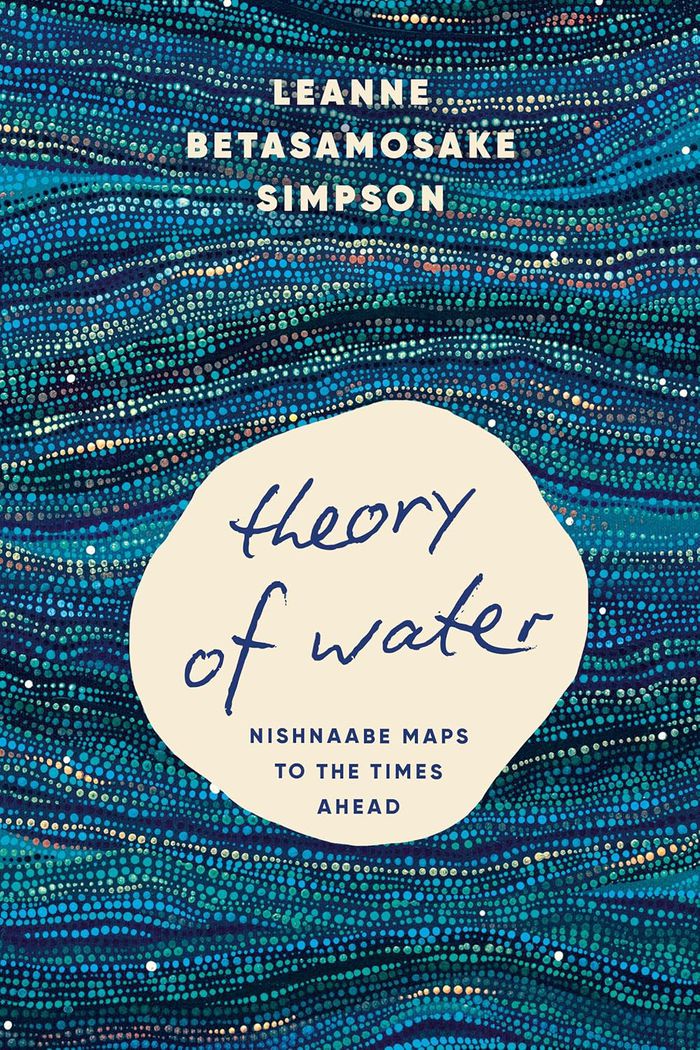
A genre-bending exploration of that most elemental force—water—through Indigenous storytelling, personal memory, and the work of influential artists and writers For many years, Leanne Betasamosake Simpson took solace in skiing—in all kinds of weather, on all kinds of snow across all kinds of terrain, often following the trail beside a beloved creek near her home. Recently, as she skied on this path against the backdrop of uncertainty, environmental devastation, rising authoritarianism and ongoing social injustice, her mind turned to the water in the creek and an elemental What might it mean to truly listen to water? To know water? To exist with and alongside water? So began a quest to understand her people's historical, cultural, and ongoing interactions with water in all its forms (ice, snow, rain, perspiration, breath). Pulling together these threads, Leanne began to see how a "Theory of Water" might suggest a radical rethinking of relationships between beings and forces in the world today. In this inventive work, Simpson draws on Nishnaabeg origin stories while artfully weaving the work of influential writers and artists alongside her personal memories and experience—and in doing so, reimagines water as a catalyst for radical transformation, capable of birthing a new world.
Theory of water: Nishnaabe maps to the times ahead
Actions:
Price:
$35.00
(available to order)
Summary:
A genre-bending exploration of that most elemental force—water—through Indigenous storytelling, personal memory, and the work of influential artists and writers For many years, Leanne Betasamosake Simpson took solace in skiing—in all kinds of weather, on all kinds of snow across all kinds of terrain, often following the trail beside a beloved creek near her home. Recently, as she skied on this path against the backdrop of uncertainty, environmental devastation, rising authoritarianism and ongoing social injustice, her mind turned to the water in the creek and an elemental What might it mean to truly listen to water? To know water? To exist with and alongside water? So began a quest to understand her people's historical, cultural, and ongoing interactions with water in all its forms (ice, snow, rain, perspiration, breath). Pulling together these threads, Leanne began to see how a "Theory of Water" might suggest a radical rethinking of relationships between beings and forces in the world today. In this inventive work, Simpson draws on Nishnaabeg origin stories while artfully weaving the work of influential writers and artists alongside her personal memories and experience—and in doing so, reimagines water as a catalyst for radical transformation, capable of birthing a new world.
Form:
books
books
Publication:
April 2025
April 2025
Subject:
indigenous
indigenous
Form:
books
books
Title:
Territoire frugal
Territoire frugal
Actions:
Price:
$62.95
(available to order)
Summary:
Une vision alternative des territoires : le modèle dominant de la ville compacte, dense et diversifiée, présenté comme le parangon d’aménagement urbain durable, pose en retour la question des formes d’urbanisation qui sont spatialement différentes et qui se sont en particulier développées au sein des espaces hérités du monde rural. Des territoires durables : en réponse à(...)
$62.95
(available to order)
Summary:
Une vision alternative des territoires : le modèle dominant de la ville compacte, dense et diversifiée, présenté comme le parangon d’aménagement urbain durable, pose en retour la question des formes d’urbanisation qui sont spatialement différentes et qui se sont en particulier développées au sein des espaces hérités du monde rural. Des territoires durables : en réponse à(...)
Title:
Territoire frugal
Actions:
Price:
$62.95
(available to order)
Summary:
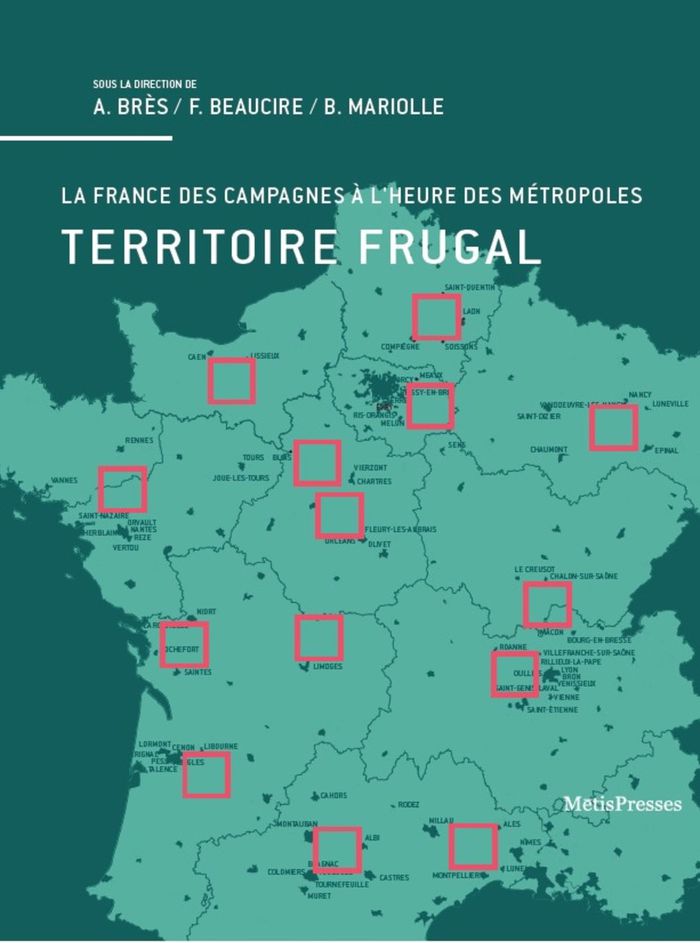
Une vision alternative des territoires : le modèle dominant de la ville compacte, dense et diversifiée, présenté comme le parangon d’aménagement urbain durable, pose en retour la question des formes d’urbanisation qui sont spatialement différentes et qui se sont en particulier développées au sein des espaces hérités du monde rural. Des territoires durables : en réponse à cette question, les auteurs postulent qu’une politique d’aménagement réellement durable se doit de promouvoir avant tout des territoires durables dans l’ensemble de leurs composantes urbanisées, qu’elles soient agglomérées ou dispersées. Dans cette perspective, ils ont mené une exploration détaillée des espaces périurbains et ruraux en jouant sur les échelles de l’architecture et du territoire. Une nouvelle perspective : s’affranchissant ainsi de l’opposition conventionnelle et stérile entre ville et campagne, les auteurs exposent des réalités extrêmement complexes et diversifiées et contribuent à une meilleure compréhension de ces espaces de la dispersion bâtie. Ils nous présentent toute la finesse de leurs contextes géographiques et de leurs déclinaisons architecturales, sociales et même écologiques; une représentation plus concrète et prospective, et, en termes politiques, préalable à une action publique plus juste. Un ouvrage multimédia : à l’ouvrage papier, s’ajoute un livre numérique enrichi d’un important matériel iconographique et hypermédia qui permet une appréhension exhaustive de l’ensemble des documents de recherche.
Territoire frugal
Actions:
Price:
$62.95
(available to order)
Summary:
Une vision alternative des territoires : le modèle dominant de la ville compacte, dense et diversifiée, présenté comme le parangon d’aménagement urbain durable, pose en retour la question des formes d’urbanisation qui sont spatialement différentes et qui se sont en particulier développées au sein des espaces hérités du monde rural. Des territoires durables : en réponse à cette question, les auteurs postulent qu’une politique d’aménagement réellement durable se doit de promouvoir avant tout des territoires durables dans l’ensemble de leurs composantes urbanisées, qu’elles soient agglomérées ou dispersées. Dans cette perspective, ils ont mené une exploration détaillée des espaces périurbains et ruraux en jouant sur les échelles de l’architecture et du territoire. Une nouvelle perspective : s’affranchissant ainsi de l’opposition conventionnelle et stérile entre ville et campagne, les auteurs exposent des réalités extrêmement complexes et diversifiées et contribuent à une meilleure compréhension de ces espaces de la dispersion bâtie. Ils nous présentent toute la finesse de leurs contextes géographiques et de leurs déclinaisons architecturales, sociales et même écologiques; une représentation plus concrète et prospective, et, en termes politiques, préalable à une action publique plus juste. Un ouvrage multimédia : à l’ouvrage papier, s’ajoute un livre numérique enrichi d’un important matériel iconographique et hypermédia qui permet une appréhension exhaustive de l’ensemble des documents de recherche.
Form:
books
books
Publication:
April 2017
April 2017
Subject:
Urban Theory
Urban Theory
Form:
books
books
Actions:
Price:
$99.95
(available to order)
Summary:
Fasciné par la question du temps et de la mémoire en photographie, Hiroshi Sugimoto cherche à exprimer sa propre vision du monde à travers l’œil d’un appareil photographique. C’est avec cette idée là qu’il a commencé la série Theaters en 1976, dans une salle de cinéma new yorkais, le Saint Marks, où le temps d’exposition de sa prise de vue correspondait à la durée du film(...)
$99.95
(available to order)
Summary:
Fasciné par la question du temps et de la mémoire en photographie, Hiroshi Sugimoto cherche à exprimer sa propre vision du monde à travers l’œil d’un appareil photographique. C’est avec cette idée là qu’il a commencé la série Theaters en 1976, dans une salle de cinéma new yorkais, le Saint Marks, où le temps d’exposition de sa prise de vue correspondait à la durée du film(...)
Title:
Hiroshi Sugimoto: theaters, ed. française
Actions:
Price:
$99.95
(available to order)
Summary:
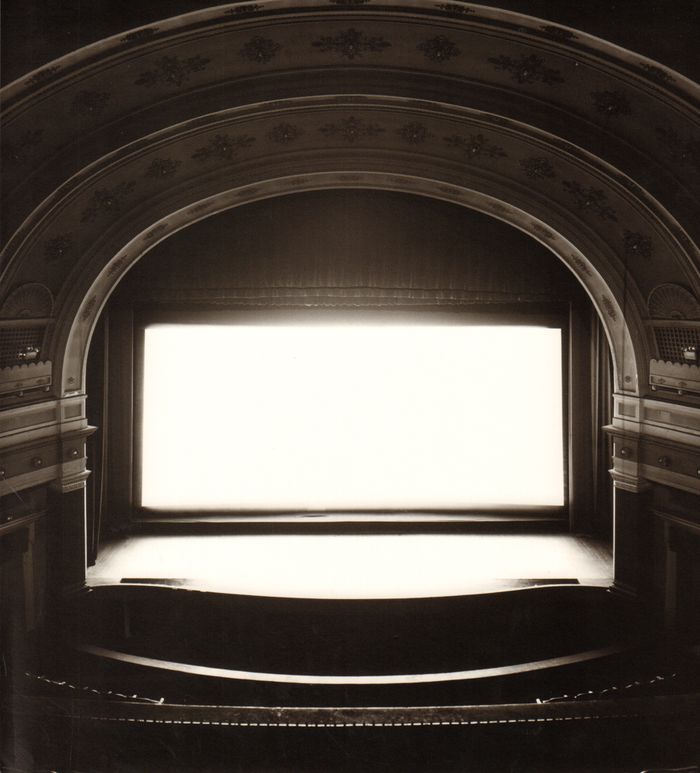
Fasciné par la question du temps et de la mémoire en photographie, Hiroshi Sugimoto cherche à exprimer sa propre vision du monde à travers l’œil d’un appareil photographique. C’est avec cette idée là qu’il a commencé la série Theaters en 1976, dans une salle de cinéma new yorkais, le Saint Marks, où le temps d’exposition de sa prise de vue correspondait à la durée du film soit 170 000 images réunies en une seule photographie. Il en résulte un halo blanc émanant de l’écran qui éclaire la salle : je me rendis compte que j’avais sous les yeux, extériorisée sur le négatif, mon exacte vision intérieure. Cette image n’existait pas dans la réalité, je ne l’avais pas vue non plus de mes yeux. Qui, alors, l’avait vue ? Je crois que c’était l’appareil photo lui-même. L’image rémanente d’une accumulation d’images rémanentes… (Hiroshi Sugimoto). Pendant quarante ans, Sugimoto multiplie les photographies de salles de cinéma et de drive-in à travers le monde en suivant ce même protocole évoquant ainsi un sentiment d’intemporalité. Un texte inédit de Hiroshi Sugimoto imprégné de philosophie, de l’histoire des civilisations anciennes et de spiritualité, nous éclaire sur sa démarche et son exploration conceptuelle du médium photographique.
Hiroshi Sugimoto: theaters, ed. française
Actions:
Price:
$99.95
(available to order)
Summary:
Fasciné par la question du temps et de la mémoire en photographie, Hiroshi Sugimoto cherche à exprimer sa propre vision du monde à travers l’œil d’un appareil photographique. C’est avec cette idée là qu’il a commencé la série Theaters en 1976, dans une salle de cinéma new yorkais, le Saint Marks, où le temps d’exposition de sa prise de vue correspondait à la durée du film soit 170 000 images réunies en une seule photographie. Il en résulte un halo blanc émanant de l’écran qui éclaire la salle : je me rendis compte que j’avais sous les yeux, extériorisée sur le négatif, mon exacte vision intérieure. Cette image n’existait pas dans la réalité, je ne l’avais pas vue non plus de mes yeux. Qui, alors, l’avait vue ? Je crois que c’était l’appareil photo lui-même. L’image rémanente d’une accumulation d’images rémanentes… (Hiroshi Sugimoto). Pendant quarante ans, Sugimoto multiplie les photographies de salles de cinéma et de drive-in à travers le monde en suivant ce même protocole évoquant ainsi un sentiment d’intemporalité. Un texte inédit de Hiroshi Sugimoto imprégné de philosophie, de l’histoire des civilisations anciennes et de spiritualité, nous éclaire sur sa démarche et son exploration conceptuelle du médium photographique.
Form:
books
books
Publication:
October 2016
October 2016
Subject:
Photography monographs
Photography monographs
Form:
video
video
Actions:
Price:
$32.00
(available to order)
Summary:
Suburbia, and all it promises, has become the American Dream. With brutal honesty and a touch of irony, "The end of suburbia" explored the American Way of Life and its prospects as the planet enters the age of Peak Oil. Director Greg Greene once again takes us “through the looking glass” on a journey of discovery – a sobering yet vital and ultimately positive(...)
$32.00
(available to order)
Summary:
Suburbia, and all it promises, has become the American Dream. With brutal honesty and a touch of irony, "The end of suburbia" explored the American Way of Life and its prospects as the planet enters the age of Peak Oil. Director Greg Greene once again takes us “through the looking glass” on a journey of discovery – a sobering yet vital and ultimately positive(...)
Title:
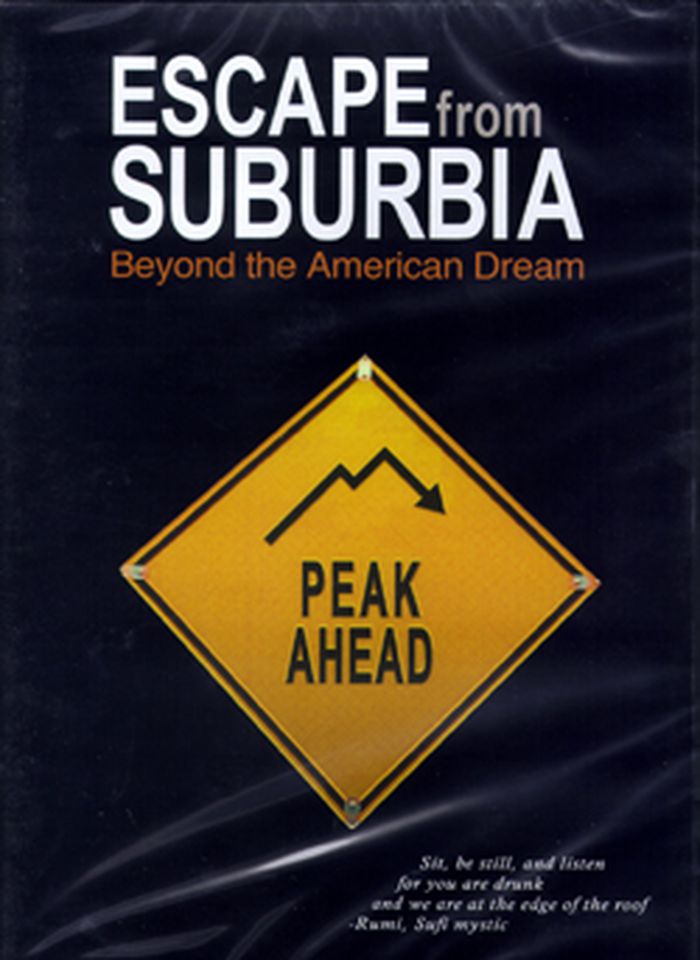
Escape from suburbia : beyond the American dream
Actions:
Price:
$32.00
(available to order)
Summary:
Suburbia, and all it promises, has become the American Dream. With brutal honesty and a touch of irony, "The end of suburbia" explored the American Way of Life and its prospects as the planet enters the age of Peak Oil. Director Greg Greene once again takes us “through the looking glass” on a journey of discovery – a sobering yet vital and ultimately positive exploration of what the second half of the Oil Age has in store for us. Through personal stories and interviews we examine how declining world oil production has already begun to affect modern life in North America. Expert scientific opinion is balanced with “on the street” portraits from an emerging global movement of citizen’s groups who are confronting the challenges of Peak Oil in extraordinary ways. The clock is ticking. This movie asks the tough questions : Are we approaching Peak Oil now? What are the controversies surrounding our future energy options? Why are a growing number of specialists and citizens skeptical of these options? What are ordinary people across North America doing in their own communities to prepare for Peak Oil? And what will you do as energy prices skyrocket and the Oil Age draws to a close?
Escape from suburbia : beyond the American dream
Actions:
Price:
$32.00
(available to order)
Summary:
Suburbia, and all it promises, has become the American Dream. With brutal honesty and a touch of irony, "The end of suburbia" explored the American Way of Life and its prospects as the planet enters the age of Peak Oil. Director Greg Greene once again takes us “through the looking glass” on a journey of discovery – a sobering yet vital and ultimately positive exploration of what the second half of the Oil Age has in store for us. Through personal stories and interviews we examine how declining world oil production has already begun to affect modern life in North America. Expert scientific opinion is balanced with “on the street” portraits from an emerging global movement of citizen’s groups who are confronting the challenges of Peak Oil in extraordinary ways. The clock is ticking. This movie asks the tough questions : Are we approaching Peak Oil now? What are the controversies surrounding our future energy options? Why are a growing number of specialists and citizens skeptical of these options? What are ordinary people across North America doing in their own communities to prepare for Peak Oil? And what will you do as energy prices skyrocket and the Oil Age draws to a close?
Form:
video
video
Publication:
November 2007, Toronto
November 2007, Toronto
Subject:
DVDs
DVDs


