


2091 Results
Form:
books
books
Actions:
Price:
$26.50
(available to order)
Summary:
''Drone'' brings together researchers from diverse disciplinary backgrounds whose work seeks to understand and represent the nature and extent of drone operations. The book investigates the relationship between drone technology, cultural production, and forms of surveillance and violence. It analyses and speculates upon how these technological developments affect life in(...)
$26.50
(available to order)
Summary:
''Drone'' brings together researchers from diverse disciplinary backgrounds whose work seeks to understand and represent the nature and extent of drone operations. The book investigates the relationship between drone technology, cultural production, and forms of surveillance and violence. It analyses and speculates upon how these technological developments affect life in(...)
Subject:
Critical Theory
Critical Theory
Publication:
February 2018
February 2018
Title:
Drone: unmanned, architecture and security series
Actions:
Price:
$26.50
(available to order)
Summary:
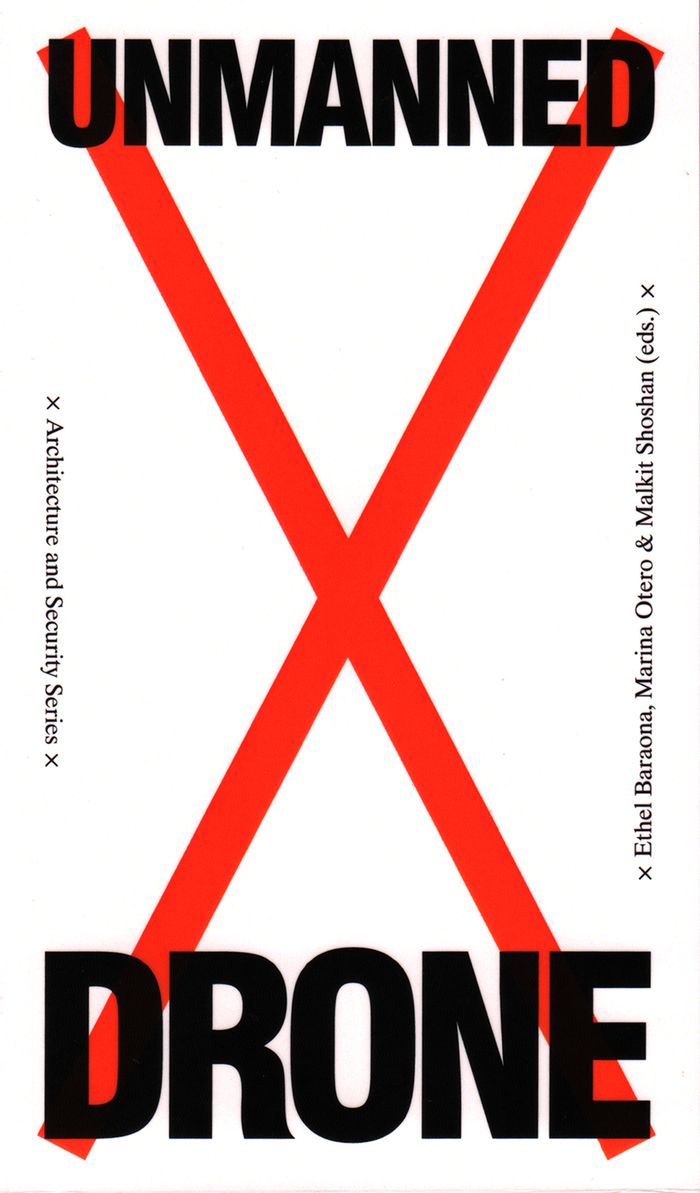
''Drone'' brings together researchers from diverse disciplinary backgrounds whose work seeks to understand and represent the nature and extent of drone operations. The book investigates the relationship between drone technology, cultural production, and forms of surveillance and violence. It analyses and speculates upon how these technological developments affect life in cities. "Drone" is the the first volume of "Unmanned. Architecture and Security Series", a research and publishing project which examines architecture's role in the construction of the contemporary security regimes. The series discusses the consequences of the civilian appropriation of military technologies, and sets an agenda for design professionals to engage on a technological, cultural, and political level by putting forward forms of resistance.
Drone: unmanned, architecture and security series
Actions:
Price:
$26.50
(available to order)
Summary:
''Drone'' brings together researchers from diverse disciplinary backgrounds whose work seeks to understand and represent the nature and extent of drone operations. The book investigates the relationship between drone technology, cultural production, and forms of surveillance and violence. It analyses and speculates upon how these technological developments affect life in cities. "Drone" is the the first volume of "Unmanned. Architecture and Security Series", a research and publishing project which examines architecture's role in the construction of the contemporary security regimes. The series discusses the consequences of the civilian appropriation of military technologies, and sets an agenda for design professionals to engage on a technological, cultural, and political level by putting forward forms of resistance.
Form:
books
books
Publication:
February 2018
February 2018
Subject:
Critical Theory
Critical Theory
Form:
books
books

Title:
Nadav Kander: dust
Nadav Kander: dust
Actions:
Price:
$145.00
(available to order)
Summary:
For Dust Ndav Kander photographed the desolated landscapes of the Aral Sea and the restricted military zones of Priozersk and Kurtchatov, which did not appear on any map until well after the end of the Cold War. Long-distance missiles were secretly tested in Priozersk, and hundreds of atomic bombs were detonated in the so-called Polygon near Kurchatov, until the program(...)
$145.00
(available to order)
Summary:
For Dust Ndav Kander photographed the desolated landscapes of the Aral Sea and the restricted military zones of Priozersk and Kurtchatov, which did not appear on any map until well after the end of the Cold War. Long-distance missiles were secretly tested in Priozersk, and hundreds of atomic bombs were detonated in the so-called Polygon near Kurchatov, until the program(...)
Title:
Nadav Kander: dust
Actions:
Price:
$145.00
(available to order)
Summary:
For Dust Ndav Kander photographed the desolated landscapes of the Aral Sea and the restricted military zones of Priozersk and Kurtchatov, which did not appear on any map until well after the end of the Cold War. Long-distance missiles were secretly tested in Priozersk, and hundreds of atomic bombs were detonated in the so-called Polygon near Kurchatov, until the program ended in 1989. The bombs were exploded in a remote but still populated area, and covert studies were made of the effects of the radiation on the unsuspecting inhabitants. Kander describes how the ticking of the Geiger counter on his belt while he photographed served as a foil against the aesthetic allure of the ruins.
Nadav Kander: dust
Actions:
Price:
$145.00
(available to order)
Summary:
For Dust Ndav Kander photographed the desolated landscapes of the Aral Sea and the restricted military zones of Priozersk and Kurtchatov, which did not appear on any map until well after the end of the Cold War. Long-distance missiles were secretly tested in Priozersk, and hundreds of atomic bombs were detonated in the so-called Polygon near Kurchatov, until the program ended in 1989. The bombs were exploded in a remote but still populated area, and covert studies were made of the effects of the radiation on the unsuspecting inhabitants. Kander describes how the ticking of the Geiger counter on his belt while he photographed served as a foil against the aesthetic allure of the ruins.
Form:
books
books
Publication:
August 2014
August 2014
Subject:
Photography monographs
Photography monographs
Form:
journals and magazines
journals and magazines
Title:
Log 7 winter / spring 2006
Log 7 winter / spring 2006
Actions:
Price:
$16.00
(available in store)
Summary:
Summary : Richard Anderson tires of meaning; Marie Aquilino talks with Amos Gitaï; Pier Vittorio Aureli and Manuel Orazi project the project; Jean-Louis Cohen traces the histories of the banlieues; William Drenttel requests negative rendering; Peter Eisenman interrogates iconic architecture; Luis Fernández-Galiano sees futility in the stars; John Kaliski critiques The(...)
$16.00
(available in store)
Summary:
Summary : Richard Anderson tires of meaning; Marie Aquilino talks with Amos Gitaï; Pier Vittorio Aureli and Manuel Orazi project the project; Jean-Louis Cohen traces the histories of the banlieues; William Drenttel requests negative rendering; Peter Eisenman interrogates iconic architecture; Luis Fernández-Galiano sees futility in the stars; John Kaliski critiques The(...)
Title:
Log 7 winter / spring 2006
Actions:
Price:
$16.00
(available in store)
Summary:
Summary : Richard Anderson tires of meaning; Marie Aquilino talks with Amos Gitaï; Pier Vittorio Aureli and Manuel Orazi project the project; Jean-Louis Cohen traces the histories of the banlieues; William Drenttel requests negative rendering; Peter Eisenman interrogates iconic architecture; Luis Fernández-Galiano sees futility in the stars; John Kaliski critiques The Italian Job(s); Sabir Khan reports from Pakistan Reinhold Martin votes for choice; Gabriele Mastrigli sizes up bigness; Gordon Matta-Clark draws a break-in; Deborah Richmond turns up the cool; Julie Rose finds burqinis at the beach; Paul Virilio outlines the finite; Eyal Weizman takes on the military-theoretical complex; Mirko Zardini foretells the fall of the edifice. PLUS: Tunnels, totems, mud brick, and more...
Log 7 winter / spring 2006
Actions:
Price:
$16.00
(available in store)
Summary:
Summary : Richard Anderson tires of meaning; Marie Aquilino talks with Amos Gitaï; Pier Vittorio Aureli and Manuel Orazi project the project; Jean-Louis Cohen traces the histories of the banlieues; William Drenttel requests negative rendering; Peter Eisenman interrogates iconic architecture; Luis Fernández-Galiano sees futility in the stars; John Kaliski critiques The Italian Job(s); Sabir Khan reports from Pakistan Reinhold Martin votes for choice; Gabriele Mastrigli sizes up bigness; Gordon Matta-Clark draws a break-in; Deborah Richmond turns up the cool; Julie Rose finds burqinis at the beach; Paul Virilio outlines the finite; Eyal Weizman takes on the military-theoretical complex; Mirko Zardini foretells the fall of the edifice. PLUS: Tunnels, totems, mud brick, and more...
Form:
journals and magazines
journals and magazines
Publication:
June 2006, New York
June 2006, New York
Subject:
Magazines
Magazines
Form:
books
books
Actions:
Price:
$68.95
(available to order)
Summary:
Hong Kong’s border with Shenzhen is dissolving. By 2047, the border will likely not exist. Integration with the Mainland will remove distinctions created by the "One Country Two Systems" policy. The uncertainty surrounding what will happen has created anxiety relating to law, identity, freedom of speech, and voting rights. Caught in this debate is the Frontier Closed(...)
$68.95
(available to order)
Summary:
Hong Kong’s border with Shenzhen is dissolving. By 2047, the border will likely not exist. Integration with the Mainland will remove distinctions created by the "One Country Two Systems" policy. The uncertainty surrounding what will happen has created anxiety relating to law, identity, freedom of speech, and voting rights. Caught in this debate is the Frontier Closed(...)
Publication:
December 2016
December 2016
Title:
Border ecologies: Hong Kong's mainland frontier
Actions:
Price:
$68.95
(available to order)
Summary:
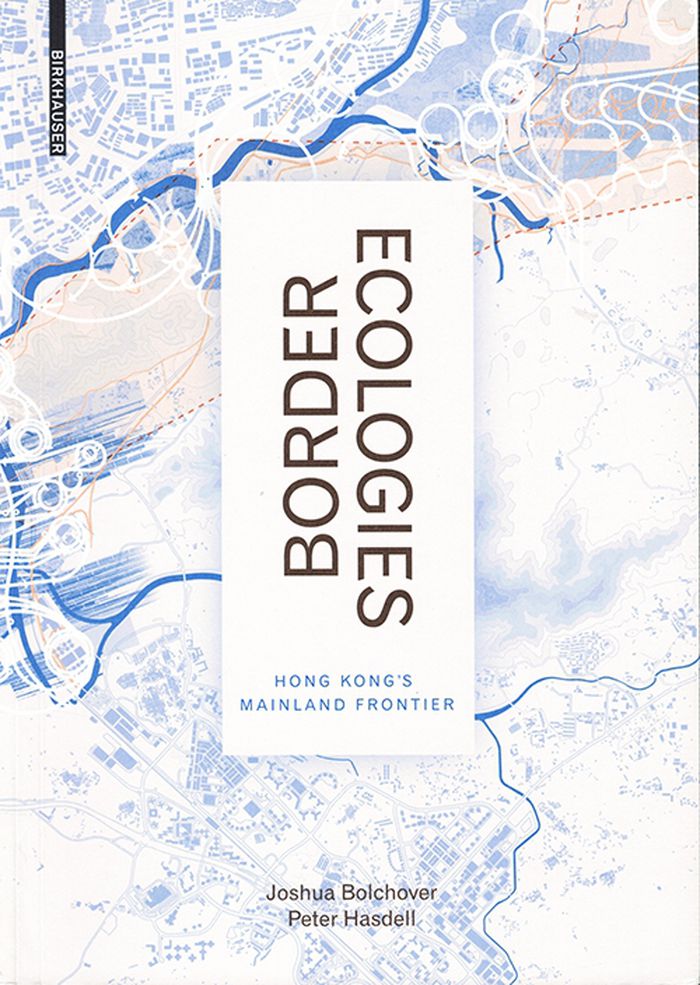
Hong Kong’s border with Shenzhen is dissolving. By 2047, the border will likely not exist. Integration with the Mainland will remove distinctions created by the "One Country Two Systems" policy. The uncertainty surrounding what will happen has created anxiety relating to law, identity, freedom of speech, and voting rights. Caught in this debate is the Frontier Closed Area, a 1951 undeveloped buffer zone of estuaries, fish farms, forests, villages and military posts. In contrast, Shenzhen, has exploded into a metropolis of 15 million plus. The book explores this unique border ecology. Design strategies inserted within this ecology promote alternate forms of development. The example widens the discourse on borders to raise critical issues that impact the contemporary city.
Border ecologies: Hong Kong's mainland frontier
Actions:
Price:
$68.95
(available to order)
Summary:
Hong Kong’s border with Shenzhen is dissolving. By 2047, the border will likely not exist. Integration with the Mainland will remove distinctions created by the "One Country Two Systems" policy. The uncertainty surrounding what will happen has created anxiety relating to law, identity, freedom of speech, and voting rights. Caught in this debate is the Frontier Closed Area, a 1951 undeveloped buffer zone of estuaries, fish farms, forests, villages and military posts. In contrast, Shenzhen, has exploded into a metropolis of 15 million plus. The book explores this unique border ecology. Design strategies inserted within this ecology promote alternate forms of development. The example widens the discourse on borders to raise critical issues that impact the contemporary city.
Form:
books
books
Publication:
December 2016
December 2016
Form:
books
books
Actions:
Price:
$44.95
(available to order)
Summary:
In "Atmospheric Things" Derek P. McCormack explores how atmospheres are imagined, understood, and experienced through experiments with a deceptively simple object: the balloon. Since the invention of balloon flight in the late eighteenth century, balloons have drawn crowds at fairs and expositions, inspired the visions of artists and writers, and driven technological(...)
$44.95
(available to order)
Summary:
In "Atmospheric Things" Derek P. McCormack explores how atmospheres are imagined, understood, and experienced through experiments with a deceptively simple object: the balloon. Since the invention of balloon flight in the late eighteenth century, balloons have drawn crowds at fairs and expositions, inspired the visions of artists and writers, and driven technological(...)
Title:
Atmospheric things: on the allure of elemental envelopment
Actions:
Price:
$44.95
(available to order)
Summary:
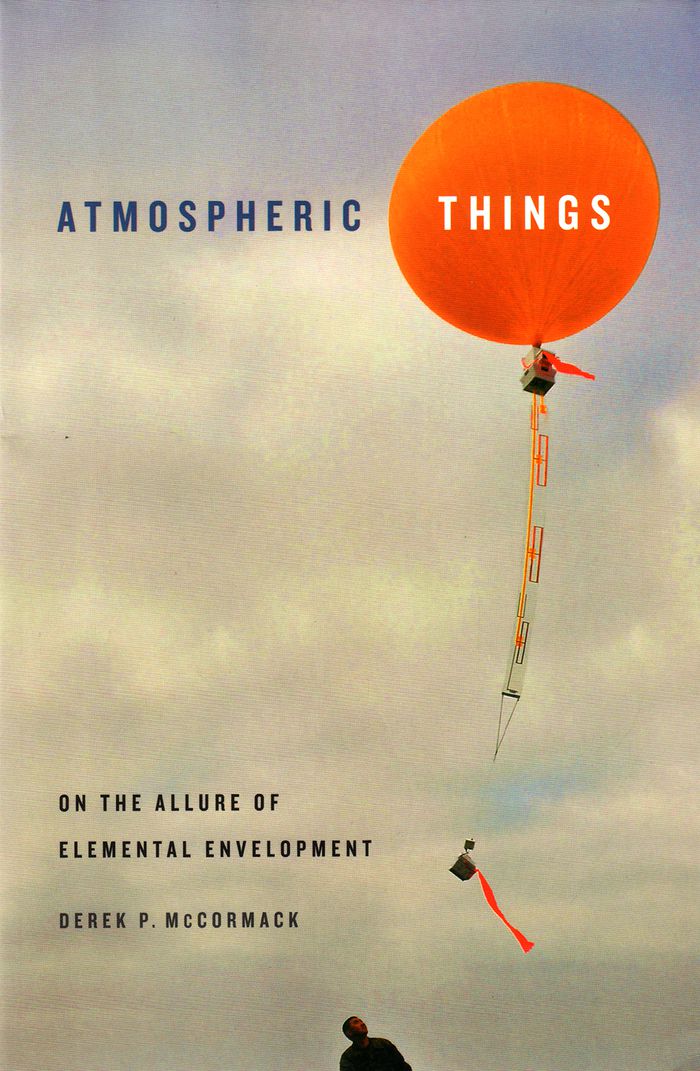
In "Atmospheric Things" Derek P. McCormack explores how atmospheres are imagined, understood, and experienced through experiments with a deceptively simple object: the balloon. Since the invention of balloon flight in the late eighteenth century, balloons have drawn crowds at fairs and expositions, inspired the visions of artists and writers, and driven technological development from meteorology to military surveillance. By foregrounding the distinctive properties of the balloon, McCormack reveals its remarkable capacity to disclose the affective and meteorological dimensions of atmospheres. Drawing together different senses of the object, the elements, and experience, McCormack uses the balloon to show how practices and technologies of envelopment allow atmospheres to be generated, made meaningful, and modified.
Atmospheric things: on the allure of elemental envelopment
Actions:
Price:
$44.95
(available to order)
Summary:
In "Atmospheric Things" Derek P. McCormack explores how atmospheres are imagined, understood, and experienced through experiments with a deceptively simple object: the balloon. Since the invention of balloon flight in the late eighteenth century, balloons have drawn crowds at fairs and expositions, inspired the visions of artists and writers, and driven technological development from meteorology to military surveillance. By foregrounding the distinctive properties of the balloon, McCormack reveals its remarkable capacity to disclose the affective and meteorological dimensions of atmospheres. Drawing together different senses of the object, the elements, and experience, McCormack uses the balloon to show how practices and technologies of envelopment allow atmospheres to be generated, made meaningful, and modified.
Form:
books
books
Publication:
July 2018
July 2018
Subject:
Critical Theory
Critical Theory
Form:
books
books

Actions:
Price:
$180.00
(available to order)
Summary:
"The Japanese photobook", 1912–1990 illustrates the development of photography as seen in photo publications in Japan--from the early influence of European and American pictorialism, the German Bauhaus and imperial military propaganda to the complete collapse and destruction of the country in 1945. Then followed a new beginning: with the unique self-determination of a(...)
$180.00
(available to order)
Summary:
"The Japanese photobook", 1912–1990 illustrates the development of photography as seen in photo publications in Japan--from the early influence of European and American pictorialism, the German Bauhaus and imperial military propaganda to the complete collapse and destruction of the country in 1945. Then followed a new beginning: with the unique self-determination of a(...)
Subject:
Photography Collections
Photography Collections
Publication:
August 2016
August 2016
Title:
The Japanese photobook, 1912-1980
Actions:
Price:
$180.00
(available to order)
Summary:
"The Japanese photobook", 1912–1990 illustrates the development of photography as seen in photo publications in Japan--from the early influence of European and American pictorialism, the German Bauhaus and imperial military propaganda to the complete collapse and destruction of the country in 1945. Then followed a new beginning: with the unique self-determination of a young generation of photographers and visual artists highlighted by the Provoke style--an experimental Japanese photography magazine that had a profound effect on the medium in the 1970s and ‘80s--as well as protest and war documentation of the late 1950s to the early ‘70s, the signature Japanese photobook, as we have come to know it, was born.
The Japanese photobook, 1912-1980
Actions:
Price:
$180.00
(available to order)
Summary:
"The Japanese photobook", 1912–1990 illustrates the development of photography as seen in photo publications in Japan--from the early influence of European and American pictorialism, the German Bauhaus and imperial military propaganda to the complete collapse and destruction of the country in 1945. Then followed a new beginning: with the unique self-determination of a young generation of photographers and visual artists highlighted by the Provoke style--an experimental Japanese photography magazine that had a profound effect on the medium in the 1970s and ‘80s--as well as protest and war documentation of the late 1950s to the early ‘70s, the signature Japanese photobook, as we have come to know it, was born.
Form:
books
books
Publication:
August 2016
August 2016
Subject:
Photography Collections
Photography Collections
Form:
books
books
Price:
$60.00
(available in store)
Summary:
In this collection of essays, Ackerman offers insight into his formation and development as a scholar, as well as reflections on a range of topics. Concise, lucid, and original, this book presents deep syntheses alongside innovative approaches and a broadening geographical and chronological reach. Ackerman’s enduring fascination with architecture was one unforeseen(...)
$60.00
(available in store)
Summary:
In this collection of essays, Ackerman offers insight into his formation and development as a scholar, as well as reflections on a range of topics. Concise, lucid, and original, this book presents deep syntheses alongside innovative approaches and a broadening geographical and chronological reach. Ackerman’s enduring fascination with architecture was one unforeseen(...)
Title:
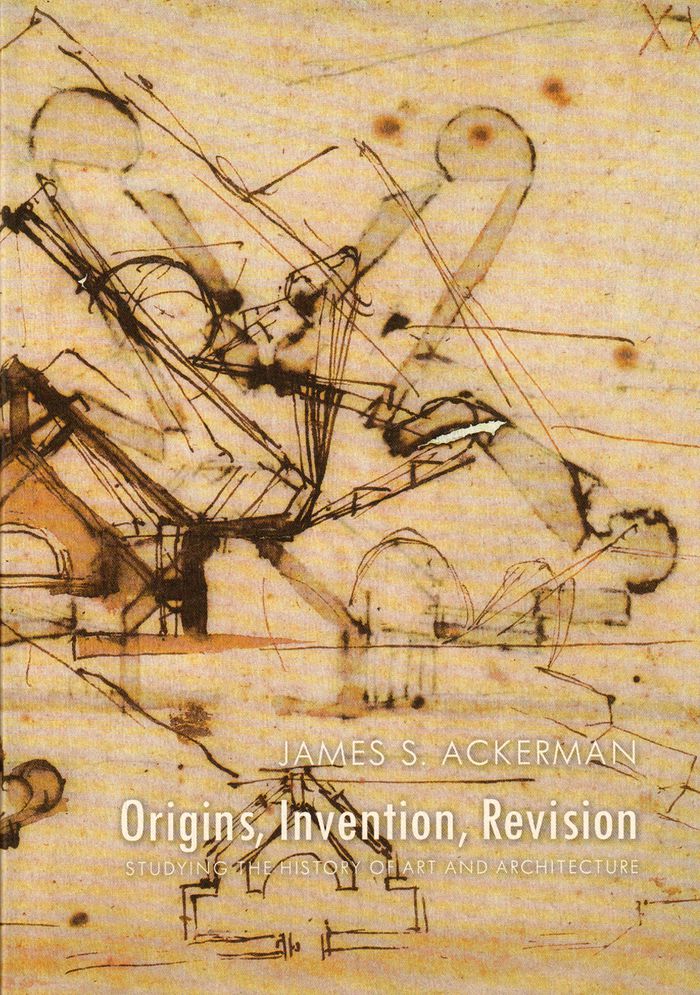
Origins, invention, revision: studying the history of art and architecture
Actions:
Price:
$60.00
(available in store)
Summary:
In this collection of essays, Ackerman offers insight into his formation and development as a scholar, as well as reflections on a range of topics. Concise, lucid, and original, this book presents deep syntheses alongside innovative approaches and a broadening geographical and chronological reach. Ackerman’s enduring fascination with architecture was one unforeseen consequence of his military service in World War II, and the collection includes a revealing account of his part in the liberation of Milan as a soldier in the Fifth American Regiment. These essays represent a unique, personal journey—from the Italian Renaissance to the classical architecture of India and the work of Frank Gehry at the new museum of the Fondation Louis Vuitton in Paris.
Origins, invention, revision: studying the history of art and architecture
Actions:
Price:
$60.00
(available in store)
Summary:
In this collection of essays, Ackerman offers insight into his formation and development as a scholar, as well as reflections on a range of topics. Concise, lucid, and original, this book presents deep syntheses alongside innovative approaches and a broadening geographical and chronological reach. Ackerman’s enduring fascination with architecture was one unforeseen consequence of his military service in World War II, and the collection includes a revealing account of his part in the liberation of Milan as a soldier in the Fifth American Regiment. These essays represent a unique, personal journey—from the Italian Renaissance to the classical architecture of India and the work of Frank Gehry at the new museum of the Fondation Louis Vuitton in Paris.
Form:
books
books
Publication:
November 2016
November 2016
Subject:
Architectural Theory
Architectural Theory
Form:
books
books
Actions:
Holdings:
Description:
xiv, 386 pages : illustrations ; 24 cm
Description:
xiv, 386 pages : illustrations ; 24 cm
Author:
Subject:
Publication:
Vancouver : UBC Press, [2025]
Vancouver : UBC Press, [2025]
Title:
A cold colonialism : modern exploration and the Canadian North / Tina Adcock.
Actions:
Holdings:
Description:
xiv, 386 pages : illustrations ; 24 cm
A cold colonialism : modern exploration and the Canadian North / Tina Adcock.
Actions:
Holdings:
Description:
xiv, 386 pages : illustrations ; 24 cm
Form:
books
books
Publication:
Vancouver : UBC Press, [2025]
Vancouver : UBC Press, [2025]
Author:
Subject:
Form:
books
books
Actions:
Price:
$77.95
(available to order)
Summary:
Gyorgy Kepes (1906–2001) was the last disciple of Bauhaus modernism, an acolyte of László Moholy-Nagy and a self-styled revolutionary artist. But by midcentury, transplanted to America, Kepes found he was trapped in the military-industrial-aesthetic complex. In this first book-length study of Kepes, John Blakinger argues that Kepes, by opening the research laboratory to(...)
$77.95
(available to order)
Summary:
Gyorgy Kepes (1906–2001) was the last disciple of Bauhaus modernism, an acolyte of László Moholy-Nagy and a self-styled revolutionary artist. But by midcentury, transplanted to America, Kepes found he was trapped in the military-industrial-aesthetic complex. In this first book-length study of Kepes, John Blakinger argues that Kepes, by opening the research laboratory to(...)
Publication:
June 2019
June 2019
Title:
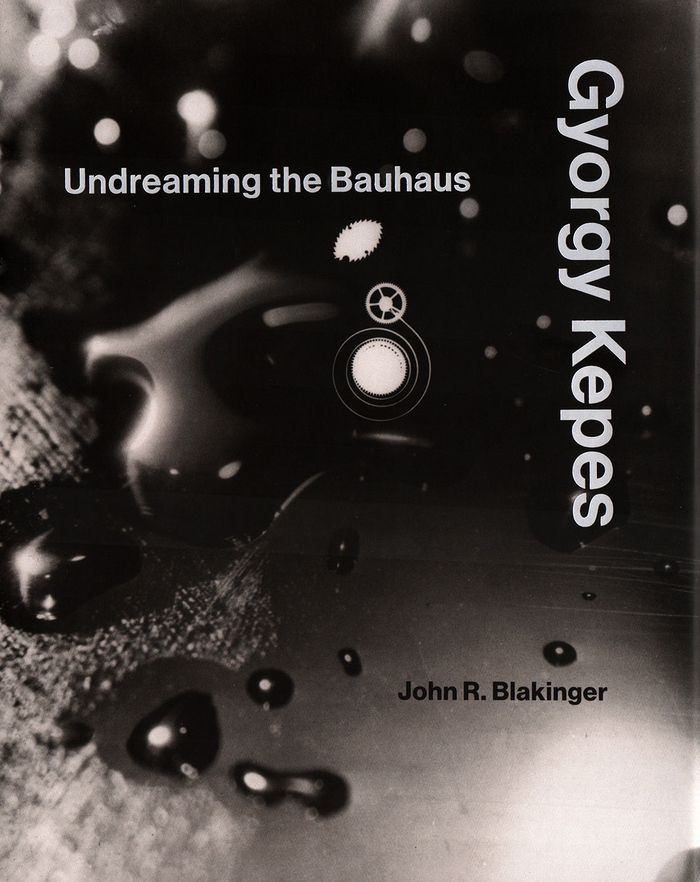
Gyorgy Kepes: undreaming the Bauhaus
Actions:
Price:
$77.95
(available to order)
Summary:
Gyorgy Kepes (1906–2001) was the last disciple of Bauhaus modernism, an acolyte of László Moholy-Nagy and a self-styled revolutionary artist. But by midcentury, transplanted to America, Kepes found he was trapped in the military-industrial-aesthetic complex. In this first book-length study of Kepes, John Blakinger argues that Kepes, by opening the research laboratory to the arts, established a new paradigm for creative practice: the artist as technocrat. First at Chicago's New Bauhaus and then for many years at MIT, Kepes pioneered interdisciplinary collaboration between the arts and sciences- what he termed “interthinking” and “interseeing.” Kepes and his colleagues, ranging from metallurgists to mathematicians, became part of an important but little-explored constellation: the Cold War avant-garde.
Gyorgy Kepes: undreaming the Bauhaus
Actions:
Price:
$77.95
(available to order)
Summary:
Gyorgy Kepes (1906–2001) was the last disciple of Bauhaus modernism, an acolyte of László Moholy-Nagy and a self-styled revolutionary artist. But by midcentury, transplanted to America, Kepes found he was trapped in the military-industrial-aesthetic complex. In this first book-length study of Kepes, John Blakinger argues that Kepes, by opening the research laboratory to the arts, established a new paradigm for creative practice: the artist as technocrat. First at Chicago's New Bauhaus and then for many years at MIT, Kepes pioneered interdisciplinary collaboration between the arts and sciences- what he termed “interthinking” and “interseeing.” Kepes and his colleagues, ranging from metallurgists to mathematicians, became part of an important but little-explored constellation: the Cold War avant-garde.
Form:
books
books
Publication:
June 2019
June 2019
Form:
books
books

Price:
$17.95
(available to order)
Summary:
Mindfulness is now all the rage. From celebrity endorsements to monks, neuroscientists and meditation coaches rubbing shoulders with CEOs at the World Economic Forum in Davos, it is clear that mindfulness has gone mainstream. Some have even called it a revolution. But what if, instead of changing the world, mindfulness has become a banal form of capitalist spirituality(...)
$17.95
(available to order)
Summary:
Mindfulness is now all the rage. From celebrity endorsements to monks, neuroscientists and meditation coaches rubbing shoulders with CEOs at the World Economic Forum in Davos, it is clear that mindfulness has gone mainstream. Some have even called it a revolution. But what if, instead of changing the world, mindfulness has become a banal form of capitalist spirituality(...)
Title:
Mcmindfulness: how mindfulness became the new capitalist spirituality
Actions:
Price:
$17.95
(available to order)
Summary:
Mindfulness is now all the rage. From celebrity endorsements to monks, neuroscientists and meditation coaches rubbing shoulders with CEOs at the World Economic Forum in Davos, it is clear that mindfulness has gone mainstream. Some have even called it a revolution. But what if, instead of changing the world, mindfulness has become a banal form of capitalist spirituality that mindlessly avoids social and political transformation, reinforcing the neoliberal status quo? In ''McMindfulness,'' Ronald Purser debunks the so-called 'mindfulness revolution,' exposing how corporations, schools, governments and the military have co-opted it as technique for social control and self-pacification. Purser busts the myths its salesmen rely on, challenging the narrative that stress is self-imposed and mindfulness is the cure-all.
Mcmindfulness: how mindfulness became the new capitalist spirituality
Actions:
Price:
$17.95
(available to order)
Summary:
Mindfulness is now all the rage. From celebrity endorsements to monks, neuroscientists and meditation coaches rubbing shoulders with CEOs at the World Economic Forum in Davos, it is clear that mindfulness has gone mainstream. Some have even called it a revolution. But what if, instead of changing the world, mindfulness has become a banal form of capitalist spirituality that mindlessly avoids social and political transformation, reinforcing the neoliberal status quo? In ''McMindfulness,'' Ronald Purser debunks the so-called 'mindfulness revolution,' exposing how corporations, schools, governments and the military have co-opted it as technique for social control and self-pacification. Purser busts the myths its salesmen rely on, challenging the narrative that stress is self-imposed and mindfulness is the cure-all.
Form:
books
books
Publication:
July 2019
July 2019
Subject:
Critical Theory
Critical Theory


