


2285 Results
Form:
books
books
Actions:
Price:
$11.95
(available to order)
Summary:
"The avant-garde" is perhaps the most important and influential concept in the history of modern culture. For over a hundred years it has governed critical and historical assessment of the quality and significance of an artist or a work of art, in any medium-if these have been judged to be 'avant-garde', then they have been worthy of consideration. If not, then by and(...)
$11.95
(available to order)
Summary:
"The avant-garde" is perhaps the most important and influential concept in the history of modern culture. For over a hundred years it has governed critical and historical assessment of the quality and significance of an artist or a work of art, in any medium-if these have been judged to be 'avant-garde', then they have been worthy of consideration. If not, then by and(...)
Title:
The Avant-Garde: a very short introduction
Actions:
Price:
$11.95
(available to order)
Summary:
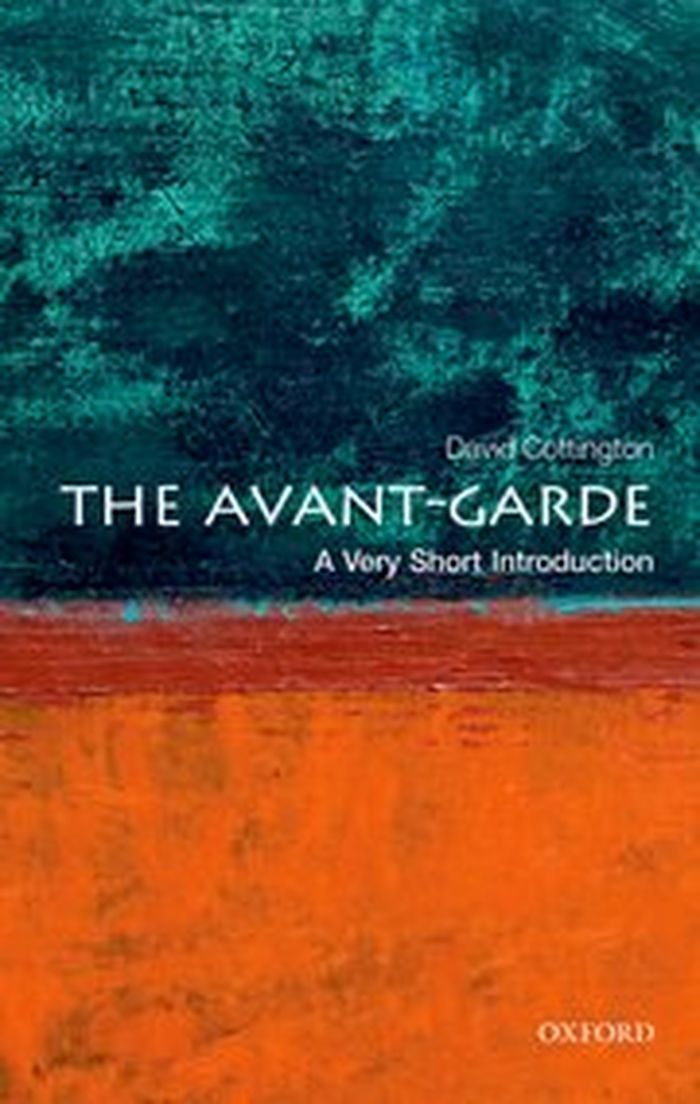
"The avant-garde" is perhaps the most important and influential concept in the history of modern culture. For over a hundred years it has governed critical and historical assessment of the quality and significance of an artist or a work of art, in any medium-if these have been judged to be 'avant-garde', then they have been worthy of consideration. If not, then by and large they have not, and neither critics nor historians have paid them much attention. In short, modern art is and has been whatever the 'avant-garde' has made, or has said it is. In this Very Short Introduction, David Cottington explores the concept of the 'avant-garde' and examines its wider context through the development of western modernity, capitalist culture, and the global impact of both.
The Avant-Garde: a very short introduction
Actions:
Price:
$11.95
(available to order)
Summary:
"The avant-garde" is perhaps the most important and influential concept in the history of modern culture. For over a hundred years it has governed critical and historical assessment of the quality and significance of an artist or a work of art, in any medium-if these have been judged to be 'avant-garde', then they have been worthy of consideration. If not, then by and large they have not, and neither critics nor historians have paid them much attention. In short, modern art is and has been whatever the 'avant-garde' has made, or has said it is. In this Very Short Introduction, David Cottington explores the concept of the 'avant-garde' and examines its wider context through the development of western modernity, capitalist culture, and the global impact of both.
Form:
books
books
Publication:
December 2013
December 2013
Subject:
Critical Theory
Critical Theory
Form:
books
books
Title:
Quelques parts / somewheres
Quelques parts / somewheres
Actions:
Price:
$9.95
(available in store)
Summary:
A survey of the work of thirteen emerging contemporary artists living in the Maritimes and their engagement with the question of region. The publication’s title reflects the multiplicity and uncertain origin of the region's identity, defined as much by dreams and myths of escape as by any inherent qualities. One of the most enduring tropes about the creative process is(...)
$9.95
(available in store)
Summary:
A survey of the work of thirteen emerging contemporary artists living in the Maritimes and their engagement with the question of region. The publication’s title reflects the multiplicity and uncertain origin of the region's identity, defined as much by dreams and myths of escape as by any inherent qualities. One of the most enduring tropes about the creative process is(...)
Title:
Quelques parts / somewheres
Actions:
Price:
$9.95
(available in store)
Summary:
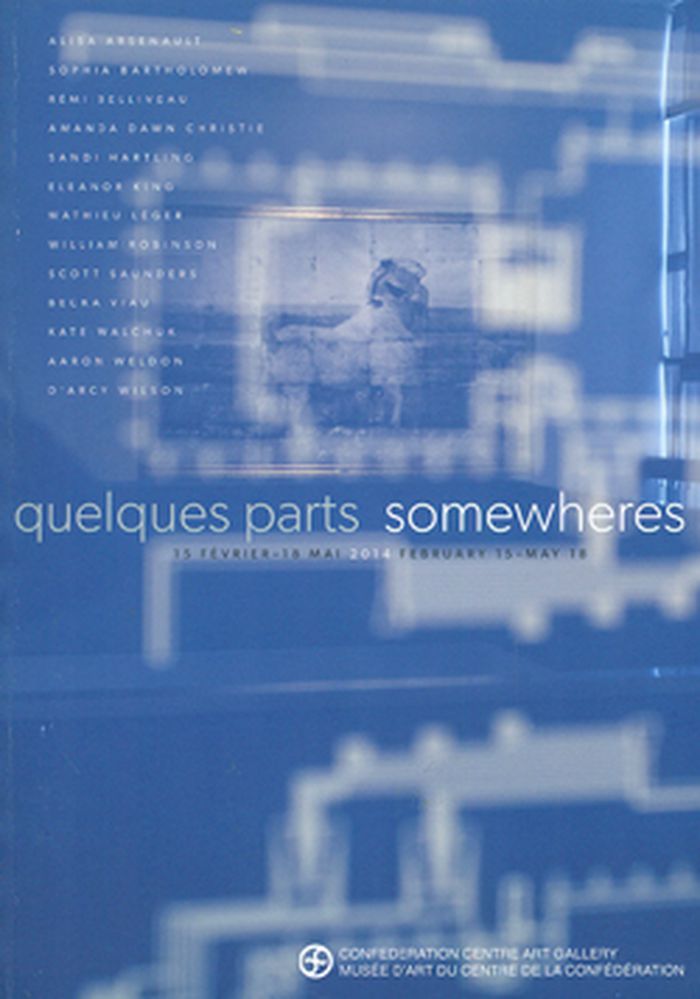
A survey of the work of thirteen emerging contemporary artists living in the Maritimes and their engagement with the question of region. The publication’s title reflects the multiplicity and uncertain origin of the region's identity, defined as much by dreams and myths of escape as by any inherent qualities. One of the most enduring tropes about the creative process is the notion that the largest gathering of people generates the most interaction, and thus the greatest production of new ideas. Countering this myth is the proposition that large centres often produce homogeneity, and that incessant communication can even lead to a kind of cultural sameness. It may be precisely the very hindrance to communication - geography, distance, isolation - that produce the new approaches that loom large in the work featured here.
Quelques parts / somewheres
Actions:
Price:
$9.95
(available in store)
Summary:
A survey of the work of thirteen emerging contemporary artists living in the Maritimes and their engagement with the question of region. The publication’s title reflects the multiplicity and uncertain origin of the region's identity, defined as much by dreams and myths of escape as by any inherent qualities. One of the most enduring tropes about the creative process is the notion that the largest gathering of people generates the most interaction, and thus the greatest production of new ideas. Countering this myth is the proposition that large centres often produce homogeneity, and that incessant communication can even lead to a kind of cultural sameness. It may be precisely the very hindrance to communication - geography, distance, isolation - that produce the new approaches that loom large in the work featured here.
Form:
books
books
Publication:
May 2014
May 2014
Subject:
Canadian art
Canadian art
Form:
books
books
Actions:
Price:
$39.95
(available in store)
Summary:
At a moment when the discipline of Canadian art history seems to be in flux and the study of Canadian visual culture is gaining traction outside of art history departments, the authors of Negotiations in a Vacant Lot were asked: is "Canada" - or any other nation - still relevant as a category of inquiry? Is our country simply one of many "vacant lots" where class, gender,(...)
$39.95
(available in store)
Summary:
At a moment when the discipline of Canadian art history seems to be in flux and the study of Canadian visual culture is gaining traction outside of art history departments, the authors of Negotiations in a Vacant Lot were asked: is "Canada" - or any other nation - still relevant as a category of inquiry? Is our country simply one of many "vacant lots" where class, gender,(...)
Publication:
October 2014
October 2014
Title:
Negotiations in a vacant lot: studying the visual in Canada
Actions:
Price:
$39.95
(available in store)
Summary:
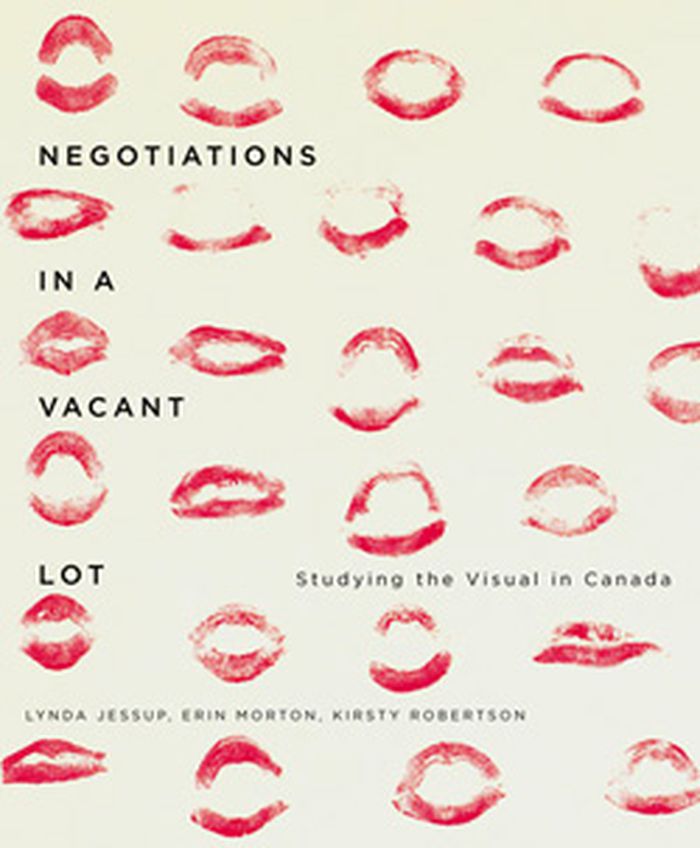
At a moment when the discipline of Canadian art history seems to be in flux and the study of Canadian visual culture is gaining traction outside of art history departments, the authors of Negotiations in a Vacant Lot were asked: is "Canada" - or any other nation - still relevant as a category of inquiry? Is our country simply one of many "vacant lots" where class, gender, race, ethnicity, and sexual orientation interact? What happens to the project of Canadian visual history if we imagine that Canada, as essence, place, nation, or ideal, does not exist? The authors of this collection stand at the multiple points where national culture and globalization collide, however, suggesting that academic investigation of the visual in Canada is contested in ways that cannot be contained by arbitrary borders.
Negotiations in a vacant lot: studying the visual in Canada
Actions:
Price:
$39.95
(available in store)
Summary:
At a moment when the discipline of Canadian art history seems to be in flux and the study of Canadian visual culture is gaining traction outside of art history departments, the authors of Negotiations in a Vacant Lot were asked: is "Canada" - or any other nation - still relevant as a category of inquiry? Is our country simply one of many "vacant lots" where class, gender, race, ethnicity, and sexual orientation interact? What happens to the project of Canadian visual history if we imagine that Canada, as essence, place, nation, or ideal, does not exist? The authors of this collection stand at the multiple points where national culture and globalization collide, however, suggesting that academic investigation of the visual in Canada is contested in ways that cannot be contained by arbitrary borders.
Form:
books
books
Publication:
October 2014
October 2014
Form:
books
books
Actions:
Price:
$29.95
(available to order)
Summary:
The book introduces water as a building material to build unique, responsive-able structures and define a new paradigm for architecture and sustainable design. Architecture is based upon the misconception that strong is stable, both in sense of energy and structure, as an unchanged state of microclimate would require more material or insulation.Trans-structures are the(...)
$29.95
(available to order)
Summary:
The book introduces water as a building material to build unique, responsive-able structures and define a new paradigm for architecture and sustainable design. Architecture is based upon the misconception that strong is stable, both in sense of energy and structure, as an unchanged state of microclimate would require more material or insulation.Trans-structures are the(...)
Title:
Trans-structures: fluid architecture and liquid engineering
Actions:
Price:
$29.95
(available to order)
Summary:
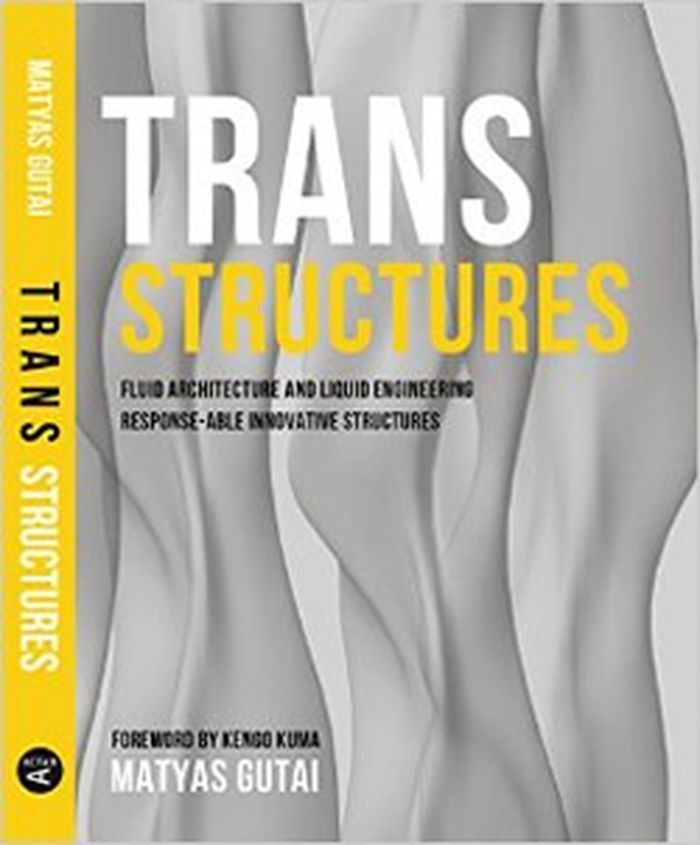
The book introduces water as a building material to build unique, responsive-able structures and define a new paradigm for architecture and sustainable design. Architecture is based upon the misconception that strong is stable, both in sense of energy and structure, as an unchanged state of microclimate would require more material or insulation.Trans-structures are the opposite: building elements with the response-ability to change according to external conditions in order to maintain stability in terms of structure and/or energy. In this type of building, any effect (structural or thermal load) would generate an immediate affect (a response of the structure). Energy and weight would be counteracted and on a total scale, change would not occur. Such buildings are always in transition from one state to another, unlike conventional structures.
Trans-structures: fluid architecture and liquid engineering
Actions:
Price:
$29.95
(available to order)
Summary:
The book introduces water as a building material to build unique, responsive-able structures and define a new paradigm for architecture and sustainable design. Architecture is based upon the misconception that strong is stable, both in sense of energy and structure, as an unchanged state of microclimate would require more material or insulation.Trans-structures are the opposite: building elements with the response-ability to change according to external conditions in order to maintain stability in terms of structure and/or energy. In this type of building, any effect (structural or thermal load) would generate an immediate affect (a response of the structure). Energy and weight would be counteracted and on a total scale, change would not occur. Such buildings are always in transition from one state to another, unlike conventional structures.
Form:
books
books
Publication:
December 2014
December 2014
Subject:
Engineering Structures
Engineering Structures
Form:
books
books

Price:
$34.00
(available to order)
Summary:
We spray them, pluck them, and bury them under mulch; and we curse their resilience when they spring back into place. To most of us, weeds are a nuisance, not worth the dirt they are growing in. But the fact is weeds are a plant just like any other, and it is only we who designate them as a weed or not, as a plant we will dote over or one we will tear out of the earth(...)
$34.00
(available to order)
Summary:
We spray them, pluck them, and bury them under mulch; and we curse their resilience when they spring back into place. To most of us, weeds are a nuisance, not worth the dirt they are growing in. But the fact is weeds are a plant just like any other, and it is only we who designate them as a weed or not, as a plant we will dote over or one we will tear out of the earth(...)
Title:
Weeds
Actions:
Price:
$34.00
(available to order)
Summary:
We spray them, pluck them, and bury them under mulch; and we curse their resilience when they spring back into place. To most of us, weeds are a nuisance, not worth the dirt they are growing in. But the fact is weeds are a plant just like any other, and it is only we who designate them as a weed or not, as a plant we will dote over or one we will tear out of the earth with abandon. And as Nina Edwards shows in this history, that designation is constantly changing. Balancing popular history with botanical science, she tells the story of the lowly, but proud, weed, a story that is just as much about the kinds of attitudes we foster toward the plants we grow and those we try to suppress.
Weeds
Actions:
Price:
$34.00
(available to order)
Summary:
We spray them, pluck them, and bury them under mulch; and we curse their resilience when they spring back into place. To most of us, weeds are a nuisance, not worth the dirt they are growing in. But the fact is weeds are a plant just like any other, and it is only we who designate them as a weed or not, as a plant we will dote over or one we will tear out of the earth with abandon. And as Nina Edwards shows in this history, that designation is constantly changing. Balancing popular history with botanical science, she tells the story of the lowly, but proud, weed, a story that is just as much about the kinds of attitudes we foster toward the plants we grow and those we try to suppress.
Form:
books
books
Publication:
May 2015
May 2015
Subject:
Landscape Theory
Landscape Theory
Form:
books
books
Title:
FOBA / buildings
FOBA / buildings
Actions:
Price:
$54.00
(available to order)
Summary:
FOBA, an architectural practice based in Kyoto, looks beyond the aesthetics of minimalism, in order to find inspiration in the relationships between structure and site. "FOBA / Buildings", the first monograph on the decade-old firm, features ten projects. The work is at times boldly expressionistic, and at others refreshingly austere. The book also chronicles the FOB(...)
$54.00
(available to order)
Summary:
FOBA, an architectural practice based in Kyoto, looks beyond the aesthetics of minimalism, in order to find inspiration in the relationships between structure and site. "FOBA / Buildings", the first monograph on the decade-old firm, features ten projects. The work is at times boldly expressionistic, and at others refreshingly austere. The book also chronicles the FOB(...)
Subject:
Architecture Monographs
Architecture Monographs
Publication:
September 2005, New York
September 2005, New York
Title:
FOBA / buildings
Actions:
Price:
$54.00
(available to order)
Summary:
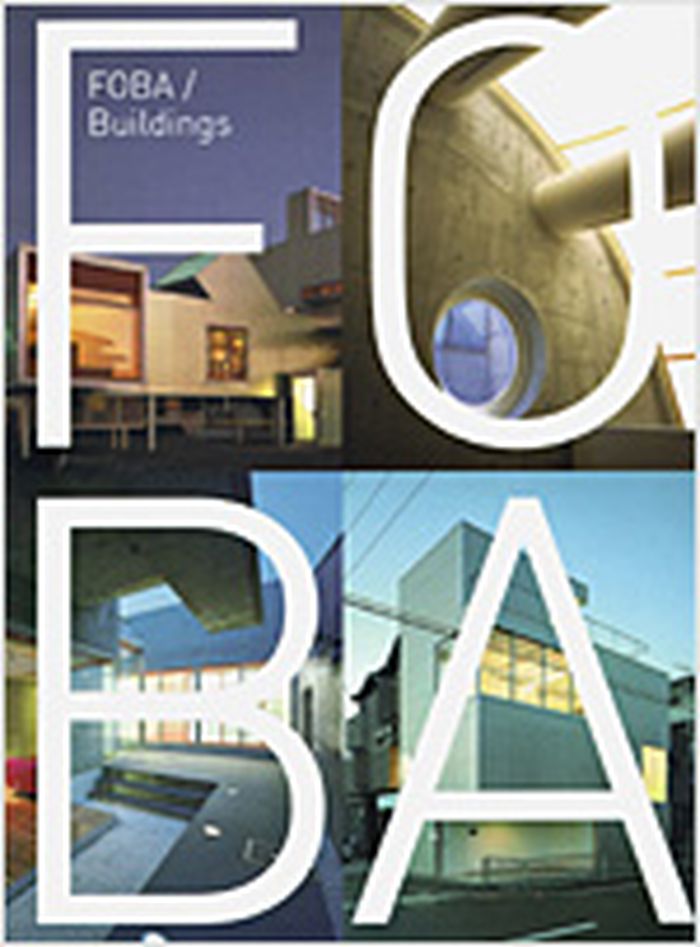
FOBA, an architectural practice based in Kyoto, looks beyond the aesthetics of minimalism, in order to find inspiration in the relationships between structure and site. "FOBA / Buildings", the first monograph on the decade-old firm, features ten projects. The work is at times boldly expressionistic, and at others refreshingly austere. The book also chronicles the FOB Homes system - a FOBA subsidiary company established in 1999 - a uniquely creative response to the generic mass-produced pre-fabricated housing available in Japan. With five basic prototypes that can be easily adapted to any site or client, FOB Homes redefines the concept of standardized housing. Their simple, neutral white boxes counter the visual chaos of contemporary Japan and offer the elegance and experience of architecture to the general public - a union of modernist aesthetics with the modernist ideology of democratic, affordable design.
FOBA / buildings
Actions:
Price:
$54.00
(available to order)
Summary:
FOBA, an architectural practice based in Kyoto, looks beyond the aesthetics of minimalism, in order to find inspiration in the relationships between structure and site. "FOBA / Buildings", the first monograph on the decade-old firm, features ten projects. The work is at times boldly expressionistic, and at others refreshingly austere. The book also chronicles the FOB Homes system - a FOBA subsidiary company established in 1999 - a uniquely creative response to the generic mass-produced pre-fabricated housing available in Japan. With five basic prototypes that can be easily adapted to any site or client, FOB Homes redefines the concept of standardized housing. Their simple, neutral white boxes counter the visual chaos of contemporary Japan and offer the elegance and experience of architecture to the general public - a union of modernist aesthetics with the modernist ideology of democratic, affordable design.
Form:
books
books
Publication:
September 2005, New York
September 2005, New York
Subject:
Architecture Monographs
Architecture Monographs
Form:
books
books
Price:
$88.00
(available to order)
Summary:
The Distant Early Warning Line, also known as the DEW Line, was a system of radar stations in the northern Arctic region of Canada, with additional stations along the north coast and Aleutian Islands of Alaska and the Faroe Islands, Greenland, and Iceland. It intended to detect incoming bombers of the Soviet Union during the Cold War and provide early warning of any sea(...)
$88.00
(available to order)
Summary:
The Distant Early Warning Line, also known as the DEW Line, was a system of radar stations in the northern Arctic region of Canada, with additional stations along the north coast and Aleutian Islands of Alaska and the Faroe Islands, Greenland, and Iceland. It intended to detect incoming bombers of the Soviet Union during the Cold War and provide early warning of any sea(...)
Title:
Early warning systems: Art, the DEW line, and an arctic on the front lines
Actions:
Price:
$88.00
(available to order)
Summary:
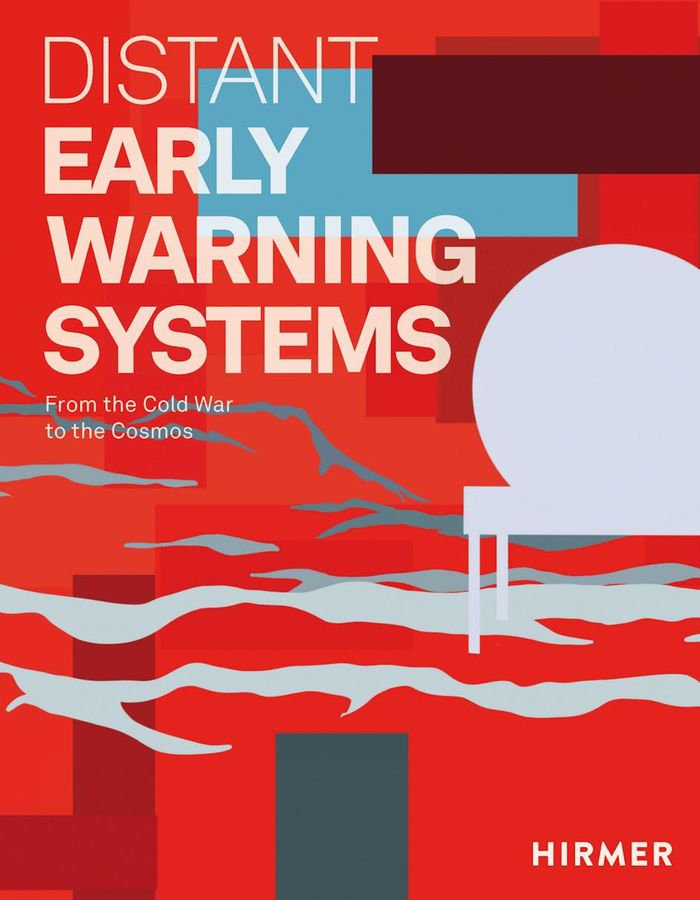
The Distant Early Warning Line, also known as the DEW Line, was a system of radar stations in the northern Arctic region of Canada, with additional stations along the north coast and Aleutian Islands of Alaska and the Faroe Islands, Greenland, and Iceland. It intended to detect incoming bombers of the Soviet Union during the Cold War and provide early warning of any sea and land invasion. Today, the Arctic is seen as a place primed for data storage and vaults––doomsday structures with a utilitarian vernacular of architecture, protecting the "knowledge" of places further south rather than recognizing the local presence and expertise of place and Indigenous lifeways and Indigenous science. This book looks at the role of artists as early warning systems and explores the ways we connect and disconnect place and people through technology and the ideas of boundaries.
Early warning systems: Art, the DEW line, and an arctic on the front lines
Actions:
Price:
$88.00
(available to order)
Summary:
The Distant Early Warning Line, also known as the DEW Line, was a system of radar stations in the northern Arctic region of Canada, with additional stations along the north coast and Aleutian Islands of Alaska and the Faroe Islands, Greenland, and Iceland. It intended to detect incoming bombers of the Soviet Union during the Cold War and provide early warning of any sea and land invasion. Today, the Arctic is seen as a place primed for data storage and vaults––doomsday structures with a utilitarian vernacular of architecture, protecting the "knowledge" of places further south rather than recognizing the local presence and expertise of place and Indigenous lifeways and Indigenous science. This book looks at the role of artists as early warning systems and explores the ways we connect and disconnect place and people through technology and the ideas of boundaries.
Form:
books
books
Publication:
April 2025
April 2025
Subject:
Art Theory
Art Theory
Form:
books
books
Price:
$73.95
(available to order)
Summary:
Through a lively poststructuralist and postcolonial framework, this book explores issues of preservation, identity, meaning, and change, comparing how the Chandigarh we see today compares to the original plans and drawings. But this book also asks whether Chandigarh’s aesthetics, as well as the ethical tenets on which it was based, are still relevant to urban planning and(...)
$73.95
(available to order)
Summary:
Through a lively poststructuralist and postcolonial framework, this book explores issues of preservation, identity, meaning, and change, comparing how the Chandigarh we see today compares to the original plans and drawings. But this book also asks whether Chandigarh’s aesthetics, as well as the ethical tenets on which it was based, are still relevant to urban planning and(...)
Title:
Le Corbusier's Chandigarh Revisited: Preservation as future modernism
Actions:
Price:
$73.95
(available to order)
Summary:
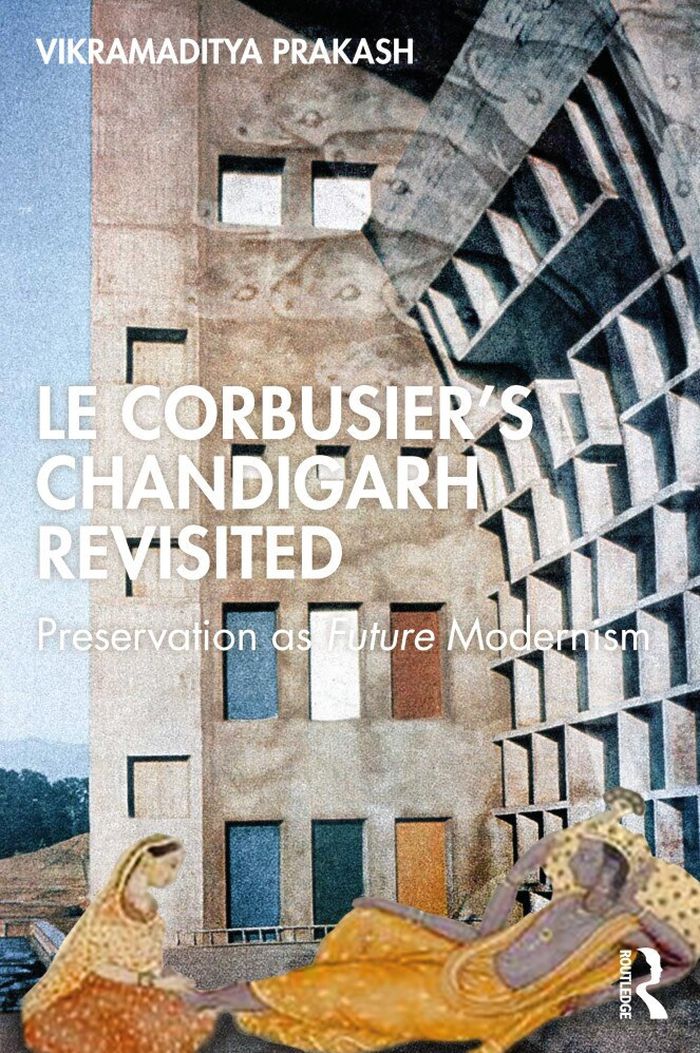
Through a lively poststructuralist and postcolonial framework, this book explores issues of preservation, identity, meaning, and change, comparing how the Chandigarh we see today compares to the original plans and drawings. But this book also asks whether Chandigarh’s aesthetics, as well as the ethical tenets on which it was based, are still relevant to urban planning and architecture today. What lessons, if any, does the utopian ethos within modernism offer in the face of the climate crisis, rising authoritarianism, and the digital explosion? Via chapters focused on the hydrologics of the master plan, the symbolism of the Capitol buildings, and the archeology of the unbuilt Museum of Knowledge, this book makes the future-preservation case for Chandigarh as an ‘open’ work, a project that was set up by design to be ‘completed’ by others in times yet to come.
Le Corbusier's Chandigarh Revisited: Preservation as future modernism
Actions:
Price:
$73.95
(available to order)
Summary:
Through a lively poststructuralist and postcolonial framework, this book explores issues of preservation, identity, meaning, and change, comparing how the Chandigarh we see today compares to the original plans and drawings. But this book also asks whether Chandigarh’s aesthetics, as well as the ethical tenets on which it was based, are still relevant to urban planning and architecture today. What lessons, if any, does the utopian ethos within modernism offer in the face of the climate crisis, rising authoritarianism, and the digital explosion? Via chapters focused on the hydrologics of the master plan, the symbolism of the Capitol buildings, and the archeology of the unbuilt Museum of Knowledge, this book makes the future-preservation case for Chandigarh as an ‘open’ work, a project that was set up by design to be ‘completed’ by others in times yet to come.
Form:
books
books
Publication:
September 2023
September 2023
Subject:
Architecture Monographs
Architecture Monographs
Form:
books
books
Actions:
Price:
$26.00
(available to order)
Summary:
As relevant as when it was first published in 1968, groundbreaking director and cofounder of the Royal Shakespeare Company Peter Brook draws on a life in love with the stage to explore the issues facing a theatrical performance—of any scale. He describes important developments in theatre from the last century, as well as smaller scale events, from productions by(...)
$26.00
(available to order)
Summary:
As relevant as when it was first published in 1968, groundbreaking director and cofounder of the Royal Shakespeare Company Peter Brook draws on a life in love with the stage to explore the issues facing a theatrical performance—of any scale. He describes important developments in theatre from the last century, as well as smaller scale events, from productions by(...)
Title:
The Empty Space: A Book about the Theatre
Actions:
Price:
$26.00
(available to order)
Summary:
As relevant as when it was first published in 1968, groundbreaking director and cofounder of the Royal Shakespeare Company Peter Brook draws on a life in love with the stage to explore the issues facing a theatrical performance—of any scale. He describes important developments in theatre from the last century, as well as smaller scale events, from productions by Stanislavsky to the rise of Method Acting, from Brecht’s revolutionary alienation technique to the free form happenings of the 1960s, and from the different styles of such great Shakespearean actors as John Gielgud and Paul Scofield to a joyous impromptu performance in the burnt-out shell of the Hamburg Opera just after the war. Passionate, unconventional, and fascinating, this book shows how theatre defies rules, builds and shatters illusions, and creates lasting memories for its audiences.
The Empty Space: A Book about the Theatre
Actions:
Price:
$26.00
(available to order)
Summary:
As relevant as when it was first published in 1968, groundbreaking director and cofounder of the Royal Shakespeare Company Peter Brook draws on a life in love with the stage to explore the issues facing a theatrical performance—of any scale. He describes important developments in theatre from the last century, as well as smaller scale events, from productions by Stanislavsky to the rise of Method Acting, from Brecht’s revolutionary alienation technique to the free form happenings of the 1960s, and from the different styles of such great Shakespearean actors as John Gielgud and Paul Scofield to a joyous impromptu performance in the burnt-out shell of the Hamburg Opera just after the war. Passionate, unconventional, and fascinating, this book shows how theatre defies rules, builds and shatters illusions, and creates lasting memories for its audiences.
Form:
books
books
Publication:
December 1995
December 1995
Subject:
Current Exhibitions
Current Exhibitions
Form:
books
books
Actions:
Price:
$52.00
(available to order)
Summary:
Olafur Eliasson, one of today's most acclaimed contemporary artists, and David Adjaye, a rising architecture star, have engaged in a unique collaboration. Eliasson's light installation "Your Black Horizon," which debuted at the 2005 Venice Biennale, was conceived from the start as a hybridization of both of their practices. The piece consists of a light, representing a(...)
$52.00
(available to order)
Summary:
Olafur Eliasson, one of today's most acclaimed contemporary artists, and David Adjaye, a rising architecture star, have engaged in a unique collaboration. Eliasson's light installation "Your Black Horizon," which debuted at the 2005 Venice Biennale, was conceived from the start as a hybridization of both of their practices. The piece consists of a light, representing a(...)
Subject:
Architecture Monographs
Architecture Monographs
Publication:
October 2007, Cologne
October 2007, Cologne
Title:
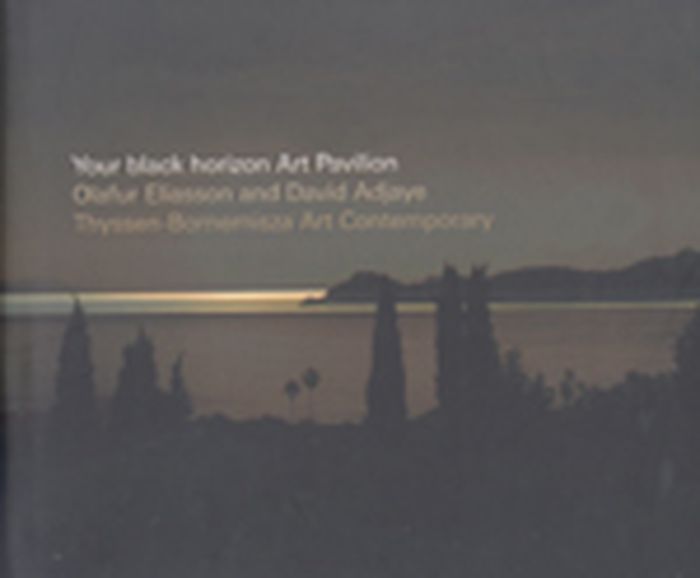
Your black horizon art pavilion : Olafur Eliasson and David Adjaye: Thyssen-Bornemisza art contemporary
Actions:
Price:
$52.00
(available to order)
Summary:
Olafur Eliasson, one of today's most acclaimed contemporary artists, and David Adjaye, a rising architecture star, have engaged in a unique collaboration. Eliasson's light installation "Your Black Horizon," which debuted at the 2005 Venice Biennale, was conceived from the start as a hybridization of both of their practices. The piece consists of a light, representing a horizon line that emanates through a narrow gap in an architectural structure. This is the only light source, and it runs around the entire dark gallery space, without any visual obstruction. The optical illusion that is achieved is that of a reversed horizon line. This publication is presented in conjunction with the installation of this project in Croatia. Critic and curator Daniel Birnbaum, writer Eva Ebersberger and curator Daniela Zyman contribute in-depth essays, which are accompanied by large-scale spreads of the project.
Your black horizon art pavilion : Olafur Eliasson and David Adjaye: Thyssen-Bornemisza art contemporary
Actions:
Price:
$52.00
(available to order)
Summary:
Olafur Eliasson, one of today's most acclaimed contemporary artists, and David Adjaye, a rising architecture star, have engaged in a unique collaboration. Eliasson's light installation "Your Black Horizon," which debuted at the 2005 Venice Biennale, was conceived from the start as a hybridization of both of their practices. The piece consists of a light, representing a horizon line that emanates through a narrow gap in an architectural structure. This is the only light source, and it runs around the entire dark gallery space, without any visual obstruction. The optical illusion that is achieved is that of a reversed horizon line. This publication is presented in conjunction with the installation of this project in Croatia. Critic and curator Daniel Birnbaum, writer Eva Ebersberger and curator Daniela Zyman contribute in-depth essays, which are accompanied by large-scale spreads of the project.
Form:
books
books
Publication:
October 2007, Cologne
October 2007, Cologne
Subject:
Architecture Monographs
Architecture Monographs


