


2092 Results
Form:
books
books
Actions:
Price:
$29.95
(available to order)
Summary:
"At the edge" is a rich and evocative call to action at a time when new ideas are urgently needed. Mandatory reading for policy analysts and decision makers in the public, private, and volunteer sectors, it will be equally useful to scholars, teachers, students, and others interested in creating sustainable societies. Throughout the world, biophysical evidence is mounting(...)
$29.95
(available to order)
Summary:
"At the edge" is a rich and evocative call to action at a time when new ideas are urgently needed. Mandatory reading for policy analysts and decision makers in the public, private, and volunteer sectors, it will be equally useful to scholars, teachers, students, and others interested in creating sustainable societies. Throughout the world, biophysical evidence is mounting(...)
Title:
At the edge : sustainable development in the 21st century
Actions:
Price:
$29.95
(available to order)
Summary:
"At the edge" is a rich and evocative call to action at a time when new ideas are urgently needed. Mandatory reading for policy analysts and decision makers in the public, private, and volunteer sectors, it will be equally useful to scholars, teachers, students, and others interested in creating sustainable societies. Throughout the world, biophysical evidence is mounting that human growth and activity patterns are slowly destroying the earth. This ecological deterioration is accompanied by similar social and economic decline, with potentially grave consequences for the continued existence of human societies. Yet, as Ann Dale compassionately argues, it is not too late to take action. Hope lies in sustainable development - the fundamental human imperative of the 21st century. Sustainable development, in Dale's view, is the process of reconciling three imperatives: the ecological, the social, and the economic. Equitable access to resources in all three spheres is fundamental to the global realization of sustainable development. This will not be realized without strong leadership by governments at all levels. Ultimately needed is a new framework for governance based on human responsibility and a recognition of the interconnectedness of human and natural systems.
At the edge : sustainable development in the 21st century
Actions:
Price:
$29.95
(available to order)
Summary:
"At the edge" is a rich and evocative call to action at a time when new ideas are urgently needed. Mandatory reading for policy analysts and decision makers in the public, private, and volunteer sectors, it will be equally useful to scholars, teachers, students, and others interested in creating sustainable societies. Throughout the world, biophysical evidence is mounting that human growth and activity patterns are slowly destroying the earth. This ecological deterioration is accompanied by similar social and economic decline, with potentially grave consequences for the continued existence of human societies. Yet, as Ann Dale compassionately argues, it is not too late to take action. Hope lies in sustainable development - the fundamental human imperative of the 21st century. Sustainable development, in Dale's view, is the process of reconciling three imperatives: the ecological, the social, and the economic. Equitable access to resources in all three spheres is fundamental to the global realization of sustainable development. This will not be realized without strong leadership by governments at all levels. Ultimately needed is a new framework for governance based on human responsibility and a recognition of the interconnectedness of human and natural systems.
Form:
books
books
Publication:
January 2001, Vancouver
January 2001, Vancouver
Subject:
Green Architecture
Green Architecture
Form:
books
books
Actions:
Price:
$45.95
(available to order)
Summary:
While lying on the beach in Nice one day, eighteen-year-old Yves Klein and his friends decided to divide the world up among themselves. Klein (1928-1962) chose the air, the cloudless sky. He remained fascinated with the element and its immaterial quality throughout his life. In the late fifties, he and the German architect Werner Ruhnau developed plans for an(...)
$45.95
(available to order)
Summary:
While lying on the beach in Nice one day, eighteen-year-old Yves Klein and his friends decided to divide the world up among themselves. Klein (1928-1962) chose the air, the cloudless sky. He remained fascinated with the element and its immaterial quality throughout his life. In the late fifties, he and the German architect Werner Ruhnau developed plans for an(...)
Subject:
Contemporary Art Monographs
Contemporary Art Monographs
Publication:
July 2004, Ostfildern
July 2004, Ostfildern
Title:
Air architecture : Yves Klein
Actions:
Price:
$45.95
(available to order)
Summary:
While lying on the beach in Nice one day, eighteen-year-old Yves Klein and his friends decided to divide the world up among themselves. Klein (1928-1962) chose the air, the cloudless sky. He remained fascinated with the element and its immaterial quality throughout his life. In the late fifties, he and the German architect Werner Ruhnau developed plans for an "architecture of air" composed of walls and roofs of air-as represented, for example, in the idea of the "Temple of the Elements" with fountains of water and fire and a café protected against the rain only by air currents. Klein associated this idea with a philosophy of optimism devoted to the creation of a paradise on earth, a Garden of Eden in which human beings would be free to pursue their own interests. The publication is the first book devoted exclusively to this aspect of Yves Klein's art. It includes reproductions of drawings and other works as well as essays and lectures on the subject. Additional articles by other authors emphasize the significance of Klein's work to the theme of the immaterial.
Air architecture : Yves Klein
Actions:
Price:
$45.95
(available to order)
Summary:
While lying on the beach in Nice one day, eighteen-year-old Yves Klein and his friends decided to divide the world up among themselves. Klein (1928-1962) chose the air, the cloudless sky. He remained fascinated with the element and its immaterial quality throughout his life. In the late fifties, he and the German architect Werner Ruhnau developed plans for an "architecture of air" composed of walls and roofs of air-as represented, for example, in the idea of the "Temple of the Elements" with fountains of water and fire and a café protected against the rain only by air currents. Klein associated this idea with a philosophy of optimism devoted to the creation of a paradise on earth, a Garden of Eden in which human beings would be free to pursue their own interests. The publication is the first book devoted exclusively to this aspect of Yves Klein's art. It includes reproductions of drawings and other works as well as essays and lectures on the subject. Additional articles by other authors emphasize the significance of Klein's work to the theme of the immaterial.
Form:
books
books
Publication:
July 2004, Ostfildern
July 2004, Ostfildern
Subject:
Contemporary Art Monographs
Contemporary Art Monographs
Form:
books
books
Actions:
Price:
$41.95
(available to order)
Summary:
Did the Romans have rakes? Did the monks get muddy? Did the potato seem really, really weird when it arrived on our shores? This lively 'potted' history of gardening in Britain takes us on a garden tour from the thorn hedges around prehistoric settlements to the rage for decking and ornamental grasses today. It tracks down the ordinary folk who worked the earth - the(...)
$41.95
(available to order)
Summary:
Did the Romans have rakes? Did the monks get muddy? Did the potato seem really, really weird when it arrived on our shores? This lively 'potted' history of gardening in Britain takes us on a garden tour from the thorn hedges around prehistoric settlements to the rage for decking and ornamental grasses today. It tracks down the ordinary folk who worked the earth - the(...)
Title:
A little history of British gardening
Actions:
Price:
$41.95
(available to order)
Summary:
Did the Romans have rakes? Did the monks get muddy? Did the potato seem really, really weird when it arrived on our shores? This lively 'potted' history of gardening in Britain takes us on a garden tour from the thorn hedges around prehistoric settlements to the rage for decking and ornamental grasses today. It tracks down the ordinary folk who worked the earth - the apprentice boys and weeding women, the florists and nursery gardeners - as well as aristocrats and grand designers and famous plant-hunters. Coloured by Jenny Uglow's own love for plants, and brought to life in the many vivid illustrations, it deals not only with flowery-meads, grottoes and vistas, landscapes and ha-has, parks and allotments, but tells you, for example, how the Tudors made their curious knots; how housewives used herbs to stop freckles; how the suburbs dug for victory in World War II. With a brief guide to particular historic or evocative gardens open to the public, this is a book to put in your pocket when planning a summer day out - but also to read in your deckchair with a glass of cold wine, when dead-heading is simply too much.
A little history of British gardening
Actions:
Price:
$41.95
(available to order)
Summary:
Did the Romans have rakes? Did the monks get muddy? Did the potato seem really, really weird when it arrived on our shores? This lively 'potted' history of gardening in Britain takes us on a garden tour from the thorn hedges around prehistoric settlements to the rage for decking and ornamental grasses today. It tracks down the ordinary folk who worked the earth - the apprentice boys and weeding women, the florists and nursery gardeners - as well as aristocrats and grand designers and famous plant-hunters. Coloured by Jenny Uglow's own love for plants, and brought to life in the many vivid illustrations, it deals not only with flowery-meads, grottoes and vistas, landscapes and ha-has, parks and allotments, but tells you, for example, how the Tudors made their curious knots; how housewives used herbs to stop freckles; how the suburbs dug for victory in World War II. With a brief guide to particular historic or evocative gardens open to the public, this is a book to put in your pocket when planning a summer day out - but also to read in your deckchair with a glass of cold wine, when dead-heading is simply too much.
Form:
books
books
Publication:
July 2004, London
July 2004, London
Subject:
Gardens
Gardens
Form:
books
books
Price:
$36.50
(available to order)
Summary:
Vera Röhm’s name comes up in discussions of contemporary constructive art as an unorthodox example of the sculptural approach. Since the beginning of her artistic career she has been concerned with a repertoire of elementary geometric shapes. Her approach plays upon different kinds of distortion: incisions, cross-sections, mutilation and restoration/reconstruction; which(...)
$36.50
(available to order)
Summary:
Vera Röhm’s name comes up in discussions of contemporary constructive art as an unorthodox example of the sculptural approach. Since the beginning of her artistic career she has been concerned with a repertoire of elementary geometric shapes. Her approach plays upon different kinds of distortion: incisions, cross-sections, mutilation and restoration/reconstruction; which(...)
Subject:
Contemporary Art Monographs
Contemporary Art Monographs
Publication:
April 2006, London
April 2006, London
Title:
Vera Röhm
Actions:
Price:
$36.50
(available to order)
Summary:
Vera Röhm’s name comes up in discussions of contemporary constructive art as an unorthodox example of the sculptural approach. Since the beginning of her artistic career she has been concerned with a repertoire of elementary geometric shapes. Her approach plays upon different kinds of distortion: incisions, cross-sections, mutilation and restoration/reconstruction; which bring about an increased richness of form and complexity, and challenge the viewer’s imagination. Metamorphosis of materials in "Integrations", multiplication of shapes in "Shadow Objects", not to forget her photographs of the Jaipur Observatory – all of these offer unexpected angles on the real world. When her works include written words – as is the case with her cube-series bearing the inscription "Night Is The Shadow of The Earth" – this can be associated with Concrete Poetry. Her work in general also falls within the tradition of Constructivism, although there is an almost temperamental inclination to geometrical form, which is always manifest in the rich variations of shape that inform her sculptures. This first comprehensive presentation of the artist’s work in the English language is accompanied by essays by the poet and critic Eugen Gomringer and the art historian Stephen Bann.
Vera Röhm
Actions:
Price:
$36.50
(available to order)
Summary:
Vera Röhm’s name comes up in discussions of contemporary constructive art as an unorthodox example of the sculptural approach. Since the beginning of her artistic career she has been concerned with a repertoire of elementary geometric shapes. Her approach plays upon different kinds of distortion: incisions, cross-sections, mutilation and restoration/reconstruction; which bring about an increased richness of form and complexity, and challenge the viewer’s imagination. Metamorphosis of materials in "Integrations", multiplication of shapes in "Shadow Objects", not to forget her photographs of the Jaipur Observatory – all of these offer unexpected angles on the real world. When her works include written words – as is the case with her cube-series bearing the inscription "Night Is The Shadow of The Earth" – this can be associated with Concrete Poetry. Her work in general also falls within the tradition of Constructivism, although there is an almost temperamental inclination to geometrical form, which is always manifest in the rich variations of shape that inform her sculptures. This first comprehensive presentation of the artist’s work in the English language is accompanied by essays by the poet and critic Eugen Gomringer and the art historian Stephen Bann.
Form:
books
books
Publication:
April 2006, London
April 2006, London
Subject:
Contemporary Art Monographs
Contemporary Art Monographs
Form:
books
books
Actions:
Price:
$88.00
(available in store)
Summary:
A retrospective of Edward Burtynsky's (born 1955) photography from the past 40 years, The Great Acceleration reveals the depth of the photographer's investigation into the human alteration of natural landscapes around the world, showing their present fragility and enduring beauty in equal measure. "The Great Acceleration" is an established term used to describe the rapid(...)
$88.00
(available in store)
Summary:
A retrospective of Edward Burtynsky's (born 1955) photography from the past 40 years, The Great Acceleration reveals the depth of the photographer's investigation into the human alteration of natural landscapes around the world, showing their present fragility and enduring beauty in equal measure. "The Great Acceleration" is an established term used to describe the rapid(...)
Title:
Edward Burtynsky: The great acceleration
Actions:
Price:
$88.00
(available in store)
Summary:
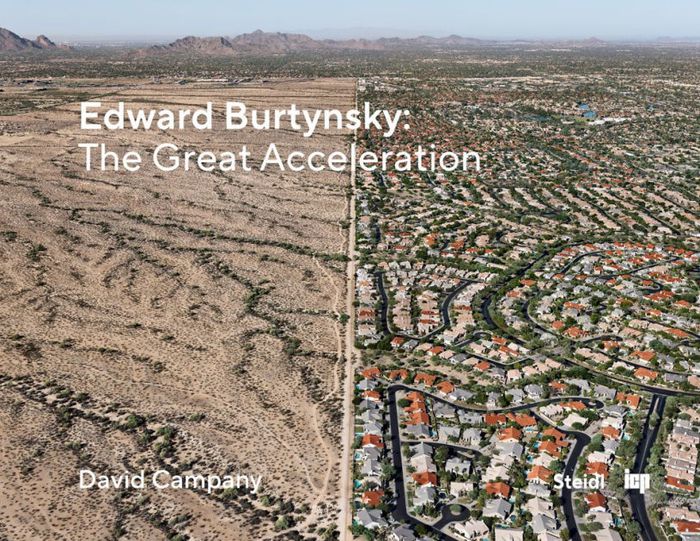
A retrospective of Edward Burtynsky's (born 1955) photography from the past 40 years, The Great Acceleration reveals the depth of the photographer's investigation into the human alteration of natural landscapes around the world, showing their present fragility and enduring beauty in equal measure. "The Great Acceleration" is an established term used to describe the rapid rise of human impact on our planet, among them population growth, water usage, transportation, greenhouse gas emissions, resource extraction and food production, each of which Burtynsky has photographed the signs of in great detail throughout his career. From open pit mines across North America to oil derricks in Azerbaijan, from rice terraces in China to oil bunkering in Nigeria, Burtynsky has traveled the world and back again as part of his restless and seemingly inexhaustible drive to discover the ways, both old and new, that organized human activity has transformed the earth. Including many of Burtynsky's landmark images, and which have never been published, the book is an urgent call to action, inviting us to appreciate the sublimity that remains in nature while deepening our understanding of the challenges and responsibilities confronting us today.
Edward Burtynsky: The great acceleration
Actions:
Price:
$88.00
(available in store)
Summary:
A retrospective of Edward Burtynsky's (born 1955) photography from the past 40 years, The Great Acceleration reveals the depth of the photographer's investigation into the human alteration of natural landscapes around the world, showing their present fragility and enduring beauty in equal measure. "The Great Acceleration" is an established term used to describe the rapid rise of human impact on our planet, among them population growth, water usage, transportation, greenhouse gas emissions, resource extraction and food production, each of which Burtynsky has photographed the signs of in great detail throughout his career. From open pit mines across North America to oil derricks in Azerbaijan, from rice terraces in China to oil bunkering in Nigeria, Burtynsky has traveled the world and back again as part of his restless and seemingly inexhaustible drive to discover the ways, both old and new, that organized human activity has transformed the earth. Including many of Burtynsky's landmark images, and which have never been published, the book is an urgent call to action, inviting us to appreciate the sublimity that remains in nature while deepening our understanding of the challenges and responsibilities confronting us today.
Form:
books
books
Publication:
December 2025
December 2025
Subject:
Photography monographs
Photography monographs
Form:
books
books
Actions:
Price:
$57.95
(available to order)
Summary:
Architecture and environmental design are among the last professional fields to develop a sustained and nuanced discussion concerning ethics. Hemmed in by politics and powerful clients on one side and the often unscrupulous practices of the construction industry on the other, environmental designers have been traditionally reluctant to address ethical issues head on. And(...)
$57.95
(available to order)
Summary:
Architecture and environmental design are among the last professional fields to develop a sustained and nuanced discussion concerning ethics. Hemmed in by politics and powerful clients on one side and the often unscrupulous practices of the construction industry on the other, environmental designers have been traditionally reluctant to address ethical issues head on. And(...)
Subject:
Architectural Theory
Architectural Theory
Publication:
September 2007, Hanover and London
September 2007, Hanover and London
Title:
Architecture, ethics, and the personhood of place
Actions:
Price:
$57.95
(available to order)
Summary:
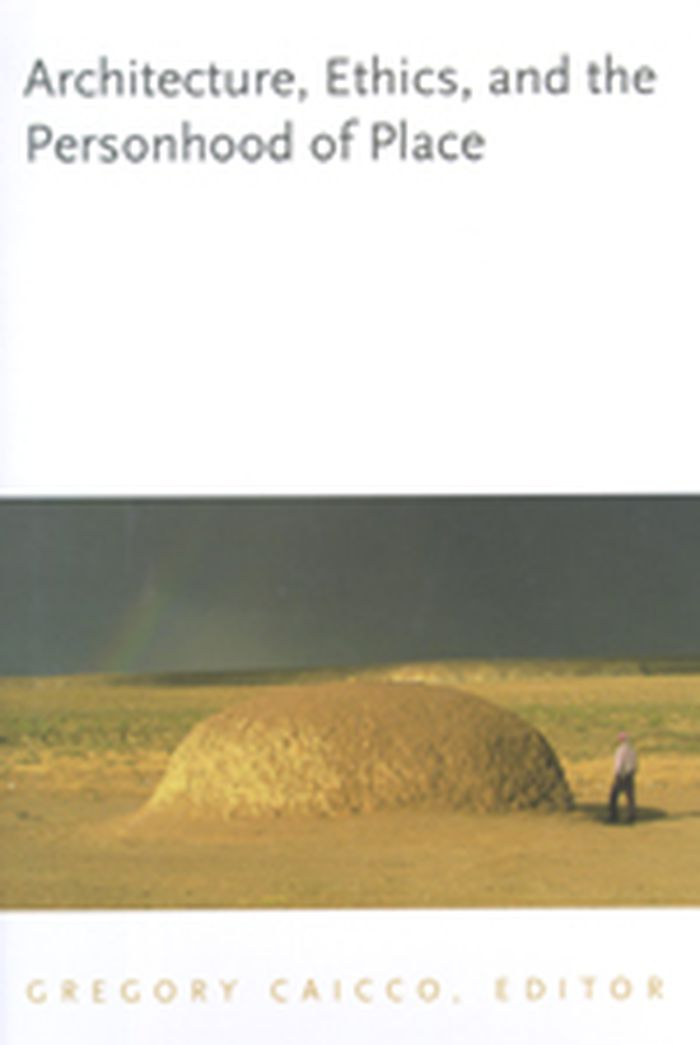
Architecture and environmental design are among the last professional fields to develop a sustained and nuanced discussion concerning ethics. Hemmed in by politics and powerful clients on one side and the often unscrupulous practices of the construction industry on the other, environmental designers have been traditionally reluctant to address ethical issues head on. And yet the rapid urbanization of the world's population continues to swell into new megacities, each less healthy, welcoming, secure, or environmentally sustainable than the next. Green, carbon-reduced, and sustainable building practices are important ways architects have recently responded to the symptoms of the crisis, but are these efforts really addressing the core issues? Taking the Din� (Navajo) "Hogan Song"�a song used to protect and nourish the personhood of newly constructed dwellings�as their inspiration, the architects, philosophers, poets, and other contemporary scholars contributing to this volume demonstrate that a deeper, more radical change in our relationship to the built world needs to occur. While offering a careful critique of modernist, corporate, or techno-enthralled design practices, these essays investigate an alternative "relational ecology" whose wisdom draws from ancient and often-marginalized voices, if not the whisperings of the earth itself.
Architecture, ethics, and the personhood of place
Actions:
Price:
$57.95
(available to order)
Summary:
Architecture and environmental design are among the last professional fields to develop a sustained and nuanced discussion concerning ethics. Hemmed in by politics and powerful clients on one side and the often unscrupulous practices of the construction industry on the other, environmental designers have been traditionally reluctant to address ethical issues head on. And yet the rapid urbanization of the world's population continues to swell into new megacities, each less healthy, welcoming, secure, or environmentally sustainable than the next. Green, carbon-reduced, and sustainable building practices are important ways architects have recently responded to the symptoms of the crisis, but are these efforts really addressing the core issues? Taking the Din� (Navajo) "Hogan Song"�a song used to protect and nourish the personhood of newly constructed dwellings�as their inspiration, the architects, philosophers, poets, and other contemporary scholars contributing to this volume demonstrate that a deeper, more radical change in our relationship to the built world needs to occur. While offering a careful critique of modernist, corporate, or techno-enthralled design practices, these essays investigate an alternative "relational ecology" whose wisdom draws from ancient and often-marginalized voices, if not the whisperings of the earth itself.
Form:
books
books
Publication:
September 2007, Hanover and London
September 2007, Hanover and London
Subject:
Architectural Theory
Architectural Theory
Form:
books
books
Actions:
Price:
$25.00
(available to order)
Summary:
Cornelia Hahn Oberlander (1921-2021) ws among the most eminent landscape architects in the world, known for many projects in Canada and abroad. ''Genius Loci,'' meaning the protective spirit of a place, is embodied in the seven decade span of her work. Her landscape designs demonstrate her desire to create terrains that are less an interruption and more an amplification(...)
$25.00
(available to order)
Summary:
Cornelia Hahn Oberlander (1921-2021) ws among the most eminent landscape architects in the world, known for many projects in Canada and abroad. ''Genius Loci,'' meaning the protective spirit of a place, is embodied in the seven decade span of her work. Her landscape designs demonstrate her desire to create terrains that are less an interruption and more an amplification(...)
Title:
MODIFIE Cooking sections: Salmon A Red Herring
Actions:
Price:
$25.00
(available to order)
Summary:
Cornelia Hahn Oberlander (1921-2021) ws among the most eminent landscape architects in the world, known for many projects in Canada and abroad. ''Genius Loci,'' meaning the protective spirit of a place, is embodied in the seven decade span of her work. Her landscape designs demonstrate her desire to create terrains that are less an interruption and more an amplification of what already exists on a site. Her training in modernist design and a desire to connect people with nature is immediately apparent in her landscapes. At a time when our relationship to the earth is of paramount importance, Oberlander’s projects reveal consistent and significant stewardship of the natural environment. Many of her designs—even those from 50 years ago—remain largely unchanged, testaments to her technical skill, research techniques, and judicious selection of flora. This bilingual book derives from an exhibition at the West Vancouver Art Museum, introduing projects by Oberlander, and presented in four sections devoted to playgrounds, social housing, public projects, and residential projects, showing photography of the places alongside her sketches, plans, and research proposals. The book includes contributions by Oberlander and the exhibition curators, Susan Herrington and Eva Matsuzaki.
MODIFIE Cooking sections: Salmon A Red Herring
Actions:
Price:
$25.00
(available to order)
Summary:
Cornelia Hahn Oberlander (1921-2021) ws among the most eminent landscape architects in the world, known for many projects in Canada and abroad. ''Genius Loci,'' meaning the protective spirit of a place, is embodied in the seven decade span of her work. Her landscape designs demonstrate her desire to create terrains that are less an interruption and more an amplification of what already exists on a site. Her training in modernist design and a desire to connect people with nature is immediately apparent in her landscapes. At a time when our relationship to the earth is of paramount importance, Oberlander’s projects reveal consistent and significant stewardship of the natural environment. Many of her designs—even those from 50 years ago—remain largely unchanged, testaments to her technical skill, research techniques, and judicious selection of flora. This bilingual book derives from an exhibition at the West Vancouver Art Museum, introduing projects by Oberlander, and presented in four sections devoted to playgrounds, social housing, public projects, and residential projects, showing photography of the places alongside her sketches, plans, and research proposals. The book includes contributions by Oberlander and the exhibition curators, Susan Herrington and Eva Matsuzaki.
Form:
books
books
Publication:
January 2021
January 2021
Subject:
Landscape Architecture, Monographs
Landscape Architecture, Monographs
Form:
books
books
Actions:
Price:
$66.00
(available to order)
Summary:
Natural, renewable, reusable, and aesthetically pleasing, wood is the consummate building material. Thanks to incredible advances in both application and sustainability, it is being used across the world to create new and surprising styles. This global survey features exquisite photography that captures a wide range of twenty-first century construction in residential,(...)
$66.00
(available to order)
Summary:
Natural, renewable, reusable, and aesthetically pleasing, wood is the consummate building material. Thanks to incredible advances in both application and sustainability, it is being used across the world to create new and surprising styles. This global survey features exquisite photography that captures a wide range of twenty-first century construction in residential,(...)
Title:
Building with wood: the new timber architecture
Actions:
Price:
$66.00
(available to order)
Summary:
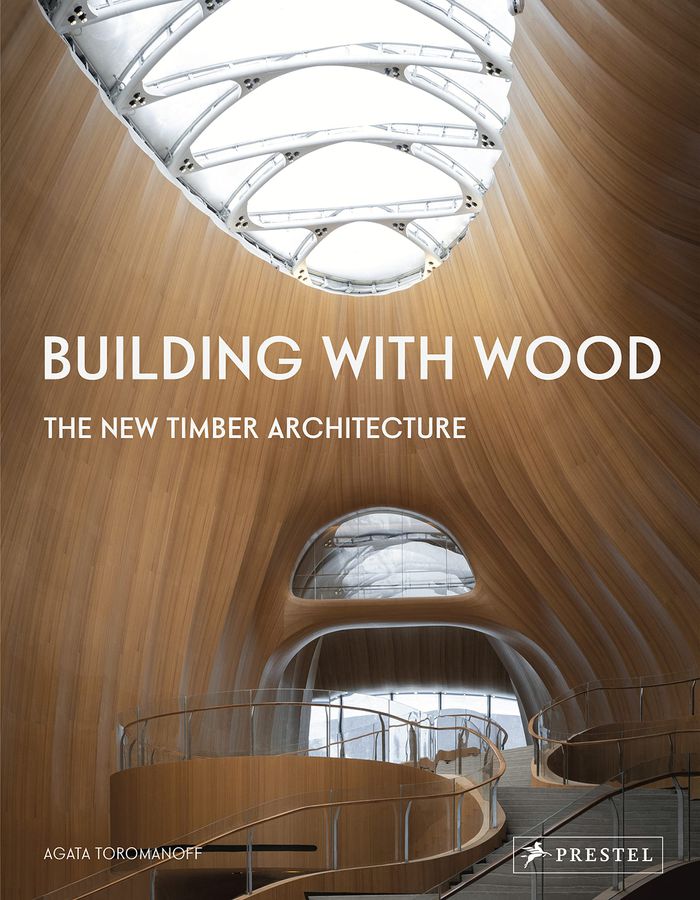
Natural, renewable, reusable, and aesthetically pleasing, wood is the consummate building material. Thanks to incredible advances in both application and sustainability, it is being used across the world to create new and surprising styles. This global survey features exquisite photography that captures a wide range of twenty-first century construction in residential, public, cultural, educational, commercial, and entertainment-related spaces. From the Mount Fuji World Heritage Center in Shizuoka, Japan and the Eystur Town Hall in the Faroe Islands to the College of Forestry at Oregon State University, each building is featured in double-page spreads with colour photographs that allow readers to appreciate timber’s intrinsic qualities against a variety of backgrounds, scales, and typologies. Plans and building specifications are accompanied by the latest developments in research and design. Eco-friendly and robust, timber’s applications are almost unlimited, extending to the tallest skyscrapers, and to every livable corner of our planet. This volume offers encouraging proof that architects around the world are responding to the climate crisis in ways that not only preserve the earth, but also provide pleasing environments in which to live, work, and play.
Building with wood: the new timber architecture
Actions:
Price:
$66.00
(available to order)
Summary:
Natural, renewable, reusable, and aesthetically pleasing, wood is the consummate building material. Thanks to incredible advances in both application and sustainability, it is being used across the world to create new and surprising styles. This global survey features exquisite photography that captures a wide range of twenty-first century construction in residential, public, cultural, educational, commercial, and entertainment-related spaces. From the Mount Fuji World Heritage Center in Shizuoka, Japan and the Eystur Town Hall in the Faroe Islands to the College of Forestry at Oregon State University, each building is featured in double-page spreads with colour photographs that allow readers to appreciate timber’s intrinsic qualities against a variety of backgrounds, scales, and typologies. Plans and building specifications are accompanied by the latest developments in research and design. Eco-friendly and robust, timber’s applications are almost unlimited, extending to the tallest skyscrapers, and to every livable corner of our planet. This volume offers encouraging proof that architects around the world are responding to the climate crisis in ways that not only preserve the earth, but also provide pleasing environments in which to live, work, and play.
Form:
books
books
Publication:
July 2023
July 2023
Subject:
Timber Construction
Timber Construction
Form:
books
books
Actions:
Price:
$225.00
(available to order)
Summary:
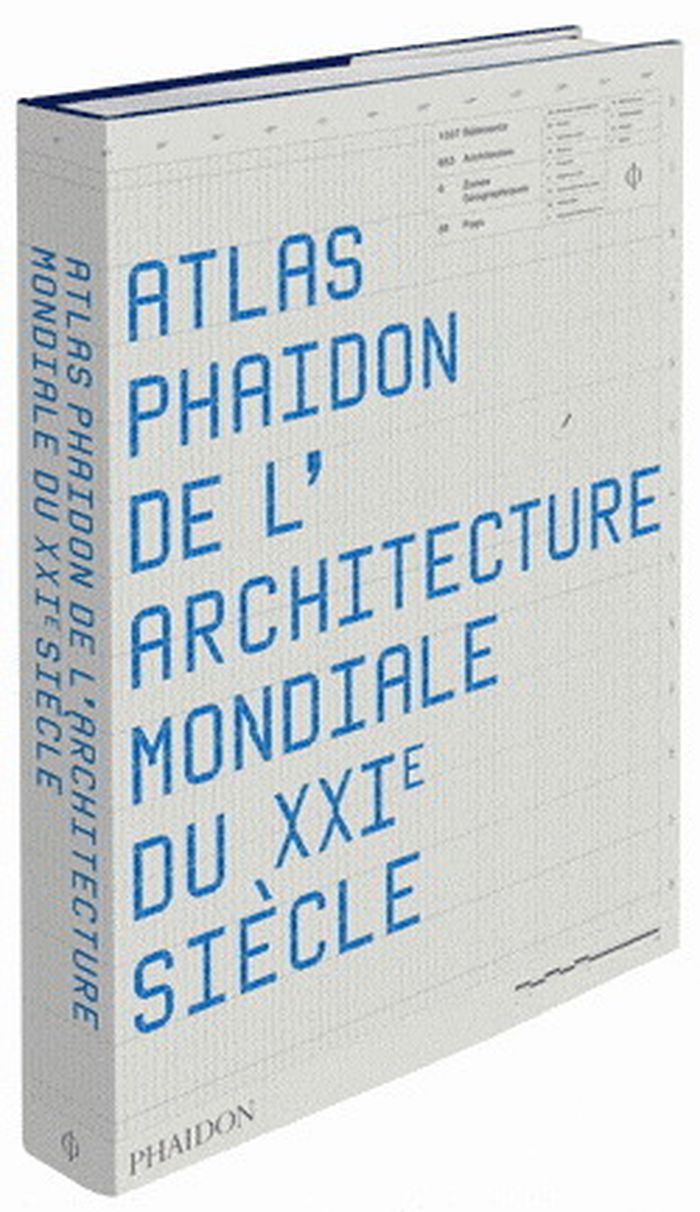
L'Atlas Phaidon de l architecture contemporaine mondiale, publié en 2004, fut un fantastique succès. Cinq ans après sa publication, cette toute nouvelle édition, l'Atlas Phaidon de l'architecture mondiale du XXIe siècle, réunit dans un seul et même volume 1037 ouvrages architecturaux remarquables construits depuis 2000 à travers 89 pays dans le monde par 653 architectes(...)
$225.00
(available to order)
Summary:
L'Atlas Phaidon de l architecture contemporaine mondiale, publié en 2004, fut un fantastique succès. Cinq ans après sa publication, cette toute nouvelle édition, l'Atlas Phaidon de l'architecture mondiale du XXIe siècle, réunit dans un seul et même volume 1037 ouvrages architecturaux remarquables construits depuis 2000 à travers 89 pays dans le monde par 653 architectes(...)
Title:
Atlas Phaidon de l'architecture mondiale du du XXIe siècle
Actions:
Price:
$225.00
(available to order)
Summary:
L'Atlas Phaidon de l architecture contemporaine mondiale, publié en 2004, fut un fantastique succès. Cinq ans après sa publication, cette toute nouvelle édition, l'Atlas Phaidon de l'architecture mondiale du XXIe siècle, réunit dans un seul et même volume 1037 ouvrages architecturaux remarquables construits depuis 2000 à travers 89 pays dans le monde par 653 architectes et agences d architecture. L'ouvrage présente tous les types de bâtiments possibles, depuis les plus petites maisons individuelles ou l abribus, jusqu aux projets de construction à grande échelle tels que musées, usines ou aéroports, dans le monde entier. Pour chaque projet, l'Atlas présente les données clés : maître d ouvrage, superficie, coût de la construction et, nouveauté par rapport au précédent atlas, les coordonnées précises permettant de localiser le bâtiment via Google Earth ®. Illustré par de nombreux plans, coupés et élévations ainsi que des photographies intérieures et extérieures, chacun des bâtiments est décrit et analysé dans un texte court et clair qui souligne à la fois les singularités du projet et les contraintes auxquelles les plus grands architectes actuels comme ceux de la jeune génération ont trouvé des solutions pertinentes et innovantes.
Atlas Phaidon de l'architecture mondiale du du XXIe siècle
Actions:
Price:
$225.00
(available to order)
Summary:
L'Atlas Phaidon de l architecture contemporaine mondiale, publié en 2004, fut un fantastique succès. Cinq ans après sa publication, cette toute nouvelle édition, l'Atlas Phaidon de l'architecture mondiale du XXIe siècle, réunit dans un seul et même volume 1037 ouvrages architecturaux remarquables construits depuis 2000 à travers 89 pays dans le monde par 653 architectes et agences d architecture. L'ouvrage présente tous les types de bâtiments possibles, depuis les plus petites maisons individuelles ou l abribus, jusqu aux projets de construction à grande échelle tels que musées, usines ou aéroports, dans le monde entier. Pour chaque projet, l'Atlas présente les données clés : maître d ouvrage, superficie, coût de la construction et, nouveauté par rapport au précédent atlas, les coordonnées précises permettant de localiser le bâtiment via Google Earth ®. Illustré par de nombreux plans, coupés et élévations ainsi que des photographies intérieures et extérieures, chacun des bâtiments est décrit et analysé dans un texte court et clair qui souligne à la fois les singularités du projet et les contraintes auxquelles les plus grands architectes actuels comme ceux de la jeune génération ont trouvé des solutions pertinentes et innovantes.
Form:
books
books
Publication:
November 2009
November 2009
Subject:
History since 1900, Reference Books
History since 1900, Reference Books
Form:
books
books
Actions:
Price:
$11.95
(available to order)
Summary:
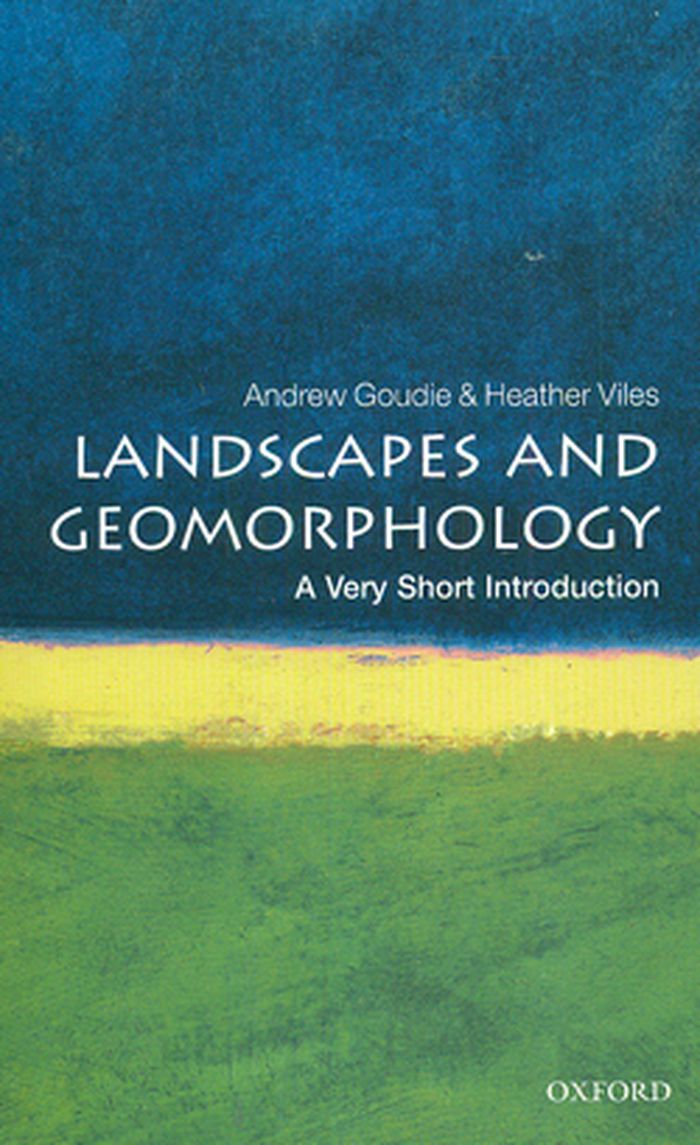
Landscapes are all around us, but most of us know very little about how they have developed, what goes on in them, and how they react to changing climates, tectonics, and human activities. Examining what landscape is, and how we use a range of ideas and techniques to study it, Andrew Goudie and Heather Viles demonstrate how scientists have built on classic(...)
$11.95
(available to order)
Summary:
Landscapes are all around us, but most of us know very little about how they have developed, what goes on in them, and how they react to changing climates, tectonics, and human activities. Examining what landscape is, and how we use a range of ideas and techniques to study it, Andrew Goudie and Heather Viles demonstrate how scientists have built on classic(...)
Title:
Landscape and geomorphology: A very short Introduction
Actions:
Price:
$11.95
(available to order)
Summary:
Landscapes are all around us, but most of us know very little about how they have developed, what goes on in them, and how they react to changing climates, tectonics, and human activities. Examining what landscape is, and how we use a range of ideas and techniques to study it, Andrew Goudie and Heather Viles demonstrate how scientists have built on classic methods--pioneered by the great researchers of the nineteenth century--to shed new light on our planet. Using examples from around the world, including New Zealand, the Tibetan Plateau, and the deserts of the Middle East, they examine some of the key controls on landscape today such as tectonics and climate, as well as humans and the living world. They also discuss some major "landscape detectives" from the past, including Charles Darwin, who did some important, but often overlooked, research on landscape. Concluding with the cultural importance of landscape, and exploring how this has led to the conservation of much "earth heritage," they delve into the future and look at how we can predict the response of landscapes to the projected climate change.
Landscape and geomorphology: A very short Introduction
Actions:
Price:
$11.95
(available to order)
Summary:
Landscapes are all around us, but most of us know very little about how they have developed, what goes on in them, and how they react to changing climates, tectonics, and human activities. Examining what landscape is, and how we use a range of ideas and techniques to study it, Andrew Goudie and Heather Viles demonstrate how scientists have built on classic methods--pioneered by the great researchers of the nineteenth century--to shed new light on our planet. Using examples from around the world, including New Zealand, the Tibetan Plateau, and the deserts of the Middle East, they examine some of the key controls on landscape today such as tectonics and climate, as well as humans and the living world. They also discuss some major "landscape detectives" from the past, including Charles Darwin, who did some important, but often overlooked, research on landscape. Concluding with the cultural importance of landscape, and exploring how this has led to the conservation of much "earth heritage," they delve into the future and look at how we can predict the response of landscapes to the projected climate change.
Form:
books
books
Publication:
September 2010
September 2010
Subject:
Landscape Theory
Landscape Theory


