


2095 Results
Form:
books
books
Title:
Neubauwelt
Neubauwelt
Actions:
Price:
$80.00
(available to order)
Summary:
My house, my pool, my horse, my Learjet, my Mercedes, my wife, my toys, my trees, my garden, my cockroach. Now it's really all yours. Neubau Welt is an extensive encyclopedia of well over a thousand pictograms of everyday objects and obsessions large and small. They were created by designer Stefan Gandl, whose book dsos1 was also published by dgv and has since become a(...)
$80.00
(available to order)
Summary:
My house, my pool, my horse, my Learjet, my Mercedes, my wife, my toys, my trees, my garden, my cockroach. Now it's really all yours. Neubau Welt is an extensive encyclopedia of well over a thousand pictograms of everyday objects and obsessions large and small. They were created by designer Stefan Gandl, whose book dsos1 was also published by dgv and has since become a(...)
Publication:
October 2007, Berlin
October 2007, Berlin
Title:
Neubauwelt
Actions:
Price:
$80.00
(available to order)
Summary:
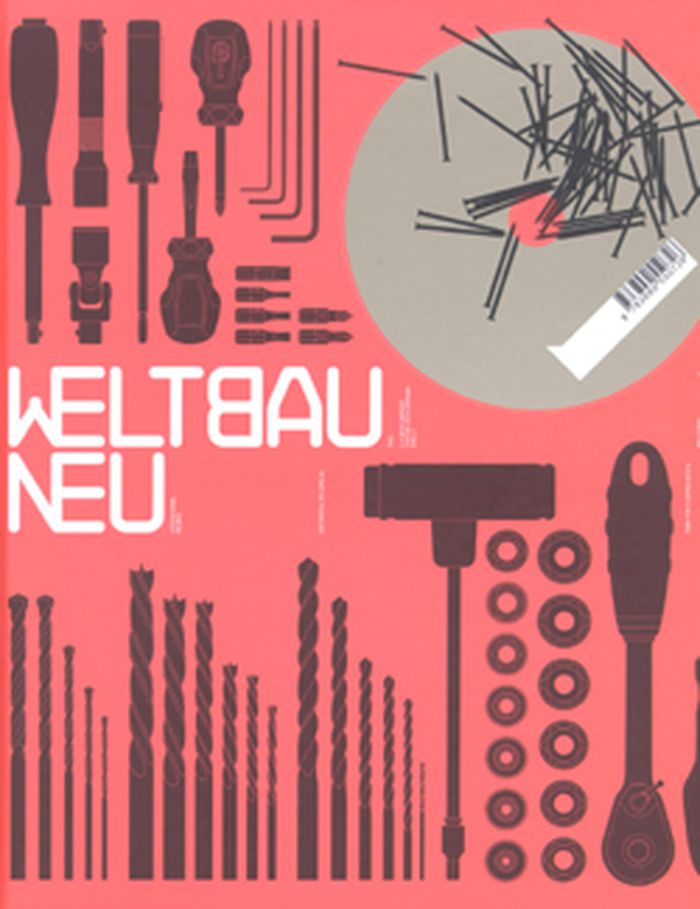
My house, my pool, my horse, my Learjet, my Mercedes, my wife, my toys, my trees, my garden, my cockroach. Now it's really all yours. Neubau Welt is an extensive encyclopedia of well over a thousand pictograms of everyday objects and obsessions large and small. They were created by designer Stefan Gandl, whose book dsos1 was also published by dgv and has since become a collectors’ item. All of the objects shown in the book can also be found as Adobe Illustrator files on an included CD. For the price of the book, readers also buy the right to use the exclusive graphics and Neubau typefaces in their own work. Reminiscent of a digital Letraset, Neubau Welt contains everything any designer could possibly need but couldn't find on Google. Unlike ClipArt, the smorgasbord of objects can be enlarged indefinitely. This also makes them extremely useful for architects and other creatives, who can integrate them into their presentations and visual models.
Neubauwelt
Actions:
Price:
$80.00
(available to order)
Summary:
My house, my pool, my horse, my Learjet, my Mercedes, my wife, my toys, my trees, my garden, my cockroach. Now it's really all yours. Neubau Welt is an extensive encyclopedia of well over a thousand pictograms of everyday objects and obsessions large and small. They were created by designer Stefan Gandl, whose book dsos1 was also published by dgv and has since become a collectors’ item. All of the objects shown in the book can also be found as Adobe Illustrator files on an included CD. For the price of the book, readers also buy the right to use the exclusive graphics and Neubau typefaces in their own work. Reminiscent of a digital Letraset, Neubau Welt contains everything any designer could possibly need but couldn't find on Google. Unlike ClipArt, the smorgasbord of objects can be enlarged indefinitely. This also makes them extremely useful for architects and other creatives, who can integrate them into their presentations and visual models.
Form:
books
books
Publication:
October 2007, Berlin
October 2007, Berlin
Form:
books
books
Actions:
Price:
$19.95
(available to order)
Summary:
The stirring speech given by Peter Sloterdijk in Lucerne in October 2022. From time immemorial, humanity has had to organize their "metabolism with nature." For Marx, the most important factor in this process was labor. When Prometheus, according to the myth, brought fire to earth, another crucial input was added. Fire has been used to cook food and harden tools for(...)
$19.95
(available to order)
Summary:
The stirring speech given by Peter Sloterdijk in Lucerne in October 2022. From time immemorial, humanity has had to organize their "metabolism with nature." For Marx, the most important factor in this process was labor. When Prometheus, according to the myth, brought fire to earth, another crucial input was added. Fire has been used to cook food and harden tools for(...)
Title:
Prometheus's remorse: From the gift of fire to global arson
Actions:
Price:
$19.95
(available to order)
Summary:
The stirring speech given by Peter Sloterdijk in Lucerne in October 2022. From time immemorial, humanity has had to organize their "metabolism with nature." For Marx, the most important factor in this process was labor. When Prometheus, according to the myth, brought fire to earth, another crucial input was added. Fire has been used to cook food and harden tools for hundreds of thousands of years. In this sense, it can be said that all history implies the history of the uses of fire. But whereas trees could only be burnt once, labor and fire shifted with the discovery of underground deposits of coal and oil. Modern humanity, according to Peter Sloterdijk, can be considered a collective of arsonists who set fire to the underground forests and moors. If Prometheus were to return to earth today, he might regret his gift; after all, what looms is nothing less than Ekpyrosis, the demise of the world in fire. And only a new, energetic pacifism can prevent this catastrophe.
Prometheus's remorse: From the gift of fire to global arson
Actions:
Price:
$19.95
(available to order)
Summary:
The stirring speech given by Peter Sloterdijk in Lucerne in October 2022. From time immemorial, humanity has had to organize their "metabolism with nature." For Marx, the most important factor in this process was labor. When Prometheus, according to the myth, brought fire to earth, another crucial input was added. Fire has been used to cook food and harden tools for hundreds of thousands of years. In this sense, it can be said that all history implies the history of the uses of fire. But whereas trees could only be burnt once, labor and fire shifted with the discovery of underground deposits of coal and oil. Modern humanity, according to Peter Sloterdijk, can be considered a collective of arsonists who set fire to the underground forests and moors. If Prometheus were to return to earth today, he might regret his gift; after all, what looms is nothing less than Ekpyrosis, the demise of the world in fire. And only a new, energetic pacifism can prevent this catastrophe.
Form:
books
books
Publication:
March 2024
March 2024
Subject:
Critical Theory
Critical Theory
Form:
books
books
Title:
The spaces between buildings
The spaces between buildings
Actions:
Price:
$33.95
(available to order)
Summary:
Ford begins by looking at the growth of four urban places, each representing a historical era as much as a geographic location: the Islamic medina; the city shaped by the Spanish renaissance; the nineteenth-century North American city; and the twentieth-century American city. His first(...)
$33.95
(available to order)
Summary:
Ford begins by looking at the growth of four urban places, each representing a historical era as much as a geographic location: the Islamic medina; the city shaped by the Spanish renaissance; the nineteenth-century North American city; and the twentieth-century American city. His first(...)
Title:
The spaces between buildings
Actions:
Price:
$33.95
(available to order)
Summary:
Ford begins by looking at the growth of four urban places, each representing a historical era as much as a geographic location: the Islamic medina; the city shaped by the Spanish renaissance; the nineteenth-century North American city; and the twentieth-century American city. His first essay also discusses the evolution of the free-standing structure as a basic urban building type and the problems encountered in beautifying the often work-a-day back and side yards that have helped to create the image of the untidy American city. The second essay examines the urban trend toward viewing lawns, gardens, hedges, and trees as an essential adjunct to architecture. The final essay focuses on pedestrian and vehicular spaces. Here the author includes the landscape of the garage, sidewalks, streets, and alleys. In its exploration of how spaces become places, "The Spaces between Buildings" invites readers to see anew the spaces they encounter every day and often take for granted.
The spaces between buildings
Actions:
Price:
$33.95
(available to order)
Summary:
Ford begins by looking at the growth of four urban places, each representing a historical era as much as a geographic location: the Islamic medina; the city shaped by the Spanish renaissance; the nineteenth-century North American city; and the twentieth-century American city. His first essay also discusses the evolution of the free-standing structure as a basic urban building type and the problems encountered in beautifying the often work-a-day back and side yards that have helped to create the image of the untidy American city. The second essay examines the urban trend toward viewing lawns, gardens, hedges, and trees as an essential adjunct to architecture. The final essay focuses on pedestrian and vehicular spaces. Here the author includes the landscape of the garage, sidewalks, streets, and alleys. In its exploration of how spaces become places, "The Spaces between Buildings" invites readers to see anew the spaces they encounter every day and often take for granted.
Form:
books
books
Publication:
August 2000, Baltimore
August 2000, Baltimore
Subject:
Architectural Theory
Architectural Theory
Form:
books
books
Title:
Lee Friedlander: Christmas
Lee Friedlander: Christmas
Actions:
Price:
$100.00
(available in store)
Summary:
Whether or not you celebrated Christmas at some point during the last 70 years, you have no doubt encountered many of the scenes shown here in Lee Friedlander's eclectic black-and-white documentation of the holiday season across America. From city sidewalks to cookie-cutter suburbs, Friedlander captures it all: main street store window displays; plastic nativities on(...)
$100.00
(available in store)
Summary:
Whether or not you celebrated Christmas at some point during the last 70 years, you have no doubt encountered many of the scenes shown here in Lee Friedlander's eclectic black-and-white documentation of the holiday season across America. From city sidewalks to cookie-cutter suburbs, Friedlander captures it all: main street store window displays; plastic nativities on(...)
Title:
Lee Friedlander: Christmas
Actions:
Price:
$100.00
(available in store)
Summary:
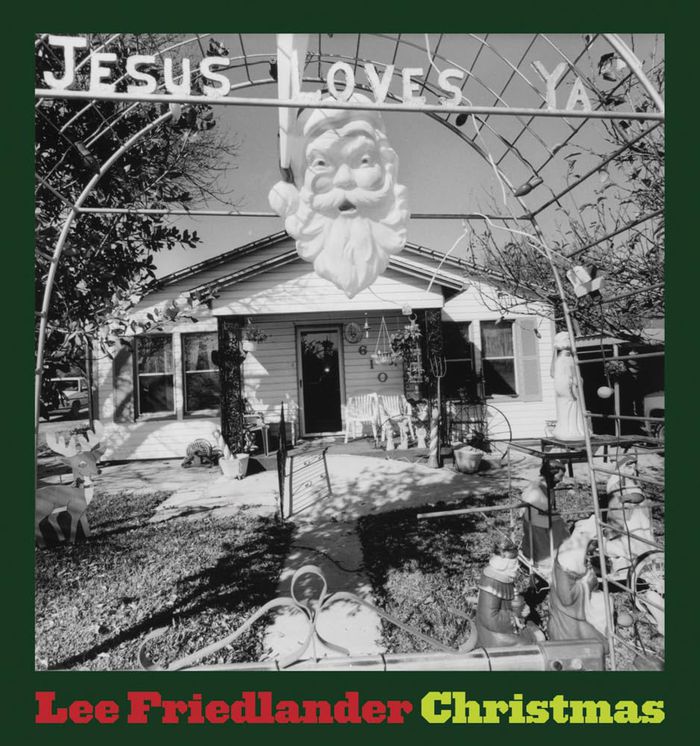
Whether or not you celebrated Christmas at some point during the last 70 years, you have no doubt encountered many of the scenes shown here in Lee Friedlander's eclectic black-and-white documentation of the holiday season across America. From city sidewalks to cookie-cutter suburbs, Friedlander captures it all: main street store window displays; plastic nativities on snow-covered lawns; inflatable snowglobes and Santa Clauses; questionable St. Nicholas–themed lingerie; oversize or underwhelming Christmas trees; and houses so covered in string lights as to demand nothing short of a miracle from the local power grid. As in all of his work, Friedlander's images of Christmas reflect his own version of the holiday. Is Christmas in America a religious celebration? A commercial precept? A misunderstanding? An indulgent blasphemy? Or all of the above? The only certain thing is that December 25 has provided an opportunity for the people's photographer to hold up a mirror to a flawed, inventive, preoccupied and wonderful society.
Lee Friedlander: Christmas
Actions:
Price:
$100.00
(available in store)
Summary:
Whether or not you celebrated Christmas at some point during the last 70 years, you have no doubt encountered many of the scenes shown here in Lee Friedlander's eclectic black-and-white documentation of the holiday season across America. From city sidewalks to cookie-cutter suburbs, Friedlander captures it all: main street store window displays; plastic nativities on snow-covered lawns; inflatable snowglobes and Santa Clauses; questionable St. Nicholas–themed lingerie; oversize or underwhelming Christmas trees; and houses so covered in string lights as to demand nothing short of a miracle from the local power grid. As in all of his work, Friedlander's images of Christmas reflect his own version of the holiday. Is Christmas in America a religious celebration? A commercial precept? A misunderstanding? An indulgent blasphemy? Or all of the above? The only certain thing is that December 25 has provided an opportunity for the people's photographer to hold up a mirror to a flawed, inventive, preoccupied and wonderful society.
Form:
books
books
Publication:
October 2025
October 2025
Subject:
Photography monographs
Photography monographs
Form:
books
books
Title:
Patterns of the Earth
Patterns of the Earth
Actions:
Price:
$6.50
(available to order)
Summary:
This book celebrates the patterns and abstract forms found in nature. Bernhard Edmaier’s aerial photographs show the beautiful shapes formed on the earth’s surface by rocks, ice, sand, water, trees and plants. The hundreds of images in this book make us look at the world in a new way, by showing us surprising similarities and unexpected links between the most disparate(...)
$6.50
(available to order)
Summary:
This book celebrates the patterns and abstract forms found in nature. Bernhard Edmaier’s aerial photographs show the beautiful shapes formed on the earth’s surface by rocks, ice, sand, water, trees and plants. The hundreds of images in this book make us look at the world in a new way, by showing us surprising similarities and unexpected links between the most disparate(...)
Title:
Patterns of the Earth
Actions:
Price:
$6.50
(available to order)
Summary:
This book celebrates the patterns and abstract forms found in nature. Bernhard Edmaier’s aerial photographs show the beautiful shapes formed on the earth’s surface by rocks, ice, sand, water, trees and plants. The hundreds of images in this book make us look at the world in a new way, by showing us surprising similarities and unexpected links between the most disparate regions of the planet. Instead of seeing a forest or a desert or a field, we see circles and lines, zigzags and spirals, abstract shapes and precise repetition occurring in the most unexpected places. In this book, Edmaier`s photographs are organized by shape and form into clearly defined sections, with tabbed pages for easy access. Each section features short texts explaining where the types of patterns depicted in that chapter are found and how they are formed. In additon, every picture has a caption describing the location of the depicted pattern, and how it was created.
Patterns of the Earth
Actions:
Price:
$6.50
(available to order)
Summary:
This book celebrates the patterns and abstract forms found in nature. Bernhard Edmaier’s aerial photographs show the beautiful shapes formed on the earth’s surface by rocks, ice, sand, water, trees and plants. The hundreds of images in this book make us look at the world in a new way, by showing us surprising similarities and unexpected links between the most disparate regions of the planet. Instead of seeing a forest or a desert or a field, we see circles and lines, zigzags and spirals, abstract shapes and precise repetition occurring in the most unexpected places. In this book, Edmaier`s photographs are organized by shape and form into clearly defined sections, with tabbed pages for easy access. Each section features short texts explaining where the types of patterns depicted in that chapter are found and how they are formed. In additon, every picture has a caption describing the location of the depicted pattern, and how it was created.
Form:
books
books
Publication:
November 2006, London, New York
November 2006, London, New York
Form:
books
books
Price:
$37.50
(available to order)
Summary:
Living on a damaged planet challenges who we are and where we live. This timely anthology calls on twenty eminent humanists and scientists to revitalize curiosity, observation, and transdisciplinary conversation about life on earth. As human-induced environmental change threatens multispecies livability, "Arts of living on a damaged planet" puts forward a bold proposal:(...)
$37.50
(available to order)
Summary:
Living on a damaged planet challenges who we are and where we live. This timely anthology calls on twenty eminent humanists and scientists to revitalize curiosity, observation, and transdisciplinary conversation about life on earth. As human-induced environmental change threatens multispecies livability, "Arts of living on a damaged planet" puts forward a bold proposal:(...)
Subject:
Environment and environmental theory
Environment and environmental theory
Publication:
May 2017
May 2017
Title:
Arts of living on a damaged planet: ghosts of the Anthropocene
Actions:
Price:
$37.50
(available to order)
Summary:
Living on a damaged planet challenges who we are and where we live. This timely anthology calls on twenty eminent humanists and scientists to revitalize curiosity, observation, and transdisciplinary conversation about life on earth. As human-induced environmental change threatens multispecies livability, "Arts of living on a damaged planet" puts forward a bold proposal: entangled histories, situated narratives, and thick descriptions offer urgent "arts of living." Included are essays by scholars in anthropology, ecology, science studies, art, literature, and bioinformatics who posit critical and creative tools for collaborative survival in a more-than-human Anthropocene. The essays are organized around two key figures that also serve as the publication's two openings: Ghosts, or landscapes haunted by the violences of modernity; and Monsters, or interspecies and intraspecies sociality. Ghosts and Monsters are tentacular, windy, and arboreal arts that invite readers to encounter ants, lichen, rocks, electrons, flying foxes, salmon, chestnut trees, mud volcanoes, border zones, graves, radioactive waste--in short, the wonders and terrors of an unintended epoch.
Arts of living on a damaged planet: ghosts of the Anthropocene
Actions:
Price:
$37.50
(available to order)
Summary:
Living on a damaged planet challenges who we are and where we live. This timely anthology calls on twenty eminent humanists and scientists to revitalize curiosity, observation, and transdisciplinary conversation about life on earth. As human-induced environmental change threatens multispecies livability, "Arts of living on a damaged planet" puts forward a bold proposal: entangled histories, situated narratives, and thick descriptions offer urgent "arts of living." Included are essays by scholars in anthropology, ecology, science studies, art, literature, and bioinformatics who posit critical and creative tools for collaborative survival in a more-than-human Anthropocene. The essays are organized around two key figures that also serve as the publication's two openings: Ghosts, or landscapes haunted by the violences of modernity; and Monsters, or interspecies and intraspecies sociality. Ghosts and Monsters are tentacular, windy, and arboreal arts that invite readers to encounter ants, lichen, rocks, electrons, flying foxes, salmon, chestnut trees, mud volcanoes, border zones, graves, radioactive waste--in short, the wonders and terrors of an unintended epoch.
Form:
books
books
Publication:
May 2017
May 2017
Subject:
Environment and environmental theory
Environment and environmental theory
Form:
books
books
Price:
$45.95
(available to order)
Summary:
Tiergarten is Berlin’s oldest park, with more than five hundred acres of woodland in the heart of the city. Before it was absorbed by the city, the area that became Tiergarten was a naturally occurring forest. Throughout its history, it was used as royal hunting grounds and as a landscaped public park, and—in the years of hardship following World War II— an area where(...)
$45.95
(available to order)
Summary:
Tiergarten is Berlin’s oldest park, with more than five hundred acres of woodland in the heart of the city. Before it was absorbed by the city, the area that became Tiergarten was a naturally occurring forest. Throughout its history, it was used as royal hunting grounds and as a landscaped public park, and—in the years of hardship following World War II— an area where(...)
Title:
Tiergarten, landscape of transgression. This obscure object of desire
Actions:
Price:
$45.95
(available to order)
Summary:
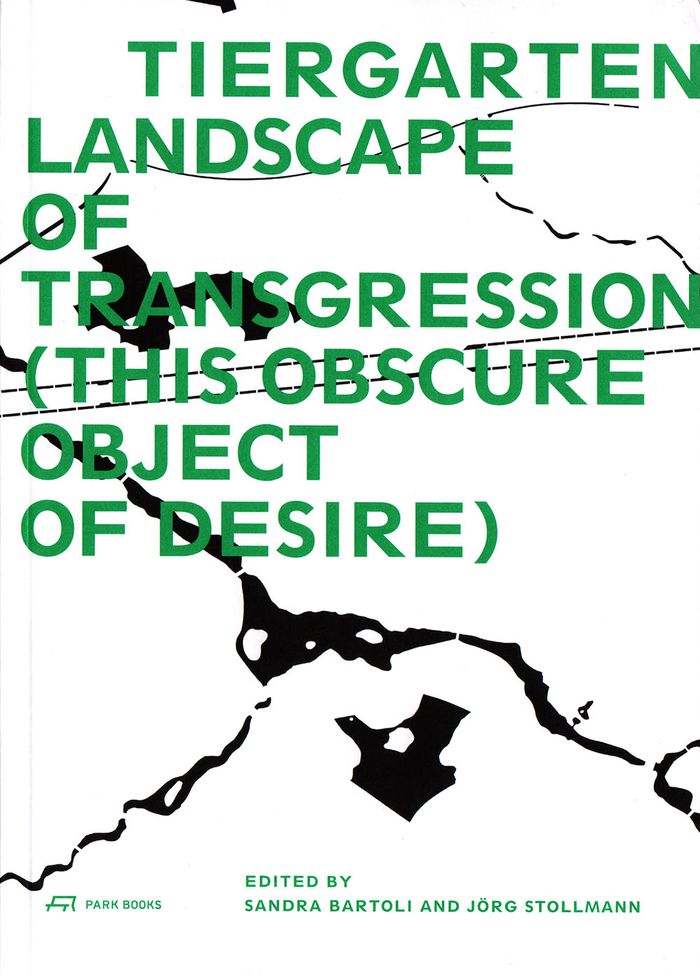
Tiergarten is Berlin’s oldest park, with more than five hundred acres of woodland in the heart of the city. Before it was absorbed by the city, the area that became Tiergarten was a naturally occurring forest. Throughout its history, it was used as royal hunting grounds and as a landscaped public park, and—in the years of hardship following World War II— an area where trees were felled for firewood, before changing social and political circumstances and the growing ecological movement led to measures to restore and replant the vast public space. Thus, Tiergarten has become not only a very popular place of recreation but as well a biotope of extraordinarily high biodiversity. “Tiergarten, Landscape of Transgression” takes readers through the history of the park, with an eye toward exploring it as a radical spatial expression—a space where humans and other species and conflicting histories coexist in close proximity, and a model for future environments in areas of intense urbanization.
Tiergarten, landscape of transgression. This obscure object of desire
Actions:
Price:
$45.95
(available to order)
Summary:
Tiergarten is Berlin’s oldest park, with more than five hundred acres of woodland in the heart of the city. Before it was absorbed by the city, the area that became Tiergarten was a naturally occurring forest. Throughout its history, it was used as royal hunting grounds and as a landscaped public park, and—in the years of hardship following World War II— an area where trees were felled for firewood, before changing social and political circumstances and the growing ecological movement led to measures to restore and replant the vast public space. Thus, Tiergarten has become not only a very popular place of recreation but as well a biotope of extraordinarily high biodiversity. “Tiergarten, Landscape of Transgression” takes readers through the history of the park, with an eye toward exploring it as a radical spatial expression—a space where humans and other species and conflicting histories coexist in close proximity, and a model for future environments in areas of intense urbanization.
Form:
books
books
Publication:
April 2019
April 2019
Subject:
Gardens
Gardens
Form:
books
books
Actions:
Price:
$28.95
(available to order)
Summary:
No metropolis has been more loved or more hated. To its official boosters, “Los Angeles brings it all together.” To detractors, LA is a sunlit mortuary where “you can rot without feeling it.” To Mike Davis, the author of this fiercely elegant and wide- ranging work of social history, Los Angeles is both utopia and dystopia, a place where the last Joshua trees are being(...)
$28.95
(available to order)
Summary:
No metropolis has been more loved or more hated. To its official boosters, “Los Angeles brings it all together.” To detractors, LA is a sunlit mortuary where “you can rot without feeling it.” To Mike Davis, the author of this fiercely elegant and wide- ranging work of social history, Los Angeles is both utopia and dystopia, a place where the last Joshua trees are being(...)
Title:
City of quartz: excavating the future in Los Angeles
Actions:
Price:
$28.95
(available to order)
Summary:
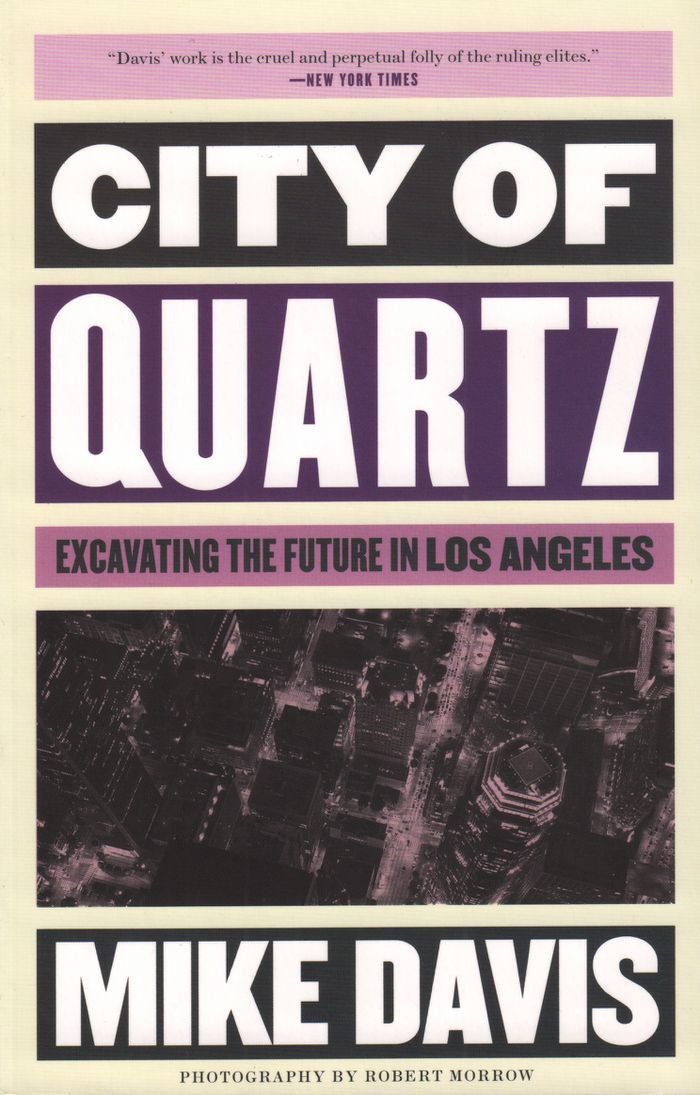
No metropolis has been more loved or more hated. To its official boosters, “Los Angeles brings it all together.” To detractors, LA is a sunlit mortuary where “you can rot without feeling it.” To Mike Davis, the author of this fiercely elegant and wide- ranging work of social history, Los Angeles is both utopia and dystopia, a place where the last Joshua trees are being plowed under to make room for model communities in the desert, where the rich have hired their own police to fend off street gangs, as well as armed Beirut militias. In "City of Quartz", Davis reconstructs LA’s shadow history and dissects its ethereal economy. He tells us who has the power and how they hold on to it. He gives us a city of Dickensian extremes, Pynchonesque conspiracies, and a desperation straight out of Nathaniel Westa city in which we may glimpse our own future mirrored with terrifying clarity.
City of quartz: excavating the future in Los Angeles
Actions:
Price:
$28.95
(available to order)
Summary:
No metropolis has been more loved or more hated. To its official boosters, “Los Angeles brings it all together.” To detractors, LA is a sunlit mortuary where “you can rot without feeling it.” To Mike Davis, the author of this fiercely elegant and wide- ranging work of social history, Los Angeles is both utopia and dystopia, a place where the last Joshua trees are being plowed under to make room for model communities in the desert, where the rich have hired their own police to fend off street gangs, as well as armed Beirut militias. In "City of Quartz", Davis reconstructs LA’s shadow history and dissects its ethereal economy. He tells us who has the power and how they hold on to it. He gives us a city of Dickensian extremes, Pynchonesque conspiracies, and a desperation straight out of Nathaniel Westa city in which we may glimpse our own future mirrored with terrifying clarity.
Form:
books
books
Publication:
July 2018
July 2018
Subject:
Urban Theory
Urban Theory
Form:
books
books
Actions:
Price:
$34.00
(available to order)
Summary:
Why write about buildings? Buildings are chunks of the material of the natural world, refashioned by humans and set down into place to stand as silent as the rocks and trees from which they were made. How can we describe that mute actuality? A building’s only complete description is itself. Writing often intensifies the cloud that obscures buildings rather than dissipates(...)
$34.00
(available to order)
Summary:
Why write about buildings? Buildings are chunks of the material of the natural world, refashioned by humans and set down into place to stand as silent as the rocks and trees from which they were made. How can we describe that mute actuality? A building’s only complete description is itself. Writing often intensifies the cloud that obscures buildings rather than dissipates(...)
Title:
Buildings: between living time and rocky space
Actions:
Price:
$34.00
(available to order)
Summary:
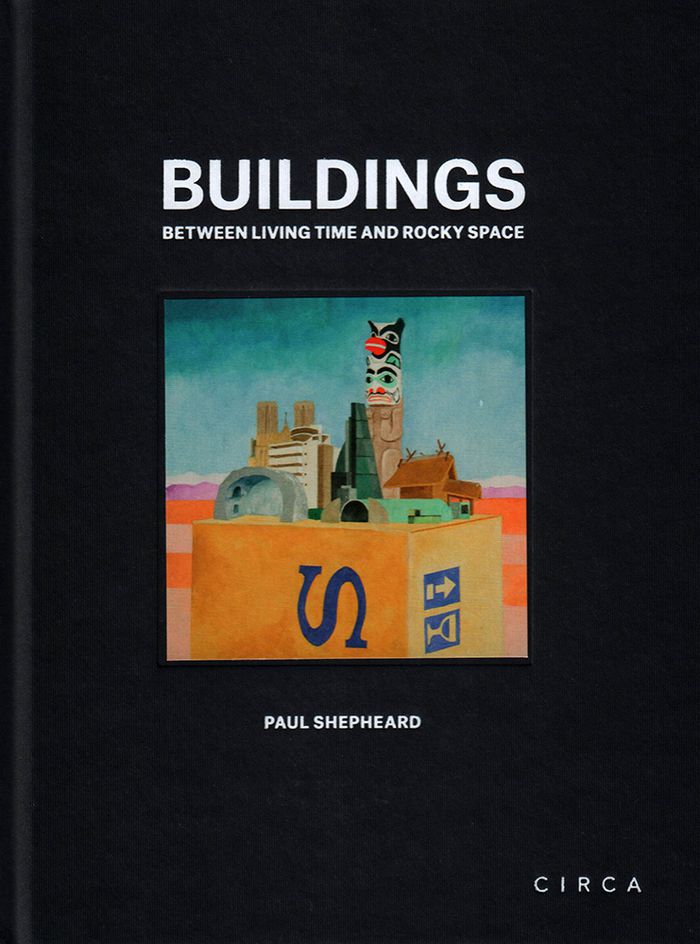
Why write about buildings? Buildings are chunks of the material of the natural world, refashioned by humans and set down into place to stand as silent as the rocks and trees from which they were made. How can we describe that mute actuality? A building’s only complete description is itself. Writing often intensifies the cloud that obscures buildings rather than dissipates it. So why do it? Two generations ago, architects had a real job to do, rebuilding cities shattered by war. It turned out to be more difficult than it looked. Now the grandchildren of those utopians have a different role, which is to rescue a world that is being turned by the media, the money men and the machines into a replica of itself. In this book Paul Shepheard takes a sideways look at this elusive task and finds himself writing an ode to buildings, which asks: What are they? When do they happen? And how are they used?
Buildings: between living time and rocky space
Actions:
Price:
$34.00
(available to order)
Summary:
Why write about buildings? Buildings are chunks of the material of the natural world, refashioned by humans and set down into place to stand as silent as the rocks and trees from which they were made. How can we describe that mute actuality? A building’s only complete description is itself. Writing often intensifies the cloud that obscures buildings rather than dissipates it. So why do it? Two generations ago, architects had a real job to do, rebuilding cities shattered by war. It turned out to be more difficult than it looked. Now the grandchildren of those utopians have a different role, which is to rescue a world that is being turned by the media, the money men and the machines into a replica of itself. In this book Paul Shepheard takes a sideways look at this elusive task and finds himself writing an ode to buildings, which asks: What are they? When do they happen? And how are they used?
Form:
books
books
Publication:
October 2016
October 2016
Subject:
Architectural Theory
Architectural Theory
Form:
books
books
Title:
Zoe Leonard: photographs
Zoe Leonard: photographs
Actions:
Price:
$68.00
(available to order)
Summary:
Zoe Leonard’s practice involves a type of cerebral roaming combined with carefully considered observation. For more than 20 years she has criss-crossed nature and culture, cityscapes and museums, always searching for signs that say something about structures, about natural and cultural conditions and the contradictions, parallels and connections among them. Leonard's(...)
$68.00
(available to order)
Summary:
Zoe Leonard’s practice involves a type of cerebral roaming combined with carefully considered observation. For more than 20 years she has criss-crossed nature and culture, cityscapes and museums, always searching for signs that say something about structures, about natural and cultural conditions and the contradictions, parallels and connections among them. Leonard's(...)
Title:
Zoe Leonard: photographs
Actions:
Price:
$68.00
(available to order)
Summary:
Zoe Leonard’s practice involves a type of cerebral roaming combined with carefully considered observation. For more than 20 years she has criss-crossed nature and culture, cityscapes and museums, always searching for signs that say something about structures, about natural and cultural conditions and the contradictions, parallels and connections among them. Leonard's photographs – of anatomical wax figures, fashion shows, trees and fences – present figures in sparse black-and-white images that open up a visual field of thought and reveal within it our visible world, that is, the concrete and established structures that make up our reality. At documenta 9 in Kassel Leonard created a stir with her placement of black-and-white photographs of female genitalia in the context of a male-dominated museum. The political aspects of her work form the backdrop of her constant struggle with shape, with imagery, with the union of symbols and content. This is the first book encompassing her complete oeuvre.
Zoe Leonard: photographs
Actions:
Price:
$68.00
(available to order)
Summary:
Zoe Leonard’s practice involves a type of cerebral roaming combined with carefully considered observation. For more than 20 years she has criss-crossed nature and culture, cityscapes and museums, always searching for signs that say something about structures, about natural and cultural conditions and the contradictions, parallels and connections among them. Leonard's photographs – of anatomical wax figures, fashion shows, trees and fences – present figures in sparse black-and-white images that open up a visual field of thought and reveal within it our visible world, that is, the concrete and established structures that make up our reality. At documenta 9 in Kassel Leonard created a stir with her placement of black-and-white photographs of female genitalia in the context of a male-dominated museum. The political aspects of her work form the backdrop of her constant struggle with shape, with imagery, with the union of symbols and content. This is the first book encompassing her complete oeuvre.
Form:
books
books
Publication:
March 2008, Göttingen, Zürich
March 2008, Göttingen, Zürich
Subject:
Photography monographs
Photography monographs


