


2140 Results
Form:
books
books
Actions:
Price:
$59.95
(available to order)
Summary:
Should all-inclusive engagement be the major task of architecture? This publication presents the case that the answer is yes. Through original contributions and case studies, this volume shows that socially engaged architecture is both a theoretical construct and a professional practice navigating the global politics of poverty, charity, health, technology, neoliberal(...)
$59.95
(available to order)
Summary:
Should all-inclusive engagement be the major task of architecture? This publication presents the case that the answer is yes. Through original contributions and case studies, this volume shows that socially engaged architecture is both a theoretical construct and a professional practice navigating the global politics of poverty, charity, health, technology, neoliberal(...)
Title:
All-inclusive engagement in architecture: towards the future of social change
Actions:
Price:
$59.95
(available to order)
Summary:
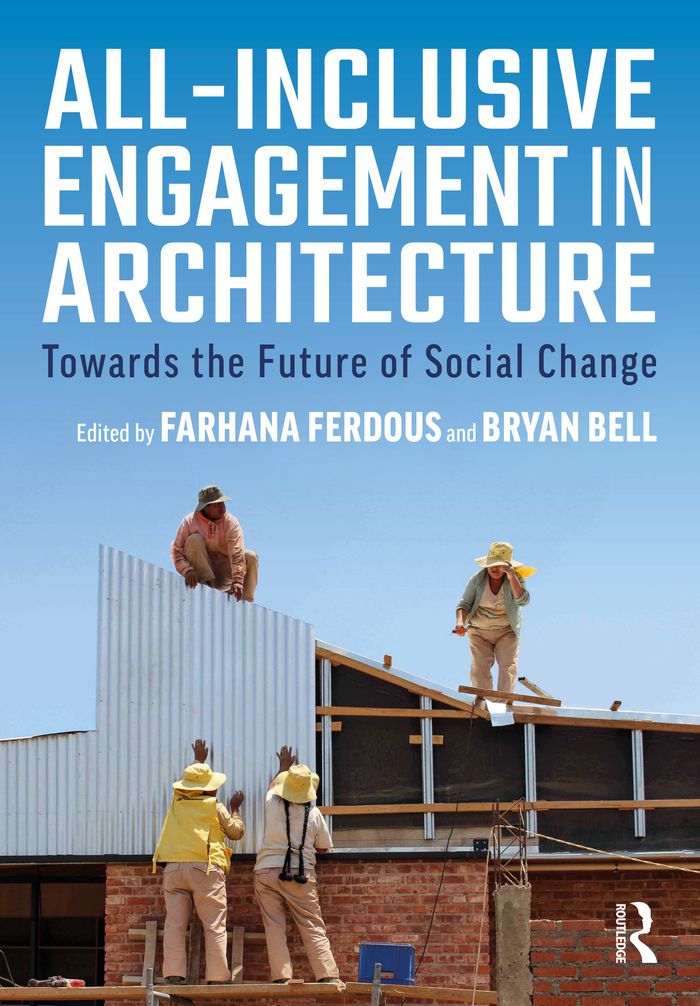
Should all-inclusive engagement be the major task of architecture? This publication presents the case that the answer is yes. Through original contributions and case studies, this volume shows that socially engaged architecture is both a theoretical construct and a professional practice navigating the global politics of poverty, charity, health, technology, neoliberal urbanism, and the discipline's exclusionary basis. The scholarly ideas and design projects of 58 thought leaders demonstrate the architect's role as a revolutionary social agent. Exemplary works are included from the United States, Mexico, Canada, Africa, Asia, and Europe. This book offers a comprehensive overview and in-depth analysis of all-inclusive engagement in public interest design for instructors, students, and professionals alike, showing how this approach to architecture can bring forth a radical reformation of the profession and its relationship to society.
All-inclusive engagement in architecture: towards the future of social change
Actions:
Price:
$59.95
(available to order)
Summary:
Should all-inclusive engagement be the major task of architecture? This publication presents the case that the answer is yes. Through original contributions and case studies, this volume shows that socially engaged architecture is both a theoretical construct and a professional practice navigating the global politics of poverty, charity, health, technology, neoliberal urbanism, and the discipline's exclusionary basis. The scholarly ideas and design projects of 58 thought leaders demonstrate the architect's role as a revolutionary social agent. Exemplary works are included from the United States, Mexico, Canada, Africa, Asia, and Europe. This book offers a comprehensive overview and in-depth analysis of all-inclusive engagement in public interest design for instructors, students, and professionals alike, showing how this approach to architecture can bring forth a radical reformation of the profession and its relationship to society.
Form:
books
books
Publication:
January 2021
January 2021
Subject:
Urban Theory
Urban Theory
Form:
books
books
Title:
Alanis Obomsawin: Lifework
Alanis Obomsawin: Lifework
Actions:
Price:
$79.00
(available to order)
Summary:
Never shying away from controversy, Obomsawin’s films have played a critical role in exposing ongoing systemic bias towards Indigenous populations—from fishing rights and education to health care and treaty violations. Obomsawin is also a graphic artist, and she incorporates her often dream-inspired etchings and prints into many of her films. This volume includes(...)
$79.00
(available to order)
Summary:
Never shying away from controversy, Obomsawin’s films have played a critical role in exposing ongoing systemic bias towards Indigenous populations—from fishing rights and education to health care and treaty violations. Obomsawin is also a graphic artist, and she incorporates her often dream-inspired etchings and prints into many of her films. This volume includes(...)
Title:
Alanis Obomsawin: Lifework
Actions:
Price:
$79.00
(available to order)
Summary:
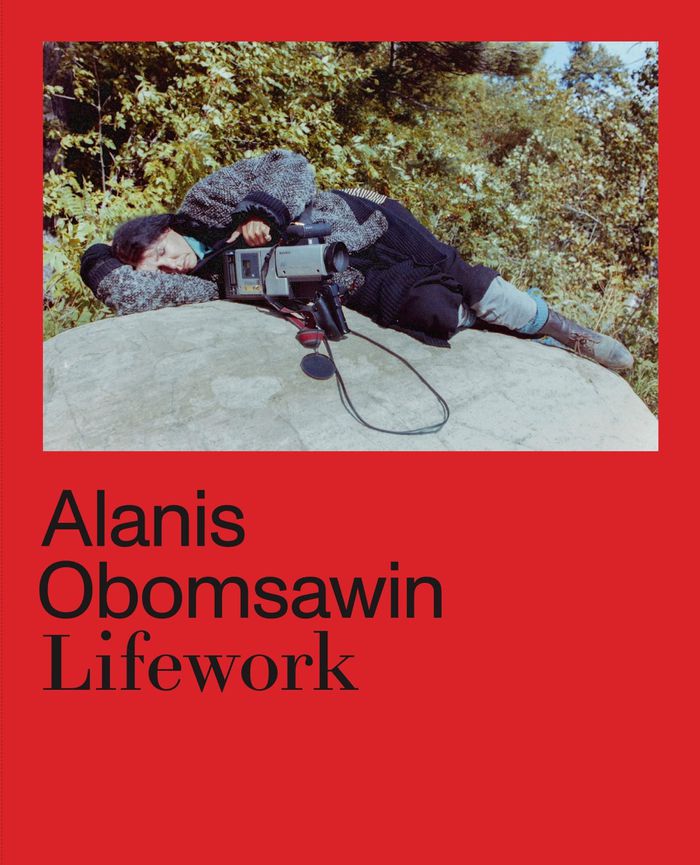
Never shying away from controversy, Obomsawin’s films have played a critical role in exposing ongoing systemic bias towards Indigenous populations—from fishing rights and education to health care and treaty violations. Obomsawin is also a graphic artist, and she incorporates her often dream-inspired etchings and prints into many of her films. This volume includes illuminating essays exploring Obomsawin’s practice and mission as well as personal commentary from collaborators, archival materials, and photographs from the filmmaker’s personal life and professional exploits. As Obomsawin closes in on her ninth decade of life—and fifth decade behind the camera—this beautifully illustrated record of her astounding body of work and tireless efforts on behalf of Indigenous peoples and culture is an inspiring celebration of the power of film to dramatically change the course of history.
Alanis Obomsawin: Lifework
Actions:
Price:
$79.00
(available to order)
Summary:
Never shying away from controversy, Obomsawin’s films have played a critical role in exposing ongoing systemic bias towards Indigenous populations—from fishing rights and education to health care and treaty violations. Obomsawin is also a graphic artist, and she incorporates her often dream-inspired etchings and prints into many of her films. This volume includes illuminating essays exploring Obomsawin’s practice and mission as well as personal commentary from collaborators, archival materials, and photographs from the filmmaker’s personal life and professional exploits. As Obomsawin closes in on her ninth decade of life—and fifth decade behind the camera—this beautifully illustrated record of her astounding body of work and tireless efforts on behalf of Indigenous peoples and culture is an inspiring celebration of the power of film to dramatically change the course of history.
Form:
books
books
Publication:
May 2022
May 2022
Subject:
Canadian art
Canadian art
Form:
journals and magazines
journals and magazines
Actions:
Price:
$14.00
(available in store)
Summary:
Cabinet 34 puts our culture of constant examination, and self-examination itself, to the test, scrutinizing the historical conventions that have produced our contemporary obsession with quantifying and judging everything from aptitude and health to personality and durability. The thematic section of this issue includes Mark Dery on the history of the IQ test; Mats Bigert(...)
$14.00
(available in store)
Summary:
Cabinet 34 puts our culture of constant examination, and self-examination itself, to the test, scrutinizing the historical conventions that have produced our contemporary obsession with quantifying and judging everything from aptitude and health to personality and durability. The thematic section of this issue includes Mark Dery on the history of the IQ test; Mats Bigert(...)
Subject:
Magazines
Magazines
Publication:
September 2009
September 2009
Title:
Cabinet 34: testing, summer 2009
Actions:
Price:
$14.00
(available in store)
Summary:
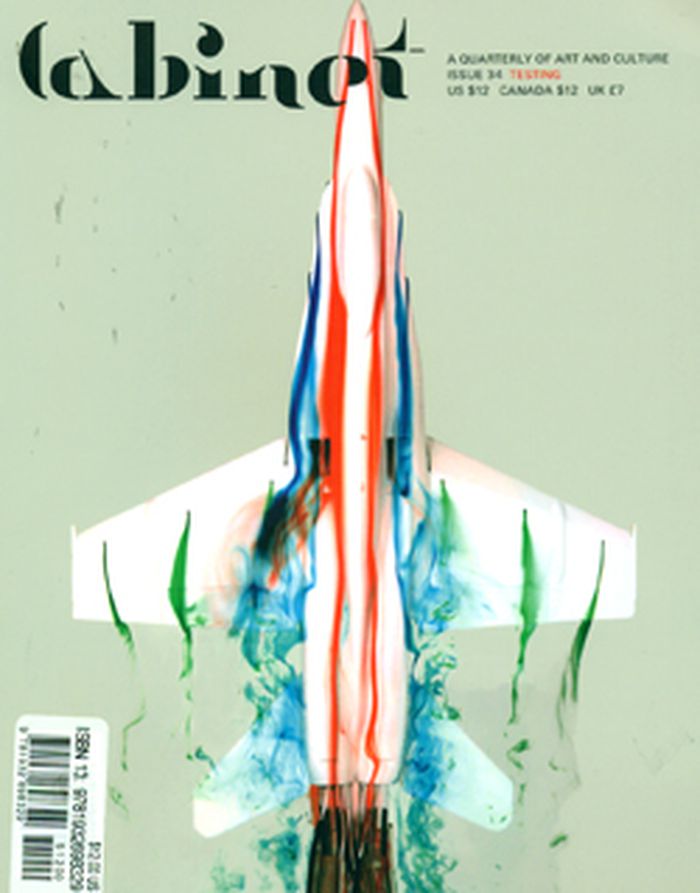
Cabinet 34 puts our culture of constant examination, and self-examination itself, to the test, scrutinizing the historical conventions that have produced our contemporary obsession with quantifying and judging everything from aptitude and health to personality and durability. The thematic section of this issue includes Mark Dery on the history of the IQ test; Mats Bigert on the pitch drop experiment (the world's longest continuously running laboratory experiment, which began in 1927); Charlotte Delbanco on animal testing; and Christopher Turner on projective personality tests. The unthemed section boasts a brief visual history of the AK-47 as the quintessential symbol of political resistance; Allen S. Weiss on the sense and no-sense theory of proper names; Emily Thompson on early silent films; and Brian Dillon on Antonin Artaud's strange sojourn to Ireland.
Cabinet 34: testing, summer 2009
Actions:
Price:
$14.00
(available in store)
Summary:
Cabinet 34 puts our culture of constant examination, and self-examination itself, to the test, scrutinizing the historical conventions that have produced our contemporary obsession with quantifying and judging everything from aptitude and health to personality and durability. The thematic section of this issue includes Mark Dery on the history of the IQ test; Mats Bigert on the pitch drop experiment (the world's longest continuously running laboratory experiment, which began in 1927); Charlotte Delbanco on animal testing; and Christopher Turner on projective personality tests. The unthemed section boasts a brief visual history of the AK-47 as the quintessential symbol of political resistance; Allen S. Weiss on the sense and no-sense theory of proper names; Emily Thompson on early silent films; and Brian Dillon on Antonin Artaud's strange sojourn to Ireland.
Form:
journals and magazines
journals and magazines
Publication:
September 2009
September 2009
Subject:
Magazines
Magazines
Form:
books
books
Actions:
Price:
$41.95
(available to order)
Summary:
''Sensing Earth'' states that our environmental issues are in the first place a matter of culture and aesthetics. Technology and science are not enough to solve these problems. Our globe is facing an escalation of ecological problems, with no quick solutions in sight. We seem to be caught in a spiral of health issues, burnout, sensory overload, depression, and somatic(...)
$41.95
(available to order)
Summary:
''Sensing Earth'' states that our environmental issues are in the first place a matter of culture and aesthetics. Technology and science are not enough to solve these problems. Our globe is facing an escalation of ecological problems, with no quick solutions in sight. We seem to be caught in a spiral of health issues, burnout, sensory overload, depression, and somatic(...)
Subject:
Art Theory
Art Theory
Publication:
October 2023
October 2023
Title:
Sensing earth: Cultural quests across a heated globe
Actions:
Price:
$41.95
(available to order)
Summary:
''Sensing Earth'' states that our environmental issues are in the first place a matter of culture and aesthetics. Technology and science are not enough to solve these problems. Our globe is facing an escalation of ecological problems, with no quick solutions in sight. We seem to be caught in a spiral of health issues, burnout, sensory overload, depression, and somatic deprivation. Artists faced with these crises are looking for ways to articulate the ongoing emergencies and explore possible ways out. However, the arts and culture are caught in a double bind. Artists and cultural initiatives need circulation to let ideas intersect and create meaningful connections. However, this globalized system also contributes to the planet’s ecological decline: by countless journeys from one biennale, international residency, touring exhibition, and networking event to the next. After the Covid-19 pandemic ‘business as usual’ seems to prevail.
Sensing earth: Cultural quests across a heated globe
Actions:
Price:
$41.95
(available to order)
Summary:
''Sensing Earth'' states that our environmental issues are in the first place a matter of culture and aesthetics. Technology and science are not enough to solve these problems. Our globe is facing an escalation of ecological problems, with no quick solutions in sight. We seem to be caught in a spiral of health issues, burnout, sensory overload, depression, and somatic deprivation. Artists faced with these crises are looking for ways to articulate the ongoing emergencies and explore possible ways out. However, the arts and culture are caught in a double bind. Artists and cultural initiatives need circulation to let ideas intersect and create meaningful connections. However, this globalized system also contributes to the planet’s ecological decline: by countless journeys from one biennale, international residency, touring exhibition, and networking event to the next. After the Covid-19 pandemic ‘business as usual’ seems to prevail.
Form:
books
books
Publication:
October 2023
October 2023
Subject:
Art Theory
Art Theory
Form:
books
books
Actions:
Price:
$110.00
(available to order)
Summary:
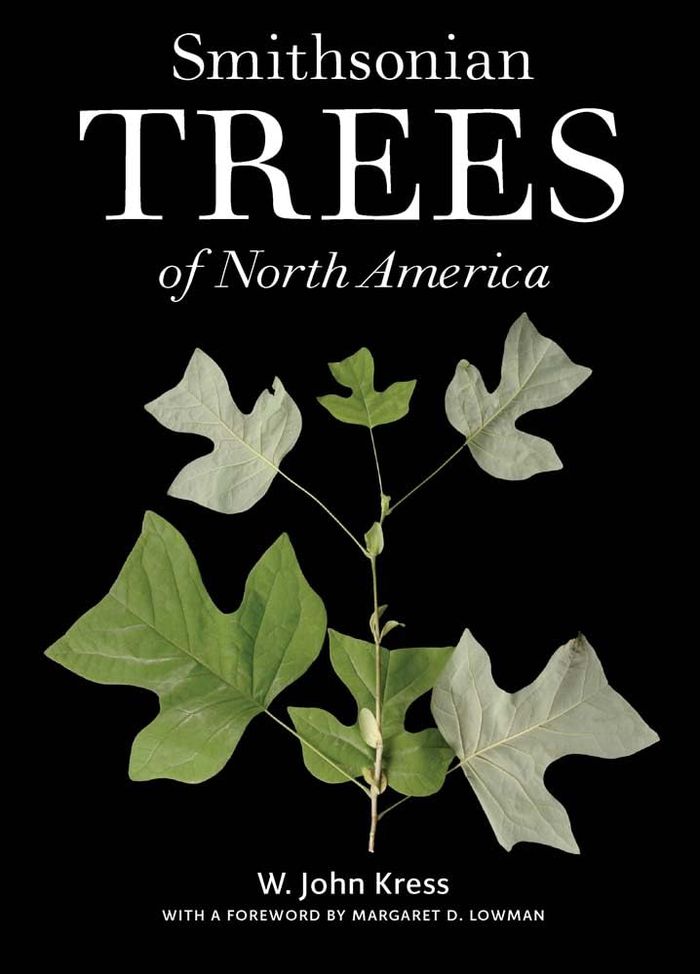
This authoritative reference on native and non-native trees of North America, by Smithsonian veteran W. John Kress, provides an unprecedented appraisal of more than 325 common species. More than a field guide, it includes over 300 range maps and 3,000 photographs of leaves, flowers, fruits, seeds, and bark; an in-depth introduction to the biology of trees, their value,(...)
$110.00
(available to order)
Summary:
This authoritative reference on native and non-native trees of North America, by Smithsonian veteran W. John Kress, provides an unprecedented appraisal of more than 325 common species. More than a field guide, it includes over 300 range maps and 3,000 photographs of leaves, flowers, fruits, seeds, and bark; an in-depth introduction to the biology of trees, their value,(...)
Title:
Smithsonian trees of North America
Actions:
Price:
$110.00
(available to order)
Summary:
This authoritative reference on native and non-native trees of North America, by Smithsonian veteran W. John Kress, provides an unprecedented appraisal of more than 325 common species. More than a field guide, it includes over 300 range maps and 3,000 photographs of leaves, flowers, fruits, seeds, and bark; an in-depth introduction to the biology of trees, their value, structure, evolution, classification, ecology, and conservation; descriptions of each species, organized by genus and family; a reflection on the consequences of environmental change on the health of trees, now and in the future; a presentation, based on the latest technologies, of North American trees in a planetary and evolutionary perspective. "Smithsonian trees of North America", ten years in the making, marries science and art to provide an insightful and compassionate exploration of the diversity, structure, form, and beauty of trees.
Smithsonian trees of North America
Actions:
Price:
$110.00
(available to order)
Summary:
This authoritative reference on native and non-native trees of North America, by Smithsonian veteran W. John Kress, provides an unprecedented appraisal of more than 325 common species. More than a field guide, it includes over 300 range maps and 3,000 photographs of leaves, flowers, fruits, seeds, and bark; an in-depth introduction to the biology of trees, their value, structure, evolution, classification, ecology, and conservation; descriptions of each species, organized by genus and family; a reflection on the consequences of environmental change on the health of trees, now and in the future; a presentation, based on the latest technologies, of North American trees in a planetary and evolutionary perspective. "Smithsonian trees of North America", ten years in the making, marries science and art to provide an insightful and compassionate exploration of the diversity, structure, form, and beauty of trees.
Form:
books
books
Publication:
September 2024
September 2024
Subject:
Gardens
Gardens
Form:
books
books
Actions:
Price:
$55.95
(available in store)
Summary:
The book discusses the ways in which the project can critically contribute to an affirmative biopolitical action of substantial emancipation; it considers space an essential agent, and not only a collective capital, or a support, for adapting our lives to the recent profoundly changed conditions. In all the new research on the future of urban space, the renewed interest(...)
$55.95
(available in store)
Summary:
The book discusses the ways in which the project can critically contribute to an affirmative biopolitical action of substantial emancipation; it considers space an essential agent, and not only a collective capital, or a support, for adapting our lives to the recent profoundly changed conditions. In all the new research on the future of urban space, the renewed interest(...)
Title:
Biopolitical garden: Spaces, lives, transition
Actions:
Price:
$55.95
(available in store)
Summary:
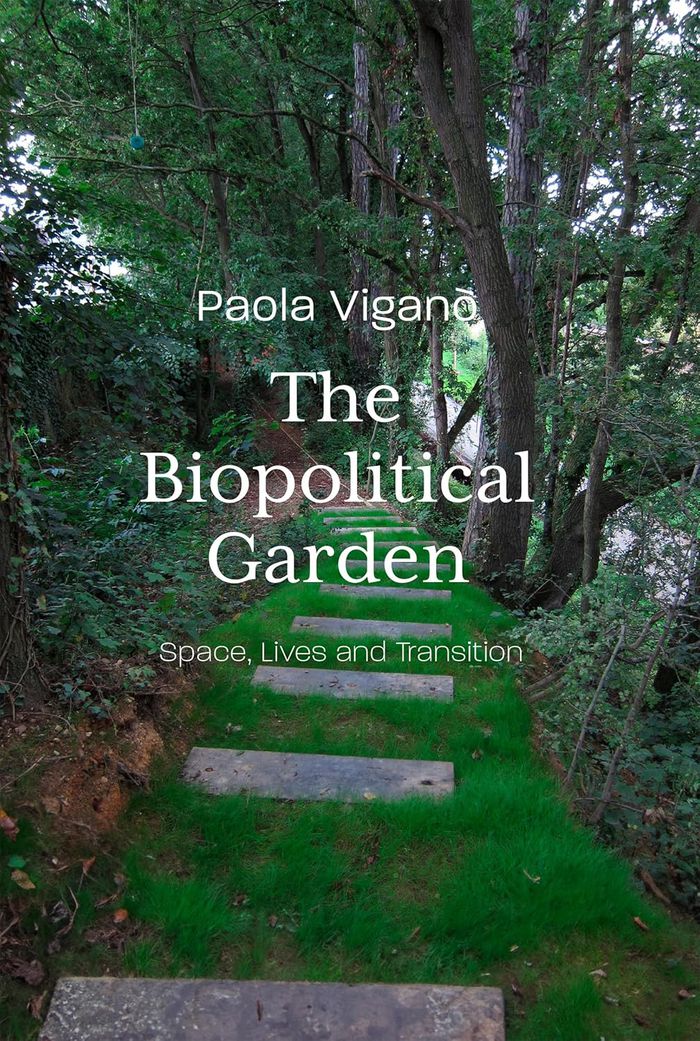
The book discusses the ways in which the project can critically contribute to an affirmative biopolitical action of substantial emancipation; it considers space an essential agent, and not only a collective capital, or a support, for adapting our lives to the recent profoundly changed conditions. In all the new research on the future of urban space, the renewed interest in life, tragically affected by health, ecological and socio-political crises, raises a crucial theoretical and projective question: what role can space play in maintaining and promoting life in the broader sense of bíos? This book is based on the conviction that there is an urgent need to revisit the Foucauldian notion of biopolitics - free, however, from the privilege given to the goal of control - to rethink the project of the city and territory in transition in an affirmative and emancipatory way.
Biopolitical garden: Spaces, lives, transition
Actions:
Price:
$55.95
(available in store)
Summary:
The book discusses the ways in which the project can critically contribute to an affirmative biopolitical action of substantial emancipation; it considers space an essential agent, and not only a collective capital, or a support, for adapting our lives to the recent profoundly changed conditions. In all the new research on the future of urban space, the renewed interest in life, tragically affected by health, ecological and socio-political crises, raises a crucial theoretical and projective question: what role can space play in maintaining and promoting life in the broader sense of bíos? This book is based on the conviction that there is an urgent need to revisit the Foucauldian notion of biopolitics - free, however, from the privilege given to the goal of control - to rethink the project of the city and territory in transition in an affirmative and emancipatory way.
Form:
books
books
Publication:
May 2025
May 2025
Subject:
Landscape Theory
Landscape Theory
Form:
books
books
Title:
Architecture and modern life
Architecture and modern life
Actions:
Price:
$35.00
(available to order)
Summary:
''Architecture and Modern Life'' is a collection of essays by influential architect and educator W. R. Lethaby (1857–1931). In these writings, Lethaby foreshadows Le Corbusier and marks a fascinating transitional point between 19th- and 20th-century architectural thought. With radical foresight, he argues for an “efficiency style” in architecture, for towns that cultivate(...)
$35.00
(available to order)
Summary:
''Architecture and Modern Life'' is a collection of essays by influential architect and educator W. R. Lethaby (1857–1931). In these writings, Lethaby foreshadows Le Corbusier and marks a fascinating transitional point between 19th- and 20th-century architectural thought. With radical foresight, he argues for an “efficiency style” in architecture, for towns that cultivate(...)
Title:
Architecture and modern life
Actions:
Price:
$35.00
(available to order)
Summary:
''Architecture and Modern Life'' is a collection of essays by influential architect and educator W. R. Lethaby (1857–1931). In these writings, Lethaby foreshadows Le Corbusier and marks a fascinating transitional point between 19th- and 20th-century architectural thought. With radical foresight, he argues for an “efficiency style” in architecture, for towns that cultivate vitality, and against the science of “profit grinding and grabbing.” Often eerily prescient, phrases such as “there is a culture war going forward” and “There is much talk of Housing at the present time, but it is a case of much talk and little house” could be taken from today’s newspapers. The profound importance of these texts lies in Lethaby’s vision of art and design grounded not in style-novelty or aesthetic theory (“the mystification of architecture”) but in “some reality like health, serviceableness, or even perfect cheapness.”
Architecture and modern life
Actions:
Price:
$35.00
(available to order)
Summary:
''Architecture and Modern Life'' is a collection of essays by influential architect and educator W. R. Lethaby (1857–1931). In these writings, Lethaby foreshadows Le Corbusier and marks a fascinating transitional point between 19th- and 20th-century architectural thought. With radical foresight, he argues for an “efficiency style” in architecture, for towns that cultivate vitality, and against the science of “profit grinding and grabbing.” Often eerily prescient, phrases such as “there is a culture war going forward” and “There is much talk of Housing at the present time, but it is a case of much talk and little house” could be taken from today’s newspapers. The profound importance of these texts lies in Lethaby’s vision of art and design grounded not in style-novelty or aesthetic theory (“the mystification of architecture”) but in “some reality like health, serviceableness, or even perfect cheapness.”
Form:
books
books
Publication:
September 2025
September 2025
Subject:
Architectural Theory
Architectural Theory
Form:
books
books
Actions:
Price:
$49.95
(available in store)
Summary:
Once referred to as Toronto’s ''accidental wilderness,'' Tommy Thompson Park is now recognized as a fortuitous urban miracle. Initially created as a landfill site on the city’s rapidly developing waterfront, the park’s physical and ecological footprint have grown dramatically. Forests, grasslands, and wildlife now thrive – all within a stone’s throw of some of the most(...)
$49.95
(available in store)
Summary:
Once referred to as Toronto’s ''accidental wilderness,'' Tommy Thompson Park is now recognized as a fortuitous urban miracle. Initially created as a landfill site on the city’s rapidly developing waterfront, the park’s physical and ecological footprint have grown dramatically. Forests, grasslands, and wildlife now thrive – all within a stone’s throw of some of the most(...)
Title:
Accidental wilderness: The origins and ecology of Toronto's Tommy Thompson Park
Actions:
Price:
$49.95
(available in store)
Summary:
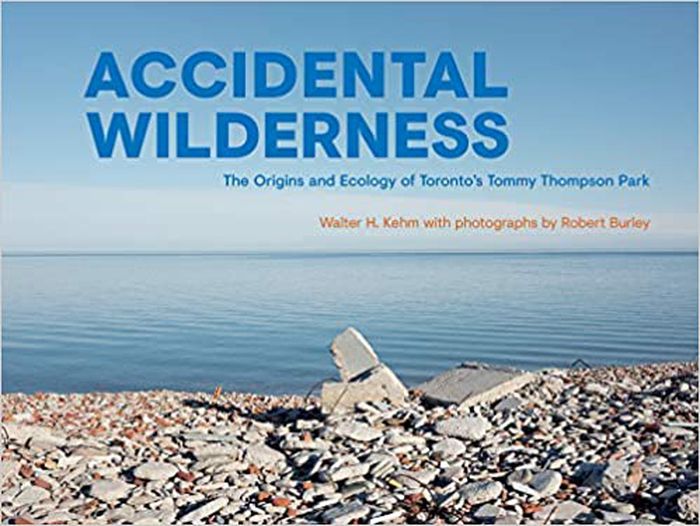
Once referred to as Toronto’s ''accidental wilderness,'' Tommy Thompson Park is now recognized as a fortuitous urban miracle. Initially created as a landfill site on the city’s rapidly developing waterfront, the park’s physical and ecological footprint have grown dramatically. Forests, grasslands, and wildlife now thrive – all within a stone’s throw of some of the most densely populated areas of North America’s fourth-largest city. ''Accidental wilderness'' is a collection of essays curated by internationally recognized landscape architect and original designer of Tommy Thompson Park, Walter H. Kehm, complemented by a collection of photographs by renowned landscape photographer Robert Burley. The book explores the city’s port origins; the park’s master plan principles and design; the native-plant succession process; the park’s unique flora and fauna; public advocacy; and public recreation in the park and its effect on mental, physical, and spiritual health.
Accidental wilderness: The origins and ecology of Toronto's Tommy Thompson Park
Actions:
Price:
$49.95
(available in store)
Summary:
Once referred to as Toronto’s ''accidental wilderness,'' Tommy Thompson Park is now recognized as a fortuitous urban miracle. Initially created as a landfill site on the city’s rapidly developing waterfront, the park’s physical and ecological footprint have grown dramatically. Forests, grasslands, and wildlife now thrive – all within a stone’s throw of some of the most densely populated areas of North America’s fourth-largest city. ''Accidental wilderness'' is a collection of essays curated by internationally recognized landscape architect and original designer of Tommy Thompson Park, Walter H. Kehm, complemented by a collection of photographs by renowned landscape photographer Robert Burley. The book explores the city’s port origins; the park’s master plan principles and design; the native-plant succession process; the park’s unique flora and fauna; public advocacy; and public recreation in the park and its effect on mental, physical, and spiritual health.
Form:
books
books
Publication:
December 2020
December 2020
Subject:
Gardens
Gardens
Form:
books
books
Title:
Future history
Future history
Actions:
Price:
$45.00
(available to order)
Summary:
The buildings in ''Future history'' are examples of ‘Razionalismo’, the Italian version of International Style Modernism built in the 1930s. Emerging during Mussolini’s dictatorship, Razionalismo architecture was contemporaneous and frequently indivisible in design from official fascist building, now referred to as Stile Littorio. Italian fascism and Modernism blossomed(...)
$45.00
(available to order)
Summary:
The buildings in ''Future history'' are examples of ‘Razionalismo’, the Italian version of International Style Modernism built in the 1930s. Emerging during Mussolini’s dictatorship, Razionalismo architecture was contemporaneous and frequently indivisible in design from official fascist building, now referred to as Stile Littorio. Italian fascism and Modernism blossomed(...)
Title:
Future history
Actions:
Price:
$45.00
(available to order)
Summary:
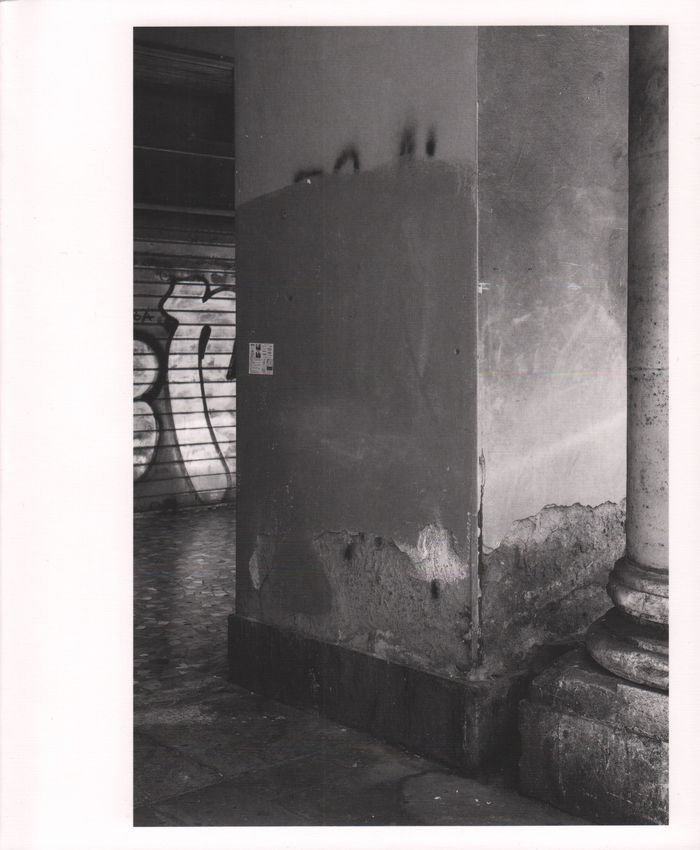
The buildings in ''Future history'' are examples of ‘Razionalismo’, the Italian version of International Style Modernism built in the 1930s. Emerging during Mussolini’s dictatorship, Razionalismo architecture was contemporaneous and frequently indivisible in design from official fascist building, now referred to as Stile Littorio. Italian fascism and Modernism blossomed in approximately the same period, during which the fascist state engaged in a significant infrastructural and institutional building programme. Countless school, hospital, road, rail, housing, government building and redevelopment projects were realised, several of which are viewed today as noteworthy examples of Razionalismo. These projects put architecture at the service of a state equally intent on improving health and housing, making its might conspicuous domestically and colonising in Africa.The photographs in ''Future history'' are interleaved with extracts from a series of papers first published in 1926 and 1927 by Gruppo 7.
Future history
Actions:
Price:
$45.00
(available to order)
Summary:
The buildings in ''Future history'' are examples of ‘Razionalismo’, the Italian version of International Style Modernism built in the 1930s. Emerging during Mussolini’s dictatorship, Razionalismo architecture was contemporaneous and frequently indivisible in design from official fascist building, now referred to as Stile Littorio. Italian fascism and Modernism blossomed in approximately the same period, during which the fascist state engaged in a significant infrastructural and institutional building programme. Countless school, hospital, road, rail, housing, government building and redevelopment projects were realised, several of which are viewed today as noteworthy examples of Razionalismo. These projects put architecture at the service of a state equally intent on improving health and housing, making its might conspicuous domestically and colonising in Africa.The photographs in ''Future history'' are interleaved with extracts from a series of papers first published in 1926 and 1927 by Gruppo 7.
Form:
books
books
Publication:
January 2013
January 2013
Subject:
Photography monographs
Photography monographs
Form:
books
books
Price:
$36.99
(available in store)
Summary:
One of the nation's chief architecture critics reveals how the environments we build profoundly shape our feelings, memories, and well-being, and argues that we must harness this knowledge to construct a world better suited to human experience. Taking us on a fascinating journey through some of the world's best and worst landscapes, buildings, and cityscapes, Sarah(...)
$36.99
(available in store)
Summary:
One of the nation's chief architecture critics reveals how the environments we build profoundly shape our feelings, memories, and well-being, and argues that we must harness this knowledge to construct a world better suited to human experience. Taking us on a fascinating journey through some of the world's best and worst landscapes, buildings, and cityscapes, Sarah(...)
Title:
Welcome to your world: How the built environment shapes our lives
Actions:
Price:
$36.99
(available in store)
Summary:
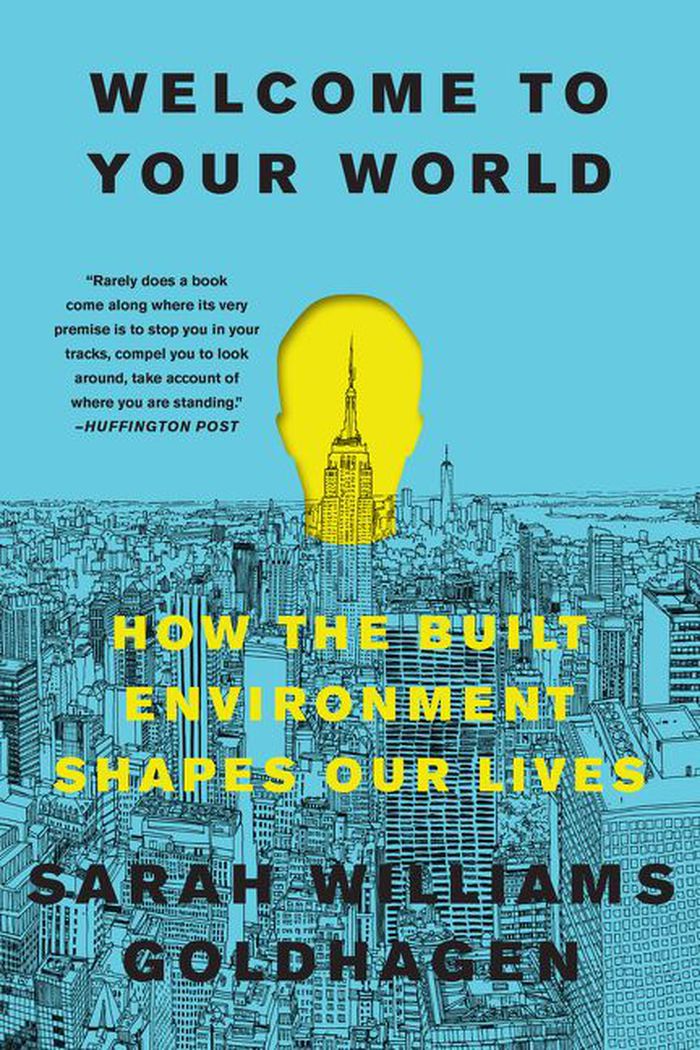
One of the nation's chief architecture critics reveals how the environments we build profoundly shape our feelings, memories, and well-being, and argues that we must harness this knowledge to construct a world better suited to human experience. Taking us on a fascinating journey through some of the world's best and worst landscapes, buildings, and cityscapes, Sarah Williams Goldhagen draws from recent research in cognitive neuroscience and psychology to demonstrate how people's experiences of the places they build are central to their well-being, their physical health, their communal and social lives, and even their very sense of themselves. From this foundation, Goldhagen presents a powerful case that societies must use this knowledge to rethink what and how they build: the world needs better-designed, healthier environments that address the complex range of human individual and social needs.
Welcome to your world: How the built environment shapes our lives
Actions:
Price:
$36.99
(available in store)
Summary:
One of the nation's chief architecture critics reveals how the environments we build profoundly shape our feelings, memories, and well-being, and argues that we must harness this knowledge to construct a world better suited to human experience. Taking us on a fascinating journey through some of the world's best and worst landscapes, buildings, and cityscapes, Sarah Williams Goldhagen draws from recent research in cognitive neuroscience and psychology to demonstrate how people's experiences of the places they build are central to their well-being, their physical health, their communal and social lives, and even their very sense of themselves. From this foundation, Goldhagen presents a powerful case that societies must use this knowledge to rethink what and how they build: the world needs better-designed, healthier environments that address the complex range of human individual and social needs.
Form:
books
books
Publication:
March 2020
March 2020
Subject:
Architectural Theory
Architectural Theory


