


2091 Results
Form:
books
books
Price:
$42.95
(available to order)
Summary:
The technological innovation and unprecedented physical growth of the cold war era permeated American life in every aspect and at every scale. From the creation of the military-industrial complex and the beginnings of suburban sprawl to the production of the ballpoint pen and the TV dinner, the artifacts of the period are as numerous and diverse as they are familiar. Over(...)
$42.95
(available to order)
Summary:
The technological innovation and unprecedented physical growth of the cold war era permeated American life in every aspect and at every scale. From the creation of the military-industrial complex and the beginnings of suburban sprawl to the production of the ballpoint pen and the TV dinner, the artifacts of the period are as numerous and diverse as they are familiar. Over(...)
Subject:
Architectural Theory
Architectural Theory
Publication:
April 2004, New York
April 2004, New York
Title:
Cold war hothouses : inventing postwar culture, from cockpit to Playboy
Actions:
Price:
$42.95
(available to order)
Summary:
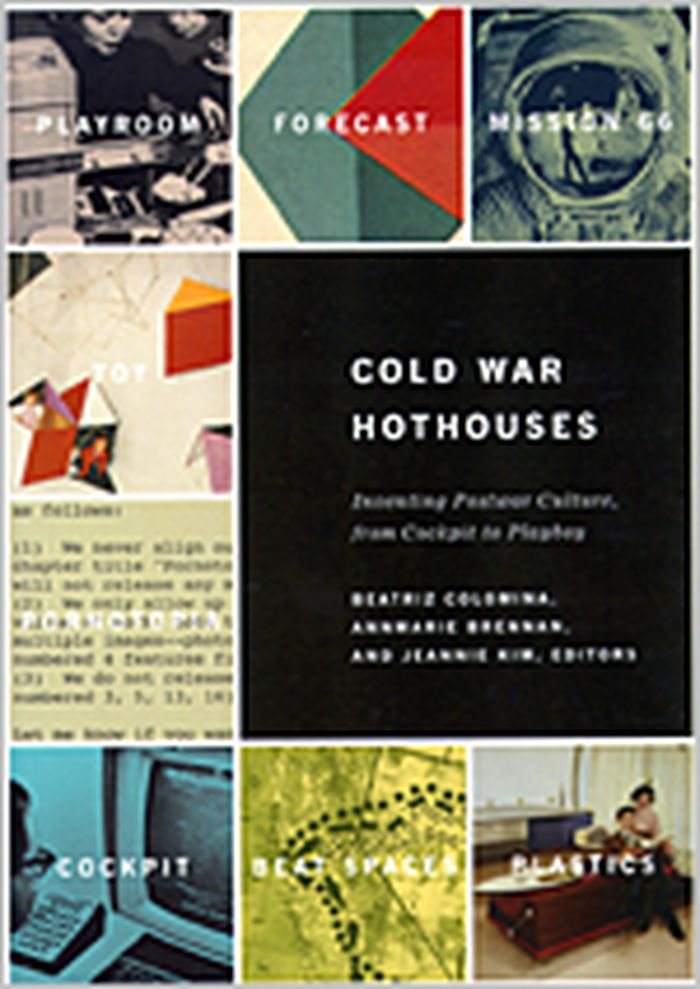
The technological innovation and unprecedented physical growth of the cold war era permeated American life in every aspect and at every scale. From the creation of the military-industrial complex and the beginnings of suburban sprawl to the production of the ballpoint pen and the TV dinner, the artifacts of the period are as numerous and diverse as they are familiar. Over the past half-century, our awe at the advances of postwar society has softened to nostalgia, and our affection for its material culture has clouded our memories of the enormous spatial reorganizations and infrastructural transformations that changed American life forever. "Cold War Hot Houses" casts a clear, even playful, eye on this pivotal time in history, examining topics as diverse as the creation of the interstate highway system and the shopping centre, and the domestication of the national parks as well as the production of such seemingly mundane products as the drive-in theater, aluminum foil, and the king-size bed. The result is a vivid snapshot of American culture that still resonates today.
Cold war hothouses : inventing postwar culture, from cockpit to Playboy
Actions:
Price:
$42.95
(available to order)
Summary:
The technological innovation and unprecedented physical growth of the cold war era permeated American life in every aspect and at every scale. From the creation of the military-industrial complex and the beginnings of suburban sprawl to the production of the ballpoint pen and the TV dinner, the artifacts of the period are as numerous and diverse as they are familiar. Over the past half-century, our awe at the advances of postwar society has softened to nostalgia, and our affection for its material culture has clouded our memories of the enormous spatial reorganizations and infrastructural transformations that changed American life forever. "Cold War Hot Houses" casts a clear, even playful, eye on this pivotal time in history, examining topics as diverse as the creation of the interstate highway system and the shopping centre, and the domestication of the national parks as well as the production of such seemingly mundane products as the drive-in theater, aluminum foil, and the king-size bed. The result is a vivid snapshot of American culture that still resonates today.
Form:
books
books
Publication:
April 2004, New York
April 2004, New York
Subject:
Architectural Theory
Architectural Theory
Form:
books
books
Actions:
Price:
$36.95
(available to order)
Summary:
The term 'geoengineering' refers to technologies that counteract the effects of anthropogenic climate change by deliberately intervening in Earth systems. In the midst of a climate crisis, and with disparate views on whether planetary-scale design is the appropriate response at all, 'The Planet After Geoengineering' employs a speculative fiction approach to think with and(...)
$36.95
(available to order)
Summary:
The term 'geoengineering' refers to technologies that counteract the effects of anthropogenic climate change by deliberately intervening in Earth systems. In the midst of a climate crisis, and with disparate views on whether planetary-scale design is the appropriate response at all, 'The Planet After Geoengineering' employs a speculative fiction approach to think with and(...)
Subject:
Environment and environmental theory
Environment and environmental theory
Publication:
July 2021
July 2021
Title:
The planet after geoengineering
Actions:
Price:
$36.95
(available to order)
Summary:
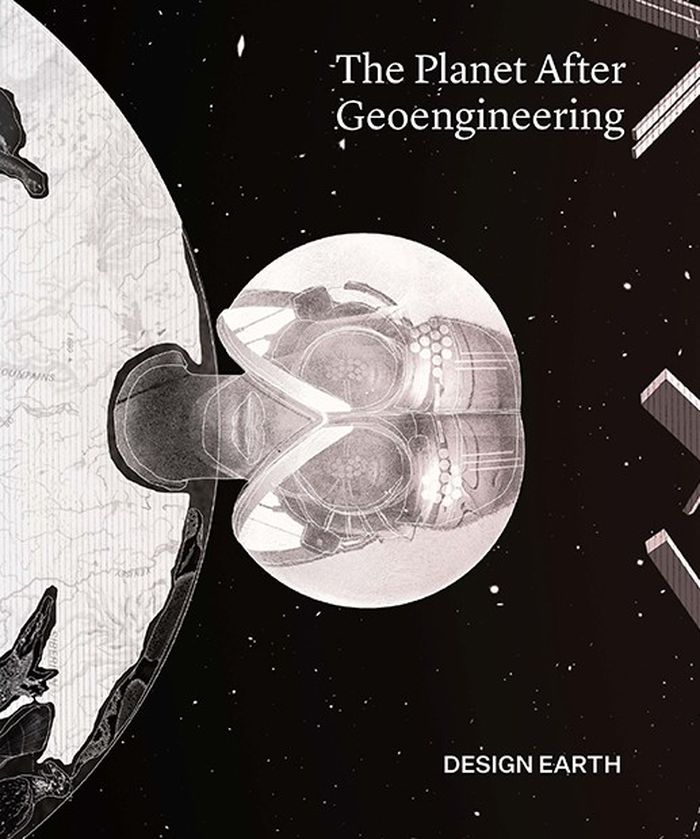
The term 'geoengineering' refers to technologies that counteract the effects of anthropogenic climate change by deliberately intervening in Earth systems. In the midst of a climate crisis, and with disparate views on whether planetary-scale design is the appropriate response at all, 'The Planet After Geoengineering' employs a speculative fiction approach to think with and against geoengineering as a form of planetary management. The graphic novel makes climate engineering and its controversies visible in a series of five stories that are collectively assembled into a planetary section from the deep underground to outer space. Each geostory - Petrified Carbon, Arctic Albedo, Sky River, Sulfur Storm, and Dust Cloud - depicts possible future Earths that we come to inhabit on the heels of a geoengineering intervention all while situating such promisory visions within a genealogy of climate-control projects from nineteenth-century rainmaking machines and volcanic eruptions to Cold War military plans. Such fabrications of an engineerable earth open a space to forge a new geo-politics that includes the actual Earth - its dimensions, processes, and lifeforms - as constitutive of design and the planet.
The planet after geoengineering
Actions:
Price:
$36.95
(available to order)
Summary:
The term 'geoengineering' refers to technologies that counteract the effects of anthropogenic climate change by deliberately intervening in Earth systems. In the midst of a climate crisis, and with disparate views on whether planetary-scale design is the appropriate response at all, 'The Planet After Geoengineering' employs a speculative fiction approach to think with and against geoengineering as a form of planetary management. The graphic novel makes climate engineering and its controversies visible in a series of five stories that are collectively assembled into a planetary section from the deep underground to outer space. Each geostory - Petrified Carbon, Arctic Albedo, Sky River, Sulfur Storm, and Dust Cloud - depicts possible future Earths that we come to inhabit on the heels of a geoengineering intervention all while situating such promisory visions within a genealogy of climate-control projects from nineteenth-century rainmaking machines and volcanic eruptions to Cold War military plans. Such fabrications of an engineerable earth open a space to forge a new geo-politics that includes the actual Earth - its dimensions, processes, and lifeforms - as constitutive of design and the planet.
Form:
books
books
Publication:
July 2021
July 2021
Subject:
Environment and environmental theory
Environment and environmental theory
Form:
books
books
Actions:
Price:
$75.00
(available in store)
Summary:
Tom de Peyret observes the inner workings of power. Behind the shine of glossy facades, into the meanders of silent infrastructures. A barely recognizable New York City is sometimes outlined in the shape of a bridge, a faraway skyscraper, or the logo of the New York Times — whose presses he surveys, along the alleyways of their Queens printing plant. This book avoids(...)
$75.00
(available in store)
Summary:
Tom de Peyret observes the inner workings of power. Behind the shine of glossy facades, into the meanders of silent infrastructures. A barely recognizable New York City is sometimes outlined in the shape of a bridge, a faraway skyscraper, or the logo of the New York Times — whose presses he surveys, along the alleyways of their Queens printing plant. This book avoids(...)
Title:
1 New York Times Plaza, NY 11356
Actions:
Price:
$75.00
(available in store)
Summary:
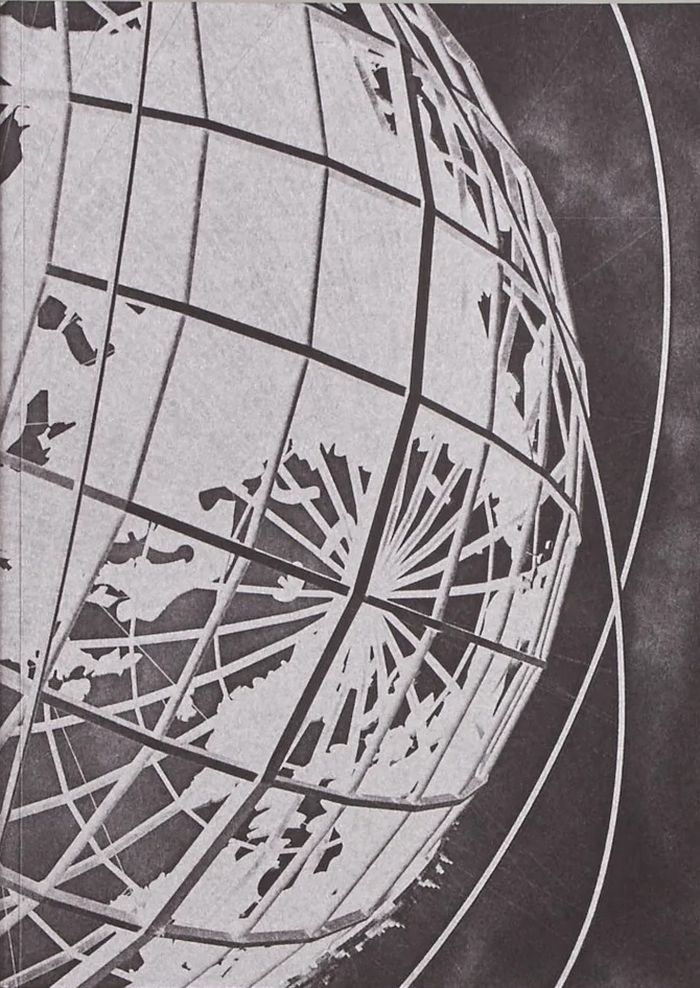
Tom de Peyret observes the inner workings of power. Behind the shine of glossy facades, into the meanders of silent infrastructures. A barely recognizable New York City is sometimes outlined in the shape of a bridge, a faraway skyscraper, or the logo of the New York Times — whose presses he surveys, along the alleyways of their Queens printing plant. This book avoids postcard mise-en-scènes to scrutinize the city’s own anonymous pedestal; the structure which grants the capital its daily role, as the Empire’s unofficial epicenter. Much like writer Philippe Vasset, Tom de Peyret sneaks into off-record zones, areas solely charted as non-lieus. Through oblique excursions across New York City, he explores inaccessible, forbidden or disused places From military grounds in construction to prisons and airports, his odyssey also unveils, as a reflection, the insides of the New York Times’s printing presses. There, an almost archaic form of the newspaper is being printed, to be read a few hours later in fancy hotel lobbies, airport terminals or international public libraries — distributed by the same trucks driving down the highway interchanges of the Five Boroughs.
1 New York Times Plaza, NY 11356
Actions:
Price:
$75.00
(available in store)
Summary:
Tom de Peyret observes the inner workings of power. Behind the shine of glossy facades, into the meanders of silent infrastructures. A barely recognizable New York City is sometimes outlined in the shape of a bridge, a faraway skyscraper, or the logo of the New York Times — whose presses he surveys, along the alleyways of their Queens printing plant. This book avoids postcard mise-en-scènes to scrutinize the city’s own anonymous pedestal; the structure which grants the capital its daily role, as the Empire’s unofficial epicenter. Much like writer Philippe Vasset, Tom de Peyret sneaks into off-record zones, areas solely charted as non-lieus. Through oblique excursions across New York City, he explores inaccessible, forbidden or disused places From military grounds in construction to prisons and airports, his odyssey also unveils, as a reflection, the insides of the New York Times’s printing presses. There, an almost archaic form of the newspaper is being printed, to be read a few hours later in fancy hotel lobbies, airport terminals or international public libraries — distributed by the same trucks driving down the highway interchanges of the Five Boroughs.
Form:
books
books
Publication:
November 2023
November 2023
Subject:
Photography monographs
Photography monographs
Form:
books
books
Actions:
Price:
$25.95
(available to order)
Summary:
Between 1979 and 1981, Alfredo Jaar asked Chileans a deceptively simple question: "Are you happy?" Through private interviews, sidewalk polls and video-recorded forums, among other interventions, Jaar's three-year and seven-phase project, ''Studies on happiness'', addressed a furtive and fearful population living under Augusto Pinochet's military dictatorship. It also(...)
$25.95
(available to order)
Summary:
Between 1979 and 1981, Alfredo Jaar asked Chileans a deceptively simple question: "Are you happy?" Through private interviews, sidewalk polls and video-recorded forums, among other interventions, Jaar's three-year and seven-phase project, ''Studies on happiness'', addressed a furtive and fearful population living under Augusto Pinochet's military dictatorship. It also(...)
Title:
Alfredo Jaar: Studies on happiness
Actions:
Price:
$25.95
(available to order)
Summary:
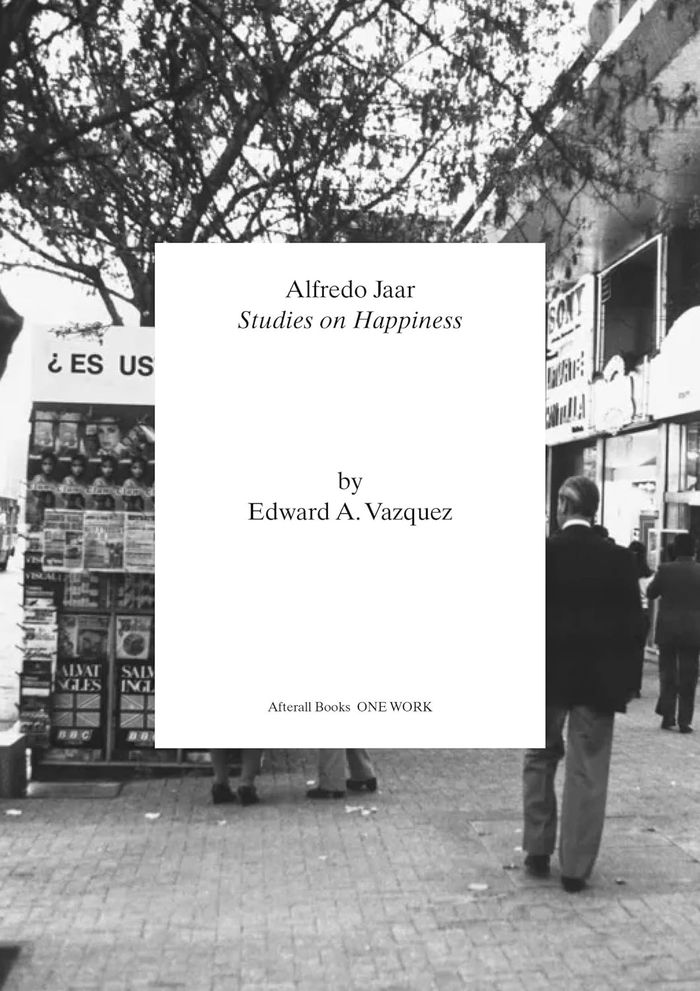
Between 1979 and 1981, Alfredo Jaar asked Chileans a deceptively simple question: "Are you happy?" Through private interviews, sidewalk polls and video-recorded forums, among other interventions, Jaar's three-year and seven-phase project, ''Studies on happiness'', addressed a furtive and fearful population living under Augusto Pinochet's military dictatorship. It also spoke to a country in transition, as a newly adopted constitution remade Chile through privatisation and other neoliberal reforms. In its varied interventions and direct mode of address, ''Studies on happiness'' functioned as a feedback device meant to catalyse a critical awareness with its blunt questioning. Edward A. Vazquez contextualises Studies on Happiness within Jaar's early production and situates his practice within a Chilean art world haunted by the residues of political violence. This study foregrounds the project's historical embeddedness and the deep political stakes of its apparent sociality, recognising the crucial role that context has always played in Jaar's practice. By turning to the Santiago of Studies on Happiness, Vazquez explores the work's political and art historical environment and provides a wedge to realign current interpretations of Chilean art and hemispheric conceptualism with the openness central to Jaar's project.
Alfredo Jaar: Studies on happiness
Actions:
Price:
$25.95
(available to order)
Summary:
Between 1979 and 1981, Alfredo Jaar asked Chileans a deceptively simple question: "Are you happy?" Through private interviews, sidewalk polls and video-recorded forums, among other interventions, Jaar's three-year and seven-phase project, ''Studies on happiness'', addressed a furtive and fearful population living under Augusto Pinochet's military dictatorship. It also spoke to a country in transition, as a newly adopted constitution remade Chile through privatisation and other neoliberal reforms. In its varied interventions and direct mode of address, ''Studies on happiness'' functioned as a feedback device meant to catalyse a critical awareness with its blunt questioning. Edward A. Vazquez contextualises Studies on Happiness within Jaar's early production and situates his practice within a Chilean art world haunted by the residues of political violence. This study foregrounds the project's historical embeddedness and the deep political stakes of its apparent sociality, recognising the crucial role that context has always played in Jaar's practice. By turning to the Santiago of Studies on Happiness, Vazquez explores the work's political and art historical environment and provides a wedge to realign current interpretations of Chilean art and hemispheric conceptualism with the openness central to Jaar's project.
Form:
books
books
Publication:
November 2023
November 2023
Subject:
Art Theory
Art Theory
Form:
books
books

Actions:
Price:
$25.00
(available to order)
Summary:
Sound can be deployed to produce discomfort, express a threat, or create an ambience of fear or dread - to produce a bad vibe. Sonic weapons of this sort include the “psychoacoustic correction” aimed at Panama strongman Manuel Noriega by the U.S. Army and at the Branch Davidians in Waco by the FBI, sonic booms (or “sound bombs”) over the Gaza Strip, and high-frequency rat(...)
$25.00
(available to order)
Summary:
Sound can be deployed to produce discomfort, express a threat, or create an ambience of fear or dread - to produce a bad vibe. Sonic weapons of this sort include the “psychoacoustic correction” aimed at Panama strongman Manuel Noriega by the U.S. Army and at the Branch Davidians in Waco by the FBI, sonic booms (or “sound bombs”) over the Gaza Strip, and high-frequency rat(...)
Title:
Sonic warfare : sound, affect, and the ecology of fear
Actions:
Price:
$25.00
(available to order)
Summary:
Sound can be deployed to produce discomfort, express a threat, or create an ambience of fear or dread - to produce a bad vibe. Sonic weapons of this sort include the “psychoacoustic correction” aimed at Panama strongman Manuel Noriega by the U.S. Army and at the Branch Davidians in Waco by the FBI, sonic booms (or “sound bombs”) over the Gaza Strip, and high-frequency rat repellants used against teenagers in malls. At the same time, artists and musicians generate intense frequencies in the search for new aesthetic experiences and new ways of mobilizing bodies in rhythm. In Sonic Warfare, Steve Goodman explores these uses of acoustic force and how they affect populations. Traversing philosophy, science, fiction, aesthetics, and popular culture, he maps a (dis)continuum of vibrational force, encompassing police and military research into acoustic means of crowd control, the corporate deployment of sonic branding, and the intense sonic encounters of sound art and music culture. Goodman concludes with speculations on the not yet heard - the concept of unsound, which relates to both the peripheries of auditory perception and the unactualized nexus of rhythms and frequencies within audible bandwidths
Sonic warfare : sound, affect, and the ecology of fear
Actions:
Price:
$25.00
(available to order)
Summary:
Sound can be deployed to produce discomfort, express a threat, or create an ambience of fear or dread - to produce a bad vibe. Sonic weapons of this sort include the “psychoacoustic correction” aimed at Panama strongman Manuel Noriega by the U.S. Army and at the Branch Davidians in Waco by the FBI, sonic booms (or “sound bombs”) over the Gaza Strip, and high-frequency rat repellants used against teenagers in malls. At the same time, artists and musicians generate intense frequencies in the search for new aesthetic experiences and new ways of mobilizing bodies in rhythm. In Sonic Warfare, Steve Goodman explores these uses of acoustic force and how they affect populations. Traversing philosophy, science, fiction, aesthetics, and popular culture, he maps a (dis)continuum of vibrational force, encompassing police and military research into acoustic means of crowd control, the corporate deployment of sonic branding, and the intense sonic encounters of sound art and music culture. Goodman concludes with speculations on the not yet heard - the concept of unsound, which relates to both the peripheries of auditory perception and the unactualized nexus of rhythms and frequencies within audible bandwidths
Form:
books
books
Publication:
October 2012
October 2012
Subject:
Acoustics
Acoustics
Form:
books
books
Actions:
Price:
$150.00
(available to order)
Summary:
The Erasure Trilogy explores the anguish caused by the loss of memory-by forgetting, amnesia or suppression-and the resulting human desire to preserve memory, all seen through the prism of the Israeli-Palestinian conflict. This book includes 3 volumes. The first book in the trilogy, depicts the ruins caused by the Arab-Israeli War of 1948: portraits of those traumatized(...)
$150.00
(available to order)
Summary:
The Erasure Trilogy explores the anguish caused by the loss of memory-by forgetting, amnesia or suppression-and the resulting human desire to preserve memory, all seen through the prism of the Israeli-Palestinian conflict. This book includes 3 volumes. The first book in the trilogy, depicts the ruins caused by the Arab-Israeli War of 1948: portraits of those traumatized(...)
Title:
Fazal Sheikh: the erasure trilogy
Actions:
Price:
$150.00
(available to order)
Summary:
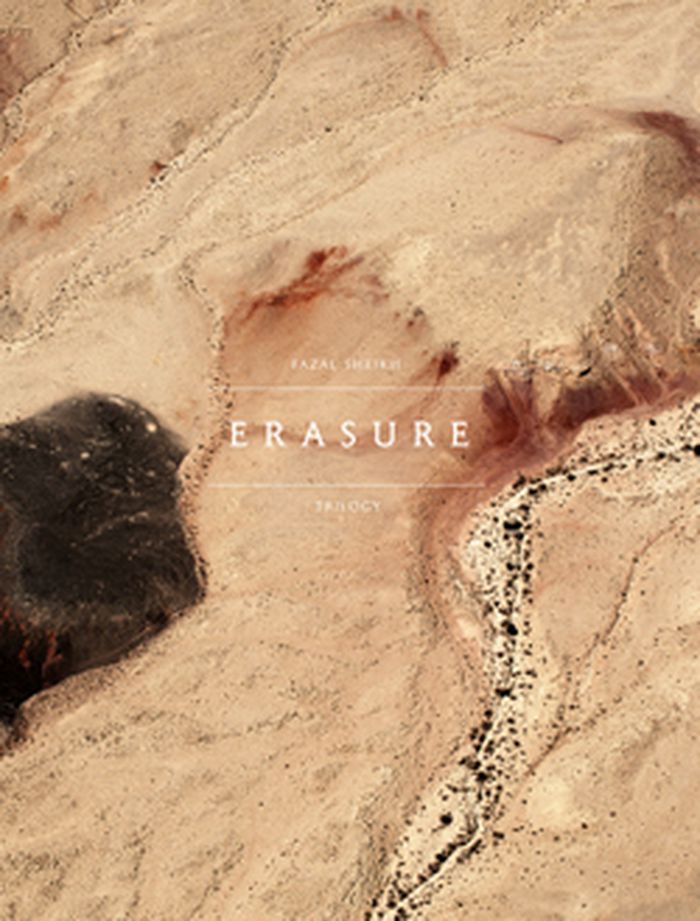
The Erasure Trilogy explores the anguish caused by the loss of memory-by forgetting, amnesia or suppression-and the resulting human desire to preserve memory, all seen through the prism of the Israeli-Palestinian conflict. This book includes 3 volumes. The first book in the trilogy, depicts the ruins caused by the Arab-Israeli War of 1948: portraits of those traumatized by violence, devastated landscapes and fragments of buildings. This visual poem suggests the irreparable loss of a lingering past that augurs a painful and difficult future.Tracing the ironic consequences of David Ben-Gurion's dream of settling the Negev and making the "desert bloom," the aerial photographs in Sheikh's Desert Bloom reveal the myriad actions that have displaced and erased the Bedouins who have lived in the desert for generations. Here we see the extreme transformation of the landscape through erosion, mining, military training camps, the demolition of villages and afforestation. Through Sheikh's lens the desert becomes both an archive of violence and a record of human attempts to erase it. Independence / Nakba consists of 66 diptychs-one for each year since 1948-pairing people from both sides of the Israeli-Palestinian conflict, and of gradually increasing age.
Fazal Sheikh: the erasure trilogy
Actions:
Price:
$150.00
(available to order)
Summary:
The Erasure Trilogy explores the anguish caused by the loss of memory-by forgetting, amnesia or suppression-and the resulting human desire to preserve memory, all seen through the prism of the Israeli-Palestinian conflict. This book includes 3 volumes. The first book in the trilogy, depicts the ruins caused by the Arab-Israeli War of 1948: portraits of those traumatized by violence, devastated landscapes and fragments of buildings. This visual poem suggests the irreparable loss of a lingering past that augurs a painful and difficult future.Tracing the ironic consequences of David Ben-Gurion's dream of settling the Negev and making the "desert bloom," the aerial photographs in Sheikh's Desert Bloom reveal the myriad actions that have displaced and erased the Bedouins who have lived in the desert for generations. Here we see the extreme transformation of the landscape through erosion, mining, military training camps, the demolition of villages and afforestation. Through Sheikh's lens the desert becomes both an archive of violence and a record of human attempts to erase it. Independence / Nakba consists of 66 diptychs-one for each year since 1948-pairing people from both sides of the Israeli-Palestinian conflict, and of gradually increasing age.
Form:
books
books
Publication:
March 2015
March 2015
Subject:
Photography monographs
Photography monographs
Form:
books
books
Title:
Domesticity at War
Domesticity at War
Actions:
Price:
$54.95
(available to order)
Summary:
In the years immediately following World War II, America embraced modern architecture--not as something imported from Europe, but as an entirely new mode of operation, with original and captivating designs made in the USA. Beatriz Colomina shows how postwar American architecture adapted the techniques and materials that were developed for military applications to domestic(...)
$54.95
(available to order)
Summary:
In the years immediately following World War II, America embraced modern architecture--not as something imported from Europe, but as an entirely new mode of operation, with original and captivating designs made in the USA. Beatriz Colomina shows how postwar American architecture adapted the techniques and materials that were developed for military applications to domestic(...)
Title:
Domesticity at War
Actions:
Price:
$54.95
(available to order)
Summary:
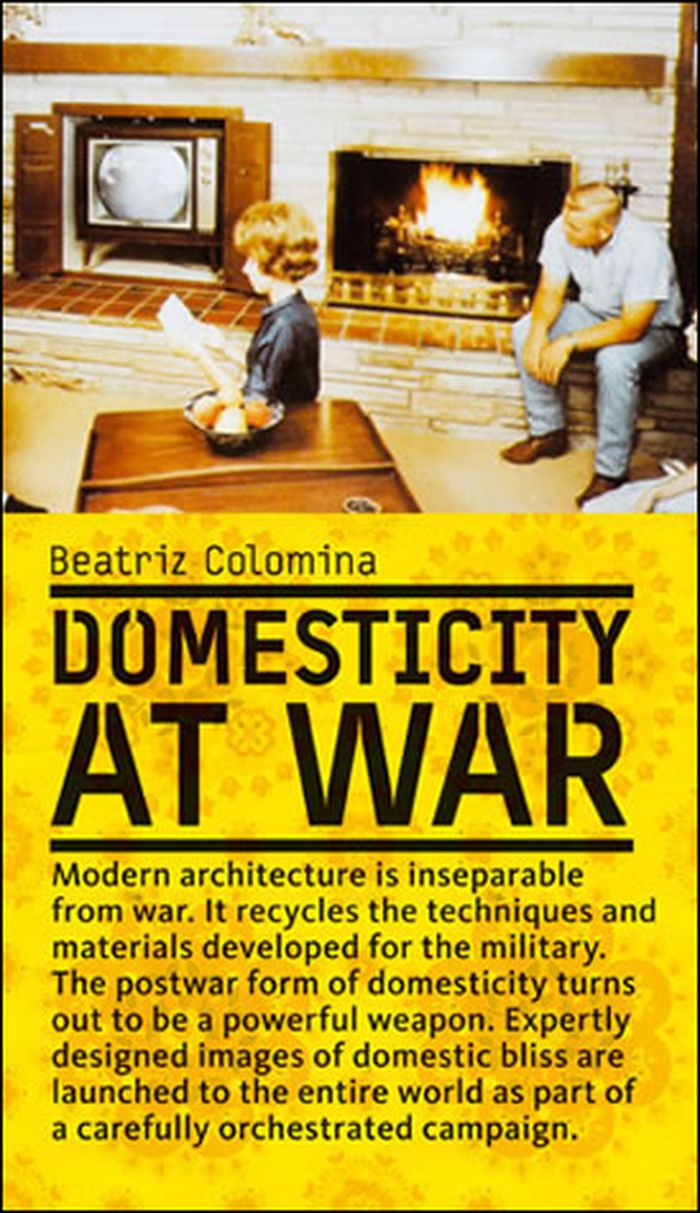
In the years immediately following World War II, America embraced modern architecture--not as something imported from Europe, but as an entirely new mode of operation, with original and captivating designs made in the USA. Beatriz Colomina shows how postwar American architecture adapted the techniques and materials that were developed for military applications to domestic use. Just as manufacturers were turning wartime industry to peacetime productivity--going from missiles to washing machines--American architects and cultural institutions were, in Buckminster Fuller’s words, turning "weaponry into livingry." This new form of domesticity itself turned out to be a powerful weapon. Images of American domestic bliss--suburban homes, manicured lawns, kitchen accessories--went around the world as an effective propaganda campaign. Cold War anxieties were masked by endlessly repeated images of a picture-perfect domestic environment. Even the popular conception of the architect became domesticated, changing from that of an austere modernist to a plaid-shirt wearing homebody. Domesticity at War itself has a distinctive architecture. Housed within the case are two units: one book of text, and one book of illustrations--most of them in color, including advertisements, newspaper and magazine articles, architectural photographs, and more.
Domesticity at War
Actions:
Price:
$54.95
(available to order)
Summary:
In the years immediately following World War II, America embraced modern architecture--not as something imported from Europe, but as an entirely new mode of operation, with original and captivating designs made in the USA. Beatriz Colomina shows how postwar American architecture adapted the techniques and materials that were developed for military applications to domestic use. Just as manufacturers were turning wartime industry to peacetime productivity--going from missiles to washing machines--American architects and cultural institutions were, in Buckminster Fuller’s words, turning "weaponry into livingry." This new form of domesticity itself turned out to be a powerful weapon. Images of American domestic bliss--suburban homes, manicured lawns, kitchen accessories--went around the world as an effective propaganda campaign. Cold War anxieties were masked by endlessly repeated images of a picture-perfect domestic environment. Even the popular conception of the architect became domesticated, changing from that of an austere modernist to a plaid-shirt wearing homebody. Domesticity at War itself has a distinctive architecture. Housed within the case are two units: one book of text, and one book of illustrations--most of them in color, including advertisements, newspaper and magazine articles, architectural photographs, and more.
Form:
books
books
Publication:
March 2007, Cambridge / London
March 2007, Cambridge / London
Subject:
Architectural Theory
Architectural Theory
Form:
books
books
Actions:
Price:
$69.95
(available in store)
Summary:
The reputation as an auteur that Paul Virilio (1932–2018) enjoys today derives from the work he did for his ''Bunker Archeology''. When, in the second half of the 1950s, he began photographing abandoned Second World War bunkers along France’s Atlantic coast, he was working with glass as an artistic medium. In 1966, he presented his photographs to the public for the first(...)
$69.95
(available in store)
Summary:
The reputation as an auteur that Paul Virilio (1932–2018) enjoys today derives from the work he did for his ''Bunker Archeology''. When, in the second half of the 1950s, he began photographing abandoned Second World War bunkers along France’s Atlantic coast, he was working with glass as an artistic medium. In 1966, he presented his photographs to the public for the first(...)
Title:
Paul Virilio: Bunker archeology
Actions:
Price:
$69.95
(available in store)
Summary:
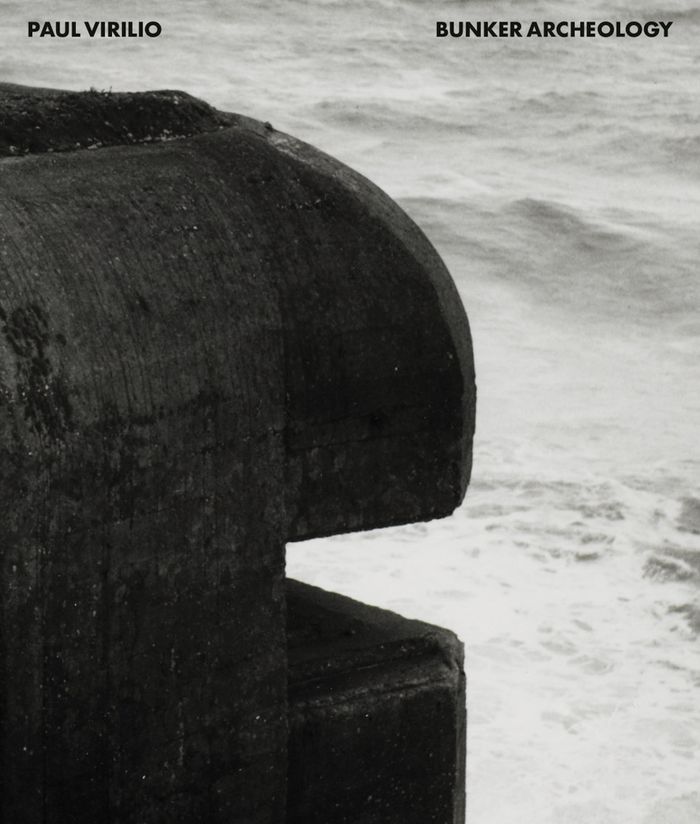
The reputation as an auteur that Paul Virilio (1932–2018) enjoys today derives from the work he did for his ''Bunker Archeology''. When, in the second half of the 1950s, he began photographing abandoned Second World War bunkers along France’s Atlantic coast, he was working with glass as an artistic medium. In 1966, he presented his photographs to the public for the first time in the magazine architecture principe, which he co-edited. At the time, he was particularly interested in the architectural aspects of these wartime installations. He saw the bunkers as “harbingers of a new architecture”, which he sought to capture in the term “cryptic architecture”. The first exhibition of Virilio’s ''Bunker Archeology'' was staged at the Centre Pompidou in 1975, while the museum was still in the process of being established. His seminal book was published in conjunction with this. It laid out all the motifs of his philosophical thinking: military space and communications warfare, camouflage and acceleration, a scrupulous reading of the present coupled with a desire for philosophical speculation. Although it is almost fifty years since the work was first published, ''Bunker Archeology'' is still full of connections to the present.
Paul Virilio: Bunker archeology
Actions:
Price:
$69.95
(available in store)
Summary:
The reputation as an auteur that Paul Virilio (1932–2018) enjoys today derives from the work he did for his ''Bunker Archeology''. When, in the second half of the 1950s, he began photographing abandoned Second World War bunkers along France’s Atlantic coast, he was working with glass as an artistic medium. In 1966, he presented his photographs to the public for the first time in the magazine architecture principe, which he co-edited. At the time, he was particularly interested in the architectural aspects of these wartime installations. He saw the bunkers as “harbingers of a new architecture”, which he sought to capture in the term “cryptic architecture”. The first exhibition of Virilio’s ''Bunker Archeology'' was staged at the Centre Pompidou in 1975, while the museum was still in the process of being established. His seminal book was published in conjunction with this. It laid out all the motifs of his philosophical thinking: military space and communications warfare, camouflage and acceleration, a scrupulous reading of the present coupled with a desire for philosophical speculation. Although it is almost fifty years since the work was first published, ''Bunker Archeology'' is still full of connections to the present.
Form:
books
books
Publication:
November 2025
November 2025
Subject:
Photography monographs
Photography monographs
Form:
books
books
Actions:
Price:
$66.00
(available to order)
Summary:
Fusing urban exploration with her trademark sense of wonder, famed videogame creator Ikumi Nakamura has spent over a decade infiltrating top-secret locations worldwide. Her daring escapades tap into a lost spirit of true adventure, proving that the world is still full of secrets and mystery, just waiting to be revealed. From derelict shipyards and military bases to(...)
$66.00
(available to order)
Summary:
Fusing urban exploration with her trademark sense of wonder, famed videogame creator Ikumi Nakamura has spent over a decade infiltrating top-secret locations worldwide. Her daring escapades tap into a lost spirit of true adventure, proving that the world is still full of secrets and mystery, just waiting to be revealed. From derelict shipyards and military bases to(...)
Title:
Project UrbEx: Adventures in ghost towns, wastelands and other forgtotten worlds
Actions:
Price:
$66.00
(available to order)
Summary:
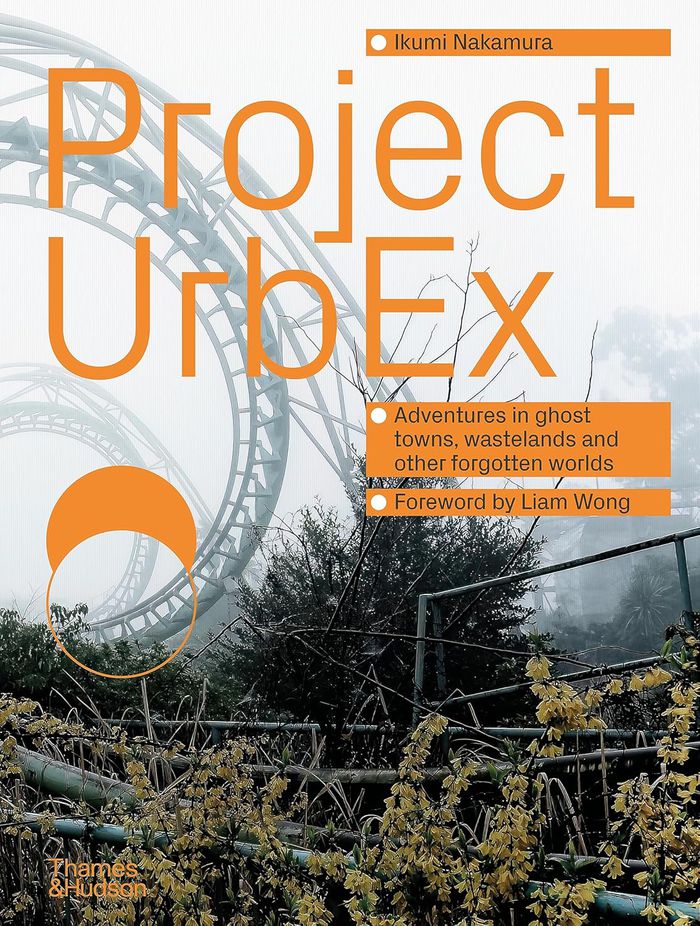
Fusing urban exploration with her trademark sense of wonder, famed videogame creator Ikumi Nakamura has spent over a decade infiltrating top-secret locations worldwide. Her daring escapades tap into a lost spirit of true adventure, proving that the world is still full of secrets and mystery, just waiting to be revealed. From derelict shipyards and military bases to colossal cooling towers, haunted hotels, and mystical islands, this book is packed with places you thought could only exist in videogames. Urban exploration is a way of life for those who choose it as their passion. The secrets and mysteries that disused places incite can be intoxicating and inspiring. As Nakamura has said, "I love breaking boundaries and making people say 'WOW.' As artists, we use our imagination to see the INVISIBLE." With a foreword by videogame designer-turned-photographer Liam Wong, "Project UrbEx" also features sections of Nakamura’s personal travel diaries, printed on pages with a narrower width in a rich Pantone black and illustrated by specially commissioned, exclusive manga—bringing her much-loved sense of humor to the forefront of the narrative and displaying her keen interest in exploring many mediums of creativity.
Project UrbEx: Adventures in ghost towns, wastelands and other forgtotten worlds
Actions:
Price:
$66.00
(available to order)
Summary:
Fusing urban exploration with her trademark sense of wonder, famed videogame creator Ikumi Nakamura has spent over a decade infiltrating top-secret locations worldwide. Her daring escapades tap into a lost spirit of true adventure, proving that the world is still full of secrets and mystery, just waiting to be revealed. From derelict shipyards and military bases to colossal cooling towers, haunted hotels, and mystical islands, this book is packed with places you thought could only exist in videogames. Urban exploration is a way of life for those who choose it as their passion. The secrets and mysteries that disused places incite can be intoxicating and inspiring. As Nakamura has said, "I love breaking boundaries and making people say 'WOW.' As artists, we use our imagination to see the INVISIBLE." With a foreword by videogame designer-turned-photographer Liam Wong, "Project UrbEx" also features sections of Nakamura’s personal travel diaries, printed on pages with a narrower width in a rich Pantone black and illustrated by specially commissioned, exclusive manga—bringing her much-loved sense of humor to the forefront of the narrative and displaying her keen interest in exploring many mediums of creativity.
Form:
books
books
Publication:
February 2025
February 2025
Subject:
Photography monographs
Photography monographs
Form:
books
books
Actions:
Price:
$27.00
(available to order)
Summary:
After the economic disaster of the Great Leap Forward that claimed tens of millions of lives from 1958–1962, an aging Mao Zedong launched an ambitious scheme to shore up his reputation and eliminate those he viewed as a threat to his legacy. The Cultural Revolution's goal was to purge the country of bourgeois, capitalistic elements he claimed were threatening genuine(...)
$27.00
(available to order)
Summary:
After the economic disaster of the Great Leap Forward that claimed tens of millions of lives from 1958–1962, an aging Mao Zedong launched an ambitious scheme to shore up his reputation and eliminate those he viewed as a threat to his legacy. The Cultural Revolution's goal was to purge the country of bourgeois, capitalistic elements he claimed were threatening genuine(...)
Title:
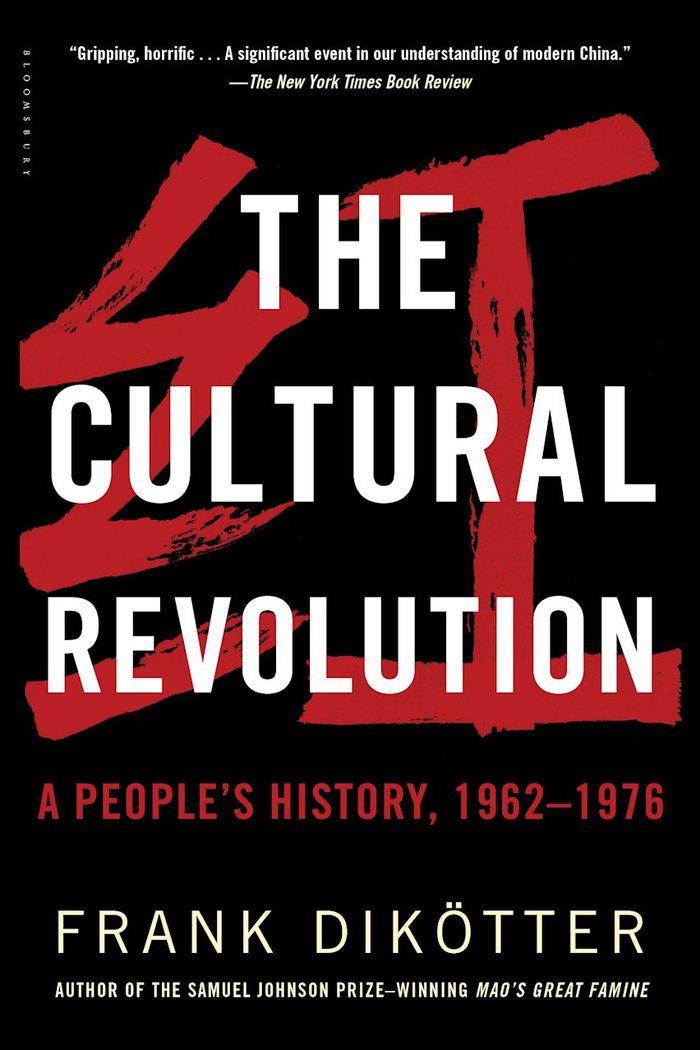
The cultural revolution: A people's history, 1962-1976
Actions:
Price:
$27.00
(available to order)
Summary:
After the economic disaster of the Great Leap Forward that claimed tens of millions of lives from 1958–1962, an aging Mao Zedong launched an ambitious scheme to shore up his reputation and eliminate those he viewed as a threat to his legacy. The Cultural Revolution's goal was to purge the country of bourgeois, capitalistic elements he claimed were threatening genuine communist ideology. Young students formed the Red Guards, vowing to defend the Chairman to the death, but soon rival factions started fighting each other in the streets with semiautomatic weapons in the name of revolutionary purity. As the country descended into chaos, the military intervened, turning China into a garrison state marked by bloody purges that crushed as many as one in fifty people. ''The Cultural Revolution: A People's History, 1962–1976'' draws for the first time on hundreds of previously classified party documents, from secret police reports to unexpurgated versions of leadership speeches. After the army itself fell victim to the Cultural Revolution, ordinary people used the political chaos to resurrect the market and hollow out the party's ideology. By showing how economic reform from below was an unintended consequence of a decade of violent purges and entrenched fear, ''The Cultural Revolution'' casts China's most tumultuous era in a wholly new light.
The cultural revolution: A people's history, 1962-1976
Actions:
Price:
$27.00
(available to order)
Summary:
After the economic disaster of the Great Leap Forward that claimed tens of millions of lives from 1958–1962, an aging Mao Zedong launched an ambitious scheme to shore up his reputation and eliminate those he viewed as a threat to his legacy. The Cultural Revolution's goal was to purge the country of bourgeois, capitalistic elements he claimed were threatening genuine communist ideology. Young students formed the Red Guards, vowing to defend the Chairman to the death, but soon rival factions started fighting each other in the streets with semiautomatic weapons in the name of revolutionary purity. As the country descended into chaos, the military intervened, turning China into a garrison state marked by bloody purges that crushed as many as one in fifty people. ''The Cultural Revolution: A People's History, 1962–1976'' draws for the first time on hundreds of previously classified party documents, from secret police reports to unexpurgated versions of leadership speeches. After the army itself fell victim to the Cultural Revolution, ordinary people used the political chaos to resurrect the market and hollow out the party's ideology. By showing how economic reform from below was an unintended consequence of a decade of violent purges and entrenched fear, ''The Cultural Revolution'' casts China's most tumultuous era in a wholly new light.
Form:
books
books
Publication:
December 2025
December 2025
Subject:
Current Exhibitions
Current Exhibitions


