


2140 Results
Form:
books
books
Actions:
Price:
$45.00
(available to order)
Summary:
Since the mid-19th century, the idea of California has lured many waves of migrants. Here, writer and editor Lyra Kilston explores a less examined attraction: the region’s promise of better health. From ailing families seeking a miracle climate cure to iconoclasts and dropouts pursuing a remedy to societal corruption, the abundance of sunshine and untamed nature around(...)
$45.00
(available to order)
Summary:
Since the mid-19th century, the idea of California has lured many waves of migrants. Here, writer and editor Lyra Kilston explores a less examined attraction: the region’s promise of better health. From ailing families seeking a miracle climate cure to iconoclasts and dropouts pursuing a remedy to societal corruption, the abundance of sunshine and untamed nature around(...)
Title:
Sun seekers: the cure of California
Actions:
Price:
$45.00
(available to order)
Summary:
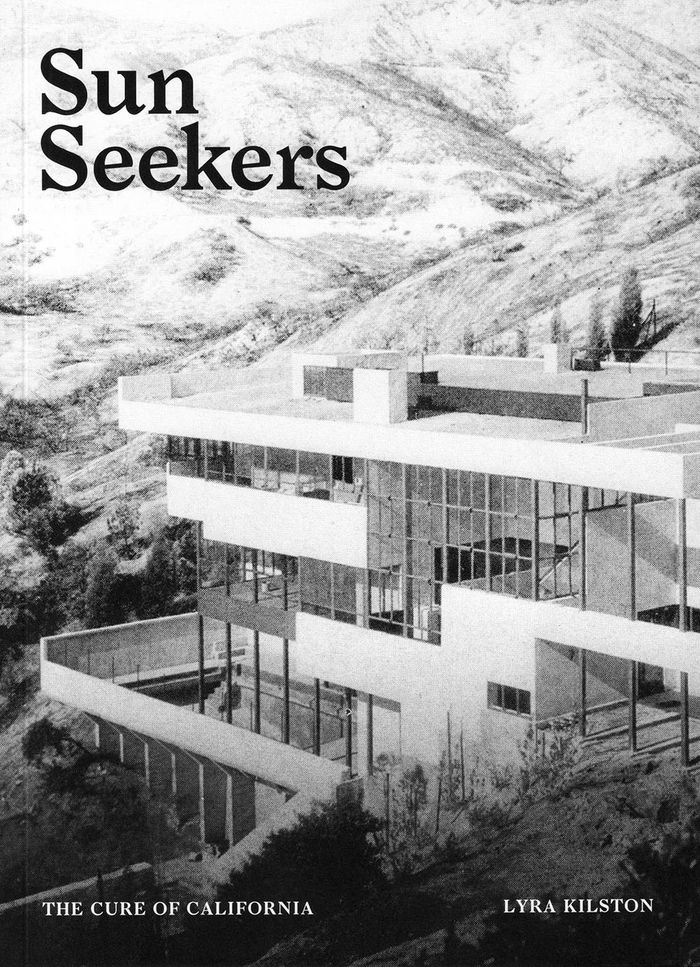
Since the mid-19th century, the idea of California has lured many waves of migrants. Here, writer and editor Lyra Kilston explores a less examined attraction: the region’s promise of better health. From ailing families seeking a miracle climate cure to iconoclasts and dropouts pursuing a remedy to societal corruption, the abundance of sunshine and untamed nature around the small but growing Los Angeles area offered them refuge and inspiration. In the wild west of medical practice, eclectic nature-cure treatments gained popularity. The source for this trend can be traced to the mountains and cold-water springs of Europe, where early sanatoriums were built to offer the natural cures of sun, air, water and diet; this sanatorium architecture was exported to the West Coast from Central Europe, and began to impact other types of building.
Sun seekers: the cure of California
Actions:
Price:
$45.00
(available to order)
Summary:
Since the mid-19th century, the idea of California has lured many waves of migrants. Here, writer and editor Lyra Kilston explores a less examined attraction: the region’s promise of better health. From ailing families seeking a miracle climate cure to iconoclasts and dropouts pursuing a remedy to societal corruption, the abundance of sunshine and untamed nature around the small but growing Los Angeles area offered them refuge and inspiration. In the wild west of medical practice, eclectic nature-cure treatments gained popularity. The source for this trend can be traced to the mountains and cold-water springs of Europe, where early sanatoriums were built to offer the natural cures of sun, air, water and diet; this sanatorium architecture was exported to the West Coast from Central Europe, and began to impact other types of building.
Form:
books
books
Publication:
April 2019
April 2019
Subject:
Architectural Theory
Architectural Theory
Form:
books
books
Title:
On freedom
On freedom
Actions:
Price:
$16.95
(available to order)
Summary:
In this book, New York Times bestselling author Cass Sunstein asks us to rethink freedom. He shows that freedom of choice isn't nearly enough. To be free, we must also be able to navigate life. People often need something like a GPS device to help them get where they want to go- whether the issue involves health, money, jobs, children, or relationships. In both rich and(...)
$16.95
(available to order)
Summary:
In this book, New York Times bestselling author Cass Sunstein asks us to rethink freedom. He shows that freedom of choice isn't nearly enough. To be free, we must also be able to navigate life. People often need something like a GPS device to help them get where they want to go- whether the issue involves health, money, jobs, children, or relationships. In both rich and(...)
Title:
On freedom
Actions:
Price:
$16.95
(available to order)
Summary:
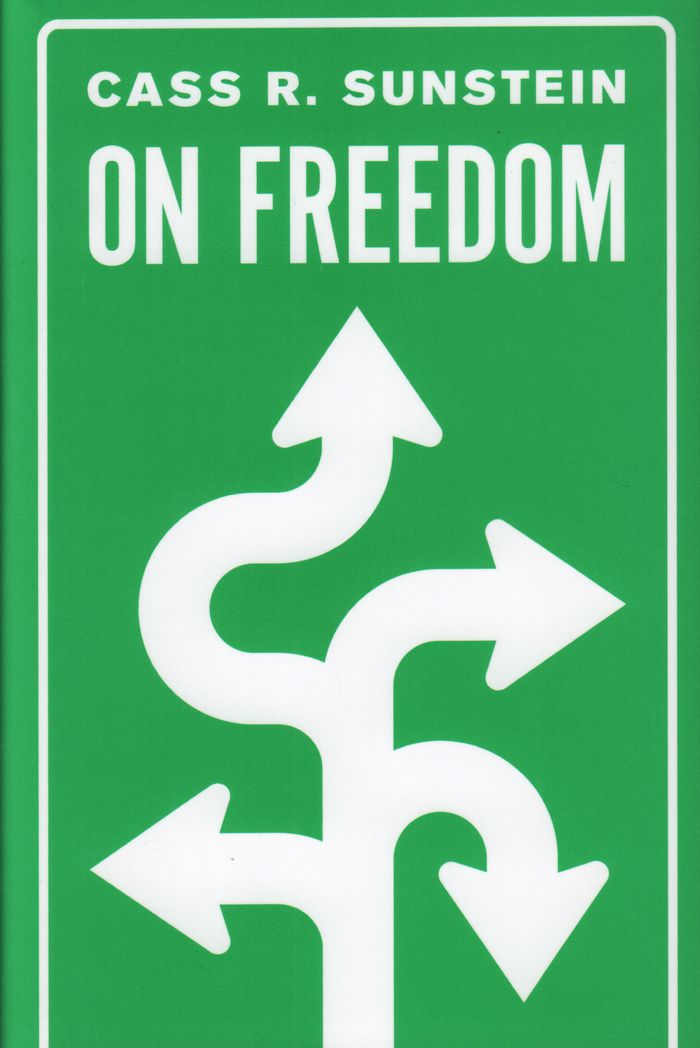
In this book, New York Times bestselling author Cass Sunstein asks us to rethink freedom. He shows that freedom of choice isn't nearly enough. To be free, we must also be able to navigate life. People often need something like a GPS device to help them get where they want to go- whether the issue involves health, money, jobs, children, or relationships. In both rich and poor countries, citizens often have no idea how to get to their desired destination. That is why they are unfree. People also face serious problems of self-control, as many of them make decisions today that can make their lives worse tomorrow. And in some cases, we would be just as happy with other choices, whether a different partner, career, or place to live- which raises the difficult question of which outcome best promotes our well-being.
On freedom
Actions:
Price:
$16.95
(available to order)
Summary:
In this book, New York Times bestselling author Cass Sunstein asks us to rethink freedom. He shows that freedom of choice isn't nearly enough. To be free, we must also be able to navigate life. People often need something like a GPS device to help them get where they want to go- whether the issue involves health, money, jobs, children, or relationships. In both rich and poor countries, citizens often have no idea how to get to their desired destination. That is why they are unfree. People also face serious problems of self-control, as many of them make decisions today that can make their lives worse tomorrow. And in some cases, we would be just as happy with other choices, whether a different partner, career, or place to live- which raises the difficult question of which outcome best promotes our well-being.
Form:
books
books
Publication:
February 2019
February 2019
Form:
books
books
Actions:
Price:
$26.00
(available to order)
Summary:
Tommy Douglas was a Scottish-born prairie politician who believed in the enormous potential of co-operative action for the common good. Award-winning novelist and medical doctor Vincent Lam brings special insight to his portrait of Douglas, who grew up to become a champion boxer and a Baptist minister and then later exchanged the pulpit for a political platform. A(...)
$26.00
(available to order)
Summary:
Tommy Douglas was a Scottish-born prairie politician who believed in the enormous potential of co-operative action for the common good. Award-winning novelist and medical doctor Vincent Lam brings special insight to his portrait of Douglas, who grew up to become a champion boxer and a Baptist minister and then later exchanged the pulpit for a political platform. A(...)
Title:
Tommy Douglas: extraordinary Canadians
Actions:
Price:
$26.00
(available to order)
Summary:
Tommy Douglas was a Scottish-born prairie politician who believed in the enormous potential of co-operative action for the common good. Award-winning novelist and medical doctor Vincent Lam brings special insight to his portrait of Douglas, who grew up to become a champion boxer and a Baptist minister and then later exchanged the pulpit for a political platform. A powerful orator and tireless activist, he served for seventeen years as premier of Saskatchewan, where he introduced the universal health care program that would eventually be adopted across Canada . As the new leader of the New Democratic Party, he was a staunch advocate of programs aimed at improving the well-being of ordinary Canadians and a steadfast defender of civil liberties. By his example and unflagging efforts, Douglas made democratic socialism a part of mainstream Canadian political life.
Tommy Douglas: extraordinary Canadians
Actions:
Price:
$26.00
(available to order)
Summary:
Tommy Douglas was a Scottish-born prairie politician who believed in the enormous potential of co-operative action for the common good. Award-winning novelist and medical doctor Vincent Lam brings special insight to his portrait of Douglas, who grew up to become a champion boxer and a Baptist minister and then later exchanged the pulpit for a political platform. A powerful orator and tireless activist, he served for seventeen years as premier of Saskatchewan, where he introduced the universal health care program that would eventually be adopted across Canada . As the new leader of the New Democratic Party, he was a staunch advocate of programs aimed at improving the well-being of ordinary Canadians and a steadfast defender of civil liberties. By his example and unflagging efforts, Douglas made democratic socialism a part of mainstream Canadian political life.
Form:
books
books
Publication:
March 2012
March 2012
Subject:
Architecture in Canada
Architecture in Canada
Form:
books
books
Actions:
Price:
$96.00
(available in store)
Summary:
Over the years, hospitals, psychiatric institutions and hospice facilities for the elderly have been subject to radical change. To a great extent, these buildings--their amenities and accommodations--have been shaped by developments in medicine and government, shifts in societal and patient perceptions, as well as evolution in architectural ideologies and theories.(...)
$96.00
(available in store)
Summary:
Over the years, hospitals, psychiatric institutions and hospice facilities for the elderly have been subject to radical change. To a great extent, these buildings--their amenities and accommodations--have been shaped by developments in medicine and government, shifts in societal and patient perceptions, as well as evolution in architectural ideologies and theories.(...)
Subject:
Commercial interiors, Building types
Commercial interiors, Building types
Publication:
September 2010
September 2010
Title:
Healthcare architecture in the Netherlands
Actions:
Price:
$96.00
(available in store)
Summary:
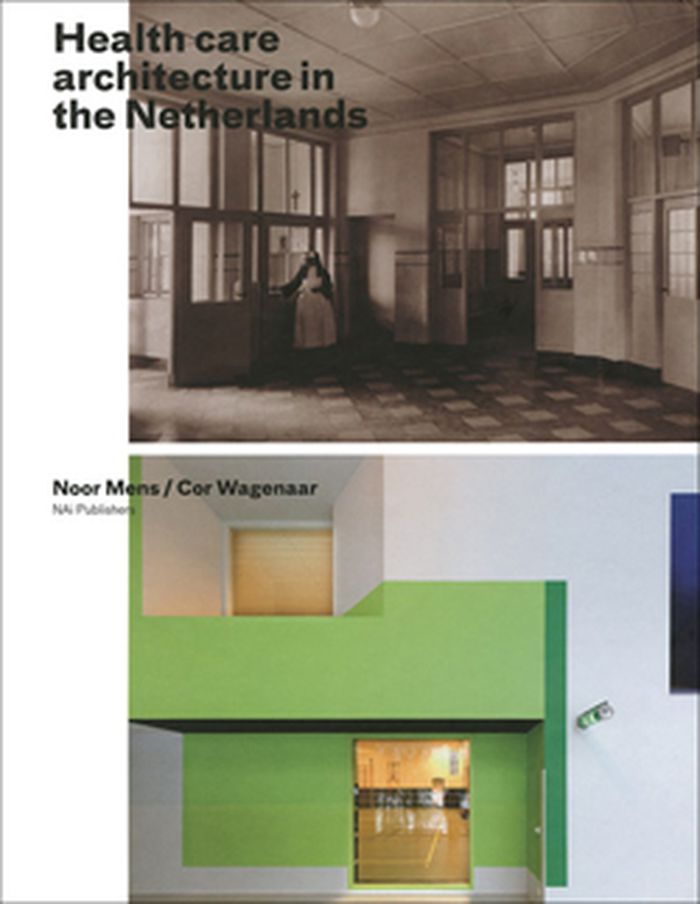
Over the years, hospitals, psychiatric institutions and hospice facilities for the elderly have been subject to radical change. To a great extent, these buildings--their amenities and accommodations--have been shaped by developments in medicine and government, shifts in societal and patient perceptions, as well as evolution in architectural ideologies and theories. Healthcare Architecture in the Netherlands describes the historical evolution of industry-specific design in the healthcare arena, providing a detailed chronological overview from the emergence of healthcare architecture as its own genre within architectural practice to the most recent innovative complexes. It also features approximately 50 buildings from the last 150 years, with illustrations and detailed descriptions, plus a series of texts that addresses aspects of national and international architecture of the twentieth and twenty-first centuries in relation to the health care sector.
Healthcare architecture in the Netherlands
Actions:
Price:
$96.00
(available in store)
Summary:
Over the years, hospitals, psychiatric institutions and hospice facilities for the elderly have been subject to radical change. To a great extent, these buildings--their amenities and accommodations--have been shaped by developments in medicine and government, shifts in societal and patient perceptions, as well as evolution in architectural ideologies and theories. Healthcare Architecture in the Netherlands describes the historical evolution of industry-specific design in the healthcare arena, providing a detailed chronological overview from the emergence of healthcare architecture as its own genre within architectural practice to the most recent innovative complexes. It also features approximately 50 buildings from the last 150 years, with illustrations and detailed descriptions, plus a series of texts that addresses aspects of national and international architecture of the twentieth and twenty-first centuries in relation to the health care sector.
Form:
books
books
Publication:
September 2010
September 2010
Subject:
Commercial interiors, Building types
Commercial interiors, Building types
Form:
books
books
Title:
The Hive at Kew
The Hive at Kew
Actions:
Price:
$34.95
(available to order)
Summary:
The Hive was the centrepiece of the gold medal winning UK Pavilion at the 2015 Milan Expo, and from June 2016 takes up its new home within Kew Gardens. Soaring 17 metres in the air, designed by Wolfgang Buttress and created by BDP, Simmonds Studio and Stage One, The Hive is an immersive, multi-sensory experience inspired by ground-breaking UK scientific research into the(...)
$34.95
(available to order)
Summary:
The Hive was the centrepiece of the gold medal winning UK Pavilion at the 2015 Milan Expo, and from June 2016 takes up its new home within Kew Gardens. Soaring 17 metres in the air, designed by Wolfgang Buttress and created by BDP, Simmonds Studio and Stage One, The Hive is an immersive, multi-sensory experience inspired by ground-breaking UK scientific research into the(...)
Title:
The Hive at Kew
Actions:
Price:
$34.95
(available to order)
Summary:
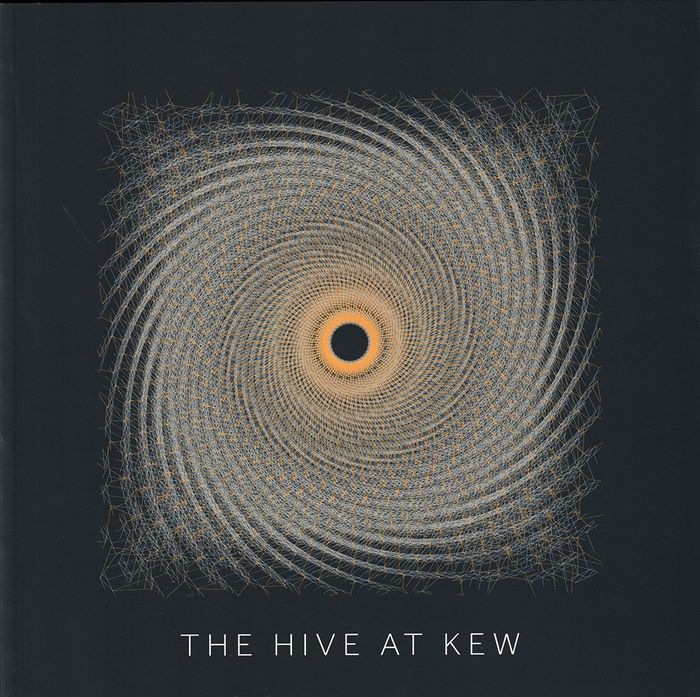
The Hive was the centrepiece of the gold medal winning UK Pavilion at the 2015 Milan Expo, and from June 2016 takes up its new home within Kew Gardens. Soaring 17 metres in the air, designed by Wolfgang Buttress and created by BDP, Simmonds Studio and Stage One, The Hive is an immersive, multi-sensory experience inspired by ground-breaking UK scientific research into the health of bees. Showcasing British creativity, innovation and leadership in overcoming global challenges, this magnificent aluminium structure draws visitors into the space via a wildflower meadow, as though they are worker bees returning to the hive. Hundreds of glowing LED lights bring this 40 tonne lattice structure to life, while a beautiful symphony of orchestral sounds fills the air, with an atmospheric undercurrent of buzzes and pulses. Triggered by vibration sensors within a real beehive, the sound and light intensity within the pavilion increases as the energy levels in the living hive surge, giving visitors an incredible insight into the ever-moving life of a bee colony.The Hive at Kew is a beautifully illustrated celebration of this fascinating project. The book is divided into three sections, with James Haldane, Design Editor for The Architectural Review focusing first on the origins and the architecture of the Hive and its creation led by artist Wolfgang Buttress. The central body of the book focusses on the immersion of the Hive at Kew and the surrounding wildflower meadow designed to attract a variety of bees. This section includes features on the team behind the Hive, as well as Kew's horticultural experts. Finally, Martin Bencsik of Nottingham Trent University and Kew's Phil Stephenson explain the pioneering research into bee health and communication that inspired the Hive, and how Kew is working to help bees in their vital role as pollinators. Beautifully illustrated throughout with photographs of the Hive itself, its construction, and the wildflower meadow surrounding it, as well as architectural plans of the structure.
The Hive at Kew
Actions:
Price:
$34.95
(available to order)
Summary:
The Hive was the centrepiece of the gold medal winning UK Pavilion at the 2015 Milan Expo, and from June 2016 takes up its new home within Kew Gardens. Soaring 17 metres in the air, designed by Wolfgang Buttress and created by BDP, Simmonds Studio and Stage One, The Hive is an immersive, multi-sensory experience inspired by ground-breaking UK scientific research into the health of bees. Showcasing British creativity, innovation and leadership in overcoming global challenges, this magnificent aluminium structure draws visitors into the space via a wildflower meadow, as though they are worker bees returning to the hive. Hundreds of glowing LED lights bring this 40 tonne lattice structure to life, while a beautiful symphony of orchestral sounds fills the air, with an atmospheric undercurrent of buzzes and pulses. Triggered by vibration sensors within a real beehive, the sound and light intensity within the pavilion increases as the energy levels in the living hive surge, giving visitors an incredible insight into the ever-moving life of a bee colony.The Hive at Kew is a beautifully illustrated celebration of this fascinating project. The book is divided into three sections, with James Haldane, Design Editor for The Architectural Review focusing first on the origins and the architecture of the Hive and its creation led by artist Wolfgang Buttress. The central body of the book focusses on the immersion of the Hive at Kew and the surrounding wildflower meadow designed to attract a variety of bees. This section includes features on the team behind the Hive, as well as Kew's horticultural experts. Finally, Martin Bencsik of Nottingham Trent University and Kew's Phil Stephenson explain the pioneering research into bee health and communication that inspired the Hive, and how Kew is working to help bees in their vital role as pollinators. Beautifully illustrated throughout with photographs of the Hive itself, its construction, and the wildflower meadow surrounding it, as well as architectural plans of the structure.
Form:
books
books
Publication:
March 2017
March 2017
Subject:
Gardens
Gardens
Form:
books
books
Actions:
Price:
$49.95
(available to order)
Summary:
Modern urban planning has long promised to improve the quality of human life. But how is human life defined? "Displacing Blackness" develops a unique critique of urban planning by focusing, not on its subservience to economic or political elites, but on its efforts to improve people’s lives. While focused on twentieth-century Halifax, "Displacing Blackness" develops(...)
$49.95
(available to order)
Summary:
Modern urban planning has long promised to improve the quality of human life. But how is human life defined? "Displacing Blackness" develops a unique critique of urban planning by focusing, not on its subservience to economic or political elites, but on its efforts to improve people’s lives. While focused on twentieth-century Halifax, "Displacing Blackness" develops(...)
Title:
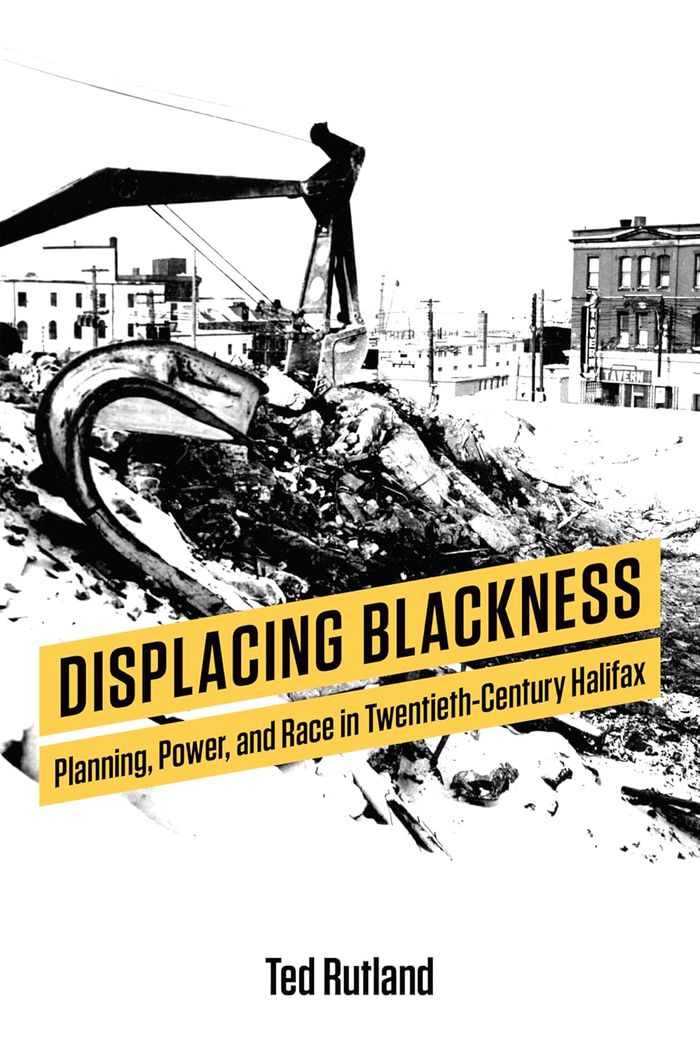
Displacing Blackness: Planning, power, and race in twentieth-century Halifax
Actions:
Price:
$49.95
(available to order)
Summary:
Modern urban planning has long promised to improve the quality of human life. But how is human life defined? "Displacing Blackness" develops a unique critique of urban planning by focusing, not on its subservience to economic or political elites, but on its efforts to improve people’s lives. While focused on twentieth-century Halifax, "Displacing Blackness" develops broad insights about the possibilities and limitations of modern planning. Drawing connections between the history of planning and emerging scholarship in Black Studies, Ted Rutland positions anti-blackness at the heart of contemporary city-making. Moving through a series of important planning initiatives, from a social housing project concerned with the moral and physical health of working-class residents to a sustainability-focused regional plan, Displacing Blackness shows how race – specifically blackness – has defined the boundaries of the human being and guided urban planning, with grave consequences for the city’s Black residents.
Displacing Blackness: Planning, power, and race in twentieth-century Halifax
Actions:
Price:
$49.95
(available to order)
Summary:
Modern urban planning has long promised to improve the quality of human life. But how is human life defined? "Displacing Blackness" develops a unique critique of urban planning by focusing, not on its subservience to economic or political elites, but on its efforts to improve people’s lives. While focused on twentieth-century Halifax, "Displacing Blackness" develops broad insights about the possibilities and limitations of modern planning. Drawing connections between the history of planning and emerging scholarship in Black Studies, Ted Rutland positions anti-blackness at the heart of contemporary city-making. Moving through a series of important planning initiatives, from a social housing project concerned with the moral and physical health of working-class residents to a sustainability-focused regional plan, Displacing Blackness shows how race – specifically blackness – has defined the boundaries of the human being and guided urban planning, with grave consequences for the city’s Black residents.
Form:
books
books
Publication:
May 2018
May 2018
Subject:
Architecture in Canada
Architecture in Canada
Form:
books
books
Title:
Spirit & place
Spirit & place
Actions:
Price:
$57.50
(available to order)
Summary:
Built environment surrounds us for 90% of our lives but only now are we realising its influence on the environment, our health, and how we think, feel and behave both individually and socially. "Spirit & place" shows how to work towards a sustainable environment through socially inclusive processes of placemaking, and how to create places that are nourishing(...)
$57.50
(available to order)
Summary:
Built environment surrounds us for 90% of our lives but only now are we realising its influence on the environment, our health, and how we think, feel and behave both individually and socially. "Spirit & place" shows how to work towards a sustainable environment through socially inclusive processes of placemaking, and how to create places that are nourishing(...)
Title:
Spirit & place
Actions:
Price:
$57.50
(available to order)
Summary:
Built environment surrounds us for 90% of our lives but only now are we realising its influence on the environment, our health, and how we think, feel and behave both individually and socially. "Spirit & place" shows how to work towards a sustainable environment through socially inclusive processes of placemaking, and how to create places that are nourishing psychologically and physically, to soul and spirit as well as body. This book's arguments identify important, but often unrecognised, principles and illustrate their applicability in a wide range of situations, price-ranges and climates. It shows how to reconcile the apparently incompatible demands of environmental, economic and social sustainability; how to moderate climate to make places of delight, and realign social pressures so places both support society and maximise economic viability. Thought provoking and easy to understand, Christopher Day uses everyday examples to relate his theories to practice and our experience.
Spirit & place
Actions:
Price:
$57.50
(available to order)
Summary:
Built environment surrounds us for 90% of our lives but only now are we realising its influence on the environment, our health, and how we think, feel and behave both individually and socially. "Spirit & place" shows how to work towards a sustainable environment through socially inclusive processes of placemaking, and how to create places that are nourishing psychologically and physically, to soul and spirit as well as body. This book's arguments identify important, but often unrecognised, principles and illustrate their applicability in a wide range of situations, price-ranges and climates. It shows how to reconcile the apparently incompatible demands of environmental, economic and social sustainability; how to moderate climate to make places of delight, and realign social pressures so places both support society and maximise economic viability. Thought provoking and easy to understand, Christopher Day uses everyday examples to relate his theories to practice and our experience.
Form:
books
books
Publication:
January 1900, Oxford, Burlington
January 1900, Oxford, Burlington
Subject:
Green Architecture
Green Architecture
Form:
books
books
Actions:
Price:
$28.00
(available to order)
Summary:
Daily bad news about climate change, shrinking resources, global health crises, species extinction and growing inequalities cause tremendous anxiety and insecurity, especially since the COVID pandemic. The ambition of this book is to explain in simple but precise terms, by means of concise illustrations, what ''finance'' is, and how its most innovative form, sustainable(...)
$28.00
(available to order)
Summary:
Daily bad news about climate change, shrinking resources, global health crises, species extinction and growing inequalities cause tremendous anxiety and insecurity, especially since the COVID pandemic. The ambition of this book is to explain in simple but precise terms, by means of concise illustrations, what ''finance'' is, and how its most innovative form, sustainable(...)
Title:
Financing our common future, in the time of COVID-19
Actions:
Price:
$28.00
(available to order)
Summary:
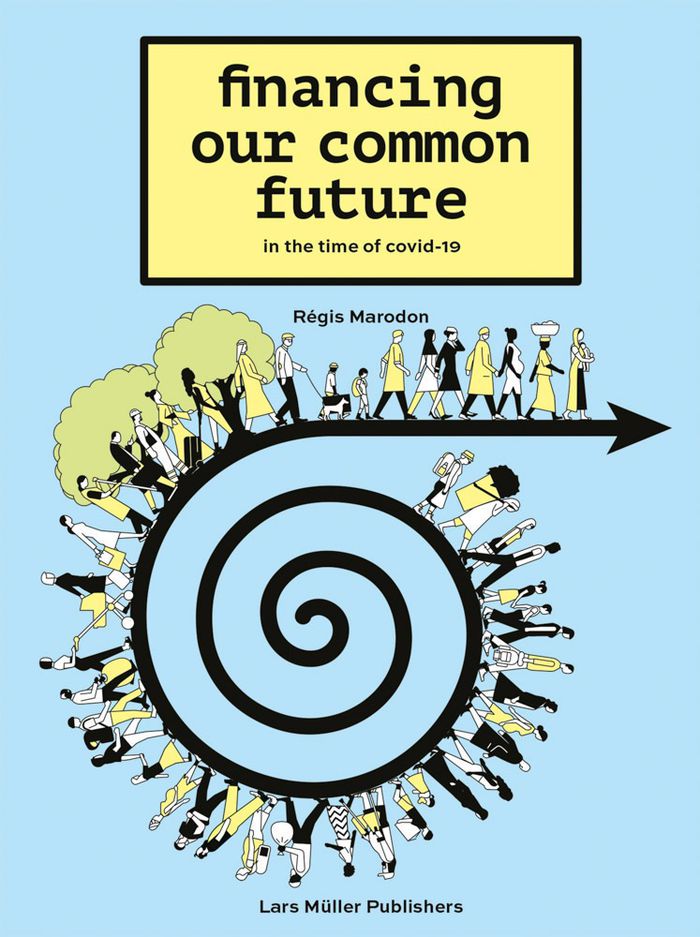
Daily bad news about climate change, shrinking resources, global health crises, species extinction and growing inequalities cause tremendous anxiety and insecurity, especially since the COVID pandemic. The ambition of this book is to explain in simple but precise terms, by means of concise illustrations, what ''finance'' is, and how its most innovative form, sustainable finance, can reconcile the well-being of mankind with the capacities of our planet. Is there a way to convince society that a fundamental transition is necessary—or even more, that it is possible? Can sustainable finance help? ''Financing our common future'' offers encouraging perspectives by showing how little-known groups of financial stakeholders, such as development banks, are actively working to make sustainable finance happen. The book invites you to enjoy a journey through a multitude of situations, to question our preconceptions and to open our mindset so we can envision better ways of moving forward.
Financing our common future, in the time of COVID-19
Actions:
Price:
$28.00
(available to order)
Summary:
Daily bad news about climate change, shrinking resources, global health crises, species extinction and growing inequalities cause tremendous anxiety and insecurity, especially since the COVID pandemic. The ambition of this book is to explain in simple but precise terms, by means of concise illustrations, what ''finance'' is, and how its most innovative form, sustainable finance, can reconcile the well-being of mankind with the capacities of our planet. Is there a way to convince society that a fundamental transition is necessary—or even more, that it is possible? Can sustainable finance help? ''Financing our common future'' offers encouraging perspectives by showing how little-known groups of financial stakeholders, such as development banks, are actively working to make sustainable finance happen. The book invites you to enjoy a journey through a multitude of situations, to question our preconceptions and to open our mindset so we can envision better ways of moving forward.
Form:
books
books
Publication:
January 2021
January 2021
Subject:
Social
Social
Form:
books
books
Price:
$24.00
(available to order)
Summary:
Acclaimed engineer and historian Henry Petroski explores our core infrastructure from both historical and contemporary perspectives, explaining how essential their maintenance is to America’s economic health. Petroski reveals the genesis of the many parts of America’s highway system—our interstate numbering system, the centerline that divides roads, and such(...)
$24.00
(available to order)
Summary:
Acclaimed engineer and historian Henry Petroski explores our core infrastructure from both historical and contemporary perspectives, explaining how essential their maintenance is to America’s economic health. Petroski reveals the genesis of the many parts of America’s highway system—our interstate numbering system, the centerline that divides roads, and such(...)
Title:
The road taken: the history and future of America's infrastructure
Actions:
Price:
$24.00
(available to order)
Summary:
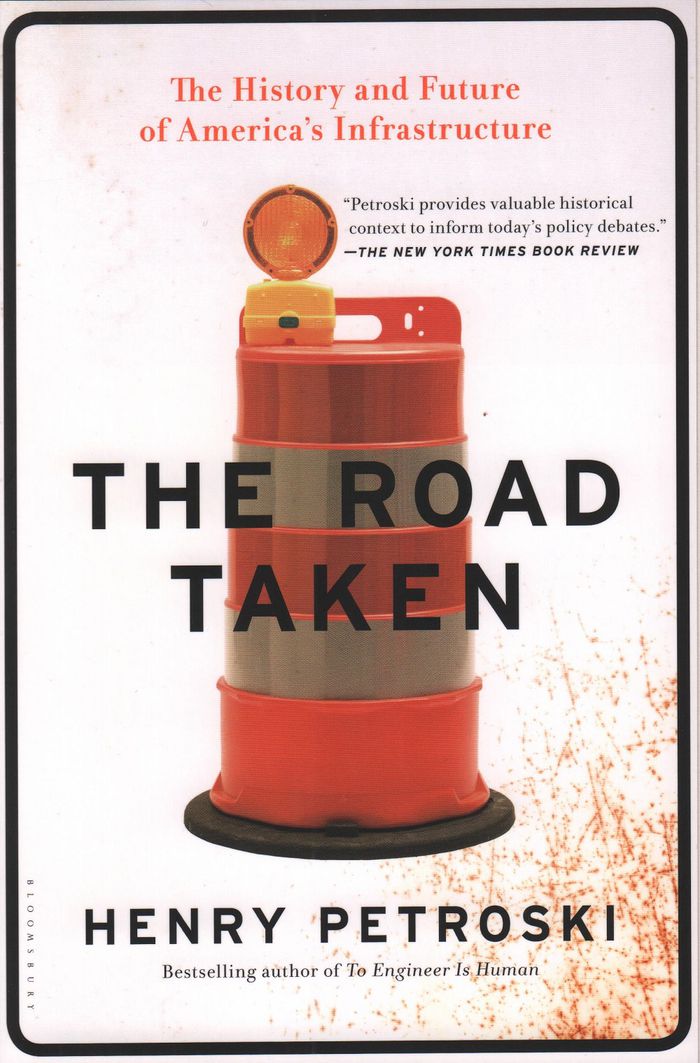
Acclaimed engineer and historian Henry Petroski explores our core infrastructure from both historical and contemporary perspectives, explaining how essential their maintenance is to America’s economic health. Petroski reveals the genesis of the many parts of America’s highway system—our interstate numbering system, the centerline that divides roads, and such taken-for-granted objects as guardrails, stop signs, and traffic lights—all crucial to our national and local infrastructure. A compelling work of history, "The road taken" is also an urgent clarion call aimed at American citizens, politicians, and anyone with a vested interest in our economic well-being. Physical infrastructure in the United States is crumbling, and Petroski reveals the complex and challenging interplay between government and industry inherent in major infrastructure improvement. The road we take in the next decade toward rebuilding our aging infrastructure will in large part determine our future national prosperity.
The road taken: the history and future of America's infrastructure
Actions:
Price:
$24.00
(available to order)
Summary:
Acclaimed engineer and historian Henry Petroski explores our core infrastructure from both historical and contemporary perspectives, explaining how essential their maintenance is to America’s economic health. Petroski reveals the genesis of the many parts of America’s highway system—our interstate numbering system, the centerline that divides roads, and such taken-for-granted objects as guardrails, stop signs, and traffic lights—all crucial to our national and local infrastructure. A compelling work of history, "The road taken" is also an urgent clarion call aimed at American citizens, politicians, and anyone with a vested interest in our economic well-being. Physical infrastructure in the United States is crumbling, and Petroski reveals the complex and challenging interplay between government and industry inherent in major infrastructure improvement. The road we take in the next decade toward rebuilding our aging infrastructure will in large part determine our future national prosperity.
Form:
books
books
Publication:
February 2017
February 2017
Subject:
Engineering Structures
Engineering Structures
Form:
books
books
Actions:
Price:
$35.95
(available to order)
Summary:
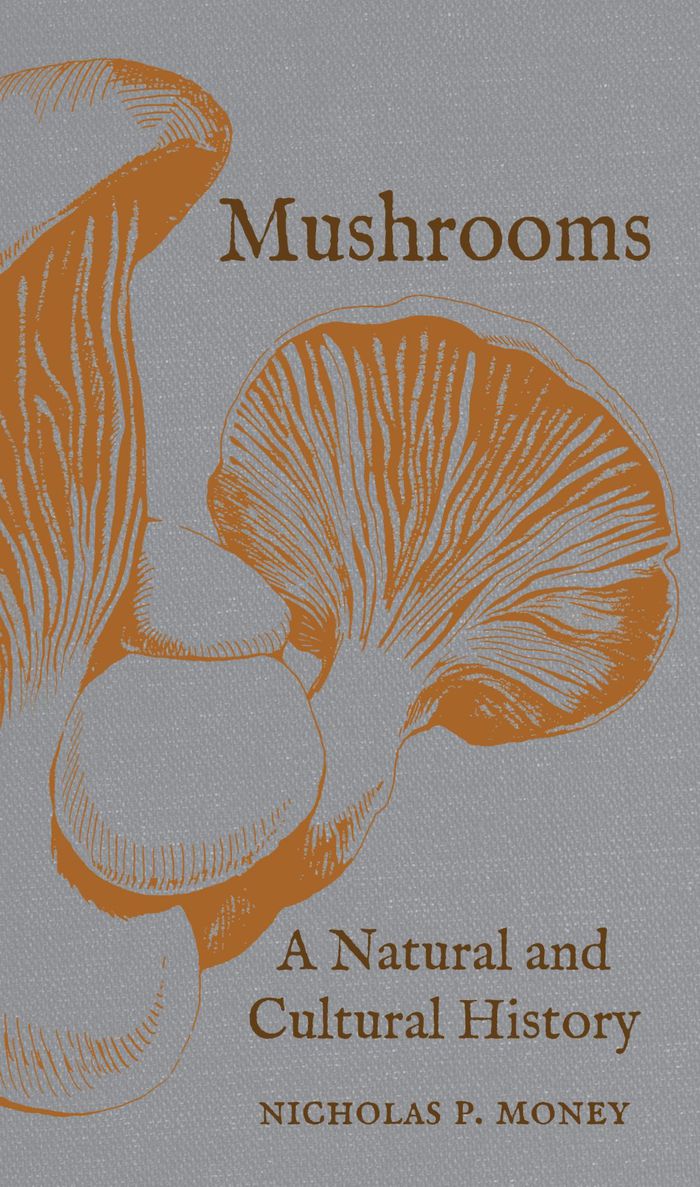
In this book, Nicholas P. Money tells the utterly fascinating story of mushrooms and the ways we have interacted with these fungi throughout history. Whether they have populated the landscapes of fairytales, lent splendid umami to our dishes, or steered us into deep hallucinations, mushrooms have affected humanity from the earliest beginnings of our species. As Money(...)
$35.95
(available to order)
Summary:
In this book, Nicholas P. Money tells the utterly fascinating story of mushrooms and the ways we have interacted with these fungi throughout history. Whether they have populated the landscapes of fairytales, lent splendid umami to our dishes, or steered us into deep hallucinations, mushrooms have affected humanity from the earliest beginnings of our species. As Money(...)
Title:
Mushrooms: a natural and cultural history
Actions:
Price:
$35.95
(available to order)
Summary:
In this book, Nicholas P. Money tells the utterly fascinating story of mushrooms and the ways we have interacted with these fungi throughout history. Whether they have populated the landscapes of fairytales, lent splendid umami to our dishes, or steered us into deep hallucinations, mushrooms have affected humanity from the earliest beginnings of our species. As Money explains, mushrooms are not self-contained organisms like animals and plants. Rather, they are the fruiting bodies of large—sometimes extremely large—colonies of mycelial threads that spread underground and permeate rotting vegetation. Because these colonies decompose organic matter, they are of extraordinary ecological value and have a huge effect on the health of the environment. This book takes us on a tour of the cultural and scientific importance of mushrooms, from the enchanted forests of folklore to the role of these fungi in sustaining life on earth.
Mushrooms: a natural and cultural history
Actions:
Price:
$35.95
(available to order)
Summary:
In this book, Nicholas P. Money tells the utterly fascinating story of mushrooms and the ways we have interacted with these fungi throughout history. Whether they have populated the landscapes of fairytales, lent splendid umami to our dishes, or steered us into deep hallucinations, mushrooms have affected humanity from the earliest beginnings of our species. As Money explains, mushrooms are not self-contained organisms like animals and plants. Rather, they are the fruiting bodies of large—sometimes extremely large—colonies of mycelial threads that spread underground and permeate rotting vegetation. Because these colonies decompose organic matter, they are of extraordinary ecological value and have a huge effect on the health of the environment. This book takes us on a tour of the cultural and scientific importance of mushrooms, from the enchanted forests of folklore to the role of these fungi in sustaining life on earth.
Form:
books
books
Publication:
October 2022
October 2022
Subject:
Food
Food


