


11498 Results
Form:
articles
articles

Issue:
Into the material world
Into the material world
Form:
textual records
textual records
Actions:
Reference number:
AP149.S2.SS1.002
Description:
Group consists of the thesis "Users Making Choices: Water and Wastes Management in Small Nothern Communities" by Mininum Cost Housing Group about water and wasters management in Big Trout Lake community, Ontario. Includes two versions: a stapled and a loose sheets versions.
AP149.S2.SS1.002
Description:
Group consists of the thesis "Users Making Choices: Water and Wastes Management in Small Nothern Communities" by Mininum Cost Housing Group about water and wasters management in Big Trout Lake community, Ontario. Includes two versions: a stapled and a loose sheets versions.
People:
Date:
1978
1978
Title:
Users Making Choices: Water and Wastes Management in Small Nothern Communities
Actions:
AP149.S2.SS1.002
Description:
Group consists of the thesis "Users Making Choices: Water and Wastes Management in Small Nothern Communities" by Mininum Cost Housing Group about water and wasters management in Big Trout Lake community, Ontario. Includes two versions: a stapled and a loose sheets versions.
Users Making Choices: Water and Wastes Management in Small Nothern Communities
Actions:
AP149.S2.SS1.002
Description:
Group consists of the thesis "Users Making Choices: Water and Wastes Management in Small Nothern Communities" by Mininum Cost Housing Group about water and wasters management in Big Trout Lake community, Ontario. Includes two versions: a stapled and a loose sheets versions.
Form:
textual records
textual records
Date:
1978
1978
People:
Form:
archives
Level of archival description:
Fonds
archives
Level of archival description:
Fonds
Reference number:
AP096
Synopsis:
The Charles B.K. Van Norman fonds consists of photographs, drawings, albums, a presentation panel, and textual records. The material ranges in date from ca. 1942 to 1967, and shows the variety of building types that Van Norman designed, primarily for corporate and government clients, through the busiest period of his career.
AP096
Synopsis:
The Charles B.K. Van Norman fonds consists of photographs, drawings, albums, a presentation panel, and textual records. The material ranges in date from ca. 1942 to 1967, and shows the variety of building types that Van Norman designed, primarily for corporate and government clients, through the busiest period of his career.
People:
Date:
[ca. 1942-1967]
[ca. 1942-1967]
Title:
Charles B.K. Van Norman fonds
Actions:
AP096
Synopsis:
The Charles B.K. Van Norman fonds consists of photographs, drawings, albums, a presentation panel, and textual records. The material ranges in date from ca. 1942 to 1967, and shows the variety of building types that Van Norman designed, primarily for corporate and government clients, through the busiest period of his career.
Charles B.K. Van Norman fonds
Actions:
AP096
Synopsis:
The Charles B.K. Van Norman fonds consists of photographs, drawings, albums, a presentation panel, and textual records. The material ranges in date from ca. 1942 to 1967, and shows the variety of building types that Van Norman designed, primarily for corporate and government clients, through the busiest period of his career.
Form:
archives
Level of archival description:
Fonds
archives
Level of archival description:
Fonds
Date:
[ca. 1942-1967]
[ca. 1942-1967]
People:
Form:
events
events

Description:
What can be done to support Indigenous experiences of the built environment? Join landscape architect Naomi Ratte and architect Jason Surkan to learn more about the projects they are pursuing as the inaugural Indigenous-led Design Fellows at the CCA. Over the course of the week of February 20, Naomi and Jason will engage with CCA staff to create moments of learning and(...)
What can be done to support Indigenous experiences of the built environment? Join landscape architect Naomi Ratte and architect Jason Surkan to learn more about the projects they are pursuing as the inaugural Indigenous-led Design Fellows at the CCA. Over the course of the week of February 20, Naomi and Jason will engage with CCA staff to create moments of learning and(...)
Location:
Shaughnessy House and online Keyword(s):
Indigenous-led design, fellow, Peguis First Nation, land rehabilitation, historical Métis housing
Shaughnessy House and online Keyword(s):
Indigenous-led design, fellow, Peguis First Nation, land rehabilitation, historical Métis housing
Date:
23 February 2023, 6:00 to 7:30 p.m.
23 February 2023, 6:00 to 7:30 p.m.
Title:
Indigenous-led Design: Methods, Practices, Communities, Experiences
Actions:
Description:
What can be done to support Indigenous experiences of the built environment? Join landscape architect Naomi Ratte and architect Jason Surkan to learn more about the projects they are pursuing as the inaugural Indigenous-led Design Fellows at the CCA. Over the course of the week of February 20, Naomi and Jason will engage with CCA staff to create moments of learning and(...)
Indigenous-led Design: Methods, Practices, Communities, Experiences
Actions:
Description:
What can be done to support Indigenous experiences of the built environment? Join landscape architect Naomi Ratte and architect Jason Surkan to learn more about the projects they are pursuing as the inaugural Indigenous-led Design Fellows at the CCA. Over the course of the week of February 20, Naomi and Jason will engage with CCA staff to create moments of learning and(...)
Form:
events
events
Date:
23 February 2023
6:00 to 7:30 p.m.
23 February 2023
6:00 to 7:30 p.m.
Location:
Shaughnessy House and online Keyword(s):
Indigenous-led design, fellow, Peguis First Nation, land rehabilitation, historical Métis housing
Shaughnessy House and online Keyword(s):
Indigenous-led design, fellow, Peguis First Nation, land rehabilitation, historical Métis housing
Form:
films
films
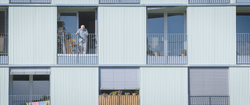
Title:
Where We Grow Older
Where We Grow Older
Actions:
Description:
The documentary Where We Grow Older (CCA, 2023, 30 min) looks at how the growing ageing population is reshaping architectural and social constructs and questions the role of urban design and politics in facing these challenges. The film investigates two models of how care and housing can be reconceived in light of prolonged lives: public housing and the creation of a new(...)
The documentary Where We Grow Older (CCA, 2023, 30 min) looks at how the growing ageing population is reshaping architectural and social constructs and questions the role of urban design and politics in facing these challenges. The film investigates two models of how care and housing can be reconceived in light of prolonged lives: public housing and the creation of a new(...)
Title:
Where We Grow Older
Actions:
Description:
The documentary Where We Grow Older (CCA, 2023, 30 min) looks at how the growing ageing population is reshaping architectural and social constructs and questions the role of urban design and politics in facing these challenges. The film investigates two models of how care and housing can be reconceived in light of prolonged lives: public housing and the creation of a new(...)
Where We Grow Older
Actions:
Description:
The documentary Where We Grow Older (CCA, 2023, 30 min) looks at how the growing ageing population is reshaping architectural and social constructs and questions the role of urban design and politics in facing these challenges. The film investigates two models of how care and housing can be reconceived in light of prolonged lives: public housing and the creation of a new(...)
Form:
films
films
Date:
June 2023
June 2023
Level of archival description:
Project
Project
Reference number:
AP206.S1.1982.PR05
Description:
This project series documents LIG (low income group) housing in Sector 52 in Chandigarh from around the 1980s or 1990s. This project consisted of the design of typical three-storey housing clusters for the Chandigarh Housing Board. The typical design had four housing wings attached by a central, common courtyard. Balconies and courtyards on the building's exterior were arranged in an alternating pattern to give every resident a view of the sky. The project is recorded through floor plans, elevations, sections and a perspective, likely dating from sometime in the 1980s or 1990s.
AP206.S1.1982.PR05
Description:
This project series documents LIG (low income group) housing in Sector 52 in Chandigarh from around the 1980s or 1990s. This project consisted of the design of typical three-storey housing clusters for the Chandigarh Housing Board. The typical design had four housing wings attached by a central, common courtyard. Balconies and courtyards on the building's exterior were arranged in an alternating pattern to give every resident a view of the sky. The project is recorded through floor plans, elevations, sections and a perspective, likely dating from sometime in the 1980s or 1990s.
People:
Date:
circa 1980s-1990s
circa 1980s-1990s
Title:
LIG flats, Chandigarh, India (circa 1980s-1990s)
Actions:
AP206.S1.1982.PR05
Description:
This project series documents LIG (low income group) housing in Sector 52 in Chandigarh from around the 1980s or 1990s. This project consisted of the design of typical three-storey housing clusters for the Chandigarh Housing Board. The typical design had four housing wings attached by a central, common courtyard. Balconies and courtyards on the building's exterior were arranged in an alternating pattern to give every resident a view of the sky. The project is recorded through floor plans, elevations, sections and a perspective, likely dating from sometime in the 1980s or 1990s.
LIG flats, Chandigarh, India (circa 1980s-1990s)
Actions:
AP206.S1.1982.PR05
Description:
This project series documents LIG (low income group) housing in Sector 52 in Chandigarh from around the 1980s or 1990s. This project consisted of the design of typical three-storey housing clusters for the Chandigarh Housing Board. The typical design had four housing wings attached by a central, common courtyard. Balconies and courtyards on the building's exterior were arranged in an alternating pattern to give every resident a view of the sky. The project is recorded through floor plans, elevations, sections and a perspective, likely dating from sometime in the 1980s or 1990s.
Level of archival description:
Project
Project
Date:
circa 1980s-1990s
circa 1980s-1990s
People:
Form:
textual records
textual records
Title:
Nation, The - Magazine
Nation, The - Magazine
Actions:
Reference number:
ARCH104194
Description:
correspondence, bibliography on Housing
ARCH104194
Description:
correspondence, bibliography on Housing
People:
Date:
1937
1937
Title:
Nation, The - Magazine
Actions:
ARCH104194
Description:
correspondence, bibliography on Housing
Nation, The - Magazine
Actions:
ARCH104194
Description:
correspondence, bibliography on Housing
Form:
textual records
textual records
Date:
1937
1937
People:
Form:
archives
Level of archival description:
Collection
archives
Level of archival description:
Collection
Title:
Mart Stam collection
Mart Stam collection
Reference number:
CI006
Synopsis:
The Mart Stam Collection documents Stam's work as an architect between 1926 and 1932. The collection focuses primarly on Stam's architectural projects, mainly work executed in The Netherlands, Germany and Czechoslovakia. The collection also includes photographic material of Stam projects by German photographer Ilse Bing.
CI006
Synopsis:
The Mart Stam Collection documents Stam's work as an architect between 1926 and 1932. The collection focuses primarly on Stam's architectural projects, mainly work executed in The Netherlands, Germany and Czechoslovakia. The collection also includes photographic material of Stam projects by German photographer Ilse Bing.
People:
Date:
1925-1932, 1972
1925-1932, 1972
Title:
Mart Stam collection
CI006
Synopsis:
The Mart Stam Collection documents Stam's work as an architect between 1926 and 1932. The collection focuses primarly on Stam's architectural projects, mainly work executed in The Netherlands, Germany and Czechoslovakia. The collection also includes photographic material of Stam projects by German photographer Ilse Bing.
Mart Stam collection
CI006
Synopsis:
The Mart Stam Collection documents Stam's work as an architect between 1926 and 1932. The collection focuses primarly on Stam's architectural projects, mainly work executed in The Netherlands, Germany and Czechoslovakia. The collection also includes photographic material of Stam projects by German photographer Ilse Bing.
Form:
archives
Level of archival description:
Collection institutionnelle
archives
Level of archival description:
Collection institutionnelle
Date:
1925-1932, 1972
1925-1932, 1972
People:
Form:
photographs
Quantity:
76 slide(s)
photographs
Quantity:
76 slide(s)
Title:
Denmark
Denmark
Actions:
Reference number:
ARCH218289
Description:
including church and housing
ARCH218289
Description:
including church and housing
People:
Form:
photographs
Quantity:
76 slide(s)
photographs
Quantity:
76 slide(s)
People:
Level of archival description:
Project
Project
Actions:
Reference number:
CI005.S1.1919.PR3
Description:
The post-First World War shortage of affordable housing led the city of Rotterdam to initiate low income dwelling developments to alleviate the crisis in housing for working class residents. Oud's involvement with the Rotterdam Housing Authority -- the Rotterdam Woningdienst -- allowed him to use public housing projects as a platform for his ideas about urban development, including this design for a semi-detached dwelling in reinforced concrete. Oud's plans were never realized as Rotterdam only experimented with concrete building projects later, in 1921 (Taverne et al. 2001,191, 210-212). The project series includes Oud's drawings of plans for the Double Worker's Dwelling in Reinforced Concrete.
CI005.S1.1919.PR3
Description:
The post-First World War shortage of affordable housing led the city of Rotterdam to initiate low income dwelling developments to alleviate the crisis in housing for working class residents. Oud's involvement with the Rotterdam Housing Authority -- the Rotterdam Woningdienst -- allowed him to use public housing projects as a platform for his ideas about urban development, including this design for a semi-detached dwelling in reinforced concrete. Oud's plans were never realized as Rotterdam only experimented with concrete building projects later, in 1921 (Taverne et al. 2001,191, 210-212). The project series includes Oud's drawings of plans for the Double Worker's Dwelling in Reinforced Concrete.
People:
Date:
1918
1918
Title:
Double Worker's Dwelling in Reinforced Concrete, Rotterdam, Netherlands (1919)
Actions:
CI005.S1.1919.PR3
Description:
The post-First World War shortage of affordable housing led the city of Rotterdam to initiate low income dwelling developments to alleviate the crisis in housing for working class residents. Oud's involvement with the Rotterdam Housing Authority -- the Rotterdam Woningdienst -- allowed him to use public housing projects as a platform for his ideas about urban development, including this design for a semi-detached dwelling in reinforced concrete. Oud's plans were never realized as Rotterdam only experimented with concrete building projects later, in 1921 (Taverne et al. 2001,191, 210-212). The project series includes Oud's drawings of plans for the Double Worker's Dwelling in Reinforced Concrete.
Double Worker's Dwelling in Reinforced Concrete, Rotterdam, Netherlands (1919)
Actions:
CI005.S1.1919.PR3
Description:
The post-First World War shortage of affordable housing led the city of Rotterdam to initiate low income dwelling developments to alleviate the crisis in housing for working class residents. Oud's involvement with the Rotterdam Housing Authority -- the Rotterdam Woningdienst -- allowed him to use public housing projects as a platform for his ideas about urban development, including this design for a semi-detached dwelling in reinforced concrete. Oud's plans were never realized as Rotterdam only experimented with concrete building projects later, in 1921 (Taverne et al. 2001,191, 210-212). The project series includes Oud's drawings of plans for the Double Worker's Dwelling in Reinforced Concrete.
Level of archival description:
project
project
Date:
1918
1918
People:


