


249 Results
Form:
books
books
Title:
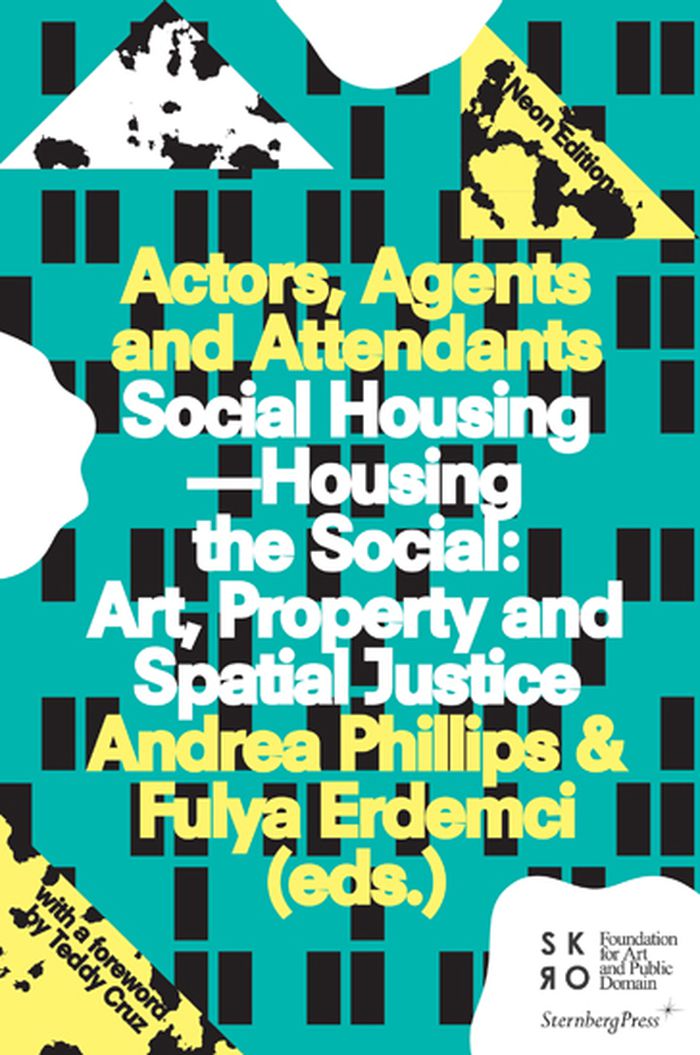
Actors, agents and attendants. Social housing/ housing the social: art, property and spatial justice
Actors, agents and attendants. Social housing/ housing the social: art, property and spatial justice
Actions:
Price:
$36.95
(available to order)
Summary:
Social Housing—Housing the Social: Art, Property and Spatial Justice examines ongoing transformations in social housing and asks how these transformations are reflected in the aspirations and practices of artists. Housing provides essential shelter, but also gives form to the social. It represents and embodies the materiality of civic politics and thus demonstrates the(...)
$36.95
(available to order)
Summary:
Social Housing—Housing the Social: Art, Property and Spatial Justice examines ongoing transformations in social housing and asks how these transformations are reflected in the aspirations and practices of artists. Housing provides essential shelter, but also gives form to the social. It represents and embodies the materiality of civic politics and thus demonstrates the(...)
Title:
Actors, agents and attendants. Social housing/ housing the social: art, property and spatial justice
Actions:
Price:
$36.95
(available to order)
Summary:
Social Housing—Housing the Social: Art, Property and Spatial Justice examines ongoing transformations in social housing and asks how these transformations are reflected in the aspirations and practices of artists. Housing provides essential shelter, but also gives form to the social. It represents and embodies the materiality of civic politics and thus demonstrates the uneven nature of spatial justice at local and global scale. For many years artists have contributed to the design and organization of structures of living together, often with ambivalent effect. Whilst many have imagined—and attempted to implement—radical new forms of social housing, as alternatives to both privatization and state provision, they have also ushered in waves of gentrification, thus contributing significantly to a story of capitalization now dominant within urban infrastructures.
Actors, agents and attendants. Social housing/ housing the social: art, property and spatial justice
Actions:
Price:
$36.95
(available to order)
Summary:
Social Housing—Housing the Social: Art, Property and Spatial Justice examines ongoing transformations in social housing and asks how these transformations are reflected in the aspirations and practices of artists. Housing provides essential shelter, but also gives form to the social. It represents and embodies the materiality of civic politics and thus demonstrates the uneven nature of spatial justice at local and global scale. For many years artists have contributed to the design and organization of structures of living together, often with ambivalent effect. Whilst many have imagined—and attempted to implement—radical new forms of social housing, as alternatives to both privatization and state provision, they have also ushered in waves of gentrification, thus contributing significantly to a story of capitalization now dominant within urban infrastructures.
Form:
books
books
Publication:
May 2013
May 2013
Subject:
Collective Housing
Collective Housing
Form:
books
books
Actions:
Price:
$23.00
(available in store)
Summary:
As gentrification threatens to uproot neighbourhoods across the world, the flame of co-operative housing has been reignited while the concept of community landownership has the potential to turn the tide and put the destiny of our cities into the hands of residents.Villages in Cities takes us across North America to Montreal, Boston, Vermont, and Mississippi,(...)
$23.00
(available in store)
Summary:
As gentrification threatens to uproot neighbourhoods across the world, the flame of co-operative housing has been reignited while the concept of community landownership has the potential to turn the tide and put the destiny of our cities into the hands of residents.Villages in Cities takes us across North America to Montreal, Boston, Vermont, and Mississippi,(...)
Publication:
January 2019
January 2019
Title:
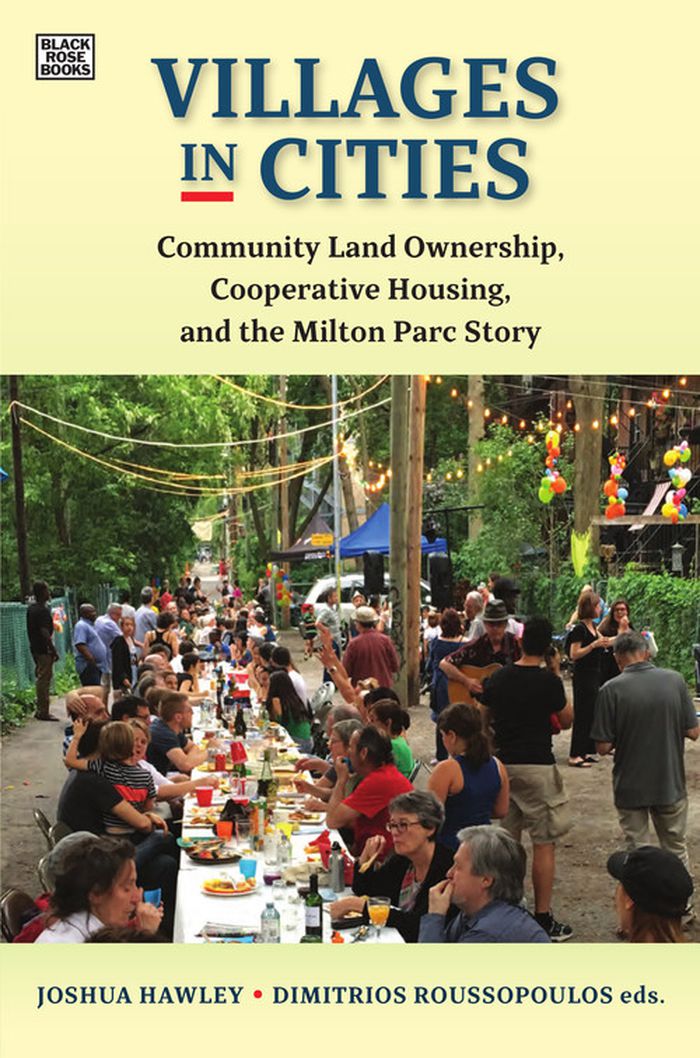
Villages in cities: community land ownership, cooperative housing, and the Milton Parc story
Actions:
Price:
$23.00
(available in store)
Summary:
As gentrification threatens to uproot neighbourhoods across the world, the flame of co-operative housing has been reignited while the concept of community landownership has the potential to turn the tide and put the destiny of our cities into the hands of residents.Villages in Cities takes us across North America to Montreal, Boston, Vermont, and Mississippi, presentingconcrete examples of citizens taking back the land and claiming their right to secure housing. It also acts as a guidebook to contemporary urban struggles through fertile archival material from the Milton Parc struggle, which is as relevant today as it was 50 years ago.Villages in Cities presents a succinct portrait of the problems facing the ownership of urban land, the challenge of contesting the State’s presupposed legitimacy in determining our urban future, and the contradictions these elements imply. n Montreal in 1968, speculators announced their ‘urban renewal’ plan to demolish six blocks of the downtown heritage neighborhood of Milton Parc in order to build enormous high-rise condos, hotels, office buildings, and shopping malls. The local community viewed this as a declaration of war. What followed was a remarkable struggle that not only saved the heritage architecture from destruction but also protected local residents from gentrification through the creation of the largest nonprofit cooperative housing project on an urban community land trust in North America. And Milton Parc is not unique. Villages in Cities takes us across North America—to New York, Boston, Burlington, Oakland, Jackson, Montreal, Toronto, Ottawa, and Vancouver—to show concrete examples of citizens taking back the land and claiming their right to secure housing. The book draws connections among these projects, examines their underlying causes, and connects them with a holistic “Right to the City” movement that is emerging internationally.
Villages in cities: community land ownership, cooperative housing, and the Milton Parc story
Actions:
Price:
$23.00
(available in store)
Summary:
As gentrification threatens to uproot neighbourhoods across the world, the flame of co-operative housing has been reignited while the concept of community landownership has the potential to turn the tide and put the destiny of our cities into the hands of residents.Villages in Cities takes us across North America to Montreal, Boston, Vermont, and Mississippi, presentingconcrete examples of citizens taking back the land and claiming their right to secure housing. It also acts as a guidebook to contemporary urban struggles through fertile archival material from the Milton Parc struggle, which is as relevant today as it was 50 years ago.Villages in Cities presents a succinct portrait of the problems facing the ownership of urban land, the challenge of contesting the State’s presupposed legitimacy in determining our urban future, and the contradictions these elements imply. n Montreal in 1968, speculators announced their ‘urban renewal’ plan to demolish six blocks of the downtown heritage neighborhood of Milton Parc in order to build enormous high-rise condos, hotels, office buildings, and shopping malls. The local community viewed this as a declaration of war. What followed was a remarkable struggle that not only saved the heritage architecture from destruction but also protected local residents from gentrification through the creation of the largest nonprofit cooperative housing project on an urban community land trust in North America. And Milton Parc is not unique. Villages in Cities takes us across North America—to New York, Boston, Burlington, Oakland, Jackson, Montreal, Toronto, Ottawa, and Vancouver—to show concrete examples of citizens taking back the land and claiming their right to secure housing. The book draws connections among these projects, examines their underlying causes, and connects them with a holistic “Right to the City” movement that is emerging internationally.
Form:
books
books
Publication:
January 2019
January 2019
Form:
books
books
Actions:
Price:
$34.00
(available to order)
Summary:
"Art monster" takes readers to the margins of the professional art world, populated by unseen artists who make a living working behind the scenes in galleries and museums while making their own art to little acclaim. Writing in a style that is by turns direct and poetic, personal and lyrical, Marin Kosut reflects on the experience of dedicating your life to art and how(...)
$34.00
(available to order)
Summary:
"Art monster" takes readers to the margins of the professional art world, populated by unseen artists who make a living working behind the scenes in galleries and museums while making their own art to little acclaim. Writing in a style that is by turns direct and poetic, personal and lyrical, Marin Kosut reflects on the experience of dedicating your life to art and how(...)
Title:
Art Monster: on the impossibility of New York
Actions:
Price:
$34.00
(available to order)
Summary:
"Art monster" takes readers to the margins of the professional art world, populated by unseen artists who make a living working behind the scenes in galleries and museums while making their own art to little acclaim. Writing in a style that is by turns direct and poetic, personal and lyrical, Marin Kosut reflects on the experience of dedicating your life to art and how the art world can crush you. She examines the push toward professionalization, the devaluing of artistic labor, and the devastating effects of gentrification on cultural life. Her nonlinear essays are linked by central themes—community, nostalgia, precarity, alienation, estrangement—that punctuate working artists’ lives. At once ethnography, memoir, tirade, and love letter, "Art monster" is a street-level meditation on the predicament of artists in the late capitalist metropolis.
Art Monster: on the impossibility of New York
Actions:
Price:
$34.00
(available to order)
Summary:
"Art monster" takes readers to the margins of the professional art world, populated by unseen artists who make a living working behind the scenes in galleries and museums while making their own art to little acclaim. Writing in a style that is by turns direct and poetic, personal and lyrical, Marin Kosut reflects on the experience of dedicating your life to art and how the art world can crush you. She examines the push toward professionalization, the devaluing of artistic labor, and the devastating effects of gentrification on cultural life. Her nonlinear essays are linked by central themes—community, nostalgia, precarity, alienation, estrangement—that punctuate working artists’ lives. At once ethnography, memoir, tirade, and love letter, "Art monster" is a street-level meditation on the predicament of artists in the late capitalist metropolis.
Form:
books
books
Publication:
June 2024
June 2024
Subject:
Art Theory
Art Theory
Form:
books
books
Actions:
Price:
$33.95
(available in store)
Summary:
''In Defense of Housing'' is the definitive statement on this crisis from leading urban planner Peter Marcuse and sociologist David Madden. Today our homes are being transformed into commodities, making the inequalities of the city ever more acute. Profit has become more important than social need. The poor are forced to pay more for worse housing. Communities are faced(...)
$33.95
(available in store)
Summary:
''In Defense of Housing'' is the definitive statement on this crisis from leading urban planner Peter Marcuse and sociologist David Madden. Today our homes are being transformed into commodities, making the inequalities of the city ever more acute. Profit has become more important than social need. The poor are forced to pay more for worse housing. Communities are faced(...)
Title:
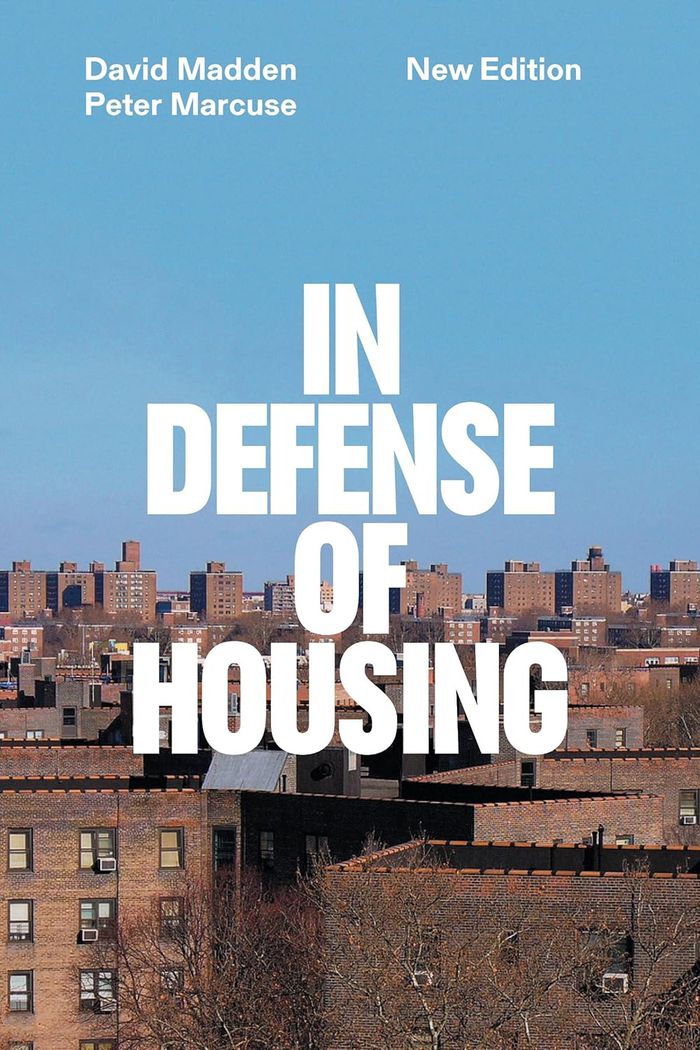
In defense of housing: The politics of crisis, new edition
Actions:
Price:
$33.95
(available in store)
Summary:
''In Defense of Housing'' is the definitive statement on this crisis from leading urban planner Peter Marcuse and sociologist David Madden. Today our homes are being transformed into commodities, making the inequalities of the city ever more acute. Profit has become more important than social need. The poor are forced to pay more for worse housing. Communities are faced with the violence of displacement and gentrification. And the benefits of decent housing are only available for those who can afford it. The authors look at the causes and consequences of the housing problem and detail the need for progressive alternatives. The housing crisis cannot be solved by minor policy shifts, they argue. Rather, the housing crisis has deep political and economic roots—and therefore requires a radical response.
In defense of housing: The politics of crisis, new edition
Actions:
Price:
$33.95
(available in store)
Summary:
''In Defense of Housing'' is the definitive statement on this crisis from leading urban planner Peter Marcuse and sociologist David Madden. Today our homes are being transformed into commodities, making the inequalities of the city ever more acute. Profit has become more important than social need. The poor are forced to pay more for worse housing. Communities are faced with the violence of displacement and gentrification. And the benefits of decent housing are only available for those who can afford it. The authors look at the causes and consequences of the housing problem and detail the need for progressive alternatives. The housing crisis cannot be solved by minor policy shifts, they argue. Rather, the housing crisis has deep political and economic roots—and therefore requires a radical response.
Form:
books
books
Publication:
August 2024
August 2024
Subject:
Humans and cities
Humans and cities
Form:
books
books
Actions:
Price:
$44.00
(available to order)
Summary:
In the 1970s, Manhattan’s west side waterfront was a forgotten zone of abandoned warehouses and piers. Though many saw only blight, the derelict neighborhood was alive with queer people forging new intimacies through cruising. Alongside the piers’ sexual and social worlds, artists produced work attesting to the radical transformations taking place in New York. In(...)
$44.00
(available to order)
Summary:
In the 1970s, Manhattan’s west side waterfront was a forgotten zone of abandoned warehouses and piers. Though many saw only blight, the derelict neighborhood was alive with queer people forging new intimacies through cruising. Alongside the piers’ sexual and social worlds, artists produced work attesting to the radical transformations taking place in New York. In(...)
Title:
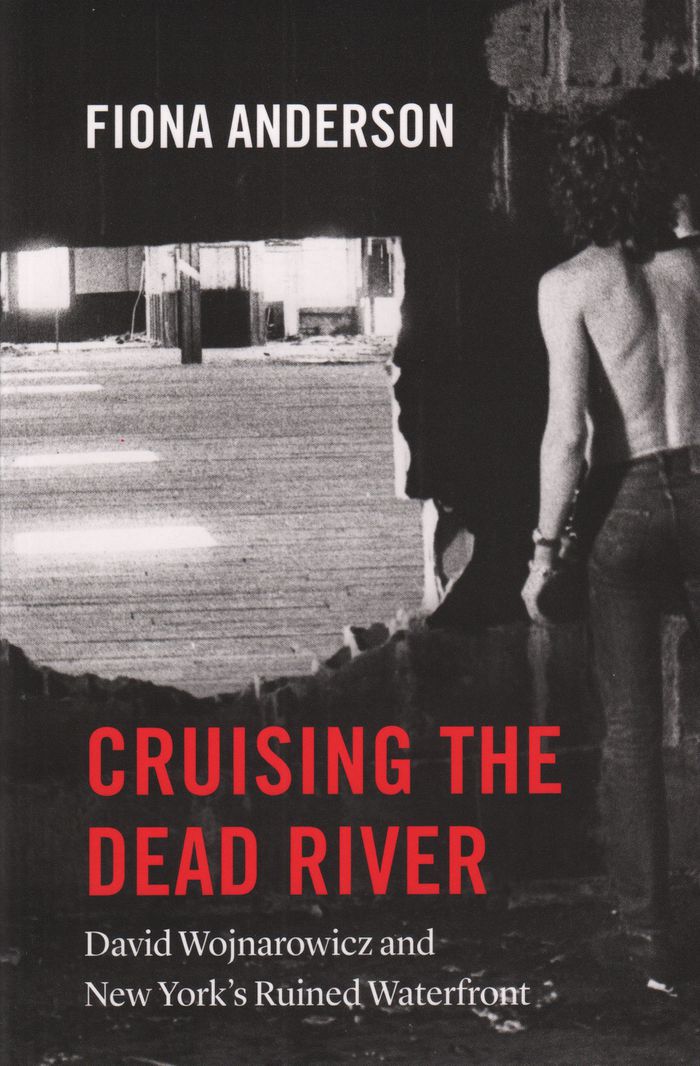
Cruising the dead river: David Wojnarowicz and New York's ruined waterfront
Actions:
Price:
$44.00
(available to order)
Summary:
In the 1970s, Manhattan’s west side waterfront was a forgotten zone of abandoned warehouses and piers. Though many saw only blight, the derelict neighborhood was alive with queer people forging new intimacies through cruising. Alongside the piers’ sexual and social worlds, artists produced work attesting to the radical transformations taking place in New York. In 'Cruising the Dead River', Fiona Anderson draws on Wojnarowicz’s work to explore the key role the abandoned landscape played in this explosion of queer culture. Anderson examines how the riverfront’s ruined buildings assumed a powerful erotic role and gave the area a distinct identity. By telling the story of the piers as gentrification swept New York and before the AIDS crisis, Anderson unearths the buried histories of violence, regeneration, and LGBTQ activism that developed in and around the cruising scene.
Cruising the dead river: David Wojnarowicz and New York's ruined waterfront
Actions:
Price:
$44.00
(available to order)
Summary:
In the 1970s, Manhattan’s west side waterfront was a forgotten zone of abandoned warehouses and piers. Though many saw only blight, the derelict neighborhood was alive with queer people forging new intimacies through cruising. Alongside the piers’ sexual and social worlds, artists produced work attesting to the radical transformations taking place in New York. In 'Cruising the Dead River', Fiona Anderson draws on Wojnarowicz’s work to explore the key role the abandoned landscape played in this explosion of queer culture. Anderson examines how the riverfront’s ruined buildings assumed a powerful erotic role and gave the area a distinct identity. By telling the story of the piers as gentrification swept New York and before the AIDS crisis, Anderson unearths the buried histories of violence, regeneration, and LGBTQ activism that developed in and around the cruising scene.
Form:
books
books
Publication:
August 2019
August 2019
Subject:
Art Theory
Art Theory
Form:
books
books
Price:
$34.00
(available to order)
Summary:
This volume documents a series of events that took place in the summer of 2008 as part of the Summer on the Elbinsel festival in Wihelmsburg, Austria, which boasted a diverse group of international artists, including Critical Art Ensemble, Mike Davis, Lisa Heldke, Dan Peterman, Susan Leibovitz Steinman and Thomas Heyd. Comprising two volumes, this edition questions the(...)
$34.00
(available to order)
Summary:
This volume documents a series of events that took place in the summer of 2008 as part of the Summer on the Elbinsel festival in Wihelmsburg, Austria, which boasted a diverse group of international artists, including Critical Art Ensemble, Mike Davis, Lisa Heldke, Dan Peterman, Susan Leibovitz Steinman and Thomas Heyd. Comprising two volumes, this edition questions the(...)
Title:
Culture, nature: art and philosophy in the context of urban development
Actions:
Price:
$34.00
(available to order)
Summary:
This volume documents a series of events that took place in the summer of 2008 as part of the Summer on the Elbinsel festival in Wihelmsburg, Austria, which boasted a diverse group of international artists, including Critical Art Ensemble, Mike Davis, Lisa Heldke, Dan Peterman, Susan Leibovitz Steinman and Thomas Heyd. Comprising two volumes, this edition questions the contemporary grasp of the culture/nature dichotomy. Examining the functionality of the master plan in the quest for a socially and ecologically fair future, the book presents as alternatives cooperative planning processes, artistic interventions and philosophical reflections. Community gardening, gentrification processes and citizens' participation are among the themes that the participants in this timely project address, in their aim to use sustainable artistic methods to reflect an urban response to climate change.
Culture, nature: art and philosophy in the context of urban development
Actions:
Price:
$34.00
(available to order)
Summary:
This volume documents a series of events that took place in the summer of 2008 as part of the Summer on the Elbinsel festival in Wihelmsburg, Austria, which boasted a diverse group of international artists, including Critical Art Ensemble, Mike Davis, Lisa Heldke, Dan Peterman, Susan Leibovitz Steinman and Thomas Heyd. Comprising two volumes, this edition questions the contemporary grasp of the culture/nature dichotomy. Examining the functionality of the master plan in the quest for a socially and ecologically fair future, the book presents as alternatives cooperative planning processes, artistic interventions and philosophical reflections. Community gardening, gentrification processes and citizens' participation are among the themes that the participants in this timely project address, in their aim to use sustainable artistic methods to reflect an urban response to climate change.
Form:
books
books
Publication:
November 2009
November 2009
Subject:
Green Architecture
Green Architecture
Form:
books
books
Actions:
Price:
$16.95
(available to order)
Summary:
Les maires des grandes villes affirment tous que leur préoccupation première est de développer l'attractivité de leur cité. Comment ? En faisant de celle-ci un lieu propice à la créativité, en y combinant les ressources du talent, de la tolérance et de la technologie : c'est la recette proposée par le géographe et économiste Richard Florida pour réunir sous l'enseigne de(...)
$16.95
(available to order)
Summary:
Les maires des grandes villes affirment tous que leur préoccupation première est de développer l'attractivité de leur cité. Comment ? En faisant de celle-ci un lieu propice à la créativité, en y combinant les ressources du talent, de la tolérance et de la technologie : c'est la recette proposée par le géographe et économiste Richard Florida pour réunir sous l'enseigne de(...)
Title:
Qu'est-ce que la ville créative?
Actions:
Price:
$16.95
(available to order)
Summary:
Les maires des grandes villes affirment tous que leur préoccupation première est de développer l'attractivité de leur cité. Comment ? En faisant de celle-ci un lieu propice à la créativité, en y combinant les ressources du talent, de la tolérance et de la technologie : c'est la recette proposée par le géographe et économiste Richard Florida pour réunir sous l'enseigne de " classe créative " artistes, intellectuels et prestataires de services aux grandes firmes. Un tel assemblage va-t-il de soi ? Il mêle hâtivement deux phénomènes distincts : d'une part, le processus de " gentrification " urbaine par lequel les " créateurs " - artistes et professions culturelles et intellectuelles - réinvestissent la ville, lieu d'opportunités et de rencontres ; d'autre part, un traitement volontariste et foncier du paysage urbain destiné à attirer les " créatifs " de la publicité et des banques. Mais peut-on attirer les " créatifs " sans faire fuir les " créateurs " ?
Qu'est-ce que la ville créative?
Actions:
Price:
$16.95
(available to order)
Summary:
Les maires des grandes villes affirment tous que leur préoccupation première est de développer l'attractivité de leur cité. Comment ? En faisant de celle-ci un lieu propice à la créativité, en y combinant les ressources du talent, de la tolérance et de la technologie : c'est la recette proposée par le géographe et économiste Richard Florida pour réunir sous l'enseigne de " classe créative " artistes, intellectuels et prestataires de services aux grandes firmes. Un tel assemblage va-t-il de soi ? Il mêle hâtivement deux phénomènes distincts : d'une part, le processus de " gentrification " urbaine par lequel les " créateurs " - artistes et professions culturelles et intellectuelles - réinvestissent la ville, lieu d'opportunités et de rencontres ; d'autre part, un traitement volontariste et foncier du paysage urbain destiné à attirer les " créatifs " de la publicité et des banques. Mais peut-on attirer les " créatifs " sans faire fuir les " créateurs " ?
Form:
books
books
Publication:
November 2009, Paris
November 2009, Paris
Subject:
Urban Theory
Urban Theory
Form:
books
books
Actions:
Price:
$62.00
(available in store)
Summary:
In response to the theme of the 2016 Venice Biennial, Portugal presented a site-specific pavilion occupying an urban front in the midst of physical and social regeneration on Giudecca, an archipelago just south of Venice. The pavilion exhibited four works by Pritzger Prize winner Álvaro Siza (born 1933) on the theme of social housing Campo di Marte (Venice), Schilderswijk(...)
$62.00
(available in store)
Summary:
In response to the theme of the 2016 Venice Biennial, Portugal presented a site-specific pavilion occupying an urban front in the midst of physical and social regeneration on Giudecca, an archipelago just south of Venice. The pavilion exhibited four works by Pritzger Prize winner Álvaro Siza (born 1933) on the theme of social housing Campo di Marte (Venice), Schilderswijk(...)
Subject:
Architecture Monographs
Architecture Monographs
Publication:
February 2018
February 2018
Title:
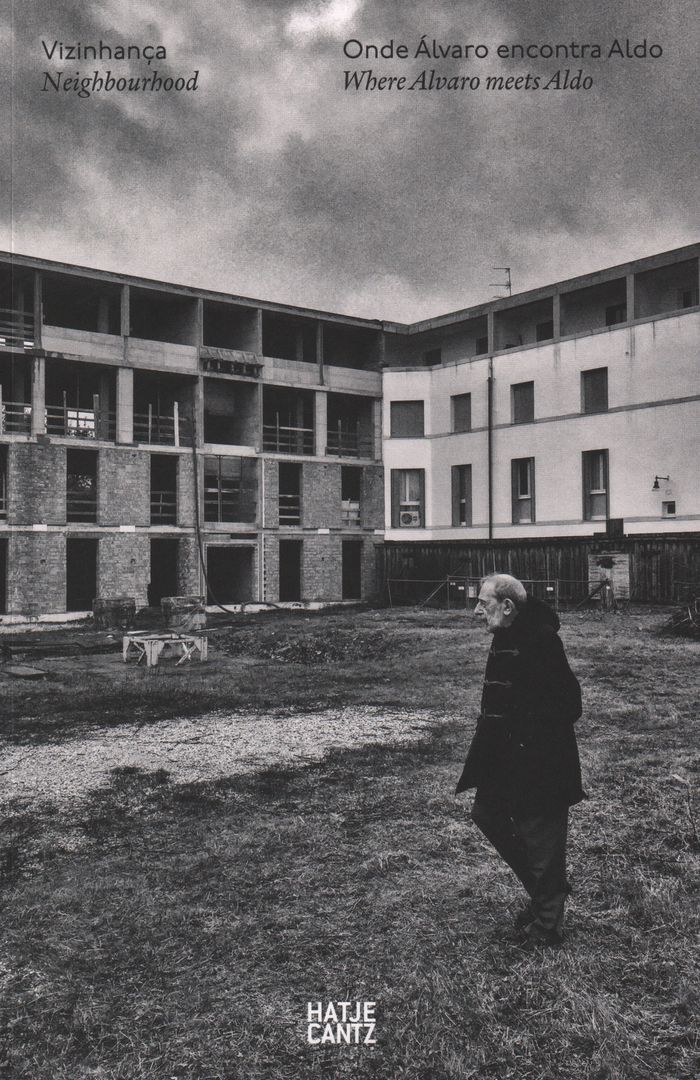
Alvaro Siza: Neighbourhood. Where Alvaro meets Aldo
Actions:
Price:
$62.00
(available in store)
Summary:
In response to the theme of the 2016 Venice Biennial, Portugal presented a site-specific pavilion occupying an urban front in the midst of physical and social regeneration on Giudecca, an archipelago just south of Venice. The pavilion exhibited four works by Pritzger Prize winner Álvaro Siza (born 1933) on the theme of social housing Campo di Marte (Venice), Schilderswijk (The Hague), Schlesisches Tor (Berlin) and Bairro da Bouça (Porto) revealing his collaborative experience with the local inhabitants and unique understanding of the European city and citizenship. These projects resulted in the creation of neighborhood spaces aimed at a more tolerant, multicultural society, a subject important to the current European political agenda. This book unveils the curatorial process and the display of these works in Venice. Included are images of Siza’s recent visits to the neighborhoods, plus a presentation of the changes triggered by immigration, ghettoization, gentrification and “touristification.”
Alvaro Siza: Neighbourhood. Where Alvaro meets Aldo
Actions:
Price:
$62.00
(available in store)
Summary:
In response to the theme of the 2016 Venice Biennial, Portugal presented a site-specific pavilion occupying an urban front in the midst of physical and social regeneration on Giudecca, an archipelago just south of Venice. The pavilion exhibited four works by Pritzger Prize winner Álvaro Siza (born 1933) on the theme of social housing Campo di Marte (Venice), Schilderswijk (The Hague), Schlesisches Tor (Berlin) and Bairro da Bouça (Porto) revealing his collaborative experience with the local inhabitants and unique understanding of the European city and citizenship. These projects resulted in the creation of neighborhood spaces aimed at a more tolerant, multicultural society, a subject important to the current European political agenda. This book unveils the curatorial process and the display of these works in Venice. Included are images of Siza’s recent visits to the neighborhoods, plus a presentation of the changes triggered by immigration, ghettoization, gentrification and “touristification.”
Form:
books
books
Publication:
February 2018
February 2018
Subject:
Architecture Monographs
Architecture Monographs
Form:
books
books
Title:
Why preservation matters
Why preservation matters
Actions:
Price:
$34.95
(available to order)
Summary:
Every day, millions of people enter old buildings, pass monuments, and gaze at landscapes unaware that these acts are possible only thanks to the preservation movement. As we approach the October 2016 anniversary of the United States National Historic Preservation Act, historian Max Page offers a thoughtful assessment of the movement’s past and charts a path toward a more(...)
$34.95
(available to order)
Summary:
Every day, millions of people enter old buildings, pass monuments, and gaze at landscapes unaware that these acts are possible only thanks to the preservation movement. As we approach the October 2016 anniversary of the United States National Historic Preservation Act, historian Max Page offers a thoughtful assessment of the movement’s past and charts a path toward a more(...)
Title:
Why preservation matters
Actions:
Price:
$34.95
(available to order)
Summary:
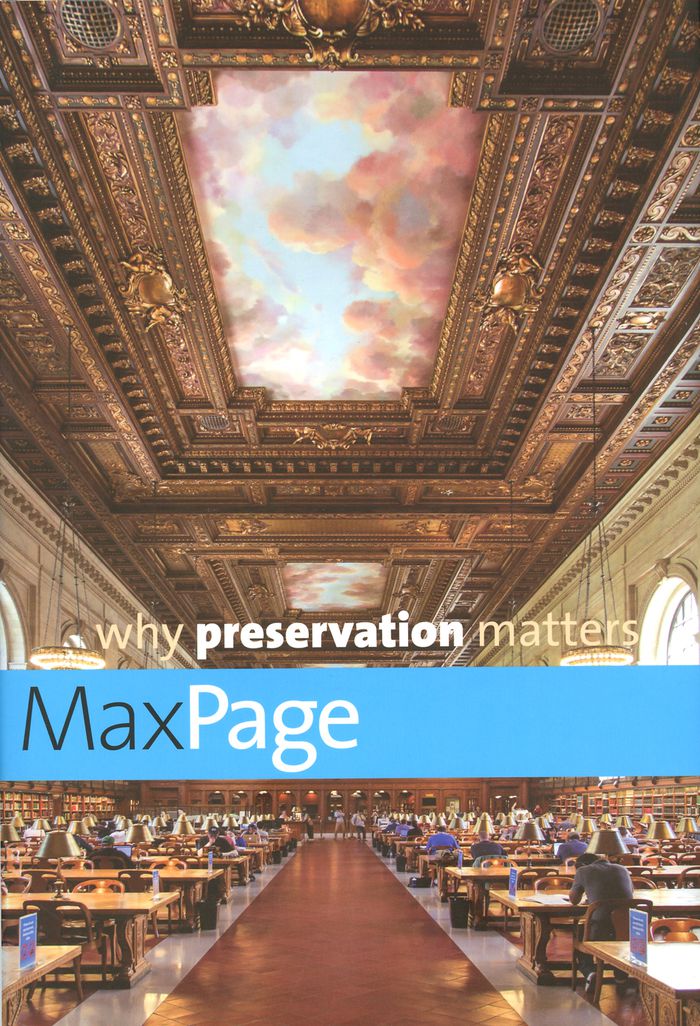
Every day, millions of people enter old buildings, pass monuments, and gaze at landscapes unaware that these acts are possible only thanks to the preservation movement. As we approach the October 2016 anniversary of the United States National Historic Preservation Act, historian Max Page offers a thoughtful assessment of the movement’s past and charts a path toward a more progressive future. Page argues that if preservation is to play a central role in building more-just communities, it must transform itself to stand against gentrification, work more closely with the environmental sustainability movement, and challenge societies to confront their pasts. Touching on the history of the preservation movement in the United States and ranging the world, Page searches for inspiration on how to rejuvenate historic preservation for the next fifty years. This illuminating work will be widely read by urban planners, historians, and anyone with a stake in the past.
Why preservation matters
Actions:
Price:
$34.95
(available to order)
Summary:
Every day, millions of people enter old buildings, pass monuments, and gaze at landscapes unaware that these acts are possible only thanks to the preservation movement. As we approach the October 2016 anniversary of the United States National Historic Preservation Act, historian Max Page offers a thoughtful assessment of the movement’s past and charts a path toward a more progressive future. Page argues that if preservation is to play a central role in building more-just communities, it must transform itself to stand against gentrification, work more closely with the environmental sustainability movement, and challenge societies to confront their pasts. Touching on the history of the preservation movement in the United States and ranging the world, Page searches for inspiration on how to rejuvenate historic preservation for the next fifty years. This illuminating work will be widely read by urban planners, historians, and anyone with a stake in the past.
Form:
books
books
Publication:
October 2016
October 2016
Form:
books
books
Price:
$49.95
(available in store)
Summary:
This publication takes a question initially posed by heritage debates - what does photography preserve? - and creates a rich conversation about the agency of the human actors before and behind the camera, and of the medium itself. The interplay of archives and activisms structures the book. It is through the reactivation of archival photographs that submerged traces of(...)
$49.95
(available in store)
Summary:
This publication takes a question initially posed by heritage debates - what does photography preserve? - and creates a rich conversation about the agency of the human actors before and behind the camera, and of the medium itself. The interplay of archives and activisms structures the book. It is through the reactivation of archival photographs that submerged traces of(...)
Title:
Photogenic Montreal: Activisms and archives in a post-industrial city
Actions:
Price:
$49.95
(available in store)
Summary:
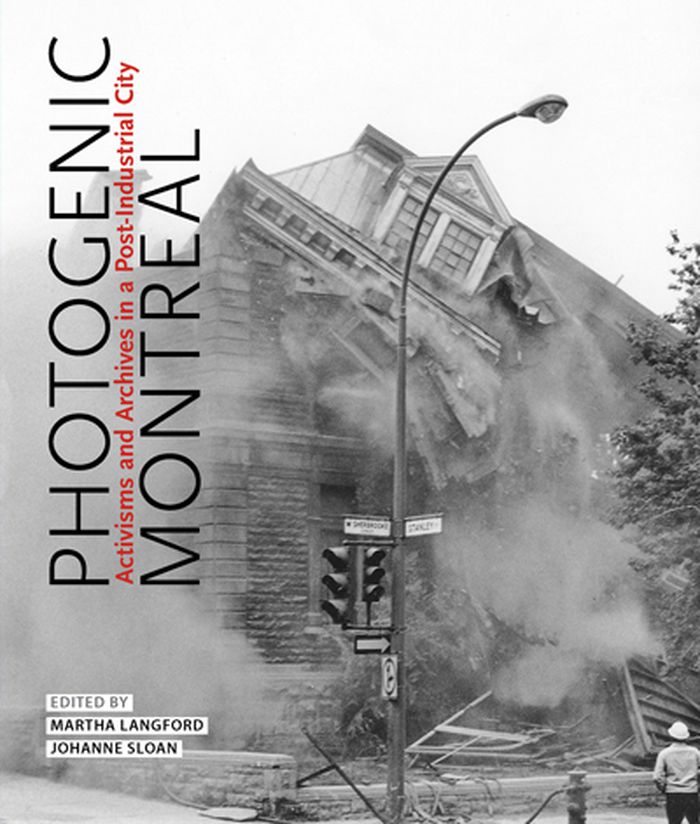
This publication takes a question initially posed by heritage debates - what does photography preserve? - and creates a rich conversation about the agency of the human actors before and behind the camera, and of the medium itself. The interplay of archives and activisms structures the book. It is through the reactivation of archival photographs that submerged traces of urban experience are discovered, and alternate histories of Montreal can be recounted. Multiple forms of activism and artistic expression complement this archival work. Beginning in the 1960s, community-minded and heritage groups responded to the tensions arising from urban reconstruction, gentrification, and the erasure of neighbourhoods; this activism also left its photographic traces. Attentive to the still-changing face of the city’s architecture, neighbourhoods, and street life, the book participates in debates about who the city belongs to, who speaks on its behalf, and how to picture its past and present.
Photogenic Montreal: Activisms and archives in a post-industrial city
Actions:
Price:
$49.95
(available in store)
Summary:
This publication takes a question initially posed by heritage debates - what does photography preserve? - and creates a rich conversation about the agency of the human actors before and behind the camera, and of the medium itself. The interplay of archives and activisms structures the book. It is through the reactivation of archival photographs that submerged traces of urban experience are discovered, and alternate histories of Montreal can be recounted. Multiple forms of activism and artistic expression complement this archival work. Beginning in the 1960s, community-minded and heritage groups responded to the tensions arising from urban reconstruction, gentrification, and the erasure of neighbourhoods; this activism also left its photographic traces. Attentive to the still-changing face of the city’s architecture, neighbourhoods, and street life, the book participates in debates about who the city belongs to, who speaks on its behalf, and how to picture its past and present.
Form:
books
books
Publication:
November 2021
November 2021
Subject:
Architecture de Montréal
Architecture de Montréal


