


2142 Results
Form:
books
books
Actions:
Price:
$72.95
(available to order)
Summary:
C'est dans une situation pleine de paradoxes qu'une scène du design se développe au Liban dès 2000, et se voit rapidement saluée par les critiques, les foires et l'ensemble des acteurs de la branche. Consciente d’un positionnement unique, entre héritage occidental et identité orientale, un pied sur la Méditerranée, l'autre posé en Asie, Beyrouth construit son design et(...)
$72.95
(available to order)
Summary:
C'est dans une situation pleine de paradoxes qu'une scène du design se développe au Liban dès 2000, et se voit rapidement saluée par les critiques, les foires et l'ensemble des acteurs de la branche. Consciente d’un positionnement unique, entre héritage occidental et identité orientale, un pied sur la Méditerranée, l'autre posé en Asie, Beyrouth construit son design et(...)
Title:
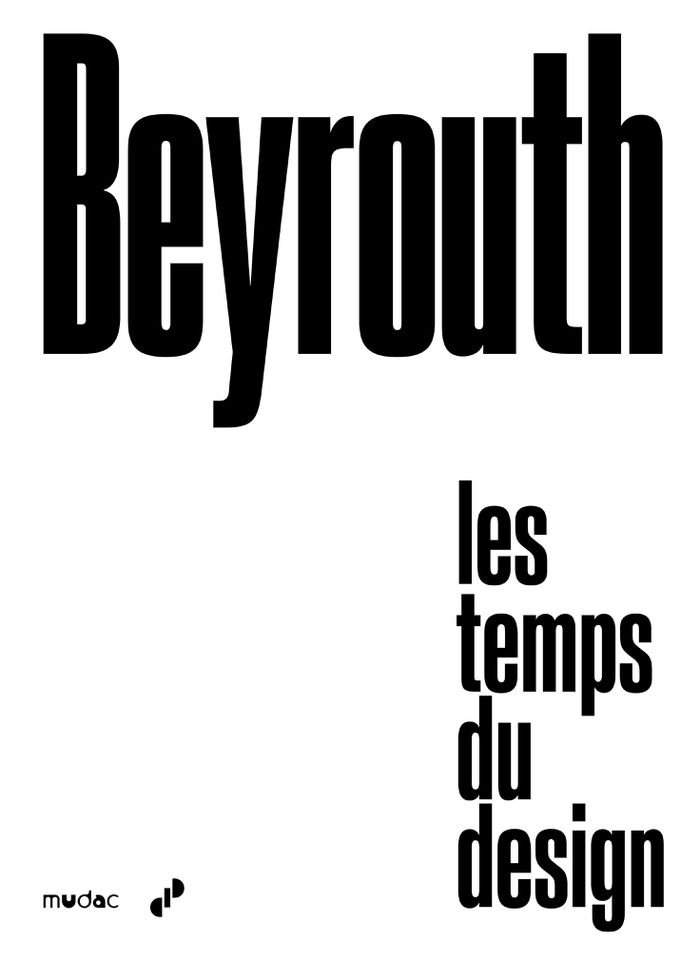
Beyrouth : Les temps du design
Actions:
Price:
$72.95
(available to order)
Summary:
C'est dans une situation pleine de paradoxes qu'une scène du design se développe au Liban dès 2000, et se voit rapidement saluée par les critiques, les foires et l'ensemble des acteurs de la branche. Consciente d’un positionnement unique, entre héritage occidental et identité orientale, un pied sur la Méditerranée, l'autre posé en Asie, Beyrouth construit son design et transforme son multiculturalisme en une force créatrice. Le présent ouvrage analyse cette situation spécifique qui associe simultanément reconstruction économique et architecturale, conscience sociale et développement international. Jusqu'à l'élaboration de ce projet d'exposition et de publication, aucune étude n'avait été conduite sur l'histoire du design au Liban, soit de l'indépendance du pays en 1943 à nos jours. Cet ouvrage a l'ambition de combler cette lacune en présentant un état de la question bâti sur une documentation riche, tout en assumant certaines parties lacunaires dues à la disparition de pans entiers d'archives durant et après la guerre civile. Cette recherche s'appuie également sur une étude du contexte sociopolitique et culturel qui a contribué à faire aujourd'hui de Beyrouth une ville créative, et ce, malgré un contexte fréquemment troublé.
Beyrouth : Les temps du design
Actions:
Price:
$72.95
(available to order)
Summary:
C'est dans une situation pleine de paradoxes qu'une scène du design se développe au Liban dès 2000, et se voit rapidement saluée par les critiques, les foires et l'ensemble des acteurs de la branche. Consciente d’un positionnement unique, entre héritage occidental et identité orientale, un pied sur la Méditerranée, l'autre posé en Asie, Beyrouth construit son design et transforme son multiculturalisme en une force créatrice. Le présent ouvrage analyse cette situation spécifique qui associe simultanément reconstruction économique et architecturale, conscience sociale et développement international. Jusqu'à l'élaboration de ce projet d'exposition et de publication, aucune étude n'avait été conduite sur l'histoire du design au Liban, soit de l'indépendance du pays en 1943 à nos jours. Cet ouvrage a l'ambition de combler cette lacune en présentant un état de la question bâti sur une documentation riche, tout en assumant certaines parties lacunaires dues à la disparition de pans entiers d'archives durant et après la guerre civile. Cette recherche s'appuie également sur une étude du contexte sociopolitique et culturel qui a contribué à faire aujourd'hui de Beyrouth une ville créative, et ce, malgré un contexte fréquemment troublé.
Form:
books
books
Publication:
April 2022
April 2022
Subject:
Design, Periods and Styles
Design, Periods and Styles
Form:
books
books
Actions:
Holdings:
Description:
294 pages : color illustrations ; 30 cm
Description:
294 pages : color illustrations ; 30 cm
Author:
Subject:
Publication:
New York : H.N. Abrams, [1997]
New York : H.N. Abrams, [1997]
Title:
Virtual archaeology : re-creating ancient worlds / editors, Maurizio Forte and Alberto Siliotti ; foreword, Colin Renfrew.
Actions:
Holdings:
Description:
294 pages : color illustrations ; 30 cm
Virtual archaeology : re-creating ancient worlds / editors, Maurizio Forte and Alberto Siliotti ; foreword, Colin Renfrew.
Actions:
Holdings:
Description:
294 pages : color illustrations ; 30 cm
Form:
books
books
Publication:
New York : H.N. Abrams, [1997]
New York : H.N. Abrams, [1997]
Author:
Subject:
Form:
books
books
Actions:
Holdings:
Description:
487 pages : illustrations (chiefly color), color maps, plans, portraits ; 24 cm
Description:
487 pages : illustrations (chiefly color), color maps, plans, portraits ; 24 cm
Author:
Subject:
Publication:
Munich ; New York : Prestel, ©2009.
Munich ; New York : Prestel, ©2009.
Title:
Architecture in times of need : make it right : rebuilding New Orleans' Lower Ninth Ward / edited by Kristin Feireiss ; with contributions by Brad Pitt.
Actions:
Holdings:
Description:
487 pages : illustrations (chiefly color), color maps, plans, portraits ; 24 cm
Architecture in times of need : make it right : rebuilding New Orleans' Lower Ninth Ward / edited by Kristin Feireiss ; with contributions by Brad Pitt.
Actions:
Holdings:
Description:
487 pages : illustrations (chiefly color), color maps, plans, portraits ; 24 cm
Form:
books
books
Publication:
Munich ; New York : Prestel, ©2009.
Munich ; New York : Prestel, ©2009.
Author:
Subject:
Form:
books
books
Actions:
Price:
$72.95
(available in store)
Summary:
On croit connaître Jean Prouvé. On évoque le proche de Charlotte Perriand et de Le Corbusier, le créateur de mobilier industrialisé dont les pièces alimentent désormais le marché de l’art. On célèbre l’inventeur de la tôle pliée, le pionnier du mur-rideau, le constructeur visionnaire qui transforma durablement l’usage du métal dans l’architecture. À travers des textes(...)
$72.95
(available in store)
Summary:
On croit connaître Jean Prouvé. On évoque le proche de Charlotte Perriand et de Le Corbusier, le créateur de mobilier industrialisé dont les pièces alimentent désormais le marché de l’art. On célèbre l’inventeur de la tôle pliée, le pionnier du mur-rideau, le constructeur visionnaire qui transforma durablement l’usage du métal dans l’architecture. À travers des textes(...)
Title:
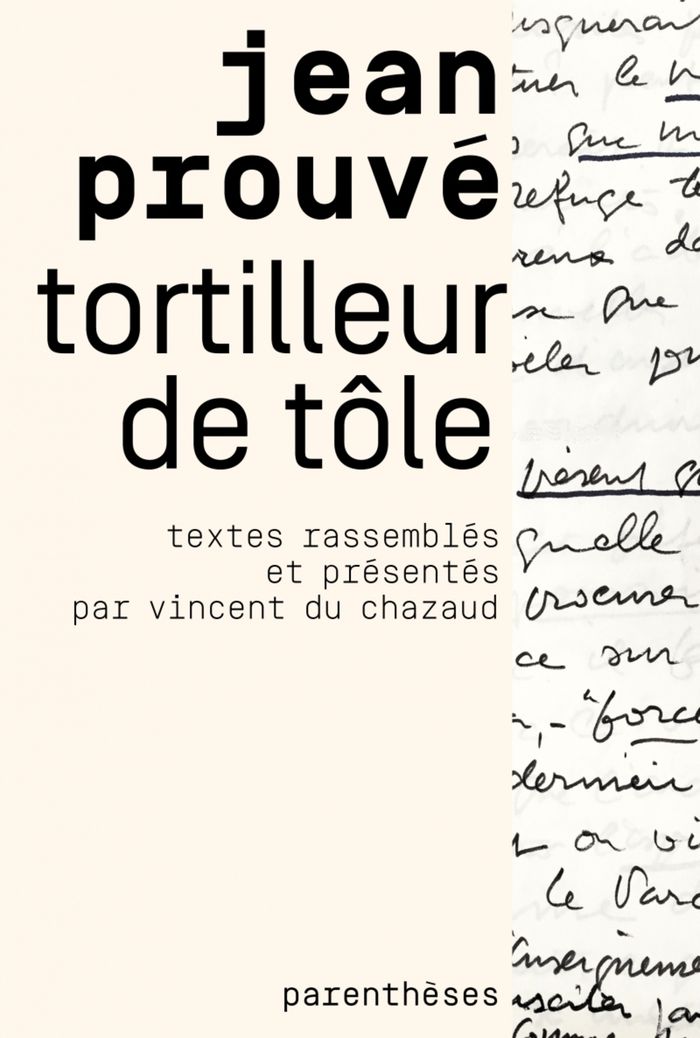
Jean Prouvé : Tortilleur de tôle
Actions:
Price:
$72.95
(available in store)
Summary:
On croit connaître Jean Prouvé. On évoque le proche de Charlotte Perriand et de Le Corbusier, le créateur de mobilier industrialisé dont les pièces alimentent désormais le marché de l’art. On célèbre l’inventeur de la tôle pliée, le pionnier du mur-rideau, le constructeur visionnaire qui transforma durablement l’usage du métal dans l’architecture. À travers des textes rédigés entre 1944 et 1982 — conférences, articles, lettres, hommages, prises de position parfois indignées — se révèle une voix singulière, libre, exigeante. Celle d’un constructeur qui refusait les étiquettes, se méfiait du mot « designer », se disait simplement « tortilleur de tôle », parfois industriel, constructeur ou entrepreneur, mais pas architecte ou ingénieur. Il rejetait les querelles de chapelle : « Architecte ? Ingénieur ?… Il s’agit de bâtir. ». Ces écrits, conservés à la bibliothèque Kandinsky du Centre Pompidou et réunis ici pour la première fois dans leur cohérence, dévoilent un Jean Prouvé théoricien malgré lui, pédagogue passionné, humaniste convaincu que l’industrie pouvait être mise au service du plus grand nombre. On y découvre son engagement dans la Reconstruction, sa foi inébranlable dans l’industrialisation du bâtiment, sa résilience après la perte de son usine de Maxéville, son attention constante aux jeunes architectes et aux étudiants du Conservatoire national des arts et métiers.
Jean Prouvé : Tortilleur de tôle
Actions:
Price:
$72.95
(available in store)
Summary:
On croit connaître Jean Prouvé. On évoque le proche de Charlotte Perriand et de Le Corbusier, le créateur de mobilier industrialisé dont les pièces alimentent désormais le marché de l’art. On célèbre l’inventeur de la tôle pliée, le pionnier du mur-rideau, le constructeur visionnaire qui transforma durablement l’usage du métal dans l’architecture. À travers des textes rédigés entre 1944 et 1982 — conférences, articles, lettres, hommages, prises de position parfois indignées — se révèle une voix singulière, libre, exigeante. Celle d’un constructeur qui refusait les étiquettes, se méfiait du mot « designer », se disait simplement « tortilleur de tôle », parfois industriel, constructeur ou entrepreneur, mais pas architecte ou ingénieur. Il rejetait les querelles de chapelle : « Architecte ? Ingénieur ?… Il s’agit de bâtir. ». Ces écrits, conservés à la bibliothèque Kandinsky du Centre Pompidou et réunis ici pour la première fois dans leur cohérence, dévoilent un Jean Prouvé théoricien malgré lui, pédagogue passionné, humaniste convaincu que l’industrie pouvait être mise au service du plus grand nombre. On y découvre son engagement dans la Reconstruction, sa foi inébranlable dans l’industrialisation du bâtiment, sa résilience après la perte de son usine de Maxéville, son attention constante aux jeunes architectes et aux étudiants du Conservatoire national des arts et métiers.
Form:
books
books
Publication:
May 2026
May 2026
Subject:
Architecture Monographs
Architecture Monographs
Form:
books
books

Price:
$84.95
(available to order)
Summary:
The all-out war in Ukraine, started by the Russian Federation in 2022 has disproportionally affected housing and residential infrastructure. The destruction is so targeted, and the damage so significant that it has disfigured entire neighborhoods and erased entire cities. With the scale of damage and loss in mind, and the future wide-ranging reconstruction that will(...)
$84.95
(available to order)
Summary:
The all-out war in Ukraine, started by the Russian Federation in 2022 has disproportionally affected housing and residential infrastructure. The destruction is so targeted, and the damage so significant that it has disfigured entire neighborhoods and erased entire cities. With the scale of damage and loss in mind, and the future wide-ranging reconstruction that will(...)
Title:
Mass Housing in Ukraine: Building Typologies and Catalogue of Series
Actions:
Price:
$84.95
(available to order)
Summary:
The all-out war in Ukraine, started by the Russian Federation in 2022 has disproportionally affected housing and residential infrastructure. The destruction is so targeted, and the damage so significant that it has disfigured entire neighborhoods and erased entire cities. With the scale of damage and loss in mind, and the future wide-ranging reconstruction that will inevitably take place after the war, this study examines the history and typologies of mass housing in Ukraine. It does so in order to evaluate what is lost, explain the diversity of modes of urban living that exist in Ukrainian cities, and finally, reconsider the narrative of how Ukrainian housing came about. The study covers the period of the last 100 years: the time of the most dramatic expansion and change in character of Ukrainian cities. It begins with the experimental buildings constructed in the Soviet Central and Eastern Ukraine and Polish Western Ukraine in the 1920s and 1930s, continues by looking at type projects from the Stalin era, as well as the serial apartment blocks built during the reigns of Khrushchev and Brezhnev and in the late USSR. Finally, it showcases individually designed, yet also typical residential buildings from the turbo-capitalist period of the 1990s and 2000s.
Mass Housing in Ukraine: Building Typologies and Catalogue of Series
Actions:
Price:
$84.95
(available to order)
Summary:
The all-out war in Ukraine, started by the Russian Federation in 2022 has disproportionally affected housing and residential infrastructure. The destruction is so targeted, and the damage so significant that it has disfigured entire neighborhoods and erased entire cities. With the scale of damage and loss in mind, and the future wide-ranging reconstruction that will inevitably take place after the war, this study examines the history and typologies of mass housing in Ukraine. It does so in order to evaluate what is lost, explain the diversity of modes of urban living that exist in Ukrainian cities, and finally, reconsider the narrative of how Ukrainian housing came about. The study covers the period of the last 100 years: the time of the most dramatic expansion and change in character of Ukrainian cities. It begins with the experimental buildings constructed in the Soviet Central and Eastern Ukraine and Polish Western Ukraine in the 1920s and 1930s, continues by looking at type projects from the Stalin era, as well as the serial apartment blocks built during the reigns of Khrushchev and Brezhnev and in the late USSR. Finally, it showcases individually designed, yet also typical residential buildings from the turbo-capitalist period of the 1990s and 2000s.
Form:
books
books
Publication:
November 2024
November 2024
Subject:
Collective Housing
Collective Housing
Form:
books
books

Title:
The world : who wants it?
The world : who wants it?
Actions:
Price:
$24.50
(available to order)
Summary:
"The World: Who Wants It?" proposes a concrete plan, albeit satirical, for re-establishing world peace. Set in the near present, the $100 billion that has been pledged by the United States to address the world's wrongs is used to advocate consumptive restraint and to seek new American Values, thus lessening the fury of the Third World against America's apparent wastage,(...)
$24.50
(available to order)
Summary:
"The World: Who Wants It?" proposes a concrete plan, albeit satirical, for re-establishing world peace. Set in the near present, the $100 billion that has been pledged by the United States to address the world's wrongs is used to advocate consumptive restraint and to seek new American Values, thus lessening the fury of the Third World against America's apparent wastage,(...)
Title:
The world : who wants it?
Actions:
Price:
$24.50
(available to order)
Summary:
"The World: Who Wants It?" proposes a concrete plan, albeit satirical, for re-establishing world peace. Set in the near present, the $100 billion that has been pledged by the United States to address the world's wrongs is used to advocate consumptive restraint and to seek new American Values, thus lessening the fury of the Third World against America's apparent wastage, misuse of resources, vice, and militaristic bombast. In this vision of a new world order, International policy largely focuses on the rebuilding of the city of Jerusalem so as to accommodate all the hope and aspirations of the three Abrahamic faiths, Christianity, Islam, and Judaism. The starting point for Ben Nicholson's restructuring of the world is that what was remarkable about the World Trade Center is that its given name purported to suggest that the building was the center of world trade. When the towers were removed they took along with them a myriad of links and responsibilities that course throughout the globe, touching every aspect of life. It is ultimately immaterial what the shape and size of the rebuilt World Trade Center will be, unless the whole world is simultaneously rethought and restructured along with the reconstruction. What would the new world order be?
The world : who wants it?
Actions:
Price:
$24.50
(available to order)
Summary:
"The World: Who Wants It?" proposes a concrete plan, albeit satirical, for re-establishing world peace. Set in the near present, the $100 billion that has been pledged by the United States to address the world's wrongs is used to advocate consumptive restraint and to seek new American Values, thus lessening the fury of the Third World against America's apparent wastage, misuse of resources, vice, and militaristic bombast. In this vision of a new world order, International policy largely focuses on the rebuilding of the city of Jerusalem so as to accommodate all the hope and aspirations of the three Abrahamic faiths, Christianity, Islam, and Judaism. The starting point for Ben Nicholson's restructuring of the world is that what was remarkable about the World Trade Center is that its given name purported to suggest that the building was the center of world trade. When the towers were removed they took along with them a myriad of links and responsibilities that course throughout the globe, touching every aspect of life. It is ultimately immaterial what the shape and size of the rebuilt World Trade Center will be, unless the whole world is simultaneously rethought and restructured along with the reconstruction. What would the new world order be?
Form:
books
books
Publication:
March 2004, London
March 2004, London
Subject:
Architectural Theory
Architectural Theory
Form:
books
books
Title:
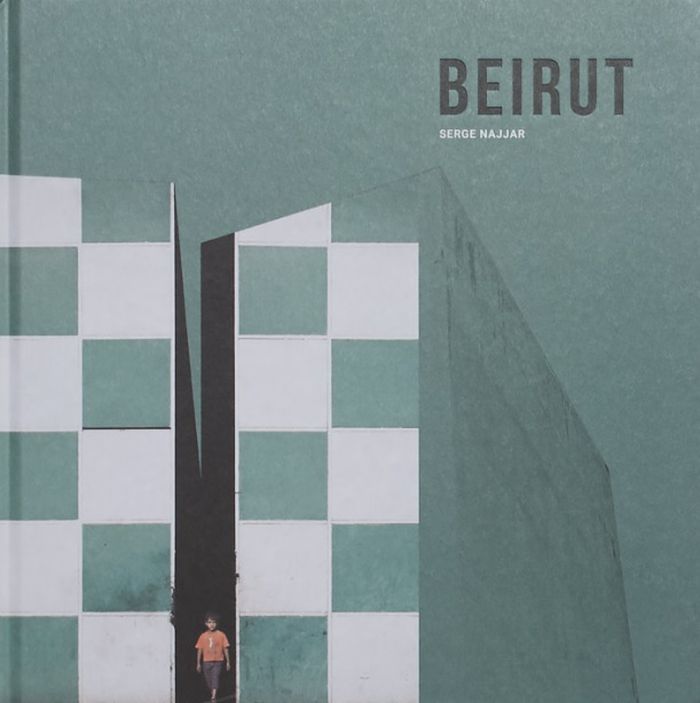
Serge Najjar: Beirut
Serge Najjar: Beirut
Actions:
Price:
$80.00
(available in store)
Summary:
''Serge Najjar writes with lines and plays with shadows. [...] For me, some images evoke the utopia of the architects of the Enlightenment era, who had dreamt of them but never achieved them. Had they been photographers, they would have been compelled to compose with reality. Receptive to the variations of Time, Serge has not drawn on a memory of Beirut, – no pictures of(...)
$80.00
(available in store)
Summary:
''Serge Najjar writes with lines and plays with shadows. [...] For me, some images evoke the utopia of the architects of the Enlightenment era, who had dreamt of them but never achieved them. Had they been photographers, they would have been compelled to compose with reality. Receptive to the variations of Time, Serge has not drawn on a memory of Beirut, – no pictures of(...)
Title:
Serge Najjar: Beirut
Actions:
Price:
$80.00
(available in store)
Summary:
''Serge Najjar writes with lines and plays with shadows. [...] For me, some images evoke the utopia of the architects of the Enlightenment era, who had dreamt of them but never achieved them. Had they been photographers, they would have been compelled to compose with reality. Receptive to the variations of Time, Serge has not drawn on a memory of Beirut, – no pictures of 'old stones' – but homed in on the realities of a changing city. [...] There was the Beirut of childhood dreams inside bomb shelters, then the city he fled due to the fighting, then finally the building sites of reconstruction. The discovery of his city would go on to establish his need to write with the light and to triumph over darkness. In his animated images, a fraction of a second signifies timelessness, and the image can no longer be conceived of without its author, a fleeting shadow or incarnate presence. Serge calls on us to follow him in these architectures of light, and to pass through the mirror of appearances. The history of Beirut calls for constant resurrection. The Beirut of Serge Najjar is the book of time dreamt, reinvented and then accomplished, the book of a captured time.'' - Ferrante Ferranti
Serge Najjar: Beirut
Actions:
Price:
$80.00
(available in store)
Summary:
''Serge Najjar writes with lines and plays with shadows. [...] For me, some images evoke the utopia of the architects of the Enlightenment era, who had dreamt of them but never achieved them. Had they been photographers, they would have been compelled to compose with reality. Receptive to the variations of Time, Serge has not drawn on a memory of Beirut, – no pictures of 'old stones' – but homed in on the realities of a changing city. [...] There was the Beirut of childhood dreams inside bomb shelters, then the city he fled due to the fighting, then finally the building sites of reconstruction. The discovery of his city would go on to establish his need to write with the light and to triumph over darkness. In his animated images, a fraction of a second signifies timelessness, and the image can no longer be conceived of without its author, a fleeting shadow or incarnate presence. Serge calls on us to follow him in these architectures of light, and to pass through the mirror of appearances. The history of Beirut calls for constant resurrection. The Beirut of Serge Najjar is the book of time dreamt, reinvented and then accomplished, the book of a captured time.'' - Ferrante Ferranti
Form:
books
books
Publication:
October 2020
October 2020
Subject:
Photography monographs
Photography monographs
Form:
books
books
Price:
$52.95
(available to order)
Summary:
In recent years the idea of sacred space has not been considered a relevant topic in contemporary architecture, a neglect that is even more pronounced in terms of debates about the city. The texts and projects collected together in this book aim to redress this oversight, and re-open a contemporary understanding and discussion of the architecture of sacred space. The book(...)
$52.95
(available to order)
Summary:
In recent years the idea of sacred space has not been considered a relevant topic in contemporary architecture, a neglect that is even more pronounced in terms of debates about the city. The texts and projects collected together in this book aim to redress this oversight, and re-open a contemporary understanding and discussion of the architecture of sacred space. The book(...)
Subject:
Contemporary Architecture
Contemporary Architecture
Publication:
November 2016
November 2016
Title:
AA Agendas: Rituals and walls. The architecture of sacred space
Actions:
Price:
$52.95
(available to order)
Summary:
In recent years the idea of sacred space has not been considered a relevant topic in contemporary architecture, a neglect that is even more pronounced in terms of debates about the city. The texts and projects collected together in this book aim to redress this oversight, and re-open a contemporary understanding and discussion of the architecture of sacred space. The book itself is the result of a year-long investigation on the nature of sacred space and its manifestation developed in the AA’s Diploma Unit 14. It consists of design proposals that range from a multi-faith school in Strasbourg to the reconstruction of a festival hall in the city of Xian, China; from a Jesuit monastery in Detroit to a women’s Islamic centre in Paris. Each proposal is introduced by critical texts that analyse the political and ideological meaning of religious architecture. The book is complemented by essays by Pier Vittorio Aureli, Maria Sheherazade Giudici and Hamed Khosravi that focus on the relationship between forms of worship and architecture, and argue that within sacred space form must follow function – in other words, architectural space must adhere to the rituals through which the sacred is enacted, and that the meaning of sacred space goes far beyond the stereotypes of contemplation and spirituality, and instead aligns with the political and social ethos of the city.
AA Agendas: Rituals and walls. The architecture of sacred space
Actions:
Price:
$52.95
(available to order)
Summary:
In recent years the idea of sacred space has not been considered a relevant topic in contemporary architecture, a neglect that is even more pronounced in terms of debates about the city. The texts and projects collected together in this book aim to redress this oversight, and re-open a contemporary understanding and discussion of the architecture of sacred space. The book itself is the result of a year-long investigation on the nature of sacred space and its manifestation developed in the AA’s Diploma Unit 14. It consists of design proposals that range from a multi-faith school in Strasbourg to the reconstruction of a festival hall in the city of Xian, China; from a Jesuit monastery in Detroit to a women’s Islamic centre in Paris. Each proposal is introduced by critical texts that analyse the political and ideological meaning of religious architecture. The book is complemented by essays by Pier Vittorio Aureli, Maria Sheherazade Giudici and Hamed Khosravi that focus on the relationship between forms of worship and architecture, and argue that within sacred space form must follow function – in other words, architectural space must adhere to the rituals through which the sacred is enacted, and that the meaning of sacred space goes far beyond the stereotypes of contemplation and spirituality, and instead aligns with the political and social ethos of the city.
Form:
books
books
Publication:
November 2016
November 2016
Subject:
Contemporary Architecture
Contemporary Architecture
Form:
books
books

Actions:
Price:
$48.00
(available to order)
Summary:
15 years after the fall of the Berlin Wall and six years after the end of the war in Kosovo, Eastern Europeans still have astoundingly little understanding of the everyday life of their neighbors. Leap into the City counters this sad reality with intelligence from artists, theoreticians, journalists and other cultural actors, all of whom start from the conviction that art(...)
$48.00
(available to order)
Summary:
15 years after the fall of the Berlin Wall and six years after the end of the war in Kosovo, Eastern Europeans still have astoundingly little understanding of the everyday life of their neighbors. Leap into the City counters this sad reality with intelligence from artists, theoreticians, journalists and other cultural actors, all of whom start from the conviction that art(...)
Title:
Leap into the city : cultural positions, political conditions. Seven scenes from Europe
Actions:
Price:
$48.00
(available to order)
Summary:
15 years after the fall of the Berlin Wall and six years after the end of the war in Kosovo, Eastern Europeans still have astoundingly little understanding of the everyday life of their neighbors. Leap into the City counters this sad reality with intelligence from artists, theoreticians, journalists and other cultural actors, all of whom start from the conviction that art and culture form the vital center of a society. In essays and reportage, in literary texts and artistic contributions, they take positions on current issues, pose new questions, and so portray a subjective tableau of their cities, the cultural scenes, and the public realms.~Seven cities are presented in as many chapters. Each begins with a specific artistic work, and each concludes with an essay whose theme points beyond the local context. How are the new elites facing up to the wars of the recent past and their consequences? Who is bringing the Communist era to the museum? How is the European Union securing its external borders, and who is the Protectorate in the former Yugoslavia actually protecting? The publication provides insights into a European present that is determined by numerous factors and yet has at least three things in common: a Socialist past, the experience of radical social reconstruction and the task of establishing a democratic political culture.
Leap into the city : cultural positions, political conditions. Seven scenes from Europe
Actions:
Price:
$48.00
(available to order)
Summary:
15 years after the fall of the Berlin Wall and six years after the end of the war in Kosovo, Eastern Europeans still have astoundingly little understanding of the everyday life of their neighbors. Leap into the City counters this sad reality with intelligence from artists, theoreticians, journalists and other cultural actors, all of whom start from the conviction that art and culture form the vital center of a society. In essays and reportage, in literary texts and artistic contributions, they take positions on current issues, pose new questions, and so portray a subjective tableau of their cities, the cultural scenes, and the public realms.~Seven cities are presented in as many chapters. Each begins with a specific artistic work, and each concludes with an essay whose theme points beyond the local context. How are the new elites facing up to the wars of the recent past and their consequences? Who is bringing the Communist era to the museum? How is the European Union securing its external borders, and who is the Protectorate in the former Yugoslavia actually protecting? The publication provides insights into a European present that is determined by numerous factors and yet has at least three things in common: a Socialist past, the experience of radical social reconstruction and the task of establishing a democratic political culture.
Form:
books
books
Publication:
August 2006, Cologne
August 2006, Cologne
Subject:
Urban Theory
Urban Theory
Form:
books
books
Price:
$51.50
(available in store)
Summary:
The city of Homs, like so many places in Syria, has suffered mass destruction since the war began in 2011. So far, the architectural response to the crisis has focused on ''cultural heritage'', ancient architecture, and the external displacement of refugees, often neglecting the everyday lives of Syrians and the buildings that make up their homes and communities. In(...)
$51.50
(available in store)
Summary:
The city of Homs, like so many places in Syria, has suffered mass destruction since the war began in 2011. So far, the architectural response to the crisis has focused on ''cultural heritage'', ancient architecture, and the external displacement of refugees, often neglecting the everyday lives of Syrians and the buildings that make up their homes and communities. In(...)
Title:
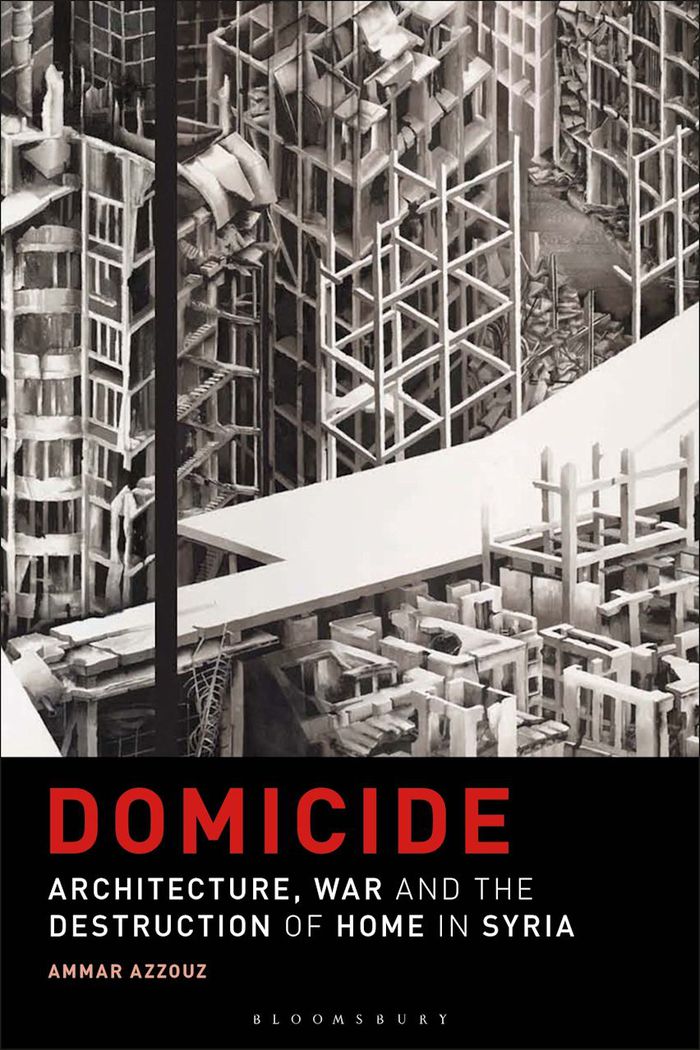
Domicide: Architecture, war and the destruction of home in Syria
Actions:
Price:
$51.50
(available in store)
Summary:
The city of Homs, like so many places in Syria, has suffered mass destruction since the war began in 2011. So far, the architectural response to the crisis has focused on ''cultural heritage'', ancient architecture, and the external displacement of refugees, often neglecting the everyday lives of Syrians and the buildings that make up their homes and communities. In ''Domicide'', Ammar Azzouz uses the notion of the 'home' to address the destruction in cities like Homs, the displacement of Syrian people both externally and internally, and to explore how cities can be rebuilt without causing further damage to the communities that live there. Drawing on interviews with those working in the built environment professions, both inside and outside of Syria, but also Syrians from other backgrounds who have become architects in their own way as they were forced to repair and rebuild their homes by themselves, Domicide offers fresh insight into the role of the architect during time of war, and explores how the future reconstruction of cities should mirror the wants and needs, the traditions and ways of living, of local communities. Focusing on Homs but offering a blueprint for other urban areas of conflict across Syria and the wider world, the book is essential reading for researchers in architecture, urban planning, heritage studies and conflict studies.
Domicide: Architecture, war and the destruction of home in Syria
Actions:
Price:
$51.50
(available in store)
Summary:
The city of Homs, like so many places in Syria, has suffered mass destruction since the war began in 2011. So far, the architectural response to the crisis has focused on ''cultural heritage'', ancient architecture, and the external displacement of refugees, often neglecting the everyday lives of Syrians and the buildings that make up their homes and communities. In ''Domicide'', Ammar Azzouz uses the notion of the 'home' to address the destruction in cities like Homs, the displacement of Syrian people both externally and internally, and to explore how cities can be rebuilt without causing further damage to the communities that live there. Drawing on interviews with those working in the built environment professions, both inside and outside of Syria, but also Syrians from other backgrounds who have become architects in their own way as they were forced to repair and rebuild their homes by themselves, Domicide offers fresh insight into the role of the architect during time of war, and explores how the future reconstruction of cities should mirror the wants and needs, the traditions and ways of living, of local communities. Focusing on Homs but offering a blueprint for other urban areas of conflict across Syria and the wider world, the book is essential reading for researchers in architecture, urban planning, heritage studies and conflict studies.
Form:
books
books
Publication:
January 2025
January 2025
Subject:
Architectural Theory
Architectural Theory


