


2310 Results
Form:
books
books
Title:
Art Photography
Art Photography
Actions:
Price:
$42.00
(available to order)
Summary:
This survey presents the work of seventy-six of the most important artist-photographers in the world today. Susan Bright has organized the book into seven sections : City, Portrait, Document, Object, Landscape, Fashion, and Narrative. Each section explores the diverse subjects, styles, and methods adopted by artists. Introductions to each section outline the genres and(...)
$42.00
(available to order)
Summary:
This survey presents the work of seventy-six of the most important artist-photographers in the world today. Susan Bright has organized the book into seven sections : City, Portrait, Document, Object, Landscape, Fashion, and Narrative. Each section explores the diverse subjects, styles, and methods adopted by artists. Introductions to each section outline the genres and(...)
Title:
Art Photography
Actions:
Price:
$42.00
(available to order)
Summary:
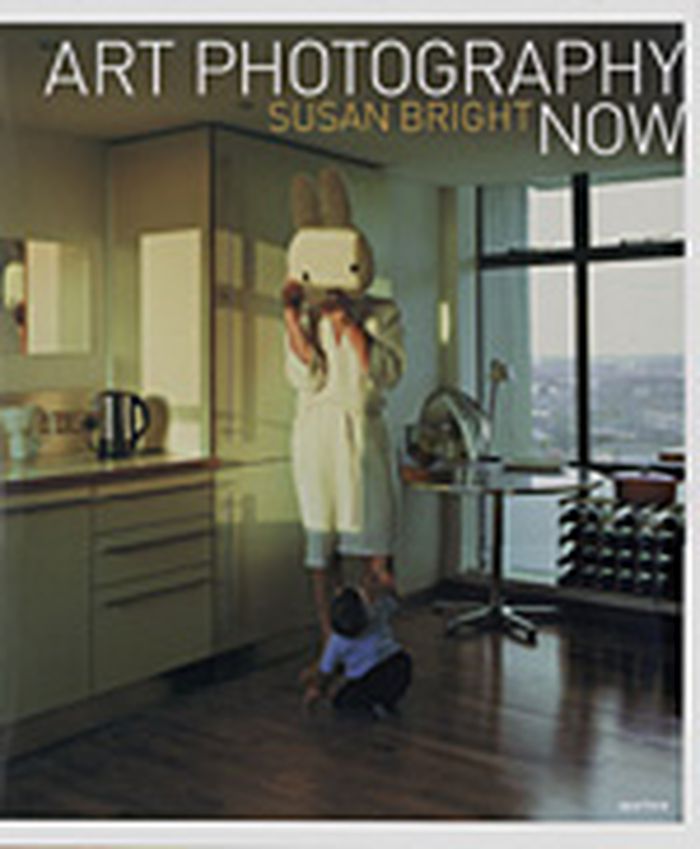
This survey presents the work of seventy-six of the most important artist-photographers in the world today. Susan Bright has organized the book into seven sections : City, Portrait, Document, Object, Landscape, Fashion, and Narrative. Each section explores the diverse subjects, styles, and methods adopted by artists. Introductions to each section outline the genres and consider why photographers are attracted to certain themes and how issues like memory, time, objectivity, politics, identity, and the everyday are tied to certain approaches. Each photographer’s work is then presented in sequence, with commentaries by the author highlighting the art’s most important aspects. Quotations from the artists appear alongside to offer valuable insights into the motivation, inspiration, and intentions behind the work. With an introduction that sets out the historical relationship between art and photography from the early nineteenth century and discusses the art world’s embrace of the medium in recent decades, Art Photography Now is a comprehensive guide to the essential aspects of contemporary photography.
Art Photography
Actions:
Price:
$42.00
(available to order)
Summary:
This survey presents the work of seventy-six of the most important artist-photographers in the world today. Susan Bright has organized the book into seven sections : City, Portrait, Document, Object, Landscape, Fashion, and Narrative. Each section explores the diverse subjects, styles, and methods adopted by artists. Introductions to each section outline the genres and consider why photographers are attracted to certain themes and how issues like memory, time, objectivity, politics, identity, and the everyday are tied to certain approaches. Each photographer’s work is then presented in sequence, with commentaries by the author highlighting the art’s most important aspects. Quotations from the artists appear alongside to offer valuable insights into the motivation, inspiration, and intentions behind the work. With an introduction that sets out the historical relationship between art and photography from the early nineteenth century and discusses the art world’s embrace of the medium in recent decades, Art Photography Now is a comprehensive guide to the essential aspects of contemporary photography.
Form:
books
books
Publication:
August 2006, New York
August 2006, New York
Subject:
Theory of Photography
Theory of Photography
Form:
books
books
Title:
The plan of Chicago
The plan of Chicago
Actions:
Price:
$27.50
(available to order)
Summary:
Arguably the most influential document in the history of urban planning, Daniel Burnham’s 1909 Plan of Chicago, coauthored by Edward Bennett and produced in collaboration with the Commercial Club of Chicago, proposed many of the city’s most distinctive features, including its lakefront parks and roadways, the Magnificent Mile, and Navy Pier. Carl Smith’s history reveals(...)
$27.50
(available to order)
Summary:
Arguably the most influential document in the history of urban planning, Daniel Burnham’s 1909 Plan of Chicago, coauthored by Edward Bennett and produced in collaboration with the Commercial Club of Chicago, proposed many of the city’s most distinctive features, including its lakefront parks and roadways, the Magnificent Mile, and Navy Pier. Carl Smith’s history reveals(...)
Title:
The plan of Chicago
Actions:
Price:
$27.50
(available to order)
Summary:
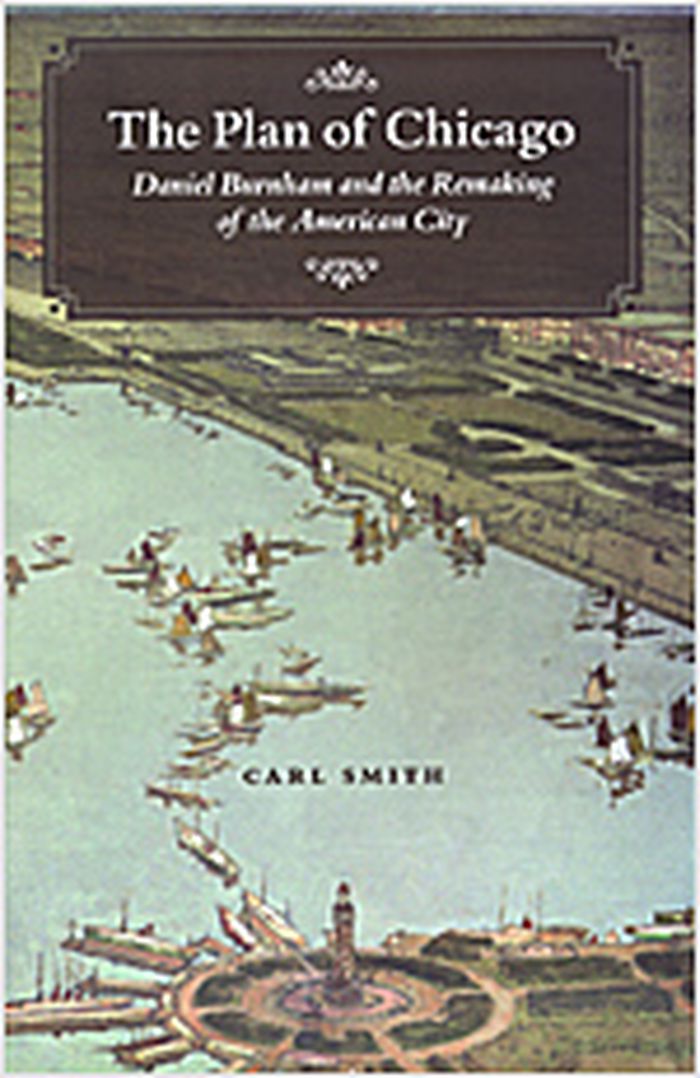
Arguably the most influential document in the history of urban planning, Daniel Burnham’s 1909 Plan of Chicago, coauthored by Edward Bennett and produced in collaboration with the Commercial Club of Chicago, proposed many of the city’s most distinctive features, including its lakefront parks and roadways, the Magnificent Mile, and Navy Pier. Carl Smith’s history reveals the Plan’s central role in shaping the ways people envision the cityscape and urban life itself. Smith’s narrative begins with a survey of Chicago’s stunning rise from a tiny frontier settlement to the nation’s second-largest city. He then offers an illuminating exploration of the Plan’s creation and reveals how it embodies the renowned architect’s belief that cities can and must be remade for the better. The Plan defined the City Beautiful movement and was the first comprehensive attempt to reimagine a major American city. Smith points out the ways the Plan continues to influence debates, even a century after its publication, about how to create a vibrant and habitable urban environment.
The plan of Chicago
Actions:
Price:
$27.50
(available to order)
Summary:
Arguably the most influential document in the history of urban planning, Daniel Burnham’s 1909 Plan of Chicago, coauthored by Edward Bennett and produced in collaboration with the Commercial Club of Chicago, proposed many of the city’s most distinctive features, including its lakefront parks and roadways, the Magnificent Mile, and Navy Pier. Carl Smith’s history reveals the Plan’s central role in shaping the ways people envision the cityscape and urban life itself. Smith’s narrative begins with a survey of Chicago’s stunning rise from a tiny frontier settlement to the nation’s second-largest city. He then offers an illuminating exploration of the Plan’s creation and reveals how it embodies the renowned architect’s belief that cities can and must be remade for the better. The Plan defined the City Beautiful movement and was the first comprehensive attempt to reimagine a major American city. Smith points out the ways the Plan continues to influence debates, even a century after its publication, about how to create a vibrant and habitable urban environment.
Form:
books
books
Publication:
October 2006, Chicago, London
October 2006, Chicago, London
Subject:
Urban Theory
Urban Theory
Form:
books
books
Actions:
Price:
$62.00
(available to order)
Summary:
This book presents an essential selection from the portfolio of Emilio Duhart H. (1917-2006), a pivotal figure in Chilean architecture. Interweaving episodes from his life and work with the expansion of the modern movement as a global phenomenon, this chronicle places Duhart at the center of an ongoing dialogue between the universal precepts of modernism and the(...)
$62.00
(available to order)
Summary:
This book presents an essential selection from the portfolio of Emilio Duhart H. (1917-2006), a pivotal figure in Chilean architecture. Interweaving episodes from his life and work with the expansion of the modern movement as a global phenomenon, this chronicle places Duhart at the center of an ongoing dialogue between the universal precepts of modernism and the(...)
Title:
Re-imagining modern architecture: Emilio Duhart, 1940-1970
Actions:
Price:
$62.00
(available to order)
Summary:
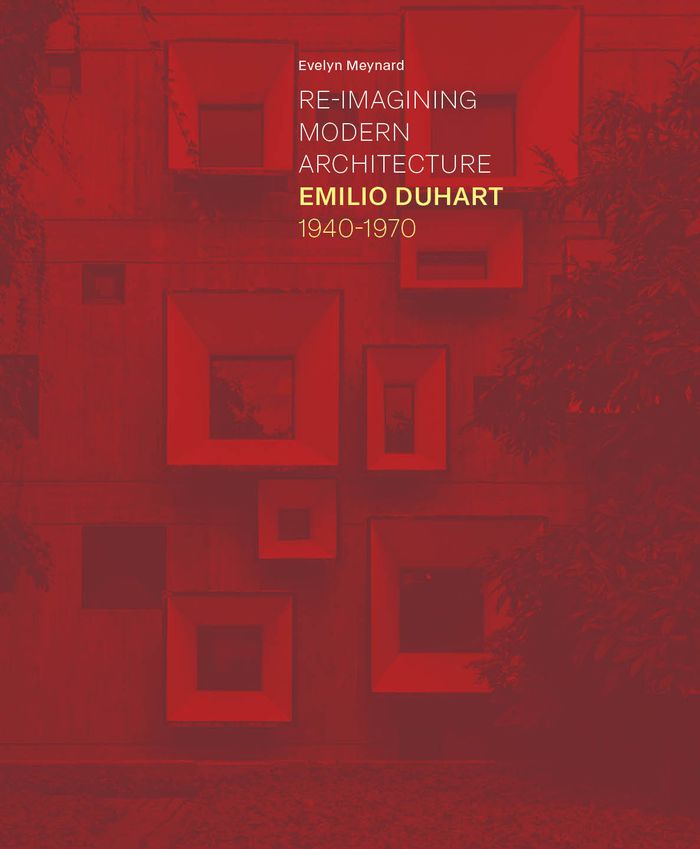
This book presents an essential selection from the portfolio of Emilio Duhart H. (1917-2006), a pivotal figure in Chilean architecture. Interweaving episodes from his life and work with the expansion of the modern movement as a global phenomenon, this chronicle places Duhart at the center of an ongoing dialogue between the universal precepts of modernism and the specificities of the Chilean cultural landscape. From his early contact with Walter Gropius in the 1940s to his collaboration with Le Corbusier in the 1950s, Duhart crafted an architectural narrative that not only adopted the ideas of modernism but transformed them, translating them into a language deeply tied to the local circumstances. Duhart’s personal and professional trajectory offers a fascinating perspective for understanding the global expansion of modern architecture, exploring themes central to its dissemination, such as migration, education, social class, housing, and urban challenges. In this light, his life and work are presented as a matrix rich in connections, capable of dialogue with other emblematic cases worldwide.
Re-imagining modern architecture: Emilio Duhart, 1940-1970
Actions:
Price:
$62.00
(available to order)
Summary:
This book presents an essential selection from the portfolio of Emilio Duhart H. (1917-2006), a pivotal figure in Chilean architecture. Interweaving episodes from his life and work with the expansion of the modern movement as a global phenomenon, this chronicle places Duhart at the center of an ongoing dialogue between the universal precepts of modernism and the specificities of the Chilean cultural landscape. From his early contact with Walter Gropius in the 1940s to his collaboration with Le Corbusier in the 1950s, Duhart crafted an architectural narrative that not only adopted the ideas of modernism but transformed them, translating them into a language deeply tied to the local circumstances. Duhart’s personal and professional trajectory offers a fascinating perspective for understanding the global expansion of modern architecture, exploring themes central to its dissemination, such as migration, education, social class, housing, and urban challenges. In this light, his life and work are presented as a matrix rich in connections, capable of dialogue with other emblematic cases worldwide.
Form:
books
books
Publication:
September 2025
September 2025
Subject:
Architecture Monographs
Architecture Monographs
Form:
books
books
Title:
Alice Neel: I am the century
Alice Neel: I am the century
Actions:
Price:
$85.00
(available in store)
Summary:
''Alice Neel: I Am the Century'' accompanies the first major retrospective in Italy dedicated to the US artist Alice Neel (1900–1984), presented by Pinacoteca Agnelli, Turin. Conceived as both a critical and a narrative journey, this publication offers an in-depth exploration of Neel's artistic and personal life, expanding on the exhibition through a rich selection of(...)
$85.00
(available in store)
Summary:
''Alice Neel: I Am the Century'' accompanies the first major retrospective in Italy dedicated to the US artist Alice Neel (1900–1984), presented by Pinacoteca Agnelli, Turin. Conceived as both a critical and a narrative journey, this publication offers an in-depth exploration of Neel's artistic and personal life, expanding on the exhibition through a rich selection of(...)
Subject:
Contemporary Art Monographs
Contemporary Art Monographs
Publication:
December 2025
December 2025
Title:
Alice Neel: I am the century
Actions:
Price:
$85.00
(available in store)
Summary:
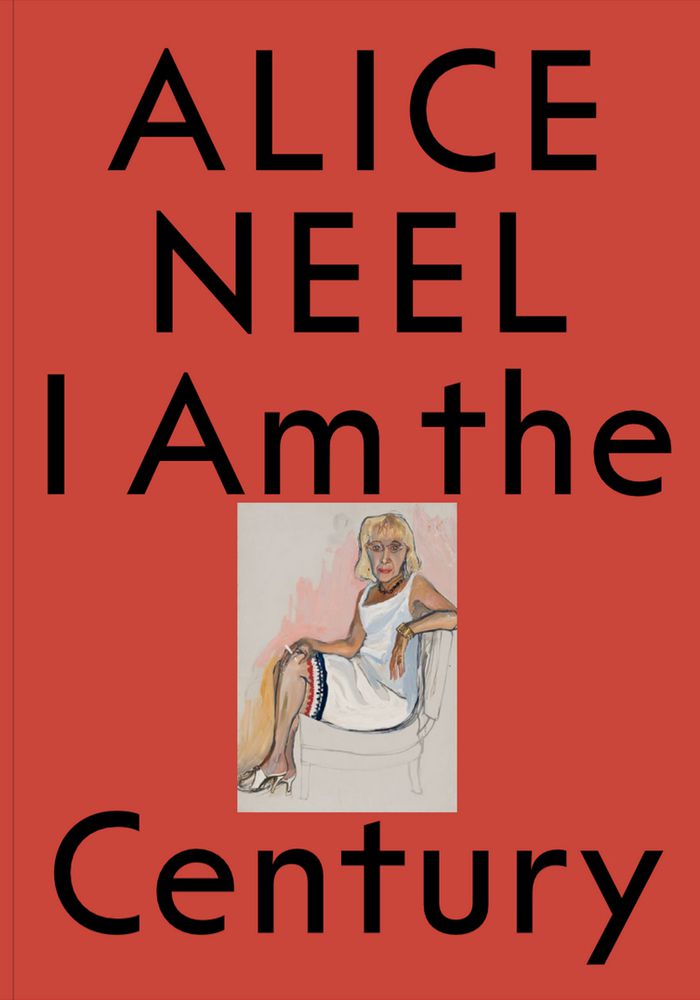
''Alice Neel: I Am the Century'' accompanies the first major retrospective in Italy dedicated to the US artist Alice Neel (1900–1984), presented by Pinacoteca Agnelli, Turin. Conceived as both a critical and a narrative journey, this publication offers an in-depth exploration of Neel's artistic and personal life, expanding on the exhibition through a rich selection of essays and visual material. Merging realism with surrealism and empathy with unflinching clarity, Neel captured the psychological and emotional depth of her sitters. The publication emphasizes her capacity to chronicle life's stages and relationships—childhood and adulthood, sexuality and intimacy, community and political consciousness—through works that continue to resonate with contemporary audiences. Positioning Neel as both artist and witness, ''I Am the Century'' underscores her enduring humanism and her singular vision of the "human comedy," offering readers a comprehensive entry point into a body of work that is still influencing new generations of artists.
Alice Neel: I am the century
Actions:
Price:
$85.00
(available in store)
Summary:
''Alice Neel: I Am the Century'' accompanies the first major retrospective in Italy dedicated to the US artist Alice Neel (1900–1984), presented by Pinacoteca Agnelli, Turin. Conceived as both a critical and a narrative journey, this publication offers an in-depth exploration of Neel's artistic and personal life, expanding on the exhibition through a rich selection of essays and visual material. Merging realism with surrealism and empathy with unflinching clarity, Neel captured the psychological and emotional depth of her sitters. The publication emphasizes her capacity to chronicle life's stages and relationships—childhood and adulthood, sexuality and intimacy, community and political consciousness—through works that continue to resonate with contemporary audiences. Positioning Neel as both artist and witness, ''I Am the Century'' underscores her enduring humanism and her singular vision of the "human comedy," offering readers a comprehensive entry point into a body of work that is still influencing new generations of artists.
Form:
books
books
Publication:
December 2025
December 2025
Subject:
Contemporary Art Monographs
Contemporary Art Monographs
Form:
books
books
Actions:
Price:
$53.95
(available in store)
Summary:
Some of the earliest canals in colonial America, referred to as the ''Inner Passage'', were constructed by enslaved people living in the Lowcountry of South Carolina in the early 1700s. In a paradox of history, for over a hundred years enslaved Black people used these canals, constructed for white plantation owners, to travel southward to freedom in Spanish Florida. In(...)
$53.95
(available in store)
Summary:
Some of the earliest canals in colonial America, referred to as the ''Inner Passage'', were constructed by enslaved people living in the Lowcountry of South Carolina in the early 1700s. In a paradox of history, for over a hundred years enslaved Black people used these canals, constructed for white plantation owners, to travel southward to freedom in Spanish Florida. In(...)
Title:
The inner passage: An Untold story of Black resistance along a southern waterway
Actions:
Price:
$53.95
(available in store)
Summary:
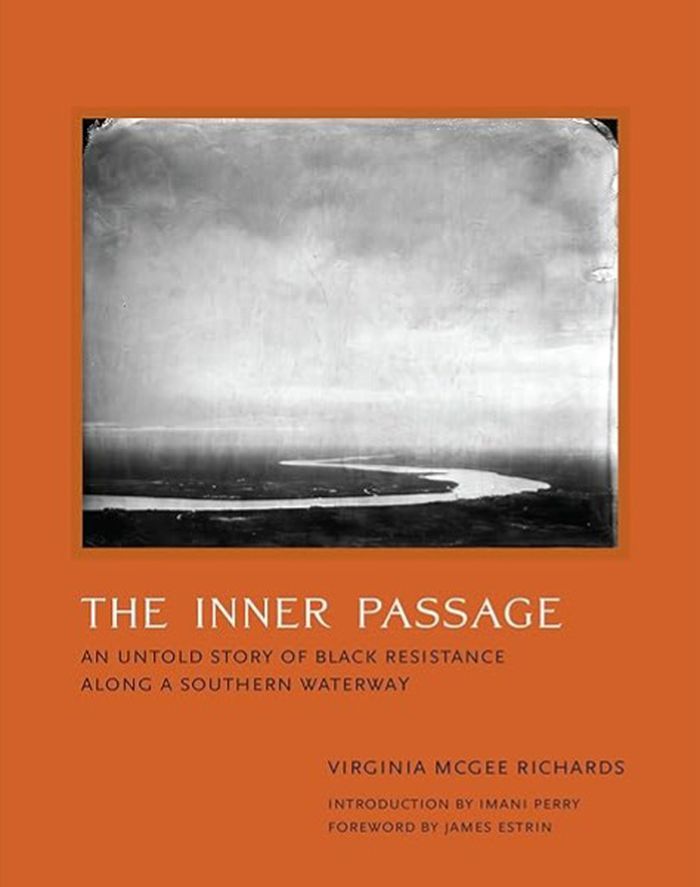
Some of the earliest canals in colonial America, referred to as the ''Inner Passage'', were constructed by enslaved people living in the Lowcountry of South Carolina in the early 1700s. In a paradox of history, for over a hundred years enslaved Black people used these canals, constructed for white plantation owners, to travel southward to freedom in Spanish Florida. In this book, Virginia McGee Richards documents the lost narrative of the ''Inner Passage'' through 60 extraordinary photographs of landscapes altered by slavery and portraits of Lowcountry descendants, along with an essay describing her discovery of this untold history. In an accompanying essay, Imani Perry writes about her own journey on the ''Inner Passage'', putting Black resistance to enslavement and Southern history into an immediate context. James Estrin brings decades of insight about photography and the power of visual storytelling to his affecting foreword. Together, these words and images offer a powerful living map of history.
The inner passage: An Untold story of Black resistance along a southern waterway
Actions:
Price:
$53.95
(available in store)
Summary:
Some of the earliest canals in colonial America, referred to as the ''Inner Passage'', were constructed by enslaved people living in the Lowcountry of South Carolina in the early 1700s. In a paradox of history, for over a hundred years enslaved Black people used these canals, constructed for white plantation owners, to travel southward to freedom in Spanish Florida. In this book, Virginia McGee Richards documents the lost narrative of the ''Inner Passage'' through 60 extraordinary photographs of landscapes altered by slavery and portraits of Lowcountry descendants, along with an essay describing her discovery of this untold history. In an accompanying essay, Imani Perry writes about her own journey on the ''Inner Passage'', putting Black resistance to enslavement and Southern history into an immediate context. James Estrin brings decades of insight about photography and the power of visual storytelling to his affecting foreword. Together, these words and images offer a powerful living map of history.
Form:
books
books
Publication:
April 2026
April 2026
Subject:
Art Theory
Art Theory
Form:
books
books
Actions:
Price:
$75.00
(available in store)
Summary:
Wallace Neff may have been the preeminent architect of Spanish colonial-revival houses in Southern California. Neff was an inventive designer who was not only adept at manipulating traditional styles to please famous, wealthy clients like Cary Grant, Claudette Colbert, and Darryl Zanuck; he was also a pioneer in low-cost housing and pneumatic building. The Bubble House,(...)
$75.00
(available in store)
Summary:
Wallace Neff may have been the preeminent architect of Spanish colonial-revival houses in Southern California. Neff was an inventive designer who was not only adept at manipulating traditional styles to please famous, wealthy clients like Cary Grant, Claudette Colbert, and Darryl Zanuck; he was also a pioneer in low-cost housing and pneumatic building. The Bubble House,(...)
Title:
Wallace Neff and the grand houses of the golden state
Actions:
Price:
$75.00
(available in store)
Summary:
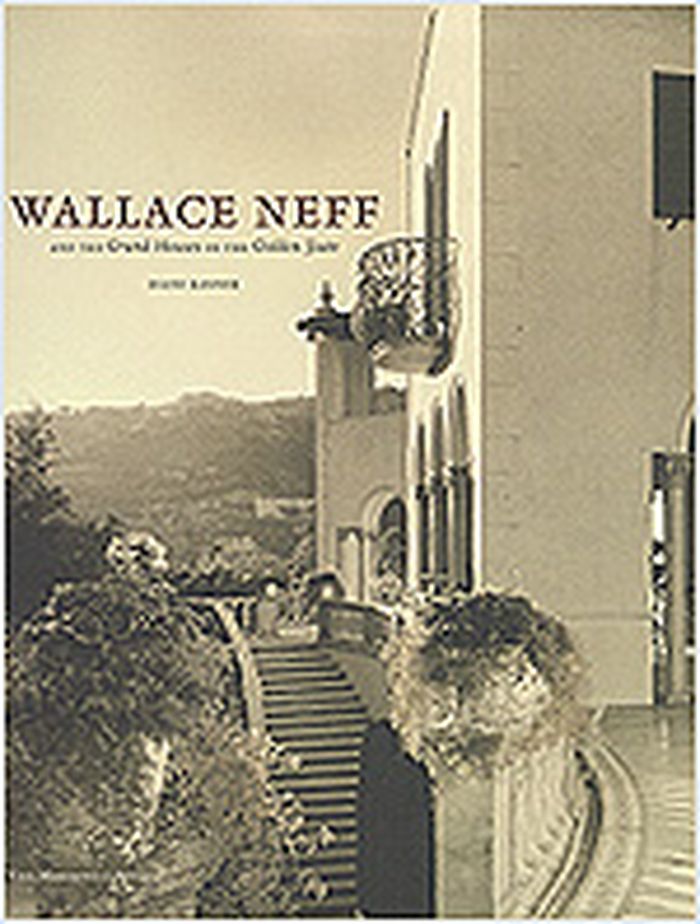
Wallace Neff may have been the preeminent architect of Spanish colonial-revival houses in Southern California. Neff was an inventive designer who was not only adept at manipulating traditional styles to please famous, wealthy clients like Cary Grant, Claudette Colbert, and Darryl Zanuck; he was also a pioneer in low-cost housing and pneumatic building. The Bubble House, as his best-known Airform structure was fondly nicknamed, had a social vision as compelling as that of any modernist housing project. "Wallace Neff and the grand houses of the golden state" tells the life story of this architect, who was raised as Southern California aristocracy - an heir to one of the founders of Rand McNally & Company -- and grew up to influence the course of architectural history in California. Illustrated throughout with black-and-white archival photographs that document Neff's family life and professional accomplishments, journalist Diane Kanner's compelling narrative offers a behind-the-scenes look at the development of residential architecture in Southern California.
Wallace Neff and the grand houses of the golden state
Actions:
Price:
$75.00
(available in store)
Summary:
Wallace Neff may have been the preeminent architect of Spanish colonial-revival houses in Southern California. Neff was an inventive designer who was not only adept at manipulating traditional styles to please famous, wealthy clients like Cary Grant, Claudette Colbert, and Darryl Zanuck; he was also a pioneer in low-cost housing and pneumatic building. The Bubble House, as his best-known Airform structure was fondly nicknamed, had a social vision as compelling as that of any modernist housing project. "Wallace Neff and the grand houses of the golden state" tells the life story of this architect, who was raised as Southern California aristocracy - an heir to one of the founders of Rand McNally & Company -- and grew up to influence the course of architectural history in California. Illustrated throughout with black-and-white archival photographs that document Neff's family life and professional accomplishments, journalist Diane Kanner's compelling narrative offers a behind-the-scenes look at the development of residential architecture in Southern California.
Form:
books
books
Publication:
November 2005, New York
November 2005, New York
Subject:
Architecture Monographs
Architecture Monographs
Form:
books
books
Title:
Art photography now
Art photography now
Actions:
Price:
$60.00
(available to order)
Summary:
This survey presents the work of seventy-six of the most important artist-photographers in the world today. Susan Bright has organized the book into seven sections : City, Portrait, Document, Object, Landscape, Fashion, and Narrative. Each section explores the diverse subjects, styles, and methods adopted by artists. Introductions to each section outline the genres and(...)
$60.00
(available to order)
Summary:
This survey presents the work of seventy-six of the most important artist-photographers in the world today. Susan Bright has organized the book into seven sections : City, Portrait, Document, Object, Landscape, Fashion, and Narrative. Each section explores the diverse subjects, styles, and methods adopted by artists. Introductions to each section outline the genres and(...)
Title:
Art photography now
Actions:
Price:
$60.00
(available to order)
Summary:
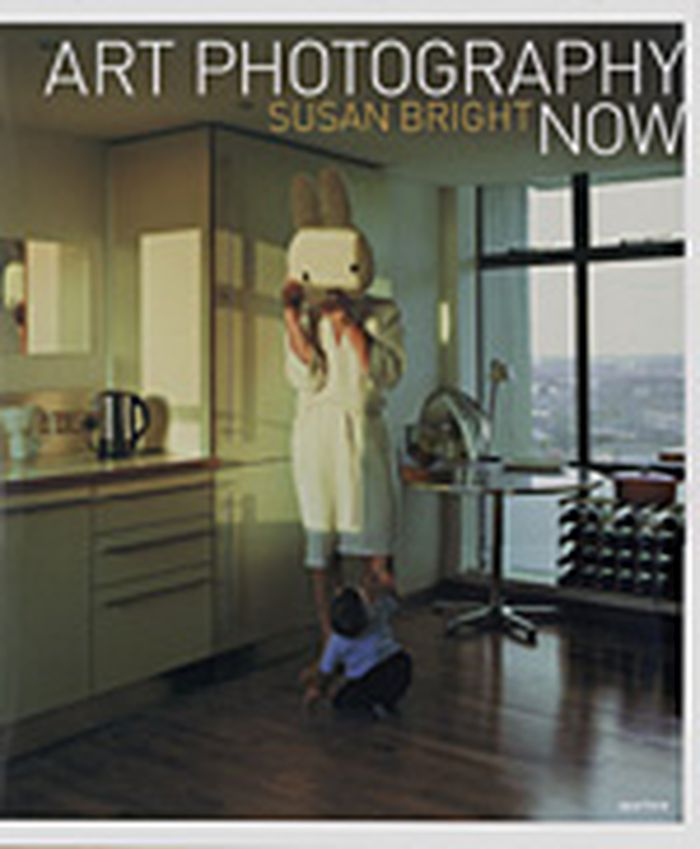
This survey presents the work of seventy-six of the most important artist-photographers in the world today. Susan Bright has organized the book into seven sections : City, Portrait, Document, Object, Landscape, Fashion, and Narrative. Each section explores the diverse subjects, styles, and methods adopted by artists. Introductions to each section outline the genres and consider why photographers are attracted to certain themes and how issues like memory, time, objectivity, politics, identity, and the everyday are tied to certain approaches. Each photographer’s work is then presented in sequence, with commentaries by the author highlighting the art’s most important aspects. Quotations from the artists appear alongside to offer valuable insights into the motivation, inspiration, and intentions behind the work. With an introduction that sets out the historical relationship between art and photography from the early nineteenth century and discusses the art world’s embrace of the medium in recent decades, Art Photography Now is a comprehensive guide to the essential aspects of contemporary photography.
Art photography now
Actions:
Price:
$60.00
(available to order)
Summary:
This survey presents the work of seventy-six of the most important artist-photographers in the world today. Susan Bright has organized the book into seven sections : City, Portrait, Document, Object, Landscape, Fashion, and Narrative. Each section explores the diverse subjects, styles, and methods adopted by artists. Introductions to each section outline the genres and consider why photographers are attracted to certain themes and how issues like memory, time, objectivity, politics, identity, and the everyday are tied to certain approaches. Each photographer’s work is then presented in sequence, with commentaries by the author highlighting the art’s most important aspects. Quotations from the artists appear alongside to offer valuable insights into the motivation, inspiration, and intentions behind the work. With an introduction that sets out the historical relationship between art and photography from the early nineteenth century and discusses the art world’s embrace of the medium in recent decades, Art Photography Now is a comprehensive guide to the essential aspects of contemporary photography.
Form:
books
books
Publication:
October 2005, New York
October 2005, New York
Subject:
Theory of Photography
Theory of Photography
Form:
books
books
Actions:
Price:
$33.95
(available to order)
Summary:
Siri Hustvedt concentrates her narrative gifts on the works of such masters as Francisco de Goya, Jan Vermeer, Jean-Baptiste-Siméon Chardin, Gerhard Richter, and Joan Mitchell. She is concerned with the very act of looking and the limitless rewards to be gleaned from sustained, careful attention. Unlike film and books, which progress over time, "Painting is there all(...)
$33.95
(available to order)
Summary:
Siri Hustvedt concentrates her narrative gifts on the works of such masters as Francisco de Goya, Jan Vermeer, Jean-Baptiste-Siméon Chardin, Gerhard Richter, and Joan Mitchell. She is concerned with the very act of looking and the limitless rewards to be gleaned from sustained, careful attention. Unlike film and books, which progress over time, "Painting is there all(...)
Title:
Mysteries of the rectangle : essays on painting
Actions:
Price:
$33.95
(available to order)
Summary:
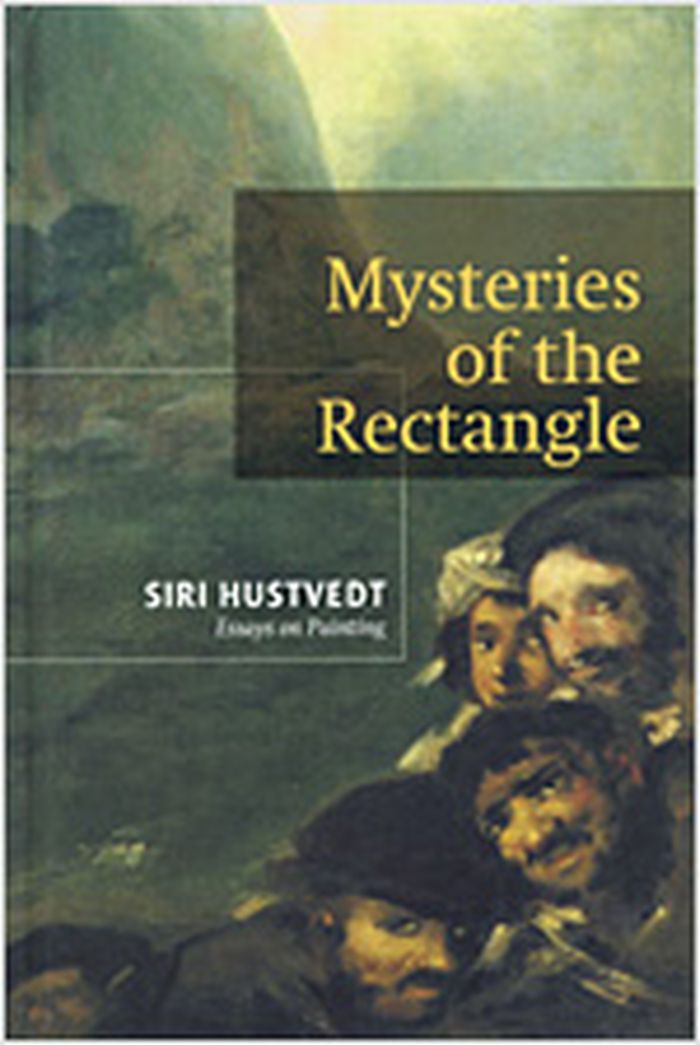
Siri Hustvedt concentrates her narrative gifts on the works of such masters as Francisco de Goya, Jan Vermeer, Jean-Baptiste-Siméon Chardin, Gerhard Richter, and Joan Mitchell. She is concerned with the very act of looking and the limitless rewards to be gleaned from sustained, careful attention. Unlike film and books, which progress over time, "Painting is there all at once," she writes, it is only with patience and repeated viewings that elusive meanings present themselves. Through her own personal experiences, Hustvedt is able to reveal things until now hidden in plain sight: an egg-like detail in Vermeer's Woman with a Pearl Necklace and the many hidden self-portraits in Goya's series of drawings, Los Caprichos, as well as in his infamous painting The Third of May. Most importantly, these essays exhibit the passion, thrill, and sheer pleasure of bewilderment a work of art can produce - if you simply take the time to look.
Mysteries of the rectangle : essays on painting
Actions:
Price:
$33.95
(available to order)
Summary:
Siri Hustvedt concentrates her narrative gifts on the works of such masters as Francisco de Goya, Jan Vermeer, Jean-Baptiste-Siméon Chardin, Gerhard Richter, and Joan Mitchell. She is concerned with the very act of looking and the limitless rewards to be gleaned from sustained, careful attention. Unlike film and books, which progress over time, "Painting is there all at once," she writes, it is only with patience and repeated viewings that elusive meanings present themselves. Through her own personal experiences, Hustvedt is able to reveal things until now hidden in plain sight: an egg-like detail in Vermeer's Woman with a Pearl Necklace and the many hidden self-portraits in Goya's series of drawings, Los Caprichos, as well as in his infamous painting The Third of May. Most importantly, these essays exhibit the passion, thrill, and sheer pleasure of bewilderment a work of art can produce - if you simply take the time to look.
Form:
books
books
Publication:
July 2005, New York
July 2005, New York
Subject:
Architectural Theory
Architectural Theory
Form:
books
books
Price:
$102.00
(available in store)
Summary:
The second installment in the Dongola Architecture Series, dedicated to the great voices of contemporary architecture in the Arab culture, delves into the life and work of the distinguished Syrian architect and architecture historian Nasser Rabbat. This publication underscores the profound connection between Rabbat's upbringing in Syria during a period of significant(...)
$102.00
(available in store)
Summary:
The second installment in the Dongola Architecture Series, dedicated to the great voices of contemporary architecture in the Arab culture, delves into the life and work of the distinguished Syrian architect and architecture historian Nasser Rabbat. This publication underscores the profound connection between Rabbat's upbringing in Syria during a period of significant(...)
Title:
Nasser Rabbat: Critical encounters. Dongola Architecture Series DAS 02
Actions:
Price:
$102.00
(available in store)
Summary:
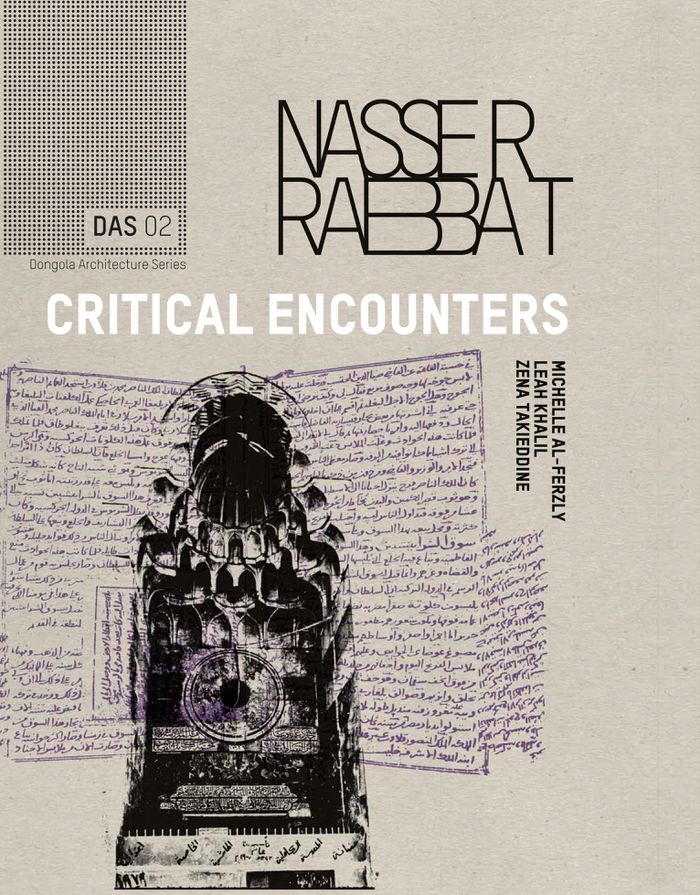
The second installment in the Dongola Architecture Series, dedicated to the great voices of contemporary architecture in the Arab culture, delves into the life and work of the distinguished Syrian architect and architecture historian Nasser Rabbat. This publication underscores the profound connection between Rabbat's upbringing in Syria during a period of significant political transformation and his development as a critical thinker and storyteller. His journey from a reluctant choice to study architecture to becoming a prominent figure as the Director of the Aga Khan Program for Islamic Architecture at MIT illustrates his unceasing commitment to expanding the horizons of historiography, particularly within the realm of non-Western voices. "Nasser Rabbat : Critical encounters" seeks to deepen our understanding of the urgency of history to enable the possibilities of questioning and reimagining dominant powers. Professor Rabbat's work presents a compelling account within the broader context of Arab thinkers actively reshaping their region's narrative and pushing for a more inclusive and diverse historical perspective.
Nasser Rabbat: Critical encounters. Dongola Architecture Series DAS 02
Actions:
Price:
$102.00
(available in store)
Summary:
The second installment in the Dongola Architecture Series, dedicated to the great voices of contemporary architecture in the Arab culture, delves into the life and work of the distinguished Syrian architect and architecture historian Nasser Rabbat. This publication underscores the profound connection between Rabbat's upbringing in Syria during a period of significant political transformation and his development as a critical thinker and storyteller. His journey from a reluctant choice to study architecture to becoming a prominent figure as the Director of the Aga Khan Program for Islamic Architecture at MIT illustrates his unceasing commitment to expanding the horizons of historiography, particularly within the realm of non-Western voices. "Nasser Rabbat : Critical encounters" seeks to deepen our understanding of the urgency of history to enable the possibilities of questioning and reimagining dominant powers. Professor Rabbat's work presents a compelling account within the broader context of Arab thinkers actively reshaping their region's narrative and pushing for a more inclusive and diverse historical perspective.
Form:
books
books
Publication:
March 2024
March 2024
Subject:
Architecture Monographs
Architecture Monographs
Form:
books
books

Actions:
Price:
$65.00
(available to order)
Summary:
As a part of his research series on the historical practices of communitarian utopias in different countries, Ou Ning's new book, ''The Agritopianists'', focuses on the labor experiments of intellectual groups in 20th-century Japan’s rural areas. From the collective Atarashiki-mura (New Village) Movement initiated by Mushakoji Saneatsu, through many other individual(...)
$65.00
(available to order)
Summary:
As a part of his research series on the historical practices of communitarian utopias in different countries, Ou Ning's new book, ''The Agritopianists'', focuses on the labor experiments of intellectual groups in 20th-century Japan’s rural areas. From the collective Atarashiki-mura (New Village) Movement initiated by Mushakoji Saneatsu, through many other individual(...)
Title:
The agritopianists: Thinking and Practice in Rural Japan
Actions:
Price:
$65.00
(available to order)
Summary:
As a part of his research series on the historical practices of communitarian utopias in different countries, Ou Ning's new book, ''The Agritopianists'', focuses on the labor experiments of intellectual groups in 20th-century Japan’s rural areas. From the collective Atarashiki-mura (New Village) Movement initiated by Mushakoji Saneatsu, through many other individual semiagricultural life practices of Japanese writers and artists, the book traces the emergence of a shared agricultural fundamentalism that informed and evolved into the active political interventions of later years. Ou Ning combines original field investigation with a close reading of the historical archives to construct a narrative spanning period and geographies that is always attentive to specific detail. ''The Agritopianists'' takes the reader to the historical scene and asks them to consider its relevance to today’s urgent questions of ways of living and planetary thinking. Among the many histories of utopian thought and experiments, this is a unique rethinking of environmental possibilities through geographical and cultural differences.
The agritopianists: Thinking and Practice in Rural Japan
Actions:
Price:
$65.00
(available to order)
Summary:
As a part of his research series on the historical practices of communitarian utopias in different countries, Ou Ning's new book, ''The Agritopianists'', focuses on the labor experiments of intellectual groups in 20th-century Japan’s rural areas. From the collective Atarashiki-mura (New Village) Movement initiated by Mushakoji Saneatsu, through many other individual semiagricultural life practices of Japanese writers and artists, the book traces the emergence of a shared agricultural fundamentalism that informed and evolved into the active political interventions of later years. Ou Ning combines original field investigation with a close reading of the historical archives to construct a narrative spanning period and geographies that is always attentive to specific detail. ''The Agritopianists'' takes the reader to the historical scene and asks them to consider its relevance to today’s urgent questions of ways of living and planetary thinking. Among the many histories of utopian thought and experiments, this is a unique rethinking of environmental possibilities through geographical and cultural differences.
Form:
books
books
Publication:
December 2024
December 2024
Subject:
Rurality
Rurality


