


3105 Results
Form:
books
books
Actions:
Price:
$85.00
(available to order)
Summary:
How can housing better meet people’s diverse and changing needs? Moving away from the focus on capsule architecture that dominates so many studies of Japan’s Metabolist architects, ''Digesting Metabolism'' investigates the impact on Japanese housing of Le Corbusier’s idea of 'artificial land,' perhaps architecture’s most famous concept that the fewest number of people(...)
$85.00
(available to order)
Summary:
How can housing better meet people’s diverse and changing needs? Moving away from the focus on capsule architecture that dominates so many studies of Japan’s Metabolist architects, ''Digesting Metabolism'' investigates the impact on Japanese housing of Le Corbusier’s idea of 'artificial land,' perhaps architecture’s most famous concept that the fewest number of people(...)
Title:
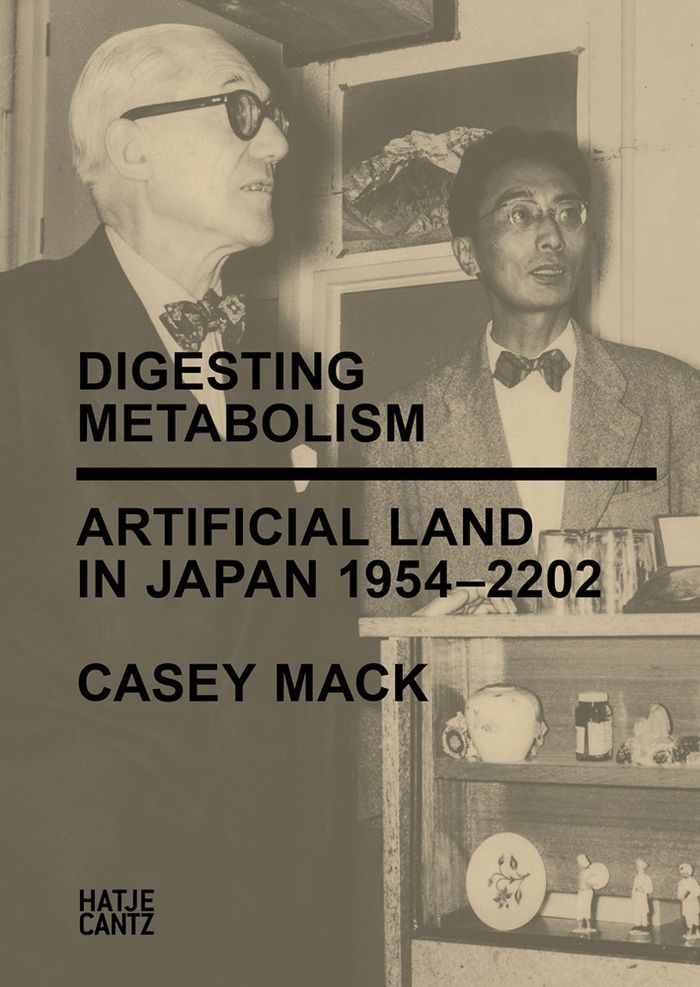
Digesting Metabolism: Artificial land in Japan 1954-2202
Actions:
Price:
$85.00
(available to order)
Summary:
How can housing better meet people’s diverse and changing needs? Moving away from the focus on capsule architecture that dominates so many studies of Japan’s Metabolist architects, ''Digesting Metabolism'' investigates the impact on Japanese housing of Le Corbusier’s idea of 'artificial land,' perhaps architecture’s most famous concept that the fewest number of people have heard of. Long buried by the term 'megastructure' that it inspired, artificial land joins the individual and collective, envisioning housing as stacked platforms of plots for building freestanding homes of all variety. This book explores in detail 11 Japanese projects that translate this dream of durability combined with flexibility into built reality, illuminating its appeal for a nation whose existing land—from both earthquakes and cost—is highly unstable. First introduced to Japan in 1954 by Le Corbusier’s protégé, Takamasa Yosizaka, artificial land is essential to the Metabolists who debuted in Tokyo in 1960, with it sparking their desire to add ''a time factor into city planning.'' Yet artificial land has had a hold on Japan’s metabolic imagination well beyond the ‘60s, promising domestic satisfaction and environmental resilience from the postwar period to today’s government policies. ''Digesting Metabolism'' uncovers this unique Japanese history and its possible future, finding examples of infrastructure, adaptation and dweller control that challenge commodified models of housing around the world.
Digesting Metabolism: Artificial land in Japan 1954-2202
Actions:
Price:
$85.00
(available to order)
Summary:
How can housing better meet people’s diverse and changing needs? Moving away from the focus on capsule architecture that dominates so many studies of Japan’s Metabolist architects, ''Digesting Metabolism'' investigates the impact on Japanese housing of Le Corbusier’s idea of 'artificial land,' perhaps architecture’s most famous concept that the fewest number of people have heard of. Long buried by the term 'megastructure' that it inspired, artificial land joins the individual and collective, envisioning housing as stacked platforms of plots for building freestanding homes of all variety. This book explores in detail 11 Japanese projects that translate this dream of durability combined with flexibility into built reality, illuminating its appeal for a nation whose existing land—from both earthquakes and cost—is highly unstable. First introduced to Japan in 1954 by Le Corbusier’s protégé, Takamasa Yosizaka, artificial land is essential to the Metabolists who debuted in Tokyo in 1960, with it sparking their desire to add ''a time factor into city planning.'' Yet artificial land has had a hold on Japan’s metabolic imagination well beyond the ‘60s, promising domestic satisfaction and environmental resilience from the postwar period to today’s government policies. ''Digesting Metabolism'' uncovers this unique Japanese history and its possible future, finding examples of infrastructure, adaptation and dweller control that challenge commodified models of housing around the world.
Form:
books
books
Publication:
November 2022
November 2022
Subject:
Modernism
Modernism
Form:
books
books
Actions:
Price:
$39.95
(available to order)
Summary:
Kenneth Frampton’s highly acclaimed survey of modern architecture and its origins has been a classic since it first appeared in 1980. Starting with the cultural developments since 1750 that drove the modern movement, moving through the creation of modern architecture, and exploring the effects of globalization and the phenomenon of international celebrity architects, this(...)
$39.95
(available to order)
Summary:
Kenneth Frampton’s highly acclaimed survey of modern architecture and its origins has been a classic since it first appeared in 1980. Starting with the cultural developments since 1750 that drove the modern movement, moving through the creation of modern architecture, and exploring the effects of globalization and the phenomenon of international celebrity architects, this(...)
Title:
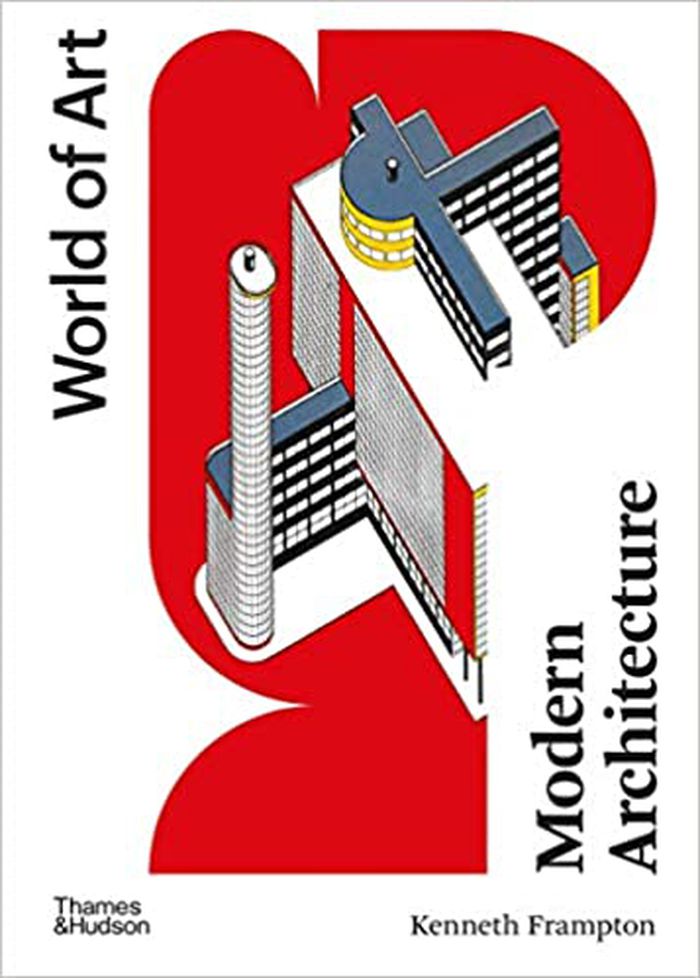
Modern architecture: a critical history. Fifth edition
Actions:
Price:
$39.95
(available to order)
Summary:
Kenneth Frampton’s highly acclaimed survey of modern architecture and its origins has been a classic since it first appeared in 1980. Starting with the cultural developments since 1750 that drove the modern movement, moving through the creation of modern architecture, and exploring the effects of globalization and the phenomenon of international celebrity architects, this book is the definitive history of modern architecture. For this extensively revised and updated fifth edition of ''Modern Architecture,'' Frampton added new chapters exploring the ongoing modernist tradition in architecture while also examining the varied responses to the urgent need to build more sustainably and create structures that will withstand changing climates. This new edition features completely redesigned interiors and an updated and expanded bibliography.
Modern architecture: a critical history. Fifth edition
Actions:
Price:
$39.95
(available to order)
Summary:
Kenneth Frampton’s highly acclaimed survey of modern architecture and its origins has been a classic since it first appeared in 1980. Starting with the cultural developments since 1750 that drove the modern movement, moving through the creation of modern architecture, and exploring the effects of globalization and the phenomenon of international celebrity architects, this book is the definitive history of modern architecture. For this extensively revised and updated fifth edition of ''Modern Architecture,'' Frampton added new chapters exploring the ongoing modernist tradition in architecture while also examining the varied responses to the urgent need to build more sustainably and create structures that will withstand changing climates. This new edition features completely redesigned interiors and an updated and expanded bibliography.
Form:
books
books
Publication:
September 2020
September 2020
Subject:
Modernism
Modernism
Form:
books
books
Title:
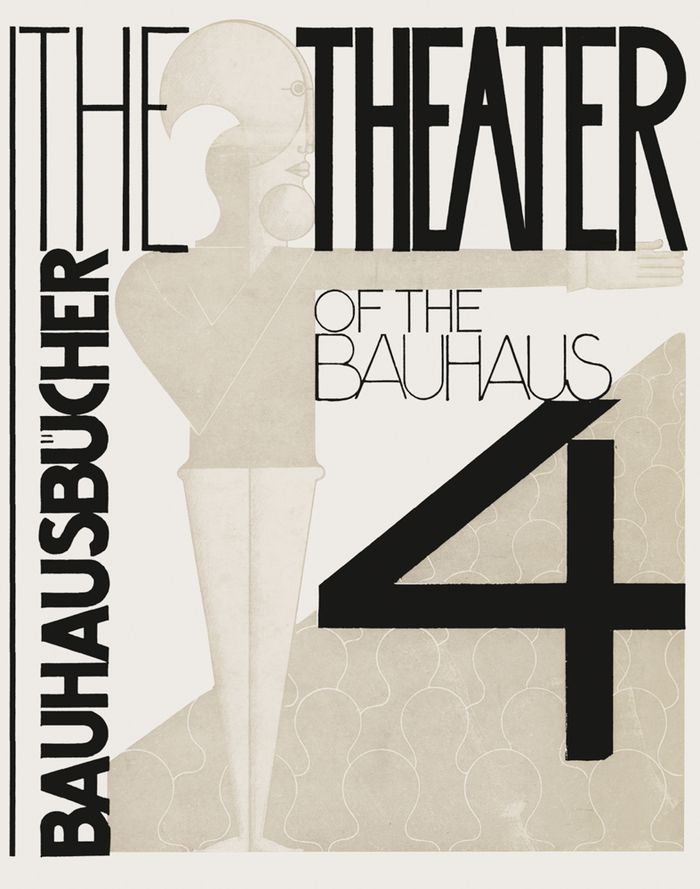
The theater of the Bauhaus, bauhausbücher 4. Oskar Schlemmer, László Moholy-Nagy & Farkas Molnár
The theater of the Bauhaus, bauhausbücher 4. Oskar Schlemmer, László Moholy-Nagy & Farkas Molnár
Actions:
Price:
$56.00
(available to order)
Summary:
The fourth volume presents the main characteristics of the Bauhaus concept of the stage. It was essentially shaped by Oskar Schlemmer, who had taken over the stage department in 1923. Laszlo Moholy-Nagy took an interest in abstract kinetic and luminary phenomena which he examines in his essay "Theatre, Circus, Variete." Farkas Molnar focused for his part on stage(...)
$56.00
(available to order)
Summary:
The fourth volume presents the main characteristics of the Bauhaus concept of the stage. It was essentially shaped by Oskar Schlemmer, who had taken over the stage department in 1923. Laszlo Moholy-Nagy took an interest in abstract kinetic and luminary phenomena which he examines in his essay "Theatre, Circus, Variete." Farkas Molnar focused for his part on stage(...)
Title:
The theater of the Bauhaus, bauhausbücher 4. Oskar Schlemmer, László Moholy-Nagy & Farkas Molnár
Actions:
Price:
$56.00
(available to order)
Summary:
The fourth volume presents the main characteristics of the Bauhaus concept of the stage. It was essentially shaped by Oskar Schlemmer, who had taken over the stage department in 1923. Laszlo Moholy-Nagy took an interest in abstract kinetic and luminary phenomena which he examines in his essay "Theatre, Circus, Variete." Farkas Molnar focused for his part on stage architecture, which he discusses in detail in this volume.
The theater of the Bauhaus, bauhausbücher 4. Oskar Schlemmer, László Moholy-Nagy & Farkas Molnár
Actions:
Price:
$56.00
(available to order)
Summary:
The fourth volume presents the main characteristics of the Bauhaus concept of the stage. It was essentially shaped by Oskar Schlemmer, who had taken over the stage department in 1923. Laszlo Moholy-Nagy took an interest in abstract kinetic and luminary phenomena which he examines in his essay "Theatre, Circus, Variete." Farkas Molnar focused for his part on stage architecture, which he discusses in detail in this volume.
Form:
books
books
Publication:
January 2021
January 2021
Subject:
Modernism
Modernism
Form:
books
books
Actions:
Price:
$54.00
(available to order)
Summary:
Featuring over 130 unique structures that span the globe, this book covers the full spectrum of modernist principles from Bauhaus to Brutalism. Author and designer Stefi Orazi choses buildings that are open to the public, with some even available for overnight stays.
$54.00
(available to order)
Summary:
Featuring over 130 unique structures that span the globe, this book covers the full spectrum of modernist principles from Bauhaus to Brutalism. Author and designer Stefi Orazi choses buildings that are open to the public, with some even available for overnight stays.
Title:
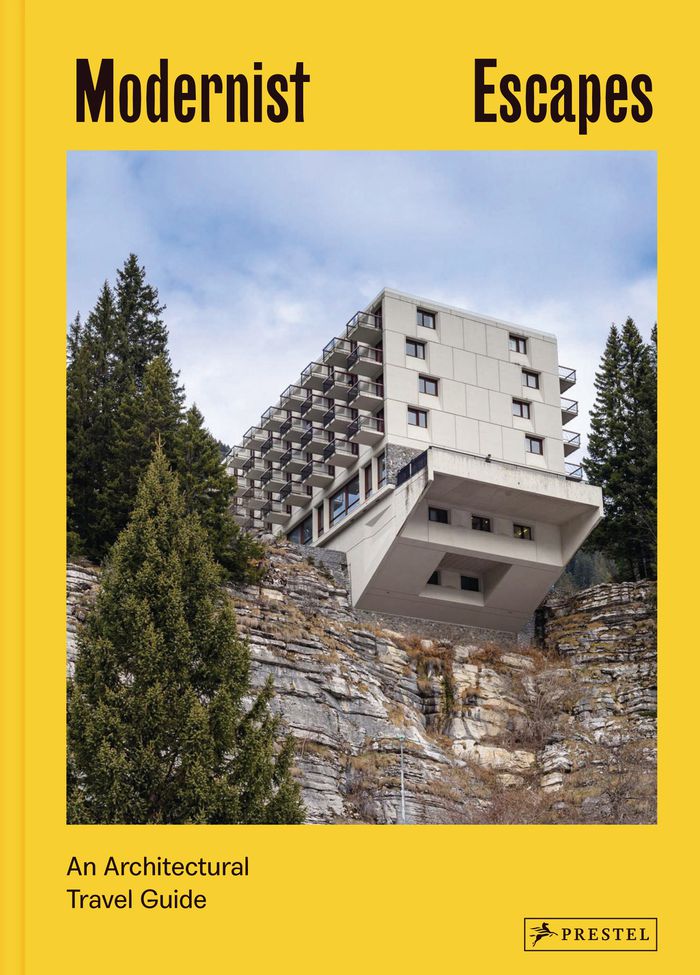
Modernist escapes: an architectural travel guide
Actions:
Price:
$54.00
(available to order)
Summary:
Featuring over 130 unique structures that span the globe, this book covers the full spectrum of modernist principles from Bauhaus to Brutalism. Author and designer Stefi Orazi choses buildings that are open to the public, with some even available for overnight stays.
Modernist escapes: an architectural travel guide
Actions:
Price:
$54.00
(available to order)
Summary:
Featuring over 130 unique structures that span the globe, this book covers the full spectrum of modernist principles from Bauhaus to Brutalism. Author and designer Stefi Orazi choses buildings that are open to the public, with some even available for overnight stays.
Form:
books
books
Publication:
March 2021
March 2021
Subject:
Modernism
Modernism
Form:
books
books
Actions:
Price:
$99.00
(available to order)
Summary:
Inspired by the early style of Corbusier and ideas on Mediterranean architecture espoused by the likes of Bernard Rudofsky and Josep Lluís Sert, a younger generation of architects found the perfect conditions to explore the future of the Mediterranean house in Cadaqués—a small fishing village on the Spanish Costa Brava that was also home, or the summer meeting ground, for(...)
$99.00
(available to order)
Summary:
Inspired by the early style of Corbusier and ideas on Mediterranean architecture espoused by the likes of Bernard Rudofsky and Josep Lluís Sert, a younger generation of architects found the perfect conditions to explore the future of the Mediterranean house in Cadaqués—a small fishing village on the Spanish Costa Brava that was also home, or the summer meeting ground, for(...)
Title:
The Modern architecture of Cadaqués: 1955–71
Actions:
Price:
$99.00
(available to order)
Summary:
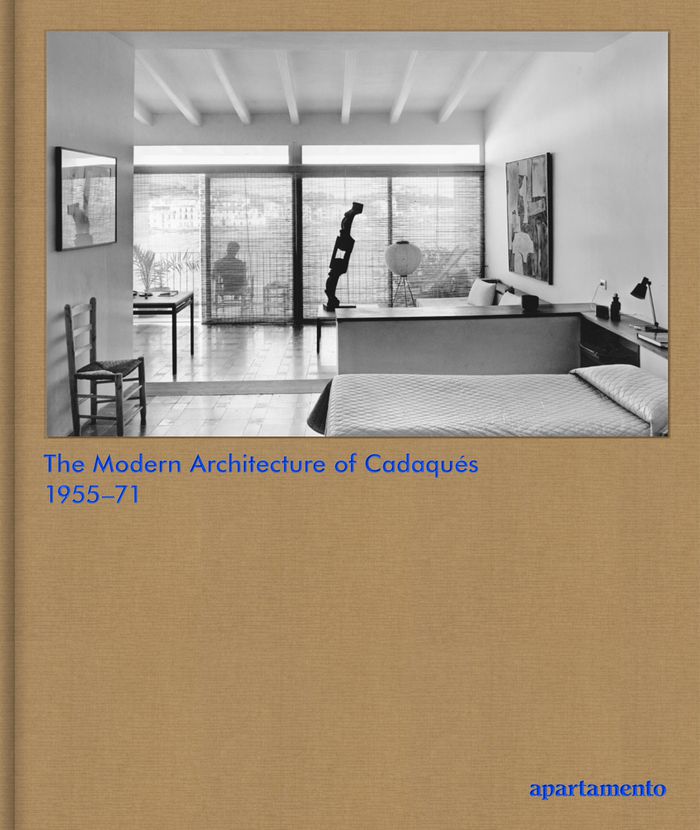
Inspired by the early style of Corbusier and ideas on Mediterranean architecture espoused by the likes of Bernard Rudofsky and Josep Lluís Sert, a younger generation of architects found the perfect conditions to explore the future of the Mediterranean house in Cadaqués—a small fishing village on the Spanish Costa Brava that was also home, or the summer meeting ground, for some of the past century’s greatest artistic figures, including Dalí, Picasso, Miró, and Duchamp. In this new book, photos from the period show the distinctive style and environment of Cadaqués and 22 homes designed by Federico Correa, Alfonso Milà, José Antonio Coderch, Francesc Joan Barba Corsini, Peter Harnden, Lanfranco Bombelli, Oscar Tusquets, and Lluís Clotet. Edited by Nacho Alegre, it features an introduction by Oscar Tusquets and also tells of the friendships and influences that existed between this group of architects, and how their architecture came to be.
The Modern architecture of Cadaqués: 1955–71
Actions:
Price:
$99.00
(available to order)
Summary:
Inspired by the early style of Corbusier and ideas on Mediterranean architecture espoused by the likes of Bernard Rudofsky and Josep Lluís Sert, a younger generation of architects found the perfect conditions to explore the future of the Mediterranean house in Cadaqués—a small fishing village on the Spanish Costa Brava that was also home, or the summer meeting ground, for some of the past century’s greatest artistic figures, including Dalí, Picasso, Miró, and Duchamp. In this new book, photos from the period show the distinctive style and environment of Cadaqués and 22 homes designed by Federico Correa, Alfonso Milà, José Antonio Coderch, Francesc Joan Barba Corsini, Peter Harnden, Lanfranco Bombelli, Oscar Tusquets, and Lluís Clotet. Edited by Nacho Alegre, it features an introduction by Oscar Tusquets and also tells of the friendships and influences that existed between this group of architects, and how their architecture came to be.
Form:
books
books
Publication:
December 2020
December 2020
Subject:
Modernism
Modernism
Form:
books
books
Price:
$40.00
(available to order)
Summary:
An unprecedented event in architecture history, the Case Study Houses program gave America new models for residential living. This comprehensive account of the project presents each of the 36 prototype homes through floor plans, sketches, and photographs, and explores how architects like Richard Neutra, Charles and Ray Eames, and Eero Saarinen redefined the Los Angeles(...)
$40.00
(available to order)
Summary:
An unprecedented event in architecture history, the Case Study Houses program gave America new models for residential living. This comprehensive account of the project presents each of the 36 prototype homes through floor plans, sketches, and photographs, and explores how architects like Richard Neutra, Charles and Ray Eames, and Eero Saarinen redefined the Los Angeles(...)
Subject:
Modernism
Modernism
Publication:
September 2021
September 2021
Title:
Case study houses: the complete CSH program 1945-1966. 40th edition
Actions:
Price:
$40.00
(available to order)
Summary:
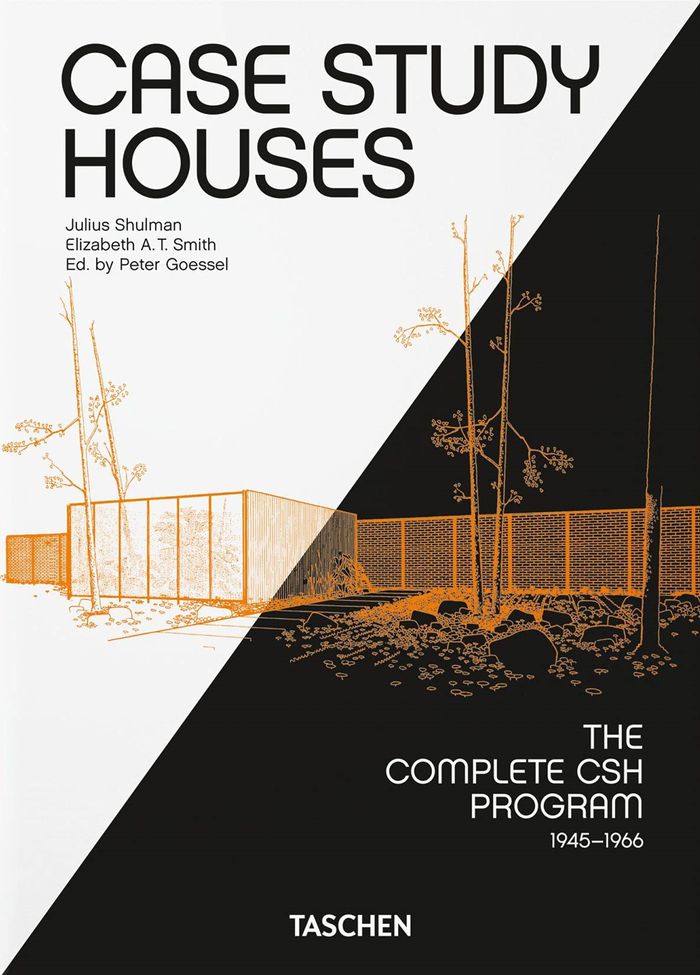
An unprecedented event in architecture history, the Case Study Houses program gave America new models for residential living. This comprehensive account of the project presents each of the 36 prototype homes through floor plans, sketches, and photographs, and explores how architects like Richard Neutra, Charles and Ray Eames, and Eero Saarinen redefined the Los Angeles landscape and the modern home.
Case study houses: the complete CSH program 1945-1966. 40th edition
Actions:
Price:
$40.00
(available to order)
Summary:
An unprecedented event in architecture history, the Case Study Houses program gave America new models for residential living. This comprehensive account of the project presents each of the 36 prototype homes through floor plans, sketches, and photographs, and explores how architects like Richard Neutra, Charles and Ray Eames, and Eero Saarinen redefined the Los Angeles landscape and the modern home.
Form:
books
books
Publication:
September 2021
September 2021
Subject:
Modernism
Modernism
Form:
books
books

Price:
$47.95
(available to order)
Summary:
This volume is the first comparative parallel study of Soviet architecture and planning to create a narrative arc across a vast geography. The narrative binds together three critical industrial-residential projects in Baku, Magnitogorsk, and Kharkiv, built during the first fifteen years of the Soviet project and followed attentively worldwide after the collapse of(...)
$47.95
(available to order)
Summary:
This volume is the first comparative parallel study of Soviet architecture and planning to create a narrative arc across a vast geography. The narrative binds together three critical industrial-residential projects in Baku, Magnitogorsk, and Kharkiv, built during the first fifteen years of the Soviet project and followed attentively worldwide after the collapse of(...)
Title:
Spatial Revolution: Architecture and planning in the early Soviet Union
Actions:
Price:
$47.95
(available to order)
Summary:
This volume is the first comparative parallel study of Soviet architecture and planning to create a narrative arc across a vast geography. The narrative binds together three critical industrial-residential projects in Baku, Magnitogorsk, and Kharkiv, built during the first fifteen years of the Soviet project and followed attentively worldwide after the collapse of capitalist markets in 1929. The book answers important questions of how the first Soviet industrialization drive was a catalyst for construction of thousands of new enterprises on remote sites across the Eurasian continent, an effort that spread to far-flung sites in other socialist states—and capitalist welfare states—for decades to follow.
Spatial Revolution: Architecture and planning in the early Soviet Union
Actions:
Price:
$47.95
(available to order)
Summary:
This volume is the first comparative parallel study of Soviet architecture and planning to create a narrative arc across a vast geography. The narrative binds together three critical industrial-residential projects in Baku, Magnitogorsk, and Kharkiv, built during the first fifteen years of the Soviet project and followed attentively worldwide after the collapse of capitalist markets in 1929. The book answers important questions of how the first Soviet industrialization drive was a catalyst for construction of thousands of new enterprises on remote sites across the Eurasian continent, an effort that spread to far-flung sites in other socialist states—and capitalist welfare states—for decades to follow.
Form:
books
books
Publication:
February 2022
February 2022
Subject:
Modernism
Modernism
Form:
books
books
Actions:
Price:
$88.00
(available to order)
Summary:
South Asia holds a unique place among the many regions of the world where modern architecture was understood as both a tool for social progress and a global lingua franca in the second half of the 20th century. Following the end of British rule in 1947-48, architects in the newly formed nations of India, Pakistan, Bangladesh (East Pakistan until 1971) and Ceylon (now Sri(...)
$88.00
(available to order)
Summary:
South Asia holds a unique place among the many regions of the world where modern architecture was understood as both a tool for social progress and a global lingua franca in the second half of the 20th century. Following the end of British rule in 1947-48, architects in the newly formed nations of India, Pakistan, Bangladesh (East Pakistan until 1971) and Ceylon (now Sri(...)
Title:
The project of independence: Architectures of decolonization in South Asia, 1947-1985
Actions:
Price:
$88.00
(available to order)
Summary:
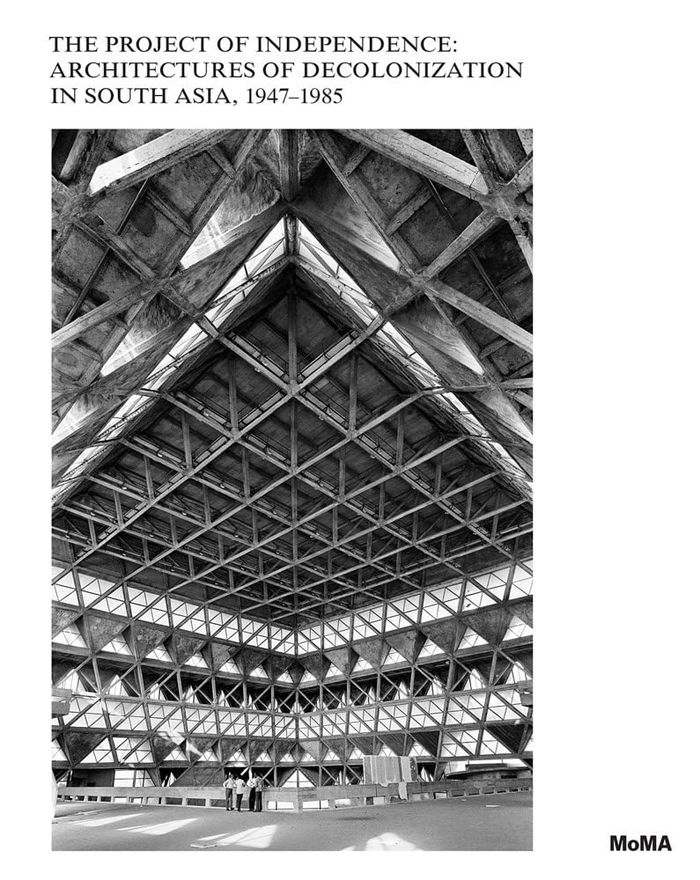
South Asia holds a unique place among the many regions of the world where modern architecture was understood as both a tool for social progress and a global lingua franca in the second half of the 20th century. Following the end of British rule in 1947-48, architects in the newly formed nations of India, Pakistan, Bangladesh (East Pakistan until 1971) and Ceylon (now Sri Lanka) proposed a novel understanding of modernity, disrupting the colonial hierarchy of center and periphery by challenging modernism's universalist claims. Architecture offered multiple ways to break with the colonial past. Through the establishment of institutions that embodied the societal aspirations of the period, and the creation of new cities and spaces for political representation, South Asian architects produced a distinct body of work in dialogue with global developments while advancing the theory and practice of low-cost, climatically and socially responsive design.
The project of independence: Architectures of decolonization in South Asia, 1947-1985
Actions:
Price:
$88.00
(available to order)
Summary:
South Asia holds a unique place among the many regions of the world where modern architecture was understood as both a tool for social progress and a global lingua franca in the second half of the 20th century. Following the end of British rule in 1947-48, architects in the newly formed nations of India, Pakistan, Bangladesh (East Pakistan until 1971) and Ceylon (now Sri Lanka) proposed a novel understanding of modernity, disrupting the colonial hierarchy of center and periphery by challenging modernism's universalist claims. Architecture offered multiple ways to break with the colonial past. Through the establishment of institutions that embodied the societal aspirations of the period, and the creation of new cities and spaces for political representation, South Asian architects produced a distinct body of work in dialogue with global developments while advancing the theory and practice of low-cost, climatically and socially responsive design.
Form:
books
books
Publication:
March 2022
March 2022
Subject:
Modernism
Modernism
Form:
books
books
Actions:
Price:
$73.95
(available to order)
Summary:
This volume looks at a unique period of synergy and exchange in the postwar United States, when sculpture profoundly shaped architecture, and vice versa. Leading architects such as Gordon Bunshaft and Eero Saarinen turned to sculptors including Harry Bertoia, Alexander Calder, Richard Lippold, and Isamu Noguchi to produce site-determined, large-scale sculptures tailored(...)
$73.95
(available to order)
Summary:
This volume looks at a unique period of synergy and exchange in the postwar United States, when sculpture profoundly shaped architecture, and vice versa. Leading architects such as Gordon Bunshaft and Eero Saarinen turned to sculptors including Harry Bertoia, Alexander Calder, Richard Lippold, and Isamu Noguchi to produce site-determined, large-scale sculptures tailored(...)
Title:
Alloys: American sculpture and architecture at midcentury
Actions:
Price:
$73.95
(available to order)
Summary:
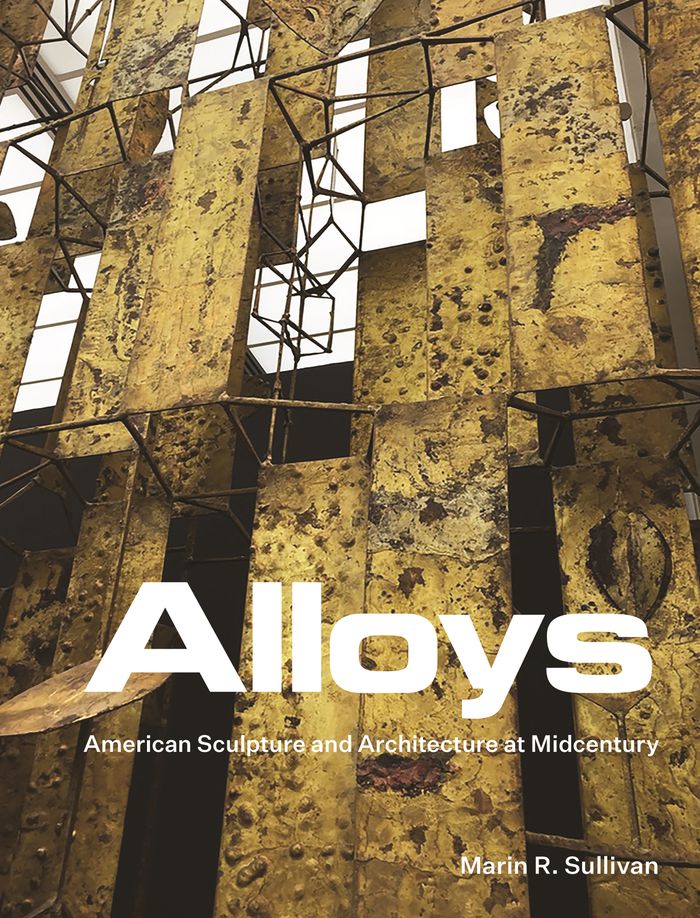
This volume looks at a unique period of synergy and exchange in the postwar United States, when sculpture profoundly shaped architecture, and vice versa. Leading architects such as Gordon Bunshaft and Eero Saarinen turned to sculptors including Harry Bertoia, Alexander Calder, Richard Lippold, and Isamu Noguchi to produce site-determined, large-scale sculptures tailored for their buildings’ highly visible and well-traversed threshold spaces. The parameters of these spaces—atriums, lobbies, plazas, and entryways—led to various designs like sculptural walls, ceilings, and screens that not only embraced new industrial materials and processes, but also demonstrated art’s ability to merge with lived architectural spaces. Marin Sullivan argues that these sculptural commissions represent an alternate history of midcentury American art.
Alloys: American sculpture and architecture at midcentury
Actions:
Price:
$73.95
(available to order)
Summary:
This volume looks at a unique period of synergy and exchange in the postwar United States, when sculpture profoundly shaped architecture, and vice versa. Leading architects such as Gordon Bunshaft and Eero Saarinen turned to sculptors including Harry Bertoia, Alexander Calder, Richard Lippold, and Isamu Noguchi to produce site-determined, large-scale sculptures tailored for their buildings’ highly visible and well-traversed threshold spaces. The parameters of these spaces—atriums, lobbies, plazas, and entryways—led to various designs like sculptural walls, ceilings, and screens that not only embraced new industrial materials and processes, but also demonstrated art’s ability to merge with lived architectural spaces. Marin Sullivan argues that these sculptural commissions represent an alternate history of midcentury American art.
Form:
books
books
Publication:
April 2022
April 2022
Subject:
Modernism
Modernism
Form:
books
books
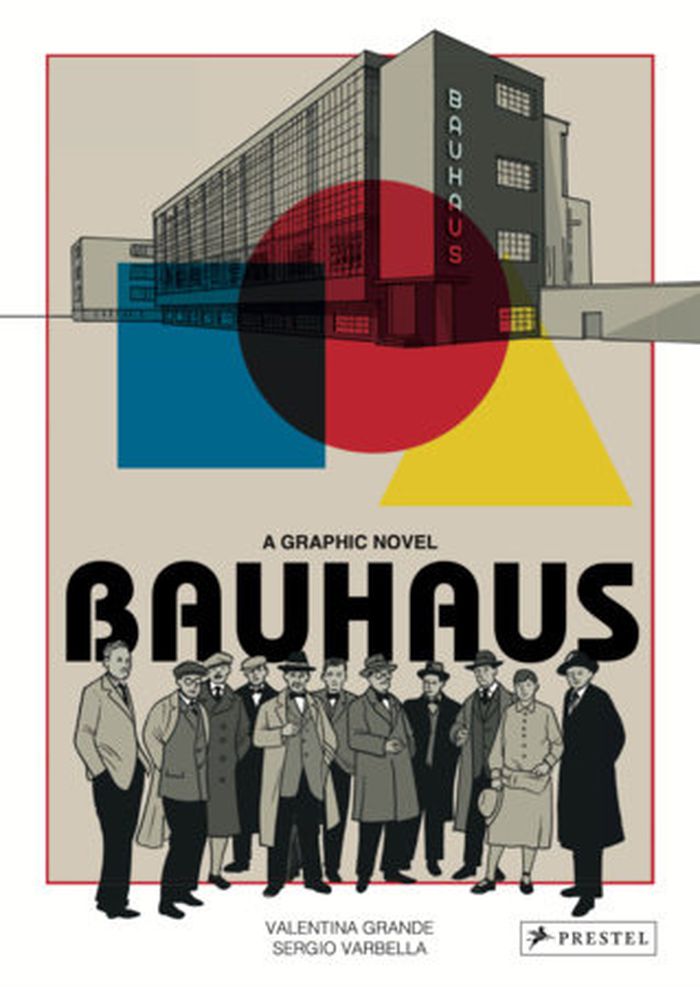
Title:
Bauhaus: a graphic novel
Bauhaus: a graphic novel
Actions:
Price:
$33.95
(available to order)
Summary:
The main character of this extraordinary graphic novel is not a person but an idea—the school of Bauhaus, which arose in the wake of World War I, and emerged as the fundamental reference point for virtually every avant-garde artistic movement that followed. Visually arresting illustrations and engaging texts place the novel’s protagonist squarely in the middle of the(...)
$33.95
(available to order)
Summary:
The main character of this extraordinary graphic novel is not a person but an idea—the school of Bauhaus, which arose in the wake of World War I, and emerged as the fundamental reference point for virtually every avant-garde artistic movement that followed. Visually arresting illustrations and engaging texts place the novel’s protagonist squarely in the middle of the(...)
Title:
Bauhaus: a graphic novel
Actions:
Price:
$33.95
(available to order)
Summary:
The main character of this extraordinary graphic novel is not a person but an idea—the school of Bauhaus, which arose in the wake of World War I, and emerged as the fundamental reference point for virtually every avant-garde artistic movement that followed. Visually arresting illustrations and engaging texts place the novel’s protagonist squarely in the middle of the twentieth-century debate on the relationship between technology and culture.
Bauhaus: a graphic novel
Actions:
Price:
$33.95
(available to order)
Summary:
The main character of this extraordinary graphic novel is not a person but an idea—the school of Bauhaus, which arose in the wake of World War I, and emerged as the fundamental reference point for virtually every avant-garde artistic movement that followed. Visually arresting illustrations and engaging texts place the novel’s protagonist squarely in the middle of the twentieth-century debate on the relationship between technology and culture.
Form:
books
books
Publication:
May 2022
May 2022
Subject:
Modernism
Modernism


