


2298 Results
Form:
journals and magazines
journals and magazines
Actions:
Price:
$44.95
(available in store)
Summary:
Walter Pichler foresaw the future nearly 60 years ago. His “TV-Helmet (Portable Living Room)” anticipated technologies akin to today’s cyber glasses. At the time, this vision was nothing short of revolutionary. Today, such concepts are not only a reality but have advanced significantly. Virtual and digital realities are now integral to designing, planning, and(...)
$44.95
(available in store)
Summary:
Walter Pichler foresaw the future nearly 60 years ago. His “TV-Helmet (Portable Living Room)” anticipated technologies akin to today’s cyber glasses. At the time, this vision was nothing short of revolutionary. Today, such concepts are not only a reality but have advanced significantly. Virtual and digital realities are now integral to designing, planning, and(...)
Title:
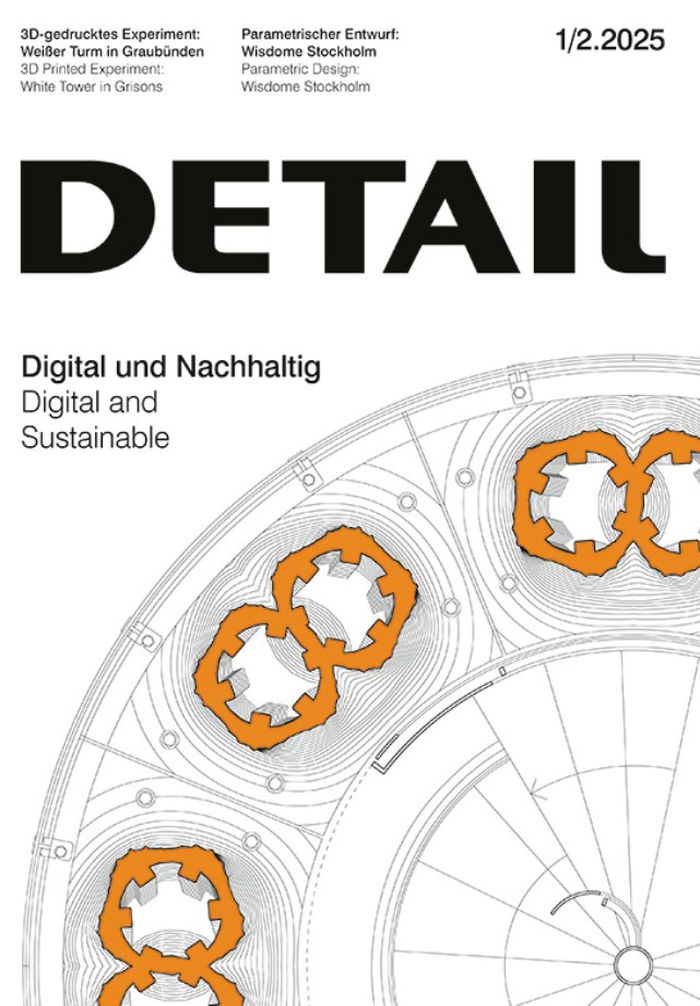
Detail 1/2 2025 : Digital and sustainable
Actions:
Price:
$44.95
(available in store)
Summary:
Walter Pichler foresaw the future nearly 60 years ago. His “TV-Helmet (Portable Living Room)” anticipated technologies akin to today’s cyber glasses. At the time, this vision was nothing short of revolutionary. Today, such concepts are not only a reality but have advanced significantly. Virtual and digital realities are now integral to designing, planning, and constructing spaces – far more than mere devices for experiencing them. Lengthy construction workflows, optimised designs, and the complex coordination of planning, cost control, and project management are increasingly digitalised. We can now program buildings to meet parametric specifications, construct homes using 3D printing, and create detailed 3D models of existing buildings to analyse them before renovation even begins. While landscape has transformed dramatically, digitalisation in architecture is clearly still in its early stages. To begin the year, this issue shines a spotlight on the digital present and future of architecture, exploring how digital tools can enhance sustainability. Our project documentations showcase an array of approaches, from digital material passports to parametric models and BIM applications for existing structures. Experts offer insight on the complexities of planning and construction processes.
Detail 1/2 2025 : Digital and sustainable
Actions:
Price:
$44.95
(available in store)
Summary:
Walter Pichler foresaw the future nearly 60 years ago. His “TV-Helmet (Portable Living Room)” anticipated technologies akin to today’s cyber glasses. At the time, this vision was nothing short of revolutionary. Today, such concepts are not only a reality but have advanced significantly. Virtual and digital realities are now integral to designing, planning, and constructing spaces – far more than mere devices for experiencing them. Lengthy construction workflows, optimised designs, and the complex coordination of planning, cost control, and project management are increasingly digitalised. We can now program buildings to meet parametric specifications, construct homes using 3D printing, and create detailed 3D models of existing buildings to analyse them before renovation even begins. While landscape has transformed dramatically, digitalisation in architecture is clearly still in its early stages. To begin the year, this issue shines a spotlight on the digital present and future of architecture, exploring how digital tools can enhance sustainability. Our project documentations showcase an array of approaches, from digital material passports to parametric models and BIM applications for existing structures. Experts offer insight on the complexities of planning and construction processes.
Form:
journals and magazines
journals and magazines
Publication:
January 2025
January 2025
Subject:
Magazines
Magazines
Form:
books
books
Title:
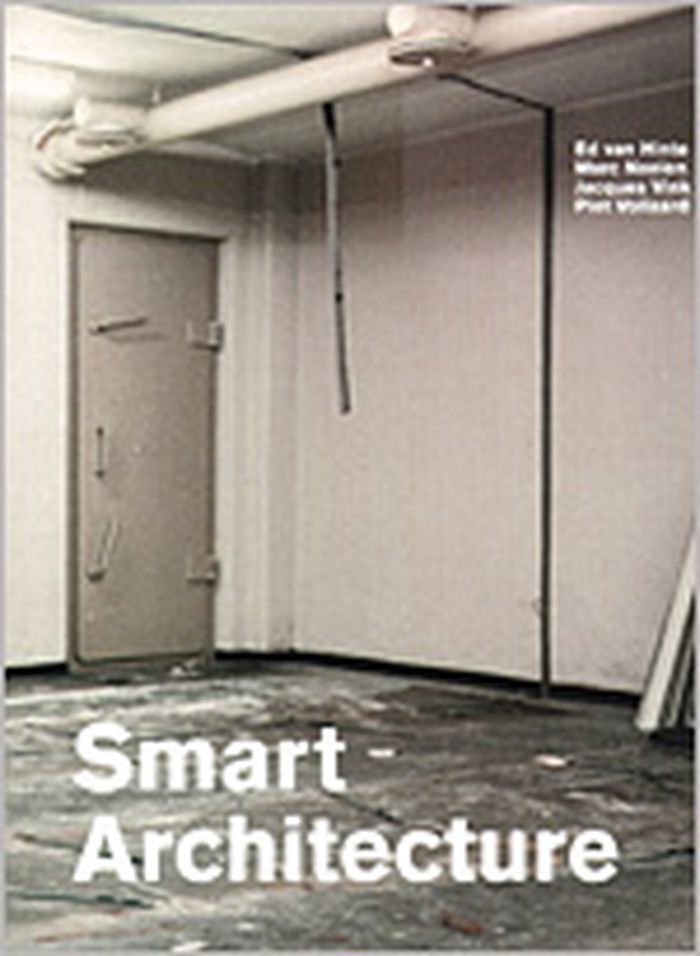
Smart architecture
Smart architecture
Actions:
Price:
$30.95
(available in store)
Summary:
Consider the notions of time, efficiency and interactivity in the context of architecture and instantly you may find your head clouded with images of technocratic modernism. Think of ecology and environmental issues in relation to buildings and what you get is either a vision of Arcadian green landscapes thinly built-on with small reed-roofed houses, or horrific projects(...)
$30.95
(available in store)
Summary:
Consider the notions of time, efficiency and interactivity in the context of architecture and instantly you may find your head clouded with images of technocratic modernism. Think of ecology and environmental issues in relation to buildings and what you get is either a vision of Arcadian green landscapes thinly built-on with small reed-roofed houses, or horrific projects(...)
Subject:
Architectural Theory
Architectural Theory
Publication:
January 2002, Rotterdam
January 2002, Rotterdam
Title:
Smart architecture
Actions:
Price:
$30.95
(available in store)
Summary:
Consider the notions of time, efficiency and interactivity in the context of architecture and instantly you may find your head clouded with images of technocratic modernism. Think of ecology and environmental issues in relation to buildings and what you get is either a vision of Arcadian green landscapes thinly built-on with small reed-roofed houses, or horrific projects with environmentally responsible add-ons. The smart thing to do is to think in terms of interaction, minimum use of materials and energy, and careful planning over longer periods of time, so as to reduce the environmental impact of this major human activity called building. What you then get is smart architecture. "Smart Architecture" is a lavishly illustrated, light-hearted book. The outcome of the research project that SLA Foundation presented on its smartarch website (www.smartarch.nl), it mainly consists of examples involving climate control, supplemented with new ideas on planning, building and construction and the application of intelligent systems, all contributing to sustainability. In the book challenges and opportunities are analysed, guided by numerous inspiring examples. It presents a smart way to fulfil user demands now and in roughly three hundred years' time.
Smart architecture
Actions:
Price:
$30.95
(available in store)
Summary:
Consider the notions of time, efficiency and interactivity in the context of architecture and instantly you may find your head clouded with images of technocratic modernism. Think of ecology and environmental issues in relation to buildings and what you get is either a vision of Arcadian green landscapes thinly built-on with small reed-roofed houses, or horrific projects with environmentally responsible add-ons. The smart thing to do is to think in terms of interaction, minimum use of materials and energy, and careful planning over longer periods of time, so as to reduce the environmental impact of this major human activity called building. What you then get is smart architecture. "Smart Architecture" is a lavishly illustrated, light-hearted book. The outcome of the research project that SLA Foundation presented on its smartarch website (www.smartarch.nl), it mainly consists of examples involving climate control, supplemented with new ideas on planning, building and construction and the application of intelligent systems, all contributing to sustainability. In the book challenges and opportunities are analysed, guided by numerous inspiring examples. It presents a smart way to fulfil user demands now and in roughly three hundred years' time.
Form:
books
books
Publication:
January 2002, Rotterdam
January 2002, Rotterdam
Subject:
Architectural Theory
Architectural Theory
Form:
books
books
Actions:
Price:
$34.00
(available to order)
Summary:
The open terrain of new media is closing fast. Market concentration, legal consolidation and tightening governmental control have effectively ended the myth of the free and open networks. In Delusive Spaces, Eric Kluitenberg takes a critical position that retains a utopian potential for emerging media cultures. The book investigates the archeology of media and machine,(...)
$34.00
(available to order)
Summary:
The open terrain of new media is closing fast. Market concentration, legal consolidation and tightening governmental control have effectively ended the myth of the free and open networks. In Delusive Spaces, Eric Kluitenberg takes a critical position that retains a utopian potential for emerging media cultures. The book investigates the archeology of media and machine,(...)
Title:
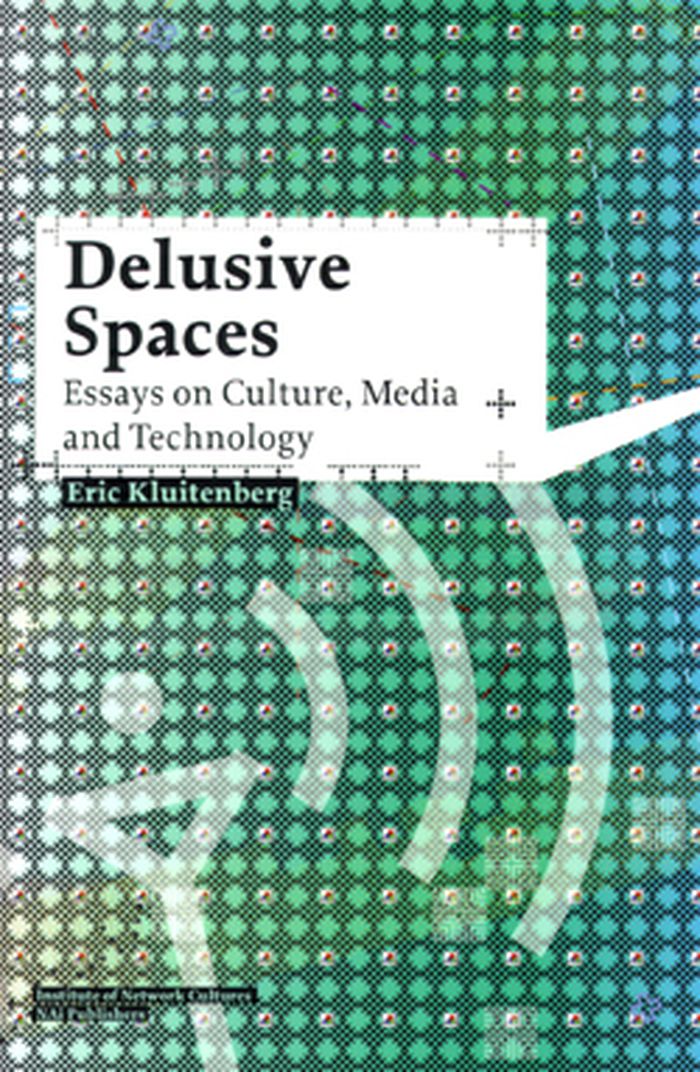
Delusive spaces: essays on culture, media and technology
Actions:
Price:
$34.00
(available to order)
Summary:
The open terrain of new media is closing fast. Market concentration, legal consolidation and tightening governmental control have effectively ended the myth of the free and open networks. In Delusive Spaces, Eric Kluitenberg takes a critical position that retains a utopian potential for emerging media cultures. The book investigates the archeology of media and machine, mapping the different methods and metaphors that speak about technology. Returning to the present, Kluitenberg discusses the cultural use of new media in an age of post-governmental politics. Delusive Spaces concludes with the impossibility of representation. Going beyond the obvious delusions of the 'new' and the 'free', Kluitenberg theorizes artistic practices and European cultural policies, demonstrating a provocative engagement with the utopian dimension of technology. Eric Kluitenberg is a Dutch media theorist, writer and organizer. Since the late 1980s, he has been involved in numerous international projects in the field of electronic art, media culture, and information politics. Kluitenberg heads the media program at De Balie, Centre for Culture and Politics in Amsterdam. He is the editor of the Book of Imaginary Media (NAi Publishers, 2006) and the theme issue Hybrid Space of Open, journal on art and the public domain (2007).
Delusive spaces: essays on culture, media and technology
Actions:
Price:
$34.00
(available to order)
Summary:
The open terrain of new media is closing fast. Market concentration, legal consolidation and tightening governmental control have effectively ended the myth of the free and open networks. In Delusive Spaces, Eric Kluitenberg takes a critical position that retains a utopian potential for emerging media cultures. The book investigates the archeology of media and machine, mapping the different methods and metaphors that speak about technology. Returning to the present, Kluitenberg discusses the cultural use of new media in an age of post-governmental politics. Delusive Spaces concludes with the impossibility of representation. Going beyond the obvious delusions of the 'new' and the 'free', Kluitenberg theorizes artistic practices and European cultural policies, demonstrating a provocative engagement with the utopian dimension of technology. Eric Kluitenberg is a Dutch media theorist, writer and organizer. Since the late 1980s, he has been involved in numerous international projects in the field of electronic art, media culture, and information politics. Kluitenberg heads the media program at De Balie, Centre for Culture and Politics in Amsterdam. He is the editor of the Book of Imaginary Media (NAi Publishers, 2006) and the theme issue Hybrid Space of Open, journal on art and the public domain (2007).
Form:
books
books
Publication:
April 2008, Rotterdam
April 2008, Rotterdam
Subject:
Epistemology
Epistemology
Form:
books
books
Actions:
Price:
$95.95
(available in store)
Summary:
Neoptolemos Michaelides (1920–92) was a pioneer of modern architecture in Cyprus. His designs are based on the desire to develop principles that combine modern architecture with traditional Cypriot construction methods—and the knowledge preserved therein regarding the choice of materials, geographical orientation, natural climate control, and the internal organization of(...)
$95.95
(available in store)
Summary:
Neoptolemos Michaelides (1920–92) was a pioneer of modern architecture in Cyprus. His designs are based on the desire to develop principles that combine modern architecture with traditional Cypriot construction methods—and the knowledge preserved therein regarding the choice of materials, geographical orientation, natural climate control, and the internal organization of(...)
Subject:
Architecture Monographs
Architecture Monographs
Publication:
January 2025
January 2025
Title:
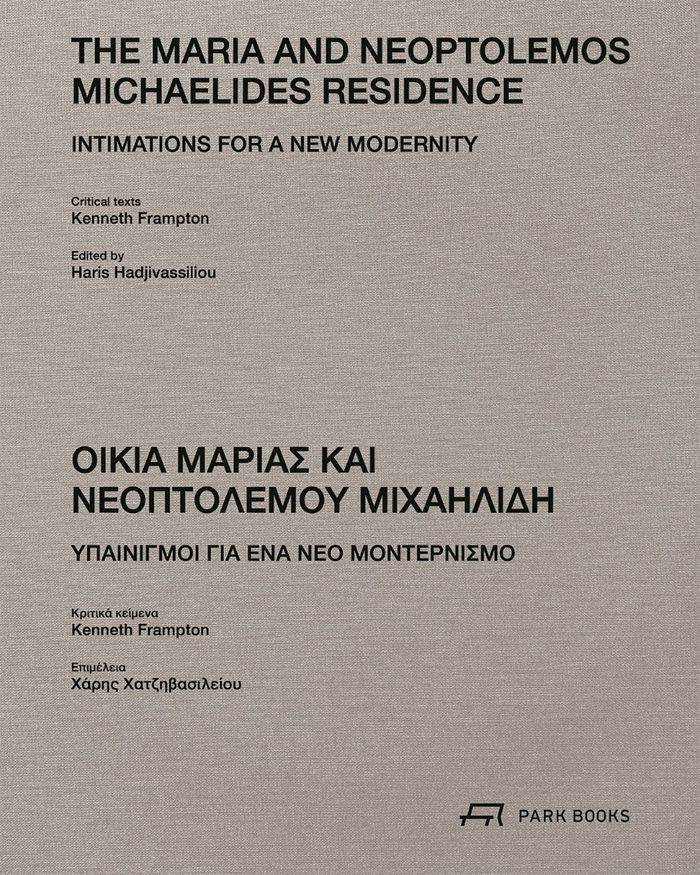
The Maria and Neoptolemos Michaelides residence: Intimations for a new modernity
Actions:
Price:
$95.95
(available in store)
Summary:
Neoptolemos Michaelides (1920–92) was a pioneer of modern architecture in Cyprus. His designs are based on the desire to develop principles that combine modern architecture with traditional Cypriot construction methods—and the knowledge preserved therein regarding the choice of materials, geographical orientation, natural climate control, and the internal organization of buildings. These principles are rooted in his studies of Western philosophy and even more in his affinity with Eastern philosophical thought, especially the spiritual importance of a harmonious relationship with nature. Between his respect for pure, natural materials and his awareness of elemental forces, his buildings seem both to worship nature and to evoke the Shintoism of Japan. In this first-ever book on the architecture of Neoptolemos Michaelides, the distinguished American architectural historian Kenneth Frampton presents his work in two essays. The first, illustrated with historical photos and documents, is dedicated to thirteen of Michaelides’ most important buildings. The second takes a close look at Michaelides’ own home in Nicosia. New photographs and plan drawings created just for the book on a 1:100 scale document this extraordinary house in detail. The beautiful volume is rounded out with a concise biography of Michaelides.
The Maria and Neoptolemos Michaelides residence: Intimations for a new modernity
Actions:
Price:
$95.95
(available in store)
Summary:
Neoptolemos Michaelides (1920–92) was a pioneer of modern architecture in Cyprus. His designs are based on the desire to develop principles that combine modern architecture with traditional Cypriot construction methods—and the knowledge preserved therein regarding the choice of materials, geographical orientation, natural climate control, and the internal organization of buildings. These principles are rooted in his studies of Western philosophy and even more in his affinity with Eastern philosophical thought, especially the spiritual importance of a harmonious relationship with nature. Between his respect for pure, natural materials and his awareness of elemental forces, his buildings seem both to worship nature and to evoke the Shintoism of Japan. In this first-ever book on the architecture of Neoptolemos Michaelides, the distinguished American architectural historian Kenneth Frampton presents his work in two essays. The first, illustrated with historical photos and documents, is dedicated to thirteen of Michaelides’ most important buildings. The second takes a close look at Michaelides’ own home in Nicosia. New photographs and plan drawings created just for the book on a 1:100 scale document this extraordinary house in detail. The beautiful volume is rounded out with a concise biography of Michaelides.
Form:
books
books
Publication:
January 2025
January 2025
Subject:
Architecture Monographs
Architecture Monographs
Form:
books
books
Price:
$43.00
(available to order)
Summary:
Rivers, on a long view, are alive. They are born; they change; they shift their channels; they forge new routes to the sea; they move both gradually and violently; they can teem (usually) with life; they may die a quasi-natural death; they are frequently maimed and even murdered. It is the annual flood pulse?the brief time when the river occupies the floodplain?that gives(...)
$43.00
(available to order)
Summary:
Rivers, on a long view, are alive. They are born; they change; they shift their channels; they forge new routes to the sea; they move both gradually and violently; they can teem (usually) with life; they may die a quasi-natural death; they are frequently maimed and even murdered. It is the annual flood pulse?the brief time when the river occupies the floodplain?that gives(...)
Title:
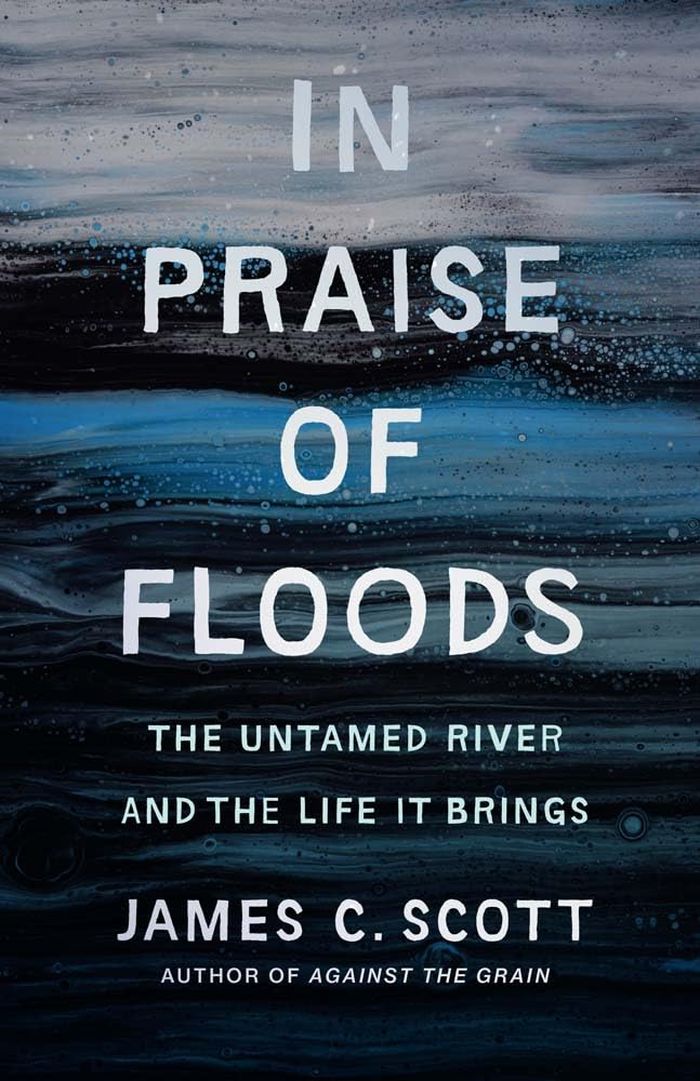
In praise of floods: The untamed river and the life it brings
Actions:
Price:
$43.00
(available to order)
Summary:
Rivers, on a long view, are alive. They are born; they change; they shift their channels; they forge new routes to the sea; they move both gradually and violently; they can teem (usually) with life; they may die a quasi-natural death; they are frequently maimed and even murdered. It is the annual flood pulse?the brief time when the river occupies the floodplain?that gives a river its vitality, but it is human engineering that kills it, suppressing the flood pulse with dams, irrigation, siltation, dikes, and levees. In demonstrating these threats to the riverine world, award-winning author James C. Scott examines the life history of a particular river, the Ayeyarwady (Irrawaddy) of Burma, the heartland and superhighway of Burman culture. Scott opens our understanding of rivers to encompass their entirety?tributaries, wetlands, floodplains, backwaters, eddies, periodic marshlands, and the assemblage of life forms dependent on rivers for their existence and well-being. For anyone interested in the Anthropocene and the Great Acceleration, rivers offer a striking example of the consequences of human intervention in trying to control and domesticate a natural process, the complexity and variability of which we barely understand.
In praise of floods: The untamed river and the life it brings
Actions:
Price:
$43.00
(available to order)
Summary:
Rivers, on a long view, are alive. They are born; they change; they shift their channels; they forge new routes to the sea; they move both gradually and violently; they can teem (usually) with life; they may die a quasi-natural death; they are frequently maimed and even murdered. It is the annual flood pulse?the brief time when the river occupies the floodplain?that gives a river its vitality, but it is human engineering that kills it, suppressing the flood pulse with dams, irrigation, siltation, dikes, and levees. In demonstrating these threats to the riverine world, award-winning author James C. Scott examines the life history of a particular river, the Ayeyarwady (Irrawaddy) of Burma, the heartland and superhighway of Burman culture. Scott opens our understanding of rivers to encompass their entirety?tributaries, wetlands, floodplains, backwaters, eddies, periodic marshlands, and the assemblage of life forms dependent on rivers for their existence and well-being. For anyone interested in the Anthropocene and the Great Acceleration, rivers offer a striking example of the consequences of human intervention in trying to control and domesticate a natural process, the complexity and variability of which we barely understand.
Form:
books
books
Publication:
February 2025
February 2025
Subject:
Landscape Theory
Landscape Theory
Form:
books
books
Actions:
Price:
$88.00
(available in store)
Summary:
Architecture shapes both human and more-than-human worlds. Historically, it has served (and still does) as an instrument of power—creating, restricting, and distributing both control and access. Yet architecture also carries the potential for care and inclusivity, offering shelter, and fostering belonging. Shifting the focus from the designers and creators of the built(...)
$88.00
(available in store)
Summary:
Architecture shapes both human and more-than-human worlds. Historically, it has served (and still does) as an instrument of power—creating, restricting, and distributing both control and access. Yet architecture also carries the potential for care and inclusivity, offering shelter, and fostering belonging. Shifting the focus from the designers and creators of the built(...)
Title:
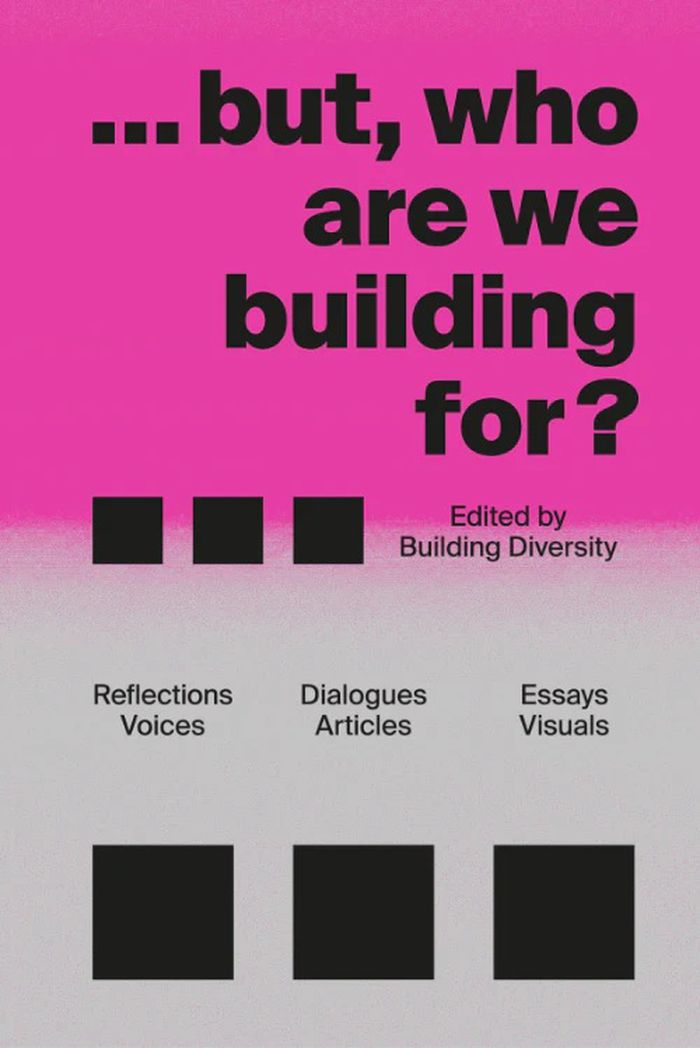
...but, who are we building for?
Actions:
Price:
$88.00
(available in store)
Summary:
Architecture shapes both human and more-than-human worlds. Historically, it has served (and still does) as an instrument of power—creating, restricting, and distributing both control and access. Yet architecture also carries the potential for care and inclusivity, offering shelter, and fostering belonging. Shifting the focus from the designers and creators of the built environment to its inhabitants, Building Diversity’s second publication offers a critical lens to explore for whom cities, buildings, spaces, and infrastructures are shaped for and with. The publication creates a space for diverse voices by bringing in different perspectives to highlight the complexities of the question: ... but, who are we building for? These multifaceted contributions spark curiosity and offer ideas and thoughts for further conversations and reflections. Building Diversity is a non-profit organisation based in Denmark, dedicated to foster diversity and inclusivity in the built environment. They believe that shaping architecture and design is a collective effort that thrives on diverse perspectives and inclusive collaborations. Building Diversity is powered by volunteers united by the vision of inclusive and equitable futures. With over 90 members from more than 40 nationalities, the community brings together a diverse group of perspectives.
...but, who are we building for?
Actions:
Price:
$88.00
(available in store)
Summary:
Architecture shapes both human and more-than-human worlds. Historically, it has served (and still does) as an instrument of power—creating, restricting, and distributing both control and access. Yet architecture also carries the potential for care and inclusivity, offering shelter, and fostering belonging. Shifting the focus from the designers and creators of the built environment to its inhabitants, Building Diversity’s second publication offers a critical lens to explore for whom cities, buildings, spaces, and infrastructures are shaped for and with. The publication creates a space for diverse voices by bringing in different perspectives to highlight the complexities of the question: ... but, who are we building for? These multifaceted contributions spark curiosity and offer ideas and thoughts for further conversations and reflections. Building Diversity is a non-profit organisation based in Denmark, dedicated to foster diversity and inclusivity in the built environment. They believe that shaping architecture and design is a collective effort that thrives on diverse perspectives and inclusive collaborations. Building Diversity is powered by volunteers united by the vision of inclusive and equitable futures. With over 90 members from more than 40 nationalities, the community brings together a diverse group of perspectives.
Form:
books
books
Publication:
September 2025
September 2025
Subject:
Contemporary Architecture
Contemporary Architecture
Form:
books
books
Price:
$32.50
(available to order)
Summary:
Rivers, on a long view, are alive. They are born; they change; they shift their channels; they forge new routes to the sea; they move both gradually and violently; they can teem (usually) with life; they may die a quasi-natural death; they are frequently maimed and even murdered. It is the annual flood pulse—the brief time when the river occupies the floodplain—that(...)
$32.50
(available to order)
Summary:
Rivers, on a long view, are alive. They are born; they change; they shift their channels; they forge new routes to the sea; they move both gradually and violently; they can teem (usually) with life; they may die a quasi-natural death; they are frequently maimed and even murdered. It is the annual flood pulse—the brief time when the river occupies the floodplain—that(...)
Title:
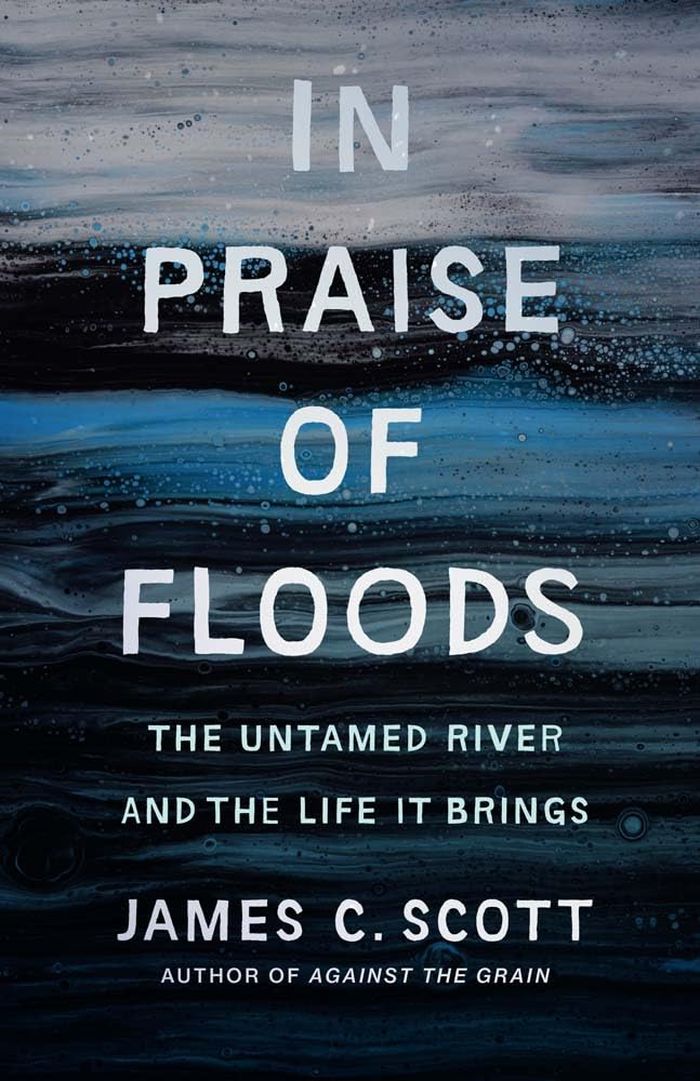
In praise of floods: the untamed river and the life it brings
Actions:
Price:
$32.50
(available to order)
Summary:
Rivers, on a long view, are alive. They are born; they change; they shift their channels; they forge new routes to the sea; they move both gradually and violently; they can teem (usually) with life; they may die a quasi-natural death; they are frequently maimed and even murdered. It is the annual flood pulse—the brief time when the river occupies the floodplain—that gives a river its vitality, but it is human engineering that kills it, suppressing the flood pulse with dams, irrigation, siltation, dikes, and levees. In demonstrating these threats to the riverine world, award-winning author James C. Scott examines the life history of a particular river, the Ayeyarwady (Irrawaddy) of Burma, the heartland and superhighway of Burman culture. Scott opens our understanding of rivers to encompass their entirety—tributaries, wetlands, floodplains, backwaters, eddies, periodic marshlands, and the assemblage of life forms dependent on rivers for their existence and well-being. For anyone interested in the Anthropocene and the Great Acceleration, rivers offer a striking example of the consequences of human intervention in trying to control and domesticate a natural process, the complexity and variability of which we barely understand.
In praise of floods: the untamed river and the life it brings
Actions:
Price:
$32.50
(available to order)
Summary:
Rivers, on a long view, are alive. They are born; they change; they shift their channels; they forge new routes to the sea; they move both gradually and violently; they can teem (usually) with life; they may die a quasi-natural death; they are frequently maimed and even murdered. It is the annual flood pulse—the brief time when the river occupies the floodplain—that gives a river its vitality, but it is human engineering that kills it, suppressing the flood pulse with dams, irrigation, siltation, dikes, and levees. In demonstrating these threats to the riverine world, award-winning author James C. Scott examines the life history of a particular river, the Ayeyarwady (Irrawaddy) of Burma, the heartland and superhighway of Burman culture. Scott opens our understanding of rivers to encompass their entirety—tributaries, wetlands, floodplains, backwaters, eddies, periodic marshlands, and the assemblage of life forms dependent on rivers for their existence and well-being. For anyone interested in the Anthropocene and the Great Acceleration, rivers offer a striking example of the consequences of human intervention in trying to control and domesticate a natural process, the complexity and variability of which we barely understand.
Form:
books
books
Publication:
May 2026
May 2026
Subject:
Landscape Theory
Landscape Theory
Form:
books
books
Price:
$62.95
(available in store)
Summary:
Throughout the early twentieth century, waves of migration brought working-class people to the outskirts of Buenos Aires. This prompted a dilemma: Where should these restive populations be situated relative to the city’s spatial politics? Enter Antonio Bonet, a Catalan architect inspired by the transatlantic modernist and surrealist movements. Ana María León follows(...)
$62.95
(available in store)
Summary:
Throughout the early twentieth century, waves of migration brought working-class people to the outskirts of Buenos Aires. This prompted a dilemma: Where should these restive populations be situated relative to the city’s spatial politics? Enter Antonio Bonet, a Catalan architect inspired by the transatlantic modernist and surrealist movements. Ana María León follows(...)
Title:
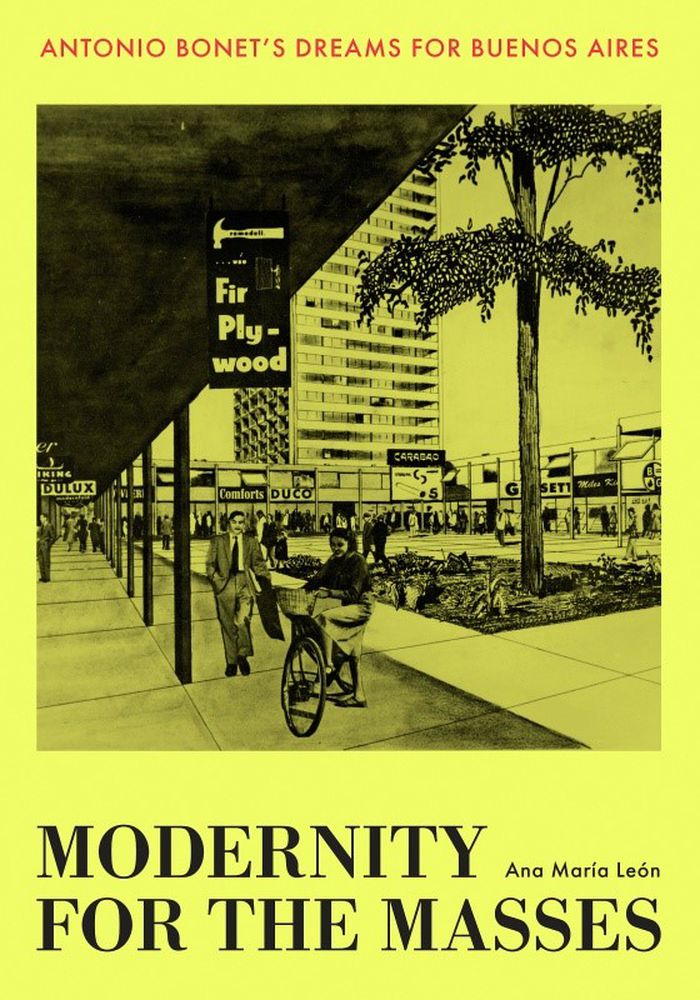
Modernity for the masses: Antonio Bonet's Dreams for Buenos Aires
Actions:
Price:
$62.95
(available in store)
Summary:
Throughout the early twentieth century, waves of migration brought working-class people to the outskirts of Buenos Aires. This prompted a dilemma: Where should these restive populations be situated relative to the city’s spatial politics? Enter Antonio Bonet, a Catalan architect inspired by the transatlantic modernist and surrealist movements. Ana María León follows Bonet's decades-long, state-backed quest to house Buenos Aires's diverse and fractious population. Working with totalitarian and populist regimes, Bonet developed three large-scale housing plans, each scuttled as a new government took over. Yet these incomplete plans—Bonet's dreams—teach us much about the relationship between modernism and state power. This volume finds in Bonet's projects the disconnect between modern architecture’s discourse of emancipation and the reality of its rationalizing control. Although he and his patrons constantly glorified the people and depicted them in housing plans, Bonet never consulted them. Instead he succumbed to official and elite fears of the people's latent political power. In careful readings of Bonet's work, León discovers the progressive erasure of surrealism's psychological sensitivity, replaced with an impulse, realized in modernist design, to contain the increasingly empowered population.
Modernity for the masses: Antonio Bonet's Dreams for Buenos Aires
Actions:
Price:
$62.95
(available in store)
Summary:
Throughout the early twentieth century, waves of migration brought working-class people to the outskirts of Buenos Aires. This prompted a dilemma: Where should these restive populations be situated relative to the city’s spatial politics? Enter Antonio Bonet, a Catalan architect inspired by the transatlantic modernist and surrealist movements. Ana María León follows Bonet's decades-long, state-backed quest to house Buenos Aires's diverse and fractious population. Working with totalitarian and populist regimes, Bonet developed three large-scale housing plans, each scuttled as a new government took over. Yet these incomplete plans—Bonet's dreams—teach us much about the relationship between modernism and state power. This volume finds in Bonet's projects the disconnect between modern architecture’s discourse of emancipation and the reality of its rationalizing control. Although he and his patrons constantly glorified the people and depicted them in housing plans, Bonet never consulted them. Instead he succumbed to official and elite fears of the people's latent political power. In careful readings of Bonet's work, León discovers the progressive erasure of surrealism's psychological sensitivity, replaced with an impulse, realized in modernist design, to contain the increasingly empowered population.
Form:
books
books
Publication:
April 2021
April 2021
Subject:
Urban Theory
Urban Theory
Form:
books
books
Actions:
Price:
$59.95
(available to order)
Summary:
While birth often brings great joy, making babies is a knotty enterprise. The designed objects that surround us when it comes to menstruation, birth control, conception, pregnancy, childbirth, and early motherhood vary as oddly, messily, and dramatically as the stereotypes suggest. This smart, image-rich, fashion-forward, and design-driven book explores more than eighty(...)
$59.95
(available to order)
Summary:
While birth often brings great joy, making babies is a knotty enterprise. The designed objects that surround us when it comes to menstruation, birth control, conception, pregnancy, childbirth, and early motherhood vary as oddly, messily, and dramatically as the stereotypes suggest. This smart, image-rich, fashion-forward, and design-driven book explores more than eighty(...)
Title:
Designing motherhood: things that make and break our births
Actions:
Price:
$59.95
(available to order)
Summary:
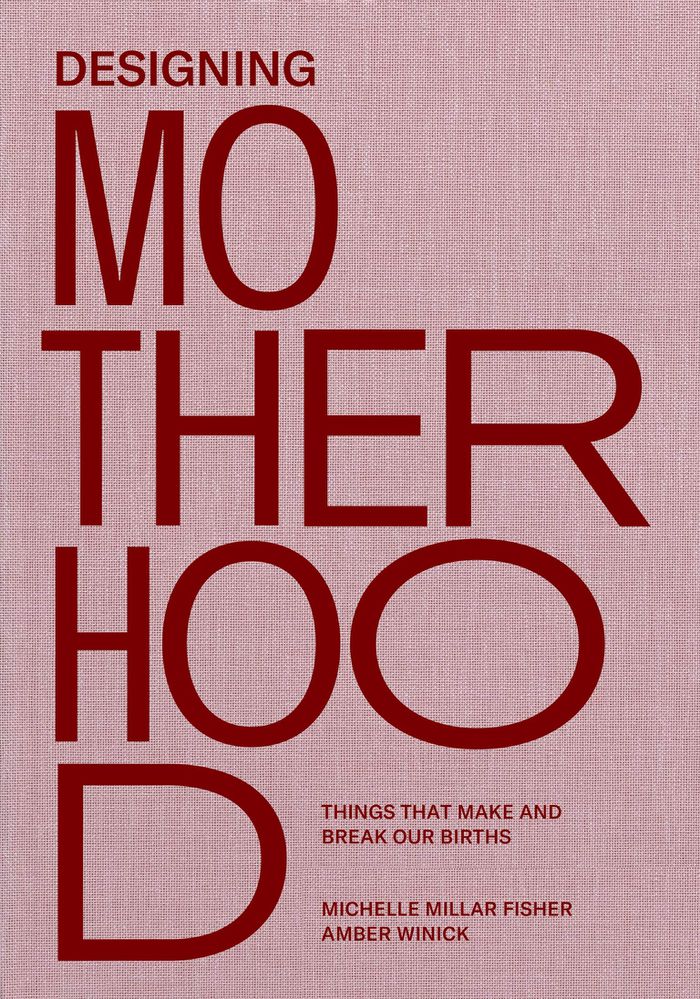
While birth often brings great joy, making babies is a knotty enterprise. The designed objects that surround us when it comes to menstruation, birth control, conception, pregnancy, childbirth, and early motherhood vary as oddly, messily, and dramatically as the stereotypes suggest. This smart, image-rich, fashion-forward, and design-driven book explores more than eighty designs--iconic, conceptual, archaic, titillating, emotionally charged, or just plain strange--that have defined the relationships between people and babies during the past century. Each object tells a story. "Designing motherhood" unfolds the compelling design histories and real-world uses of the objects that shape our reproductive experiences. The authors investigate the baby carrier, from the Snugli to BabyBjörn, and the (re)discovery of the varied traditions of baby wearing; the tie-waist skirt, famously worn by a pregnant Lucille Ball on I Love Lucy, and essential for camouflaging and slowly normalizing a public pregnancy; the home pregnancy kit, and its threat to the authority of male gynecologists; and more. Memorable images--including historical ads, found photos, and drawings--illustrate the crucial role design and material culture plays throughout the arc of human reproduction.
Designing motherhood: things that make and break our births
Actions:
Price:
$59.95
(available to order)
Summary:
While birth often brings great joy, making babies is a knotty enterprise. The designed objects that surround us when it comes to menstruation, birth control, conception, pregnancy, childbirth, and early motherhood vary as oddly, messily, and dramatically as the stereotypes suggest. This smart, image-rich, fashion-forward, and design-driven book explores more than eighty designs--iconic, conceptual, archaic, titillating, emotionally charged, or just plain strange--that have defined the relationships between people and babies during the past century. Each object tells a story. "Designing motherhood" unfolds the compelling design histories and real-world uses of the objects that shape our reproductive experiences. The authors investigate the baby carrier, from the Snugli to BabyBjörn, and the (re)discovery of the varied traditions of baby wearing; the tie-waist skirt, famously worn by a pregnant Lucille Ball on I Love Lucy, and essential for camouflaging and slowly normalizing a public pregnancy; the home pregnancy kit, and its threat to the authority of male gynecologists; and more. Memorable images--including historical ads, found photos, and drawings--illustrate the crucial role design and material culture plays throughout the arc of human reproduction.
Form:
books
books
Publication:
September 2021
September 2021
Subject:
Social
Social
Form:
books
books
Actions:
Price:
$28.95
(available to order)
Summary:
Around the beginning of the twentieth century, women began to claim Berlin as their own, expressing a vision of the German capital that embraced their feminine modernity, both culturally and architecturally. Women located their lives and made their presence felt in the streets and institutions of this dynamic metropolis. From residences to restaurants, schools to(...)
$28.95
(available to order)
Summary:
Around the beginning of the twentieth century, women began to claim Berlin as their own, expressing a vision of the German capital that embraced their feminine modernity, both culturally and architecturally. Women located their lives and made their presence felt in the streets and institutions of this dynamic metropolis. From residences to restaurants, schools to(...)
Subject:
Gender Theory in Architecture
Gender Theory in Architecture
Publication:
October 2008, Minneapolis, London
October 2008, Minneapolis, London
Title:
A women's Berlin building the modern city
Actions:
Price:
$28.95
(available to order)
Summary:
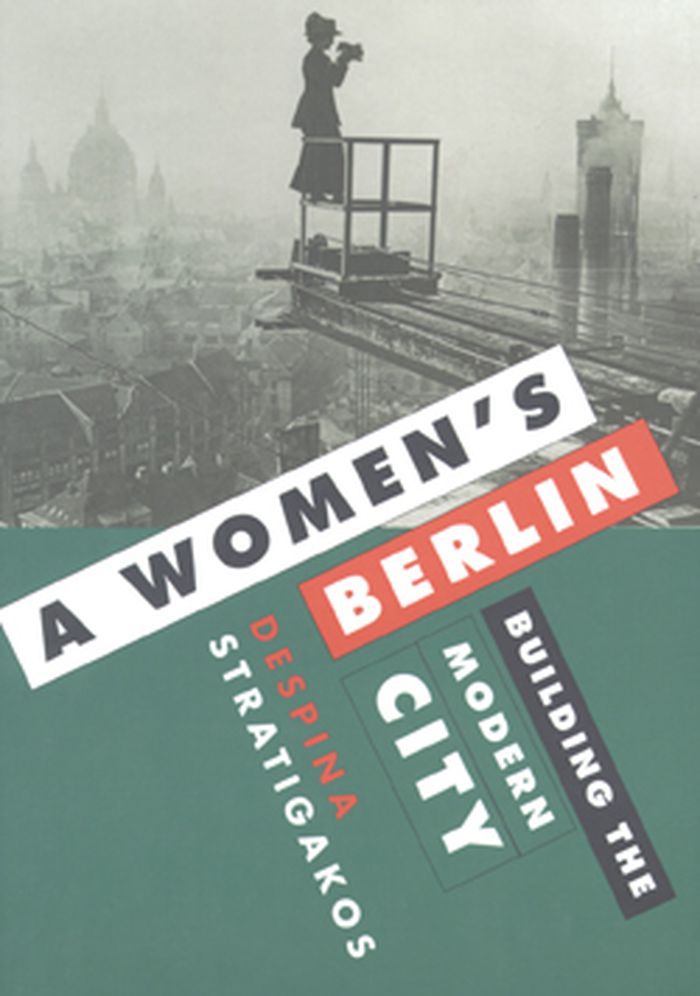
Around the beginning of the twentieth century, women began to claim Berlin as their own, expressing a vision of the German capital that embraced their feminine modernity, both culturally and architecturally. Women located their lives and made their presence felt in the streets and institutions of this dynamic metropolis. From residences to restaurants, schools to exhibition halls, a visible network of women’s spaces arose to accommodate changing patterns of life and work. A Women’s Berlin retraces this largely forgotten city, which came into being in the years between German unification in 1871 and the demise of the monarchy in 1918 and laid the foundation for a novel experience of urban modernity. Although the phenomenon of women taking control of urban space was widespread in this period, Despina Stratigakos shows how Berlin’s concentration of women’s building projects produced a more fully realized vision of an alternative metropolis. Female clients called on female design professionals to help them define and articulate their architectural needs. Many of the projects analyzed in A Women’s Berlin represent a collaborative effort uniting female patrons, architects, and designers to explore the nature of female aesthetics and spaces.
A women's Berlin building the modern city
Actions:
Price:
$28.95
(available to order)
Summary:
Around the beginning of the twentieth century, women began to claim Berlin as their own, expressing a vision of the German capital that embraced their feminine modernity, both culturally and architecturally. Women located their lives and made their presence felt in the streets and institutions of this dynamic metropolis. From residences to restaurants, schools to exhibition halls, a visible network of women’s spaces arose to accommodate changing patterns of life and work. A Women’s Berlin retraces this largely forgotten city, which came into being in the years between German unification in 1871 and the demise of the monarchy in 1918 and laid the foundation for a novel experience of urban modernity. Although the phenomenon of women taking control of urban space was widespread in this period, Despina Stratigakos shows how Berlin’s concentration of women’s building projects produced a more fully realized vision of an alternative metropolis. Female clients called on female design professionals to help them define and articulate their architectural needs. Many of the projects analyzed in A Women’s Berlin represent a collaborative effort uniting female patrons, architects, and designers to explore the nature of female aesthetics and spaces.
Form:
books
books
Publication:
October 2008, Minneapolis, London
October 2008, Minneapolis, London
Subject:
Gender Theory in Architecture
Gender Theory in Architecture


