


2692 Results
Form:
books
books
Actions:
Price:
$37.00
(available to order)
Summary:
An examination of how British and Indian politicians, artists, scientists, nationalists, and tourists have transformed various sites in India into historical monuments emblematic of the modern Indian nation-state.
$37.00
(available to order)
Summary:
An examination of how British and Indian politicians, artists, scientists, nationalists, and tourists have transformed various sites in India into historical monuments emblematic of the modern Indian nation-state.
Title:
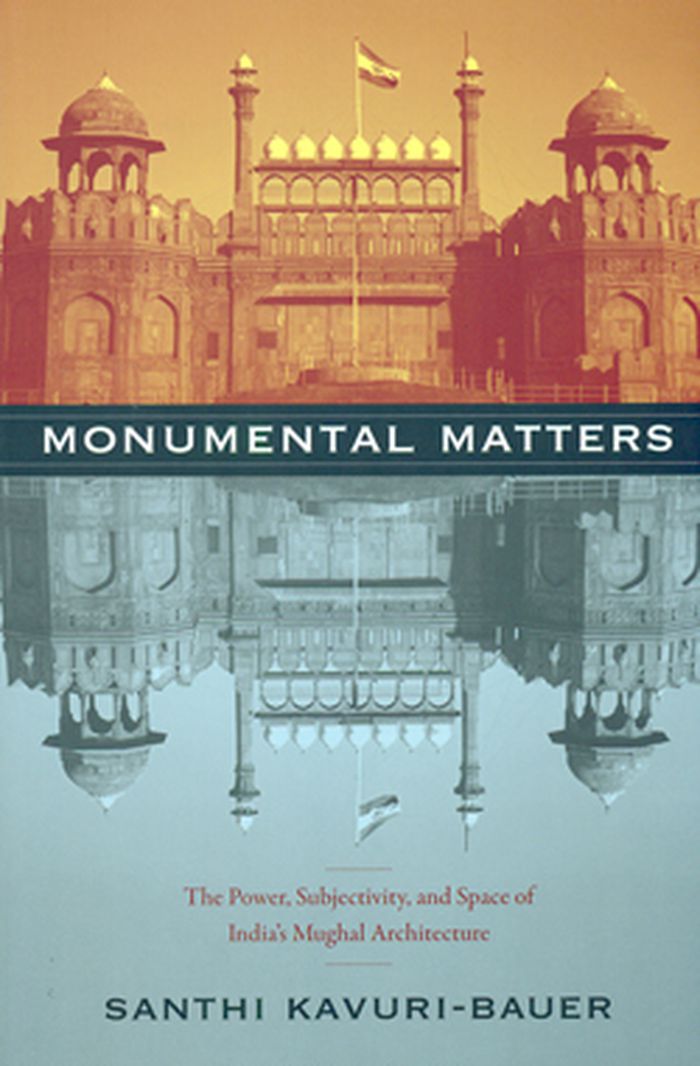
Monumental matters : the power, subjectivity, and space of India's Mughal architecture
Actions:
Price:
$37.00
(available to order)
Summary:
An examination of how British and Indian politicians, artists, scientists, nationalists, and tourists have transformed various sites in India into historical monuments emblematic of the modern Indian nation-state.
Monumental matters : the power, subjectivity, and space of India's Mughal architecture
Actions:
Price:
$37.00
(available to order)
Summary:
An examination of how British and Indian politicians, artists, scientists, nationalists, and tourists have transformed various sites in India into historical monuments emblematic of the modern Indian nation-state.
Form:
books
books
Publication:
October 2011
October 2011
Subject:
Arch Middle East
Arch Middle East
Form:
books
books
Price:
$45.50
(available to order)
Summary:
This volume presents focused case studies of modern architecture in three realms—political, religious, and domestic—that address our very essence as human beings. Several essays explore developments in Czechoslovakia, Romania, and Yugoslavia and document a modernist design culture that crossed political barriers, such as the Iron Curtain, more readily than previously(...)
$45.50
(available to order)
Summary:
This volume presents focused case studies of modern architecture in three realms—political, religious, and domestic—that address our very essence as human beings. Several essays explore developments in Czechoslovakia, Romania, and Yugoslavia and document a modernist design culture that crossed political barriers, such as the Iron Curtain, more readily than previously(...)
Title:
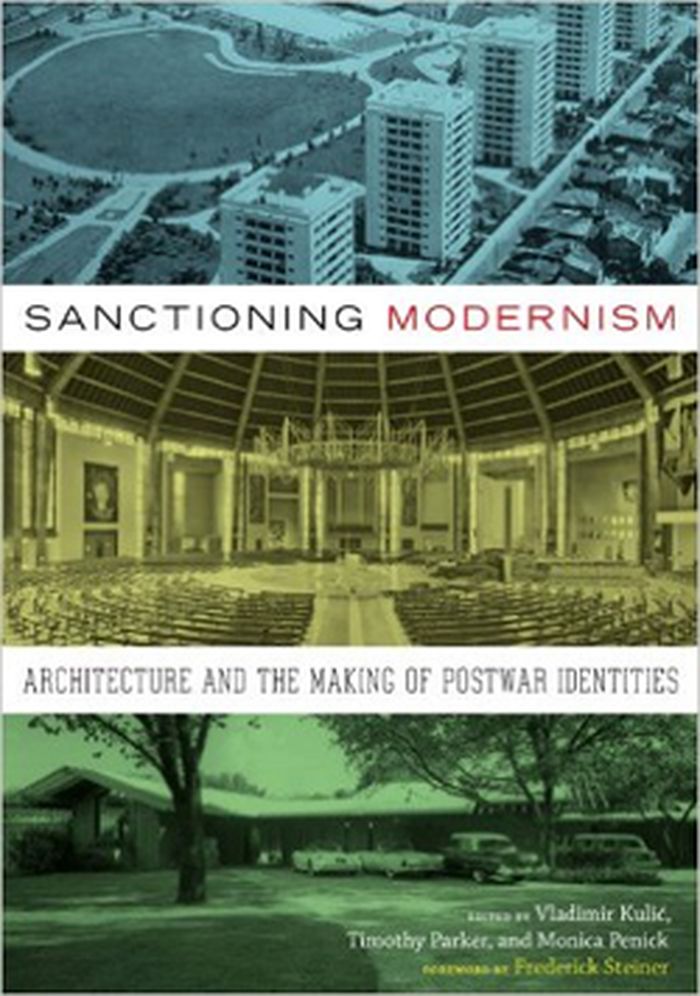
Sanctioning modernism : architecture and the makin of postwar identities
Actions:
Price:
$45.50
(available to order)
Summary:
This volume presents focused case studies of modern architecture in three realms—political, religious, and domestic—that address our very essence as human beings. Several essays explore developments in Czechoslovakia, Romania, and Yugoslavia and document a modernist design culture that crossed political barriers, such as the Iron Curtain, more readily than previously imagined. Other essays investigate various efforts to reconcile the concerns of modernist architects with the traditions of the Roman Catholic Church and other Christian institutions. And a final group of essays looks at postwar homebuilding in the United States and demonstrates how malleable and contested the image of the American home was in the mid-twentieth century. These inquiries show the limits of canonical views of modern architecture and reveal instead how civic institutions, ecclesiastical traditions, individual consumers, and others sought to sanction the forms and ideas of modern architecture in the service of their respective claims or desires to be modern.
Sanctioning modernism : architecture and the makin of postwar identities
Actions:
Price:
$45.50
(available to order)
Summary:
This volume presents focused case studies of modern architecture in three realms—political, religious, and domestic—that address our very essence as human beings. Several essays explore developments in Czechoslovakia, Romania, and Yugoslavia and document a modernist design culture that crossed political barriers, such as the Iron Curtain, more readily than previously imagined. Other essays investigate various efforts to reconcile the concerns of modernist architects with the traditions of the Roman Catholic Church and other Christian institutions. And a final group of essays looks at postwar homebuilding in the United States and demonstrates how malleable and contested the image of the American home was in the mid-twentieth century. These inquiries show the limits of canonical views of modern architecture and reveal instead how civic institutions, ecclesiastical traditions, individual consumers, and others sought to sanction the forms and ideas of modern architecture in the service of their respective claims or desires to be modern.
Form:
books
books
Publication:
July 2015
July 2015
Subject:
Architectural Theory
Architectural Theory
Form:
books
books
Title:
The architecture of science
The architecture of science
Actions:
Price:
$107.00
(available to order)
Summary:
How do the spaces in which science is done shape the identity of the scientist and the self-conception of scientific fields? How do the sciences structure the identity of the architect and the practice of architecture in a specific period? And how does the design of spaces such as laboratories, hospitals, and museums affect how the public perceives and interacts with the(...)
$107.00
(available to order)
Summary:
How do the spaces in which science is done shape the identity of the scientist and the self-conception of scientific fields? How do the sciences structure the identity of the architect and the practice of architecture in a specific period? And how does the design of spaces such as laboratories, hospitals, and museums affect how the public perceives and interacts with the(...)
Title:
The architecture of science
Actions:
Price:
$107.00
(available to order)
Summary:
How do the spaces in which science is done shape the identity of the scientist and the self-conception of scientific fields? How do the sciences structure the identity of the architect and the practice of architecture in a specific period? And how does the design of spaces such as laboratories, hospitals, and museums affect how the public perceives and interacts with the world of science? « The Architecture of Science » offers a dazzling set of speculations on these issues by historians of science, architecture, and art; architectural theorists; and sociologists as well as practicing scientists and architects. The essays are organized into six sections: "Of Secrecy and Openness: Science and Architecture in Early Modern Europe"; "Displaying and Concealing Technics in the Nineteenth Century"; "Modern Space"; "Is Architecture Science?"; "Princeton after Modernism: The Lewis Thomas Laboratory for Molecular Biology"; and "Centers, Cities, and Colliders."
The architecture of science
Actions:
Price:
$107.00
(available to order)
Summary:
How do the spaces in which science is done shape the identity of the scientist and the self-conception of scientific fields? How do the sciences structure the identity of the architect and the practice of architecture in a specific period? And how does the design of spaces such as laboratories, hospitals, and museums affect how the public perceives and interacts with the world of science? « The Architecture of Science » offers a dazzling set of speculations on these issues by historians of science, architecture, and art; architectural theorists; and sociologists as well as practicing scientists and architects. The essays are organized into six sections: "Of Secrecy and Openness: Science and Architecture in Early Modern Europe"; "Displaying and Concealing Technics in the Nineteenth Century"; "Modern Space"; "Is Architecture Science?"; "Princeton after Modernism: The Lewis Thomas Laboratory for Molecular Biology"; and "Centers, Cities, and Colliders."
Form:
books
books
Publication:
April 1999
April 1999
Subject:
Architectural Theory
Architectural Theory
Form:
books
books
Actions:
Holdings:
Description:
383 pages : color illustrations ; 16 cm
Description:
383 pages : color illustrations ; 16 cm
Author:
Subject:
Publication:
Roma : Gangemi Editore, 2011.
Roma : Gangemi Editore, 2011.
Title:
Paolo Portoghesi, architect / Francesca Gottardo ; [translation, Erika G. Young].
Actions:
Holdings:
Description:
383 pages : color illustrations ; 16 cm
Paolo Portoghesi, architect / Francesca Gottardo ; [translation, Erika G. Young].
Actions:
Holdings:
Description:
383 pages : color illustrations ; 16 cm
Form:
books
books
Publication:
Roma : Gangemi Editore, 2011.
Roma : Gangemi Editore, 2011.
Author:
Subject:
Form:
books
books
Price:
$85.00
(available to order)
Summary:
"Luxury and Modernism" shows how luxury was present in bold, literal forms in modern designs—from lavish materials and costly technologies to deluxe buildings and household objects—and in subtler ways as well, such as social milieus and modes of living. While modernism was publicized as a fusion of technology, new materials, and rational aesthetics to improve the lives of(...)
$85.00
(available to order)
Summary:
"Luxury and Modernism" shows how luxury was present in bold, literal forms in modern designs—from lavish materials and costly technologies to deluxe buildings and household objects—and in subtler ways as well, such as social milieus and modes of living. While modernism was publicized as a fusion of technology, new materials, and rational aesthetics to improve the lives of(...)
Title:
Luxury and modernism: Architecture and the object in Germany 1900-1933
Actions:
Price:
$85.00
(available to order)
Summary:
"Luxury and Modernism" shows how luxury was present in bold, literal forms in modern designs—from lavish materials and costly technologies to deluxe buildings and household objects—and in subtler ways as well, such as social milieus and modes of living. While modernism was publicized as a fusion of technology, new materials, and rational aesthetics to improve the lives of ordinary people, it was often out of reach to the very masses it purportedly served. Schuldenfrei exposes the disconnect between modernism's utopian discourse and its luxury objects and elite architectural commissions. Despite the movement's egalitarian rhetoric, many modern designs addressed the desires of the privileged individual. Yet as Schuldenfrei demonstrates, luxury was integral not only to how modern buildings and objects were designed, manufactured, and sold, but has contributed to modernism's appeal to this day.
Luxury and modernism: Architecture and the object in Germany 1900-1933
Actions:
Price:
$85.00
(available to order)
Summary:
"Luxury and Modernism" shows how luxury was present in bold, literal forms in modern designs—from lavish materials and costly technologies to deluxe buildings and household objects—and in subtler ways as well, such as social milieus and modes of living. While modernism was publicized as a fusion of technology, new materials, and rational aesthetics to improve the lives of ordinary people, it was often out of reach to the very masses it purportedly served. Schuldenfrei exposes the disconnect between modernism's utopian discourse and its luxury objects and elite architectural commissions. Despite the movement's egalitarian rhetoric, many modern designs addressed the desires of the privileged individual. Yet as Schuldenfrei demonstrates, luxury was integral not only to how modern buildings and objects were designed, manufactured, and sold, but has contributed to modernism's appeal to this day.
Form:
books
books
Publication:
June 2018
June 2018
Subject:
Modernism
Modernism
Form:
books
books
Actions:
Price:
$74.00
(available in store)
Summary:
is the story of how a structure of unprecedented size and technology was built over the East River, connecting, for the first time, the then independent cities of Brooklyn and New York, two of the most populous cities in America. This awe-inspiring bridge-built between 1869 and 1883 during an age of technological innovation-was not only a modern engineering feat of(...)
$74.00
(available in store)
Summary:
is the story of how a structure of unprecedented size and technology was built over the East River, connecting, for the first time, the then independent cities of Brooklyn and New York, two of the most populous cities in America. This awe-inspiring bridge-built between 1869 and 1883 during an age of technological innovation-was not only a modern engineering feat of(...)
Subject:
Engineering Structures
Engineering Structures
Publication:
October 2021
October 2021
Title:
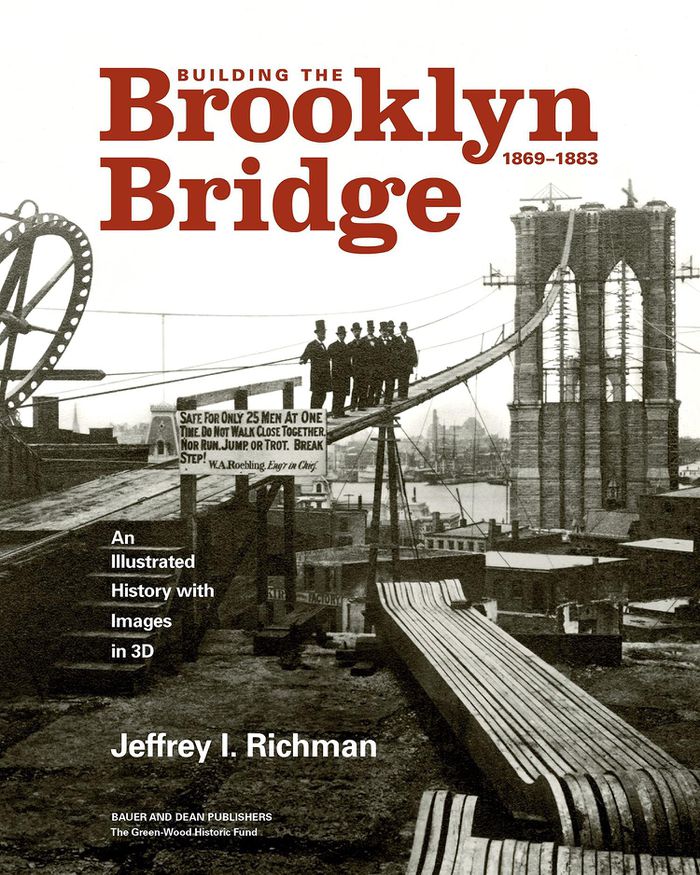
Building the Brooklyn Bridge, 1869-1883: an illustrated history, with images in 3D
Actions:
Price:
$74.00
(available in store)
Summary:
is the story of how a structure of unprecedented size and technology was built over the East River, connecting, for the first time, the then independent cities of Brooklyn and New York, two of the most populous cities in America. This awe-inspiring bridge-built between 1869 and 1883 during an age of technological innovation-was not only a modern engineering feat of extraordinary imagination, fortitude, and skill, it also was a towering beacon of human triumph. Author Jeffrey I. Richman describes in engaging detail how the Brooklyn Bridge was built and explains the function of each of its complex parts, from the anchorages and elegant towers to the massive cables, and the challenges each presented. Richman reminds us how profoundly modern and groundbreaking the bridge was.
Building the Brooklyn Bridge, 1869-1883: an illustrated history, with images in 3D
Actions:
Price:
$74.00
(available in store)
Summary:
is the story of how a structure of unprecedented size and technology was built over the East River, connecting, for the first time, the then independent cities of Brooklyn and New York, two of the most populous cities in America. This awe-inspiring bridge-built between 1869 and 1883 during an age of technological innovation-was not only a modern engineering feat of extraordinary imagination, fortitude, and skill, it also was a towering beacon of human triumph. Author Jeffrey I. Richman describes in engaging detail how the Brooklyn Bridge was built and explains the function of each of its complex parts, from the anchorages and elegant towers to the massive cables, and the challenges each presented. Richman reminds us how profoundly modern and groundbreaking the bridge was.
Form:
books
books
Publication:
October 2021
October 2021
Subject:
Engineering Structures
Engineering Structures
Form:
books
books
Title:
From William Morris : building conservation and the arts and crafts cult of authenticity, 1877-1939
From William Morris : building conservation and the arts and crafts cult of authenticity, 1877-1939
Actions:
Price:
$65.00
(available to order)
Summary:
This book takes a fresh and wide-ranging look at the origins of the architectural conservation movement in the United Kingdom. Contributors consider how the modern concept of heritage emerged in the nineteeth century, how politics as well as art and design played a role in the creation of a historic buildings culture, and how the writings and activities of designer(...)
$65.00
(available to order)
Summary:
This book takes a fresh and wide-ranging look at the origins of the architectural conservation movement in the United Kingdom. Contributors consider how the modern concept of heritage emerged in the nineteeth century, how politics as well as art and design played a role in the creation of a historic buildings culture, and how the writings and activities of designer(...)
Publication:
May 2005, New Haven, London
May 2005, New Haven, London
Title:
From William Morris : building conservation and the arts and crafts cult of authenticity, 1877-1939
Actions:
Price:
$65.00
(available to order)
Summary:
This book takes a fresh and wide-ranging look at the origins of the architectural conservation movement in the United Kingdom. Contributors consider how the modern concept of heritage emerged in the nineteeth century, how politics as well as art and design played a role in the creation of a historic buildings culture, and how the writings and activities of designer William Morris and architect Philip Webb shaped thinking about conservation.
From William Morris : building conservation and the arts and crafts cult of authenticity, 1877-1939
Actions:
Price:
$65.00
(available to order)
Summary:
This book takes a fresh and wide-ranging look at the origins of the architectural conservation movement in the United Kingdom. Contributors consider how the modern concept of heritage emerged in the nineteeth century, how politics as well as art and design played a role in the creation of a historic buildings culture, and how the writings and activities of designer William Morris and architect Philip Webb shaped thinking about conservation.
Form:
books
books
Publication:
May 2005, New Haven, London
May 2005, New Haven, London
Form:
books
books
Price:
$69.95
(available to order)
Summary:
American Synagogues is the first book to explore modern American synagogues. Samuel Gruber relates the history of the Jewish people in America and shows how it is expressed in twentieth century synagogue design.
$69.95
(available to order)
Summary:
American Synagogues is the first book to explore modern American synagogues. Samuel Gruber relates the history of the Jewish people in America and shows how it is expressed in twentieth century synagogue design.
Subject:
Commercial interiors, Building types
Commercial interiors, Building types
Publication:
January 1900, New York
January 1900, New York
Title:
American synagogues : a century of architecture and Jewish community
Actions:
Price:
$69.95
(available to order)
Summary:
American Synagogues is the first book to explore modern American synagogues. Samuel Gruber relates the history of the Jewish people in America and shows how it is expressed in twentieth century synagogue design.
American synagogues : a century of architecture and Jewish community
Actions:
Price:
$69.95
(available to order)
Summary:
American Synagogues is the first book to explore modern American synagogues. Samuel Gruber relates the history of the Jewish people in America and shows how it is expressed in twentieth century synagogue design.
Form:
books
books
Publication:
January 1900, New York
January 1900, New York
Subject:
Commercial interiors, Building types
Commercial interiors, Building types
Form:
books
books
Actions:
Price:
$90.00
(available to order)
Summary:
This volume showcases the best examples of modern brick applications, with a focus on residential buildings and interiors. These forward-looking projects from around the globe push the boundaries of brick architecture and design. The book reveals how traditional forms are revitalized and made contemporary, and how this LEGO block of human civilization can help build our future.
$90.00
(available to order)
Summary:
This volume showcases the best examples of modern brick applications, with a focus on residential buildings and interiors. These forward-looking projects from around the globe push the boundaries of brick architecture and design. The book reveals how traditional forms are revitalized and made contemporary, and how this LEGO block of human civilization can help build our future.
Title:
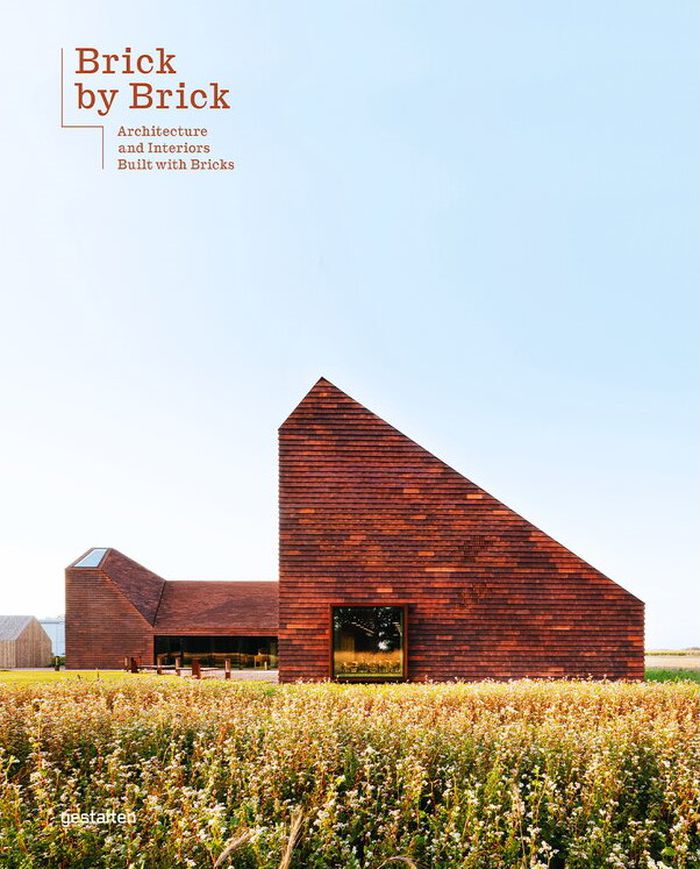
Brick by brick: Architecture and interiors built with bricks
Actions:
Price:
$90.00
(available to order)
Summary:
This volume showcases the best examples of modern brick applications, with a focus on residential buildings and interiors. These forward-looking projects from around the globe push the boundaries of brick architecture and design. The book reveals how traditional forms are revitalized and made contemporary, and how this LEGO block of human civilization can help build our future.
Brick by brick: Architecture and interiors built with bricks
Actions:
Price:
$90.00
(available to order)
Summary:
This volume showcases the best examples of modern brick applications, with a focus on residential buildings and interiors. These forward-looking projects from around the globe push the boundaries of brick architecture and design. The book reveals how traditional forms are revitalized and made contemporary, and how this LEGO block of human civilization can help build our future.
Form:
books
books
Publication:
May 2022
May 2022
Subject:
Materials and Lighting
Materials and Lighting
Form:
books
books
Actions:
Price:
$55.00
(available to order)
Summary:
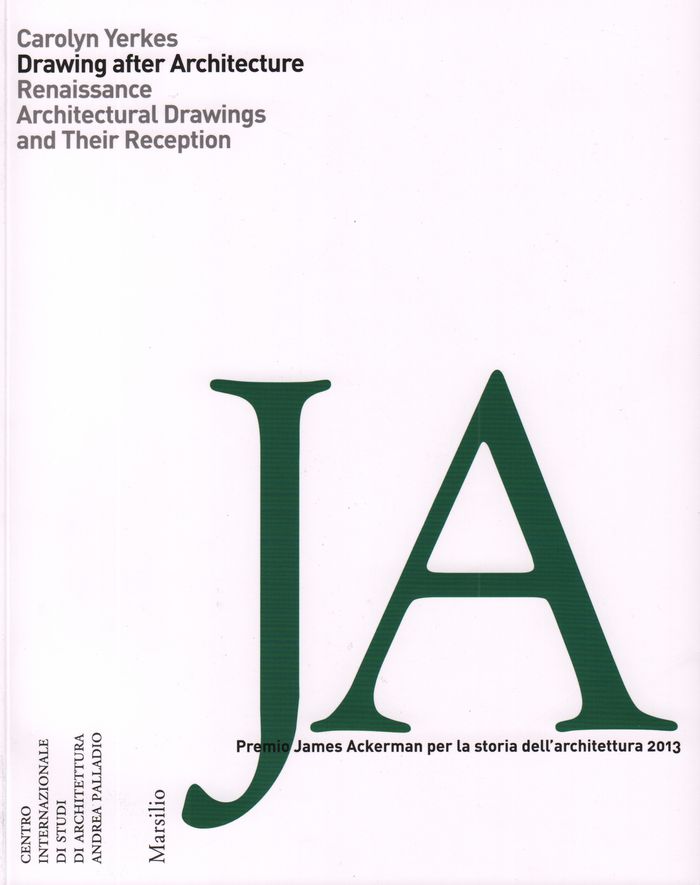
Why did early modern architects continue copying drawings long after the invention of print should have made such copying obsolete? Carolyn Yerkes answers that question in a fresh investigation into the status of architectural drawing in the sixteenth and seventeenth centuries. Her book explores a vast network of manuscripts and drawings that each have information about(...)
$55.00
(available to order)
Summary:
Why did early modern architects continue copying drawings long after the invention of print should have made such copying obsolete? Carolyn Yerkes answers that question in a fresh investigation into the status of architectural drawing in the sixteenth and seventeenth centuries. Her book explores a vast network of manuscripts and drawings that each have information about(...)
Title:
Drawing after architecture: Renaissance architectural drawings and their reception
Actions:
Price:
$55.00
(available to order)
Summary:
Why did early modern architects continue copying drawings long after the invention of print should have made such copying obsolete? Carolyn Yerkes answers that question in a fresh investigation into the status of architectural drawing in the sixteenth and seventeenth centuries. Her book explores a vast network of manuscripts and drawings that each have information about ancient and modern buildings—including the Pantheon and Saint Peter’s—that is not known from any other sources. The drawings also show how the information was recorded, transferred, and analyzed by others. Yerkes examines the nature of architectural evidence to understand how Renaissance architects used images to explore structures, create biographies, and write history.
Drawing after architecture: Renaissance architectural drawings and their reception
Actions:
Price:
$55.00
(available to order)
Summary:
Why did early modern architects continue copying drawings long after the invention of print should have made such copying obsolete? Carolyn Yerkes answers that question in a fresh investigation into the status of architectural drawing in the sixteenth and seventeenth centuries. Her book explores a vast network of manuscripts and drawings that each have information about ancient and modern buildings—including the Pantheon and Saint Peter’s—that is not known from any other sources. The drawings also show how the information was recorded, transferred, and analyzed by others. Yerkes examines the nature of architectural evidence to understand how Renaissance architects used images to explore structures, create biographies, and write history.
Form:
books
books
Publication:
February 2018
February 2018
Subject:
Architectural Drawing
Architectural Drawing


