


2310 Results
Form:
books
books
Actions:
Price:
$83.95
(available to order)
Summary:
First published in 1992 to wide critical acclaim, ''Pictures from home'' is Larry Sultan’s pendant to his parents. Sultan returned home to Southern California periodically in the 1980s and the decade-long sequence moves between registers, combining contemporary photographs with film stills from home movies, fragments of conversation, Sultan’s own writings and other(...)
$83.95
(available to order)
Summary:
First published in 1992 to wide critical acclaim, ''Pictures from home'' is Larry Sultan’s pendant to his parents. Sultan returned home to Southern California periodically in the 1980s and the decade-long sequence moves between registers, combining contemporary photographs with film stills from home movies, fragments of conversation, Sultan’s own writings and other(...)
Title:
Larry Sultan: pictures from home
Actions:
Price:
$83.95
(available to order)
Summary:
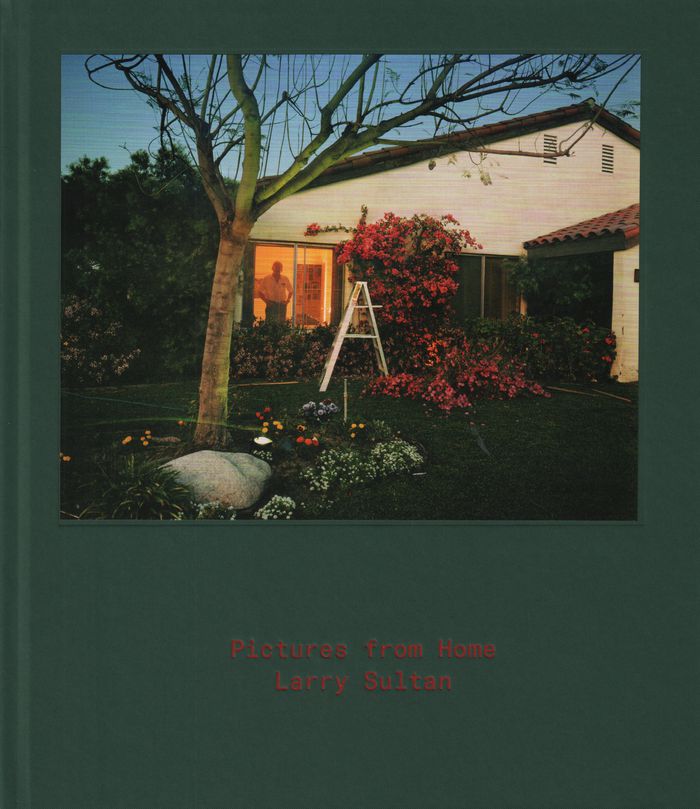
First published in 1992 to wide critical acclaim, ''Pictures from home'' is Larry Sultan’s pendant to his parents. Sultan returned home to Southern California periodically in the 1980s and the decade-long sequence moves between registers, combining contemporary photographs with film stills from home movies, fragments of conversation, Sultan’s own writings and other memorabilia. The result is a narrative collage in which the boundary between the documentary and the staged becomes increasingly ambiguous. Simultaneously the distance usually maintained between the photographer and his subjects also slips in an exchange of dialogue and emotion that is unique to this work. Significantly increasing the page count of the original book, this MACK design of ''Pictures from home'' clarifies the multiplicity of voices – both textual and pictorial – in order to afford a fresh perspective of this seminal body of work. Emphasising the cinematic motion of the family’s home videos, the Super-8 film stills have been newly digitised and magnified, with select scenes running full-bleed across double-page spreads. Meanwhile, Sultan’s photographs of his parents as they go about their daily lives – against the quintessential backdrop of the Reagan-era American dream – are supplemented with previously unpublished images. Most significantly, the book honours Sultan as the oft-hailed ‘King of Colour Photography’.
Larry Sultan: pictures from home
Actions:
Price:
$83.95
(available to order)
Summary:
First published in 1992 to wide critical acclaim, ''Pictures from home'' is Larry Sultan’s pendant to his parents. Sultan returned home to Southern California periodically in the 1980s and the decade-long sequence moves between registers, combining contemporary photographs with film stills from home movies, fragments of conversation, Sultan’s own writings and other memorabilia. The result is a narrative collage in which the boundary between the documentary and the staged becomes increasingly ambiguous. Simultaneously the distance usually maintained between the photographer and his subjects also slips in an exchange of dialogue and emotion that is unique to this work. Significantly increasing the page count of the original book, this MACK design of ''Pictures from home'' clarifies the multiplicity of voices – both textual and pictorial – in order to afford a fresh perspective of this seminal body of work. Emphasising the cinematic motion of the family’s home videos, the Super-8 film stills have been newly digitised and magnified, with select scenes running full-bleed across double-page spreads. Meanwhile, Sultan’s photographs of his parents as they go about their daily lives – against the quintessential backdrop of the Reagan-era American dream – are supplemented with previously unpublished images. Most significantly, the book honours Sultan as the oft-hailed ‘King of Colour Photography’.
Form:
books
books
Publication:
September 2021
September 2021
Subject:
Photography monographs
Photography monographs
Form:
books
books
Actions:
Price:
$33.95
(available to order)
Summary:
Contemporary engagements with documentary are multifaceted and complex, reaching across disciplines to explore the intersections of politics and aesthetics, representation and reality, truth and illusion. Discarding the old notions of “fly on the wall” immediacy or quasi-scientific aspirations to objectivity, critics now understand documentary not as the neutral picturing(...)
$33.95
(available to order)
Summary:
Contemporary engagements with documentary are multifaceted and complex, reaching across disciplines to explore the intersections of politics and aesthetics, representation and reality, truth and illusion. Discarding the old notions of “fly on the wall” immediacy or quasi-scientific aspirations to objectivity, critics now understand documentary not as the neutral picturing(...)
Title:
Documentary Across Disciplines
Actions:
Price:
$33.95
(available to order)
Summary:
Contemporary engagements with documentary are multifaceted and complex, reaching across disciplines to explore the intersections of politics and aesthetics, representation and reality, truth and illusion. Discarding the old notions of “fly on the wall” immediacy or quasi-scientific aspirations to objectivity, critics now understand documentary not as the neutral picturing of reality but as a way of coming to terms with reality through images and narrative. This book collects writings by artists, filmmakers, art historians, poets, literary critics, anthropologists, theorists, and others, to investigate one of the most vital areas of cultural practice: documentary. Their investigations take many forms—essays, personal memoirs, interviews, poetry. Contemporary art turned away from the medium and toward the world, using photography and the moving image to take up global perspectives. Documentary filmmakers, meanwhile, began to work in the gallery context. The contributors consider the hybridization of art and film, and the “documentary turn” of contemporary art. They discuss digital technology and the “crisis of faith” caused by manipulation and generation of images, and the fading of the progressive social mandate that has historically characterized documentary. They consider invisible data and visible evidence; problems of archiving; and surveillance and biometric control, forms of documentation that call for “informatic opacity” as a means of evasion.
Documentary Across Disciplines
Actions:
Price:
$33.95
(available to order)
Summary:
Contemporary engagements with documentary are multifaceted and complex, reaching across disciplines to explore the intersections of politics and aesthetics, representation and reality, truth and illusion. Discarding the old notions of “fly on the wall” immediacy or quasi-scientific aspirations to objectivity, critics now understand documentary not as the neutral picturing of reality but as a way of coming to terms with reality through images and narrative. This book collects writings by artists, filmmakers, art historians, poets, literary critics, anthropologists, theorists, and others, to investigate one of the most vital areas of cultural practice: documentary. Their investigations take many forms—essays, personal memoirs, interviews, poetry. Contemporary art turned away from the medium and toward the world, using photography and the moving image to take up global perspectives. Documentary filmmakers, meanwhile, began to work in the gallery context. The contributors consider the hybridization of art and film, and the “documentary turn” of contemporary art. They discuss digital technology and the “crisis of faith” caused by manipulation and generation of images, and the fading of the progressive social mandate that has historically characterized documentary. They consider invisible data and visible evidence; problems of archiving; and surveillance and biometric control, forms of documentation that call for “informatic opacity” as a means of evasion.
Form:
books
books
Publication:
February 2016
February 2016
Form:
books
books
Actions:
Price:
$56.00
(available to order)
Summary:
The Atelier de la Conception de l’Espace (ALICE), affiliated with the School of Architecture at the École Polytechnique Fédérale de Lausanne, is an educational facility focusing on preparing students for the practice of architecture. To cultivate the ability to create or shape space, students must be confronted with an educational frame¬work that prepares them for the(...)
$56.00
(available to order)
Summary:
The Atelier de la Conception de l’Espace (ALICE), affiliated with the School of Architecture at the École Polytechnique Fédérale de Lausanne, is an educational facility focusing on preparing students for the practice of architecture. To cultivate the ability to create or shape space, students must be confronted with an educational frame¬work that prepares them for the(...)
Subject:
Architectural Theory
Architectural Theory
Publication:
April 2016
April 2016
Title:
The invention of space: all about space, vol.I
Actions:
Price:
$56.00
(available to order)
Summary:
The Atelier de la Conception de l’Espace (ALICE), affiliated with the School of Architecture at the École Polytechnique Fédérale de Lausanne, is an educational facility focusing on preparing students for the practice of architecture. To cultivate the ability to create or shape space, students must be confronted with an educational frame¬work that prepares them for the field’s many practical challenges, from cultural, social, environmental, and physical concerns to working with the wide range of collaborators who must bring their creativity and expertise together in the design process. The Invention of Space is the initial volume in a four-part series on ALICE, this new book focuses on how its innovative curriculum primes students to recognize the cultural practices embedded in the invention of space. Architectural spaces are conceived—and experienced—collectively within the incorporating culture. How can culture, together with a raft of com¬peting concerns, be best translated in the design process? The book explores this and related questions through a fictional narrative, in essays and with more than three-hundred images. ALICE plays a key role in the success of one of Europe’s leading schools of architecture, and this book, together with the three other volumes in the series, provides an opportunity to explore the exceptional learning environment ALICE offers.
The invention of space: all about space, vol.I
Actions:
Price:
$56.00
(available to order)
Summary:
The Atelier de la Conception de l’Espace (ALICE), affiliated with the School of Architecture at the École Polytechnique Fédérale de Lausanne, is an educational facility focusing on preparing students for the practice of architecture. To cultivate the ability to create or shape space, students must be confronted with an educational frame¬work that prepares them for the field’s many practical challenges, from cultural, social, environmental, and physical concerns to working with the wide range of collaborators who must bring their creativity and expertise together in the design process. The Invention of Space is the initial volume in a four-part series on ALICE, this new book focuses on how its innovative curriculum primes students to recognize the cultural practices embedded in the invention of space. Architectural spaces are conceived—and experienced—collectively within the incorporating culture. How can culture, together with a raft of com¬peting concerns, be best translated in the design process? The book explores this and related questions through a fictional narrative, in essays and with more than three-hundred images. ALICE plays a key role in the success of one of Europe’s leading schools of architecture, and this book, together with the three other volumes in the series, provides an opportunity to explore the exceptional learning environment ALICE offers.
Form:
books
books
Publication:
April 2016
April 2016
Subject:
Architectural Theory
Architectural Theory
Form:
books
books
Actions:
Price:
$18.95
(available to order)
Summary:
The fictitious hero of this 1984 installation is a lonely dreamer who develops an impossible project: to fly alone in cosmic space. But this dream is also an individual appropriation of a collective Soviet project and the official Soviet propaganda connected to it. Having built a makeshift slingshot, the hero apparently flies through the ceiling of his shabby room and(...)
$18.95
(available to order)
Summary:
The fictitious hero of this 1984 installation is a lonely dreamer who develops an impossible project: to fly alone in cosmic space. But this dream is also an individual appropriation of a collective Soviet project and the official Soviet propaganda connected to it. Having built a makeshift slingshot, the hero apparently flies through the ceiling of his shabby room and(...)
Title:
Ilka Kabakov: the man who flew into space from his apartment
Actions:
Price:
$18.95
(available to order)
Summary:
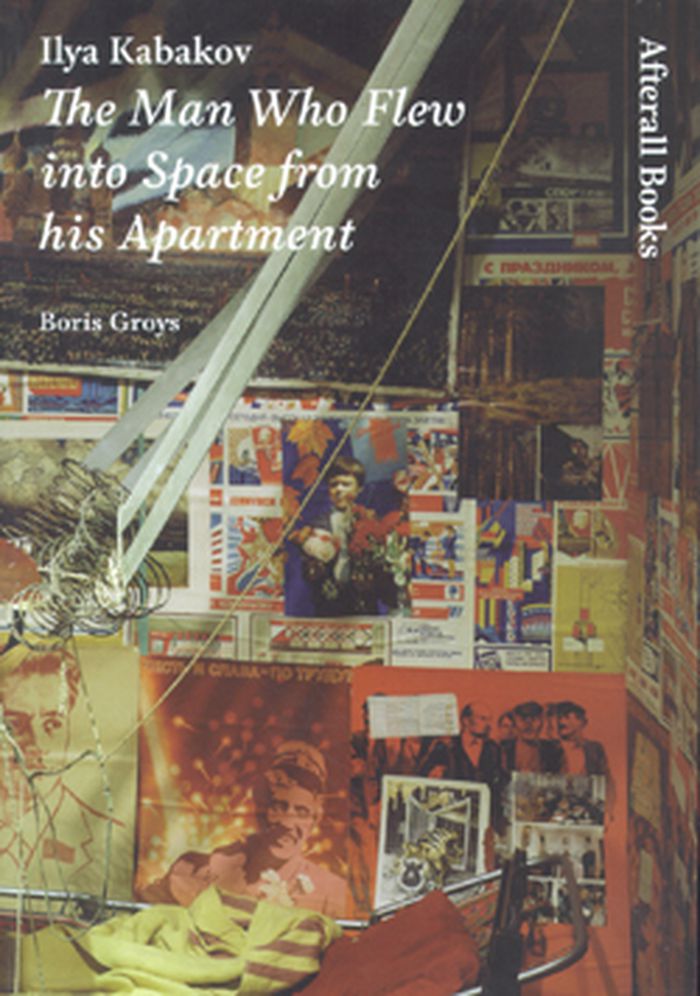
The fictitious hero of this 1984 installation is a lonely dreamer who develops an impossible project: to fly alone in cosmic space. But this dream is also an individual appropriation of a collective Soviet project and the official Soviet propaganda connected to it. Having built a makeshift slingshot, the hero apparently flies through the ceiling of his shabby room and vanishes into space. The miserable room and the primitive slingshot suggest the reality behind the Soviet utopia, in which where cosmic vision and the political project of the Communist revolution are seen as indissoluble. The Man who Flew into Space from His Apartment also raises questions of authorship in modernity. All of Kabakov's work is made in the name of other, fictitious artists. This reveals a hidden rule of the modern art system: only an artist who doesn't want to be an artist or who doesn't even know that he is an artist is a real artist—just as only an artwork that does not look like an artwork is a real artwork. The installation is a narrative, the documentation of a fictitious event. Boris Groys is Professor of Philosophy and Art Theory at the Academy for Design in Karlsruhe, Germany, and Global Professor at New York University.
Ilka Kabakov: the man who flew into space from his apartment
Actions:
Price:
$18.95
(available to order)
Summary:
The fictitious hero of this 1984 installation is a lonely dreamer who develops an impossible project: to fly alone in cosmic space. But this dream is also an individual appropriation of a collective Soviet project and the official Soviet propaganda connected to it. Having built a makeshift slingshot, the hero apparently flies through the ceiling of his shabby room and vanishes into space. The miserable room and the primitive slingshot suggest the reality behind the Soviet utopia, in which where cosmic vision and the political project of the Communist revolution are seen as indissoluble. The Man who Flew into Space from His Apartment also raises questions of authorship in modernity. All of Kabakov's work is made in the name of other, fictitious artists. This reveals a hidden rule of the modern art system: only an artist who doesn't want to be an artist or who doesn't even know that he is an artist is a real artist—just as only an artwork that does not look like an artwork is a real artwork. The installation is a narrative, the documentation of a fictitious event. Boris Groys is Professor of Philosophy and Art Theory at the Academy for Design in Karlsruhe, Germany, and Global Professor at New York University.
Form:
books
books
Publication:
May 2006, London
May 2006, London
Subject:
Art Theory
Art Theory
Form:
books
books
Actions:
Price:
$65.00
(available to order)
Summary:
A rich visual history of one of North America's premier engineering firms and the extraordinary buildings this company engineered. Fifty years after it was founded, the Yolles Partnership continues the larger-than-life engineering tradition on which Canada was built. But its legacy-thousands of structures to date-constitutes an important architectural record of the(...)
$65.00
(available to order)
Summary:
A rich visual history of one of North America's premier engineering firms and the extraordinary buildings this company engineered. Fifty years after it was founded, the Yolles Partnership continues the larger-than-life engineering tradition on which Canada was built. But its legacy-thousands of structures to date-constitutes an important architectural record of the(...)
Subject:
Architecture in Canada
Architecture in Canada
Publication:
January 1900, Vancouver / Toronto
January 1900, Vancouver / Toronto
Title:
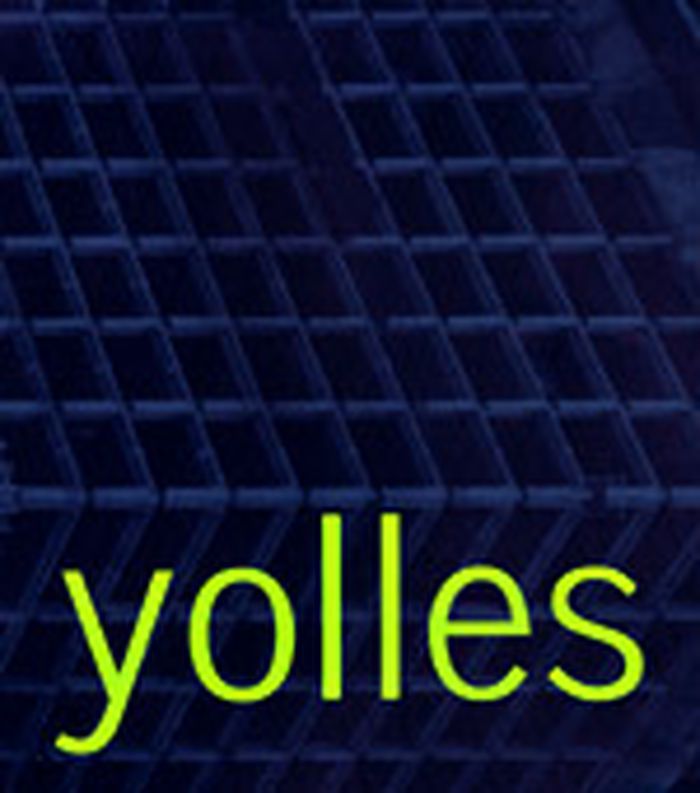
Yolles : a Canadian engineering legacy
Actions:
Price:
$65.00
(available to order)
Summary:
A rich visual history of one of North America's premier engineering firms and the extraordinary buildings this company engineered. Fifty years after it was founded, the Yolles Partnership continues the larger-than-life engineering tradition on which Canada was built. But its legacy-thousands of structures to date-constitutes an important architectural record of the styles and the statements that have predominated over the last half century. From modernism through structural expression, Yolles celebrates the vision of Morden Yolles and Roland Bergmann and some of the firm's legendary technical accomplishments. Throughout the years, the Yolles Partnership worked with a who's who of Canada's finest architects, including such notables as Peter Dickinson, Irving Grossman and Ray Moriyama, and international luminaries Cesar Pelli and Norman Foster, among others. They designed the structures of some of the country's most memorable buildings. Among them are First Canadian Place, Champlain College at Trent University, Galleria and Heritage Square at BCE Place. Overseas projects included such structures as New York's Battery Park and the famed Docklands Light Railway roof at Canary Wharf in London, England. Designed by Bruce Mau Design, and using narrative, photographs and drawings relating to many of Canada's best-known structures, Yolles provides a fascinating record of modern building in Canada.
Yolles : a Canadian engineering legacy
Actions:
Price:
$65.00
(available to order)
Summary:
A rich visual history of one of North America's premier engineering firms and the extraordinary buildings this company engineered. Fifty years after it was founded, the Yolles Partnership continues the larger-than-life engineering tradition on which Canada was built. But its legacy-thousands of structures to date-constitutes an important architectural record of the styles and the statements that have predominated over the last half century. From modernism through structural expression, Yolles celebrates the vision of Morden Yolles and Roland Bergmann and some of the firm's legendary technical accomplishments. Throughout the years, the Yolles Partnership worked with a who's who of Canada's finest architects, including such notables as Peter Dickinson, Irving Grossman and Ray Moriyama, and international luminaries Cesar Pelli and Norman Foster, among others. They designed the structures of some of the country's most memorable buildings. Among them are First Canadian Place, Champlain College at Trent University, Galleria and Heritage Square at BCE Place. Overseas projects included such structures as New York's Battery Park and the famed Docklands Light Railway roof at Canary Wharf in London, England. Designed by Bruce Mau Design, and using narrative, photographs and drawings relating to many of Canada's best-known structures, Yolles provides a fascinating record of modern building in Canada.
Form:
books
books
Publication:
January 1900, Vancouver / Toronto
January 1900, Vancouver / Toronto
Subject:
Architecture in Canada
Architecture in Canada
Form:
books
books
Actions:
Price:
$36.95
(available in store)
Summary:
This book, conceived as a project at the Architectural Association in London, leads a narrative through a series of architectural drawings, texts and images. At its core lies an urban proposal for the transformation of one of London's biggest and most congested traffic intersections,(...)
$36.95
(available in store)
Summary:
This book, conceived as a project at the Architectural Association in London, leads a narrative through a series of architectural drawings, texts and images. At its core lies an urban proposal for the transformation of one of London's biggest and most congested traffic intersections,(...)
Title:
Yellow rhythms : a roundabout for London
Actions:
Price:
$36.95
(available in store)
Summary:
This book, conceived as a project at the Architectural Association in London, leads a narrative through a series of architectural drawings, texts and images. At its core lies an urban proposal for the transformation of one of London's biggest and most congested traffic intersections, Vauxhall Cross, into a giant cross-Thames roundabout. In this book episodes of urban life, political measures and financial strategies contrast with the architectural and urban proposals that are weaved into its form. An allegorical reading of the rhythm of the junction's traffic control system structures the book: green, yellow and red episodes alternate with one another in a repetitive succession and use Levebre's analytical system of 'Rhythmanalysis' to interpret contemporary London as a force-field of rhythms with different scales and durations. Those rhythms, by which the social, political and economic powers manifest themselves, are shown to act upon the site and the individuals within it. If the rhythm of the traffic lights stands for a system of successive incidents, the transformation of the site into a roundabout suggests continuous flow capable of liberating and utilizing these urban forces. The book ends therefore by suggesting a strategic proposal in which the inner area of the roundabout becomes a laboratory, a speculative arena for the testing of alternative urban futures.
Yellow rhythms : a roundabout for London
Actions:
Price:
$36.95
(available in store)
Summary:
This book, conceived as a project at the Architectural Association in London, leads a narrative through a series of architectural drawings, texts and images. At its core lies an urban proposal for the transformation of one of London's biggest and most congested traffic intersections, Vauxhall Cross, into a giant cross-Thames roundabout. In this book episodes of urban life, political measures and financial strategies contrast with the architectural and urban proposals that are weaved into its form. An allegorical reading of the rhythm of the junction's traffic control system structures the book: green, yellow and red episodes alternate with one another in a repetitive succession and use Levebre's analytical system of 'Rhythmanalysis' to interpret contemporary London as a force-field of rhythms with different scales and durations. Those rhythms, by which the social, political and economic powers manifest themselves, are shown to act upon the site and the individuals within it. If the rhythm of the traffic lights stands for a system of successive incidents, the transformation of the site into a roundabout suggests continuous flow capable of liberating and utilizing these urban forces. The book ends therefore by suggesting a strategic proposal in which the inner area of the roundabout becomes a laboratory, a speculative arena for the testing of alternative urban futures.
Form:
books
books
Publication:
October 1999, Rotterdam
October 1999, Rotterdam
Subject:
Urban Theory
Urban Theory
Form:
books
books
Actions:
Price:
$62.00
(available to order)
Summary:
"Mute icons" challenges fixed aesthetic notions of beauty in architecture as both, disciplinary discourse and a spatial practice within the public realm, by intersecting historic antecedents and present instances within contemporary projects wherein indeterminacy, monolithicity and defamiliarization play a speculative role in constructing withdrawn, irritant and yet(...)
$62.00
(available to order)
Summary:
"Mute icons" challenges fixed aesthetic notions of beauty in architecture as both, disciplinary discourse and a spatial practice within the public realm, by intersecting historic antecedents and present instances within contemporary projects wherein indeterminacy, monolithicity and defamiliarization play a speculative role in constructing withdrawn, irritant and yet(...)
Title:
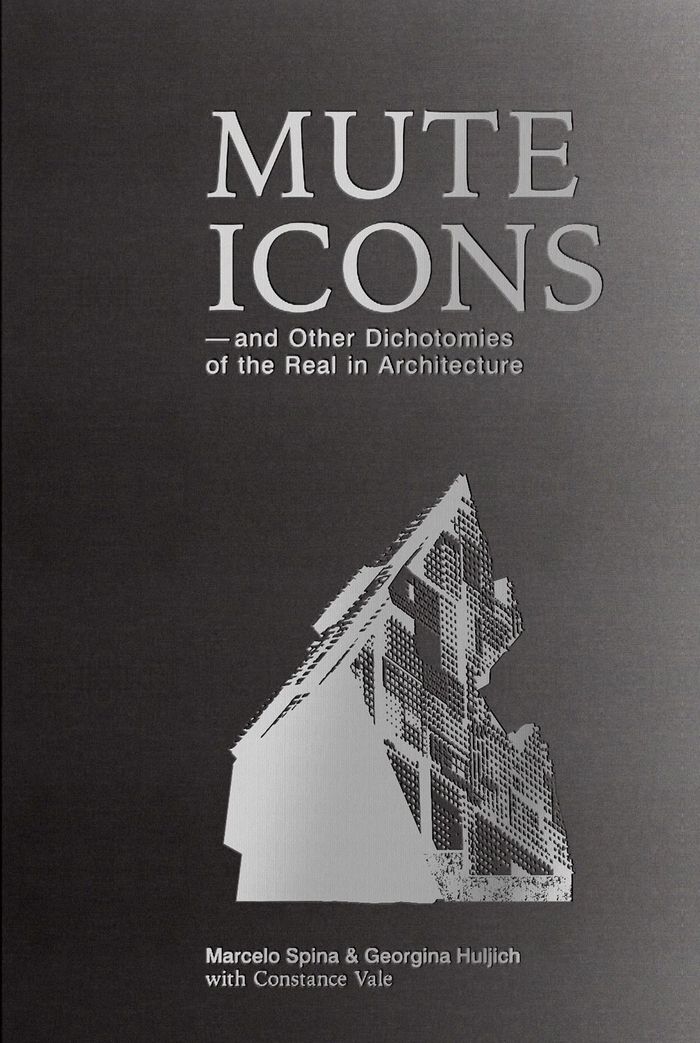
Mute icons: pressing dichotomy in contemporary architecture
Actions:
Price:
$62.00
(available to order)
Summary:
"Mute icons" challenges fixed aesthetic notions of beauty in architecture as both, disciplinary discourse and a spatial practice within the public realm, by intersecting historic antecedents and present instances within contemporary projects wherein indeterminacy, monolithicity and defamiliarization play a speculative role in constructing withdrawn, irritant and yet engaging architectural images. No longer concerned with narrative excesses or with the "shock and awe" of sensation making; the mute icon becomes intriguing in its deceptive indifference towards context, perplexing in its unmitigated apathy towards the body. Object and building, absolute and unstable, anticipated and strange, manifest and withdrawn, such is the dichotomy of mute icons. Dwelling in the paradox between silence and sign and aiming to debunk a false dichotomy between critical discourse, a pursue of formal novelty and the attainment of social ethics, "Mute icons" reaffirms the cultural need and socio-political relevance of the architectural image, suggesting a much-needed resolution to the present but incorrect antagonism between formal innovation, social responsibility and economic austerity. Intersecting relevant historical antecedents and polemic theoretical speculations with original design concepts and provocative representations of P-A-T-T-E-R-N-S recent work, the book aspires to stimulate authentic speculations on the real.
Mute icons: pressing dichotomy in contemporary architecture
Actions:
Price:
$62.00
(available to order)
Summary:
"Mute icons" challenges fixed aesthetic notions of beauty in architecture as both, disciplinary discourse and a spatial practice within the public realm, by intersecting historic antecedents and present instances within contemporary projects wherein indeterminacy, monolithicity and defamiliarization play a speculative role in constructing withdrawn, irritant and yet engaging architectural images. No longer concerned with narrative excesses or with the "shock and awe" of sensation making; the mute icon becomes intriguing in its deceptive indifference towards context, perplexing in its unmitigated apathy towards the body. Object and building, absolute and unstable, anticipated and strange, manifest and withdrawn, such is the dichotomy of mute icons. Dwelling in the paradox between silence and sign and aiming to debunk a false dichotomy between critical discourse, a pursue of formal novelty and the attainment of social ethics, "Mute icons" reaffirms the cultural need and socio-political relevance of the architectural image, suggesting a much-needed resolution to the present but incorrect antagonism between formal innovation, social responsibility and economic austerity. Intersecting relevant historical antecedents and polemic theoretical speculations with original design concepts and provocative representations of P-A-T-T-E-R-N-S recent work, the book aspires to stimulate authentic speculations on the real.
Form:
books
books
Publication:
July 2021
July 2021
Subject:
Architectural Theory
Architectural Theory
Form:
books
books
Title:
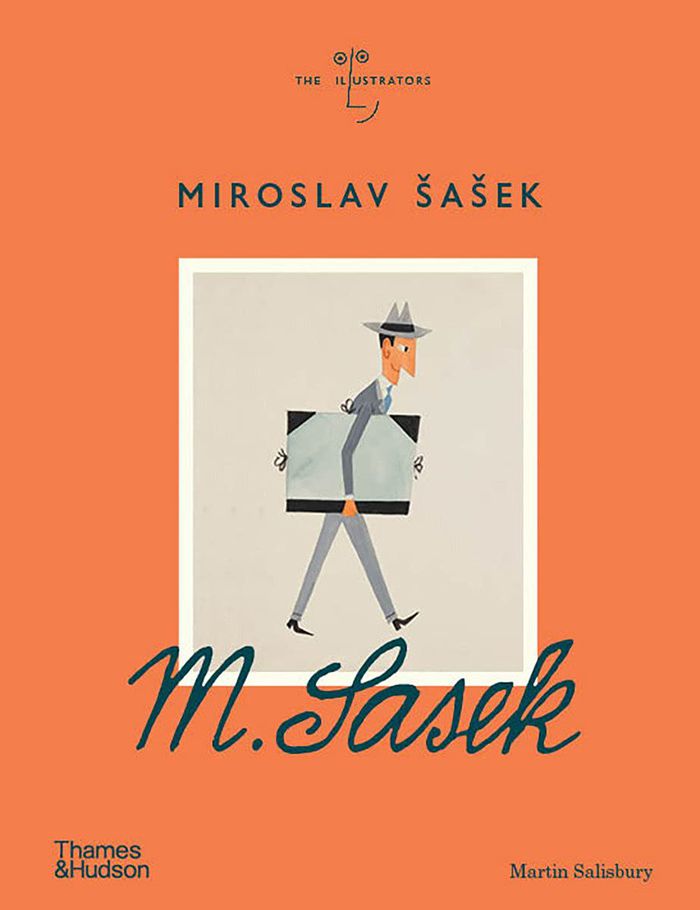
Miroslav Sasek
Miroslav Sasek
Actions:
Price:
$39.95
(available to order)
Summary:
Czech artist Miroslav Šašek (1916–1980) is celebrated for his pioneering approach to narrative nonfiction picture books, particularly his bestselling This Is series, which began with ''This is Paris'' in 1959 and eventually totaled eighteen books. With their distinct visual vocabulary, this witty collection of travel guides illustrating life and culture in a variety of(...)
$39.95
(available to order)
Summary:
Czech artist Miroslav Šašek (1916–1980) is celebrated for his pioneering approach to narrative nonfiction picture books, particularly his bestselling This Is series, which began with ''This is Paris'' in 1959 and eventually totaled eighteen books. With their distinct visual vocabulary, this witty collection of travel guides illustrating life and culture in a variety of(...)
Title:
Miroslav Sasek
Actions:
Price:
$39.95
(available to order)
Summary:
Czech artist Miroslav Šašek (1916–1980) is celebrated for his pioneering approach to narrative nonfiction picture books, particularly his bestselling This Is series, which began with ''This is Paris'' in 1959 and eventually totaled eighteen books. With their distinct visual vocabulary, this witty collection of travel guides illustrating life and culture in a variety of cities and countries around the world from a child’s perspective, became immensely popular and garnered many awards. The artist’s charming travelogues continue to appeal to adults and children alike, even in a digital age exploding with travel imagery. Acclaimed author Martin Salisbury analyzes Šašek’s techniques and how his work not only reflects his architectural training and the ideas of the midcentury European avant-garde, but also the influence of contemporaries such as Saul Steinberg. In this beautifully designed volume, illustrated with sketches and original artwork from the Šašek Foundation in Prague, with examples ranging from Greece to Hong Kong, Rome to San Francisco, Ireland to Israel, Paris to New York, and more, Šašek’s best-known works come alive alongside lesser-known aspects of his practice, such as oil painting. Full of insight into the life and work of a singular talent, ''Miroslav Šašek'' will appeal to illustrators and those interested in the midcentury modern period.
Miroslav Sasek
Actions:
Price:
$39.95
(available to order)
Summary:
Czech artist Miroslav Šašek (1916–1980) is celebrated for his pioneering approach to narrative nonfiction picture books, particularly his bestselling This Is series, which began with ''This is Paris'' in 1959 and eventually totaled eighteen books. With their distinct visual vocabulary, this witty collection of travel guides illustrating life and culture in a variety of cities and countries around the world from a child’s perspective, became immensely popular and garnered many awards. The artist’s charming travelogues continue to appeal to adults and children alike, even in a digital age exploding with travel imagery. Acclaimed author Martin Salisbury analyzes Šašek’s techniques and how his work not only reflects his architectural training and the ideas of the midcentury European avant-garde, but also the influence of contemporaries such as Saul Steinberg. In this beautifully designed volume, illustrated with sketches and original artwork from the Šašek Foundation in Prague, with examples ranging from Greece to Hong Kong, Rome to San Francisco, Ireland to Israel, Paris to New York, and more, Šašek’s best-known works come alive alongside lesser-known aspects of his practice, such as oil painting. Full of insight into the life and work of a singular talent, ''Miroslav Šašek'' will appeal to illustrators and those interested in the midcentury modern period.
Form:
books
books
Publication:
October 2021
October 2021
Subject:
Design Monographs
Design Monographs
Form:
books
books
Price:
$24.95
(available to order)
Summary:
During the two hundred millennia we've been on the planet, nothing has shaped us more profoundly than the city. In a fascinating narrative that ranges through cities famous and forgotten, acclaimed historian Ben Wilson tells the glorious story of how urban living has allowed human culture to flourish. Beginning with Uruk, the world's first city, he shows that cities(...)
$24.95
(available to order)
Summary:
During the two hundred millennia we've been on the planet, nothing has shaped us more profoundly than the city. In a fascinating narrative that ranges through cities famous and forgotten, acclaimed historian Ben Wilson tells the glorious story of how urban living has allowed human culture to flourish. Beginning with Uruk, the world's first city, he shows that cities(...)
Title:
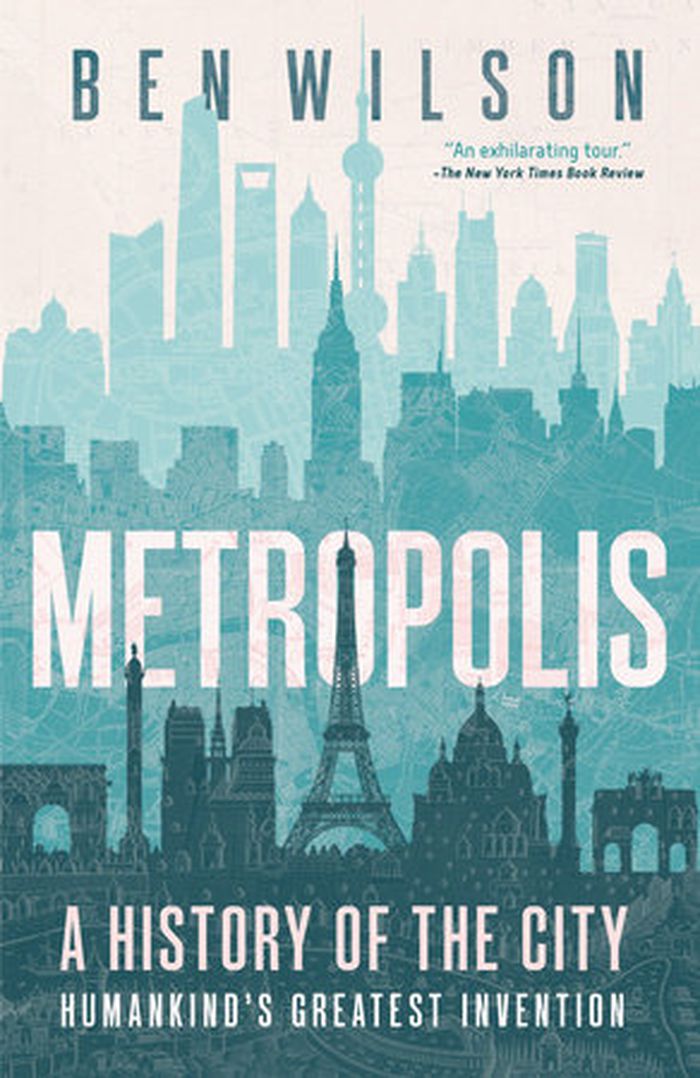
Metropolis: a history of the city, mankind's greatest invention
Actions:
Price:
$24.95
(available to order)
Summary:
During the two hundred millennia we've been on the planet, nothing has shaped us more profoundly than the city. In a fascinating narrative that ranges through cities famous and forgotten, acclaimed historian Ben Wilson tells the glorious story of how urban living has allowed human culture to flourish. Beginning with Uruk, the world's first city, he shows that cities created such a blossoming of human endeavor--new professions, new forms of art, worship, and trade--that they kick-started civilization itself. Despite outbreaks of plague and war, and outlasting empires, the city endured and new cities sprang up to capture the inimitable energy of human beings together. Wilson reveals the innovations nurturned amid the density of urban centers over the centuries: civics in the agora of Athens, global trade in ninth-century Baghdad, finance in the coffeehouses of London, domestic comforts in the heart of Amsterdam, peacocking in Belle Epoque Paris. In the modern age, the skyscrapers of New York City inspired utopian visions of community design, while the trees of twenty-first-century Seattle and Shanghai point to a sustainable future in the age of climate change. Page turning and irresistible, ''Metropolis'' is a history of cities that is also a history of how humanity lives.
Metropolis: a history of the city, mankind's greatest invention
Actions:
Price:
$24.95
(available to order)
Summary:
During the two hundred millennia we've been on the planet, nothing has shaped us more profoundly than the city. In a fascinating narrative that ranges through cities famous and forgotten, acclaimed historian Ben Wilson tells the glorious story of how urban living has allowed human culture to flourish. Beginning with Uruk, the world's first city, he shows that cities created such a blossoming of human endeavor--new professions, new forms of art, worship, and trade--that they kick-started civilization itself. Despite outbreaks of plague and war, and outlasting empires, the city endured and new cities sprang up to capture the inimitable energy of human beings together. Wilson reveals the innovations nurturned amid the density of urban centers over the centuries: civics in the agora of Athens, global trade in ninth-century Baghdad, finance in the coffeehouses of London, domestic comforts in the heart of Amsterdam, peacocking in Belle Epoque Paris. In the modern age, the skyscrapers of New York City inspired utopian visions of community design, while the trees of twenty-first-century Seattle and Shanghai point to a sustainable future in the age of climate change. Page turning and irresistible, ''Metropolis'' is a history of cities that is also a history of how humanity lives.
Form:
books
books
Publication:
October 2021
October 2021
Subject:
Urban Theory
Urban Theory
Form:
books
books
Actions:
Price:
$45.00
(available in store)
Summary:
In this book, Vladimir Belogolovsky reflects on nearly twenty years of conversations with leading creatives from around the world whose focus is on art, photography, architecture, design, critical theory, and more. His intimate dialogues are with prolific visionaries, the likes of Paul Andreu, Aaron Betsky, Tatiana Bilbao, Christo, Norman Foster, Zaha Hadid, Toyo Ito,(...)
$45.00
(available in store)
Summary:
In this book, Vladimir Belogolovsky reflects on nearly twenty years of conversations with leading creatives from around the world whose focus is on art, photography, architecture, design, critical theory, and more. His intimate dialogues are with prolific visionaries, the likes of Paul Andreu, Aaron Betsky, Tatiana Bilbao, Christo, Norman Foster, Zaha Hadid, Toyo Ito,(...)
Title:
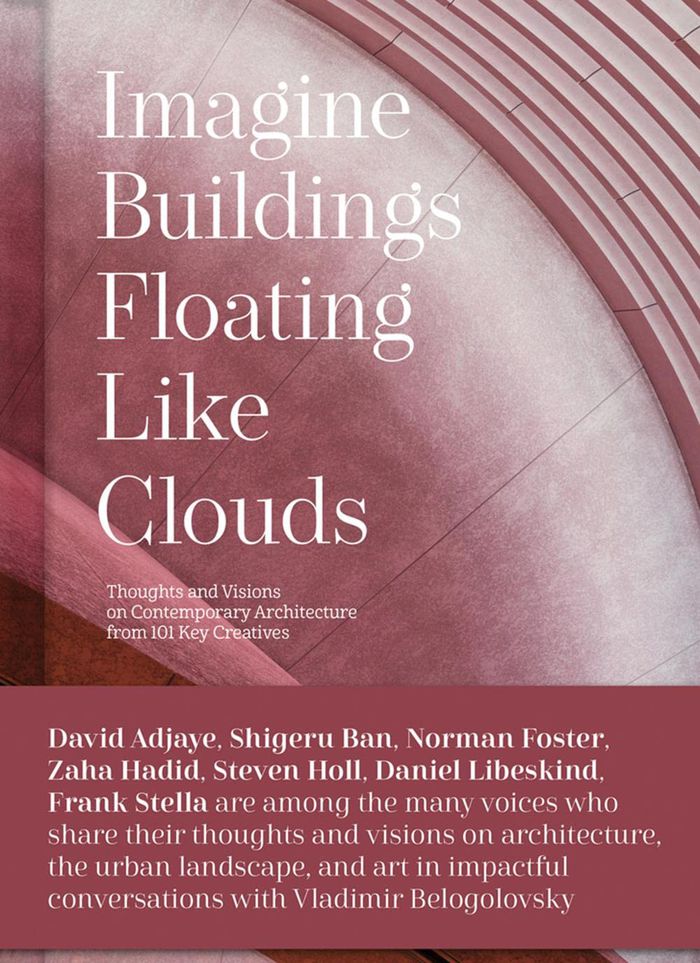
Imagine buildings floating like clouds: Thoughts and visions of contemporary architecture from 101 key creatives
Actions:
Price:
$45.00
(available in store)
Summary:
In this book, Vladimir Belogolovsky reflects on nearly twenty years of conversations with leading creatives from around the world whose focus is on art, photography, architecture, design, critical theory, and more. His intimate dialogues are with prolific visionaries, the likes of Paul Andreu, Aaron Betsky, Tatiana Bilbao, Christo, Norman Foster, Zaha Hadid, Toyo Ito, Glenn Murcutt, Renzo Piano, Moshe Safdie, Ric Scofido, Richard Serra, Frank Stella, Michael Sorkin, Stanley Tigerman, Bernard Tschumi, Lin Utzon, Massimo Vignelli, Madelon Vriesendorp, and so many others. He exposes the complexity of their thought processes, while comparing and contrasting them to one another to distill more than 101 ideas. His engaging narrative captures the stories behind every project and every personality while exploring many important questions, including: What makes a building architecture? How would a Futurist solve problems vs those whose focus is on nostalgia? The selection of interviews gathers many answers and intentions, but inevitably, also many more questions. ''Imagine buildings floating like clouds'' represents a diverse group of multitalented, creative people who work in disparate places culturally and climatically and came of age in very different times- from the revolutionary 1960s to our own time, when the future, for many, is being more feared than desired.
Imagine buildings floating like clouds: Thoughts and visions of contemporary architecture from 101 key creatives
Actions:
Price:
$45.00
(available in store)
Summary:
In this book, Vladimir Belogolovsky reflects on nearly twenty years of conversations with leading creatives from around the world whose focus is on art, photography, architecture, design, critical theory, and more. His intimate dialogues are with prolific visionaries, the likes of Paul Andreu, Aaron Betsky, Tatiana Bilbao, Christo, Norman Foster, Zaha Hadid, Toyo Ito, Glenn Murcutt, Renzo Piano, Moshe Safdie, Ric Scofido, Richard Serra, Frank Stella, Michael Sorkin, Stanley Tigerman, Bernard Tschumi, Lin Utzon, Massimo Vignelli, Madelon Vriesendorp, and so many others. He exposes the complexity of their thought processes, while comparing and contrasting them to one another to distill more than 101 ideas. His engaging narrative captures the stories behind every project and every personality while exploring many important questions, including: What makes a building architecture? How would a Futurist solve problems vs those whose focus is on nostalgia? The selection of interviews gathers many answers and intentions, but inevitably, also many more questions. ''Imagine buildings floating like clouds'' represents a diverse group of multitalented, creative people who work in disparate places culturally and climatically and came of age in very different times- from the revolutionary 1960s to our own time, when the future, for many, is being more feared than desired.
Form:
books
books
Publication:
June 2022
June 2022
Subject:
Contemporary Architecture
Contemporary Architecture


