


2309 Results
Form:
books
books
Actions:
Price:
$50.00
(available to order)
Summary:
Architecture is usually analysed and taught as a discipline that articulates space and geometry, but the mental impact of architecture arises significantly from its image quality that integrates the various aspects and dimensions of experience into a singular, internalised and remembered entity. The material reality is fused with our mental and imaginative realm. The(...)
$50.00
(available to order)
Summary:
Architecture is usually analysed and taught as a discipline that articulates space and geometry, but the mental impact of architecture arises significantly from its image quality that integrates the various aspects and dimensions of experience into a singular, internalised and remembered entity. The material reality is fused with our mental and imaginative realm. The(...)
Title:
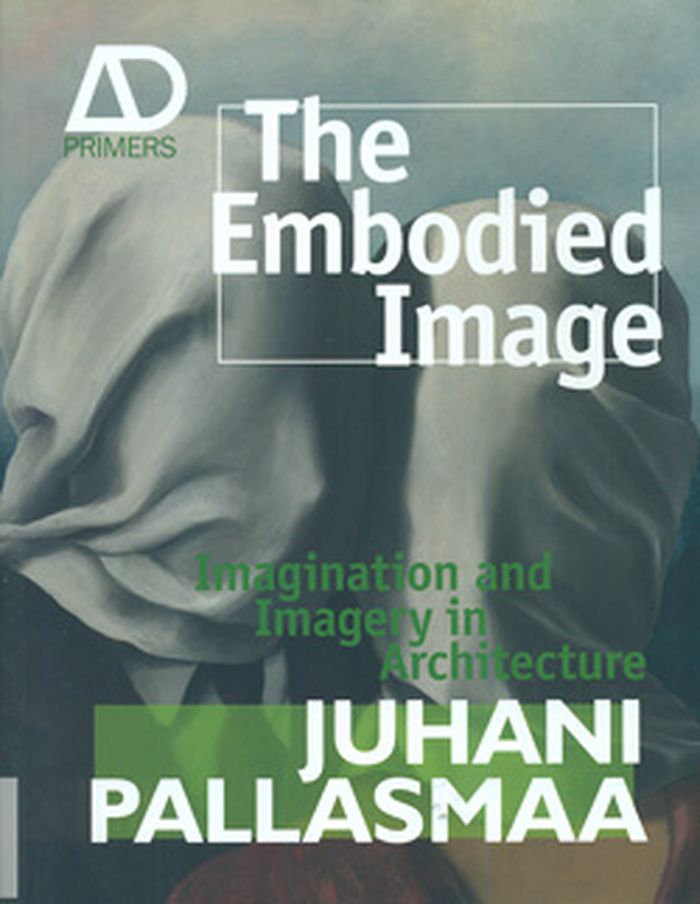
The embodied image : imagination and imagery in architecture
Actions:
Price:
$50.00
(available to order)
Summary:
Architecture is usually analysed and taught as a discipline that articulates space and geometry, but the mental impact of architecture arises significantly from its image quality that integrates the various aspects and dimensions of experience into a singular, internalised and remembered entity. The material reality is fused with our mental and imaginative realm. The book is organised into five main parts that look at in turn: the image in contemporary culture; language, thought and the image; the many faces of the image; the poetic image; and finally the architectural image. The Embodied Image is illustrated with over sixty images in pairs, which are diverse in subject. Artworks span Michelangelo and Vermeer to Gordon Matta-Clark and architecture takes in Modern Masters such as Mies van der Rohe, Le Corbusier and Alvar Aalto, as well as significant contemporary works by Steven Holl and Daniel Libeskind.
The embodied image : imagination and imagery in architecture
Actions:
Price:
$50.00
(available to order)
Summary:
Architecture is usually analysed and taught as a discipline that articulates space and geometry, but the mental impact of architecture arises significantly from its image quality that integrates the various aspects and dimensions of experience into a singular, internalised and remembered entity. The material reality is fused with our mental and imaginative realm. The book is organised into five main parts that look at in turn: the image in contemporary culture; language, thought and the image; the many faces of the image; the poetic image; and finally the architectural image. The Embodied Image is illustrated with over sixty images in pairs, which are diverse in subject. Artworks span Michelangelo and Vermeer to Gordon Matta-Clark and architecture takes in Modern Masters such as Mies van der Rohe, Le Corbusier and Alvar Aalto, as well as significant contemporary works by Steven Holl and Daniel Libeskind.
Form:
books
books
Publication:
October 2011
October 2011
Subject:
Architectural Theory
Architectural Theory
Form:
books
books
Actions:
Price:
$34.95
(available to order)
Summary:
The newest title in the Princeton Architectural Press Campus Guide series takes readers on a tour of Illinois Institute of Technology, one of the landmarks of modern American architecture. With a master plan and twenty renowned buildings by Mies van der Rohe, IIT has long been a pilgrimage site for architects and students of design. Thousands of visitors arrive each year(...)
$34.95
(available to order)
Summary:
The newest title in the Princeton Architectural Press Campus Guide series takes readers on a tour of Illinois Institute of Technology, one of the landmarks of modern American architecture. With a master plan and twenty renowned buildings by Mies van der Rohe, IIT has long been a pilgrimage site for architects and students of design. Thousands of visitors arrive each year(...)
Subject:
Commercial interiors, Building types
Commercial interiors, Building types
Publication:
January 2005, New York
January 2005, New York
Title:
Illinois Institute of Technology : the campus guide - an architectural tour
Actions:
Price:
$34.95
(available to order)
Summary:
The newest title in the Princeton Architectural Press Campus Guide series takes readers on a tour of Illinois Institute of Technology, one of the landmarks of modern American architecture. With a master plan and twenty renowned buildings by Mies van der Rohe, IIT has long been a pilgrimage site for architects and students of design. Thousands of visitors arrive each year to see International Style masterpieces such as S. R. Crown Hall, home of IIT's College of Architecture and one of Mies's greatest works. Today, IIT is in the midst of an exciting new chapter in its design history. A new student centre designed by Rem Koolhaas and his Office for Metropolitan Architecture has once again put IIT at the forefront of the design world. Meanwhile, a new master plan for the campus, new landscaping, and a residence-hall complex by Helmut Jahn have reinvigorated student life and revitalized the surrounding community of Chicago's South Side. Featuring archival images of the Mies buildings as well as newly commissioned photographs of IIT's latest additions, this beautifully produced guide presents a comprehensive architectural walk through America's most distinguished modern campus.
Illinois Institute of Technology : the campus guide - an architectural tour
Actions:
Price:
$34.95
(available to order)
Summary:
The newest title in the Princeton Architectural Press Campus Guide series takes readers on a tour of Illinois Institute of Technology, one of the landmarks of modern American architecture. With a master plan and twenty renowned buildings by Mies van der Rohe, IIT has long been a pilgrimage site for architects and students of design. Thousands of visitors arrive each year to see International Style masterpieces such as S. R. Crown Hall, home of IIT's College of Architecture and one of Mies's greatest works. Today, IIT is in the midst of an exciting new chapter in its design history. A new student centre designed by Rem Koolhaas and his Office for Metropolitan Architecture has once again put IIT at the forefront of the design world. Meanwhile, a new master plan for the campus, new landscaping, and a residence-hall complex by Helmut Jahn have reinvigorated student life and revitalized the surrounding community of Chicago's South Side. Featuring archival images of the Mies buildings as well as newly commissioned photographs of IIT's latest additions, this beautifully produced guide presents a comprehensive architectural walk through America's most distinguished modern campus.
Form:
books
books
Publication:
January 2005, New York
January 2005, New York
Subject:
Commercial interiors, Building types
Commercial interiors, Building types
Form:
books
books
Title:
10 autres chaises
10 autres chaises
Actions:
Price:
$49.95
(available to order)
Summary:
En 2016, paraissait « 10 chaises », de Dominique Ehrhard. Ce livre mettait en scène et en volume 10 chaises iconiques du XIX? et du XX? siècle. Véritable exploit de création en animation papier, il a su, au cours des années, trouver son public de curieux et de passionnés et a reçu en 2017 le Grand Prix du jury "La Nuit du livre".Dans le même format et la même(...)
$49.95
(available to order)
Summary:
En 2016, paraissait « 10 chaises », de Dominique Ehrhard. Ce livre mettait en scène et en volume 10 chaises iconiques du XIX? et du XX? siècle. Véritable exploit de création en animation papier, il a su, au cours des années, trouver son public de curieux et de passionnés et a reçu en 2017 le Grand Prix du jury "La Nuit du livre".Dans le même format et la même(...)
Title:
10 autres chaises
Actions:
Price:
$49.95
(available to order)
Summary:
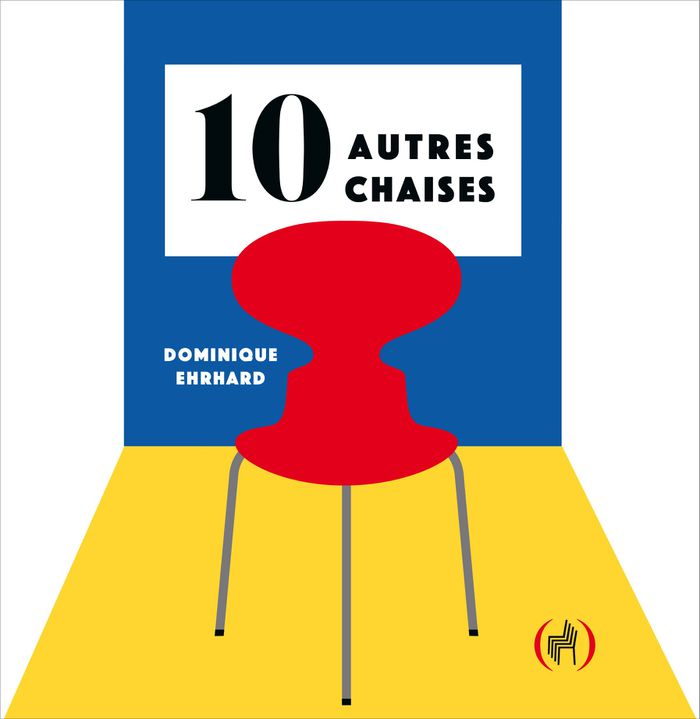
En 2016, paraissait « 10 chaises », de Dominique Ehrhard. Ce livre mettait en scène et en volume 10 chaises iconiques du XIX? et du XX? siècle. Véritable exploit de création en animation papier, il a su, au cours des années, trouver son public de curieux et de passionnés et a reçu en 2017 le Grand Prix du jury "La Nuit du livre".Dans le même format et la même présentation, ce nouveau volume propose de découvrir de nouvelles chaises iconiques du XX? et XXI? siècle : Sitzmaschine, Joseph Hoffmann, 1905 / Chaises et table pour jeu d'échec, Alexander Rodtchenko, 1925 / Fauteuil Barcelona, Lilly Rich & Mies van der Rohe, 1929 Chaise Wishbone CH-24, Hans Wegner, 1949 / Chaise Fourmi, Arne Jacobsen, 1952 / Chaises Capitello Ionico et Sole, Piero Fornasetti, 1955 / Heart Cone Chair, Werner Panton, 1958 / Chaise longue Arc, Pascal Mourgue, 1938 / Chaise N°543 - Broadway, Gaetano Pesce, 1992 / Chaise Vegetal, Erwen & Ronan Bouroullec, 2008.
10 autres chaises
Actions:
Price:
$49.95
(available to order)
Summary:
En 2016, paraissait « 10 chaises », de Dominique Ehrhard. Ce livre mettait en scène et en volume 10 chaises iconiques du XIX? et du XX? siècle. Véritable exploit de création en animation papier, il a su, au cours des années, trouver son public de curieux et de passionnés et a reçu en 2017 le Grand Prix du jury "La Nuit du livre".Dans le même format et la même présentation, ce nouveau volume propose de découvrir de nouvelles chaises iconiques du XX? et XXI? siècle : Sitzmaschine, Joseph Hoffmann, 1905 / Chaises et table pour jeu d'échec, Alexander Rodtchenko, 1925 / Fauteuil Barcelona, Lilly Rich & Mies van der Rohe, 1929 Chaise Wishbone CH-24, Hans Wegner, 1949 / Chaise Fourmi, Arne Jacobsen, 1952 / Chaises Capitello Ionico et Sole, Piero Fornasetti, 1955 / Heart Cone Chair, Werner Panton, 1958 / Chaise longue Arc, Pascal Mourgue, 1938 / Chaise N°543 - Broadway, Gaetano Pesce, 1992 / Chaise Vegetal, Erwen & Ronan Bouroullec, 2008.
Form:
books
books
Publication:
September 2022
September 2022
Subject:
Pop Up
Pop Up
Form:
books
books
Actions:
Price:
$38.95
(available to order)
Summary:
In this book, Timothy Hyde considers the role of aesthetic judgment in architectural debates and their resulting social effects across three centuries of British architectural history. From eighteenth-century ideas about Stonehenge to Prince Charles’s opinions about the National Gallery, Hyde uncovers a new story of aesthetic judgment, where arguments about architectural(...)
$38.95
(available to order)
Summary:
In this book, Timothy Hyde considers the role of aesthetic judgment in architectural debates and their resulting social effects across three centuries of British architectural history. From eighteenth-century ideas about Stonehenge to Prince Charles’s opinions about the National Gallery, Hyde uncovers a new story of aesthetic judgment, where arguments about architectural(...)
Title:
Ugliness and judgment: On architecture in the public eye
Actions:
Price:
$38.95
(available to order)
Summary:
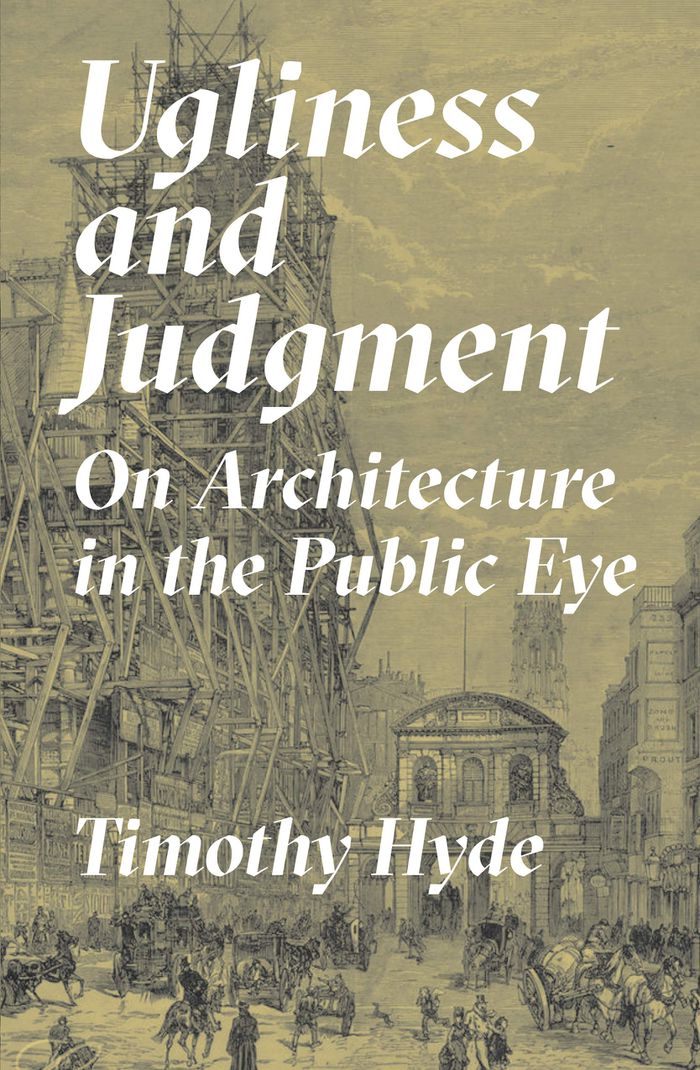
In this book, Timothy Hyde considers the role of aesthetic judgment in architectural debates and their resulting social effects across three centuries of British architectural history. From eighteenth-century ideas about Stonehenge to Prince Charles’s opinions about the National Gallery, Hyde uncovers a new story of aesthetic judgment, where arguments about architectural ugliness do not pertain solely to buildings or assessments of style, but intrude into other spheres of civil society. Hyde explores how accidental and willful conditions of ugliness have been debated in parliamentary committees, courtrooms, and public inquiries. He recounts how architects such as Christopher Wren, John Soane, James Stirling, and Ludwig Mies van der Rohe have been summoned by tribunals of aesthetic judgment. With his novel scrutiny of lawsuits for libel, changing paradigms of nuisance law, and conventions of monarchical privilege, he shows how aesthetic judgments have become entangled in wider assessments of art, science, religion, political economy, and the state.
Ugliness and judgment: On architecture in the public eye
Actions:
Price:
$38.95
(available to order)
Summary:
In this book, Timothy Hyde considers the role of aesthetic judgment in architectural debates and their resulting social effects across three centuries of British architectural history. From eighteenth-century ideas about Stonehenge to Prince Charles’s opinions about the National Gallery, Hyde uncovers a new story of aesthetic judgment, where arguments about architectural ugliness do not pertain solely to buildings or assessments of style, but intrude into other spheres of civil society. Hyde explores how accidental and willful conditions of ugliness have been debated in parliamentary committees, courtrooms, and public inquiries. He recounts how architects such as Christopher Wren, John Soane, James Stirling, and Ludwig Mies van der Rohe have been summoned by tribunals of aesthetic judgment. With his novel scrutiny of lawsuits for libel, changing paradigms of nuisance law, and conventions of monarchical privilege, he shows how aesthetic judgments have become entangled in wider assessments of art, science, religion, political economy, and the state.
Form:
books
books
Publication:
January 2023
January 2023
Subject:
Architectural Theory
Architectural Theory
Form:
books
books
Actions:
Price:
$65.00
(available in store)
Summary:
Bertrand Goldberg (1913-1997) was a visionary Chicago architect whose designs for housing, urban planning, and industrial design made a distinctive mark in the modern era. This handsome publication, the first to focus in-depth on the entirety of Goldberg's life and work, traces his development from his early Bauhaus training to his notable architectural achievements.(...)
$65.00
(available in store)
Summary:
Bertrand Goldberg (1913-1997) was a visionary Chicago architect whose designs for housing, urban planning, and industrial design made a distinctive mark in the modern era. This handsome publication, the first to focus in-depth on the entirety of Goldberg's life and work, traces his development from his early Bauhaus training to his notable architectural achievements.(...)
Title:
Bertrand Goldberg: architecture of invention
Actions:
Price:
$65.00
(available in store)
Summary:
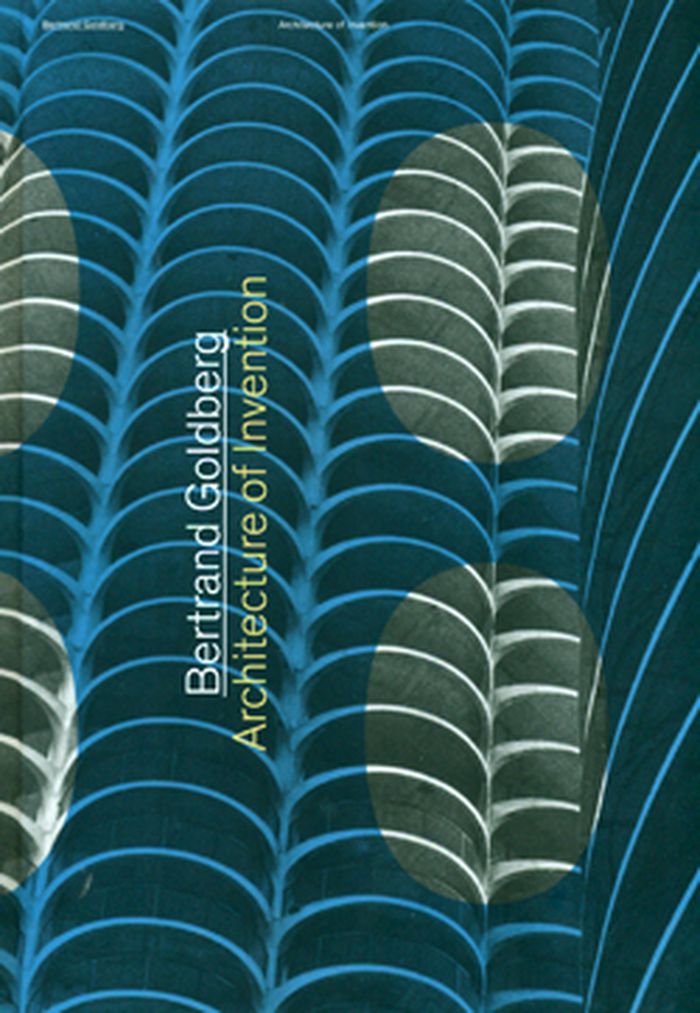
Bertrand Goldberg (1913-1997) was a visionary Chicago architect whose designs for housing, urban planning, and industrial design made a distinctive mark in the modern era. This handsome publication, the first to focus in-depth on the entirety of Goldberg's life and work, traces his development from his early Bauhaus training to his notable architectural achievements. Featuring previously unpublished material, it also includes Goldberg's plans for unrealized projects as well as his collaborations with other prominent modern architects, such as Ludwig Mies van der Rohe and Buckminster Fuller. Goldberg's interest in the social dimension of architecture was reflected in many of his cutting-edge designs. In 1959, he conceived the plan for his most iconic structure, the sixty-story Marina City residential towers, in the heart of downtown Chicago. He created a number of hospitals that offered a new paradigm for how patients and staff interacted within the space. Goldberg's progressive designs also extended to schools, prefabricated structures, and furniture.
Bertrand Goldberg: architecture of invention
Actions:
Price:
$65.00
(available in store)
Summary:
Bertrand Goldberg (1913-1997) was a visionary Chicago architect whose designs for housing, urban planning, and industrial design made a distinctive mark in the modern era. This handsome publication, the first to focus in-depth on the entirety of Goldberg's life and work, traces his development from his early Bauhaus training to his notable architectural achievements. Featuring previously unpublished material, it also includes Goldberg's plans for unrealized projects as well as his collaborations with other prominent modern architects, such as Ludwig Mies van der Rohe and Buckminster Fuller. Goldberg's interest in the social dimension of architecture was reflected in many of his cutting-edge designs. In 1959, he conceived the plan for his most iconic structure, the sixty-story Marina City residential towers, in the heart of downtown Chicago. He created a number of hospitals that offered a new paradigm for how patients and staff interacted within the space. Goldberg's progressive designs also extended to schools, prefabricated structures, and furniture.
Form:
books
books
Publication:
October 2011
October 2011
Subject:
Architecture Monographs
Architecture Monographs
Form:
books
books
Title:
White houses
White houses
Actions:
Price:
$66.00
(available to order)
Summary:
Sometimes seen as an absence of color, white in fact reflects the purity of the entire spectrum. In the history of design, white houses often embody the bright, clean clarity associated with twentieth-century giants Le Corbusier, Ludwig Mies van der Rohe, and Richard Meier. White Houses presents the most striking, innovative, and unusual white houses by contemporary(...)
$66.00
(available to order)
Summary:
Sometimes seen as an absence of color, white in fact reflects the purity of the entire spectrum. In the history of design, white houses often embody the bright, clean clarity associated with twentieth-century giants Le Corbusier, Ludwig Mies van der Rohe, and Richard Meier. White Houses presents the most striking, innovative, and unusual white houses by contemporary(...)
Title:
White houses
Actions:
Price:
$66.00
(available to order)
Summary:
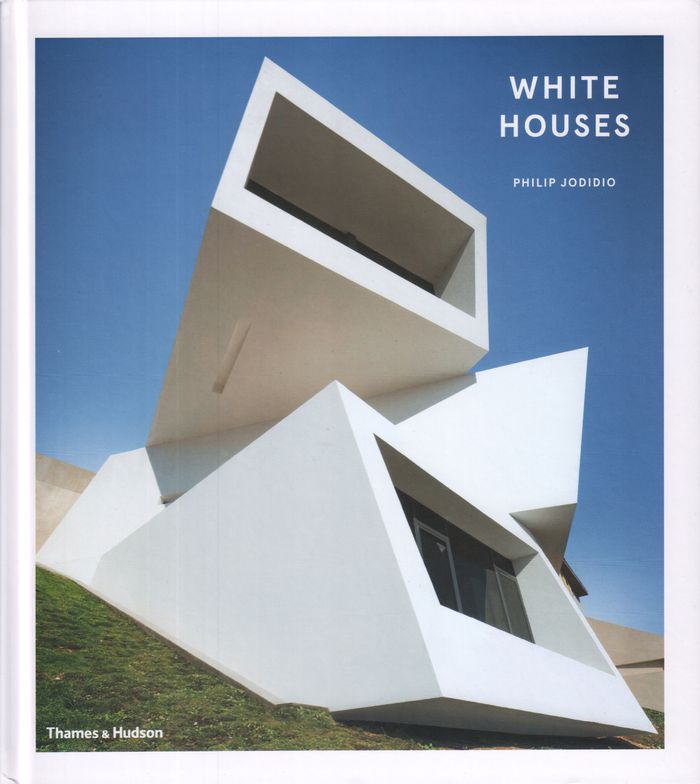
Sometimes seen as an absence of color, white in fact reflects the purity of the entire spectrum. In the history of design, white houses often embody the bright, clean clarity associated with twentieth-century giants Le Corbusier, Ludwig Mies van der Rohe, and Richard Meier. White Houses presents the most striking, innovative, and unusual white houses by contemporary architects, spanning the globe from Asia to the Americas. The featured houses represent every scale and a wide range of locations and terrains, from seaside retreats to space-saving urban homes and grand country residences. From radical new takes on traditional building forms in Latin America to state-of-the-art urban projects in Europe and Japan, each house employs the apparent simplicity of white to reflect light and accent materiality, pressing the frontiers of form to the point of abstraction. No longer an anonymous box, the contemporary white house is the embodiment of the architectural archetype, reinterpreted and refreshed.
White houses
Actions:
Price:
$66.00
(available to order)
Summary:
Sometimes seen as an absence of color, white in fact reflects the purity of the entire spectrum. In the history of design, white houses often embody the bright, clean clarity associated with twentieth-century giants Le Corbusier, Ludwig Mies van der Rohe, and Richard Meier. White Houses presents the most striking, innovative, and unusual white houses by contemporary architects, spanning the globe from Asia to the Americas. The featured houses represent every scale and a wide range of locations and terrains, from seaside retreats to space-saving urban homes and grand country residences. From radical new takes on traditional building forms in Latin America to state-of-the-art urban projects in Europe and Japan, each house employs the apparent simplicity of white to reflect light and accent materiality, pressing the frontiers of form to the point of abstraction. No longer an anonymous box, the contemporary white house is the embodiment of the architectural archetype, reinterpreted and refreshed.
Form:
books
books
Publication:
September 2019
September 2019
Subject:
Residential Architecture
Residential Architecture
Form:
books
books
Title:
Space as membrane
Space as membrane
Actions:
Price:
$35.00
(available in store)
Summary:
What if architecture was no longer 3D or 2D, mass or surface, object or space? And what if the architectural environment was envisioned not as an abstract continuum, but as a material envelope that grows organically from the human body, uniting its skin with the periphery of a city, a region or a continent, and even the entire earthly atmosphere? Such a sprawling(...)
$35.00
(available in store)
Summary:
What if architecture was no longer 3D or 2D, mass or surface, object or space? And what if the architectural environment was envisioned not as an abstract continuum, but as a material envelope that grows organically from the human body, uniting its skin with the periphery of a city, a region or a continent, and even the entire earthly atmosphere? Such a sprawling(...)
Title:
Space as membrane
Actions:
Price:
$35.00
(available in store)
Summary:
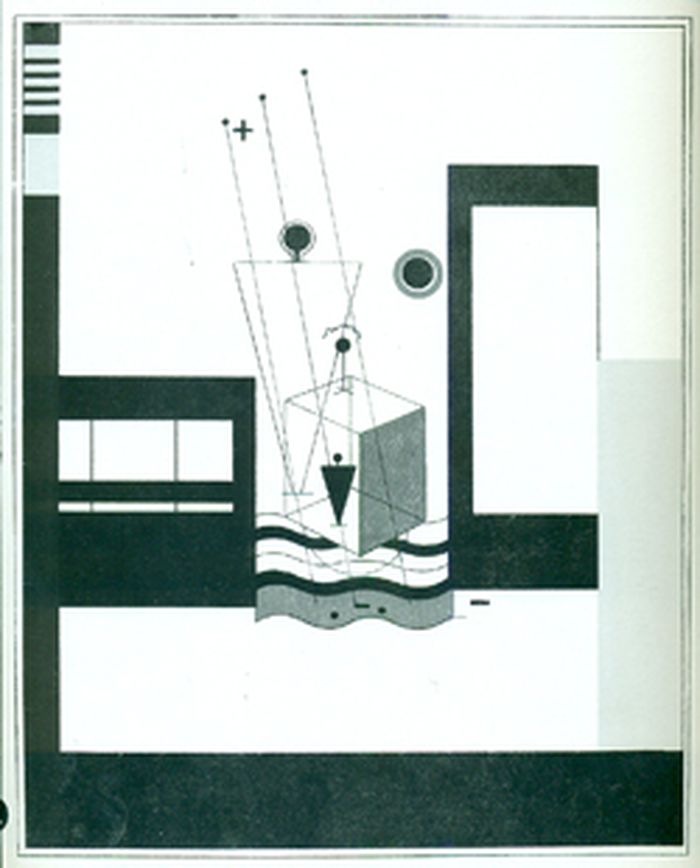
What if architecture was no longer 3D or 2D, mass or surface, object or space? And what if the architectural environment was envisioned not as an abstract continuum, but as a material envelope that grows organically from the human body, uniting its skin with the periphery of a city, a region or a continent, and even the entire earthly atmosphere? Such a sprawling hypothesis informs the theoretical premise of the 1926 essay Space as Membrane, written by former Bauhaus student, architect and cosmological theorist Siegfried Ebeling. Read and praised by Mies van der Rohe, denounced by Walter Gropius and presaging some of the technological innovations introduced across the Atlantic by Buckminster Fuller, Ebeling's treatise has been the subject of a number of recent commentaries, yet the text itself remains unread, due mainly to the scarcity of the original publication. This is the first English translation of Ebeling's original treatise, as well as the first contemporary edition of the text in any language.
Space as membrane
Actions:
Price:
$35.00
(available in store)
Summary:
What if architecture was no longer 3D or 2D, mass or surface, object or space? And what if the architectural environment was envisioned not as an abstract continuum, but as a material envelope that grows organically from the human body, uniting its skin with the periphery of a city, a region or a continent, and even the entire earthly atmosphere? Such a sprawling hypothesis informs the theoretical premise of the 1926 essay Space as Membrane, written by former Bauhaus student, architect and cosmological theorist Siegfried Ebeling. Read and praised by Mies van der Rohe, denounced by Walter Gropius and presaging some of the technological innovations introduced across the Atlantic by Buckminster Fuller, Ebeling's treatise has been the subject of a number of recent commentaries, yet the text itself remains unread, due mainly to the scarcity of the original publication. This is the first English translation of Ebeling's original treatise, as well as the first contemporary edition of the text in any language.
Form:
books
books
Publication:
June 2010
June 2010
Subject:
Architectural Theory
Architectural Theory
Actions:
Price:
$178.00
(available to order)
Summary:
Beginning in the 1940s, John A. Russell, dean of the School of Architecture at the University of Manitoba, nurtured a strong tradition of Modernist design with close connections to architectural giants such as Mies van der Rohe and Walter Gropius. Under Russell’s guidance, a generation of young architects, such as James Donahue and David Thordarson, adapted the principles(...)
$178.00
(available to order)
Summary:
Beginning in the 1940s, John A. Russell, dean of the School of Architecture at the University of Manitoba, nurtured a strong tradition of Modernist design with close connections to architectural giants such as Mies van der Rohe and Walter Gropius. Under Russell’s guidance, a generation of young architects, such as James Donahue and David Thordarson, adapted the principles(...)
Title:
Winnipeg modern: architecture, 1945-1975
Actions:
Price:
$178.00
(available to order)
Summary:
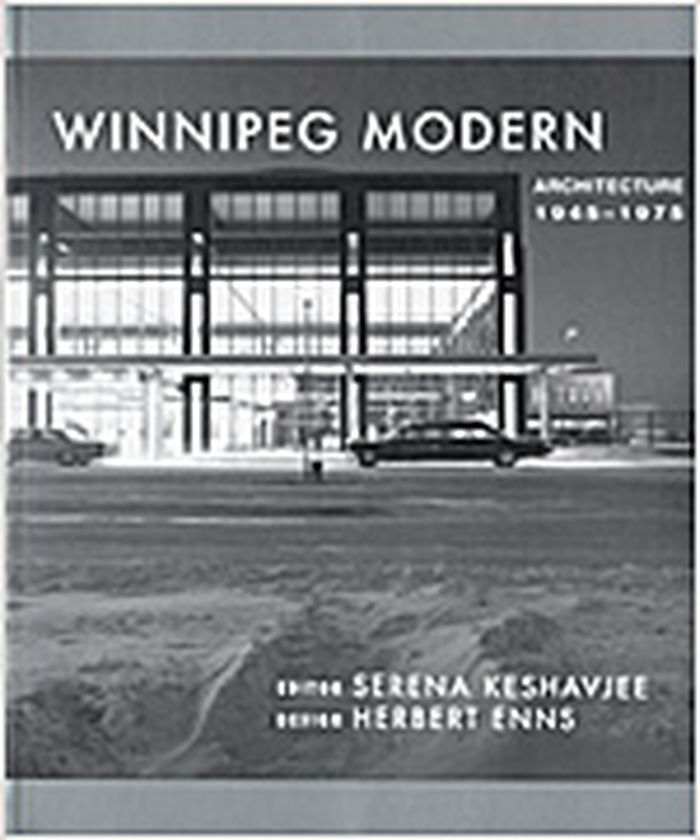
Beginning in the 1940s, John A. Russell, dean of the School of Architecture at the University of Manitoba, nurtured a strong tradition of Modernist design with close connections to architectural giants such as Mies van der Rohe and Walter Gropius. Under Russell’s guidance, a generation of young architects, such as James Donahue and David Thordarson, adapted the principles of European Modernism to the prairie geography. Other nationally renowned architects, such as Etienne Gaboury and Gustavo da Roza, also left a lasting Modernist mark on Winnipeg’s skyline and private residences. Designed by architect Herbert Enns, "Winnipeg Modern" captures the grace and beauty of the Modernist period and includes critical and historical essays on the aesthetic and social project of Modernist architecture in Winnipeg. Illustrated with 240 photographs from local and national archives, the private archives of architect Henry Kalen, and contemporary photographer Martin Tessler, this book is a testament to the Modernist principles of structural expression and purity of form.
Winnipeg modern: architecture, 1945-1975
Actions:
Price:
$178.00
(available to order)
Summary:
Beginning in the 1940s, John A. Russell, dean of the School of Architecture at the University of Manitoba, nurtured a strong tradition of Modernist design with close connections to architectural giants such as Mies van der Rohe and Walter Gropius. Under Russell’s guidance, a generation of young architects, such as James Donahue and David Thordarson, adapted the principles of European Modernism to the prairie geography. Other nationally renowned architects, such as Etienne Gaboury and Gustavo da Roza, also left a lasting Modernist mark on Winnipeg’s skyline and private residences. Designed by architect Herbert Enns, "Winnipeg Modern" captures the grace and beauty of the Modernist period and includes critical and historical essays on the aesthetic and social project of Modernist architecture in Winnipeg. Illustrated with 240 photographs from local and national archives, the private archives of architect Henry Kalen, and contemporary photographer Martin Tessler, this book is a testament to the Modernist principles of structural expression and purity of form.
Publication:
January 2006, Winnipeg
January 2006, Winnipeg
Subject:
Architecture in Canada
Architecture in Canada
Form:
books
books
Actions:
Price:
$95.00
(available to order)
Summary:
Coinciding with a major retrospective exhibition at MAXXI, Rome, ''Col tempo, 1956–2024'' provides a complete and long-awaited retrospective of the career of Guido Guidi, sequenced by the artist himself in his typically illuminating, associative style. The book begins with some of the earliest photographs Guidi made, aged fifteen, in the countryside around his home in(...)
$95.00
(available to order)
Summary:
Coinciding with a major retrospective exhibition at MAXXI, Rome, ''Col tempo, 1956–2024'' provides a complete and long-awaited retrospective of the career of Guido Guidi, sequenced by the artist himself in his typically illuminating, associative style. The book begins with some of the earliest photographs Guidi made, aged fifteen, in the countryside around his home in(...)
Title:
Guido Guidi: Col Tempo, paperback edition
Actions:
Price:
$95.00
(available to order)
Summary:
Coinciding with a major retrospective exhibition at MAXXI, Rome, ''Col tempo, 1956–2024'' provides a complete and long-awaited retrospective of the career of Guido Guidi, sequenced by the artist himself in his typically illuminating, associative style. The book begins with some of the earliest photographs Guidi made, aged fifteen, in the countryside around his home in Cesena in the Italian region of Romagna. The sequence that follows, covering almost seventy years, encompasses a wide range of styles, forms, and approaches as it traces the evolution of one of the most important voices in contemporary photography. It includes journeys to the USA, Russia, Turkey, and Portugal, and studies of the works of architects including Carlo Scarpa, Mies van der Rohe, and Le Corbusier. Consistently, though, it returns to the modest agricultural landscapes where Guidi was born and still lives and works today, among which he has developed the revelatory visual language for which he is celebrated as a modern master.
Guido Guidi: Col Tempo, paperback edition
Actions:
Price:
$95.00
(available to order)
Summary:
Coinciding with a major retrospective exhibition at MAXXI, Rome, ''Col tempo, 1956–2024'' provides a complete and long-awaited retrospective of the career of Guido Guidi, sequenced by the artist himself in his typically illuminating, associative style. The book begins with some of the earliest photographs Guidi made, aged fifteen, in the countryside around his home in Cesena in the Italian region of Romagna. The sequence that follows, covering almost seventy years, encompasses a wide range of styles, forms, and approaches as it traces the evolution of one of the most important voices in contemporary photography. It includes journeys to the USA, Russia, Turkey, and Portugal, and studies of the works of architects including Carlo Scarpa, Mies van der Rohe, and Le Corbusier. Consistently, though, it returns to the modest agricultural landscapes where Guidi was born and still lives and works today, among which he has developed the revelatory visual language for which he is celebrated as a modern master.
Form:
books
books
Publication:
July 2025
July 2025
Subject:
Photography monographs
Photography monographs
Form:
books
books
Actions:
Price:
$30.00
(available in store)
Summary:
"What is architecture?" Many great architects, from Ludwig Mies van der Rohe to Etienne-Louis Boullée, have grappled with this question. This book has emerged from a process of personal reflection of the author on the practice of architecture and is, in essence, a collection of thoughts on how to understand architecture and architectural design. It does not aim to provide(...)
$30.00
(available in store)
Summary:
"What is architecture?" Many great architects, from Ludwig Mies van der Rohe to Etienne-Louis Boullée, have grappled with this question. This book has emerged from a process of personal reflection of the author on the practice of architecture and is, in essence, a collection of thoughts on how to understand architecture and architectural design. It does not aim to provide(...)
Title:
Architecture as a historical discipline
Actions:
Price:
$30.00
(available in store)
Summary:
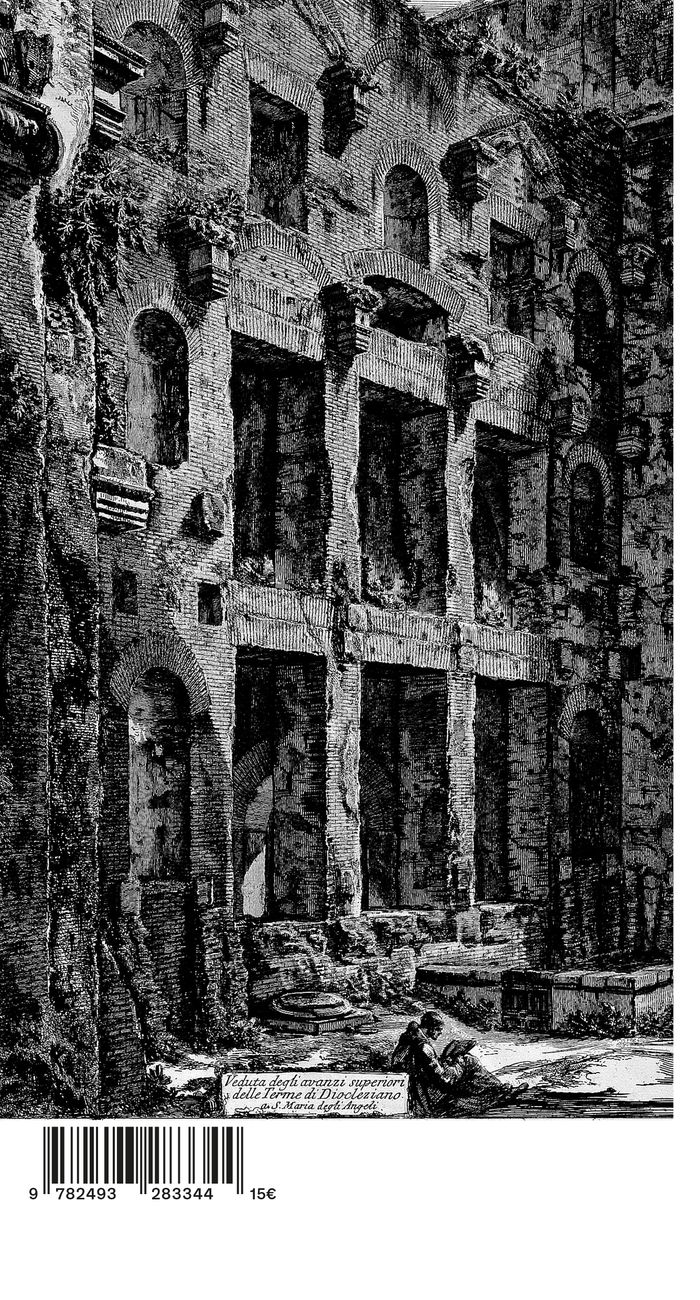
"What is architecture?" Many great architects, from Ludwig Mies van der Rohe to Etienne-Louis Boullée, have grappled with this question. This book has emerged from a process of personal reflection of the author on the practice of architecture and is, in essence, a collection of thoughts on how to understand architecture and architectural design. It does not aim to provide an exhaustive or systematic treatment. These reflections—shaped through teaching—remain personal, even if they aspire to be shared by others. The crux of the argument made here is that the history of architecture should be recognised as the foundational matrix of architectural identity. Starting from this premise, the inquiry delves into the essence of architecture and design; it asks how this discipline can be taught and learned, what constitutes a theoretical text on design, and what defines architectural research. The book addresses those who, much like an architecture student, wish to "understand better".
Architecture as a historical discipline
Actions:
Price:
$30.00
(available in store)
Summary:
"What is architecture?" Many great architects, from Ludwig Mies van der Rohe to Etienne-Louis Boullée, have grappled with this question. This book has emerged from a process of personal reflection of the author on the practice of architecture and is, in essence, a collection of thoughts on how to understand architecture and architectural design. It does not aim to provide an exhaustive or systematic treatment. These reflections—shaped through teaching—remain personal, even if they aspire to be shared by others. The crux of the argument made here is that the history of architecture should be recognised as the foundational matrix of architectural identity. Starting from this premise, the inquiry delves into the essence of architecture and design; it asks how this discipline can be taught and learned, what constitutes a theoretical text on design, and what defines architectural research. The book addresses those who, much like an architecture student, wish to "understand better".
Form:
books
books
Publication:
March 2026
March 2026
Subject:
Architectural Theory
Architectural Theory


