


2989 Results
Form:
books
books
Title:
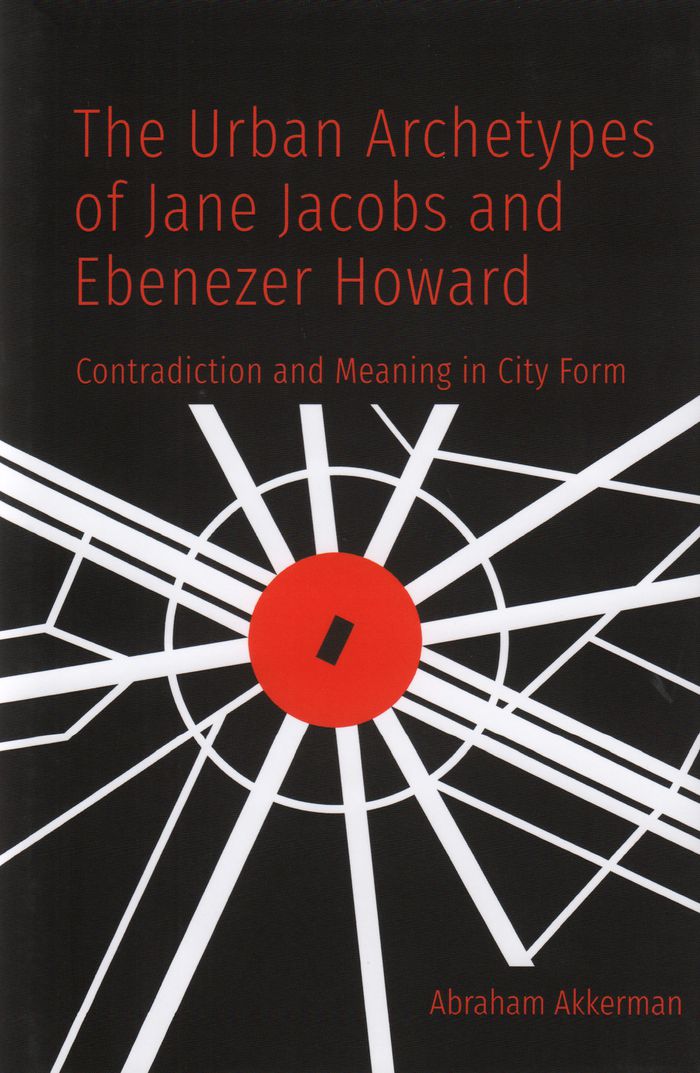
The Urban Archetypes of Jane Jacobs and Ebenezer Howard: Contradiction and meaning in city form
The Urban Archetypes of Jane Jacobs and Ebenezer Howard: Contradiction and meaning in city form
Actions:
Price:
$80.00
(available to order)
Summary:
Ebenezer Howard, an Englishman, and Jane Jacobs, a naturalized Canadian, personify the twentieth century’s opposing outlooks on cities. Howard had envisaged small towns, newly built from scratch, fashioned on single family homes with small gardens. Jacobs embraced existing inner-city neighbourhoods emphasizing the verve of the living street. From Howard’s idea, the(...)
$80.00
(available to order)
Summary:
Ebenezer Howard, an Englishman, and Jane Jacobs, a naturalized Canadian, personify the twentieth century’s opposing outlooks on cities. Howard had envisaged small towns, newly built from scratch, fashioned on single family homes with small gardens. Jacobs embraced existing inner-city neighbourhoods emphasizing the verve of the living street. From Howard’s idea, the(...)
Title:
The Urban Archetypes of Jane Jacobs and Ebenezer Howard: Contradiction and meaning in city form
Actions:
Price:
$80.00
(available to order)
Summary:
Ebenezer Howard, an Englishman, and Jane Jacobs, a naturalized Canadian, personify the twentieth century’s opposing outlooks on cities. Howard had envisaged small towns, newly built from scratch, fashioned on single family homes with small gardens. Jacobs embraced existing inner-city neighbourhoods emphasizing the verve of the living street. From Howard’s idea, the American Dream of garden suburbs had emerged, yet his conceptualization of a modern city received criticism for being uniform and alienated from the rest of the city. Similarly, at the turn of the new century, Jacobs’ inner-city neighbourhoods came to be recognized as the result of commodification, vacillating between poverty and newly discovered hubs of urban authenticity. Presenting Howard and Jacobs within a psychocultural context, ''The urban archetypes of Jane Jacobs and Ebenezer Howard'' addresses our urban crisis in the recognition that ''city form'' is a gendered, allegorical medium expressing femininity and masculinity within two founding features of the built environment: void and volume. Both founding contrasts bring tensions, but also the opportunities of fusion between pairs of urban polarities: human scale against superscale, gait against speed, and spontaneity against surveillance. Jacobs and Howard, in their respective attitudes, have come to embrace the two ancient archetypes, the Garden and the Citadel, leaving it to future generations to blend their two contrarian stances.
The Urban Archetypes of Jane Jacobs and Ebenezer Howard: Contradiction and meaning in city form
Actions:
Price:
$80.00
(available to order)
Summary:
Ebenezer Howard, an Englishman, and Jane Jacobs, a naturalized Canadian, personify the twentieth century’s opposing outlooks on cities. Howard had envisaged small towns, newly built from scratch, fashioned on single family homes with small gardens. Jacobs embraced existing inner-city neighbourhoods emphasizing the verve of the living street. From Howard’s idea, the American Dream of garden suburbs had emerged, yet his conceptualization of a modern city received criticism for being uniform and alienated from the rest of the city. Similarly, at the turn of the new century, Jacobs’ inner-city neighbourhoods came to be recognized as the result of commodification, vacillating between poverty and newly discovered hubs of urban authenticity. Presenting Howard and Jacobs within a psychocultural context, ''The urban archetypes of Jane Jacobs and Ebenezer Howard'' addresses our urban crisis in the recognition that ''city form'' is a gendered, allegorical medium expressing femininity and masculinity within two founding features of the built environment: void and volume. Both founding contrasts bring tensions, but also the opportunities of fusion between pairs of urban polarities: human scale against superscale, gait against speed, and spontaneity against surveillance. Jacobs and Howard, in their respective attitudes, have come to embrace the two ancient archetypes, the Garden and the Citadel, leaving it to future generations to blend their two contrarian stances.
Form:
books
books
Publication:
January 2020
January 2020
Subject:
Urban Theory
Urban Theory
Form:
books
books
Actions:
Price:
$85.50
(available to order)
Summary:
Connecting significant religious art and artifacts to their sartorial expressions, 'Heavenly Bodies: Fashion and the Catholic Imagination' provides a critical analysis of fashion’s engagement with notions of the divine. Exploring fashion’s complex and often controversial relationship with Catholicism, Heavenly Bodies probes what dress reveals about the state of religion(...)
$85.50
(available to order)
Summary:
Connecting significant religious art and artifacts to their sartorial expressions, 'Heavenly Bodies: Fashion and the Catholic Imagination' provides a critical analysis of fashion’s engagement with notions of the divine. Exploring fashion’s complex and often controversial relationship with Catholicism, Heavenly Bodies probes what dress reveals about the state of religion(...)
Title:
Heavenly bodies: fashion and the Catholic imagination
Actions:
Price:
$85.50
(available to order)
Summary:
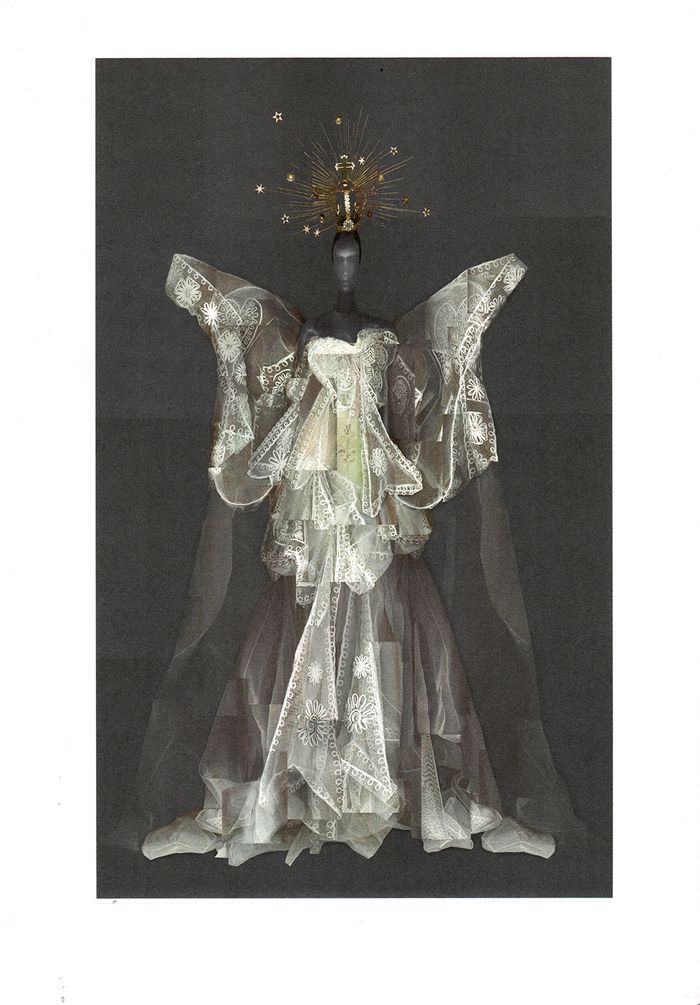
Connecting significant religious art and artifacts to their sartorial expressions, 'Heavenly Bodies: Fashion and the Catholic Imagination' provides a critical analysis of fashion’s engagement with notions of the divine. Exploring fashion’s complex and often controversial relationship with Catholicism, Heavenly Bodies probes what dress reveals about the state of religion and spirituality within contemporary culture, and how it may manifest—or subvert—Catholic values and ideology. Art objects, such as devotional paintings and altarpieces from The Met’s collection, are presented alongside fashions from designers including Cristóbal Balenciaga, Callot Soeurs, Domenico Dolce and Stefano Gabbana, John Galliano, Jean-Paul Gaultier, Madame Grès, Christian Lacroix, Karl Lagerfeld, Jeanne Lanvin, Claire McCardell, Alexander McQueen, Elsa Schiaparelli, and Gianni Versace.
Heavenly bodies: fashion and the Catholic imagination
Actions:
Price:
$85.50
(available to order)
Summary:
Connecting significant religious art and artifacts to their sartorial expressions, 'Heavenly Bodies: Fashion and the Catholic Imagination' provides a critical analysis of fashion’s engagement with notions of the divine. Exploring fashion’s complex and often controversial relationship with Catholicism, Heavenly Bodies probes what dress reveals about the state of religion and spirituality within contemporary culture, and how it may manifest—or subvert—Catholic values and ideology. Art objects, such as devotional paintings and altarpieces from The Met’s collection, are presented alongside fashions from designers including Cristóbal Balenciaga, Callot Soeurs, Domenico Dolce and Stefano Gabbana, John Galliano, Jean-Paul Gaultier, Madame Grès, Christian Lacroix, Karl Lagerfeld, Jeanne Lanvin, Claire McCardell, Alexander McQueen, Elsa Schiaparelli, and Gianni Versace.
Form:
books
books
Publication:
May 2018
May 2018
Subject:
Fashion Design
Fashion Design
Form:
books
books

Actions:
Price:
$56.00
(available to order)
Summary:
Rather than conceiving of bodies as constantly rendered docile within the spaces of the post-industrial nation state, "Radical Space" reveals how activists and artists have deployed these theoretical tools to examine and contest spatial practice.. Bringing together contributions from academics across the humanities and social sciences together with creative artists this(...)
$56.00
(available to order)
Summary:
Rather than conceiving of bodies as constantly rendered docile within the spaces of the post-industrial nation state, "Radical Space" reveals how activists and artists have deployed these theoretical tools to examine and contest spatial practice.. Bringing together contributions from academics across the humanities and social sciences together with creative artists this(...)
Title:
Radical space: exploring politics and practice
Actions:
Price:
$56.00
(available to order)
Summary:
Rather than conceiving of bodies as constantly rendered docile within the spaces of the post-industrial nation state, "Radical Space" reveals how activists and artists have deployed these theoretical tools to examine and contest spatial practice.. Bringing together contributions from academics across the humanities and social sciences together with creative artists this dynamically multidisciplinary collection demonstrates this radicalization of space through explorations of environmental camps, new explorations of psychogeography, creative interventions in city space and mapping the extra-terrestrial onto the mundane spaces of everyday existence.
Radical space: exploring politics and practice
Actions:
Price:
$56.00
(available to order)
Summary:
Rather than conceiving of bodies as constantly rendered docile within the spaces of the post-industrial nation state, "Radical Space" reveals how activists and artists have deployed these theoretical tools to examine and contest spatial practice.. Bringing together contributions from academics across the humanities and social sciences together with creative artists this dynamically multidisciplinary collection demonstrates this radicalization of space through explorations of environmental camps, new explorations of psychogeography, creative interventions in city space and mapping the extra-terrestrial onto the mundane spaces of everyday existence.
Form:
books
books
Publication:
March 2016
March 2016
Subject:
Critical Theory
Critical Theory
Form:
books
books
Price:
$48.99
(available to order)
Summary:
During the 1920s and 1930s, proponents of Soviet architecture looked to various principles within the human sciences in their efforts to formulate a methodological and theoretical basis for their modernist project. ''Architecture of life'' delves into the foundations of this transdisciplinary and transnational endeavor, analyzing many facets of their radical approach and(...)
$48.99
(available to order)
Summary:
During the 1920s and 1930s, proponents of Soviet architecture looked to various principles within the human sciences in their efforts to formulate a methodological and theoretical basis for their modernist project. ''Architecture of life'' delves into the foundations of this transdisciplinary and transnational endeavor, analyzing many facets of their radical approach and(...)
Title:
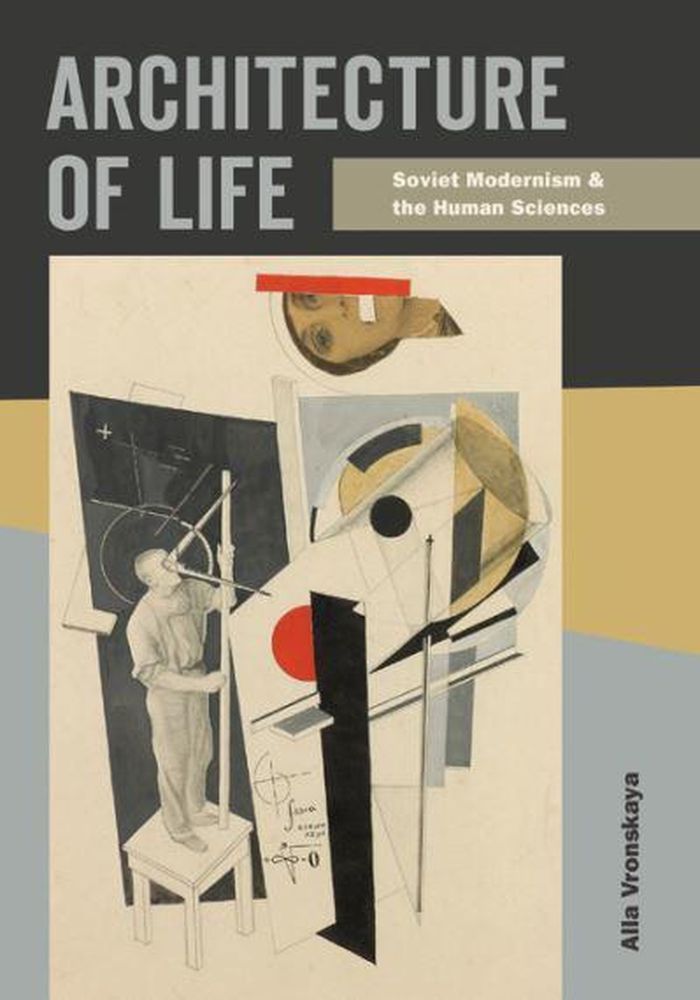
Architecture of life: Soviet modernism and the human sciences
Actions:
Price:
$48.99
(available to order)
Summary:
During the 1920s and 1930s, proponents of Soviet architecture looked to various principles within the human sciences in their efforts to formulate a methodological and theoretical basis for their modernist project. ''Architecture of life'' delves into the foundations of this transdisciplinary and transnational endeavor, analyzing many facets of their radical approach and situating it within the context of other modernist movements that were developing concurrently across the globe. Examining the theories advanced by El Lissitzky, Moisei Ginzburg, and Nikolay Ladovsky, as well as those of their lesser-known colleagues, this illuminating study demonstrates how Soviet architects of the interwar period sought to mitigate Fordist production methods with other, ostensibly more human-oriented approaches that drew on the biological and psychological sciences. Envisioning the built environment as innately connected to social evolution, their methods incorporated aspects of psychoanalysis, personality theory, and studies in spatial perception, all of which were integrated into an ideology that grounded functional design firmly within the attributes of the individual. A comprehensive overview of the ideals that permeated its expanded project, ''Architecture of life'' explicates the underlying impulses that motivated Soviet modernism, highlighting the deep interconnections among the ways in which it viewed all aspects of life, both natural and manufactured.
Architecture of life: Soviet modernism and the human sciences
Actions:
Price:
$48.99
(available to order)
Summary:
During the 1920s and 1930s, proponents of Soviet architecture looked to various principles within the human sciences in their efforts to formulate a methodological and theoretical basis for their modernist project. ''Architecture of life'' delves into the foundations of this transdisciplinary and transnational endeavor, analyzing many facets of their radical approach and situating it within the context of other modernist movements that were developing concurrently across the globe. Examining the theories advanced by El Lissitzky, Moisei Ginzburg, and Nikolay Ladovsky, as well as those of their lesser-known colleagues, this illuminating study demonstrates how Soviet architects of the interwar period sought to mitigate Fordist production methods with other, ostensibly more human-oriented approaches that drew on the biological and psychological sciences. Envisioning the built environment as innately connected to social evolution, their methods incorporated aspects of psychoanalysis, personality theory, and studies in spatial perception, all of which were integrated into an ideology that grounded functional design firmly within the attributes of the individual. A comprehensive overview of the ideals that permeated its expanded project, ''Architecture of life'' explicates the underlying impulses that motivated Soviet modernism, highlighting the deep interconnections among the ways in which it viewed all aspects of life, both natural and manufactured.
Form:
books
books
Publication:
August 2022
August 2022
Subject:
Architectural Theory
Architectural Theory
Form:
books
books
Actions:
Price:
$67.95
(available in store)
Summary:
German modernist architect Konrad Wachsmann (1901–1980) had a career-spanning interest in construction processes—in particular the prefabrication of building components and their assembly within modular systems. In this respect, Wachsmann was a pioneer whose ideas and work paved the way for today’s industrialized construction. Many contemporary masters, such as Renzo(...)
$67.95
(available in store)
Summary:
German modernist architect Konrad Wachsmann (1901–1980) had a career-spanning interest in construction processes—in particular the prefabrication of building components and their assembly within modular systems. In this respect, Wachsmann was a pioneer whose ideas and work paved the way for today’s industrialized construction. Many contemporary masters, such as Renzo(...)
Subject:
Architecture Monographs
Architecture Monographs
Publication:
August 2018
August 2018
Title:
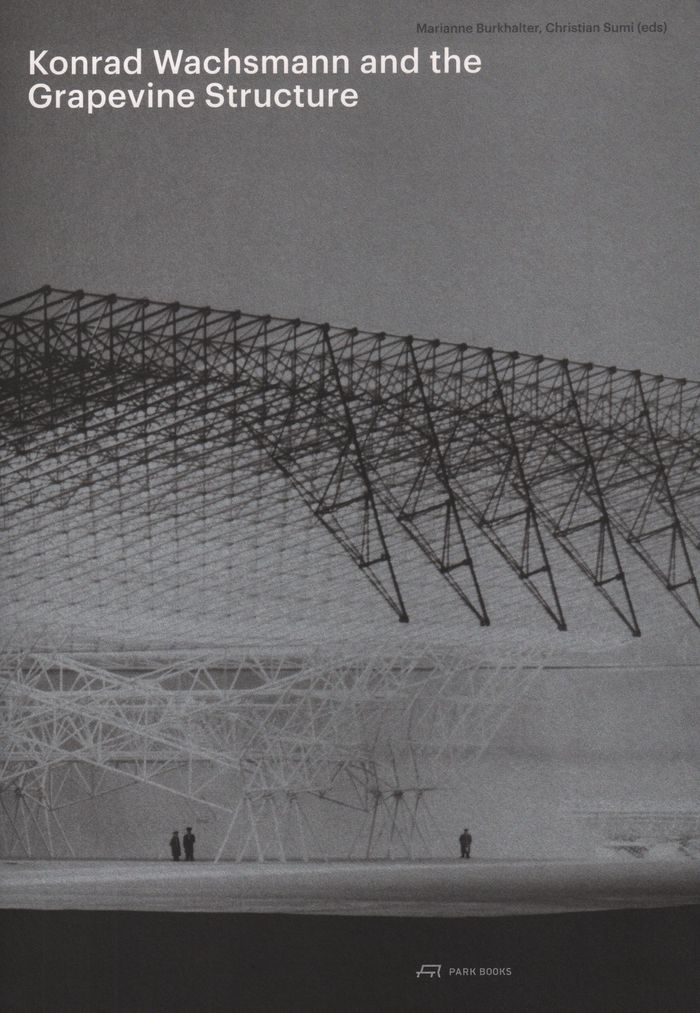
Konrad Wachsmann and the grapevine stucture
Actions:
Price:
$67.95
(available in store)
Summary:
German modernist architect Konrad Wachsmann (1901–1980) had a career-spanning interest in construction processes—in particular the prefabrication of building components and their assembly within modular systems. In this respect, Wachsmann was a pioneer whose ideas and work paved the way for today’s industrialized construction. Many contemporary masters, such as Renzo Piano and Richard Rogers, have taken inspiration from and paid homage to Wachsmann’s forward-thinking work. With "Konrad Wachsmann and the Grapevine Structure", Swiss architect Christian Sumi synthesizes years of careful research into a compelling look at the career and lifetime contributions of this highly creative architect.
Konrad Wachsmann and the grapevine stucture
Actions:
Price:
$67.95
(available in store)
Summary:
German modernist architect Konrad Wachsmann (1901–1980) had a career-spanning interest in construction processes—in particular the prefabrication of building components and their assembly within modular systems. In this respect, Wachsmann was a pioneer whose ideas and work paved the way for today’s industrialized construction. Many contemporary masters, such as Renzo Piano and Richard Rogers, have taken inspiration from and paid homage to Wachsmann’s forward-thinking work. With "Konrad Wachsmann and the Grapevine Structure", Swiss architect Christian Sumi synthesizes years of careful research into a compelling look at the career and lifetime contributions of this highly creative architect.
Form:
books
books
Publication:
August 2018
August 2018
Subject:
Architecture Monographs
Architecture Monographs
Form:
books
books
Title:
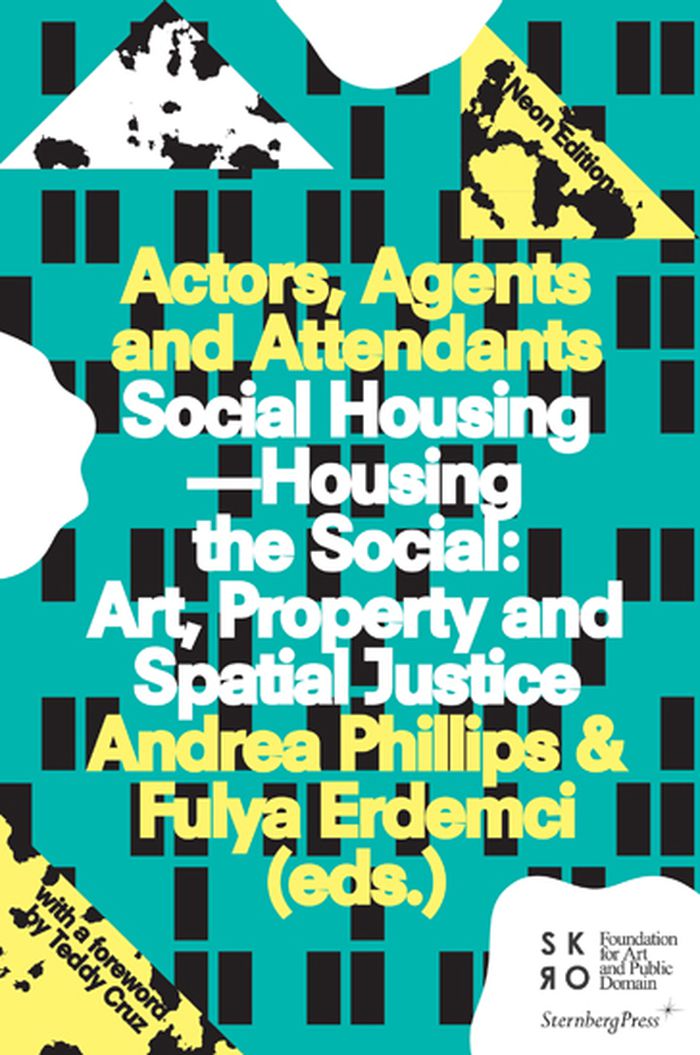
Actors, agents and attendants. Social housing/ housing the social: art, property and spatial justice
Actors, agents and attendants. Social housing/ housing the social: art, property and spatial justice
Actions:
Price:
$36.95
(available to order)
Summary:
Social Housing—Housing the Social: Art, Property and Spatial Justice examines ongoing transformations in social housing and asks how these transformations are reflected in the aspirations and practices of artists. Housing provides essential shelter, but also gives form to the social. It represents and embodies the materiality of civic politics and thus demonstrates the(...)
$36.95
(available to order)
Summary:
Social Housing—Housing the Social: Art, Property and Spatial Justice examines ongoing transformations in social housing and asks how these transformations are reflected in the aspirations and practices of artists. Housing provides essential shelter, but also gives form to the social. It represents and embodies the materiality of civic politics and thus demonstrates the(...)
Title:
Actors, agents and attendants. Social housing/ housing the social: art, property and spatial justice
Actions:
Price:
$36.95
(available to order)
Summary:
Social Housing—Housing the Social: Art, Property and Spatial Justice examines ongoing transformations in social housing and asks how these transformations are reflected in the aspirations and practices of artists. Housing provides essential shelter, but also gives form to the social. It represents and embodies the materiality of civic politics and thus demonstrates the uneven nature of spatial justice at local and global scale. For many years artists have contributed to the design and organization of structures of living together, often with ambivalent effect. Whilst many have imagined—and attempted to implement—radical new forms of social housing, as alternatives to both privatization and state provision, they have also ushered in waves of gentrification, thus contributing significantly to a story of capitalization now dominant within urban infrastructures.
Actors, agents and attendants. Social housing/ housing the social: art, property and spatial justice
Actions:
Price:
$36.95
(available to order)
Summary:
Social Housing—Housing the Social: Art, Property and Spatial Justice examines ongoing transformations in social housing and asks how these transformations are reflected in the aspirations and practices of artists. Housing provides essential shelter, but also gives form to the social. It represents and embodies the materiality of civic politics and thus demonstrates the uneven nature of spatial justice at local and global scale. For many years artists have contributed to the design and organization of structures of living together, often with ambivalent effect. Whilst many have imagined—and attempted to implement—radical new forms of social housing, as alternatives to both privatization and state provision, they have also ushered in waves of gentrification, thus contributing significantly to a story of capitalization now dominant within urban infrastructures.
Form:
books
books
Publication:
May 2013
May 2013
Subject:
Collective Housing
Collective Housing
Form:
books
books
Price:
$21.95
(available in store)
Summary:
In our current era of global pandemic and violent political upheaval, the question must be asked: What is our future and whose voices will announce it? These can only be situated voices, each with its own body and space, formed through dialogue within their own communities and in reaction and resistance to dominant discourses. Museum director, curator, and writer Zdenka(...)
$21.95
(available in store)
Summary:
In our current era of global pandemic and violent political upheaval, the question must be asked: What is our future and whose voices will announce it? These can only be situated voices, each with its own body and space, formed through dialogue within their own communities and in reaction and resistance to dominant discourses. Museum director, curator, and writer Zdenka(...)
Title:
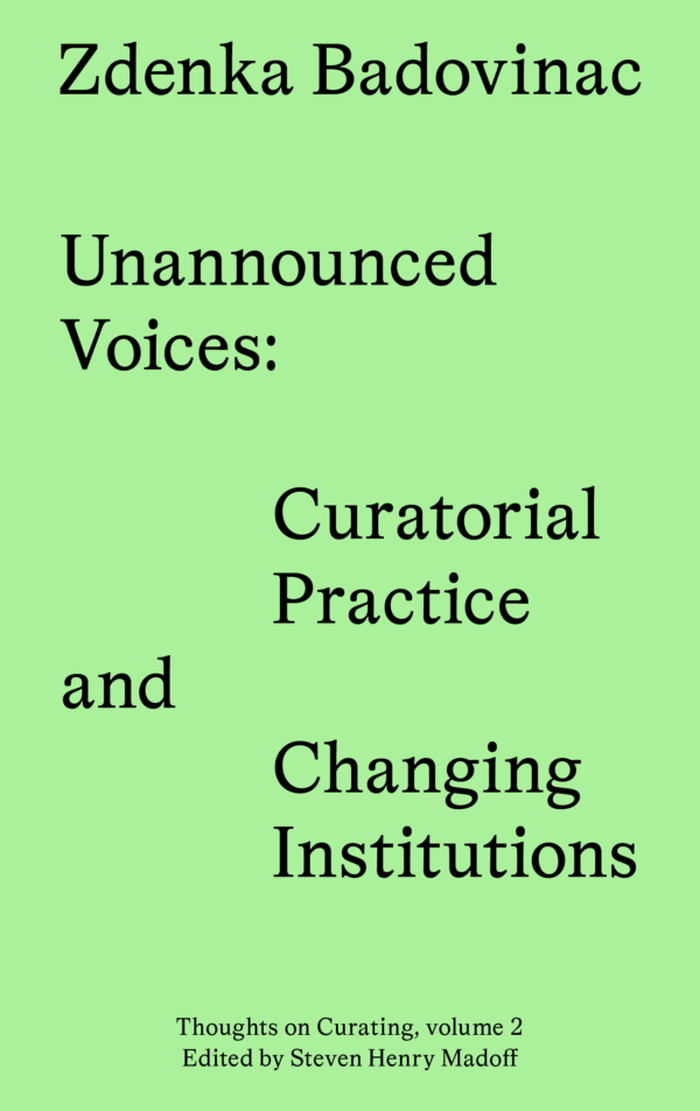
Unannounced voices: Curatorial practice and changing institutions
Actions:
Price:
$21.95
(available in store)
Summary:
In our current era of global pandemic and violent political upheaval, the question must be asked: What is our future and whose voices will announce it? These can only be situated voices, each with its own body and space, formed through dialogue within their own communities and in reaction and resistance to dominant discourses. Museum director, curator, and writer Zdenka Badovinac argues that these situated voices of people, artworks, and exhibitions, rooted in the local, can bring incisive, productive change. The call of these voices, in rethinking art, curation, and institutions, is the subject of this powerful essay.
Unannounced voices: Curatorial practice and changing institutions
Actions:
Price:
$21.95
(available in store)
Summary:
In our current era of global pandemic and violent political upheaval, the question must be asked: What is our future and whose voices will announce it? These can only be situated voices, each with its own body and space, formed through dialogue within their own communities and in reaction and resistance to dominant discourses. Museum director, curator, and writer Zdenka Badovinac argues that these situated voices of people, artworks, and exhibitions, rooted in the local, can bring incisive, productive change. The call of these voices, in rethinking art, curation, and institutions, is the subject of this powerful essay.
Form:
books
books
Publication:
November 2022
November 2022
Subject:
Museology
Museology
Form:
books
books
Actions:
Price:
$75.00
(available to order)
Summary:
This book is a manual on draping or, as it is known in France, moulage. Draping is a three-dimensional design and production technique that generates a considerable degree of freedom. From time immemorial, draping has been a technique frequently used in couture. Specialists Annette Duburg and Rixt van der Tol used their extensive collection of practical manuscripts to(...)
$75.00
(available to order)
Summary:
This book is a manual on draping or, as it is known in France, moulage. Draping is a three-dimensional design and production technique that generates a considerable degree of freedom. From time immemorial, draping has been a technique frequently used in couture. Specialists Annette Duburg and Rixt van der Tol used their extensive collection of practical manuscripts to(...)
Title:
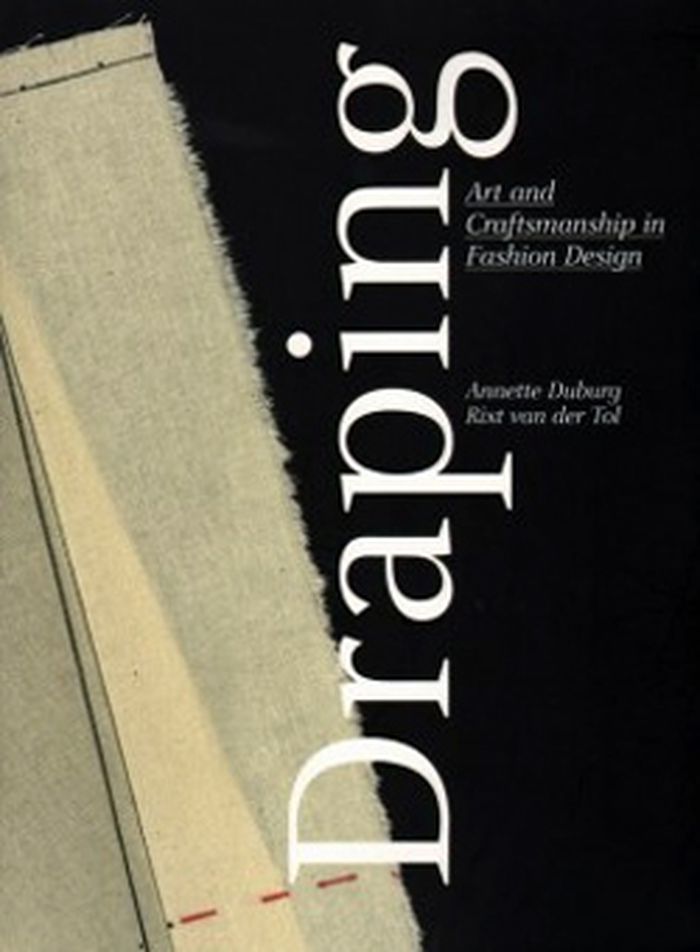
Draping: art and craftmanship in fashion design
Actions:
Price:
$75.00
(available to order)
Summary:
This book is a manual on draping or, as it is known in France, moulage. Draping is a three-dimensional design and production technique that generates a considerable degree of freedom. From time immemorial, draping has been a technique frequently used in couture. Specialists Annette Duburg and Rixt van der Tol used their extensive collection of practical manuscripts to provide this book with a clear set of instructions for draping. It opens up an area that functions as an interesting, supplementary design niche within today’s fashion design training.
Draping: art and craftmanship in fashion design
Actions:
Price:
$75.00
(available to order)
Summary:
This book is a manual on draping or, as it is known in France, moulage. Draping is a three-dimensional design and production technique that generates a considerable degree of freedom. From time immemorial, draping has been a technique frequently used in couture. Specialists Annette Duburg and Rixt van der Tol used their extensive collection of practical manuscripts to provide this book with a clear set of instructions for draping. It opens up an area that functions as an interesting, supplementary design niche within today’s fashion design training.
Form:
books
books
Publication:
December 2014
December 2014
Subject:
Fashion Design
Fashion Design
Form:
books
books
Actions:
Price:
$32.95
(available to order)
Summary:
"This system is killing us" is an insider look at the catastrophic effects that energy infrastructure and mining are having on communities and our planet. Xander Dunlap spent a decade living and working with Indigenous activists and land defenders across the world to uncover evidence of the repression people have faced in the wake of untamed capitalist growth. By(...)
$32.95
(available to order)
Summary:
"This system is killing us" is an insider look at the catastrophic effects that energy infrastructure and mining are having on communities and our planet. Xander Dunlap spent a decade living and working with Indigenous activists and land defenders across the world to uncover evidence of the repression people have faced in the wake of untamed capitalist growth. By(...)
Title:
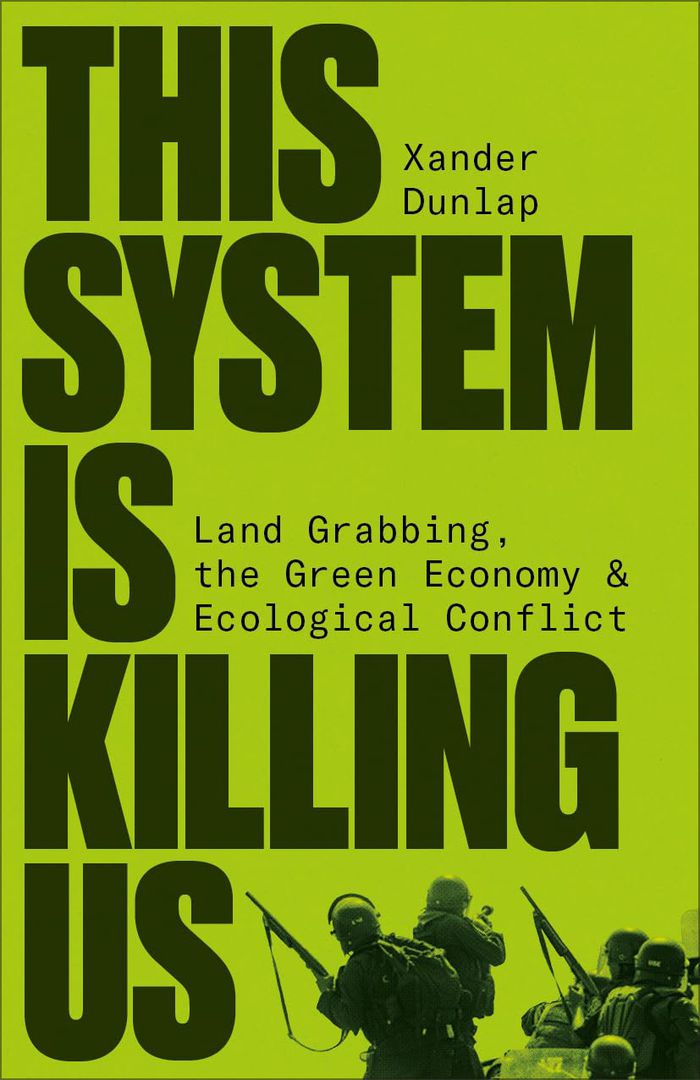
This system is killing us: Land grabbing, the green economy and ecological conflict
Actions:
Price:
$32.95
(available to order)
Summary:
"This system is killing us" is an insider look at the catastrophic effects that energy infrastructure and mining are having on communities and our planet. Xander Dunlap spent a decade living and working with Indigenous activists and land defenders across the world to uncover evidence of the repression people have faced in the wake of untamed capitalist growth. By centring the struggles of people whose lives are being systematically destroyed, Dunlap reveals gaps within the current official debates around climate change. This includes reviewing feuds between socialist modernism and degrowth. While changing public policy could play a constructive role in remediating climate catastrophe, by understanding the successes and failures of those "on the front lines," it becomes clear that ecologically decentralized self-organization could be the only way out of this environmental nightmare.
This system is killing us: Land grabbing, the green economy and ecological conflict
Actions:
Price:
$32.95
(available to order)
Summary:
"This system is killing us" is an insider look at the catastrophic effects that energy infrastructure and mining are having on communities and our planet. Xander Dunlap spent a decade living and working with Indigenous activists and land defenders across the world to uncover evidence of the repression people have faced in the wake of untamed capitalist growth. By centring the struggles of people whose lives are being systematically destroyed, Dunlap reveals gaps within the current official debates around climate change. This includes reviewing feuds between socialist modernism and degrowth. While changing public policy could play a constructive role in remediating climate catastrophe, by understanding the successes and failures of those "on the front lines," it becomes clear that ecologically decentralized self-organization could be the only way out of this environmental nightmare.
Form:
books
books
Publication:
March 2024
March 2024
Subject:
Environment and environmental theory
Environment and environmental theory
Form:
books
books
Price:
$39.95
(available to order)
Summary:
Eastern modernist architecture of the 60s and 70s is moving away from the specialized focus of international architecture debates and becoming a subject of discussion within the broader context of general interest. The excellent photos in the book convey the flair of an era in which planning was obviously the product of a collective vision, more so than is the case today.(...)
$39.95
(available to order)
Summary:
Eastern modernist architecture of the 60s and 70s is moving away from the specialized focus of international architecture debates and becoming a subject of discussion within the broader context of general interest. The excellent photos in the book convey the flair of an era in which planning was obviously the product of a collective vision, more so than is the case today.(...)
Subject:
Architecture since 1900, Europe
Architecture since 1900, Europe
Publication:
December 2007, New York
December 2007, New York
Title:
Eastmodern : architecture and design of the 1960s and 1970 in Slovakia
Actions:
Price:
$39.95
(available to order)
Summary:
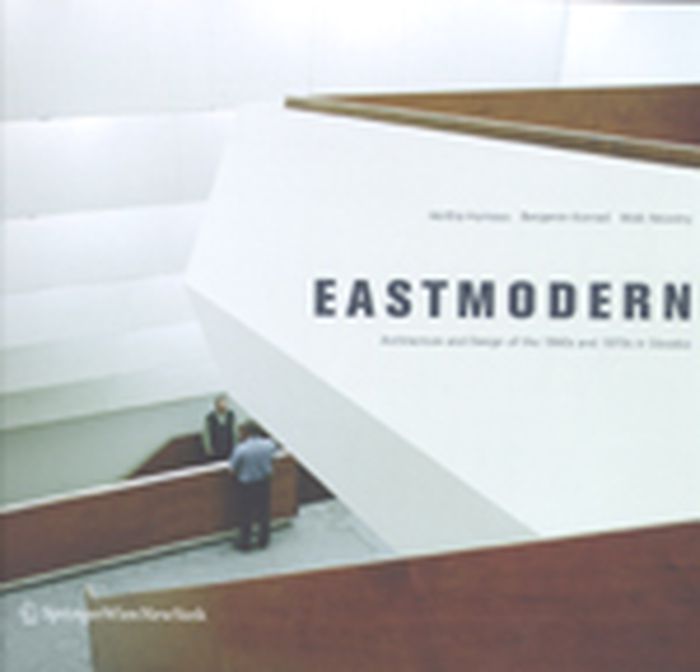
Eastern modernist architecture of the 60s and 70s is moving away from the specialized focus of international architecture debates and becoming a subject of discussion within the broader context of general interest. The excellent photos in the book convey the flair of an era in which planning was obviously the product of a collective vision, more so than is the case today. The photographic and documentation project compiled by Herta Hurnaus, who lives in Vienna, and the architects Benjamin Konrad and Maik Novotny analyzes the work of prominent Slovakian architects of the time in a photographic documentary and an "oral history. The monumental prestigious buildings are above all the most impressive at first glance, with their features that display parallels to the sculptural designs of popular contemporary offices. The illustrated book contains short interviews in an appendix and address architects and all those who are fascinated the aesthetic of the time.
Eastmodern : architecture and design of the 1960s and 1970 in Slovakia
Actions:
Price:
$39.95
(available to order)
Summary:
Eastern modernist architecture of the 60s and 70s is moving away from the specialized focus of international architecture debates and becoming a subject of discussion within the broader context of general interest. The excellent photos in the book convey the flair of an era in which planning was obviously the product of a collective vision, more so than is the case today. The photographic and documentation project compiled by Herta Hurnaus, who lives in Vienna, and the architects Benjamin Konrad and Maik Novotny analyzes the work of prominent Slovakian architects of the time in a photographic documentary and an "oral history. The monumental prestigious buildings are above all the most impressive at first glance, with their features that display parallels to the sculptural designs of popular contemporary offices. The illustrated book contains short interviews in an appendix and address architects and all those who are fascinated the aesthetic of the time.
Form:
books
books
Publication:
December 2007, New York
December 2007, New York
Subject:
Architecture since 1900, Europe
Architecture since 1900, Europe


