


2309 Results
Form:
books
books
Title:
The modern interior
The modern interior
Actions:
Price:
$39.00
(available to order)
Summary:
Today’s home is filled with pieces from Pottery Barn, IKEA, and Crate & Barrel, and we pore over glossy catalogs in hopes of achieving the “modern interior.” This idealized aesthetic is the subject of Penny Sparke’s study, as she explores the style in both its absolute form and the diverse decorating approaches seen in the contemporary home. The shift from(...)
$39.00
(available to order)
Summary:
Today’s home is filled with pieces from Pottery Barn, IKEA, and Crate & Barrel, and we pore over glossy catalogs in hopes of achieving the “modern interior.” This idealized aesthetic is the subject of Penny Sparke’s study, as she explores the style in both its absolute form and the diverse decorating approaches seen in the contemporary home. The shift from(...)
Title:
The modern interior
Actions:
Price:
$39.00
(available to order)
Summary:
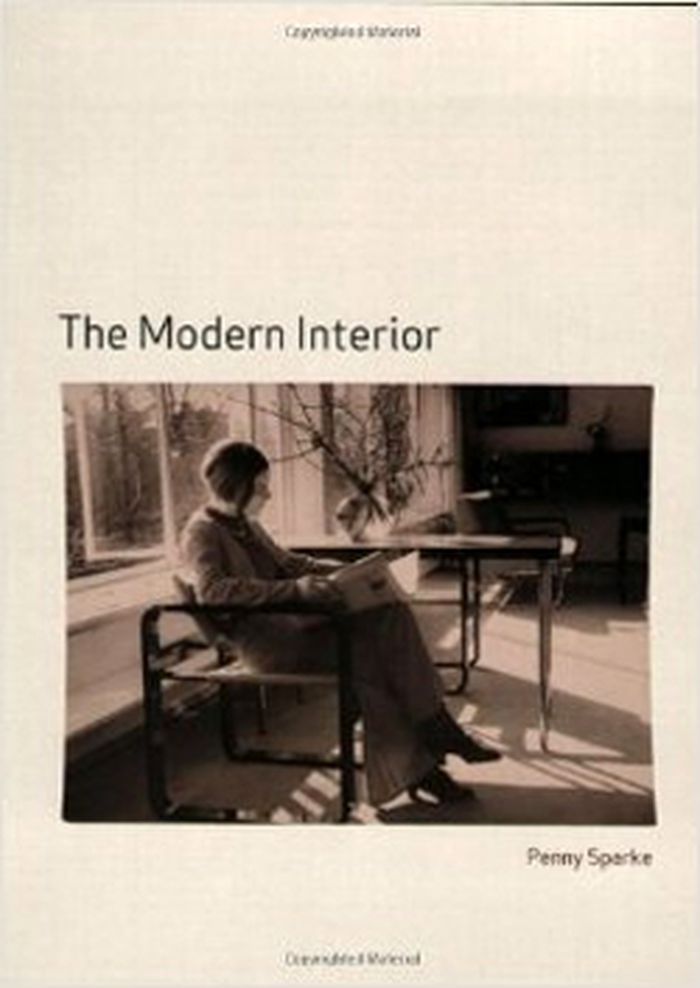
Today’s home is filled with pieces from Pottery Barn, IKEA, and Crate & Barrel, and we pore over glossy catalogs in hopes of achieving the “modern interior.” This idealized aesthetic is the subject of Penny Sparke’s study, as she explores the style in both its absolute form and the diverse decorating approaches seen in the contemporary home. The shift from Victorian to modern style, The Modern Interior reveals, was not as simple and smooth as it is often perceived and the book probes the complicated history behind that transition. Sparke examines the work of such designers as Marcel Breuer, Frank Lloyd Wright, Charles and Ray Eames, and Mies van der Rohe, and draws upon design examples from the United States and Europe to reveal that, unlike the designed exteriors of buildings and institutions, the idea of the “interior” has been a largely abstract conception promoted through exhibitions, retail stores, and mass media. A comprehensive and in-depth investigation of the design environments we live and play in, The Modern Interior will be essential reading for all scholars and interested observers of architecture and modern design culture.
The modern interior
Actions:
Price:
$39.00
(available to order)
Summary:
Today’s home is filled with pieces from Pottery Barn, IKEA, and Crate & Barrel, and we pore over glossy catalogs in hopes of achieving the “modern interior.” This idealized aesthetic is the subject of Penny Sparke’s study, as she explores the style in both its absolute form and the diverse decorating approaches seen in the contemporary home. The shift from Victorian to modern style, The Modern Interior reveals, was not as simple and smooth as it is often perceived and the book probes the complicated history behind that transition. Sparke examines the work of such designers as Marcel Breuer, Frank Lloyd Wright, Charles and Ray Eames, and Mies van der Rohe, and draws upon design examples from the United States and Europe to reveal that, unlike the designed exteriors of buildings and institutions, the idea of the “interior” has been a largely abstract conception promoted through exhibitions, retail stores, and mass media. A comprehensive and in-depth investigation of the design environments we live and play in, The Modern Interior will be essential reading for all scholars and interested observers of architecture and modern design culture.
Form:
books
books
Publication:
May 2008, london
May 2008, london
Subject:
Interior Design
Interior Design
Form:
books
books
Actions:
Price:
$57.95
(available to order)
Summary:
Complex, controversial, and prolific, Howard Barnstone was a central figure in the world of twentieth-century modern architecture. Recognized as Houston’s foremost modern architect in the 1950s, Barnstone came to prominence for his designs with partner Preston M. Bolton, which transposed the rigorous and austere architectural practices of Ludwig Mies van der Rohe to the(...)
$57.95
(available to order)
Summary:
Complex, controversial, and prolific, Howard Barnstone was a central figure in the world of twentieth-century modern architecture. Recognized as Houston’s foremost modern architect in the 1950s, Barnstone came to prominence for his designs with partner Preston M. Bolton, which transposed the rigorous and austere architectural practices of Ludwig Mies van der Rohe to the(...)
Subject:
Architecture Monographs
Architecture Monographs
Publication:
August 2020
August 2020
Title:
Making Houston modern: the life and architecture of Howard
Actions:
Price:
$57.95
(available to order)
Summary:
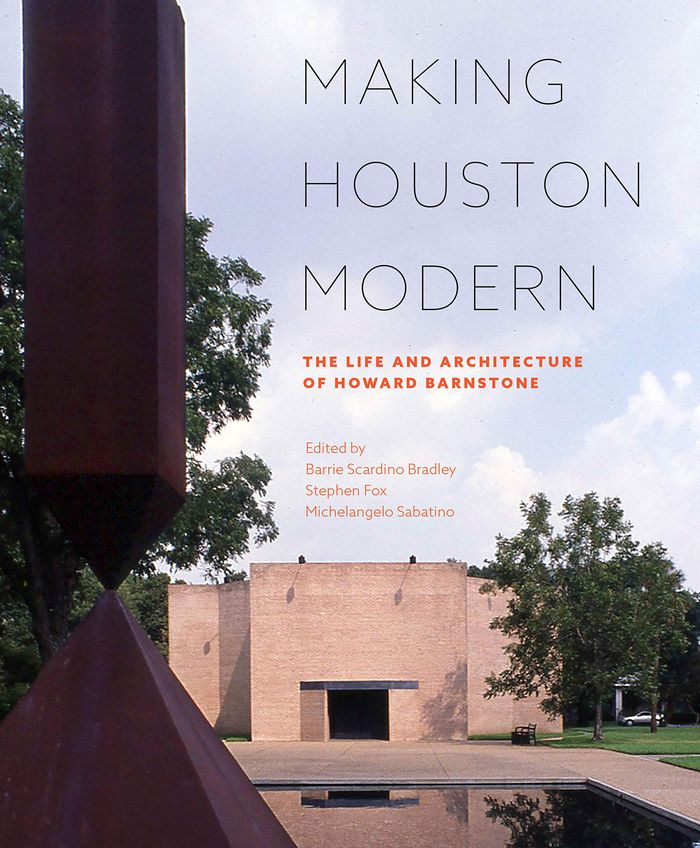
Complex, controversial, and prolific, Howard Barnstone was a central figure in the world of twentieth-century modern architecture. Recognized as Houston’s foremost modern architect in the 1950s, Barnstone came to prominence for his designs with partner Preston M. Bolton, which transposed the rigorous and austere architectural practices of Ludwig Mies van der Rohe to the hot, steamy coastal plain of Texas. Barnstone was a man of contradictions - charming and witty but also self-centered, caustic, and abusive - who shaped new settings that were imbued, at once, with spatial calm and emotional intensity. ''Making Houston Modern'' explores the provocative architect’s life and work, not only through the lens of his architectural practice but also by delving into his personal life, class identity, and connections to the artists, critics, collectors, and museum directors who forged Houston’s distinctive culture in the postwar era. Edited by three renowned voices in the architecture world, this volume situates Barnstone within the contexts of American architecture, modernism, and Jewish culture to unravel the legacy of a charismatic personality whose imaginative work as an architect, author, teacher, and civic commentator helped redefine architecture in Texas.
Making Houston modern: the life and architecture of Howard
Actions:
Price:
$57.95
(available to order)
Summary:
Complex, controversial, and prolific, Howard Barnstone was a central figure in the world of twentieth-century modern architecture. Recognized as Houston’s foremost modern architect in the 1950s, Barnstone came to prominence for his designs with partner Preston M. Bolton, which transposed the rigorous and austere architectural practices of Ludwig Mies van der Rohe to the hot, steamy coastal plain of Texas. Barnstone was a man of contradictions - charming and witty but also self-centered, caustic, and abusive - who shaped new settings that were imbued, at once, with spatial calm and emotional intensity. ''Making Houston Modern'' explores the provocative architect’s life and work, not only through the lens of his architectural practice but also by delving into his personal life, class identity, and connections to the artists, critics, collectors, and museum directors who forged Houston’s distinctive culture in the postwar era. Edited by three renowned voices in the architecture world, this volume situates Barnstone within the contexts of American architecture, modernism, and Jewish culture to unravel the legacy of a charismatic personality whose imaginative work as an architect, author, teacher, and civic commentator helped redefine architecture in Texas.
Form:
books
books
Publication:
August 2020
August 2020
Subject:
Architecture Monographs
Architecture Monographs
Form:
books
books
Actions:
Price:
$88.00
(available in store)
Summary:
Architectones, a monumental undertaking of seven exhibitions installed across three continents over a two year period, unites Veilhan's diverse interests in modernity, its histories of technology, and its cult of genius figures. Collectively titled after Kazimir Malevich's volumetric-spatial models, the art and architectural works partake in the revolutionary idealism of(...)
$88.00
(available in store)
Summary:
Architectones, a monumental undertaking of seven exhibitions installed across three continents over a two year period, unites Veilhan's diverse interests in modernity, its histories of technology, and its cult of genius figures. Collectively titled after Kazimir Malevich's volumetric-spatial models, the art and architectural works partake in the revolutionary idealism of(...)
Title:
Xavier Veilhan: Architectones, art in the living environment
Actions:
Price:
$88.00
(available in store)
Summary:
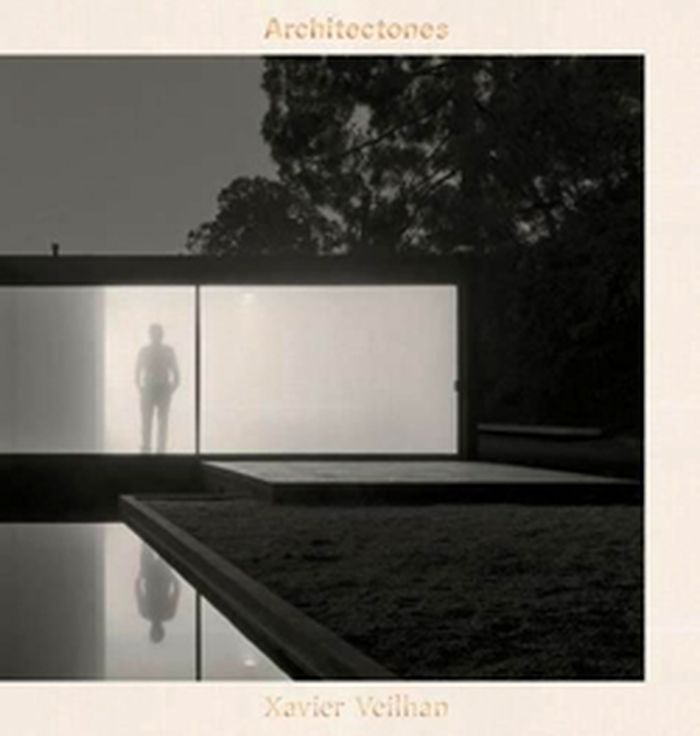
Architectones, a monumental undertaking of seven exhibitions installed across three continents over a two year period, unites Veilhan's diverse interests in modernity, its histories of technology, and its cult of genius figures. Collectively titled after Kazimir Malevich's volumetric-spatial models, the art and architectural works partake in the revolutionary idealism of a period in which it was possible to imagine transforming society from the ground up by way of a new form of building. Between 2012 and 2014, Veilhan used music, light, and sculpture to activate Richard Neutra's VDL Research House in Silver Lake, Pierre Koenig's Case Study House No. 21 in the Hollywood Hills, and buildings designed by Le Corbusier and Mies Van Der Rohe, among others. The histories and legacies of the architects themselves played a prominent role in these installations, with figural sculptures and die-cut silhouettes of the looming personalities of the architects populating his installations. Architectones: Art in the Living Environment tells both a story of present and past, archiving exhibition photography as well as anecdotal and historical documents of many of the greatest domestic and private spaces of modern architecture.
Xavier Veilhan: Architectones, art in the living environment
Actions:
Price:
$88.00
(available in store)
Summary:
Architectones, a monumental undertaking of seven exhibitions installed across three continents over a two year period, unites Veilhan's diverse interests in modernity, its histories of technology, and its cult of genius figures. Collectively titled after Kazimir Malevich's volumetric-spatial models, the art and architectural works partake in the revolutionary idealism of a period in which it was possible to imagine transforming society from the ground up by way of a new form of building. Between 2012 and 2014, Veilhan used music, light, and sculpture to activate Richard Neutra's VDL Research House in Silver Lake, Pierre Koenig's Case Study House No. 21 in the Hollywood Hills, and buildings designed by Le Corbusier and Mies Van Der Rohe, among others. The histories and legacies of the architects themselves played a prominent role in these installations, with figural sculptures and die-cut silhouettes of the looming personalities of the architects populating his installations. Architectones: Art in the Living Environment tells both a story of present and past, archiving exhibition photography as well as anecdotal and historical documents of many of the greatest domestic and private spaces of modern architecture.
Form:
books
books
Publication:
July 2015
July 2015
Subject:
Contemporary Art Monographs
Contemporary Art Monographs
Form:
books
books
Actions:
Price:
$84.00
(available in store)
Summary:
This illustrated history of Long Island’s modern architecture is based on a survey conducted for the Society for the Preservation of Long Island Antiquities (SPLIA). It highlights the work within Suffolk and Nassau counties of a roster of twenty-five internationally renowned architects — among them Wallace Harrison, Frank Lloyd Wright, Marcel Breuer, Edward Durell Stone,(...)
$84.00
(available in store)
Summary:
This illustrated history of Long Island’s modern architecture is based on a survey conducted for the Society for the Preservation of Long Island Antiquities (SPLIA). It highlights the work within Suffolk and Nassau counties of a roster of twenty-five internationally renowned architects — among them Wallace Harrison, Frank Lloyd Wright, Marcel Breuer, Edward Durell Stone,(...)
Title:
Long Island Modernism, 1930-1980
Actions:
Price:
$84.00
(available in store)
Summary:
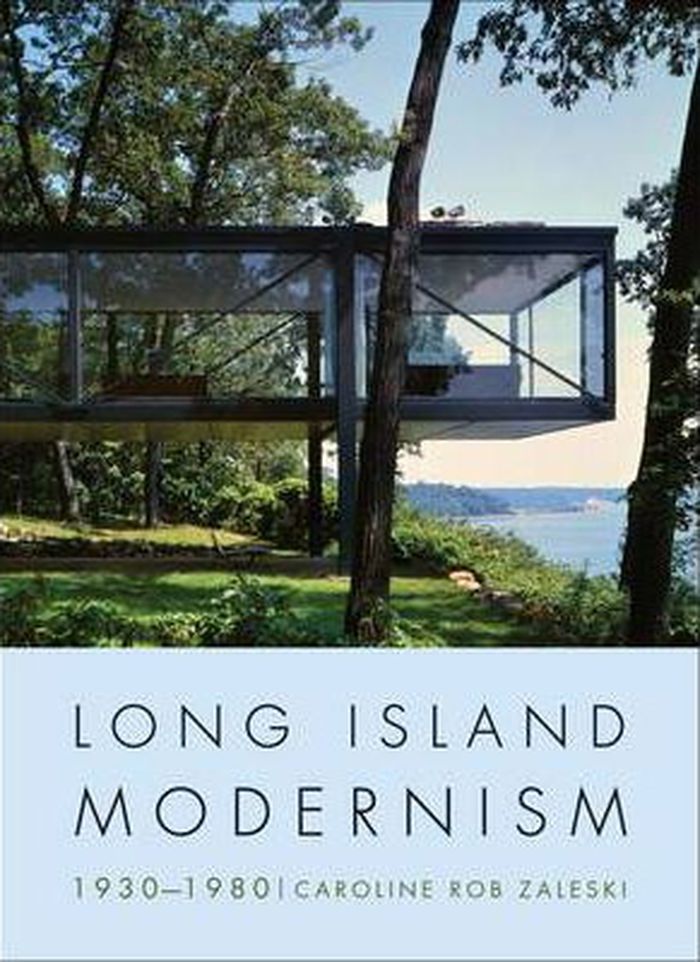
This illustrated history of Long Island’s modern architecture is based on a survey conducted for the Society for the Preservation of Long Island Antiquities (SPLIA). It highlights the work within Suffolk and Nassau counties of a roster of twenty-five internationally renowned architects — among them Wallace Harrison, Frank Lloyd Wright, Marcel Breuer, Edward Durell Stone, Richard Neutra, William Lescaze, Gordon Chadwick for George Nelson, Ludwig Mies van der Rohe, Philip Johnson, Paul Rudolph, and Richard Meier. Caroline Rob Zaleski’s research on the work of key figures in twentieth-century architecture - the relatively unknown aspects of their production, their associations with clients, artists, and politicians - is complemented by more than three hundred archival photographs, specially commissioned new photography, and plans. Zaleski documents the development of exurbia and the rise of visionary structures : residences for commuters and weekenders, public housing, houses of worship, universities, shopping centers, and office complexes. In this part architectural, part social history, she explains why modernism was embraced by Long Island’s civic, cultural, and business leaders—as well as by those who wanted to settle away from the city during an epoch when open space was prime for development. An inventory of important architects, with their Long Island commissions by date and location, complements the main text.
Long Island Modernism, 1930-1980
Actions:
Price:
$84.00
(available in store)
Summary:
This illustrated history of Long Island’s modern architecture is based on a survey conducted for the Society for the Preservation of Long Island Antiquities (SPLIA). It highlights the work within Suffolk and Nassau counties of a roster of twenty-five internationally renowned architects — among them Wallace Harrison, Frank Lloyd Wright, Marcel Breuer, Edward Durell Stone, Richard Neutra, William Lescaze, Gordon Chadwick for George Nelson, Ludwig Mies van der Rohe, Philip Johnson, Paul Rudolph, and Richard Meier. Caroline Rob Zaleski’s research on the work of key figures in twentieth-century architecture - the relatively unknown aspects of their production, their associations with clients, artists, and politicians - is complemented by more than three hundred archival photographs, specially commissioned new photography, and plans. Zaleski documents the development of exurbia and the rise of visionary structures : residences for commuters and weekenders, public housing, houses of worship, universities, shopping centers, and office complexes. In this part architectural, part social history, she explains why modernism was embraced by Long Island’s civic, cultural, and business leaders—as well as by those who wanted to settle away from the city during an epoch when open space was prime for development. An inventory of important architects, with their Long Island commissions by date and location, complements the main text.
Form:
books
books
Publication:
March 2012
March 2012
Subject:
Modernism
Modernism
Form:
books
books
Actions:
Price:
$50.00
(available to order)
Summary:
How did the great architects of this century reconcile their vision of architecture with the realities of building? "The details of modern architecture" provides comprehensive analysis of both the technical and the aesthetic importance of details in the development of architecture. With more than 500 illustrations, this book is providing a valuable collective(...)
$50.00
(available to order)
Summary:
How did the great architects of this century reconcile their vision of architecture with the realities of building? "The details of modern architecture" provides comprehensive analysis of both the technical and the aesthetic importance of details in the development of architecture. With more than 500 illustrations, this book is providing a valuable collective(...)
Title:
The details of modern architecture volume 1
Actions:
Price:
$50.00
(available to order)
Summary:
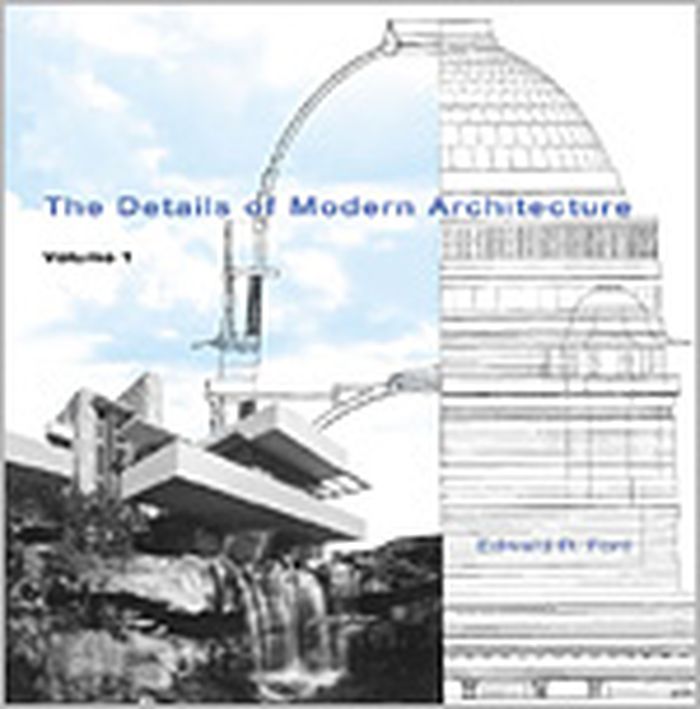
How did the great architects of this century reconcile their vision of architecture with the realities of building? "The details of modern architecture" provides comprehensive analysis of both the technical and the aesthetic importance of details in the development of architecture. With more than 500 illustrations, this book is providing a valuable collective resource. They present the details of notable architectural works drawn in similar styles and formats, allowing comparisons between works of different scales, periods, and styles. Covering the period 1890-1932, Ford focuses on various recognized masters, explaining the detailing and construction techniques that distort, camouflage, or enhance a building. He looks at the source of each architect's ideas, the translation of those ideas into practice, and the success or failure of the technical execution. Ford examines Frank Lloyd Wright's Robie House and Fallingwater Le Corbusier's Villa Savoye, and buildings by McKim, Mead & White, Lutyens, Mies van der Rohe, and Schindler from a point of view that acknowledges the importance of tradition, precedent, style, and ideology in architectural construction. He discusses critical details from a technical and contextual standpoint, considering how they perform how they add to or detract from the building as a whole, and how some have persisted and been adapted through time.
The details of modern architecture volume 1
Actions:
Price:
$50.00
(available to order)
Summary:
How did the great architects of this century reconcile their vision of architecture with the realities of building? "The details of modern architecture" provides comprehensive analysis of both the technical and the aesthetic importance of details in the development of architecture. With more than 500 illustrations, this book is providing a valuable collective resource. They present the details of notable architectural works drawn in similar styles and formats, allowing comparisons between works of different scales, periods, and styles. Covering the period 1890-1932, Ford focuses on various recognized masters, explaining the detailing and construction techniques that distort, camouflage, or enhance a building. He looks at the source of each architect's ideas, the translation of those ideas into practice, and the success or failure of the technical execution. Ford examines Frank Lloyd Wright's Robie House and Fallingwater Le Corbusier's Villa Savoye, and buildings by McKim, Mead & White, Lutyens, Mies van der Rohe, and Schindler from a point of view that acknowledges the importance of tradition, precedent, style, and ideology in architectural construction. He discusses critical details from a technical and contextual standpoint, considering how they perform how they add to or detract from the building as a whole, and how some have persisted and been adapted through time.
Form:
books
books
Publication:
October 2003, Cambridge, Mass.
October 2003, Cambridge, Mass.
Subject:
Modernism
Modernism
Form:
books
books
Actions:
Price:
$50.00
(available in store)
Summary:
Maria Giuseppina Grasso Cannizzo exhibited at the Venice Biennial in 2004 and 2008, and was honored by the Royal Institute of British Architects (RIBA) in 2012. That same year she won a gold medal for her life’s work at the Milan Triennial, and has been nominated twice for the Mies van der Rohe Prize. Nevertheless, she’s still considered an insider’s tip. She lives in(...)
$50.00
(available in store)
Summary:
Maria Giuseppina Grasso Cannizzo exhibited at the Venice Biennial in 2004 and 2008, and was honored by the Royal Institute of British Architects (RIBA) in 2012. That same year she won a gold medal for her life’s work at the Milan Triennial, and has been nominated twice for the Mies van der Rohe Prize. Nevertheless, she’s still considered an insider’s tip. She lives in(...)
Title:
Loose ends : Maria Guiseppina Grasso Cannizzo
Actions:
Price:
$50.00
(available in store)
Summary:
Maria Giuseppina Grasso Cannizzo exhibited at the Venice Biennial in 2004 and 2008, and was honored by the Royal Institute of British Architects (RIBA) in 2012. That same year she won a gold medal for her life’s work at the Milan Triennial, and has been nominated twice for the Mies van der Rohe Prize. Nevertheless, she’s still considered an insider’s tip. She lives in Vittoria, a small city in southern Sicily, where she realizes the majority of her architecture, including many transformations of historical buildings, single and multiple-family housing, or projects such as the control tower in Marina di Ragusa. Grasso Cannizzo’s special design methods are based on her analyses of the urban context and the landscape, as well as her examination of the specific “story” behind each project. She translates the knowledge gained into minimal, self-aware, and sometimes radical concepts, which are ultimately always open to any changes that life and the passage of time may bring. At the same time, this first comprehensive monograph is also a conceptual manifesto by Grasso Cannizzo. Collected in a black box, loose prints provide insight into her most important buildings and make it possible to see the architect’s general design methods.
Loose ends : Maria Guiseppina Grasso Cannizzo
Actions:
Price:
$50.00
(available in store)
Summary:
Maria Giuseppina Grasso Cannizzo exhibited at the Venice Biennial in 2004 and 2008, and was honored by the Royal Institute of British Architects (RIBA) in 2012. That same year she won a gold medal for her life’s work at the Milan Triennial, and has been nominated twice for the Mies van der Rohe Prize. Nevertheless, she’s still considered an insider’s tip. She lives in Vittoria, a small city in southern Sicily, where she realizes the majority of her architecture, including many transformations of historical buildings, single and multiple-family housing, or projects such as the control tower in Marina di Ragusa. Grasso Cannizzo’s special design methods are based on her analyses of the urban context and the landscape, as well as her examination of the specific “story” behind each project. She translates the knowledge gained into minimal, self-aware, and sometimes radical concepts, which are ultimately always open to any changes that life and the passage of time may bring. At the same time, this first comprehensive monograph is also a conceptual manifesto by Grasso Cannizzo. Collected in a black box, loose prints provide insight into her most important buildings and make it possible to see the architect’s general design methods.
Form:
books
books
Publication:
July 2014
July 2014
Subject:
Architecture Monographs
Architecture Monographs
Form:
books
books
Title:
The Bauhaus: #itsalldesign
The Bauhaus: #itsalldesign
Actions:
Price:
$95.00
(available to order)
Summary:
This volume offers a comprehensive overview of the extended concept of design that was initiated at the Bauhaus. Alongside rare exhibits from design, architecture, art, film and photography--some of which have never previously been published--the book documents the development processes as well as the socio-political concepts behind the Bauhaus. To underline their(...)
$95.00
(available to order)
Summary:
This volume offers a comprehensive overview of the extended concept of design that was initiated at the Bauhaus. Alongside rare exhibits from design, architecture, art, film and photography--some of which have never previously been published--the book documents the development processes as well as the socio-political concepts behind the Bauhaus. To underline their(...)
Title:
The Bauhaus: #itsalldesign
Actions:
Price:
$95.00
(available to order)
Summary:
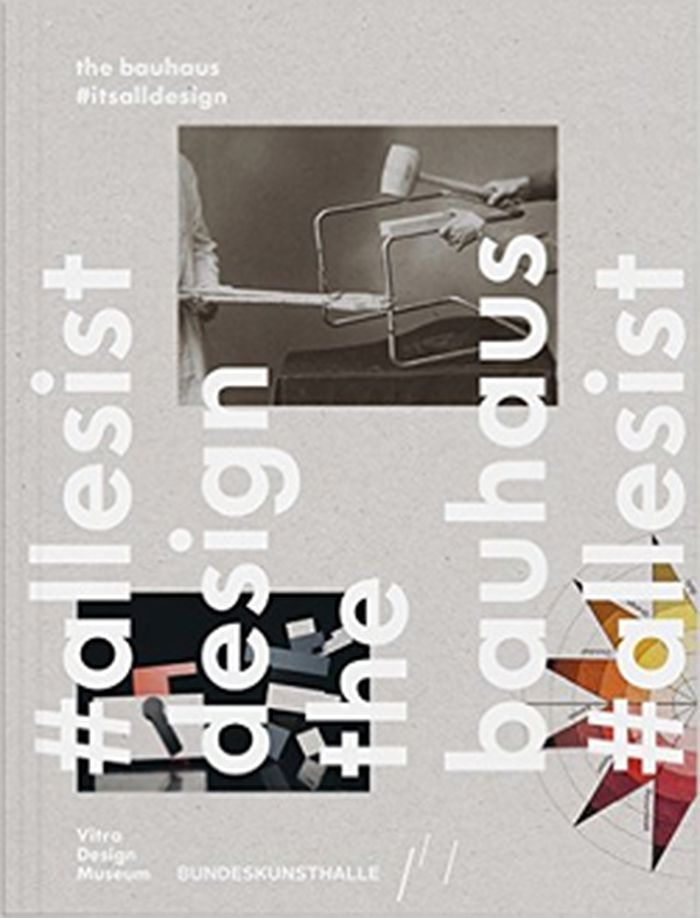
This volume offers a comprehensive overview of the extended concept of design that was initiated at the Bauhaus. Alongside rare exhibits from design, architecture, art, film and photography--some of which have never previously been published--the book documents the development processes as well as the socio-political concepts behind the Bauhaus. To underline their relevance for today's creative practice, these ideas are contrasted to current themes in design such as the digital revolution, and the works of numerous present-day artists and designers. The lavishly illustrated publication features essays by renowned authors such as Arthur Rüegg and Jan Boelen, a glossary of the basic ideas behind design at the Bauhaus, as well as a detailed catalogue section. Among others, Olaf Nicolai, Adrian Sauer, Wilfried Kühn and Joseph Grima have created artistic works on the topic especially for the exhibition. Numerous short articles by distinguished designers, artists and architects from all over the world, who, with their ideas, projects and theories reflect on the topicality of the Bauhaus and its influence on 21st-century design, form part of this new and contemporary look at the movement. With works by Josef Albers, Marcel Breuer, Walter Gropius, Marianne Brandt, Wassily Kandinsky, Ludwig Mies van der Rohe, Herbert Bayer and many others.
The Bauhaus: #itsalldesign
Actions:
Price:
$95.00
(available to order)
Summary:
This volume offers a comprehensive overview of the extended concept of design that was initiated at the Bauhaus. Alongside rare exhibits from design, architecture, art, film and photography--some of which have never previously been published--the book documents the development processes as well as the socio-political concepts behind the Bauhaus. To underline their relevance for today's creative practice, these ideas are contrasted to current themes in design such as the digital revolution, and the works of numerous present-day artists and designers. The lavishly illustrated publication features essays by renowned authors such as Arthur Rüegg and Jan Boelen, a glossary of the basic ideas behind design at the Bauhaus, as well as a detailed catalogue section. Among others, Olaf Nicolai, Adrian Sauer, Wilfried Kühn and Joseph Grima have created artistic works on the topic especially for the exhibition. Numerous short articles by distinguished designers, artists and architects from all over the world, who, with their ideas, projects and theories reflect on the topicality of the Bauhaus and its influence on 21st-century design, form part of this new and contemporary look at the movement. With works by Josef Albers, Marcel Breuer, Walter Gropius, Marianne Brandt, Wassily Kandinsky, Ludwig Mies van der Rohe, Herbert Bayer and many others.
Form:
books
books
Publication:
October 2015
October 2015
Subject:
Modernism
Modernism
Form:
books
books
Actions:
Price:
$39.00
(available to order)
Summary:
The present volume offers eloquent testimony that many of the master builders of this century have held passionate convictions regarding the philosophic and social basis of their art. Nearly every important development in the modern architectural movement began with the proclamation of these convictions in the form of a program or manifesto. The most influential of these(...)
$39.00
(available to order)
Summary:
The present volume offers eloquent testimony that many of the master builders of this century have held passionate convictions regarding the philosophic and social basis of their art. Nearly every important development in the modern architectural movement began with the proclamation of these convictions in the form of a program or manifesto. The most influential of these(...)
Subject:
Architectural Theory
Architectural Theory
Publication:
January 1975, Cambridge, Massachusetts
January 1975, Cambridge, Massachusetts
Title:
Programs and manifestos of 20th-century architecture
Actions:
Price:
$39.00
(available to order)
Summary:
The present volume offers eloquent testimony that many of the master builders of this century have held passionate convictions regarding the philosophic and social basis of their art. Nearly every important development in the modern architectural movement began with the proclamation of these convictions in the form of a program or manifesto. The most influential of these are collected here in chronological order from 1903 to 1963. Taken together, they constitute a subjective history of modern architecture; compared with one another, their great diversity of style reveals in many cases the basic differences of attitude and temperament that produced a corresponding divergence in architectural style. The documents, placed in context by the editor, are also international in their range: among them are the seminal and prophetic statements of Henry van de Velde, Adolf Loos, and Bruno Taut from the early years of the century; Frank Lloyd Wright's 1910 annunciation of Organic Architecture; Gropius's original program for the Bauhaus, founded in Weimar in 1919; "Towards a New Architecture, Guiding Principles" by Le Corbusier; the formulation by Naum Gabo and Antoine Pevsner of the basic principles of Constructivism; and articles by R. Buckminster Fuller on universal architecture and the architect as world planner. Other pronouncements, some in flamboyant style, including those of Erich Mendelsohn, Hannes Meyer, Theo van Doesburg, Oskar Schlemmer, Ludwig Mies van der Rohe, El Lissitzky, and Louis I. Kahn. There are also a number of collective or group statements, issued in the name of movements such as CIAM, De Stijl, ABC, the Situationists, and GEAM.Since the dramatic effectiveness of the manifesto form is usually heightened by brevity and conciseness, it has been possible to reproduce most of the documents in their entirety; only a few have been excerpted.
Programs and manifestos of 20th-century architecture
Actions:
Price:
$39.00
(available to order)
Summary:
The present volume offers eloquent testimony that many of the master builders of this century have held passionate convictions regarding the philosophic and social basis of their art. Nearly every important development in the modern architectural movement began with the proclamation of these convictions in the form of a program or manifesto. The most influential of these are collected here in chronological order from 1903 to 1963. Taken together, they constitute a subjective history of modern architecture; compared with one another, their great diversity of style reveals in many cases the basic differences of attitude and temperament that produced a corresponding divergence in architectural style. The documents, placed in context by the editor, are also international in their range: among them are the seminal and prophetic statements of Henry van de Velde, Adolf Loos, and Bruno Taut from the early years of the century; Frank Lloyd Wright's 1910 annunciation of Organic Architecture; Gropius's original program for the Bauhaus, founded in Weimar in 1919; "Towards a New Architecture, Guiding Principles" by Le Corbusier; the formulation by Naum Gabo and Antoine Pevsner of the basic principles of Constructivism; and articles by R. Buckminster Fuller on universal architecture and the architect as world planner. Other pronouncements, some in flamboyant style, including those of Erich Mendelsohn, Hannes Meyer, Theo van Doesburg, Oskar Schlemmer, Ludwig Mies van der Rohe, El Lissitzky, and Louis I. Kahn. There are also a number of collective or group statements, issued in the name of movements such as CIAM, De Stijl, ABC, the Situationists, and GEAM.Since the dramatic effectiveness of the manifesto form is usually heightened by brevity and conciseness, it has been possible to reproduce most of the documents in their entirety; only a few have been excerpted.
Form:
books
books
Publication:
January 1975, Cambridge, Massachusetts
January 1975, Cambridge, Massachusetts
Subject:
Architectural Theory
Architectural Theory
Form:
books
books
Actions:
Price:
$38.00
(available to order)
Summary:
Garden design in the twentieth century ranges from Victorian-era examples to the age of Land Art. This span results in an extraordinarily varied survey - from Europe to South America, from Japan to the United States - including work by garden and landscape designers whose names are familiar to both lovers and scholars of the modern garden: Robinson, Jekyll, Jensen,(...)
$38.00
(available to order)
Summary:
Garden design in the twentieth century ranges from Victorian-era examples to the age of Land Art. This span results in an extraordinarily varied survey - from Europe to South America, from Japan to the United States - including work by garden and landscape designers whose names are familiar to both lovers and scholars of the modern garden: Robinson, Jekyll, Jensen,(...)
Title:
Modern garden design : innovation since 1900
Actions:
Price:
$38.00
(available to order)
Summary:
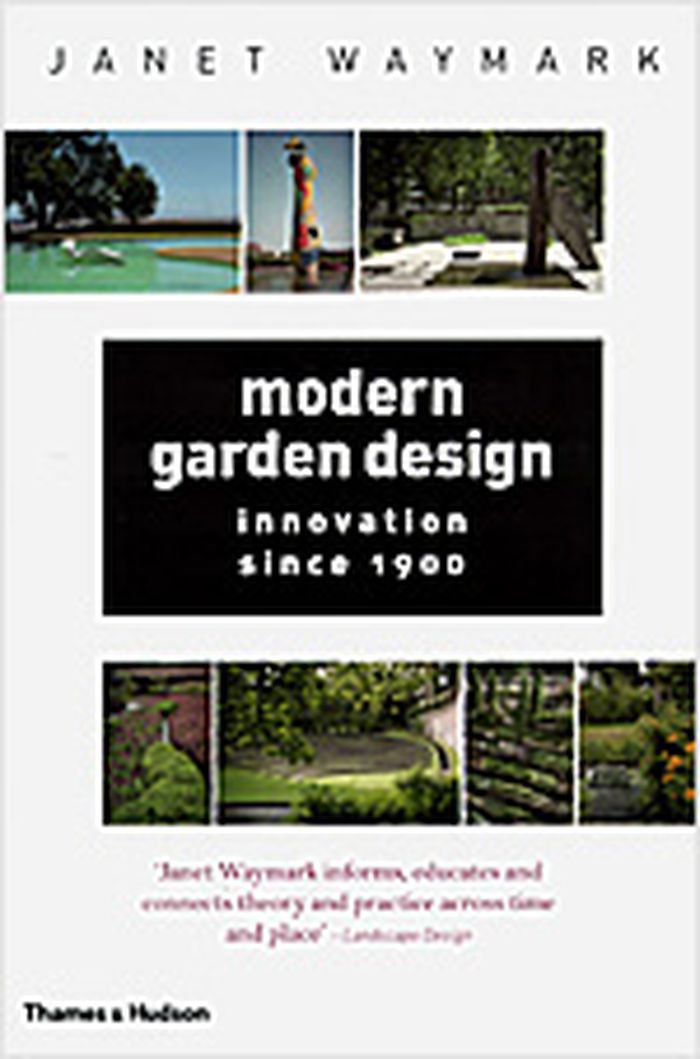
Garden design in the twentieth century ranges from Victorian-era examples to the age of Land Art. This span results in an extraordinarily varied survey - from Europe to South America, from Japan to the United States - including work by garden and landscape designers whose names are familiar to both lovers and scholars of the modern garden: Robinson, Jekyll, Jensen, Farrand, Sessions, Mawson, Church, Sørensen, and Jellicoe. Janet Waymark traces the revolutionary changes brought about in the postwar period by the Harvard Rebels - Eckbo, Rose, and Kiley - and examines the impact of Noguchi, Burle Marx, Barragán, and others, as well as the powerful international influence of Scandinavian landscape architects and designers. The garden city is also given close attention, from its beginnings in late Victorian Britain, through the Greenbelt Towns in the American Midwest, to the latest regeneration of urban centres worldwide. A long line of artists and architects of international renown have earned a place in the history of the modern garden: Monet, Le Corbusier, Mondrian, Wright, Mies van der Rohe, and Gaudí, among others. Land artists, such as Michael Heizer, Robert Smithson, Patricia Johanson, and Kathryn Gustafson in America and Richard Long, Andy Goldsworthy, and Ian Hamilton Finlay in the UK, have brought new ways of thinking about landscape and the garden into the twenty-first century.
Modern garden design : innovation since 1900
Actions:
Price:
$38.00
(available to order)
Summary:
Garden design in the twentieth century ranges from Victorian-era examples to the age of Land Art. This span results in an extraordinarily varied survey - from Europe to South America, from Japan to the United States - including work by garden and landscape designers whose names are familiar to both lovers and scholars of the modern garden: Robinson, Jekyll, Jensen, Farrand, Sessions, Mawson, Church, Sørensen, and Jellicoe. Janet Waymark traces the revolutionary changes brought about in the postwar period by the Harvard Rebels - Eckbo, Rose, and Kiley - and examines the impact of Noguchi, Burle Marx, Barragán, and others, as well as the powerful international influence of Scandinavian landscape architects and designers. The garden city is also given close attention, from its beginnings in late Victorian Britain, through the Greenbelt Towns in the American Midwest, to the latest regeneration of urban centres worldwide. A long line of artists and architects of international renown have earned a place in the history of the modern garden: Monet, Le Corbusier, Mondrian, Wright, Mies van der Rohe, and Gaudí, among others. Land artists, such as Michael Heizer, Robert Smithson, Patricia Johanson, and Kathryn Gustafson in America and Richard Long, Andy Goldsworthy, and Ian Hamilton Finlay in the UK, have brought new ways of thinking about landscape and the garden into the twenty-first century.
Form:
books
books
Publication:
January 1900, New York
January 1900, New York
Subject:
Gardens
Gardens
Form:
books
books
Price:
$50.00
(available to order)
Summary:
They are places we fear to tread, monuments to the principles of our forebears, awe-inspiring towers of achievement : public institutions that sustain and support our lives are all around us. Scott Fortino investigates these enduring pillars of public life in "Institutional", a striking visual essay that documents the diverse architectural structures that house the(...)
$50.00
(available to order)
Summary:
They are places we fear to tread, monuments to the principles of our forebears, awe-inspiring towers of achievement : public institutions that sustain and support our lives are all around us. Scott Fortino investigates these enduring pillars of public life in "Institutional", a striking visual essay that documents the diverse architectural structures that house the(...)
Subject:
Photography monographs
Photography monographs
Publication:
September 2005, Santa Fe
September 2005, Santa Fe
Title:
Institutional : photographs of jails, schools, and other Chicago buildings
Actions:
Price:
$50.00
(available to order)
Summary:
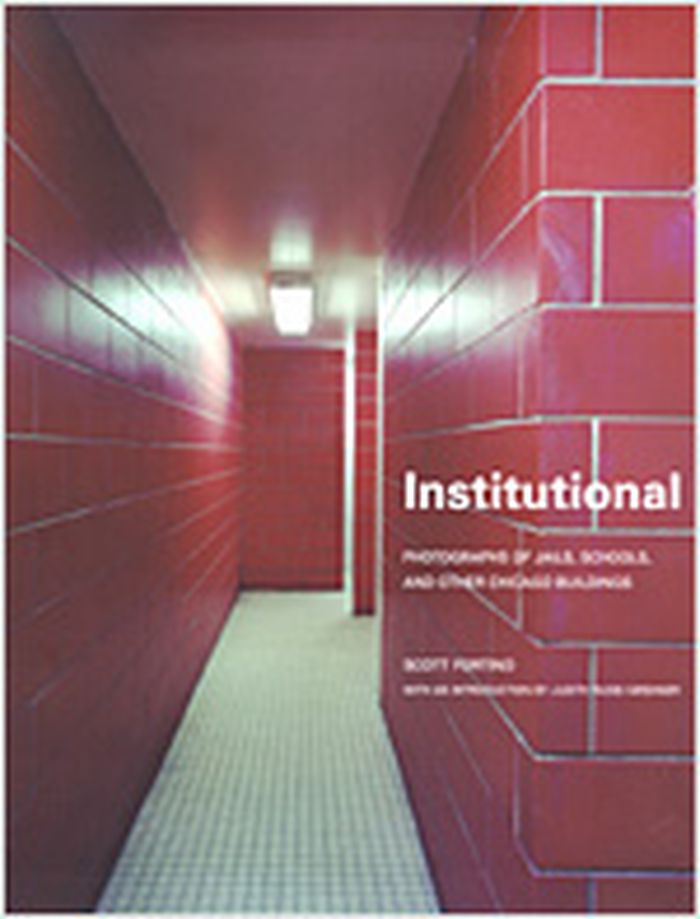
They are places we fear to tread, monuments to the principles of our forebears, awe-inspiring towers of achievement : public institutions that sustain and support our lives are all around us. Scott Fortino investigates these enduring pillars of public life in "Institutional", a striking visual essay that documents the diverse architectural structures that house the foundations of civic life in the city of Chicago. From schools to churches to prisons, Fortino transforms these worn, familiar edifices into compelling symbols of long-lost ideals and communitarian spirit. Fortino coaxes out the subtle warmth and depths of these often overwhelming and pitiless public spaces in his photographs, as his camera reveals the hidden characters of both high-profile works by renowned designers such as Rem Koolhaas, Helmut Jahn, and Mies van der Rohe as well as the stolid structures designed by long-forgotten architects. Light, colour, and composition work together in Fortino's images to produce provocative new perspectives on the interiors of public buildings, revealing how their cultural and social roles as places of worship, education, punishment, or entertainment cast long and complex shadows over our lives. Fortino challenges us in "Institutional" to rethink our view of the public spaces we pass through every day by offering an original and fascinating photographic study of the settings in which the important events of human life unfold.
Institutional : photographs of jails, schools, and other Chicago buildings
Actions:
Price:
$50.00
(available to order)
Summary:
They are places we fear to tread, monuments to the principles of our forebears, awe-inspiring towers of achievement : public institutions that sustain and support our lives are all around us. Scott Fortino investigates these enduring pillars of public life in "Institutional", a striking visual essay that documents the diverse architectural structures that house the foundations of civic life in the city of Chicago. From schools to churches to prisons, Fortino transforms these worn, familiar edifices into compelling symbols of long-lost ideals and communitarian spirit. Fortino coaxes out the subtle warmth and depths of these often overwhelming and pitiless public spaces in his photographs, as his camera reveals the hidden characters of both high-profile works by renowned designers such as Rem Koolhaas, Helmut Jahn, and Mies van der Rohe as well as the stolid structures designed by long-forgotten architects. Light, colour, and composition work together in Fortino's images to produce provocative new perspectives on the interiors of public buildings, revealing how their cultural and social roles as places of worship, education, punishment, or entertainment cast long and complex shadows over our lives. Fortino challenges us in "Institutional" to rethink our view of the public spaces we pass through every day by offering an original and fascinating photographic study of the settings in which the important events of human life unfold.
Form:
books
books
Publication:
September 2005, Santa Fe
September 2005, Santa Fe
Subject:
Photography monographs
Photography monographs


