


2465 Results
Form:
books
books
Title:
City unseen
City unseen
Actions:
Price:
$45.95
(available to order)
Summary:
Seeing cities around the globe in their larger environmental contexts, we begin to understand how the world shapes urban landscapes and how urban landscapes shape the world. Authors Karen Seto and Meredith Reba provide these revealing views to enhance readers’ understanding of the shape, growth, and life of urban settlements of all sizes—from the remote town of Namche(...)
$45.95
(available to order)
Summary:
Seeing cities around the globe in their larger environmental contexts, we begin to understand how the world shapes urban landscapes and how urban landscapes shape the world. Authors Karen Seto and Meredith Reba provide these revealing views to enhance readers’ understanding of the shape, growth, and life of urban settlements of all sizes—from the remote town of Namche(...)
Subject:
Environment and environmental theory
Environment and environmental theory
Publication:
September 2018
September 2018
Title:
City unseen
Actions:
Price:
$45.95
(available to order)
Summary:
Seeing cities around the globe in their larger environmental contexts, we begin to understand how the world shapes urban landscapes and how urban landscapes shape the world. Authors Karen Seto and Meredith Reba provide these revealing views to enhance readers’ understanding of the shape, growth, and life of urban settlements of all sizes—from the remote town of Namche Bazaar in Nepal to the vast metropolitan prefecture of Tokyo, Japan. Using satellite data, the authors show urban landscapes in new perspectives. The book’s beautiful and surprising images pull back the veil on familiar scenes to highlight the growth of cities over time, the symbiosis between urban form and natural landscapes, and the vulnerabilities of cities to the effects of climate change.
City unseen
Actions:
Price:
$45.95
(available to order)
Summary:
Seeing cities around the globe in their larger environmental contexts, we begin to understand how the world shapes urban landscapes and how urban landscapes shape the world. Authors Karen Seto and Meredith Reba provide these revealing views to enhance readers’ understanding of the shape, growth, and life of urban settlements of all sizes—from the remote town of Namche Bazaar in Nepal to the vast metropolitan prefecture of Tokyo, Japan. Using satellite data, the authors show urban landscapes in new perspectives. The book’s beautiful and surprising images pull back the veil on familiar scenes to highlight the growth of cities over time, the symbiosis between urban form and natural landscapes, and the vulnerabilities of cities to the effects of climate change.
Form:
books
books
Publication:
September 2018
September 2018
Subject:
Environment and environmental theory
Environment and environmental theory
Form:
books
books
Title:
Inventing future cities
Inventing future cities
Actions:
Price:
$35.95
(available to order)
Summary:
We cannot predict future cities, but we can invent them. Cities are largely unpredictable because they are complex systems that are more like organisms than machines. Neither the laws of economics nor the laws of mechanics apply; cities are the product of countless individual and collective decisions that do not conform to any grand plan. They are the product of our(...)
$35.95
(available to order)
Summary:
We cannot predict future cities, but we can invent them. Cities are largely unpredictable because they are complex systems that are more like organisms than machines. Neither the laws of economics nor the laws of mechanics apply; cities are the product of countless individual and collective decisions that do not conform to any grand plan. They are the product of our(...)
Title:
Inventing future cities
Actions:
Price:
$35.95
(available to order)
Summary:
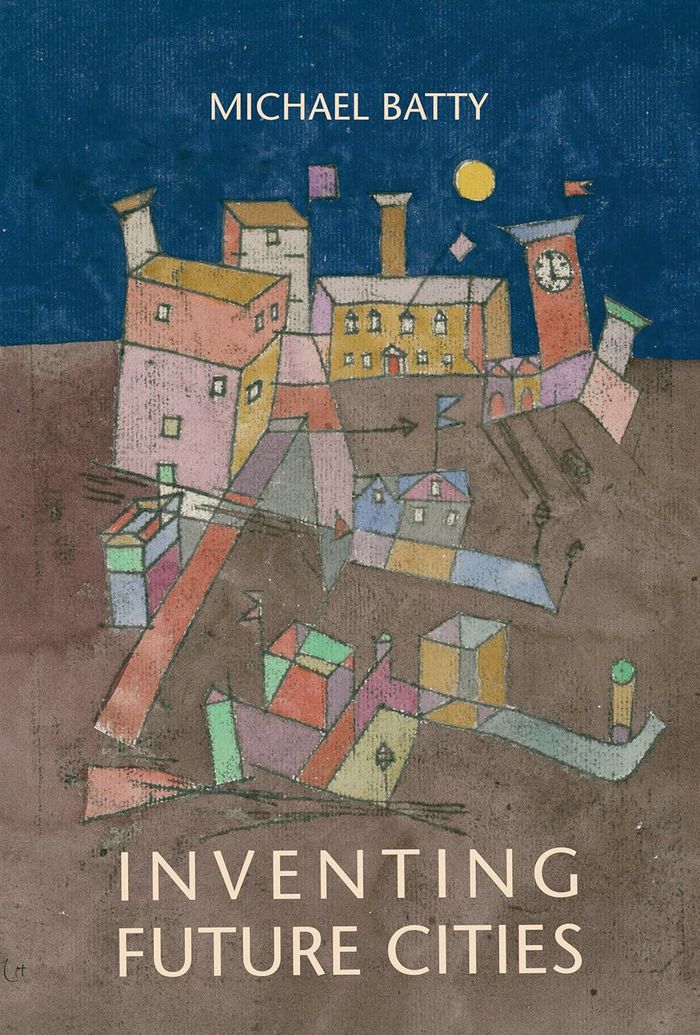
We cannot predict future cities, but we can invent them. Cities are largely unpredictable because they are complex systems that are more like organisms than machines. Neither the laws of economics nor the laws of mechanics apply; cities are the product of countless individual and collective decisions that do not conform to any grand plan. They are the product of our inventions; they evolve. In Inventing Future Cities, Michael Batty explores what we need to understand about cities in order to invent their future. Batty outlines certain themes—principles—that apply to all cities. He investigates not the invention of artifacts but inventive processes. Today form is becoming ever more divorced from function; information networks now shape the traditional functions of cities as places of exchange and innovation. By the end of this century, most of the world's population will live in cities, large or small, sometimes contiguous, and always connected; in an urbanized world, it will be increasingly difficult to define a city by its physical boundaries.
Inventing future cities
Actions:
Price:
$35.95
(available to order)
Summary:
We cannot predict future cities, but we can invent them. Cities are largely unpredictable because they are complex systems that are more like organisms than machines. Neither the laws of economics nor the laws of mechanics apply; cities are the product of countless individual and collective decisions that do not conform to any grand plan. They are the product of our inventions; they evolve. In Inventing Future Cities, Michael Batty explores what we need to understand about cities in order to invent their future. Batty outlines certain themes—principles—that apply to all cities. He investigates not the invention of artifacts but inventive processes. Today form is becoming ever more divorced from function; information networks now shape the traditional functions of cities as places of exchange and innovation. By the end of this century, most of the world's population will live in cities, large or small, sometimes contiguous, and always connected; in an urbanized world, it will be increasingly difficult to define a city by its physical boundaries.
Form:
books
books
Publication:
June 2024
June 2024
Subject:
Urban Theory
Urban Theory
Form:
journals and magazines
journals and magazines
Actions:
Price:
$28.95
(available to order)
Summary:
A collection of essays, projects and interviews highlighting work by faculty, students and graduates of SCI-Arc. This issue features essays on the theme of the urban form in Los Angeles, a critique of current practice, an interview with Mike Kelley, and an investigation of the trailer park.
$28.95
(available to order)
Summary:
A collection of essays, projects and interviews highlighting work by faculty, students and graduates of SCI-Arc. This issue features essays on the theme of the urban form in Los Angeles, a critique of current practice, an interview with Mike Kelley, and an investigation of the trailer park.
Title:
Offramp 6 - Greatness close to home
Actions:
Price:
$28.95
(available to order)
Summary:
A collection of essays, projects and interviews highlighting work by faculty, students and graduates of SCI-Arc. This issue features essays on the theme of the urban form in Los Angeles, a critique of current practice, an interview with Mike Kelley, and an investigation of the trailer park.
Offramp 6 - Greatness close to home
Actions:
Price:
$28.95
(available to order)
Summary:
A collection of essays, projects and interviews highlighting work by faculty, students and graduates of SCI-Arc. This issue features essays on the theme of the urban form in Los Angeles, a critique of current practice, an interview with Mike Kelley, and an investigation of the trailer park.
Form:
journals and magazines
journals and magazines
Publication:
March 1997, New York
March 1997, New York
Subject:
Magazines
Magazines
Form:
books
books
Title:
After the city
After the city
Actions:
Price:
$20.00
(available to order)
Summary:
The city's reign over our senses, our moods, our very ways of being is outmoded. The suburban metropolis has superseded the city. The new building materials are non-material: electricity, telephony, weather, time, and so forth. Consequently, according to Lars Lerup, architecture and architects must be rethought. Until now, architects have been trained to serve the(...)
$20.00
(available to order)
Summary:
The city's reign over our senses, our moods, our very ways of being is outmoded. The suburban metropolis has superseded the city. The new building materials are non-material: electricity, telephony, weather, time, and so forth. Consequently, according to Lars Lerup, architecture and architects must be rethought. Until now, architects have been trained to serve the(...)
Title:
After the city
Actions:
Price:
$20.00
(available to order)
Summary:
The city's reign over our senses, our moods, our very ways of being is outmoded. The suburban metropolis has superseded the city. The new building materials are non-material: electricity, telephony, weather, time, and so forth. Consequently, according to Lars Lerup, architecture and architects must be rethought. Until now, architects have been trained to serve the elite few, as reflected in a belief in customization and the uniqueness of each project. Instead, Lerup holds, architectural educators should promote teamwork and the design of authorless objects, combined with an integration of design and practice. Before we can rethink the architectural curriculum, however, we must rethink the metropolis. And rethink the metropolis is just what Lerup does. In an intellectually far-ranging yet intensely personal manner, he moves from contemplation of the form and philosophical implications of the Pantheon to a discussion of how Levittown residents seek and create community. The result is an exhilarating work with profound practical implications. Unlike the many who view suburbia with paranoid dismay, Lerup takes an optimistic view of the new, open metropolis--for him not the site of unavoidable uniformity and mediocrity, but an exciting new frontier.
After the city
Actions:
Price:
$20.00
(available to order)
Summary:
The city's reign over our senses, our moods, our very ways of being is outmoded. The suburban metropolis has superseded the city. The new building materials are non-material: electricity, telephony, weather, time, and so forth. Consequently, according to Lars Lerup, architecture and architects must be rethought. Until now, architects have been trained to serve the elite few, as reflected in a belief in customization and the uniqueness of each project. Instead, Lerup holds, architectural educators should promote teamwork and the design of authorless objects, combined with an integration of design and practice. Before we can rethink the architectural curriculum, however, we must rethink the metropolis. And rethink the metropolis is just what Lerup does. In an intellectually far-ranging yet intensely personal manner, he moves from contemplation of the form and philosophical implications of the Pantheon to a discussion of how Levittown residents seek and create community. The result is an exhilarating work with profound practical implications. Unlike the many who view suburbia with paranoid dismay, Lerup takes an optimistic view of the new, open metropolis--for him not the site of unavoidable uniformity and mediocrity, but an exciting new frontier.
Form:
books
books
Publication:
October 2001, Cambridge, Mass.
October 2001, Cambridge, Mass.
Subject:
Urban Theory
Urban Theory
Form:
books
books
Title:
After the city
After the city
Actions:
Price:
$63.50
(available to order)
Summary:
The city's reign over our senses, our moods, our very ways of being is outmoded. The suburban metropolis has superseded the city. The new building materials are non-material: electricity, telephony, weather, time, and so forth. Consequently, according to Lars Lerup, architecture and architects must be rethought. Until now, architects have been trained to serve the(...)
$63.50
(available to order)
Summary:
The city's reign over our senses, our moods, our very ways of being is outmoded. The suburban metropolis has superseded the city. The new building materials are non-material: electricity, telephony, weather, time, and so forth. Consequently, according to Lars Lerup, architecture and architects must be rethought. Until now, architects have been trained to serve the(...)
Title:
After the city
Actions:
Price:
$63.50
(available to order)
Summary:
The city's reign over our senses, our moods, our very ways of being is outmoded. The suburban metropolis has superseded the city. The new building materials are non-material: electricity, telephony, weather, time, and so forth. Consequently, according to Lars Lerup, architecture and architects must be rethought. Until now, architects have been trained to serve the elite few, as reflected in a belief in customization and the uniqueness of each project. Instead, Lerup holds, architectural educators should promote teamwork and the design of authorless objects, combined with an integration of design and practice. Before we can rethink the architectural curriculum, however, we must rethink the metropolis. And rethink the metropolis is just what Lerup does. In an intellectually far-ranging yet intensely personal manner, he moves from contemplation of the form and philosophical implications of the Pantheon to a discussion of how Levittown residents seek and create community. The result is an exhilarating work with profound practical implications. Unlike the many who view suburbia with paranoid dismay, Lerup takes an optimistic view of the new, open metropolis--for him not the site of unavoidable uniformity and mediocrity, but an exciting new frontier.
After the city
Actions:
Price:
$63.50
(available to order)
Summary:
The city's reign over our senses, our moods, our very ways of being is outmoded. The suburban metropolis has superseded the city. The new building materials are non-material: electricity, telephony, weather, time, and so forth. Consequently, according to Lars Lerup, architecture and architects must be rethought. Until now, architects have been trained to serve the elite few, as reflected in a belief in customization and the uniqueness of each project. Instead, Lerup holds, architectural educators should promote teamwork and the design of authorless objects, combined with an integration of design and practice. Before we can rethink the architectural curriculum, however, we must rethink the metropolis. And rethink the metropolis is just what Lerup does. In an intellectually far-ranging yet intensely personal manner, he moves from contemplation of the form and philosophical implications of the Pantheon to a discussion of how Levittown residents seek and create community. The result is an exhilarating work with profound practical implications. Unlike the many who view suburbia with paranoid dismay, Lerup takes an optimistic view of the new, open metropolis--for him not the site of unavoidable uniformity and mediocrity, but an exciting new frontier.
Form:
books
books
Publication:
May 2000, Cambridge, Mass.
May 2000, Cambridge, Mass.
Subject:
Urban Theory
Urban Theory
Form:
books
books
Title:
China architectural guide
China architectural guide
Actions:
Price:
$82.95
(available to order)
Summary:
In an era of accelerating population growth, mass urbanisation, and increasing pressure on the natural environment, the megacities of China's eastern seaboard have become a focal point of architectural and urban-design attention. The reform and opening-up era has touched China's major cities in different ways, variously affecting the existing fabric of dynastic capitals,(...)
$82.95
(available to order)
Summary:
In an era of accelerating population growth, mass urbanisation, and increasing pressure on the natural environment, the megacities of China's eastern seaboard have become a focal point of architectural and urban-design attention. The reform and opening-up era has touched China's major cities in different ways, variously affecting the existing fabric of dynastic capitals,(...)
Title:
China architectural guide
Actions:
Price:
$82.95
(available to order)
Summary:
In an era of accelerating population growth, mass urbanisation, and increasing pressure on the natural environment, the megacities of China's eastern seaboard have become a focal point of architectural and urban-design attention. The reform and opening-up era has touched China's major cities in different ways, variously affecting the existing fabric of dynastic capitals, trade hubs, and former European colonies and concessions; this in turn has provided the setting for a range of complex reactions by contemporary architects. The Architectural Guide China provides an invaluable window into this work, with city by city coverage including historic maps and background information on urban form. Building on the authors' years of experience leading architectural study tours, this book is the first comprehensive English-language survey of architecture in China presented in the form of a travel guidebook.
China architectural guide
Actions:
Price:
$82.95
(available to order)
Summary:
In an era of accelerating population growth, mass urbanisation, and increasing pressure on the natural environment, the megacities of China's eastern seaboard have become a focal point of architectural and urban-design attention. The reform and opening-up era has touched China's major cities in different ways, variously affecting the existing fabric of dynastic capitals, trade hubs, and former European colonies and concessions; this in turn has provided the setting for a range of complex reactions by contemporary architects. The Architectural Guide China provides an invaluable window into this work, with city by city coverage including historic maps and background information on urban form. Building on the authors' years of experience leading architectural study tours, this book is the first comprehensive English-language survey of architecture in China presented in the form of a travel guidebook.
Form:
books
books
Publication:
October 2015
October 2015
Subject:
City Guides
City Guides
Form:
books
books
Actions:
Holdings:
Description:
59, [1] pages : illustrations (chiefly color), plans ; 31 cm
Description:
59, [1] pages : illustrations (chiefly color), plans ; 31 cm
Author:
Subject:
Publication:
Stuttgart : A. Menges, ©2010.
Stuttgart : A. Menges, ©2010.
Title:
Dietrich Dietrich Tafel : Max-Planck-Institut für Wissenschaftsgeschichte, Berlin / text, Andreas Schätzke, Photographien/photographs: Reinhard Görner.
Actions:
Holdings:
Description:
59, [1] pages : illustrations (chiefly color), plans ; 31 cm
Dietrich Dietrich Tafel : Max-Planck-Institut für Wissenschaftsgeschichte, Berlin / text, Andreas Schätzke, Photographien/photographs: Reinhard Görner.
Actions:
Holdings:
Description:
59, [1] pages : illustrations (chiefly color), plans ; 31 cm
Form:
books
books
Publication:
Stuttgart : A. Menges, ©2010.
Stuttgart : A. Menges, ©2010.
Author:
Subject:
Form:
books
books
Actions:
Price:
$94.00
(available to order)
Summary:
BIG is an internationally operating creative group of architects, designers, urban and landscape planners, interior and product designers, researchers and inventors. The architecture of BIG is created on the basis of an observation of the environment and is suitable for a contemporary form of living. The secret of their architecture lies in the combination of utopia and(...)
$94.00
(available to order)
Summary:
BIG is an internationally operating creative group of architects, designers, urban and landscape planners, interior and product designers, researchers and inventors. The architecture of BIG is created on the basis of an observation of the environment and is suitable for a contemporary form of living. The secret of their architecture lies in the combination of utopia and(...)
Title:
BIG: Architecture and construction details
Actions:
Price:
$94.00
(available to order)
Summary:
BIG is an internationally operating creative group of architects, designers, urban and landscape planners, interior and product designers, researchers and inventors. The architecture of BIG is created on the basis of an observation of the environment and is suitable for a contemporary form of living. The secret of their architecture lies in the combination of utopia and pragmatism. This monograph shows how this can work. From small projects to a gigantic housing block, from urban space to museum – everything that makes urban architecture fascinating is included. This monograph presents 19 exciting projects from BIG’s creative workshop. It invites to a new experience of architecture.
BIG: Architecture and construction details
Actions:
Price:
$94.00
(available to order)
Summary:
BIG is an internationally operating creative group of architects, designers, urban and landscape planners, interior and product designers, researchers and inventors. The architecture of BIG is created on the basis of an observation of the environment and is suitable for a contemporary form of living. The secret of their architecture lies in the combination of utopia and pragmatism. This monograph shows how this can work. From small projects to a gigantic housing block, from urban space to museum – everything that makes urban architecture fascinating is included. This monograph presents 19 exciting projects from BIG’s creative workshop. It invites to a new experience of architecture.
Form:
books
books
Publication:
May 2022
May 2022
Subject:
Architecture Monographs
Architecture Monographs
Form:
books
books
Actions:
Price:
$69.95
(available to order)
Summary:
Demonstrating how cartography is a valuable instrument for urban research, this cartographic book reveals the impact of infrastructure on a region's development in an original manner. Bieke Cattoor has mapped and analysed the roads, railways and communications network of Belgium's Kortrijk region, overlaying them with historical and topical information. With this(...)
$69.95
(available to order)
Summary:
Demonstrating how cartography is a valuable instrument for urban research, this cartographic book reveals the impact of infrastructure on a region's development in an original manner. Bieke Cattoor has mapped and analysed the roads, railways and communications network of Belgium's Kortrijk region, overlaying them with historical and topical information. With this(...)
Title:
Figures, Infrastructures: an atlas of roads and railways
Actions:
Price:
$69.95
(available to order)
Summary:
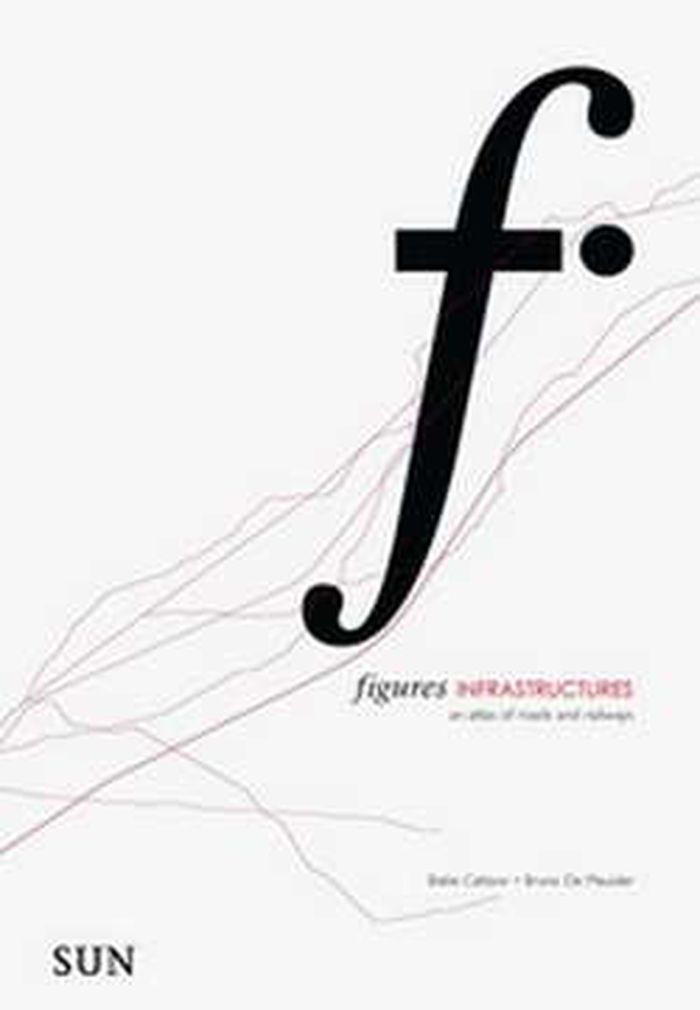
Demonstrating how cartography is a valuable instrument for urban research, this cartographic book reveals the impact of infrastructure on a region's development in an original manner. Bieke Cattoor has mapped and analysed the roads, railways and communications network of Belgium's Kortrijk region, overlaying them with historical and topical information. With this perspective, the varied elements in an infrastructural network are clarified, and Cattoor identifies how roads and railways form related patterns and lead to nodes. The book reveals the complexity of our layered urban landscape with a new and simple representational method, and suggests how this method can be deployed in urban research as a whole.
Figures, Infrastructures: an atlas of roads and railways
Actions:
Price:
$69.95
(available to order)
Summary:
Demonstrating how cartography is a valuable instrument for urban research, this cartographic book reveals the impact of infrastructure on a region's development in an original manner. Bieke Cattoor has mapped and analysed the roads, railways and communications network of Belgium's Kortrijk region, overlaying them with historical and topical information. With this perspective, the varied elements in an infrastructural network are clarified, and Cattoor identifies how roads and railways form related patterns and lead to nodes. The book reveals the complexity of our layered urban landscape with a new and simple representational method, and suggests how this method can be deployed in urban research as a whole.
Form:
books
books
Publication:
November 2010
November 2010
Subject:
Architectural Plans and Cartography
Architectural Plans and Cartography
Form:
books
books
Price:
$54.95
(available to order)
Summary:
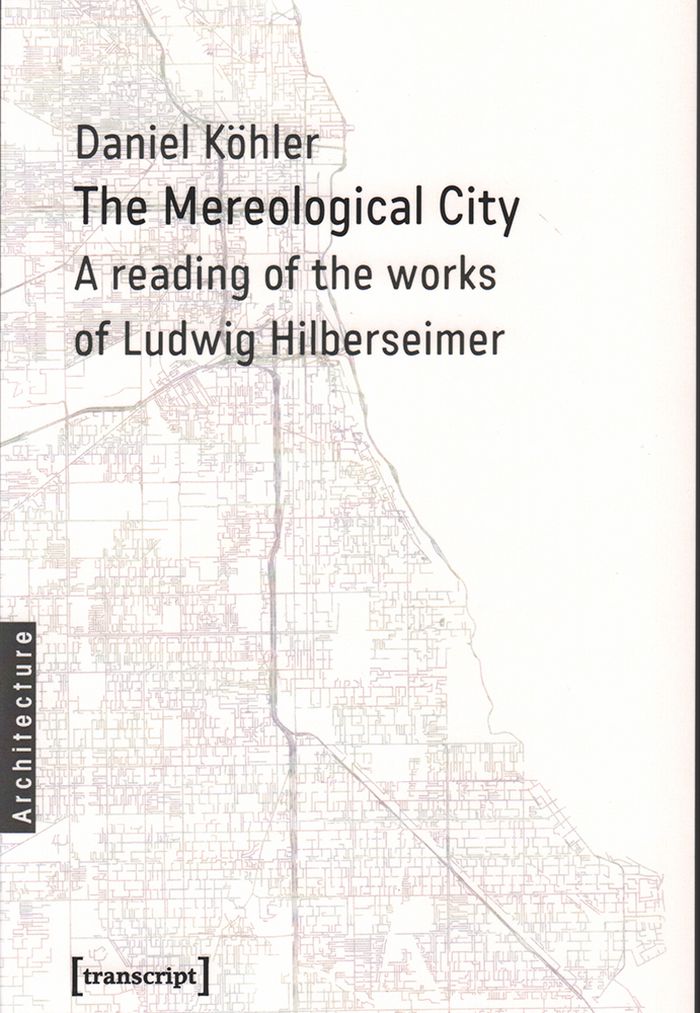
In a positive departure from modernism, the work of the art critic and urbanist Ludwig Hilberseimer offers schemata towards the design for the city itself: its mereological composition. The resonance of parts unfolds to an alternative of a purely contrasting equation of form and content. It reminds us, that when the ground (logos) of the city is defined by its parts(...)
$54.95
(available to order)
Summary:
In a positive departure from modernism, the work of the art critic and urbanist Ludwig Hilberseimer offers schemata towards the design for the city itself: its mereological composition. The resonance of parts unfolds to an alternative of a purely contrasting equation of form and content. It reminds us, that when the ground (logos) of the city is defined by its parts(...)
Title:
The mereological city: a reading of the works of Ludwig Hilberseimer
Actions:
Price:
$54.95
(available to order)
Summary:
In a positive departure from modernism, the work of the art critic and urbanist Ludwig Hilberseimer offers schemata towards the design for the city itself: its mereological composition. The resonance of parts unfolds to an alternative of a purely contrasting equation of form and content. It reminds us, that when the ground (logos) of the city is defined by its parts (meros), its architecture, the city in turn always also is part of the architecture as its desire. The Mereological City introduces a mereological methodology and contributes to an ongoing discussion about an ecological form of urban design.
The mereological city: a reading of the works of Ludwig Hilberseimer
Actions:
Price:
$54.95
(available to order)
Summary:
In a positive departure from modernism, the work of the art critic and urbanist Ludwig Hilberseimer offers schemata towards the design for the city itself: its mereological composition. The resonance of parts unfolds to an alternative of a purely contrasting equation of form and content. It reminds us, that when the ground (logos) of the city is defined by its parts (meros), its architecture, the city in turn always also is part of the architecture as its desire. The Mereological City introduces a mereological methodology and contributes to an ongoing discussion about an ecological form of urban design.
Form:
books
books
Publication:
October 2016
October 2016
Subject:
Architectural Theory
Architectural Theory


