


2877 Results
Form:
books
books
Actions:
Price:
$84.00
(available to order)
Summary:
After a century largely dominated by discussions of space and form, there is now renewed interest in the material and tectonic aspects of architecture. This illustrated book takes a detailed and timely look at the importance of materials in architecture, focusing particularly on modern and contemporary buildings. Richard Weston begins with a brief cultural history of(...)
$84.00
(available to order)
Summary:
After a century largely dominated by discussions of space and form, there is now renewed interest in the material and tectonic aspects of architecture. This illustrated book takes a detailed and timely look at the importance of materials in architecture, focusing particularly on modern and contemporary buildings. Richard Weston begins with a brief cultural history of(...)
Title:
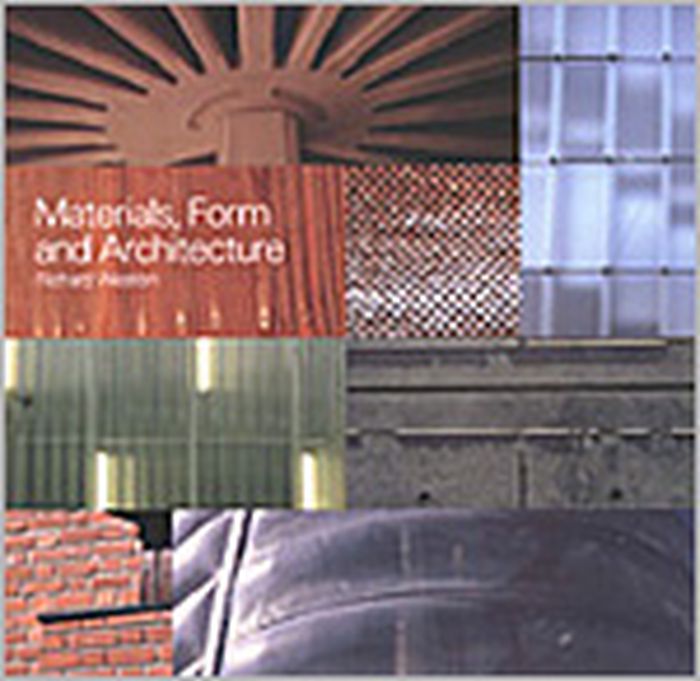
Materials, form and architecture
Actions:
Price:
$84.00
(available to order)
Summary:
After a century largely dominated by discussions of space and form, there is now renewed interest in the material and tectonic aspects of architecture. This illustrated book takes a detailed and timely look at the importance of materials in architecture, focusing particularly on modern and contemporary buildings. Richard Weston begins with a brief cultural history of major building materials--such as timber, earth, stone, steel, and glass--exploring how they have been produced, considered, worked, and used in a variety of buildings and cultures. He then explores the ways that architects, theorists, and critics have articulated the relationship between materials and architectural forms and spaces throughout modern history. Other featured topics include the importance of place, time, junctions, finish, and meaning; the proposition that in an increasingly global and virtual world, many architects emphasize the material qualities of buildings to ensure a heightened sense of reality; and a comprehensive survey of current and prospective developments in materials, from refinements of such familiar materials as fiber-reinforced concrete and “intelligent” glass to new synthetic compounds and working methods. Together, these varied perspectives on the material art of building offer insights into the impact that the type and treatment of materials has on how buildings can be constructed and designed, how they function, and how they fare over time.
Materials, form and architecture
Actions:
Price:
$84.00
(available to order)
Summary:
After a century largely dominated by discussions of space and form, there is now renewed interest in the material and tectonic aspects of architecture. This illustrated book takes a detailed and timely look at the importance of materials in architecture, focusing particularly on modern and contemporary buildings. Richard Weston begins with a brief cultural history of major building materials--such as timber, earth, stone, steel, and glass--exploring how they have been produced, considered, worked, and used in a variety of buildings and cultures. He then explores the ways that architects, theorists, and critics have articulated the relationship between materials and architectural forms and spaces throughout modern history. Other featured topics include the importance of place, time, junctions, finish, and meaning; the proposition that in an increasingly global and virtual world, many architects emphasize the material qualities of buildings to ensure a heightened sense of reality; and a comprehensive survey of current and prospective developments in materials, from refinements of such familiar materials as fiber-reinforced concrete and “intelligent” glass to new synthetic compounds and working methods. Together, these varied perspectives on the material art of building offer insights into the impact that the type and treatment of materials has on how buildings can be constructed and designed, how they function, and how they fare over time.
Form:
books
books
Publication:
September 2003, New Haven
September 2003, New Haven
Subject:
Materials and Lighting
Materials and Lighting
Form:
books
books
Title:
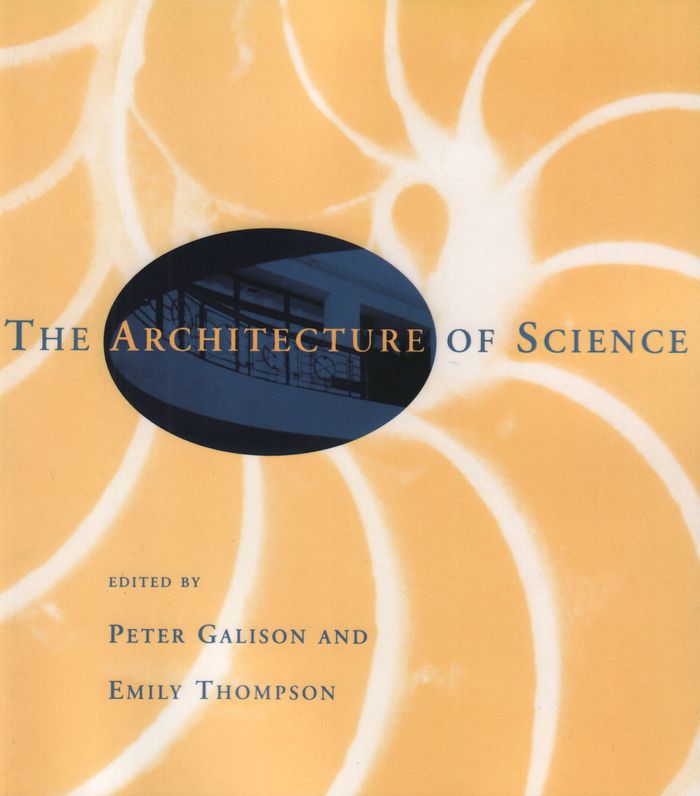
The architecture of science
The architecture of science
Actions:
Price:
$107.00
(available to order)
Summary:
How do the spaces in which science is done shape the identity of the scientist and the self-conception of scientific fields? How do the sciences structure the identity of the architect and the practice of architecture in a specific period? And how does the design of spaces such as laboratories, hospitals, and museums affect how the public perceives and interacts with the(...)
$107.00
(available to order)
Summary:
How do the spaces in which science is done shape the identity of the scientist and the self-conception of scientific fields? How do the sciences structure the identity of the architect and the practice of architecture in a specific period? And how does the design of spaces such as laboratories, hospitals, and museums affect how the public perceives and interacts with the(...)
Title:
The architecture of science
Actions:
Price:
$107.00
(available to order)
Summary:
How do the spaces in which science is done shape the identity of the scientist and the self-conception of scientific fields? How do the sciences structure the identity of the architect and the practice of architecture in a specific period? And how does the design of spaces such as laboratories, hospitals, and museums affect how the public perceives and interacts with the world of science? « The Architecture of Science » offers a dazzling set of speculations on these issues by historians of science, architecture, and art; architectural theorists; and sociologists as well as practicing scientists and architects. The essays are organized into six sections: "Of Secrecy and Openness: Science and Architecture in Early Modern Europe"; "Displaying and Concealing Technics in the Nineteenth Century"; "Modern Space"; "Is Architecture Science?"; "Princeton after Modernism: The Lewis Thomas Laboratory for Molecular Biology"; and "Centers, Cities, and Colliders."
The architecture of science
Actions:
Price:
$107.00
(available to order)
Summary:
How do the spaces in which science is done shape the identity of the scientist and the self-conception of scientific fields? How do the sciences structure the identity of the architect and the practice of architecture in a specific period? And how does the design of spaces such as laboratories, hospitals, and museums affect how the public perceives and interacts with the world of science? « The Architecture of Science » offers a dazzling set of speculations on these issues by historians of science, architecture, and art; architectural theorists; and sociologists as well as practicing scientists and architects. The essays are organized into six sections: "Of Secrecy and Openness: Science and Architecture in Early Modern Europe"; "Displaying and Concealing Technics in the Nineteenth Century"; "Modern Space"; "Is Architecture Science?"; "Princeton after Modernism: The Lewis Thomas Laboratory for Molecular Biology"; and "Centers, Cities, and Colliders."
Form:
books
books
Publication:
April 1999
April 1999
Subject:
Architectural Theory
Architectural Theory
Form:
books
books
Actions:
Price:
$29.95
(available to order)
Summary:
We tend to think cities look the way they do because of the conscious work of architects, planners and builders. But what if the look of cities had less to do with design, and more to do with social, cultural, financial and political processes, and the way ordinary citizens interact with them? This book is the story of dramatic but unforeseen urban sights: how(...)
$29.95
(available to order)
Summary:
We tend to think cities look the way they do because of the conscious work of architects, planners and builders. But what if the look of cities had less to do with design, and more to do with social, cultural, financial and political processes, and the way ordinary citizens interact with them? This book is the story of dramatic but unforeseen urban sights: how(...)
Title:
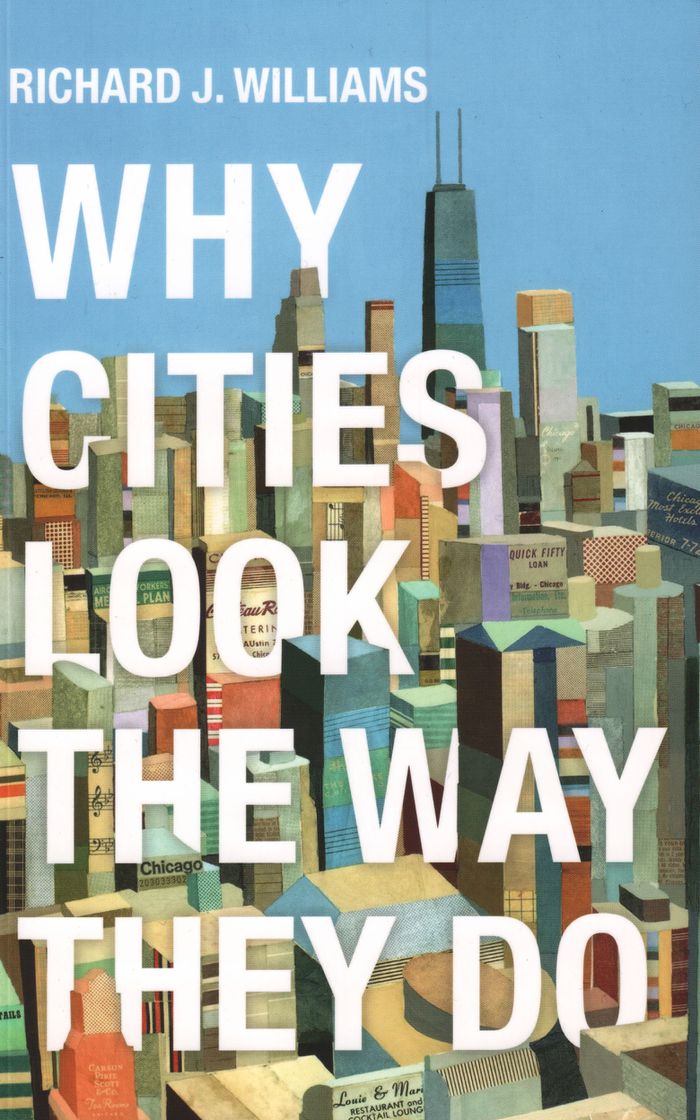
Why cities look the way they do
Actions:
Price:
$29.95
(available to order)
Summary:
We tend to think cities look the way they do because of the conscious work of architects, planners and builders. But what if the look of cities had less to do with design, and more to do with social, cultural, financial and political processes, and the way ordinary citizens interact with them? This book is the story of dramatic but unforeseen urban sights: how financial capital spawns empty towering skyscrapers and hollowed-out ghettoes; how the zoning of once-illicit sexual practices in marginal areas of the city results in the reinvention of culturally vibrant gay villages; how abandoned factories have been repurposed as creative hubs in a precarious postindustrial economy. It is also the story of how popular urban clichés and the fictional portrayal of cities powerfully shape the way we read and see the bricks, concrete and glass that surround us.
Why cities look the way they do
Actions:
Price:
$29.95
(available to order)
Summary:
We tend to think cities look the way they do because of the conscious work of architects, planners and builders. But what if the look of cities had less to do with design, and more to do with social, cultural, financial and political processes, and the way ordinary citizens interact with them? This book is the story of dramatic but unforeseen urban sights: how financial capital spawns empty towering skyscrapers and hollowed-out ghettoes; how the zoning of once-illicit sexual practices in marginal areas of the city results in the reinvention of culturally vibrant gay villages; how abandoned factories have been repurposed as creative hubs in a precarious postindustrial economy. It is also the story of how popular urban clichés and the fictional portrayal of cities powerfully shape the way we read and see the bricks, concrete and glass that surround us.
Form:
books
books
Publication:
June 2019
June 2019
Subject:
Urban Theory
Urban Theory
Form:
books
books

Title:
Water: alphabet city
Water: alphabet city
Actions:
Price:
$18.95
(available to order)
Summary:
Water includes a chemist's accounting of the true cost of water; photographs taken inside a city's secret waterways; an urban planner's description of how Toronto, New York, Hamburg, and Seoul have redesigned and rethought their waterfront areas; a conceptual artist's series of water bottles "branded" with various modern credos; photographs of a water-damaged ledger from(...)
$18.95
(available to order)
Summary:
Water includes a chemist's accounting of the true cost of water; photographs taken inside a city's secret waterways; an urban planner's description of how Toronto, New York, Hamburg, and Seoul have redesigned and rethought their waterfront areas; a conceptual artist's series of water bottles "branded" with various modern credos; photographs of a water-damaged ledger from(...)
Title:
Water: alphabet city
Actions:
Price:
$18.95
(available to order)
Summary:
Water includes a chemist's accounting of the true cost of water; photographs taken inside a city's secret waterways; an urban planner's description of how Toronto, New York, Hamburg, and Seoul have redesigned and rethought their waterfront areas; a conceptual artist's series of water bottles "branded" with various modern credos; photographs of a water-damaged ledger from the 1905 Yukon gold rush; two architects' rethinking of how to collect, divert, and transport water from water-rich to water-poor regions; a philosopher's invocation of the spiritual lessons of water; and photographs of a disturbingly beautiful flooded landscape.
Water: alphabet city
Actions:
Price:
$18.95
(available to order)
Summary:
Water includes a chemist's accounting of the true cost of water; photographs taken inside a city's secret waterways; an urban planner's description of how Toronto, New York, Hamburg, and Seoul have redesigned and rethought their waterfront areas; a conceptual artist's series of water bottles "branded" with various modern credos; photographs of a water-damaged ledger from the 1905 Yukon gold rush; two architects' rethinking of how to collect, divert, and transport water from water-rich to water-poor regions; a philosopher's invocation of the spiritual lessons of water; and photographs of a disturbingly beautiful flooded landscape.
Form:
books
books
Publication:
September 2009
September 2009
Subject:
small format
small format
Form:
books
books
Actions:
Price:
$27.95
(available in store)
Summary:
As London emerged from the devastation of the Second World War, planners and policymakers sought to rebuild the city in ways that would reshape the behavior of its citizens as much as it would its buildings and infrastructure—a program defined by a strong emphasis on civic order and conservative values of national community. One of the groups most significantly affected(...)
$27.95
(available in store)
Summary:
As London emerged from the devastation of the Second World War, planners and policymakers sought to rebuild the city in ways that would reshape the behavior of its citizens as much as it would its buildings and infrastructure—a program defined by a strong emphasis on civic order and conservative values of national community. One of the groups most significantly affected(...)
Title:
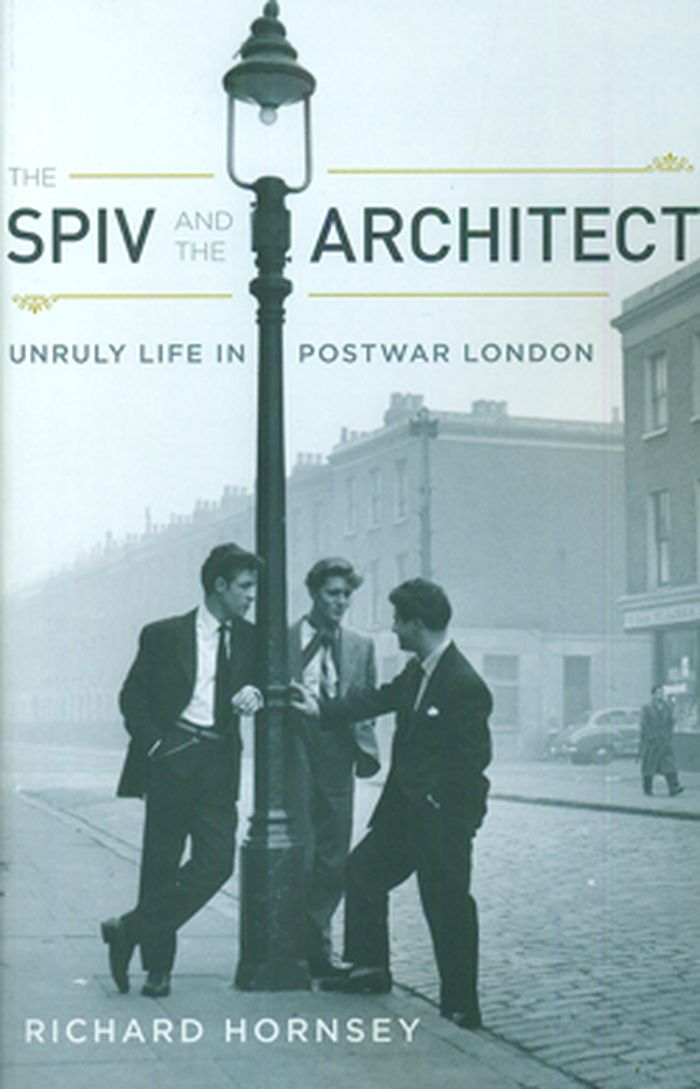
The spiv and the architect: unruly life in postwar London
Actions:
Price:
$27.95
(available in store)
Summary:
As London emerged from the devastation of the Second World War, planners and policymakers sought to rebuild the city in ways that would reshape the behavior of its citizens as much as it would its buildings and infrastructure—a program defined by a strong emphasis on civic order and conservative values of national community. One of the groups most significantly affected by this new, moralistic climate of reformation and renewal was queer men, whom the police, the media, and lawmakers targeted as an urgent urban problem by marking their lives and desires as criminal and deviant. Richard Hornsey examines how queer men legitimized, resisted, and reinvented this ambitious reconstruction program, which extended from the design of basic public spaces and municipal libraries to private living rooms and home decor. From their association with the urban stereotype of the spiv (slang for a young petty criminal who lived by his wits and shirked legitimate work) and vilification in the tabloids as perverts to the assimilated homosexuals within reformist psychology, Hornsey details how these efforts to transform London fundamentally restructured the experiences and identities of gay men in the city and throughout the country.
The spiv and the architect: unruly life in postwar London
Actions:
Price:
$27.95
(available in store)
Summary:
As London emerged from the devastation of the Second World War, planners and policymakers sought to rebuild the city in ways that would reshape the behavior of its citizens as much as it would its buildings and infrastructure—a program defined by a strong emphasis on civic order and conservative values of national community. One of the groups most significantly affected by this new, moralistic climate of reformation and renewal was queer men, whom the police, the media, and lawmakers targeted as an urgent urban problem by marking their lives and desires as criminal and deviant. Richard Hornsey examines how queer men legitimized, resisted, and reinvented this ambitious reconstruction program, which extended from the design of basic public spaces and municipal libraries to private living rooms and home decor. From their association with the urban stereotype of the spiv (slang for a young petty criminal who lived by his wits and shirked legitimate work) and vilification in the tabloids as perverts to the assimilated homosexuals within reformist psychology, Hornsey details how these efforts to transform London fundamentally restructured the experiences and identities of gay men in the city and throughout the country.
Form:
books
books
Publication:
April 2010
April 2010
Subject:
Gender Theory in Architecture
Gender Theory in Architecture
Form:
books
books
Actions:
Price:
$56.50
(available to order)
Summary:
Chow offers an alternate vision to the conventional suburban housing that characterizes much of our domestic landscape. Her integrated, original approach to design sees the residential setting as a fabric of interrelated spaces that supports cultural diversity and change, promotes sharing in a setting, and sustains a more intense use of land. With its concise, informative(...)
$56.50
(available to order)
Summary:
Chow offers an alternate vision to the conventional suburban housing that characterizes much of our domestic landscape. Her integrated, original approach to design sees the residential setting as a fabric of interrelated spaces that supports cultural diversity and change, promotes sharing in a setting, and sustains a more intense use of land. With its concise, informative(...)
Title:
Suburban space : the fabric of dwelling
Actions:
Price:
$56.50
(available to order)
Summary:
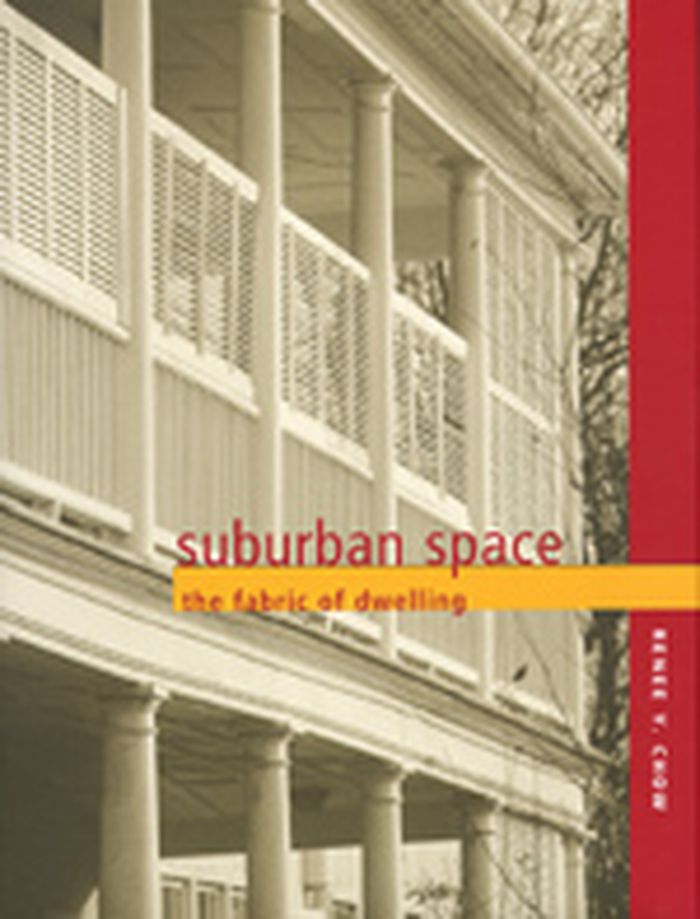
Chow offers an alternate vision to the conventional suburban housing that characterizes much of our domestic landscape. Her integrated, original approach to design sees the residential setting as a fabric of interrelated spaces that supports cultural diversity and change, promotes sharing in a setting, and sustains a more intense use of land. With its concise, informative text and illustrations--including photographs and Chow's drawings--"Suburban space" challenges architects, landscape architects, developers, and planners to reconceptualize suburban housing. Chow has made comparative studies of neighborhoods in Boston, Charleston, San Francisco, Levittown, Radburn, and housing by Rudolf Schindler and Irving Gill, as well as other residential settings. Her argument for a fabric of dwelling is founded not on generalizations about how people live but on documented observations of the particular ways in which people organize their daily lives. This book demonstrates how one of the most disparaged yet common types of housing in the United States can become more environmentally and culturally viable.
Suburban space : the fabric of dwelling
Actions:
Price:
$56.50
(available to order)
Summary:
Chow offers an alternate vision to the conventional suburban housing that characterizes much of our domestic landscape. Her integrated, original approach to design sees the residential setting as a fabric of interrelated spaces that supports cultural diversity and change, promotes sharing in a setting, and sustains a more intense use of land. With its concise, informative text and illustrations--including photographs and Chow's drawings--"Suburban space" challenges architects, landscape architects, developers, and planners to reconceptualize suburban housing. Chow has made comparative studies of neighborhoods in Boston, Charleston, San Francisco, Levittown, Radburn, and housing by Rudolf Schindler and Irving Gill, as well as other residential settings. Her argument for a fabric of dwelling is founded not on generalizations about how people live but on documented observations of the particular ways in which people organize their daily lives. This book demonstrates how one of the most disparaged yet common types of housing in the United States can become more environmentally and culturally viable.
Form:
books
books
Publication:
October 2002, Berkeley and Los Angeles
October 2002, Berkeley and Los Angeles
Subject:
Urban Theory
Urban Theory
Form:
books
books
Title:
Brutalism reinvented
Brutalism reinvented
Actions:
Price:
$66.00
(available to order)
Summary:
Drawing from the radical approach of the controversial architectural movement, today’s Brutalist buildings are both sophisticated and elegant. As the hundreds of exterior and interior photos in this book reveal, architects have taken advantage of new technology to make concrete-based structures that are refined and alluring, as well as stylish and modish unlike their(...)
$66.00
(available to order)
Summary:
Drawing from the radical approach of the controversial architectural movement, today’s Brutalist buildings are both sophisticated and elegant. As the hundreds of exterior and interior photos in this book reveal, architects have taken advantage of new technology to make concrete-based structures that are refined and alluring, as well as stylish and modish unlike their(...)
Title:
Brutalism reinvented
Actions:
Price:
$66.00
(available to order)
Summary:
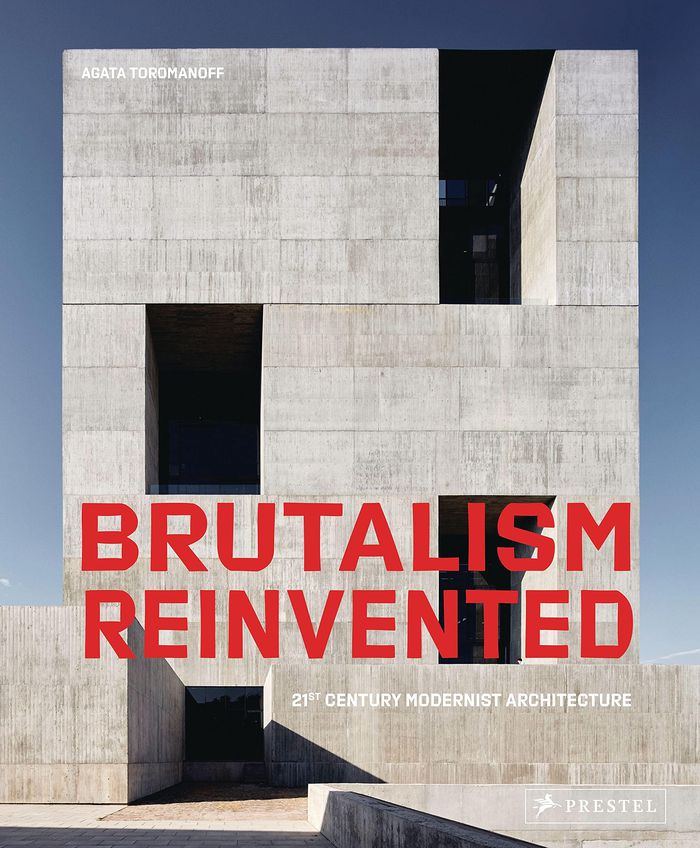
Drawing from the radical approach of the controversial architectural movement, today’s Brutalist buildings are both sophisticated and elegant. As the hundreds of exterior and interior photos in this book reveal, architects have taken advantage of new technology to make concrete-based structures that are refined and alluring, as well as stylish and modish unlike their predecessors. Each chapter is dedicated to a different type of building and is introduced with a selection of iconic structures as an essential visual reference for Brutalism’s new look. In some instances the overall strength of the aesthetic is paired with equally forceful materials such as glass, metal and brick; other examples show how classically brutalist lines are integrated into generously proportioned, light-filled spaces. An informative celebration of Brutalist architecture’s legacy, this book is an exciting exploration of how today’s most innovative architects are discovering the inherent beauty of powerful concrete volumes that was at the heart of Le Corbusier’s original vision.
Brutalism reinvented
Actions:
Price:
$66.00
(available to order)
Summary:
Drawing from the radical approach of the controversial architectural movement, today’s Brutalist buildings are both sophisticated and elegant. As the hundreds of exterior and interior photos in this book reveal, architects have taken advantage of new technology to make concrete-based structures that are refined and alluring, as well as stylish and modish unlike their predecessors. Each chapter is dedicated to a different type of building and is introduced with a selection of iconic structures as an essential visual reference for Brutalism’s new look. In some instances the overall strength of the aesthetic is paired with equally forceful materials such as glass, metal and brick; other examples show how classically brutalist lines are integrated into generously proportioned, light-filled spaces. An informative celebration of Brutalist architecture’s legacy, this book is an exciting exploration of how today’s most innovative architects are discovering the inherent beauty of powerful concrete volumes that was at the heart of Le Corbusier’s original vision.
Form:
books
books
Publication:
January 2022
January 2022
Subject:
Brutalism
Brutalism
Form:
books
books

Actions:
Price:
$59.95
(available to order)
Summary:
The export of American architecture began in the nineteenth century as a disjointed set of personal adventures and commercial initiatives. It continues today alongside the transfer of other aspects of American life and culture to most regions of the world. Jeffrey Cody explains how, why and where American architects, planners, building contractors and other actors have(...)
$59.95
(available to order)
Summary:
The export of American architecture began in the nineteenth century as a disjointed set of personal adventures and commercial initiatives. It continues today alongside the transfer of other aspects of American life and culture to most regions of the world. Jeffrey Cody explains how, why and where American architects, planners, building contractors and other actors have(...)
Title:
Exporting American architecture, 1870-2000
Actions:
Price:
$59.95
(available to order)
Summary:
The export of American architecture began in the nineteenth century as a disjointed set of personal adventures and commercial initiatives. It continues today alongside the transfer of other aspects of American life and culture to most regions of the world. Jeffrey Cody explains how, why and where American architects, planners, building contractors and other actors have marketed American architecture overseas. In so doing he provides a historical perspective on the diffusion of American building technologies, architectural standards, construction methods and planning paradigms. Using previously undocumented examples and illustrations, he shows how steel-frame manufacturers shipped their products abroad enabling the erection of American-style skyscrapers worldwide by 1900 and how this phase was followed by similar initiatives by companies manufacturing concrete components.
Exporting American architecture, 1870-2000
Actions:
Price:
$59.95
(available to order)
Summary:
The export of American architecture began in the nineteenth century as a disjointed set of personal adventures and commercial initiatives. It continues today alongside the transfer of other aspects of American life and culture to most regions of the world. Jeffrey Cody explains how, why and where American architects, planners, building contractors and other actors have marketed American architecture overseas. In so doing he provides a historical perspective on the diffusion of American building technologies, architectural standards, construction methods and planning paradigms. Using previously undocumented examples and illustrations, he shows how steel-frame manufacturers shipped their products abroad enabling the erection of American-style skyscrapers worldwide by 1900 and how this phase was followed by similar initiatives by companies manufacturing concrete components.
Form:
books
books
Publication:
March 2003, New York
March 2003, New York
Subject:
Architecture since 1900, Europe
Architecture since 1900, Europe
Form:
books
books
Actions:
Price:
$42.00
(available to order)
Summary:
What kind of architecture will be born once its primary purpose is serving communities and not capital accumulation? How can we compel the market to factor in the true long-term costs of construction and material production? How can we reduce the sense of abstraction that separates 'consumers' of architecture from the environmental damage wrought at the sites of material(...)
$42.00
(available to order)
Summary:
What kind of architecture will be born once its primary purpose is serving communities and not capital accumulation? How can we compel the market to factor in the true long-term costs of construction and material production? How can we reduce the sense of abstraction that separates 'consumers' of architecture from the environmental damage wrought at the sites of material(...)
Title:
Non-extractive architecture: on designing without depletion
Actions:
Price:
$42.00
(available to order)
Summary:
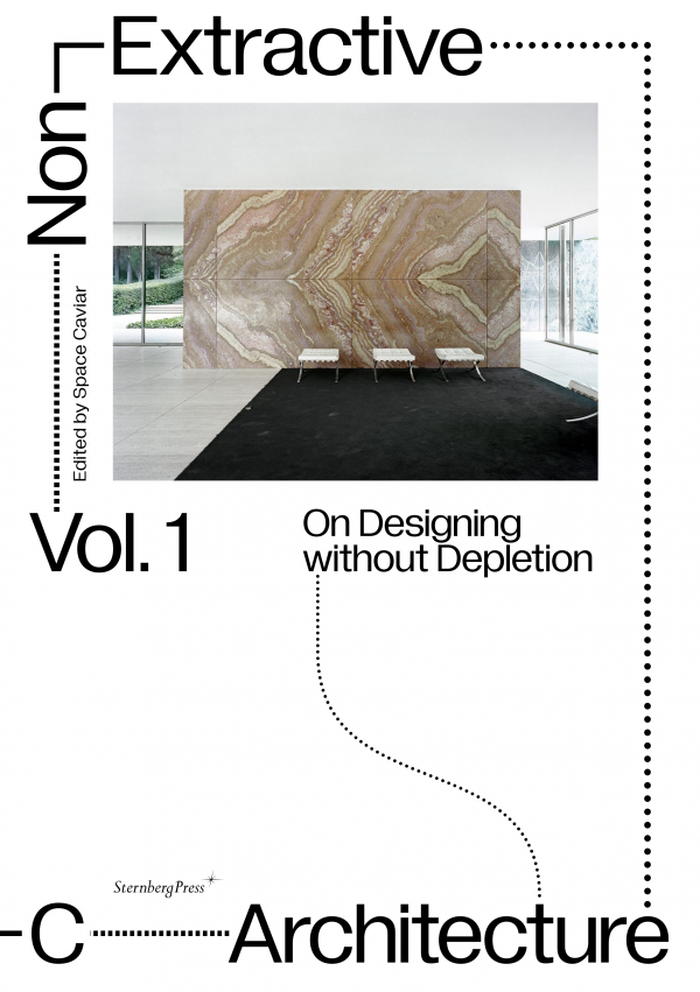
What kind of architecture will be born once its primary purpose is serving communities and not capital accumulation? How can we compel the market to factor in the true long-term costs of construction and material production? How can we reduce the sense of abstraction that separates 'consumers' of architecture from the environmental damage wrought at the sites of material extraction? How can communities become fully involved in every stage of the production of architecture, not just its final consumption? This book attempts to frame the problem, and begins the process of delineating alternative paths forward. The first step architects can take towards a more just, harmonious, and non-exploitative designed environment is to redesign themselves, and what the word 'architect' stands for.
Non-extractive architecture: on designing without depletion
Actions:
Price:
$42.00
(available to order)
Summary:
What kind of architecture will be born once its primary purpose is serving communities and not capital accumulation? How can we compel the market to factor in the true long-term costs of construction and material production? How can we reduce the sense of abstraction that separates 'consumers' of architecture from the environmental damage wrought at the sites of material extraction? How can communities become fully involved in every stage of the production of architecture, not just its final consumption? This book attempts to frame the problem, and begins the process of delineating alternative paths forward. The first step architects can take towards a more just, harmonious, and non-exploitative designed environment is to redesign themselves, and what the word 'architect' stands for.
Form:
books
books
Publication:
September 2021
September 2021
Subject:
Contemporary Architecture
Contemporary Architecture
Form:
books
books
Title:
The emotional power of space
The emotional power of space
Actions:
Price:
$35.00
(available in store)
Summary:
How does space affect our physical, psychological and emotional state? Ila Bêka and Louise Lemoine explore this question through the lively and intimate form of the conversation with twelve renowned architects for whom perception and sensoriality play a central role in their work. This publication gathers stories of sensibility which reveal the intuitive and irrational(...)
$35.00
(available in store)
Summary:
How does space affect our physical, psychological and emotional state? Ila Bêka and Louise Lemoine explore this question through the lively and intimate form of the conversation with twelve renowned architects for whom perception and sensoriality play a central role in their work. This publication gathers stories of sensibility which reveal the intuitive and irrational(...)
Title:
The emotional power of space
Actions:
Price:
$35.00
(available in store)
Summary:
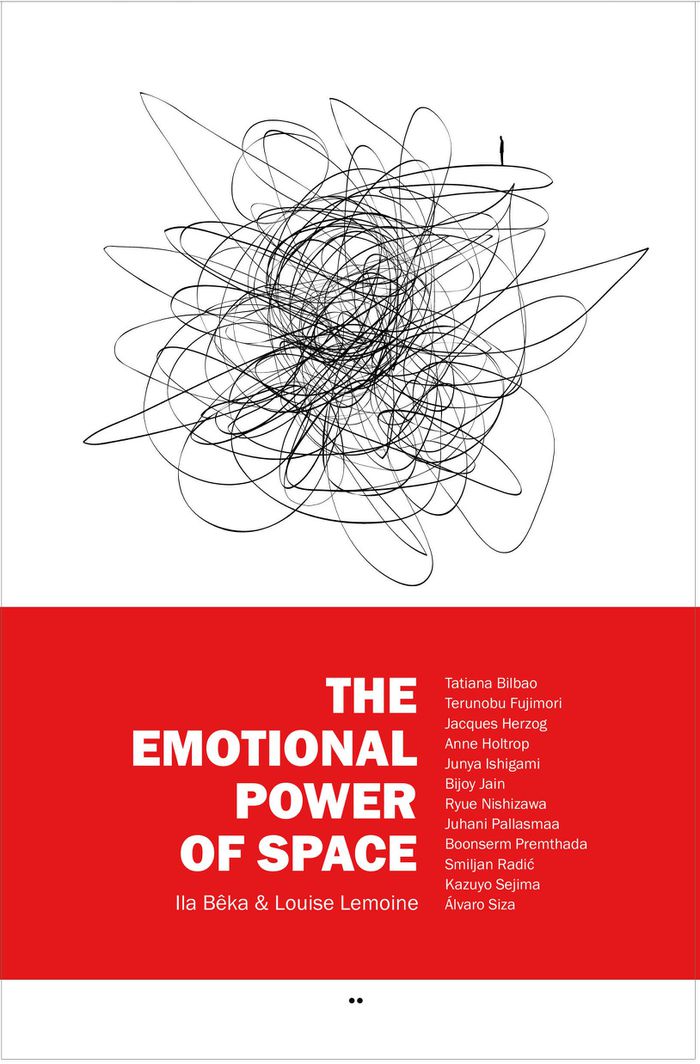
How does space affect our physical, psychological and emotional state? Ila Bêka and Louise Lemoine explore this question through the lively and intimate form of the conversation with twelve renowned architects for whom perception and sensoriality play a central role in their work. This publication gathers stories of sensibility which reveal the intuitive and irrational forces at play in our relation to space.
The emotional power of space
Actions:
Price:
$35.00
(available in store)
Summary:
How does space affect our physical, psychological and emotional state? Ila Bêka and Louise Lemoine explore this question through the lively and intimate form of the conversation with twelve renowned architects for whom perception and sensoriality play a central role in their work. This publication gathers stories of sensibility which reveal the intuitive and irrational forces at play in our relation to space.
Form:
books
books
Publication:
May 2023
May 2023
Subject:
Architectural Theory
Architectural Theory


