


2692 Results
Form:
books
books
Actions:
Price:
$44.95
(available to order)
Summary:
In The Imaginative Structure of the City Alan Blum explores the symbolic and imaginative nature of the city as a vital part of everyday life in modern civilization. He introduces the city as a community that must struggle to maintain its collective identity against typical problems, problems that threaten to fragment the city's sense of itself. Blum's distinctive form(...)
$44.95
(available to order)
Summary:
In The Imaginative Structure of the City Alan Blum explores the symbolic and imaginative nature of the city as a vital part of everyday life in modern civilization. He introduces the city as a community that must struggle to maintain its collective identity against typical problems, problems that threaten to fragment the city's sense of itself. Blum's distinctive form(...)
Title:
The imaginative structure of the city
Actions:
Price:
$44.95
(available to order)
Summary:
In The Imaginative Structure of the City Alan Blum explores the symbolic and imaginative nature of the city as a vital part of everyday life in modern civilization. He introduces the city as a community that must struggle to maintain its collective identity against typical problems, problems that threaten to fragment the city's sense of itself. Blum's distinctive form of theoretical inquiry pushes the reader to move beyond conventional ways of thinking about familiar urban issues in answering such fundamental questions as, How does a city exist? How do its inhabitants define their relationship to it? Who is entitled to speak for it? What is its symbolic nature? In what way does the city function as a focus of attempts to resolve social problems such as alienation, participation, and community? In what ways do night and nighttime affect our relationship to it? How is it possible to speak of a city as both exciting and alienating?
The imaginative structure of the city
Actions:
Price:
$44.95
(available to order)
Summary:
In The Imaginative Structure of the City Alan Blum explores the symbolic and imaginative nature of the city as a vital part of everyday life in modern civilization. He introduces the city as a community that must struggle to maintain its collective identity against typical problems, problems that threaten to fragment the city's sense of itself. Blum's distinctive form of theoretical inquiry pushes the reader to move beyond conventional ways of thinking about familiar urban issues in answering such fundamental questions as, How does a city exist? How do its inhabitants define their relationship to it? Who is entitled to speak for it? What is its symbolic nature? In what way does the city function as a focus of attempts to resolve social problems such as alienation, participation, and community? In what ways do night and nighttime affect our relationship to it? How is it possible to speak of a city as both exciting and alienating?
Form:
books
books
Publication:
April 2003, Montréal
April 2003, Montréal
Subject:
Urban Theory
Urban Theory
Form:
books
books
Actions:
Price:
$27.95
(available to order)
Summary:
There is an almost elemental appeal in the rural fishing villages of Nova Scotia, Maine, and Newfoundland. Their intimate connection to nature, to the land, water, and (often harsh) weather; their reliance on ingenuity, on-hand materials, and craftsmanship; and their values of thrift and endurance serve as inspiration and as touchstones for those of us caught up in the(...)
$27.95
(available to order)
Summary:
There is an almost elemental appeal in the rural fishing villages of Nova Scotia, Maine, and Newfoundland. Their intimate connection to nature, to the land, water, and (often harsh) weather; their reliance on ingenuity, on-hand materials, and craftsmanship; and their values of thrift and endurance serve as inspiration and as touchstones for those of us caught up in the(...)
Title:
Tilting : house launching, slide hauling, potato trenching, and other tales from a Newfoundland fishing village
Actions:
Price:
$27.95
(available to order)
Summary:
There is an almost elemental appeal in the rural fishing villages of Nova Scotia, Maine, and Newfoundland. Their intimate connection to nature, to the land, water, and (often harsh) weather; their reliance on ingenuity, on-hand materials, and craftsmanship; and their values of thrift and endurance serve as inspiration and as touchstones for those of us caught up in the hubbub of modern life. "Tilting" is a celebration of all these virtues and an eclectic documentation of the buildings, landscape, and lifestyle of this remote community on a small island far off the Canadian coast. Through photographs, firsthand historical anecdotes, and delicate pencil drawings, author Robert Mellin presents a personal account of Tilting's houses, outbuildings, furniture, tools, fences, and docks, and, in the process, the way of life of Tilting. Mellin describes how houses are built for mobility and then "launched," or moved; how houses are detailed and constructed; how cabbage houses are built out of overturned boats; and the difference between picket, paling, and riddle fences.
Tilting : house launching, slide hauling, potato trenching, and other tales from a Newfoundland fishing village
Actions:
Price:
$27.95
(available to order)
Summary:
There is an almost elemental appeal in the rural fishing villages of Nova Scotia, Maine, and Newfoundland. Their intimate connection to nature, to the land, water, and (often harsh) weather; their reliance on ingenuity, on-hand materials, and craftsmanship; and their values of thrift and endurance serve as inspiration and as touchstones for those of us caught up in the hubbub of modern life. "Tilting" is a celebration of all these virtues and an eclectic documentation of the buildings, landscape, and lifestyle of this remote community on a small island far off the Canadian coast. Through photographs, firsthand historical anecdotes, and delicate pencil drawings, author Robert Mellin presents a personal account of Tilting's houses, outbuildings, furniture, tools, fences, and docks, and, in the process, the way of life of Tilting. Mellin describes how houses are built for mobility and then "launched," or moved; how houses are detailed and constructed; how cabbage houses are built out of overturned boats; and the difference between picket, paling, and riddle fences.
Form:
books
books
Publication:
March 2003, New York
March 2003, New York
Subject:
Architecture in Canada
Architecture in Canada
Form:
books
books
Actions:
Price:
$86.00
(available in store)
Summary:
After achieving international acclaim as a painter and designer, El Lissitzky set out in 1924 to convince the world—and himself—that he was also an architect. He did this with a project for a "horizontal skyscraper," which he gave an obscure and untranslatable name: Wolkenbügel. Eight of these buildings, perched atop slender pillars, were intended to stand at major(...)
$86.00
(available in store)
Summary:
After achieving international acclaim as a painter and designer, El Lissitzky set out in 1924 to convince the world—and himself—that he was also an architect. He did this with a project for a "horizontal skyscraper," which he gave an obscure and untranslatable name: Wolkenbügel. Eight of these buildings, perched atop slender pillars, were intended to stand at major(...)
Title:
Wolkenbügel: El Lissitzky as architect
Actions:
Price:
$86.00
(available in store)
Summary:
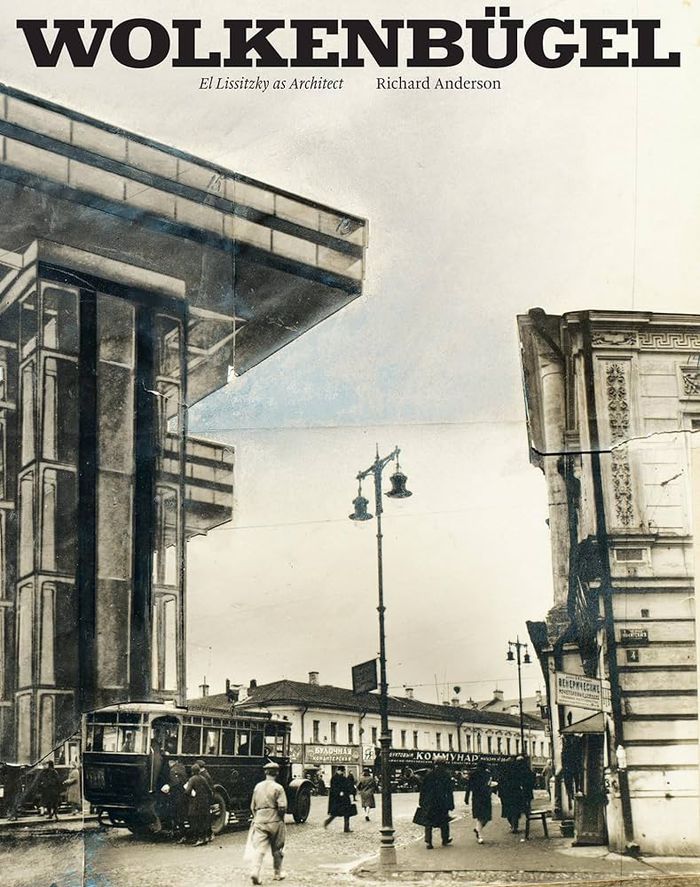
After achieving international acclaim as a painter and designer, El Lissitzky set out in 1924 to convince the world—and himself—that he was also an architect. He did this with a project for a "horizontal skyscraper," which he gave an obscure and untranslatable name: Wolkenbügel. Eight of these buildings, perched atop slender pillars, were intended to stand at major intersections along Moscow's Boulevard Ring, integrating the flow of tramlines, subways, and elevators. In "Wolkenbügel", Richard Anderson explores Lissitzky's translation of visual and textual media into spatial ideas and offers an in-depth study of the surviving drawings and archival artifacts related to Lissitzky's most complex architectural proposal. This book offers a new and definitive account of how Lissitzky expanded the conceptual and representational tools available to the modern architect by drawing on many sources—including photography, typography, exhibition design, and even the elementary forms of the alphabet—to create the Wolkenbügel. Anderson shows how the production and reception of a paper project served to link key ideas and relationships that animated the worlds of art and architecture, offering a new view on received histories of the interwar avant-gardes. By attending to Lissitzky's singular architectural project, Anderson reveals the dynamics of internationality in the constitution of modern architectural culture in Europe.
Wolkenbügel: El Lissitzky as architect
Actions:
Price:
$86.00
(available in store)
Summary:
After achieving international acclaim as a painter and designer, El Lissitzky set out in 1924 to convince the world—and himself—that he was also an architect. He did this with a project for a "horizontal skyscraper," which he gave an obscure and untranslatable name: Wolkenbügel. Eight of these buildings, perched atop slender pillars, were intended to stand at major intersections along Moscow's Boulevard Ring, integrating the flow of tramlines, subways, and elevators. In "Wolkenbügel", Richard Anderson explores Lissitzky's translation of visual and textual media into spatial ideas and offers an in-depth study of the surviving drawings and archival artifacts related to Lissitzky's most complex architectural proposal. This book offers a new and definitive account of how Lissitzky expanded the conceptual and representational tools available to the modern architect by drawing on many sources—including photography, typography, exhibition design, and even the elementary forms of the alphabet—to create the Wolkenbügel. Anderson shows how the production and reception of a paper project served to link key ideas and relationships that animated the worlds of art and architecture, offering a new view on received histories of the interwar avant-gardes. By attending to Lissitzky's singular architectural project, Anderson reveals the dynamics of internationality in the constitution of modern architectural culture in Europe.
Form:
books
books
Publication:
April 2024
April 2024
Subject:
Architecture Monographs
Architecture Monographs
Form:
books
books
Title:
The Arts & Crafts cabin
The Arts & Crafts cabin
Actions:
Price:
$49.95
(available to order)
Summary:
Take a tour through twenty-five modern log homes reborn in the Arts & Crafts tradition, and witness how Craftsman style combines with the latest in log hybrid architecture to create a totally new and unique genre of building in "The Arts & Crafts Cabin". In this new title from log building expert Robbin Obomsawin, the rich Arts & Crafts heritage of the late 1800s that(...)
$49.95
(available to order)
Summary:
Take a tour through twenty-five modern log homes reborn in the Arts & Crafts tradition, and witness how Craftsman style combines with the latest in log hybrid architecture to create a totally new and unique genre of building in "The Arts & Crafts Cabin". In this new title from log building expert Robbin Obomsawin, the rich Arts & Crafts heritage of the late 1800s that(...)
Title:
The Arts & Crafts cabin
Actions:
Price:
$49.95
(available to order)
Summary:
Take a tour through twenty-five modern log homes reborn in the Arts & Crafts tradition, and witness how Craftsman style combines with the latest in log hybrid architecture to create a totally new and unique genre of building in "The Arts & Crafts Cabin". In this new title from log building expert Robbin Obomsawin, the rich Arts & Crafts heritage of the late 1800s that rebelled against mass-produced goods and the opulence of the Victorian era melds beautifully with the ideals of log home design and cabin living, where a simple life and appreciation for fine craftsmanship are held in the highest esteem. This new hybrid style incorporates the exquisite workmanship and sophistication that have become hallmarks of Arts & Crafts design with the warmth and comfort of log elements to create homes inspired by nature, creativity, and simple beauty. With one of the industry's premier photographers, Roger Wade, and the log industry's most prolific and respected author, Robbin Obomsawin, "The Arts & Crafts Cabin" uses spectacular colour photography, floor plans, and compelling historical text to showcase how the principles and philosophy of William Morris, Gustav Stickley, and Charles and Henry Greene combine with modern artistry to create some of the most exciting residential and recreational architecture being created today.
The Arts & Crafts cabin
Actions:
Price:
$49.95
(available to order)
Summary:
Take a tour through twenty-five modern log homes reborn in the Arts & Crafts tradition, and witness how Craftsman style combines with the latest in log hybrid architecture to create a totally new and unique genre of building in "The Arts & Crafts Cabin". In this new title from log building expert Robbin Obomsawin, the rich Arts & Crafts heritage of the late 1800s that rebelled against mass-produced goods and the opulence of the Victorian era melds beautifully with the ideals of log home design and cabin living, where a simple life and appreciation for fine craftsmanship are held in the highest esteem. This new hybrid style incorporates the exquisite workmanship and sophistication that have become hallmarks of Arts & Crafts design with the warmth and comfort of log elements to create homes inspired by nature, creativity, and simple beauty. With one of the industry's premier photographers, Roger Wade, and the log industry's most prolific and respected author, Robbin Obomsawin, "The Arts & Crafts Cabin" uses spectacular colour photography, floor plans, and compelling historical text to showcase how the principles and philosophy of William Morris, Gustav Stickley, and Charles and Henry Greene combine with modern artistry to create some of the most exciting residential and recreational architecture being created today.
Form:
books
books
Publication:
April 2004, Salt Lake City
April 2004, Salt Lake City
Subject:
Green Architecture
Green Architecture
Form:
books
books
Actions:
Price:
$31.95
(available to order)
Summary:
The ugly buildings that characterize the modern landscape are inferior not only to the great cathedrals of medieval Europe and the temples of ancient Egypt and Greece, but even to lesser buildings of the more recent past. The great masterworks of our ancestors spoke to humanity’s higher nature. Architect Herbert Bangs reveals how today’s dysfunctional buildings bring out(...)
$31.95
(available to order)
Summary:
The ugly buildings that characterize the modern landscape are inferior not only to the great cathedrals of medieval Europe and the temples of ancient Egypt and Greece, but even to lesser buildings of the more recent past. The great masterworks of our ancestors spoke to humanity’s higher nature. Architect Herbert Bangs reveals how today’s dysfunctional buildings bring out(...)
Subject:
Commercial interiors, Building types
Commercial interiors, Building types
Publication:
January 2007, Rochester
January 2007, Rochester
Title:
The return of sacred architecture : the golden ratio and the end of modernism
Actions:
Price:
$31.95
(available to order)
Summary:
The ugly buildings that characterize the modern landscape are inferior not only to the great cathedrals of medieval Europe and the temples of ancient Egypt and Greece, but even to lesser buildings of the more recent past. The great masterworks of our ancestors spoke to humanity’s higher nature. Architect Herbert Bangs reveals how today’s dysfunctional buildings bring out the worst in humanity, reinforcing that which is most base within us. He shows how, through the ancient laws of proportion and number, architecture once expressed the harmonious relationship between man and the cosmos. In early times, the architect worked within a sacred and esoteric tradition of creating structures through which human beings could gain insight into the nature of the divine reality. Today, that tradition has been abandoned in favor of narrowly defined utilitarian principles of efficiency and economy. In The Return of Sacred Architecture, Bangs provides the key to freeing architecture from the crude functionality of the twentieth century: the architects of the modern human landscape must find the deep-felt connection to the cosmos that guided the inner lives of those who built the temples of the past. The form of their buildings will then reflect the sacred patterns of geometry and proportion and bring forth greater harmony in the world.
The return of sacred architecture : the golden ratio and the end of modernism
Actions:
Price:
$31.95
(available to order)
Summary:
The ugly buildings that characterize the modern landscape are inferior not only to the great cathedrals of medieval Europe and the temples of ancient Egypt and Greece, but even to lesser buildings of the more recent past. The great masterworks of our ancestors spoke to humanity’s higher nature. Architect Herbert Bangs reveals how today’s dysfunctional buildings bring out the worst in humanity, reinforcing that which is most base within us. He shows how, through the ancient laws of proportion and number, architecture once expressed the harmonious relationship between man and the cosmos. In early times, the architect worked within a sacred and esoteric tradition of creating structures through which human beings could gain insight into the nature of the divine reality. Today, that tradition has been abandoned in favor of narrowly defined utilitarian principles of efficiency and economy. In The Return of Sacred Architecture, Bangs provides the key to freeing architecture from the crude functionality of the twentieth century: the architects of the modern human landscape must find the deep-felt connection to the cosmos that guided the inner lives of those who built the temples of the past. The form of their buildings will then reflect the sacred patterns of geometry and proportion and bring forth greater harmony in the world.
Form:
books
books
Publication:
January 2007, Rochester
January 2007, Rochester
Subject:
Commercial interiors, Building types
Commercial interiors, Building types
Form:
books
books

Title:
Old house care & repair
Old house care & repair
Actions:
Price:
$48.00
(available to order)
Summary:
This book will help owners, builders and all construction professionals make the decisions that are right for old buildings. It illustrates the long term benefits of using more traditional solutions on older houses rather than modern materials like cement based mortars, sealants or impervious paints. It offers practical guidance on: How to get the right professional(...)
$48.00
(available to order)
Summary:
This book will help owners, builders and all construction professionals make the decisions that are right for old buildings. It illustrates the long term benefits of using more traditional solutions on older houses rather than modern materials like cement based mortars, sealants or impervious paints. It offers practical guidance on: How to get the right professional(...)
Publication:
October 2004, Dorset
October 2004, Dorset
Title:
Old house care & repair
Actions:
Price:
$48.00
(available to order)
Summary:
This book will help owners, builders and all construction professionals make the decisions that are right for old buildings. It illustrates the long term benefits of using more traditional solutions on older houses rather than modern materials like cement based mortars, sealants or impervious paints. It offers practical guidance on: How to get the right professional advice; Legal requirements for listed buildings; Problems with damp and rot; Use of lime mortars, plasters and renders; Why old buildings need to breathe; Planning applications; and, Trees, outbuildings and gardens.
Old house care & repair
Actions:
Price:
$48.00
(available to order)
Summary:
This book will help owners, builders and all construction professionals make the decisions that are right for old buildings. It illustrates the long term benefits of using more traditional solutions on older houses rather than modern materials like cement based mortars, sealants or impervious paints. It offers practical guidance on: How to get the right professional advice; Legal requirements for listed buildings; Problems with damp and rot; Use of lime mortars, plasters and renders; Why old buildings need to breathe; Planning applications; and, Trees, outbuildings and gardens.
Form:
books
books
Publication:
October 2004, Dorset
October 2004, Dorset
Form:
books
books
Price:
$60.95
(available in store)
Summary:
In eleven pointed and sometimes provocative conversations, architect and professor of architecture, Vittorio Magnago Lampugnani uses a critique of contemporary urban planning to develop principles for reestablishing the discipline. In seven projects designed with these principles in mind, he shows how his vigorous reinterpretation of the field can be implemented and what(...)
$60.95
(available in store)
Summary:
In eleven pointed and sometimes provocative conversations, architect and professor of architecture, Vittorio Magnago Lampugnani uses a critique of contemporary urban planning to develop principles for reestablishing the discipline. In seven projects designed with these principles in mind, he shows how his vigorous reinterpretation of the field can be implemented and what(...)
Title:
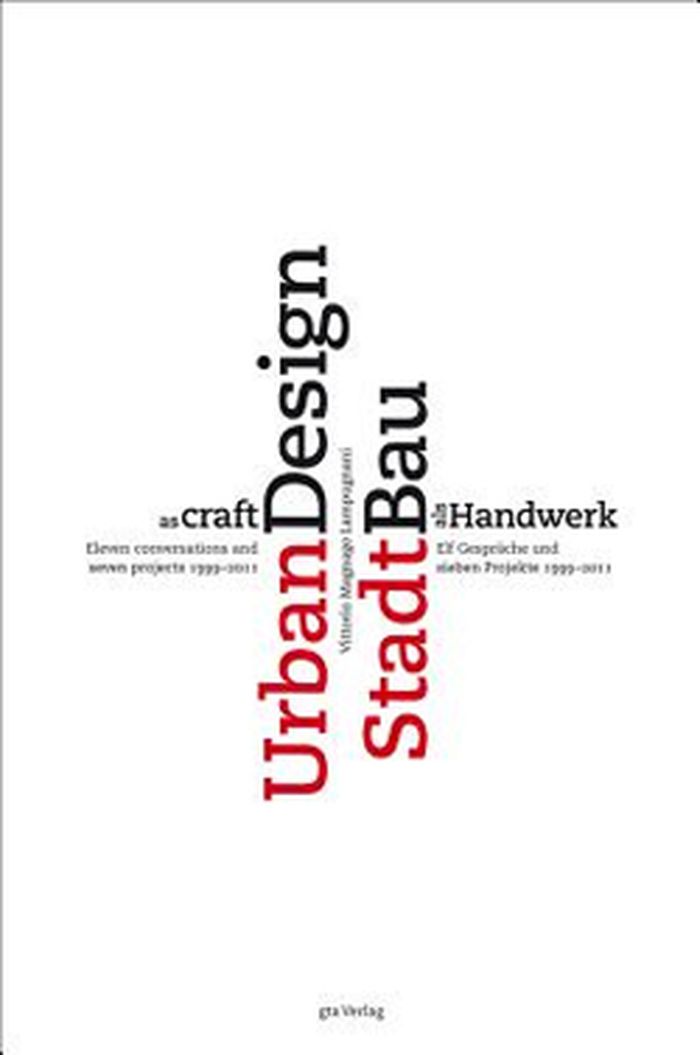
Urban design as craft : eleven conversations and seven projects, 1999-2011
Actions:
Price:
$60.95
(available in store)
Summary:
In eleven pointed and sometimes provocative conversations, architect and professor of architecture, Vittorio Magnago Lampugnani uses a critique of contemporary urban planning to develop principles for reestablishing the discipline. In seven projects designed with these principles in mind, he shows how his vigorous reinterpretation of the field can be implemented and what a fresh start can look like. Magnago Lampugnani envisages a calm modern city that can measure itself against the historic city, while emphasizing sustainability and providing a home for a multifaceted and continually changing society.
Urban design as craft : eleven conversations and seven projects, 1999-2011
Actions:
Price:
$60.95
(available in store)
Summary:
In eleven pointed and sometimes provocative conversations, architect and professor of architecture, Vittorio Magnago Lampugnani uses a critique of contemporary urban planning to develop principles for reestablishing the discipline. In seven projects designed with these principles in mind, he shows how his vigorous reinterpretation of the field can be implemented and what a fresh start can look like. Magnago Lampugnani envisages a calm modern city that can measure itself against the historic city, while emphasizing sustainability and providing a home for a multifaceted and continually changing society.
Form:
books
books
Publication:
June 2012
June 2012
Subject:
Urban Theory
Urban Theory
Form:
books
books
Actions:
Price:
$60.00
(available to order)
Summary:
In 1900, Swedish design reformer and social theorist Ellen Key published The Century of the Child, presaging the coming century as a period of intensified focus and progressive thinking around the rights, development and well-being of children. Taking inspiration from Key-and looking back through the twentieth century-this volume, published to accompany an exhibition at(...)
$60.00
(available to order)
Summary:
In 1900, Swedish design reformer and social theorist Ellen Key published The Century of the Child, presaging the coming century as a period of intensified focus and progressive thinking around the rights, development and well-being of children. Taking inspiration from Key-and looking back through the twentieth century-this volume, published to accompany an exhibition at(...)
Title:
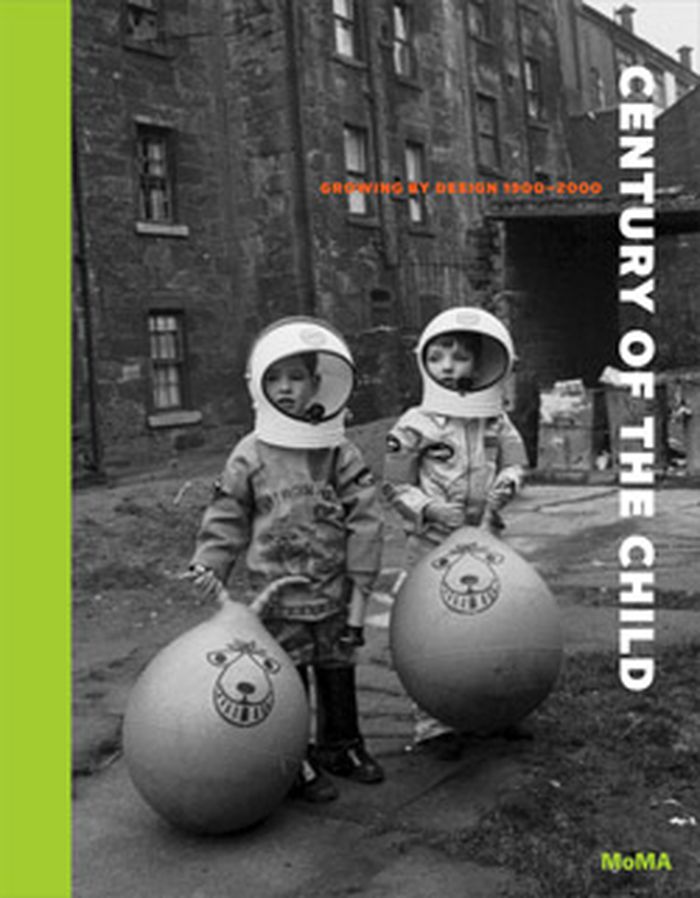
Century of the child: growing by design 1900-2000
Actions:
Price:
$60.00
(available to order)
Summary:
In 1900, Swedish design reformer and social theorist Ellen Key published The Century of the Child, presaging the coming century as a period of intensified focus and progressive thinking around the rights, development and well-being of children. Taking inspiration from Key-and looking back through the twentieth century-this volume, published to accompany an exhibition at The Museum of Modern Art, examines individual and collective visions for the material world of children, from utopian dreams for the "citizens of the future" to the dark realities of political conflict and exploitation. Surveying more than 100 years of toys, clothing, playgrounds, schools, children's hospitals, nurseries, furniture, posters, animation and books, this illustrated catalogue illuminates how progressive design has enhanced the physical, intellectual, and emotional development of children and, conversely, how models of children's play have informed experimental aesthetics and imaginative design thinking-engendering, in the process, reappraisals of some of the iconic names in twentieth-century design and enriching the unfolding narrative of modern design with other, less familiar figures.
Century of the child: growing by design 1900-2000
Actions:
Price:
$60.00
(available to order)
Summary:
In 1900, Swedish design reformer and social theorist Ellen Key published The Century of the Child, presaging the coming century as a period of intensified focus and progressive thinking around the rights, development and well-being of children. Taking inspiration from Key-and looking back through the twentieth century-this volume, published to accompany an exhibition at The Museum of Modern Art, examines individual and collective visions for the material world of children, from utopian dreams for the "citizens of the future" to the dark realities of political conflict and exploitation. Surveying more than 100 years of toys, clothing, playgrounds, schools, children's hospitals, nurseries, furniture, posters, animation and books, this illustrated catalogue illuminates how progressive design has enhanced the physical, intellectual, and emotional development of children and, conversely, how models of children's play have informed experimental aesthetics and imaginative design thinking-engendering, in the process, reappraisals of some of the iconic names in twentieth-century design and enriching the unfolding narrative of modern design with other, less familiar figures.
Form:
books
books
Publication:
July 2012
July 2012
Subject:
Design, Periods and Styles
Design, Periods and Styles
Form:
books
books
Actions:
Price:
$26.95
(available to order)
Summary:
We see notebooks everywhere we go. But where did these indispensable implements come from? How did they revolutionize our lives? And how can using a notebook help change the way you think? In this wide-ranging history, Roland Allen reveals how the notebook became our most dependable and versatile tool for creative thinking. He tells the notebook stories of Leonardo and(...)
$26.95
(available to order)
Summary:
We see notebooks everywhere we go. But where did these indispensable implements come from? How did they revolutionize our lives? And how can using a notebook help change the way you think? In this wide-ranging history, Roland Allen reveals how the notebook became our most dependable and versatile tool for creative thinking. He tells the notebook stories of Leonardo and(...)
Title:
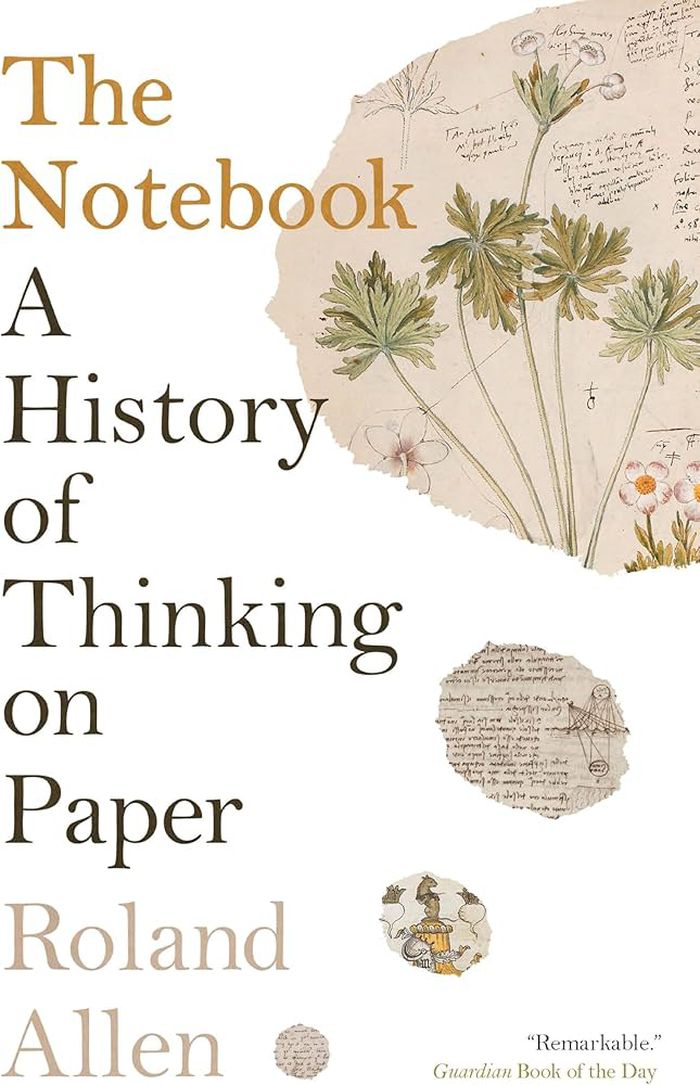
The notebook: A history of thinking on paper
Actions:
Price:
$26.95
(available to order)
Summary:
We see notebooks everywhere we go. But where did these indispensable implements come from? How did they revolutionize our lives? And how can using a notebook help change the way you think? In this wide-ranging history, Roland Allen reveals how the notebook became our most dependable and versatile tool for creative thinking. He tells the notebook stories of Leonardo and Frida Kahlo, Isaac Newton and Marie Curie, and writers from Chaucer to Henry James; shows how Darwin developed his theory of evolution in tiny pocket books and Agatha Christie plotted a hundred murders in scrappy exercise books; and introduces a host of cooks, kings, sailors, fishermen, musicians, engineers, politicians, adventurers, and mathematicians, all of whom used their notebooks as a space to think—and in doing so, shaped the modern world. In an age of AI and digital overload, the humble notebook is more relevant than ever. Allen shows how bullet points can combat ADHD, journals can ease PTSD, and patient diaries soften the trauma of reawakening from coma. The everyday act of moving a pen across paper, he finds, can have profound consequences, changing the way we think and feel: making us more creative, more productive—and maybe even happier.
The notebook: A history of thinking on paper
Actions:
Price:
$26.95
(available to order)
Summary:
We see notebooks everywhere we go. But where did these indispensable implements come from? How did they revolutionize our lives? And how can using a notebook help change the way you think? In this wide-ranging history, Roland Allen reveals how the notebook became our most dependable and versatile tool for creative thinking. He tells the notebook stories of Leonardo and Frida Kahlo, Isaac Newton and Marie Curie, and writers from Chaucer to Henry James; shows how Darwin developed his theory of evolution in tiny pocket books and Agatha Christie plotted a hundred murders in scrappy exercise books; and introduces a host of cooks, kings, sailors, fishermen, musicians, engineers, politicians, adventurers, and mathematicians, all of whom used their notebooks as a space to think—and in doing so, shaped the modern world. In an age of AI and digital overload, the humble notebook is more relevant than ever. Allen shows how bullet points can combat ADHD, journals can ease PTSD, and patient diaries soften the trauma of reawakening from coma. The everyday act of moving a pen across paper, he finds, can have profound consequences, changing the way we think and feel: making us more creative, more productive—and maybe even happier.
Form:
books
books
Publication:
September 2024
September 2024
Subject:
Literature and poetry
Literature and poetry
Form:
books
books
Actions:
Price:
$24.95
(available to order)
Summary:
In this book, David Brown locates jazz music within the broad aesthetic, political, and theoretical upheavals of our time, asserting that modern architecture and urbanism in particular can be strongly influenced and defined by the ways that improvisation is facilitated in jazz. Improvised music consists of diverse properties that fail to register in the(...)
$24.95
(available to order)
Summary:
In this book, David Brown locates jazz music within the broad aesthetic, political, and theoretical upheavals of our time, asserting that modern architecture and urbanism in particular can be strongly influenced and defined by the ways that improvisation is facilitated in jazz. Improvised music consists of diverse properties that fail to register in the(...)
Title:
Noise orders : jazz, improvisation, and architecture
Actions:
Price:
$24.95
(available to order)
Summary:
In this book, David Brown locates jazz music within the broad aesthetic, political, and theoretical upheavals of our time, asserting that modern architecture and urbanism in particular can be strongly influenced and defined by the ways that improvisation is facilitated in jazz. Improvised music consists of diverse properties that fail to register in the object-oriented understanding of composition. As a result, it is often dismissed as noise — an interfering signal. However, Brown asserts, such interference can bear meaning and stimulate change. "Noise orders" identifies how architecture can respond to the inclusive dynamics of extemporaneous movements, variable conceptions of composition, multiple durations, and wide manipulation of resources found in jazz to enable outcomes that far exceed a design’s seeming potential. By exploring overlapping moments between modernism and the cultural dimensions of jazz, "Noise orders" suggests that the discipline of improvisation continues to open and redefine architectural theory and practice, creating a world where designers contribute to emerging environments rather than make predetermined ones. Comparing modern and avant-garde artists and architects with individuals and groups in jazz—including Piet Mondrian and boogie-woogie, John Cage and Rahsaan Roland Kirk, Le Corbusier and Louis Armstrong, and Ludwig Mies van der Rohe and the Association for the Advancement of Creative Musicians (AACM)—Brown examines how jazz can offer alternative design ideas and directions, be incorporated in contemporary architectural practices, and provide insight on how to develop dynamic metropolitan environments. Interdisciplinary in its approace, "Noise orders" argues for a deeper understanding of the infinite potential inherent in both music and architecture.
Noise orders : jazz, improvisation, and architecture
Actions:
Price:
$24.95
(available to order)
Summary:
In this book, David Brown locates jazz music within the broad aesthetic, political, and theoretical upheavals of our time, asserting that modern architecture and urbanism in particular can be strongly influenced and defined by the ways that improvisation is facilitated in jazz. Improvised music consists of diverse properties that fail to register in the object-oriented understanding of composition. As a result, it is often dismissed as noise — an interfering signal. However, Brown asserts, such interference can bear meaning and stimulate change. "Noise orders" identifies how architecture can respond to the inclusive dynamics of extemporaneous movements, variable conceptions of composition, multiple durations, and wide manipulation of resources found in jazz to enable outcomes that far exceed a design’s seeming potential. By exploring overlapping moments between modernism and the cultural dimensions of jazz, "Noise orders" suggests that the discipline of improvisation continues to open and redefine architectural theory and practice, creating a world where designers contribute to emerging environments rather than make predetermined ones. Comparing modern and avant-garde artists and architects with individuals and groups in jazz—including Piet Mondrian and boogie-woogie, John Cage and Rahsaan Roland Kirk, Le Corbusier and Louis Armstrong, and Ludwig Mies van der Rohe and the Association for the Advancement of Creative Musicians (AACM)—Brown examines how jazz can offer alternative design ideas and directions, be incorporated in contemporary architectural practices, and provide insight on how to develop dynamic metropolitan environments. Interdisciplinary in its approace, "Noise orders" argues for a deeper understanding of the infinite potential inherent in both music and architecture.
Form:
books
books
Publication:
February 2006, Minneapolis, London
February 2006, Minneapolis, London
Subject:
Acoustics
Acoustics


