


2692 Results
Form:
books
books
Price:
$26.99
(available to order)
Summary:
In the late 2000s human society entered a new urban epoch in which the majority of human beings live in cities. Whilst the city has historically been viewed as the foundation of democracy and citizenship, the geo-political spaces of modern cities are widely misunderstood despite their key role in shaping contemporary global society. How and why have cities become the(...)
$26.99
(available to order)
Summary:
In the late 2000s human society entered a new urban epoch in which the majority of human beings live in cities. Whilst the city has historically been viewed as the foundation of democracy and citizenship, the geo-political spaces of modern cities are widely misunderstood despite their key role in shaping contemporary global society. How and why have cities become the(...)
Title:
Rise of cities: Montréal, Toronto, Vancouver and other cities
Actions:
Price:
$26.99
(available to order)
Summary:
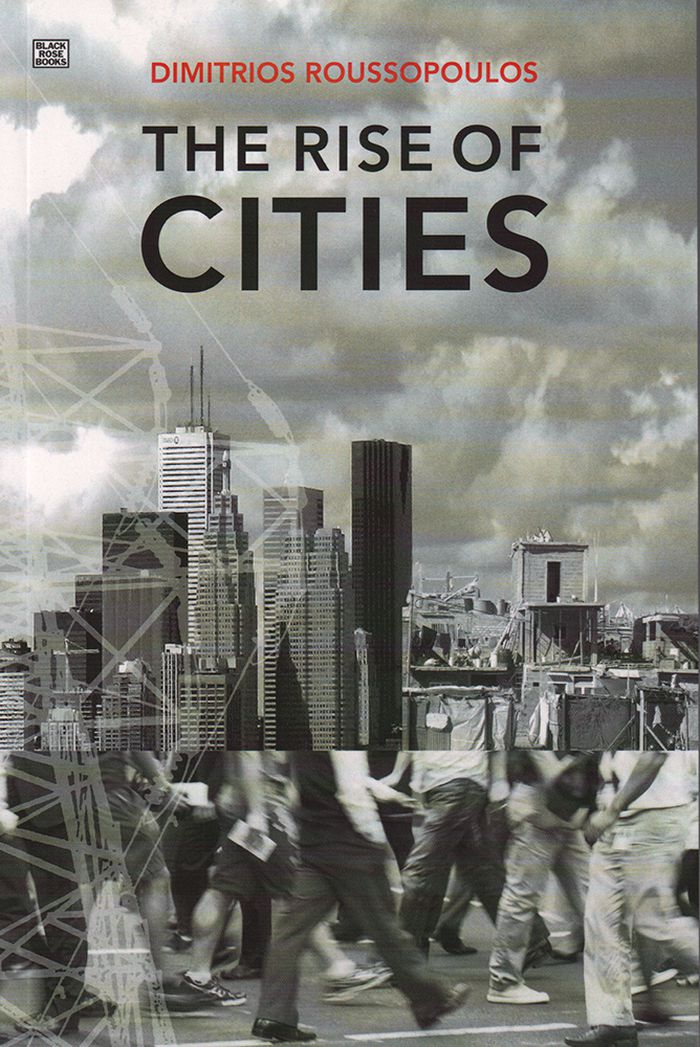
In the late 2000s human society entered a new urban epoch in which the majority of human beings live in cities. Whilst the city has historically been viewed as the foundation of democracy and citizenship, the geo-political spaces of modern cities are widely misunderstood despite their key role in shaping contemporary global society. How and why have cities become the command centres of the world economy? Does globalization menace cities as we know them? Are cities able to exercise democratic control and strategic choice when multinational corporate competition increasingly limits the importance of place? The Rise of Cities offers intriguing responses to these questions by analyzing how cities coalesce, develop and thrive, and how they can remake themselves for better for worse. Examining key issues such as the parasitic relationships cities have with Nature, the webs of trade and immigration they rely on to survive, and the spatial structure of the contemporary metropolis, the contributors develop a startling outline of cities in crisis and demonstrate why the State has failed, and must fail, to end the urban crisis. These themes are explored through a variety of concrete, real-world examples of the challenges of urban politics: metropolitan governance, urban redevelopment policy, housing problems, grass roots activism and urban planning. In the background looms the spectre of neo-liberal globalization, with the development of influential world cities related to the emergence of modern telecommunications, the growth of multinational corporations and the generation of a world economy with an increased movement of cultural symbols and artifacts across national borders.
Rise of cities: Montréal, Toronto, Vancouver and other cities
Actions:
Price:
$26.99
(available to order)
Summary:
In the late 2000s human society entered a new urban epoch in which the majority of human beings live in cities. Whilst the city has historically been viewed as the foundation of democracy and citizenship, the geo-political spaces of modern cities are widely misunderstood despite their key role in shaping contemporary global society. How and why have cities become the command centres of the world economy? Does globalization menace cities as we know them? Are cities able to exercise democratic control and strategic choice when multinational corporate competition increasingly limits the importance of place? The Rise of Cities offers intriguing responses to these questions by analyzing how cities coalesce, develop and thrive, and how they can remake themselves for better for worse. Examining key issues such as the parasitic relationships cities have with Nature, the webs of trade and immigration they rely on to survive, and the spatial structure of the contemporary metropolis, the contributors develop a startling outline of cities in crisis and demonstrate why the State has failed, and must fail, to end the urban crisis. These themes are explored through a variety of concrete, real-world examples of the challenges of urban politics: metropolitan governance, urban redevelopment policy, housing problems, grass roots activism and urban planning. In the background looms the spectre of neo-liberal globalization, with the development of influential world cities related to the emergence of modern telecommunications, the growth of multinational corporations and the generation of a world economy with an increased movement of cultural symbols and artifacts across national borders.
Form:
books
books
Publication:
June 2017
June 2017
Subject:
Architecture in Canada
Architecture in Canada
Form:
books
books
Actions:
Price:
$38.50
(available to order)
Summary:
This book explores the aspirations and tastes of new suburban communities in interwar England for domestic architecture and design that was both modern and nostalgic in a period where homeownership became the norm. It investigates the ways in which new suburban class and gender identities were forged through the architecture, design and decoration of the home through(...)
$38.50
(available to order)
Summary:
This book explores the aspirations and tastes of new suburban communities in interwar England for domestic architecture and design that was both modern and nostalgic in a period where homeownership became the norm. It investigates the ways in which new suburban class and gender identities were forged through the architecture, design and decoration of the home through(...)
Title:
Ideal homes, 1918-39: Domestic design and suburban modernism
Actions:
Price:
$38.50
(available to order)
Summary:
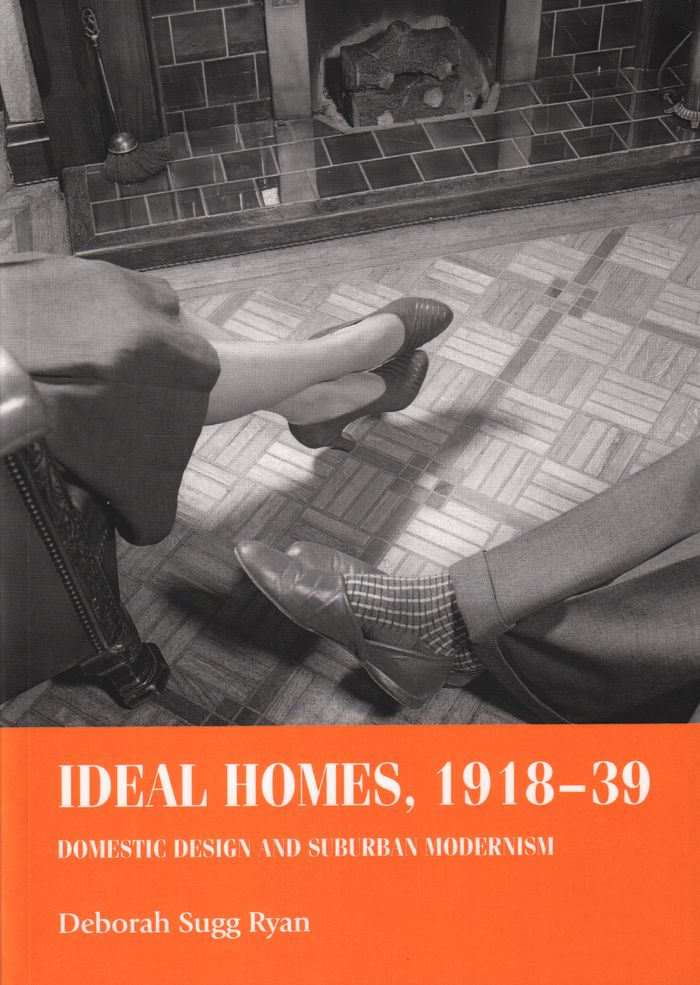
This book explores the aspirations and tastes of new suburban communities in interwar England for domestic architecture and design that was both modern and nostalgic in a period where homeownership became the norm. It investigates the ways in which new suburban class and gender identities were forged through the architecture, design and decoration of the home through choices such as ebony elephants placed on mantelpieces and modern Easiwork dressers in kitchens. It argues that a specifically suburban modernism emerged, which looked backwards to the past whilst looking forward to the future. Thus the inter-war "idea" home was both a retreat from the outside world and a site of change and experimentation. It also examines how the interwar home is lived in today. The book will appeal to academics and students in design, social and cultural history as well as a wider readership curious about interwar homes.
Ideal homes, 1918-39: Domestic design and suburban modernism
Actions:
Price:
$38.50
(available to order)
Summary:
This book explores the aspirations and tastes of new suburban communities in interwar England for domestic architecture and design that was both modern and nostalgic in a period where homeownership became the norm. It investigates the ways in which new suburban class and gender identities were forged through the architecture, design and decoration of the home through choices such as ebony elephants placed on mantelpieces and modern Easiwork dressers in kitchens. It argues that a specifically suburban modernism emerged, which looked backwards to the past whilst looking forward to the future. Thus the inter-war "idea" home was both a retreat from the outside world and a site of change and experimentation. It also examines how the interwar home is lived in today. The book will appeal to academics and students in design, social and cultural history as well as a wider readership curious about interwar homes.
Form:
books
books
Publication:
May 2018
May 2018
Subject:
Architectural Theory
Architectural Theory
Form:
books
books
Price:
$36.95
(available to order)
Summary:
In this book, Brenna Bhandar examines how modern property law contributes to the formation of racial subjects in settler colonies and to the development of racial capitalism. Examining both historical cases and ongoing processes of settler colonialism in Canada, Australia, and Israel and Palestine, Bhandar shows how the colonial appropriation of indigenous lands depends(...)
$36.95
(available to order)
Summary:
In this book, Brenna Bhandar examines how modern property law contributes to the formation of racial subjects in settler colonies and to the development of racial capitalism. Examining both historical cases and ongoing processes of settler colonialism in Canada, Australia, and Israel and Palestine, Bhandar shows how the colonial appropriation of indigenous lands depends(...)
Title:
Colonial lives of property: law, land, and racial regimes of ownership
Actions:
Price:
$36.95
(available to order)
Summary:
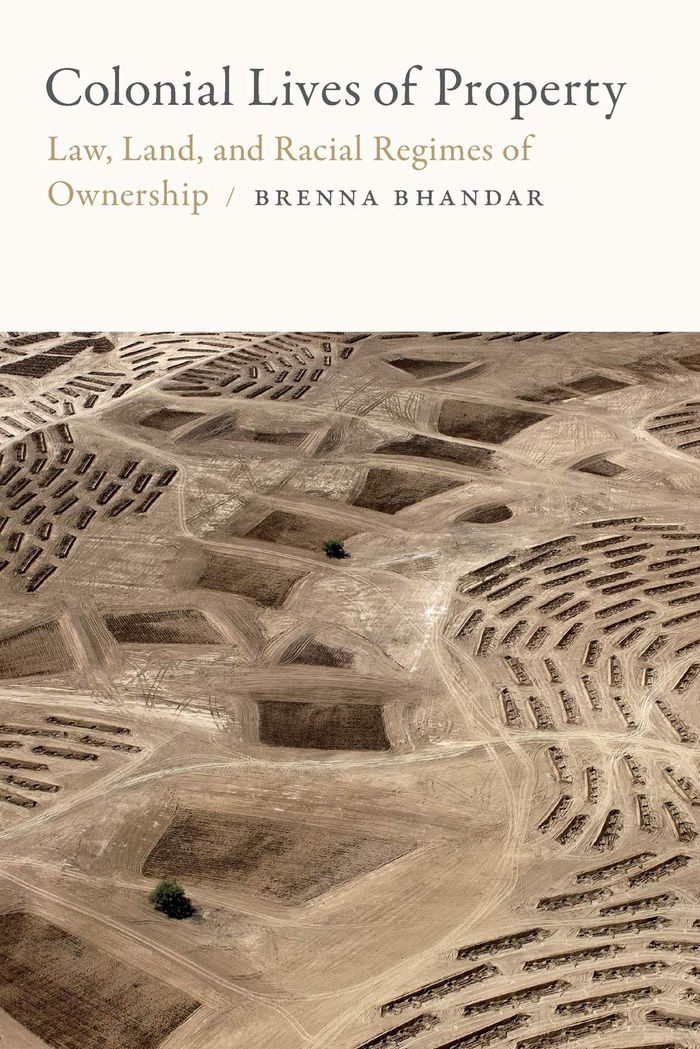
In this book, Brenna Bhandar examines how modern property law contributes to the formation of racial subjects in settler colonies and to the development of racial capitalism. Examining both historical cases and ongoing processes of settler colonialism in Canada, Australia, and Israel and Palestine, Bhandar shows how the colonial appropriation of indigenous lands depends upon ideologies of European racial superiority as well as upon legal narratives that equate civilized life with English concepts of property. In this way, property law legitimates and rationalizes settler colonial practices while it racializes those deemed unfit to own property. The solution to these enduring racial and economic inequities, Bhandar demonstrates, requires developing a new political imaginary of property in which freedom is connected to shared practices of use and community rather than individual possession.
Colonial lives of property: law, land, and racial regimes of ownership
Actions:
Price:
$36.95
(available to order)
Summary:
In this book, Brenna Bhandar examines how modern property law contributes to the formation of racial subjects in settler colonies and to the development of racial capitalism. Examining both historical cases and ongoing processes of settler colonialism in Canada, Australia, and Israel and Palestine, Bhandar shows how the colonial appropriation of indigenous lands depends upon ideologies of European racial superiority as well as upon legal narratives that equate civilized life with English concepts of property. In this way, property law legitimates and rationalizes settler colonial practices while it racializes those deemed unfit to own property. The solution to these enduring racial and economic inequities, Bhandar demonstrates, requires developing a new political imaginary of property in which freedom is connected to shared practices of use and community rather than individual possession.
Form:
books
books
Publication:
May 2018
May 2018
Subject:
Architecture ecologies
Architecture ecologies
Form:
books
books
Actions:
Price:
$43.95
(available in store)
Summary:
How design can transcend the logics, structures, and subjectivities of capitalism: a framework, theoretical grounding, and practical principles. The designed things, experiences, and symbols that we use to perceive, understand, and perform our everyday lives are much more than just props. They directly shape how we live. In ''Design after capitalism,'' Matthew Wizinsky(...)
$43.95
(available in store)
Summary:
How design can transcend the logics, structures, and subjectivities of capitalism: a framework, theoretical grounding, and practical principles. The designed things, experiences, and symbols that we use to perceive, understand, and perform our everyday lives are much more than just props. They directly shape how we live. In ''Design after capitalism,'' Matthew Wizinsky(...)
Title:
Design after capitalism: transforming design today for an equitable tomorrow
Actions:
Price:
$43.95
(available in store)
Summary:
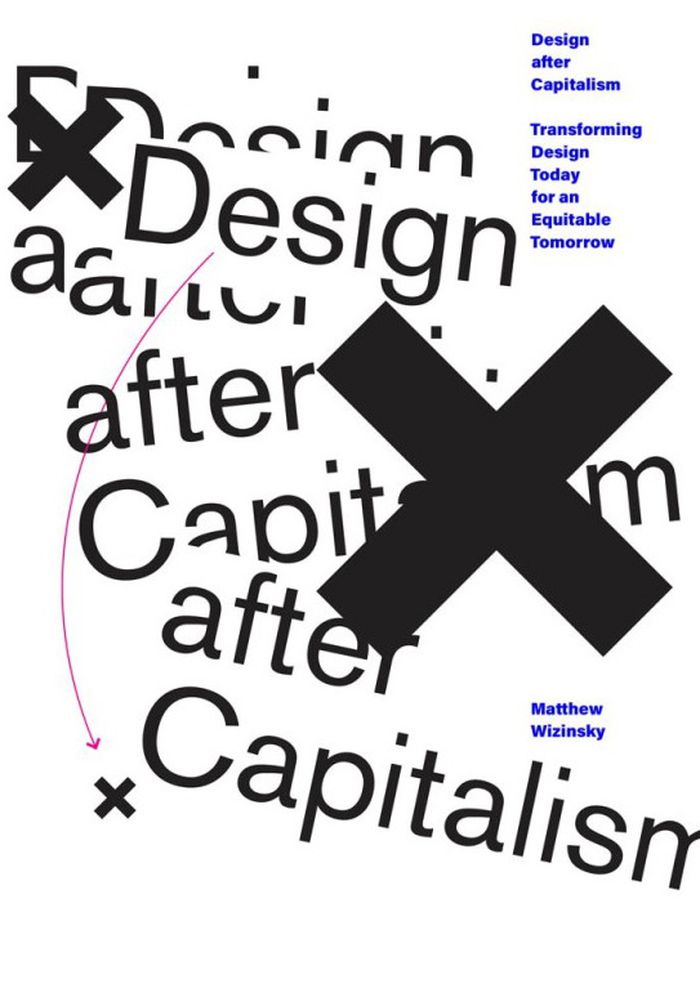
How design can transcend the logics, structures, and subjectivities of capitalism: a framework, theoretical grounding, and practical principles. The designed things, experiences, and symbols that we use to perceive, understand, and perform our everyday lives are much more than just props. They directly shape how we live. In ''Design after capitalism,'' Matthew Wizinsky argues that the world of industrial capitalism that gave birth to modern design has been dramatically transformed. Design today needs to reorient itself toward deliberate transitions of everyday politics, social relations, and economies. Looking at design through the lens of political economy, Wizinsky calls for the field to transcend the logics, structures, and subjectivities of capitalism—to combine design entrepreneurship with social empowerment in order to facilitate new ways of producing those things, symbols, and experiences that make up everyday life.
Design after capitalism: transforming design today for an equitable tomorrow
Actions:
Price:
$43.95
(available in store)
Summary:
How design can transcend the logics, structures, and subjectivities of capitalism: a framework, theoretical grounding, and practical principles. The designed things, experiences, and symbols that we use to perceive, understand, and perform our everyday lives are much more than just props. They directly shape how we live. In ''Design after capitalism,'' Matthew Wizinsky argues that the world of industrial capitalism that gave birth to modern design has been dramatically transformed. Design today needs to reorient itself toward deliberate transitions of everyday politics, social relations, and economies. Looking at design through the lens of political economy, Wizinsky calls for the field to transcend the logics, structures, and subjectivities of capitalism—to combine design entrepreneurship with social empowerment in order to facilitate new ways of producing those things, symbols, and experiences that make up everyday life.
Form:
books
books
Publication:
March 2022
March 2022
Subject:
Design Theory
Design Theory
Form:
books
books
Actions:
Price:
$54.00
(available in store)
Summary:
The term 'style' has fallen spectacularly out of fashion in architectural circles. Once a conceptual key to understanding architecture’s inner workings, today style seems to be associated with superficiality, formalism, and obsolete periodization. But how did style—once defined by German sociologist Georg Simmel as a place where one is 'no longer alone'—in architecture(...)
$54.00
(available in store)
Summary:
The term 'style' has fallen spectacularly out of fashion in architectural circles. Once a conceptual key to understanding architecture’s inner workings, today style seems to be associated with superficiality, formalism, and obsolete periodization. But how did style—once defined by German sociologist Georg Simmel as a place where one is 'no longer alone'—in architecture(...)
Title:
Style and solitude: The history of an architectural problem
Actions:
Price:
$54.00
(available in store)
Summary:
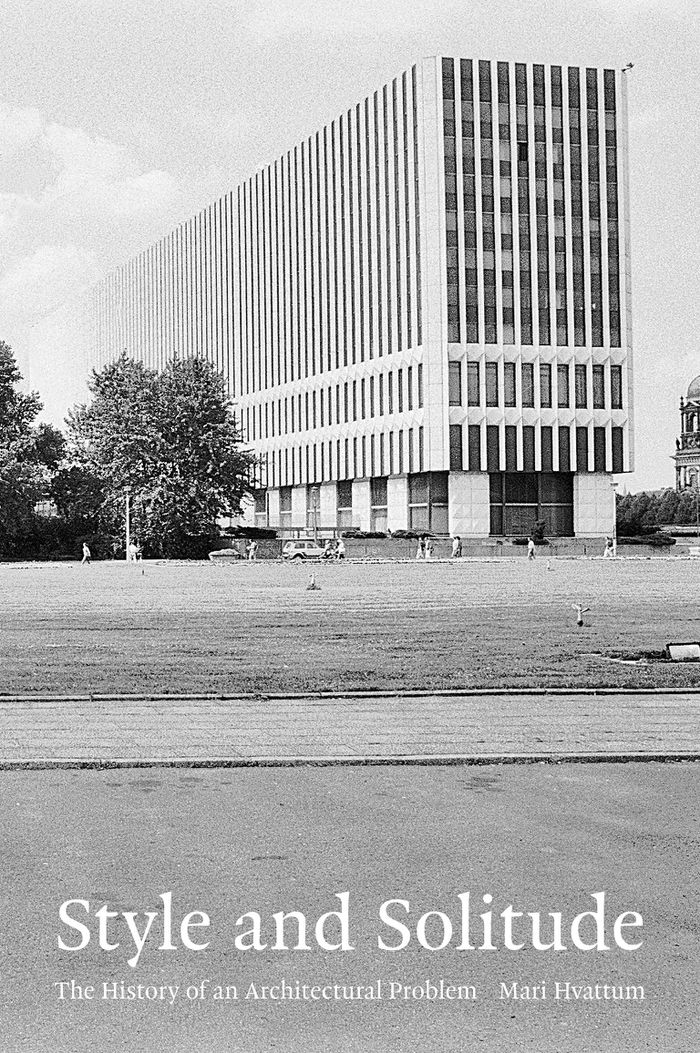
The term 'style' has fallen spectacularly out of fashion in architectural circles. Once a conceptual key to understanding architecture’s inner workings, today style seems to be associated with superficiality, formalism, and obsolete periodization. But how did style—once defined by German sociologist Georg Simmel as a place where one is 'no longer alone'—in architecture actually work? How was it used and what did it mean? In ''Style and solitude,'' Mari Hvattum seeks to understand the apparent death of style, returning to its birthplace in the late eighteenth century, and charting how it grew to influence modern architectural discourse and practice. As Hvattum explains, German thinkers of the eighteenth and nineteenth century offered competing ideas of what style was and how it should be applied in architecture. From Karl Friedrich Schinkel’s thoughtful eclecticism to King Maximilian II’s attempt to capture the zeitgeist in an architectural competition, style was at the center of fascinating experiments and furious disputes. Starting with Johann Joachim Winckelmann’s invention of the period style and ending a century later with Gottfried Semper’s generative theory of style, Hvattum explores critical debates that are still ongoing today.
Style and solitude: The history of an architectural problem
Actions:
Price:
$54.00
(available in store)
Summary:
The term 'style' has fallen spectacularly out of fashion in architectural circles. Once a conceptual key to understanding architecture’s inner workings, today style seems to be associated with superficiality, formalism, and obsolete periodization. But how did style—once defined by German sociologist Georg Simmel as a place where one is 'no longer alone'—in architecture actually work? How was it used and what did it mean? In ''Style and solitude,'' Mari Hvattum seeks to understand the apparent death of style, returning to its birthplace in the late eighteenth century, and charting how it grew to influence modern architectural discourse and practice. As Hvattum explains, German thinkers of the eighteenth and nineteenth century offered competing ideas of what style was and how it should be applied in architecture. From Karl Friedrich Schinkel’s thoughtful eclecticism to King Maximilian II’s attempt to capture the zeitgeist in an architectural competition, style was at the center of fascinating experiments and furious disputes. Starting with Johann Joachim Winckelmann’s invention of the period style and ending a century later with Gottfried Semper’s generative theory of style, Hvattum explores critical debates that are still ongoing today.
Form:
books
books
Publication:
June 2023
June 2023
Subject:
Architectural Theory
Architectural Theory
Form:
books
books
Title:
The smart house
The smart house
Actions:
Price:
$59.95
(available to order)
Summary:
Divided into three sections, "The Smart House" illustrates how technology is changing our homes. The book looks at three areas: Smart Technology, which examines five aspects of technology and how it's being integrated throughout the house: lighting design and window treatments; audio and video entertainment; voice and data management; security and access; and(...)
$59.95
(available to order)
Summary:
Divided into three sections, "The Smart House" illustrates how technology is changing our homes. The book looks at three areas: Smart Technology, which examines five aspects of technology and how it's being integrated throughout the house: lighting design and window treatments; audio and video entertainment; voice and data management; security and access; and(...)
Subject:
Residential Architecture
Residential Architecture
Publication:
November 2003, New York
November 2003, New York
Title:
The smart house
Actions:
Price:
$59.95
(available to order)
Summary:
Divided into three sections, "The Smart House" illustrates how technology is changing our homes. The book looks at three areas: Smart Technology, which examines five aspects of technology and how it's being integrated throughout the house: lighting design and window treatments; audio and video entertainment; voice and data management; security and access; and environmental controls and energy management. Smart Materials, which shows new building materials such as titanium, electronic glass that can become transparent or opaque at the flick of a switch, polycarbonate materials, laser-perforated metals, all of which are changing the way homes are built and the ways in which we use and perceive spaces within these structures. Smart Design looks at more extravagant innovations such as swimming pools cantilevered in mid-air, windows that recreate digital views at night, interior spaces whose functions are transformed through architectural slight of hand and computer aided design, all of which point to new ways of thinking about how we live and how we use space in this increasingly space-challenged world. Case studies of ten recently constructed homes are detailed to illustrate each aspect of this technology and to show the full potential technology affords modern home design.
The smart house
Actions:
Price:
$59.95
(available to order)
Summary:
Divided into three sections, "The Smart House" illustrates how technology is changing our homes. The book looks at three areas: Smart Technology, which examines five aspects of technology and how it's being integrated throughout the house: lighting design and window treatments; audio and video entertainment; voice and data management; security and access; and environmental controls and energy management. Smart Materials, which shows new building materials such as titanium, electronic glass that can become transparent or opaque at the flick of a switch, polycarbonate materials, laser-perforated metals, all of which are changing the way homes are built and the ways in which we use and perceive spaces within these structures. Smart Design looks at more extravagant innovations such as swimming pools cantilevered in mid-air, windows that recreate digital views at night, interior spaces whose functions are transformed through architectural slight of hand and computer aided design, all of which point to new ways of thinking about how we live and how we use space in this increasingly space-challenged world. Case studies of ten recently constructed homes are detailed to illustrate each aspect of this technology and to show the full potential technology affords modern home design.
Form:
books
books
Publication:
November 2003, New York
November 2003, New York
Subject:
Residential Architecture
Residential Architecture
Form:
books
books
Actions:
Price:
$65.00
(available to order)
Summary:
Photography has become an obsession in Japan where only a few unspoiled spots can be found. For three months, Veronika Spierenburg moved from Japan’s south to its north. From this, Spierenburg created an artist’s book which shows the richness of textures, artifacts, traditional as well as modern architecture in an idiosyncratic mood. The photographs shed light on how(...)
$65.00
(available to order)
Summary:
Photography has become an obsession in Japan where only a few unspoiled spots can be found. For three months, Veronika Spierenburg moved from Japan’s south to its north. From this, Spierenburg created an artist’s book which shows the richness of textures, artifacts, traditional as well as modern architecture in an idiosyncratic mood. The photographs shed light on how(...)
Title:
Veronika Spierenburg: Oya-Ishi-Oya-Stone
Actions:
Price:
$65.00
(available to order)
Summary:
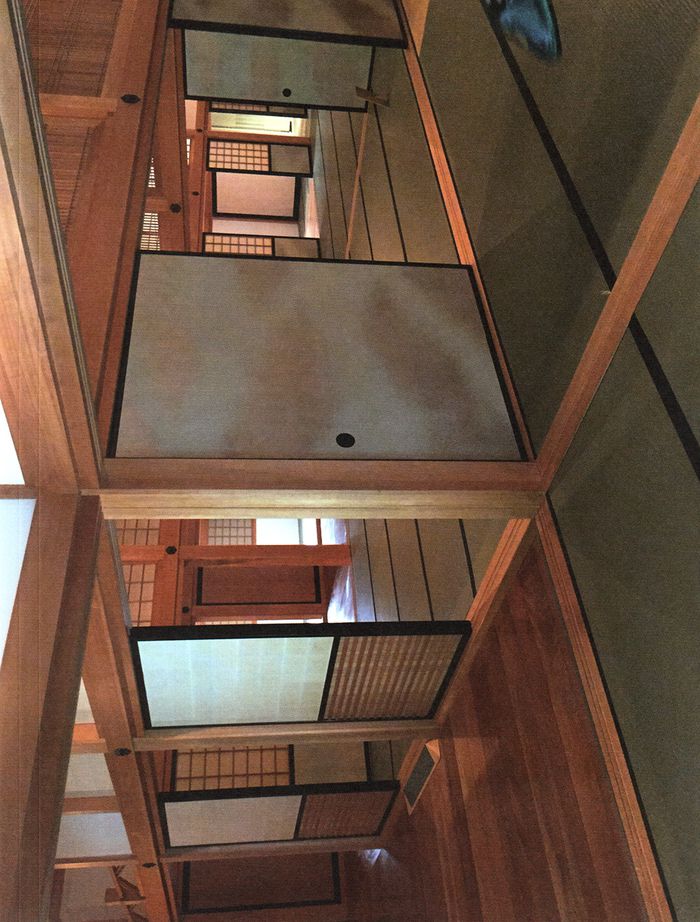
Photography has become an obsession in Japan where only a few unspoiled spots can be found. For three months, Veronika Spierenburg moved from Japan’s south to its north. From this, Spierenburg created an artist’s book which shows the richness of textures, artifacts, traditional as well as modern architecture in an idiosyncratic mood. The photographs shed light on how Japanese culture manifests itself in its craftsmanship. The buildings of famous architects such as Kenzo Tange, Togo Murano, Tadao Ando, Kazuo Shinohara and Kisho Kurokawa are presented in the book along with folk architecture.
Veronika Spierenburg: Oya-Ishi-Oya-Stone
Actions:
Price:
$65.00
(available to order)
Summary:
Photography has become an obsession in Japan where only a few unspoiled spots can be found. For three months, Veronika Spierenburg moved from Japan’s south to its north. From this, Spierenburg created an artist’s book which shows the richness of textures, artifacts, traditional as well as modern architecture in an idiosyncratic mood. The photographs shed light on how Japanese culture manifests itself in its craftsmanship. The buildings of famous architects such as Kenzo Tange, Togo Murano, Tadao Ando, Kazuo Shinohara and Kisho Kurokawa are presented in the book along with folk architecture.
Form:
books
books
Publication:
October 2017
October 2017
Subject:
Photography monographs
Photography monographs
Form:
books
books

Actions:
Price:
$12.50
(available to order)
Summary:
Because much of Leibniz's thinking in the realm of the sciences flowed from his philosophy, understanding how he approached the natural world and humanity's place in it is vital to understanding his contributions to modern science. This edition collects two of Leibniz's foundational works, "Discourse on Metaphysics" and "The Monadology," which expound on concepts of(...)
$12.50
(available to order)
Summary:
Because much of Leibniz's thinking in the realm of the sciences flowed from his philosophy, understanding how he approached the natural world and humanity's place in it is vital to understanding his contributions to modern science. This edition collects two of Leibniz's foundational works, "Discourse on Metaphysics" and "The Monadology," which expound on concepts of(...)
Title:
Discourse on metaphysics and the monadology
Actions:
Price:
$12.50
(available to order)
Summary:
Because much of Leibniz's thinking in the realm of the sciences flowed from his philosophy, understanding how he approached the natural world and humanity's place in it is vital to understanding his contributions to modern science. This edition collects two of Leibniz's foundational works, "Discourse on Metaphysics" and "The Monadology," which expound on concepts of philosophical "optimism"-that we live in the best of all possible worlds-and consequently features Leibniz's thoughts on the nature of physical matter. This classic work will intrigue all students of science and philosophy.
Discourse on metaphysics and the monadology
Actions:
Price:
$12.50
(available to order)
Summary:
Because much of Leibniz's thinking in the realm of the sciences flowed from his philosophy, understanding how he approached the natural world and humanity's place in it is vital to understanding his contributions to modern science. This edition collects two of Leibniz's foundational works, "Discourse on Metaphysics" and "The Monadology," which expound on concepts of philosophical "optimism"-that we live in the best of all possible worlds-and consequently features Leibniz's thoughts on the nature of physical matter. This classic work will intrigue all students of science and philosophy.
Form:
books
books
Publication:
December 2007, New York
December 2007, New York
Subject:
Critical Theory
Critical Theory
Form:
books
books

Title:
The eye of the architect
The eye of the architect
Actions:
Price:
$116.00
(available to order)
Summary:
This volume compiles landmarks in modern and contemporary architecture that the eye of the architect Alfonso López Baz has captured with his camera, selecting the space, the lighting, and the moment. Buildings by Oscar Niemeyer, Tadao Ando, Herzog & de Meuron, Renzo Piano, Álvaro Siza, Teodoro González de León and many other leading architects that not only speak of their(...)
$116.00
(available to order)
Summary:
This volume compiles landmarks in modern and contemporary architecture that the eye of the architect Alfonso López Baz has captured with his camera, selecting the space, the lighting, and the moment. Buildings by Oscar Niemeyer, Tadao Ando, Herzog & de Meuron, Renzo Piano, Álvaro Siza, Teodoro González de León and many other leading architects that not only speak of their(...)
Subject:
Photography monographs
Photography monographs
Publication:
September 2023
September 2023
Title:
The eye of the architect
Actions:
Price:
$116.00
(available to order)
Summary:
This volume compiles landmarks in modern and contemporary architecture that the eye of the architect Alfonso López Baz has captured with his camera, selecting the space, the lighting, and the moment. Buildings by Oscar Niemeyer, Tadao Ando, Herzog & de Meuron, Renzo Piano, Álvaro Siza, Teodoro González de León and many other leading architects that not only speak of their respective practices, but how they are read by ''another'' architect. With over 200 images, López Baz offers his subjective viewpoint in this wide-ranging overview of the most oustanding architecture of the past 100 years.
The eye of the architect
Actions:
Price:
$116.00
(available to order)
Summary:
This volume compiles landmarks in modern and contemporary architecture that the eye of the architect Alfonso López Baz has captured with his camera, selecting the space, the lighting, and the moment. Buildings by Oscar Niemeyer, Tadao Ando, Herzog & de Meuron, Renzo Piano, Álvaro Siza, Teodoro González de León and many other leading architects that not only speak of their respective practices, but how they are read by ''another'' architect. With over 200 images, López Baz offers his subjective viewpoint in this wide-ranging overview of the most oustanding architecture of the past 100 years.
Form:
books
books
Publication:
September 2023
September 2023
Subject:
Photography monographs
Photography monographs
Form:
books
books

Actions:
Price:
$13.99
(available in store)
Summary:
"Three economies of transcendence" offers a sharp critique of how transcendence underpins the symbolic, economic, and environmental crises of the modern world. Andrea Righi identifies three distinct “economies of transcendence” that sustain neoliberal systems of power. Termed the economy of rank, the economy of infinite valorization, and the phallic economy of time, these(...)
$13.99
(available in store)
Summary:
"Three economies of transcendence" offers a sharp critique of how transcendence underpins the symbolic, economic, and environmental crises of the modern world. Andrea Righi identifies three distinct “economies of transcendence” that sustain neoliberal systems of power. Termed the economy of rank, the economy of infinite valorization, and the phallic economy of time, these(...)
Title:
Three economies of transcendence
Actions:
Price:
$13.99
(available in store)
Summary:
"Three economies of transcendence" offers a sharp critique of how transcendence underpins the symbolic, economic, and environmental crises of the modern world. Andrea Righi identifies three distinct “economies of transcendence” that sustain neoliberal systems of power. Termed the economy of rank, the economy of infinite valorization, and the phallic economy of time, these economies perpetuate hierarchies, sacrifices, and ecological destruction. Through this framework, Righi not only diagnoses the crisis but also proposes an immanent model of economy that fosters solidarity and is expressly pro-social and ecologically responsible.
Three economies of transcendence
Actions:
Price:
$13.99
(available in store)
Summary:
"Three economies of transcendence" offers a sharp critique of how transcendence underpins the symbolic, economic, and environmental crises of the modern world. Andrea Righi identifies three distinct “economies of transcendence” that sustain neoliberal systems of power. Termed the economy of rank, the economy of infinite valorization, and the phallic economy of time, these economies perpetuate hierarchies, sacrifices, and ecological destruction. Through this framework, Righi not only diagnoses the crisis but also proposes an immanent model of economy that fosters solidarity and is expressly pro-social and ecologically responsible.
Form:
books
books
Publication:
August 2025
August 2025
Subject:
Critical Theory
Critical Theory


