


259 Results
Form:
books
books
Title:
Roger Ballen : Des oiseaux
Roger Ballen : Des oiseaux
Actions:
Price:
$70.95
(available to order)
Summary:
Pour ce treizième titre de la collection « Des oiseaux », le photographe sud-africain Roger Ballen a réalisé une sélection de photographies, pour la plupart inédites, spécialement pour l’ouvrage. Dans des univers clos, où s’accumulent graffiti, signes, ombres et fragments, se jouent des histoires qui viennent bousculer notre regard. La frontière entre fantaisie et drame(...)
$70.95
(available to order)
Summary:
Pour ce treizième titre de la collection « Des oiseaux », le photographe sud-africain Roger Ballen a réalisé une sélection de photographies, pour la plupart inédites, spécialement pour l’ouvrage. Dans des univers clos, où s’accumulent graffiti, signes, ombres et fragments, se jouent des histoires qui viennent bousculer notre regard. La frontière entre fantaisie et drame(...)
Title:
Roger Ballen : Des oiseaux
Actions:
Price:
$70.95
(available to order)
Summary:
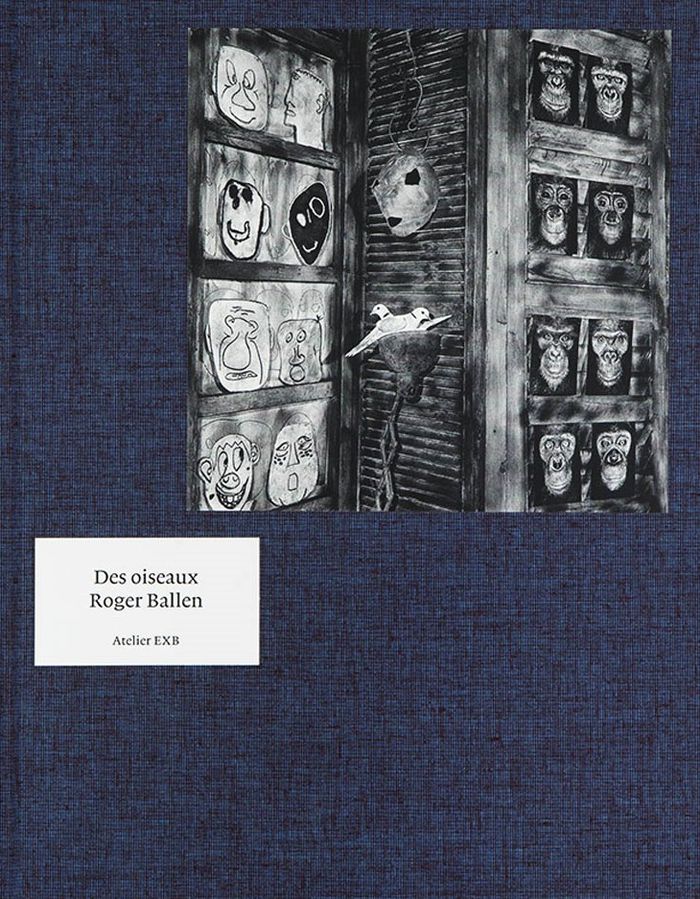
Pour ce treizième titre de la collection « Des oiseaux », le photographe sud-africain Roger Ballen a réalisé une sélection de photographies, pour la plupart inédites, spécialement pour l’ouvrage. Dans des univers clos, où s’accumulent graffiti, signes, ombres et fragments, se jouent des histoires qui viennent bousculer notre regard. La frontière entre fantaisie et drame se floute. Le monde non logique d’une Alice au pays des merveilles, malicieuse et parfois pas si gentille, semble s’animer sous nos yeux. Oiseaux sagement posés parmi un décor de poupée, surgissant derrière un mur de carton pâte, évoluant au milieu de jouets abandonnés et brisés par un enfant mécontent, ou encore jouant à l’équilibriste sur des ballons, s’acoquinant avec des ours en peluche, réels ou dessinés : tous participent au délire amusé de l’artiste.
Roger Ballen : Des oiseaux
Actions:
Price:
$70.95
(available to order)
Summary:
Pour ce treizième titre de la collection « Des oiseaux », le photographe sud-africain Roger Ballen a réalisé une sélection de photographies, pour la plupart inédites, spécialement pour l’ouvrage. Dans des univers clos, où s’accumulent graffiti, signes, ombres et fragments, se jouent des histoires qui viennent bousculer notre regard. La frontière entre fantaisie et drame se floute. Le monde non logique d’une Alice au pays des merveilles, malicieuse et parfois pas si gentille, semble s’animer sous nos yeux. Oiseaux sagement posés parmi un décor de poupée, surgissant derrière un mur de carton pâte, évoluant au milieu de jouets abandonnés et brisés par un enfant mécontent, ou encore jouant à l’équilibriste sur des ballons, s’acoquinant avec des ours en peluche, réels ou dessinés : tous participent au délire amusé de l’artiste.
Form:
books
books
Publication:
November 2022
November 2022
Subject:
Photography monographs
Photography monographs
Form:
books
books
Title:
Banksy: Wall and piece
Banksy: Wall and piece
Actions:
Price:
$29.95
(available to order)
Summary:
Artistic genius, political activist, painter and decorator, mythic legend or notorious graffiti artist? The work of Banksy is unmistakable, except maybe when it’s squatting inthe Tate or New York’s Metropolitan Museum. Banksy is responsible for decorating the streets, walls, bridges and zoos of towns and cites throughout the world. Witty and subversive, his stencils(...)
$29.95
(available to order)
Summary:
Artistic genius, political activist, painter and decorator, mythic legend or notorious graffiti artist? The work of Banksy is unmistakable, except maybe when it’s squatting inthe Tate or New York’s Metropolitan Museum. Banksy is responsible for decorating the streets, walls, bridges and zoos of towns and cites throughout the world. Witty and subversive, his stencils(...)
Title:
Banksy: Wall and piece
Actions:
Price:
$29.95
(available to order)
Summary:
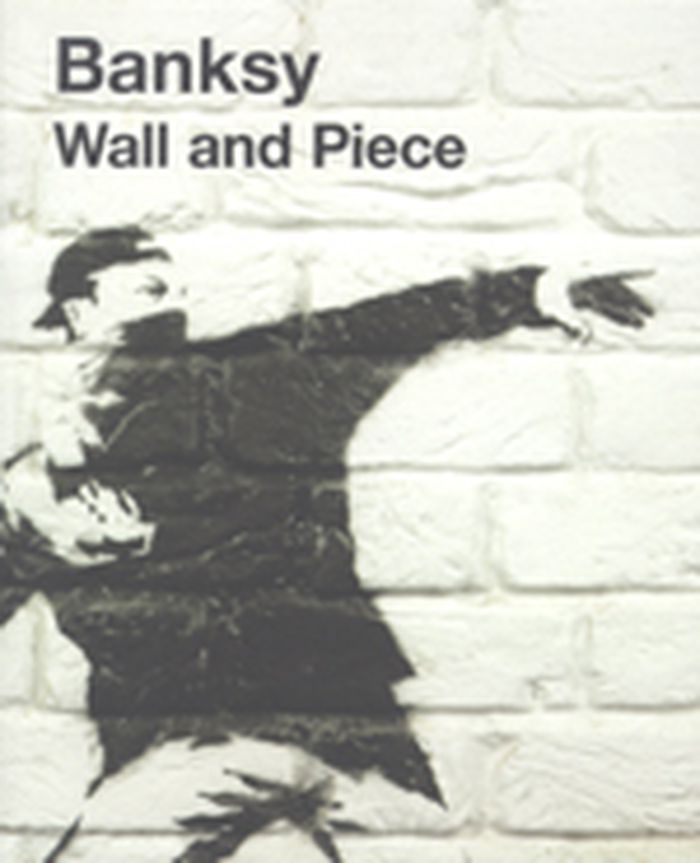
Artistic genius, political activist, painter and decorator, mythic legend or notorious graffiti artist? The work of Banksy is unmistakable, except maybe when it’s squatting inthe Tate or New York’s Metropolitan Museum. Banksy is responsible for decorating the streets, walls, bridges and zoos of towns and cites throughout the world. Witty and subversive, his stencils show monkeys with weapons of mass destruction, policeman with smiley faces, rats with drills and umbrellas.If you look hard enough you’ll find your own. His statements, incitements, ironies and epigrams are by turns intelligent and cheeky comments on everything from the monarchy and capitalism to the war in Iraq and farm animals. His identity remains unknown, but his work is prolific. And now for the first time, he’s putting together the best of his work – old and new in a fully illustrated colour volume.
Banksy: Wall and piece
Actions:
Price:
$29.95
(available to order)
Summary:
Artistic genius, political activist, painter and decorator, mythic legend or notorious graffiti artist? The work of Banksy is unmistakable, except maybe when it’s squatting inthe Tate or New York’s Metropolitan Museum. Banksy is responsible for decorating the streets, walls, bridges and zoos of towns and cites throughout the world. Witty and subversive, his stencils show monkeys with weapons of mass destruction, policeman with smiley faces, rats with drills and umbrellas.If you look hard enough you’ll find your own. His statements, incitements, ironies and epigrams are by turns intelligent and cheeky comments on everything from the monarchy and capitalism to the war in Iraq and farm animals. His identity remains unknown, but his work is prolific. And now for the first time, he’s putting together the best of his work – old and new in a fully illustrated colour volume.
Form:
books
books
Publication:
June 2007, London
June 2007, London
Subject:
Public Space
Public Space
Form:
journals and magazines
journals and magazines
Actions:
Price:
$21.00
(available to order)
Summary:
Celebrating our 15 years of creative publishing, we proudly present our biggest publication to date, our 15th anniversary book. It features the work of hundreds of world-renowned creatives, looking back over the last 15 years, and forward to the next 15 years. Illustration is the backbone of graphic design, be it for publications, advertisments, commercials, billboards(...)
$21.00
(available to order)
Summary:
Celebrating our 15 years of creative publishing, we proudly present our biggest publication to date, our 15th anniversary book. It features the work of hundreds of world-renowned creatives, looking back over the last 15 years, and forward to the next 15 years. Illustration is the backbone of graphic design, be it for publications, advertisments, commercials, billboards(...)
Subject:
Magazines
Magazines
Publication:
January 1900, Hong Kong
January 1900, Hong Kong
Title:
Idn 15 no 1 The Semiotics of Illustration
Actions:
Price:
$21.00
(available to order)
Summary:
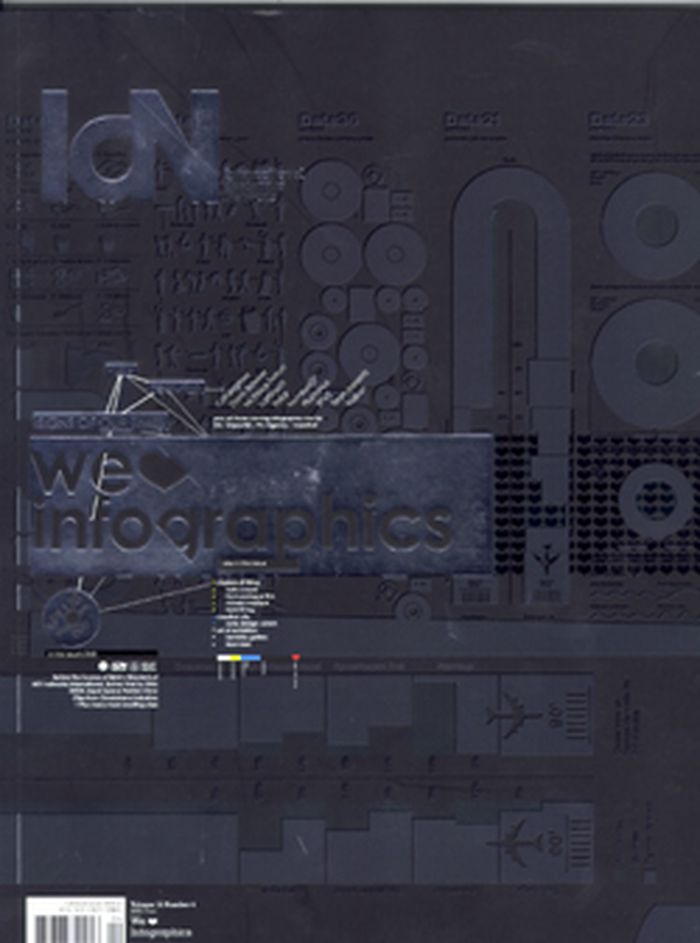
Celebrating our 15 years of creative publishing, we proudly present our biggest publication to date, our 15th anniversary book. It features the work of hundreds of world-renowned creatives, looking back over the last 15 years, and forward to the next 15 years. Illustration is the backbone of graphic design, be it for publications, advertisments, commercials, billboards or even graffiti. Regardless of its medium, most illustrators develop a very recognisable style. In this issue's feature, we look at the work and read the words of 8 leading designers who share what may be broadly termed a child-like approach to illustration. Contents: Pick of the Month Studio: Swiss graphics calling Feature: A Clash of Symbols Music + Image II: On the Case Top Talent: Introducing the first of our super-students Sketch: Three Hands Sketching Videogame: Heavenly Sword — putting Ninja theory to practice Exhibition: Dutch Designers buck cleek trend
Idn 15 no 1 The Semiotics of Illustration
Actions:
Price:
$21.00
(available to order)
Summary:
Celebrating our 15 years of creative publishing, we proudly present our biggest publication to date, our 15th anniversary book. It features the work of hundreds of world-renowned creatives, looking back over the last 15 years, and forward to the next 15 years. Illustration is the backbone of graphic design, be it for publications, advertisments, commercials, billboards or even graffiti. Regardless of its medium, most illustrators develop a very recognisable style. In this issue's feature, we look at the work and read the words of 8 leading designers who share what may be broadly termed a child-like approach to illustration. Contents: Pick of the Month Studio: Swiss graphics calling Feature: A Clash of Symbols Music + Image II: On the Case Top Talent: Introducing the first of our super-students Sketch: Three Hands Sketching Videogame: Heavenly Sword — putting Ninja theory to practice Exhibition: Dutch Designers buck cleek trend
Form:
journals and magazines
journals and magazines
Publication:
January 1900, Hong Kong
January 1900, Hong Kong
Subject:
Magazines
Magazines
Form:
books
books
Actions:
Price:
$36.95
(available to order)
Summary:
Alors que le street art se monnaie dans les galeries d’art, dans les rues, les graffitis sont les cibles d’une lutte acharnée. Tous les ans, ce sont plusieurs milliards d’euros qui sont investis au niveau mondial dans des systèmes de sécurité, de nettoyage et de prévention. Graffeurs eux-mêmes, les auteurs ont ainsi vu leurs inscriptions disparaître de plus en plus(...)
$36.95
(available to order)
Summary:
Alors que le street art se monnaie dans les galeries d’art, dans les rues, les graffitis sont les cibles d’une lutte acharnée. Tous les ans, ce sont plusieurs milliards d’euros qui sont investis au niveau mondial dans des systèmes de sécurité, de nettoyage et de prévention. Graffeurs eux-mêmes, les auteurs ont ainsi vu leurs inscriptions disparaître de plus en plus(...)
Title:
Antigraffitisme: aseptiser les villes, contrôler les corps
Actions:
Price:
$36.95
(available to order)
Summary:
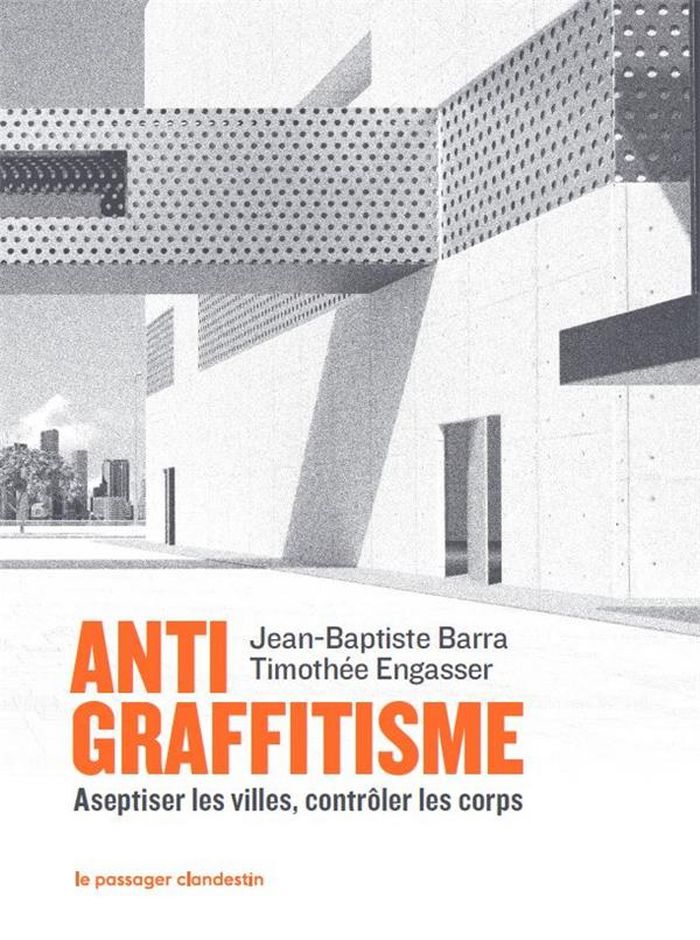
Alors que le street art se monnaie dans les galeries d’art, dans les rues, les graffitis sont les cibles d’une lutte acharnée. Tous les ans, ce sont plusieurs milliards d’euros qui sont investis au niveau mondial dans des systèmes de sécurité, de nettoyage et de prévention. Graffeurs eux-mêmes, les auteurs ont ainsi vu leurs inscriptions disparaître de plus en plus rapidement. Leur regard s’est alors décalé : du graffiti, c’est sur son effacement qu’ils se sont penchés. De l’avènement de l’hygiénisme au XVIIIe siècle à la mise en place d’un véritable marché sécuritaire à partir des années 1980, les auteurs retracent l’histoire de la répression de ce geste d’apparence anodine. Ils cherchent ainsi à comprendre ce qui se joue dans la gouvernance des espaces urbains contemporains et alertent sur ces effacements, signes avant-coureurs de logiques de contrôle bien plus insidieuses, qui ne concernent plus seulement celles et ceux qui écrivent dans la ville.
Antigraffitisme: aseptiser les villes, contrôler les corps
Actions:
Price:
$36.95
(available to order)
Summary:
Alors que le street art se monnaie dans les galeries d’art, dans les rues, les graffitis sont les cibles d’une lutte acharnée. Tous les ans, ce sont plusieurs milliards d’euros qui sont investis au niveau mondial dans des systèmes de sécurité, de nettoyage et de prévention. Graffeurs eux-mêmes, les auteurs ont ainsi vu leurs inscriptions disparaître de plus en plus rapidement. Leur regard s’est alors décalé : du graffiti, c’est sur son effacement qu’ils se sont penchés. De l’avènement de l’hygiénisme au XVIIIe siècle à la mise en place d’un véritable marché sécuritaire à partir des années 1980, les auteurs retracent l’histoire de la répression de ce geste d’apparence anodine. Ils cherchent ainsi à comprendre ce qui se joue dans la gouvernance des espaces urbains contemporains et alertent sur ces effacements, signes avant-coureurs de logiques de contrôle bien plus insidieuses, qui ne concernent plus seulement celles et ceux qui écrivent dans la ville.
Form:
books
books
Publication:
January 2023
January 2023
Subject:
Urban Theory
Urban Theory
Form:
books
books
Actions:
Price:
$33.95
(available to order)
Summary:
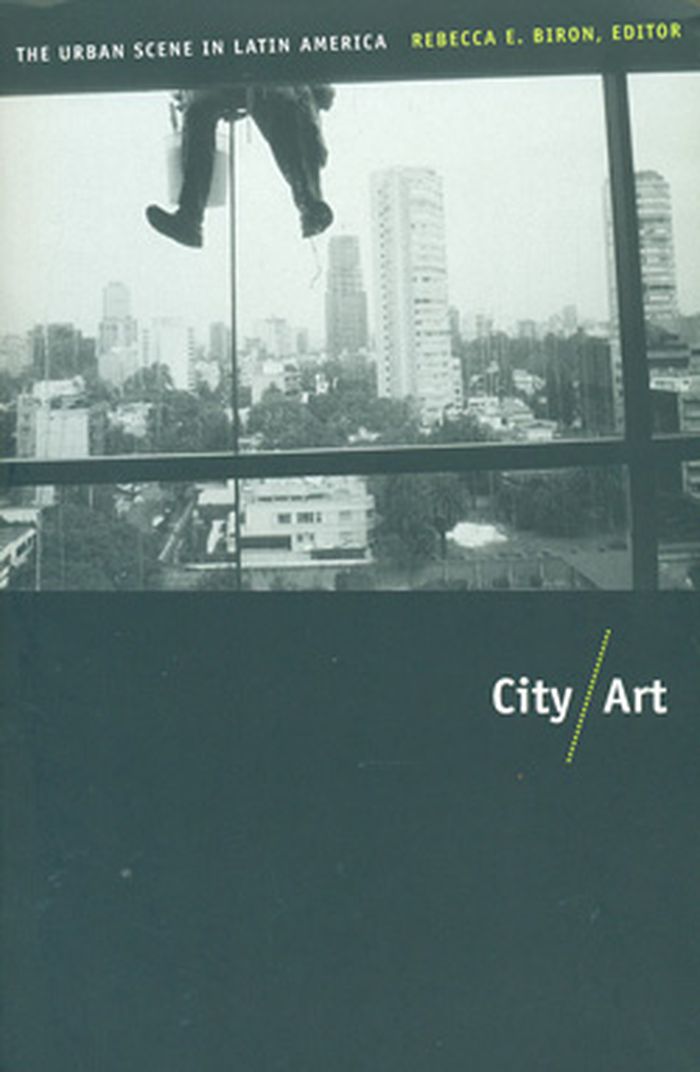
In City/Art anthropologists, literary and cultural critics, a philosopher, and an architect explore how creative practices continually reconstruct the urban scene in Latin America. The contributors, all Latin Americanists, describe how creativity—broadly conceived to encompass urban design, museums, graffiti, film, music, literature, architecture, performance art, and(...)
$33.95
(available to order)
Summary:
In City/Art anthropologists, literary and cultural critics, a philosopher, and an architect explore how creative practices continually reconstruct the urban scene in Latin America. The contributors, all Latin Americanists, describe how creativity—broadly conceived to encompass urban design, museums, graffiti, film, music, literature, architecture, performance art, and(...)
Title:
City/art: the urban scene in Latin America
Actions:
Price:
$33.95
(available to order)
Summary:
In City/Art anthropologists, literary and cultural critics, a philosopher, and an architect explore how creative practices continually reconstruct the urban scene in Latin America. The contributors, all Latin Americanists, describe how creativity—broadly conceived to encompass urban design, museums, graffiti, film, music, literature, architecture, performance art, and more—combines with nationalist rhetoric and historical discourse to define Latin American cities. Taken together, the essays model different ways of approaching Latin America’s urban centers not only as places that inspire and house creative practices but also as ongoing collective creative endeavors themselves. The essays range from an examination of how differences of scale and point of view affect people’s experience of everyday life in Mexico City to a reflection on the transformation of a prison into a shopping mall in Uruguay, and from an analysis of Buenos Aires’ preoccupation with its own status and cultural identity to a consideration of what Miami means to Cubans in the United States.
City/art: the urban scene in Latin America
Actions:
Price:
$33.95
(available to order)
Summary:
In City/Art anthropologists, literary and cultural critics, a philosopher, and an architect explore how creative practices continually reconstruct the urban scene in Latin America. The contributors, all Latin Americanists, describe how creativity—broadly conceived to encompass urban design, museums, graffiti, film, music, literature, architecture, performance art, and more—combines with nationalist rhetoric and historical discourse to define Latin American cities. Taken together, the essays model different ways of approaching Latin America’s urban centers not only as places that inspire and house creative practices but also as ongoing collective creative endeavors themselves. The essays range from an examination of how differences of scale and point of view affect people’s experience of everyday life in Mexico City to a reflection on the transformation of a prison into a shopping mall in Uruguay, and from an analysis of Buenos Aires’ preoccupation with its own status and cultural identity to a consideration of what Miami means to Cubans in the United States.
Form:
books
books
Publication:
July 2009
July 2009
Subject:
Public Space
Public Space
Form:
books
books
Actions:
Price:
$42.00
(available to order)
Summary:
For the first time in the history of our planet, more than half the population-3.3 billion people-is now living in cities. City is the ultimate guidebook to our urban centers-the signature unit of human civilization. With erudite prose and carefully chosen illustrations, this work of metatourism explores what cities are and how they work. It covers history, customs and(...)
$42.00
(available to order)
Summary:
For the first time in the history of our planet, more than half the population-3.3 billion people-is now living in cities. City is the ultimate guidebook to our urban centers-the signature unit of human civilization. With erudite prose and carefully chosen illustrations, this work of metatourism explores what cities are and how they work. It covers history, customs and(...)
Title:
City : a guidebook for the urban age
Actions:
Price:
$42.00
(available to order)
Summary:
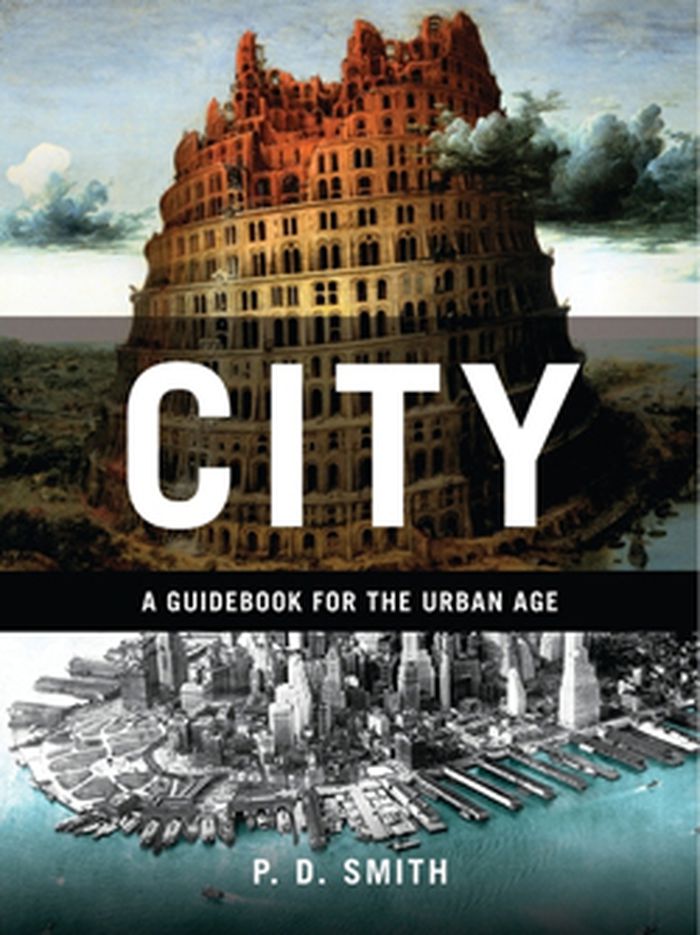
For the first time in the history of our planet, more than half the population-3.3 billion people-is now living in cities. City is the ultimate guidebook to our urban centers-the signature unit of human civilization. With erudite prose and carefully chosen illustrations, this work of metatourism explores what cities are and how they work. It covers history, customs and language, districts, transport, money, work, shops and markets, and tourist sites, creating a detailed portrait of the city through history and into the future. The urban explorer will revel in essays on downtowns, suburbs, shantytowns and favelas, graffiti, skylines, crime, the theater, street food, sport, eco-cities, and sacred sites, as well as mini essays on the Tower of Babel, flash mobs, ghettos, skateboarding, and SimCity, among many others. Drawing on a vast range of examples from across the world and throughout history, City is extensively illustrated with full-color photographs, maps, and other images.
City : a guidebook for the urban age
Actions:
Price:
$42.00
(available to order)
Summary:
For the first time in the history of our planet, more than half the population-3.3 billion people-is now living in cities. City is the ultimate guidebook to our urban centers-the signature unit of human civilization. With erudite prose and carefully chosen illustrations, this work of metatourism explores what cities are and how they work. It covers history, customs and language, districts, transport, money, work, shops and markets, and tourist sites, creating a detailed portrait of the city through history and into the future. The urban explorer will revel in essays on downtowns, suburbs, shantytowns and favelas, graffiti, skylines, crime, the theater, street food, sport, eco-cities, and sacred sites, as well as mini essays on the Tower of Babel, flash mobs, ghettos, skateboarding, and SimCity, among many others. Drawing on a vast range of examples from across the world and throughout history, City is extensively illustrated with full-color photographs, maps, and other images.
Form:
books
books
Publication:
November 2011
November 2011
Subject:
Urban Theory
Urban Theory
Form:
books
books
Actions:
Price:
$49.95
(available to order)
Summary:
Celebrated artist Keith Haring (1958–1990) has been embraced by popular culture for his signature bold graphic line drawings of figures and forms. Like other graffiti artists in the 1980s, Haring found an empty canvas in the advertising panels scattered throughout New York City’s subway system, where he communicated his socially conscious, often humorous messages on(...)
$49.95
(available to order)
Summary:
Celebrated artist Keith Haring (1958–1990) has been embraced by popular culture for his signature bold graphic line drawings of figures and forms. Like other graffiti artists in the 1980s, Haring found an empty canvas in the advertising panels scattered throughout New York City’s subway system, where he communicated his socially conscious, often humorous messages on(...)
Subject:
Contemporary Art Monographs
Contemporary Art Monographs
Publication:
December 2021
December 2021
Title:
Keith Haring: 31 subway drawings
Actions:
Price:
$49.95
(available to order)
Summary:
Celebrated artist Keith Haring (1958–1990) has been embraced by popular culture for his signature bold graphic line drawings of figures and forms. Like other graffiti artists in the 1980s, Haring found an empty canvas in the advertising panels scattered throughout New York City’s subway system, where he communicated his socially conscious, often humorous messages on platforms and train cars. Over a five-year period, in an epic conquest of civic space, Haring produced a massive body of subway artwork that remains daunting in its scale and its impact on the public consciousness. Dedicated to the individuals who might encounter them and to the moments of their creation, Haring’s drawings now exist solely in the form of documentary photographs and legend. Because they were not meant to be permanent—only briefly inhabiting blacked-out advertising boards before being covered up by ads or torn down by authorities or admirers—what little remains of this project is uniquely fugitive. ''Keith Haring: 31 subway drawings'' reproduces archival materials relating to this magnificent project alongside essays by leading Haring experts.
Keith Haring: 31 subway drawings
Actions:
Price:
$49.95
(available to order)
Summary:
Celebrated artist Keith Haring (1958–1990) has been embraced by popular culture for his signature bold graphic line drawings of figures and forms. Like other graffiti artists in the 1980s, Haring found an empty canvas in the advertising panels scattered throughout New York City’s subway system, where he communicated his socially conscious, often humorous messages on platforms and train cars. Over a five-year period, in an epic conquest of civic space, Haring produced a massive body of subway artwork that remains daunting in its scale and its impact on the public consciousness. Dedicated to the individuals who might encounter them and to the moments of their creation, Haring’s drawings now exist solely in the form of documentary photographs and legend. Because they were not meant to be permanent—only briefly inhabiting blacked-out advertising boards before being covered up by ads or torn down by authorities or admirers—what little remains of this project is uniquely fugitive. ''Keith Haring: 31 subway drawings'' reproduces archival materials relating to this magnificent project alongside essays by leading Haring experts.
Form:
books
books
Publication:
December 2021
December 2021
Subject:
Contemporary Art Monographs
Contemporary Art Monographs
Form:
books
books

Actions:
Price:
$80.00
(available to order)
Summary:
The photographs by Richard Misrach assembled in this volume are a stark, affecting reminders of the physical and psychological impact of Hurricane Katrina as told by those on the ground, and seen through the lens of a contemporary master. Rather than simply surveying the damage, Misrach-who has photographed the region regularly since the 1970s, most notably for his(...)
$80.00
(available to order)
Summary:
The photographs by Richard Misrach assembled in this volume are a stark, affecting reminders of the physical and psychological impact of Hurricane Katrina as told by those on the ground, and seen through the lens of a contemporary master. Rather than simply surveying the damage, Misrach-who has photographed the region regularly since the 1970s, most notably for his(...)
Publication:
September 2010
September 2010
Title:
Richard Misrach: Destroy this memory
Actions:
Price:
$80.00
(available to order)
Summary:
The photographs by Richard Misrach assembled in this volume are a stark, affecting reminders of the physical and psychological impact of Hurricane Katrina as told by those on the ground, and seen through the lens of a contemporary master. Rather than simply surveying the damage, Misrach-who has photographed the region regularly since the 1970s, most notably for his ongoing "Cancer Alley" project-found himself drawn to the hurricane-inspired graffiti. "Destroy This Memory" presents previously unpublished and starkly compelling material, all of which Misrach shot with his 4 MP pocket camera while also working on a separate archive of over 1,000 photographs with his 8 x 10 large-format camera. Created between October and December 2005, this series of images serves as a potent, unalloyed document of the raw experiences of those left to fend for themselves in the aftermath of Katrina. With no essay, titles or even page numbers in the way, the words on these homes, cars and trees offer a searing testament that continues to speak volumes.
Richard Misrach: Destroy this memory
Actions:
Price:
$80.00
(available to order)
Summary:
The photographs by Richard Misrach assembled in this volume are a stark, affecting reminders of the physical and psychological impact of Hurricane Katrina as told by those on the ground, and seen through the lens of a contemporary master. Rather than simply surveying the damage, Misrach-who has photographed the region regularly since the 1970s, most notably for his ongoing "Cancer Alley" project-found himself drawn to the hurricane-inspired graffiti. "Destroy This Memory" presents previously unpublished and starkly compelling material, all of which Misrach shot with his 4 MP pocket camera while also working on a separate archive of over 1,000 photographs with his 8 x 10 large-format camera. Created between October and December 2005, this series of images serves as a potent, unalloyed document of the raw experiences of those left to fend for themselves in the aftermath of Katrina. With no essay, titles or even page numbers in the way, the words on these homes, cars and trees offer a searing testament that continues to speak volumes.
Form:
books
books
Publication:
September 2010
September 2010
Form:
books
books
Actions:
Price:
$65.50
(available to order)
Summary:
This book compiles Frank Day's multivalent series of photographs of Bangkok's battered public phone booths. Seen as if magnets for the detritus of daily life in a metropolis, Day's intimate yet subtly epic images register traces of the demands that govern our urban existence: postings for job adverts, signs of commercial pleasure, and listings for entertainment(...)
$65.50
(available to order)
Summary:
This book compiles Frank Day's multivalent series of photographs of Bangkok's battered public phone booths. Seen as if magnets for the detritus of daily life in a metropolis, Day's intimate yet subtly epic images register traces of the demands that govern our urban existence: postings for job adverts, signs of commercial pleasure, and listings for entertainment(...)
Title:
Frank Hallam Day, Call waiting: Bangkok phone booths
Actions:
Price:
$65.50
(available to order)
Summary:
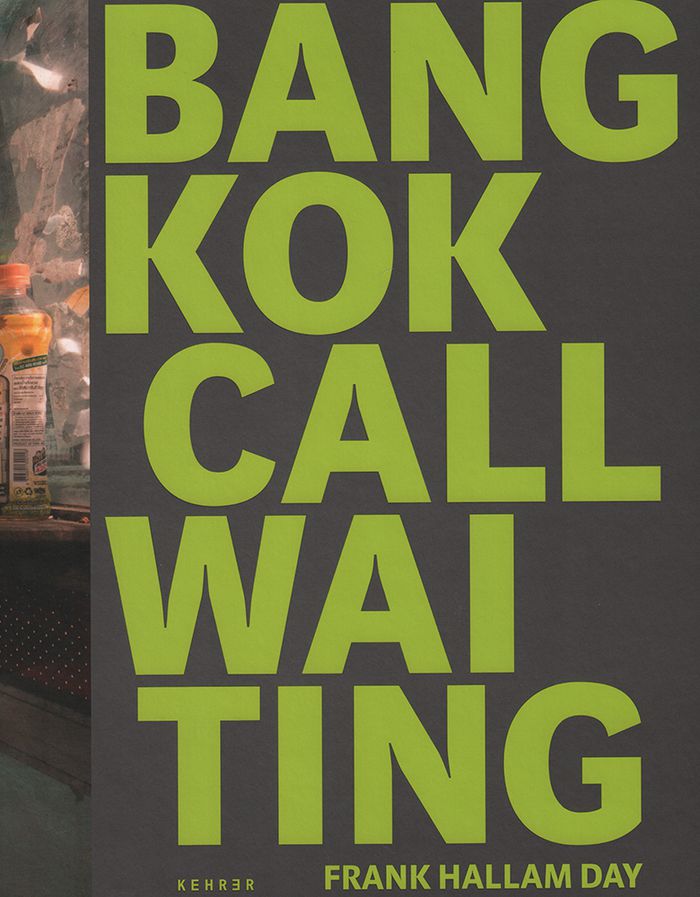
This book compiles Frank Day's multivalent series of photographs of Bangkok's battered public phone booths. Seen as if magnets for the detritus of daily life in a metropolis, Day's intimate yet subtly epic images register traces of the demands that govern our urban existence: postings for job adverts, signs of commercial pleasure, and listings for entertainment spectacles, or social advancement opportunities. Many of the markings in the booths are tags by graffiti artists and also messages left by street protestors during the recent years of Thailand's political meltdown. Call Waiting is not a sociological document of the type that maps the rich contrasts of a contemporary Asian city. Rather, Day's formalism cultivates intense moods and surprising resonances, touched by a noir sensibility of abandonment, neglect and mystery. (Brian Curtin) Frank Hallam Day lives in Washington DC. He won the 2012 Leica Oskar Barnack Prize for the series Nocturnal (published by Kehrer 2012), among other awards. His work has been widely exhibited and is in the collections of Berlinische Galerie und Landesmuseum Berlin, Baltimore Museum of Art, Portland Art Museum, Corcoran Gallery, San Diego Museum of Photographic Arts, and others.
Frank Hallam Day, Call waiting: Bangkok phone booths
Actions:
Price:
$65.50
(available to order)
Summary:
This book compiles Frank Day's multivalent series of photographs of Bangkok's battered public phone booths. Seen as if magnets for the detritus of daily life in a metropolis, Day's intimate yet subtly epic images register traces of the demands that govern our urban existence: postings for job adverts, signs of commercial pleasure, and listings for entertainment spectacles, or social advancement opportunities. Many of the markings in the booths are tags by graffiti artists and also messages left by street protestors during the recent years of Thailand's political meltdown. Call Waiting is not a sociological document of the type that maps the rich contrasts of a contemporary Asian city. Rather, Day's formalism cultivates intense moods and surprising resonances, touched by a noir sensibility of abandonment, neglect and mystery. (Brian Curtin) Frank Hallam Day lives in Washington DC. He won the 2012 Leica Oskar Barnack Prize for the series Nocturnal (published by Kehrer 2012), among other awards. His work has been widely exhibited and is in the collections of Berlinische Galerie und Landesmuseum Berlin, Baltimore Museum of Art, Portland Art Museum, Corcoran Gallery, San Diego Museum of Photographic Arts, and others.
Form:
books
books
Publication:
April 2017
April 2017
Subject:
Photography monographs
Photography monographs
Form:
books
books
Actions:
Price:
$35.95
(available to order)
Summary:
In the last fifteen years, a tremendously vibrant youth culture movement has emerged made up of DIY artists and creators, who are descended from and inspired by the 1970s to ’80s underground movements of punk, hip-hop, and skateboarding. These predecessors set the foundation for the current movement—which in the broadest sense can be called “street culture”—with their(...)
$35.95
(available to order)
Summary:
In the last fifteen years, a tremendously vibrant youth culture movement has emerged made up of DIY artists and creators, who are descended from and inspired by the 1970s to ’80s underground movements of punk, hip-hop, and skateboarding. These predecessors set the foundation for the current movement—which in the broadest sense can be called “street culture”—with their(...)
Title:
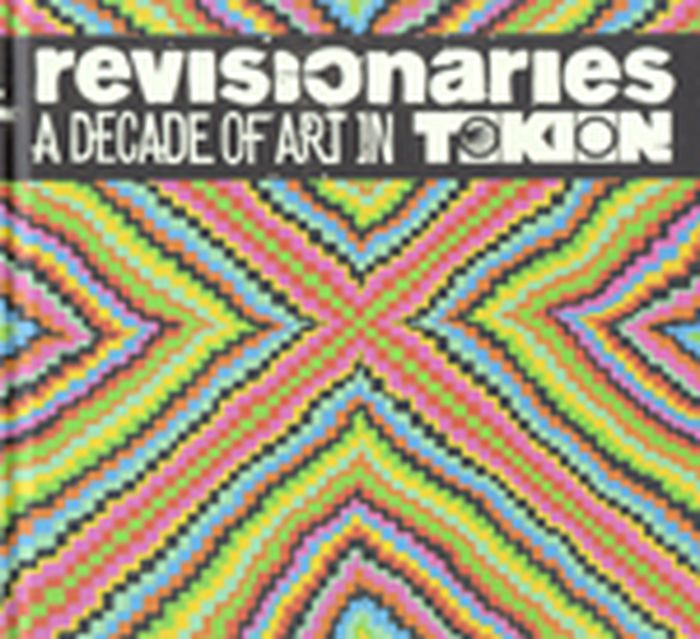
Revisionaries: a decade of art in Tokion
Actions:
Price:
$35.95
(available to order)
Summary:
In the last fifteen years, a tremendously vibrant youth culture movement has emerged made up of DIY artists and creators, who are descended from and inspired by the 1970s to ’80s underground movements of punk, hip-hop, and skateboarding. These predecessors set the foundation for the current movement—which in the broadest sense can be called “street culture”—with their ability to work outside of the traditional fine art establishment through their own network of independent newspapers, ’zines, books, music, film, and galleries. Today’s renegade artists blur the lines between graffiti, graphic design, folk art, and stoned doodling. From streetwalls to T-shirts, sneakers, and toys, the works of these artists are instantly recognizable and are defining today’s aesthetic. In The Revisionaries, the editors of Tokion, a magazine at the helm of discovering and covering new talent, gather all of these artists in one book. Organized into three sections: graphic arts, folk art, and psychedelia, and with introductory bios and interviews with such artists as Shepherd Fairey, Geoff McFetridge, Ryan McGinness, Swoon, and many more. This book is an indispensable guide to the artists of today and tomorrow.
Revisionaries: a decade of art in Tokion
Actions:
Price:
$35.95
(available to order)
Summary:
In the last fifteen years, a tremendously vibrant youth culture movement has emerged made up of DIY artists and creators, who are descended from and inspired by the 1970s to ’80s underground movements of punk, hip-hop, and skateboarding. These predecessors set the foundation for the current movement—which in the broadest sense can be called “street culture”—with their ability to work outside of the traditional fine art establishment through their own network of independent newspapers, ’zines, books, music, film, and galleries. Today’s renegade artists blur the lines between graffiti, graphic design, folk art, and stoned doodling. From streetwalls to T-shirts, sneakers, and toys, the works of these artists are instantly recognizable and are defining today’s aesthetic. In The Revisionaries, the editors of Tokion, a magazine at the helm of discovering and covering new talent, gather all of these artists in one book. Organized into three sections: graphic arts, folk art, and psychedelia, and with introductory bios and interviews with such artists as Shepherd Fairey, Geoff McFetridge, Ryan McGinness, Swoon, and many more. This book is an indispensable guide to the artists of today and tomorrow.
Form:
books
books
Publication:
October 2007, New York
October 2007, New York
Subject:
Graphic Design and Typography
Graphic Design and Typography


