


6595 Results
Level of archival description:
Project
Project
Actions:
Reference number:
AP154.S1.1979.PR01
Description:
Project series AP154.S1.1979.PR01, George & Annette Murphy Center at Asphalt Green, New York, N.Y. (1979), documents an executed project to recycle a municipal asphalt plant into a youth sports and arts center. Clients for the project were the New York City Department of General Services and the Neighborhood Committee for the Asphalt Green, chaired by Dr. George Murphy. The asphalt plant was a parabolic structure built in the 1940s by the firm Kahn and Jacobs. Pasanella + Klein worked on the adaptive reuse project with HOK, successors to Kahn and Jacobs. The transformed interior includes two gymnasia of different sizes, a running track, art and photography studios, offices, lockers, showers and a theatre. The design includes an on-site total energy plant. The project series consists of presentation drawings. References: Kerr, Laurie. "Back to the future", Oculus, v. 64, no. 7/8 (March/April 2002), p. 7-8. Dixon, John Morris. "25-year watch", Oculus, v. 71, issue 1 (spring 2009) Doubilet, Susan. "Arch support", Progressive architecture, v. 66, no. 11 (Nov. 1985), p. 101 Architektur + Wettbewerbe, 127 (Sept. 1986), p. 16-17
AP154.S1.1979.PR01
Description:
Project series AP154.S1.1979.PR01, George & Annette Murphy Center at Asphalt Green, New York, N.Y. (1979), documents an executed project to recycle a municipal asphalt plant into a youth sports and arts center. Clients for the project were the New York City Department of General Services and the Neighborhood Committee for the Asphalt Green, chaired by Dr. George Murphy. The asphalt plant was a parabolic structure built in the 1940s by the firm Kahn and Jacobs. Pasanella + Klein worked on the adaptive reuse project with HOK, successors to Kahn and Jacobs. The transformed interior includes two gymnasia of different sizes, a running track, art and photography studios, offices, lockers, showers and a theatre. The design includes an on-site total energy plant. The project series consists of presentation drawings. References: Kerr, Laurie. "Back to the future", Oculus, v. 64, no. 7/8 (March/April 2002), p. 7-8. Dixon, John Morris. "25-year watch", Oculus, v. 71, issue 1 (spring 2009) Doubilet, Susan. "Arch support", Progressive architecture, v. 66, no. 11 (Nov. 1985), p. 101 Architektur + Wettbewerbe, 127 (Sept. 1986), p. 16-17
People:
Date:
between 1979 and 1984?
between 1979 and 1984?
Title:
George & Annette Murphy Center at Asphalt Green, New York, N.Y. (1979)
Actions:
AP154.S1.1979.PR01
Description:
Project series AP154.S1.1979.PR01, George & Annette Murphy Center at Asphalt Green, New York, N.Y. (1979), documents an executed project to recycle a municipal asphalt plant into a youth sports and arts center. Clients for the project were the New York City Department of General Services and the Neighborhood Committee for the Asphalt Green, chaired by Dr. George Murphy. The asphalt plant was a parabolic structure built in the 1940s by the firm Kahn and Jacobs. Pasanella + Klein worked on the adaptive reuse project with HOK, successors to Kahn and Jacobs. The transformed interior includes two gymnasia of different sizes, a running track, art and photography studios, offices, lockers, showers and a theatre. The design includes an on-site total energy plant. The project series consists of presentation drawings. References: Kerr, Laurie. "Back to the future", Oculus, v. 64, no. 7/8 (March/April 2002), p. 7-8. Dixon, John Morris. "25-year watch", Oculus, v. 71, issue 1 (spring 2009) Doubilet, Susan. "Arch support", Progressive architecture, v. 66, no. 11 (Nov. 1985), p. 101 Architektur + Wettbewerbe, 127 (Sept. 1986), p. 16-17
George & Annette Murphy Center at Asphalt Green, New York, N.Y. (1979)
Actions:
AP154.S1.1979.PR01
Description:
Project series AP154.S1.1979.PR01, George & Annette Murphy Center at Asphalt Green, New York, N.Y. (1979), documents an executed project to recycle a municipal asphalt plant into a youth sports and arts center. Clients for the project were the New York City Department of General Services and the Neighborhood Committee for the Asphalt Green, chaired by Dr. George Murphy. The asphalt plant was a parabolic structure built in the 1940s by the firm Kahn and Jacobs. Pasanella + Klein worked on the adaptive reuse project with HOK, successors to Kahn and Jacobs. The transformed interior includes two gymnasia of different sizes, a running track, art and photography studios, offices, lockers, showers and a theatre. The design includes an on-site total energy plant. The project series consists of presentation drawings. References: Kerr, Laurie. "Back to the future", Oculus, v. 64, no. 7/8 (March/April 2002), p. 7-8. Dixon, John Morris. "25-year watch", Oculus, v. 71, issue 1 (spring 2009) Doubilet, Susan. "Arch support", Progressive architecture, v. 66, no. 11 (Nov. 1985), p. 101 Architektur + Wettbewerbe, 127 (Sept. 1986), p. 16-17
Level of archival description:
Project
Project
Date:
between 1979 and 1984?
between 1979 and 1984?
People:
Form:
events
events
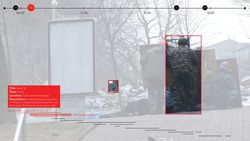
Title:
The expanded role: SITU
The expanded role: SITU
Actions:
Description:
Bradley Samuels presents recent SITU Research work and the role that research plays within the larger practice of SITU as a whole. A series of case studies will be presented which explore an expanded role for architectural and spatial practice across a range of fields—from human rights and public policy to earth science and workspace design. SITU Research’s past work(...)
Bradley Samuels presents recent SITU Research work and the role that research plays within the larger practice of SITU as a whole. A series of case studies will be presented which explore an expanded role for architectural and spatial practice across a range of fields—from human rights and public policy to earth science and workspace design. SITU Research’s past work(...)
Location:
Paul-Desmarais Theatre
Paul-Desmarais Theatre
Date:
14 January 2016
14 January 2016
Title:
The expanded role: SITU
Actions:
Description:
Bradley Samuels presents recent SITU Research work and the role that research plays within the larger practice of SITU as a whole. A series of case studies will be presented which explore an expanded role for architectural and spatial practice across a range of fields—from human rights and public policy to earth science and workspace design. SITU Research’s past work(...)
The expanded role: SITU
Actions:
Description:
Bradley Samuels presents recent SITU Research work and the role that research plays within the larger practice of SITU as a whole. A series of case studies will be presented which explore an expanded role for architectural and spatial practice across a range of fields—from human rights and public policy to earth science and workspace design. SITU Research’s past work(...)
Form:
events
events
Date:
14 January 2016
14 January 2016
Location:
Paul-Desmarais Theatre
Paul-Desmarais Theatre
Level of archival description:
Project
Project
Actions:
Reference number:
AP056.S1.1992.PR02
Description:
This project series documents the federal women's prison in Kitchener, Ontario, now called The Grand Valley Institution for Women, from 1992-1994. The office identified the project number as 9227. This project, built for Public Works Canada and Correctional Services Canada, consisted of a large, main prison building with nine small cottages lining the property. The main building included the admission and discharge area, food services, recreation spaces and spirituality centre, as well as an area for prisoners requiring enhanced security. The spirituality room was a window-rimmed rotunda that pierced the slanted roof of the main stucco building. The smaller cottages were wood-sided with aluminum windows and could house eight people. While many were built to house eight prisoners, some designs replaced prisoner's rooms with children's bedrooms for inmates who had children staying with them. There was also a large, green space in the centre of all the buildings, with plans to build a baseball diamond, daycare building and an additional cottage in the future. The project is recorded through drawings dating from1992-1995. The drawings and mostly originals and include site surveys, sketches, plans, elevations, sections, perspectives, details and axonometric drawings.
AP056.S1.1992.PR02
Description:
This project series documents the federal women's prison in Kitchener, Ontario, now called The Grand Valley Institution for Women, from 1992-1994. The office identified the project number as 9227. This project, built for Public Works Canada and Correctional Services Canada, consisted of a large, main prison building with nine small cottages lining the property. The main building included the admission and discharge area, food services, recreation spaces and spirituality centre, as well as an area for prisoners requiring enhanced security. The spirituality room was a window-rimmed rotunda that pierced the slanted roof of the main stucco building. The smaller cottages were wood-sided with aluminum windows and could house eight people. While many were built to house eight prisoners, some designs replaced prisoner's rooms with children's bedrooms for inmates who had children staying with them. There was also a large, green space in the centre of all the buildings, with plans to build a baseball diamond, daycare building and an additional cottage in the future. The project is recorded through drawings dating from1992-1995. The drawings and mostly originals and include site surveys, sketches, plans, elevations, sections, perspectives, details and axonometric drawings.
People:
Date:
1992-1995
1992-1995
Title:
Regional Facility for Federally Sentenced Women, Kitchener, Ontario (1992-1994)
Actions:
AP056.S1.1992.PR02
Description:
This project series documents the federal women's prison in Kitchener, Ontario, now called The Grand Valley Institution for Women, from 1992-1994. The office identified the project number as 9227. This project, built for Public Works Canada and Correctional Services Canada, consisted of a large, main prison building with nine small cottages lining the property. The main building included the admission and discharge area, food services, recreation spaces and spirituality centre, as well as an area for prisoners requiring enhanced security. The spirituality room was a window-rimmed rotunda that pierced the slanted roof of the main stucco building. The smaller cottages were wood-sided with aluminum windows and could house eight people. While many were built to house eight prisoners, some designs replaced prisoner's rooms with children's bedrooms for inmates who had children staying with them. There was also a large, green space in the centre of all the buildings, with plans to build a baseball diamond, daycare building and an additional cottage in the future. The project is recorded through drawings dating from1992-1995. The drawings and mostly originals and include site surveys, sketches, plans, elevations, sections, perspectives, details and axonometric drawings.
Regional Facility for Federally Sentenced Women, Kitchener, Ontario (1992-1994)
Actions:
AP056.S1.1992.PR02
Description:
This project series documents the federal women's prison in Kitchener, Ontario, now called The Grand Valley Institution for Women, from 1992-1994. The office identified the project number as 9227. This project, built for Public Works Canada and Correctional Services Canada, consisted of a large, main prison building with nine small cottages lining the property. The main building included the admission and discharge area, food services, recreation spaces and spirituality centre, as well as an area for prisoners requiring enhanced security. The spirituality room was a window-rimmed rotunda that pierced the slanted roof of the main stucco building. The smaller cottages were wood-sided with aluminum windows and could house eight people. While many were built to house eight prisoners, some designs replaced prisoner's rooms with children's bedrooms for inmates who had children staying with them. There was also a large, green space in the centre of all the buildings, with plans to build a baseball diamond, daycare building and an additional cottage in the future. The project is recorded through drawings dating from1992-1995. The drawings and mostly originals and include site surveys, sketches, plans, elevations, sections, perspectives, details and axonometric drawings.
Level of archival description:
Project
Project
Date:
1992-1995
1992-1995
People:
Level of archival description:
Project
Project
Actions:
Reference number:
AP075.S1.1995.PR02
Description:
Project series documents Cornelia Hahn Oberlander's project for landscape master plan of Smith College campus, Northampton, Massachusetts. Oberlander worked on this project from 1995-1997 in collaboration with Shavaun Towers from landscape architectural firm Rolland/Towers. The project required to preserve the historic landscaping, initially design by Frederick Law Olsmsted, while also taking into account future growth of the campus. In this idea Oberlander and Towers bases their landscape master plan on six key concepts: to preserve the sacred spaces of the campus, to restore Olmsted vision, to develope open spaces in an hierarchical fashion, to limite vehicular traffic and separate it from pedestrian circulation, to provide stronger pedestrian connexions and commun spaces for social interactions, and to expande and enhance the Botanic Garden on the campus. The project series contains concept notes by Oberlander, research and reference material, proposal, meetings notes, contract, correspondence, mostly with landscape architects, clients and consultants, and financial documents. The project is also documented through landscape master plans for Oberlander and Towers proposal and campus landscape plans and previous landscape working drawings used as reference.The project series also contains photographic materials, such as slides and photographs, of the college landscaping, and postcards of Smith College.
AP075.S1.1995.PR02
Description:
Project series documents Cornelia Hahn Oberlander's project for landscape master plan of Smith College campus, Northampton, Massachusetts. Oberlander worked on this project from 1995-1997 in collaboration with Shavaun Towers from landscape architectural firm Rolland/Towers. The project required to preserve the historic landscaping, initially design by Frederick Law Olsmsted, while also taking into account future growth of the campus. In this idea Oberlander and Towers bases their landscape master plan on six key concepts: to preserve the sacred spaces of the campus, to restore Olmsted vision, to develope open spaces in an hierarchical fashion, to limite vehicular traffic and separate it from pedestrian circulation, to provide stronger pedestrian connexions and commun spaces for social interactions, and to expande and enhance the Botanic Garden on the campus. The project series contains concept notes by Oberlander, research and reference material, proposal, meetings notes, contract, correspondence, mostly with landscape architects, clients and consultants, and financial documents. The project is also documented through landscape master plans for Oberlander and Towers proposal and campus landscape plans and previous landscape working drawings used as reference.The project series also contains photographic materials, such as slides and photographs, of the college landscaping, and postcards of Smith College.
People:
Date:
1974-2012
1974-2012
Title:
Smith College, Northampton, Massachusetts (1995-1997)
Actions:
AP075.S1.1995.PR02
Description:
Project series documents Cornelia Hahn Oberlander's project for landscape master plan of Smith College campus, Northampton, Massachusetts. Oberlander worked on this project from 1995-1997 in collaboration with Shavaun Towers from landscape architectural firm Rolland/Towers. The project required to preserve the historic landscaping, initially design by Frederick Law Olsmsted, while also taking into account future growth of the campus. In this idea Oberlander and Towers bases their landscape master plan on six key concepts: to preserve the sacred spaces of the campus, to restore Olmsted vision, to develope open spaces in an hierarchical fashion, to limite vehicular traffic and separate it from pedestrian circulation, to provide stronger pedestrian connexions and commun spaces for social interactions, and to expande and enhance the Botanic Garden on the campus. The project series contains concept notes by Oberlander, research and reference material, proposal, meetings notes, contract, correspondence, mostly with landscape architects, clients and consultants, and financial documents. The project is also documented through landscape master plans for Oberlander and Towers proposal and campus landscape plans and previous landscape working drawings used as reference.The project series also contains photographic materials, such as slides and photographs, of the college landscaping, and postcards of Smith College.
Smith College, Northampton, Massachusetts (1995-1997)
Actions:
AP075.S1.1995.PR02
Description:
Project series documents Cornelia Hahn Oberlander's project for landscape master plan of Smith College campus, Northampton, Massachusetts. Oberlander worked on this project from 1995-1997 in collaboration with Shavaun Towers from landscape architectural firm Rolland/Towers. The project required to preserve the historic landscaping, initially design by Frederick Law Olsmsted, while also taking into account future growth of the campus. In this idea Oberlander and Towers bases their landscape master plan on six key concepts: to preserve the sacred spaces of the campus, to restore Olmsted vision, to develope open spaces in an hierarchical fashion, to limite vehicular traffic and separate it from pedestrian circulation, to provide stronger pedestrian connexions and commun spaces for social interactions, and to expande and enhance the Botanic Garden on the campus. The project series contains concept notes by Oberlander, research and reference material, proposal, meetings notes, contract, correspondence, mostly with landscape architects, clients and consultants, and financial documents. The project is also documented through landscape master plans for Oberlander and Towers proposal and campus landscape plans and previous landscape working drawings used as reference.The project series also contains photographic materials, such as slides and photographs, of the college landscaping, and postcards of Smith College.
Level of archival description:
Project
Project
Date:
1974-2012
1974-2012
People:
Form:
textual records
textual records
Actions:
Reference number:
ARCH260020
Description:
Erickson/Massey project proposals labelled 'Permanent Files': Carleton University School of Architecture, BC Building, Dillworth Estates development plan, Edmonton South-East Development, South East Vancouver Elementary School, British Columbia proposal for Expo 70 Osaka Japan, Fisherman's Quay False Creek, Glenwood Park, Institute for the Future physical development plan, Shannon Mews, Royal Columbian Hospital, University of Lethbridge Development Plan and Project One, University of Victoria development and married student housing, Simon Fraser University (reprinted article from Architectural Record, London, 1968)
ARCH260020
Description:
Erickson/Massey project proposals labelled 'Permanent Files': Carleton University School of Architecture, BC Building, Dillworth Estates development plan, Edmonton South-East Development, South East Vancouver Elementary School, British Columbia proposal for Expo 70 Osaka Japan, Fisherman's Quay False Creek, Glenwood Park, Institute for the Future physical development plan, Shannon Mews, Royal Columbian Hospital, University of Lethbridge Development Plan and Project One, University of Victoria development and married student housing, Simon Fraser University (reprinted article from Architectural Record, London, 1968)
People:
Date:
1968-1969
1968-1969
Title:
Permanent files for various projects
Actions:
ARCH260020
Description:
Erickson/Massey project proposals labelled 'Permanent Files': Carleton University School of Architecture, BC Building, Dillworth Estates development plan, Edmonton South-East Development, South East Vancouver Elementary School, British Columbia proposal for Expo 70 Osaka Japan, Fisherman's Quay False Creek, Glenwood Park, Institute for the Future physical development plan, Shannon Mews, Royal Columbian Hospital, University of Lethbridge Development Plan and Project One, University of Victoria development and married student housing, Simon Fraser University (reprinted article from Architectural Record, London, 1968)
Permanent files for various projects
Actions:
ARCH260020
Description:
Erickson/Massey project proposals labelled 'Permanent Files': Carleton University School of Architecture, BC Building, Dillworth Estates development plan, Edmonton South-East Development, South East Vancouver Elementary School, British Columbia proposal for Expo 70 Osaka Japan, Fisherman's Quay False Creek, Glenwood Park, Institute for the Future physical development plan, Shannon Mews, Royal Columbian Hospital, University of Lethbridge Development Plan and Project One, University of Victoria development and married student housing, Simon Fraser University (reprinted article from Architectural Record, London, 1968)
Form:
textual records
textual records
Date:
1968-1969
1968-1969
People:
Form:
born digital, photographs
born digital, photographs
Actions:
Reference number:
AP181.S1.013
Description:
Original directory name: "12-a_Modellfotos". File contains multiple dated series of photographs of a large-scale physical model of BMW Welt. Photographs also document a film commissioned by COOP HIMMELB(L)AU and made by Imaginary Forces to show BMW the magnitude of the future BMW Welt. Film is in file AP181.S1.011 Presentations, BMW Welt, Munich. Most common file formats: Exchangeable Image File Format (Compressed), JPEG File Interchange Format, Adobe Photoshop, Tagged Image File Format, Exchangeable Image File Format (Uncompressed)
AP181.S1.013
Description:
Original directory name: "12-a_Modellfotos". File contains multiple dated series of photographs of a large-scale physical model of BMW Welt. Photographs also document a film commissioned by COOP HIMMELB(L)AU and made by Imaginary Forces to show BMW the magnitude of the future BMW Welt. Film is in file AP181.S1.011 Presentations, BMW Welt, Munich. Most common file formats: Exchangeable Image File Format (Compressed), JPEG File Interchange Format, Adobe Photoshop, Tagged Image File Format, Exchangeable Image File Format (Uncompressed)
People:
Date:
2002-2014
2002-2014
Title:
Photographs of models, BMW Welt, Munich
Actions:
AP181.S1.013
Description:
Original directory name: "12-a_Modellfotos". File contains multiple dated series of photographs of a large-scale physical model of BMW Welt. Photographs also document a film commissioned by COOP HIMMELB(L)AU and made by Imaginary Forces to show BMW the magnitude of the future BMW Welt. Film is in file AP181.S1.011 Presentations, BMW Welt, Munich. Most common file formats: Exchangeable Image File Format (Compressed), JPEG File Interchange Format, Adobe Photoshop, Tagged Image File Format, Exchangeable Image File Format (Uncompressed)
Photographs of models, BMW Welt, Munich
Actions:
AP181.S1.013
Description:
Original directory name: "12-a_Modellfotos". File contains multiple dated series of photographs of a large-scale physical model of BMW Welt. Photographs also document a film commissioned by COOP HIMMELB(L)AU and made by Imaginary Forces to show BMW the magnitude of the future BMW Welt. Film is in file AP181.S1.011 Presentations, BMW Welt, Munich. Most common file formats: Exchangeable Image File Format (Compressed), JPEG File Interchange Format, Adobe Photoshop, Tagged Image File Format, Exchangeable Image File Format (Uncompressed)
Form:
born digital, photographs
born digital, photographs
Date:
2002-2014
2002-2014
People:
Level of archival description:
Project
Project
Reference number:
AP018.S1.1979.PR11
Description:
This project series documents long-term planning for airports in Trinidad and Tobago from 1979-1993. The office identified the project number as 7911. This project consisted of the planning of two airports, one in Piarco and the other in Crown Point, financed by the Government of Canada acting as agents for the Government of Trinidad and Tobago. This work was undertaken as a consortium with other Canadian firms who worked together on airport planning projects around the world. The firms consisted of Parkin Architects Planners as the architects, the Montreal Engineering Company Limited, Peat, Marwick and Partners, and IBI Group. At Crown Point, a new 3,300 square metre terminal building was proposed for domestic and some international traffic, as well as a new control tower. The passenger terminal could accommodate 350 enplaning and 350 deplaning passengers. This first phase was said to accommodate growth until 1993. At Piarco, a new 26,000 square foot passenger terminal was proposed, which was said to accommodate about 2/3 of traffic in 1993. This location also proposed a 200 room hotel be built in the future. This project is recorded through textual records dating from 1977-1981 which consist of correspondence between consortium members, billings, the joint venture agreement and financial analysis report.
AP018.S1.1979.PR11
Description:
This project series documents long-term planning for airports in Trinidad and Tobago from 1979-1993. The office identified the project number as 7911. This project consisted of the planning of two airports, one in Piarco and the other in Crown Point, financed by the Government of Canada acting as agents for the Government of Trinidad and Tobago. This work was undertaken as a consortium with other Canadian firms who worked together on airport planning projects around the world. The firms consisted of Parkin Architects Planners as the architects, the Montreal Engineering Company Limited, Peat, Marwick and Partners, and IBI Group. At Crown Point, a new 3,300 square metre terminal building was proposed for domestic and some international traffic, as well as a new control tower. The passenger terminal could accommodate 350 enplaning and 350 deplaning passengers. This first phase was said to accommodate growth until 1993. At Piarco, a new 26,000 square foot passenger terminal was proposed, which was said to accommodate about 2/3 of traffic in 1993. This location also proposed a 200 room hotel be built in the future. This project is recorded through textual records dating from 1977-1981 which consist of correspondence between consortium members, billings, the joint venture agreement and financial analysis report.
People:
Date:
1977-1981
1977-1981
Title:
Trinidad and Tobago Airports (1979-1981)
Actions:
AP018.S1.1979.PR11
Description:
This project series documents long-term planning for airports in Trinidad and Tobago from 1979-1993. The office identified the project number as 7911. This project consisted of the planning of two airports, one in Piarco and the other in Crown Point, financed by the Government of Canada acting as agents for the Government of Trinidad and Tobago. This work was undertaken as a consortium with other Canadian firms who worked together on airport planning projects around the world. The firms consisted of Parkin Architects Planners as the architects, the Montreal Engineering Company Limited, Peat, Marwick and Partners, and IBI Group. At Crown Point, a new 3,300 square metre terminal building was proposed for domestic and some international traffic, as well as a new control tower. The passenger terminal could accommodate 350 enplaning and 350 deplaning passengers. This first phase was said to accommodate growth until 1993. At Piarco, a new 26,000 square foot passenger terminal was proposed, which was said to accommodate about 2/3 of traffic in 1993. This location also proposed a 200 room hotel be built in the future. This project is recorded through textual records dating from 1977-1981 which consist of correspondence between consortium members, billings, the joint venture agreement and financial analysis report.
Trinidad and Tobago Airports (1979-1981)
Actions:
AP018.S1.1979.PR11
Description:
This project series documents long-term planning for airports in Trinidad and Tobago from 1979-1993. The office identified the project number as 7911. This project consisted of the planning of two airports, one in Piarco and the other in Crown Point, financed by the Government of Canada acting as agents for the Government of Trinidad and Tobago. This work was undertaken as a consortium with other Canadian firms who worked together on airport planning projects around the world. The firms consisted of Parkin Architects Planners as the architects, the Montreal Engineering Company Limited, Peat, Marwick and Partners, and IBI Group. At Crown Point, a new 3,300 square metre terminal building was proposed for domestic and some international traffic, as well as a new control tower. The passenger terminal could accommodate 350 enplaning and 350 deplaning passengers. This first phase was said to accommodate growth until 1993. At Piarco, a new 26,000 square foot passenger terminal was proposed, which was said to accommodate about 2/3 of traffic in 1993. This location also proposed a 200 room hotel be built in the future. This project is recorded through textual records dating from 1977-1981 which consist of correspondence between consortium members, billings, the joint venture agreement and financial analysis report.
Level of archival description:
Project
Project
Date:
1977-1981
1977-1981
People:
Level of archival description:
Project
Project
Actions:
Reference number:
AP018.S1.1966.PR01
Description:
This project series documents the construction of the Etobicoke General Hospital in Etobicoke, Ontario from 1966-1971. The office identified the project number as 6601. The project consisted of the design and construction of a twelve storey hospital building. The area of the building was 409,000 square feet and included 500 beds, diagnostic and treatment facilities, laboratories, administrative spaces, a cafeteria, and a staff lounge. This project was considered to be the first phase of construction at the time, with a medical office building and educational facilities to be added later on. The building was also designed to accommodate future vertical and horizontal expansion. John C. Parkin was originally hired for this project while he was working at the firm John B. Parkin Associates. This firm eventually evolved under new ownership, and was referred to as Searle Wilbee Rowland and later, as NORR. John C. Parkin left this firm during the project and continued work for the Etobicoke General Hospital under his new firm Parkin Architects Planners. All three firm names are present within materials for this project. The project is recorded through reprographic copies of drawings, including a presentation board, dating from 1968-1976. These drawings include as-built drawings, site plans, floor plans, elevations, sections, details, and construction schedules.
AP018.S1.1966.PR01
Description:
This project series documents the construction of the Etobicoke General Hospital in Etobicoke, Ontario from 1966-1971. The office identified the project number as 6601. The project consisted of the design and construction of a twelve storey hospital building. The area of the building was 409,000 square feet and included 500 beds, diagnostic and treatment facilities, laboratories, administrative spaces, a cafeteria, and a staff lounge. This project was considered to be the first phase of construction at the time, with a medical office building and educational facilities to be added later on. The building was also designed to accommodate future vertical and horizontal expansion. John C. Parkin was originally hired for this project while he was working at the firm John B. Parkin Associates. This firm eventually evolved under new ownership, and was referred to as Searle Wilbee Rowland and later, as NORR. John C. Parkin left this firm during the project and continued work for the Etobicoke General Hospital under his new firm Parkin Architects Planners. All three firm names are present within materials for this project. The project is recorded through reprographic copies of drawings, including a presentation board, dating from 1968-1976. These drawings include as-built drawings, site plans, floor plans, elevations, sections, details, and construction schedules.
People:
Date:
1968-1976
1968-1976
Title:
Etobicoke General Hospital, Etobicoke, Ontario (1966-1971)
Actions:
AP018.S1.1966.PR01
Description:
This project series documents the construction of the Etobicoke General Hospital in Etobicoke, Ontario from 1966-1971. The office identified the project number as 6601. The project consisted of the design and construction of a twelve storey hospital building. The area of the building was 409,000 square feet and included 500 beds, diagnostic and treatment facilities, laboratories, administrative spaces, a cafeteria, and a staff lounge. This project was considered to be the first phase of construction at the time, with a medical office building and educational facilities to be added later on. The building was also designed to accommodate future vertical and horizontal expansion. John C. Parkin was originally hired for this project while he was working at the firm John B. Parkin Associates. This firm eventually evolved under new ownership, and was referred to as Searle Wilbee Rowland and later, as NORR. John C. Parkin left this firm during the project and continued work for the Etobicoke General Hospital under his new firm Parkin Architects Planners. All three firm names are present within materials for this project. The project is recorded through reprographic copies of drawings, including a presentation board, dating from 1968-1976. These drawings include as-built drawings, site plans, floor plans, elevations, sections, details, and construction schedules.
Etobicoke General Hospital, Etobicoke, Ontario (1966-1971)
Actions:
AP018.S1.1966.PR01
Description:
This project series documents the construction of the Etobicoke General Hospital in Etobicoke, Ontario from 1966-1971. The office identified the project number as 6601. The project consisted of the design and construction of a twelve storey hospital building. The area of the building was 409,000 square feet and included 500 beds, diagnostic and treatment facilities, laboratories, administrative spaces, a cafeteria, and a staff lounge. This project was considered to be the first phase of construction at the time, with a medical office building and educational facilities to be added later on. The building was also designed to accommodate future vertical and horizontal expansion. John C. Parkin was originally hired for this project while he was working at the firm John B. Parkin Associates. This firm eventually evolved under new ownership, and was referred to as Searle Wilbee Rowland and later, as NORR. John C. Parkin left this firm during the project and continued work for the Etobicoke General Hospital under his new firm Parkin Architects Planners. All three firm names are present within materials for this project. The project is recorded through reprographic copies of drawings, including a presentation board, dating from 1968-1976. These drawings include as-built drawings, site plans, floor plans, elevations, sections, details, and construction schedules.
Level of archival description:
Project
Project
Date:
1968-1976
1968-1976
People:
Reference number:
PHCON2002:0016:012
Description:
Binder consists of undated photographic materials of Gordon Matta-Clark's trips to Haiti, France, Italy, Germany, and the western United States; an exhibition by another artist at 112 Greene Street, New York City, New York; New York City buildings; Horace and Holly Solomon's New York City apartment; a Puerto Rican Independence demonstration in New York City; portraits of friends; and investigations of manhole covers and of maps. Many of the images may have been made as preliminary studies for future projects. Binder contains negatives, photographs and slides.
PHCON2002:0016:012
Description:
Binder consists of undated photographic materials of Gordon Matta-Clark's trips to Haiti, France, Italy, Germany, and the western United States; an exhibition by another artist at 112 Greene Street, New York City, New York; New York City buildings; Horace and Holly Solomon's New York City apartment; a Puerto Rican Independence demonstration in New York City; portraits of friends; and investigations of manhole covers and of maps. Many of the images may have been made as preliminary studies for future projects. Binder contains negatives, photographs and slides.
People:
Date:
1968-1978
1968-1978
Title:
Unfinished Projects Original Slides & negatives
Actions:
PHCON2002:0016:012
Description:
Binder consists of undated photographic materials of Gordon Matta-Clark's trips to Haiti, France, Italy, Germany, and the western United States; an exhibition by another artist at 112 Greene Street, New York City, New York; New York City buildings; Horace and Holly Solomon's New York City apartment; a Puerto Rican Independence demonstration in New York City; portraits of friends; and investigations of manhole covers and of maps. Many of the images may have been made as preliminary studies for future projects. Binder contains negatives, photographs and slides.
Unfinished Projects Original Slides & negatives
Actions:
PHCON2002:0016:012
Description:
Binder consists of undated photographic materials of Gordon Matta-Clark's trips to Haiti, France, Italy, Germany, and the western United States; an exhibition by another artist at 112 Greene Street, New York City, New York; New York City buildings; Horace and Holly Solomon's New York City apartment; a Puerto Rican Independence demonstration in New York City; portraits of friends; and investigations of manhole covers and of maps. Many of the images may have been made as preliminary studies for future projects. Binder contains negatives, photographs and slides.
Date:
1968-1978
1968-1978
People:
Form:
textual records
textual records
Reference number:
AP206.S2.010
Description:
File was originally housed in a binder along with content arranged in AP206.S2.011 and AP206.S2.012. This file contains the following papers: "The role of Architecture and Community Planners in the Planning, Development and Management of Urban Systems [...]," seminar talk, 1981 "Sobha Singh," 1981 "Energy Crisis and Future Pattern of Human Settlements in Developing Countries" "The Role of Architects in Urban and Rural Growth," 1984 "Chandigarh: Capital of Two States," circa 1966 “Aesthetic: Reflections on Beauty of Line, Shape and Form,” by P. Jeanneret
AP206.S2.010
Description:
File was originally housed in a binder along with content arranged in AP206.S2.011 and AP206.S2.012. This file contains the following papers: "The role of Architecture and Community Planners in the Planning, Development and Management of Urban Systems [...]," seminar talk, 1981 "Sobha Singh," 1981 "Energy Crisis and Future Pattern of Human Settlements in Developing Countries" "The Role of Architects in Urban and Rural Growth," 1984 "Chandigarh: Capital of Two States," circa 1966 “Aesthetic: Reflections on Beauty of Line, Shape and Form,” by P. Jeanneret
People:
Date:
circa 1966-1982
circa 1966-1982
Title:
Published and unpublished papers (folder 1 of 3)
Actions:
AP206.S2.010
Description:
File was originally housed in a binder along with content arranged in AP206.S2.011 and AP206.S2.012. This file contains the following papers: "The role of Architecture and Community Planners in the Planning, Development and Management of Urban Systems [...]," seminar talk, 1981 "Sobha Singh," 1981 "Energy Crisis and Future Pattern of Human Settlements in Developing Countries" "The Role of Architects in Urban and Rural Growth," 1984 "Chandigarh: Capital of Two States," circa 1966 “Aesthetic: Reflections on Beauty of Line, Shape and Form,” by P. Jeanneret
Published and unpublished papers (folder 1 of 3)
Actions:
AP206.S2.010
Description:
File was originally housed in a binder along with content arranged in AP206.S2.011 and AP206.S2.012. This file contains the following papers: "The role of Architecture and Community Planners in the Planning, Development and Management of Urban Systems [...]," seminar talk, 1981 "Sobha Singh," 1981 "Energy Crisis and Future Pattern of Human Settlements in Developing Countries" "The Role of Architects in Urban and Rural Growth," 1984 "Chandigarh: Capital of Two States," circa 1966 “Aesthetic: Reflections on Beauty of Line, Shape and Form,” by P. Jeanneret
Form:
textual records
textual records
Date:
circa 1966-1982
circa 1966-1982
People:


