


2692 Results
Form:
books
books
Actions:
Price:
$22.99
(available to order)
Summary:
In The Perfect House, bestselling author Witold Rybczynski, whose previous books have transformed our understanding of domestic architecture, reveals how a handful of Palladio's houses in an obscure corner of the Venetian Republic should have made their presence felt hundreds of years later and halfway across the globe. More than just a study of one of history's seminal(...)
$22.99
(available to order)
Summary:
In The Perfect House, bestselling author Witold Rybczynski, whose previous books have transformed our understanding of domestic architecture, reveals how a handful of Palladio's houses in an obscure corner of the Venetian Republic should have made their presence felt hundreds of years later and halfway across the globe. More than just a study of one of history's seminal(...)
Subject:
Architectural Theory
Architectural Theory
Publication:
September 2003, New York London Toronto Sydney Singapore
September 2003, New York London Toronto Sydney Singapore
Title:
The perfect house : A journey with the renaissance master
Actions:
Price:
$22.99
(available to order)
Summary:
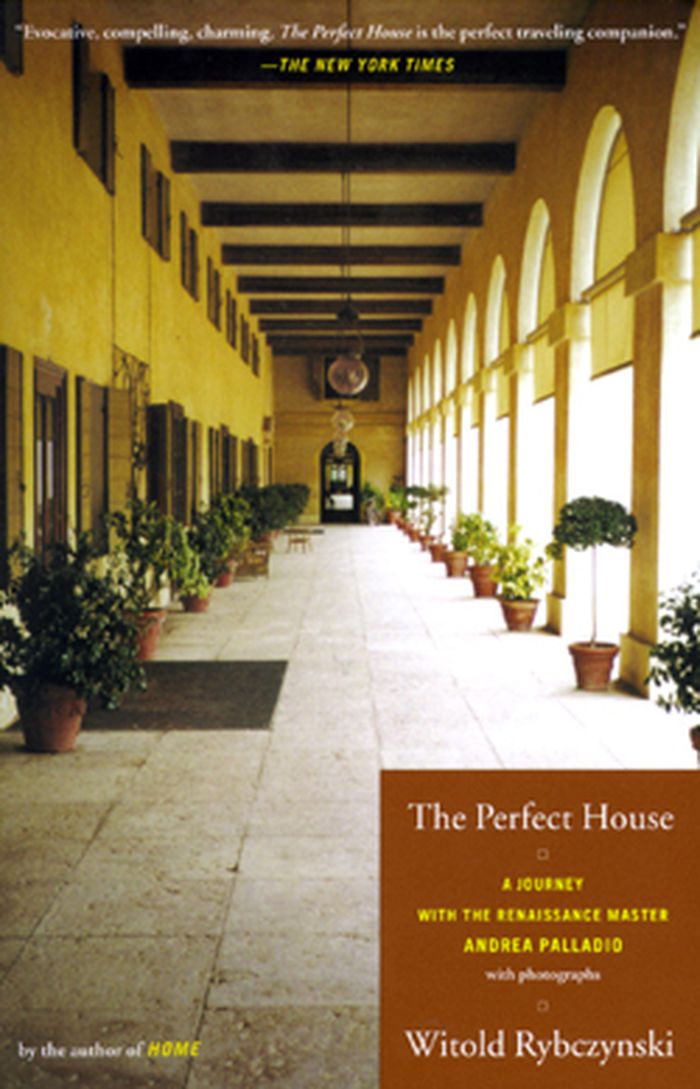
In The Perfect House, bestselling author Witold Rybczynski, whose previous books have transformed our understanding of domestic architecture, reveals how a handful of Palladio's houses in an obscure corner of the Venetian Republic should have made their presence felt hundreds of years later and halfway across the globe. More than just a study of one of history's seminal architectural figures, The Perfect House reflects Rybczynski's enormous admiration for his subject and provides a new way of looking at the special landscapes we call "home" in the modern world.
The perfect house : A journey with the renaissance master
Actions:
Price:
$22.99
(available to order)
Summary:
In The Perfect House, bestselling author Witold Rybczynski, whose previous books have transformed our understanding of domestic architecture, reveals how a handful of Palladio's houses in an obscure corner of the Venetian Republic should have made their presence felt hundreds of years later and halfway across the globe. More than just a study of one of history's seminal architectural figures, The Perfect House reflects Rybczynski's enormous admiration for his subject and provides a new way of looking at the special landscapes we call "home" in the modern world.
Form:
books
books
Publication:
September 2003, New York London Toronto Sydney Singapore
September 2003, New York London Toronto Sydney Singapore
Subject:
Architectural Theory
Architectural Theory
Form:
books
books
Actions:
Price:
$49.95
(available to order)
Summary:
Benjamin Flowers explores the role of culture and ideology in shaping the construction of skyscrapers and the way wealth and power have operated to reshape the urban landscape. Flowers narrates this modern tale by closely examining the creation and reception of three significant sites: the Empire State Building, the Seagram Building, and the World Trade Center. He(...)
$49.95
(available to order)
Summary:
Benjamin Flowers explores the role of culture and ideology in shaping the construction of skyscrapers and the way wealth and power have operated to reshape the urban landscape. Flowers narrates this modern tale by closely examining the creation and reception of three significant sites: the Empire State Building, the Seagram Building, and the World Trade Center. He(...)
Title:
Skyscraper: the politics and power of building New York City in the twentieth century
Actions:
Price:
$49.95
(available to order)
Summary:
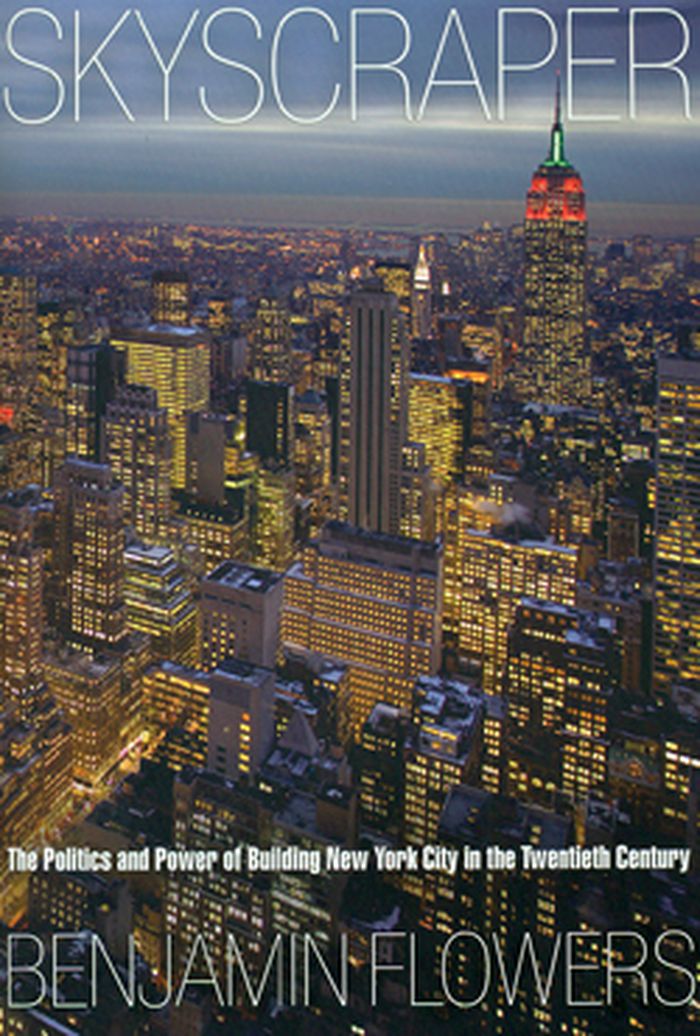
Benjamin Flowers explores the role of culture and ideology in shaping the construction of skyscrapers and the way wealth and power have operated to reshape the urban landscape. Flowers narrates this modern tale by closely examining the creation and reception of three significant sites: the Empire State Building, the Seagram Building, and the World Trade Center. He demonstrates how architects and their clients employed a diverse range of modernist styles to engage with and influence broader cultural themes in American society: immigration, the Cold War, and the rise of American global capitalism.
Skyscraper: the politics and power of building New York City in the twentieth century
Actions:
Price:
$49.95
(available to order)
Summary:
Benjamin Flowers explores the role of culture and ideology in shaping the construction of skyscrapers and the way wealth and power have operated to reshape the urban landscape. Flowers narrates this modern tale by closely examining the creation and reception of three significant sites: the Empire State Building, the Seagram Building, and the World Trade Center. He demonstrates how architects and their clients employed a diverse range of modernist styles to engage with and influence broader cultural themes in American society: immigration, the Cold War, and the rise of American global capitalism.
Form:
books
books
Publication:
September 2009
September 2009
Subject:
Gratte-ciels
Gratte-ciels
Form:
books
books
Actions:
Price:
$49.95
(available to order)
Summary:
Urban spaces became battlefields, signifiers have been invaded, new structures have been established: NetCulture replaced counterculture in most parts and also focused on the everchanging environments of the modern city. Important questions have been brought up to date and reasked, taking current positions and discourses into account. The major question still remains,(...)
$49.95
(available to order)
Summary:
Urban spaces became battlefields, signifiers have been invaded, new structures have been established: NetCulture replaced counterculture in most parts and also focused on the everchanging environments of the modern city. Important questions have been brought up to date and reasked, taking current positions and discourses into account. The major question still remains,(...)
Title:
Urban hacking: cultural jamming strategies in the risky spaces of modernity
Actions:
Price:
$49.95
(available to order)
Summary:
Urban spaces became battlefields, signifiers have been invaded, new structures have been established: NetCulture replaced counterculture in most parts and also focused on the everchanging environments of the modern city. Important questions have been brought up to date and reasked, taking current positions and discourses into account. The major question still remains, namely how to create culturally based resistance under the influence of capitalistic pressure and conservative politics. This collection of essays and contributions attempts to address this question and its implications for different scientific and artistic fields.
Urban hacking: cultural jamming strategies in the risky spaces of modernity
Actions:
Price:
$49.95
(available to order)
Summary:
Urban spaces became battlefields, signifiers have been invaded, new structures have been established: NetCulture replaced counterculture in most parts and also focused on the everchanging environments of the modern city. Important questions have been brought up to date and reasked, taking current positions and discourses into account. The major question still remains, namely how to create culturally based resistance under the influence of capitalistic pressure and conservative politics. This collection of essays and contributions attempts to address this question and its implications for different scientific and artistic fields.
Form:
books
books
Publication:
February 2011
February 2011
Subject:
Urban Theory
Urban Theory
Form:
books
books
Actions:
Price:
$21.95
(available to order)
Summary:
A technological revolution has changed the way we see things. The storytelling media employed by Pixar Animation Studios, Samuel Beckett, and William Shakespeare differ greatly, yet these creators share a collective fascination with the nebulous boundary between material objects and our imaginative selves. How do the acts of seeing and believing remain linked? Alan(...)
$21.95
(available to order)
Summary:
A technological revolution has changed the way we see things. The storytelling media employed by Pixar Animation Studios, Samuel Beckett, and William Shakespeare differ greatly, yet these creators share a collective fascination with the nebulous boundary between material objects and our imaginative selves. How do the acts of seeing and believing remain linked? Alan(...)
Title:
Seeing things: from Shakespeare to Pixar
Actions:
Price:
$21.95
(available to order)
Summary:
A technological revolution has changed the way we see things. The storytelling media employed by Pixar Animation Studios, Samuel Beckett, and William Shakespeare differ greatly, yet these creators share a collective fascination with the nebulous boundary between material objects and our imaginative selves. How do the acts of seeing and believing remain linked? Alan Ackerman charts the dynamic history of interactions between showing and knowing, a richly interdisciplinary study which illuminates changing modes of perception and modern representational media. Seeing Things provides a fresh and surprising cultural history through theatrical, verbal, pictorial, and cinematic representations.
Seeing things: from Shakespeare to Pixar
Actions:
Price:
$21.95
(available to order)
Summary:
A technological revolution has changed the way we see things. The storytelling media employed by Pixar Animation Studios, Samuel Beckett, and William Shakespeare differ greatly, yet these creators share a collective fascination with the nebulous boundary between material objects and our imaginative selves. How do the acts of seeing and believing remain linked? Alan Ackerman charts the dynamic history of interactions between showing and knowing, a richly interdisciplinary study which illuminates changing modes of perception and modern representational media. Seeing Things provides a fresh and surprising cultural history through theatrical, verbal, pictorial, and cinematic representations.
Form:
books
books
Publication:
September 2011
September 2011
Subject:
Critical Theory
Critical Theory
Form:
books
books
Actions:
Price:
$49.95
(available to order)
Summary:
Between the 1930s and 1960s, the spread of new transportation networks and the democratization of paid vacations struck many observers as a sign that tourism was growing into a folkway of modern American life. Easy mobility and free time lay at the heart of this idealized vision, and vacations were seen as a ritualized expression of the movement and egalitarianism that(...)
$49.95
(available to order)
Summary:
Between the 1930s and 1960s, the spread of new transportation networks and the democratization of paid vacations struck many observers as a sign that tourism was growing into a folkway of modern American life. Easy mobility and free time lay at the heart of this idealized vision, and vacations were seen as a ritualized expression of the movement and egalitarianism that(...)
Title:
The holiday makers: magazines, advertising, and mass tourism in Postwar America
Actions:
Price:
$49.95
(available to order)
Summary:
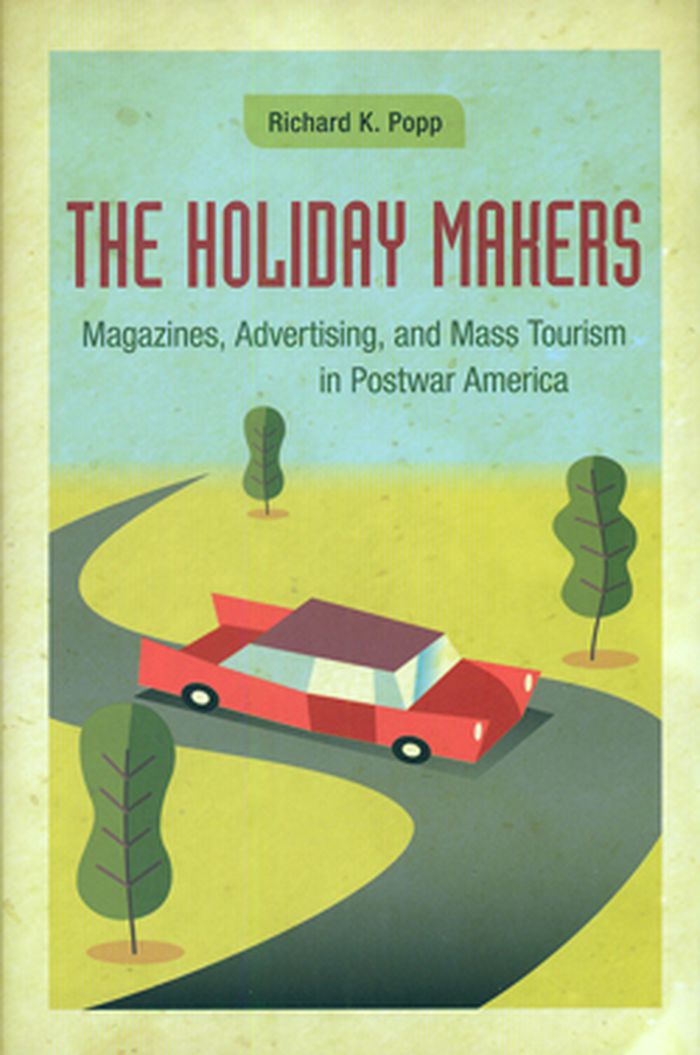
Between the 1930s and 1960s, the spread of new transportation networks and the democratization of paid vacations struck many observers as a sign that tourism was growing into a folkway of modern American life. Easy mobility and free time lay at the heart of this idealized vision, and vacations were seen as a ritualized expression of the movement and egalitarianism that characterized midcentury modernity. The Holiday Makers tells the story of how advertisers sold tourist travel in popular magazines during this era, transforming consumer culture in the process.
The holiday makers: magazines, advertising, and mass tourism in Postwar America
Actions:
Price:
$49.95
(available to order)
Summary:
Between the 1930s and 1960s, the spread of new transportation networks and the democratization of paid vacations struck many observers as a sign that tourism was growing into a folkway of modern American life. Easy mobility and free time lay at the heart of this idealized vision, and vacations were seen as a ritualized expression of the movement and egalitarianism that characterized midcentury modernity. The Holiday Makers tells the story of how advertisers sold tourist travel in popular magazines during this era, transforming consumer culture in the process.
Form:
books
books
Publication:
May 2012
May 2012
Subject:
Transportation, Tourism, Migration
Transportation, Tourism, Migration
Form:
books
books
Actions:
Price:
$21.00
(available to order)
Summary:
This new selection brings together Benjamin's major works, including "One-Way Street", his dreamlike, aphoristic observations of urban life in Weimar Germany; "Unpacking My Library", a delightful meditation on book-collecting; the confessional "Hashish in Marseille"; and, "The Work of Art in the Age of Mechanical Reproduction", his seminal essay on how technology changes(...)
$21.00
(available to order)
Summary:
This new selection brings together Benjamin's major works, including "One-Way Street", his dreamlike, aphoristic observations of urban life in Weimar Germany; "Unpacking My Library", a delightful meditation on book-collecting; the confessional "Hashish in Marseille"; and, "The Work of Art in the Age of Mechanical Reproduction", his seminal essay on how technology changes(...)
Title:
Walter Benjamin : One way street and other writings
Actions:
Price:
$21.00
(available to order)
Summary:
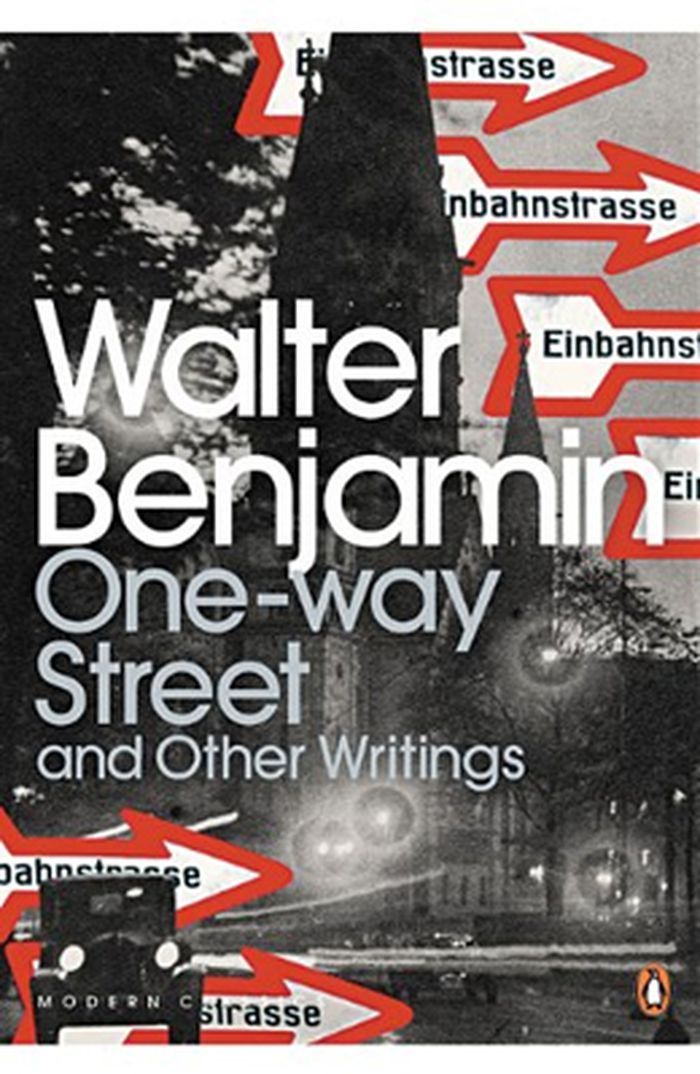
This new selection brings together Benjamin's major works, including "One-Way Street", his dreamlike, aphoristic observations of urban life in Weimar Germany; "Unpacking My Library", a delightful meditation on book-collecting; the confessional "Hashish in Marseille"; and, "The Work of Art in the Age of Mechanical Reproduction", his seminal essay on how technology changes the way we appreciate art. Also including writings on subjects ranging from Proust to Kafka, violence to surrealism, this is the essential volume on one of the most prescient critical voices of the modern age.
Walter Benjamin : One way street and other writings
Actions:
Price:
$21.00
(available to order)
Summary:
This new selection brings together Benjamin's major works, including "One-Way Street", his dreamlike, aphoristic observations of urban life in Weimar Germany; "Unpacking My Library", a delightful meditation on book-collecting; the confessional "Hashish in Marseille"; and, "The Work of Art in the Age of Mechanical Reproduction", his seminal essay on how technology changes the way we appreciate art. Also including writings on subjects ranging from Proust to Kafka, violence to surrealism, this is the essential volume on one of the most prescient critical voices of the modern age.
Form:
books
books
Publication:
March 2012
March 2012
Subject:
Critical Theory
Critical Theory
Form:
books
books

Title:
The luminous and the grey
The luminous and the grey
Actions:
Price:
$23.00
(available to order)
Summary:
The Luminous and the Grey explores the places where color comes into being and where it fades away, probing when it begins and when it ends both in the imagination and in the material world. David Batchelor draws on neuroscience, philosophy, novels, films, and artists’ writings—as well as his own experience as an artist working with color—to understand how we see and use(...)
$23.00
(available to order)
Summary:
The Luminous and the Grey explores the places where color comes into being and where it fades away, probing when it begins and when it ends both in the imagination and in the material world. David Batchelor draws on neuroscience, philosophy, novels, films, and artists’ writings—as well as his own experience as an artist working with color—to understand how we see and use(...)
Title:
The luminous and the grey
Actions:
Price:
$23.00
(available to order)
Summary:
The Luminous and the Grey explores the places where color comes into being and where it fades away, probing when it begins and when it ends both in the imagination and in the material world. David Batchelor draws on neuroscience, philosophy, novels, films, and artists’ writings—as well as his own experience as an artist working with color—to understand how we see and use colors. He considers the role of color in creation myths, industrial chemistry, and optics, and examines the particular forms of luminosity that saturate the modern city.
The luminous and the grey
Actions:
Price:
$23.00
(available to order)
Summary:
The Luminous and the Grey explores the places where color comes into being and where it fades away, probing when it begins and when it ends both in the imagination and in the material world. David Batchelor draws on neuroscience, philosophy, novels, films, and artists’ writings—as well as his own experience as an artist working with color—to understand how we see and use colors. He considers the role of color in creation myths, industrial chemistry, and optics, and examines the particular forms of luminosity that saturate the modern city.
Form:
books
books
Publication:
February 2014
February 2014
Subject:
Colour Theory and Design
Colour Theory and Design
Form:
books
books
Actions:
Price:
$21.95
(available to order)
Summary:
Living with people who differ - racially, ethnically, religiously or economically - is one of the most urgent challenges facing civil society today. Together argues that co-operation needs more than good will: it is a craft that requires skill. In modern society traditional bonds are waning, and we must develop new forms of secular, civic ritual that make us more skilful(...)
$21.95
(available to order)
Summary:
Living with people who differ - racially, ethnically, religiously or economically - is one of the most urgent challenges facing civil society today. Together argues that co-operation needs more than good will: it is a craft that requires skill. In modern society traditional bonds are waning, and we must develop new forms of secular, civic ritual that make us more skilful(...)
Title:
Together : the rituals, pleasures & politics of cooperation
Actions:
Price:
$21.95
(available to order)
Summary:
Living with people who differ - racially, ethnically, religiously or economically - is one of the most urgent challenges facing civil society today. Together argues that co-operation needs more than good will: it is a craft that requires skill. In modern society traditional bonds are waning, and we must develop new forms of secular, civic ritual that make us more skilful in living with others. From Medieval guilds to today's social networks, Richard Sennett's book explores the nature of co-operation, why it has become weak and how it can be strengthened.
Together : the rituals, pleasures & politics of cooperation
Actions:
Price:
$21.95
(available to order)
Summary:
Living with people who differ - racially, ethnically, religiously or economically - is one of the most urgent challenges facing civil society today. Together argues that co-operation needs more than good will: it is a craft that requires skill. In modern society traditional bonds are waning, and we must develop new forms of secular, civic ritual that make us more skilful in living with others. From Medieval guilds to today's social networks, Richard Sennett's book explores the nature of co-operation, why it has become weak and how it can be strengthened.
Form:
books
books
Publication:
October 2014
October 2014
Subject:
Architectural Theory
Architectural Theory
Form:
books
books
Actions:
Price:
$65.00
(available in store)
Summary:
Bertrand Goldberg (1913-1997) was a visionary Chicago architect whose designs for housing, urban planning, and industrial design made a distinctive mark in the modern era. This handsome publication, the first to focus in-depth on the entirety of Goldberg's life and work, traces his development from his early Bauhaus training to his notable architectural achievements.(...)
$65.00
(available in store)
Summary:
Bertrand Goldberg (1913-1997) was a visionary Chicago architect whose designs for housing, urban planning, and industrial design made a distinctive mark in the modern era. This handsome publication, the first to focus in-depth on the entirety of Goldberg's life and work, traces his development from his early Bauhaus training to his notable architectural achievements.(...)
Title:
Bertrand Goldberg: architecture of invention
Actions:
Price:
$65.00
(available in store)
Summary:
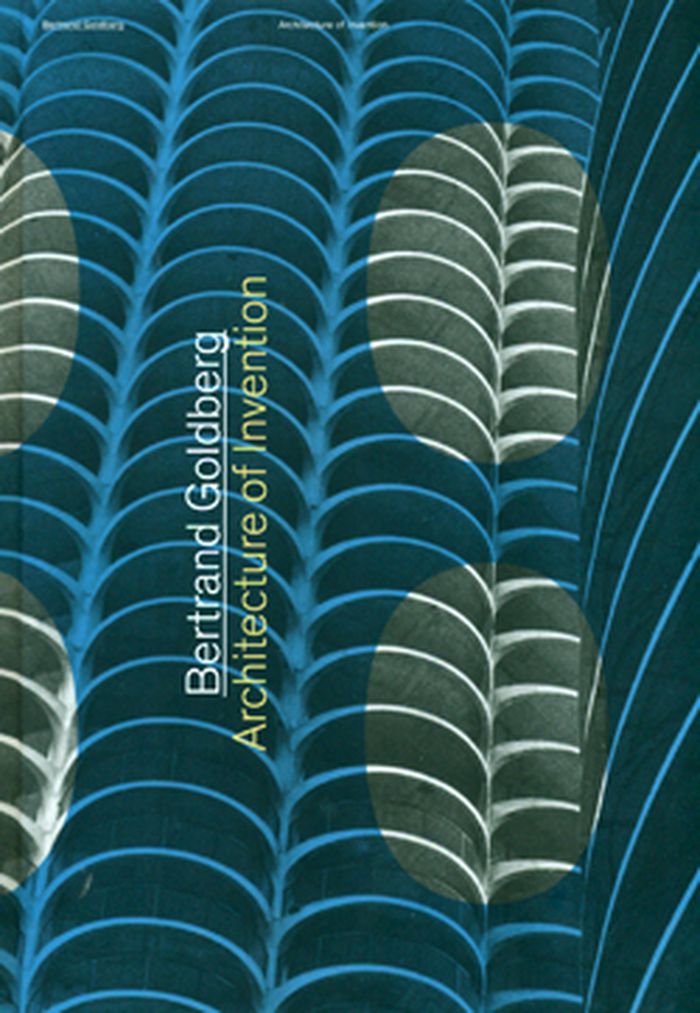
Bertrand Goldberg (1913-1997) was a visionary Chicago architect whose designs for housing, urban planning, and industrial design made a distinctive mark in the modern era. This handsome publication, the first to focus in-depth on the entirety of Goldberg's life and work, traces his development from his early Bauhaus training to his notable architectural achievements. Featuring previously unpublished material, it also includes Goldberg's plans for unrealized projects as well as his collaborations with other prominent modern architects, such as Ludwig Mies van der Rohe and Buckminster Fuller. Goldberg's interest in the social dimension of architecture was reflected in many of his cutting-edge designs. In 1959, he conceived the plan for his most iconic structure, the sixty-story Marina City residential towers, in the heart of downtown Chicago. He created a number of hospitals that offered a new paradigm for how patients and staff interacted within the space. Goldberg's progressive designs also extended to schools, prefabricated structures, and furniture.
Bertrand Goldberg: architecture of invention
Actions:
Price:
$65.00
(available in store)
Summary:
Bertrand Goldberg (1913-1997) was a visionary Chicago architect whose designs for housing, urban planning, and industrial design made a distinctive mark in the modern era. This handsome publication, the first to focus in-depth on the entirety of Goldberg's life and work, traces his development from his early Bauhaus training to his notable architectural achievements. Featuring previously unpublished material, it also includes Goldberg's plans for unrealized projects as well as his collaborations with other prominent modern architects, such as Ludwig Mies van der Rohe and Buckminster Fuller. Goldberg's interest in the social dimension of architecture was reflected in many of his cutting-edge designs. In 1959, he conceived the plan for his most iconic structure, the sixty-story Marina City residential towers, in the heart of downtown Chicago. He created a number of hospitals that offered a new paradigm for how patients and staff interacted within the space. Goldberg's progressive designs also extended to schools, prefabricated structures, and furniture.
Form:
books
books
Publication:
October 2011
October 2011
Subject:
Architecture Monographs
Architecture Monographs
Form:
books
books
Actions:
Price:
$37.95
(available to order)
Summary:
While the publisher has billed this book as "the first "to document the changing nature of zoos in Europe and North America and to access the factors contributing to these changes," it has been preceded by several other similar works: Jake Page's Zoo: The Modern Ark, Vicki Croke's The Modern Ark: A Story of Zoos Past, Present and Future, and the four-volume Encyclopedia(...)
$37.95
(available to order)
Summary:
While the publisher has billed this book as "the first "to document the changing nature of zoos in Europe and North America and to access the factors contributing to these changes," it has been preceded by several other similar works: Jake Page's Zoo: The Modern Ark, Vicki Croke's The Modern Ark: A Story of Zoos Past, Present and Future, and the four-volume Encyclopedia(...)
Title:
Zoo : A history of zoological gardens in the West
Actions:
Price:
$37.95
(available to order)
Summary:
While the publisher has billed this book as "the first "to document the changing nature of zoos in Europe and North America and to access the factors contributing to these changes," it has been preceded by several other similar works: Jake Page's Zoo: The Modern Ark, Vicki Croke's The Modern Ark: A Story of Zoos Past, Present and Future, and the four-volume Encyclopedia of the World's Zoos. So, why would anyone be interested in this new volume? The answer lies in the scope and depth of scholarly research and presentation and in the 400 illustrations (150 of which are in color) that aren't likely to be found elsewhere. While other books look at the architecture of zoos and the care of animals in captivity, the authors, who are French professors of history and art history, respectively, take a social history focus, examining how people view wild animals and how that has changed over time. Their book has five main sections, with the first three forming the core of the text "The Passion for Collecting (1500s to 1700s)," "The Need for Control (1800s)," and "The Yearning for Nature (1900s)." The final two sections "Zoos Through the Ages," and "Artists and the Zoo" consist entirely of illustrations. One can read the text or spend hours simply enjoying the images.
Zoo : A history of zoological gardens in the West
Actions:
Price:
$37.95
(available to order)
Summary:
While the publisher has billed this book as "the first "to document the changing nature of zoos in Europe and North America and to access the factors contributing to these changes," it has been preceded by several other similar works: Jake Page's Zoo: The Modern Ark, Vicki Croke's The Modern Ark: A Story of Zoos Past, Present and Future, and the four-volume Encyclopedia of the World's Zoos. So, why would anyone be interested in this new volume? The answer lies in the scope and depth of scholarly research and presentation and in the 400 illustrations (150 of which are in color) that aren't likely to be found elsewhere. While other books look at the architecture of zoos and the care of animals in captivity, the authors, who are French professors of history and art history, respectively, take a social history focus, examining how people view wild animals and how that has changed over time. Their book has five main sections, with the first three forming the core of the text "The Passion for Collecting (1500s to 1700s)," "The Need for Control (1800s)," and "The Yearning for Nature (1900s)." The final two sections "Zoos Through the Ages," and "Artists and the Zoo" consist entirely of illustrations. One can read the text or spend hours simply enjoying the images.
Form:
books
books
Publication:
May 2004, London
May 2004, London
Subject:
Gardens
Gardens


