


2417 Results
Form:
books
books
Actions:
Price:
$63.95
(available to order)
Summary:
George Nelson (1908-1986) was a pioneering modernist who ranks with such outstanding American designers as Raymond Loewy, Charles Eames, and Eliot Noyes. Nelson's office produced some of the twentieth century's canonical pieces of industrial design, many of which(...)
$63.95
(available to order)
Summary:
George Nelson (1908-1986) was a pioneering modernist who ranks with such outstanding American designers as Raymond Loewy, Charles Eames, and Eliot Noyes. Nelson's office produced some of the twentieth century's canonical pieces of industrial design, many of which(...)
Title:
George Nelson : the design of modern design
Actions:
Price:
$63.95
(available to order)
Summary:
George Nelson (1908-1986) was a pioneering modernist who ranks with such outstanding American designers as Raymond Loewy, Charles Eames, and Eliot Noyes. Nelson's office produced some of the twentieth century's canonical pieces of industrial design, many of which are still in production: the ball clock, the bubble lamp, and the sling sofa. Nelson also made major contributions to the storage wall, the shopping mall, the multimedia presentation, and the open-plan office system. The author of this definitive biography was given access to Nelson's office archives and personal papers. He also interviewed more than seventy of Nelson's friends, colleagues, employees, and clients, and obtained many previously unpublished images from corporate and private archives. The full range of Nelson's work is represented, from product and furniture design to packaging and graphics to large-scale projects such as the Fairchild house and the 1959 American National Exhibition in Moscow. Because Nelson was a serious and original thinker about design issues, Abercrombie quotes extensively from his published and unpublished writings, offering provocative new material to students of design theory and philosophy.
George Nelson : the design of modern design
Actions:
Price:
$63.95
(available to order)
Summary:
George Nelson (1908-1986) was a pioneering modernist who ranks with such outstanding American designers as Raymond Loewy, Charles Eames, and Eliot Noyes. Nelson's office produced some of the twentieth century's canonical pieces of industrial design, many of which are still in production: the ball clock, the bubble lamp, and the sling sofa. Nelson also made major contributions to the storage wall, the shopping mall, the multimedia presentation, and the open-plan office system. The author of this definitive biography was given access to Nelson's office archives and personal papers. He also interviewed more than seventy of Nelson's friends, colleagues, employees, and clients, and obtained many previously unpublished images from corporate and private archives. The full range of Nelson's work is represented, from product and furniture design to packaging and graphics to large-scale projects such as the Fairchild house and the 1959 American National Exhibition in Moscow. Because Nelson was a serious and original thinker about design issues, Abercrombie quotes extensively from his published and unpublished writings, offering provocative new material to students of design theory and philosophy.
Form:
books
books
Publication:
October 2000, Cambridge, Mass.
October 2000, Cambridge, Mass.
Subject:
Design Monographs
Design Monographs
Form:
books
books

Title:
The lost vanguard
The lost vanguard
Actions:
Price:
$98.00
(available to order)
Summary:
The Lost Vanguard documents the work of modernist architects in the Soviet Union during the years following the 1917 revolution and civil war. In little more than a decade, some of the most radical buildings of the twentieth century were completed by a small group of architects who developed a new architectural language in support of new social goals of communal life.(...)
$98.00
(available to order)
Summary:
The Lost Vanguard documents the work of modernist architects in the Soviet Union during the years following the 1917 revolution and civil war. In little more than a decade, some of the most radical buildings of the twentieth century were completed by a small group of architects who developed a new architectural language in support of new social goals of communal life.(...)
Subject:
Modernism
Modernism
Publication:
June 2007, New York
June 2007, New York
Title:
The lost vanguard
Actions:
Price:
$98.00
(available to order)
Summary:
The Lost Vanguard documents the work of modernist architects in the Soviet Union during the years following the 1917 revolution and civil war. In little more than a decade, some of the most radical buildings of the twentieth century were completed by a small group of architects who developed a new architectural language in support of new social goals of communal life. Rarely published and virtually inaccessible until the collapse of the Soviet regime, these important buildings have remained unknown and unappreciated. Richard Pare's photographs reveal the powerful forms of these structures, some still in use but many now abandoned and decayed. Massive industrial complexes like the Dnieper River Dam and MoGES, which supplies electricity to the city of Moscow; vast communal houses for workers, including Ginzburg's Narkomfin; commercial buildings and government offices; and smaller clubs and theaters were all built in this brief period. In an incisive essay, architectural historian Jean-Louis Cohen surveys the history of the period, providing a context for the emergence of this startling new architecture in parallel to contemporary experiments in Europe.
The lost vanguard
Actions:
Price:
$98.00
(available to order)
Summary:
The Lost Vanguard documents the work of modernist architects in the Soviet Union during the years following the 1917 revolution and civil war. In little more than a decade, some of the most radical buildings of the twentieth century were completed by a small group of architects who developed a new architectural language in support of new social goals of communal life. Rarely published and virtually inaccessible until the collapse of the Soviet regime, these important buildings have remained unknown and unappreciated. Richard Pare's photographs reveal the powerful forms of these structures, some still in use but many now abandoned and decayed. Massive industrial complexes like the Dnieper River Dam and MoGES, which supplies electricity to the city of Moscow; vast communal houses for workers, including Ginzburg's Narkomfin; commercial buildings and government offices; and smaller clubs and theaters were all built in this brief period. In an incisive essay, architectural historian Jean-Louis Cohen surveys the history of the period, providing a context for the emergence of this startling new architecture in parallel to contemporary experiments in Europe.
Form:
books
books
Publication:
June 2007, New York
June 2007, New York
Subject:
Modernism
Modernism
Form:
books
books
Actions:
Price:
$78.00
(available to order)
Summary:
Prints, books and multiples have long played a vital role in the vanguard of European contemporary art. From London to Moscow, artists have expanded the scope of their creative vision - and expanded their audiences - through striking and inventive uses of the printing press, the silkscreen and now electronic media. Beginning with the explosion of mass production(...)
$78.00
(available to order)
Summary:
Prints, books and multiples have long played a vital role in the vanguard of European contemporary art. From London to Moscow, artists have expanded the scope of their creative vision - and expanded their audiences - through striking and inventive uses of the printing press, the silkscreen and now electronic media. Beginning with the explosion of mass production(...)
Subject:
Contemporary Art Monographs
Contemporary Art Monographs
Publication:
October 2006, New York
October 2006, New York
Title:
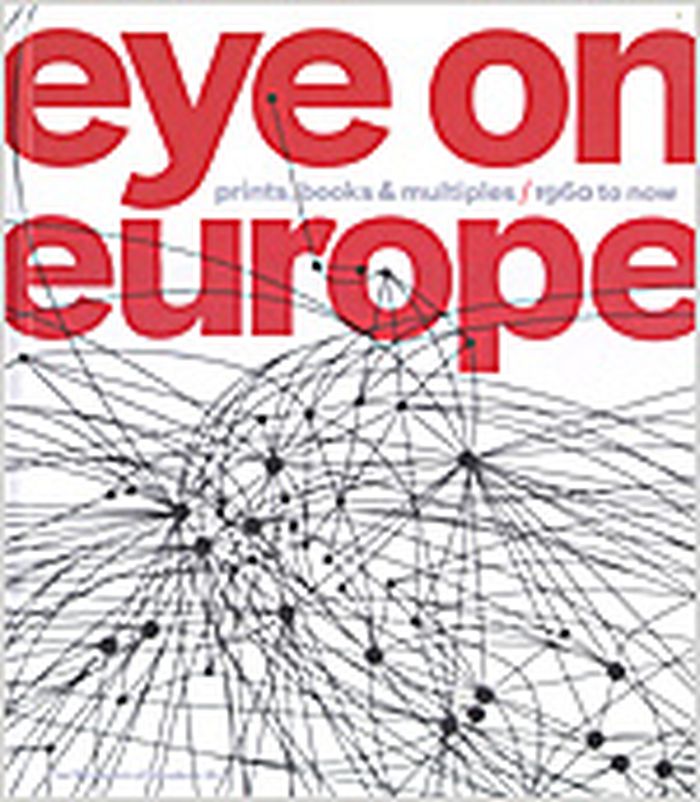
Eye on Europe : prints, books & multiples, 1960 to now
Actions:
Price:
$78.00
(available to order)
Summary:
Prints, books and multiples have long played a vital role in the vanguard of European contemporary art. From London to Moscow, artists have expanded the scope of their creative vision - and expanded their audiences - through striking and inventive uses of the printing press, the silkscreen and now electronic media. Beginning with the explosion of mass production techniques in the early 1960s and continuing with innovative projects by young artists working today, this comprehensive catalogue identifies significant developments in printed art over the past 45 years, offering the first fully synthesized analysis of this fertile period in European printmaking. Thematic chapters follow topics anchored by leading figures like Georg Baselitz, Joseph Beuys, Daniel Buren, Richard Hamilton, Damien Hirst, Sigmar Polke, Gerhard Richter, Bridget Riley and Dieter Roth. In addition to a unifying analytical introduction, each section of "Eye on Europe" includes an essay and colour illustrations, making for a total of more than 290 images by more than 120 artists. Along with a thorough chronology of the period and biographies of the artists and publishers included, the publication also incorporates two original artists’ projects.
Eye on Europe : prints, books & multiples, 1960 to now
Actions:
Price:
$78.00
(available to order)
Summary:
Prints, books and multiples have long played a vital role in the vanguard of European contemporary art. From London to Moscow, artists have expanded the scope of their creative vision - and expanded their audiences - through striking and inventive uses of the printing press, the silkscreen and now electronic media. Beginning with the explosion of mass production techniques in the early 1960s and continuing with innovative projects by young artists working today, this comprehensive catalogue identifies significant developments in printed art over the past 45 years, offering the first fully synthesized analysis of this fertile period in European printmaking. Thematic chapters follow topics anchored by leading figures like Georg Baselitz, Joseph Beuys, Daniel Buren, Richard Hamilton, Damien Hirst, Sigmar Polke, Gerhard Richter, Bridget Riley and Dieter Roth. In addition to a unifying analytical introduction, each section of "Eye on Europe" includes an essay and colour illustrations, making for a total of more than 290 images by more than 120 artists. Along with a thorough chronology of the period and biographies of the artists and publishers included, the publication also incorporates two original artists’ projects.
Form:
books
books
Publication:
October 2006, New York
October 2006, New York
Subject:
Contemporary Art Monographs
Contemporary Art Monographs
Form:
books
books
Actions:
Price:
$35.00
(available to order)
Summary:
With over 150 photographs, this publication covers the main themes in the body of work of Gabriele Basilico (Milan, 1944–2013), in particular his relationship with cities and urban landscapes. Beginning with the Milano: Ritratti di fabbriche cycle from the late 1970s, this book follows the evolution of Basilico’s artistic language from his legendary pictures taken in(...)
$35.00
(available to order)
Summary:
With over 150 photographs, this publication covers the main themes in the body of work of Gabriele Basilico (Milan, 1944–2013), in particular his relationship with cities and urban landscapes. Beginning with the Milano: Ritratti di fabbriche cycle from the late 1970s, this book follows the evolution of Basilico’s artistic language from his legendary pictures taken in(...)
Subject:
Photography monographs
Photography monographs
Publication:
October 2016
October 2016
Title:
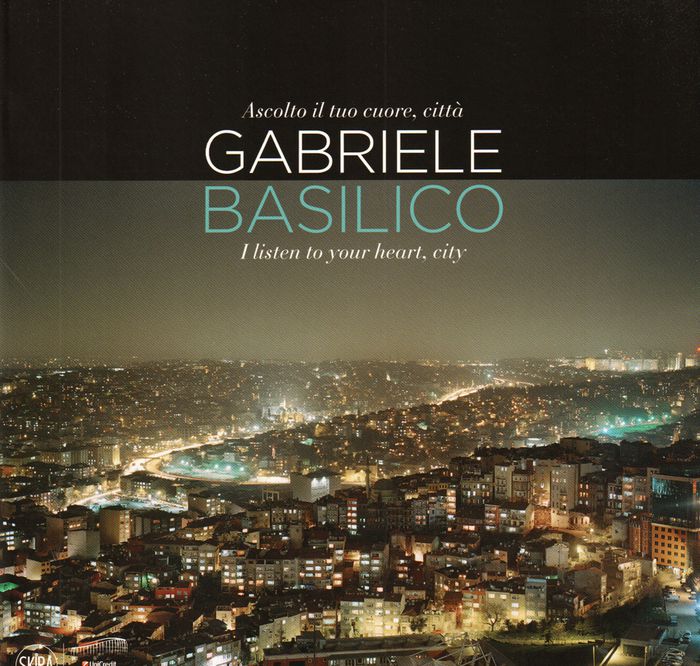
Gabriele Basilico: I listen to your heart, city
Actions:
Price:
$35.00
(available to order)
Summary:
With over 150 photographs, this publication covers the main themes in the body of work of Gabriele Basilico (Milan, 1944–2013), in particular his relationship with cities and urban landscapes. Beginning with the Milano: Ritratti di fabbriche cycle from the late 1970s, this book follows the evolution of Basilico’s artistic language from his legendary pictures taken in France and in major ports across Europe in the 1980s to the 1991 series devoted to Beirut, which had just left behind its long civil war, up to his final work on the renewal of the Porta Nuova district in Milan. The main core of works in this publication consists of the fifty portraits of cities which the artist took over the course of his career: Paris, Madrid, Berlin, Moscow, San Francisco, Istanbul, Rio de Janeiro, and Shanghai intermingle and dialogue through Basilico’s impassioned and contemplative gaze. He was able to interpret the passage of time, transformations in architecture, and unexpected analogies in an endless journey across the bodies of cities.
Gabriele Basilico: I listen to your heart, city
Actions:
Price:
$35.00
(available to order)
Summary:
With over 150 photographs, this publication covers the main themes in the body of work of Gabriele Basilico (Milan, 1944–2013), in particular his relationship with cities and urban landscapes. Beginning with the Milano: Ritratti di fabbriche cycle from the late 1970s, this book follows the evolution of Basilico’s artistic language from his legendary pictures taken in France and in major ports across Europe in the 1980s to the 1991 series devoted to Beirut, which had just left behind its long civil war, up to his final work on the renewal of the Porta Nuova district in Milan. The main core of works in this publication consists of the fifty portraits of cities which the artist took over the course of his career: Paris, Madrid, Berlin, Moscow, San Francisco, Istanbul, Rio de Janeiro, and Shanghai intermingle and dialogue through Basilico’s impassioned and contemplative gaze. He was able to interpret the passage of time, transformations in architecture, and unexpected analogies in an endless journey across the bodies of cities.
Form:
books
books
Publication:
October 2016
October 2016
Subject:
Photography monographs
Photography monographs
Form:
books
books
Title:
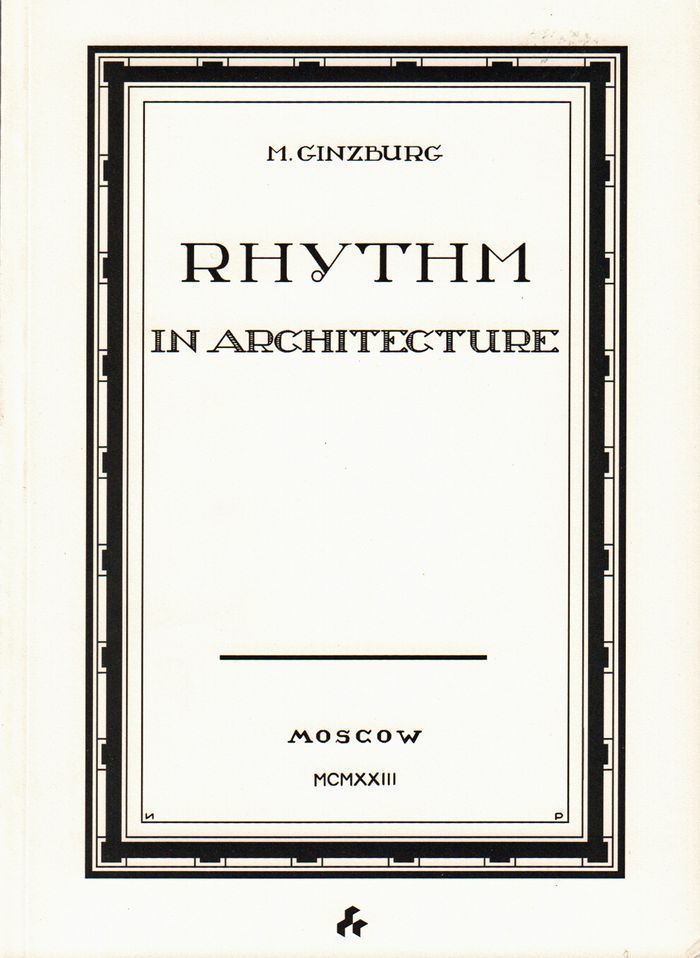
Rhythm in architecture
Rhythm in architecture
Actions:
Price:
$29.95
(available to order)
Summary:
"Rhythm in Architecture" is the first ever translation into English of a key early Modernist text, written by the celebrated Soviet Constructivist architect Moisei Ginzburg and first published in Russian as Ritm v Arkhitekture in 1923. Ginzburg is most famous for his Narkomfin Building in Moscow, completed in 1932, which he described as a “social-condenser”: a radical(...)
$29.95
(available to order)
Summary:
"Rhythm in Architecture" is the first ever translation into English of a key early Modernist text, written by the celebrated Soviet Constructivist architect Moisei Ginzburg and first published in Russian as Ritm v Arkhitekture in 1923. Ginzburg is most famous for his Narkomfin Building in Moscow, completed in 1932, which he described as a “social-condenser”: a radical(...)
Title:
Rhythm in architecture
Actions:
Price:
$29.95
(available to order)
Summary:
"Rhythm in Architecture" is the first ever translation into English of a key early Modernist text, written by the celebrated Soviet Constructivist architect Moisei Ginzburg and first published in Russian as Ritm v Arkhitekture in 1923. Ginzburg is most famous for his Narkomfin Building in Moscow, completed in 1932, which he described as a “social-condenser”: a radical experiment in communal living. While Ginzburg’s second book Style and Epoch, published in 1924, is often seen as the manifesto for Russian Constructivism, Rhythm in Architecture?which preceded it?can be seen as his attempt to create a synthesis in thinking about architecture as a whole, seeking to show how “the true essence of all works of architecture” are ”inspired by the laws of rhythm”. "Rhythm in Architecture" is republished in cooperation with the Ginzburg Design Practice run by Moisei Ginzburg’s grandson, Aleksey and his partner Natalia Shilova. It is the first of a planned series of reprints of Ginzburg’s four books, Home, 1934 and Industrialising Housing Construction, 1937 as well as Style and Epoch, 1924?the only one previously available in English.
Rhythm in architecture
Actions:
Price:
$29.95
(available to order)
Summary:
"Rhythm in Architecture" is the first ever translation into English of a key early Modernist text, written by the celebrated Soviet Constructivist architect Moisei Ginzburg and first published in Russian as Ritm v Arkhitekture in 1923. Ginzburg is most famous for his Narkomfin Building in Moscow, completed in 1932, which he described as a “social-condenser”: a radical experiment in communal living. While Ginzburg’s second book Style and Epoch, published in 1924, is often seen as the manifesto for Russian Constructivism, Rhythm in Architecture?which preceded it?can be seen as his attempt to create a synthesis in thinking about architecture as a whole, seeking to show how “the true essence of all works of architecture” are ”inspired by the laws of rhythm”. "Rhythm in Architecture" is republished in cooperation with the Ginzburg Design Practice run by Moisei Ginzburg’s grandson, Aleksey and his partner Natalia Shilova. It is the first of a planned series of reprints of Ginzburg’s four books, Home, 1934 and Industrialising Housing Construction, 1937 as well as Style and Epoch, 1924?the only one previously available in English.
Form:
books
books
Publication:
January 2017
January 2017
Subject:
Architectural Theory
Architectural Theory
Form:
books
books

Actions:
Price:
$89.95
(available to order)
Summary:
The Finnish architect Pekka Helin created his first firm in 1979. In his design approach, he draws in a specifically Scandinavian manner both on functionalism as well as on the organic architecture of Aalvar Alto, Viljo Revell, and Heikki Sirèn, but also Arne Erve. The building material wood plays a prominent role in this extremely clear architecture. The firm creates(...)
$89.95
(available to order)
Summary:
The Finnish architect Pekka Helin created his first firm in 1979. In his design approach, he draws in a specifically Scandinavian manner both on functionalism as well as on the organic architecture of Aalvar Alto, Viljo Revell, and Heikki Sirèn, but also Arne Erve. The building material wood plays a prominent role in this extremely clear architecture. The firm creates(...)
Title:
Architecture in context: Helin workshop
Actions:
Price:
$89.95
(available to order)
Summary:
The Finnish architect Pekka Helin created his first firm in 1979. In his design approach, he draws in a specifically Scandinavian manner both on functionalism as well as on the organic architecture of Aalvar Alto, Viljo Revell, and Heikki Sirèn, but also Arne Erve. The building material wood plays a prominent role in this extremely clear architecture. The firm creates residential buildings -- often right next to water, where the structure's embeddedness in nature plays an important role in its sight lines -- but also office buildings, for example Nokia's corporate headquarters and the Finnish Modular Office, the tallest wooden office building in Europe. The firm's work also encompasses public buildings such as the Finnish embassy in Moscow and the concert hall and library in Espoo, and even town-planning projects, such as the master plan for the redesigning of the grounds of the former Oslo airport. This book presents twenty-four of the firm's projects organized by typological task, with the focus on life in nature, urban public buildings, residential structures, and various types of workspace.
Architecture in context: Helin workshop
Actions:
Price:
$89.95
(available to order)
Summary:
The Finnish architect Pekka Helin created his first firm in 1979. In his design approach, he draws in a specifically Scandinavian manner both on functionalism as well as on the organic architecture of Aalvar Alto, Viljo Revell, and Heikki Sirèn, but also Arne Erve. The building material wood plays a prominent role in this extremely clear architecture. The firm creates residential buildings -- often right next to water, where the structure's embeddedness in nature plays an important role in its sight lines -- but also office buildings, for example Nokia's corporate headquarters and the Finnish Modular Office, the tallest wooden office building in Europe. The firm's work also encompasses public buildings such as the Finnish embassy in Moscow and the concert hall and library in Espoo, and even town-planning projects, such as the master plan for the redesigning of the grounds of the former Oslo airport. This book presents twenty-four of the firm's projects organized by typological task, with the focus on life in nature, urban public buildings, residential structures, and various types of workspace.
Form:
books
books
Publication:
December 2010
December 2010
Subject:
Architecture Monographs
Architecture Monographs
Form:
books
books
Actions:
Price:
$29.95
(available to order)
Summary:
This eighth book in a series from the Poster Collection of the Zurich Museum für Gestaltung focuses on the work of Ralph Schraivogel. Schraivogel was born in 1960 in Lucerne, Switzerland. He studied at the Zurich School of Design and, upon his graduation in 1982, opened his own graphic design studio in Zurich. Long-term clients include Film Podium, the Zurich repertory(...)
$29.95
(available to order)
Summary:
This eighth book in a series from the Poster Collection of the Zurich Museum für Gestaltung focuses on the work of Ralph Schraivogel. Schraivogel was born in 1960 in Lucerne, Switzerland. He studied at the Zurich School of Design and, upon his graduation in 1982, opened his own graphic design studio in Zurich. Long-term clients include Film Podium, the Zurich repertory(...)
Title:
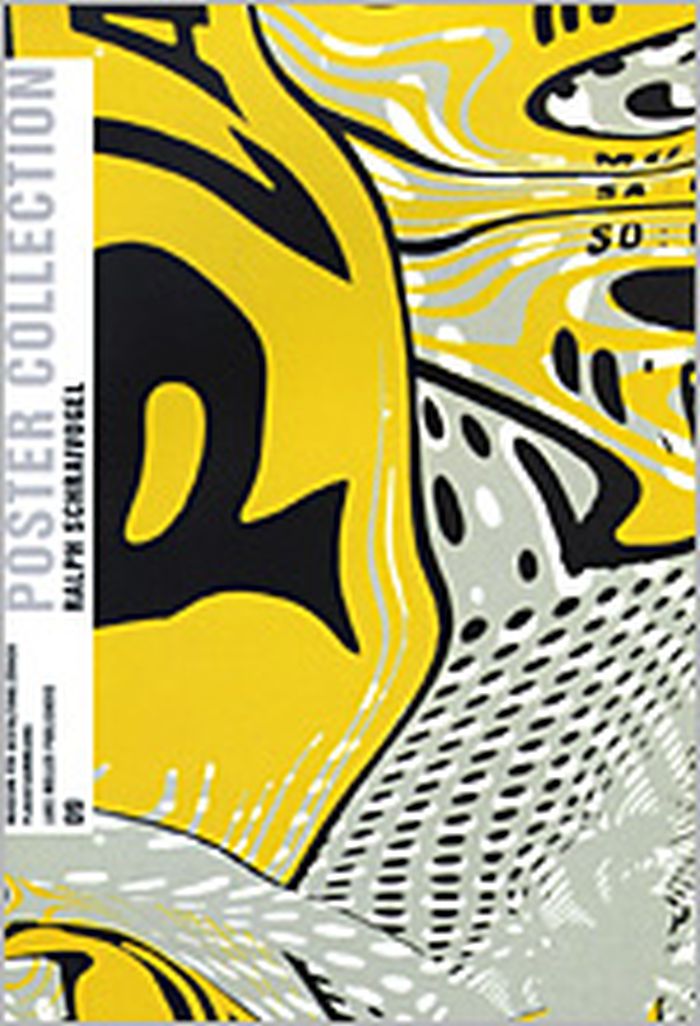
Poster collection 09 : Ralph Schraivogel
Actions:
Price:
$29.95
(available to order)
Summary:
This eighth book in a series from the Poster Collection of the Zurich Museum für Gestaltung focuses on the work of Ralph Schraivogel. Schraivogel was born in 1960 in Lucerne, Switzerland. He studied at the Zurich School of Design and, upon his graduation in 1982, opened his own graphic design studio in Zurich. Long-term clients include Film Podium, the Zurich repertory cinema, and the Zurich Museum fur Gestaltung. Since opening his studio, Schraivogel has worked with many cultural institutions, such as the Kunsthaus Zurich, Theater am Neumarkt, the Jazz Festival Zurich, the Literature Days in Solothurn and the African Film Festival in Zurich. Among his multiple awards are the Gold Medal at the 1994 Warsaw Poster Biennial, the Gold Medal at the 1994 Moscow Poster Biennial, the Gold Medal at the 1997 Chaumont Poster Festival, the Grand Prix at the 1998 Brno Poster Biennial, and the Gold Medal at the 2001 Ningbo International Poster Exhibition. Schraivogel is the three-time winner of the Swiss Federal Prize for Applied Art and the twelve-time winner of the Best Swiss Poster of the Year Award.
Poster collection 09 : Ralph Schraivogel
Actions:
Price:
$29.95
(available to order)
Summary:
This eighth book in a series from the Poster Collection of the Zurich Museum für Gestaltung focuses on the work of Ralph Schraivogel. Schraivogel was born in 1960 in Lucerne, Switzerland. He studied at the Zurich School of Design and, upon his graduation in 1982, opened his own graphic design studio in Zurich. Long-term clients include Film Podium, the Zurich repertory cinema, and the Zurich Museum fur Gestaltung. Since opening his studio, Schraivogel has worked with many cultural institutions, such as the Kunsthaus Zurich, Theater am Neumarkt, the Jazz Festival Zurich, the Literature Days in Solothurn and the African Film Festival in Zurich. Among his multiple awards are the Gold Medal at the 1994 Warsaw Poster Biennial, the Gold Medal at the 1994 Moscow Poster Biennial, the Gold Medal at the 1997 Chaumont Poster Festival, the Grand Prix at the 1998 Brno Poster Biennial, and the Gold Medal at the 2001 Ningbo International Poster Exhibition. Schraivogel is the three-time winner of the Swiss Federal Prize for Applied Art and the twelve-time winner of the Best Swiss Poster of the Year Award.
Form:
books
books
Publication:
January 2004, Zürich
January 2004, Zürich
Subject:
Graphic Design and Typography
Graphic Design and Typography
Form:
books
books
Actions:
Price:
$74.95
(available to order)
Summary:
Born in 1934 in Naples--where he still lives and works--Mimmo Jodice has been at the top of his profession, one of the great Italian masters of photography, for more than 45 years. This volume celebrates Jodice's architectural work, uniting his portraits of eight world capitals into a kind of self-portrait. Four of the cities have been the subjects of previous titles:(...)
$74.95
(available to order)
Summary:
Born in 1934 in Naples--where he still lives and works--Mimmo Jodice has been at the top of his profession, one of the great Italian masters of photography, for more than 45 years. This volume celebrates Jodice's architectural work, uniting his portraits of eight world capitals into a kind of self-portrait. Four of the cities have been the subjects of previous titles:(...)
Subject:
Photography monographs
Photography monographs
Publication:
April 2007, Milan
April 2007, Milan
Title:
Mimmo Jodice : visible cities
Actions:
Price:
$74.95
(available to order)
Summary:
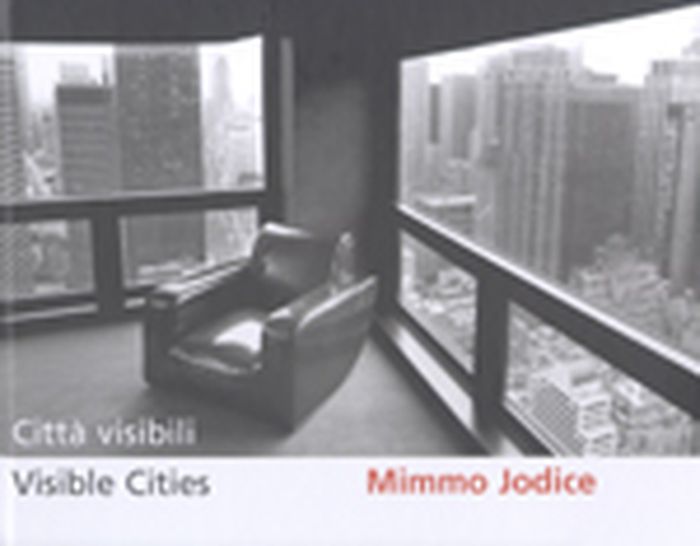
Born in 1934 in Naples--where he still lives and works--Mimmo Jodice has been at the top of his profession, one of the great Italian masters of photography, for more than 45 years. This volume celebrates Jodice's architectural work, uniting his portraits of eight world capitals into a kind of self-portrait. Four of the cities have been the subjects of previous titles: Paris: City of Light; Inlands: A Vision of Boston; São Paulo and La città invisibile: Nuove vedute di Napoli; and four are new to print, including Rome, Moscow, Tokyo and New York. When Jodice's Medeterranean appeared, which includes some Rome images, the architecture critic Herbert Muschamp observed of it in the New York Times that "Mr. Jodice depicts a mythical place, a romantic intertwining of wholeness and solitude: the oceanic sensation of merger between a self and its surroundings." That impression of unity is as strong--if not as relaxing--in his contemporary urban landscapes as in his ancient ones. With text from Stefano Boeri of Domus magazine and an interview with Hans Ulrich Obrist. Jodice's previous books, in addition to those above, include Light, Eden and Tempo Interiore.
Mimmo Jodice : visible cities
Actions:
Price:
$74.95
(available to order)
Summary:
Born in 1934 in Naples--where he still lives and works--Mimmo Jodice has been at the top of his profession, one of the great Italian masters of photography, for more than 45 years. This volume celebrates Jodice's architectural work, uniting his portraits of eight world capitals into a kind of self-portrait. Four of the cities have been the subjects of previous titles: Paris: City of Light; Inlands: A Vision of Boston; São Paulo and La città invisibile: Nuove vedute di Napoli; and four are new to print, including Rome, Moscow, Tokyo and New York. When Jodice's Medeterranean appeared, which includes some Rome images, the architecture critic Herbert Muschamp observed of it in the New York Times that "Mr. Jodice depicts a mythical place, a romantic intertwining of wholeness and solitude: the oceanic sensation of merger between a self and its surroundings." That impression of unity is as strong--if not as relaxing--in his contemporary urban landscapes as in his ancient ones. With text from Stefano Boeri of Domus magazine and an interview with Hans Ulrich Obrist. Jodice's previous books, in addition to those above, include Light, Eden and Tempo Interiore.
Form:
books
books
Publication:
April 2007, Milan
April 2007, Milan
Subject:
Photography monographs
Photography monographs
Form:
books
books
Actions:
Price:
$88.95
(available to order)
Summary:
For the sheer quantity and quality of his inventions, scientist and structural engineer Vladimir Shukhov (1853–1939) is sometimes referred to as the “Russian Thomas Edison.” Among his pioneering contributions are a number of innovations related to the oil industry, including the design and construction of the first Russian pipeline and the world’s first industrial plant(...)
$88.95
(available to order)
Summary:
For the sheer quantity and quality of his inventions, scientist and structural engineer Vladimir Shukhov (1853–1939) is sometimes referred to as the “Russian Thomas Edison.” Among his pioneering contributions are a number of innovations related to the oil industry, including the design and construction of the first Russian pipeline and the world’s first industrial plant(...)
Publication:
August 2016
August 2016
Title:
Networks of construction: Vladimir Shukohov
Actions:
Price:
$88.95
(available to order)
Summary:
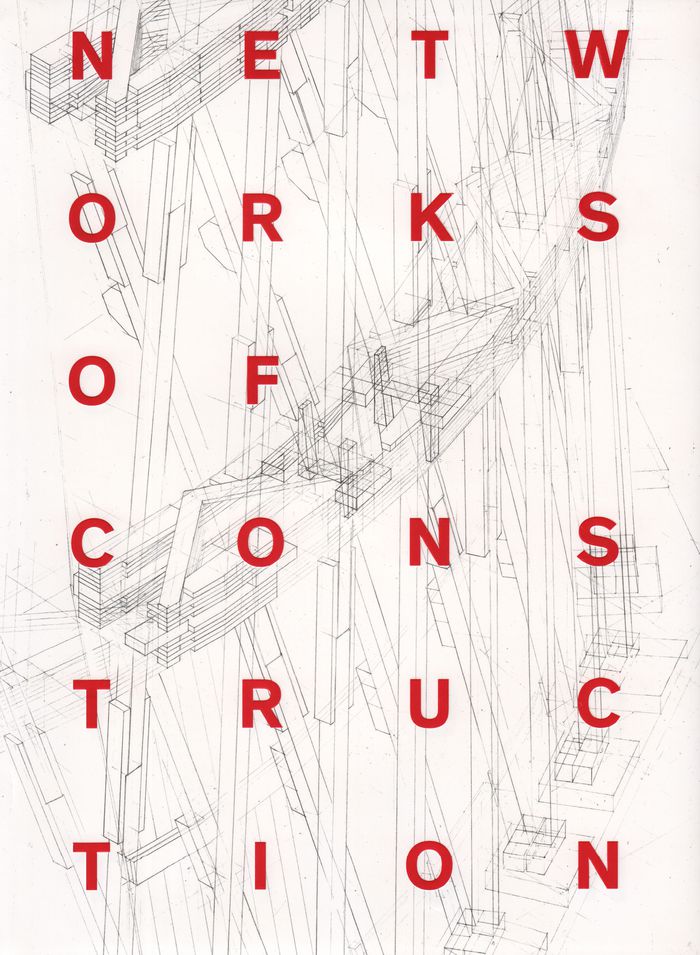
For the sheer quantity and quality of his inventions, scientist and structural engineer Vladimir Shukhov (1853–1939) is sometimes referred to as the “Russian Thomas Edison.” Among his pioneering contributions are a number of innovations related to the oil industry, including the design and construction of the first Russian pipeline and the world’s first industrial plant for oil cracking. His groundbreaking structural works include the cable-supported hanging roof and the hyperboloid lattice tower epitomized by the Shukhov Tower in Moscow, which bears his name. Networks of Construction collects Shukhov’s trailblazing achievements from the turn of the twentieth century, exploring his career and complicated creative process. Each of Shukhov’s projects, the book shows, was realized through an elaborate process beginning with an intense period of planning to account for the interconnections among a wide range of factors, from the technical background of the construction workers to technology transfer, the nomenclature of steel grades, and the scientification of construction knowledge. Ekaterina Nozhova and Uta Hassler of the Institute of Historic Building Research and Conservation at ETH Zurich have painstakingly reconstructed Shukhov’s process through a wealth of drawings, photographs, and documents.
Networks of construction: Vladimir Shukohov
Actions:
Price:
$88.95
(available to order)
Summary:
For the sheer quantity and quality of his inventions, scientist and structural engineer Vladimir Shukhov (1853–1939) is sometimes referred to as the “Russian Thomas Edison.” Among his pioneering contributions are a number of innovations related to the oil industry, including the design and construction of the first Russian pipeline and the world’s first industrial plant for oil cracking. His groundbreaking structural works include the cable-supported hanging roof and the hyperboloid lattice tower epitomized by the Shukhov Tower in Moscow, which bears his name. Networks of Construction collects Shukhov’s trailblazing achievements from the turn of the twentieth century, exploring his career and complicated creative process. Each of Shukhov’s projects, the book shows, was realized through an elaborate process beginning with an intense period of planning to account for the interconnections among a wide range of factors, from the technical background of the construction workers to technology transfer, the nomenclature of steel grades, and the scientification of construction knowledge. Ekaterina Nozhova and Uta Hassler of the Institute of Historic Building Research and Conservation at ETH Zurich have painstakingly reconstructed Shukhov’s process through a wealth of drawings, photographs, and documents.
Form:
books
books
Publication:
August 2016
August 2016
Form:
books
books
Title:
The ideal Communist city
The ideal Communist city
Actions:
Price:
$35.00
(available to order)
Summary:
In 1968, lauded American architect Mary Otis Stevens (born 1928) and her partner, fellow architect Thomas McNulty (1919–84), initiated i Press, the influential imprint that focuses on the social context of architecture. Over the next five years, the duo released five books under the thematic umbrella of ''Human environment'' with the publisher George Braziller. The first(...)
$35.00
(available to order)
Summary:
In 1968, lauded American architect Mary Otis Stevens (born 1928) and her partner, fellow architect Thomas McNulty (1919–84), initiated i Press, the influential imprint that focuses on the social context of architecture. Over the next five years, the duo released five books under the thematic umbrella of ''Human environment'' with the publisher George Braziller. The first(...)
Subject:
Humans and cities
Humans and cities
Publication:
November 2022
November 2022
Title:
The ideal Communist city
Actions:
Price:
$35.00
(available to order)
Summary:
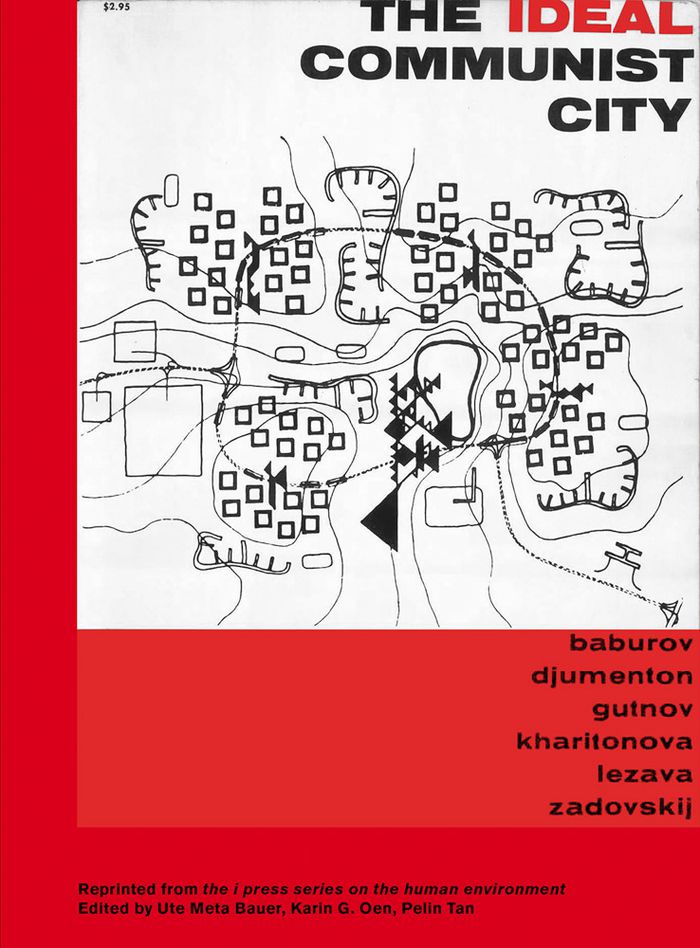
In 1968, lauded American architect Mary Otis Stevens (born 1928) and her partner, fellow architect Thomas McNulty (1919–84), initiated i Press, the influential imprint that focuses on the social context of architecture. Over the next five years, the duo released five books under the thematic umbrella of ''Human environment'' with the publisher George Braziller. The first of this series, ''The ideal Communist city'' (1969) is an English translation of urban concepts advanced by architects and planners from the University of Moscow. The book was first published in a Soviet journal of a communist youth organization in 1960 and was then republished in Italy in 1968. Offering a new way of thinking about mobility, equity and social interaction in neighborhood planning, ''The ideal Communist city'' was a direct response to suburban development and its focus on private spaces for family life: ''the new city is a world belonging to all and each'' where life is ''structured by freely chosen relationships representing the fullest, most well-rounded aspects of each human personality.'' This publication is a facsimile of ''The ideal Communist city'', with additional texts by architectural historians and the editors.
The ideal Communist city
Actions:
Price:
$35.00
(available to order)
Summary:
In 1968, lauded American architect Mary Otis Stevens (born 1928) and her partner, fellow architect Thomas McNulty (1919–84), initiated i Press, the influential imprint that focuses on the social context of architecture. Over the next five years, the duo released five books under the thematic umbrella of ''Human environment'' with the publisher George Braziller. The first of this series, ''The ideal Communist city'' (1969) is an English translation of urban concepts advanced by architects and planners from the University of Moscow. The book was first published in a Soviet journal of a communist youth organization in 1960 and was then republished in Italy in 1968. Offering a new way of thinking about mobility, equity and social interaction in neighborhood planning, ''The ideal Communist city'' was a direct response to suburban development and its focus on private spaces for family life: ''the new city is a world belonging to all and each'' where life is ''structured by freely chosen relationships representing the fullest, most well-rounded aspects of each human personality.'' This publication is a facsimile of ''The ideal Communist city'', with additional texts by architectural historians and the editors.
Form:
books
books
Publication:
November 2022
November 2022
Subject:
Humans and cities
Humans and cities


