


2692 Results
Form:
books
books
Title:
Fallen empires
Fallen empires
Actions:
Price:
$55.00
(available to order)
Summary:
Extensively covered by the media, debated by the governments of the world and claimed by vying religions, Israel is a remarkable case study for understanding the rise and fall of empires. By highlighting the country's historic architecture and its highly contentious ruins, Israeli photographer Shai Kremer (born 1974) questions how these sites figure today in the discourse(...)
$55.00
(available to order)
Summary:
Extensively covered by the media, debated by the governments of the world and claimed by vying religions, Israel is a remarkable case study for understanding the rise and fall of empires. By highlighting the country's historic architecture and its highly contentious ruins, Israeli photographer Shai Kremer (born 1974) questions how these sites figure today in the discourse(...)
Title:
Fallen empires
Actions:
Price:
$55.00
(available to order)
Summary:
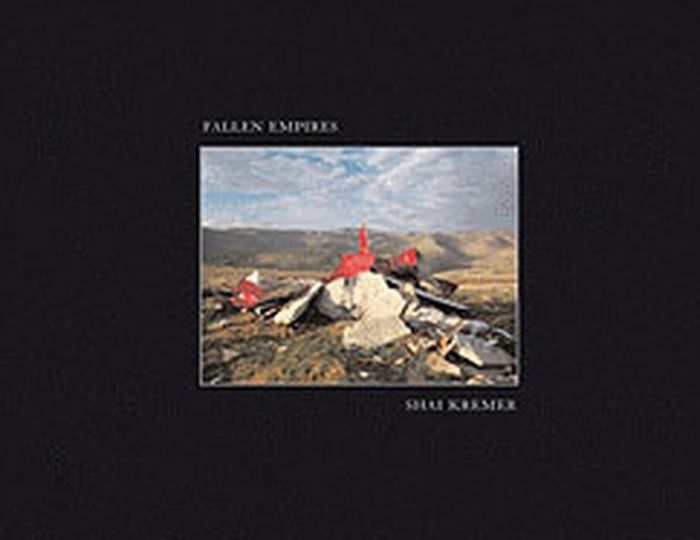
Extensively covered by the media, debated by the governments of the world and claimed by vying religions, Israel is a remarkable case study for understanding the rise and fall of empires. By highlighting the country's historic architecture and its highly contentious ruins, Israeli photographer Shai Kremer (born 1974) questions how these sites figure today in the discourse of the Israeli-Palestinian conflict and the future of the nation. This publication invites viewers to consider new relationships between the histories and identities assembled and disassembled in the creation of modern Israel. As Kremer explains, “Israel is overloaded with sediments of past empires. More than half of the current IDF (Israel Defense Forces) strongholds rest on the ruins of military sites of former empires. The recycling of these spaces, from one conqueror to the next, shows how most empires tried to conquer and rule this land, with one similar outcome: they eventually failed.”
Fallen empires
Actions:
Price:
$55.00
(available to order)
Summary:
Extensively covered by the media, debated by the governments of the world and claimed by vying religions, Israel is a remarkable case study for understanding the rise and fall of empires. By highlighting the country's historic architecture and its highly contentious ruins, Israeli photographer Shai Kremer (born 1974) questions how these sites figure today in the discourse of the Israeli-Palestinian conflict and the future of the nation. This publication invites viewers to consider new relationships between the histories and identities assembled and disassembled in the creation of modern Israel. As Kremer explains, “Israel is overloaded with sediments of past empires. More than half of the current IDF (Israel Defense Forces) strongholds rest on the ruins of military sites of former empires. The recycling of these spaces, from one conqueror to the next, shows how most empires tried to conquer and rule this land, with one similar outcome: they eventually failed.”
Form:
books
books
Publication:
July 2011
July 2011
Subject:
Photography monographs
Photography monographs
Form:
books
books
Actions:
Price:
$195.00
(available to order)
Summary:
The significance of the work of Louis I Kahn, one of the greatest influences on post-WWII world architecture, has skyrocketed in the twenty-first century. Robert McCarter’s bestselling and critically-acclaimed monograph explains how Kahn redefined Modern architecture and why his work remains a fundamental source for architects and designers today. Now thoughtfully(...)
$195.00
(available to order)
Summary:
The significance of the work of Louis I Kahn, one of the greatest influences on post-WWII world architecture, has skyrocketed in the twenty-first century. Robert McCarter’s bestselling and critically-acclaimed monograph explains how Kahn redefined Modern architecture and why his work remains a fundamental source for architects and designers today. Now thoughtfully(...)
Title:
Louis I. Kahn: revised and expanded
Actions:
Price:
$195.00
(available to order)
Summary:
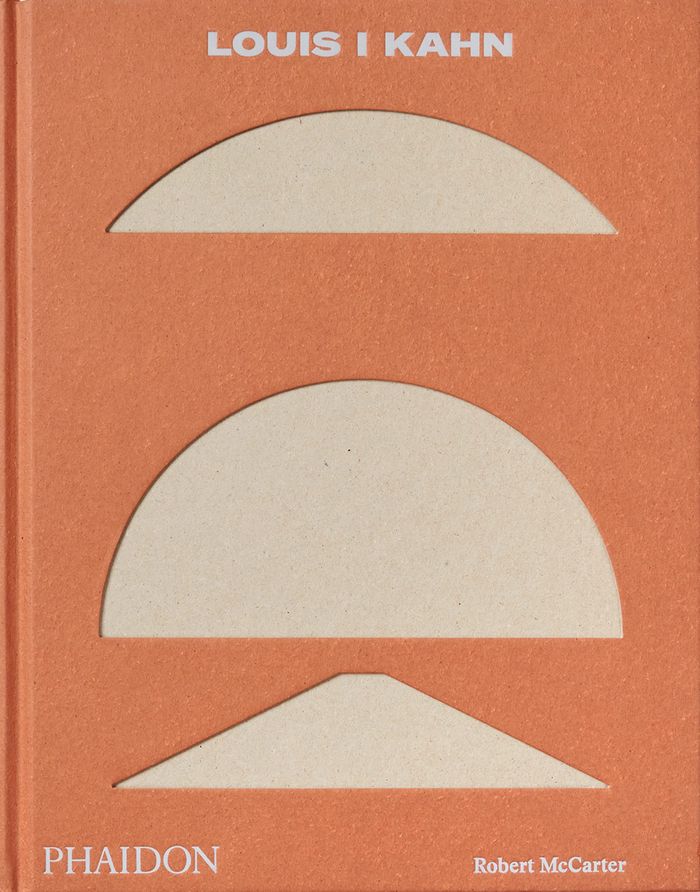
The significance of the work of Louis I Kahn, one of the greatest influences on post-WWII world architecture, has skyrocketed in the twenty-first century. Robert McCarter’s bestselling and critically-acclaimed monograph explains how Kahn redefined Modern architecture and why his work remains a fundamental source for architects and designers today. Now thoughtfully updated, this comprehensive and extensively illustrated overview features both built and unbuilt projects, including Yale University Art Gallery, Kimbell Art Museum, and the Salk Institute, along with his work in India and Bangladesh, as well as a project realized forty years after Kahn’s death – New York City’s Four Freedoms Park.
Louis I. Kahn: revised and expanded
Actions:
Price:
$195.00
(available to order)
Summary:
The significance of the work of Louis I Kahn, one of the greatest influences on post-WWII world architecture, has skyrocketed in the twenty-first century. Robert McCarter’s bestselling and critically-acclaimed monograph explains how Kahn redefined Modern architecture and why his work remains a fundamental source for architects and designers today. Now thoughtfully updated, this comprehensive and extensively illustrated overview features both built and unbuilt projects, including Yale University Art Gallery, Kimbell Art Museum, and the Salk Institute, along with his work in India and Bangladesh, as well as a project realized forty years after Kahn’s death – New York City’s Four Freedoms Park.
Form:
books
books
Publication:
March 2022
March 2022
Subject:
Architecture Monographs
Architecture Monographs
Form:
books
books
Actions:
Price:
$34.99
(available to order)
Summary:
"Horror in architecture" presents an unflinching look at how horror genre tropes manifest in the built environment. Spanning the realms of art, design, literature, and film, this newly revised and expanded edition compiles examples from all areas of popular culture to form a visual anthology of the architectural uncanny. Rooted in the Romantic and Gothic treatment of(...)
$34.99
(available to order)
Summary:
"Horror in architecture" presents an unflinching look at how horror genre tropes manifest in the built environment. Spanning the realms of art, design, literature, and film, this newly revised and expanded edition compiles examples from all areas of popular culture to form a visual anthology of the architectural uncanny. Rooted in the Romantic and Gothic treatment of(...)
Title:
Horror in architecture: The reanimated edition
Actions:
Price:
$34.99
(available to order)
Summary:
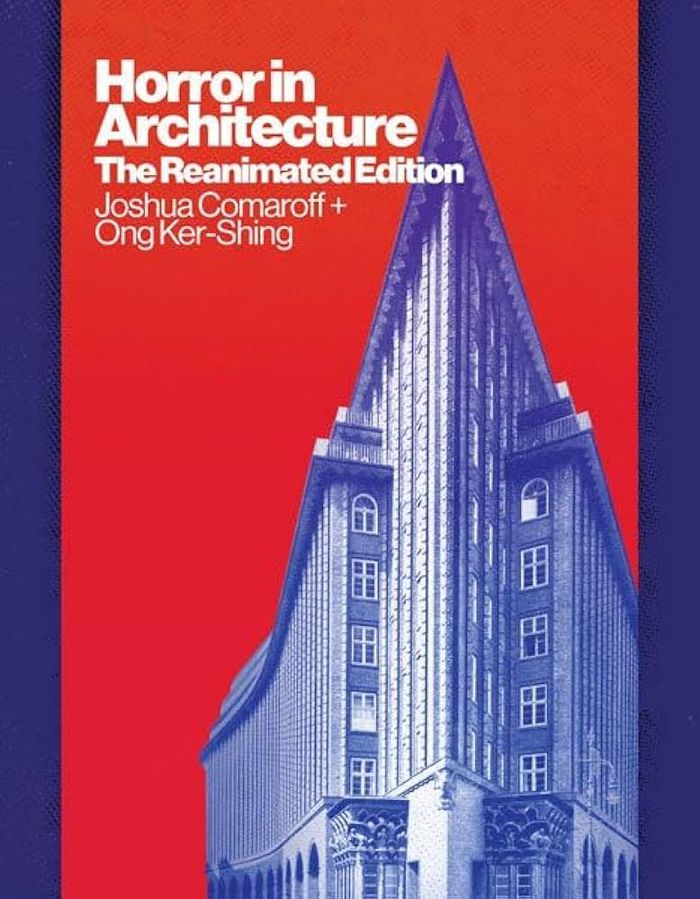
"Horror in architecture" presents an unflinching look at how horror genre tropes manifest in the built environment. Spanning the realms of art, design, literature, and film, this newly revised and expanded edition compiles examples from all areas of popular culture to form a visual anthology of the architectural uncanny. Rooted in the Romantic and Gothic treatment of horror as a serious aesthetic category, "Horror in architecture" establishes incisive links between contemporary horror media and its parallel traits found in various architectural designs. Through chapters dedicated to distorted and monstrous buildings, abandoned spaces, extremes of scale, and other structural peculiarities, and featuring new essays on insurgent natures, blobs, and architectural puppets, this volume brings together diverse architectural anomalies and shows how their unsettling effects deepen our fascination with the unreal. Intended for both horror fans and students of visual culture, Horror in Architecture turns a unique lens on the relationship between the human body and the artificial landscapes it inhabits. Extensively illustrated with photographs, film stills, and diagrams, this book retrieves horror from the cultural fringes and demonstrates how its attributes permeate the modern condition and the material world.
Horror in architecture: The reanimated edition
Actions:
Price:
$34.99
(available to order)
Summary:
"Horror in architecture" presents an unflinching look at how horror genre tropes manifest in the built environment. Spanning the realms of art, design, literature, and film, this newly revised and expanded edition compiles examples from all areas of popular culture to form a visual anthology of the architectural uncanny. Rooted in the Romantic and Gothic treatment of horror as a serious aesthetic category, "Horror in architecture" establishes incisive links between contemporary horror media and its parallel traits found in various architectural designs. Through chapters dedicated to distorted and monstrous buildings, abandoned spaces, extremes of scale, and other structural peculiarities, and featuring new essays on insurgent natures, blobs, and architectural puppets, this volume brings together diverse architectural anomalies and shows how their unsettling effects deepen our fascination with the unreal. Intended for both horror fans and students of visual culture, Horror in Architecture turns a unique lens on the relationship between the human body and the artificial landscapes it inhabits. Extensively illustrated with photographs, film stills, and diagrams, this book retrieves horror from the cultural fringes and demonstrates how its attributes permeate the modern condition and the material world.
Form:
books
books
Publication:
January 2024
January 2024
Subject:
Architectural Theory
Architectural Theory
Form:
books
books
Title:
Piranesi's lost words
Piranesi's lost words
Actions:
Price:
$106.95
(available to order)
Summary:
Eighteenth-century european artist Giovanni Battista Piranesi was more than an artist; he was an engraver and printmaker, architect, antiquities dealer, archaeologist, draftsman, publisher, bookseller, and author. In Piranesi’s Lost Words, Heather Hyde Minor considers Piranesi the author and publisher, focusing on his major publications from 1756 to his death in 1778.(...)
$106.95
(available to order)
Summary:
Eighteenth-century european artist Giovanni Battista Piranesi was more than an artist; he was an engraver and printmaker, architect, antiquities dealer, archaeologist, draftsman, publisher, bookseller, and author. In Piranesi’s Lost Words, Heather Hyde Minor considers Piranesi the author and publisher, focusing on his major publications from 1756 to his death in 1778.(...)
Title:
Piranesi's lost words
Actions:
Price:
$106.95
(available to order)
Summary:
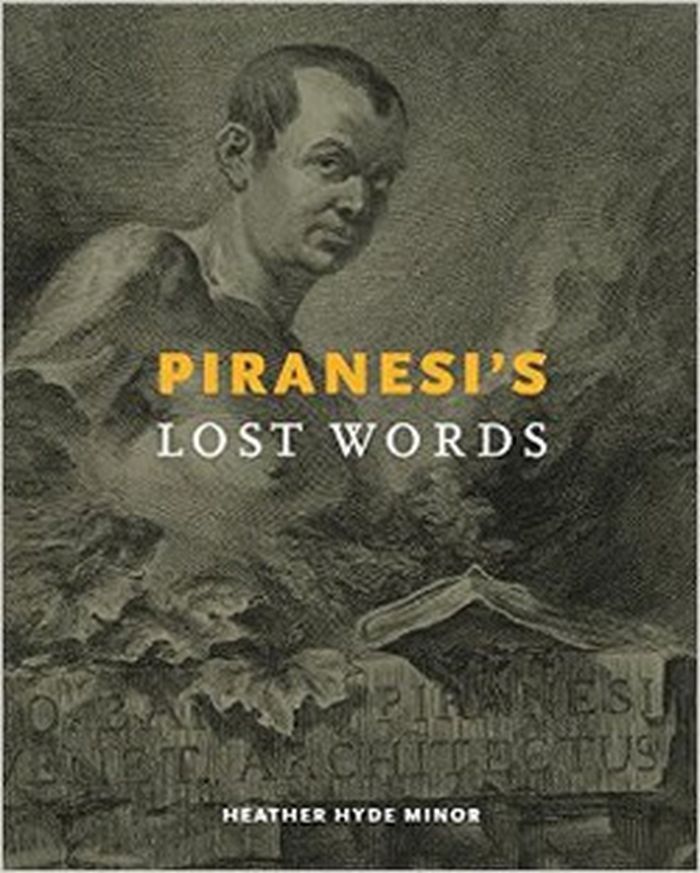
Eighteenth-century european artist Giovanni Battista Piranesi was more than an artist; he was an engraver and printmaker, architect, antiquities dealer, archaeologist, draftsman, publisher, bookseller, and author. In Piranesi’s Lost Words, Heather Hyde Minor considers Piranesi the author and publisher, focusing on his major publications from 1756 to his death in 1778. Piranesi designed and manufactured twelve beautiful, large-format books combining visual and verbal content over the course of his lifetime. While the images from these books have been widely studied, they are usually considered in isolation from the texts in which they originally appeared. This study reunites Piranesi’s texts and images, interpreting them in conjunction as composite art. Minor shows how this composite art demonstrates Piranesi’s ability for interpreting the classical world and its remains—and how his books offer a critique of both the Enlightenment project of creating an epistemology of the classical past and how eighteenth-century scholars explicated this past. Piranesi’s books, Minor argues, were integral to the emergence of the modern discipline of art history. Using new, previously unpublished archival material, Piranesi’s Lost Words refines our understanding of Piranesi’s works and the eighteenth-century context in which they were created.
Piranesi's lost words
Actions:
Price:
$106.95
(available to order)
Summary:
Eighteenth-century european artist Giovanni Battista Piranesi was more than an artist; he was an engraver and printmaker, architect, antiquities dealer, archaeologist, draftsman, publisher, bookseller, and author. In Piranesi’s Lost Words, Heather Hyde Minor considers Piranesi the author and publisher, focusing on his major publications from 1756 to his death in 1778. Piranesi designed and manufactured twelve beautiful, large-format books combining visual and verbal content over the course of his lifetime. While the images from these books have been widely studied, they are usually considered in isolation from the texts in which they originally appeared. This study reunites Piranesi’s texts and images, interpreting them in conjunction as composite art. Minor shows how this composite art demonstrates Piranesi’s ability for interpreting the classical world and its remains—and how his books offer a critique of both the Enlightenment project of creating an epistemology of the classical past and how eighteenth-century scholars explicated this past. Piranesi’s books, Minor argues, were integral to the emergence of the modern discipline of art history. Using new, previously unpublished archival material, Piranesi’s Lost Words refines our understanding of Piranesi’s works and the eighteenth-century context in which they were created.
Form:
books
books
Publication:
November 2015
November 2015
Subject:
History until 1900, Greece
History until 1900, Greece
Form:
books
books
Price:
$32.50
(available to order)
Summary:
The modern world is dominated by flat surfaces. We write, print and project on flat paper or flat screens, which we stare at all day. We inhabit spaces constructed from flat materials. We play sport on level fields. Engineered planar surfaces have become so pervasive and fundamental to behaviour and thought that we barely notice their existence. But flat landscapes are(...)
$32.50
(available to order)
Summary:
The modern world is dominated by flat surfaces. We write, print and project on flat paper or flat screens, which we stare at all day. We inhabit spaces constructed from flat materials. We play sport on level fields. Engineered planar surfaces have become so pervasive and fundamental to behaviour and thought that we barely notice their existence. But flat landscapes are(...)
Title:
Flatness
Actions:
Price:
$32.50
(available to order)
Summary:
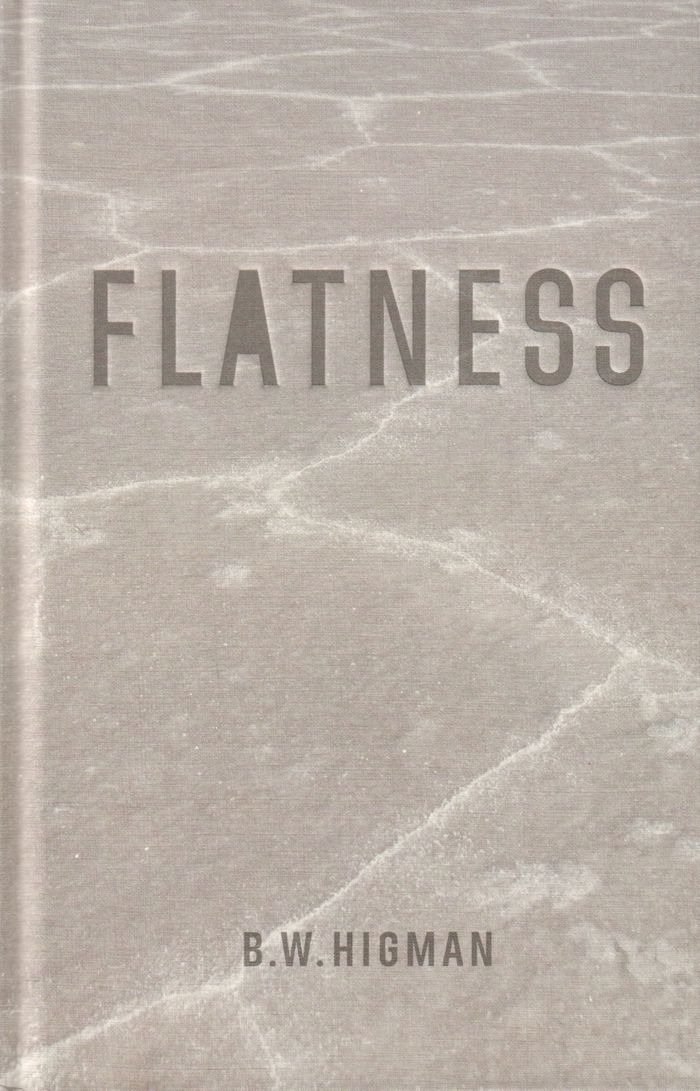
The modern world is dominated by flat surfaces. We write, print and project on flat paper or flat screens, which we stare at all day. We inhabit spaces constructed from flat materials. We play sport on level fields. Engineered planar surfaces have become so pervasive and fundamental to behaviour and thought that we barely notice their existence. But flat landscapes are also often disparaged, viewed as featureless, empty and monotonous. Metaphorically, to ‘feel flat’ is to be bored, dull, lacking energy or inspiration. So what is it about flatness that makes it so desirable and practical in everyday life, yet so unattractive in landscape and as an idea? How has the construction of flat surfaces contributed to a degradation of visual diversity? "Flatness" attacks these questions by looking first at the ways humans have perceived the natural world around them, from Flat Earth theories to abstract geometric concepts and the Flatness Problem in modern cosmology. It also traces the long historical trajectory of flatness as an engineering ideal, and the representation of the concept in art, music and literature.
Flatness
Actions:
Price:
$32.50
(available to order)
Summary:
The modern world is dominated by flat surfaces. We write, print and project on flat paper or flat screens, which we stare at all day. We inhabit spaces constructed from flat materials. We play sport on level fields. Engineered planar surfaces have become so pervasive and fundamental to behaviour and thought that we barely notice their existence. But flat landscapes are also often disparaged, viewed as featureless, empty and monotonous. Metaphorically, to ‘feel flat’ is to be bored, dull, lacking energy or inspiration. So what is it about flatness that makes it so desirable and practical in everyday life, yet so unattractive in landscape and as an idea? How has the construction of flat surfaces contributed to a degradation of visual diversity? "Flatness" attacks these questions by looking first at the ways humans have perceived the natural world around them, from Flat Earth theories to abstract geometric concepts and the Flatness Problem in modern cosmology. It also traces the long historical trajectory of flatness as an engineering ideal, and the representation of the concept in art, music and literature.
Form:
books
books
Publication:
February 2017
February 2017
Subject:
Critical Theory
Critical Theory
Form:
books
books

Actions:
Price:
$48.00
(available to order)
Summary:
Online privacy is under constant attack by social media and big data technologies. But we cannot rely on individual actions to remedy this—it is a matter of social justice. Alice E. Marwick offers a new way of understanding how privacy is jeopardized, particularly for marginalized and disadvantaged communities—including immigrants, the poor, people of color, LGBTQ+(...)
$48.00
(available to order)
Summary:
Online privacy is under constant attack by social media and big data technologies. But we cannot rely on individual actions to remedy this—it is a matter of social justice. Alice E. Marwick offers a new way of understanding how privacy is jeopardized, particularly for marginalized and disadvantaged communities—including immigrants, the poor, people of color, LGBTQ+(...)
Title:
The private is political: networked privacy and social media
Actions:
Price:
$48.00
(available to order)
Summary:
Online privacy is under constant attack by social media and big data technologies. But we cannot rely on individual actions to remedy this—it is a matter of social justice. Alice E. Marwick offers a new way of understanding how privacy is jeopardized, particularly for marginalized and disadvantaged communities—including immigrants, the poor, people of color, LGBTQ+ populations, and victims of online harassment. Marwick shows that few resources or regulations for preventing personal information from spreading on the internet. Through a new theory of ''networked privacy,'' she reveals how current legal and technological frameworks are woefully inadequate in addressing issues of privacy—often by design. Drawing from interviews and focus groups encompassing a diverse group of Americans, Marwick shows that even heavy social media users care deeply about privacy and engage in extensive ''privacy work'' to protect it. But people are up against the violation machine of the modern internet. Safeguarding privacy must happen at the collective level.
The private is political: networked privacy and social media
Actions:
Price:
$48.00
(available to order)
Summary:
Online privacy is under constant attack by social media and big data technologies. But we cannot rely on individual actions to remedy this—it is a matter of social justice. Alice E. Marwick offers a new way of understanding how privacy is jeopardized, particularly for marginalized and disadvantaged communities—including immigrants, the poor, people of color, LGBTQ+ populations, and victims of online harassment. Marwick shows that few resources or regulations for preventing personal information from spreading on the internet. Through a new theory of ''networked privacy,'' she reveals how current legal and technological frameworks are woefully inadequate in addressing issues of privacy—often by design. Drawing from interviews and focus groups encompassing a diverse group of Americans, Marwick shows that even heavy social media users care deeply about privacy and engage in extensive ''privacy work'' to protect it. But people are up against the violation machine of the modern internet. Safeguarding privacy must happen at the collective level.
Form:
books
books
Publication:
May 2023
May 2023
Subject:
Social
Social
Form:
books
books
Price:
$39.95
(available to order)
Summary:
In this book, Mario Carpo reviews the long history of the computational mode of production, showing how the merger of robotic automation and artificial intelligence will stop and reverse the modernist quest for scale. Today's technologies already allow us to use nonstandard building materials as found, or as made, and assemble them in as many nonstandard, intelligent,(...)
$39.95
(available to order)
Summary:
In this book, Mario Carpo reviews the long history of the computational mode of production, showing how the merger of robotic automation and artificial intelligence will stop and reverse the modernist quest for scale. Today's technologies already allow us to use nonstandard building materials as found, or as made, and assemble them in as many nonstandard, intelligent,(...)
Title:
Beyond digital: Design and automation at the end of modernity
Actions:
Price:
$39.95
(available to order)
Summary:
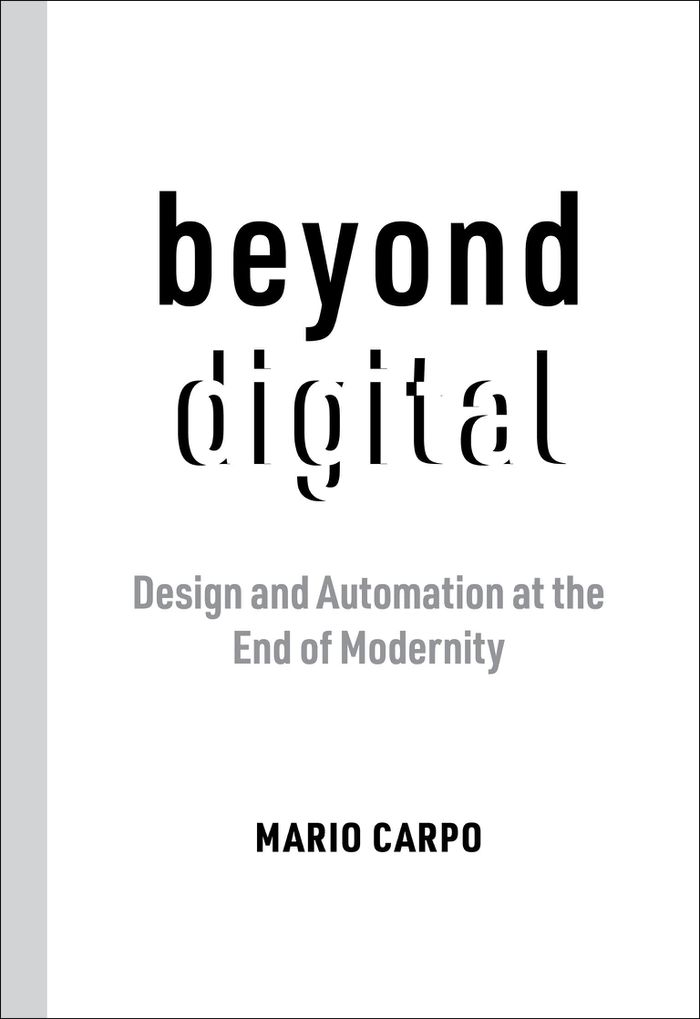
In this book, Mario Carpo reviews the long history of the computational mode of production, showing how the merger of robotic automation and artificial intelligence will stop and reverse the modernist quest for scale. Today's technologies already allow us to use nonstandard building materials as found, or as made, and assemble them in as many nonstandard, intelligent, adaptive ways as needed: the microfactories of our imminent future will be automated artisan shops.The post-industrial logic of computational manufacturing has been known and theorized for some time. By tracing its theoretical and technical sources, and reviewing the design theories that accompanied its rise, Carpo shows how the computational project is now being recast by the urgency of the climate crisis and by the global pandemic, which has tragically proven its viability. Looking at the work of a new generation of designers, technologists, and producers, this volume offers a new modern agenda for our post-industrial future.
Beyond digital: Design and automation at the end of modernity
Actions:
Price:
$39.95
(available to order)
Summary:
In this book, Mario Carpo reviews the long history of the computational mode of production, showing how the merger of robotic automation and artificial intelligence will stop and reverse the modernist quest for scale. Today's technologies already allow us to use nonstandard building materials as found, or as made, and assemble them in as many nonstandard, intelligent, adaptive ways as needed: the microfactories of our imminent future will be automated artisan shops.The post-industrial logic of computational manufacturing has been known and theorized for some time. By tracing its theoretical and technical sources, and reviewing the design theories that accompanied its rise, Carpo shows how the computational project is now being recast by the urgency of the climate crisis and by the global pandemic, which has tragically proven its viability. Looking at the work of a new generation of designers, technologists, and producers, this volume offers a new modern agenda for our post-industrial future.
Form:
books
books
Publication:
April 2023
April 2023
Subject:
Architectural Theory
Architectural Theory
Form:
books
books
Title:
Global environment history
Global environment history
Actions:
Price:
$55.00
(available to order)
Summary:
Examining this state of flux of both the natural environment and the living organisms that inhabit it, this book ranges from 10,000 BCE to the modern day to present an incredibly rich and deep time overview of how we have come to our current state of ecological crisis. A far-reaching approach that considers the truly global picture and recognizes the contributions of(...)
$55.00
(available to order)
Summary:
Examining this state of flux of both the natural environment and the living organisms that inhabit it, this book ranges from 10,000 BCE to the modern day to present an incredibly rich and deep time overview of how we have come to our current state of ecological crisis. A far-reaching approach that considers the truly global picture and recognizes the contributions of(...)
Title:
Global environment history
Actions:
Price:
$55.00
(available to order)
Summary:
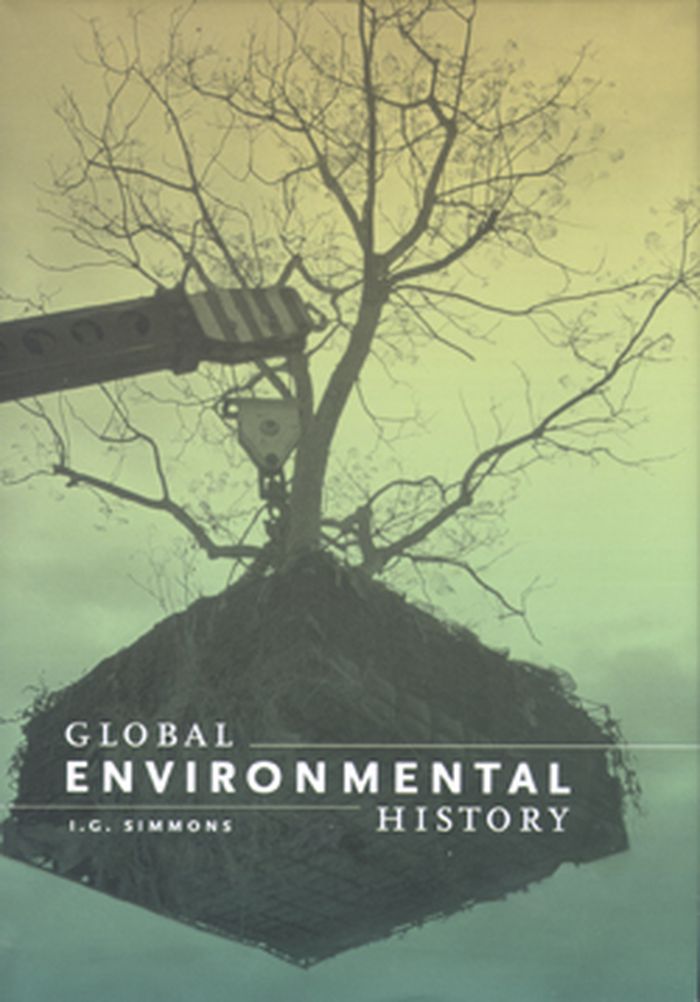
Examining this state of flux of both the natural environment and the living organisms that inhabit it, this book ranges from 10,000 BCE to the modern day to present an incredibly rich and deep time overview of how we have come to our current state of ecological crisis. A far-reaching approach that considers the truly global picture and recognizes the contributions of many disciplines — including the natural sciences, the social sciences, and increasingly, the humanities — this publication focuses not only on the material world but also on humans’ ideas about the planet and their place on it. Taking as his starting point the major phases of human technological evolution of the last 12,000 years, Simmons considers how these changes have affected the natural world and goes on to assess the response to conditions such as climate change. By putting today’s environmental preoccupations into a long-term perspective, Simmons reveals the history of some current anxieties.
Global environment history
Actions:
Price:
$55.00
(available to order)
Summary:
Examining this state of flux of both the natural environment and the living organisms that inhabit it, this book ranges from 10,000 BCE to the modern day to present an incredibly rich and deep time overview of how we have come to our current state of ecological crisis. A far-reaching approach that considers the truly global picture and recognizes the contributions of many disciplines — including the natural sciences, the social sciences, and increasingly, the humanities — this publication focuses not only on the material world but also on humans’ ideas about the planet and their place on it. Taking as his starting point the major phases of human technological evolution of the last 12,000 years, Simmons considers how these changes have affected the natural world and goes on to assess the response to conditions such as climate change. By putting today’s environmental preoccupations into a long-term perspective, Simmons reveals the history of some current anxieties.
Form:
books
books
Publication:
August 2008, Chicago, London
August 2008, Chicago, London
Subject:
Green Architecture
Green Architecture
Form:
books
books

Price:
$48.99
(available to order)
Summary:
''The common camp'' underscores the role of the camp as a spatial instrument employed for reshaping, controlling, and struggling over specific territories and populations. Focusing on the geopolitical complexity of Israel-Palestine and the dramatic changes it has experienced during the past century, this book explores the region's extensive networks of camps and their(...)
$48.99
(available to order)
Summary:
''The common camp'' underscores the role of the camp as a spatial instrument employed for reshaping, controlling, and struggling over specific territories and populations. Focusing on the geopolitical complexity of Israel-Palestine and the dramatic changes it has experienced during the past century, this book explores the region's extensive networks of camps and their(...)
Title:
The common camp: Architecture of power and resistance in Israel-Palestine
Actions:
Price:
$48.99
(available to order)
Summary:
''The common camp'' underscores the role of the camp as a spatial instrument employed for reshaping, controlling, and struggling over specific territories and populations. Focusing on the geopolitical complexity of Israel-Palestine and the dramatic changes it has experienced during the past century, this book explores the region's extensive networks of camps and their existence as both a tool of colonial power and a makeshift space of resistance. Examining various forms of camps devised by and for Zionist settlers, Palestinian refugees, asylum seekers, and other groups, Irit Katz demonstrates how the camp serves as a common thread in shaping lands and lives of subjects from across the political spectrum. Analyzing the architectural and political evolution of the camp as a modern instrument engaged by colonial and national powers (as well as those opposing them), Katz offers a unique perspective on the dynamics of Israel-Palestine, highlighting how spatial transience has become permanent in the ongoing story of this contested territory.
The common camp: Architecture of power and resistance in Israel-Palestine
Actions:
Price:
$48.99
(available to order)
Summary:
''The common camp'' underscores the role of the camp as a spatial instrument employed for reshaping, controlling, and struggling over specific territories and populations. Focusing on the geopolitical complexity of Israel-Palestine and the dramatic changes it has experienced during the past century, this book explores the region's extensive networks of camps and their existence as both a tool of colonial power and a makeshift space of resistance. Examining various forms of camps devised by and for Zionist settlers, Palestinian refugees, asylum seekers, and other groups, Irit Katz demonstrates how the camp serves as a common thread in shaping lands and lives of subjects from across the political spectrum. Analyzing the architectural and political evolution of the camp as a modern instrument engaged by colonial and national powers (as well as those opposing them), Katz offers a unique perspective on the dynamics of Israel-Palestine, highlighting how spatial transience has become permanent in the ongoing story of this contested territory.
Form:
books
books
Publication:
August 2022
August 2022
Subject:
Architectural Theory
Architectural Theory
Form:
books
books
Title:
Paris, capital of modernity
Paris, capital of modernity
Actions:
Price:
$58.95
(available to order)
Summary:
In Paris, capital of modernity, Harvey presents an account of the city in a remarkably turbulent era, framed by two failed revolutions. His key concern is how a new form of finance capitalism combined with a new type of planning vision to produce the prototypical modern city. Also, there are insights throughout about subjects such as the birth of the consumerist(...)
$58.95
(available to order)
Summary:
In Paris, capital of modernity, Harvey presents an account of the city in a remarkably turbulent era, framed by two failed revolutions. His key concern is how a new form of finance capitalism combined with a new type of planning vision to produce the prototypical modern city. Also, there are insights throughout about subjects such as the birth of the consumerist(...)
Title:
Paris, capital of modernity
Actions:
Price:
$58.95
(available to order)
Summary:
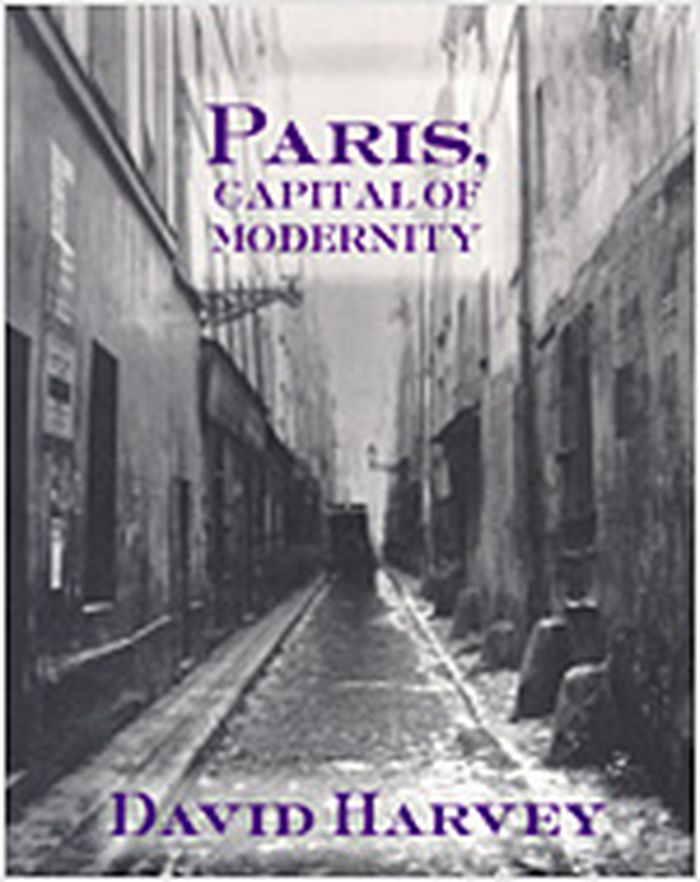
In Paris, capital of modernity, Harvey presents an account of the city in a remarkably turbulent era, framed by two failed revolutions. His key concern is how a new form of finance capitalism combined with a new type of planning vision to produce the prototypical modern city. Also, there are insights throughout about subjects such as the birth of the consumerist spectacle on the Parisian boulevards; the creative visions of Balzac, Baudelaire, and Zola; and the reactionary cultural politics of the bombastic Sacré Coeur, the Catholic monument erected to efface all memory of the revolutionary Paris Commune that arose briefly when the empire collapsed.
Paris, capital of modernity
Actions:
Price:
$58.95
(available to order)
Summary:
In Paris, capital of modernity, Harvey presents an account of the city in a remarkably turbulent era, framed by two failed revolutions. His key concern is how a new form of finance capitalism combined with a new type of planning vision to produce the prototypical modern city. Also, there are insights throughout about subjects such as the birth of the consumerist spectacle on the Parisian boulevards; the creative visions of Balzac, Baudelaire, and Zola; and the reactionary cultural politics of the bombastic Sacré Coeur, the Catholic monument erected to efface all memory of the revolutionary Paris Commune that arose briefly when the empire collapsed.
Form:
books
books
Publication:
November 2005, New York
November 2005, New York
Subject:
History until 1900, France
History until 1900, France


