


2504 Results
Form:
books
books
Actions:
Price:
$178.50
(available to order)
Summary:
Tower and Slab looks at the contradictory history of the modernist mass housing block - home to millions of city dwellers around the world. Few urban forms have roused as much controversy. While in the United States decades-long criticism caused the demolition of most mass housing projects for the poor, in the booming metropolises of Shanghai and Mumbai remarkably similar(...)
$178.50
(available to order)
Summary:
Tower and Slab looks at the contradictory history of the modernist mass housing block - home to millions of city dwellers around the world. Few urban forms have roused as much controversy. While in the United States decades-long criticism caused the demolition of most mass housing projects for the poor, in the booming metropolises of Shanghai and Mumbai remarkably similar(...)
Title:
Tower and slab : histories of global mass housing
Actions:
Price:
$178.50
(available to order)
Summary:
Tower and Slab looks at the contradictory history of the modernist mass housing block - home to millions of city dwellers around the world. Few urban forms have roused as much controversy. While in the United States decades-long criticism caused the demolition of most mass housing projects for the poor, in the booming metropolises of Shanghai and Mumbai remarkably similar developments are being built for the wealthy middle class. While on the surface the modernist apartment block appears universal, it is in fact diverse in its significance and connotations as its many different cultural contexts. Florian Urban studies the history of mass housing in seven narratives: Chicago, Paris, Berlin, Brasilia, Mumbai, Moscow, and Shanghai. Investigating the complex interactions between city planning and social history, Tower and Slab shows how the modernist vision to house the masses in serial blocks succeeded in certain contexts and failed in others. Success and failure, in this respect, refers not only to the original goals to solve the housing crisis and provide modern standards for the entire society but equally to changing significance of the housing blocks within the respective societies and their perception by architects, politicians, and inhabitants.
Tower and slab : histories of global mass housing
Actions:
Price:
$178.50
(available to order)
Summary:
Tower and Slab looks at the contradictory history of the modernist mass housing block - home to millions of city dwellers around the world. Few urban forms have roused as much controversy. While in the United States decades-long criticism caused the demolition of most mass housing projects for the poor, in the booming metropolises of Shanghai and Mumbai remarkably similar developments are being built for the wealthy middle class. While on the surface the modernist apartment block appears universal, it is in fact diverse in its significance and connotations as its many different cultural contexts. Florian Urban studies the history of mass housing in seven narratives: Chicago, Paris, Berlin, Brasilia, Mumbai, Moscow, and Shanghai. Investigating the complex interactions between city planning and social history, Tower and Slab shows how the modernist vision to house the masses in serial blocks succeeded in certain contexts and failed in others. Success and failure, in this respect, refers not only to the original goals to solve the housing crisis and provide modern standards for the entire society but equally to changing significance of the housing blocks within the respective societies and their perception by architects, politicians, and inhabitants.
Form:
books
books
Publication:
April 2012
April 2012
Subject:
Collective Housing
Collective Housing
Form:
books
books
Price:
$45.00
(available to order)
Summary:
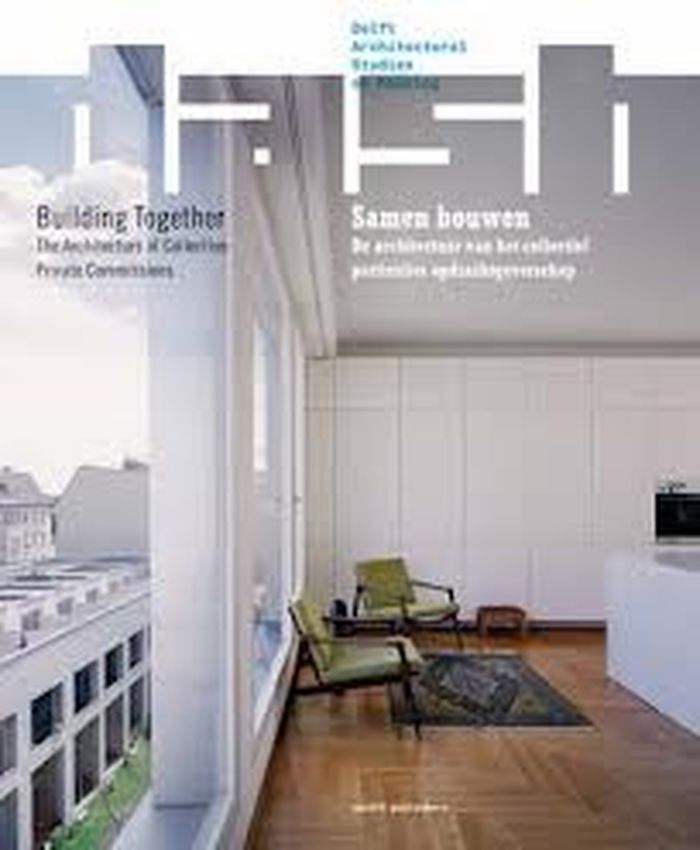
Collective commissions are not a new phenomenon in the Netherlands. While in the twentieth century these were mainly idealistic, small-scale initiatives like communes, today motivations are also economic. 'DASH' presents contemporary and historic examples of projects developed under collective commissions, in the Hetherlands and beyond.
$45.00
(available to order)
Summary:
Collective commissions are not a new phenomenon in the Netherlands. While in the twentieth century these were mainly idealistic, small-scale initiatives like communes, today motivations are also economic. 'DASH' presents contemporary and historic examples of projects developed under collective commissions, in the Hetherlands and beyond.
Title:
Building together: the architecture of collective private commissions
Actions:
Price:
$45.00
(available to order)
Summary:
Collective commissions are not a new phenomenon in the Netherlands. While in the twentieth century these were mainly idealistic, small-scale initiatives like communes, today motivations are also economic. 'DASH' presents contemporary and historic examples of projects developed under collective commissions, in the Hetherlands and beyond.
Building together: the architecture of collective private commissions
Actions:
Price:
$45.00
(available to order)
Summary:
Collective commissions are not a new phenomenon in the Netherlands. While in the twentieth century these were mainly idealistic, small-scale initiatives like communes, today motivations are also economic. 'DASH' presents contemporary and historic examples of projects developed under collective commissions, in the Hetherlands and beyond.
Form:
books
books
Publication:
November 2012
November 2012
Subject:
Collective Housing
Collective Housing
Form:
books
books
Actions:
Price:
$25.00
(available to order)
Summary:
Most consumer products come primarily from the Pearl River Delta, the "factory of the world" with the largest industrial region on earth. The delta has attracted millions of poor rural residents to settle in factory towns in hopes for a better life. Factory Towns of South China opens a window on these walled compounds, exposing the gritty establishments, crowded(...)
$25.00
(available to order)
Summary:
Most consumer products come primarily from the Pearl River Delta, the "factory of the world" with the largest industrial region on earth. The delta has attracted millions of poor rural residents to settle in factory towns in hopes for a better life. Factory Towns of South China opens a window on these walled compounds, exposing the gritty establishments, crowded(...)
Title:
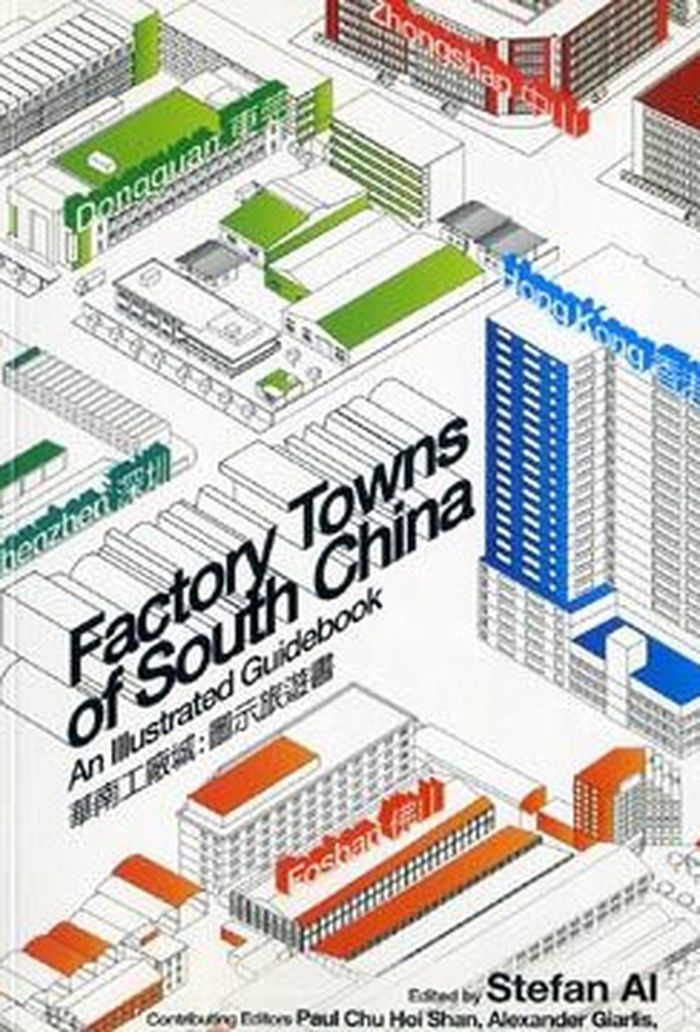
Factory towns of South China: an illustrated guidebook
Actions:
Price:
$25.00
(available to order)
Summary:
Most consumer products come primarily from the Pearl River Delta, the "factory of the world" with the largest industrial region on earth. The delta has attracted millions of poor rural residents to settle in factory towns in hopes for a better life. Factory Towns of South China opens a window on these walled compounds, exposing the gritty establishments, crowded dormitories and monotonous labor carried out by workers. Some function as self-contained cities, with their own fire brigade, hospital, bank, TV station and as many as half a million workers living within the compounds. Other factories are scattered in larger villages to mask their existence and evade governmental crackdowns on the production of fake consumer goods and illegal casino machines.
Factory towns of South China: an illustrated guidebook
Actions:
Price:
$25.00
(available to order)
Summary:
Most consumer products come primarily from the Pearl River Delta, the "factory of the world" with the largest industrial region on earth. The delta has attracted millions of poor rural residents to settle in factory towns in hopes for a better life. Factory Towns of South China opens a window on these walled compounds, exposing the gritty establishments, crowded dormitories and monotonous labor carried out by workers. Some function as self-contained cities, with their own fire brigade, hospital, bank, TV station and as many as half a million workers living within the compounds. Other factories are scattered in larger villages to mask their existence and evade governmental crackdowns on the production of fake consumer goods and illegal casino machines.
Form:
books
books
Publication:
September 2012
September 2012
Subject:
Collective Housing
Collective Housing
Form:
books
books

Actions:
Price:
$53.95
(available to order)
Summary:
Offering a detailed history on Slovakian architecture, this analysis covers the social, economic, and urban contexts of housing estate construction within the city of Bratislava. The book focuses upon the second half of the 20th century, individually analyzing each prefabricated residential estate in terms of its urban structure, architectural aspects, and balance between(...)
$53.95
(available to order)
Summary:
Offering a detailed history on Slovakian architecture, this analysis covers the social, economic, and urban contexts of housing estate construction within the city of Bratislava. The book focuses upon the second half of the 20th century, individually analyzing each prefabricated residential estate in terms of its urban structure, architectural aspects, and balance between(...)
Title:
Bratislava : atlas of mass housing
Actions:
Price:
$53.95
(available to order)
Summary:
Offering a detailed history on Slovakian architecture, this analysis covers the social, economic, and urban contexts of housing estate construction within the city of Bratislava. The book focuses upon the second half of the 20th century, individually analyzing each prefabricated residential estate in terms of its urban structure, architectural aspects, and balance between built-up and free areas. Featuring an array of illustrations, this examination also includes unique maps of each location, drawings of apartment buildings and standardized public facilities, and a selection of historic photographs. Written in English & Polish.
Bratislava : atlas of mass housing
Actions:
Price:
$53.95
(available to order)
Summary:
Offering a detailed history on Slovakian architecture, this analysis covers the social, economic, and urban contexts of housing estate construction within the city of Bratislava. The book focuses upon the second half of the 20th century, individually analyzing each prefabricated residential estate in terms of its urban structure, architectural aspects, and balance between built-up and free areas. Featuring an array of illustrations, this examination also includes unique maps of each location, drawings of apartment buildings and standardized public facilities, and a selection of historic photographs. Written in English & Polish.
Form:
books
books
Publication:
November 2012
November 2012
Subject:
Collective Housing
Collective Housing
Form:
books
books
Price:
$66.95
(available to order)
Summary:
In The Dutch Urban Block, Susanne Komossa uses typomorphological research to analyse the development of the Dutch urban block as an architectural model for the past four hundred years. The urban block is the link between city dwellers' everyday lives and the urban public realm. This amply documented study calls for the small-scale urban economy and the public realm to be(...)
$66.95
(available to order)
Summary:
In The Dutch Urban Block, Susanne Komossa uses typomorphological research to analyse the development of the Dutch urban block as an architectural model for the past four hundred years. The urban block is the link between city dwellers' everyday lives and the urban public realm. This amply documented study calls for the small-scale urban economy and the public realm to be(...)
Title:
The Dutch urban block and the public realm: Models rules ideals
Actions:
Price:
$66.95
(available to order)
Summary:
In The Dutch Urban Block, Susanne Komossa uses typomorphological research to analyse the development of the Dutch urban block as an architectural model for the past four hundred years. The urban block is the link between city dwellers' everyday lives and the urban public realm. This amply documented study calls for the small-scale urban economy and the public realm to be treated as essential components of the city when new urban plans and models are developed.
The Dutch urban block and the public realm: Models rules ideals
Actions:
Price:
$66.95
(available to order)
Summary:
In The Dutch Urban Block, Susanne Komossa uses typomorphological research to analyse the development of the Dutch urban block as an architectural model for the past four hundred years. The urban block is the link between city dwellers' everyday lives and the urban public realm. This amply documented study calls for the small-scale urban economy and the public realm to be treated as essential components of the city when new urban plans and models are developed.
Form:
books
books
Publication:
February 2011
February 2011
Subject:
Collective Housing
Collective Housing
Form:
books
books
Actions:
Price:
$80.00
(available in store)
Summary:
Presents the results of the research of the AA´s graduate Design Research Lab (DRL), and with it constructs a generative view of space and structure and the exploration of behaviour-based models of living through patterns found in nature.
$80.00
(available in store)
Summary:
Presents the results of the research of the AA´s graduate Design Research Lab (DRL), and with it constructs a generative view of space and structure and the exploration of behaviour-based models of living through patterns found in nature.
Title:
Adaptive ecologies : correlated systems of living
Actions:
Price:
$80.00
(available in store)
Summary:
Presents the results of the research of the AA´s graduate Design Research Lab (DRL), and with it constructs a generative view of space and structure and the exploration of behaviour-based models of living through patterns found in nature.
Adaptive ecologies : correlated systems of living
Actions:
Price:
$80.00
(available in store)
Summary:
Presents the results of the research of the AA´s graduate Design Research Lab (DRL), and with it constructs a generative view of space and structure and the exploration of behaviour-based models of living through patterns found in nature.
Form:
books
books
Publication:
June 2011
June 2011
Subject:
Collective Housing
Collective Housing
Form:
books
books
Title:
HB2: Housing density
HB2: Housing density
Actions:
Price:
$54.95
(available to order)
Summary:
Housing Density Housing construction for the greatest number is an indicator of the social character of a society. Most people want to live in a single-family house. Is it possible to realize the qualities of single-family housing in high-density construction? Almost 400 students of the Vienna University of Technology worked on this topic in the course of a design(...)
$54.95
(available to order)
Summary:
Housing Density Housing construction for the greatest number is an indicator of the social character of a society. Most people want to live in a single-family house. Is it possible to realize the qualities of single-family housing in high-density construction? Almost 400 students of the Vienna University of Technology worked on this topic in the course of a design(...)
Title:
HB2: Housing density
Actions:
Price:
$54.95
(available to order)
Summary:
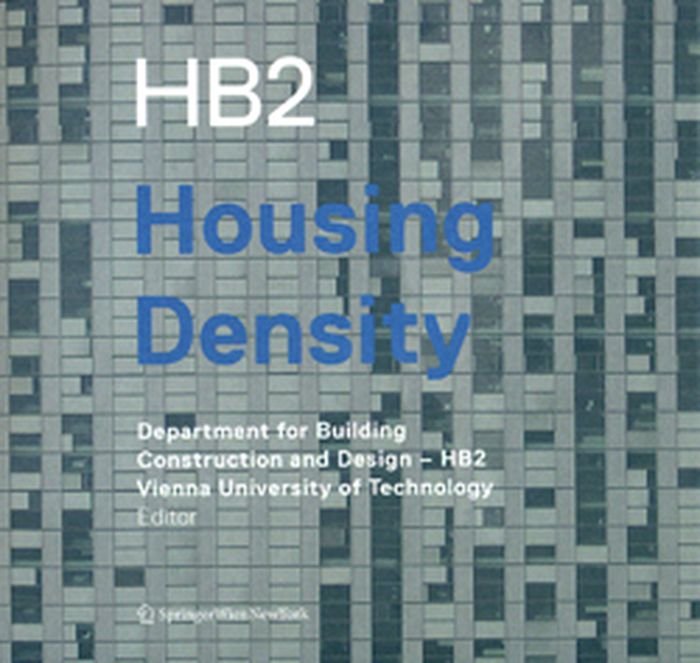
Housing Density Housing construction for the greatest number is an indicator of the social character of a society. Most people want to live in a single-family house. Is it possible to realize the qualities of single-family housing in high-density construction? Almost 400 students of the Vienna University of Technology worked on this topic in the course of a design studio and – supervised by fourteen renowned Austrian architects – developed housing construction projects of various densities and environments. Selected works indicate the direction, but also the limits (of growth). With contributions by Silvia Boday, Marlies Breuss, Eva Ceška, Maria Flöckner, Susanne Fritzer, Katharina Fröch, Kinayeh Geiswinkler-Aziz, Gerda Maria Gerner, Feria Gharakhanzadeh, Adele Gindlstrasser, Ulrike Hausdorf, Franziska Orso, Ursula Schneider and Martina Schöberl.Two interviews with Harry Glück and Roland Rainer, conducted by Gerhard Steixner and Maria Welzig, introduce this topic to the reader by documenting contrasting concepts of horizontal and vertical densification in housing construction.
HB2: Housing density
Actions:
Price:
$54.95
(available to order)
Summary:
Housing Density Housing construction for the greatest number is an indicator of the social character of a society. Most people want to live in a single-family house. Is it possible to realize the qualities of single-family housing in high-density construction? Almost 400 students of the Vienna University of Technology worked on this topic in the course of a design studio and – supervised by fourteen renowned Austrian architects – developed housing construction projects of various densities and environments. Selected works indicate the direction, but also the limits (of growth). With contributions by Silvia Boday, Marlies Breuss, Eva Ceška, Maria Flöckner, Susanne Fritzer, Katharina Fröch, Kinayeh Geiswinkler-Aziz, Gerda Maria Gerner, Feria Gharakhanzadeh, Adele Gindlstrasser, Ulrike Hausdorf, Franziska Orso, Ursula Schneider and Martina Schöberl.Two interviews with Harry Glück and Roland Rainer, conducted by Gerhard Steixner and Maria Welzig, introduce this topic to the reader by documenting contrasting concepts of horizontal and vertical densification in housing construction.
Form:
books
books
Publication:
April 2011
April 2011
Subject:
Collective Housing
Collective Housing
Form:
books
books
Actions:
Price:
$79.95
(available to order)
Summary:
Our home is now in the city which is compacted and mixed up, which grows inwards and is renewed. We are returning to the historic city, to the modern city, to the post-industrial city, we are re-densifying the expansive city of the last decade. We are regenerating the narrow plots of the medieval urban grids, the 19th century urban extensions and the new-old cities of the(...)
$79.95
(available to order)
Summary:
Our home is now in the city which is compacted and mixed up, which grows inwards and is renewed. We are returning to the historic city, to the modern city, to the post-industrial city, we are re-densifying the expansive city of the last decade. We are regenerating the narrow plots of the medieval urban grids, the 19th century urban extensions and the new-old cities of the(...)
Title:
Density is home: housing by a+t research group
Actions:
Price:
$79.95
(available to order)
Summary:
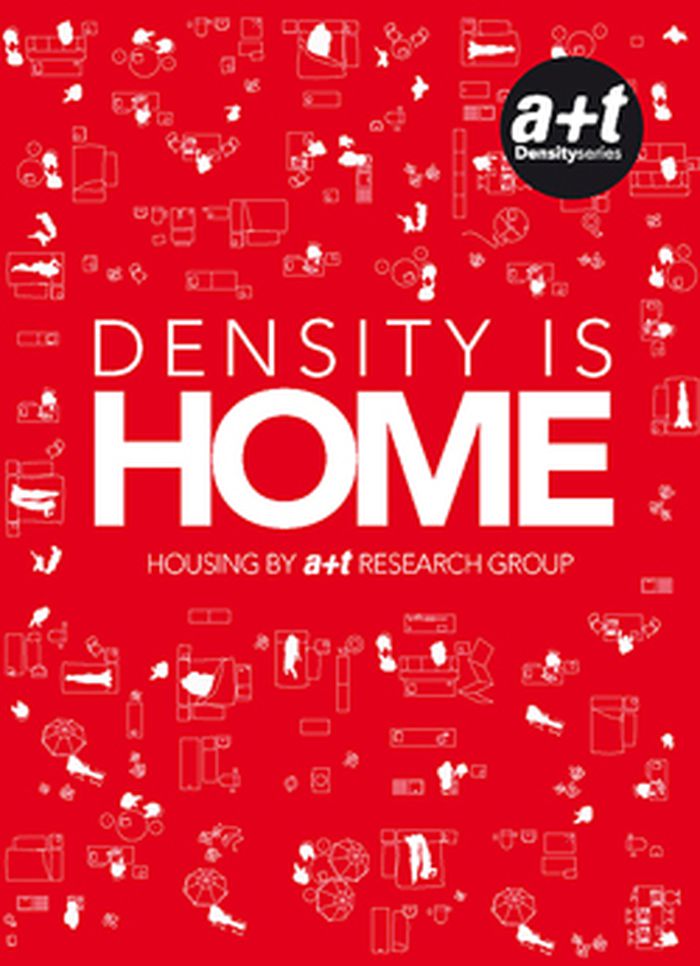
Our home is now in the city which is compacted and mixed up, which grows inwards and is renewed. We are returning to the historic city, to the modern city, to the post-industrial city, we are re-densifying the expansive city of the last decade. We are regenerating the narrow plots of the medieval urban grids, the 19th century urban extensions and the new-old cities of the 60s. We are returning to the built-up city driven by the need to save on resources, but this return cannot be a reluctant one. Density is Home echoes these types of city -dispersed, expansive, modern, the core of the city and the recycled city- through 37 projects on collective housing. 14 case studies have been extracted among them in order to analyze the desirable home.
Density is home: housing by a+t research group
Actions:
Price:
$79.95
(available to order)
Summary:
Our home is now in the city which is compacted and mixed up, which grows inwards and is renewed. We are returning to the historic city, to the modern city, to the post-industrial city, we are re-densifying the expansive city of the last decade. We are regenerating the narrow plots of the medieval urban grids, the 19th century urban extensions and the new-old cities of the 60s. We are returning to the built-up city driven by the need to save on resources, but this return cannot be a reluctant one. Density is Home echoes these types of city -dispersed, expansive, modern, the core of the city and the recycled city- through 37 projects on collective housing. 14 case studies have been extracted among them in order to analyze the desirable home.
Form:
books
books
Publication:
June 2011
June 2011
Subject:
Collective Housing
Collective Housing
Form:
books
books
Actions:
Price:
$35.00
(available to order)
Summary:
Forecolosed: Rehousing the American Dream is an exploration of new architectural possibilities for American cities and suburbs in the aftermath of the recent foreclosure crisis in the United States. During the summer of 2011, five interdisciplinary teams of architects, urban planners, ecologists, engineers and landscape designers were enlisted by The Museum of Modern(...)
$35.00
(available to order)
Summary:
Forecolosed: Rehousing the American Dream is an exploration of new architectural possibilities for American cities and suburbs in the aftermath of the recent foreclosure crisis in the United States. During the summer of 2011, five interdisciplinary teams of architects, urban planners, ecologists, engineers and landscape designers were enlisted by The Museum of Modern(...)
Title:
Foreclosed: rehousing the American dream
Actions:
Price:
$35.00
(available to order)
Summary:
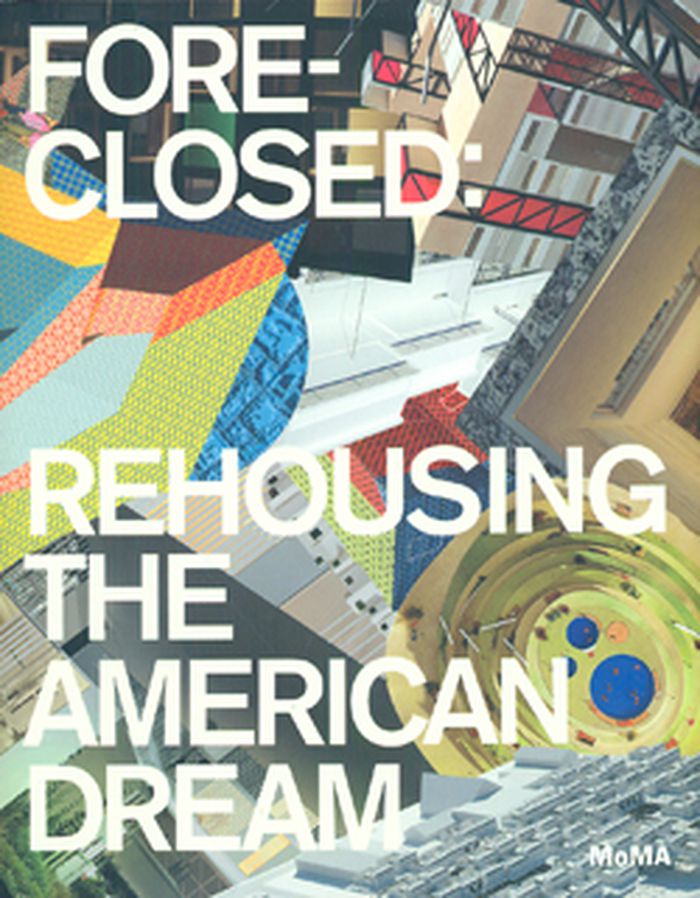
Forecolosed: Rehousing the American Dream is an exploration of new architectural possibilities for American cities and suburbs in the aftermath of the recent foreclosure crisis in the United States. During the summer of 2011, five interdisciplinary teams of architects, urban planners, ecologists, engineers and landscape designers were enlisted by The Museum of Modern Art, New York, and MoMA PS1 to envision new housing infrastructures that could catalyze urban transformation, particularly in the country’s suburbs. Drawing on ideas proposed in The Buell Hypothesis, a research publication prepared by the Temple Hoyne Buell Center for the Study of American Architecture at Columbia University, each team focused on a specific location within a “megaregion” to come up with inventive solutions for the future of housing and cities. This publication presents each of these proposals (exhibited at MoMA in Spring 2012) in detail, through photographs, drawings and renderings as well as interviews with the team leaders. Foreclosedexamines the relationship between land, infrastructure and urban form, exploring potential futures for America’s extended metropolises.
Foreclosed: rehousing the American dream
Actions:
Price:
$35.00
(available to order)
Summary:
Forecolosed: Rehousing the American Dream is an exploration of new architectural possibilities for American cities and suburbs in the aftermath of the recent foreclosure crisis in the United States. During the summer of 2011, five interdisciplinary teams of architects, urban planners, ecologists, engineers and landscape designers were enlisted by The Museum of Modern Art, New York, and MoMA PS1 to envision new housing infrastructures that could catalyze urban transformation, particularly in the country’s suburbs. Drawing on ideas proposed in The Buell Hypothesis, a research publication prepared by the Temple Hoyne Buell Center for the Study of American Architecture at Columbia University, each team focused on a specific location within a “megaregion” to come up with inventive solutions for the future of housing and cities. This publication presents each of these proposals (exhibited at MoMA in Spring 2012) in detail, through photographs, drawings and renderings as well as interviews with the team leaders. Foreclosedexamines the relationship between land, infrastructure and urban form, exploring potential futures for America’s extended metropolises.
Form:
books
books
Publication:
March 2012
March 2012
Subject:
Collective Housing
Collective Housing
Form:
books
books
Price:
$45.00
(available to order)
Summary:
Addressing East Asia’s rapid urban transformation, The Vertical Village looks at radical alternatives to the familiar standardized block architecture that has eradicated low-rise, “lighter” varieties of architecture, such as the Hutong in Beijing, Tokyo’s wooden house and the villages of Singapore. These “urban villages” have fostered a connected community living instead(...)
$45.00
(available to order)
Summary:
Addressing East Asia’s rapid urban transformation, The Vertical Village looks at radical alternatives to the familiar standardized block architecture that has eradicated low-rise, “lighter” varieties of architecture, such as the Hutong in Beijing, Tokyo’s wooden house and the villages of Singapore. These “urban villages” have fostered a connected community living instead(...)
Title:
The vertical village: individual, informal, intense. The Why factory
Actions:
Price:
$45.00
(available to order)
Summary:
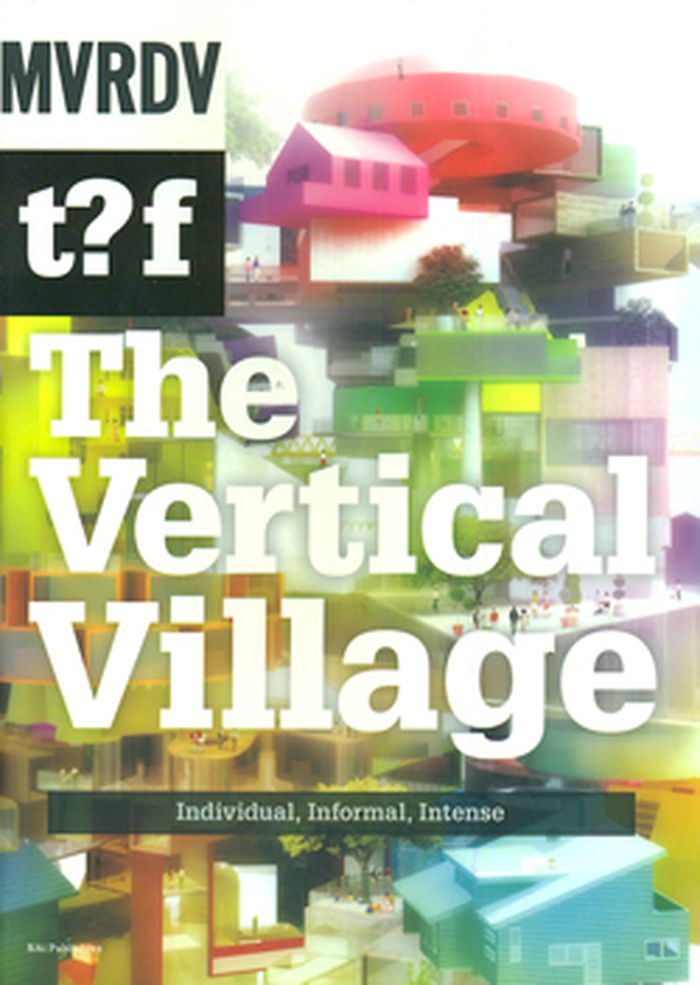
Addressing East Asia’s rapid urban transformation, The Vertical Village looks at radical alternatives to the familiar standardized block architecture that has eradicated low-rise, “lighter” varieties of architecture, such as the Hutong in Beijing, Tokyo’s wooden house and the villages of Singapore. These “urban villages” have fostered a connected community living instead of isolating citizens in tower blocks. This volume, the latest publication from The Why Factory, attempts to reconcile the two models, proposing a contemporary “vertical village” that restores neighborhood life to East Asian--and perhaps western--civic centers. It features innovative designs for high-rise structures, detailed case studies for Tokyo, Beijing, Shanghai, Taipei, Djakarta, Seoul and Bangkok, plus interviews with Winy Maas, Alfredo Brillemburg, Hubert Klumpner, Lieven De Cauter, Peter Trummer and families living in Taipei (where the originating Why Factory exhibition was held).
The vertical village: individual, informal, intense. The Why factory
Actions:
Price:
$45.00
(available to order)
Summary:
Addressing East Asia’s rapid urban transformation, The Vertical Village looks at radical alternatives to the familiar standardized block architecture that has eradicated low-rise, “lighter” varieties of architecture, such as the Hutong in Beijing, Tokyo’s wooden house and the villages of Singapore. These “urban villages” have fostered a connected community living instead of isolating citizens in tower blocks. This volume, the latest publication from The Why Factory, attempts to reconcile the two models, proposing a contemporary “vertical village” that restores neighborhood life to East Asian--and perhaps western--civic centers. It features innovative designs for high-rise structures, detailed case studies for Tokyo, Beijing, Shanghai, Taipei, Djakarta, Seoul and Bangkok, plus interviews with Winy Maas, Alfredo Brillemburg, Hubert Klumpner, Lieven De Cauter, Peter Trummer and families living in Taipei (where the originating Why Factory exhibition was held).
Form:
books
books
Publication:
March 2012
March 2012
Subject:
Collective Housing
Collective Housing


